

Lac Seul: Building Trust, One Bay at a Time
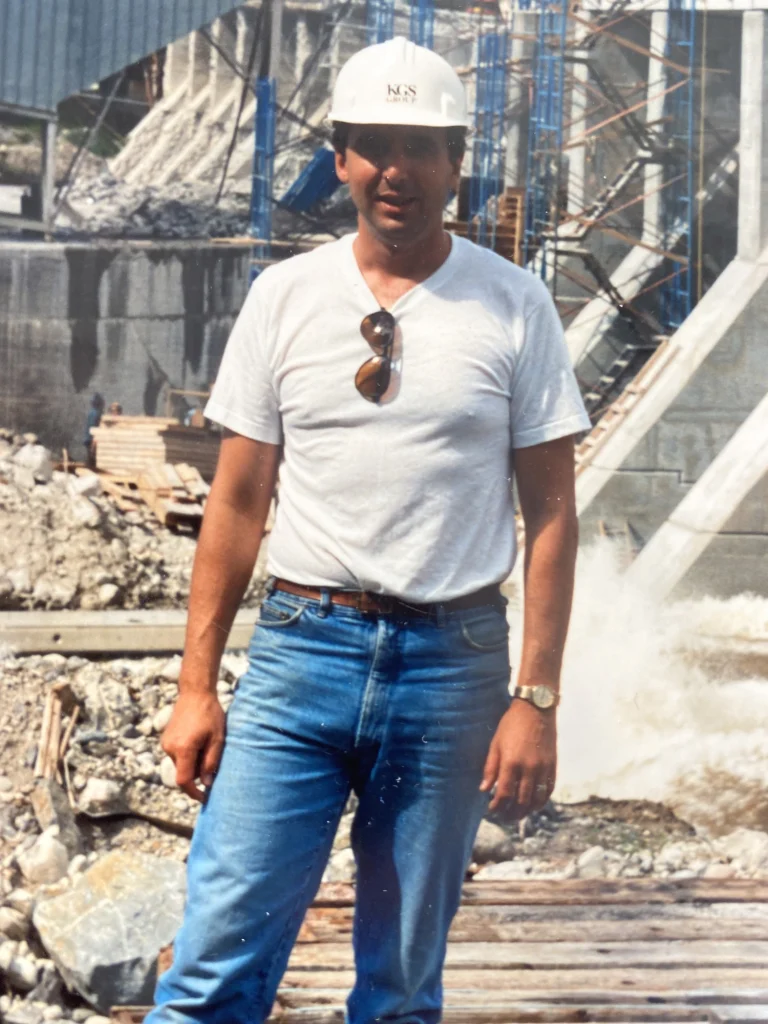
It was the winter of 1990 when Rob Kenyon travelled to Lac Seul, and KGS Group was still making a name for itself.
For Rob, hired the winter prior as Senior Geotechnical Engineer, working on large projects felt familiar. For KGS Group, it was an opportunity for a small, recently established firm to showcase its capabilities to the world.
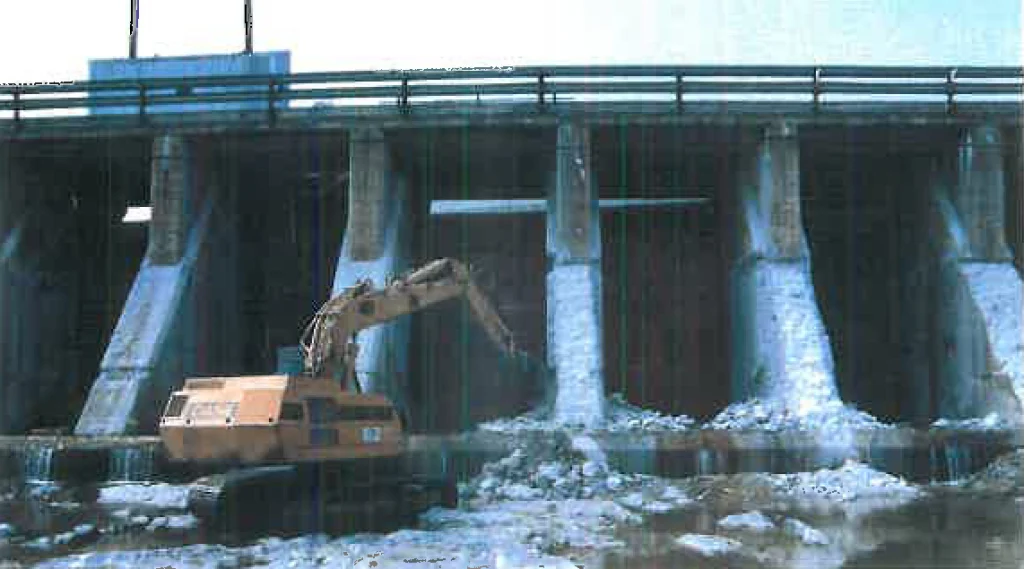
The Lac Seul Dam, part of the Ear Falls Generating Station, is a powerhouse and headworks dam and spillway control structure on the Winnipeg River system. It was jointly administered by Ontario Hydro (now Ontario Power Generation), Manitoba Hydro, Winnipeg Hydro (later merged with Manitoba Hydro), Ontario Ministry of Natural Resources and Ontario Ministry of Transportation.
The structure, built in the 1930s, was declining due to time and the environment. The dam’s deck was a highway crossing up to the mid 1980s, and years of roadway salt exposure had deteriorated its concrete.
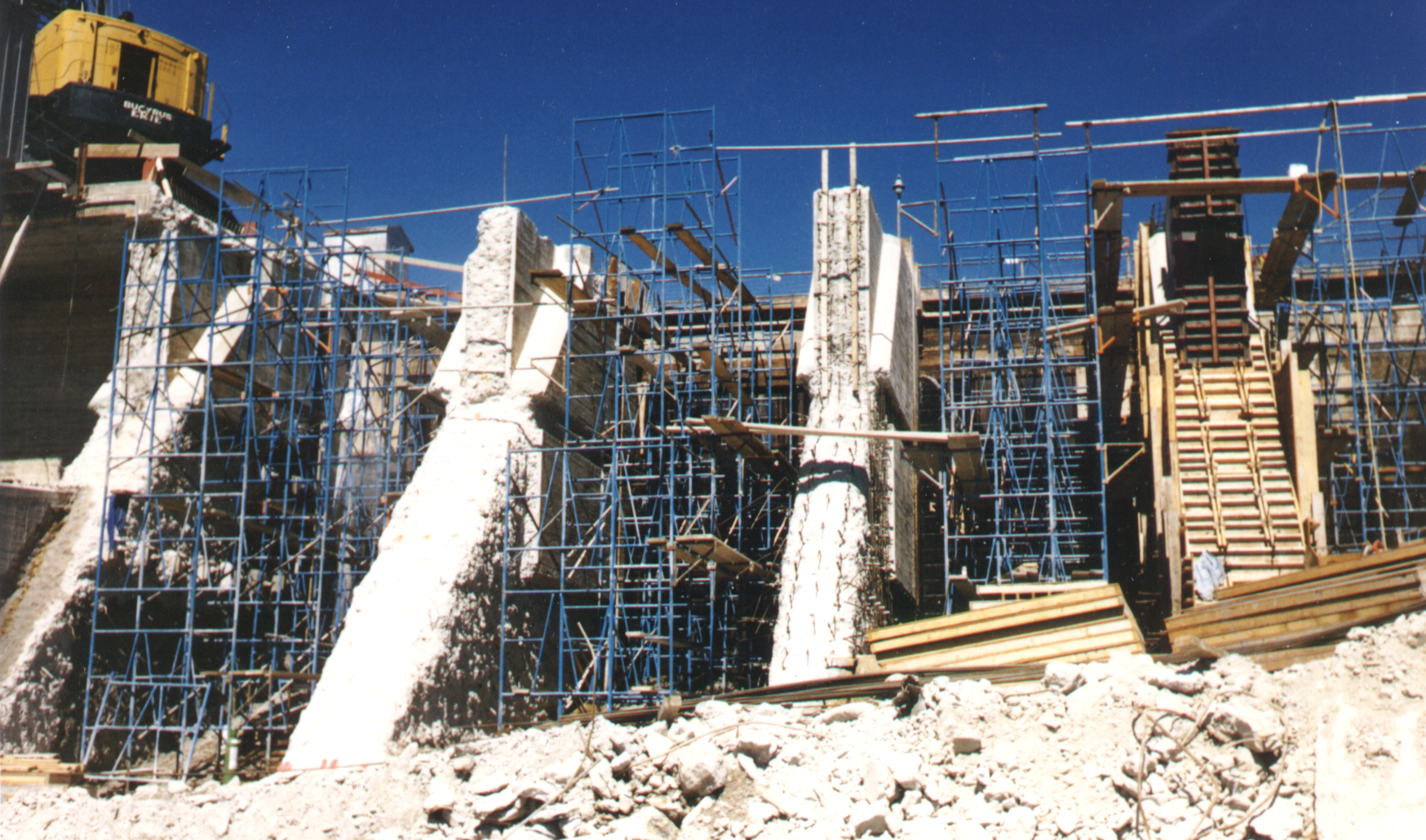
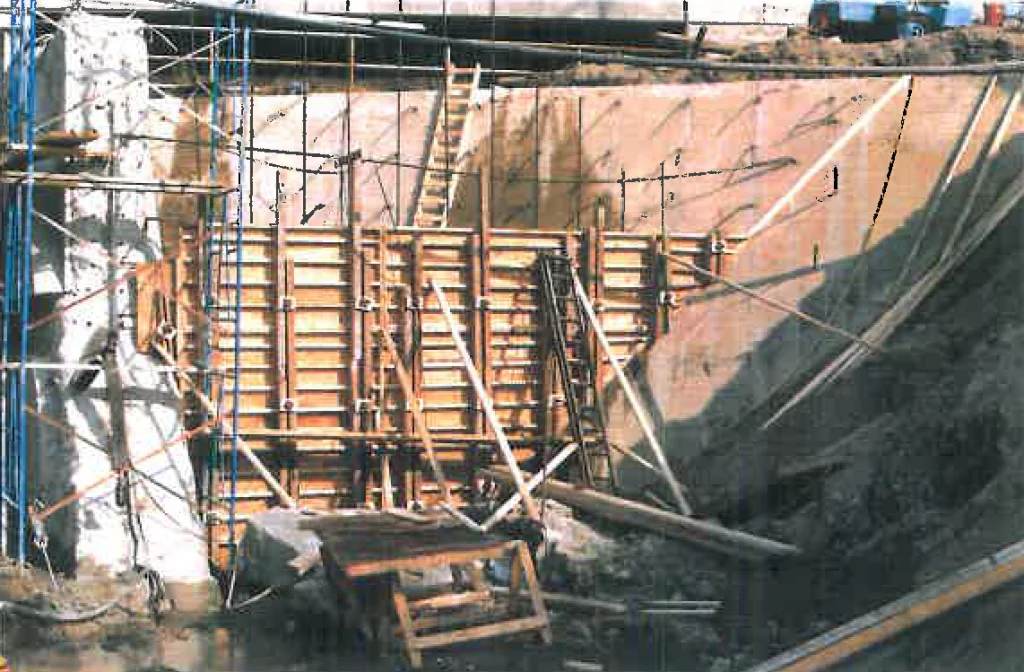
The rehabilitation of the structure required solid engineering expertise, careful planning and effective control of the construction work. “We had to take off the road deck, and we were mapping and demolishing the weathered and salt-affected concrete,” said Rob, who served as the Resident Engineer for the project execution. “Pier by pier, bay by bay.”
Twenty bays to be exact, eight for the powerhouse intake and 12 for the spillway structure, each roughly 75 feet tall. Each bay was assessed, repaired and rebuilt, all while keeping the dam in service. A maximum of four spillway bays could be taken out of service at a time to enable Ontario Hydro and the Lake of the Woods Control Board to maintain spillway capacity. Something that required careful sequencing, robust temporary works and absolute confidence in design.
The temporary works at the intake and west abutment gravity dam, one of the project’s most effective solutions, were conceived by Helmut Graumann and former KGS employee, Jim Wedgewood.
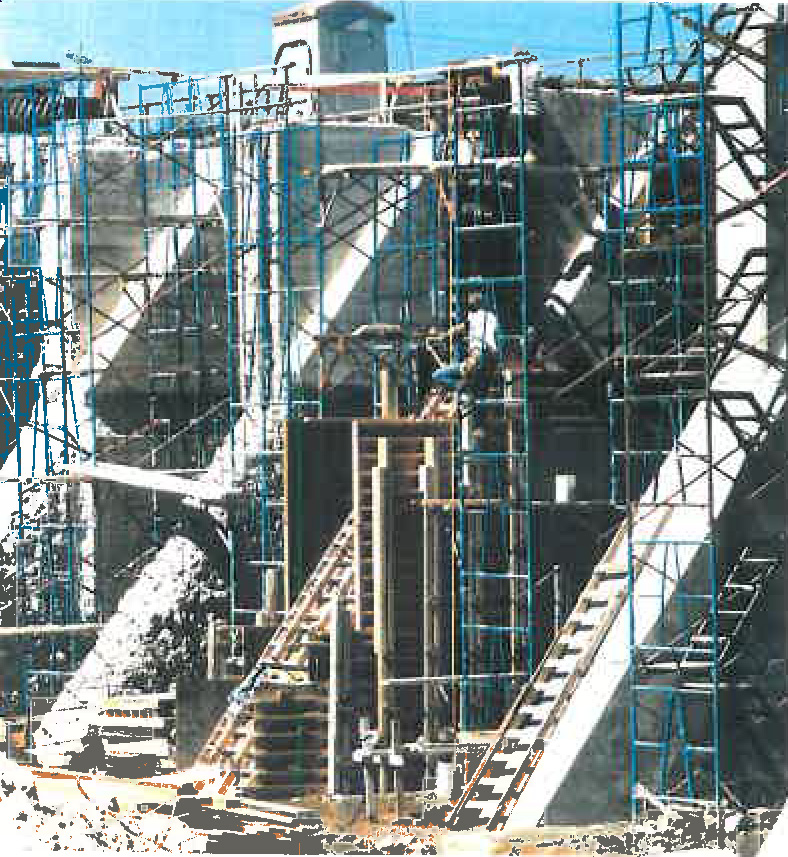
“They employed a simple moveable cofferdam system that isolated individual bays,” notes Rob. “Once put in place, water pressure sealed the system against the concrete face and piers, allowing crews to work in the dry, demolish weathered concrete surfaces, and rebuild structural elements. The intake work also included supply of new sectional bulkhead gates designed by Demetrios Kontzamanis.
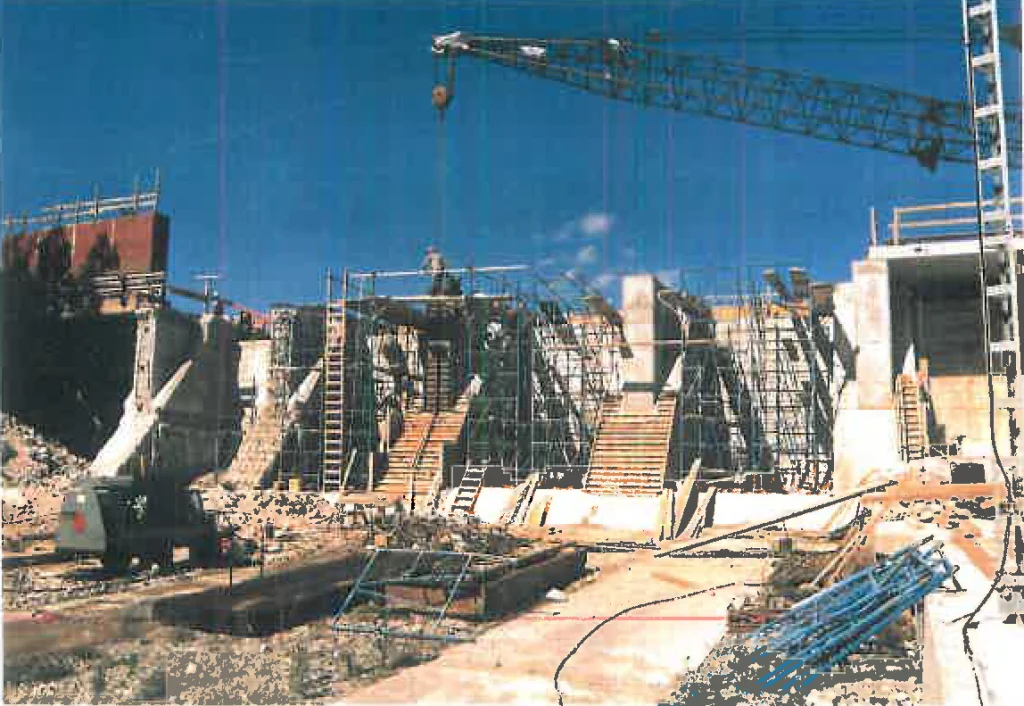
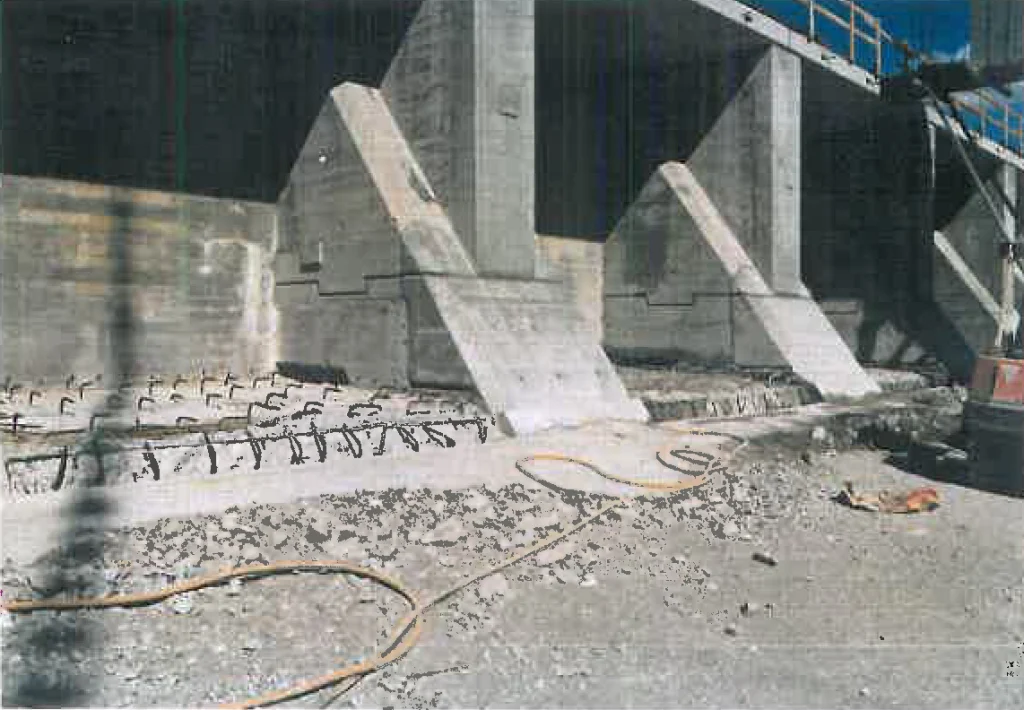
Rob recalls that spillway pier repairs were completed behind existing spillway stoplogs, including pier reconstruction, upgrading of stoplog guides and sill beams, and anchoring of the spillway base slabs. Earlier chemical grouting of the foundation, designed and directed by Bert Smith had minimized seepage through the headworks foundations.
Our Founders designed and tendered this project the year before Rob got involved. The entire KGS team, consisting of six engineers and support staff at the time, was overjoyed when they were awarded the project in 1987 after being up against the five largest hydropower consultants in Canada. Their expertise and confidence paid off; the project proceeded with few surprises, on time and on budget, a rare outcome for a project of this scale and complexity.
For Rob, the experience reinforced the importance of clear design thinking and adaptability in the field. “We didn’t go in knowing all the answers,” he recalls, “but we knew we could figure them out. I could work without fear, because I knew the team was supporting me.”
When the project was completed, its impact on KGS Group extended beyond the project timeline itself. It provided financial stability for a young company just starting out, credibility and proof that we could deliver a major project for a reputable client. Our work on this project led to further dam rehabilitation and hydroelectric work across the country. It also established our relationship with several major hydro utilities, which remain amongst our largest clients today.
Nearly four decades later, the work done on Lac Seul stands as one of our foundational achievements. It has withstood the test of time, as a project that helped shape how we approach complex engineering work on high-risk infrastructure. While a relatively small project compared to today’s standards, Lac Seul set a trajectory in motion that, only a few years later, would see those same engineers called upon to protect entire communities from flooding at an unprecedented scale.
That story begins downstream.