Join us at the 2026 CDA Annual Conference and Tradeshow
We are proud Platinum Sponsors of the Canadian Dam Association’s 2026 Annual Conference & Trade Show in Halifax.
You’ll find our team throughout the event, but several KGS Group employees are presenting at this year’s event, so be sure to stop by and watch.
How safety professionals involved in tailings and water retaining dams have collaborated in Canada to accomplish more than the sum of their parts.
Date: October 26, 9:30 a.m.
Presented by: Tony Bennett and industry colleagues
Since establishing its Mining Dams Committee in 2007, the CDA has played a leading role in developing guidance for tailings storage facilities and water-retaining dams, contributing to initiatives such as ICOLD and the Global Industry Standard on Tailings Management. Following the release of the Mining Dams Bulletin in 2014, several additional dam safety initiatives were undertaken. In 2024, the CDA launched a major update of its dam safety guidance, bringing tailings and water dam expertise together into a single national framework. The collaborative effort combines best practices from both disciplines to create stronger, more comprehensive guidance for all Canadian dams.
Workout Drills For Users of RCEM
Date: October 26, 10:40 a.m.
Presented by: Fuad Curi
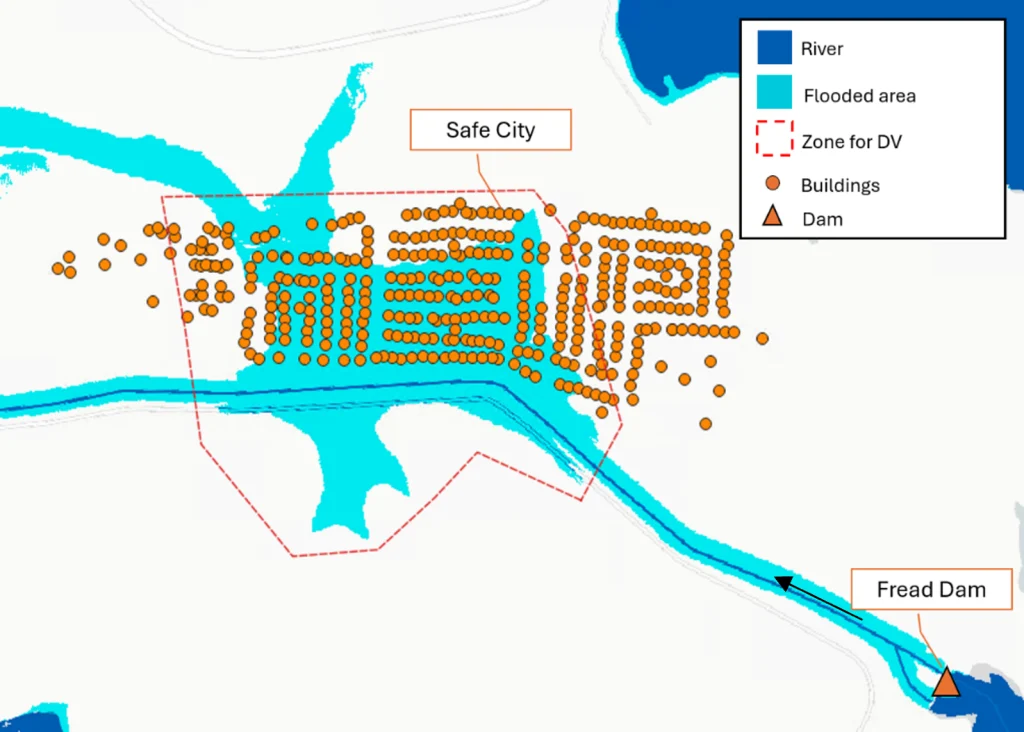
Describes experiments regarding the use of two-dimensional dam break model results in the calculation of Loss of Life using RCEM. Highlights areas in which accuracy and reasonableness might conflict. Provides insights from the authors’ experience, research and from discussions with other practitioners.
Assessment And Implementation Of Risk Reduction Measures For Uplift At Aging Spillway
Date: October 27, 1:30 p.m.
Presented by: Gord McPhail
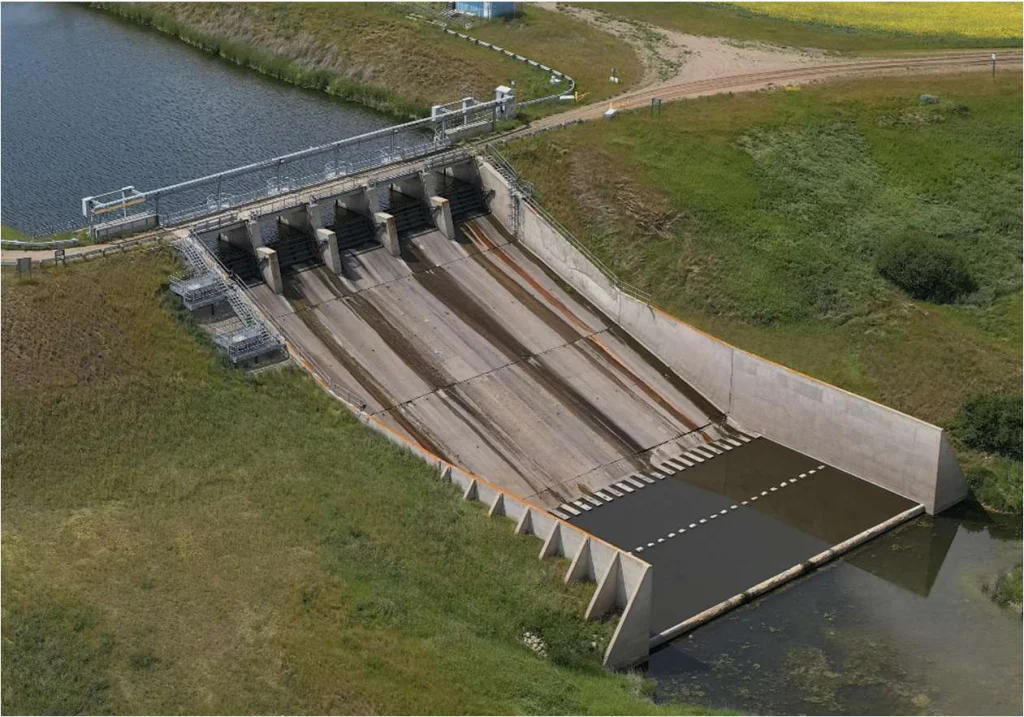
Aging spillways can be vulnerable to uplifting pressures that develop beneath concrete slabs and structures, posing risks to stability and long-term performance. Understanding the extent of these risks requires consideration of typical spillway designs, common deterioration mechanisms, and failure modes. Through inspections, lessons learned from past projects, and structured risk assessment frameworks, engineers can better identify and evaluate uplift-related hazards. Effective monitoring and targeted mitigation measures, such as drainage improvements and structural rehabilitation, help reduce risk and extend the service life of critical water infrastructure. Overall, proactive assessment and management of uplift pressures are essential to maintaining spillway safety and reliability.
The Design And Construction Of A Reinforced Concrete Core Wall Rockfill Dam To Replace An Aging Rockfill Dam
Date: October 27, 3:25 p.m.
Presented by: Justin Powers
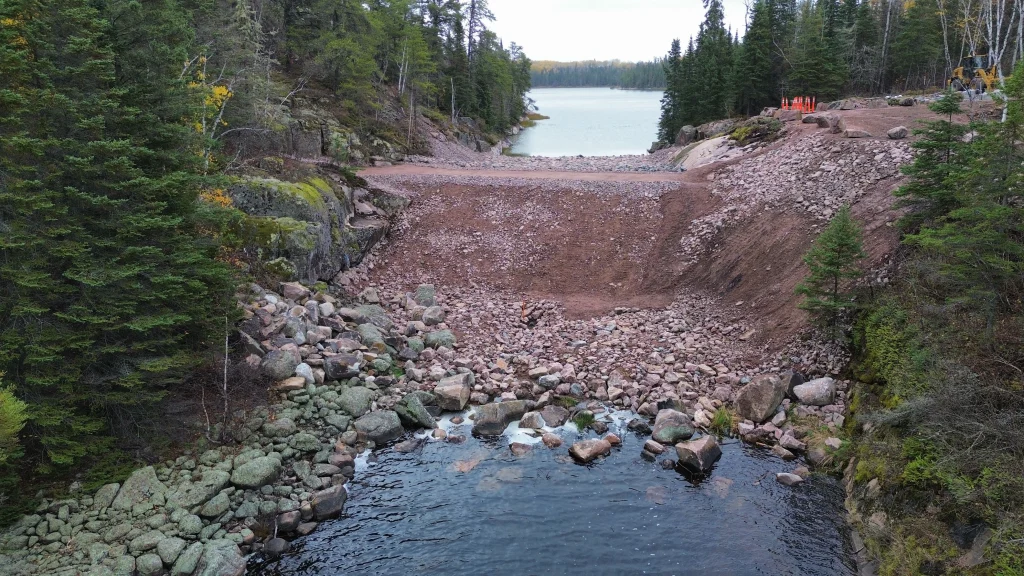
The North Channel Block Dam forms the headpond for the Whitedog Falls Generating Station, located 6 km downstream. Built in 1958 to close a diversion channel used during station construction, the dam consisted of a rockfill and granular embankment with a silty-sand core. A dam safety review later identified two critical deficiencies: inadequate freeboard and a risk of internal erosion. Severe floods in 2014 and 2022 highlighted these risks and required emergency interventions. OPG subsequently advanced a replacement project, evaluating seven dam concepts with various impervious core systems. The new dam was successfully commissioned in fall 2025.
Building Adaptive Dam Safety Programs: Results From A Cross Canada Survey Of Dam Owners
Date: October 27, 3:25 p.m.
Presented by: Lucas Wazney
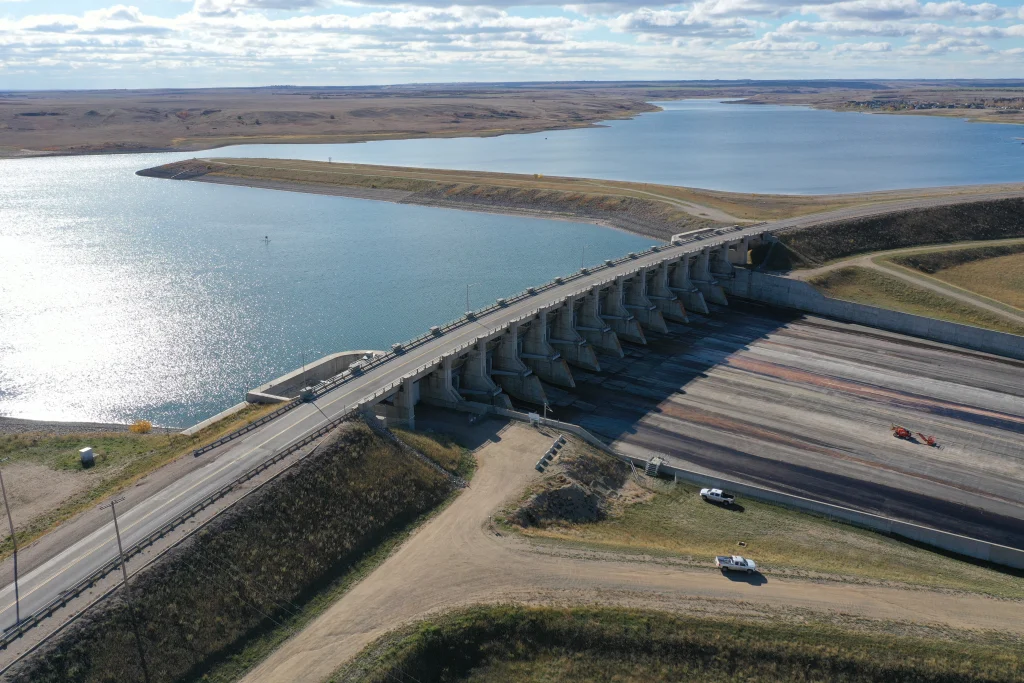
The Saskatchewan Water Security Agency (WSA) manages 79 dams with consequence classifications ranging from Low to Extreme. As climate change, increased demand, and heightened public scrutiny continue to shape dam operations, WSA undertook a comprehensive update of its dam safety management policy. To support this effort, WSA reviewed dam safety programs from 19 Canadian dam owners, examining areas such as operations, maintenance, dam safety reviews, emergency preparedness, and public safety. The study revealed varied approaches driven by organizational needs and risk tolerance. This paper compares those findings with CDA guidelines, identifying opportunities to strengthen resilience, enhance public safety, and modernize dam safety management practices across Canada.
We look forward to seeing you in Halifax!
Stefan Kohnen is hosting a webinar on behalf of Ontario Waterpower Association
Stefan Kohnen, a Principal in our Mississauga office, is hosting a webinar on behalf of the Ontario Waterpower Association, titled Proposed Approach to Economic Assessment of Hydro Redevelopment.
Date: February 20, 2025
Time: 11 a.m. (EST)
Sign up here
If you have an interest in the redevelopment of hydro sites across Canada that are 100 years old or more, sign up today.
Stefan’s analysis of multiple sites in North America demonstrates a link between delayed redevelopment and increasing risk to public safety. The rate of redevelopment of these sites will need to accelerate in the next 20 years to stay ahead of the large number of sites that will reach their end of life. This requires solutions for the significant challenge of achieving favourable economic outcomes to justify the investment.
The webinar will demonstrate the link with public safety and suggest an approach to address this economic challenge. It is aimed at creating a conversation and a sense of urgency in the industry to promote the redevelopment of these sites require as they reach their end of life.
Join us at the CDA Annual Conference & Trade Show
We are proud Platinum Sponsors of the Canadian Dam Association’s 2024 Annual Conference & Trade Show in Niagara Falls.
Several KGS Group employees are presenting at this year’s event, so be sure to stop by and watch.
Little Long Dam Safety Project – General Challenges and Lessons
September 24, 10:15 a.m. – 10:35 a.m.
Presented by Brian Peter along with colleagues from WSP and Kiewit
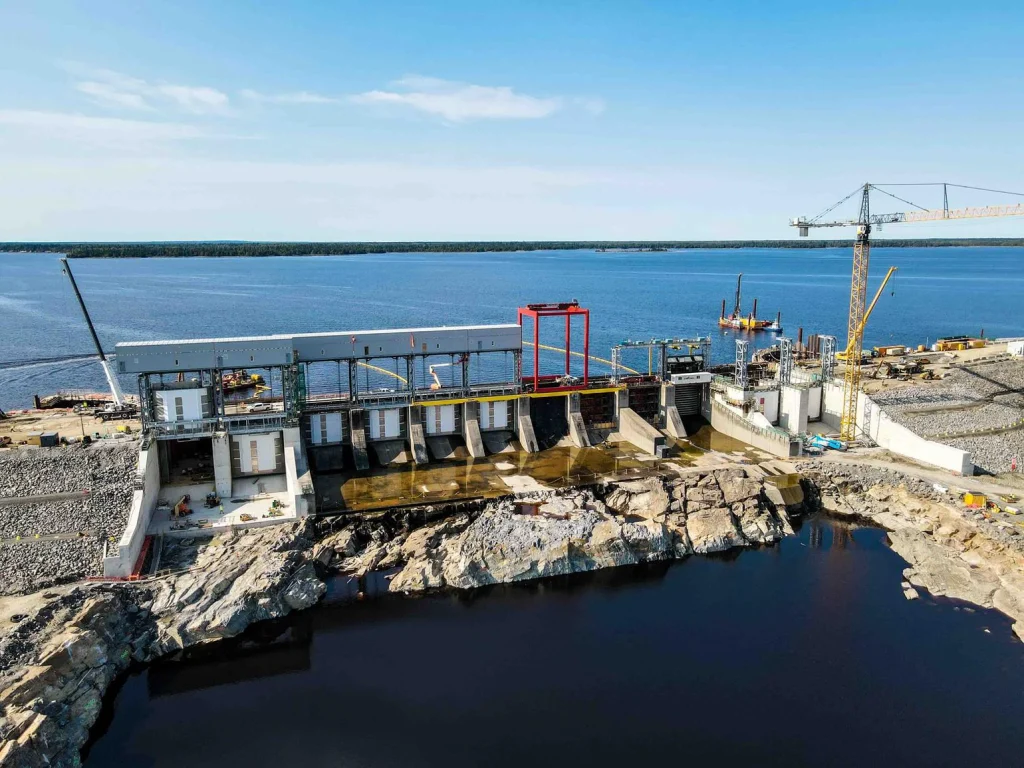
Ontario Power Generation’s goal for completing the Little Long Dam Safety Project was to increase the discharge capacity of the existing Adam Creek Spillway structure. To meet this objective, the project required the addition of four new spillway bays and the replacement of all mechanical and electrical components of the existing spillway bays, as well as stabilizing the existing Adam Creek concrete structures.
The panel will share the main challenges for this project, risks that were mitigated, lessons learned and successes encountered. They will also discuss the owner’s project management, the design build contractor’s construction management, as well as the engineer of record engineering management processes.
Rehabilitation of a Deteriorated Fixed-Crest Concrete Gravity Overflow Dam
September 24, 3:15 p.m. – 3:35 p.m.
Presented by: Jon Friesen
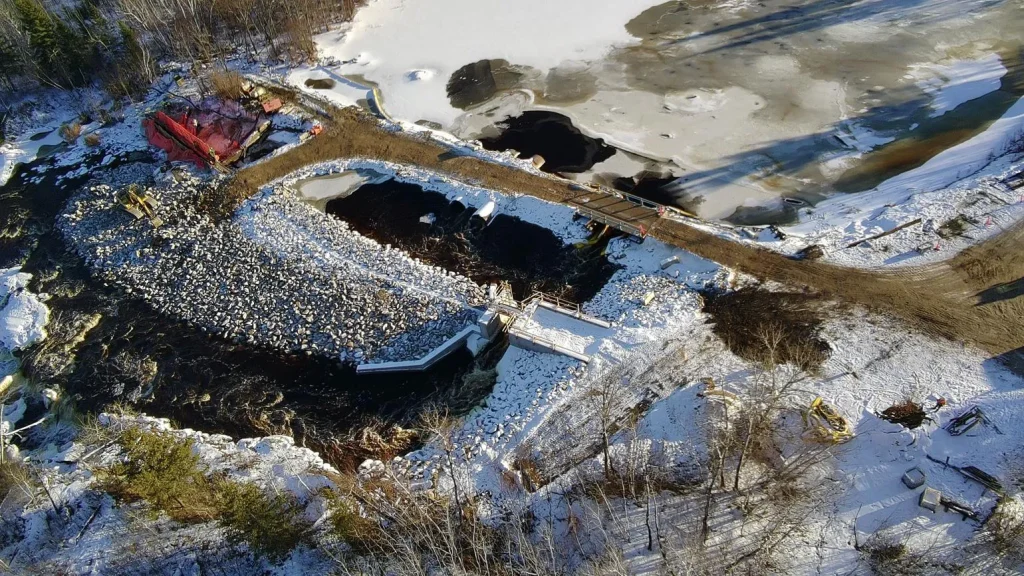
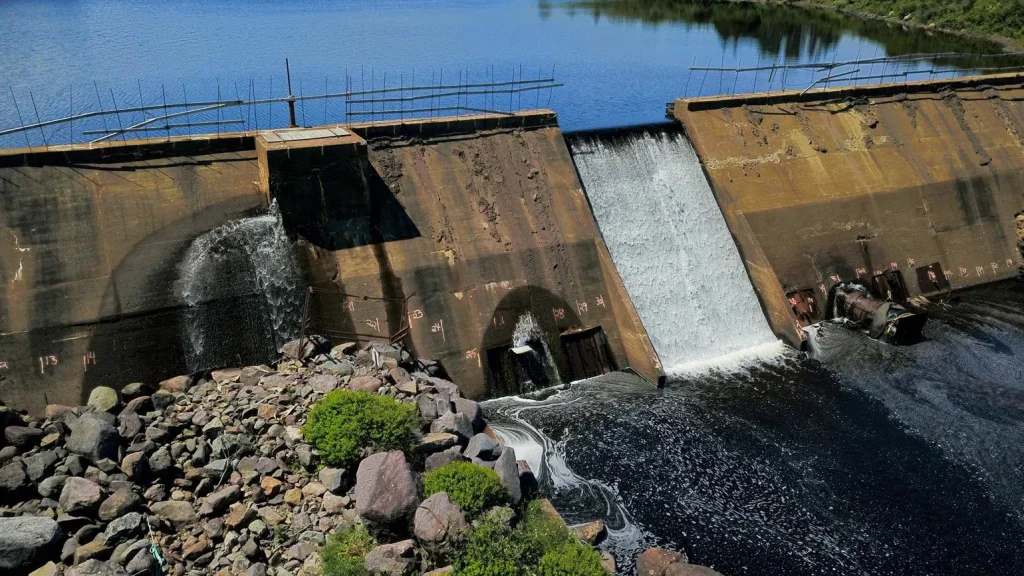
A 2014 assessment of the Wanipigow Dam, originally constructed in 1930, concluded the dam was in poor condition and did not meet Canadian Dam Association performance criteria. The deteriorated condition necessitated the detailed design and major rehabilitation of the dam.
The rehabilitation addressed previous dam safety deficiencies of the original structure. The dam was realigned and extended, and the deteriorated stoplog bay was demolished and replaced with a new control structure. The original concrete was also repaired to address active seepage through cracks.
The rehabilitation of the Wanipigow Dam was completed in January 2024, approximately six months ahead of the approved construction schedule.
The Kainji Dam in Nigeria: A Story of the Success of an Evolving Dam Safety Management Program
September 24, 3:55 p.m. – 4:15 p.m.
Presented by Dami Adedapo
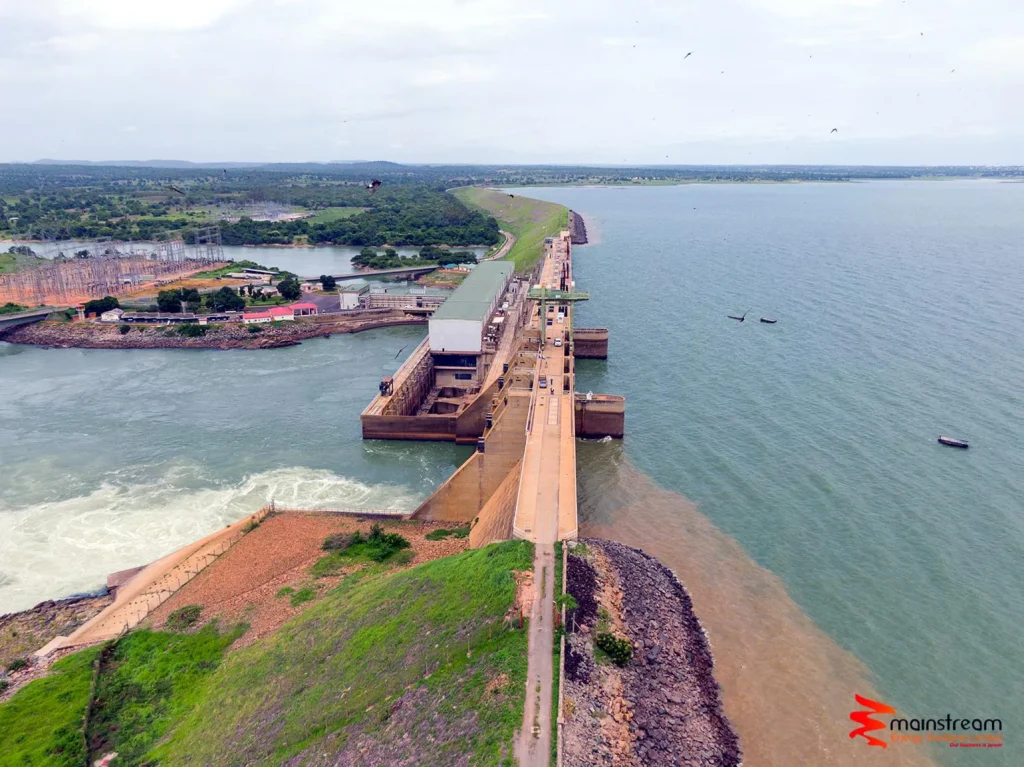
The Kainji hydroelectric station is the first largescale and the largest hydroelectric plant in Nigeria. Following construction, the condition of the dams and the generating facilities gradually deteriorated due to several factors, including the absence of a dam safety management plan. By 2016, when Mainstream Energy Solutions took over ownership, only two of the eight generating units were functional, the dams had fallen into a state of disrepair, the flow control equipment was largely unreliable, most of the instruments were not functioning and no inspections were being performed.
Through repairs, maintenance, testing and the investment in technology and staff culture, the Kainji dam underwent a remarkable transformation to a structure that is safe, and once again fulfills its intended functions.
Design for Repair: Lessons Learned from Major Rehabilitation of PFRA-era Structures
September 25, 2:25 p.m. – 2:45 p.m.
Presented by Derek van Nes
In November 2020 the Water Security Agency engaged KGS Group to act as Owner’s Engineer to help reduce their maintenance and capital project backlog. As part of the work, KGS Group studied the construction, operational and repair paradigms of the original designers of 72 dams and water conveyance structures.
Through careful study and work on these structures, KGS Group was able to learn how cultural paradigms in the 1930s informed the design of these structures with real impacts to engineers in the present. KGS was also able to better understand the challenges of maintaining legacy structures built from 1930 to the 1960s and how these learnings can inform the design of future dams.
We look forward to seeing you in Niagara, Ontario from September 22 – 25!
Graeme Revering presents on Survey Reconnaissance of Eagle Creek
We are proud to announce we are a sponsor of the 2023 Archaeological Society of Alberta and Saskatchewan Archaeological Society Joint Annual Conference and Gathering, on April 27-30, 2023 in Bodo, AB. Kristian Sullivan and Graeme Revering will be representing KGS Group.
This annual event brings together archaeological heritage professionals, avocational archaeologists and students to share current research, ideas, information and experiences.
Graeme will be presenting A Survey Reconnaissance of Eagle Creek: Identifying Place through the Archaeological Record. This study was focused on understanding the use and significance of the Stranraer Terrace, a large geographical landmark located along Eagle Creek in mid-western Saskatchewan.
For more information on the conference, visit: https://bodoarchaeology.com/2023-asa-sas-joint-annual-conference/
Join Ryan Dobson for a virtual roundtable
On February 22 at 11 a.m. CST, join Ryan Dobson and other industry thought leaders for a virtual roundtable – Sustainability & Climate Change Trends in Infrastructure Construction. This event is for civil, geotechnical and water resources engineers.
As climate change and severe weather events increasingly impact the performance of infrastructure across North America, engineers must work together to develop strategies for better design standards. During this free event, the panel will discuss:
- Why it’s important for engineers to consider net-zero initiatives.
- How engineers are designing for new sustainability frameworks and how to measure the full impact of a build.
- How engineers are anticipating climate change and adapting designs to be more resilient for changing conditions.
- New sustainable technology and processes that should be on your radar.
David S. Brown presents on 2022 flood response at CWRA Workshop
On February 21, we’ll be at the Canadian Water Resources Association Manitoba Branch Workshop – Manitoba Flood of 2022: Stories, Lessons Learned, and Pathways to a More Resilient Future. We’re a proud sponsor of this event.
In addition, one of KGS’ leading experts on flood response and protection, David S. Brown, along with Brian Earl from Manitoba Transportation and Infrastructure will be presenting on our 2022 flood response on the Little Saskatchewan River. This case study is a great example of how we help our clients overcome some of the biggest flooding challenges facing us today.
For more info on the CWRA workshop visit: https://cwra.org/en/mb-flood2022-workshop/
Join us at the Tunneling Association of Canada’s conference this week
Join KGS Principal and Conference Chair Jason Mann at the Tunneling Association of Canada’s Tunnelling for the Future – Sustainable and Smart Conference happening November 2 – 4 in Vancouver, BC.
At the conference, be sure to check out Ray Offman’s presentation Alleviating Basement Flooding and Sewage Overflows in Winnipeg Using Advanced Tunnelling Technologies – Cockburn Sewer Relief Project: A Case History, based on a paper he cowrote with Nicole Vidal.
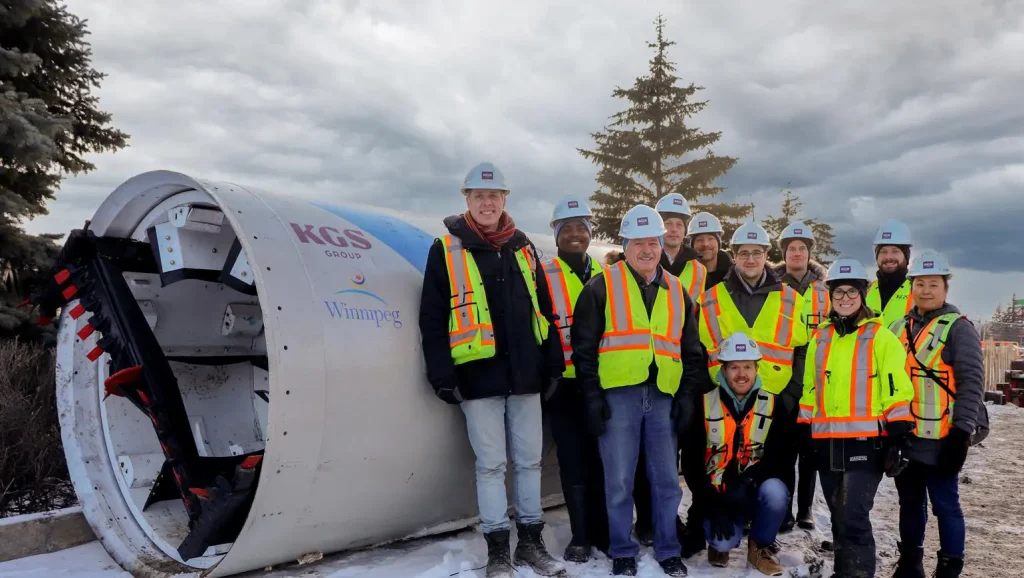
The City of Winnipeg commissioned the design and construction of a 2,100 mm and 2,400 mm diameter trunk land drainage sewer to protect two combined sewer districts from basement flooding and the city’s rivers from combined sewer overflows.
Some highlights from this award-winning project include being Winnipeg’s first large diameter tunnel drive using the modern two-pass tunneling method and the first reverse S-curve completed in the city.
This major project was successfully completed on schedule with no loss of service or impacts to the existing infrastructure, including successful crossing of the tunnel boring machine through the modified pass-through chamber structure.
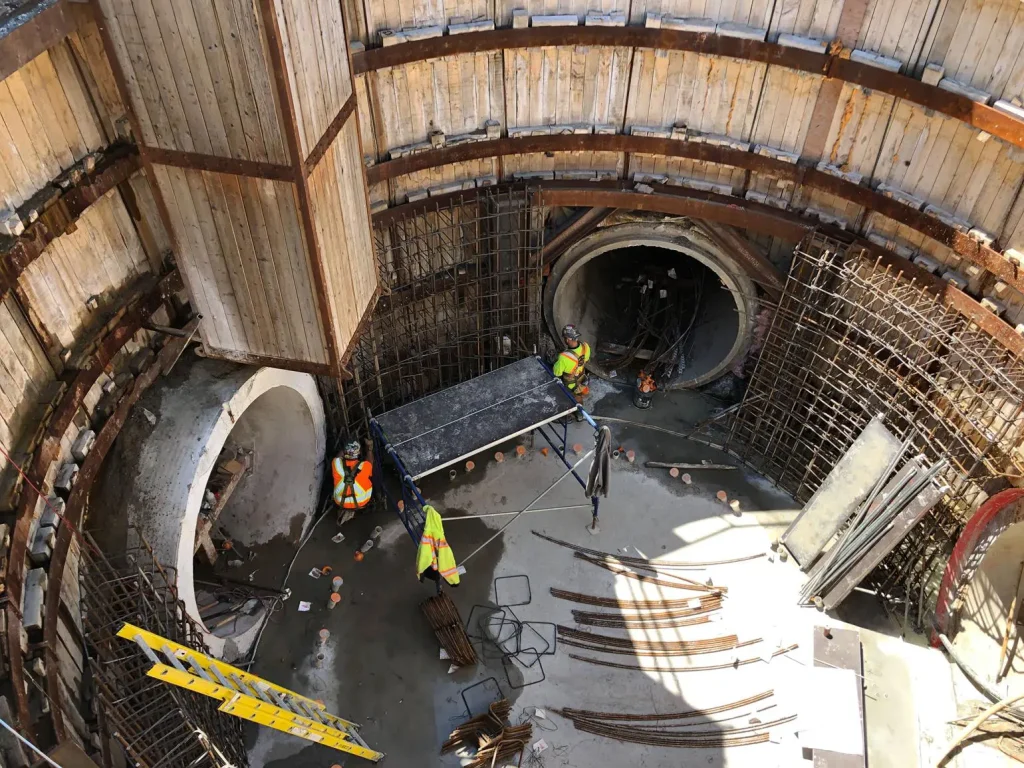
Clean Currents 2022
Visit our Regional Director for Seattle, Andi Bogdanovic, and Regional Manager for Mississauga, Stefan Kohnen, at the Clean Currents 2022 conference in Sacramento, CA this week. Albert Mikhail, HPPE founder and new KGS Group team member, will also be at our booth to answer questions about our full range of hydroelectical testing service we now offer.
Throughout the conference, make sure to check out Stefan’s two presentations:
Sawer Dam Case Study: Development Process for Low Head Sites
Wednesday, October 19, 2022, 11:00 a.m. – 11:30 a.m.
The Bawitik Power Corporation sought to develop a generating station at Sawer Creek Dam on the Otonabee River near the town of Lakefield, Ontario, Canada. With 3.2 meters of head, the team concluded the challenge would be economic rather than technical and a phased development process was used that optimizes both. The technical solution was developed using a Set Based Design approach and extensive turbine market soundings.
Finding an economic solution required diligence, expertise, and a robust method for optimizing and this presentation describes how the solution evolved at each stage, the choices selected, and the result achieved when applying this process to the development of an unpowered dam.
Modernization Solutions for Aging Infrastructure: Fleet Overhaul Planning Program at Orillia Power
Thursday, October 20, 2022, 3:00 p.m. – 4:00 p.m.
Orillia Power has traditionally refurbished units approximately every 10 to 15 years but had no mechanism for assessing or identifying if this frequency is either adequate or excessive, nor if this frequency should be dependent upon other indicators.
Orillia Power requested KGS Group to develop a program (or “guideline”) which establishes requirements/deficiencies for the need of a unit refurbishment. The objective was to use this guideline and confirm that the existing units at Orillia Power require refurbishment and provide a link to demonstrable industry practices to substantiate the investment decisions.
KGS is a proud sponsor of the 25th CDA Conference
KGS is a proud sponsor of the 25th CDA Conference happening in St. John’s NL from October 17-19, 2022. Come visit us in the newly minted Sweet Tooth Lounge for some delicious treats. Several employees are presenting on a variety of topics.
Remediation of a Deteriorated Low Level Outlet Conduit to Address Internal Erosion Risks to an Embankment Dam in Southwestern Saskatchewan
Monday, October 17, 2022, 3:30 p.m. – 5:00 p.m.
Presented by Jon Friesen
This presentation explores the design and construction addressing an internal erosion hazard related to a deficient low level outlet conduit, and a construction dam safety monitoring and surveillance plan. The dam was originally constructed in 1958 and the water retaining and control structures consist of an earth embankment dam, gated concrete spillway, and a low level outlet (LLO) conduit.
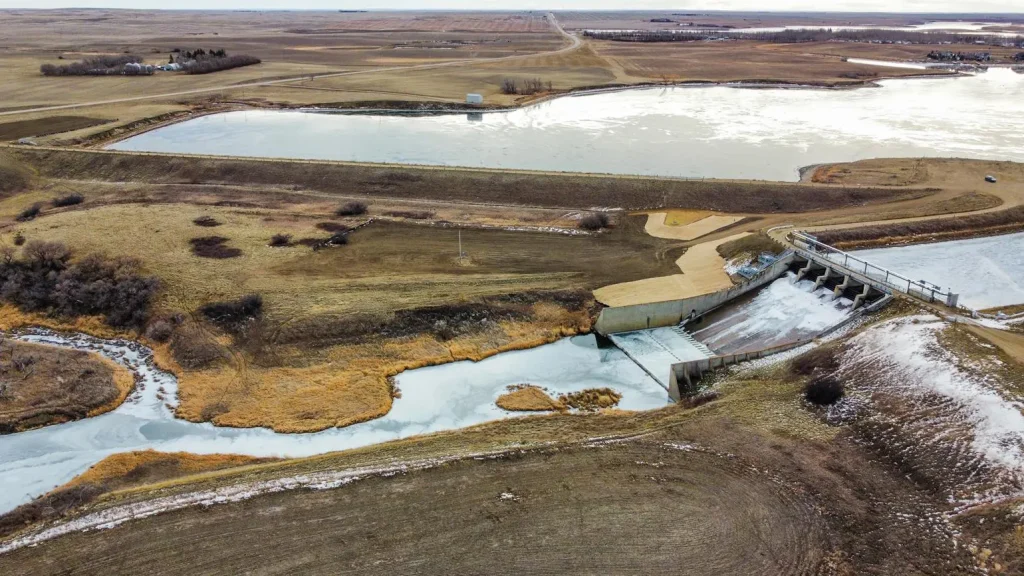
An inspection of the LLO downstream of the gate well was completed in recent years, and revealed severe deterioration of the pipe and the presence of voids behind the conduit. The condition of the conduit presented a dam safety risk in terms of the potential loss of embankment and foundation soils due to internal erosion through or along the conduit. This risk necessitated the detailed design and construction of the LLO replacement downstream of the gate well.
The remediation included a combination of trenchless and open-cut methods for the installation of a new HDPE pipe. A groundwater depressurization sand drain was installed to ensure an adequate factor of safety was maintained for the embankment slope during the construction. An instrumented dam safety monitoring plan was developed and implemented during construction to observe the performance of the embankment dam structures during construction.
Dam Safety Challenges for Small Municipal Dam Owners
Tuesday, October 18, 2022, 2:00 p.m. – 3:30 p.m.
Presented by Ambroise Percheron, KGS Group, and Kallan Fitzgerald, Meridian Engineering Inc.
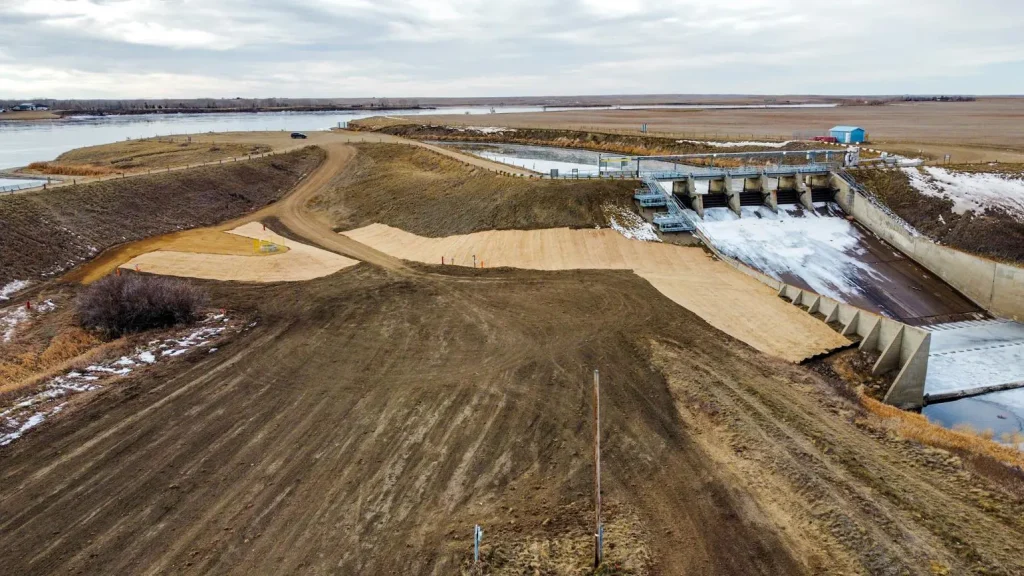
The Grand Bank Municipal Dam is a concrete gravity dam owned by the Town of Grand Bank in Newfoundland and Labrador. The dam impounds a small reservoir used by the town for water supply. It includes an overflow spillway, a structural fishway, a water supply intake chamber, and no mechanical flow control structures.
The aging structure required immediate actions to enhance the water supply system for the Town, to address existing dam safety concerns and to develop long-term solutions to satisfy the applicable dam safety standards, including the Canadian Dam Association Dam Safety Guidelines.
KGS Group and Meridian Engineering worked collaboratively with the Town of Grand Bank to develop immediate and long-term solutions to improve the functionality of the aged dam and to restore it to standard performing conditions.
CWRA 2022-2023 Webinar Series Presentation
As part of the Saskatchewan Branch 2022-2023 Canadian Water Resources Association Webinar Series, Ambroise Percheron P.Eng. from KGS Group and Jeff Sereda, Ph.D., from the Water Security Agency (WSA), will be presenting on the Davis Creek Diversion – a review of a fish exclusion system at the Davis Diversion intake.
The Davis Diversion was built in 1939 by the Prairie Farm Rehabilitation Administration near the Town of Maple Creek in Southwestern Saskatchewan. The main purpose of this canal is to divert unregulated flow, particularly spring run-off, as a way to help farmers conserve soil, prevent erosion, develop water resources and manage pasture land.
Fish stranding in the Davis Diversion canal were previously observed, including the Plain Sucker which is listed as a threatened species under the Species at Risk Act. KGS Group was retained by the WSA to complete the conceptual and detailed designs of a fish exclusion system. The project consisted of the development of innovative measures to exclude endangered or threatened species from the diversion system while replacing the existing aging water control structures. In addition, provision for upstream fish passage was also required at the control structure to minimize potential negative impacts on the target fish species and enhance the aquatic habitat in the creek.
Join Ambroise on October 13, 2022 noon to 1 p.m. CST to find out more about the Davis Creek Diversion project.
To sign up for the webinar, visit https://cwra.org/fr/sk-branch-2022-23-webinar-series/
KGS presenting at GeoCalgary
KGS is a proud sponsor of GeoCalgary, the 75th annual conference of The Canadian Geotechnical Society taking place October 2 – 5, 2022. Throughout the conference, make sure to check out KGS employees presenting on a variety of topics.
Construction and performance monitoring of a new remedial dam in northwestern Ontario
Wednesday, October 5, 2022, 10:30 a.m. – 12:00 p.m.
Presented by David Kurz
The remedial dam, located in northwestern Ontario, is one of a series of block dams constructed for retention of the headwater. It was originally constructed in the 1950’s as an earthen retention dam in a rock saddle partly filled with 0 m to 9 m overburden of firm fissured Lake Agassiz clay overlying alluvial and fluvial silty sand, gravel, cobbles, and boulders over a granitic bedrock. In 2014 the dam experienced a slump movement on the upstream slope of the eastern section of the dam. A previous paper presented at GeoNiagara 2021 discussed the original construction, site investigations, and detailed design of the remedial dam. This present GeoCalgary 2022 companion paper discusses the instrumentation, construction using the Observational Approach, select construction challenges and the solutions that were developed and implemented. Construction was completed and the new dam was commissioned in Fall 2019. Construction and post-construction instrumentation monitoring during operation is presented for nearly three years of data.
Climate Warming and Relocation and Redesign of Northern Winter Roads
Tuesday, October 4, 2022, 3:30 p.m. – 5:00 p.m.
Presented by Ryan Dobson
This paper presents a case study of the relocation and redesign of winter roads necessitated by climate change and warming. The case study focuses on the relocation and redesign of a winter road that is approximately 305 km long and runs east-west from Fort Severn, ON to Shamattawa, MB. Built historically using the conventional method of constructing on flat terrain through organics/muskeg (bog and fen) and lakes, the organic terrain is no longer freezing in the warmer winters caused by climate change. Climate sensitive construction strategies were developed during this study to mitigate the impact of constructing on muskeg and permafrost affected terrain.
Three alternative winter road alignments were evaluated using surficial geology and terrain analysis. Two alternative route options were developed along the coastline of the Hudson Bay to utilize the existing beach ridges which provide a high ground option versus the organic terrain on the existing route. A third alternative option was developed along the Severn River through Northern Ontario using low-lying fluvial deposits that provide the best opportunity for a competent subgrade and borrow materials within the Hudson Bay Lowlands. A weighted percentage method was used to evaluate all route options and found that the alternative routes along the Hudson Bay coastline were the most feasible in terms of design and construction, operation and maintenance, cost, and community preference. The existing route was deemed to be infeasible technically, compared to the alternative alignments.
Quantitative and qualitative characterization of permafrost sites using surface waves
Poster session: Tuesday, October 4, 2022, 3:30 p.m. – 5:00 p.m.
Presented by Hongwei Liu
The adverse effects of climate warming on the built environment in (sub)arctic regions are unprecedented and accelerating. According to Canada’s Changing Climate Report (2019), in the Arctic regions, temperatures have been warming at approximately twice the rate of the rest of the world. This drastic trend in climate warming will no doubt affect permafrost temperatures and conditions, continued rise in greenhouse gas emissions, and further adding to the high cost of development in northern regions. Planning and design of climate-resilient northern infrastructure as well as predicting deterioration of permafrost from climate model simulations require characterizing permafrost sites accurately and efficiently. In this paper, we propose a novel algorithm for analysis of surface waves to quantitatively estimate the physical and mechanical properties of a permafrost site. In-situ surface wave measurements can reveal the experimental dispersion relations of different Rayleigh waves from which relevant properties of a permafrost site can be derived by means of our proposed hybrid inverse and multi-phase poromechanical approach. Our proposed technique can be potentially used in early detection and warning systems to monitor infrastructure impacted by permafrost-related geohazards, and to detect the presence of layers vulnerable to permafrost carbon feedback and emission of greenhouse gases into the atmosphere.
More info about GeoCalgary: https://geocalgary2022.ca/
Rob Kenyon presenting at Hydrovision International 2022
Dr. Rob Kenyon and Andi Bogdanovic will be at HYDROVISION International in Denver, Colorado happening on July 12-14.
On July 13, Dr. Kenyon will be presenting “Lessons Learned from Major Canadian Flood Events” – an analysis to the response of large historic floods in the Assiniboine basin and the eventual construction of large permanent flood protection works.
Some of the lessons learned include evaluating early warning signs, initial responses, and utilizing existing local resources to overcome challenges.
Andi, our regional director in the U.S., will be available to answer questions about our hydropower services and how we can meet your needs. Swing by for a chat.