

Davis Diversion Coanda Fish Exclusion Screen

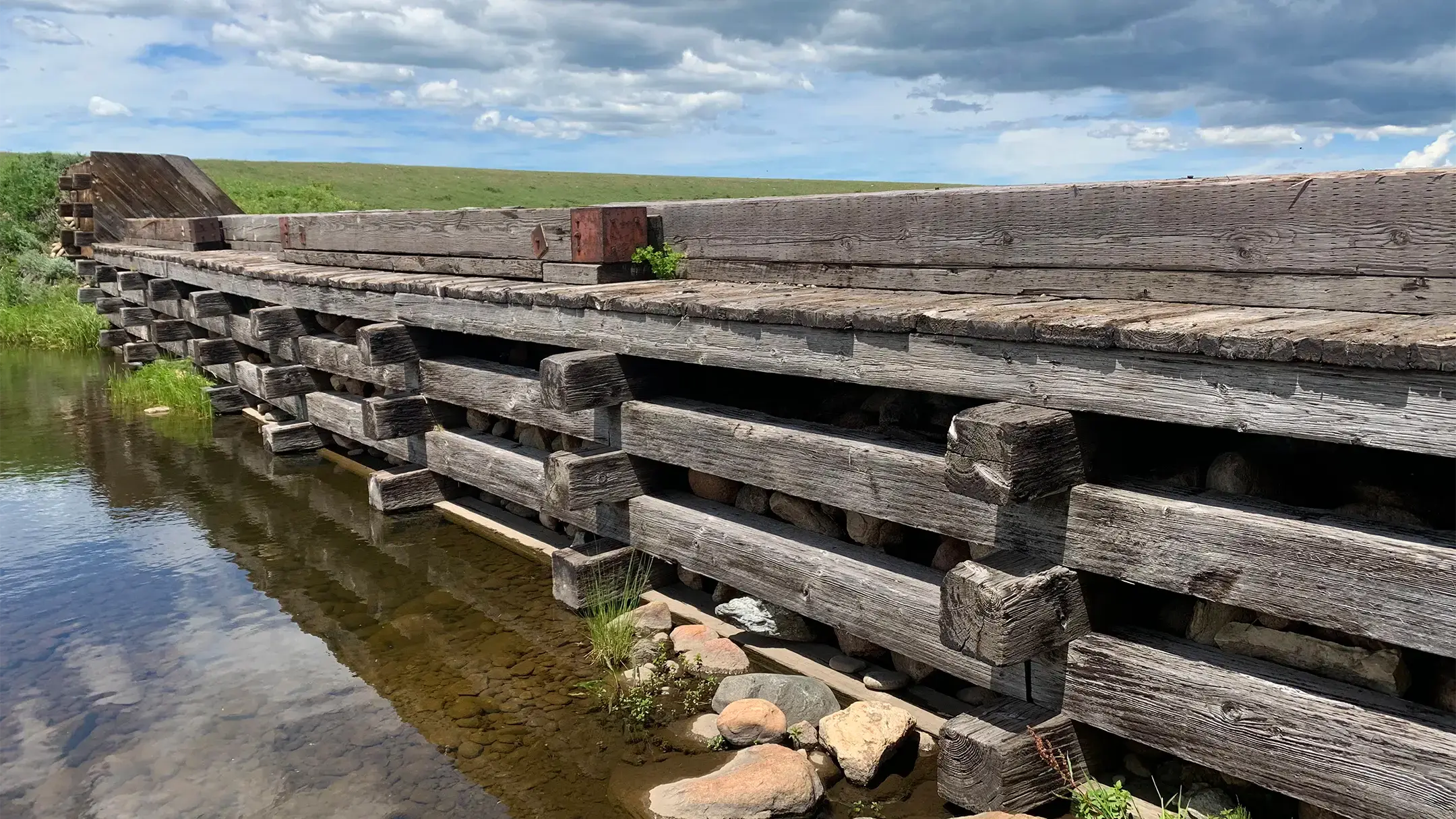
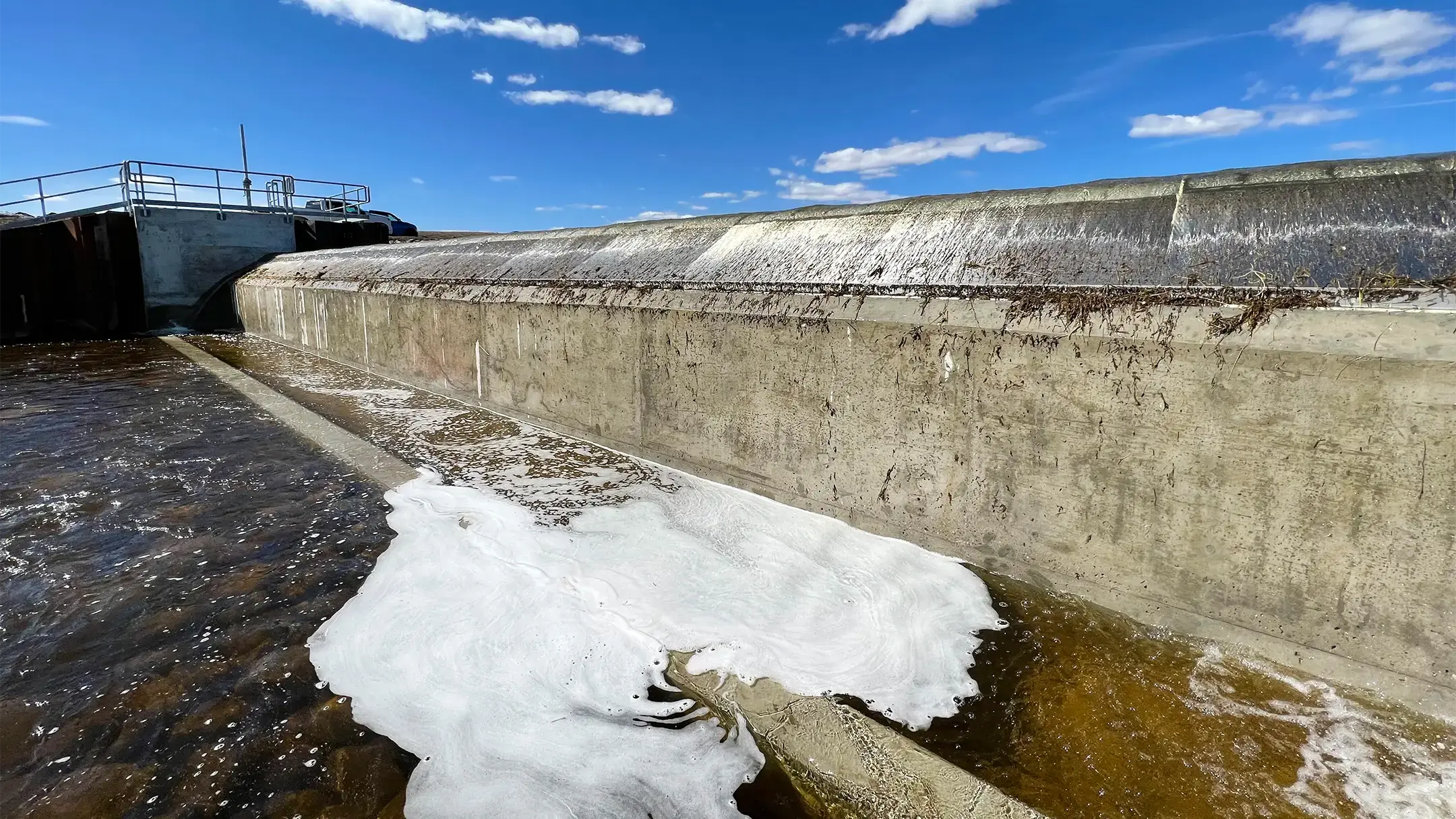
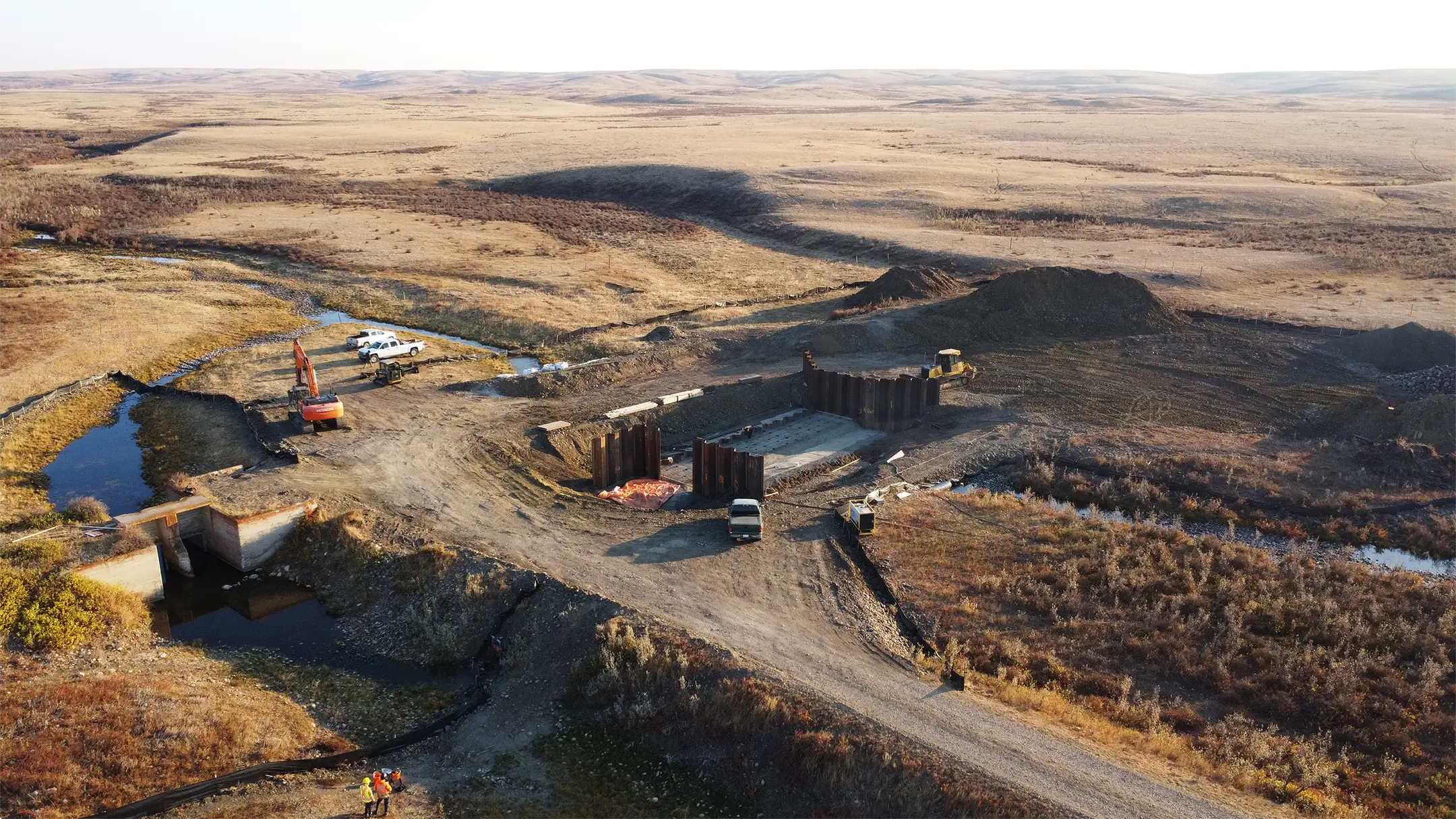
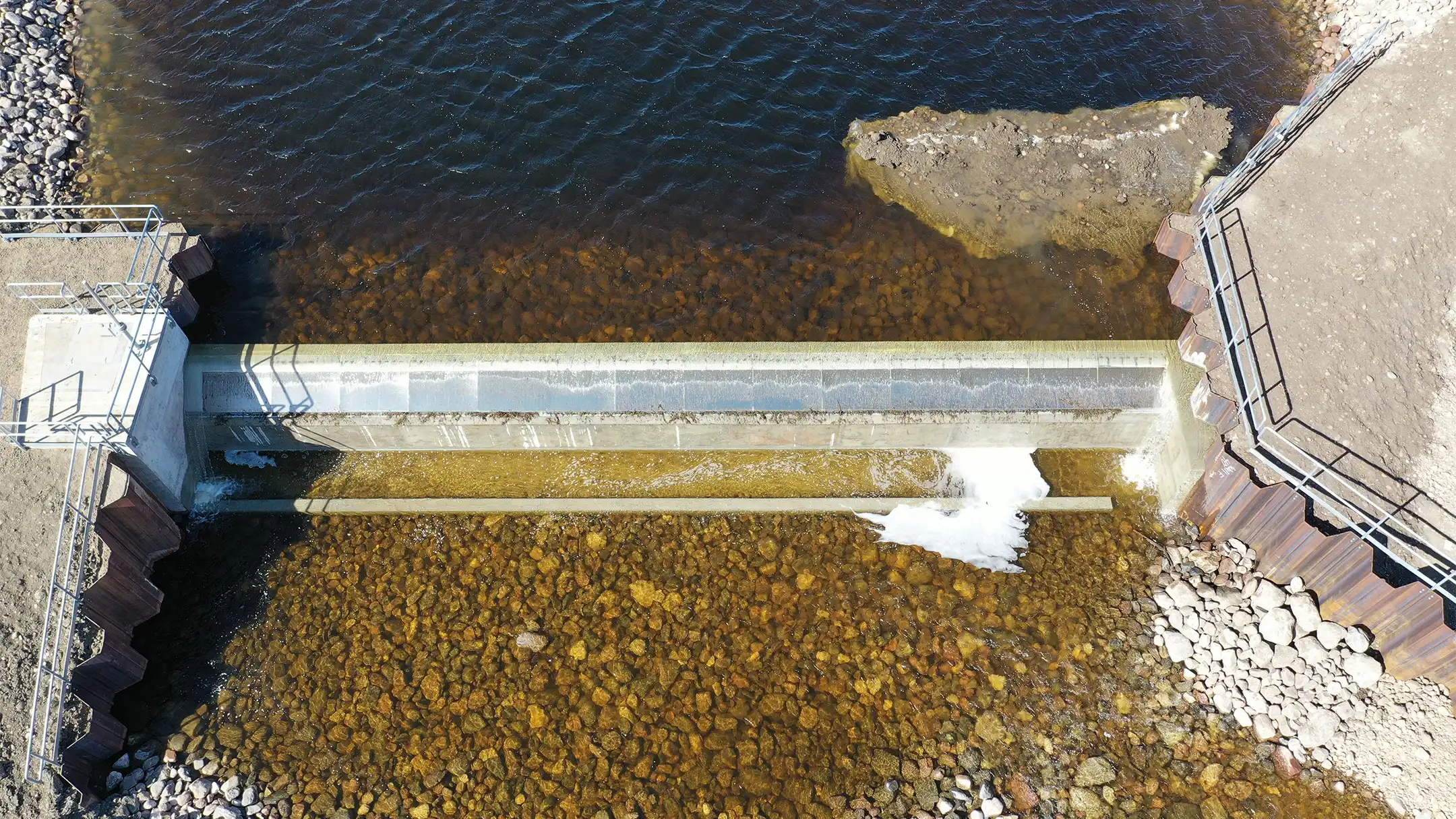
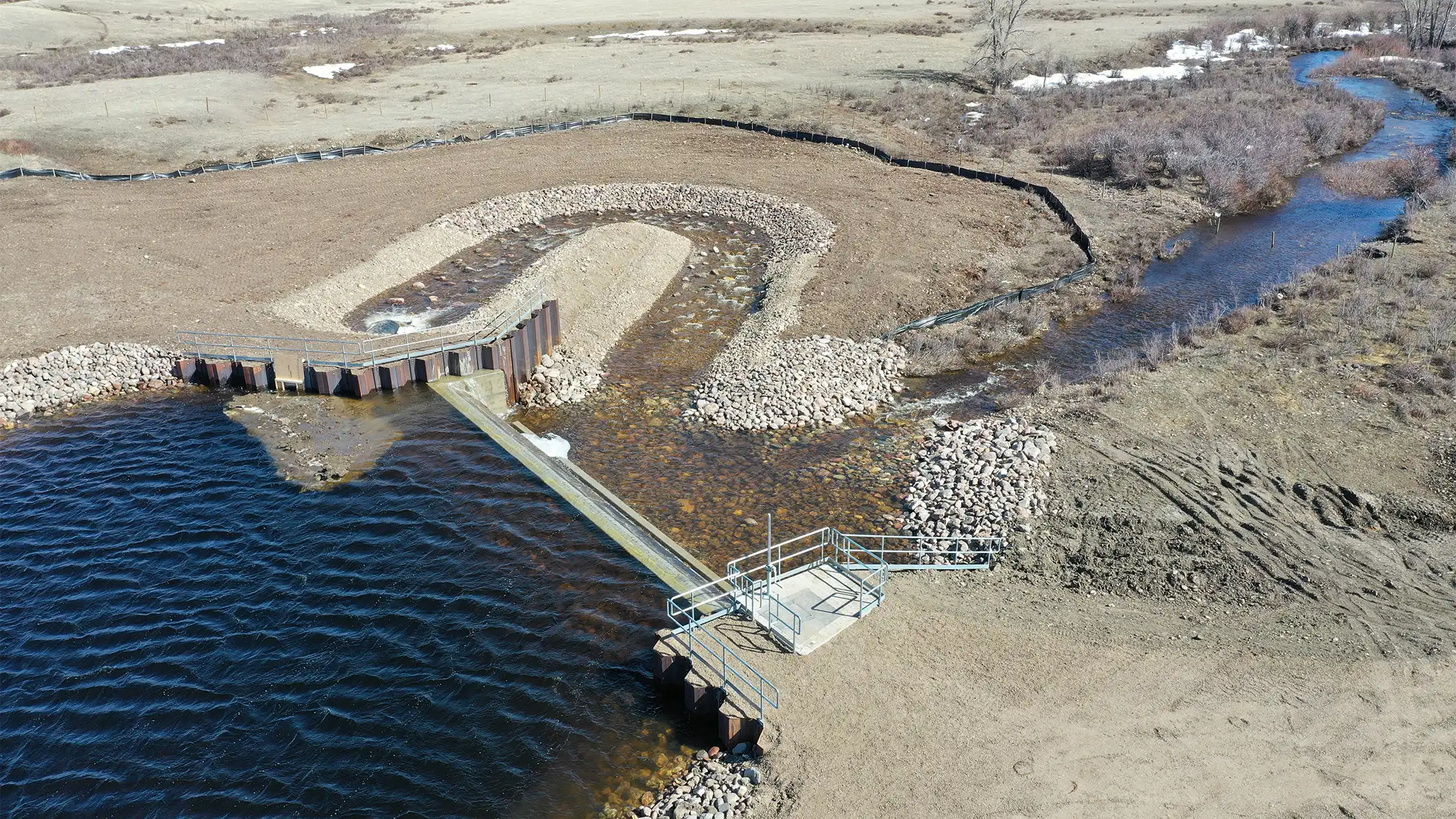
The Davis Diversion was built in 1939 near the town of Maple Creek. The main purpose of this canal is to divert unregulated flow to Cypress Lake, the main source of drinking water and irrigation projects in Southwestern Saskatchewan. Operation of the original diversion has, in the past, resulted in stranding of at risk fish species.
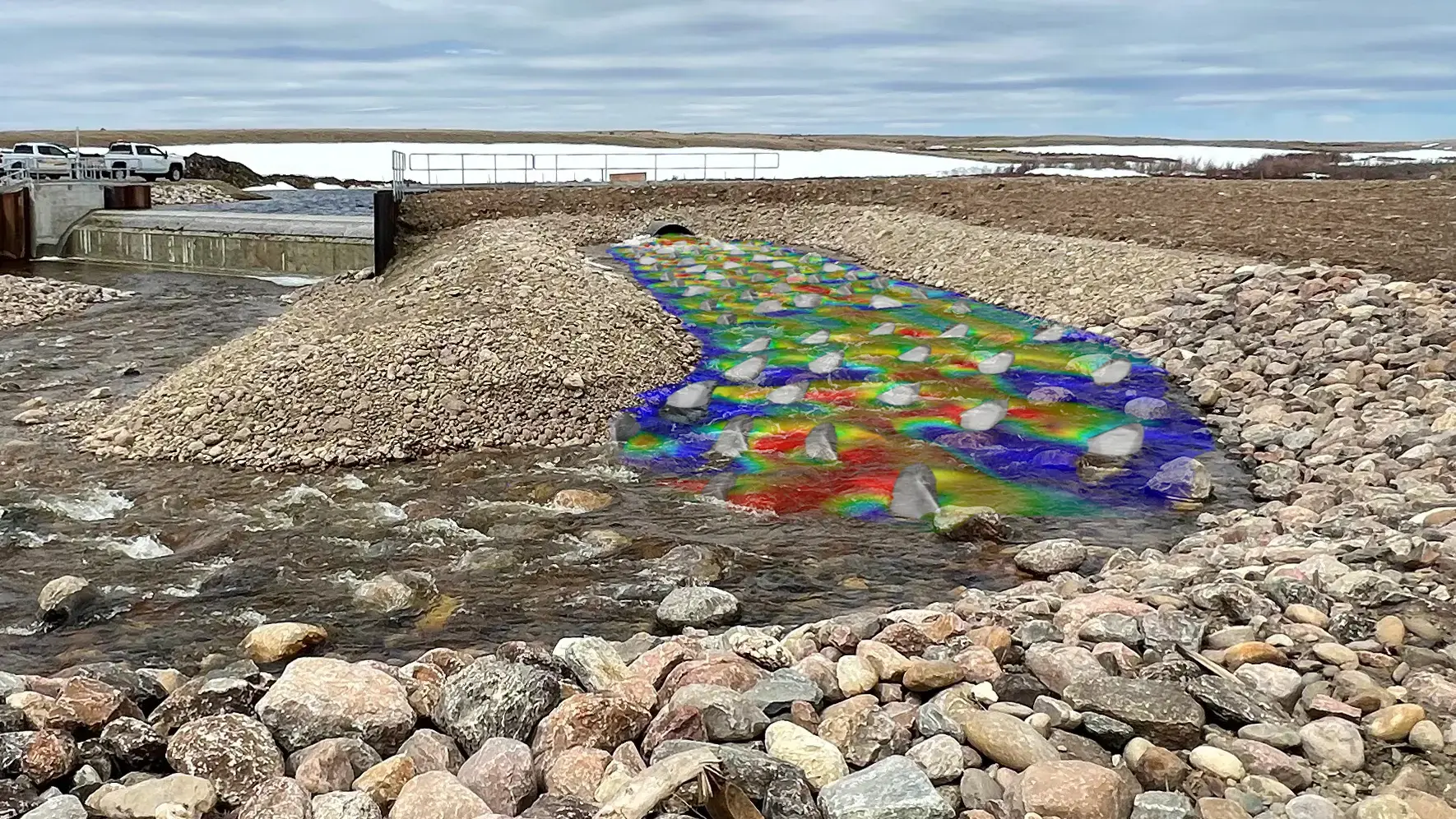
The Water Security Agency (WSA) ceased operation of the diversion system while contemplating solutions. KGS Group developed a solution consisting of the design and construction of a new concrete weir with a Coanda fish exclusion screen, combined with a new rock ramp fishway. This structure provides a novel solution for WSA to achieve its water management objectives, while protecting the area’s sensitive aquatic environment and bringing infrastructure into regulatory compliance.
Project Highlights
- Conceptual and detailed design of fish exclusion at diversion intake
- Replacement and modernization of aging water control structures
- Upstream fish passage integrated around the control structure
- Final product was in complete compliance with Fisheries Act and SARA
- Enables resumption of diversion operations to Cypress Lake
Assiniboine River and Lake Manitoba Basins Flood Mitigation Study
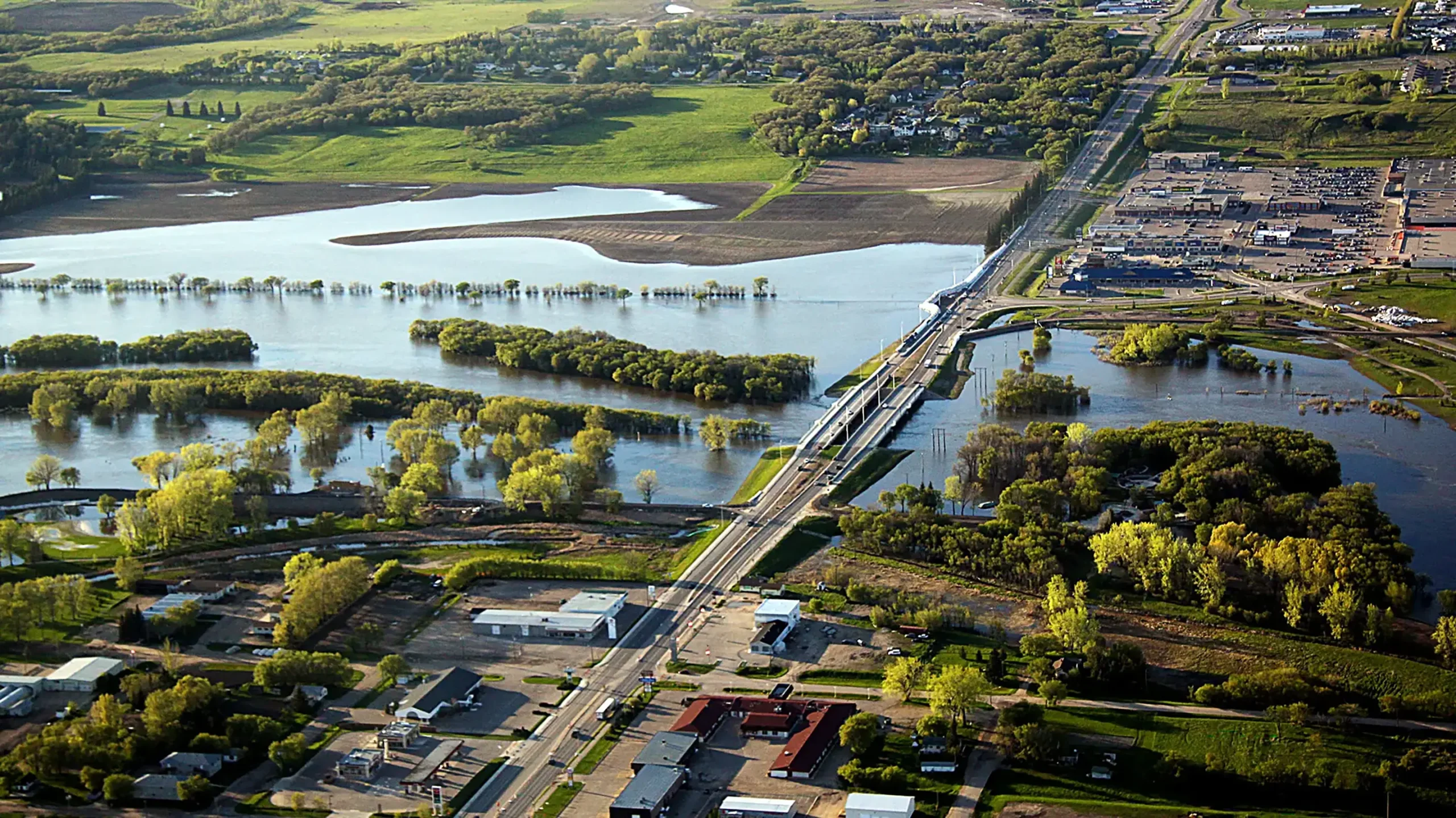
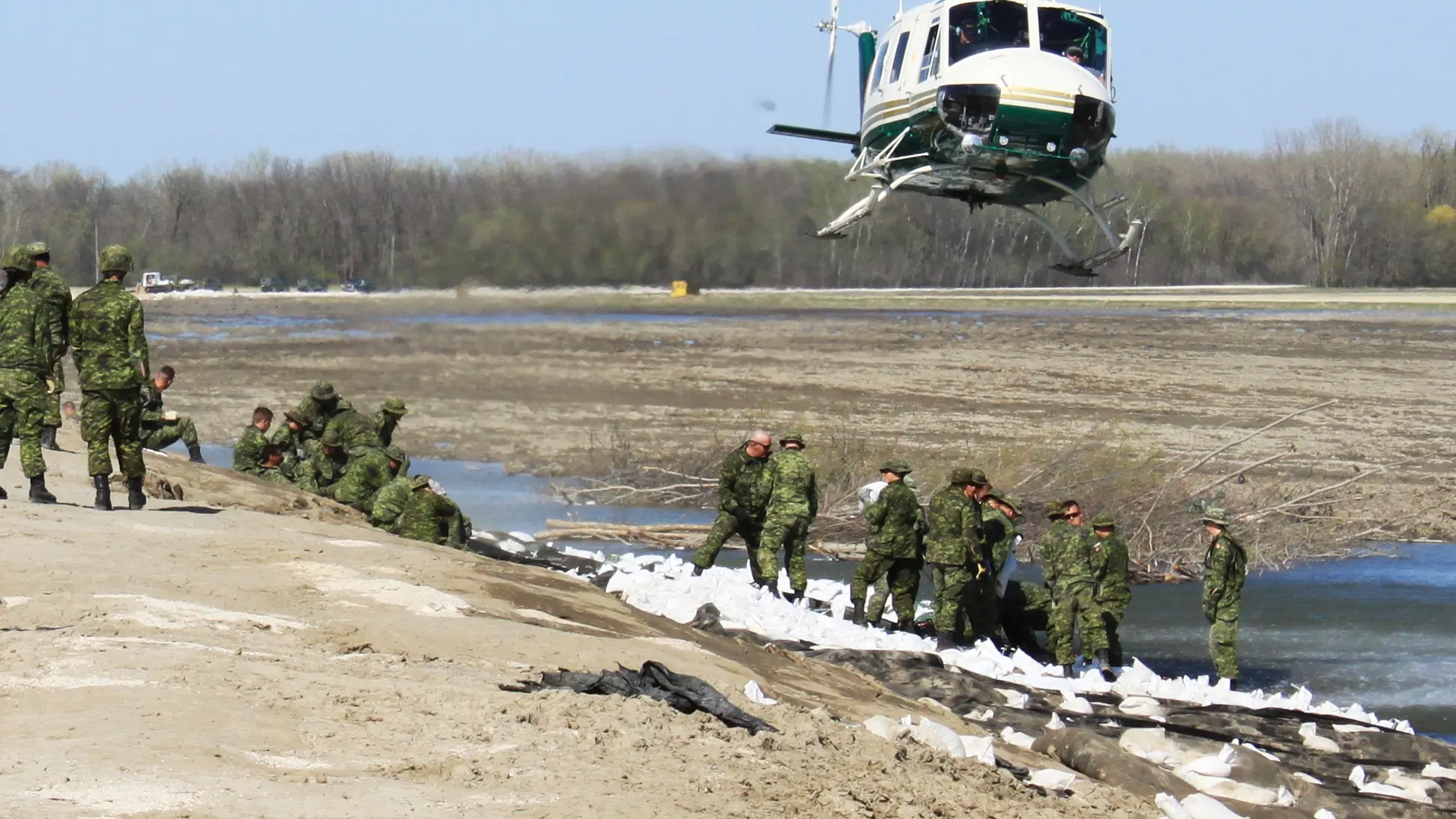
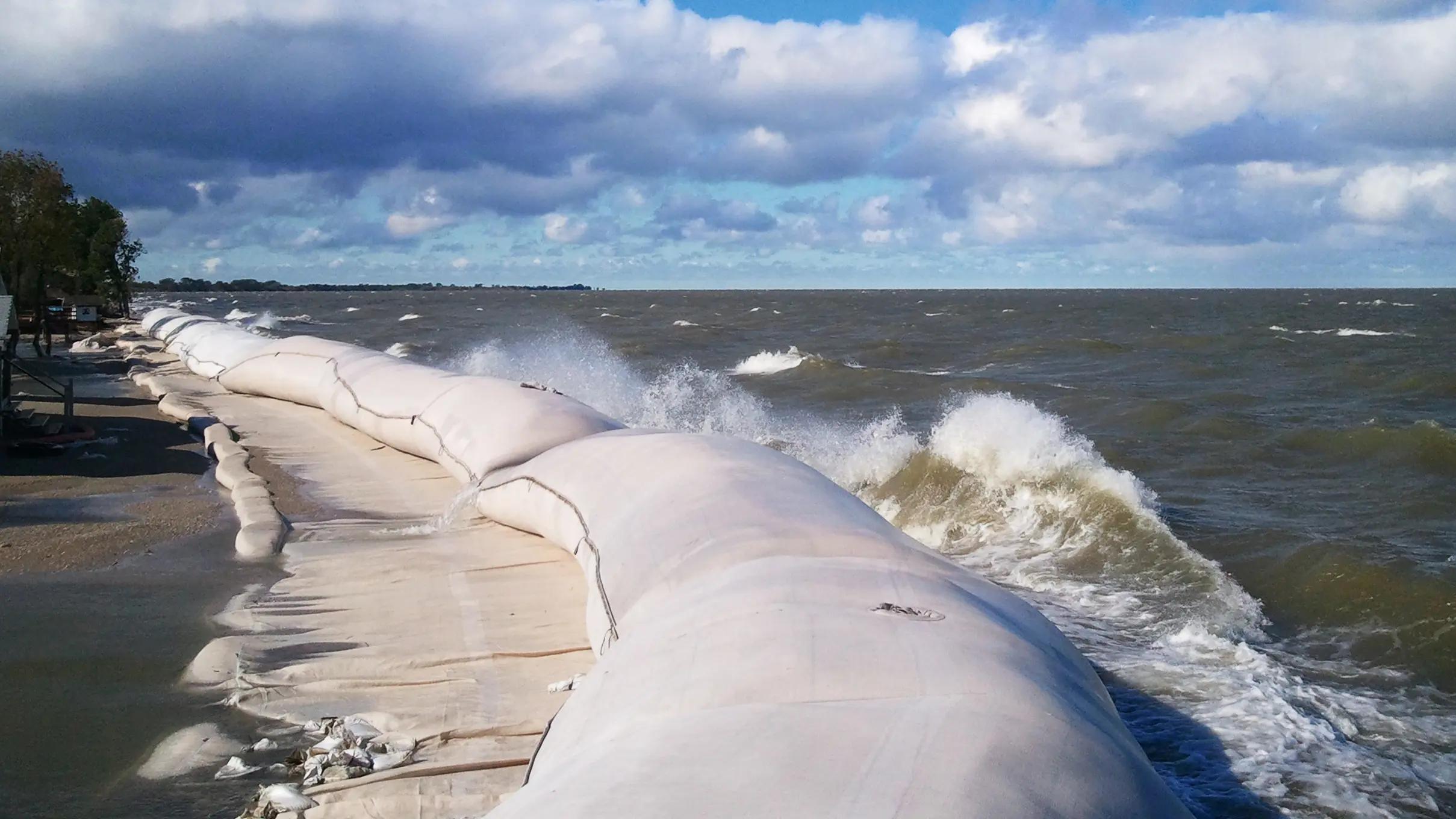
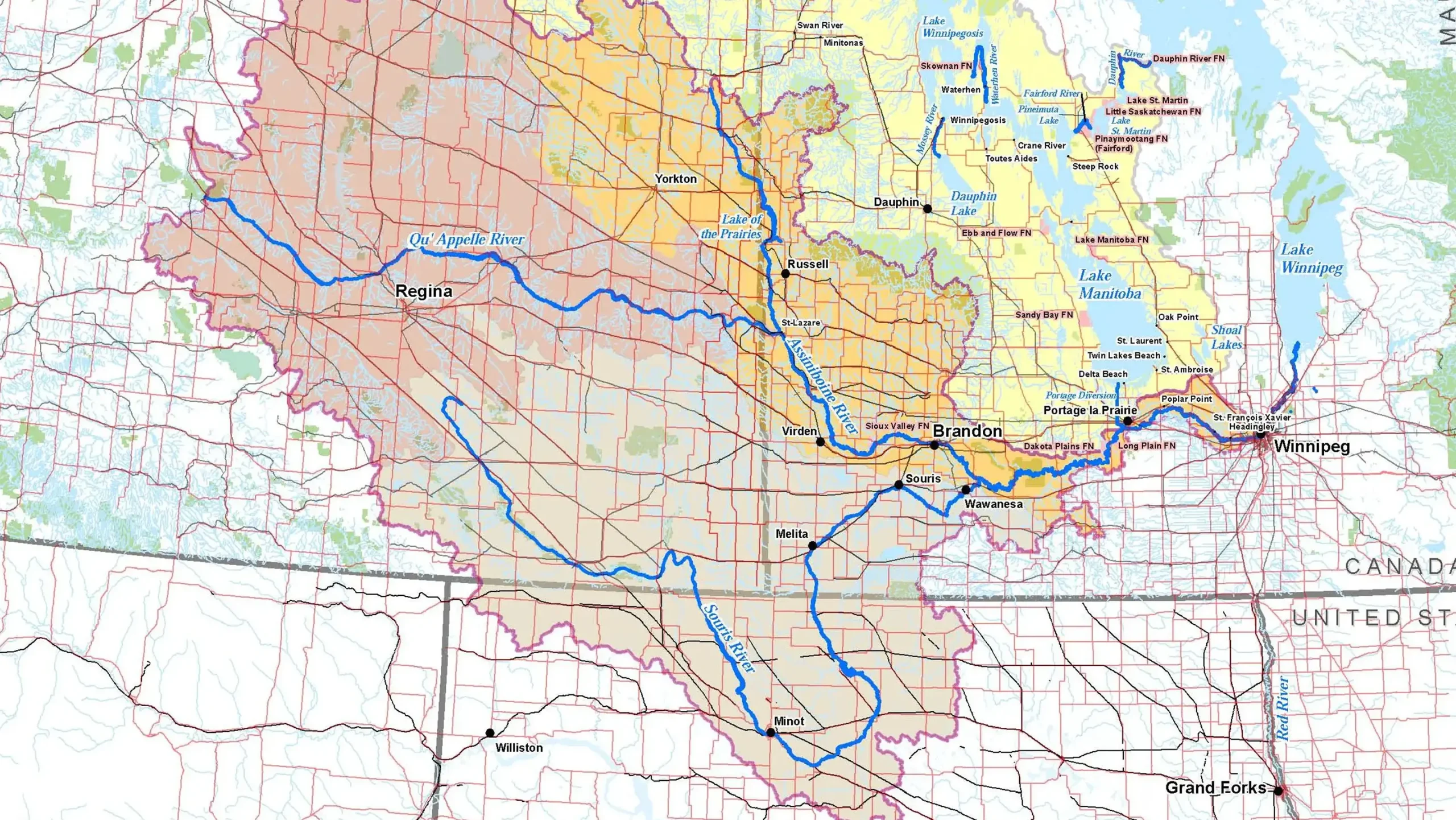
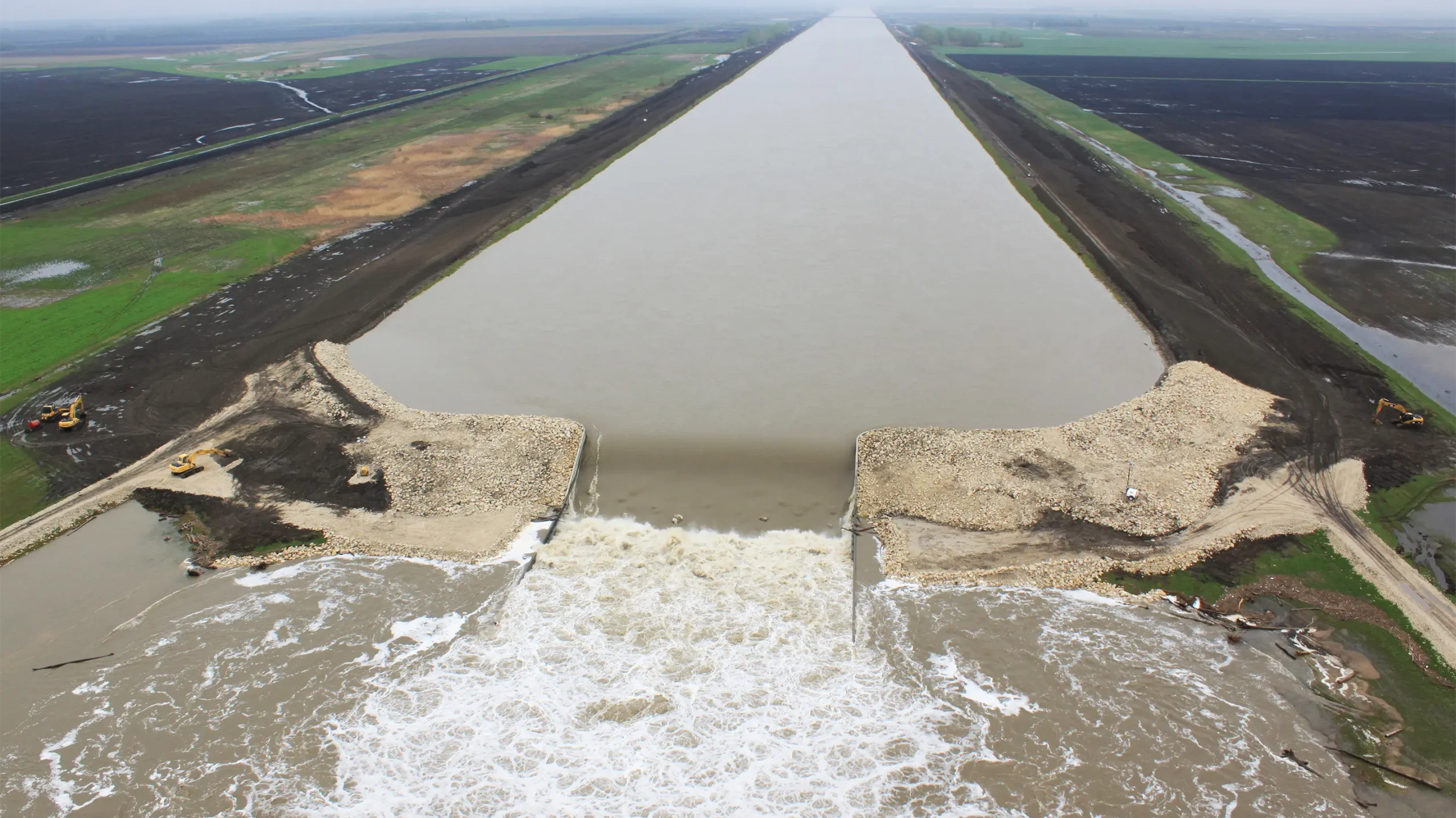
The flood of 2011 highlighted several potential “weak links” in Manitoba’s flood control system, which resulted in widespread damage across the province. To address the propensity for flooding in the Assiniboine River and Lake Manitoba basins, KGS Group carried out a flood mitigation study, which identified major flood vulnerabilities and assessed a wide range of measures to improve protection in the region.
A vast amount of data was reviewed and over 70 mitigation options were evaluated including dikes, reservoirs, diversion channels, wetland restoration and development controls. As well, a number of sophisticated models were developed to calculate cost-benefit ratios and the economic viability of the options.
Working collaboratively with Manitoba Transportation and Infrastructure, the project team developed a technical workshop and held public open house events to incorporate important feedback into the study findings.
The results of the study identified over $1 billion of flood mitigation upgrades required to increase the flood protection level to provincial standards across the basin. The results will also serve as the foundation for major flood mitigation programs for the next several decades.
Project Highlights
- Reviewed and synthesized basin‑wide datasets to establish current and future flood risk profiles
- Evaluated 70+ mitigation options, including dikes and levees, reservoirs and storage, diversion channels, wetland restoration, development controls
- Compiled actionable study deliverables for program planning