

PR 304 to Berens River All Season Road
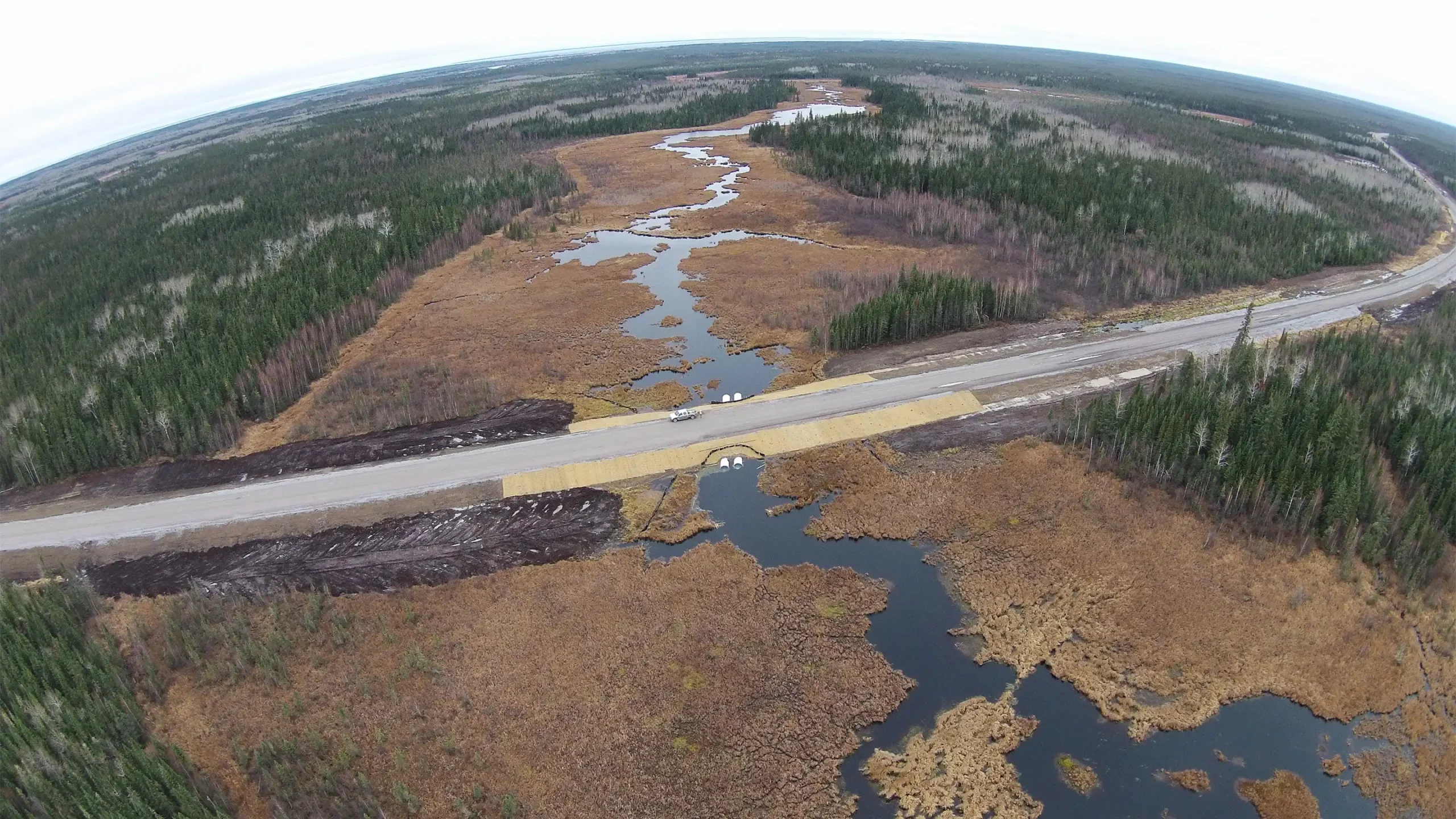
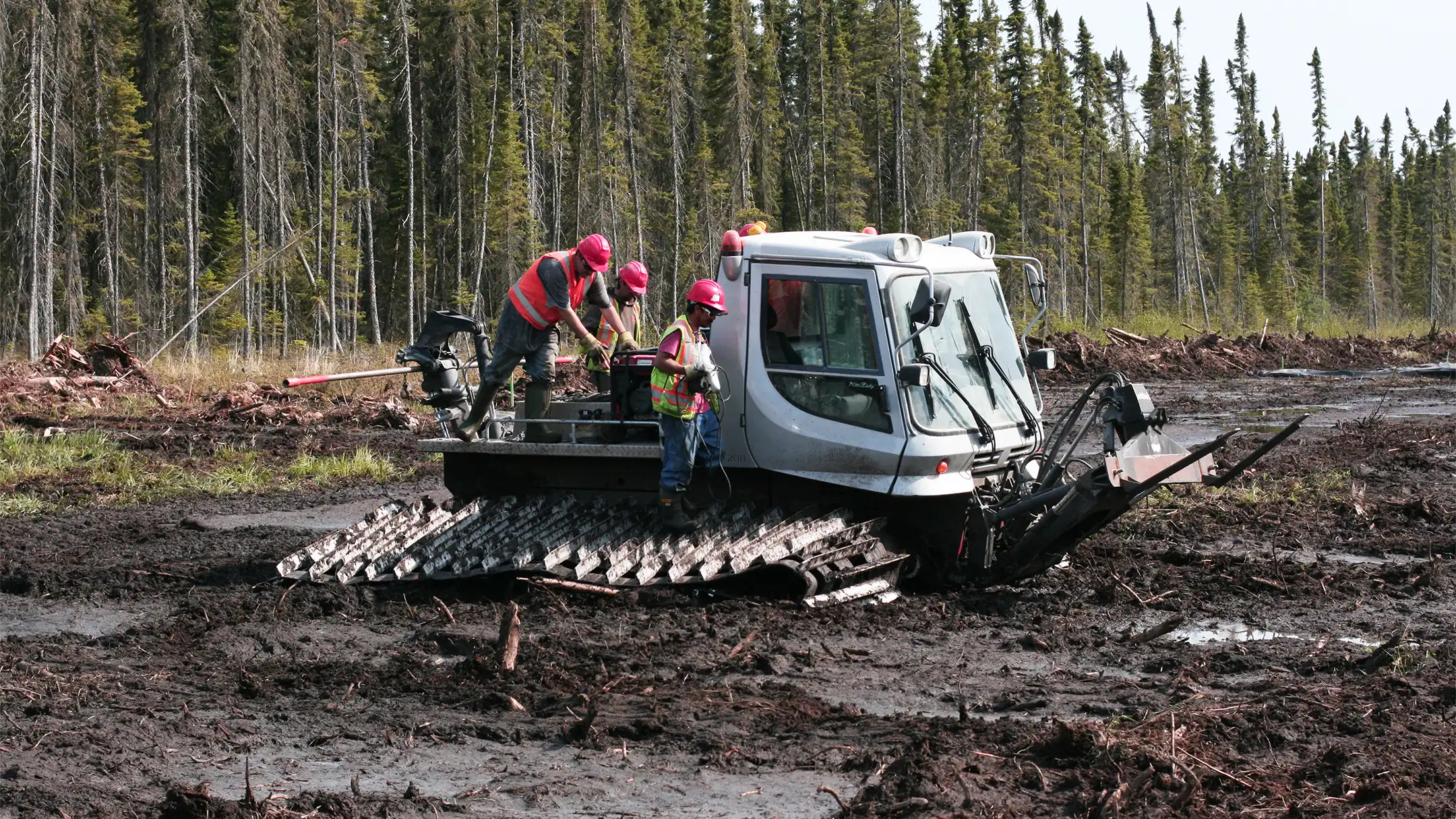
Lake Winnipeg’s east side is a provincial jewel, with vast stands of boreal forest, an abundance of wildlife and a vibrant traditional culture. Despite these assets, the lack of permanent road connectivity resulted in detrimental societal and economic impacts.
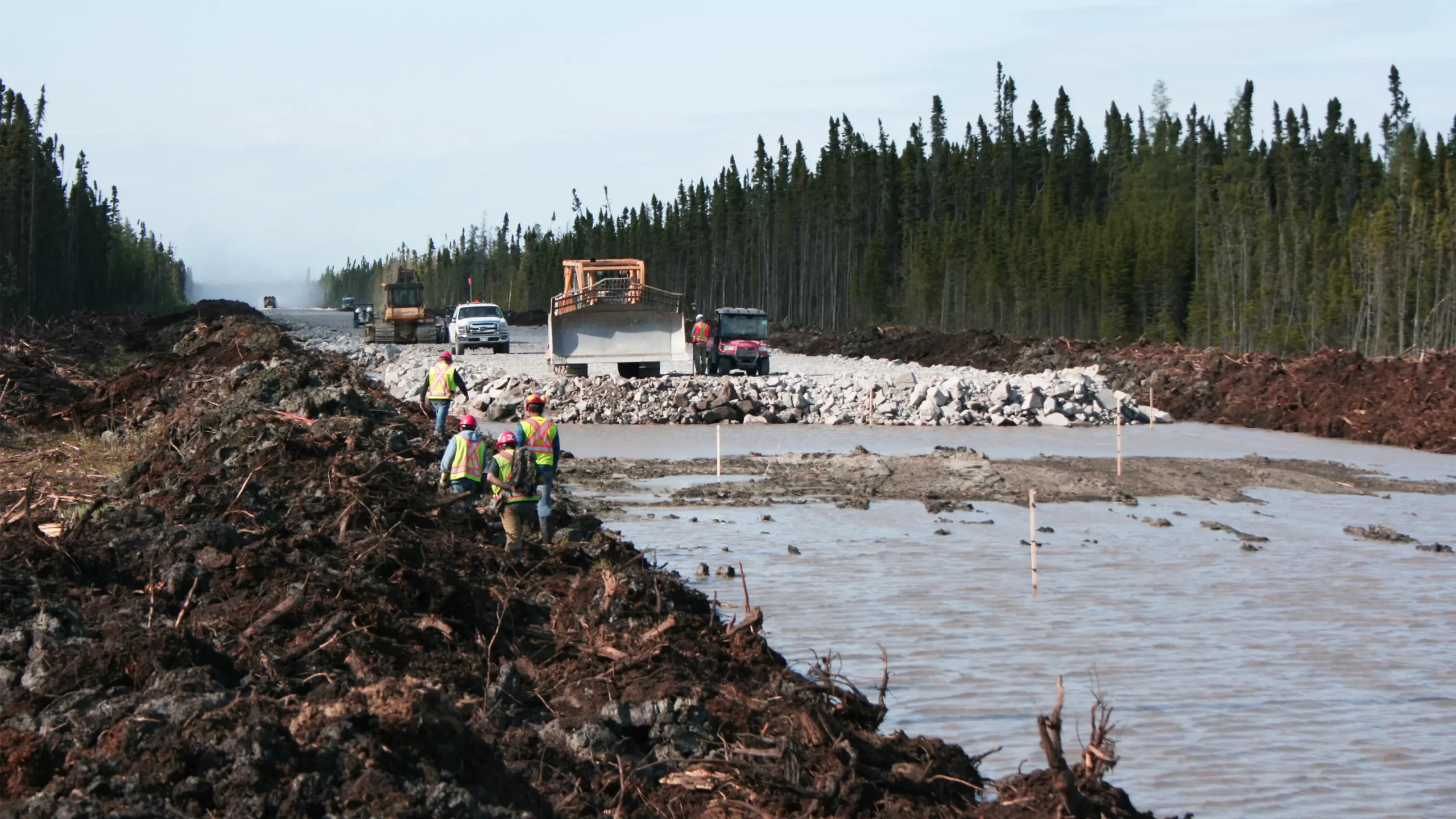
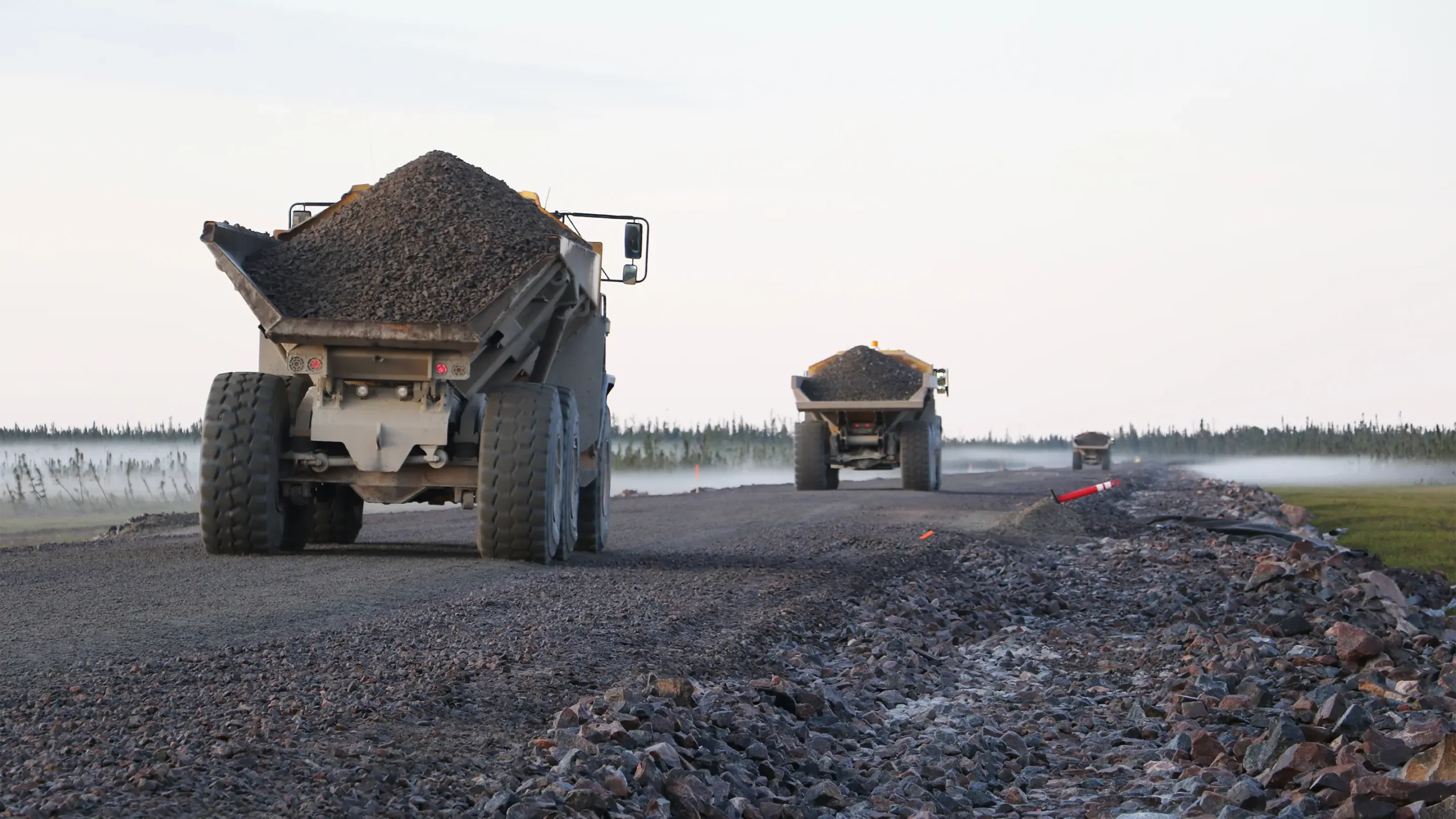
Recognizing the benefits of reliable access, KGS Group teamed with other firms to oversee the construction of a new 158-km all-season roadway including nine individual river crossings connecting to both Bloodvein and Berens River First Nations.
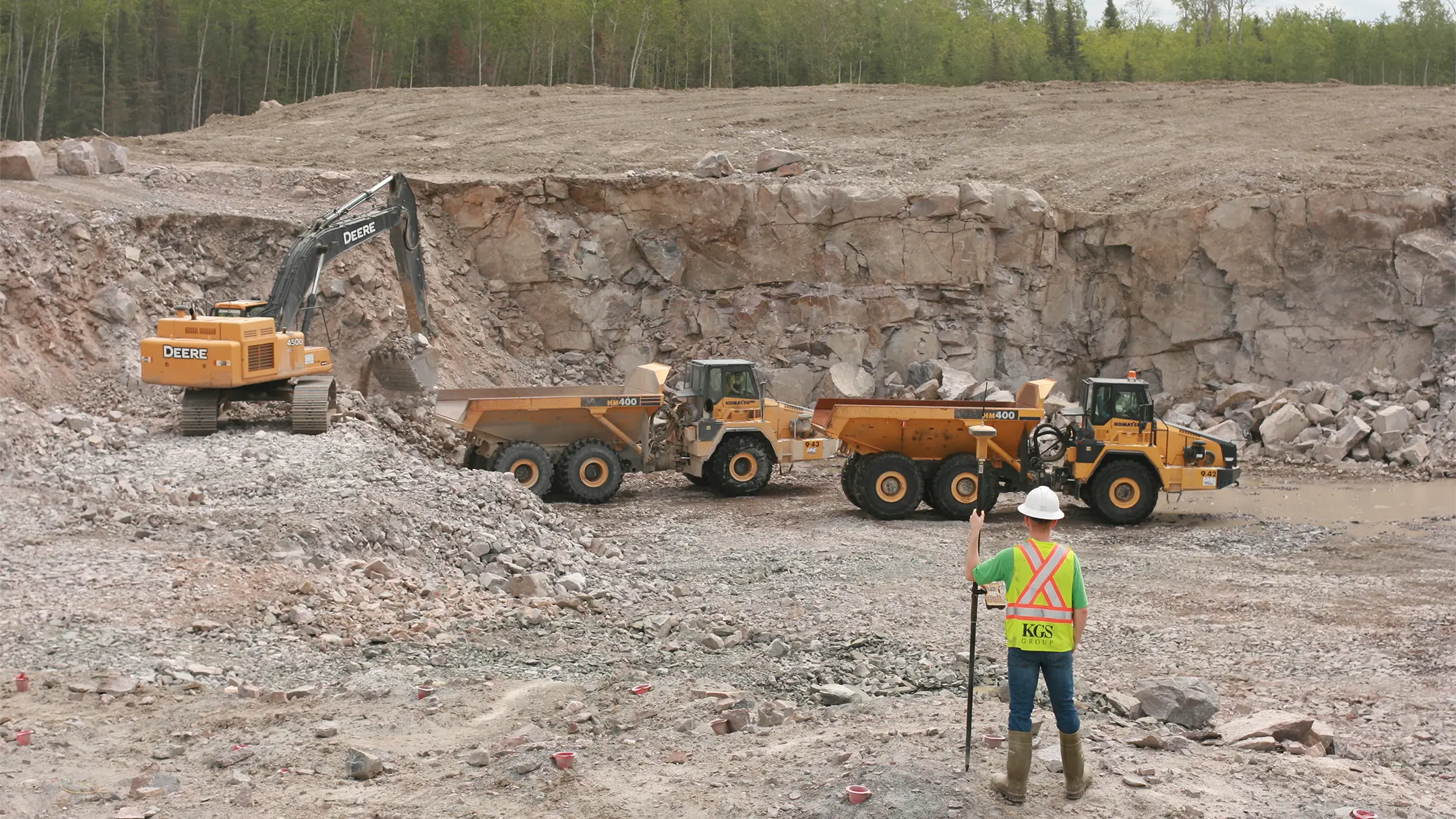
Over a six-year duration, KGS Group met numerous challenges including wide-ranging terrain, seasonal-access restrictions, limited accommodations, rigorous safety requirements, complex assignment sequencing, robust environmental protection measures and timely public liaison.
Project Highlights
- Construction of Manitoba’s first open-bottom, multi-plate arch culvert with MSE wall structure to protect fish habitat
- Coordination of external Community Benefit Agreements (CBA) for road aggregate production and tree clearing
- Application of ground-penetrating radar (GPR) studies to determine subsurface conditions
- Application of sonar mapping to determine and qualify bridge pier and abutment locations
- Application of Traditional Ecological Knowledge (TEK) studies to optimize final roadway alignments
Fort Severn First Nation Winter Road Relocation Study
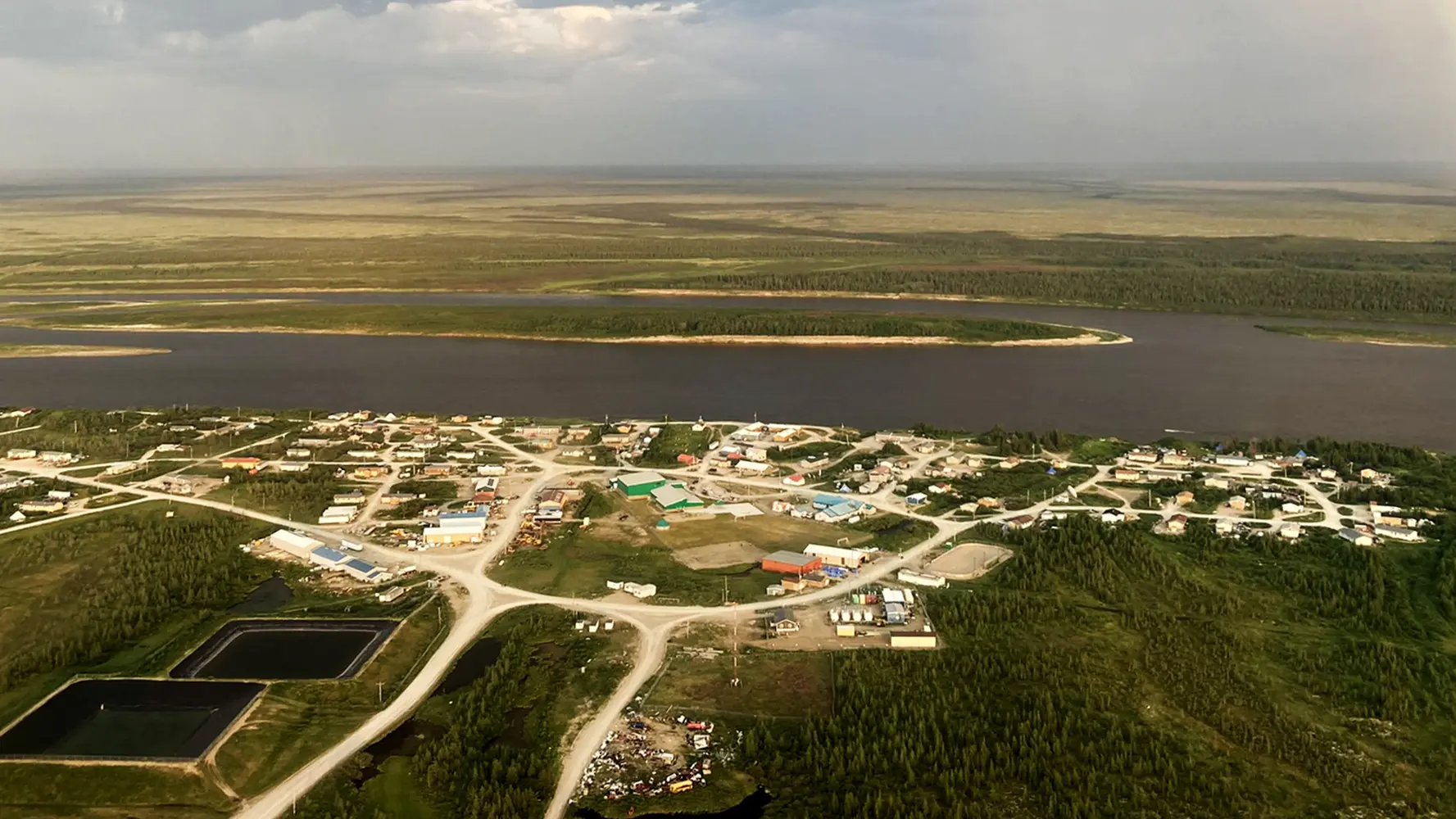
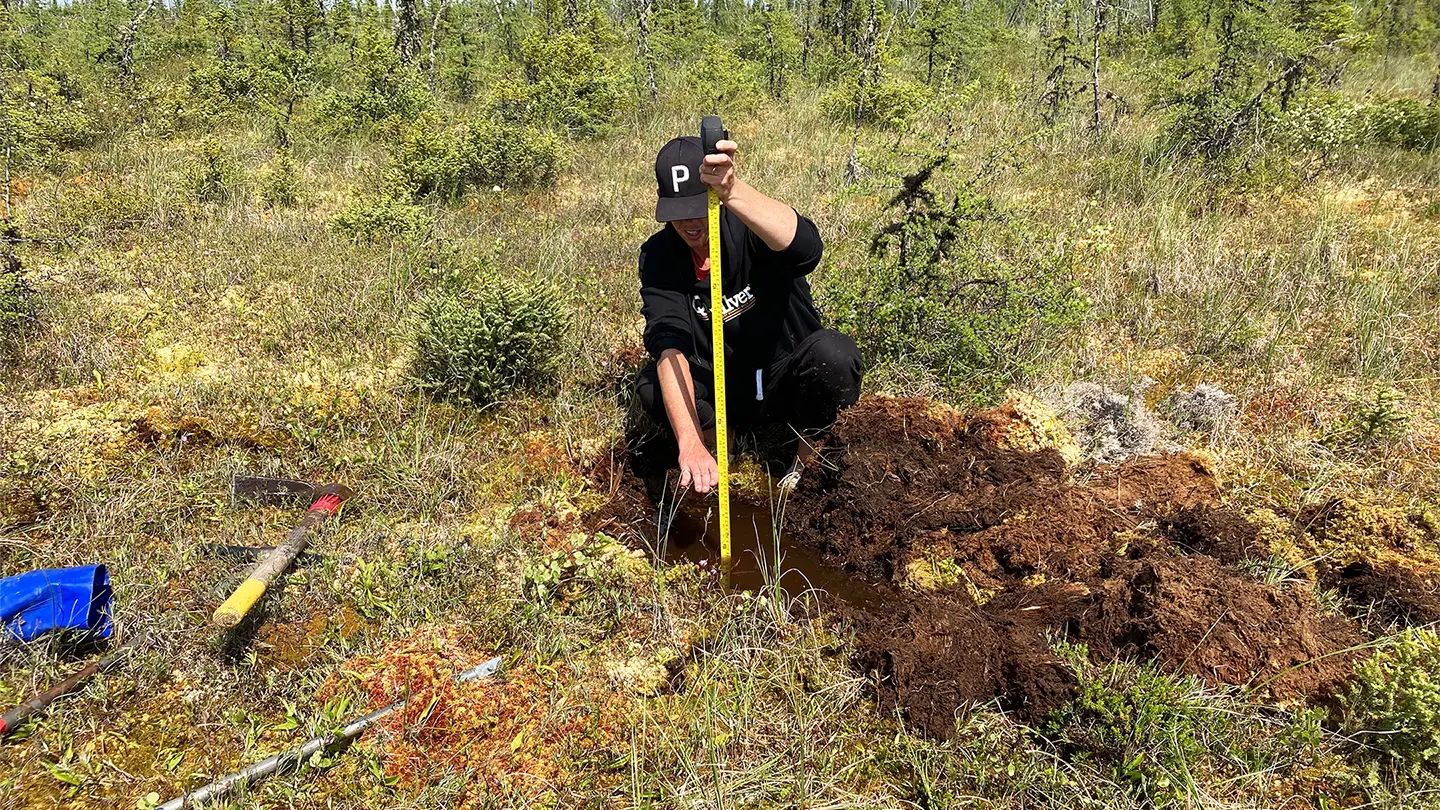
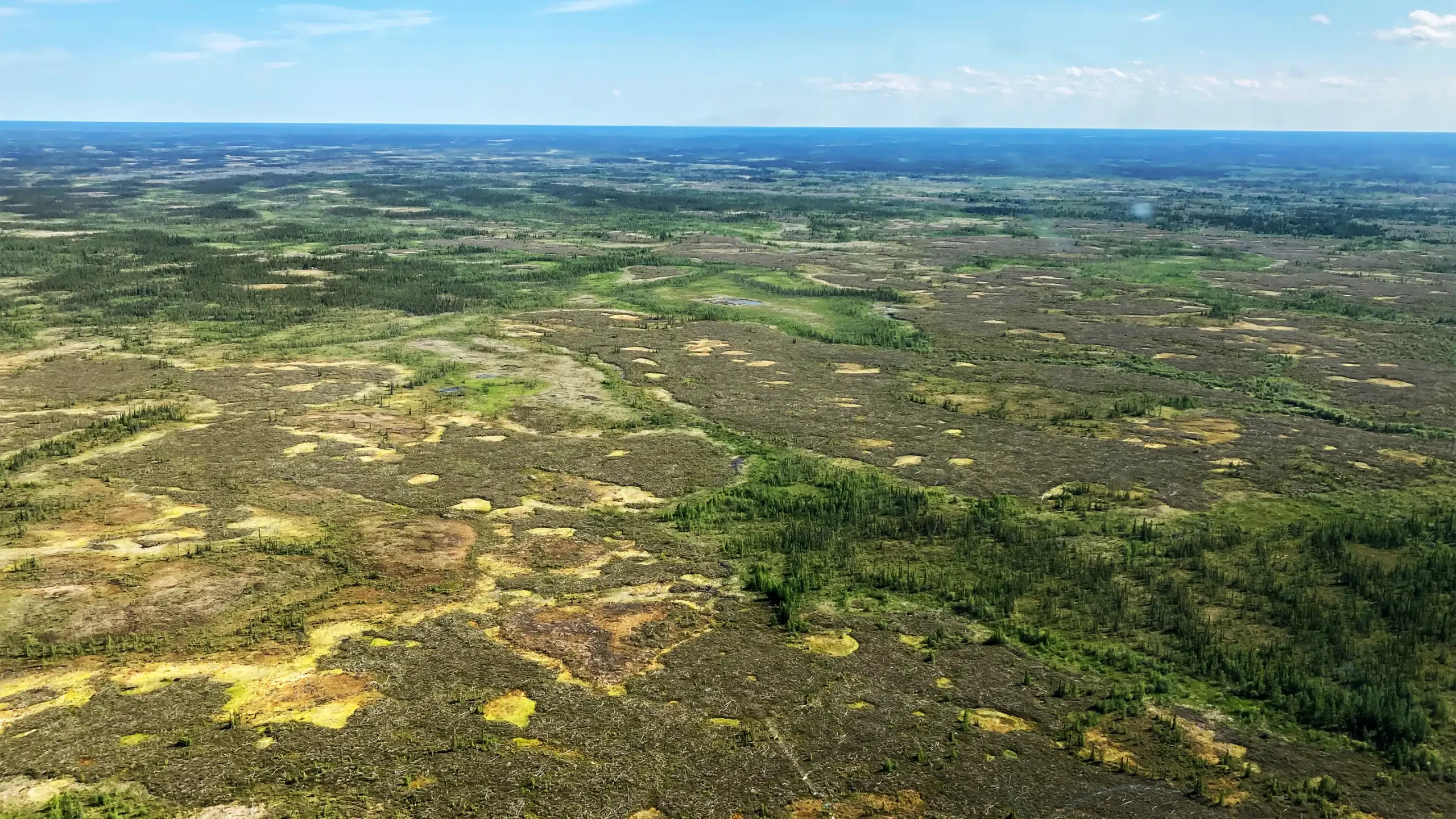
Winter roads have been lifelines for remote northern communities for decades. Inaccessible by permanent or all-season road networks, these communities rely on winter roads as a cost-effective means of ground transportation for goods and services such as the delivery of fuel, food, construction materials and equipment.
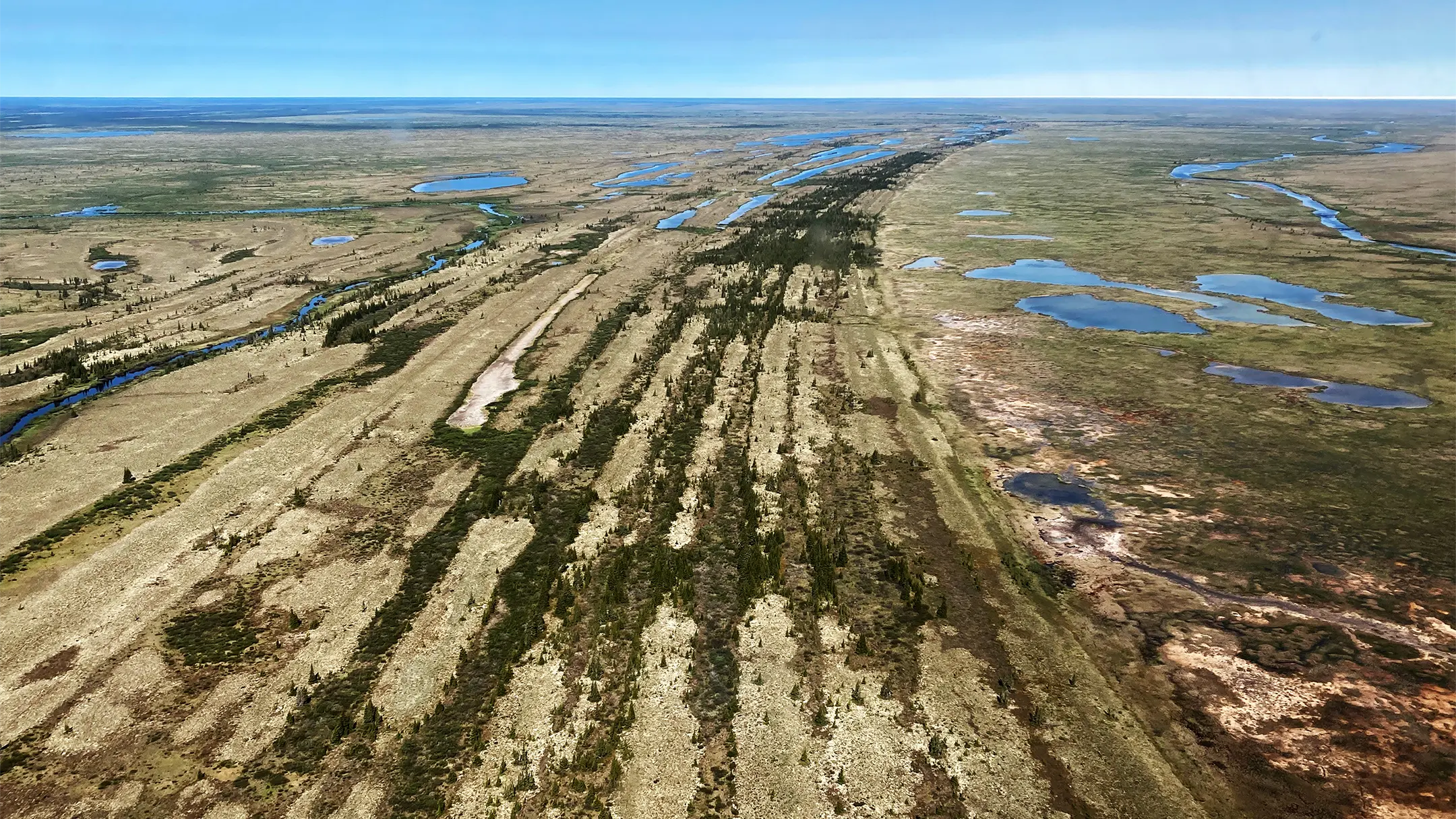
Fort Severn First Nation is the most northern community in Ontario, located at the mouth of the Severn River on the coast of Hudson Bay. Situated on the coastline with no permanent all-season road access, the remote community relies on their winter road network to transport supplies. Climate change has severely reduced the serviceability and sustainability of the Fort Severn winter road that was constructed through organic terrain and lakes.
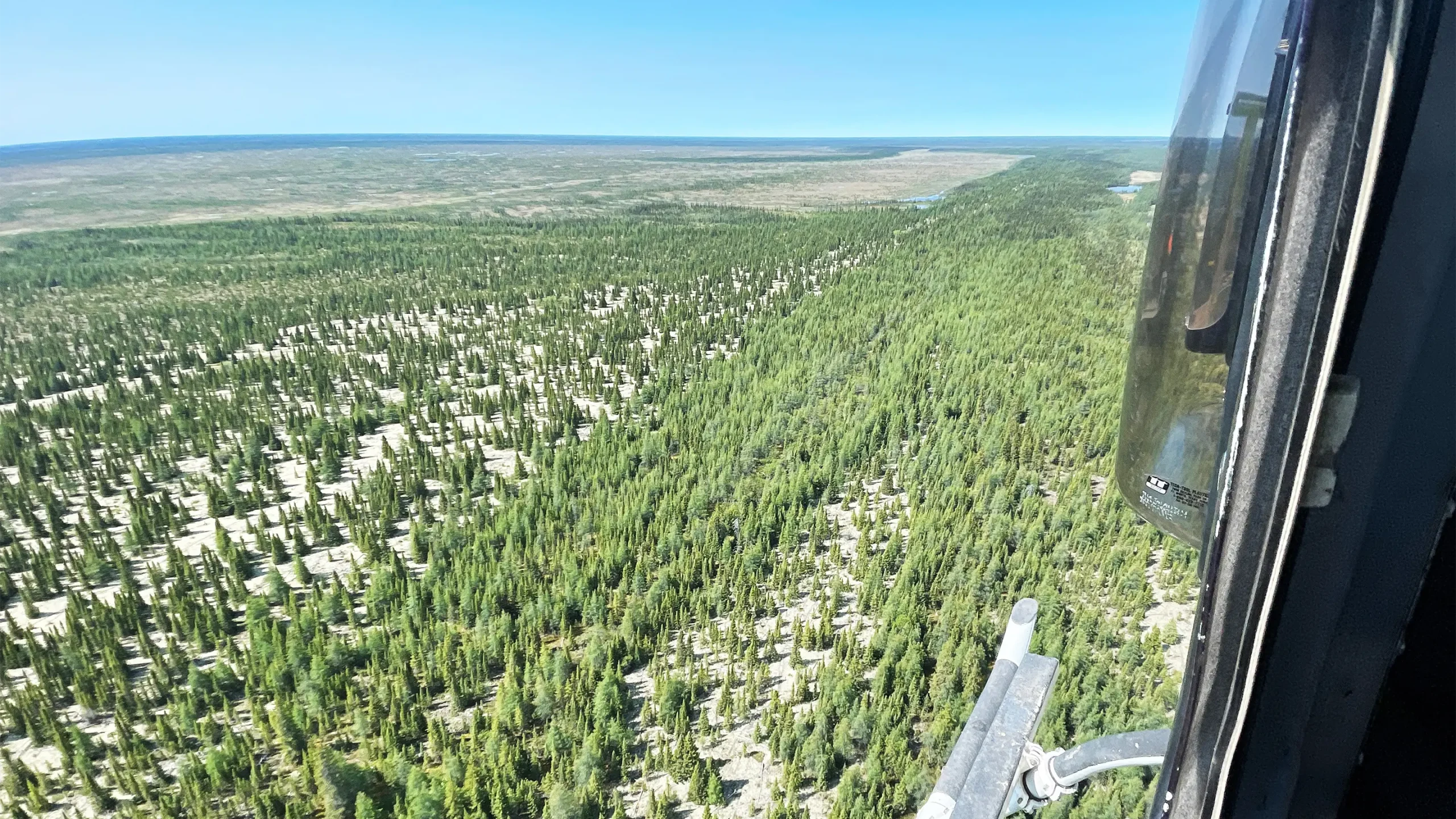
KGS Group collaborated with the community, Keewaytinook Okimakanak, and environmental scientists to examine the feasibility of the relocation and redesign of the existing winter road. Alternative options were developed by using climate sensitive routing and construction strategies optimized through geotechnical investigations and a helicopter reconnaissance program. The team prioritized options that were adaptive to climate warming and minimized overall environmental impact while keeping cost in mind. Preliminary environmental studies were also completed to initiate some of the environmental work that would be required as part of an environmental assessment process.
The final result of the study includes a plan for a climate-resilient winter road that will enable vital access to the community despite the challenges of climate change. This new approach to re-routing winter roads considers environmentally and culturally sensitive areas while setting the community up for future all-season access.
Project Highlights
- A plan for the relocation and redesign of the existing winter road across organic terrain and lake crossings with climate-sensitive route planning to look at alternative options
- Preliminary environmental studies were completed to initiate the work required as part of the assessment process