

Peter Sutherland Sr. Generating Station
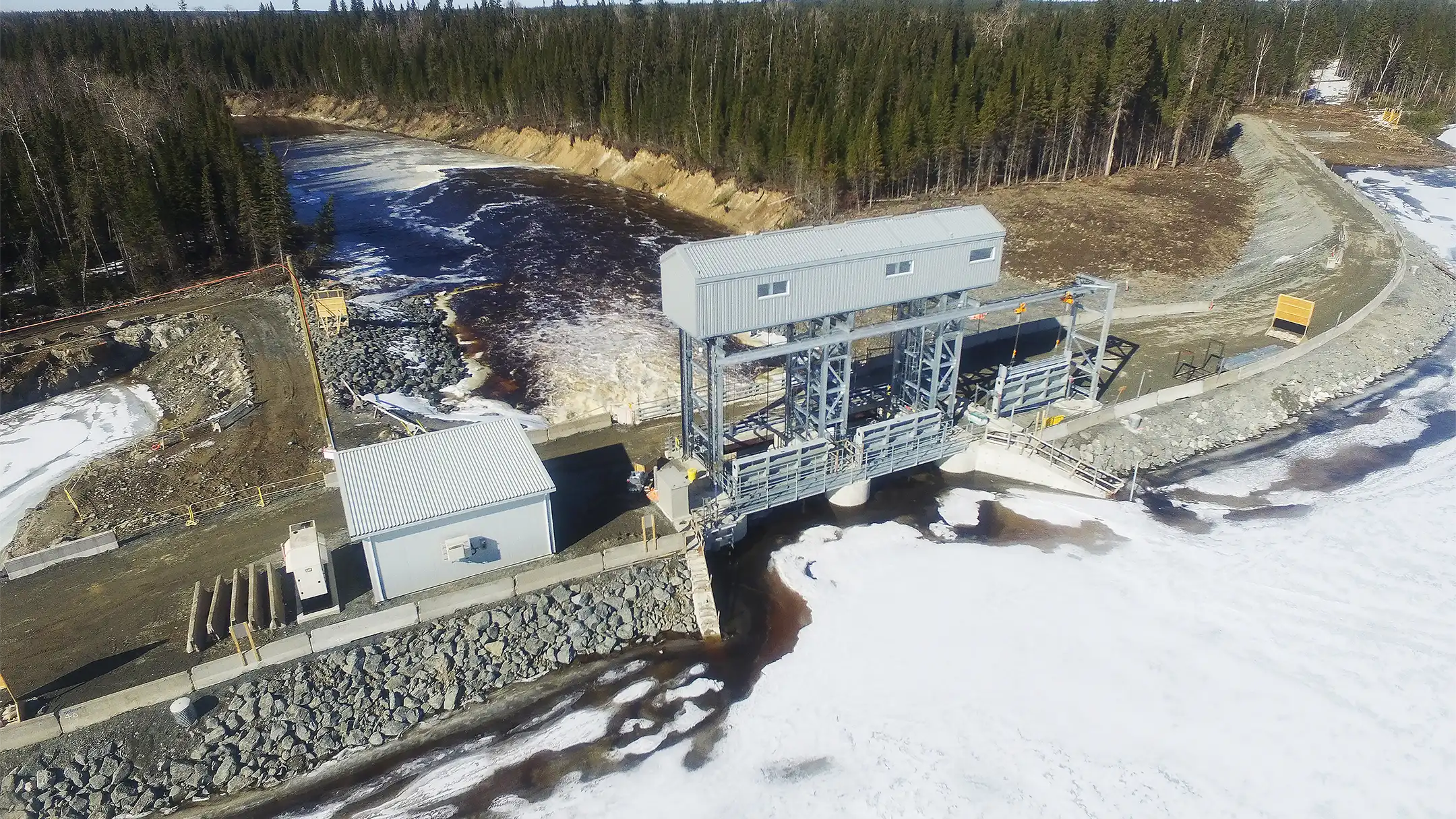
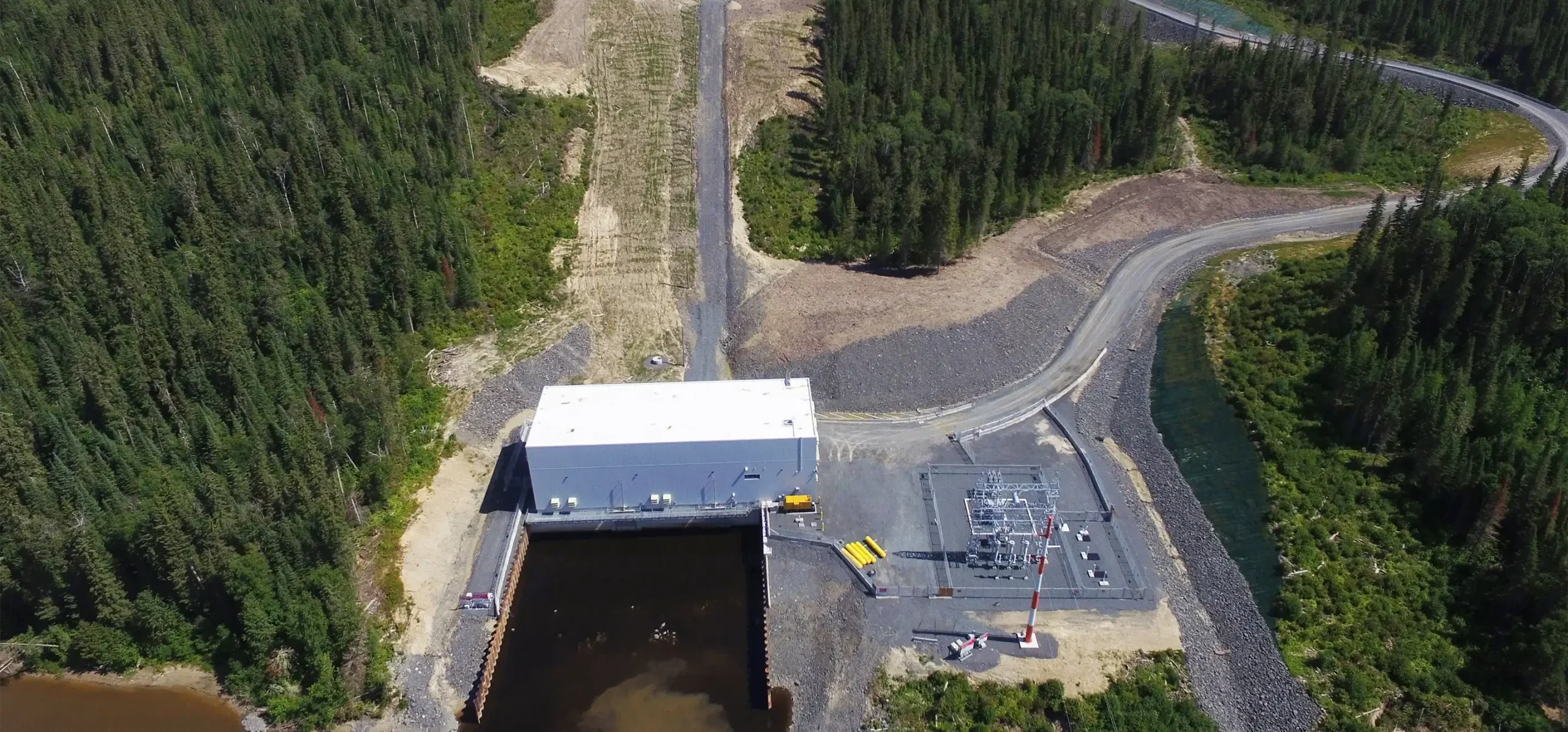
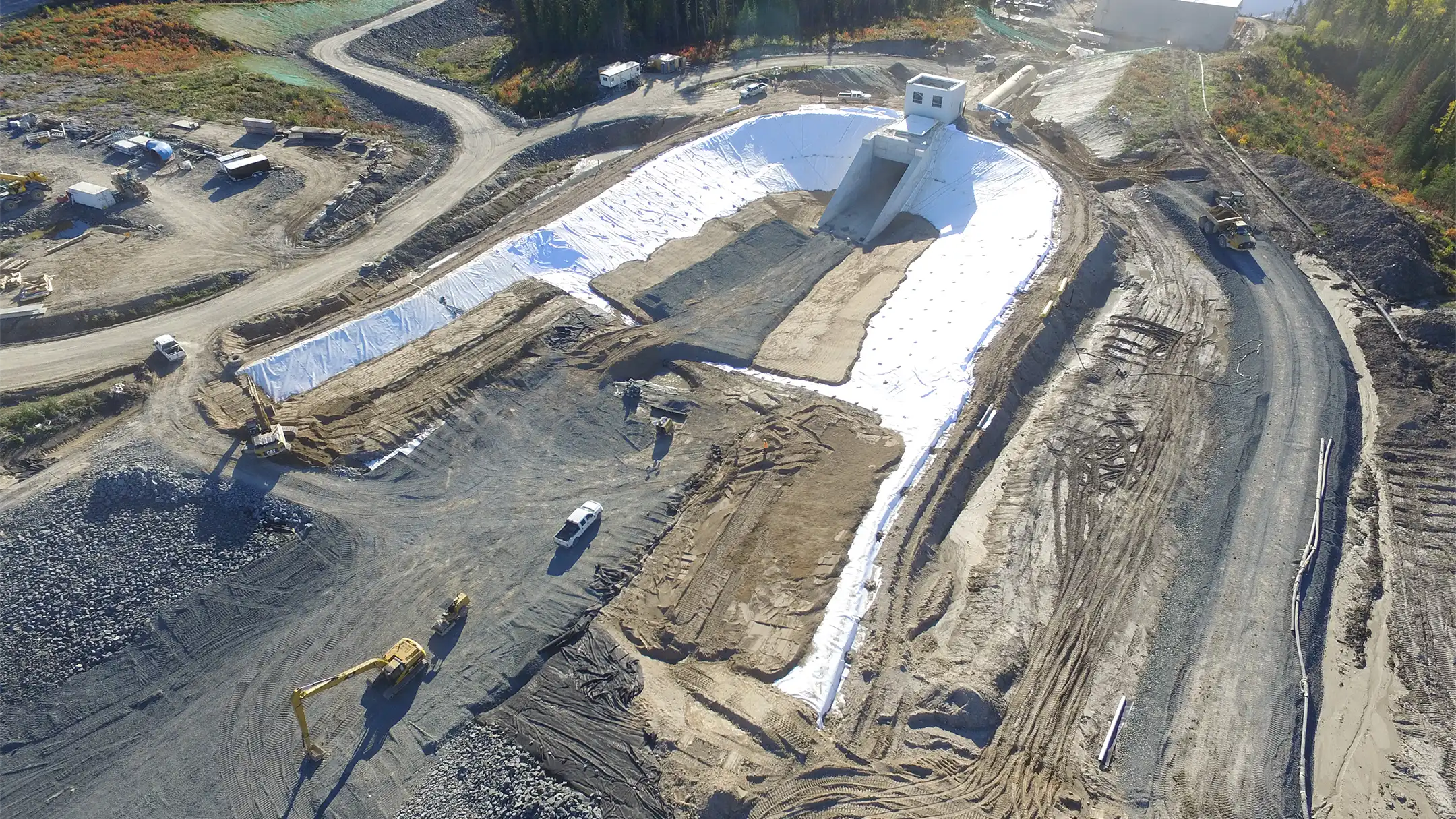
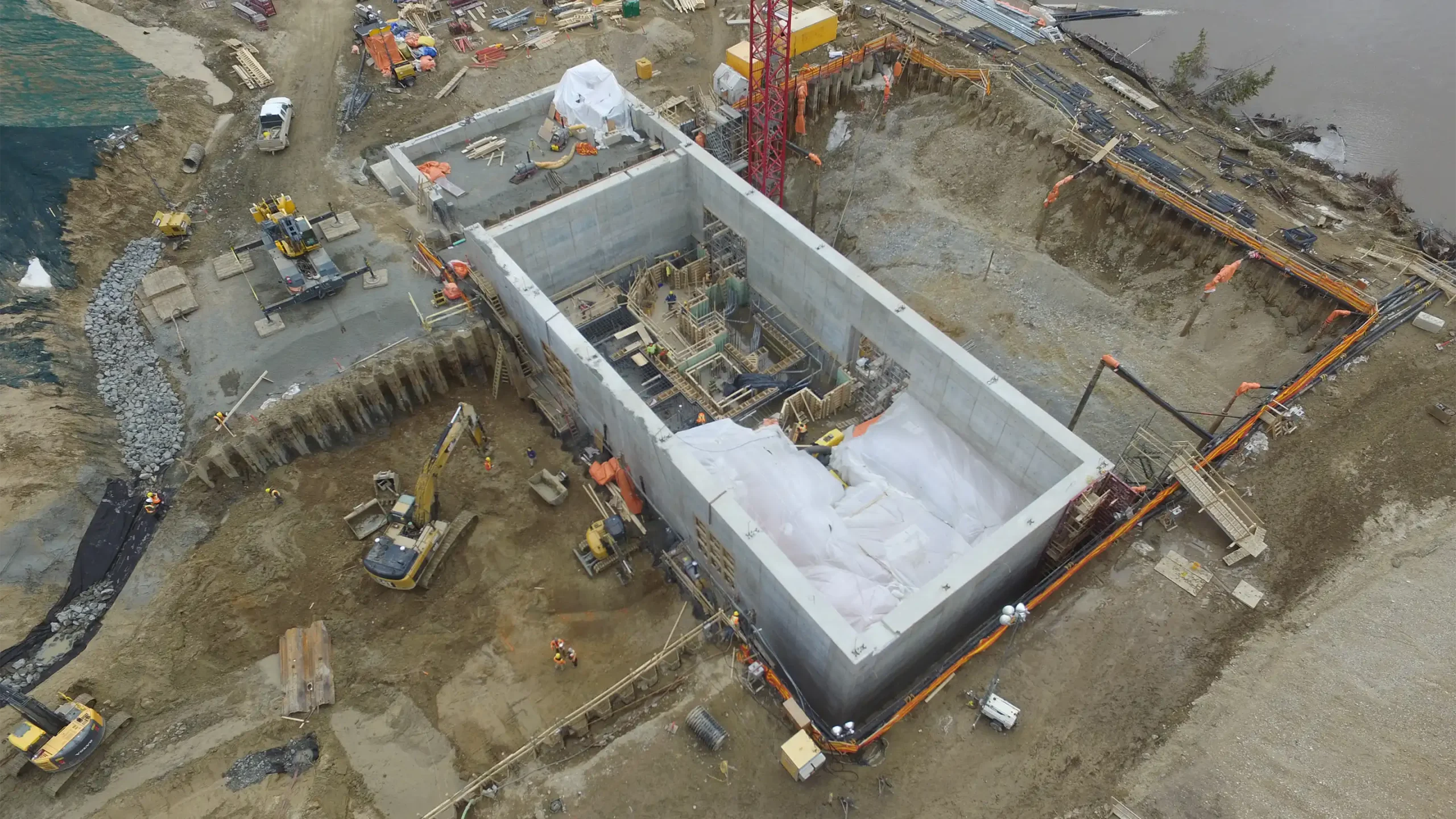
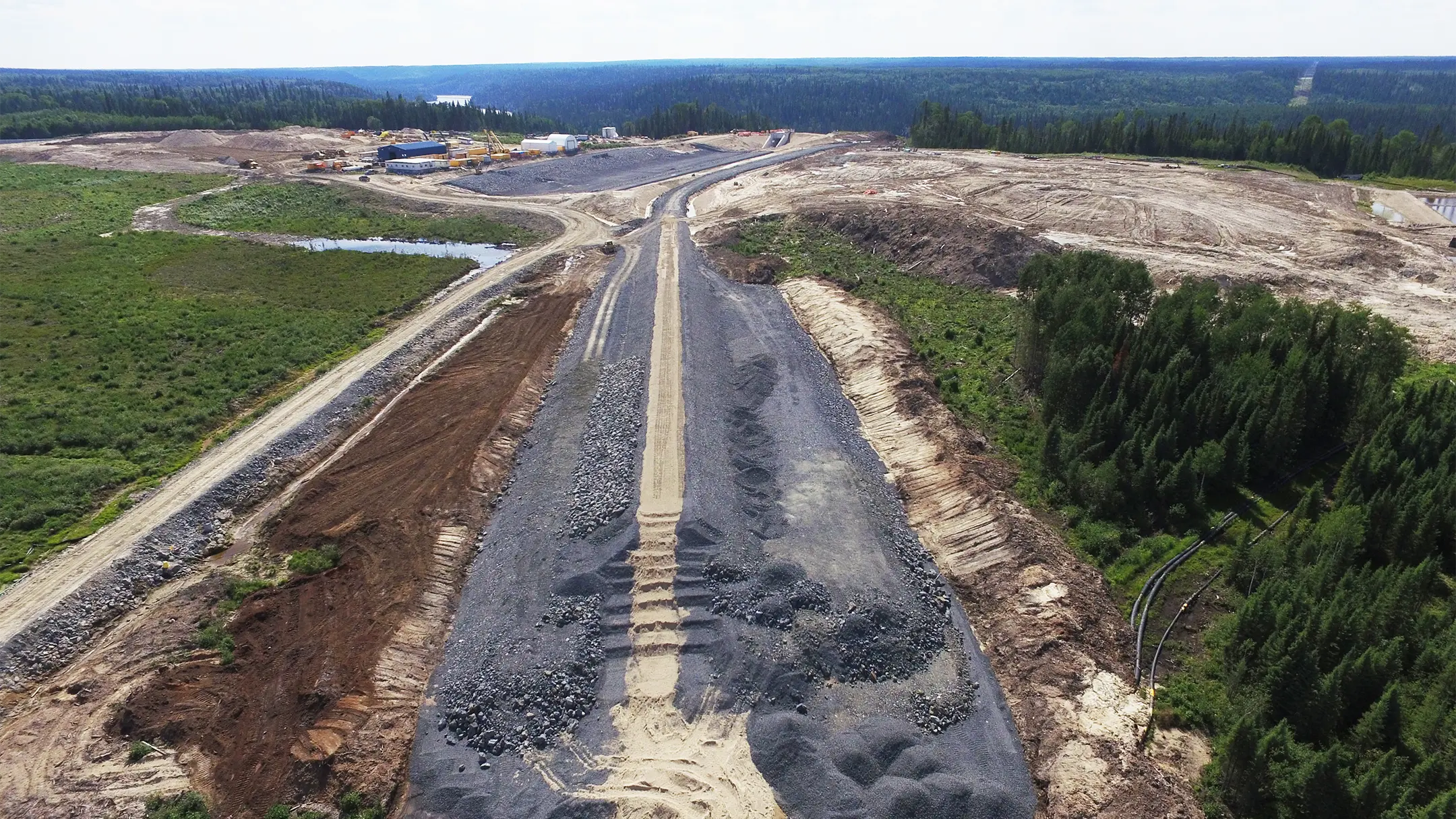
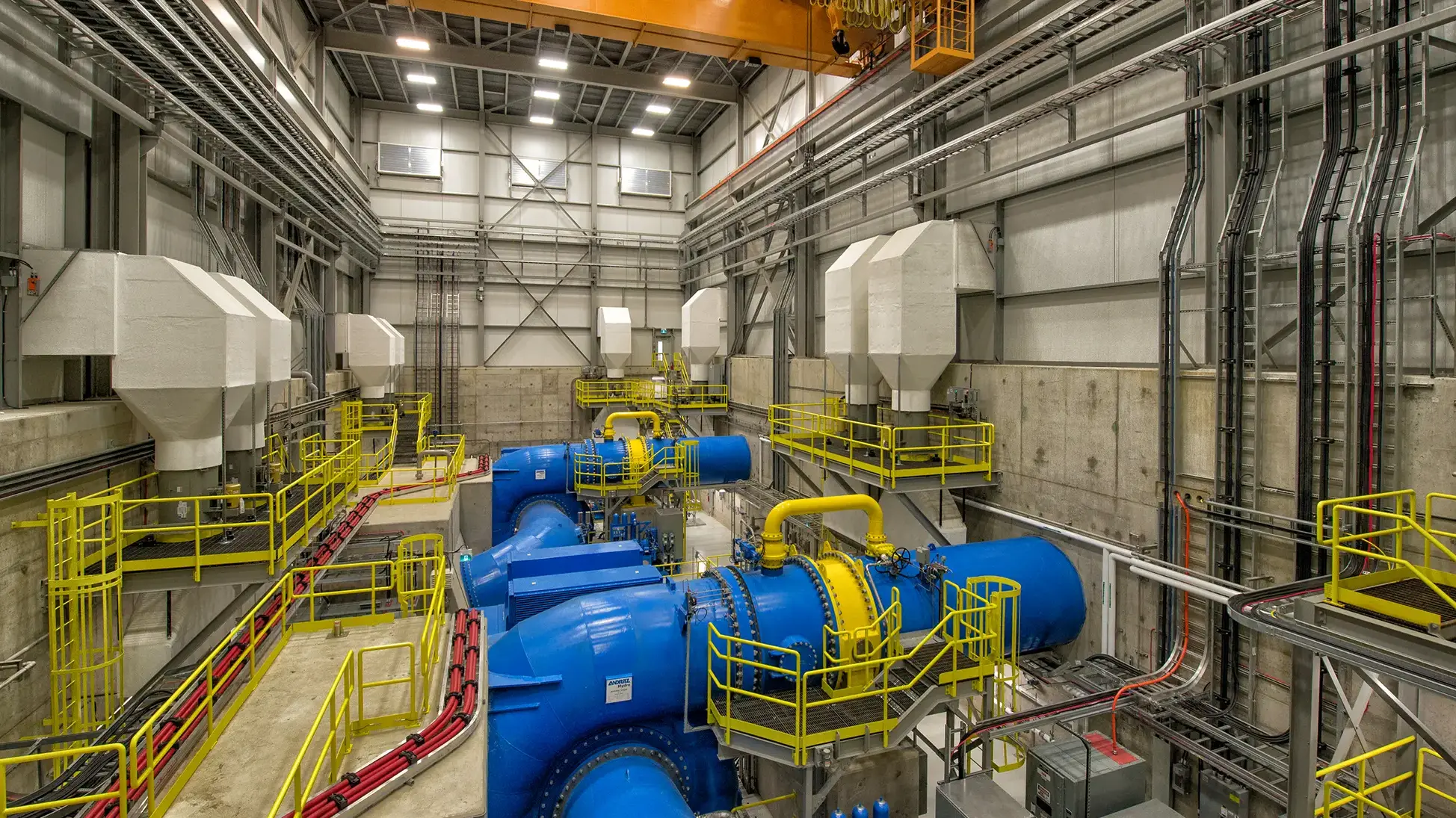
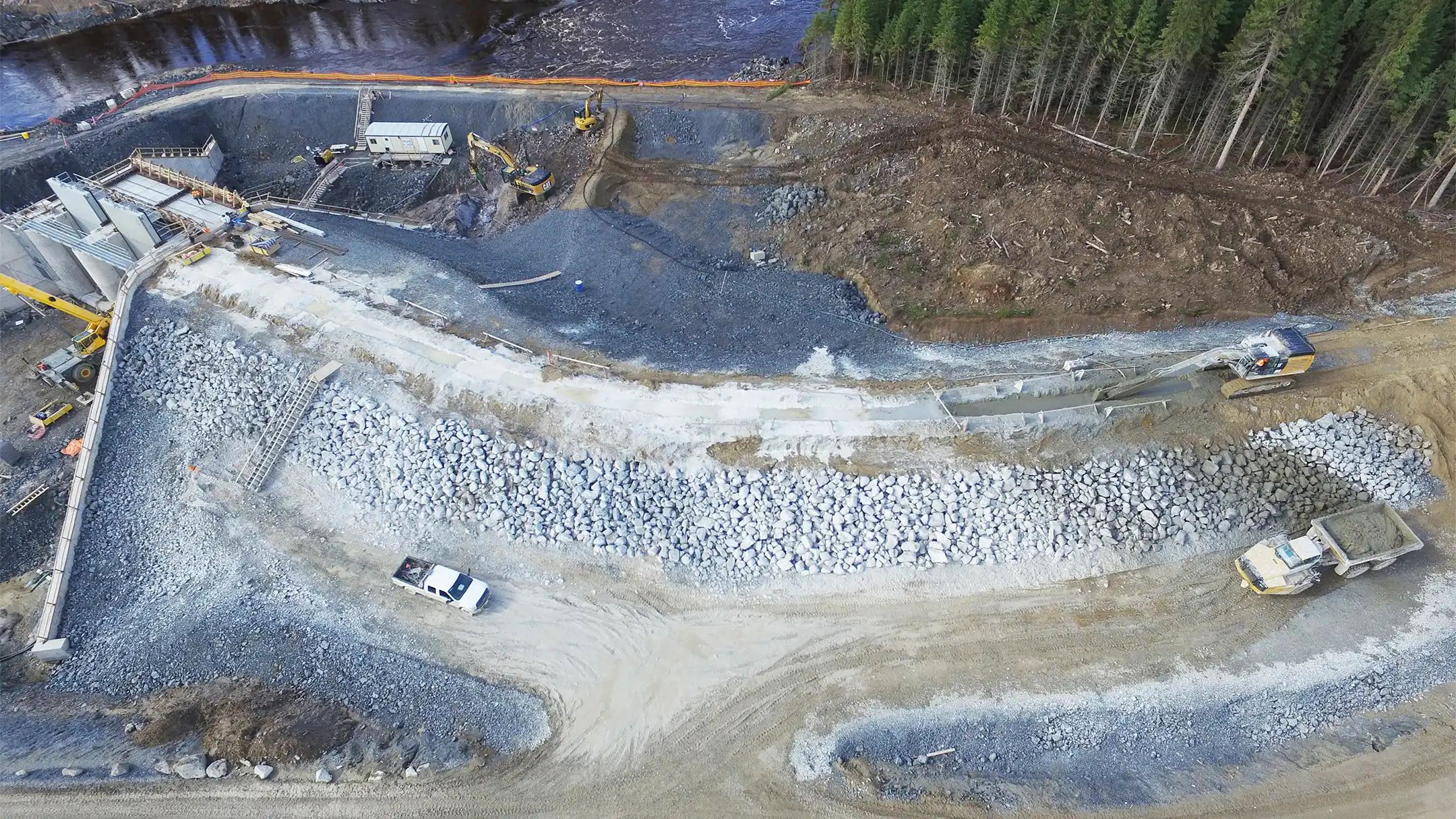
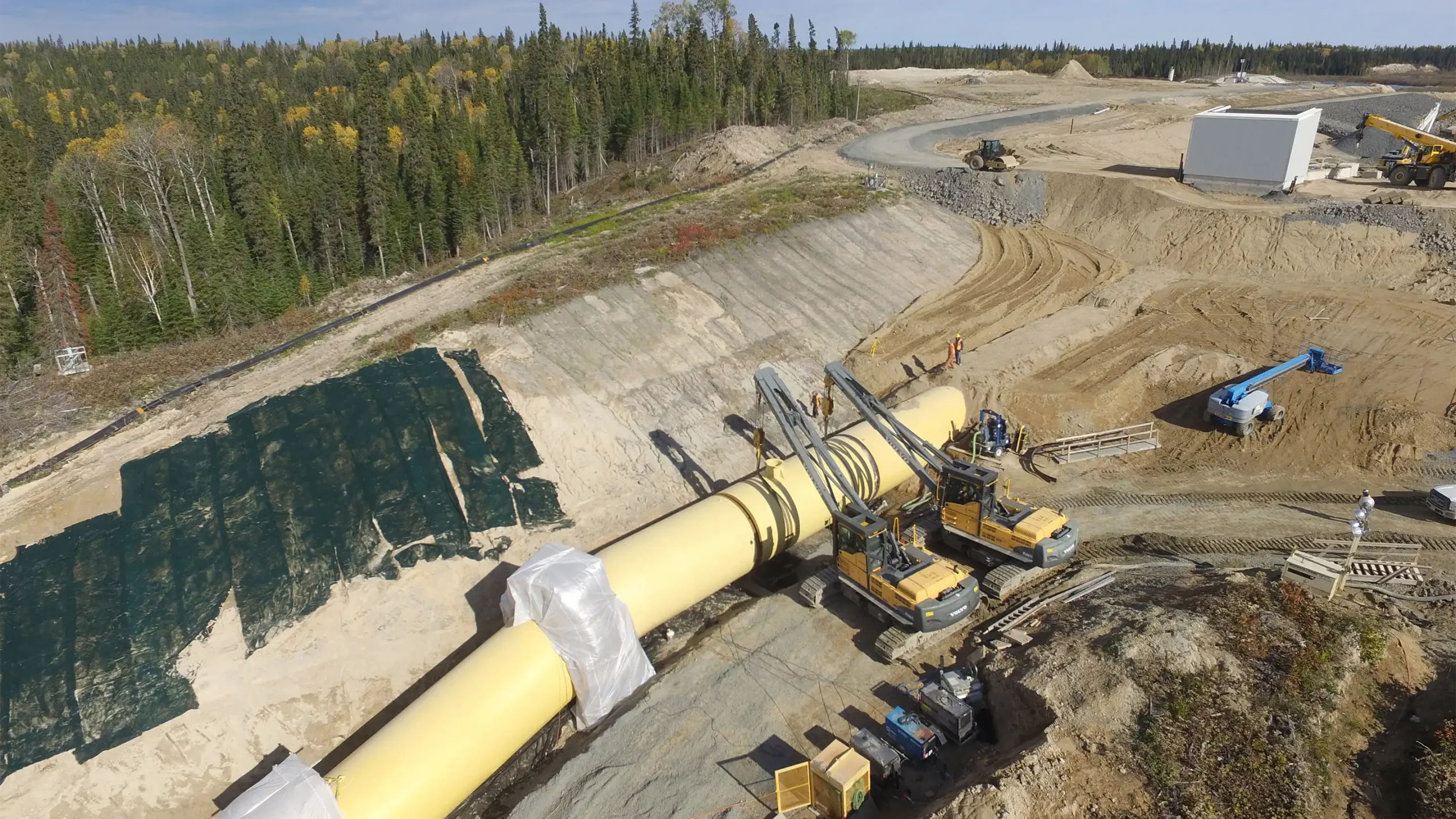
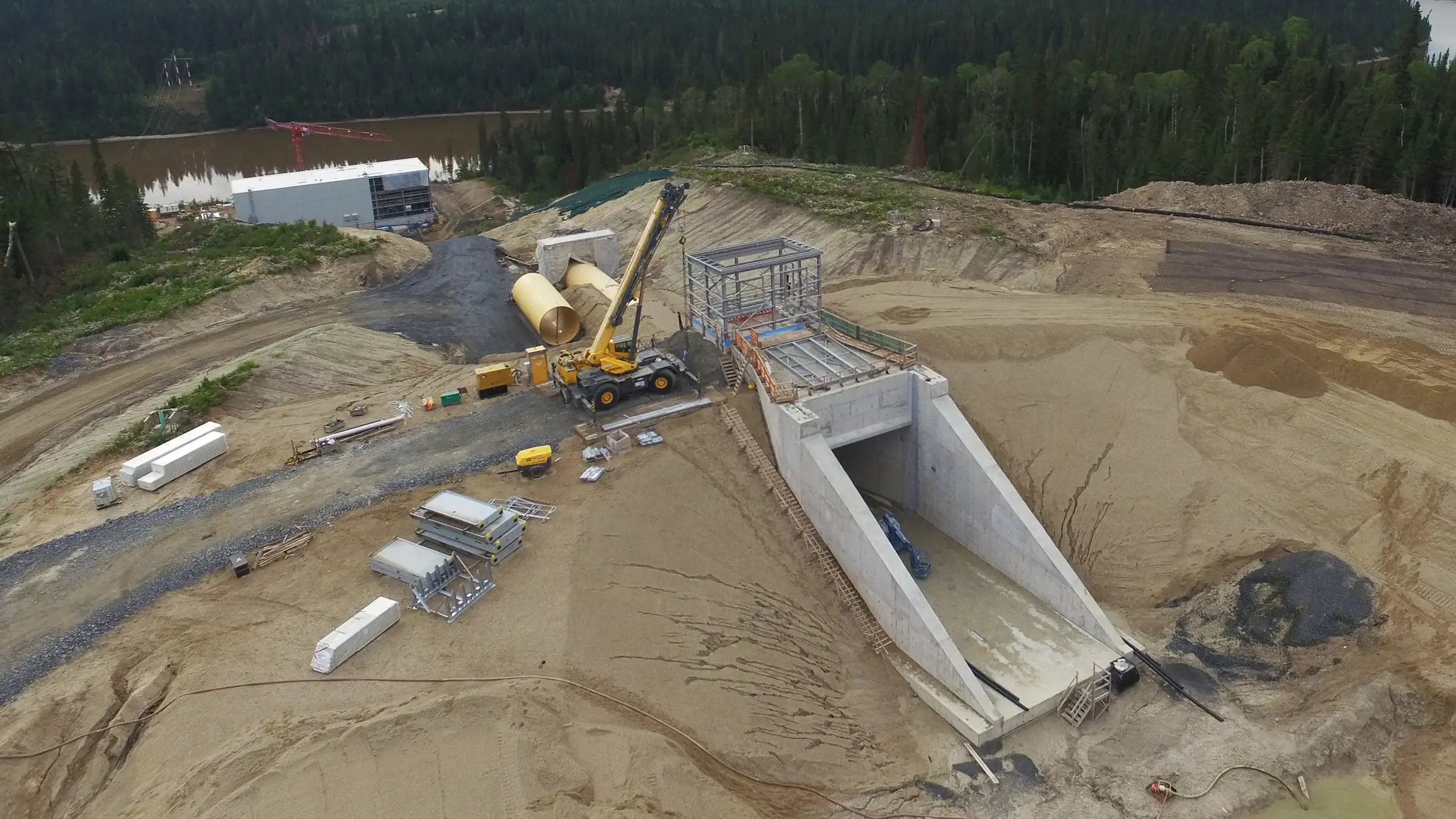
Ontario Power Generation and Coral Rapids Power Corporation (a company wholly owned by Taykwa Tagamou Nation) are equity partners in the Peter Sutherland Sr. Generating Station. Named after a respected community elder, the 28 MW hydroelectric power station is remotely located at the confluence of the Abitibi River and New Post Creek within the Taykwa Tagamou Nation traditional territory of northeastern Ontario. A portion of the flows from New Post Creek have been harnessed to provide clean, renewable hydroelectric energy.
KGS Group worked closely with Ontario Power Generation and Coral Rapids Power through the conceptual and preliminary design stages, ultimately acting as the owner’s representative through the design-build construction phase that was performed by Kiewit and Aecon. KGS Group staff were onsite throughout construction assisting and collaborating with the owners and contractor team.
Construction was completed safely, on budget, and ahead of schedule. The project is not only an investment into Ontario’s clean energy future; it is a symbol of reconciliation and the culmination of a strong partnership between Taykwa Tagamou Nation and Ontario Power Generation that will benefit the community for generations.
Project Highlights
- Powerhouse construction with two horizontal‑axis Francis turbines with a total plant capacity 28 MW
- Gated intake structure and approach channel with controlled conveyance from New Post Creek
- 4 m diameter steel penstock 250 m long
- 520 m long embankment dam with a cement-bentonite core
- Two-bay gated spillway
Cote First Nation Fence Post Treatment Site Remediation
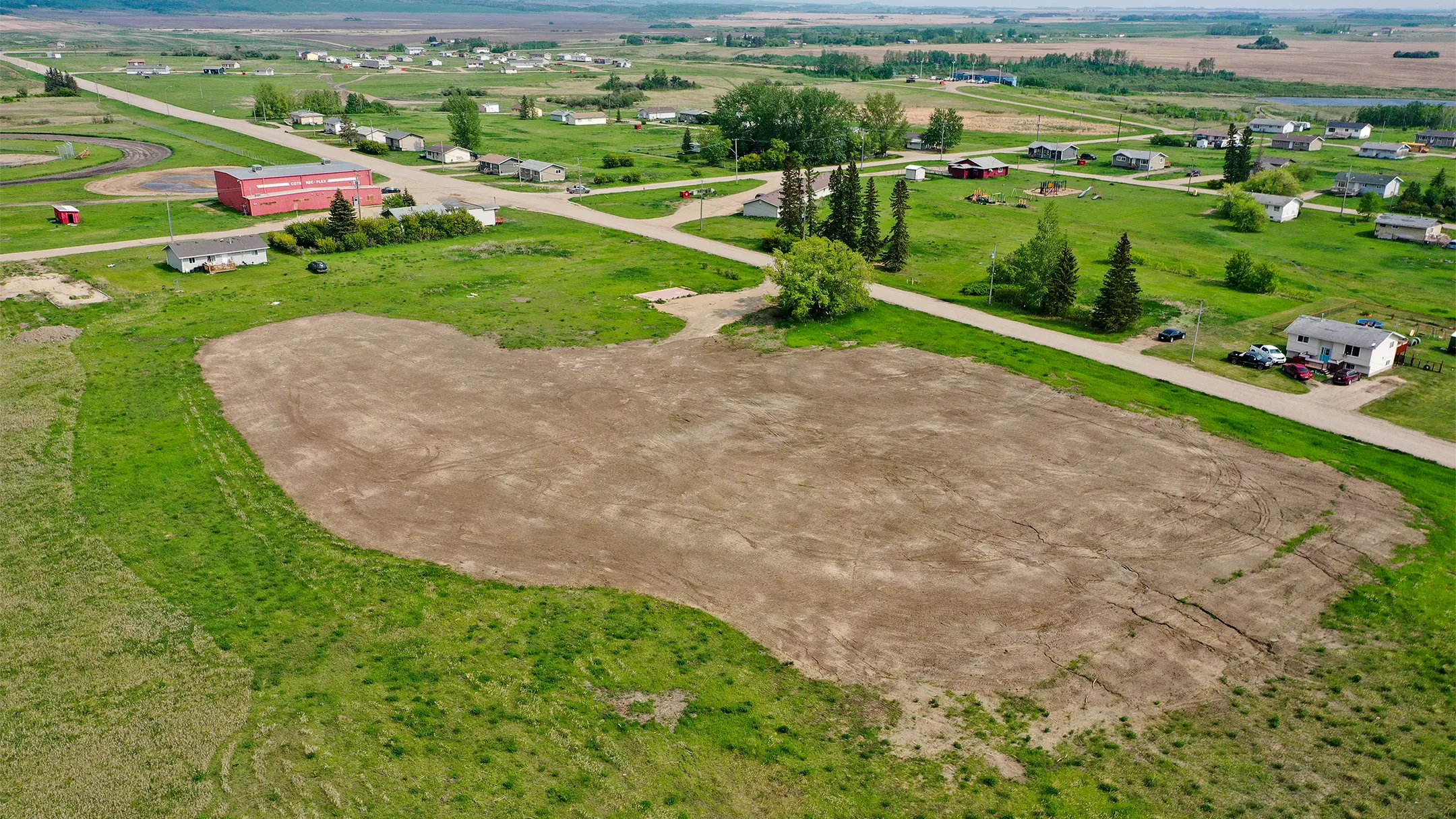
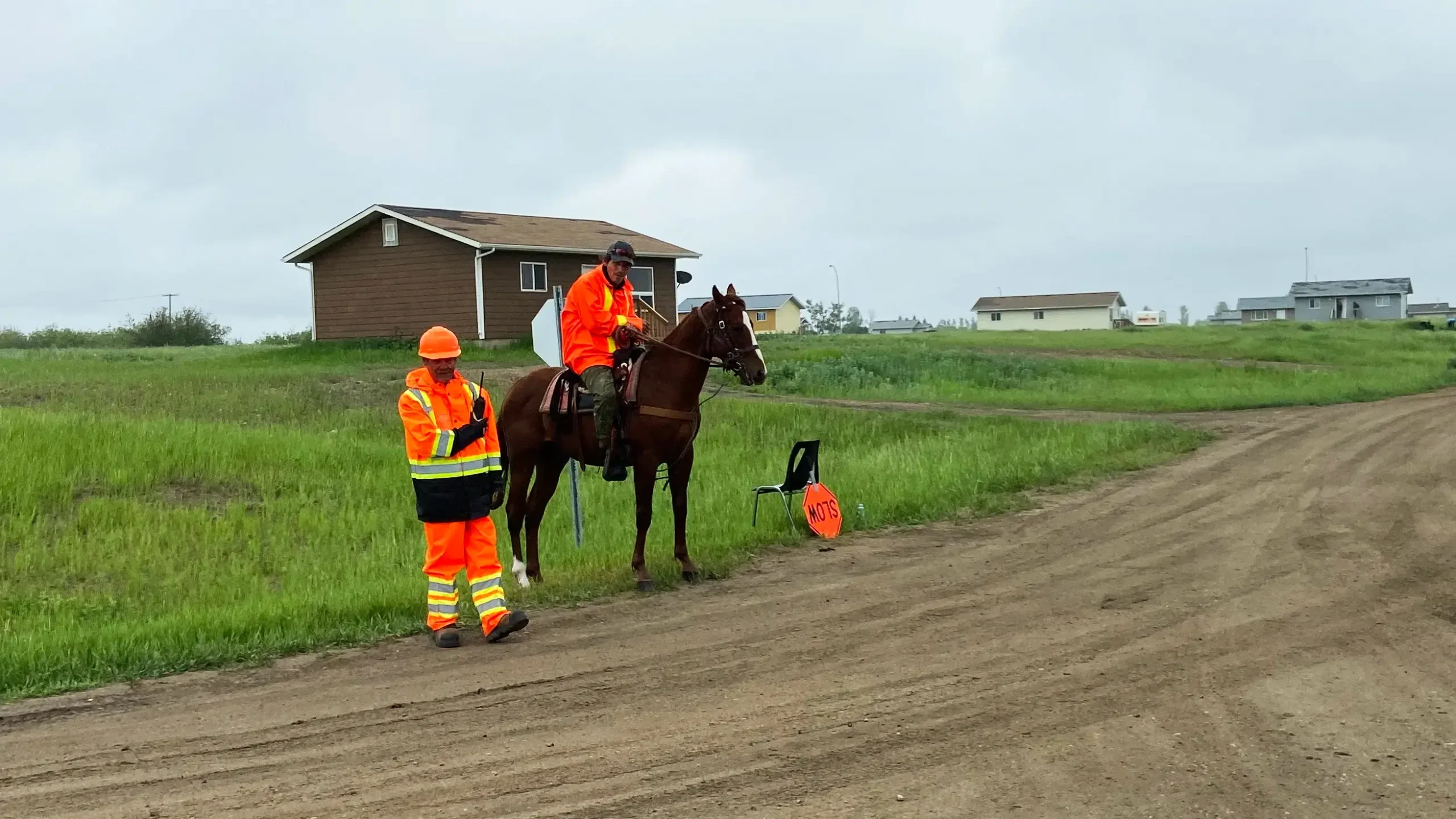
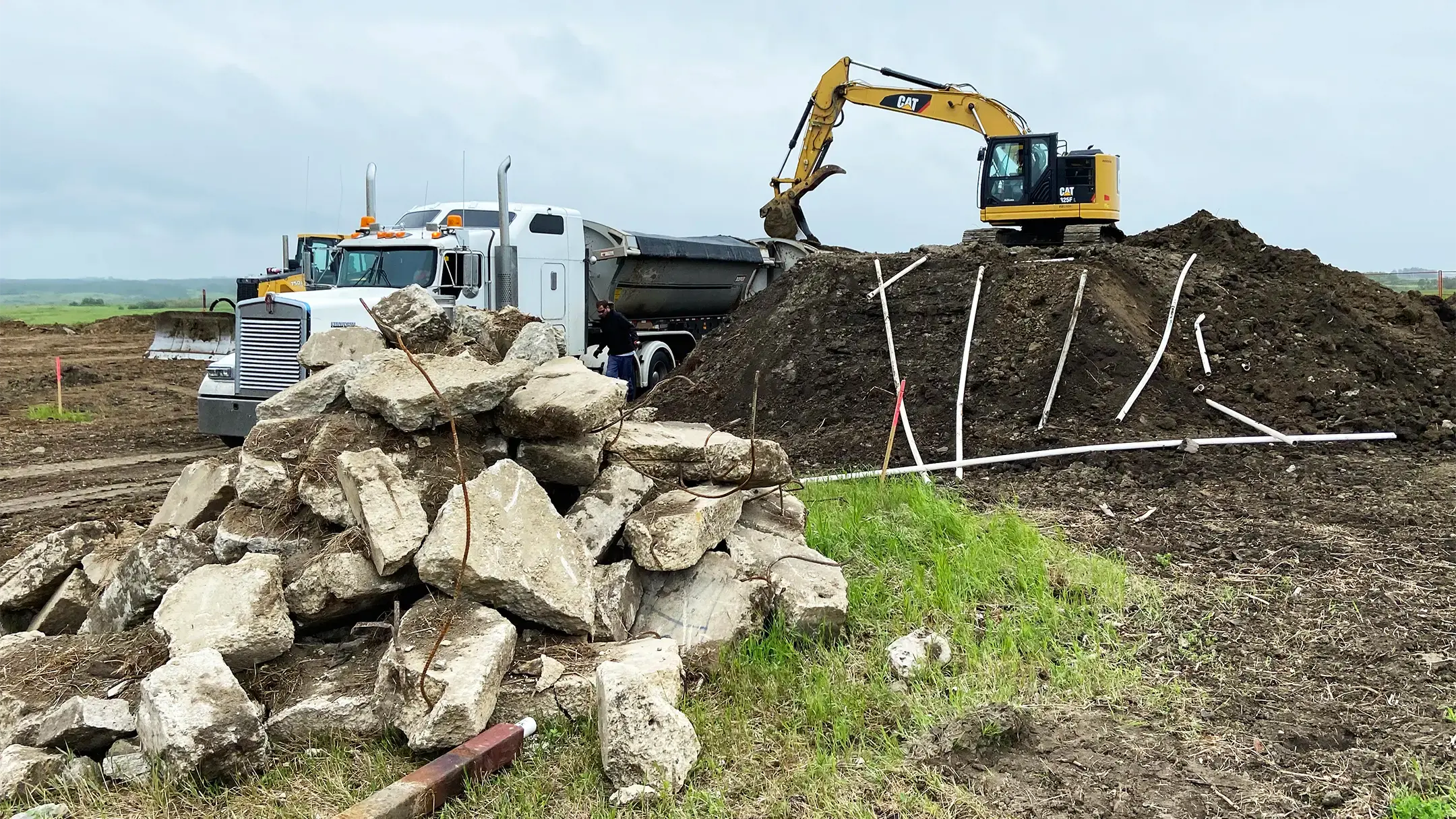
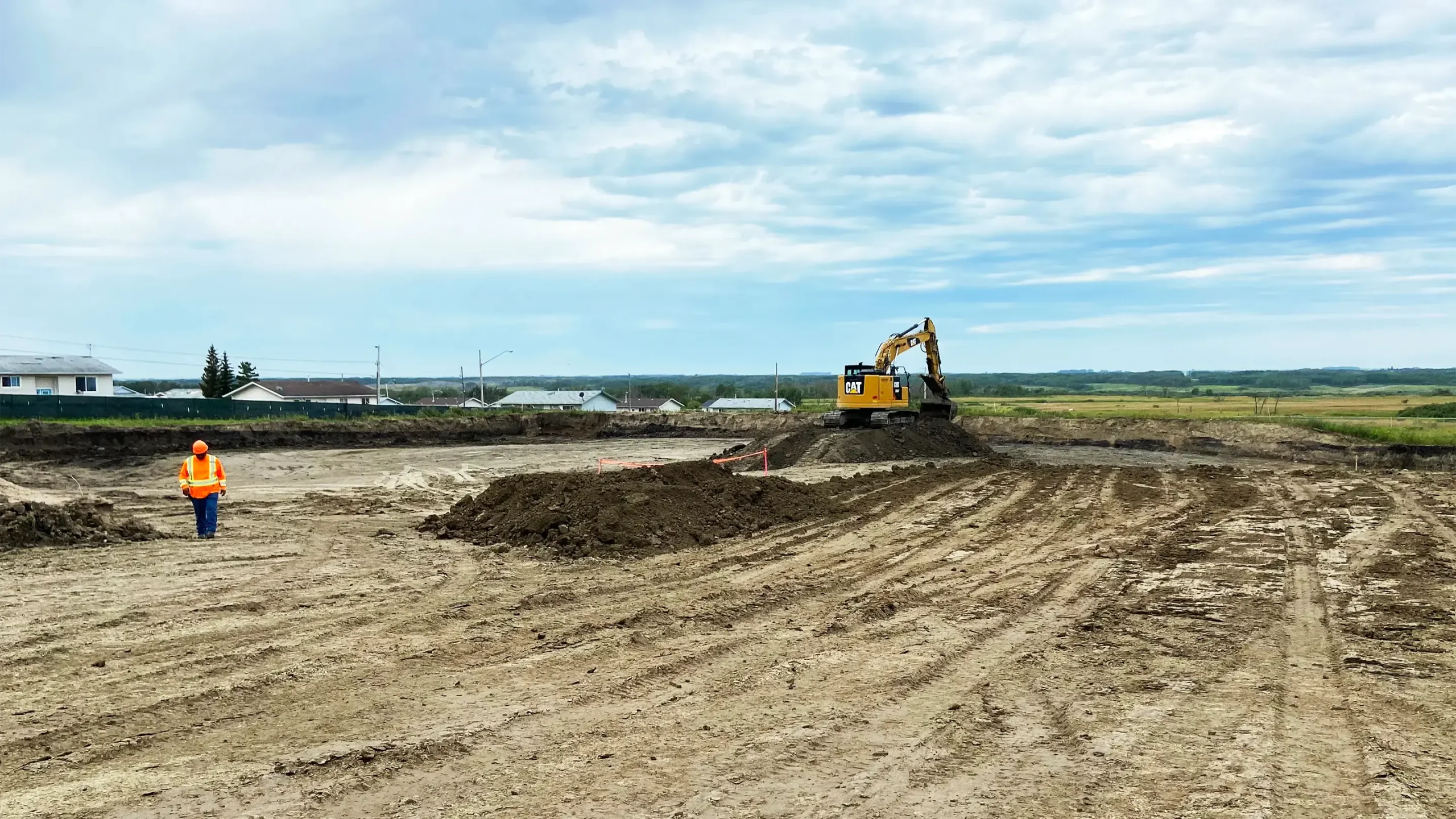
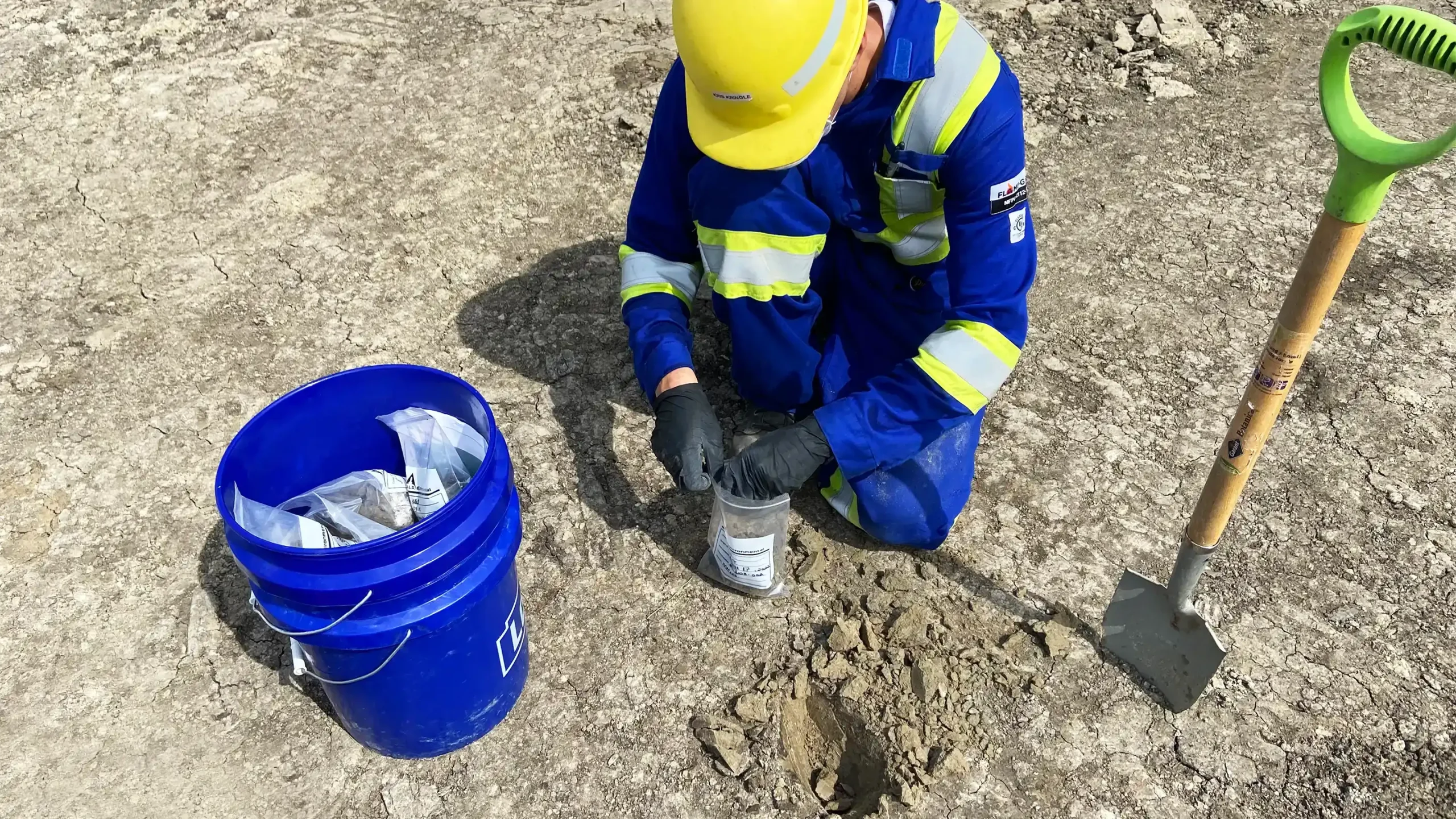
Cote First Nation is located north of Kamsack, Saskatchewan, and within the Reserve boundaries was a former fence post treatment facility that operated for approximately 10 seasons before closing in the late 1980s. The facility used chemicals to preserve the wood that can have adverse effects on humans, animals and the environment in certain concentrations. The site of the former facility is located within Badgerville near residences and gathering places, posing a concern for the Cote First Nation Council and its members.
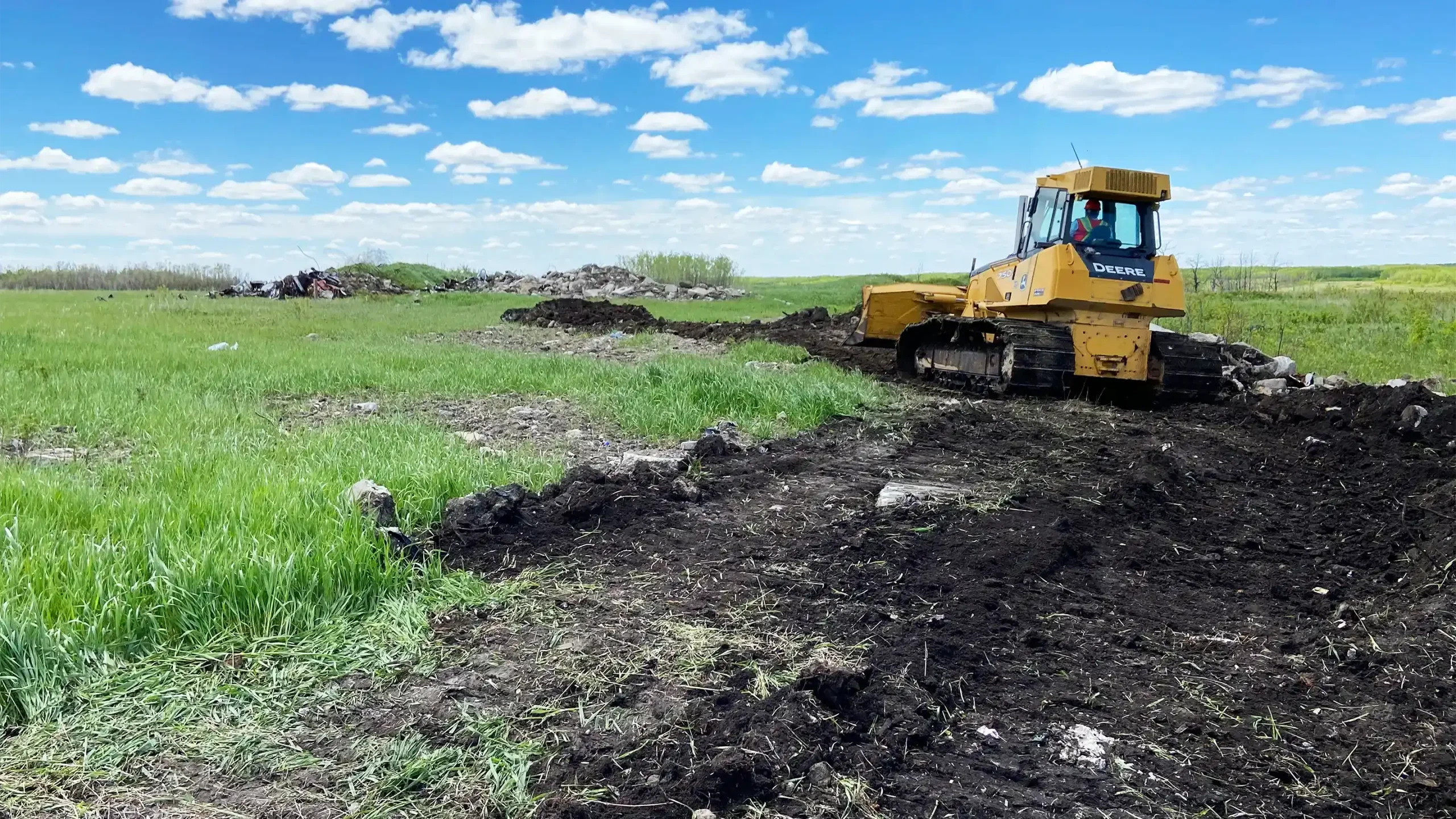
Over several years, KGS Group conducted environmental assessments and oversaw the remediation of the former facility site. For the first time in approximately 45 years, the contaminated soils associated with the facility, were fully remediated.
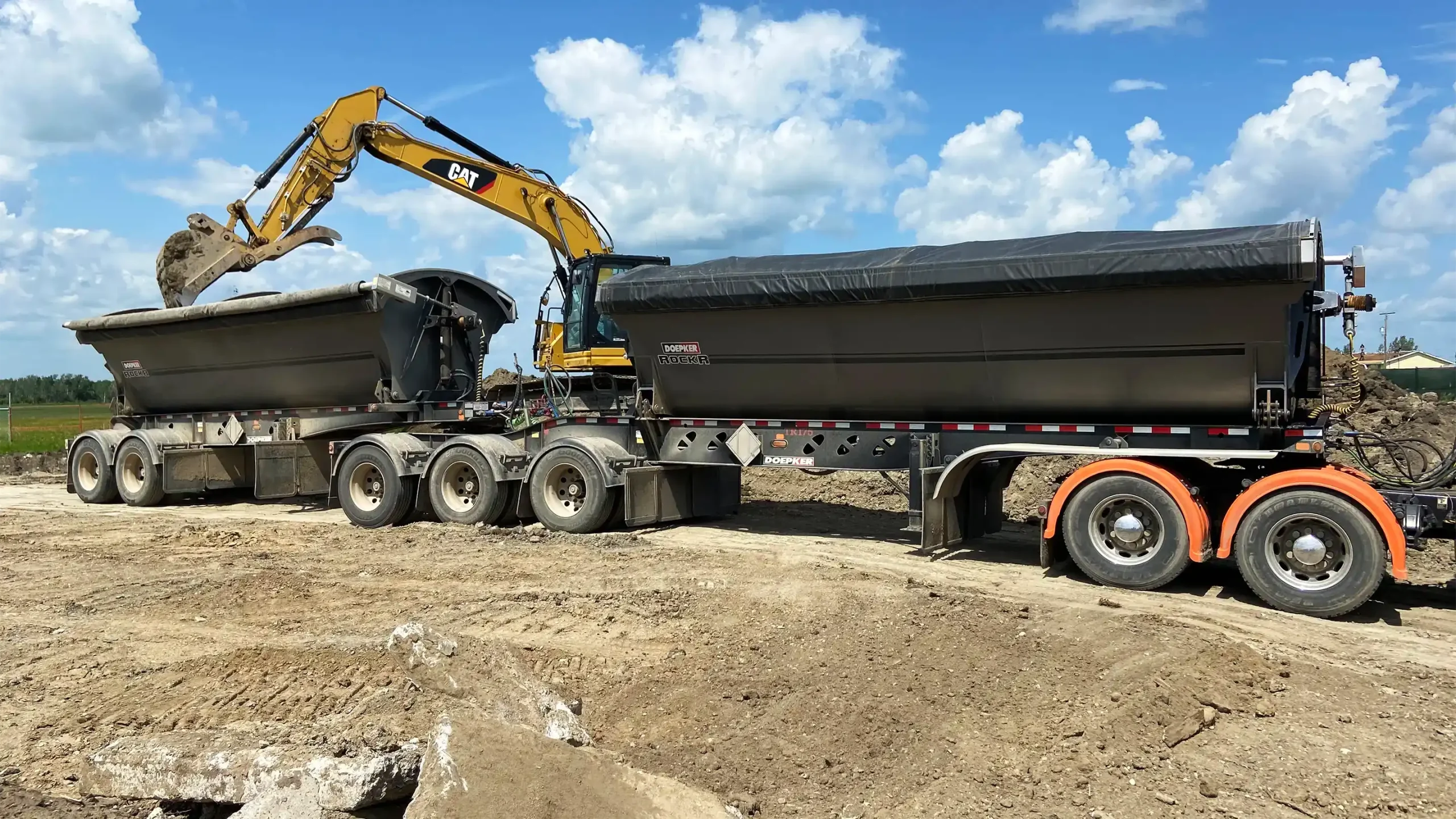
Notably, as part of the project, an impressive 9,000 person-hours of work were completed by personnel from the Cote First Nation. The total value of purchased local borrow materials, worker wages and equipment rentals supplied by the First Nation was approximately $843,000. Executed in the spirit of the Truth and Reconciliation Commission Calls to Action, the project presented on-the-job training and mentorship opportunities for the Cote First Nation. Overall, the project was a collaborative process that was mutually beneficial to all parties and was largely successful because of the local Nation’s involvement.
With the site of the former facility now safely remediated, the Cote First Nation can begin planning for future development in the area. What was once a potential hazard, is now a place of great possibility.
Project Highlights
- Environmental assessments over multiple seasons to delineate impacts and guide remediation
- Remediation of contaminated soils within the former facility footprint
- Tissue sampling on vegetation within the impacted area to confirm no uptake by trees
- Supply and placement of local borrow materials for backfill and site restoration
- Site regrading and cleanup to stabilize surfaces and improve near‑term usability
- Community engagement, on‑site training and mentorship delivered by KGS Group
- More than 9,000 hours completed by Cote First Nation personnel
- $843,000 in materials, wages and equipment rentals from within Cote First Nation
Mayo B Hydro Enhancement Project
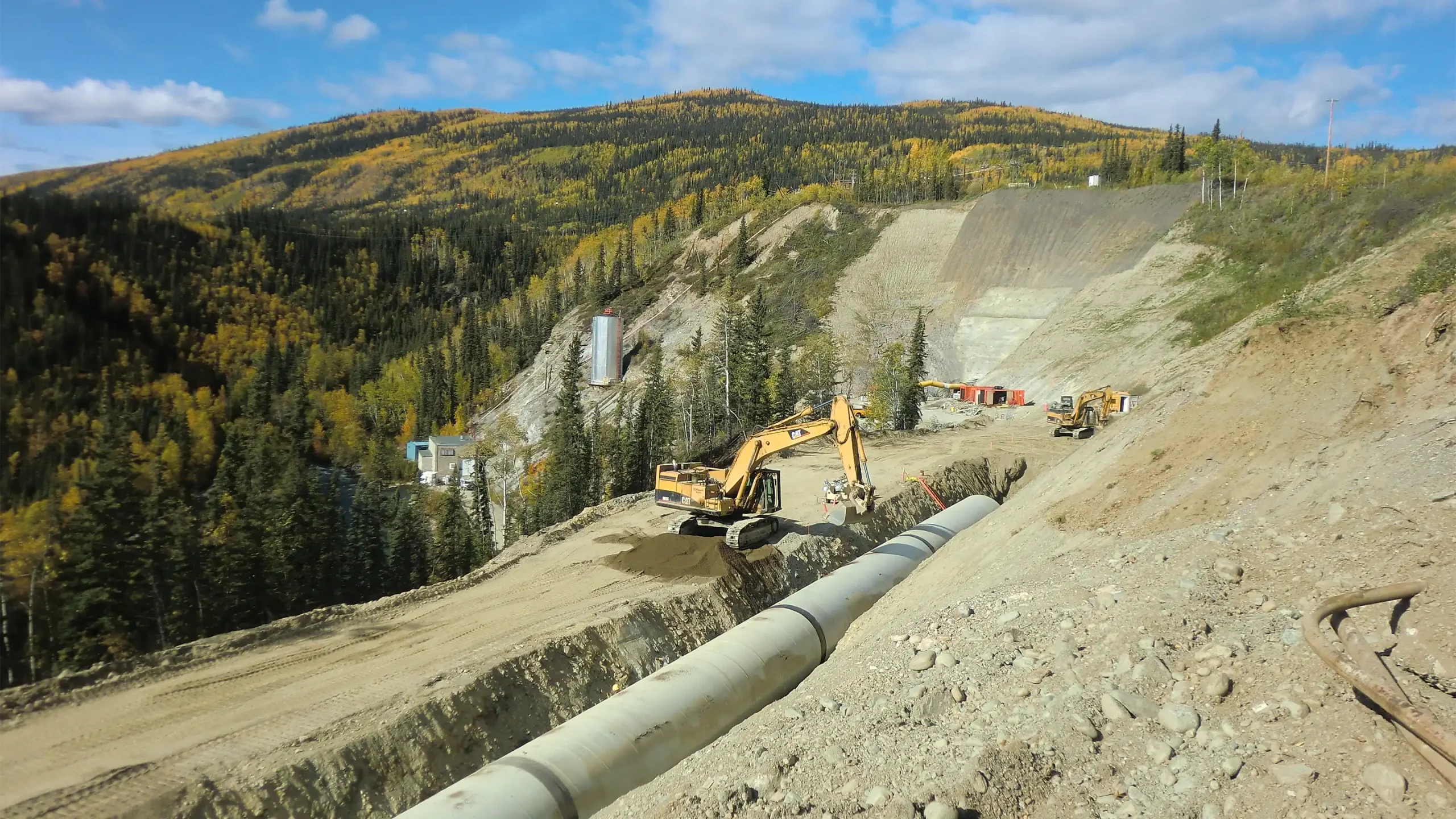
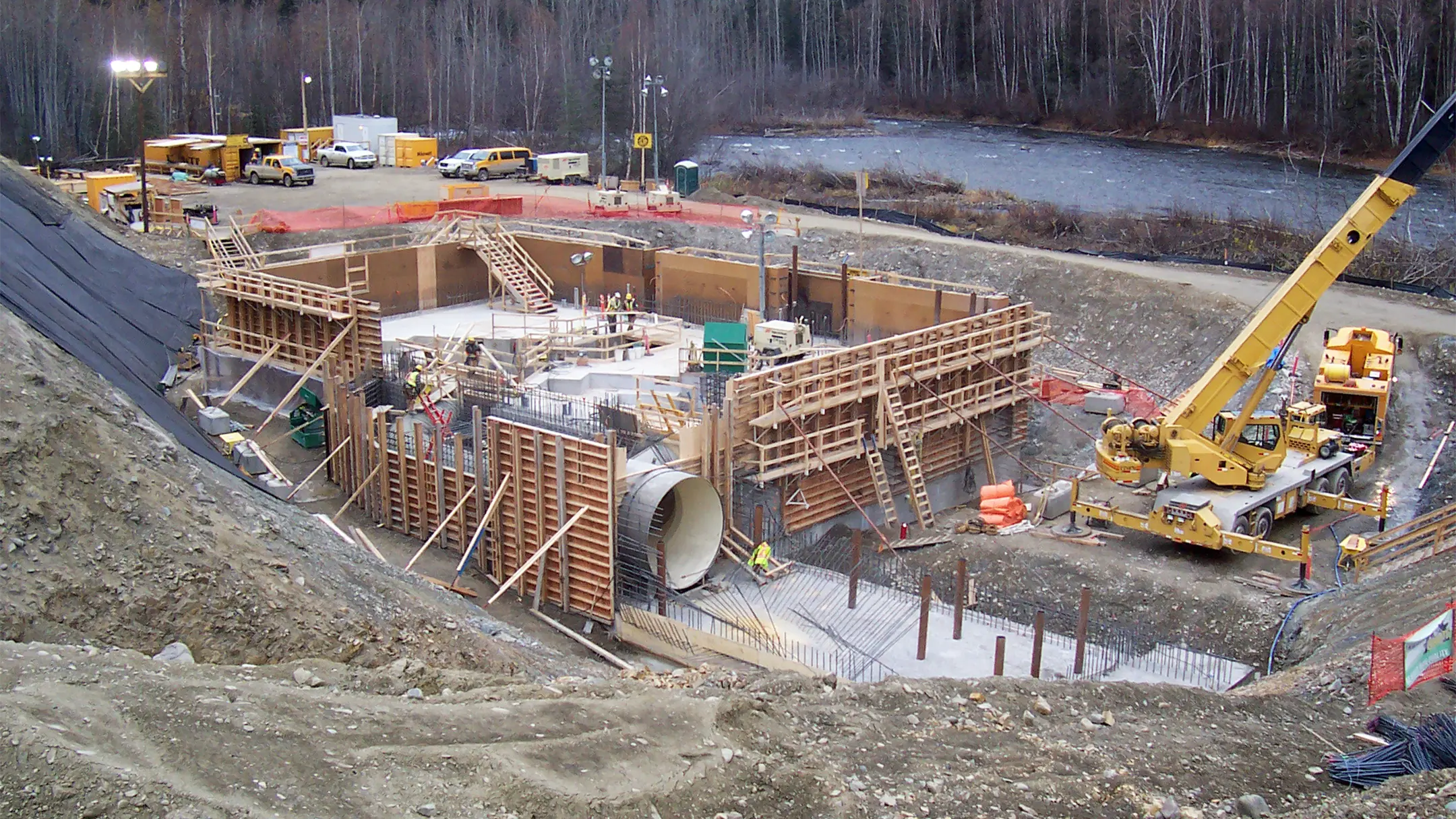
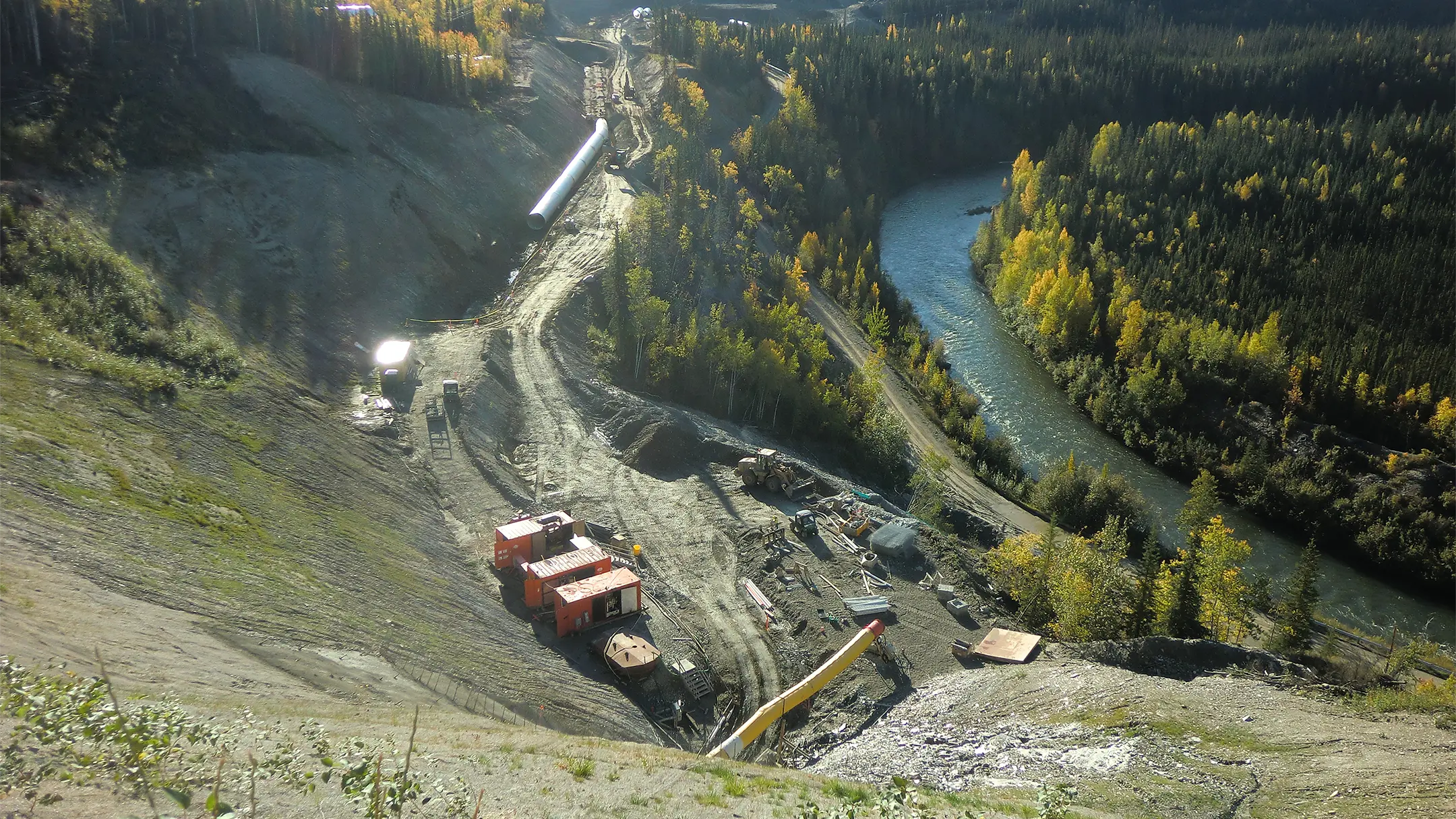
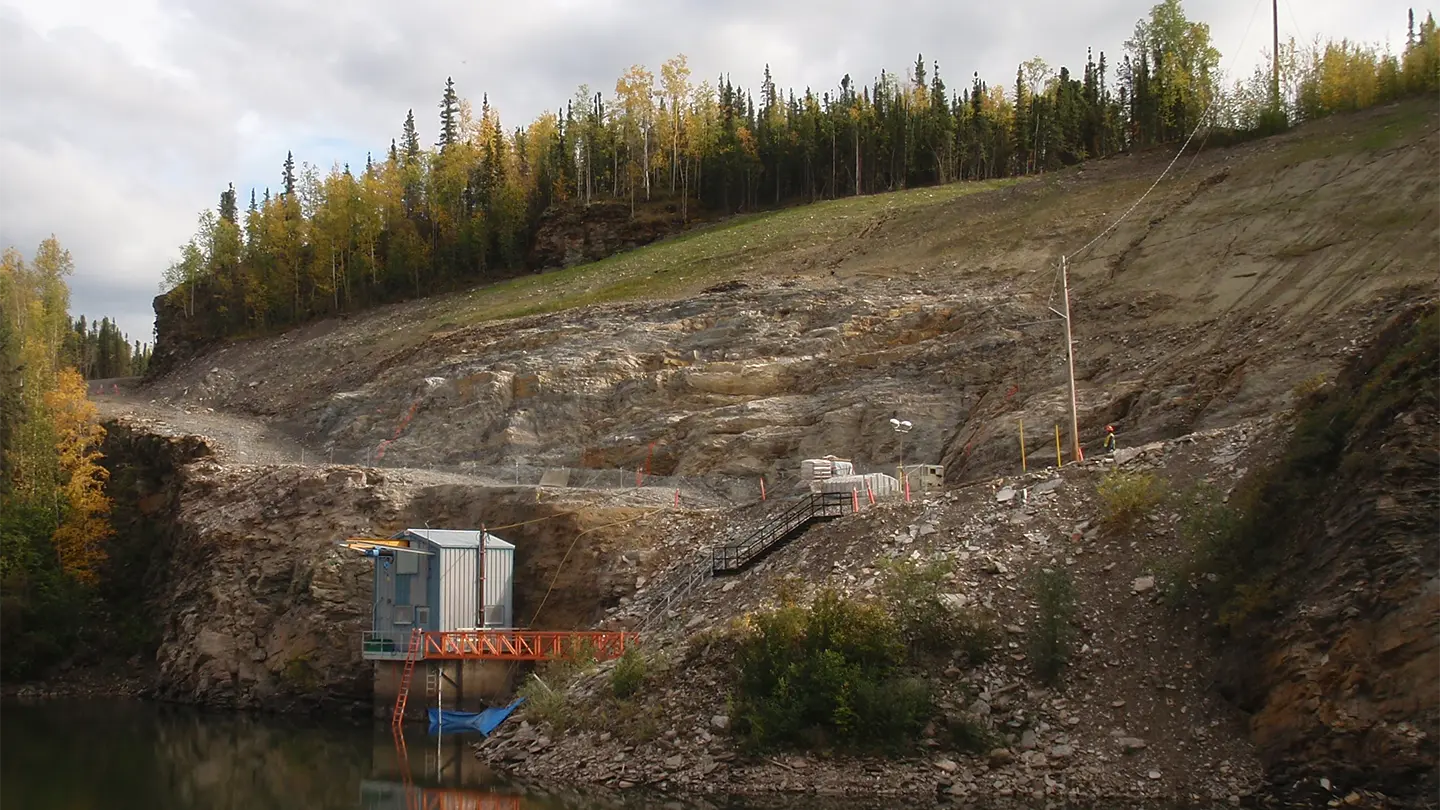
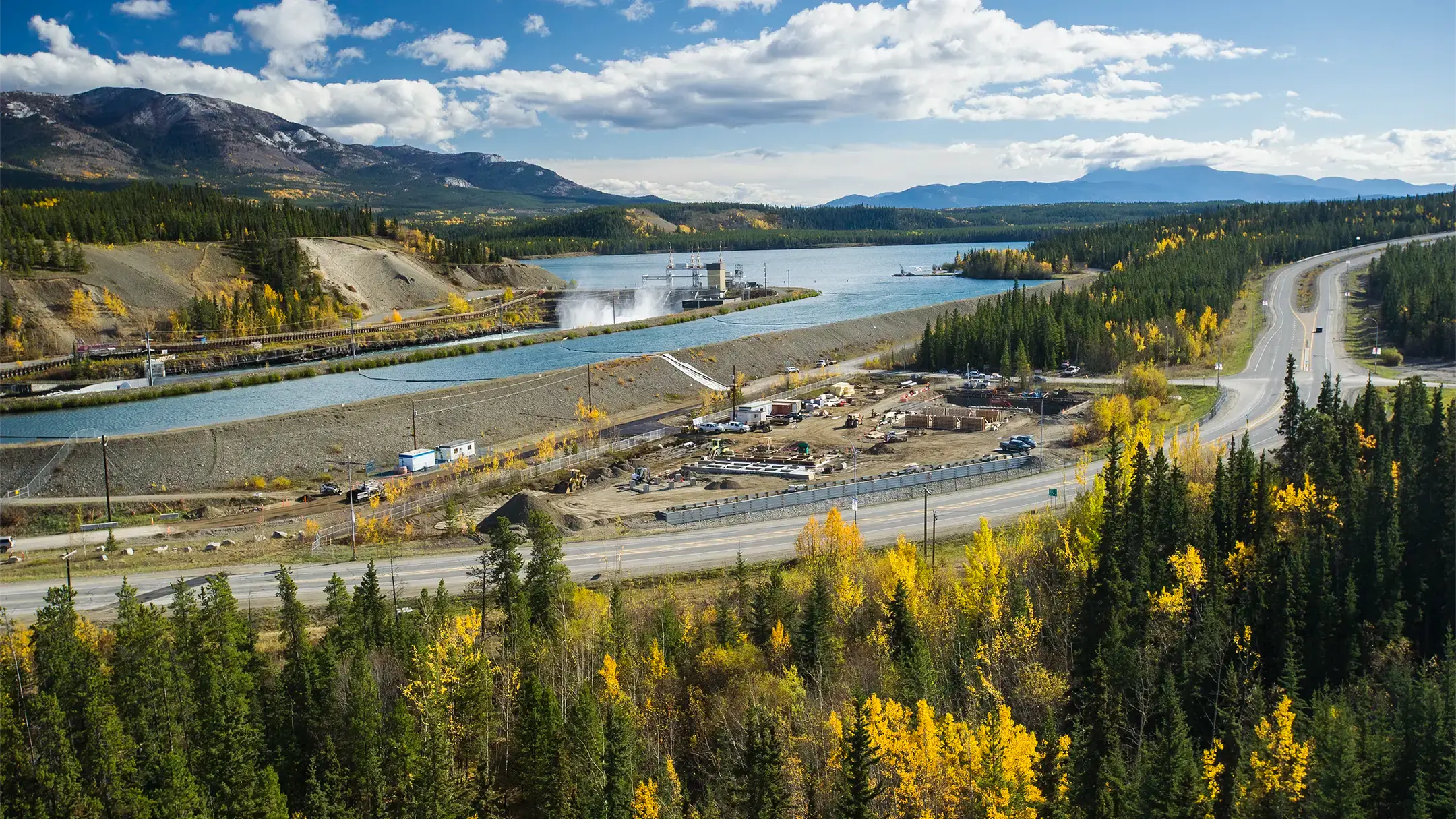
KGS Group was retained by the Yukon Energy Corporation to review feasible hydro projects in the territory, which culminated in the selection of the Mayo B project. To develop the $120 million Mayo B, KGS entered into an early contractor involvement alliance partnership, sharing the financial risks and project rewards. This partnership was the first of its kind in the Canadian hydroelectric industry.
We conducted a feasibility study as well as completed the preliminary and final design of a new powerhouse downstream of the existing Mayo hydroelectric development. Reusing the already in-place dam and intake structure, the work also included connecting and conveying water to the new powerhouse through a new 3.8 km tunnel and penstock system.
Overcoming challenging conditions to make way for the new tunnel and “tie it” into 60-year old infrastructure, we used careful mapping and characterization. This helped support concurrent tunnel design and excavation, and slope stabilization. Precision LiDAR 3-D survey techniques and modelling were also integral to the work.
Within a remote, sub-arctic climate, KGS was also responsible for on-site construction management including all contract administration and quality assurance for the civil, mechanical and electrical works, as well as the supply and installation of the turbines and generator equipment.
As a result, total hydro power generation capacity went from 5.4 MW to 12 MW, increasing Yukon’s renewable and sustainable electricity generation capability. The on-budget, on-schedule project also displaces diesel generation, offsetting up to $10 million in annual fuel costs and eliminating approximately 25,000 tonnes of greenhouse gas emissions per year.
Project Highlights
- A new downstream powerhouse and 3.8 km tunnel and penstock system
- Integrated new infrastructure with the existing 60-year-old dam and intake infrastructure
- Generation capacity increased from 5.4 MW to 12 MW
- Up to $10 million/year fuel cost offset
- 25,000 tonnes of CO₂ avoided per year
- $120M project completed on time and on schedule
Kenora Downtown and Waterfront Revitalization
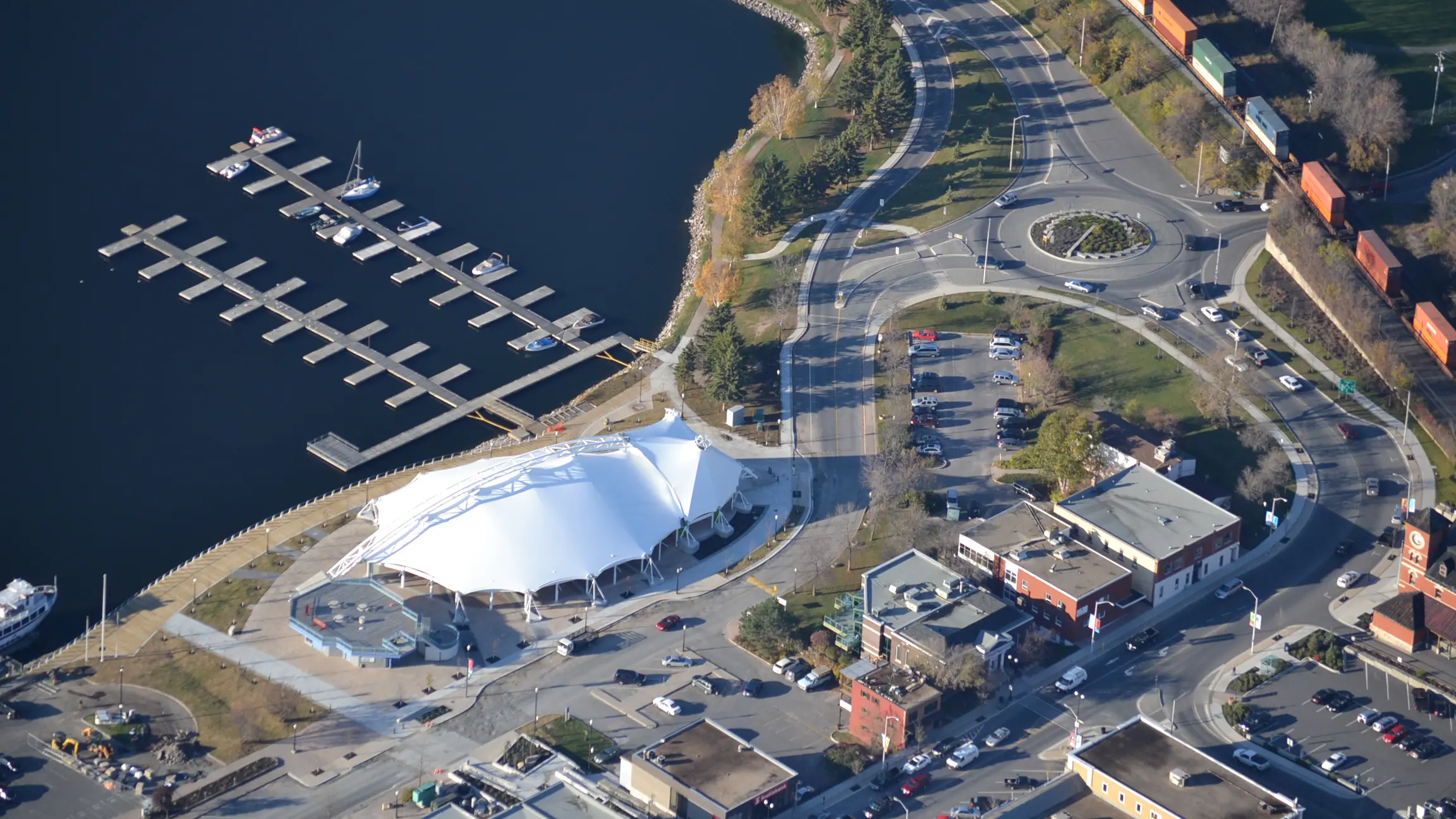
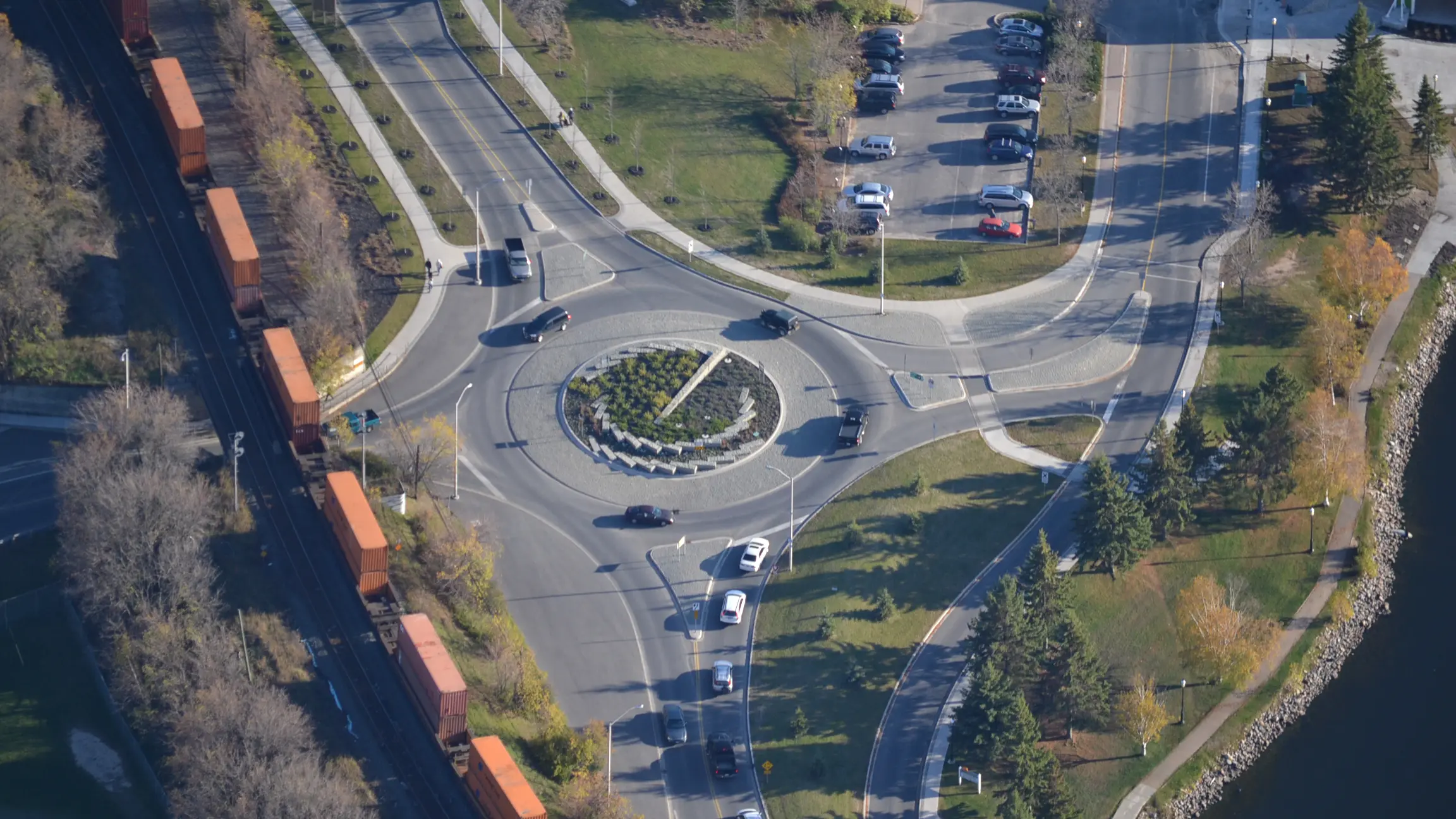
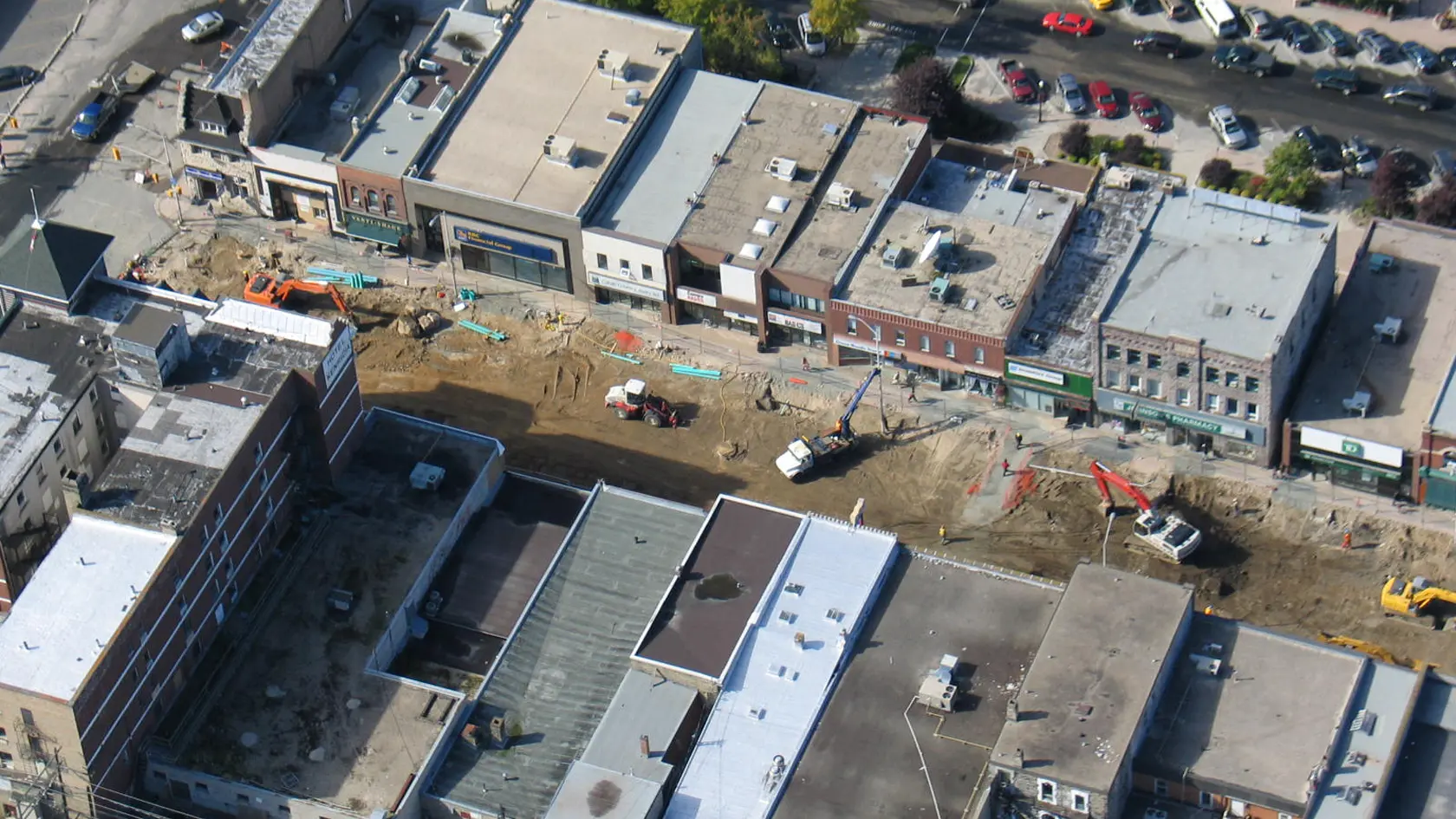
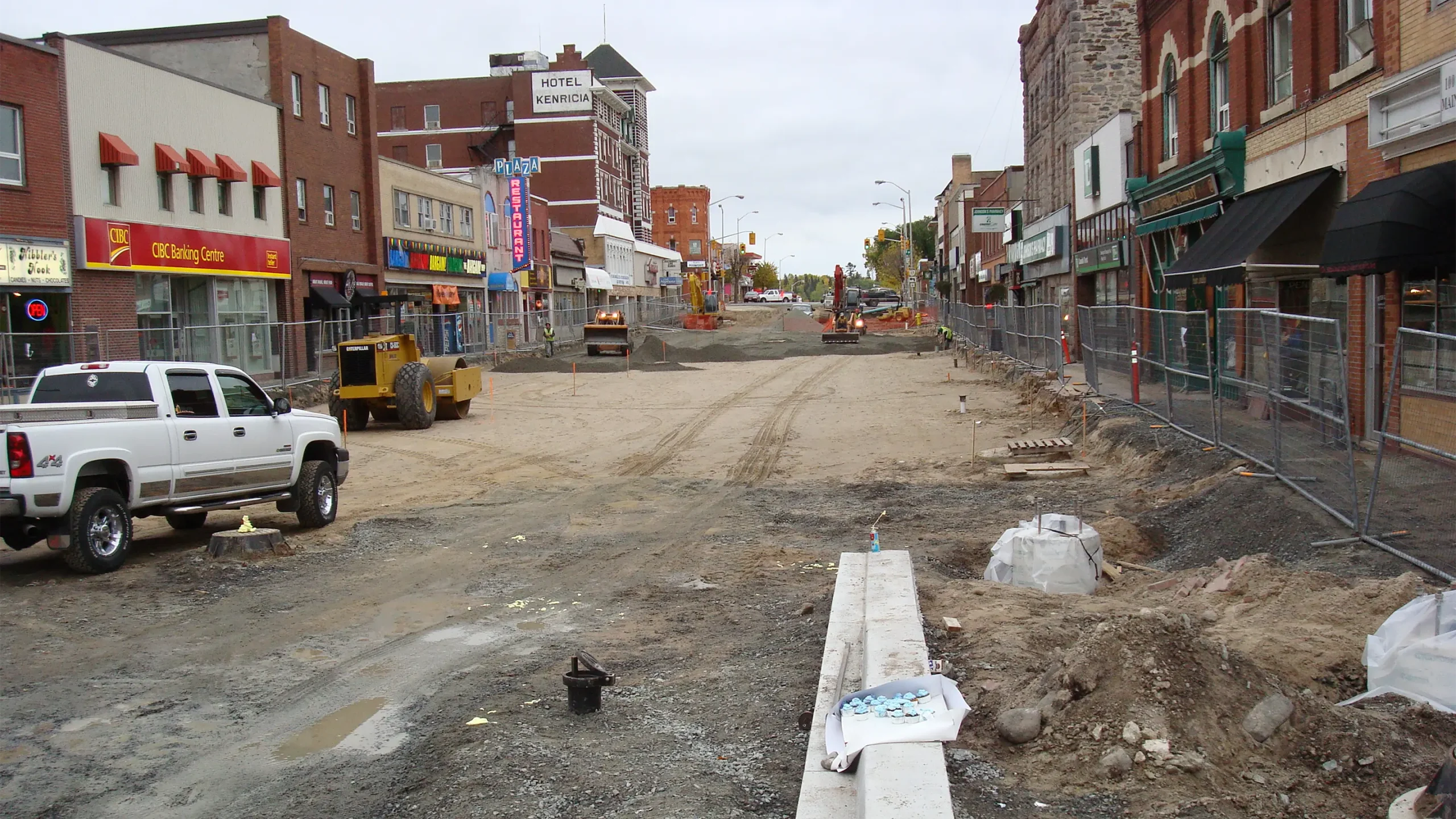
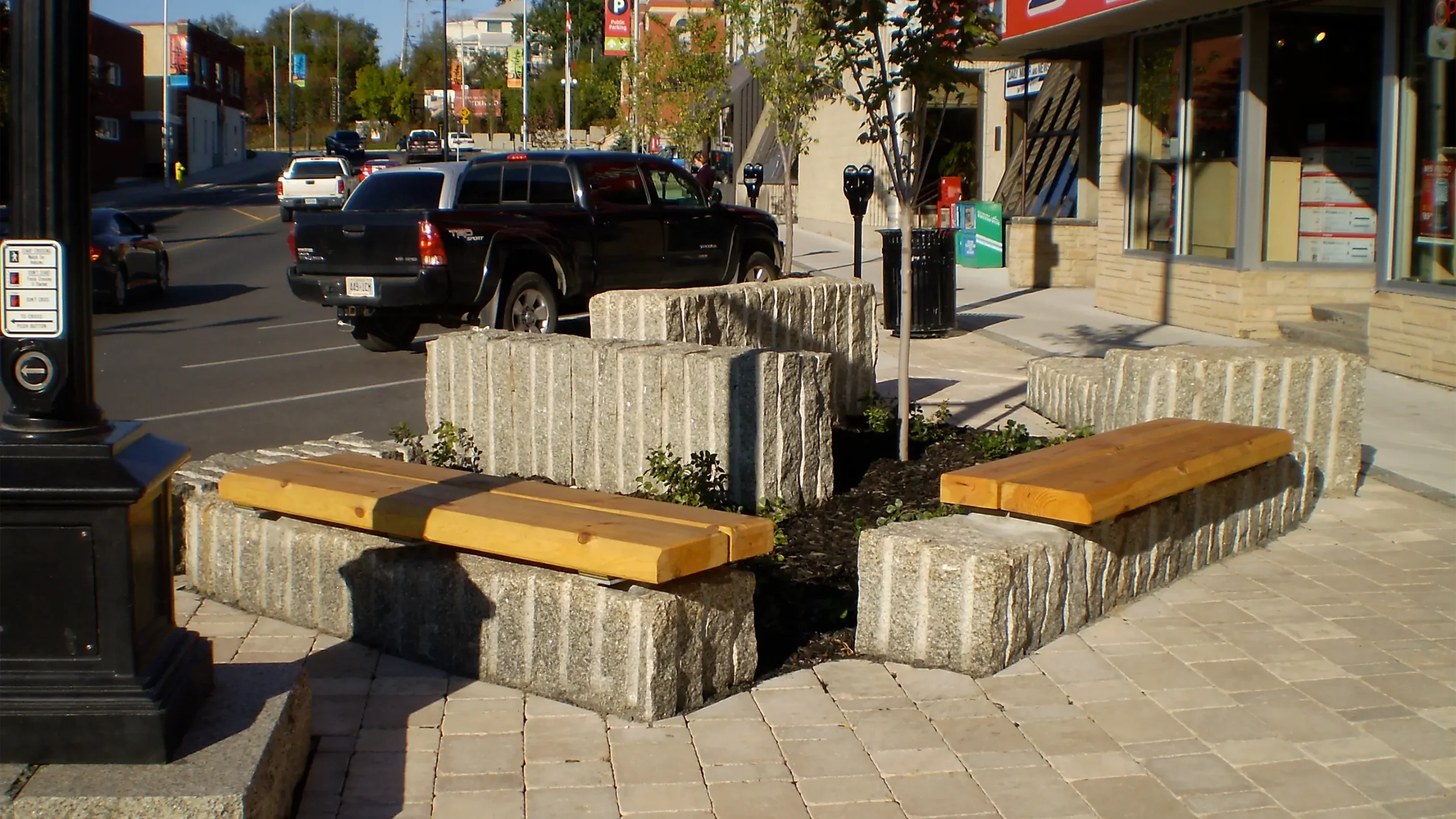
We provided design and contract administration services for a $9.1 million redevelopment of Kenora’s waterfront and downtown precincts – modernizing streets, public spaces and underground services while elevating the pedestrian experience and improving multimodal connectivity. A highlight of this project is utilizing our knowledge of the Complete Streets design methodology to create right‑of‑way that is safer for pedestrians, cyclists and drivers of all ages and abilities.
Working closely with the City of Kenora and stakeholders, the design addressed building interfaces, utility constraints and long‑term maintenance needs. Other major parts of the project included implementing traffic calming elements, pedestrian upgrades, underground renewal and drainage upgrades. Collaboration at focused user meetings resulted in one of the more significant changes from a signalized three-way intersection to the first modern roundabout built along the TransCanada Highway, improving safety and flow.
What was once an aging waterfront area, is now a vibrant pillar of the community that attracts visitors from near and far.
Project Highlights
- Street renewals and realignments across key downtown/waterfront corridors
- Construction of modern roundabout (the first along the TransCanada Highway)
- Sewer and water renewals with building service replacements
- Land drainage upgrades and coordinated utility relocations
- Multi‑use pathways and expanded active‑transportation network
- Boardwalk extension along waterfront for continuous access
- Tensile fabric event centre to support community programming
- Accessible design features – tactile‑delineated sidewalks and grading to meet guidelines
- Haptic roadway surfacing at intersections for traffic calming and awareness
Whitehorse Diesel-LNG Conversion
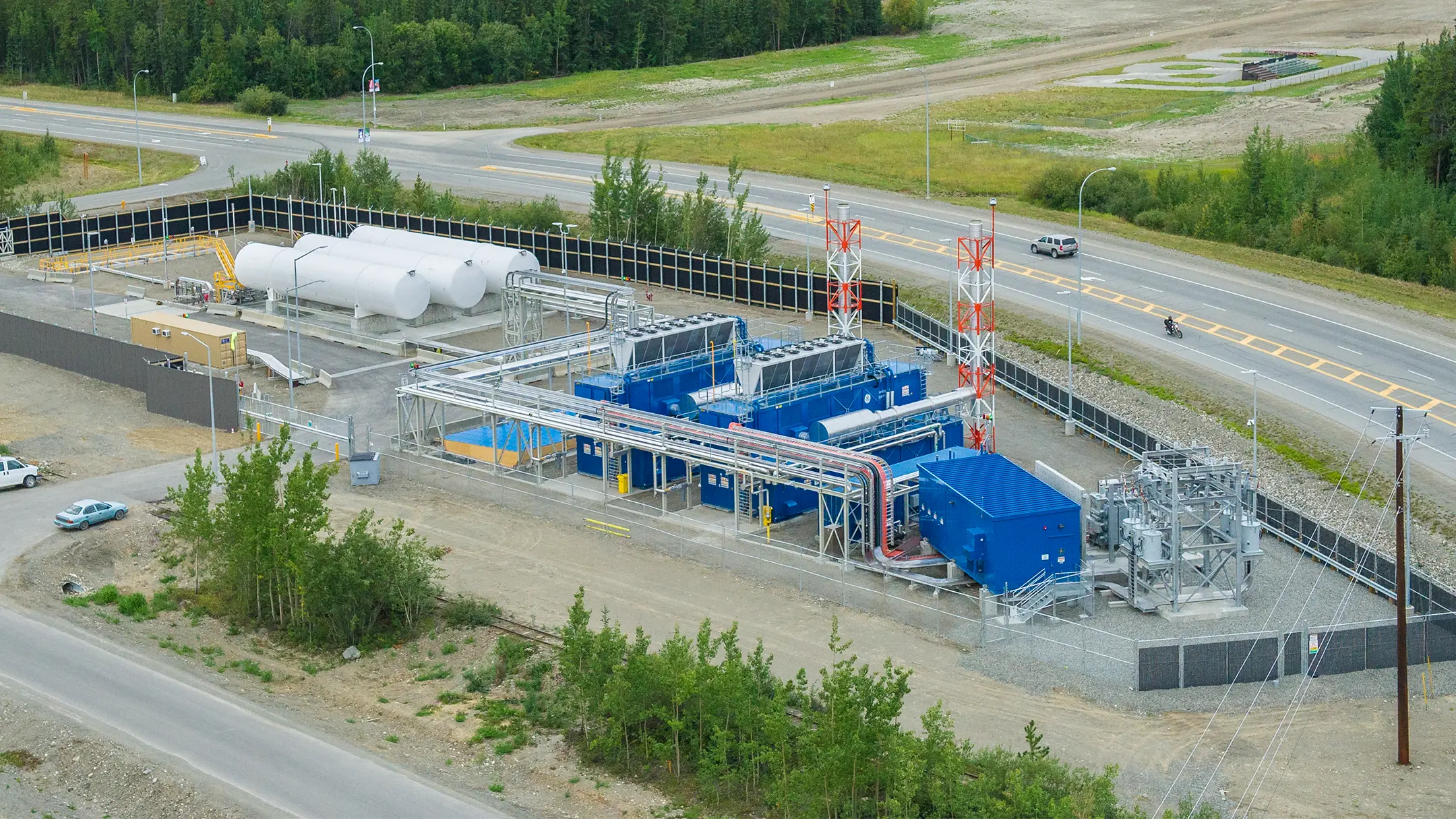

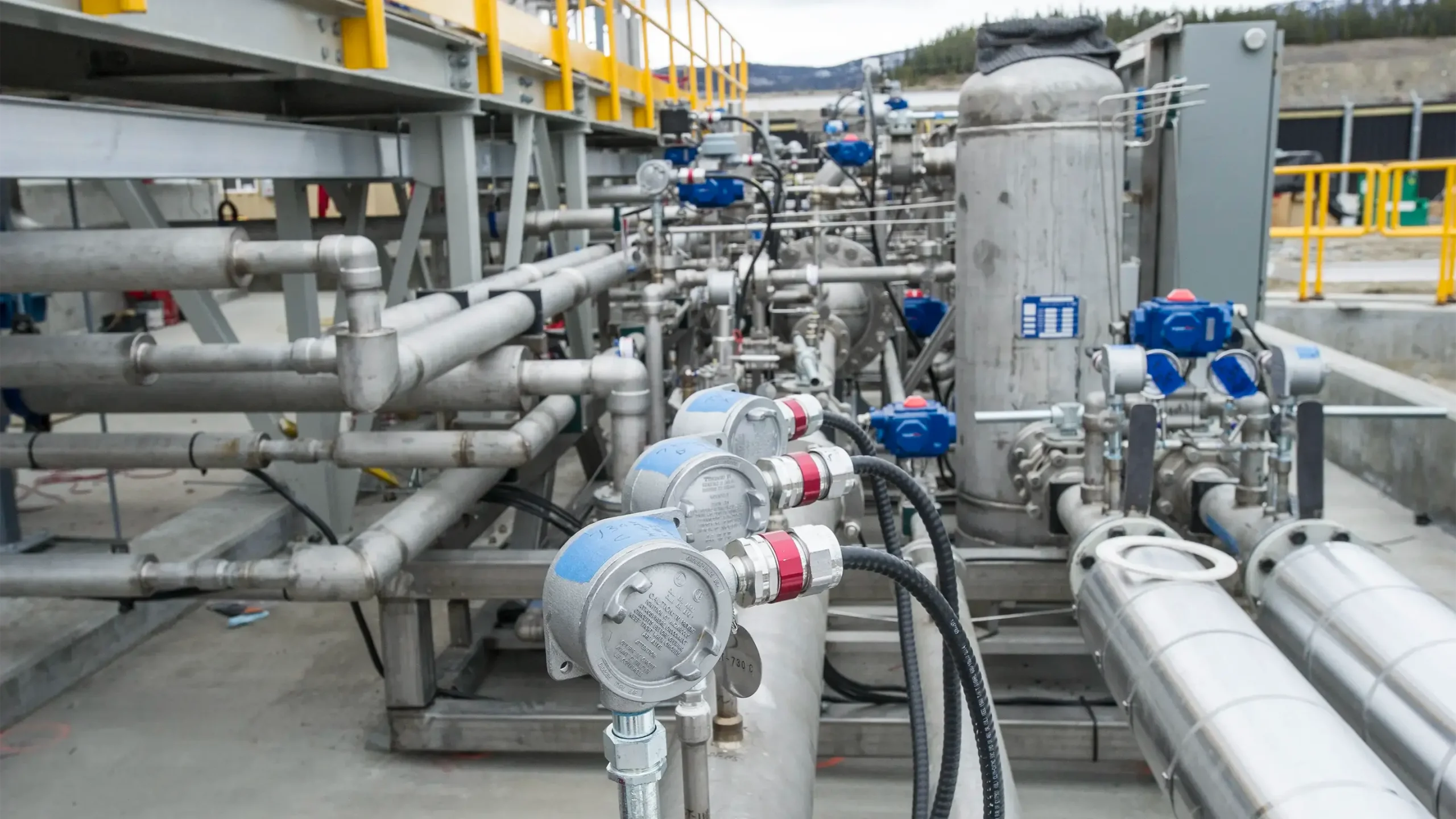
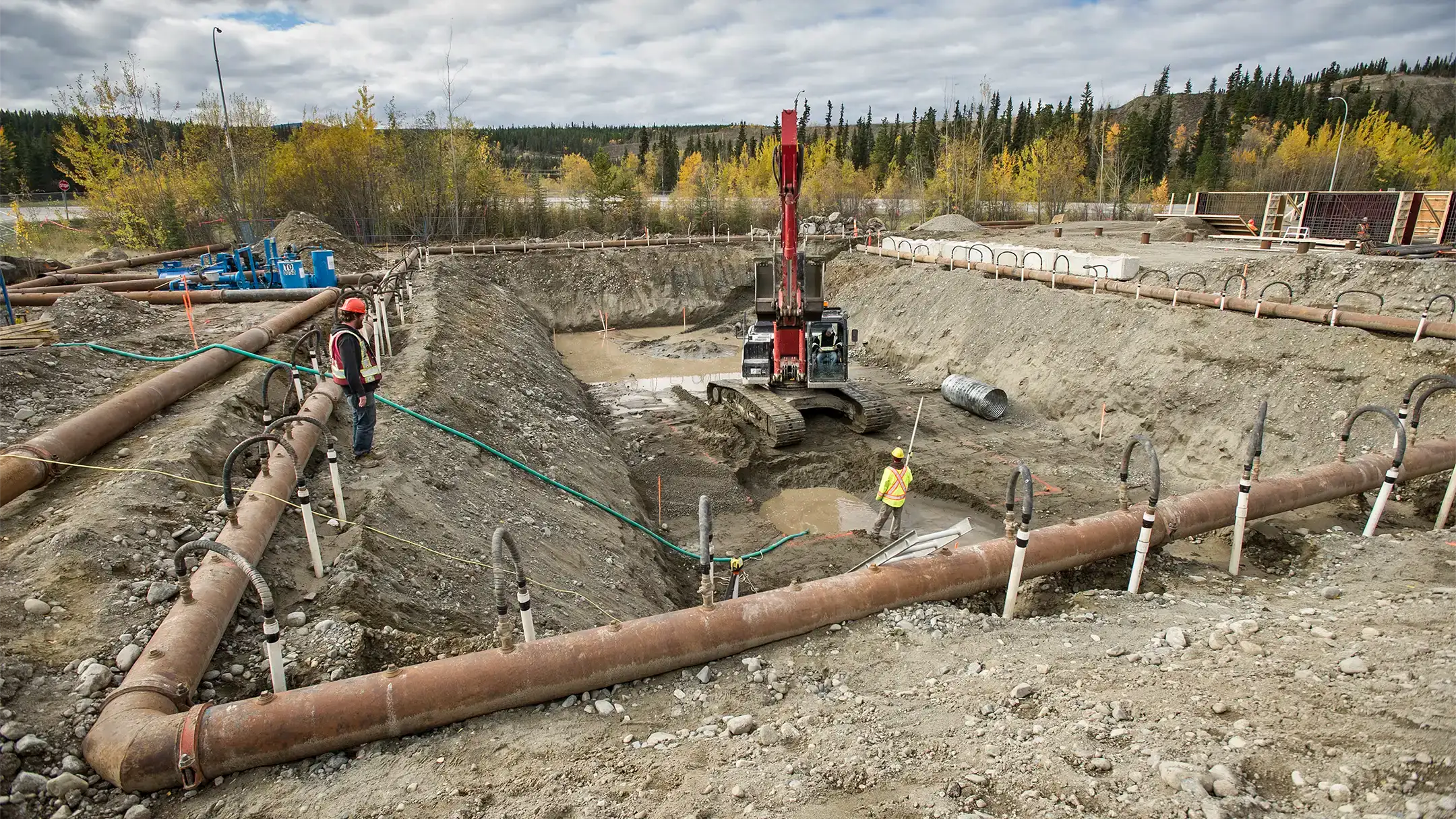
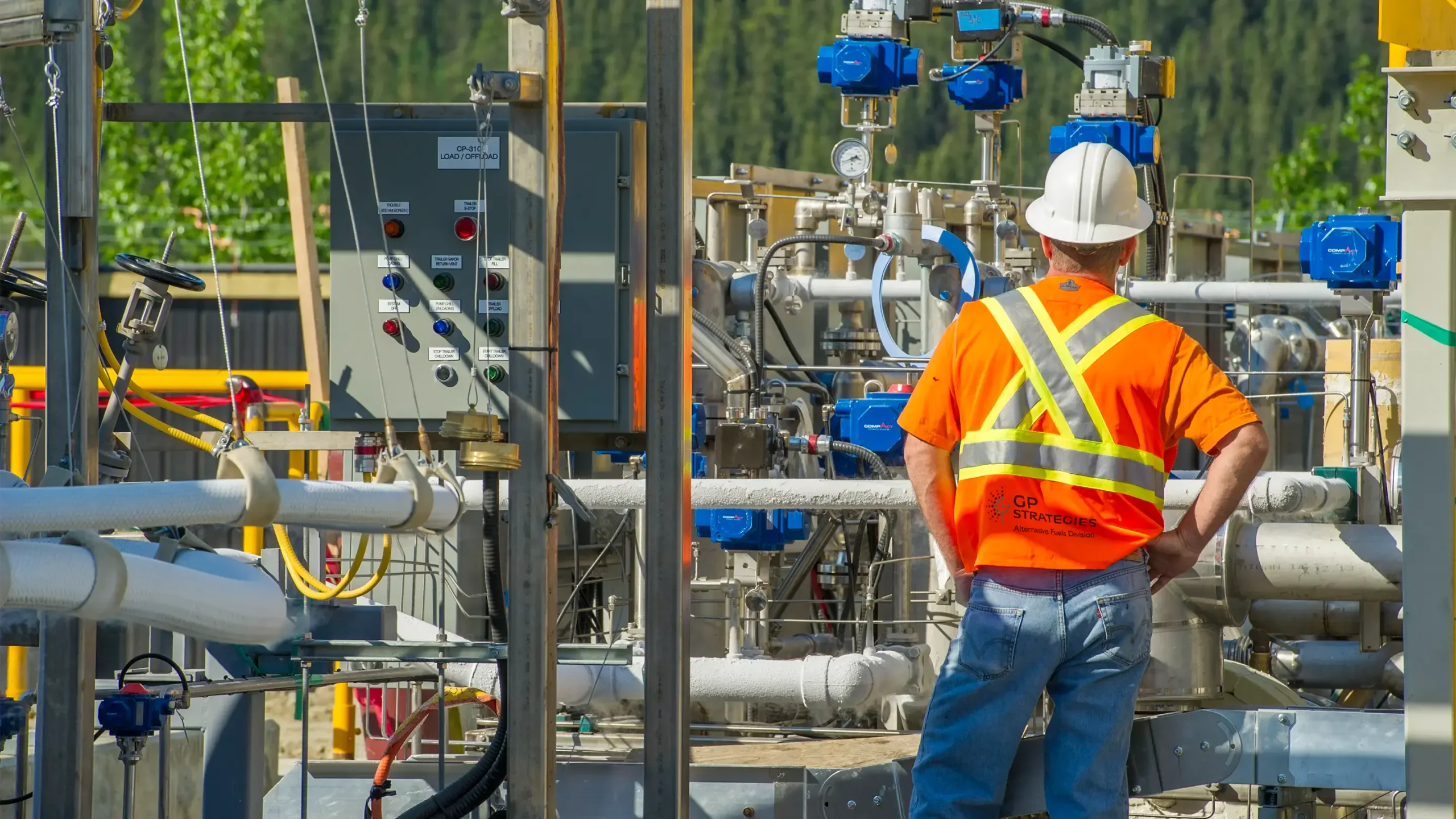
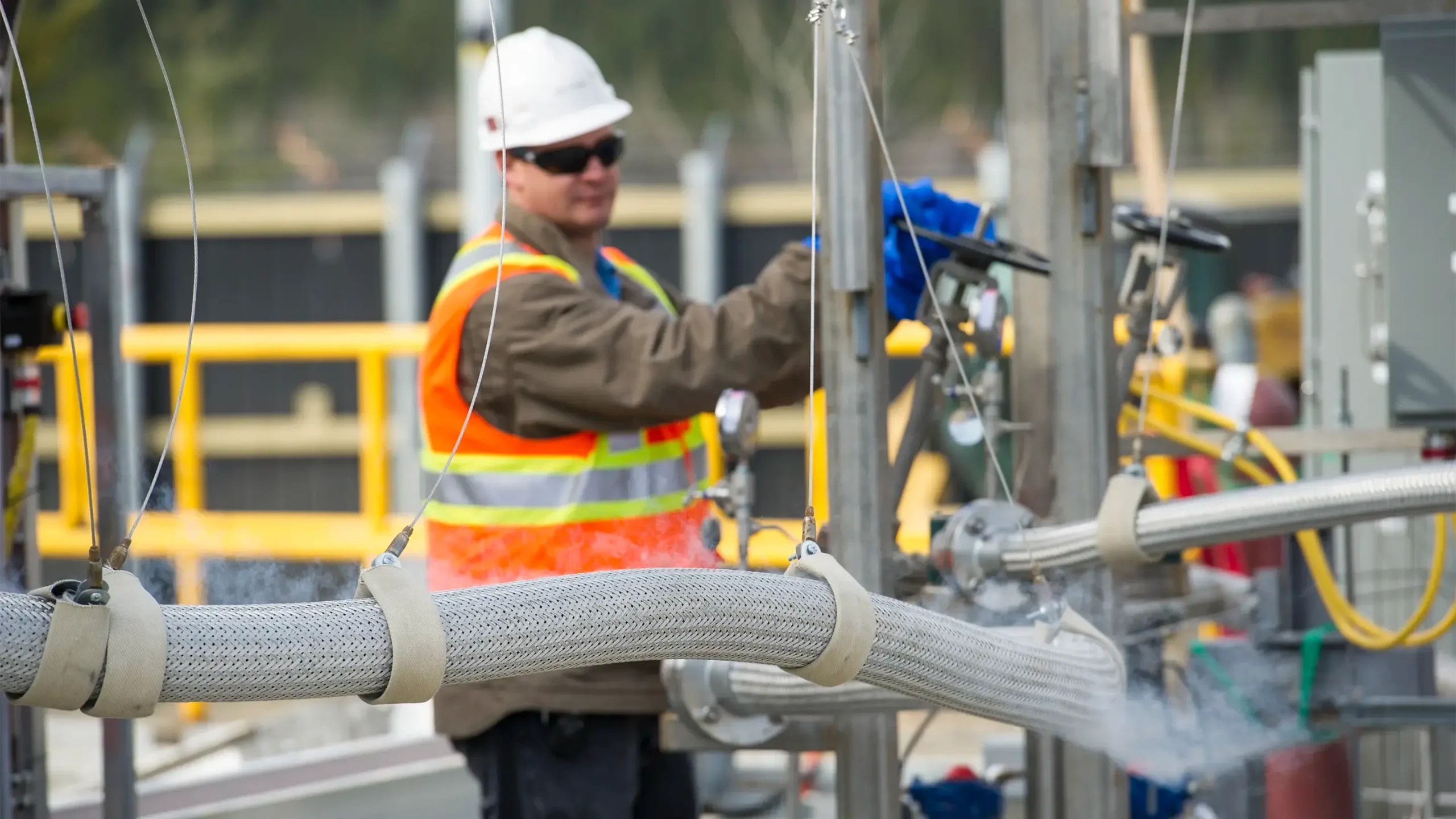

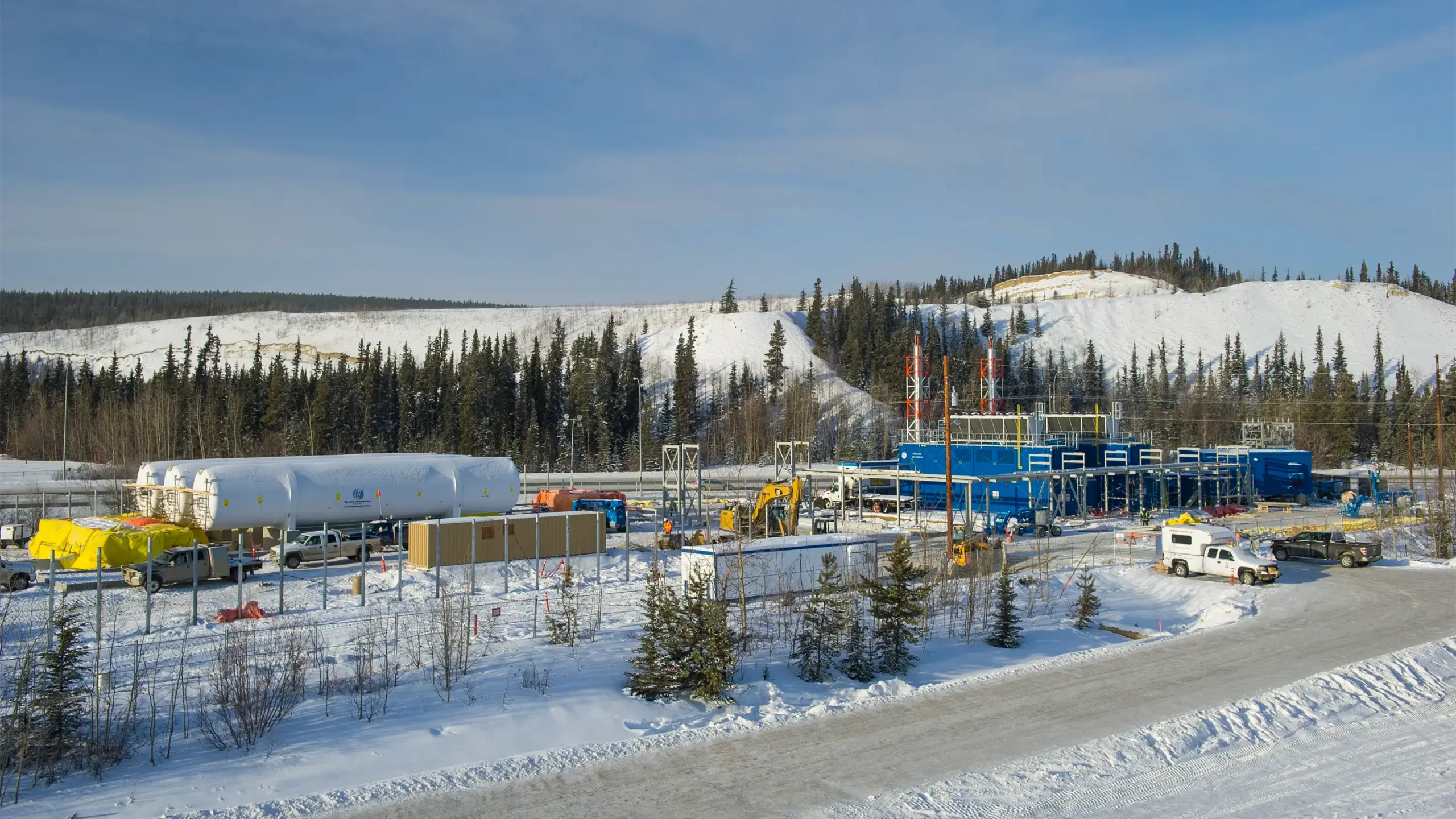
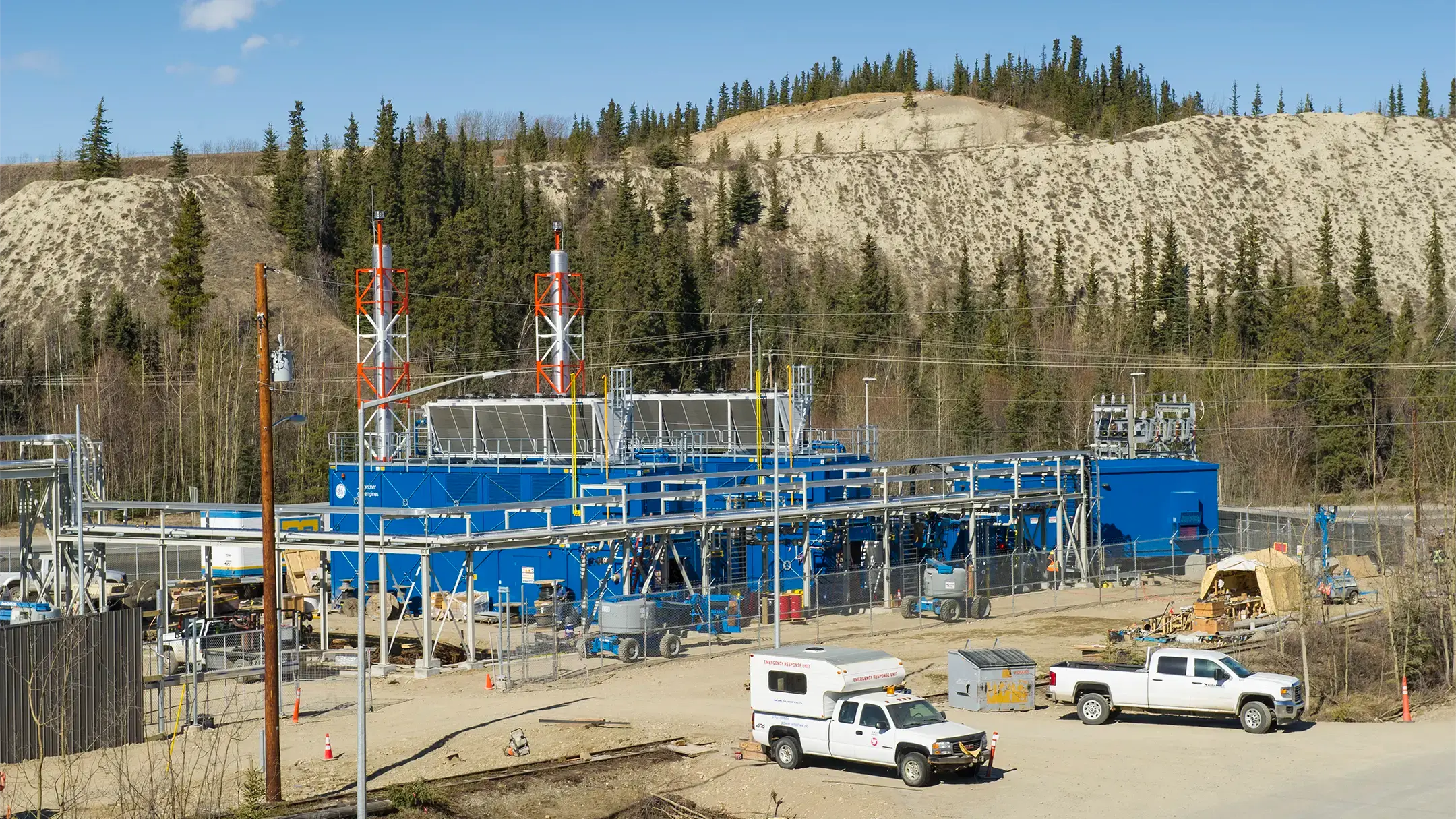
While the Yukon draws the bulk of its energy from renewable hydroelectric and wind power, the territory’s electrical grid required a backup source of power to meet consumer needs. Yukon Energy retained KGS to modernize the existing diesel system to meet peak demand and maintain territory-wide service for residents.
A new liquefied natural gas (LNG) fueled backup power generating station and associated infrastructure was constructed adjacent to Yukon Energy’s existing primary power generating station in Whitehorse, Yukon. Commissioned in 2015, the project site includes two modular LNG fueled reciprocating generators intended to replace Yukon Energy’s aging diesel generating equipment and to provide flexible and reliable backup power to supplement Yukon’s other power sources.
Project Highlights
- An LNG backup station was built with two modular reciprocating generators
- First use of LNG in Yukon
- Lower greenhouse gas emissions than the previous diesel system, long‑term ratepayer savings and improved reliability and peak support
PR 304 to Berens River All Season Road
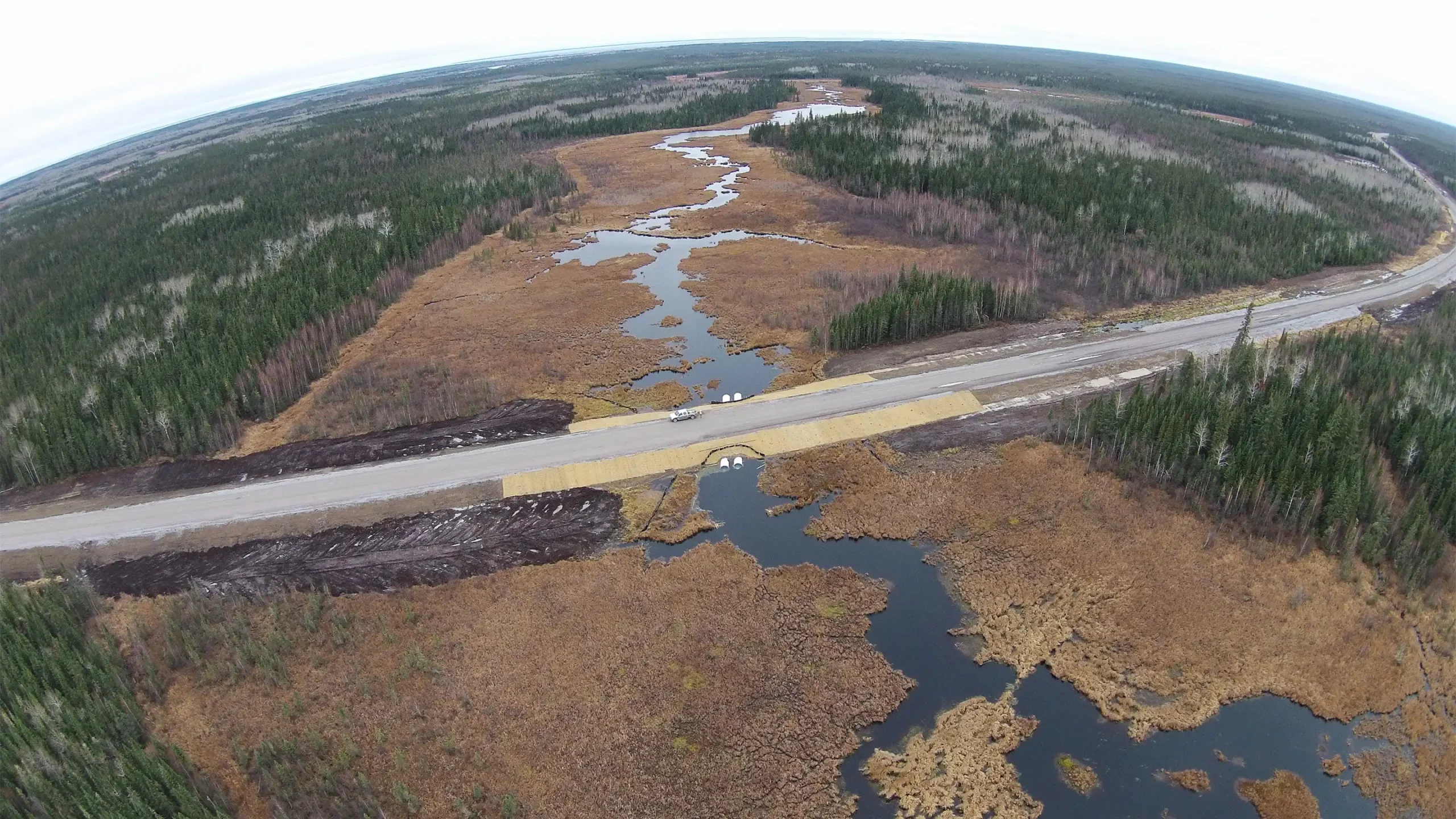
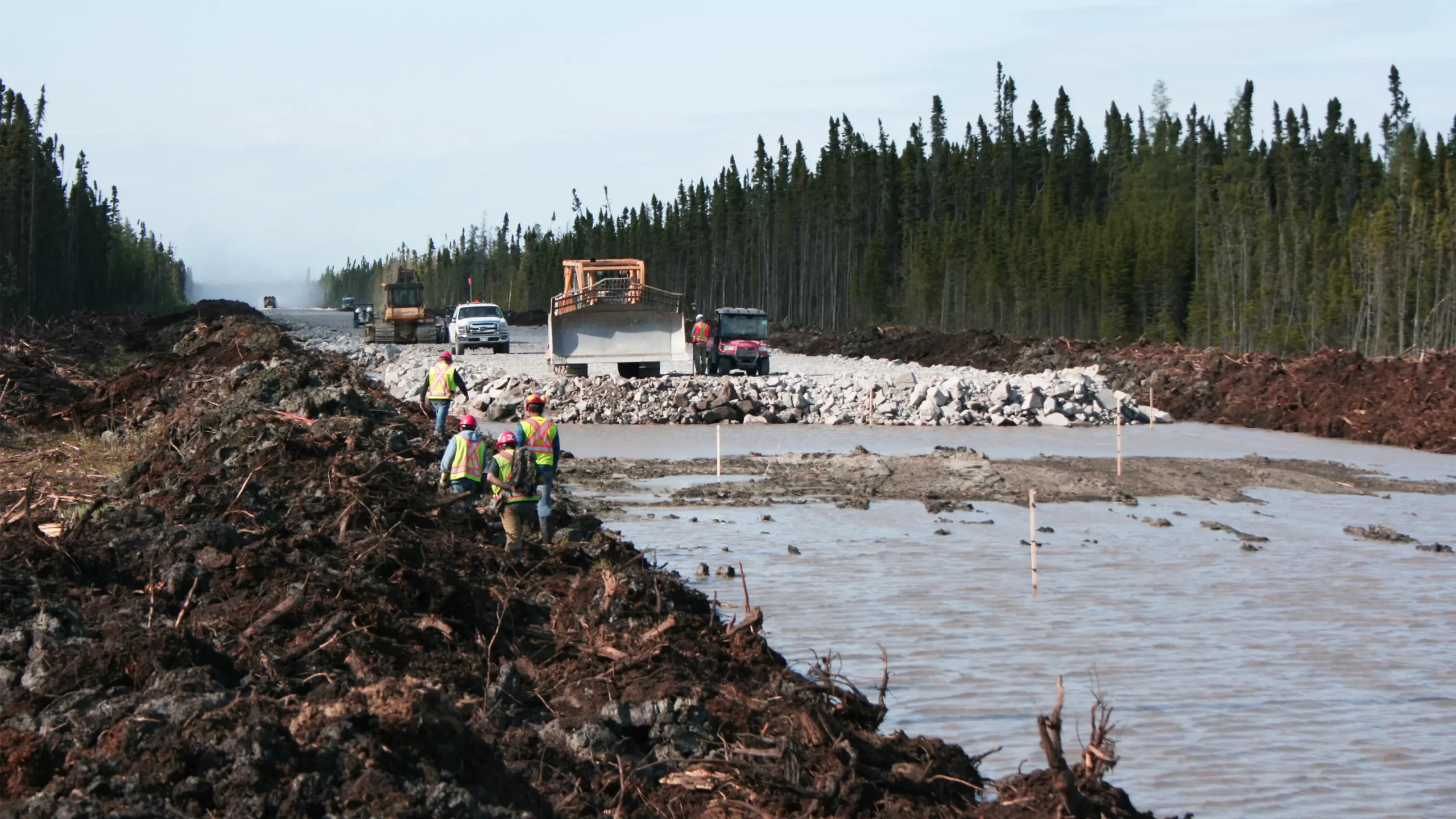
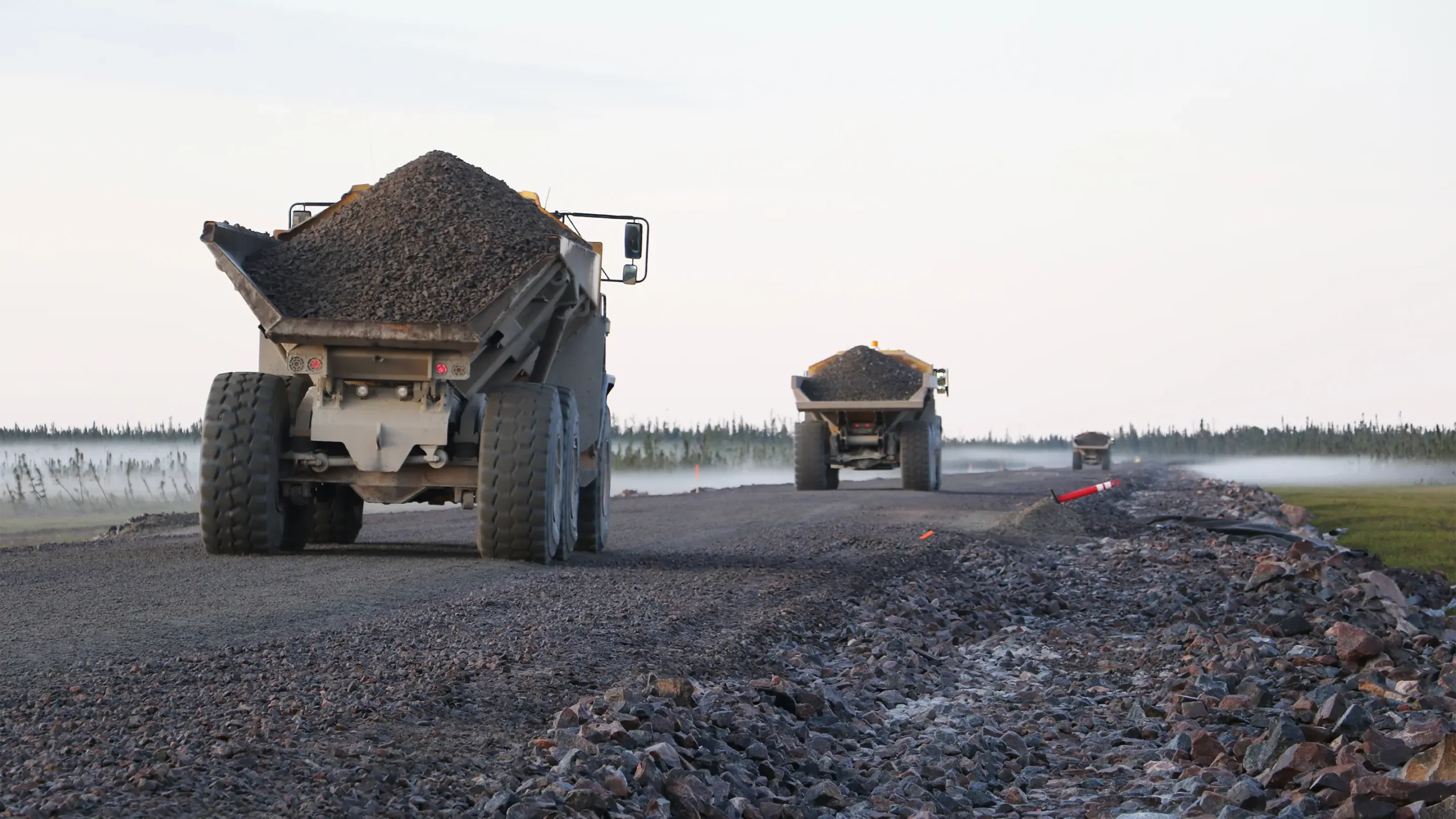
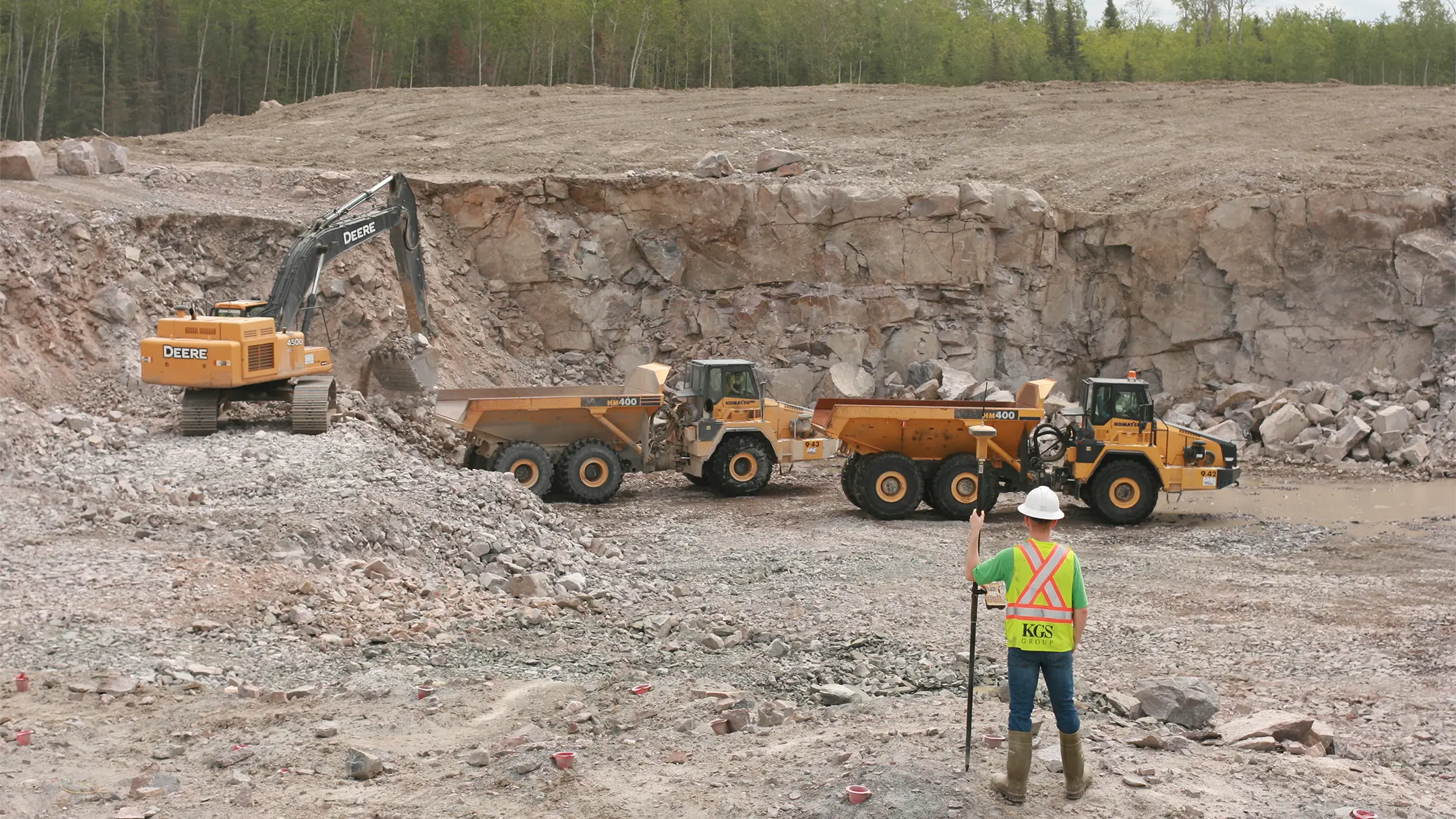
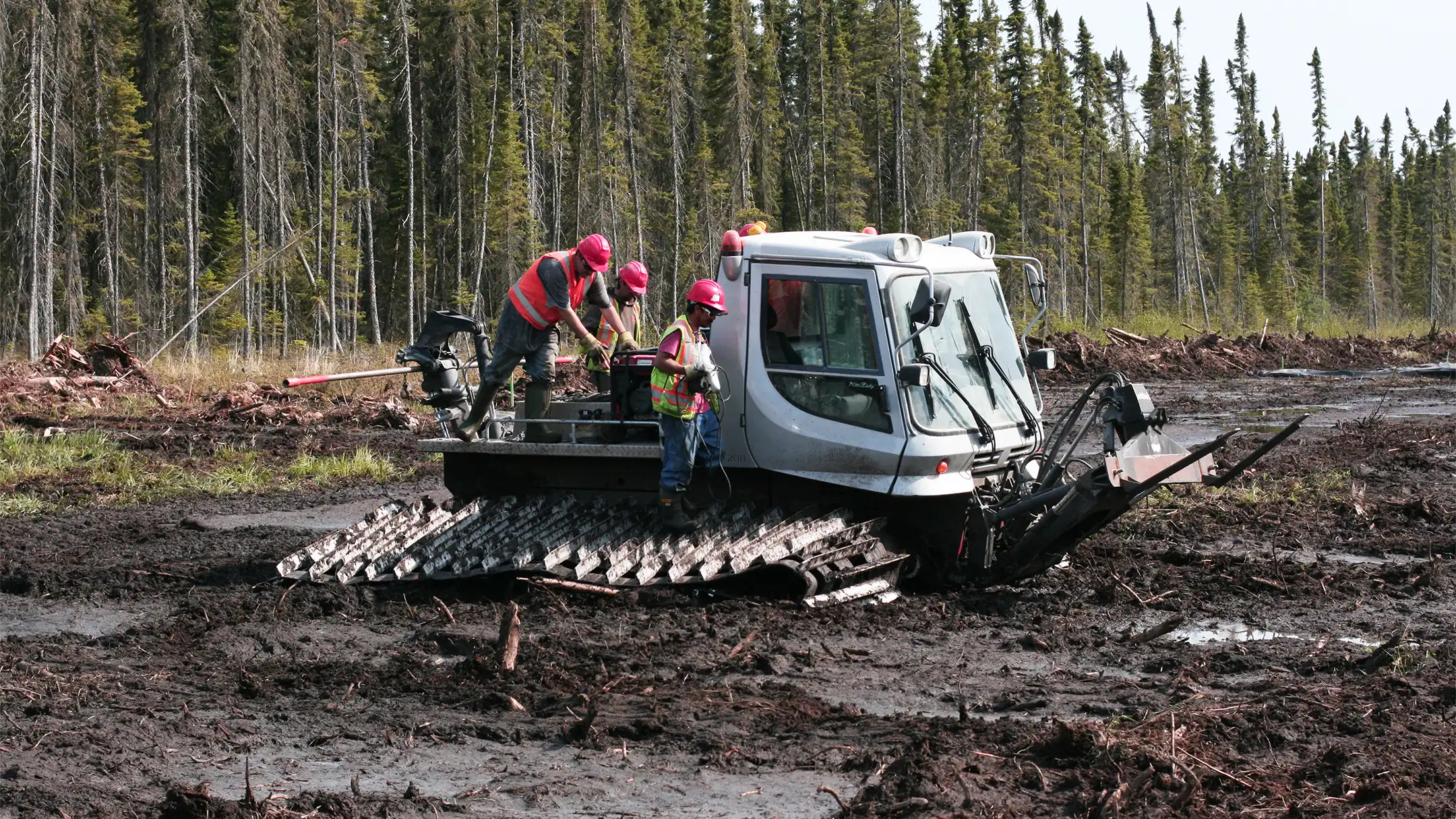
Lake Winnipeg’s east side is a provincial jewel, with vast stands of boreal forest, an abundance of wildlife and a vibrant traditional culture. Despite these assets, the lack of permanent road connectivity resulted in detrimental societal and economic impacts.
Recognizing the benefits of reliable access, KGS Group teamed with other firms to oversee the construction of a new 158-km all-season roadway including nine individual river crossings connecting to both Bloodvein and Berens River First Nations.
Over a six-year duration, KGS Group met numerous challenges including wide-ranging terrain, seasonal-access restrictions, limited accommodations, rigorous safety requirements, complex assignment sequencing, robust environmental protection measures and timely public liaison.
Project Highlights
- Construction of Manitoba’s first open-bottom, multi-plate arch culvert with MSE wall structure to protect fish habitat
- Coordination of external Community Benefit Agreements (CBA) for road aggregate production and tree clearing
- Application of ground-penetrating radar (GPR) studies to determine subsurface conditions
- Application of sonar mapping to determine and qualify bridge pier and abutment locations
- Application of Traditional Ecological Knowledge (TEK) studies to optimize final roadway alignments
Central Manitoba Mine Remediation
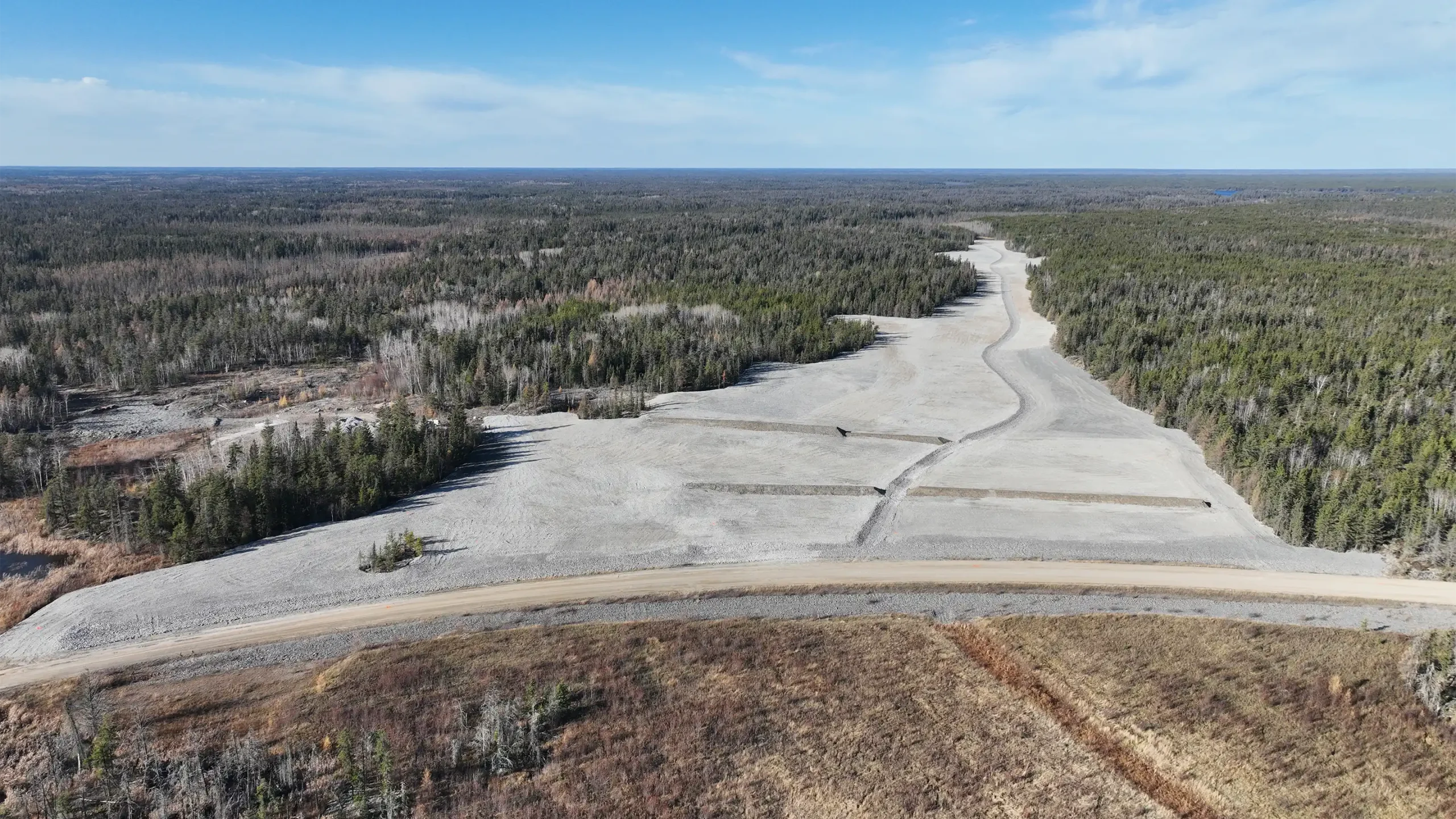
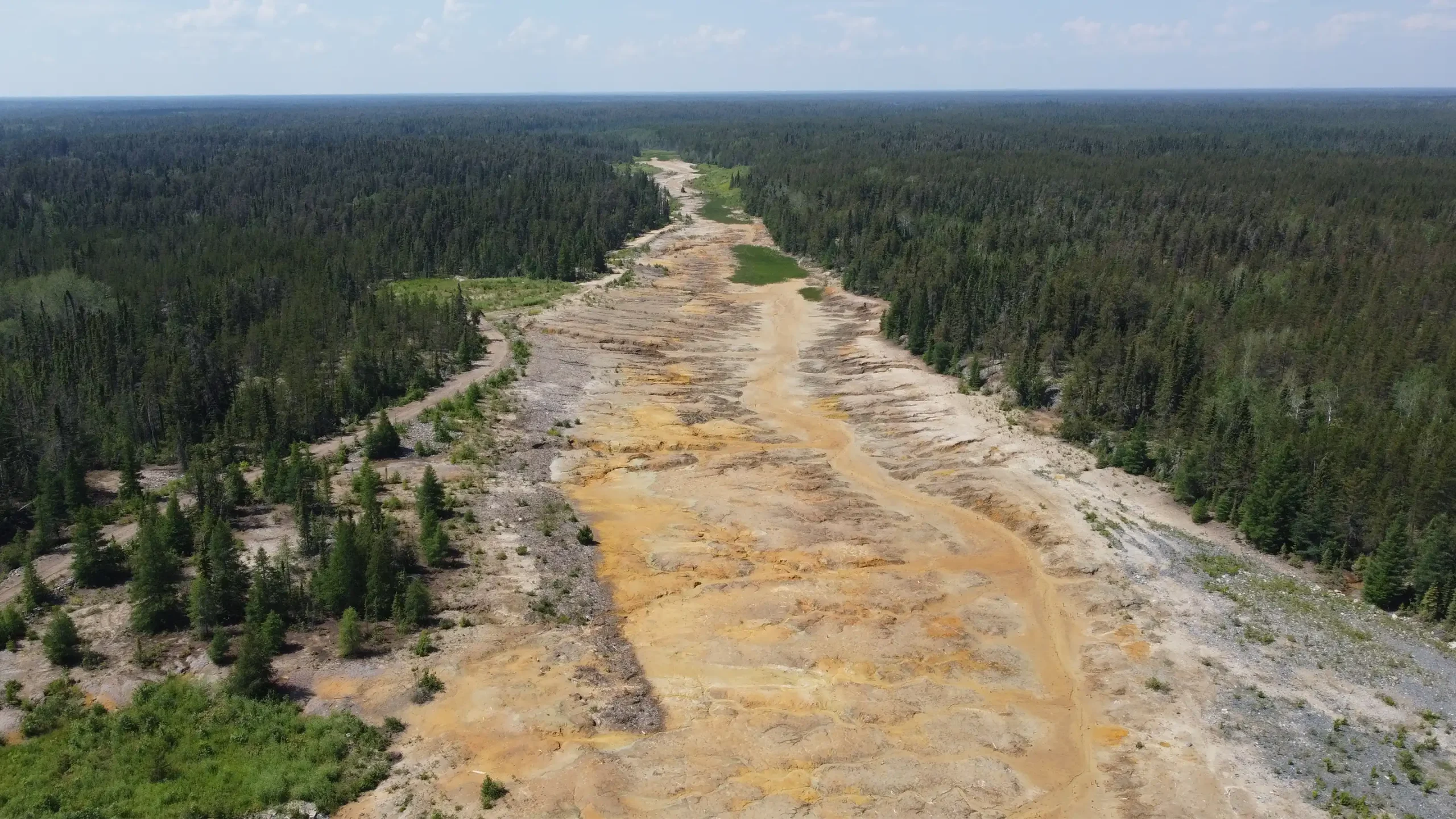
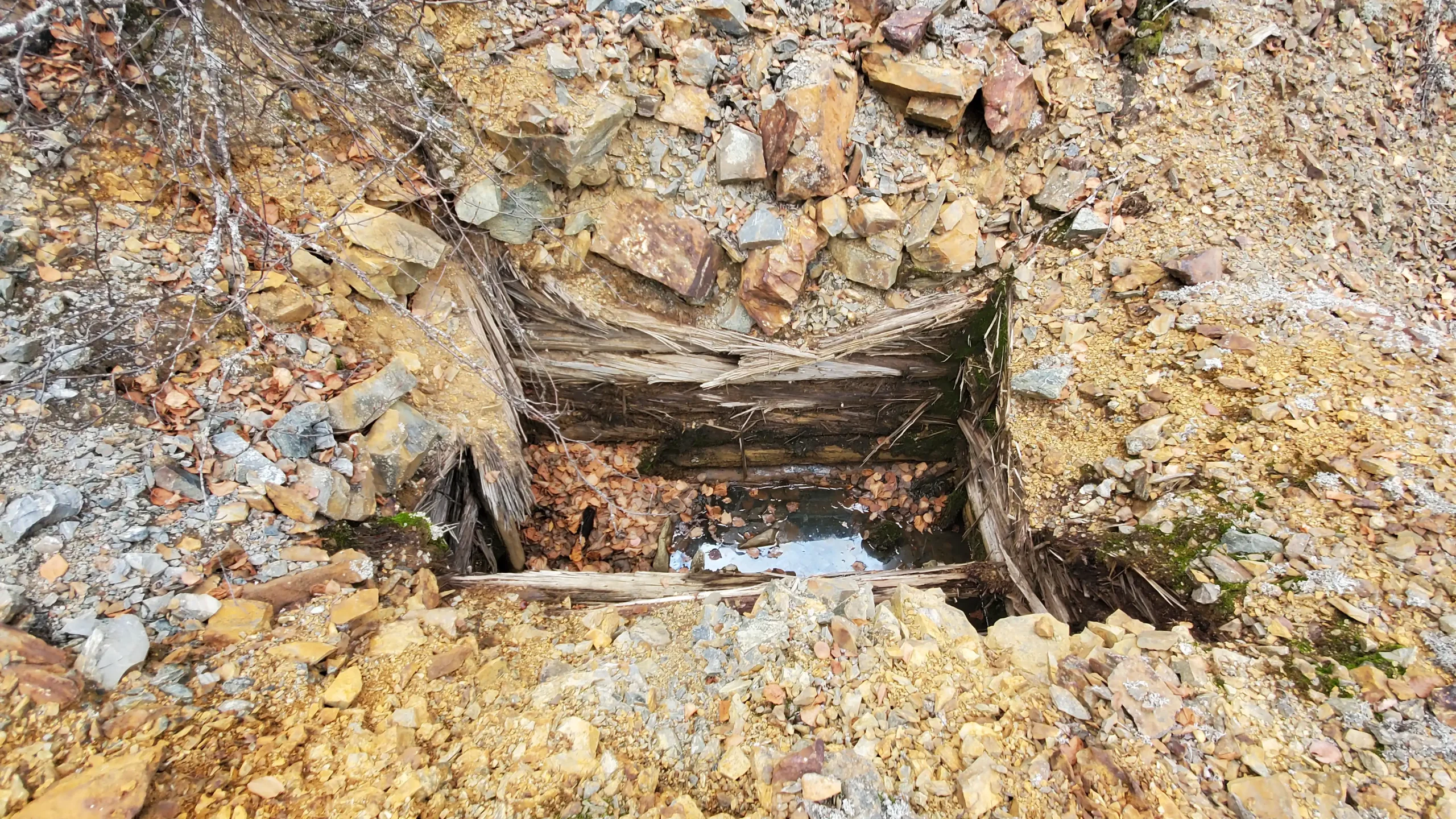
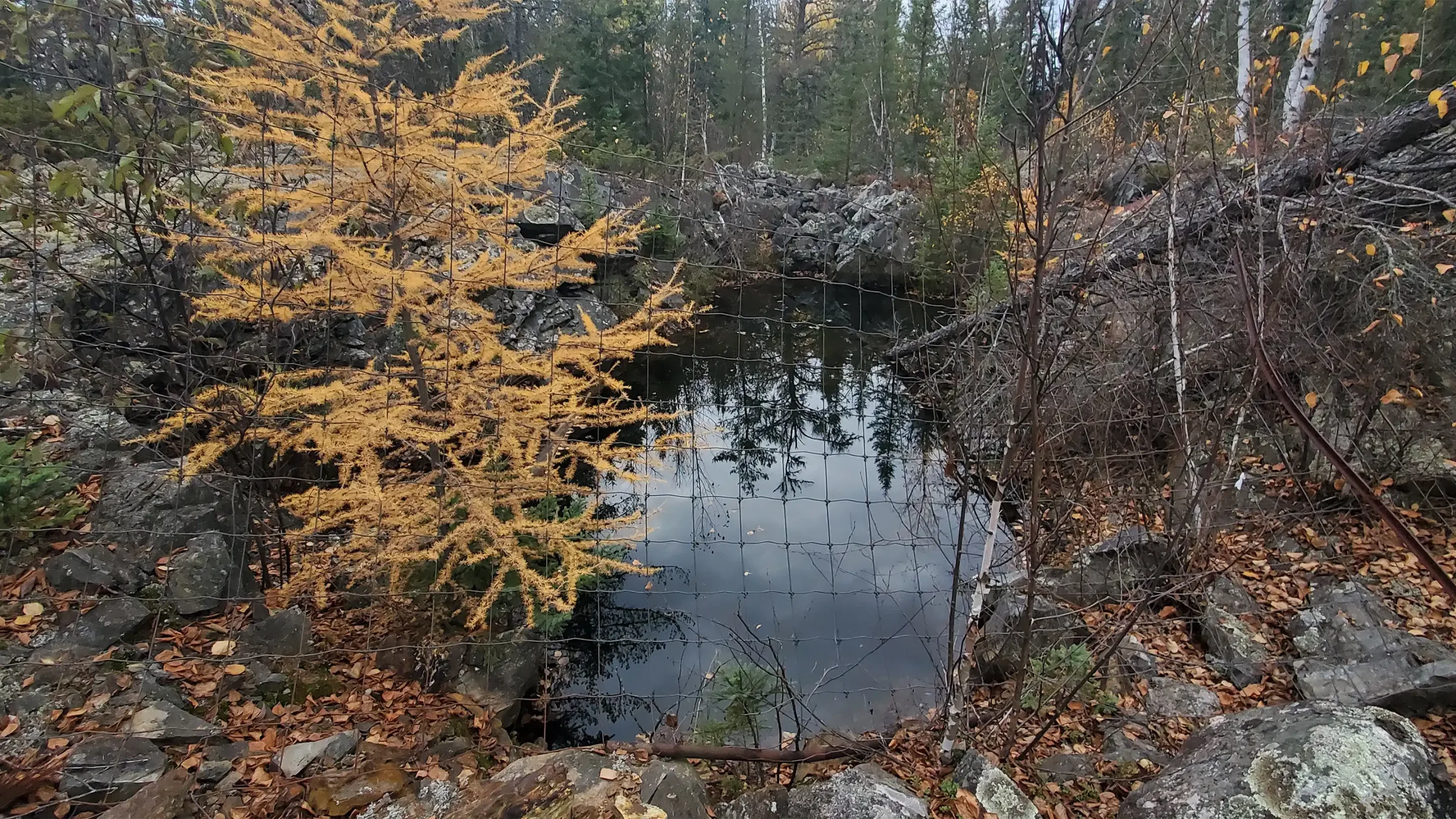
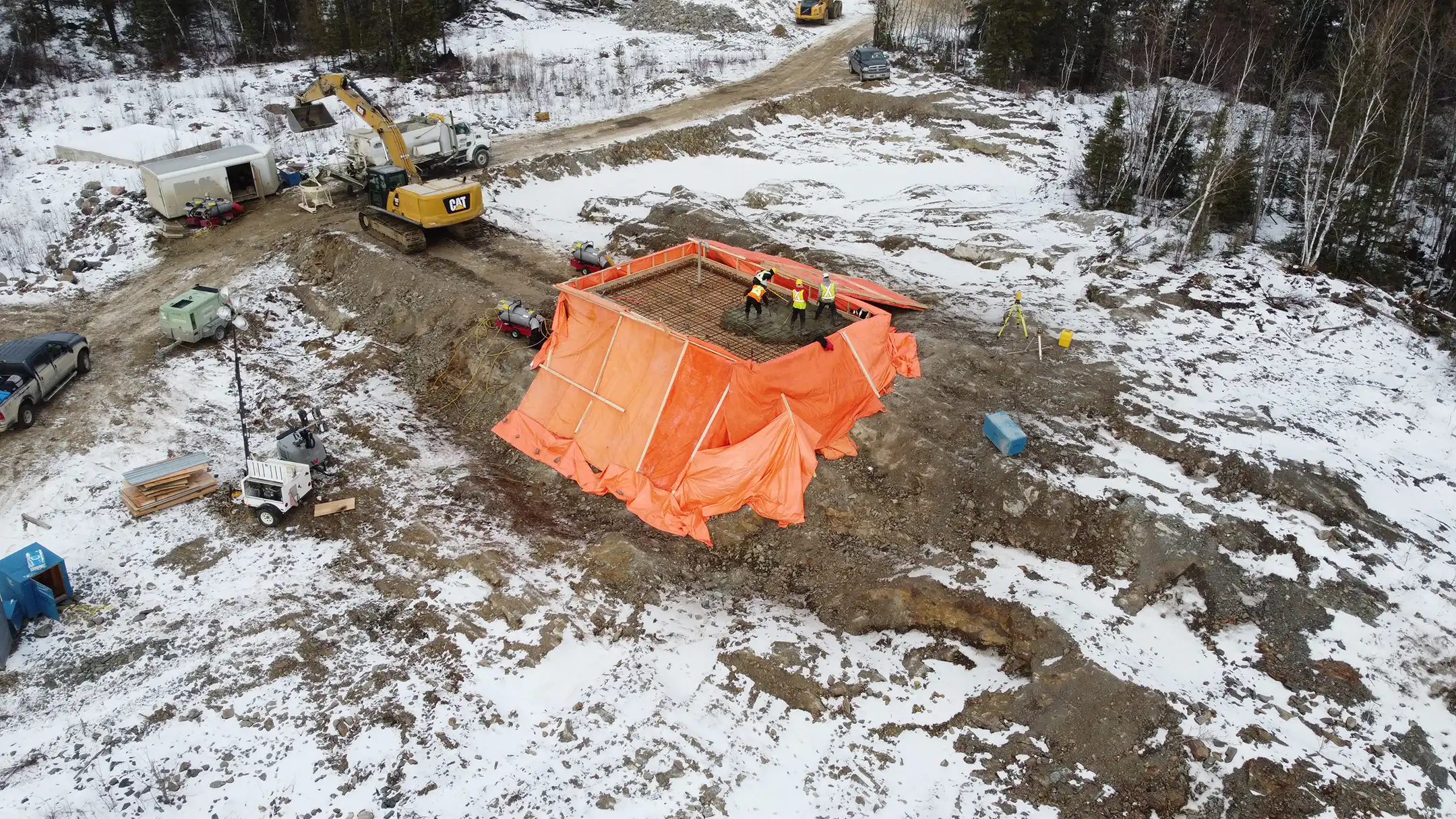
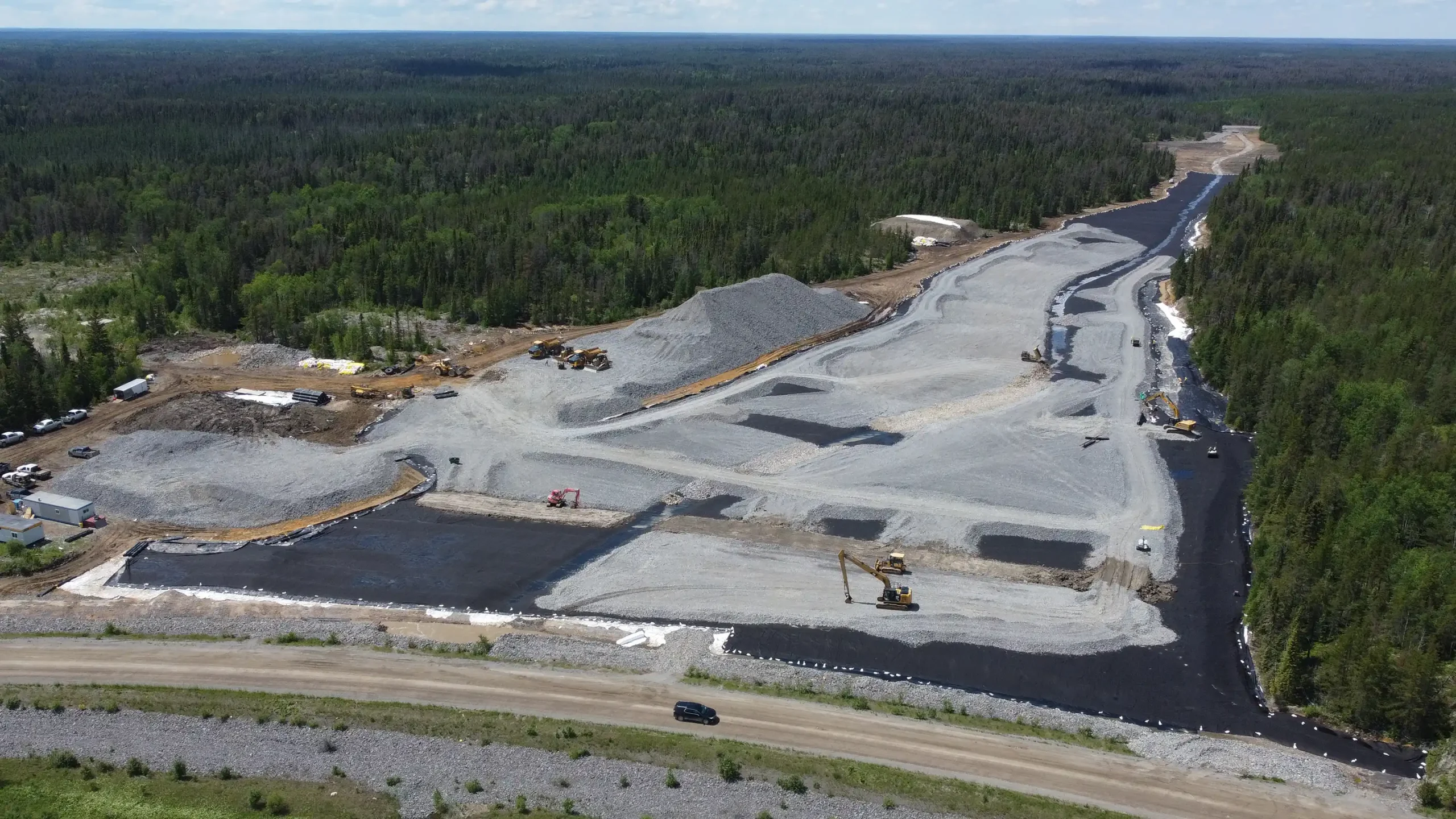
The Central Manitoba Mine, an abandoned mine site in Nopiming Provincial Park, was a top remediation priority for the Province of Manitoba because of the presence of major hazards to the public and environment. The site contained acid-generating tailings, waste rock, abandoned infrastructure and unsafe mine openings that lead to a network of underground mine development.
KGS Group spearheaded the site’s transformation. This project involved the development of comprehensive closure plans, the design of innovative remediation solutions, and construction administration.
The result: public safety was ensured, health hazards eliminated, and the site was restored to satisfactory conditions, mitigating extensive contamination and environmental risks.
Project Highlights
- Site assessment, risk evaluation and closure planning
- Containment and treatment of acid‑generating tailings and waste rock
- Securing unsafe mine openings, decommissioning abandoned infrastructure and debris removal
- Construction administration, contractor oversight and regulatory coordination
Water Security Agency Owner’s Engineer
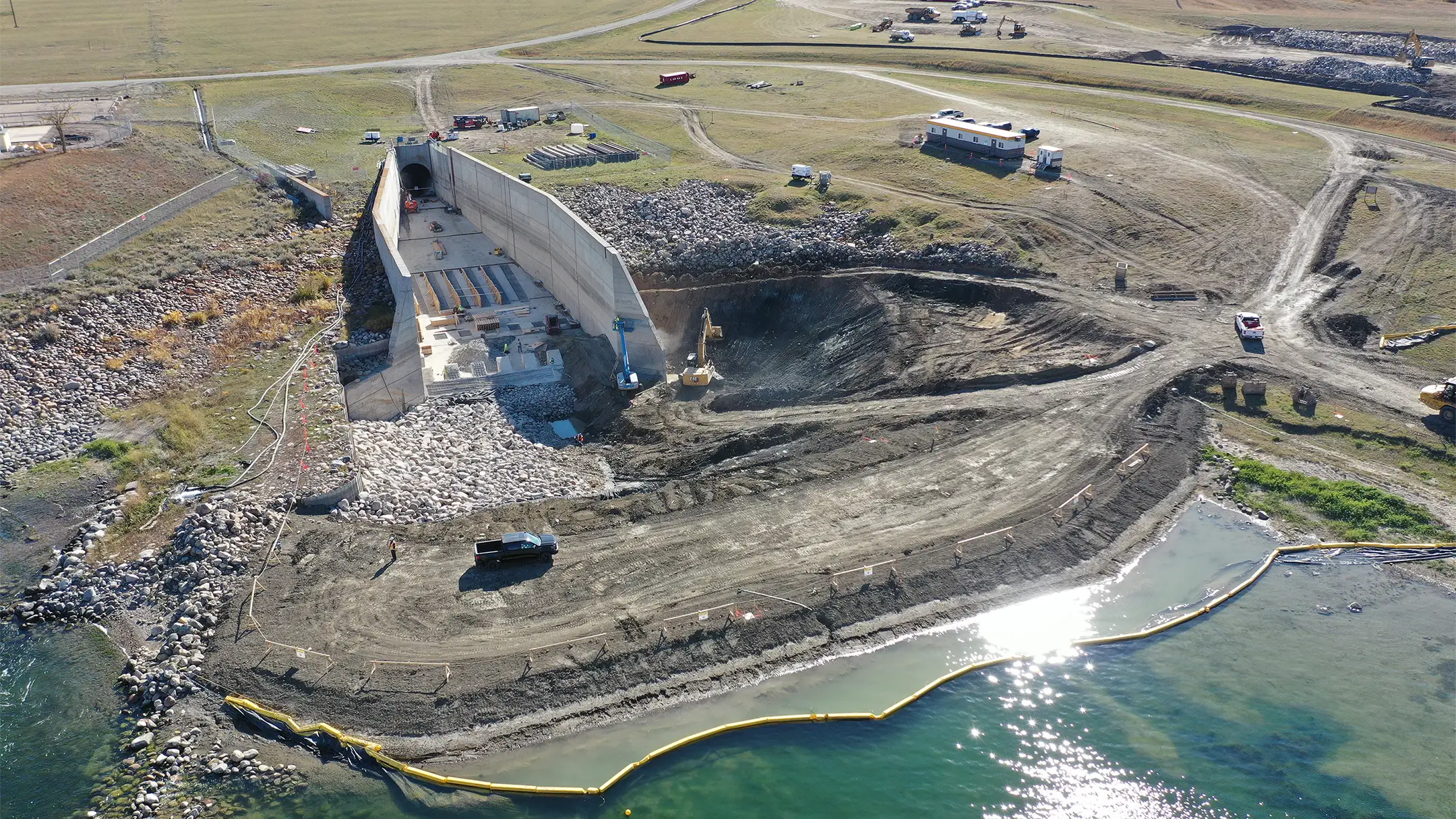
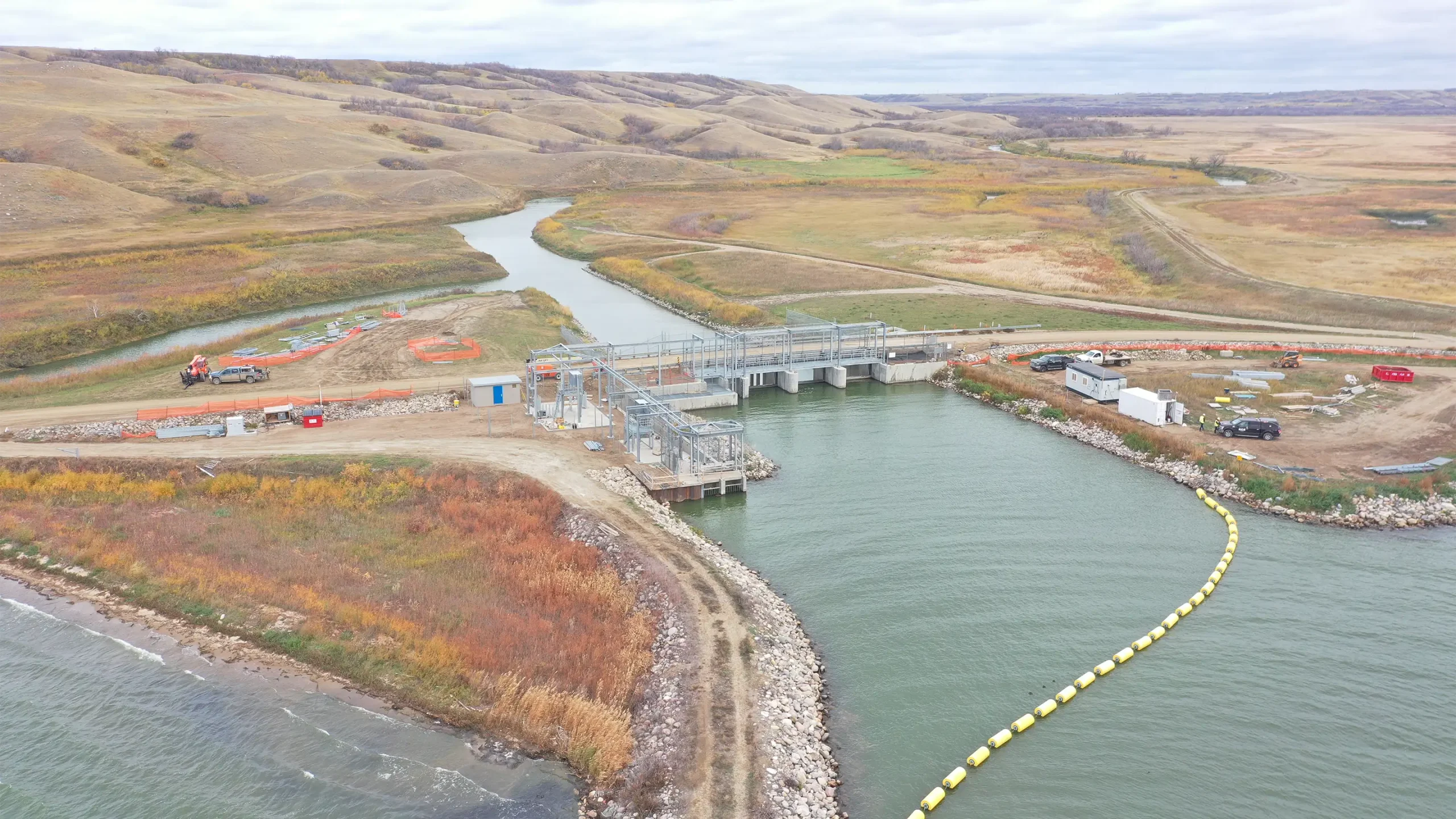
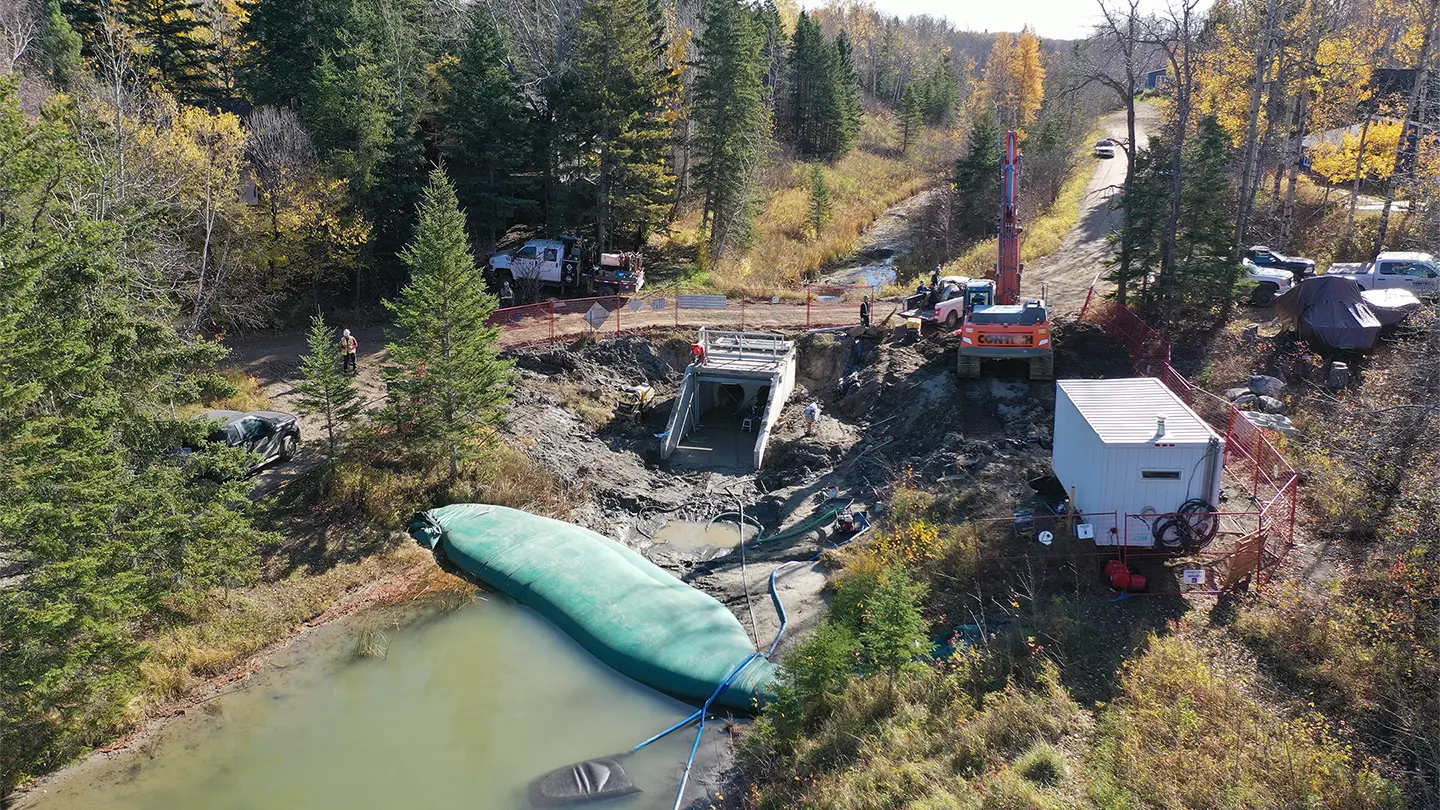
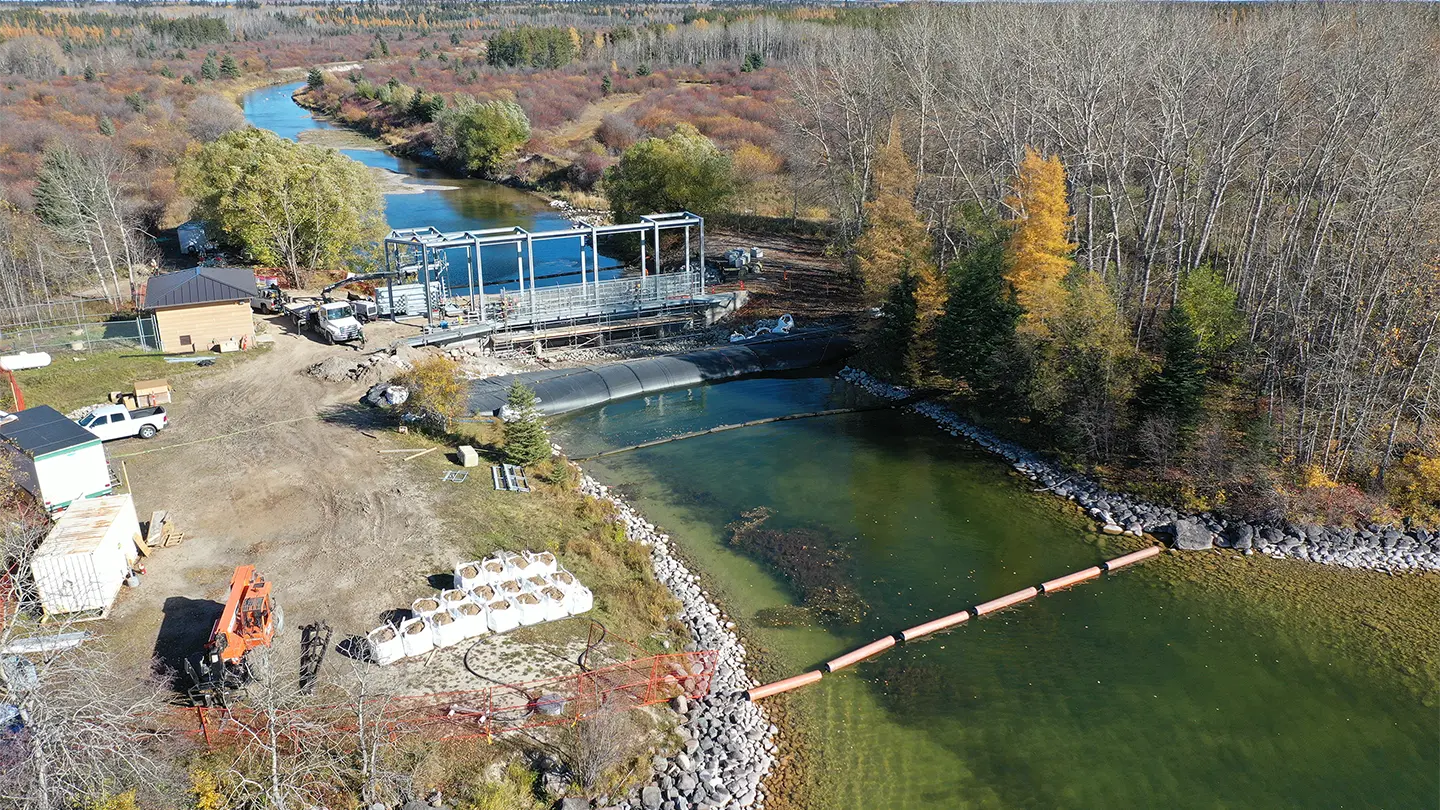
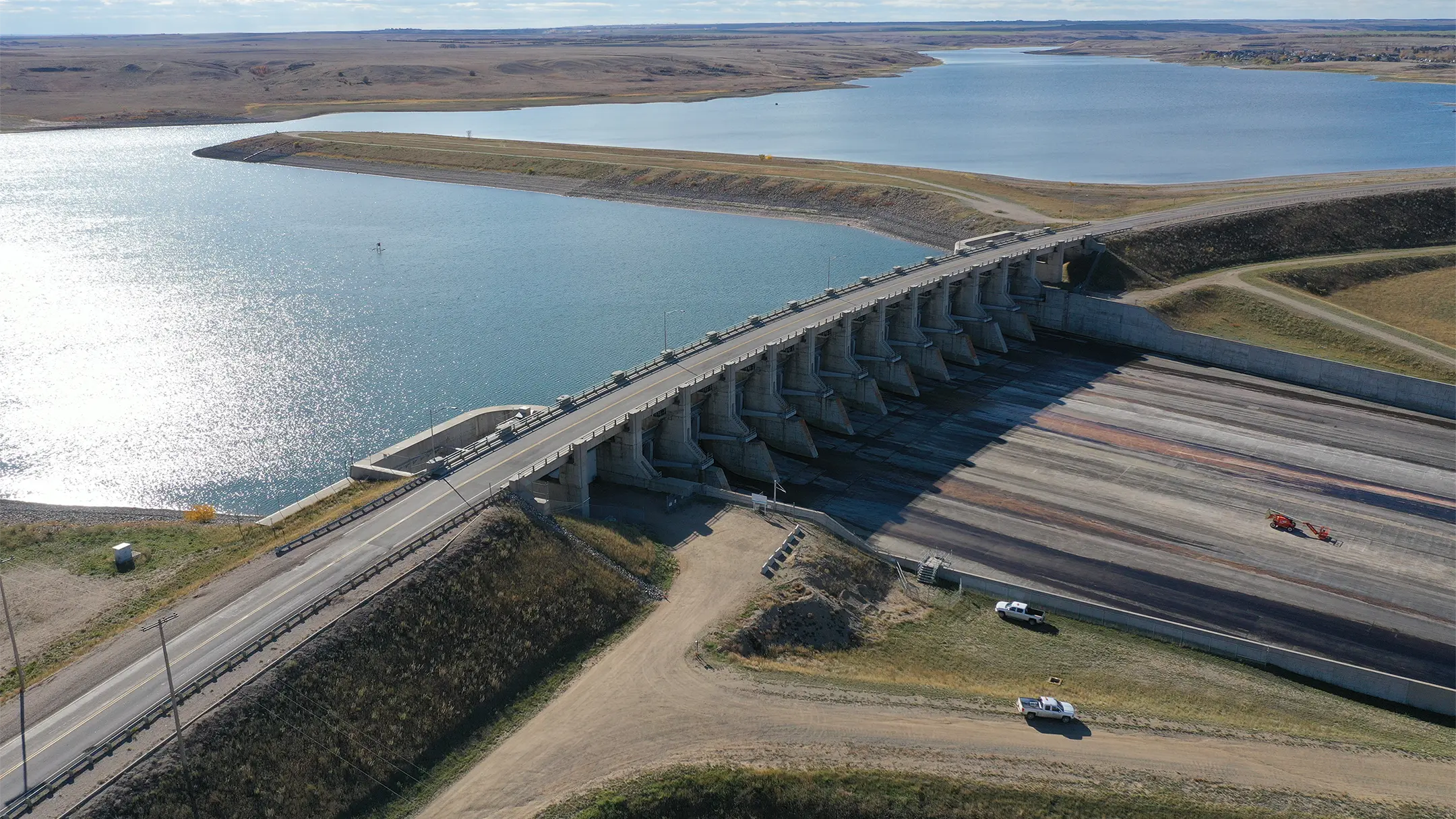
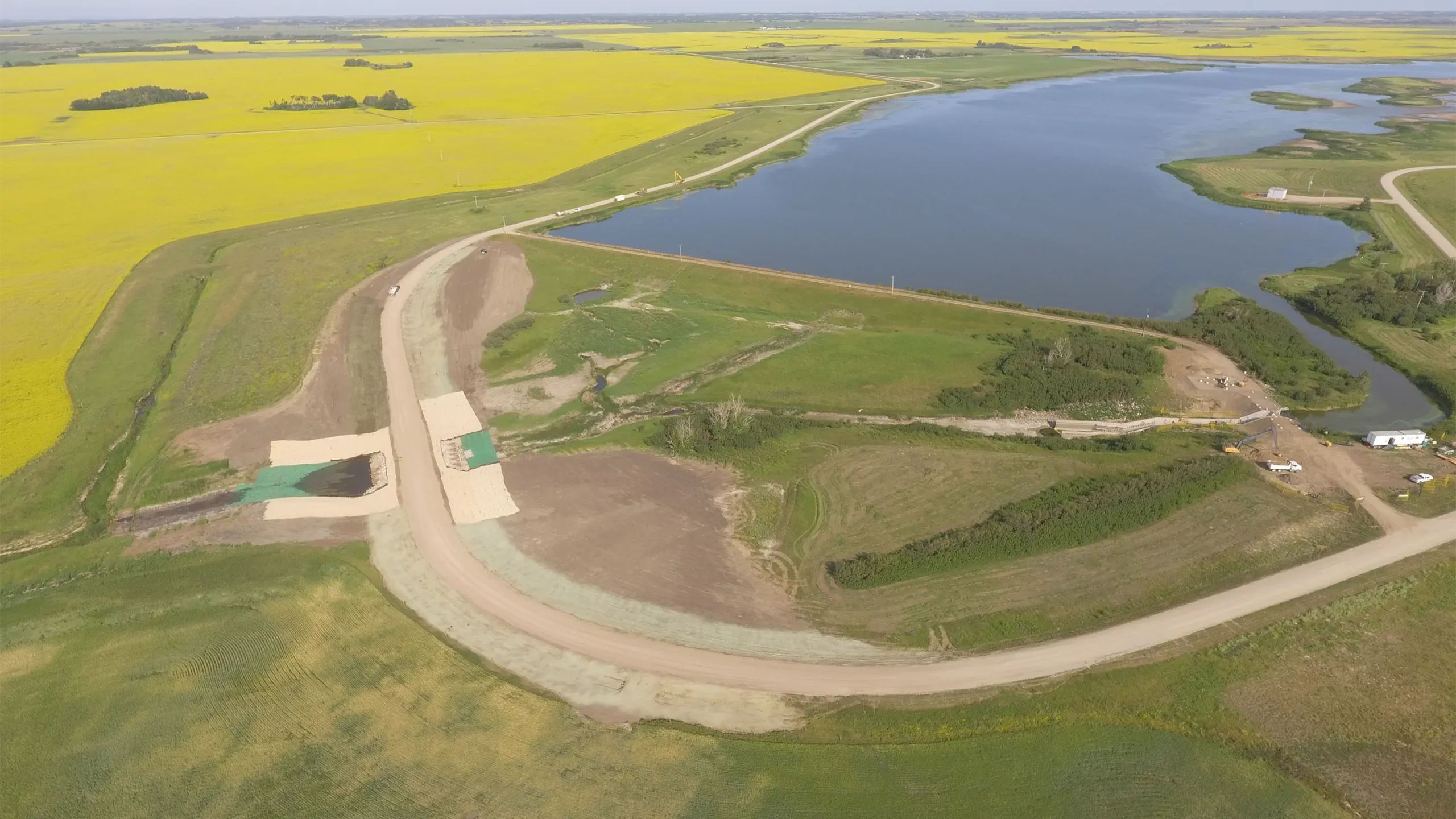
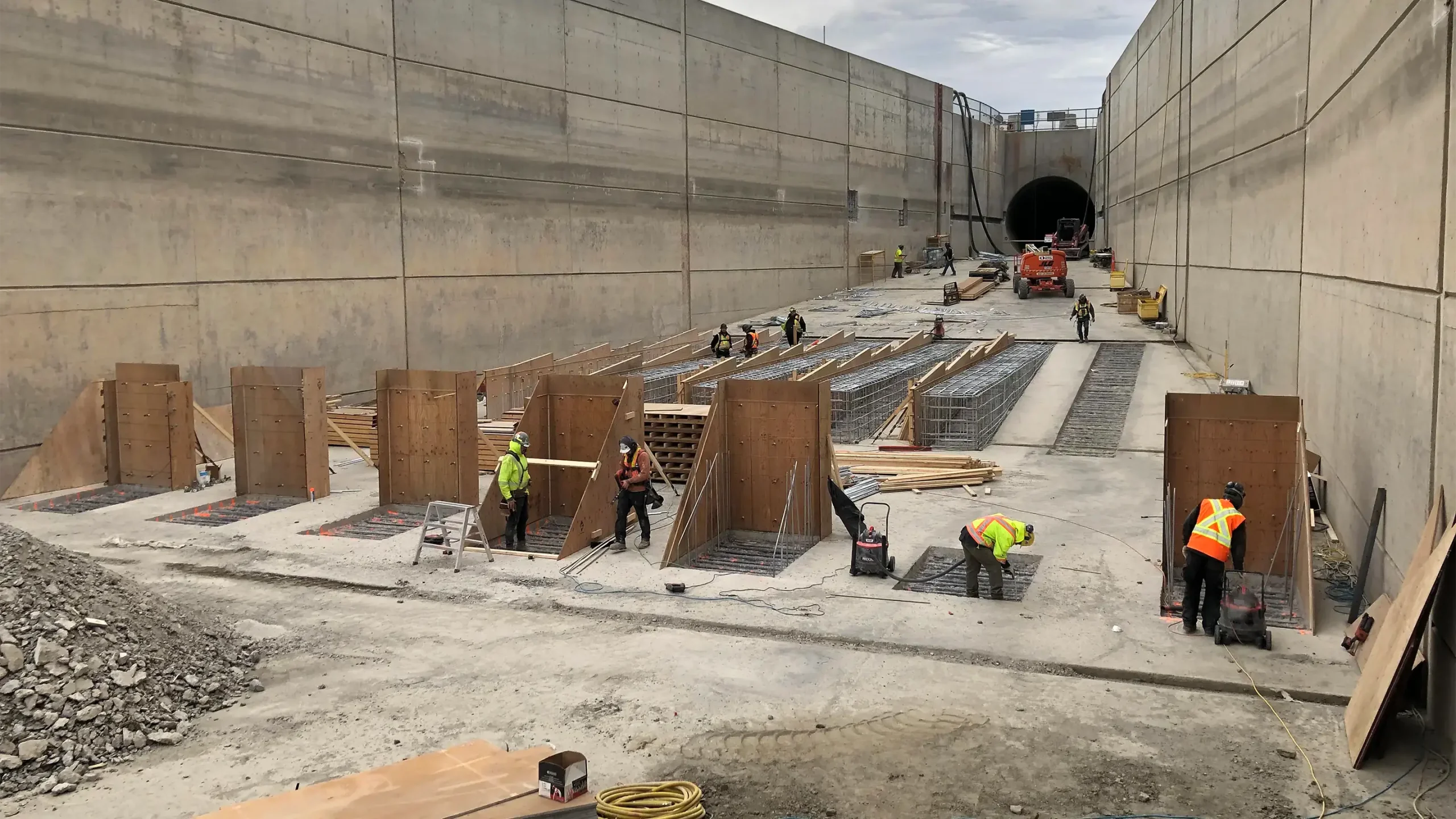
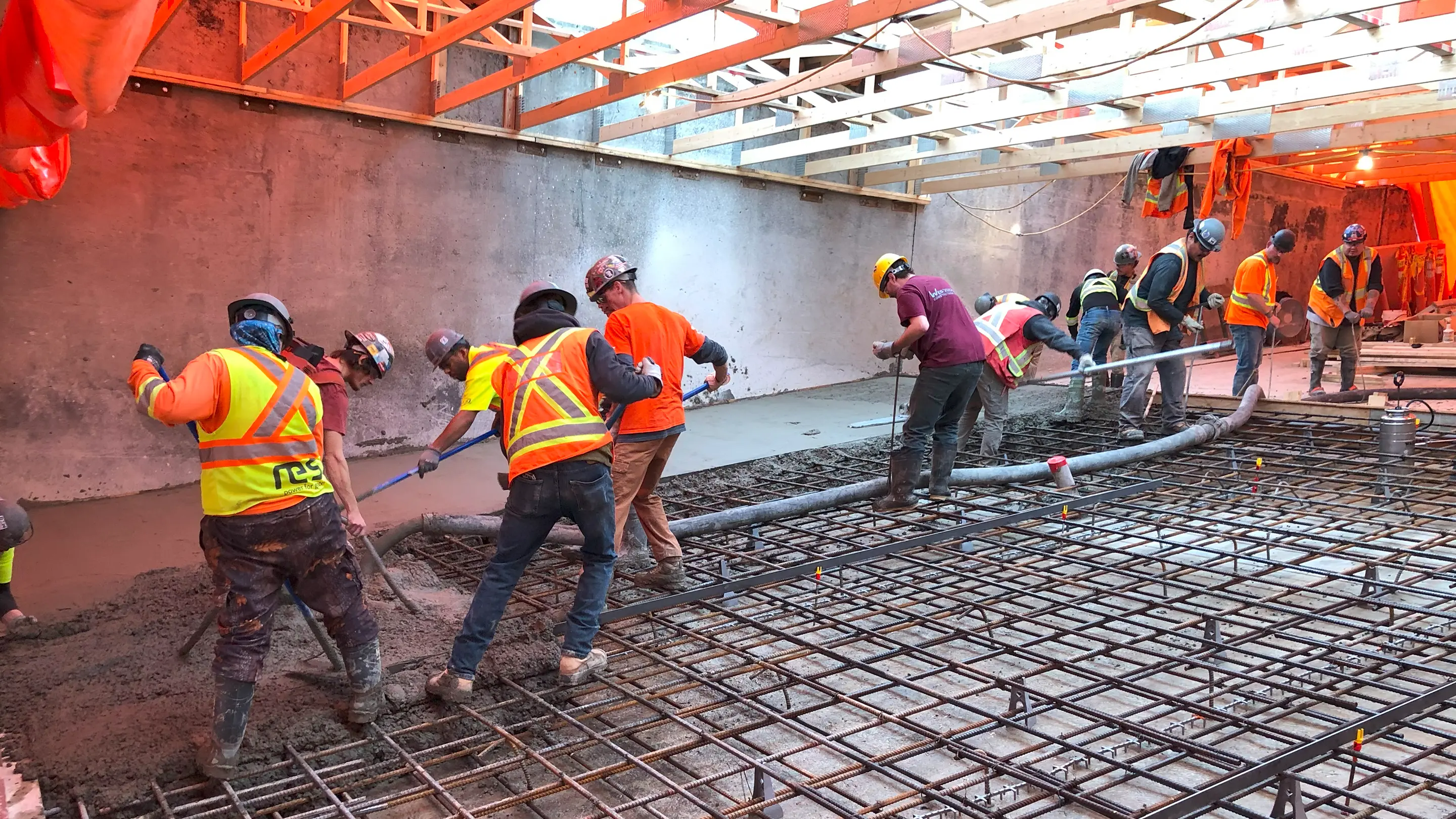
KGS Group served as owner’s engineer to help the Water Security Agency (WSA) reduce their project backlog and bring consistency to their capital delivery services. Acting as project managers, our team scoped, managed and executed over 20 project procurements on behalf of the WSA.
Our project managers also assisted the WSA with oversight of their larger portfolio of owner’s engineer projects. Our role covered portfolio oversight, procurement leadership and risk and schedule control across multiple projects.
At the start of the contract, KGS mostly worked on process definition, engineering standards development and project engineering. In the later years, KGS was able to progress the work through engineering to construction. Because of this, the WSA spent its full capital allocation, with KGS-managed projects accounting for the majority of the spend, with this trend continuing to this day.
The KGS team accelerated project delivery and budget utilization while establishing a repeatable framework for future projects, enabling continued success for WSA.
Project Highlights
- Managed and executed over 20 project procurements
- Managed over 45 engineering, long‑lead procurement and construction contracts
- $53 million in capital construction delivered (November 2020 – March 2024)
- Helped create a framework enabling consistent, sustainable asset maintenance
- Clearer engagement model for ACEC‑SK members
Davis Diversion Coanda Fish Exclusion Screen

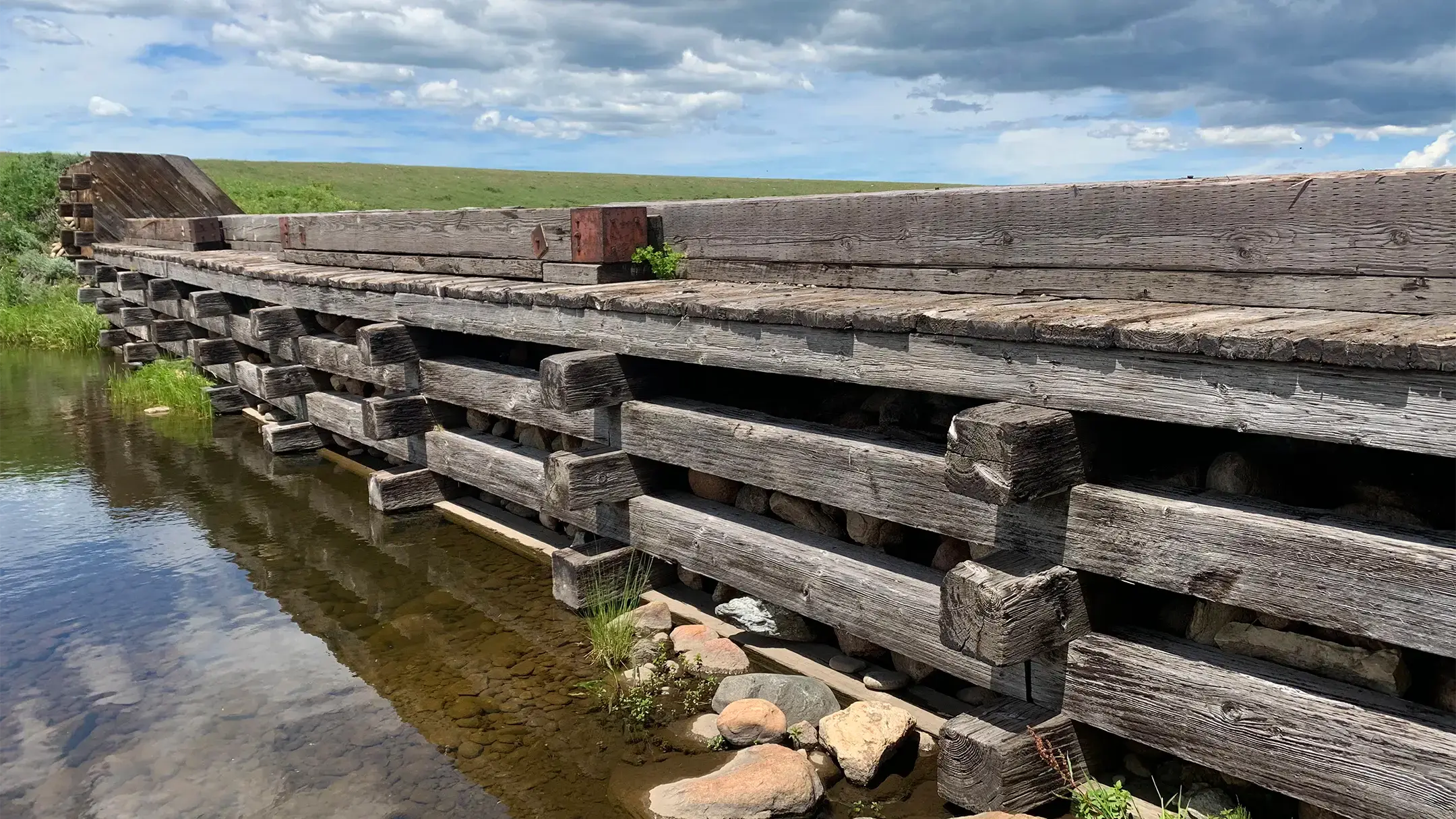
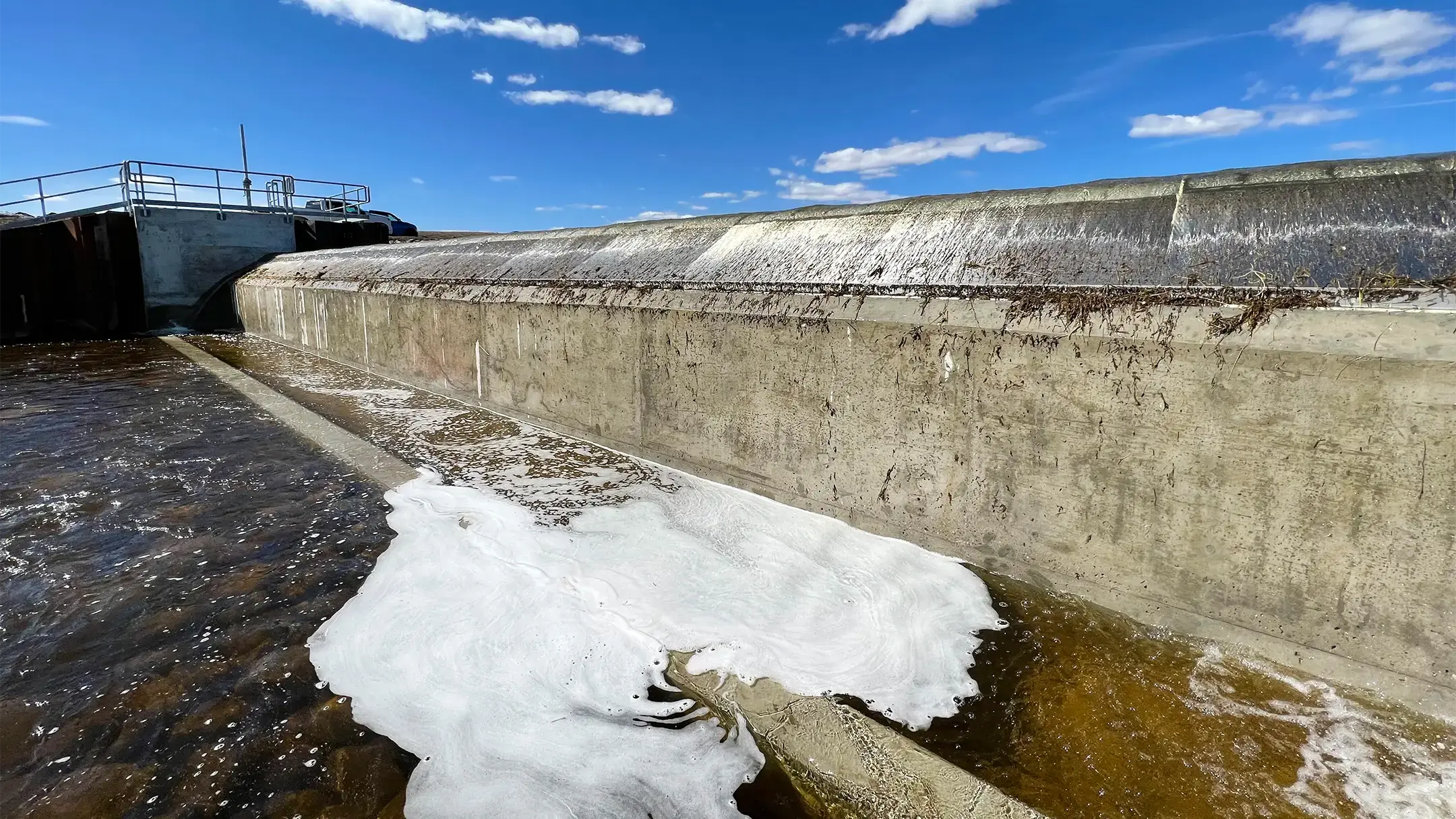
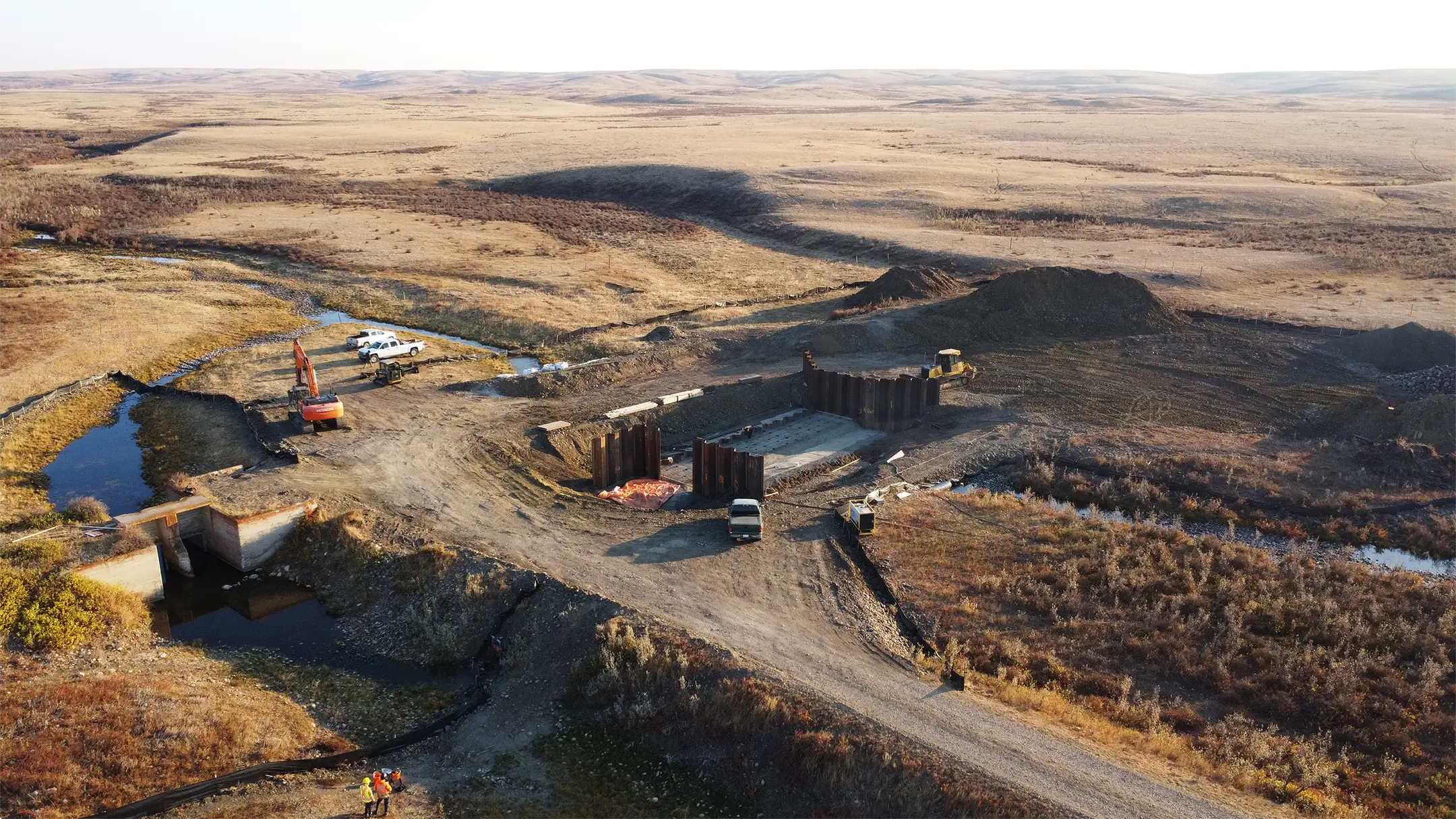
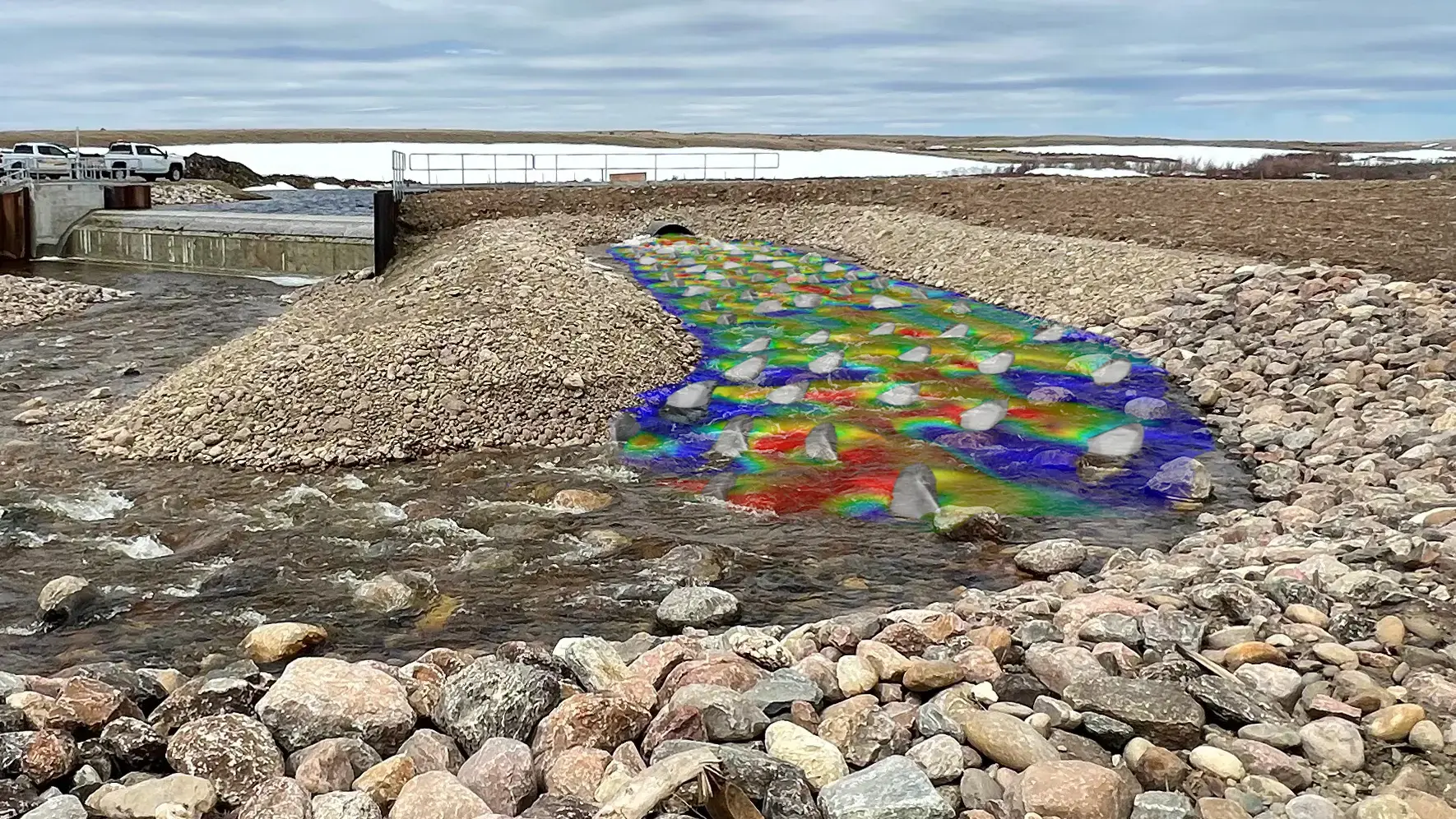
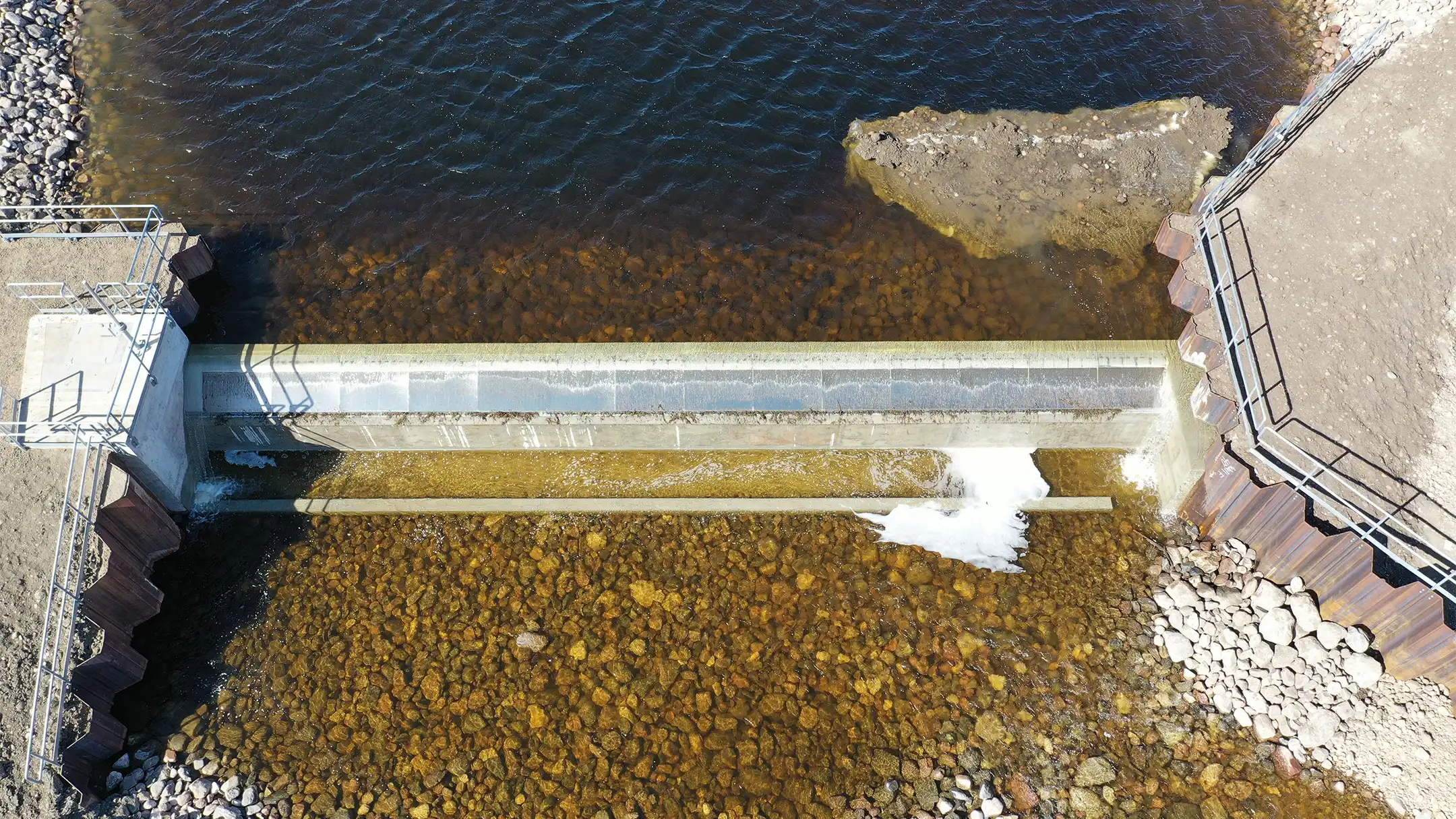
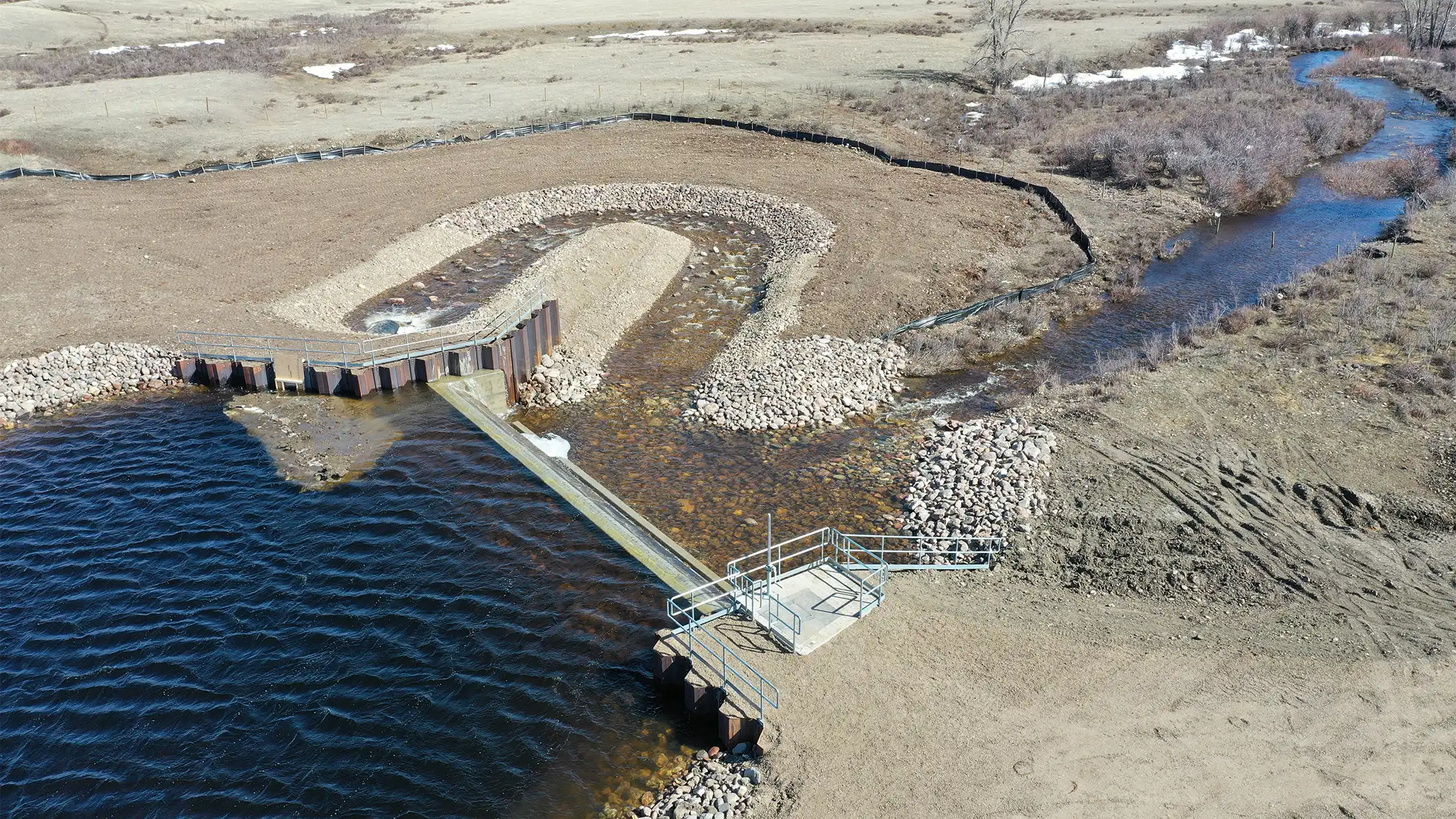
The Davis Diversion was built in 1939 near the town of Maple Creek. The main purpose of this canal is to divert unregulated flow to Cypress Lake, the main source of drinking water and irrigation projects in Southwestern Saskatchewan. Operation of the original diversion has, in the past, resulted in stranding of at risk fish species.
The Water Security Agency (WSA) ceased operation of the diversion system while contemplating solutions. KGS Group developed a solution consisting of the design and construction of a new concrete weir with a Coanda fish exclusion screen, combined with a new rock ramp fishway. This structure provides a novel solution for WSA to achieve its water management objectives, while protecting the area’s sensitive aquatic environment and bringing infrastructure into regulatory compliance.
Project Highlights
- Conceptual and detailed design of fish exclusion at diversion intake
- Replacement and modernization of aging water control structures
- Upstream fish passage integrated around the control structure
- Final product was in complete compliance with Fisheries Act and SARA
- Enables resumption of diversion operations to Cypress Lake
Calabogie Generating Station Redevelopment
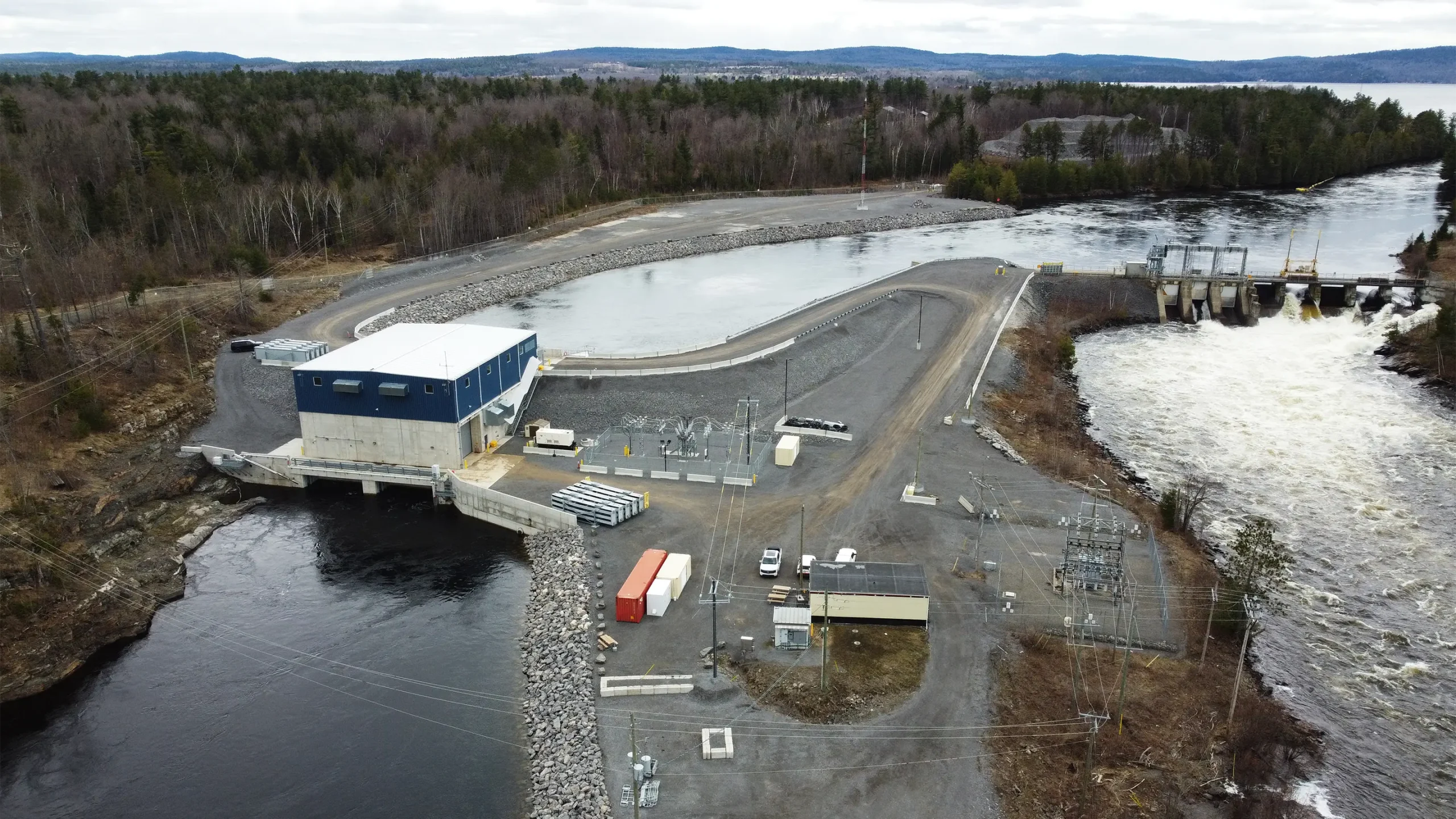
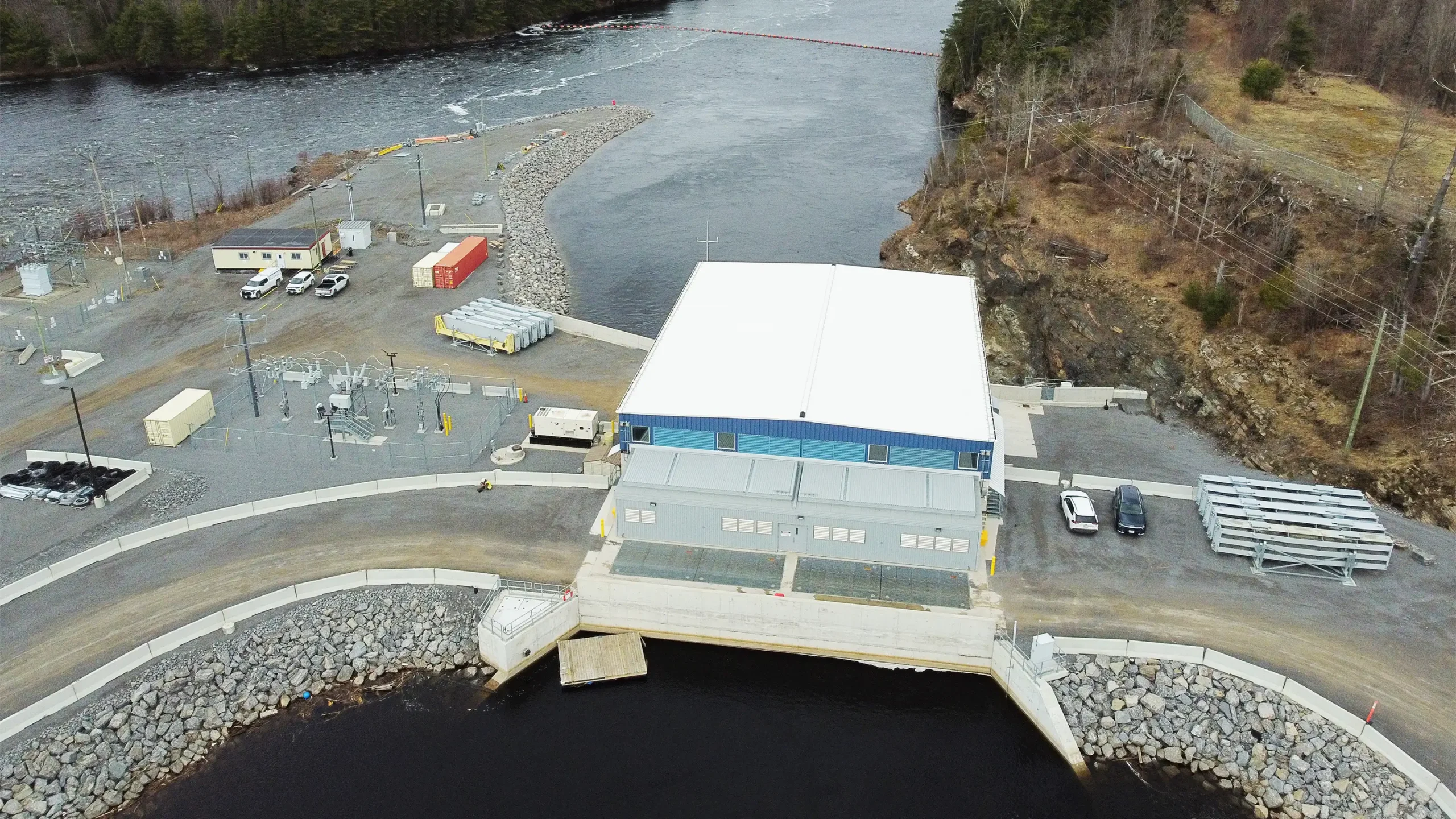
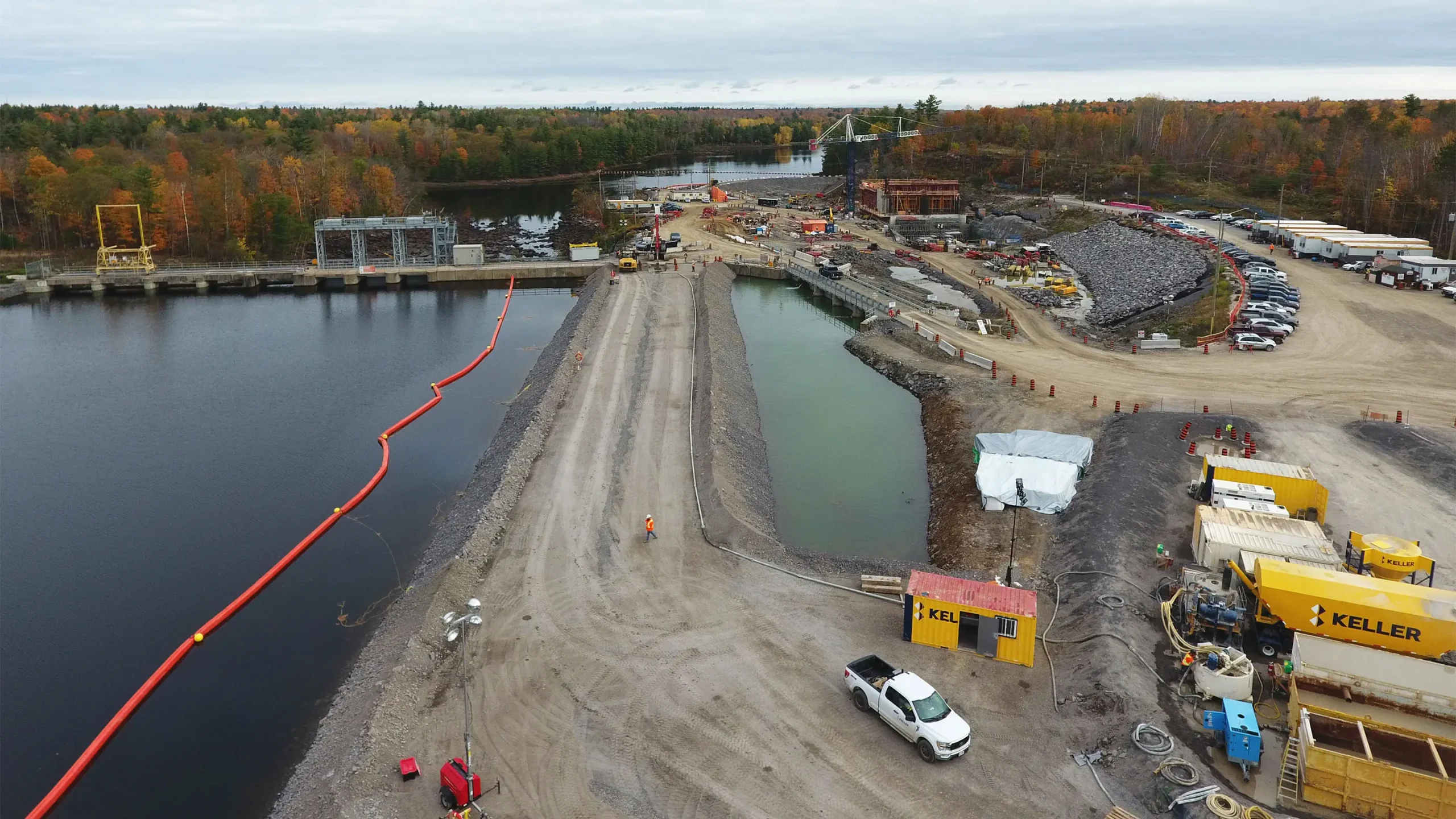
KGS Group served as owner’s engineer to redevelop Calabogie Generating Station, extending its life and increasing its output to 11 MW. We guided the project through feasibility, design and execution phases. The project included constructing a new powerhouse, expanding intake and tailrace channels, rebuilding the forebay dam and adding a new substation and fish habitat compensation features.
In 2006, KGS Group completed a feasibility study to explore options for the site’s refurbishment and redevelopment and was consequently awarded the role of owner’s engineer in 2017. We presented the client with a list of new turbine vendors, developed user requirements and preliminary specifications, supported environmental assessments and assisted with stakeholder consultations, including engagement with Indigenous groups.
Our team then assisted in procuring the contractor for the project who completed the final optimization, design and construction. Key design refinements included a more compact powerhouse, a redesigned forebay dam and a reworked intake channel supported by hydraulic modelling and a physical model. The project also included measures to make the site ready for eel passage and to facilitate future downstream passage.
KGS Group provided oversight, in collaboration with the resident engineer, throughout the project including full-time inspection services, ensuring quality and regulatory compliance, while mitigating risks and following safety standards. We helped complete commissioning and turnover of the project providing consistency and project knowledge from feasibility design to close out.
Project Highlights
- New powerhouse with expanded intake and tailrace channels and a rebuilt forebay dam
- New substation with fish habitat compensation features and a site ready for eel passage and future downstream passage
- Environmental assessments and stakeholder consultations
- Supported contractor procurement, optimized hydraulic and physical modelling
- 3D digital design for multi‑discipline coordination and field execution
- 11 MW output, extended asset life, improved reliability and operability
Pauingassi First Nation Landfill Expansion
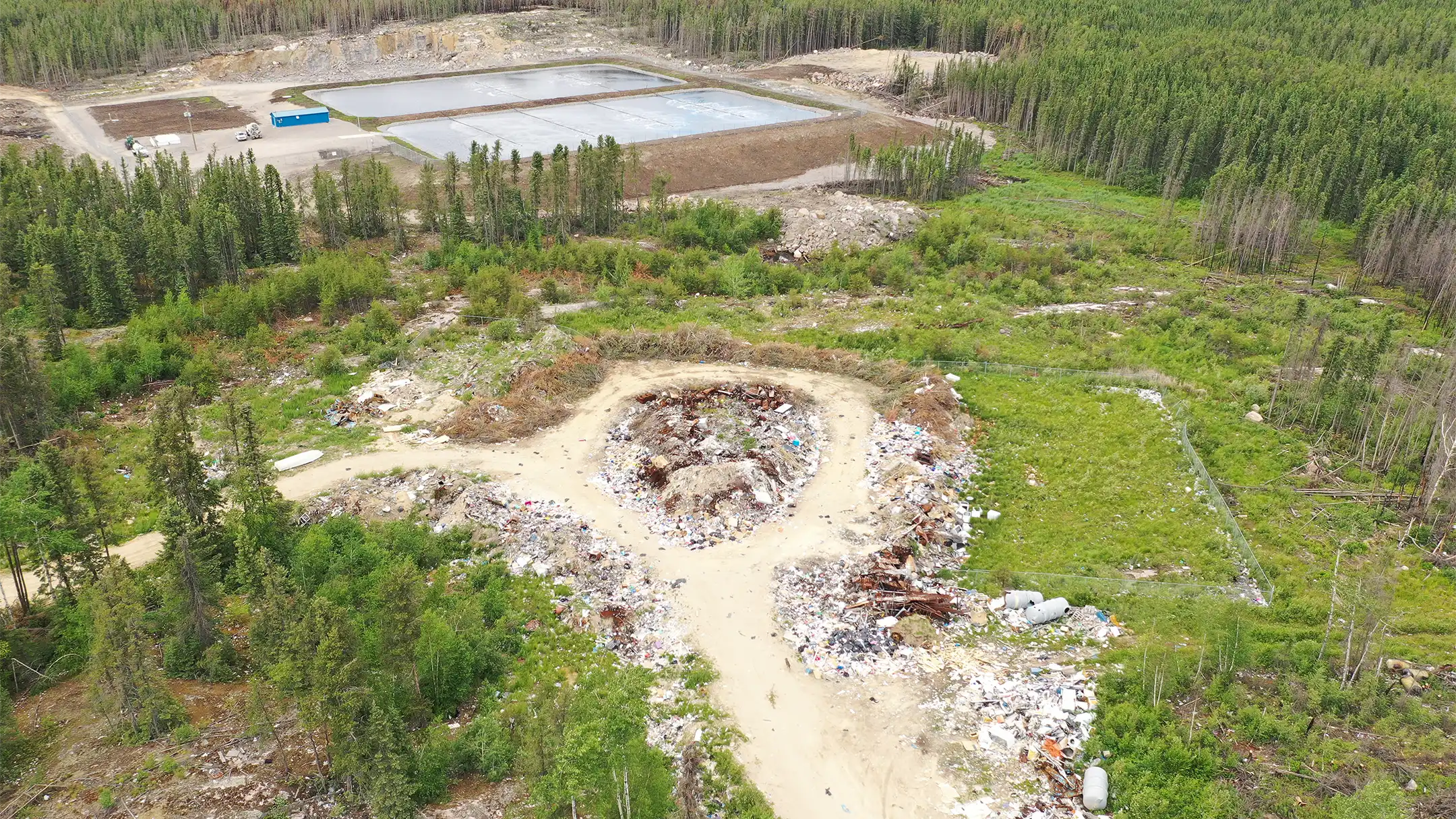
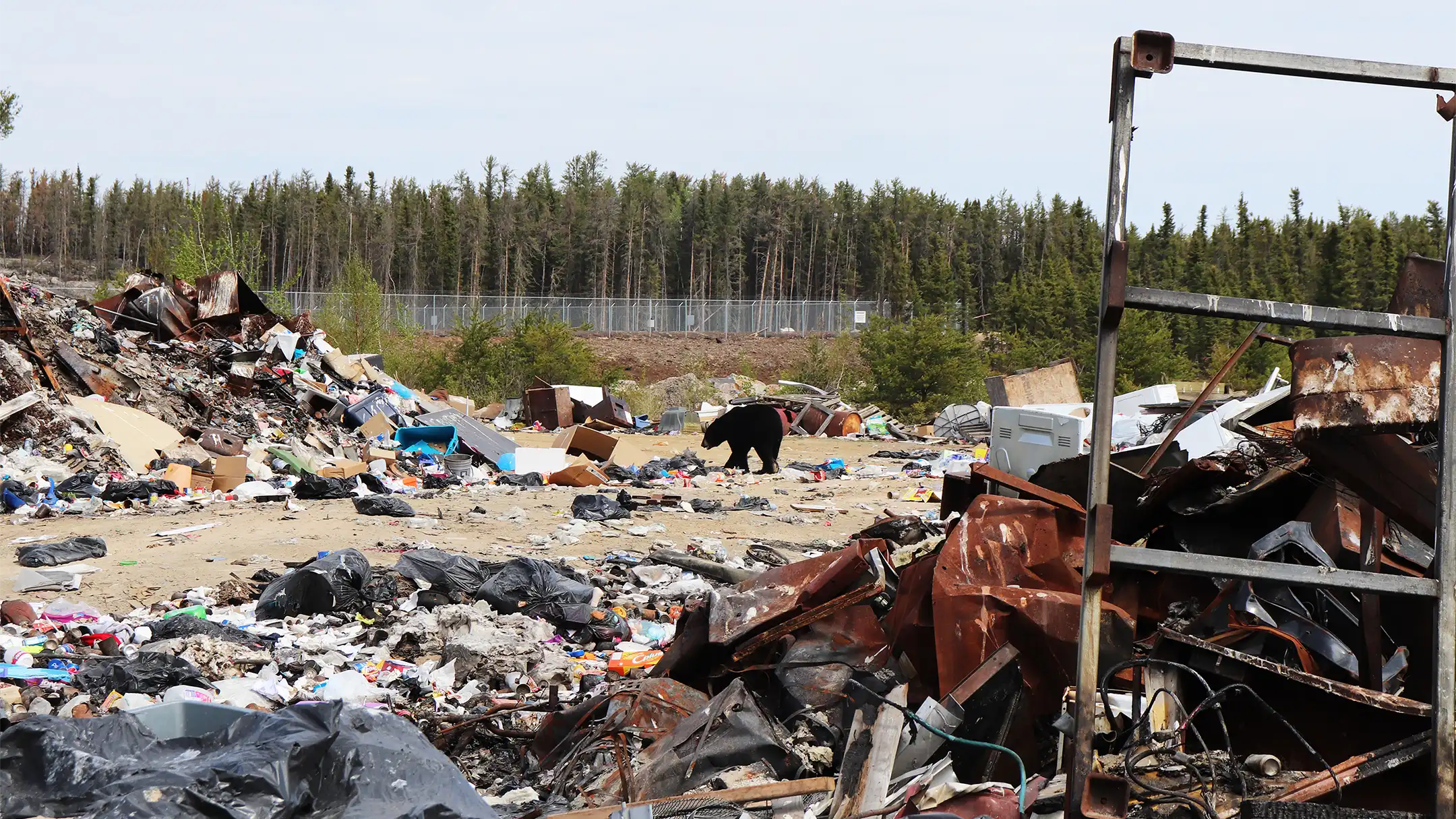
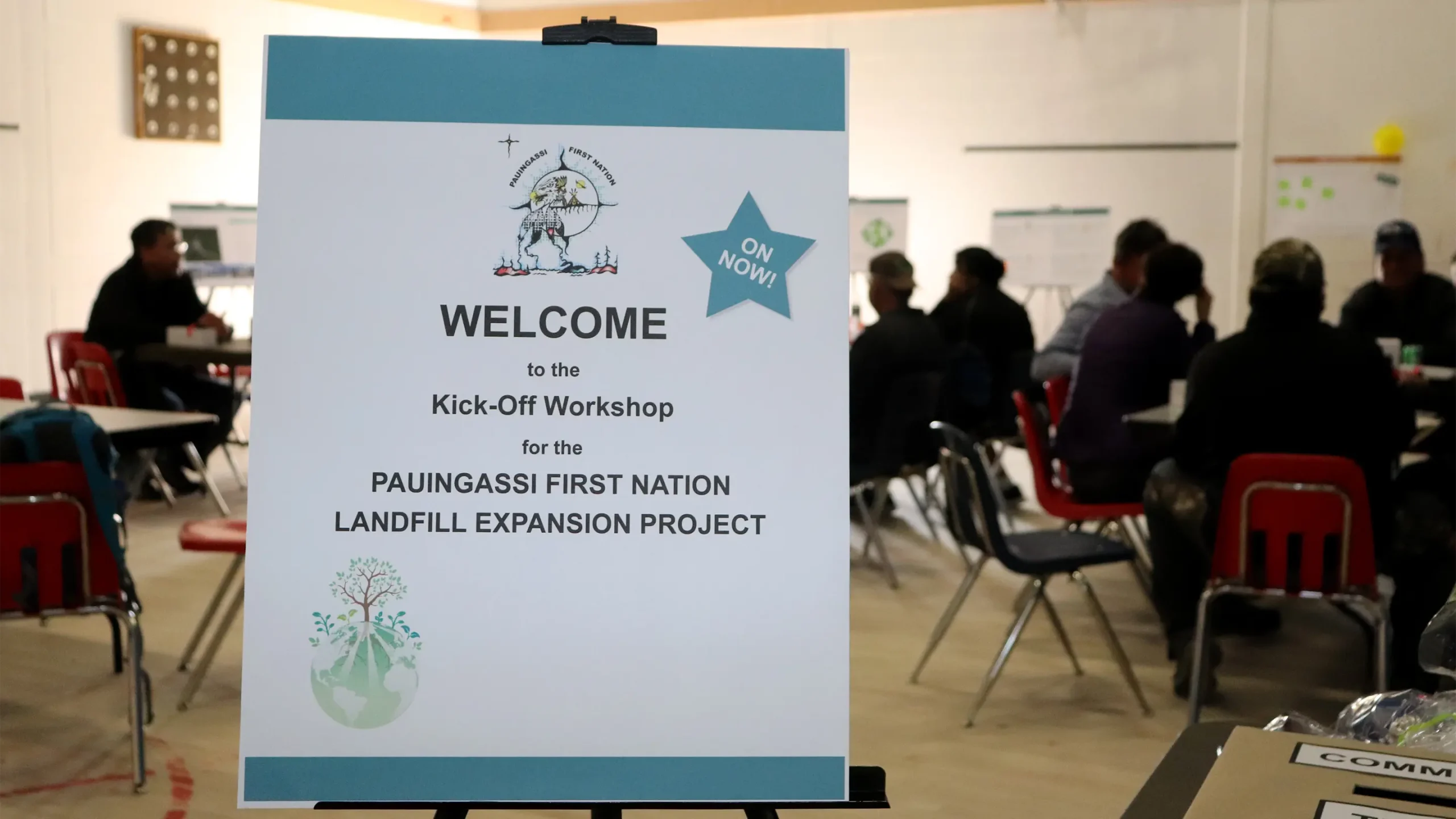
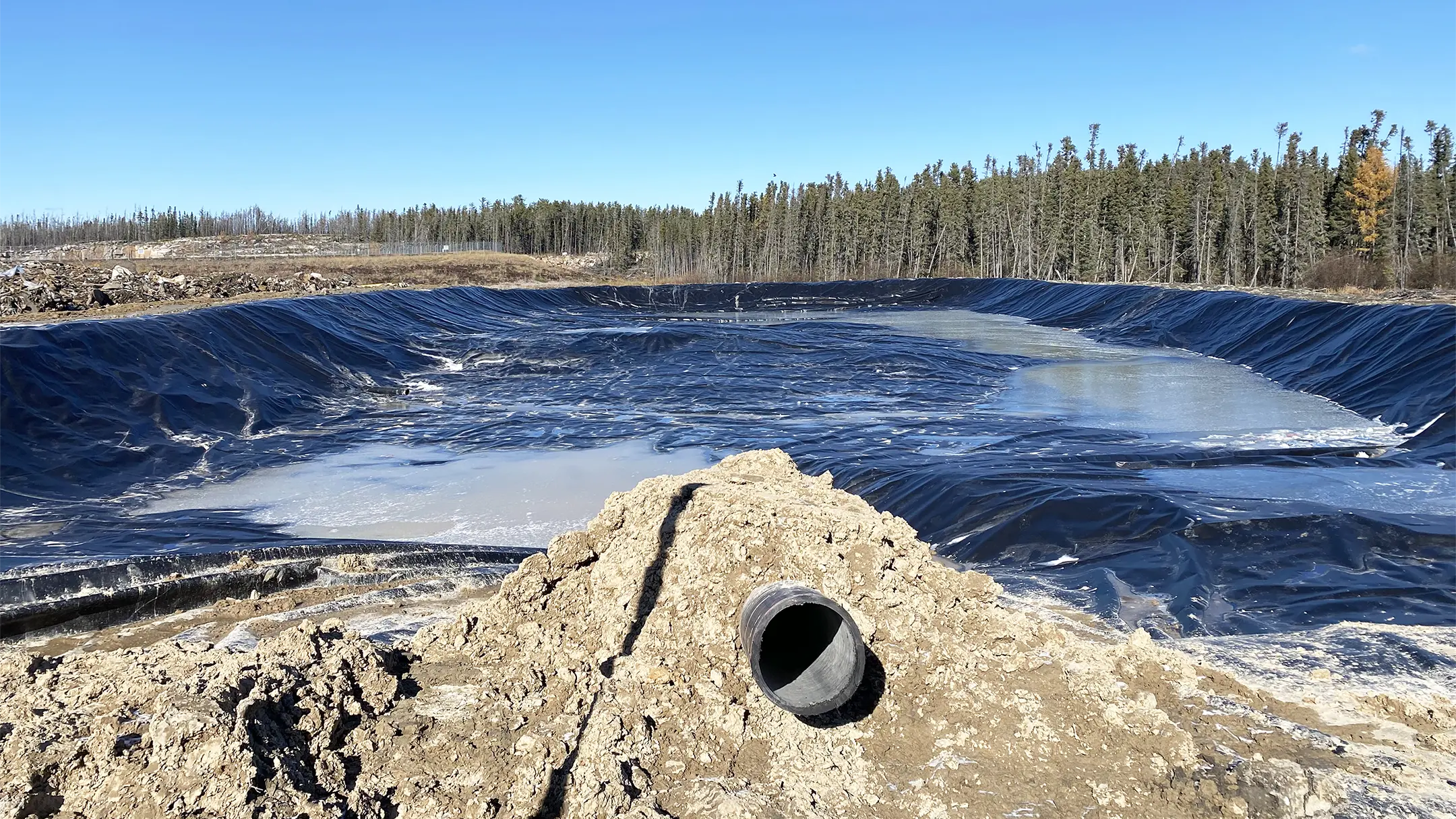
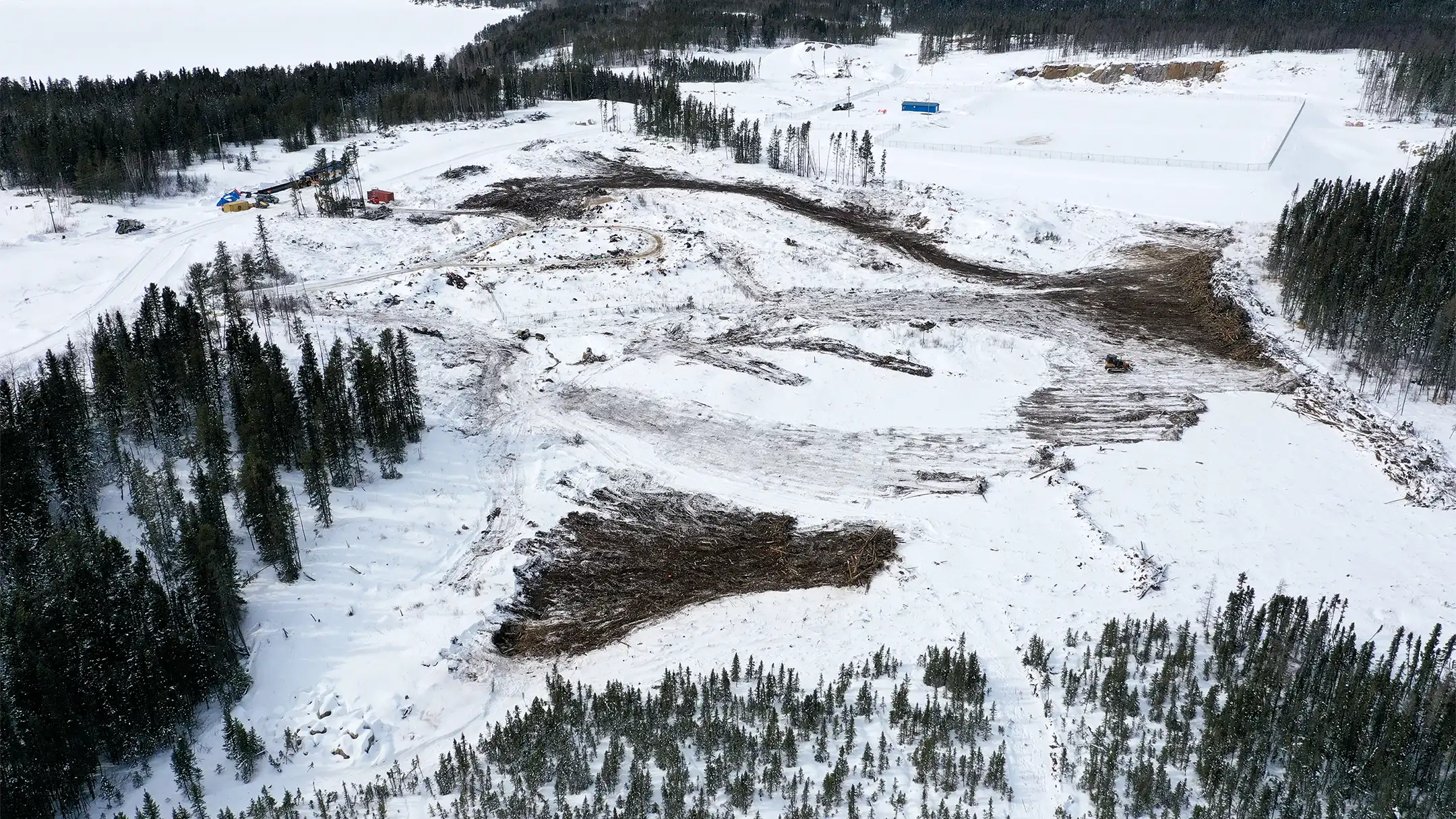
Pauingassi First Nation is located in eastern Manitoba, approximately 275 km northeast of Winnipeg, on a peninsula of land that extends southward into Fishing Lake. At the time, the community had a total registered population of 668 and did not have an airport or an all-season road for access and uses winter roads, float planes or helicopters depending on the time of year.
Because access is primarily by winter road, numerous challenges must be overcome for solid waste management and in general for any construction projects in the community. Some of these challenges include heavy equipment access, difficulty removing divertible wastes from the community to proper disposal depots, dependency (and variability) of ice thickness, and overall higher construction costs compared to other, more easily accessible communities.
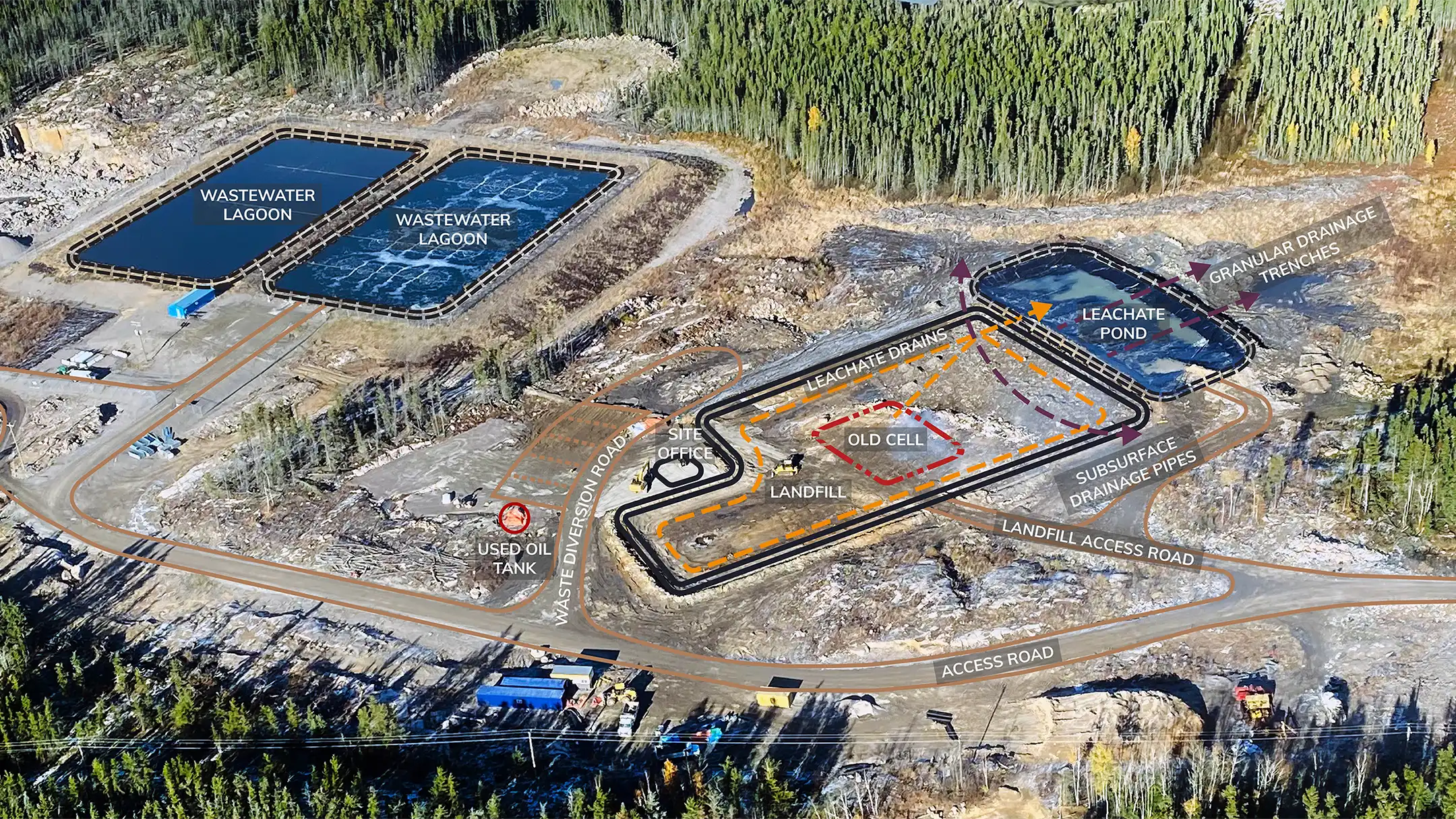
KGS Group created a new integrated resource management centre for this remote community. Success was achieved even though the COVID-19 pandemic and 2021 forest fires impacted the schedule. An innovative design overcame challenging site conditions, integrated community requests, preserved local heritage resources and Traditional Land Use Areas, and mitigated existing environmental impacts.
The result is a practical, environmentally sound, sustainable and aesthetically pleasing waste management facility that also addresses waste diversion. This project is a model for successful collaboration between Indigenous communities, contractors, consulting companies and government agencies.
Project Highlights
- Community‑informed planning, design and construction oversight
- Remote delivery adapted to winter road logistics
- Engineered facility to centralize waste handling and address diversion
- Design aligned with site constraints while preserving heritage and Traditional Land Use Areas
- A cleaner, safer community environment
Lake Manitoba and Lake St. Martin Outlet Channels
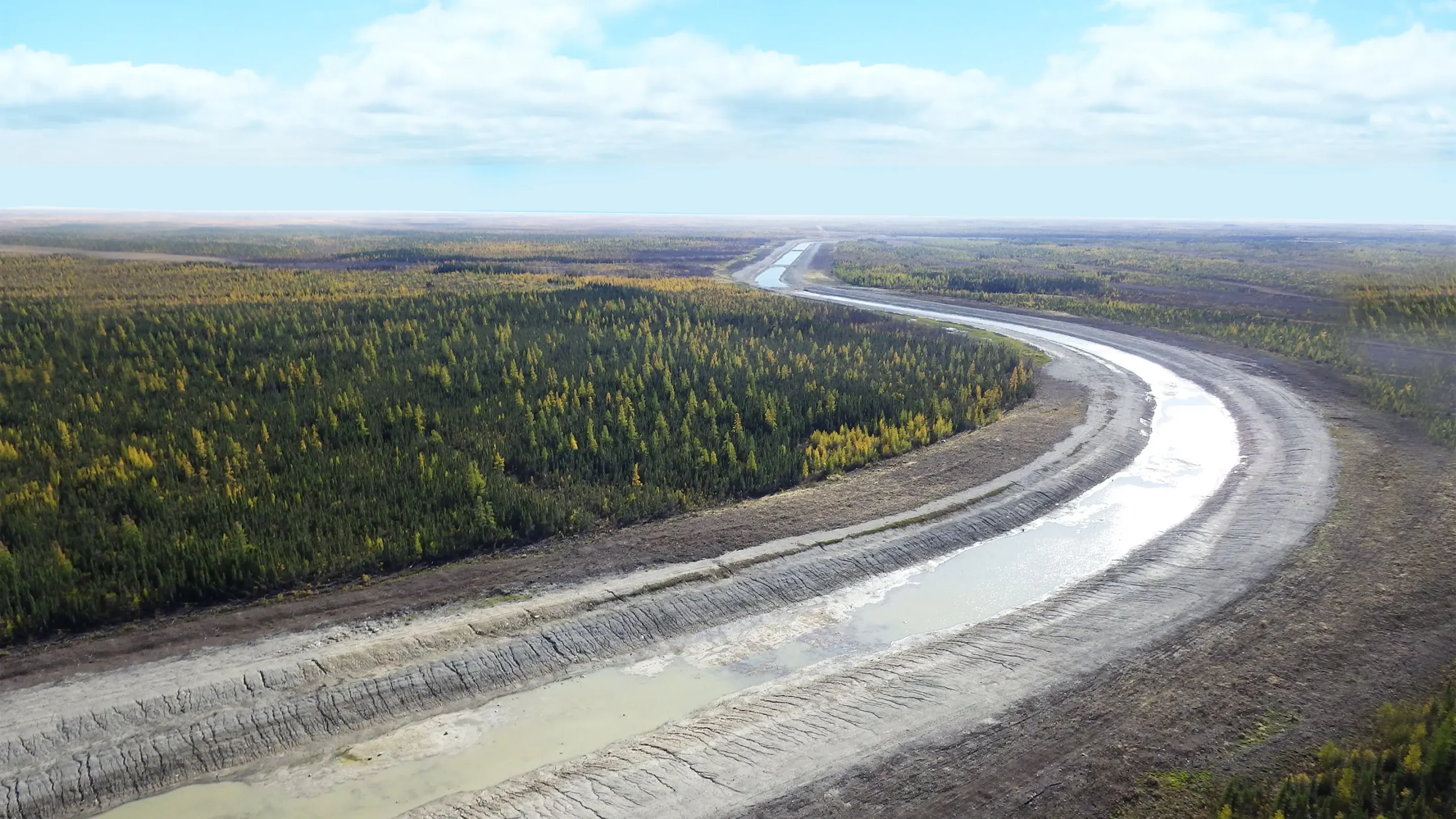
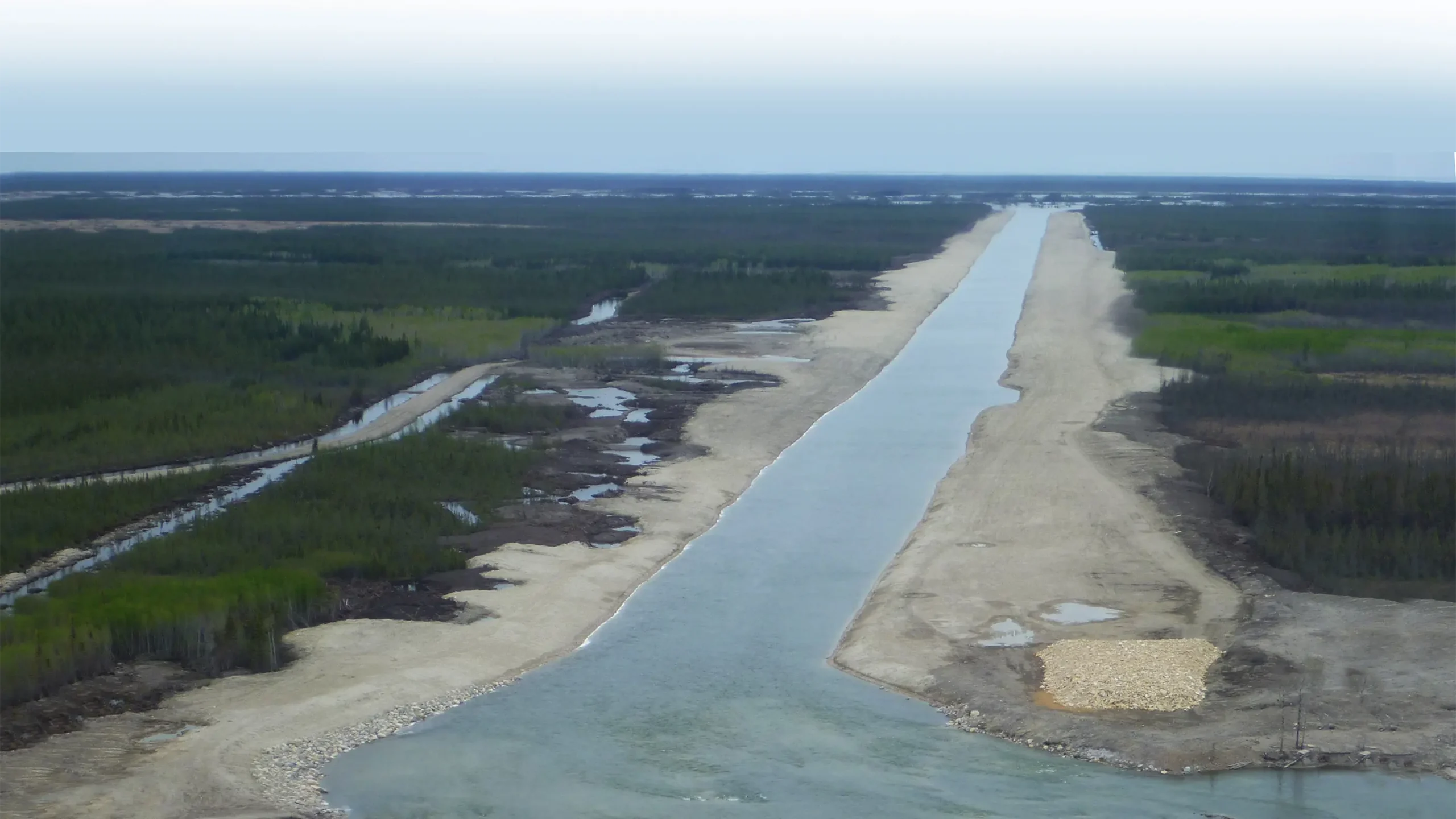
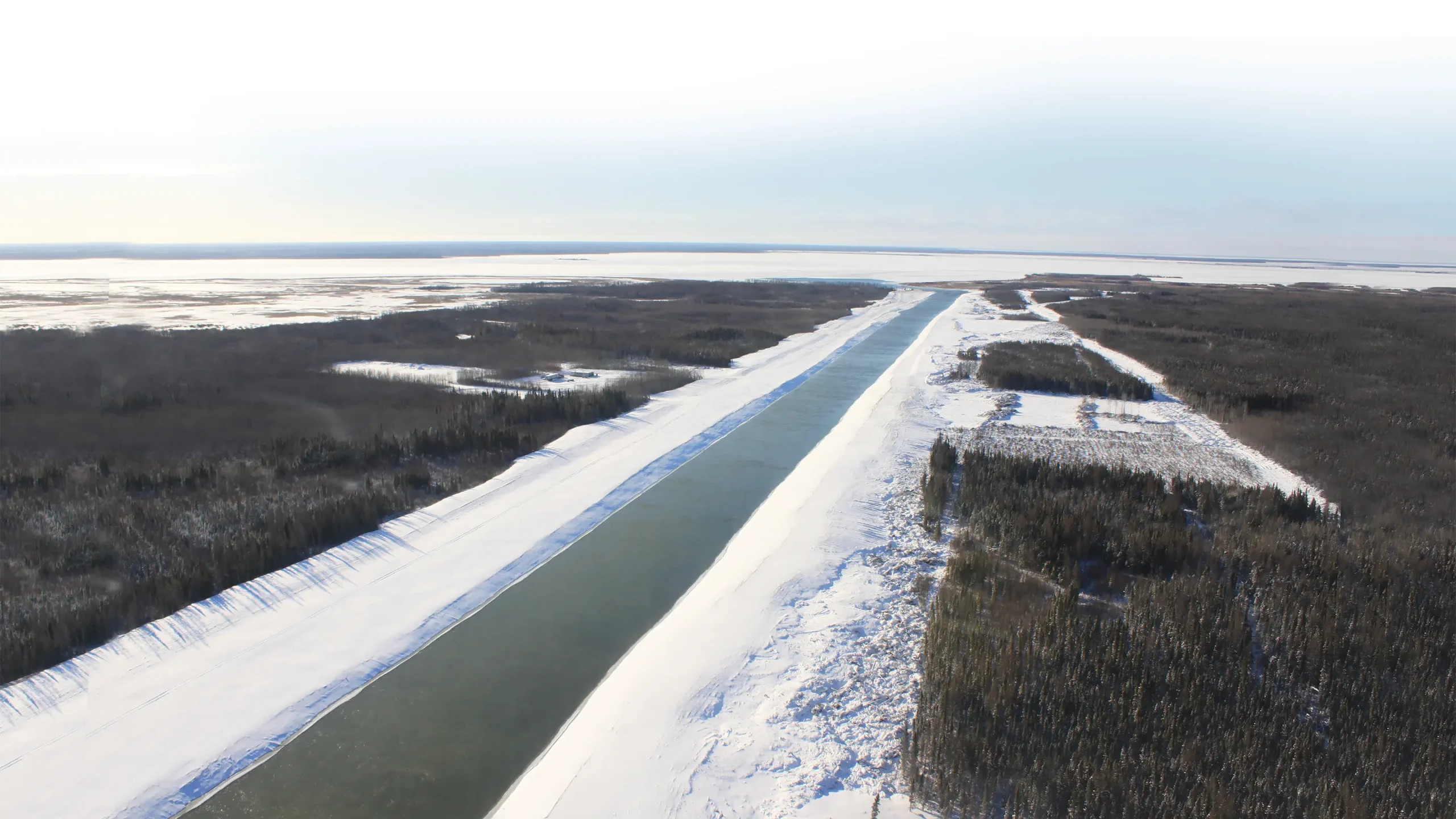
Following severe flooding events in 2011 and 2014, the Province of Manitoba retained KGS Group for the design of the Lake Manitoba and Lake St. Martin Outlet Channels Project. The outlet channels will serve as new, permanent flood control infrastructure for both lakes.
Completed under tight schedule restrictions, the conceptual design work involved:
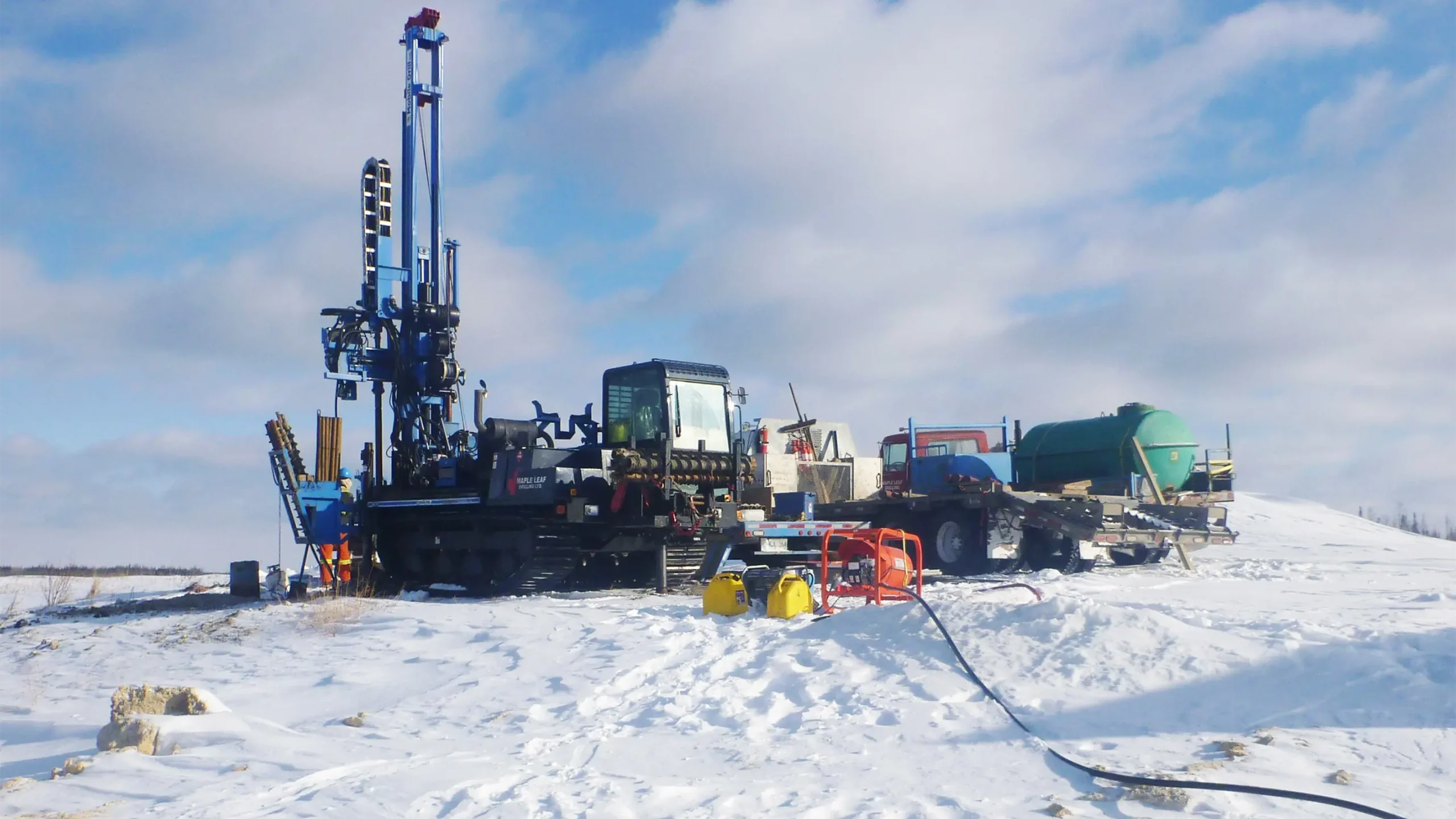
- Remote field investigations
- Extensive review and analysis of the various channel configurations
- Preparation of concept designs, cost estimates and constructability reviews
- Identification, assessment and screening of potential environmental and socio-economic impacts
The diverse range of design components and unique site conditions resulted in a challenging engineering undertaking that was successfully managed by the multidisciplinary team of experienced engineers, GIS technicians and support staff assembled by KGS Group.
KGS Group subsequently completed the preliminary, final design and tender preparation for the outlet channel from Lake St. Martin to Lake Winnipeg. The project includes roughly 23 km of channel excavation, multiple drop structures, and construction of a water control structure near the channel inlet complete with gates, hoists, bridge deck and ancillary buildings. The total estimated budget for this portion of the project is over $300 million. The construction phase of the project is pending regulatory approval.
Once constructed, the outlet channels are projected to maintain both lakes below flood stage over 99 per cent of the time. They will provide the ability to better regulate the lakes and reduce the impact of future floods, benefiting residents and businesses in the area.
Project Highlights
- Design for 23 km of channel excavation with defined sections and earthworks quantities
- Design of multiple drop structures sized for hydraulic control and energy dissipation
- Water control structure near the channel inlet for operational regulation