

Central Manitoba Mine Remediation
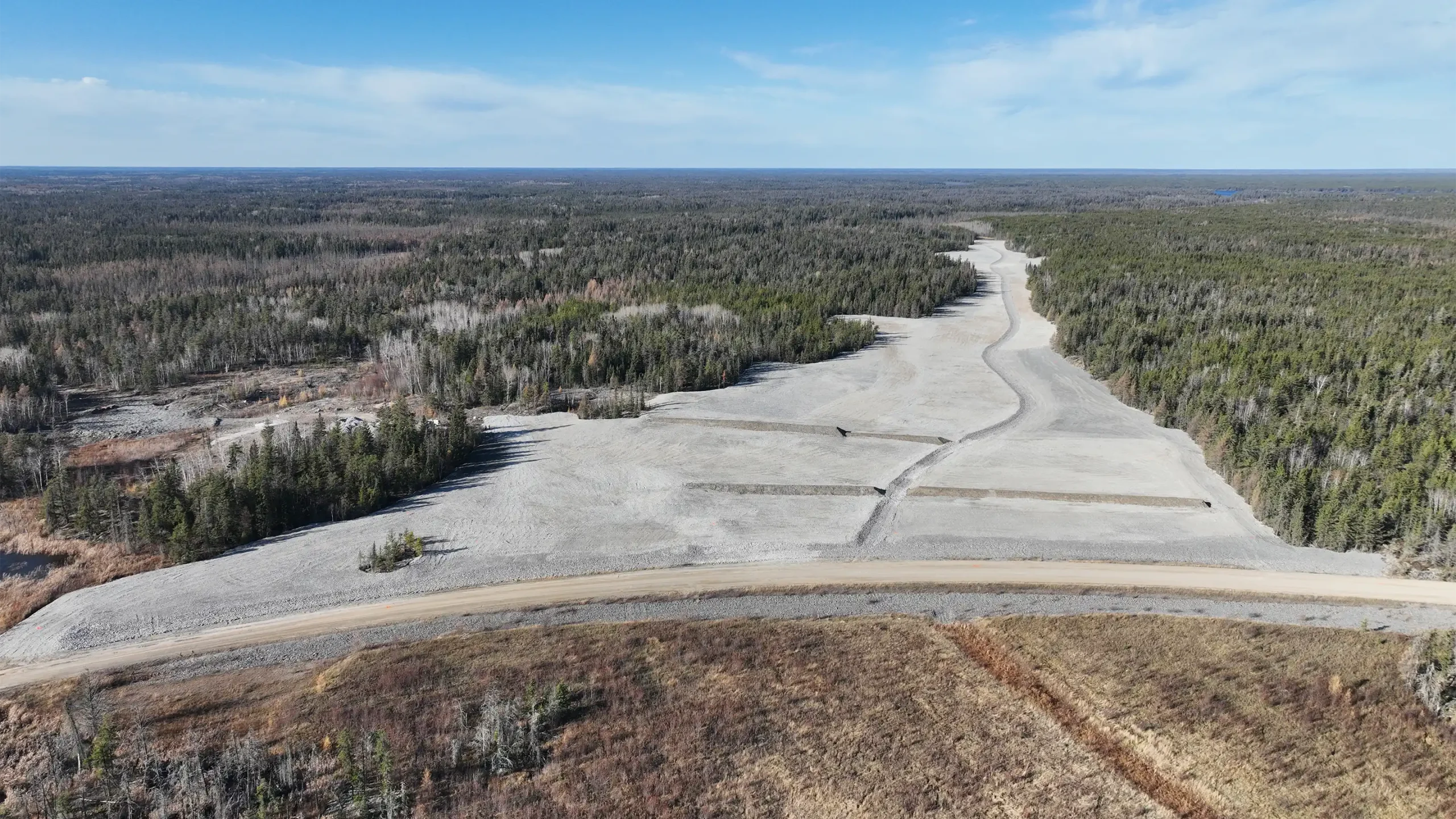
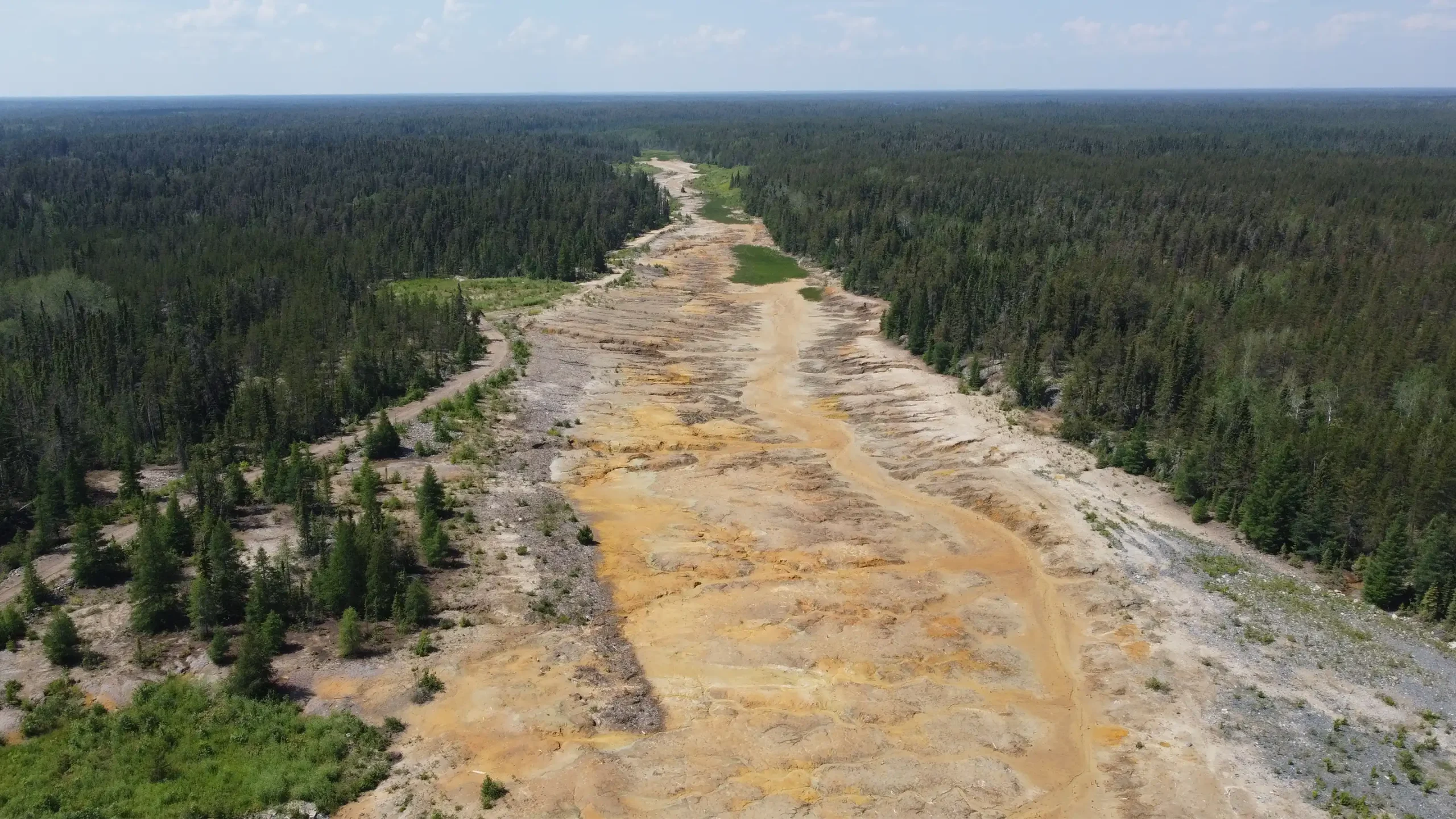
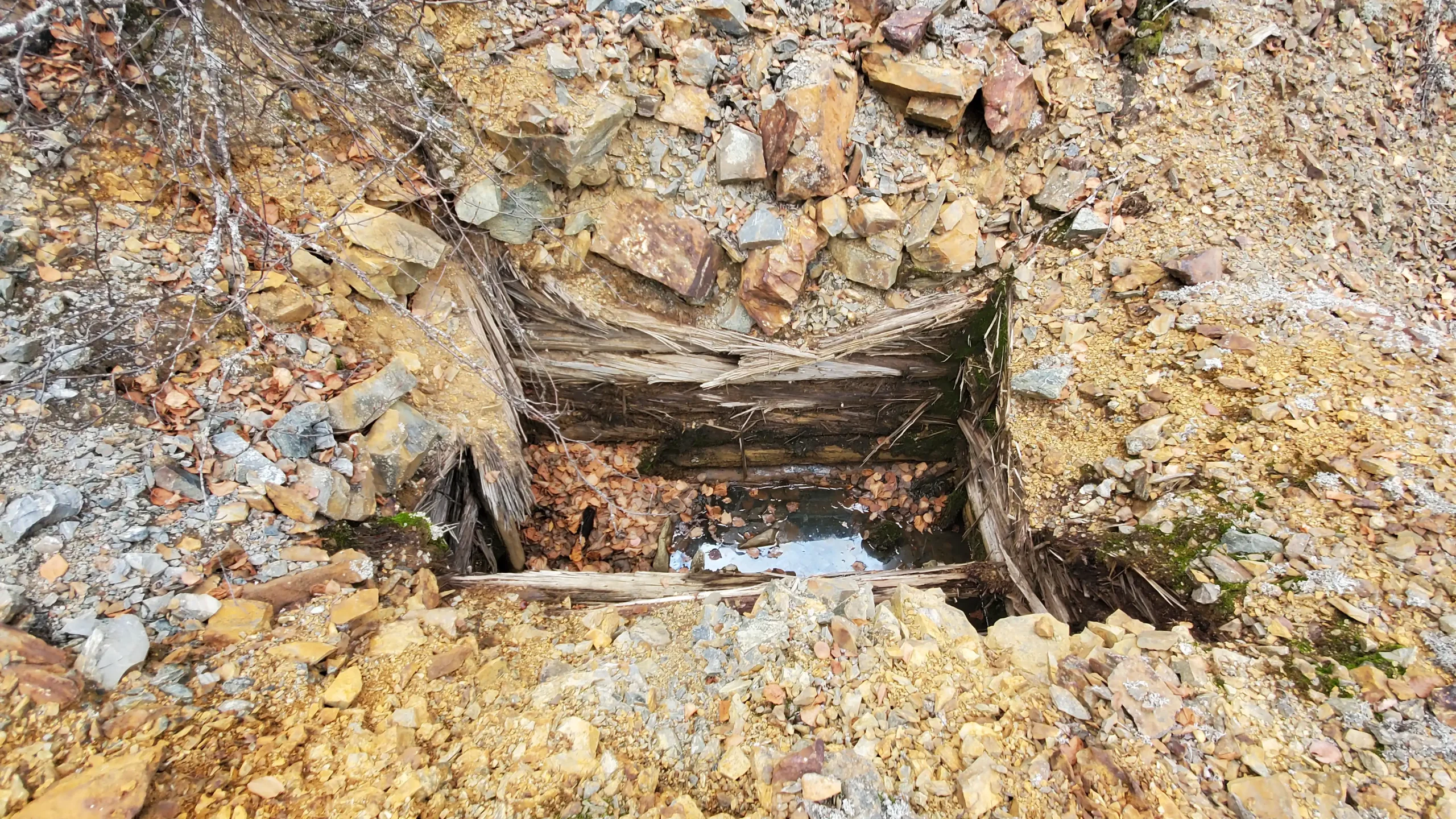
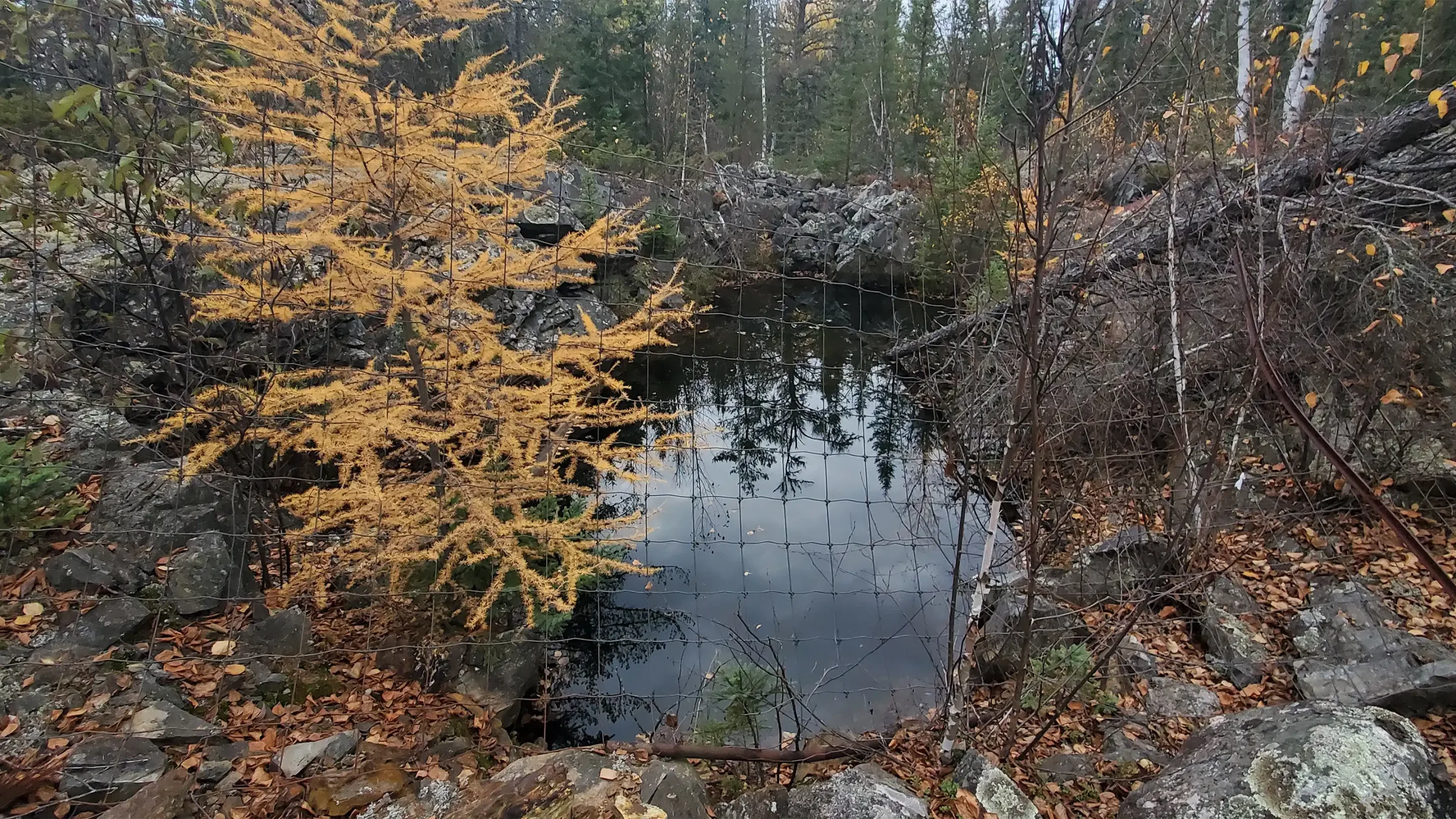
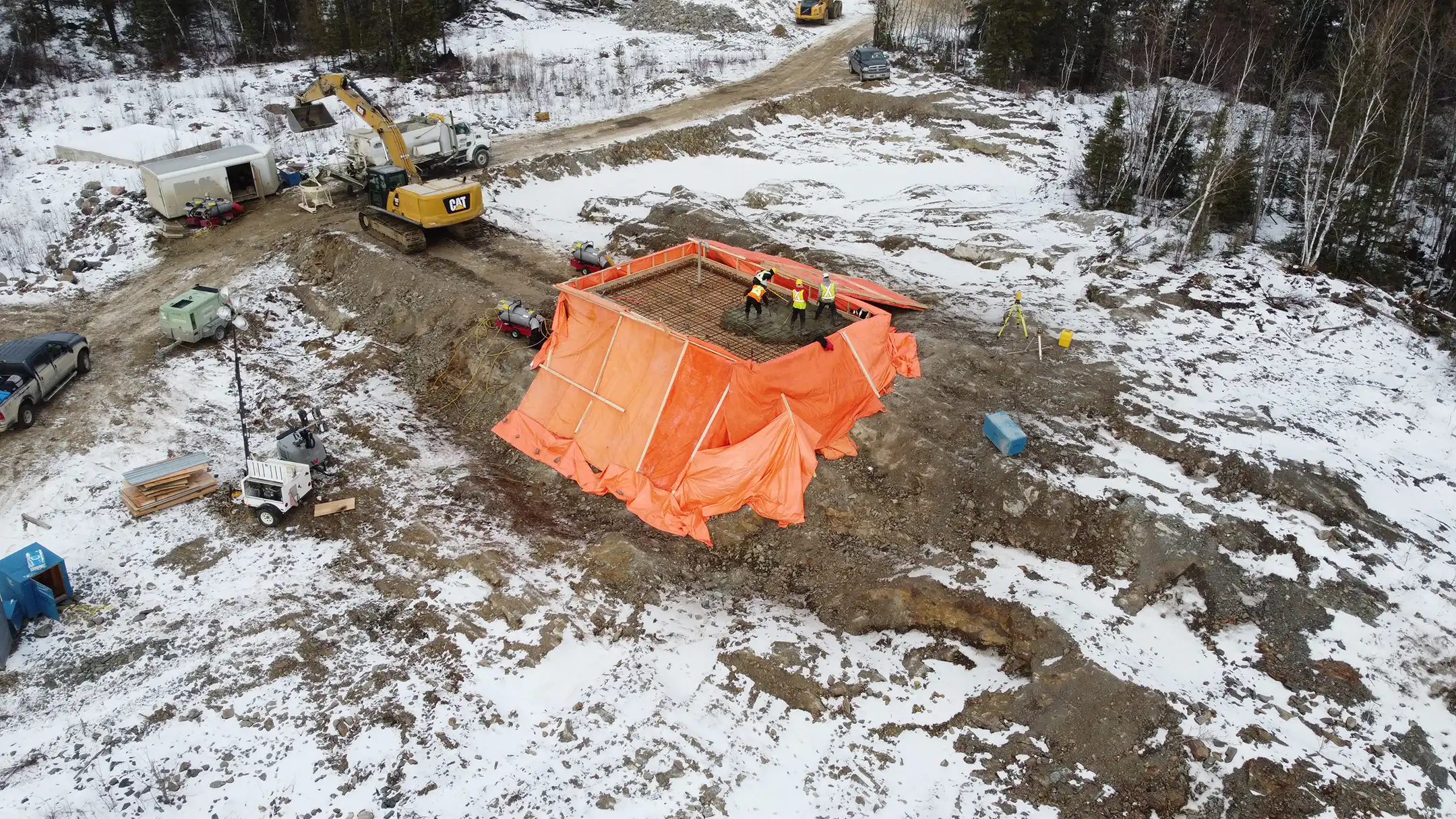
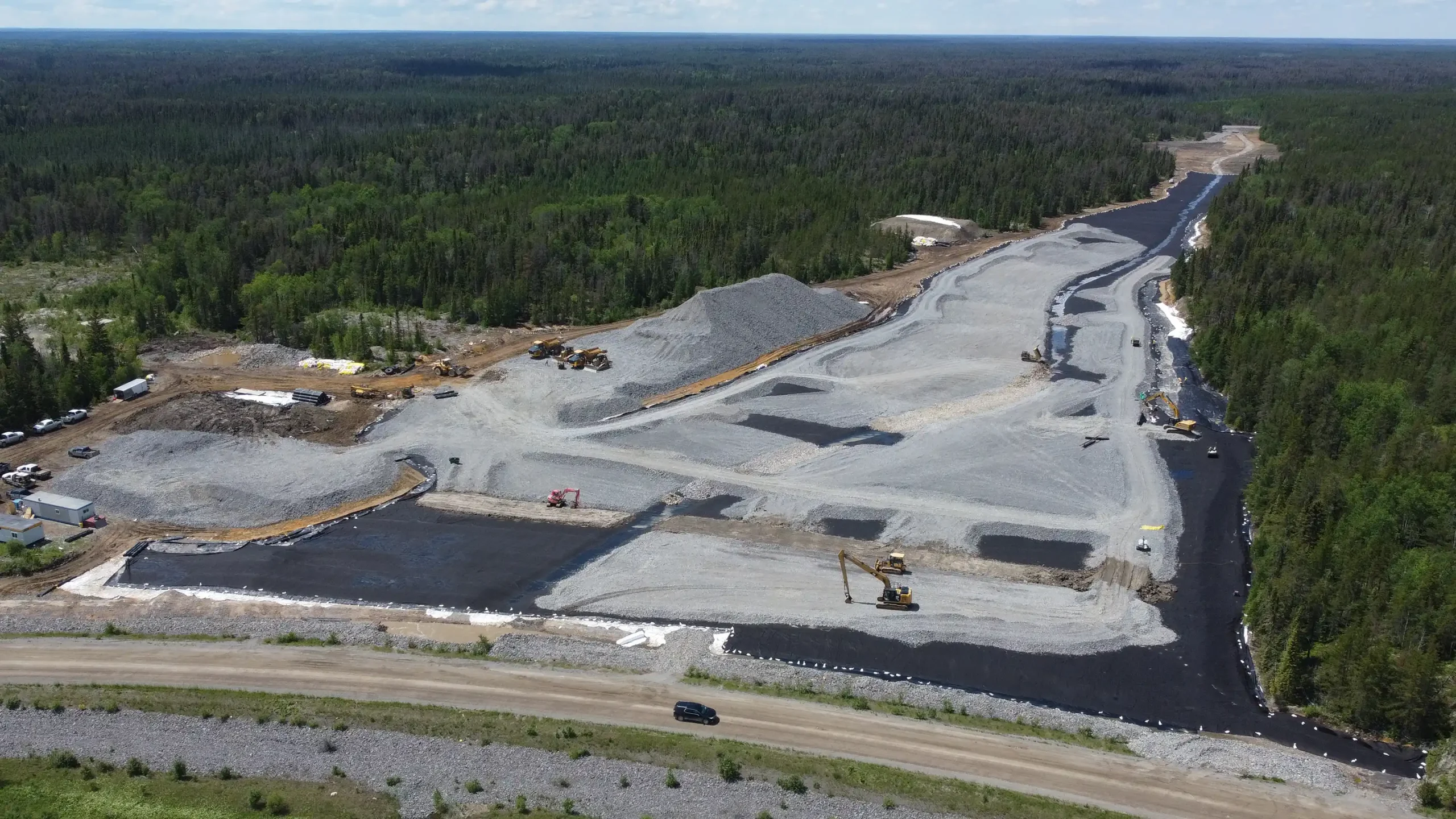
The Central Manitoba Mine, an abandoned mine site in Nopiming Provincial Park, was a top remediation priority for the Province of Manitoba because of the presence of major hazards to the public and environment. The site contained acid-generating tailings, waste rock, abandoned infrastructure and unsafe mine openings that lead to a network of underground mine development.
KGS Group spearheaded the site’s transformation. This project involved the development of comprehensive closure plans, the design of innovative remediation solutions, and construction administration.
The result: public safety was ensured, health hazards eliminated, and the site was restored to satisfactory conditions, mitigating extensive contamination and environmental risks.
Project Highlights
- Site assessment, risk evaluation and closure planning
- Containment and treatment of acid‑generating tailings and waste rock
- Securing unsafe mine openings, decommissioning abandoned infrastructure and debris removal
- Construction administration, contractor oversight and regulatory coordination
RAS Piping Refurbishment at the North End Water Pollution Control Centre
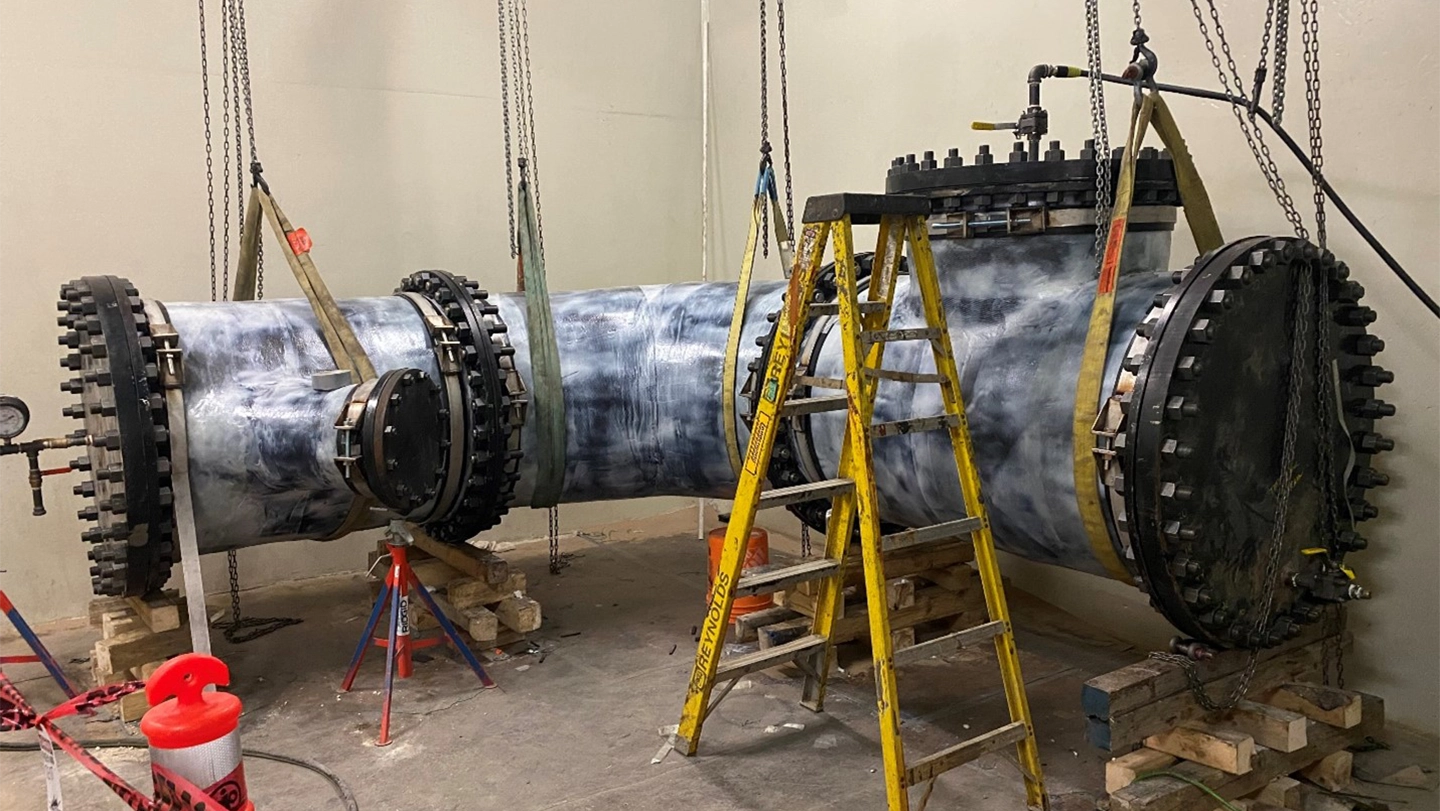
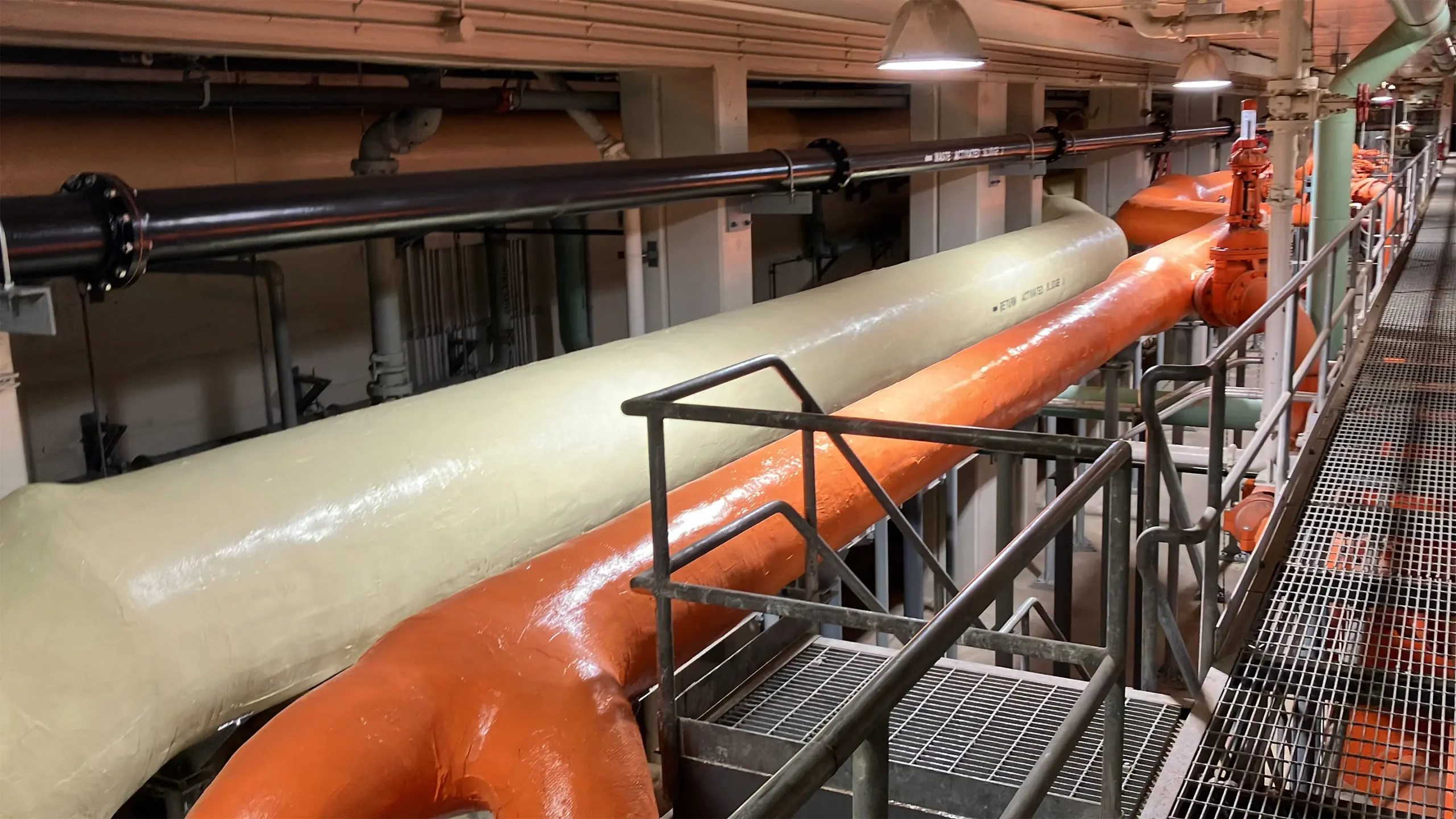

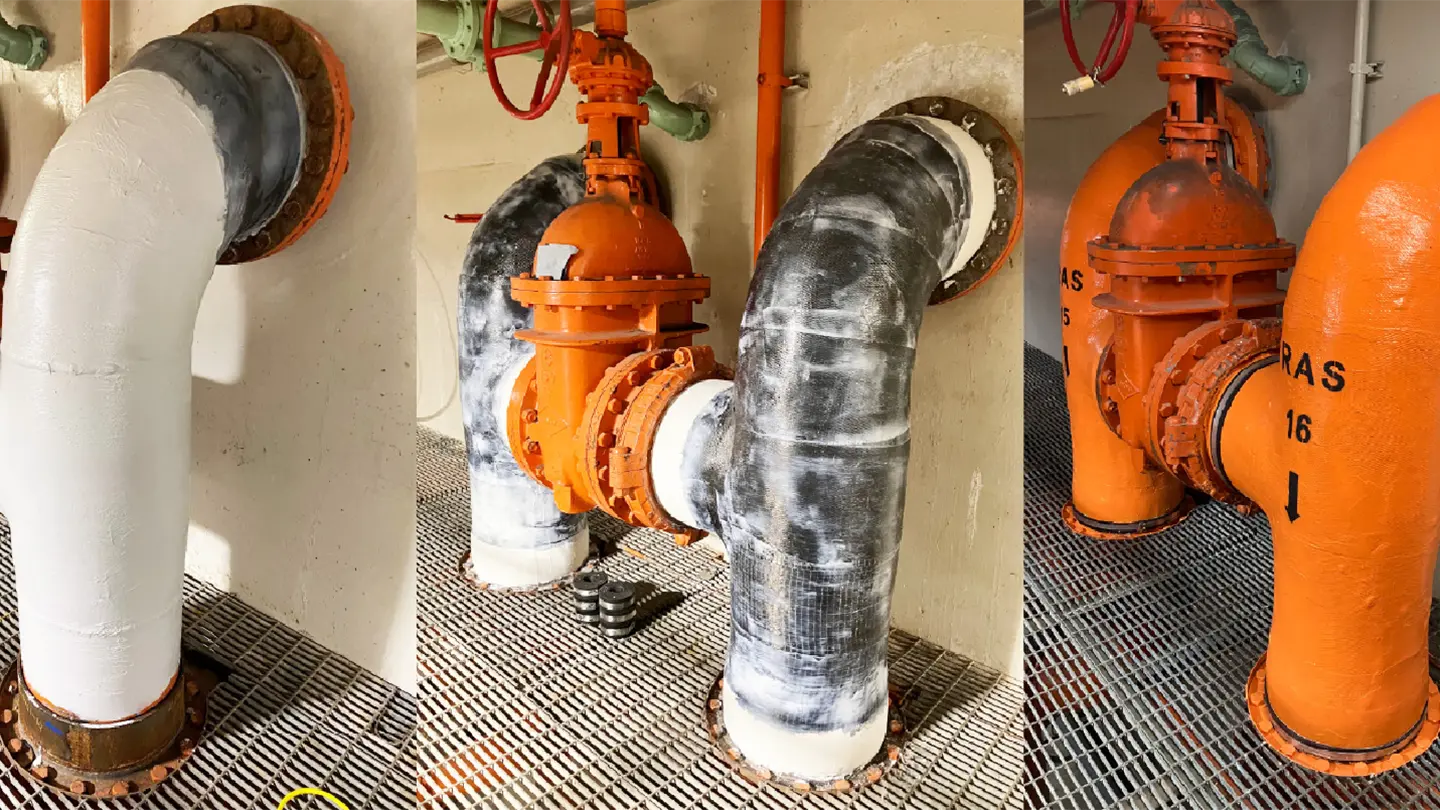
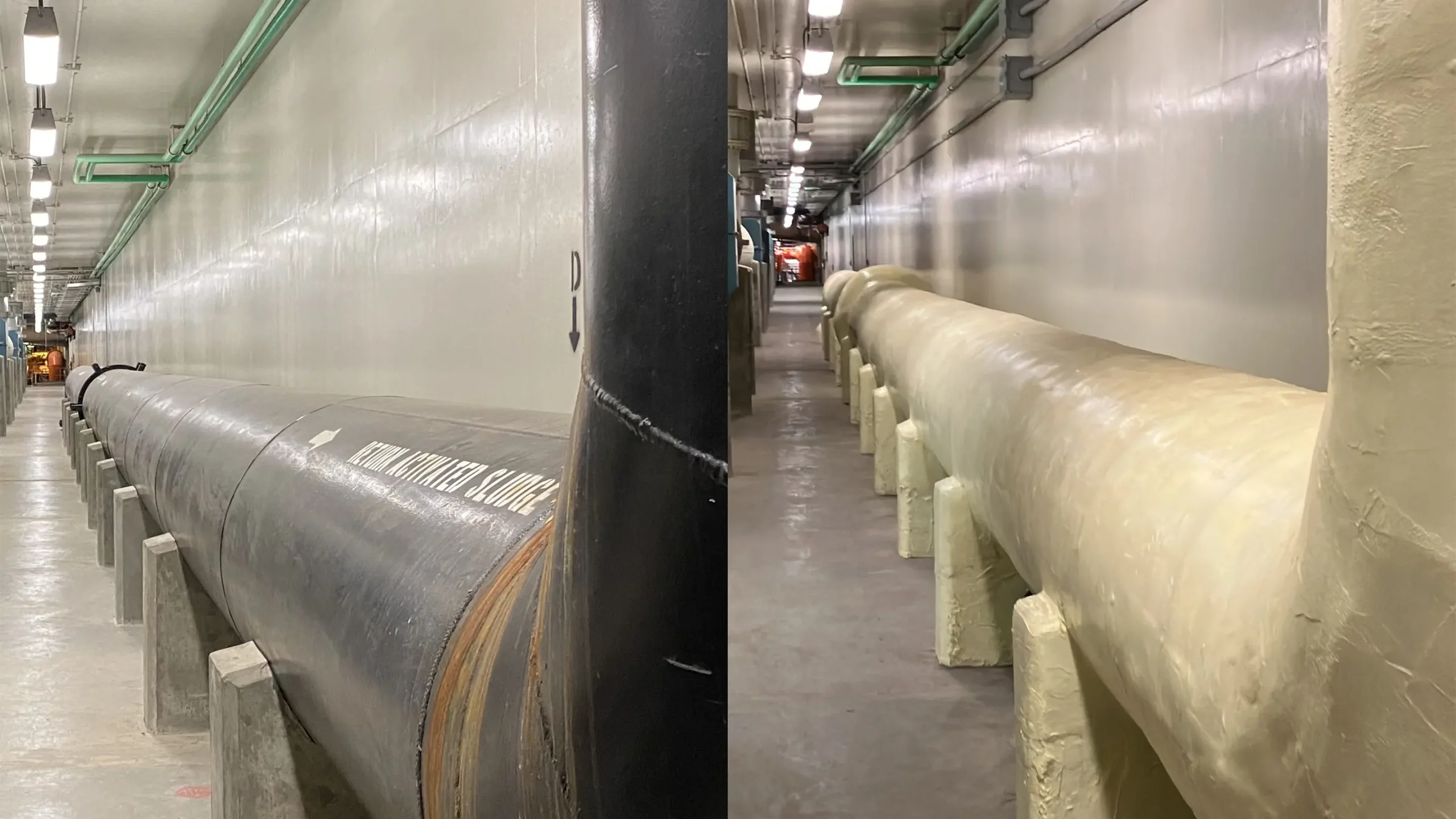
KGS Group led the renewal of almost 2,000 feet of aging Return Activated Sludge (RAS) piping at the City of Winnipeg’s North End Water Pollution Control Centre. This is the city’s oldest and largest wastewater facility, constructed in 1937. The work addressed leaks and structural risk in a critical system that supports treatment for 70% of Winnipeg’s wastewater.
The KGS team did a condition assessment and determined the best solution was a Carbon Fiber Reinforced Polymer external repair system. This solution had not been used on many large-scale, industrial/wastewater applications prior to this project.
After coordinating the design, KGS Group oversaw construction within one year, successfully refurbishing the RAS system for another 25+ years of operation. The plant remained in operation throughout construction to prevent wastewater overflow into the Red River.
Project Highlights
- Renewal of almost 2,000 feet of over 30-year-old, leaking Return Activated Sludge (RAS) piping using Carbon Fiber Reinforced Polymer external repair system
- Plant remained operational throughout construction
- More than 25 years of added service life to the North End Water Pollution Control Centre, which treats 70% of Winnipeg’s wastewater (approximately 187.5 million litres daily)
- Reduced the risk of wastewater overflow into the Red River
Water Security Agency Owner’s Engineer
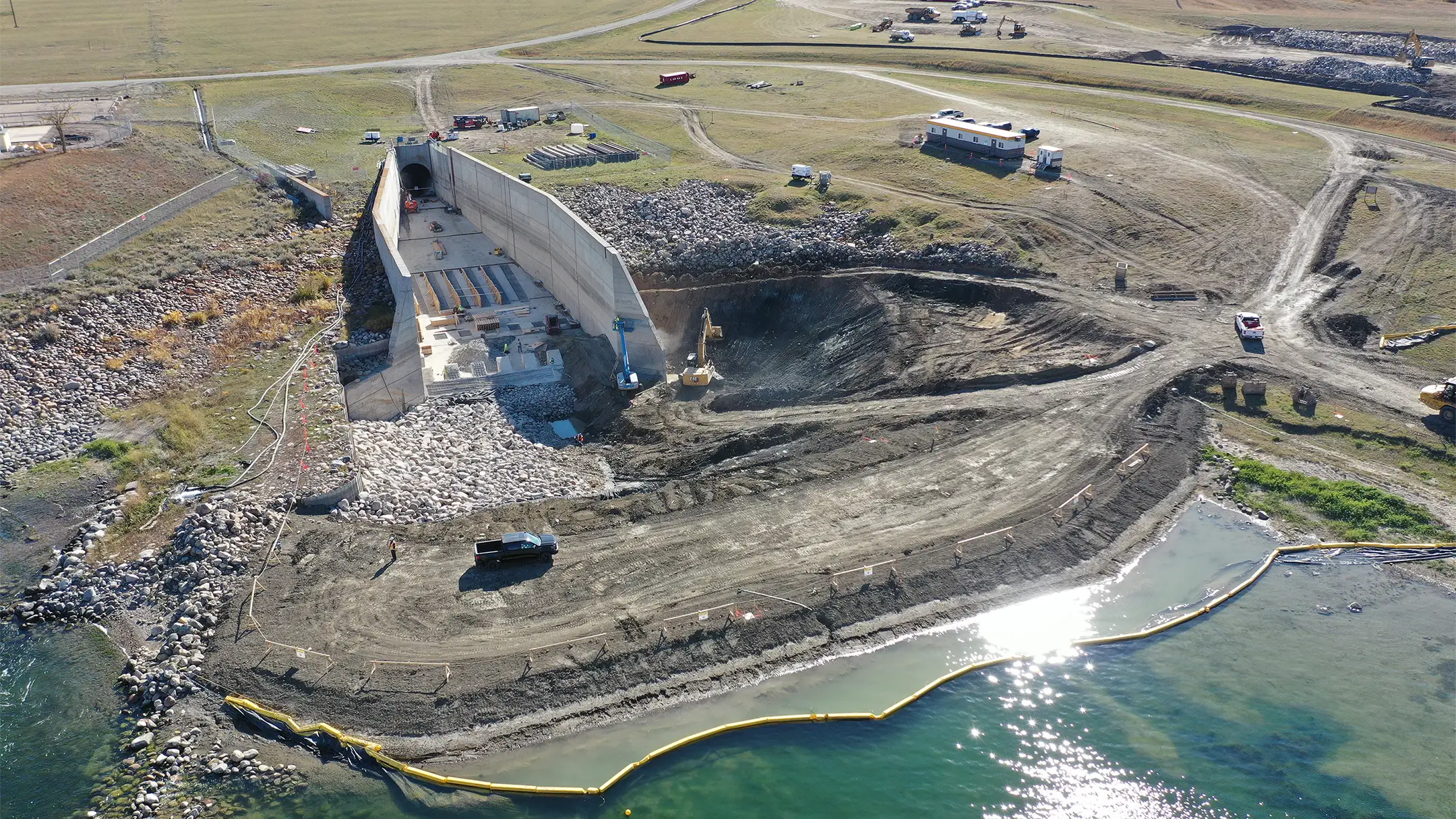
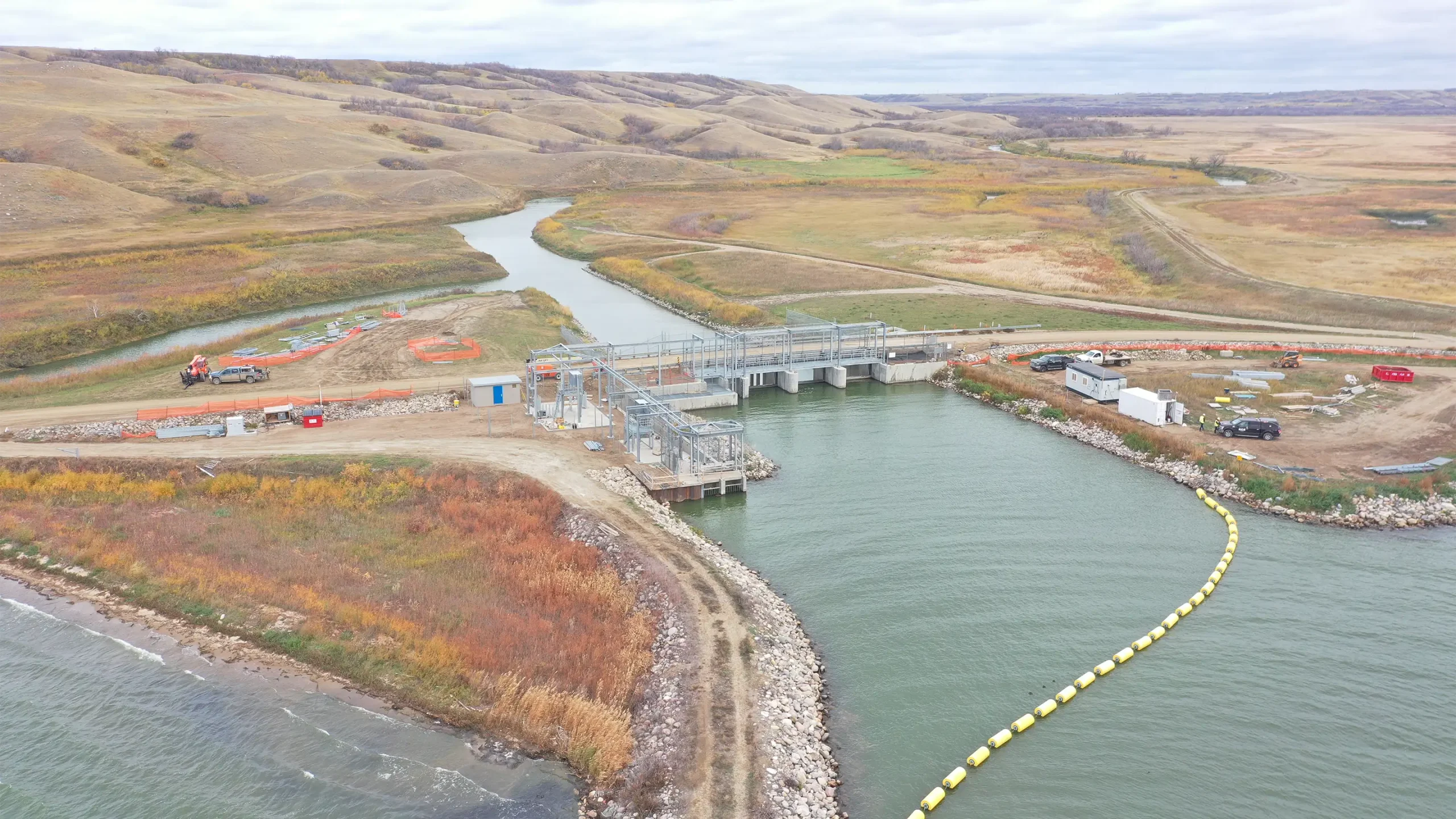
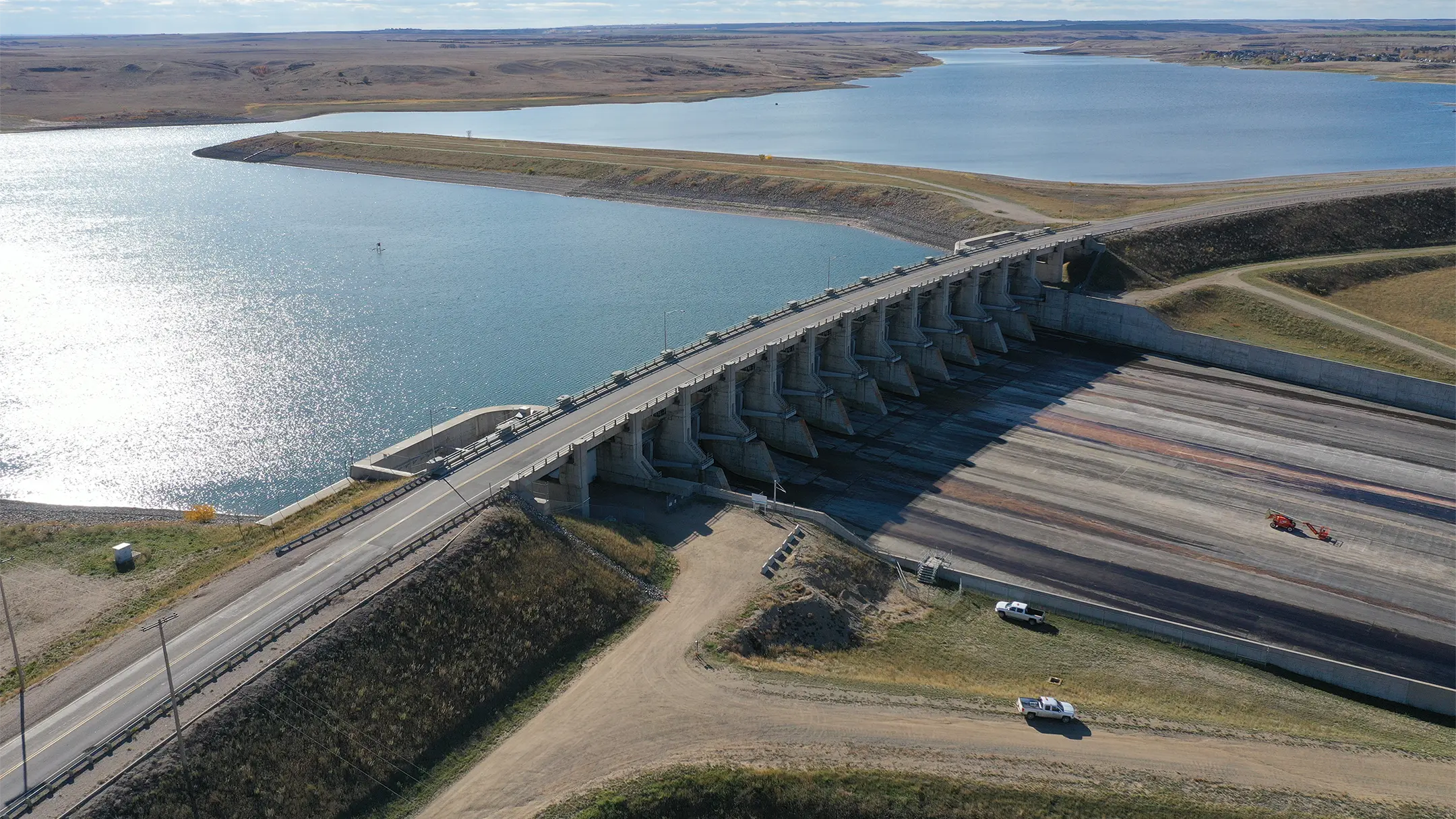
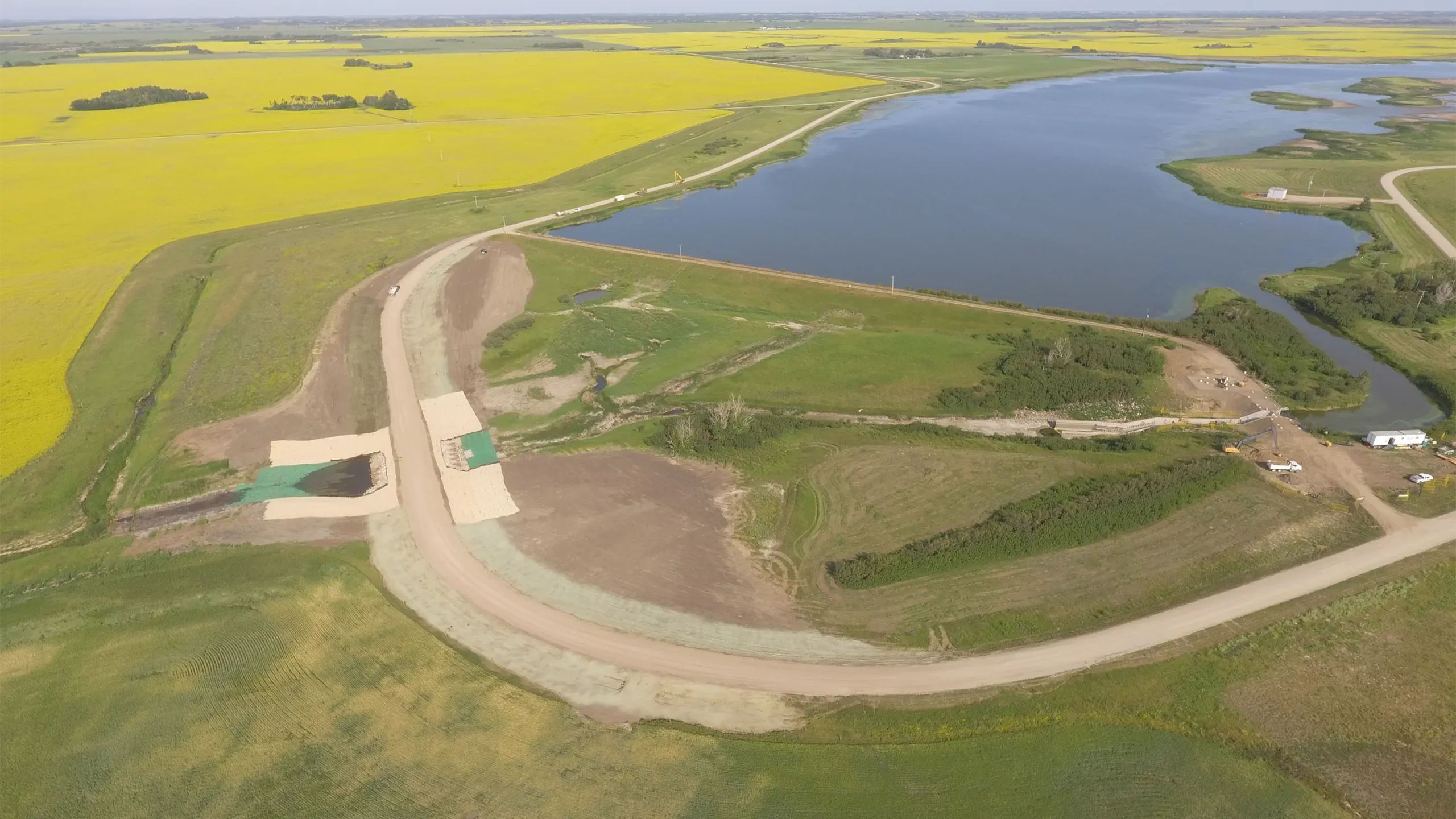
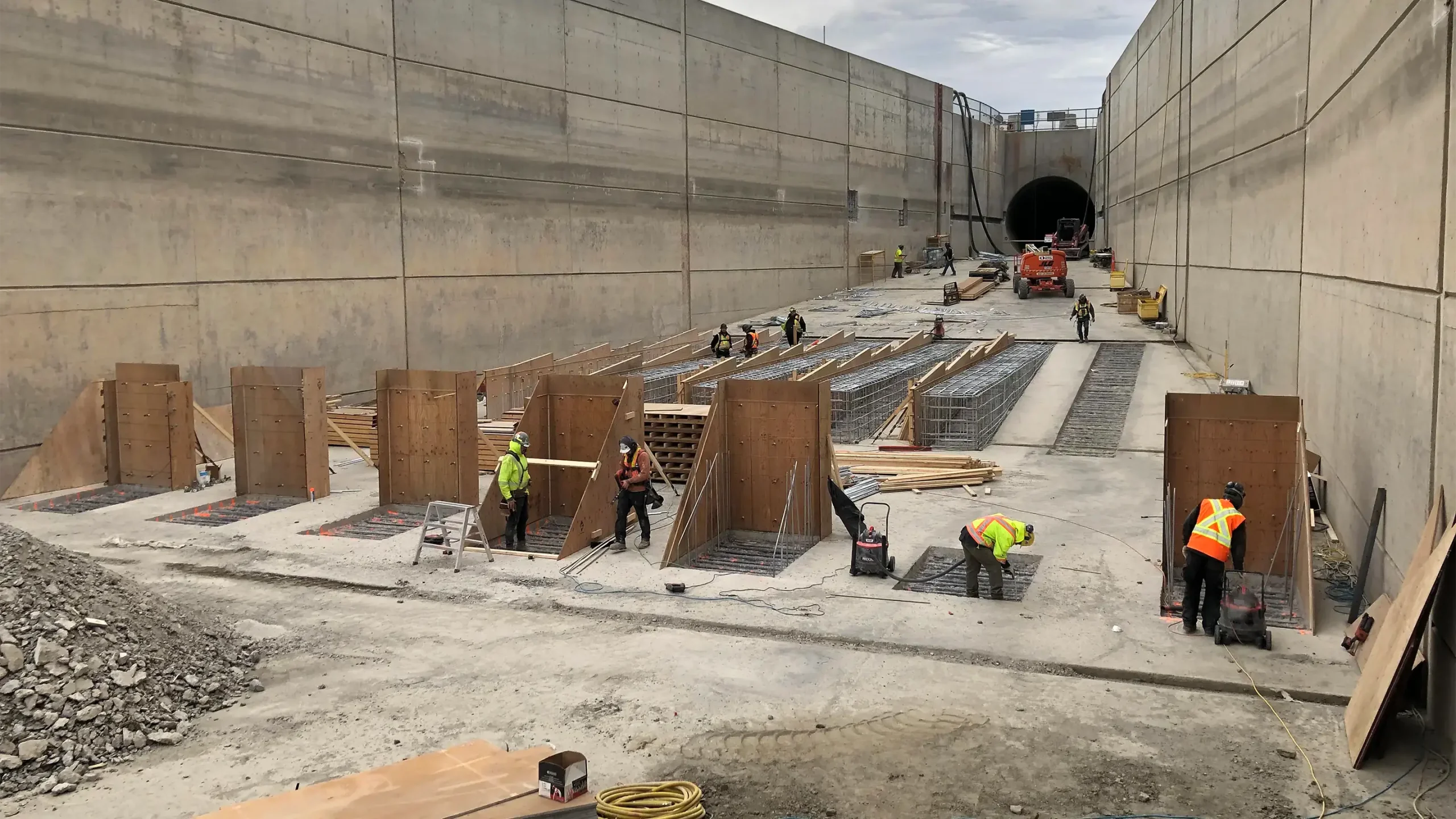
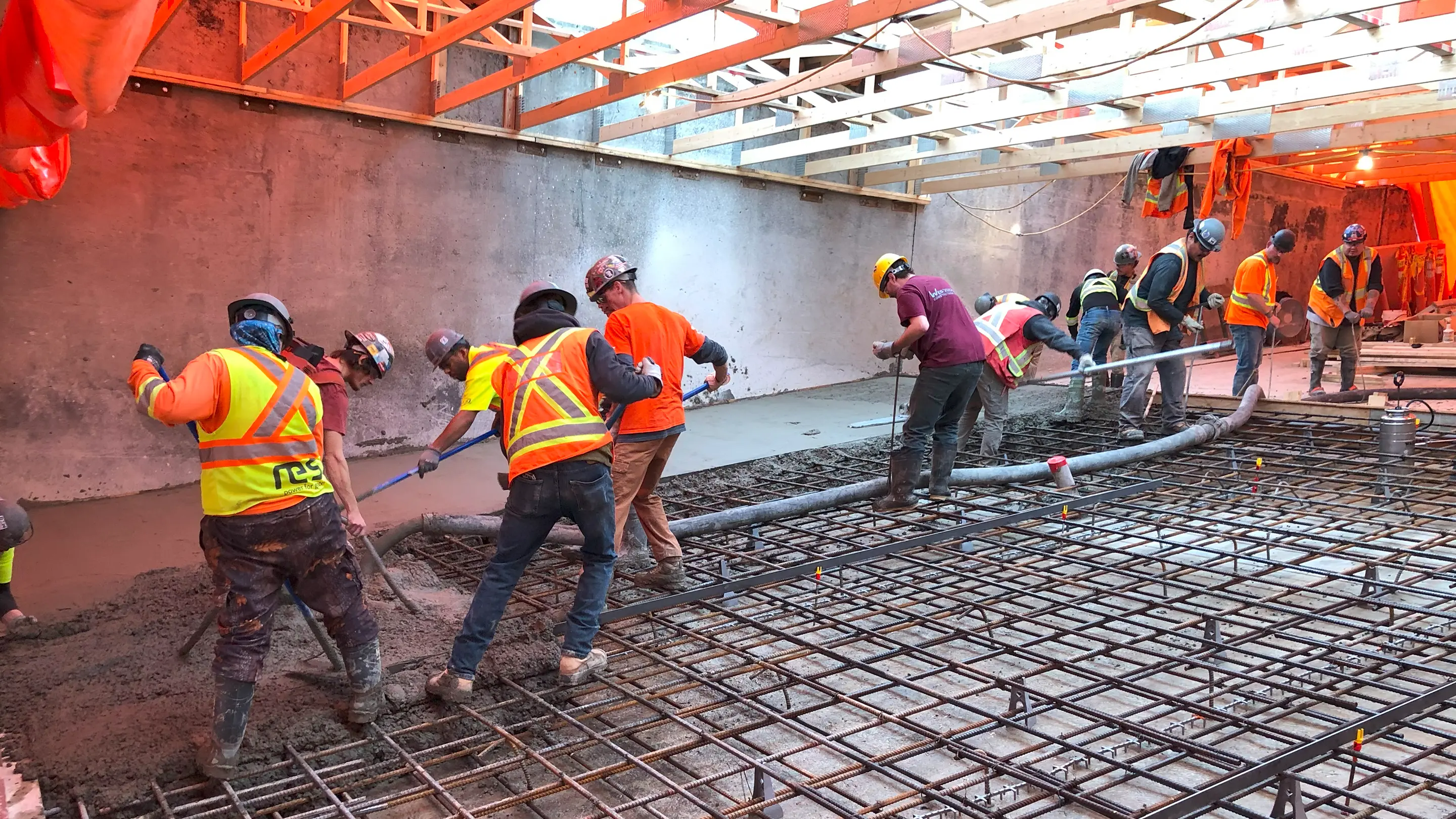
KGS Group served as owner’s engineer to help the Water Security Agency (WSA) reduce their project backlog and bring consistency to their capital delivery services. Acting as project managers, our team scoped, managed and executed over 20 project procurements on behalf of the WSA.
Our project managers also assisted the WSA with oversight of their larger portfolio of owner’s engineer projects. Our role covered portfolio oversight, procurement leadership and risk and schedule control across multiple projects.
At the start of the contract, KGS mostly worked on process definition, engineering standards development and project engineering. In the later years, KGS was able to progress the work through engineering to construction. Because of this, the WSA spent its full capital allocation, with KGS-managed projects accounting for the majority of the spend, with this trend continuing to this day.
The KGS team accelerated project delivery and budget utilization while establishing a repeatable framework for future projects, enabling continued success for WSA.
Project Highlights
- Managed and executed over 20 project procurements
- Managed over 45 engineering, long‑lead procurement and construction contracts
- $53 million in capital construction delivered (November 2020 – March 2024)
- Helped create a framework enabling consistent, sustainable asset maintenance
- Clearer engagement model for ACEC‑SK members
Fort Severn First Nation Winter Road Relocation Study
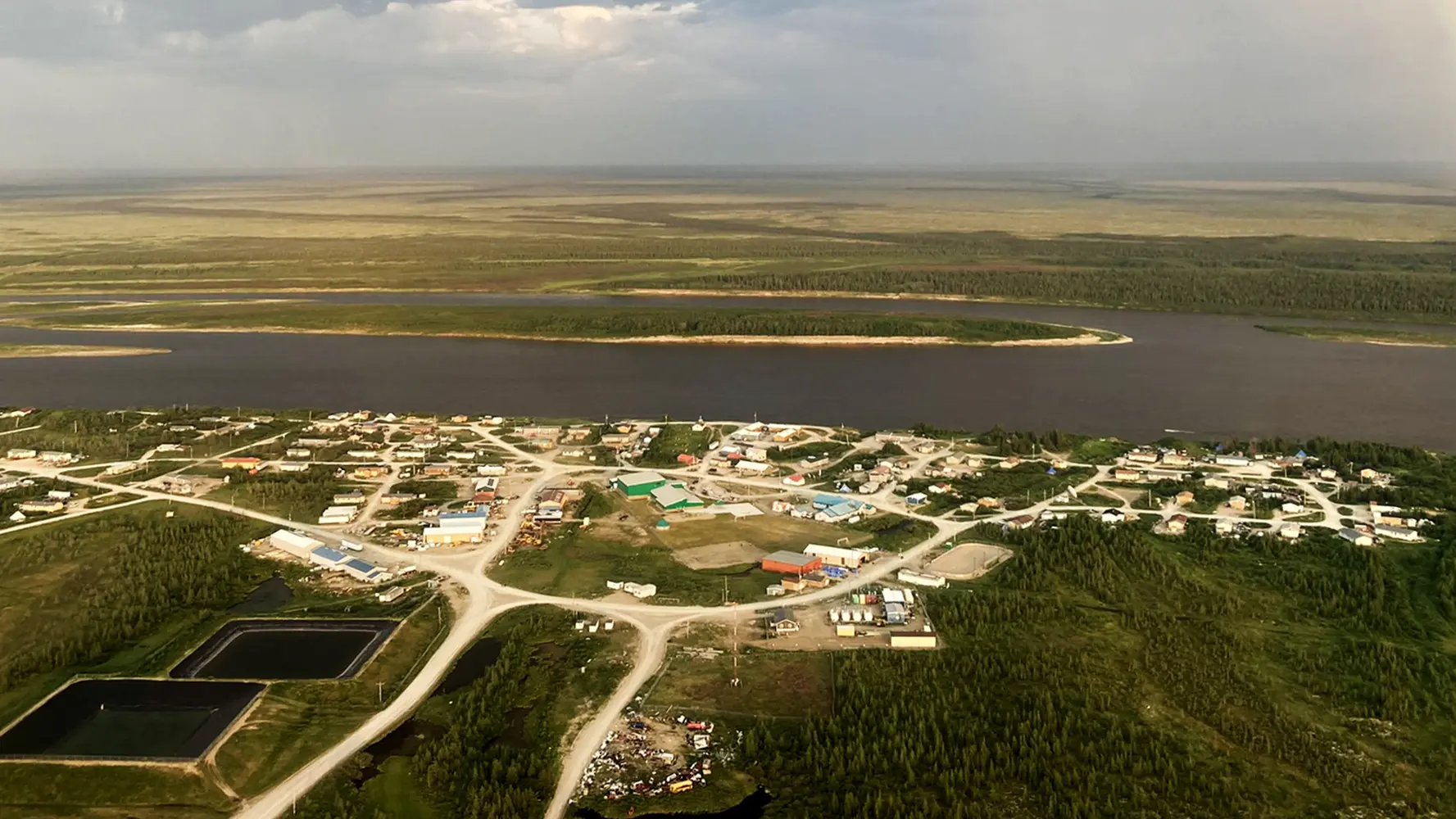
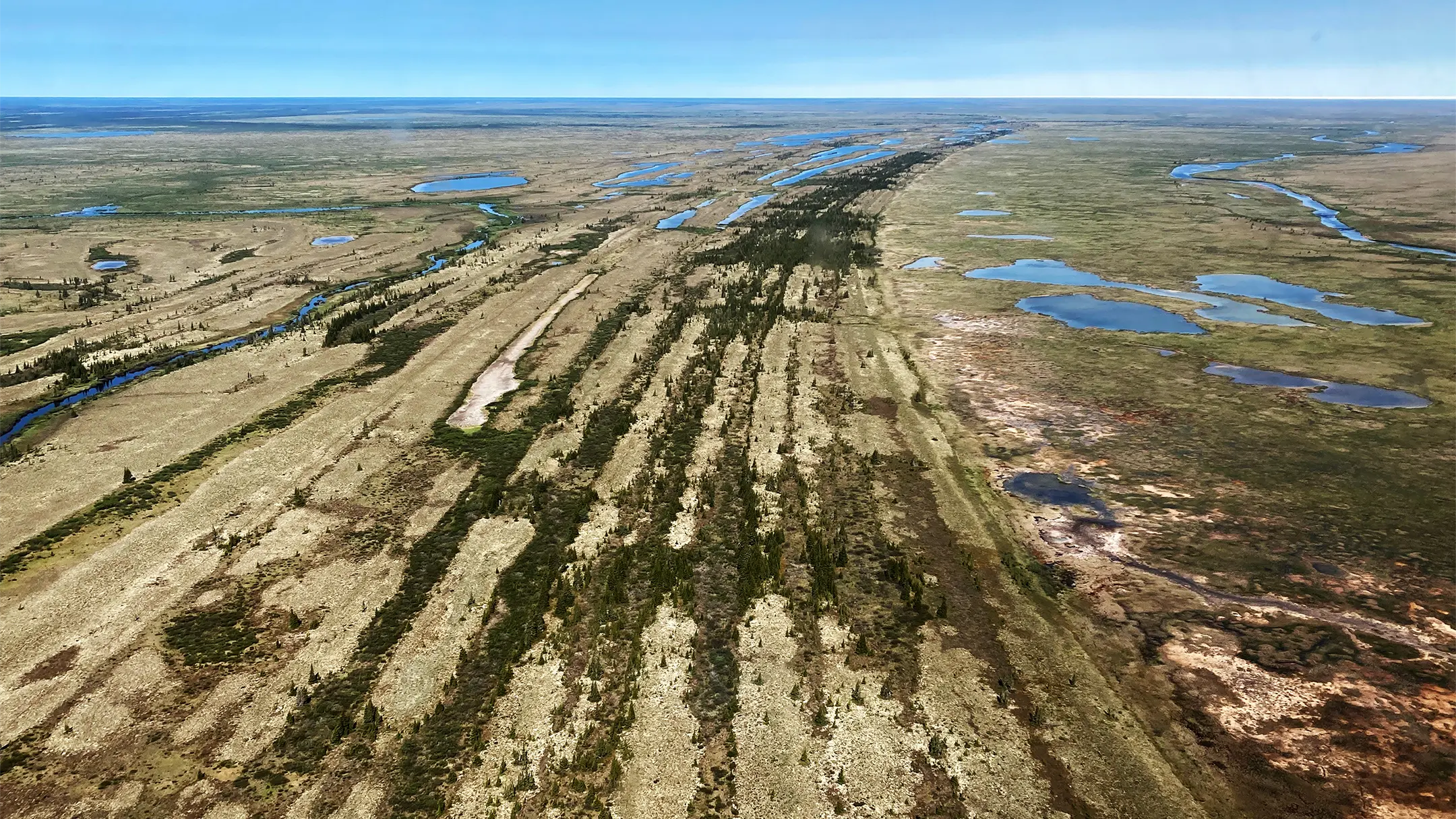
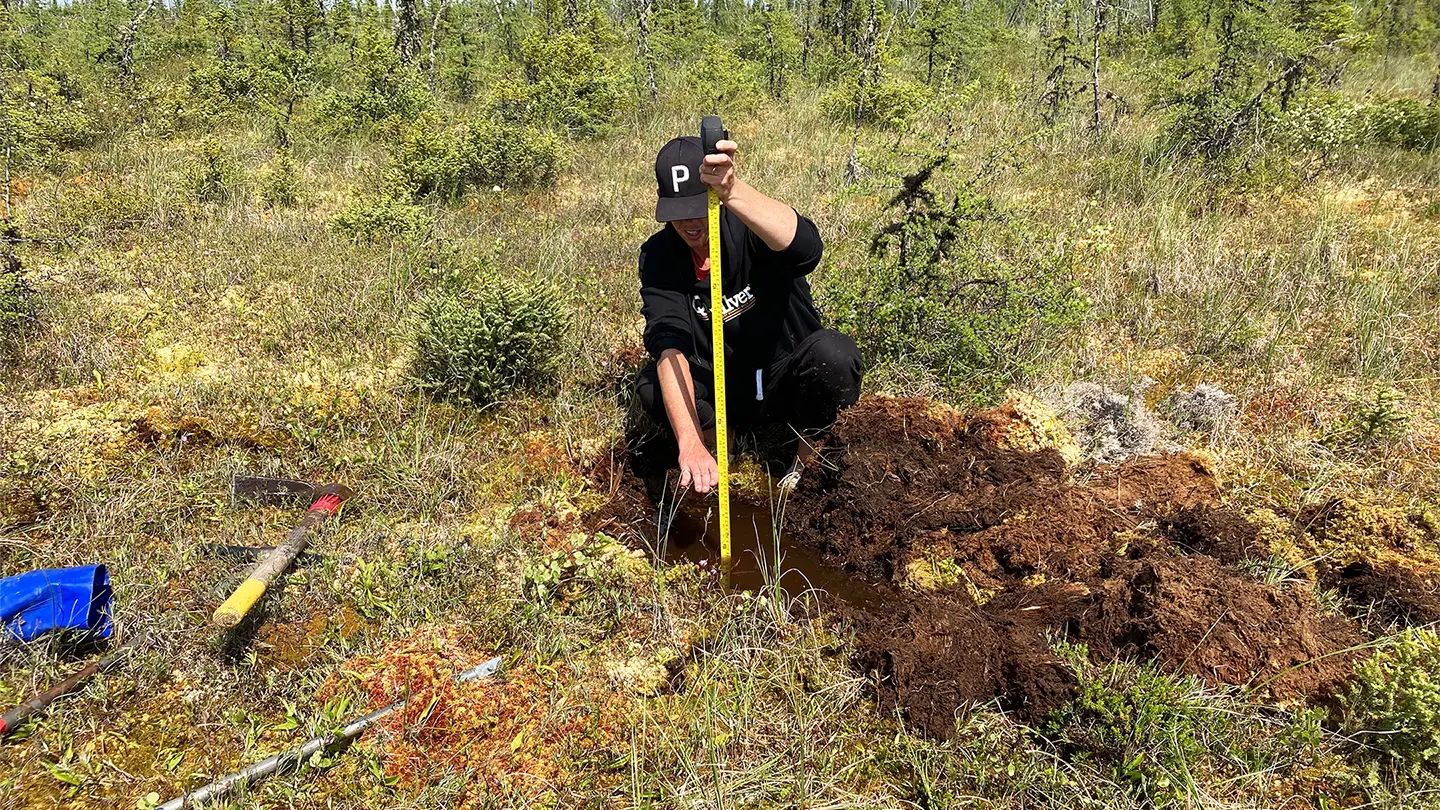
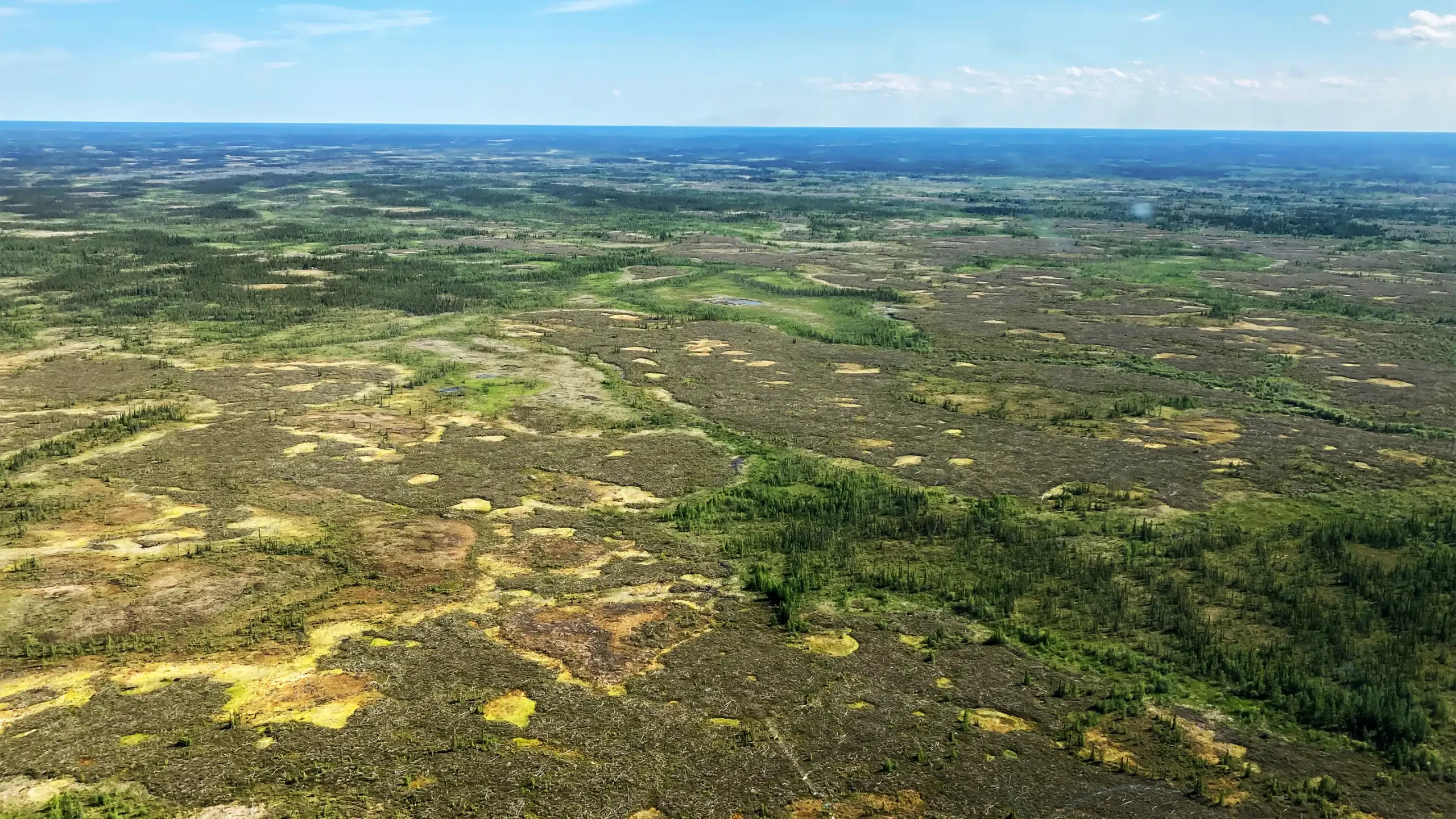
Winter roads have been lifelines for remote northern communities for decades. Inaccessible by permanent or all-season road networks, these communities rely on winter roads as a cost-effective means of ground transportation for goods and services such as the delivery of fuel, food, construction materials and equipment.
Fort Severn First Nation is the most northern community in Ontario, located at the mouth of the Severn River on the coast of Hudson Bay. Situated on the coastline with no permanent all-season road access, the remote community relies on their winter road network to transport supplies. Climate change has severely reduced the serviceability and sustainability of the Fort Severn winter road that was constructed through organic terrain and lakes.
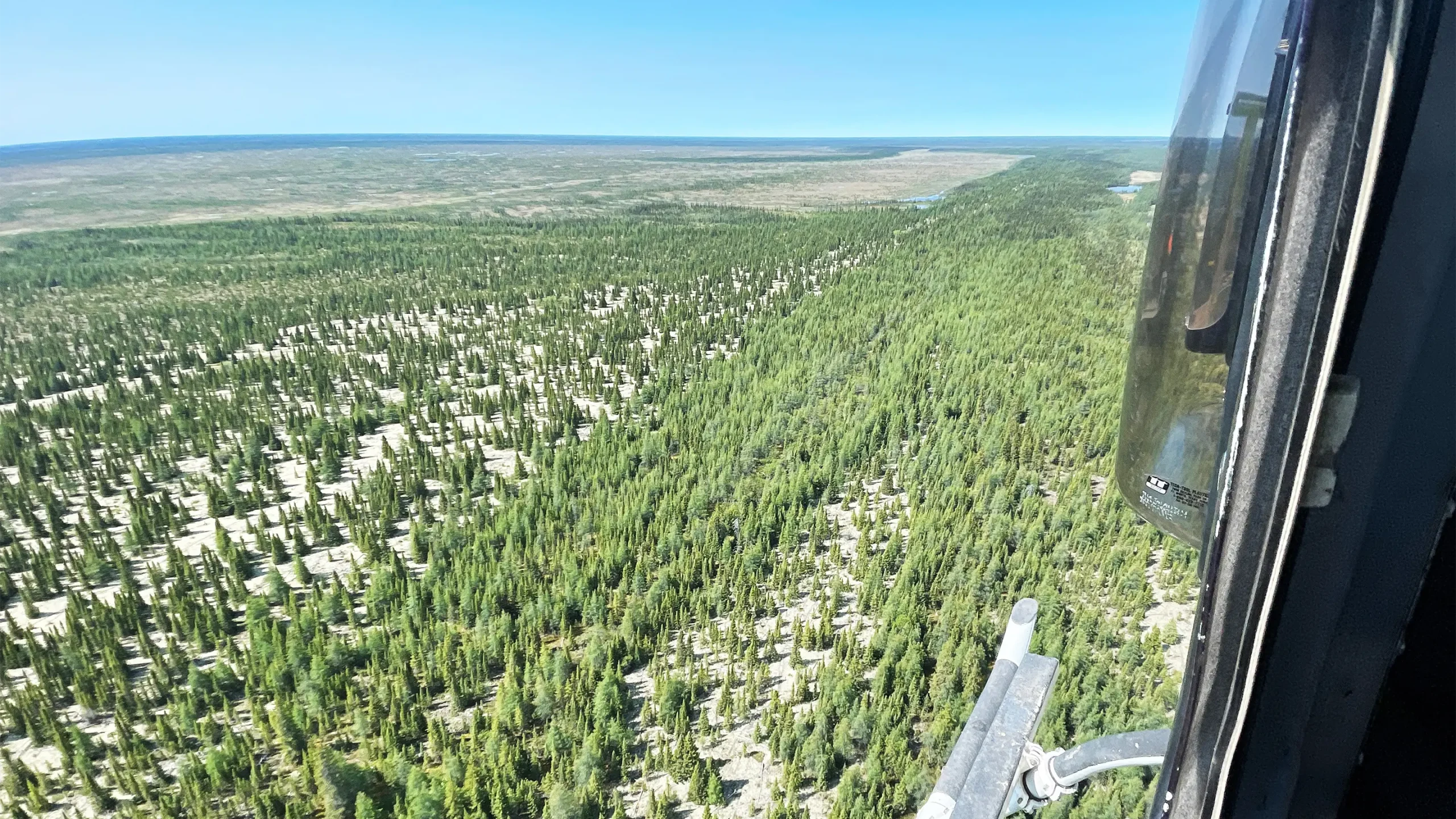
KGS Group collaborated with the community, Keewaytinook Okimakanak, and environmental scientists to examine the feasibility of the relocation and redesign of the existing winter road. Alternative options were developed by using climate sensitive routing and construction strategies optimized through geotechnical investigations and a helicopter reconnaissance program. The team prioritized options that were adaptive to climate warming and minimized overall environmental impact while keeping cost in mind. Preliminary environmental studies were also completed to initiate some of the environmental work that would be required as part of an environmental assessment process.
The final result of the study includes a plan for a climate-resilient winter road that will enable vital access to the community despite the challenges of climate change. This new approach to re-routing winter roads considers environmentally and culturally sensitive areas while setting the community up for future all-season access.
Project Highlights
- A plan for the relocation and redesign of the existing winter road across organic terrain and lake crossings with climate-sensitive route planning to look at alternative options
- Preliminary environmental studies were completed to initiate the work required as part of the assessment process
Davis Diversion Coanda Fish Exclusion Screen

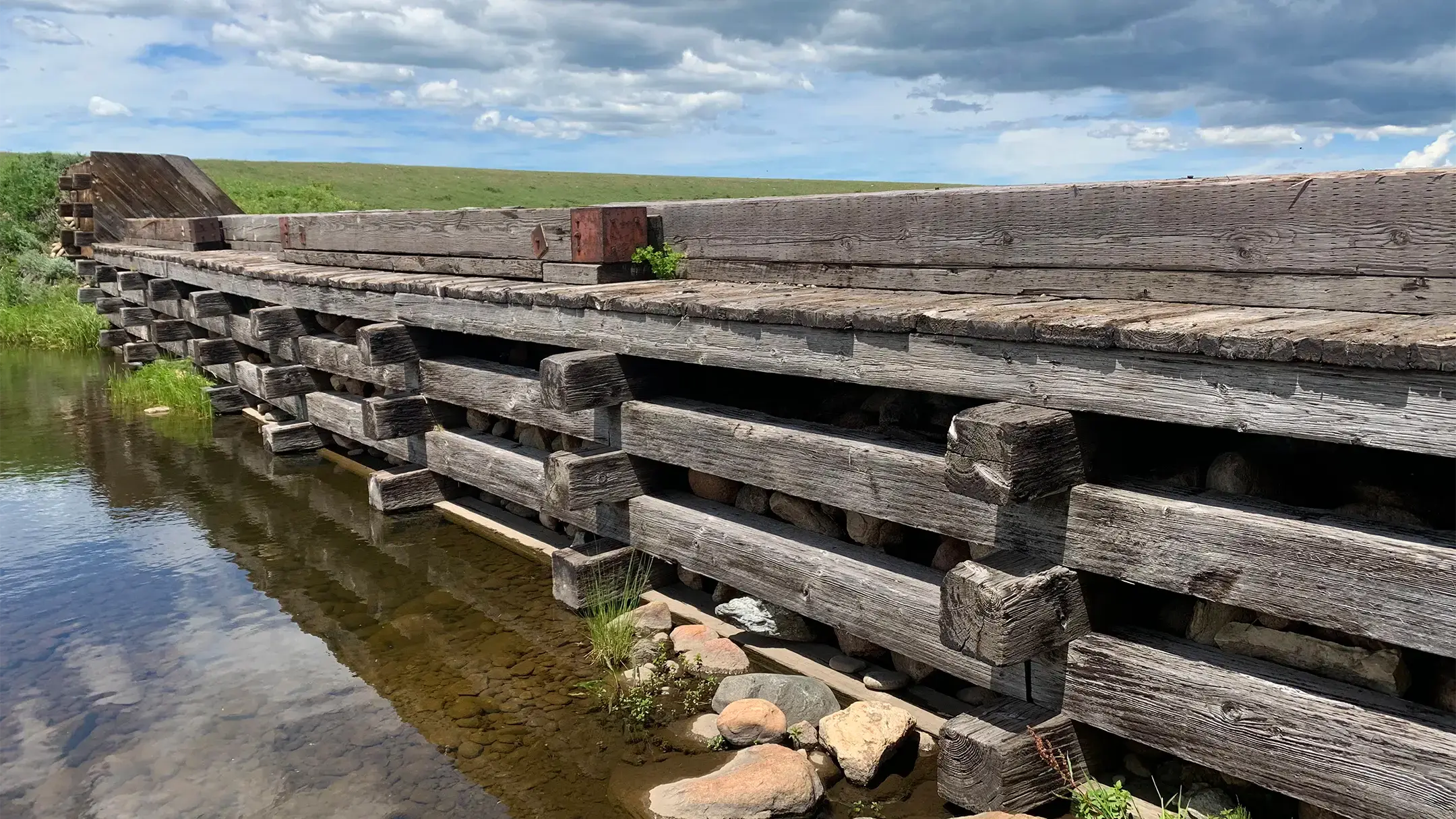
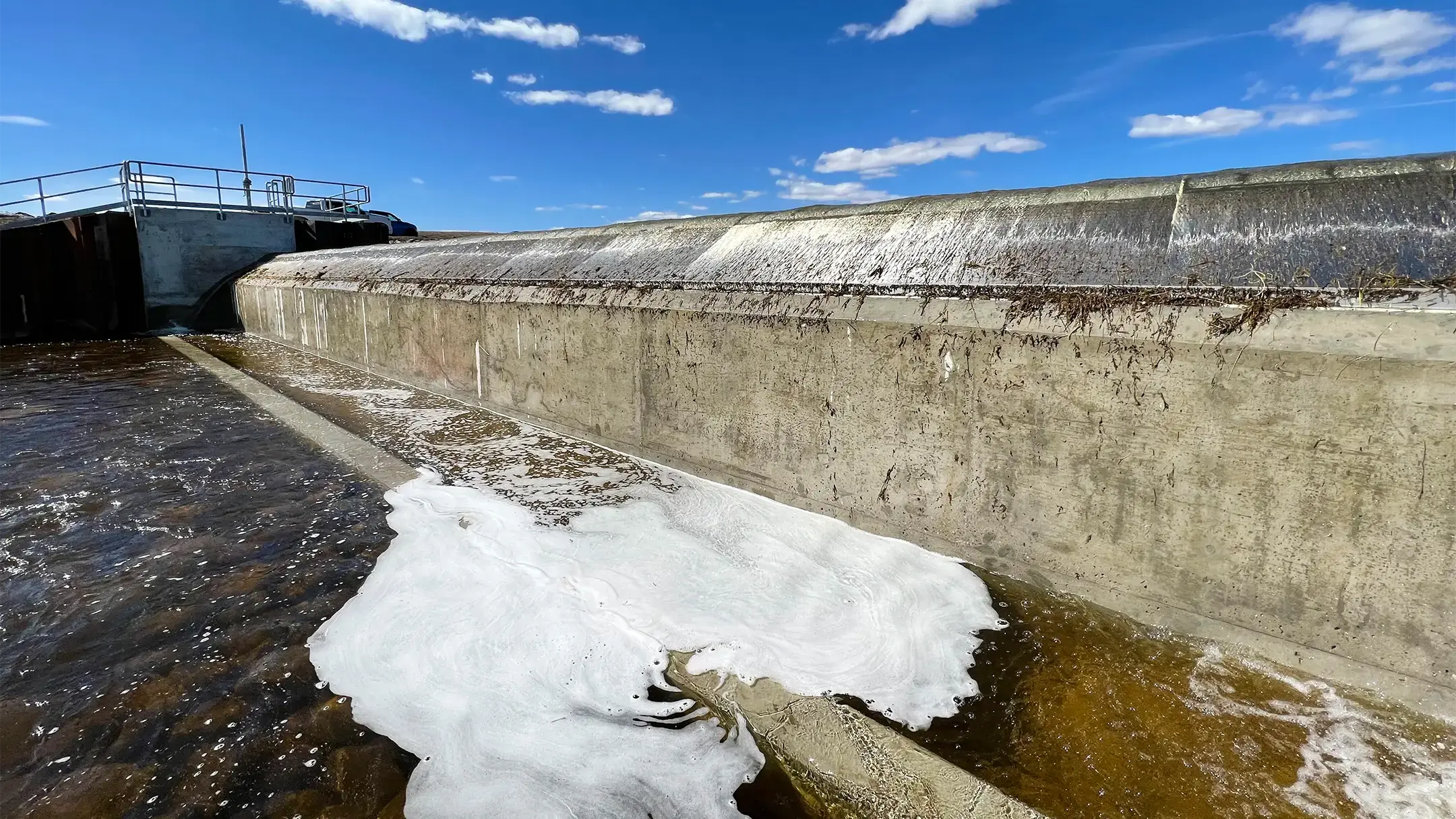
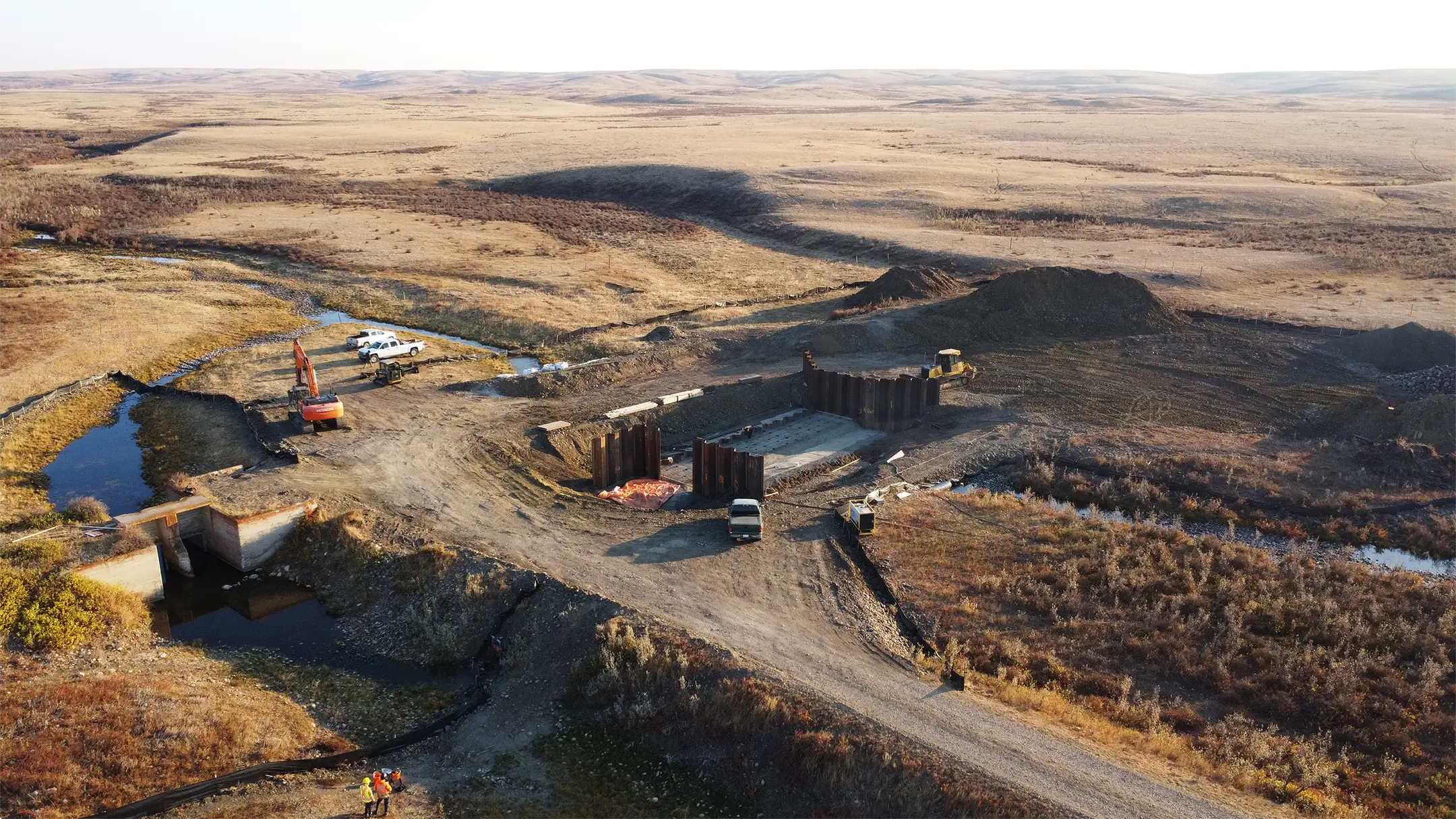
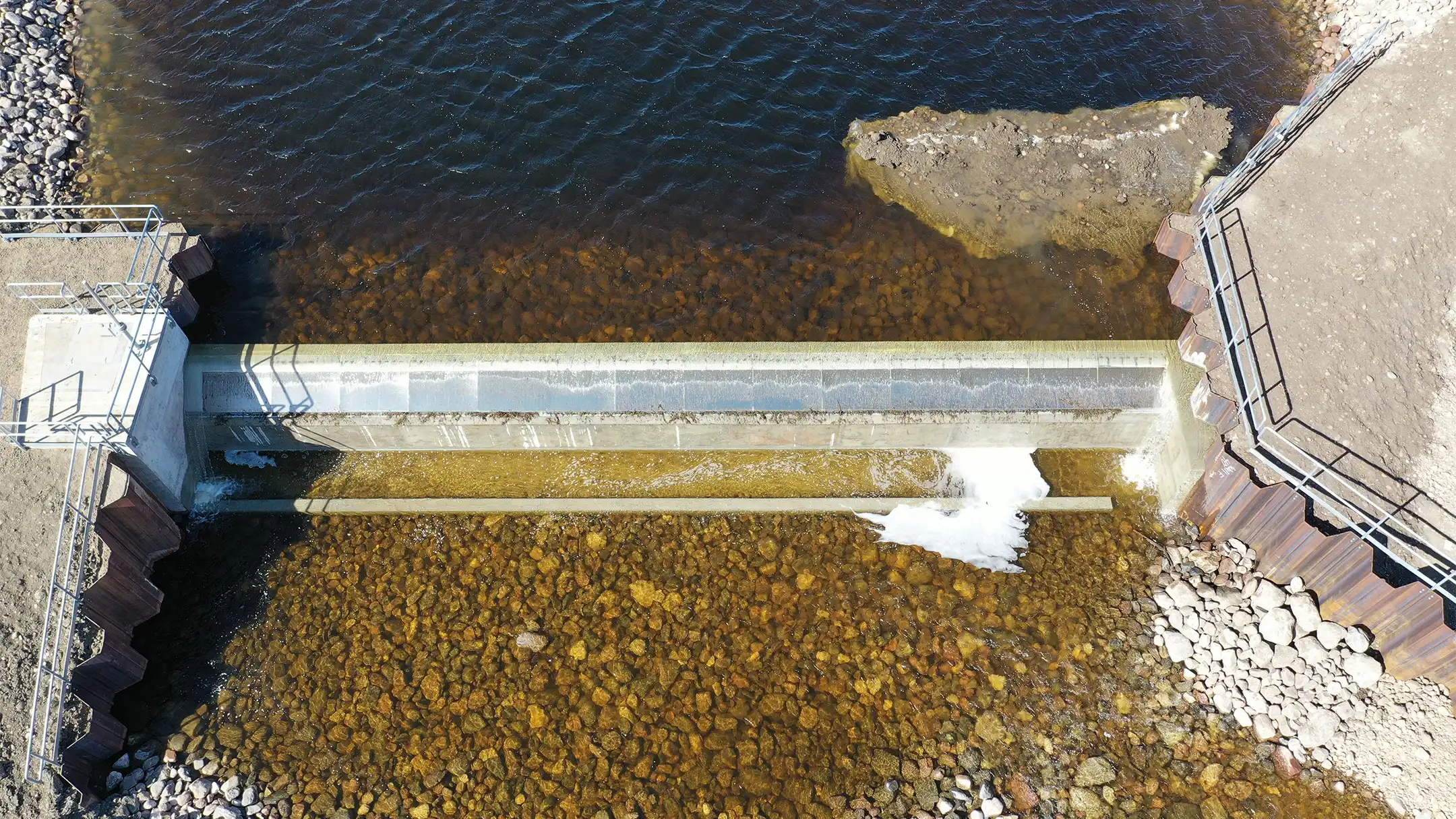
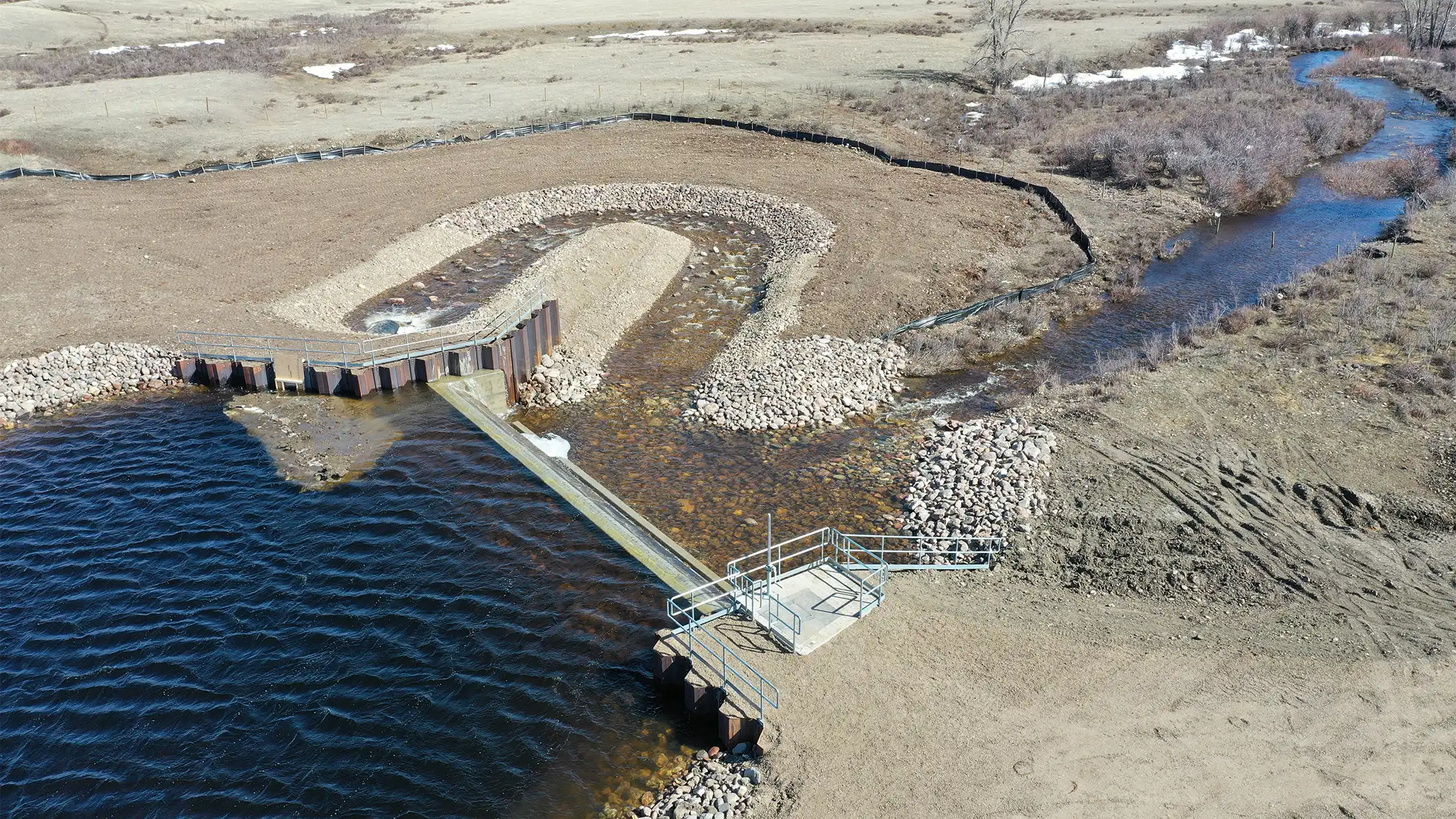
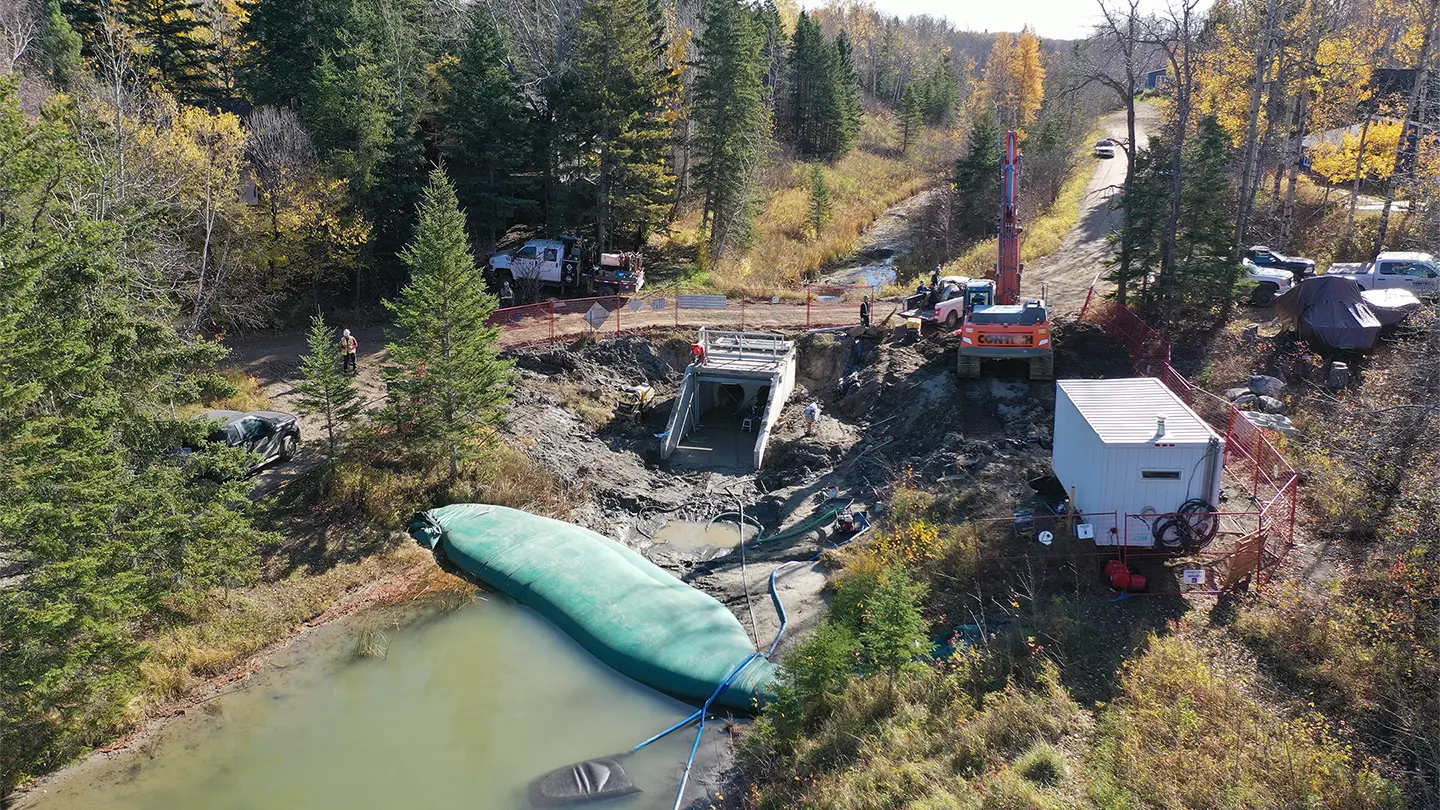
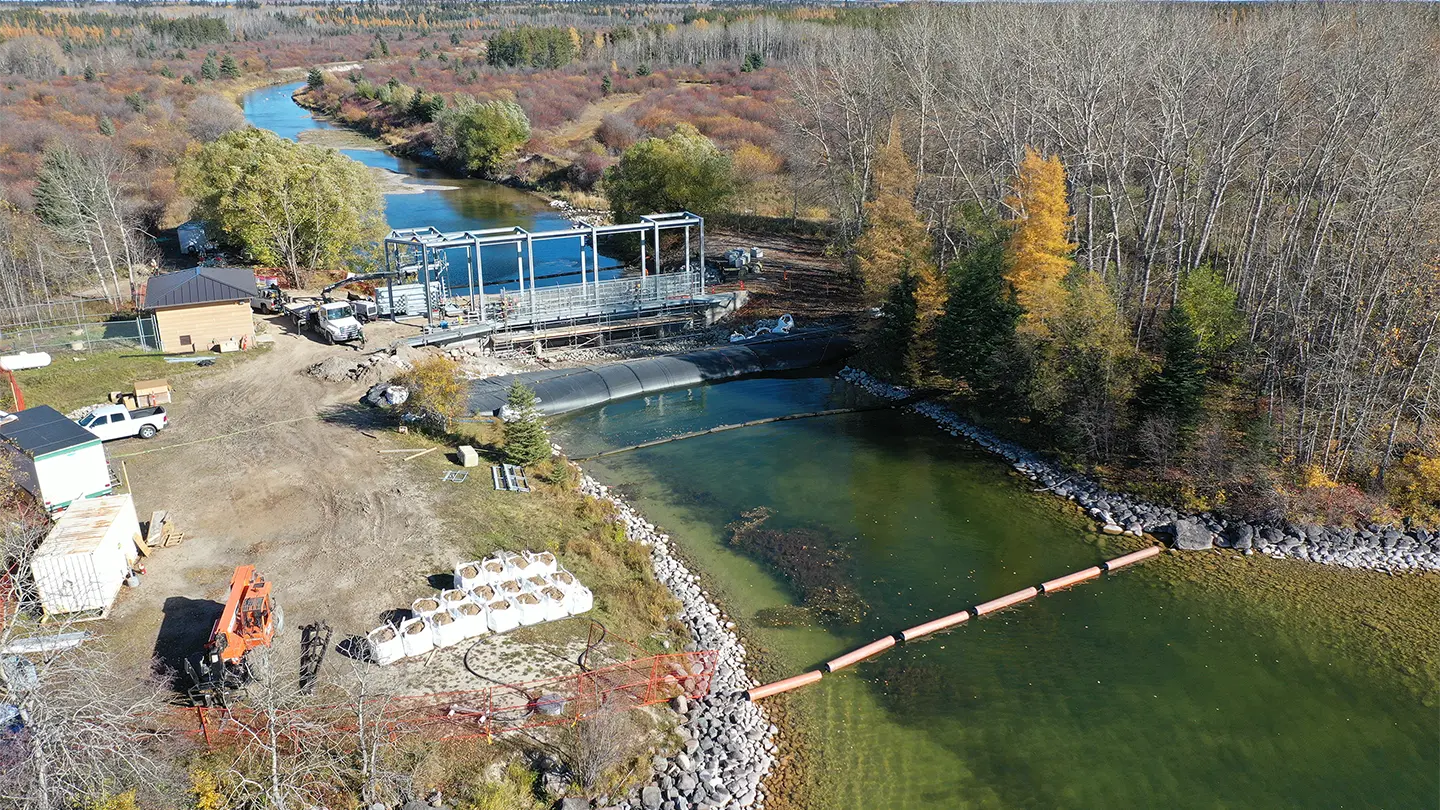
The Davis Diversion was built in 1939 near the town of Maple Creek. The main purpose of this canal is to divert unregulated flow to Cypress Lake, the main source of drinking water and irrigation projects in Southwestern Saskatchewan. Operation of the original diversion has, in the past, resulted in stranding of at risk fish species.
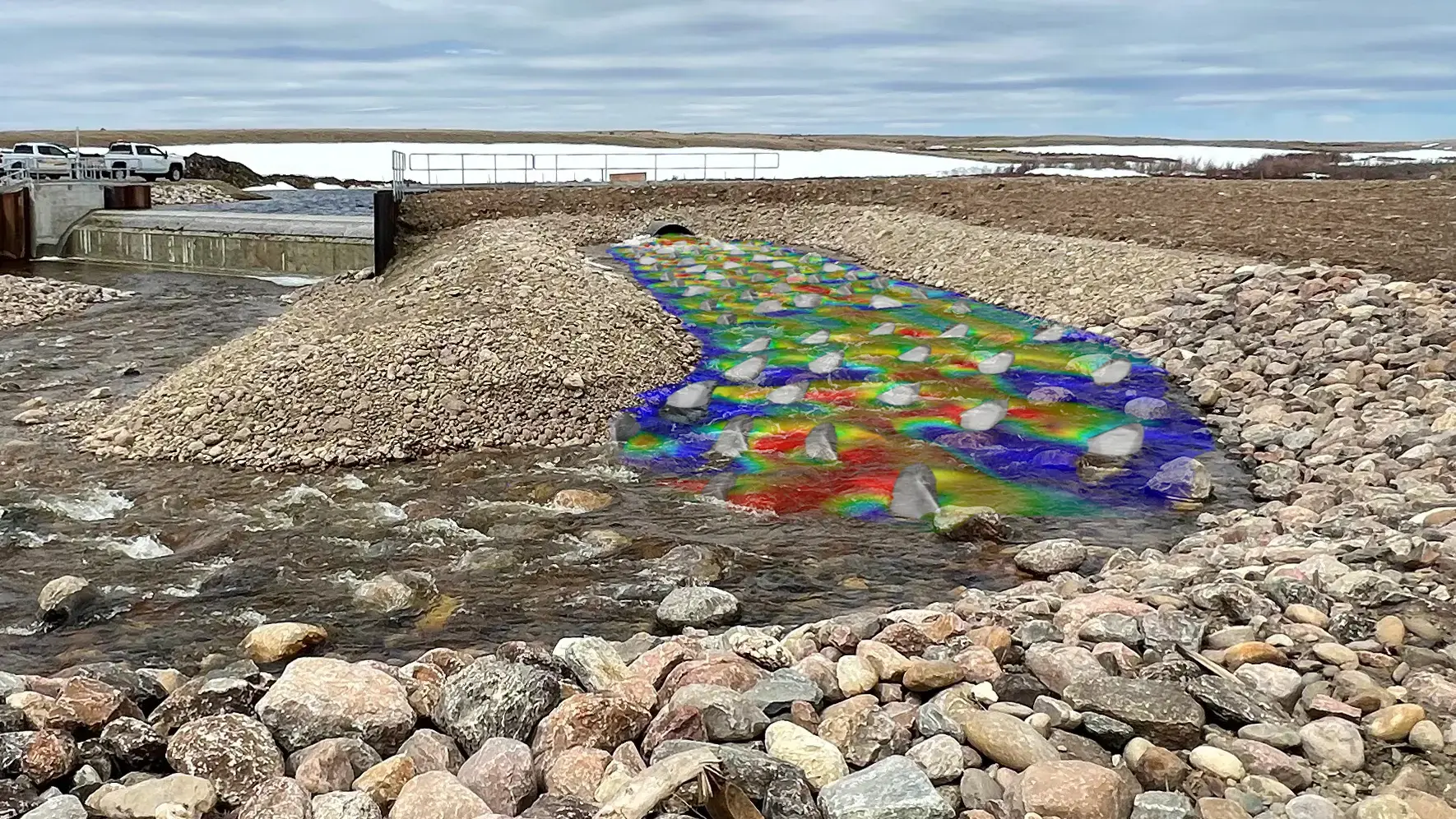
The Water Security Agency (WSA) ceased operation of the diversion system while contemplating solutions. KGS Group developed a solution consisting of the design and construction of a new concrete weir with a Coanda fish exclusion screen, combined with a new rock ramp fishway. This structure provides a novel solution for WSA to achieve its water management objectives, while protecting the area’s sensitive aquatic environment and bringing infrastructure into regulatory compliance.
Project Highlights
- Conceptual and detailed design of fish exclusion at diversion intake
- Replacement and modernization of aging water control structures
- Upstream fish passage integrated around the control structure
- Final product was in complete compliance with Fisheries Act and SARA
- Enables resumption of diversion operations to Cypress Lake
Provincial Trunk Highway 23 Reconstruction
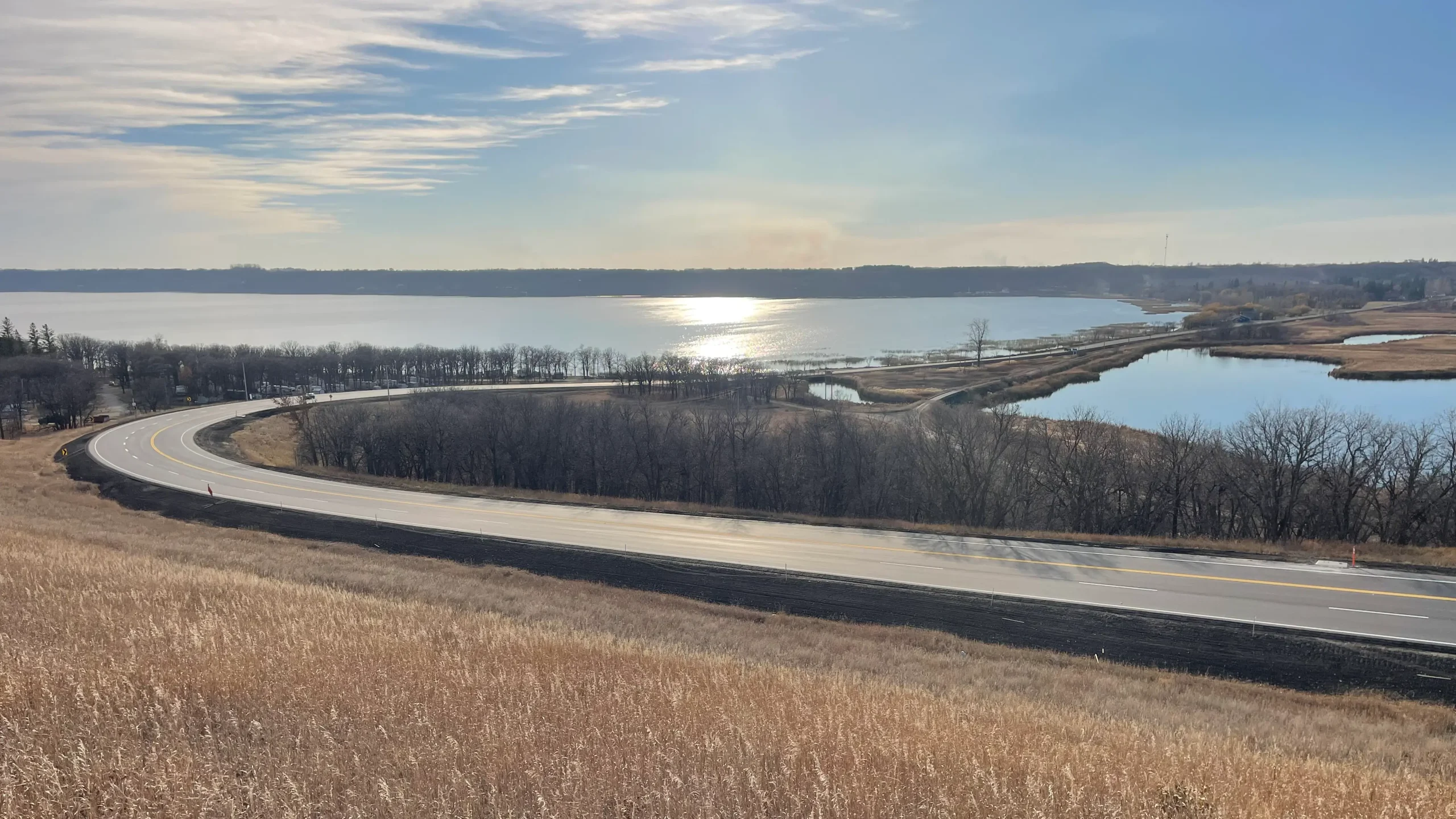
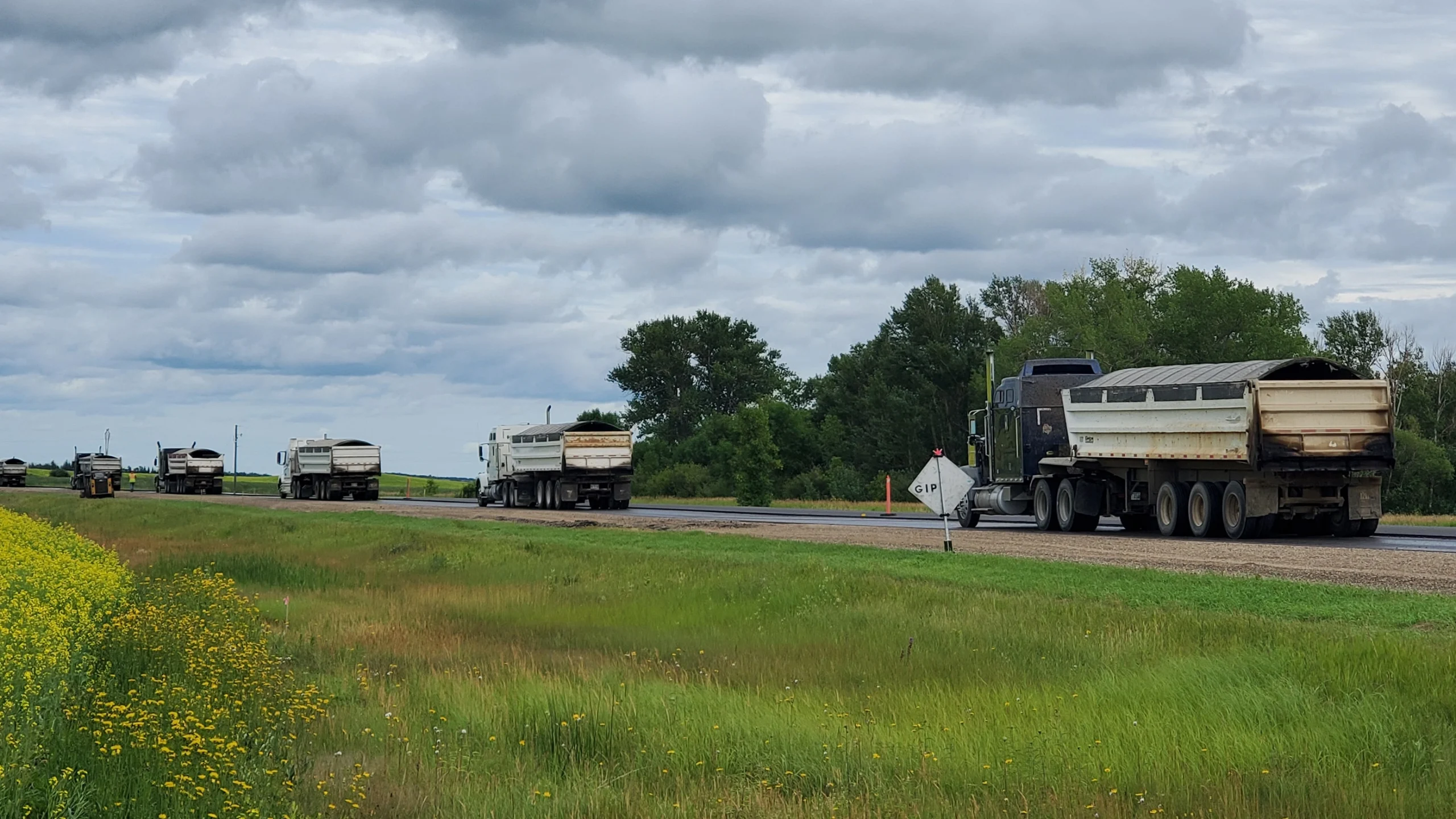
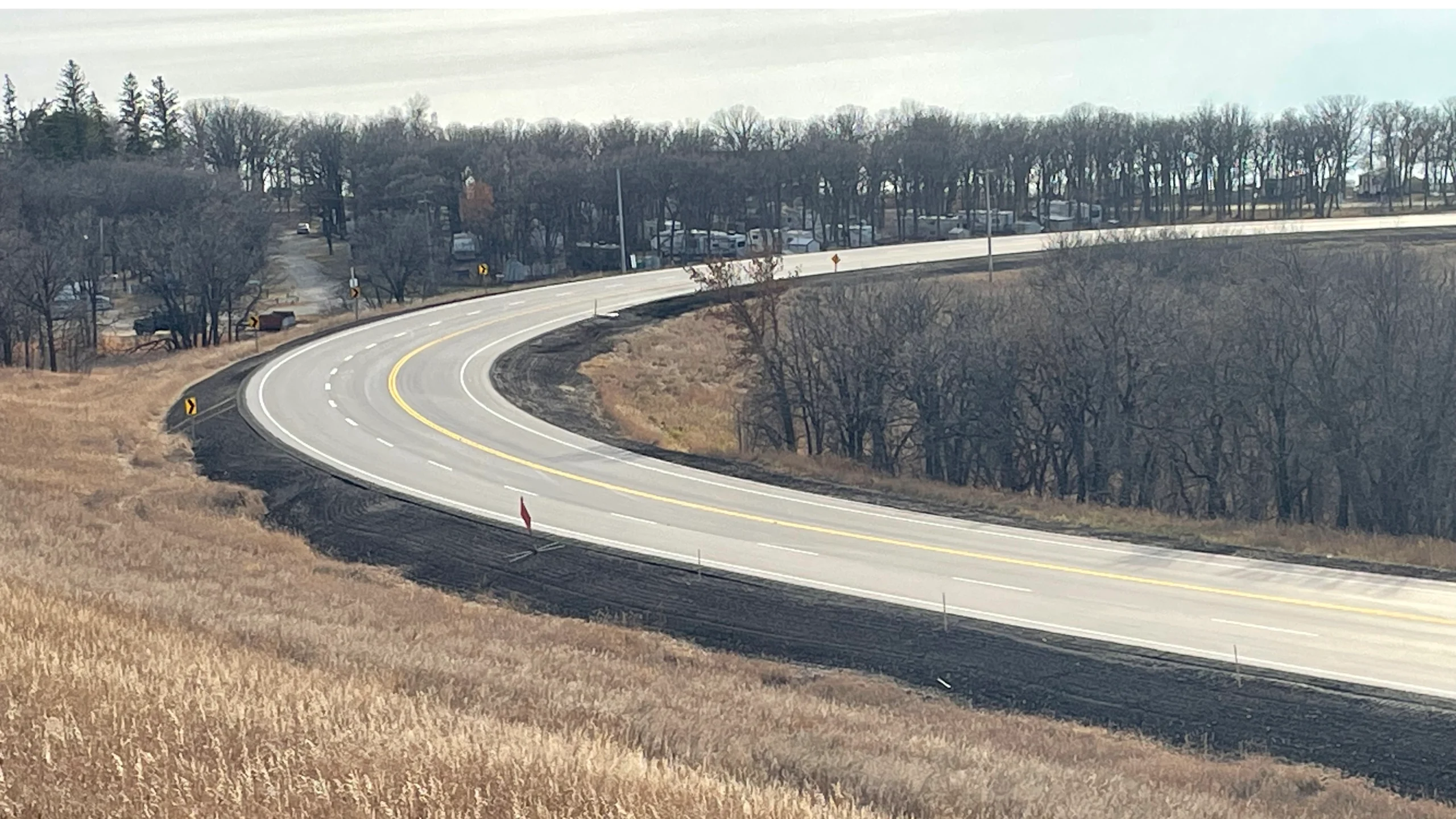
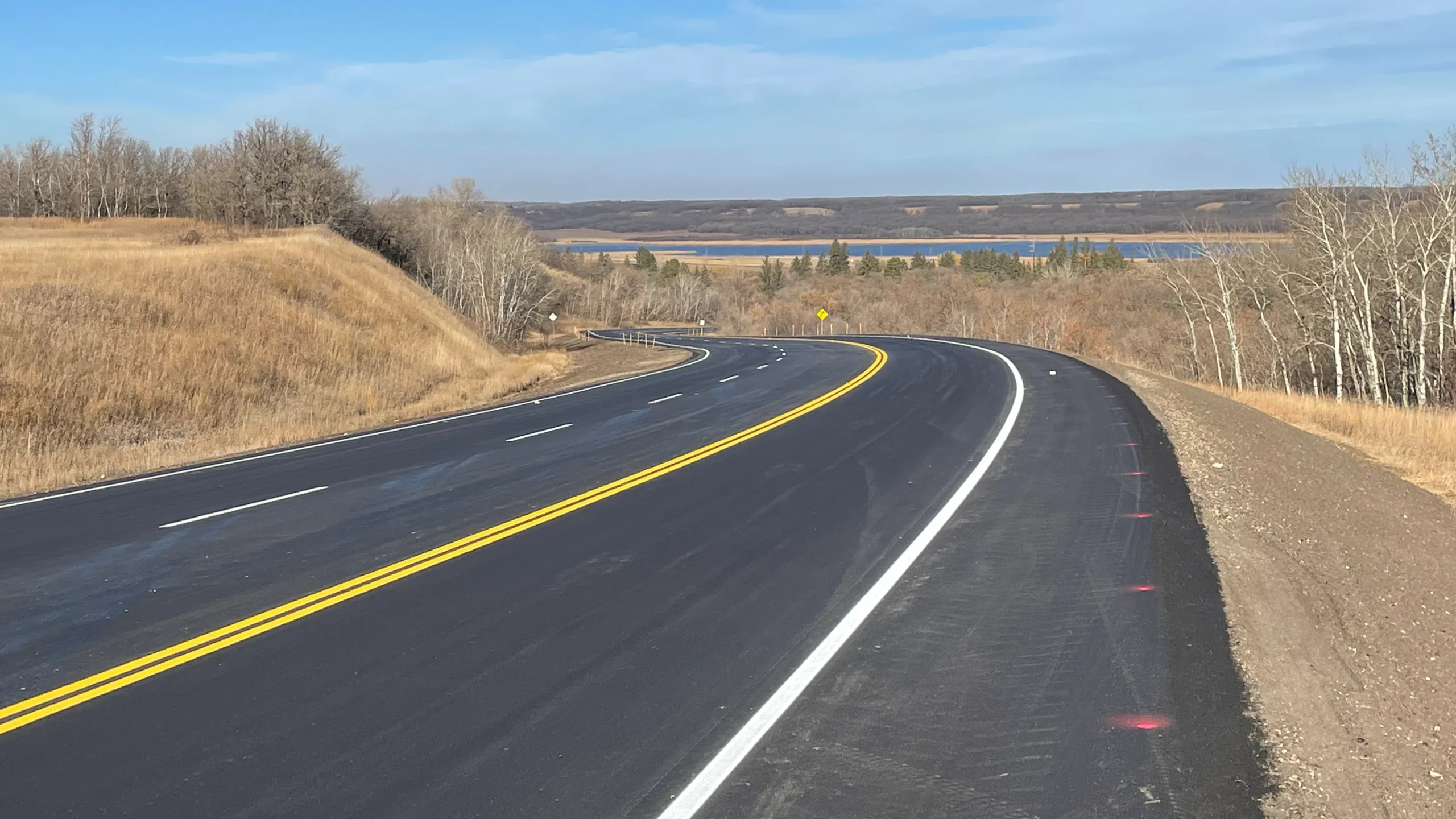
KGS Group was retained by Manitoba Transportation and Infrastructure to administer the bituminous reconstruction of 27.6 kilometres of Provincial Trunk Highway 23, from the west junction of Provincial Trunk Highways 18 to 5. Connecting the province to the Town of Ninette and Pelican Lake, this renewal fulfills the Manitoba Transportation and Infrastructure’s mission to ensure safe, reliable and sustainable infrastructure and services for Manitoba and its communities.
Throughout the project we monitored traffic management and contractor operations, tracked quantities, handled change requests, performed density testing, surveyed for quantity calculations and design geometry and coordinated material sampling for laboratory testing. The result is a durable, smoother roadway with improved safety and drainage that will connect the communities for years to come.
Project Highlights
- Reconstruction of 27.6 km of Provincial Trunk Highway 23
- Culvert extensions to improve drainage and accommodate new roadway sections
- Pulverization of existing pavement and base course to prepare for reconstruction
- Placement of additional base course to restore structural capacity
- Guardrail installation at priority locations for enhanced roadside safety
Calabogie Generating Station Redevelopment
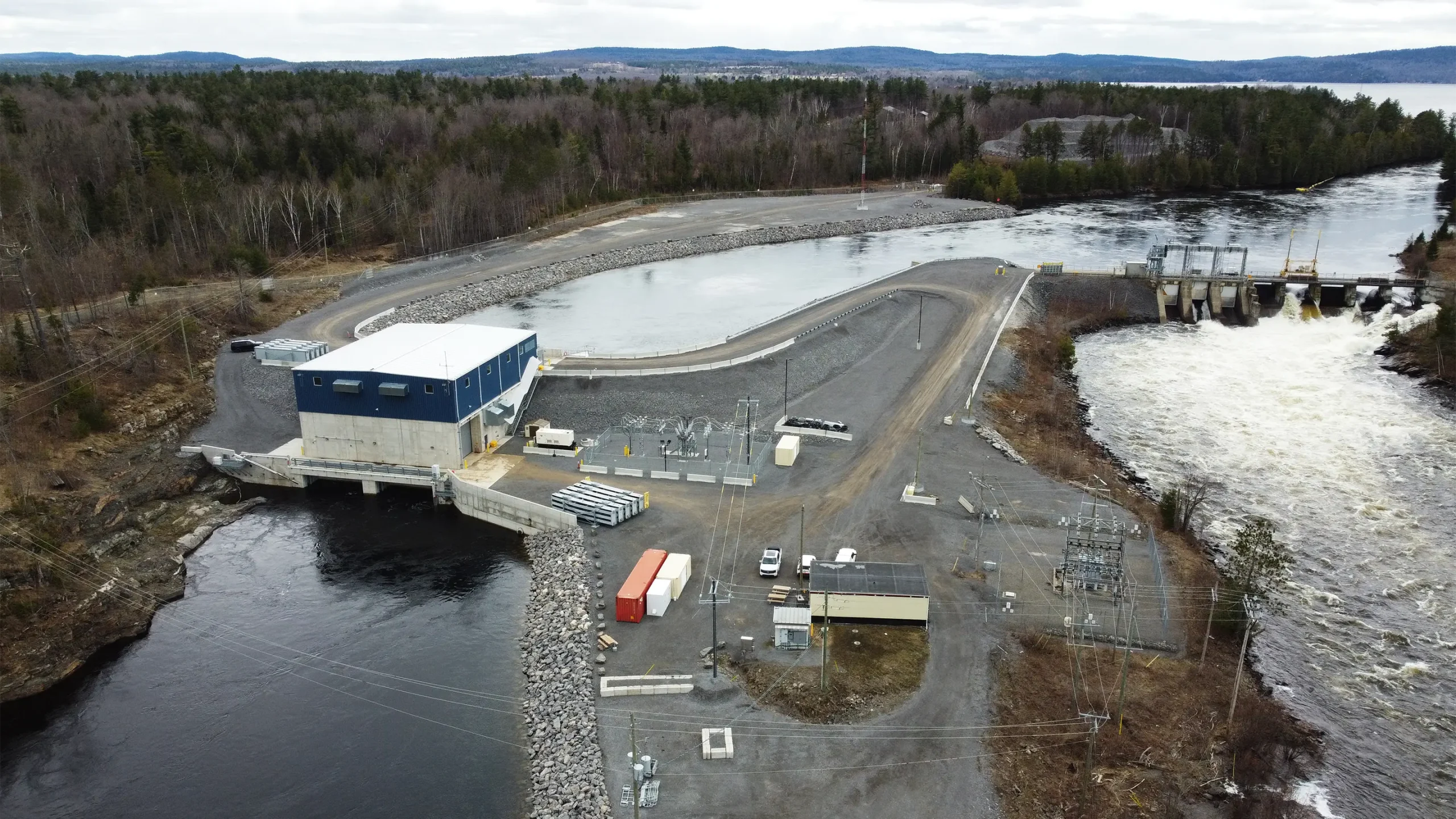
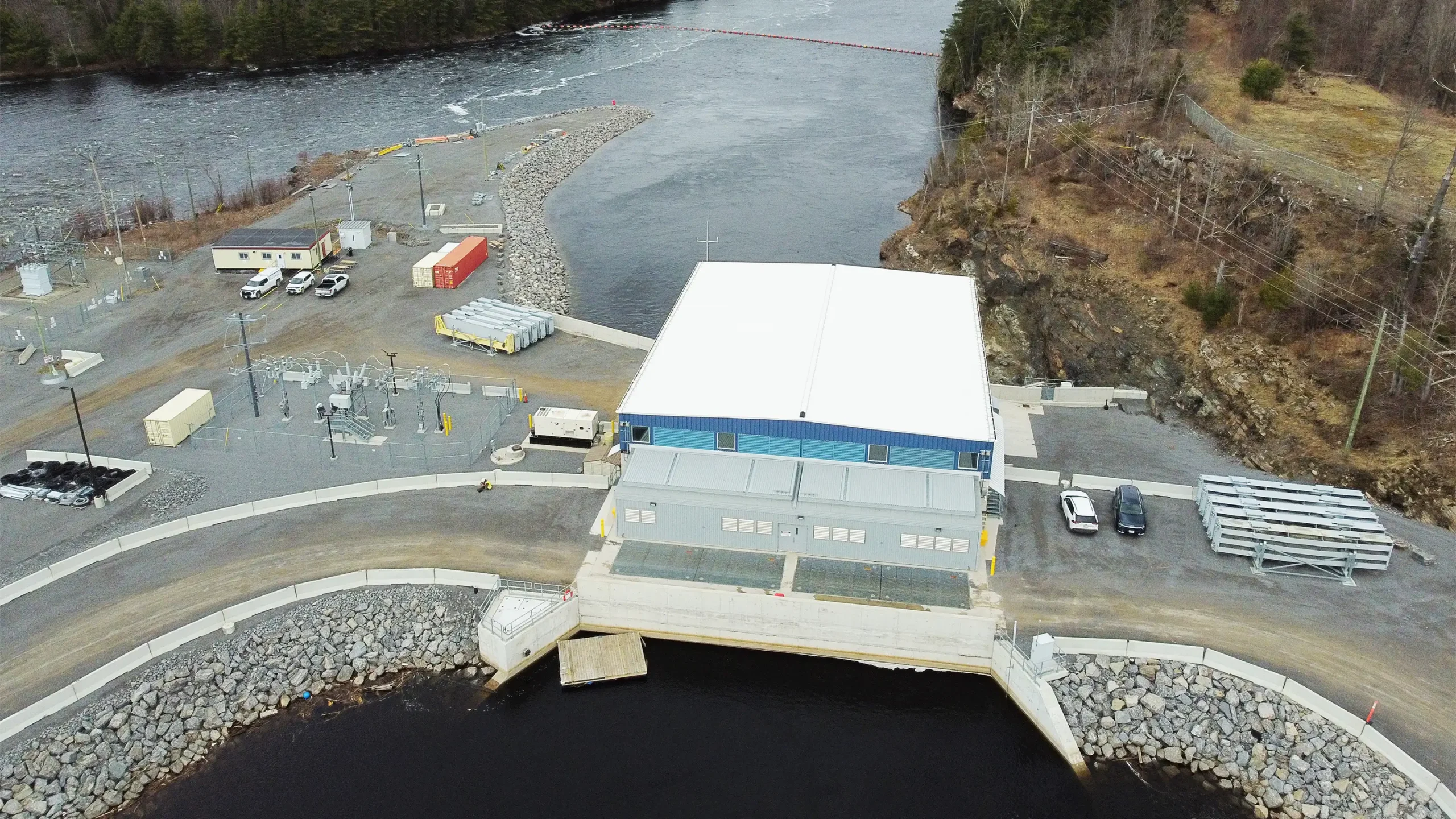
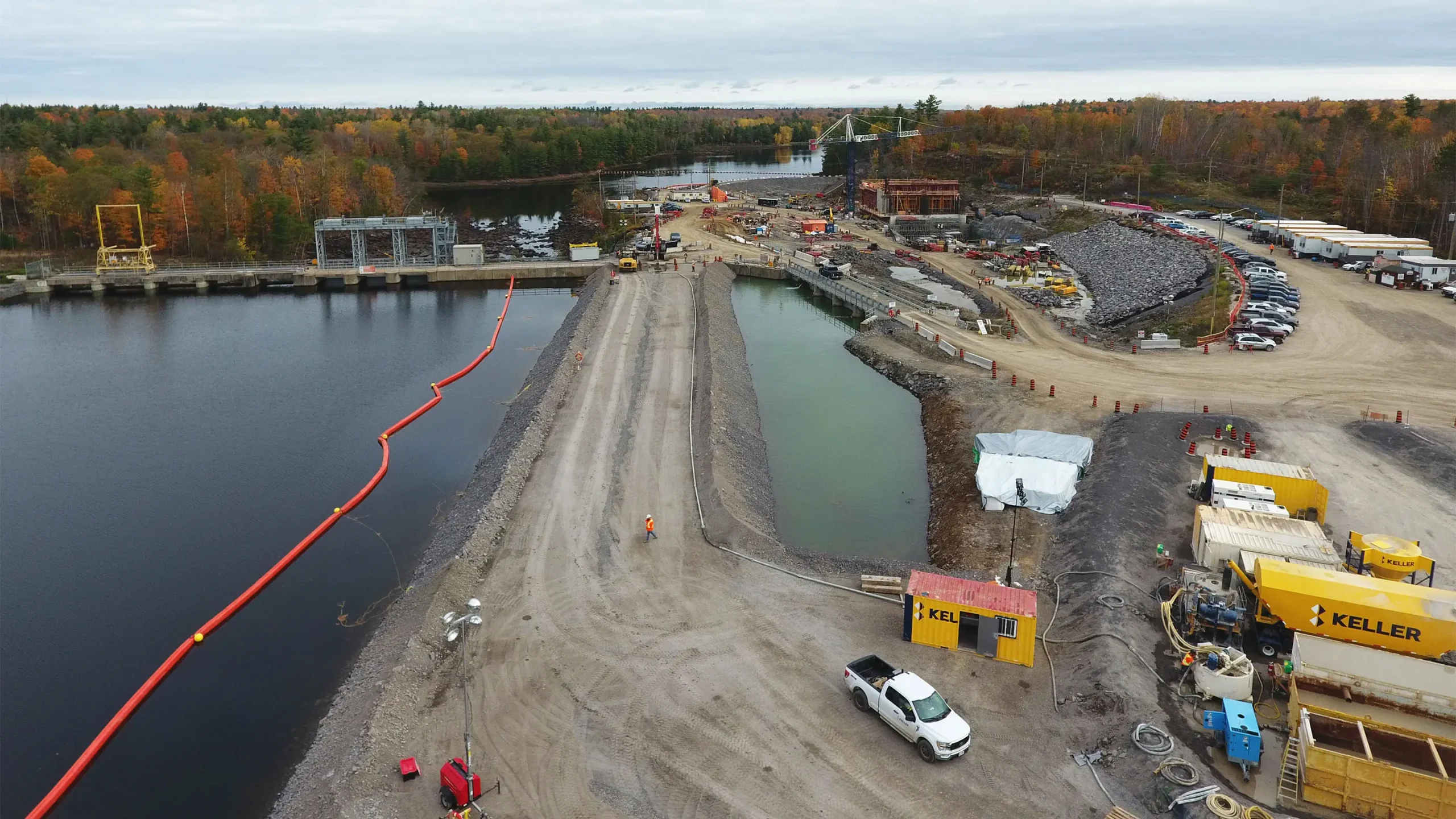
KGS Group served as owner’s engineer to redevelop Calabogie Generating Station, extending its life and increasing its output to 11 MW. We guided the project through feasibility, design and execution phases. The project included constructing a new powerhouse, expanding intake and tailrace channels, rebuilding the forebay dam and adding a new substation and fish habitat compensation features.
In 2006, KGS Group completed a feasibility study to explore options for the site’s refurbishment and redevelopment and was consequently awarded the role of owner’s engineer in 2017. We presented the client with a list of new turbine vendors, developed user requirements and preliminary specifications, supported environmental assessments and assisted with stakeholder consultations, including engagement with Indigenous groups.
Our team then assisted in procuring the contractor for the project who completed the final optimization, design and construction. Key design refinements included a more compact powerhouse, a redesigned forebay dam and a reworked intake channel supported by hydraulic modelling and a physical model. The project also included measures to make the site ready for eel passage and to facilitate future downstream passage.
KGS Group provided oversight, in collaboration with the resident engineer, throughout the project including full-time inspection services, ensuring quality and regulatory compliance, while mitigating risks and following safety standards. We helped complete commissioning and turnover of the project providing consistency and project knowledge from feasibility design to close out.
Project Highlights
- New powerhouse with expanded intake and tailrace channels and a rebuilt forebay dam
- New substation with fish habitat compensation features and a site ready for eel passage and future downstream passage
- Environmental assessments and stakeholder consultations
- Supported contractor procurement, optimized hydraulic and physical modelling
- 3D digital design for multi‑discipline coordination and field execution
- 11 MW output, extended asset life, improved reliability and operability
Pauingassi First Nation Landfill Expansion
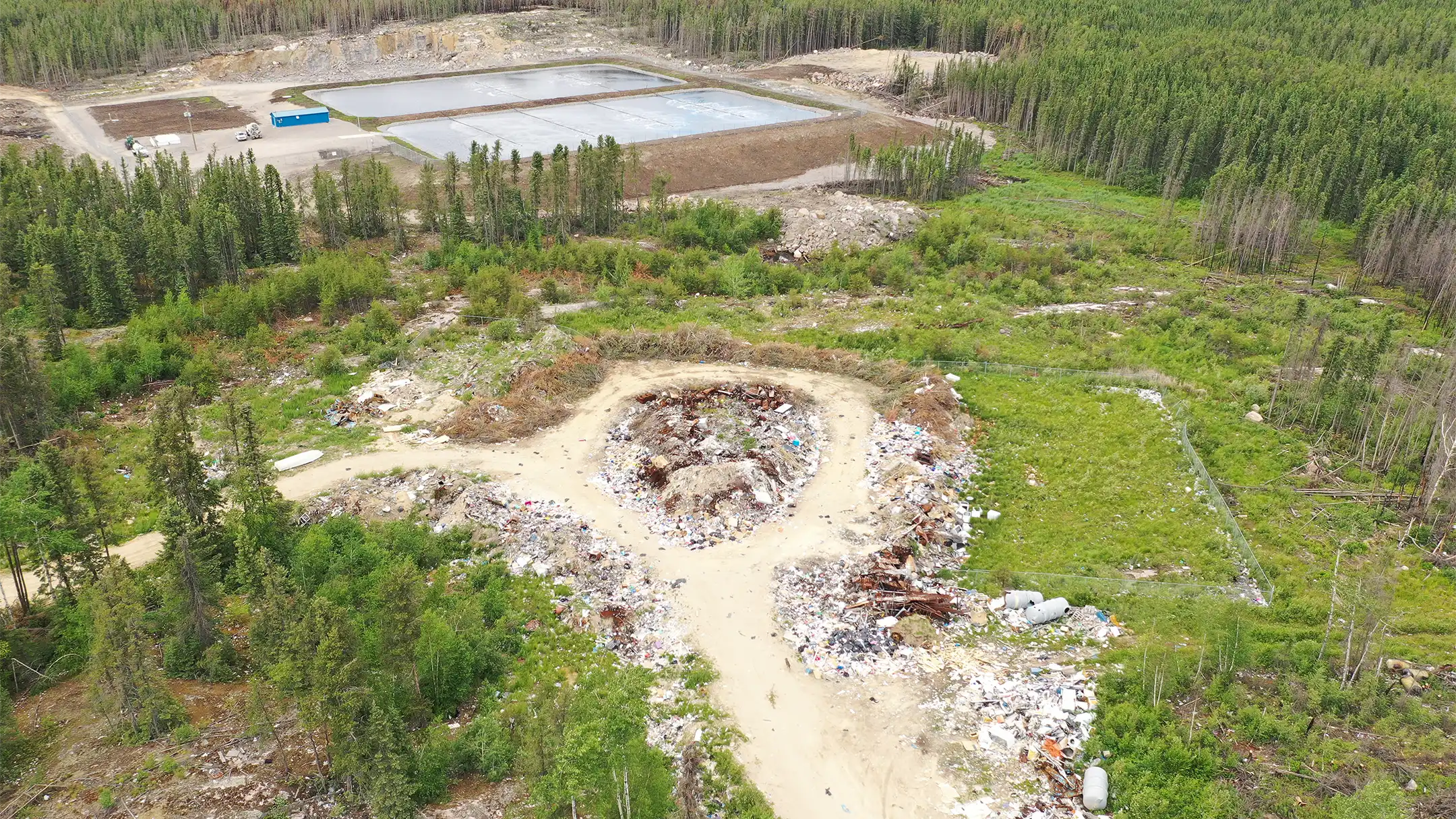
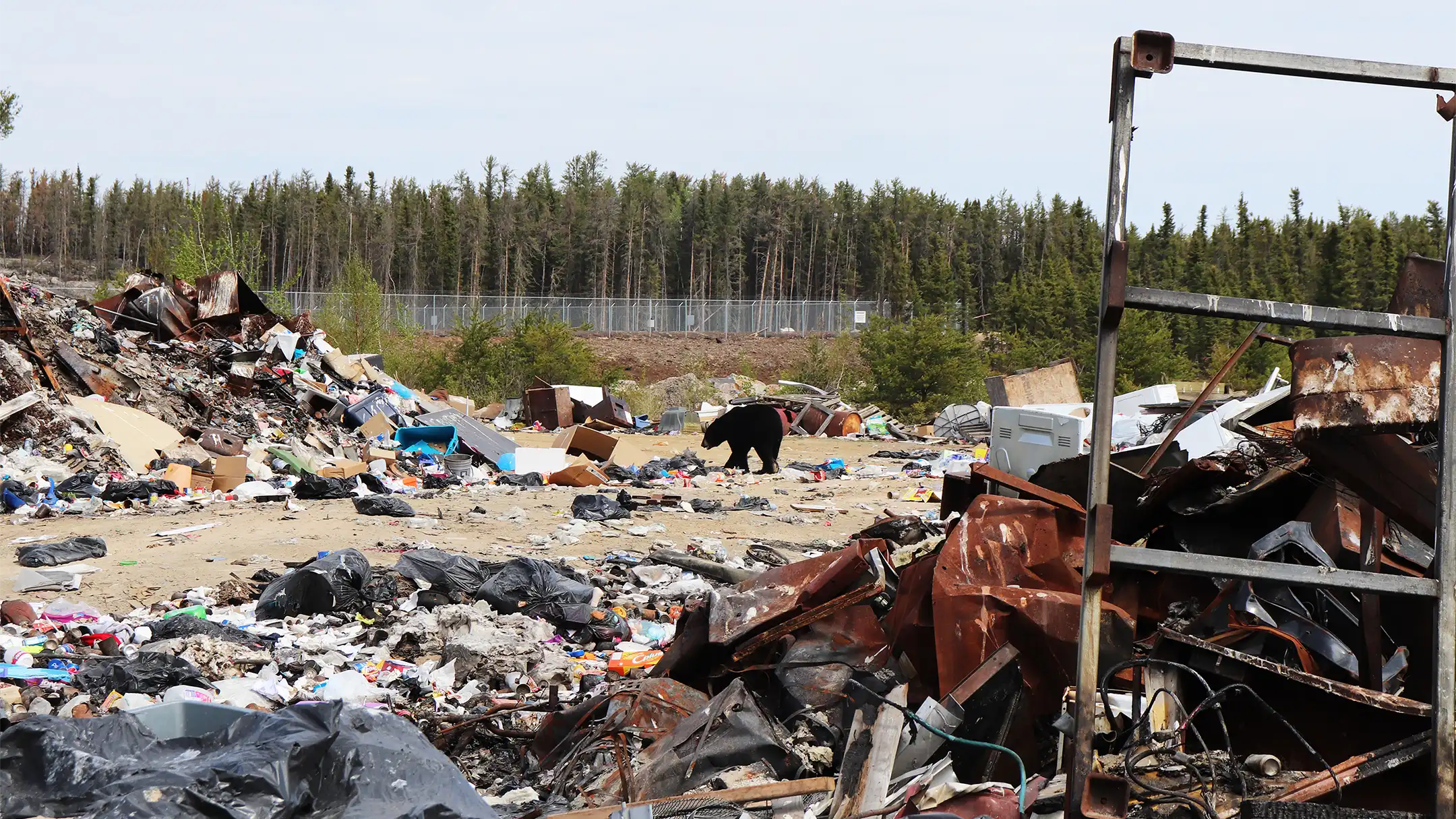
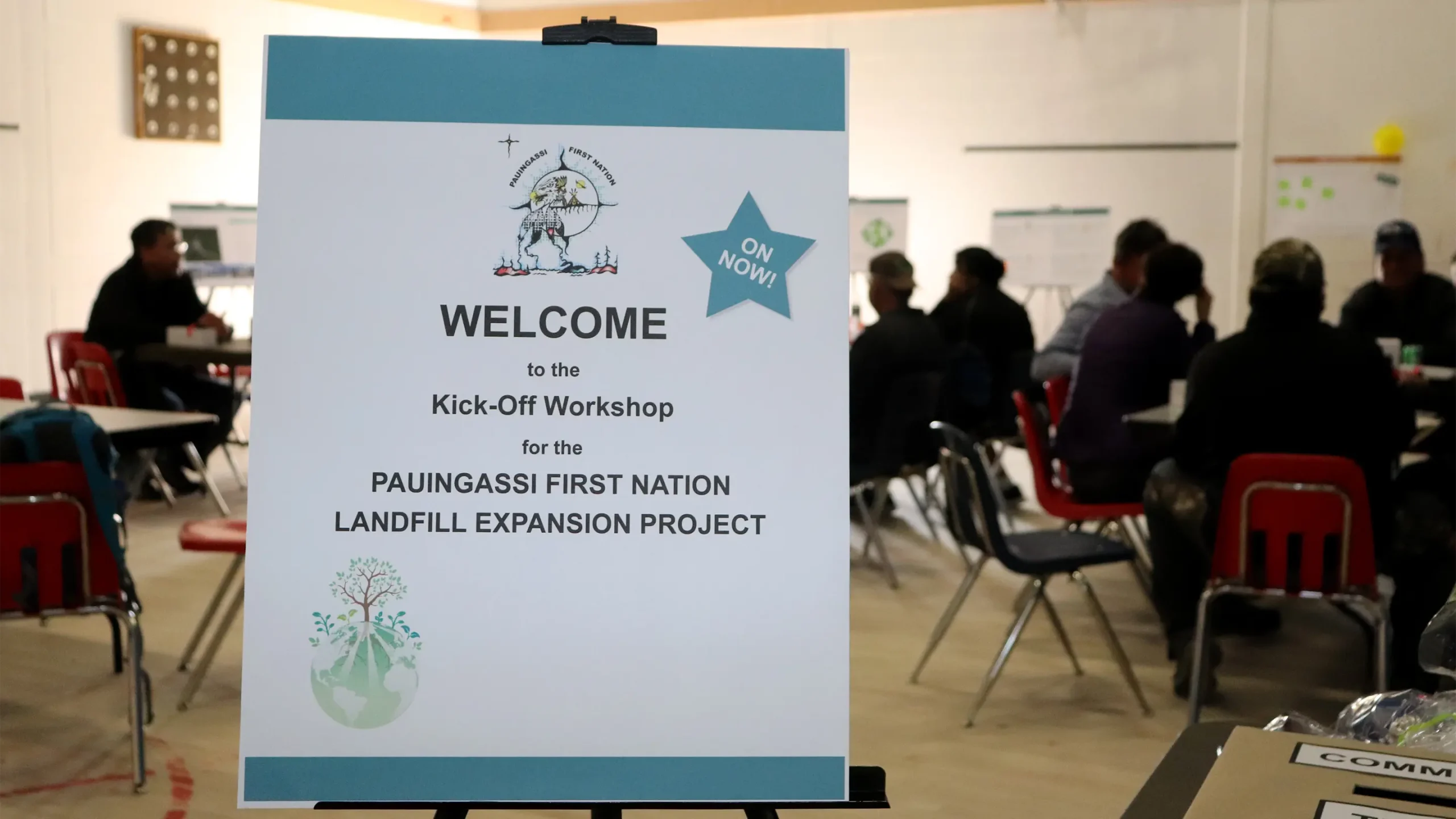
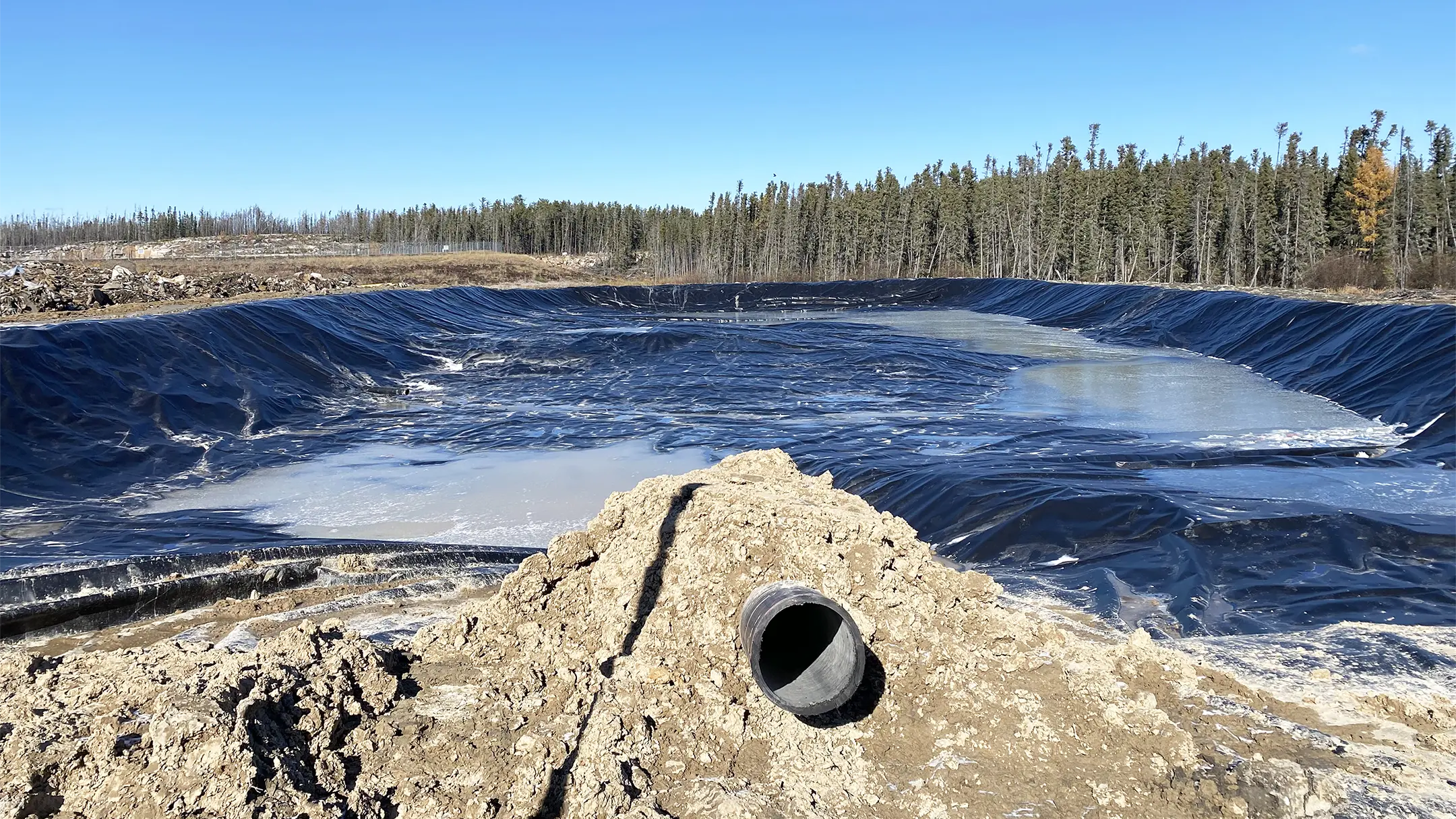
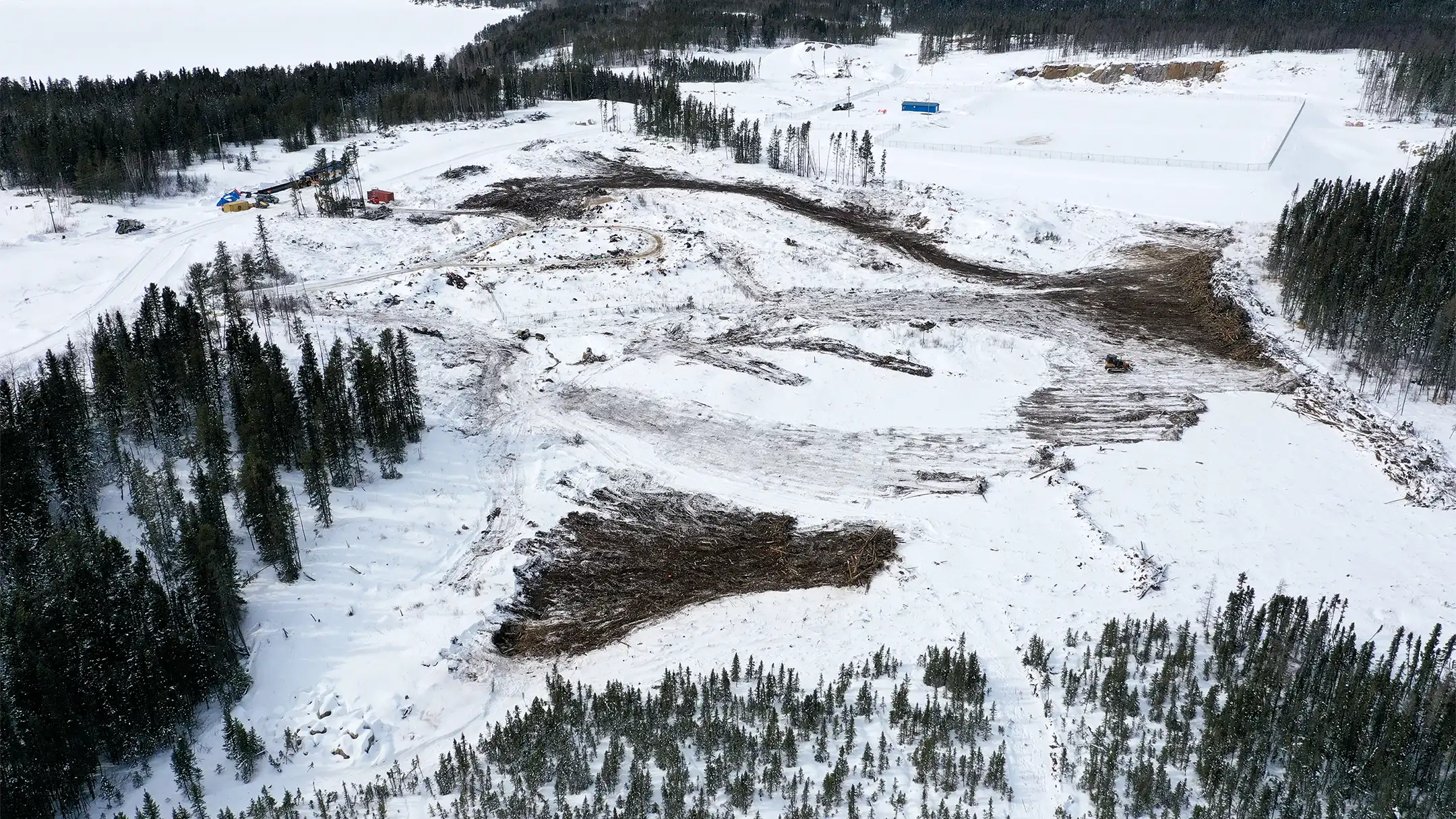
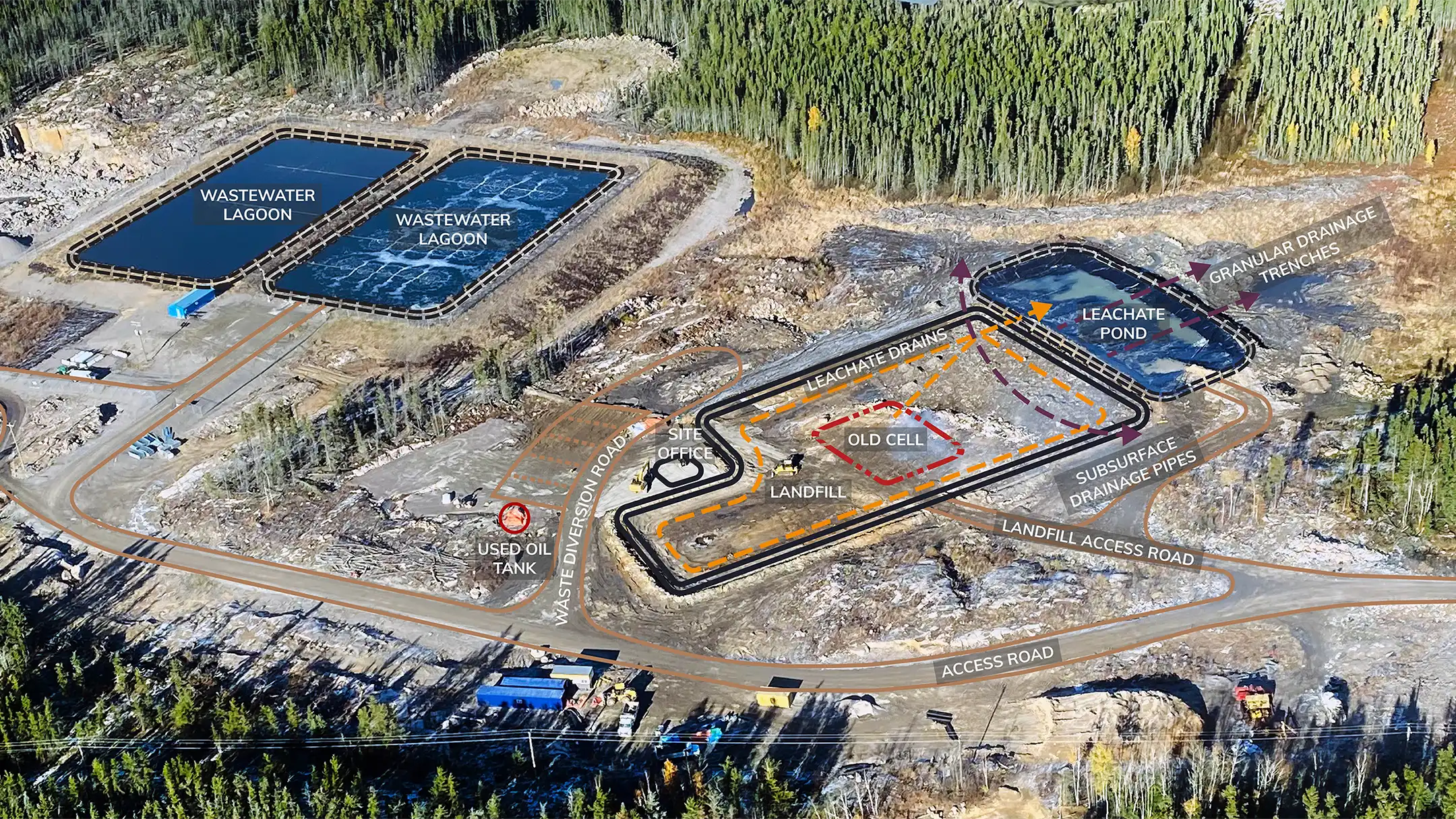
Pauingassi First Nation is located in eastern Manitoba, approximately 275 km northeast of Winnipeg, on a peninsula of land that extends southward into Fishing Lake. At the time, the community had a total registered population of 668 and did not have an airport or an all-season road for access and uses winter roads, float planes or helicopters depending on the time of year.
Because access is primarily by winter road, numerous challenges must be overcome for solid waste management and in general for any construction projects in the community. Some of these challenges include heavy equipment access, difficulty removing divertible wastes from the community to proper disposal depots, dependency (and variability) of ice thickness, and overall higher construction costs compared to other, more easily accessible communities.
KGS Group created a new integrated resource management centre for this remote community. Success was achieved even though the COVID-19 pandemic and 2021 forest fires impacted the schedule. An innovative design overcame challenging site conditions, integrated community requests, preserved local heritage resources and Traditional Land Use Areas, and mitigated existing environmental impacts.
The result is a practical, environmentally sound, sustainable and aesthetically pleasing waste management facility that also addresses waste diversion. This project is a model for successful collaboration between Indigenous communities, contractors, consulting companies and government agencies.
Project Highlights
- Community‑informed planning, design and construction oversight
- Remote delivery adapted to winter road logistics
- Engineered facility to centralize waste handling and address diversion
- Design aligned with site constraints while preserving heritage and Traditional Land Use Areas
- A cleaner, safer community environment
City of Winnipeg Local Street Renewal Programs
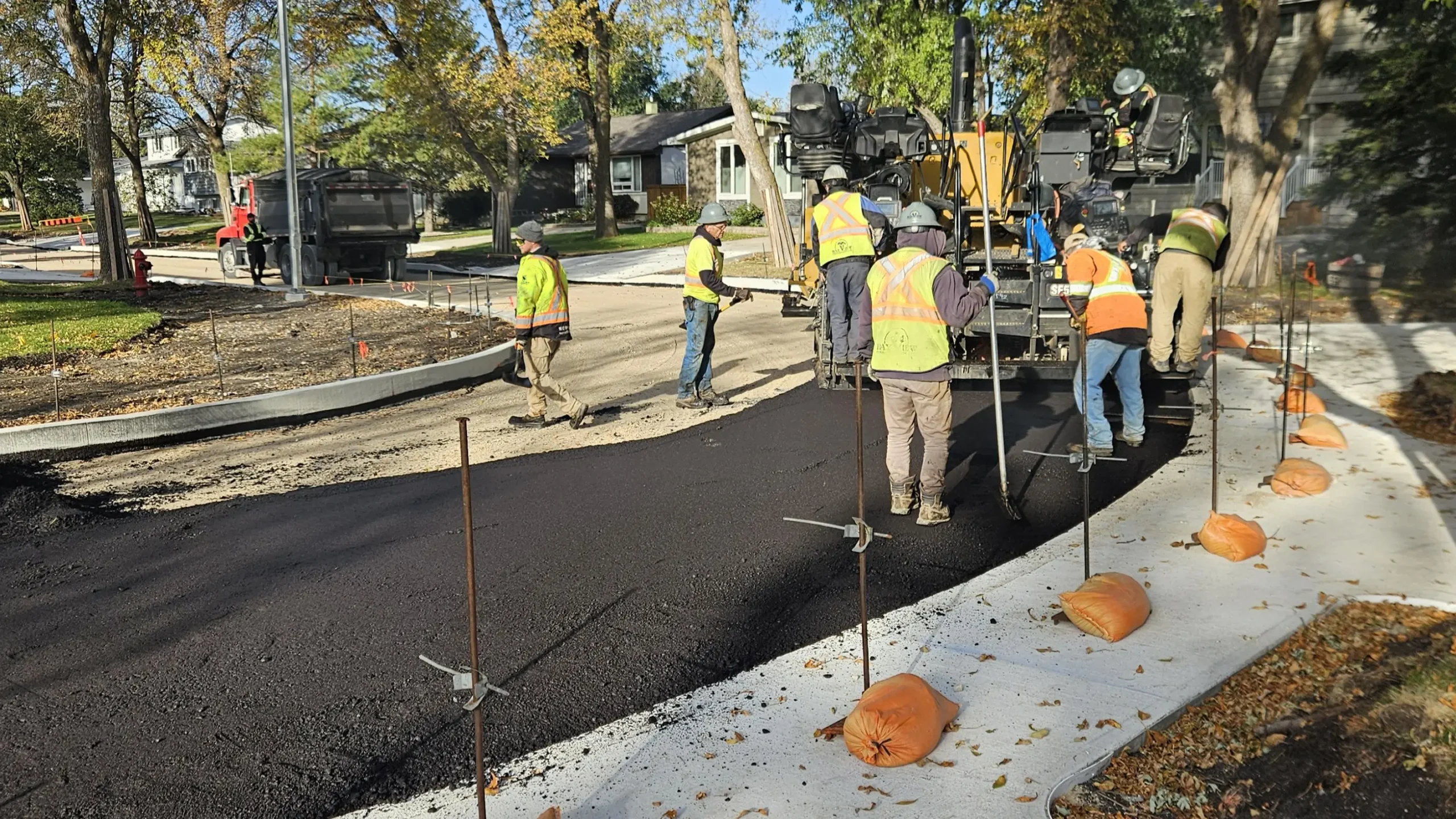
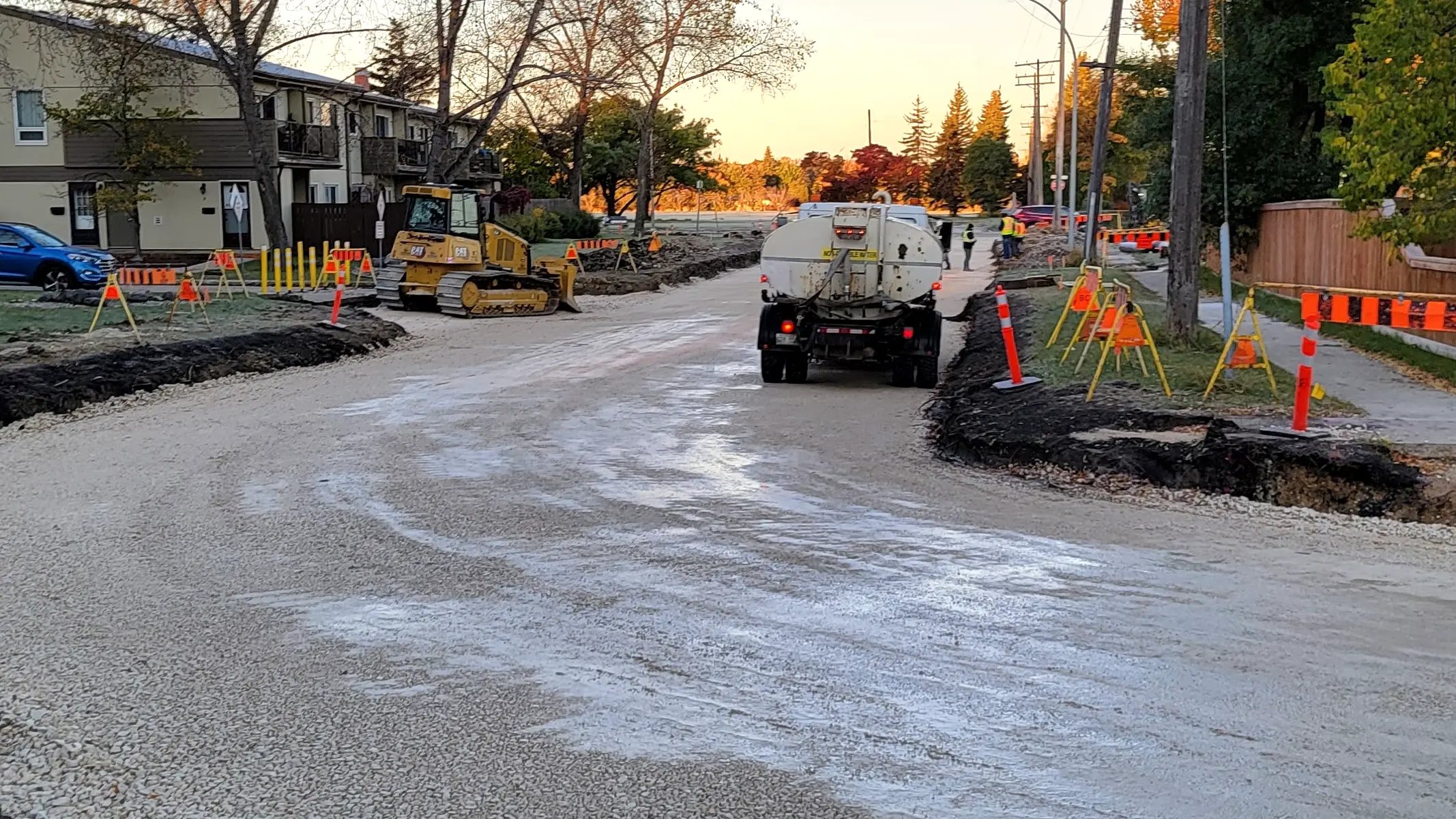
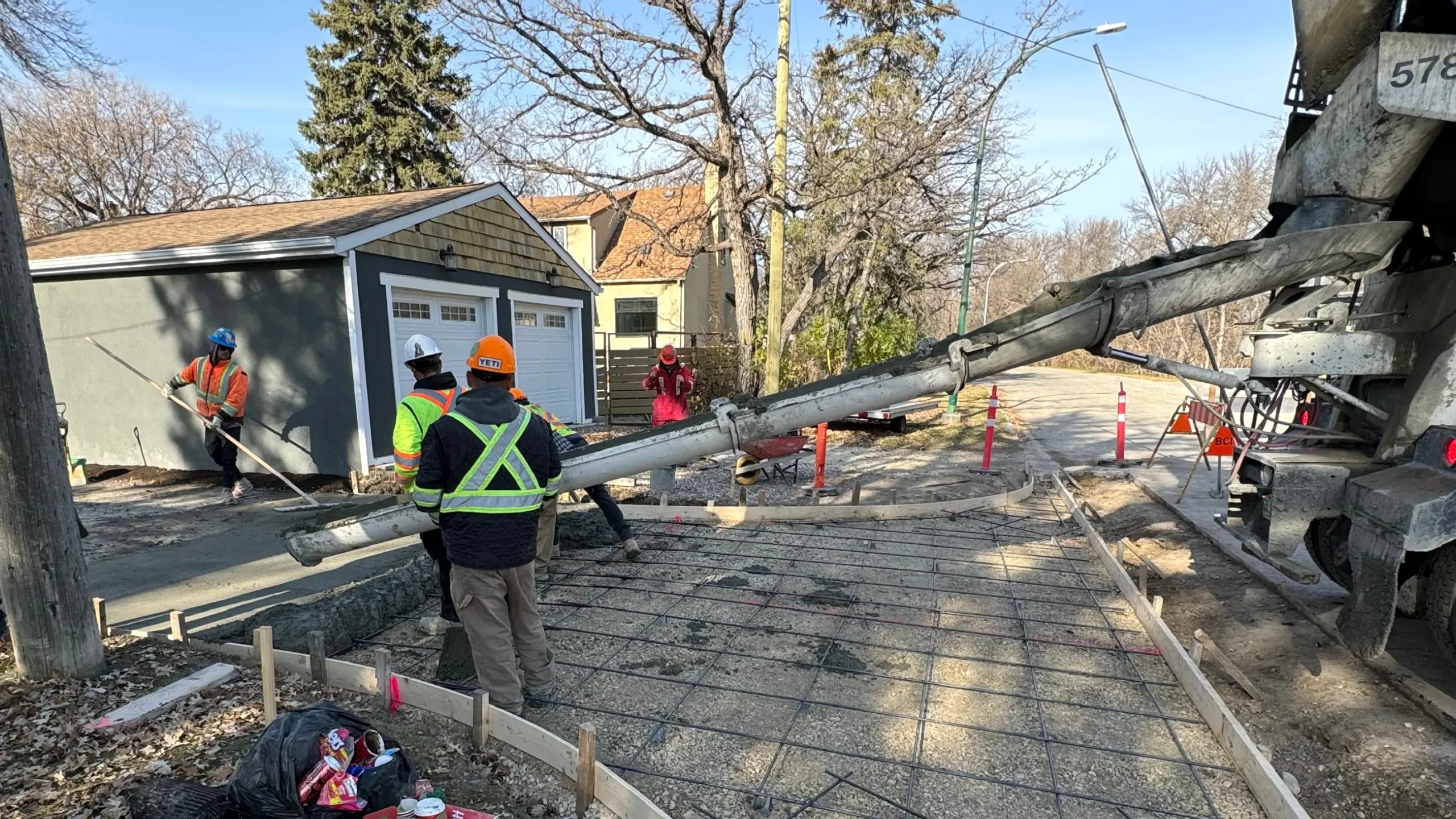
Each year, the City of Winnipeg advances a program to renew residential streets, alleys and regional roads. KGS Group supports this work to keep people moving safely, improve neighborhood connectivity, and extend the life of critical transportation assets.
Aging pavements and sidewalks, varied site conditions and busy urban corridors require coordinated planning and careful staging. Work must maintain access for residents, pedestrians, transit users, and businesses while aligning the city’s standards and priorities.
KGS Group delivers a consistent, programmatic approach, assessing conditions, developing practical designs and supporting construction with clear traffic management. The KGS team also coordinates with utilities and stakeholders, prepares tenders and estimates and oversees field quality to achieve reliable, repeatable outcomes year over year.
The program improves safety and comfort and reduces lifecycle costs through targeted treatments. Phased construction and detours help minimize disruption while renewing infrastructure for long‑term performance.
Project Highlights
- Annual renewal of Winnipeg’s residential streets, alleys and regional roads through treatments ranging from asphalt/concrete rehabilitations and reconstructions to mill‑and‑fill; sidewalk renewals and new installations; geometric improvements; transit stop upgrades; street‑lighting enhancements and more
- Extended asset service life, maintained access throughout construction and treatments matched to conditions for cost saving delivery
- Collaboration with the City of Winnipeg, utilities and local stakeholders
Lake Manitoba and Lake St. Martin Outlet Channels
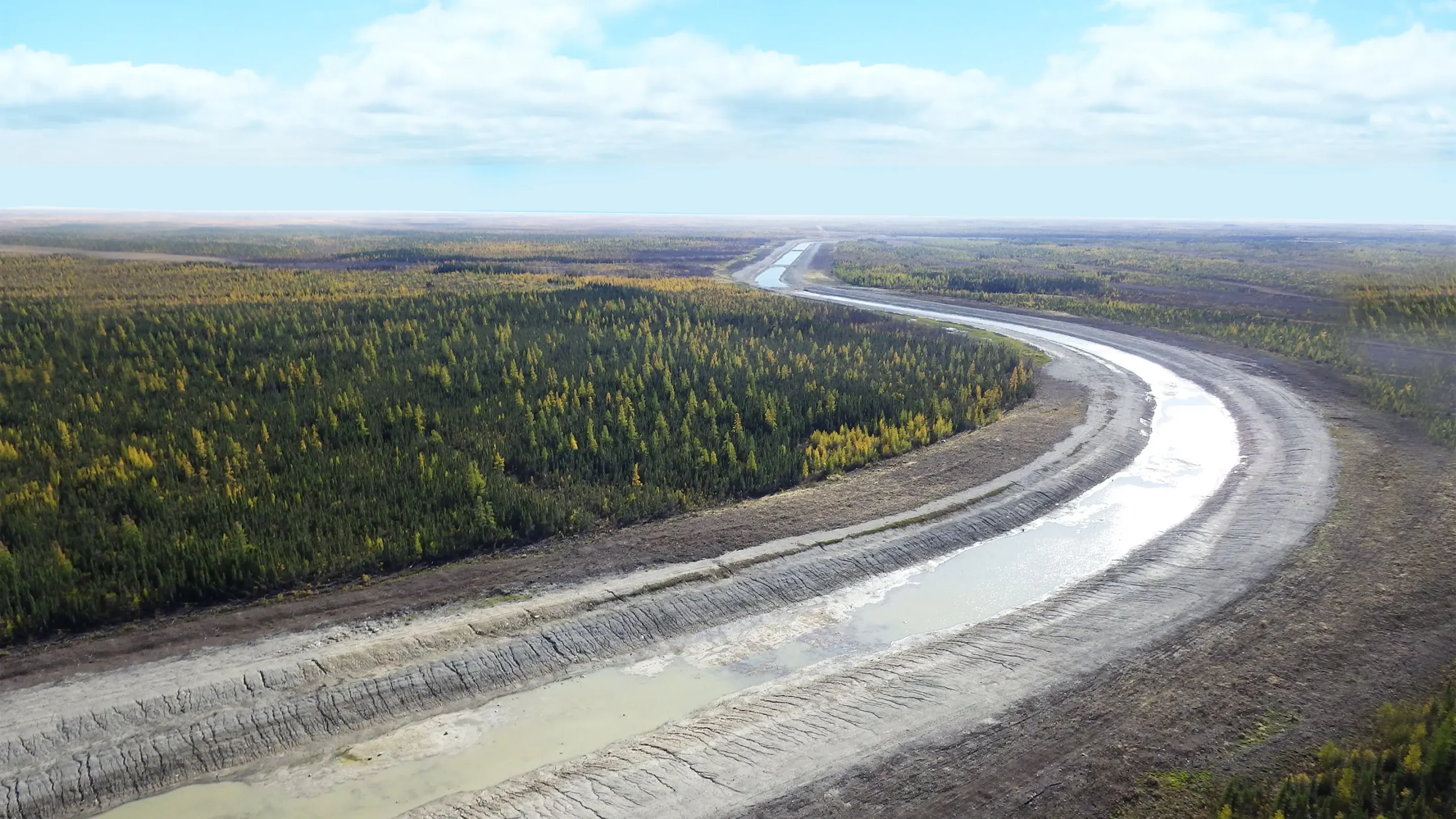
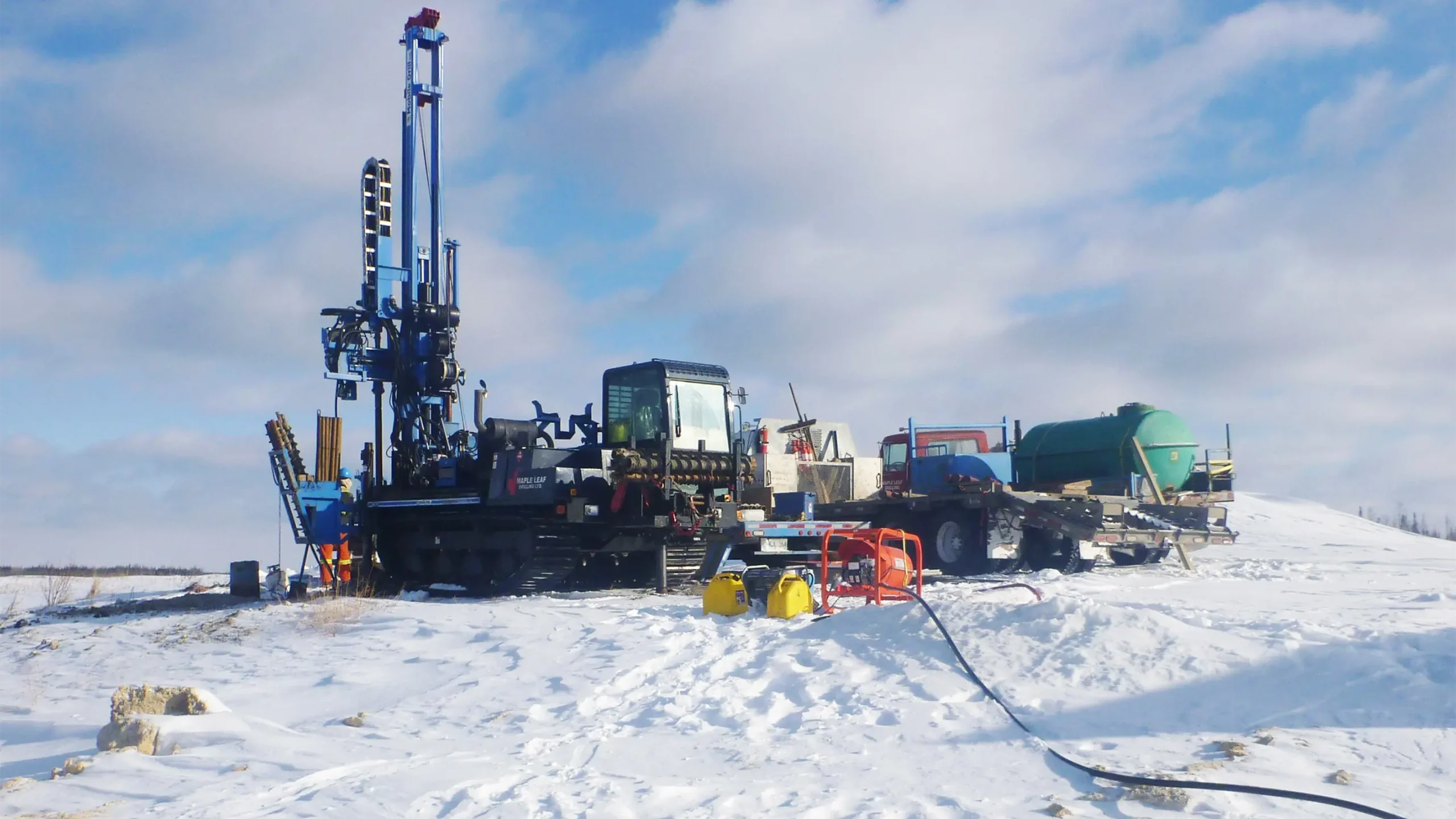
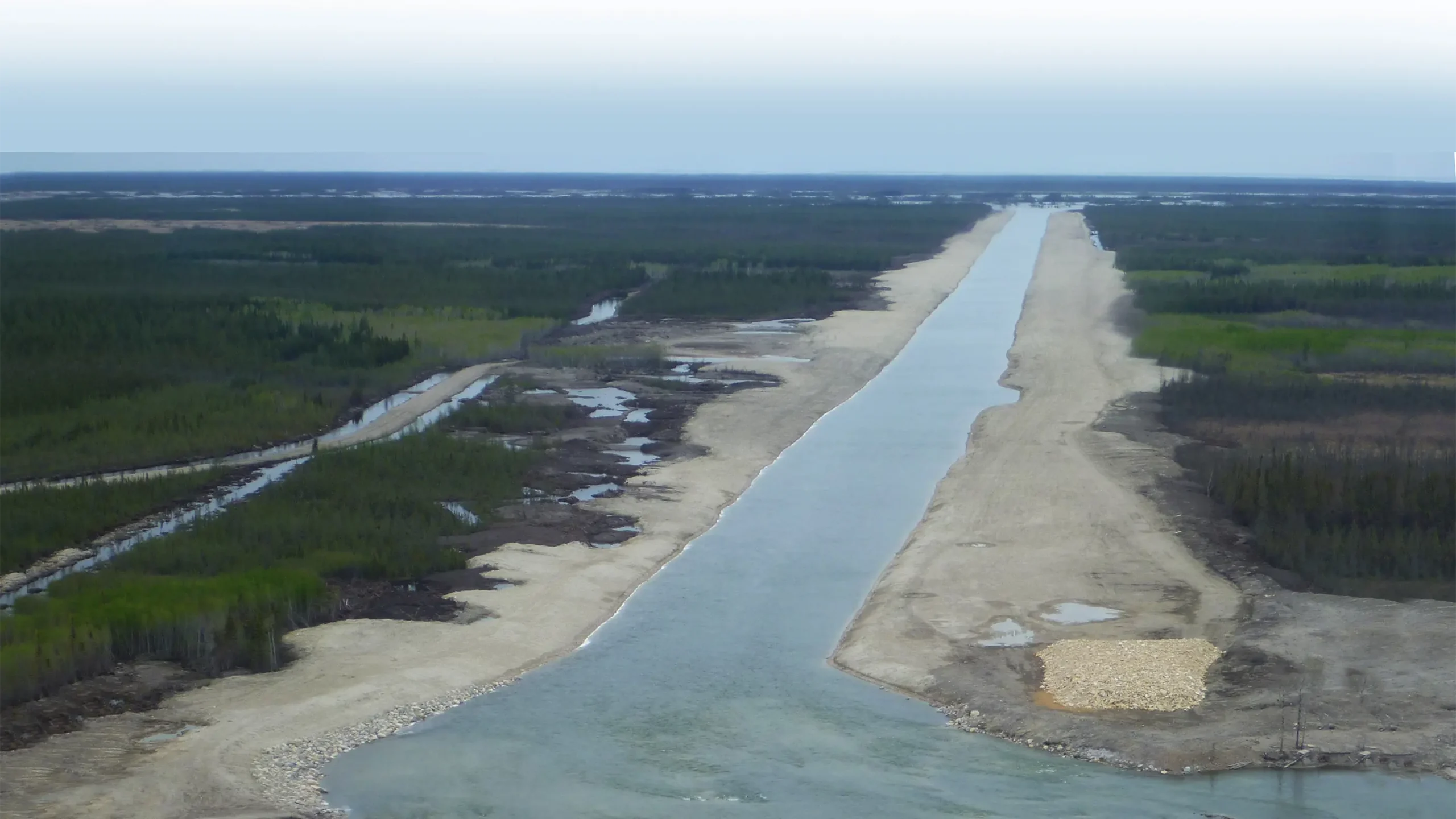
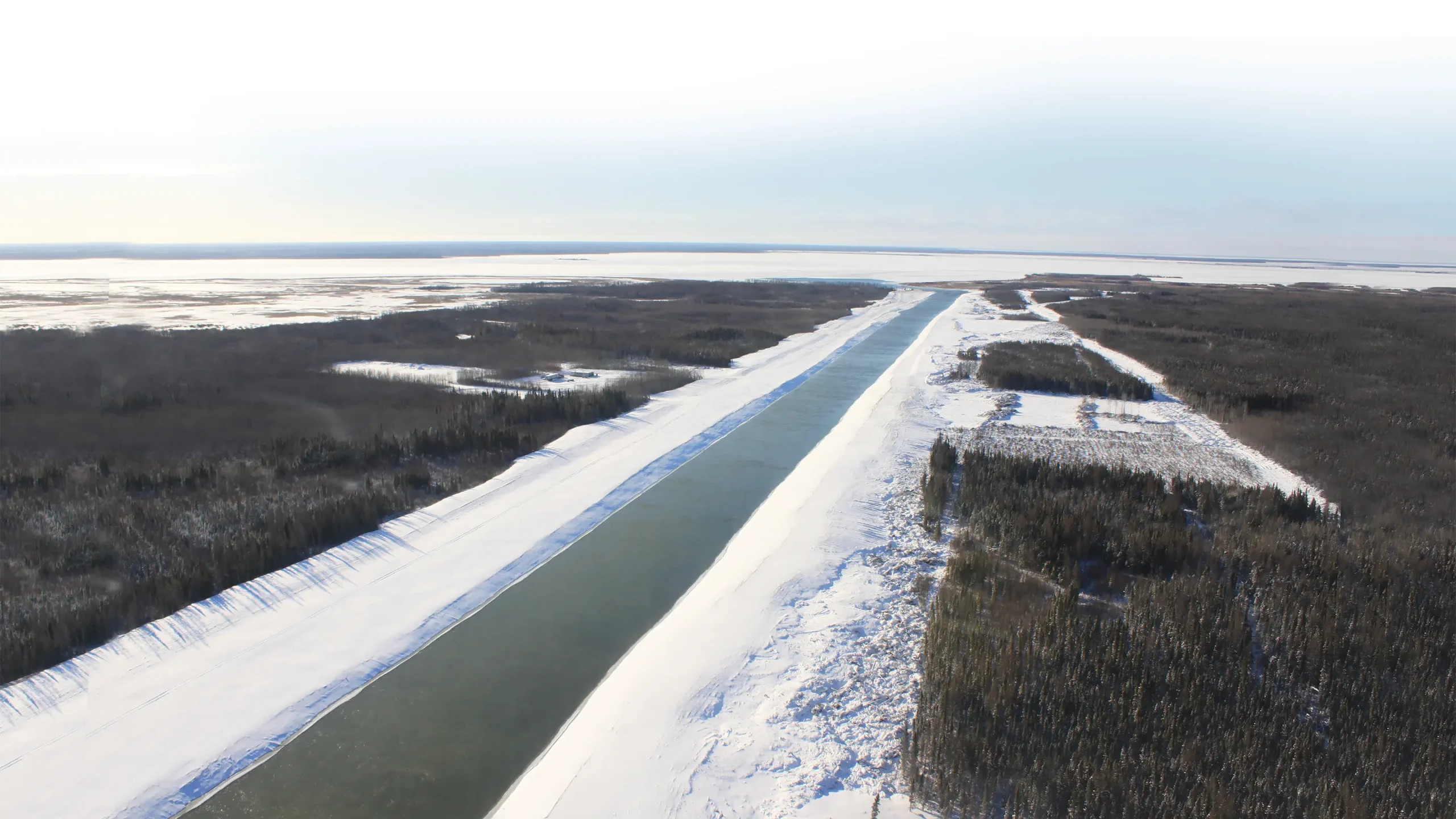
Following severe flooding events in 2011 and 2014, the Province of Manitoba retained KGS Group for the design of the Lake Manitoba and Lake St. Martin Outlet Channels Project. The outlet channels will serve as new, permanent flood control infrastructure for both lakes.
Completed under tight schedule restrictions, the conceptual design work involved:
- Remote field investigations
- Extensive review and analysis of the various channel configurations
- Preparation of concept designs, cost estimates and constructability reviews
- Identification, assessment and screening of potential environmental and socio-economic impacts
The diverse range of design components and unique site conditions resulted in a challenging engineering undertaking that was successfully managed by the multidisciplinary team of experienced engineers, GIS technicians and support staff assembled by KGS Group.
KGS Group subsequently completed the preliminary, final design and tender preparation for the outlet channel from Lake St. Martin to Lake Winnipeg. The project includes roughly 23 km of channel excavation, multiple drop structures, and construction of a water control structure near the channel inlet complete with gates, hoists, bridge deck and ancillary buildings. The total estimated budget for this portion of the project is over $300 million. The construction phase of the project is pending regulatory approval.
Once constructed, the outlet channels are projected to maintain both lakes below flood stage over 99 per cent of the time. They will provide the ability to better regulate the lakes and reduce the impact of future floods, benefiting residents and businesses in the area.
Project Highlights
- Design for 23 km of channel excavation with defined sections and earthworks quantities
- Design of multiple drop structures sized for hydraulic control and energy dissipation
- Water control structure near the channel inlet for operational regulation
Pointe du Bois Spillway Replacement
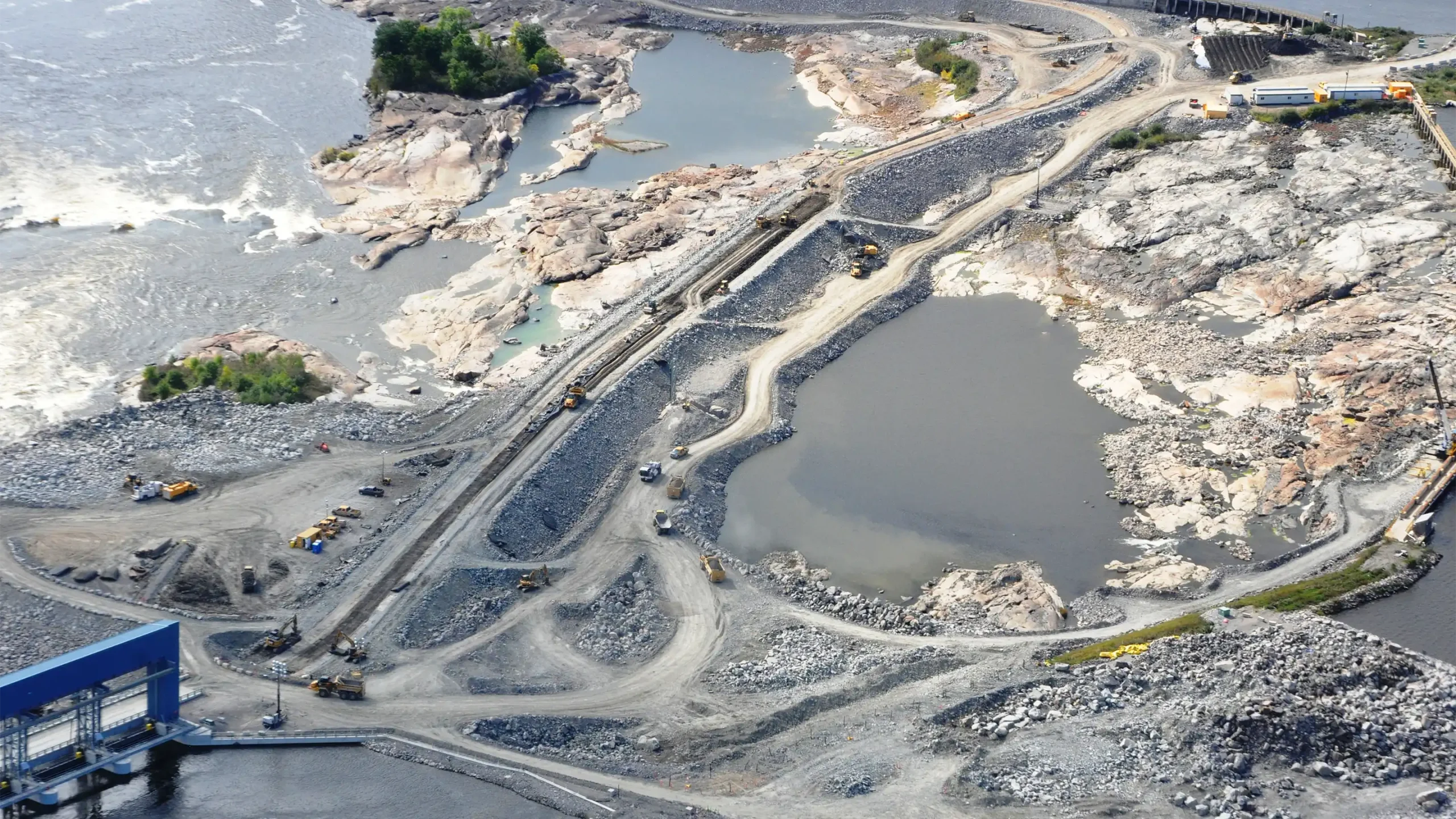
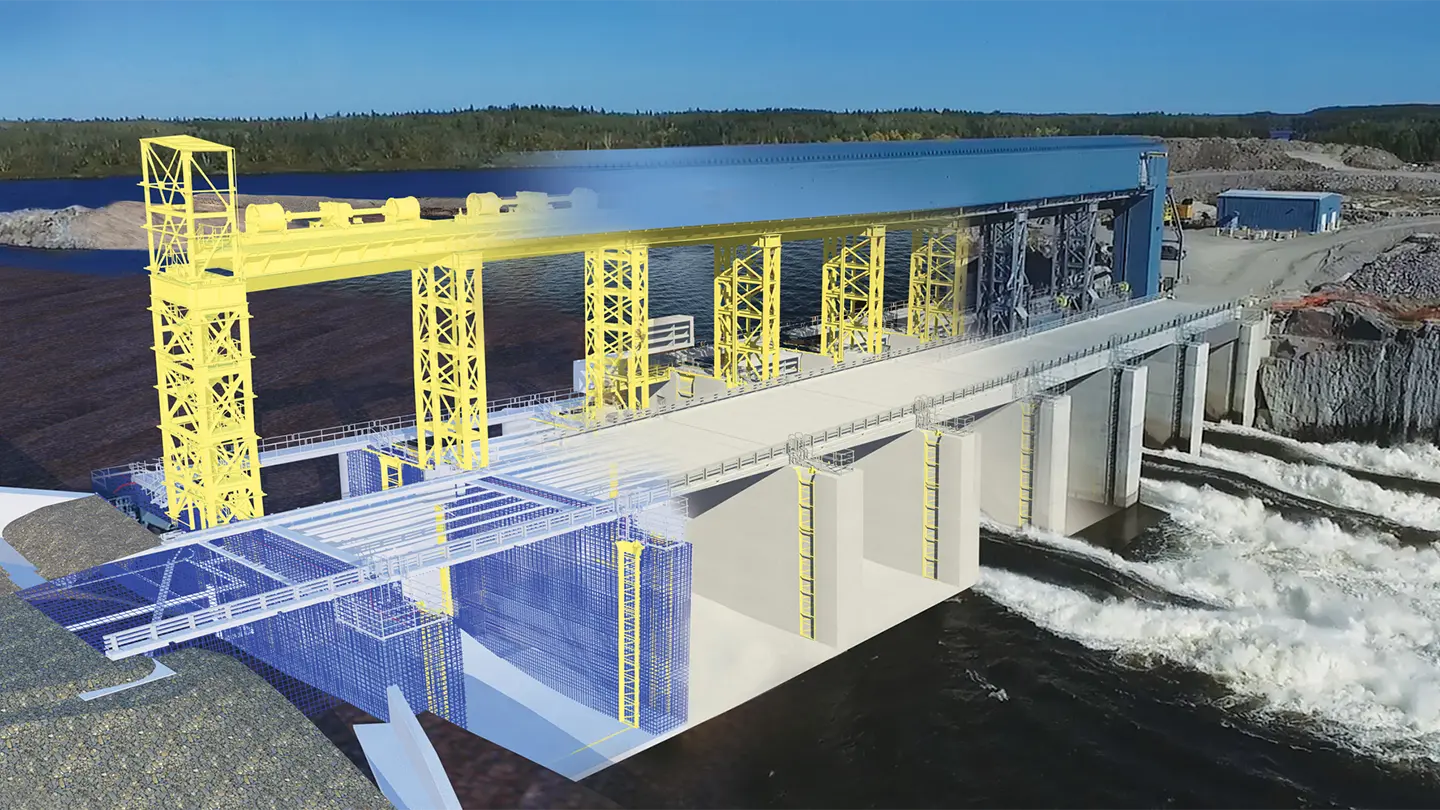
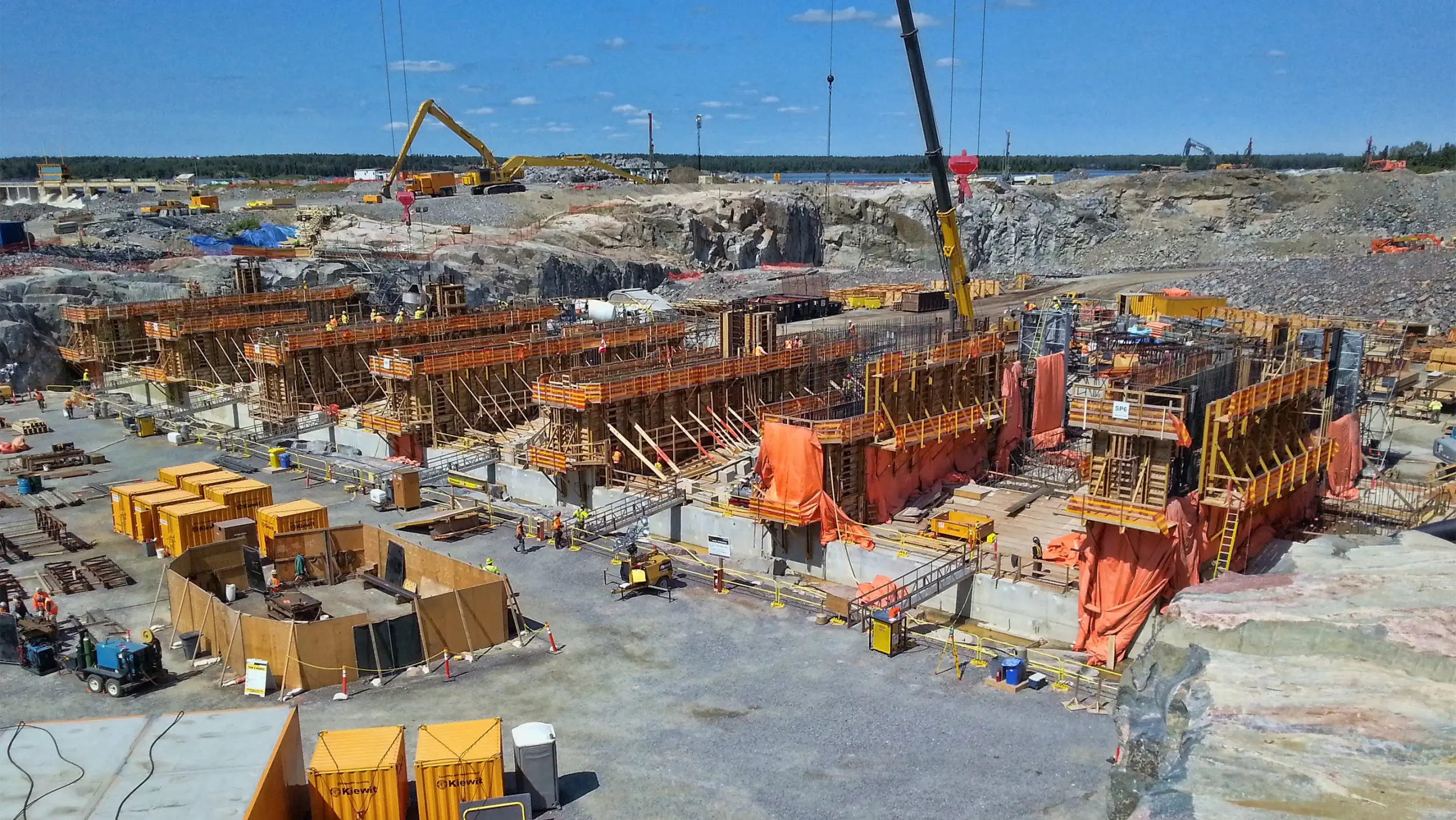
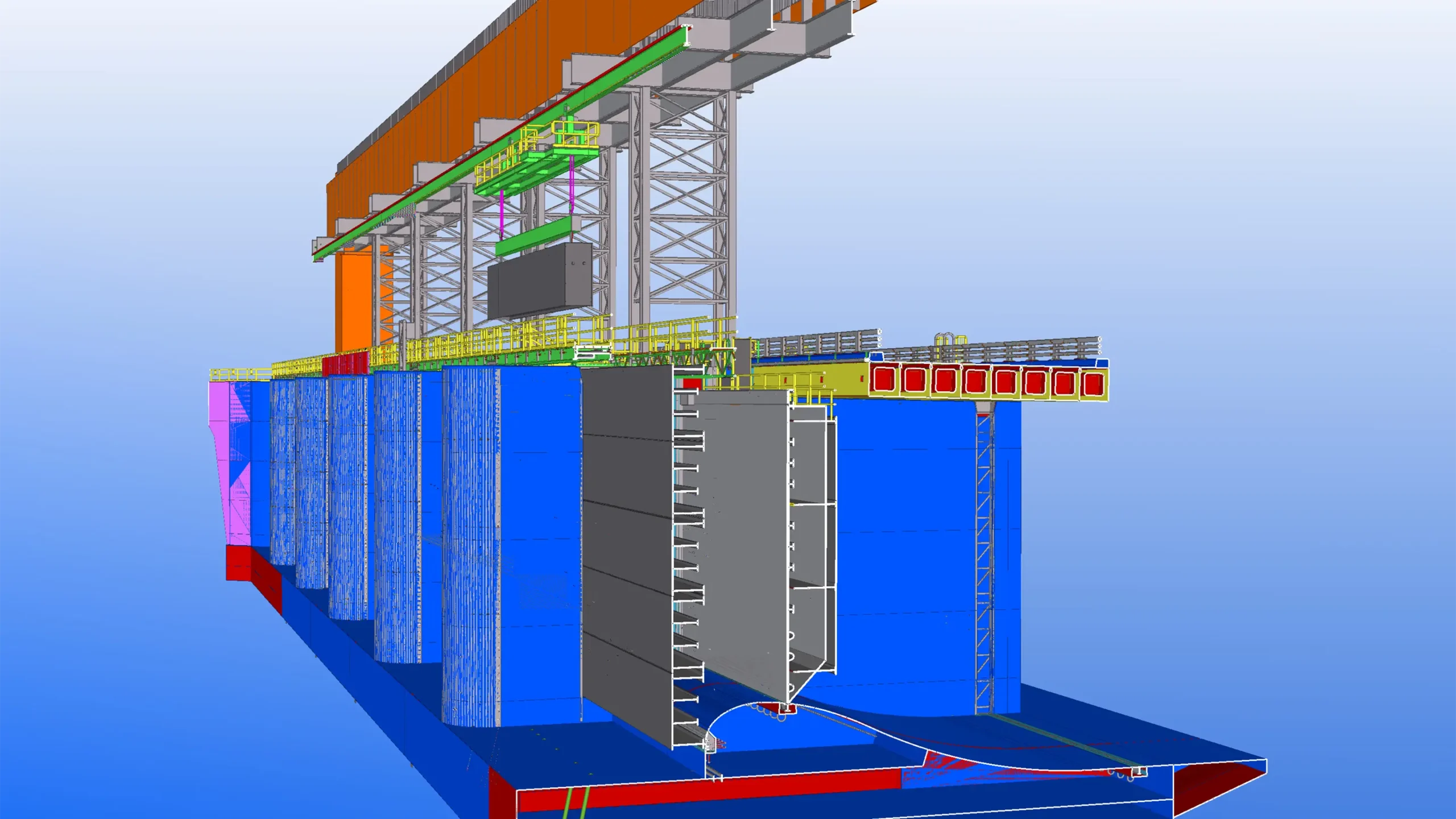
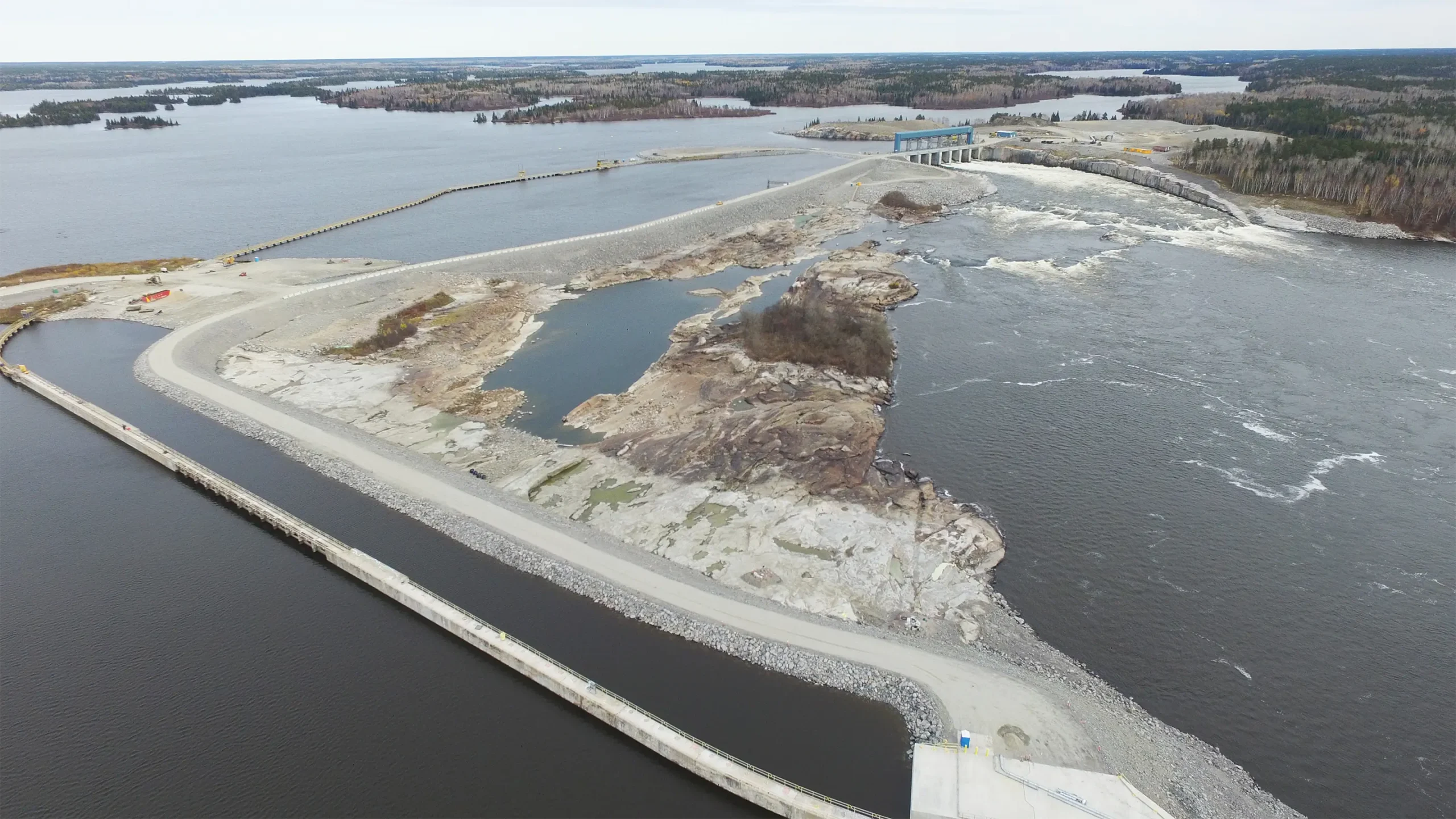
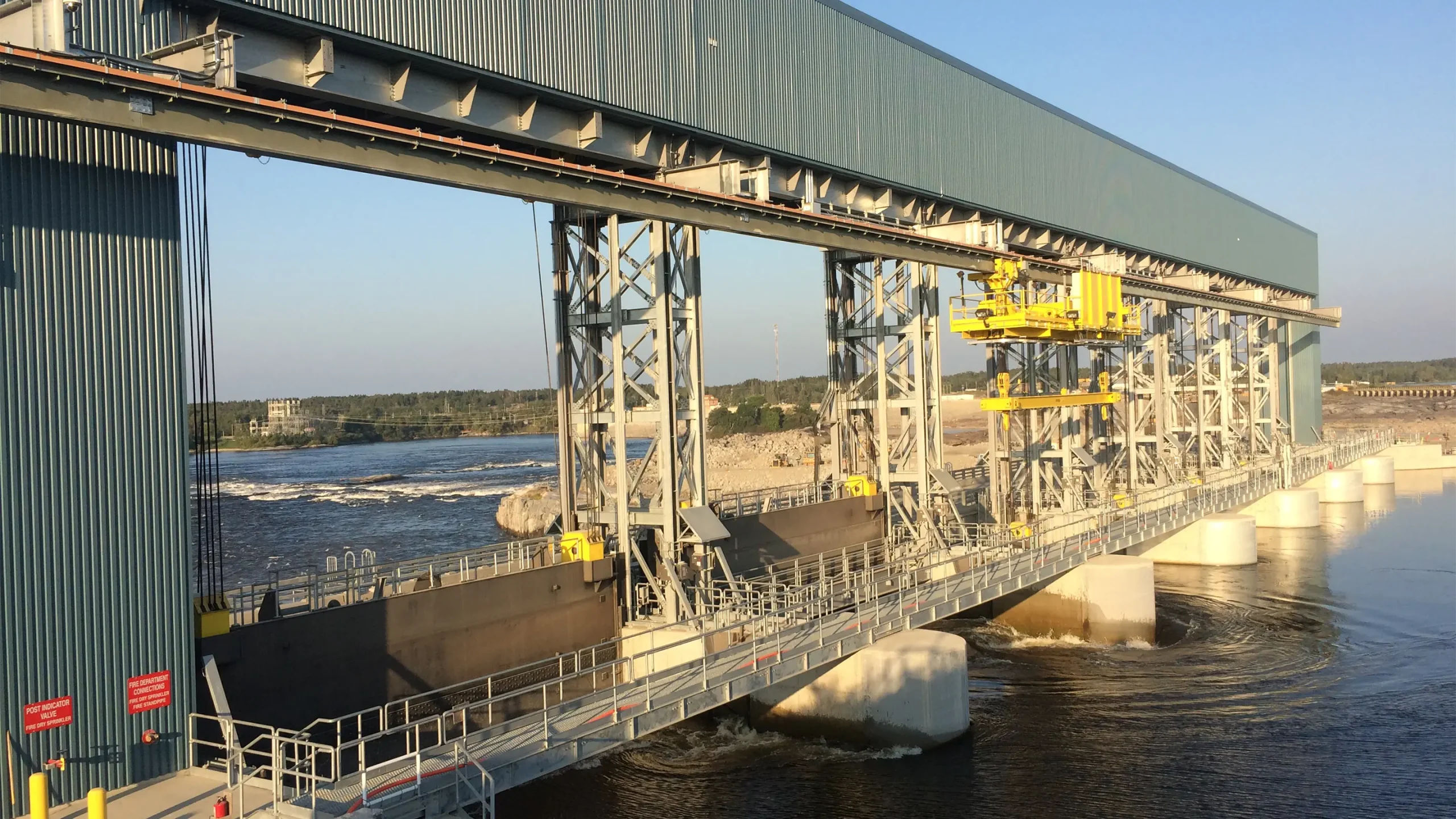
The Pointe du Bois Generating Station is the oldest operating hydroelectric plant in Manitoba. Despite extensive upgrades and ongoing maintenance over the years, the original spillway required replacement. The Pointe du Bois Spillway Replacement project included the design and construction of a new remotely operated 7-bay spillway and a new 1km long zoned earthfill dam, complete with an ancillary support building for electrical switch gear and control systems, a backup diesel generator, and other related infrastructure.
As the prime consultant, KGS Group worked collaboratively with Manitoba Hydro as the designer in an early contractor involvement project delivery process. KGS also provided full-time technical support and quality assurance assistance through construction, commissioning and close-out activities.
The final design was carried out entirely within a 3D digital environment, and was paramount for the successful execution of all stages of the project. This innovative approach gave the team the ability to visualize the end product at the design stage and enabled harmonious advancement of the project across multiple disciplines.
The several hundred-million-dollar project was successfully completed without any interruptions to the ongoing operation of the plant, while protecting and preserving established lake sturgeon habitat and restoring the natural landscape in this environmentally sensitive provincial park setting.
Project Highlights
- New remotely operated seven bay spillway, support building and backup diesel generator
- New 1km long zoned earthfill embankment dam
- 3D digital design environment
- The several hundred‑million‑dollar capital program was completed without operational interruptions
- Enhanced safety and control, extended asset life and a more reliable discharge capacity
- Lake sturgeon habitat protected and the landscape in the provincial park was restored
Seine Riverbank Stabilization at the Branch 1 Aqueduct
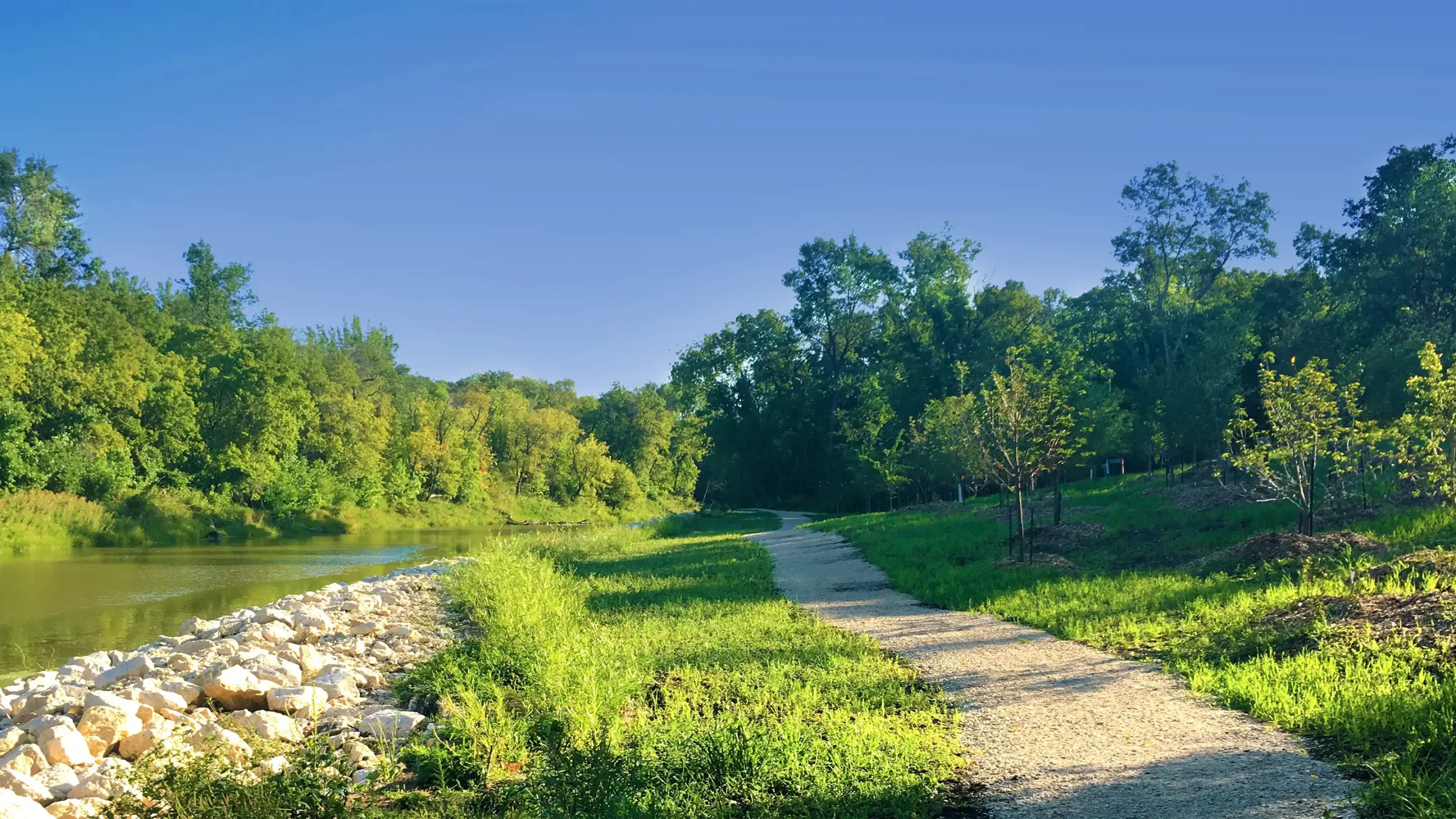
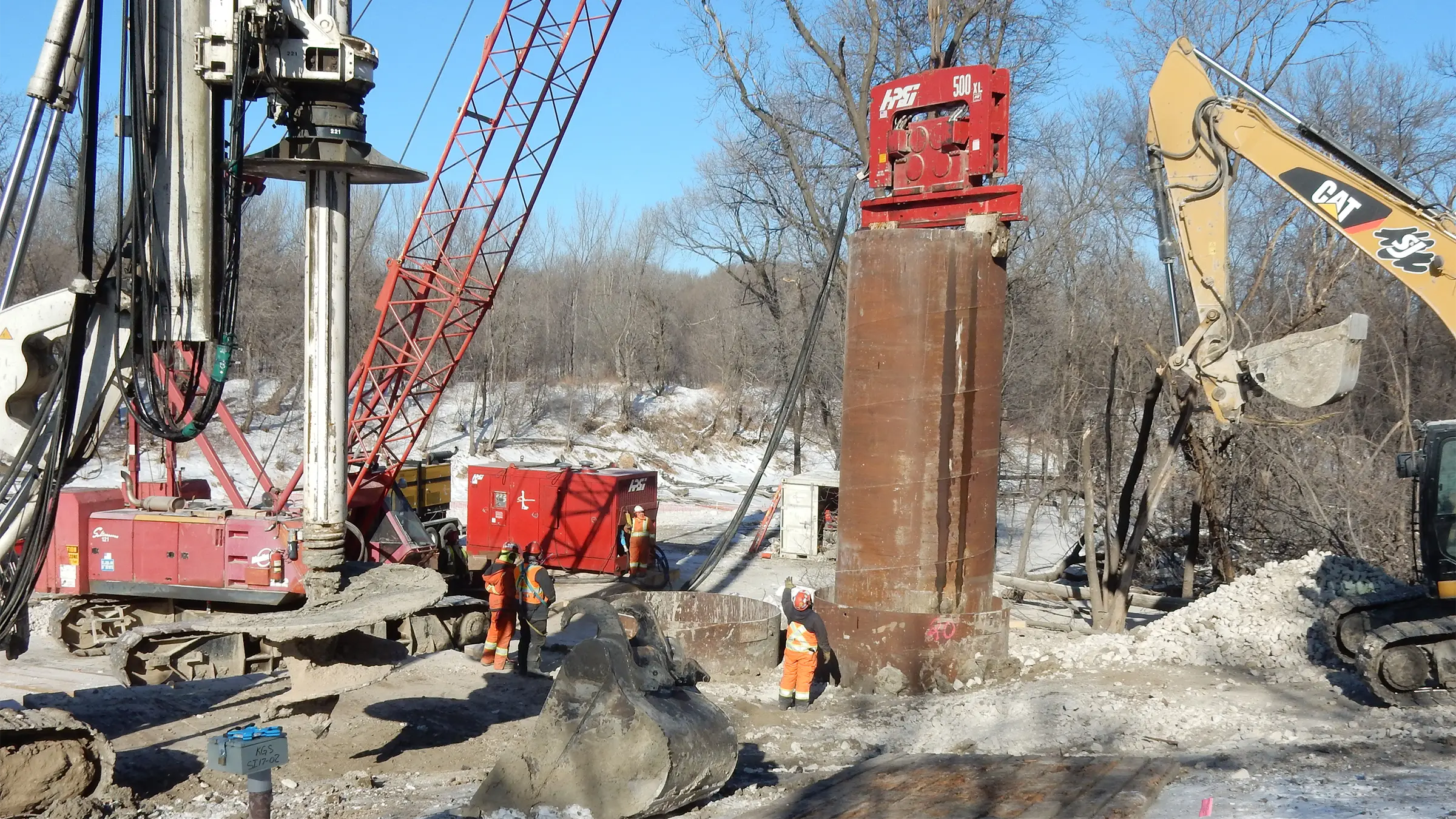
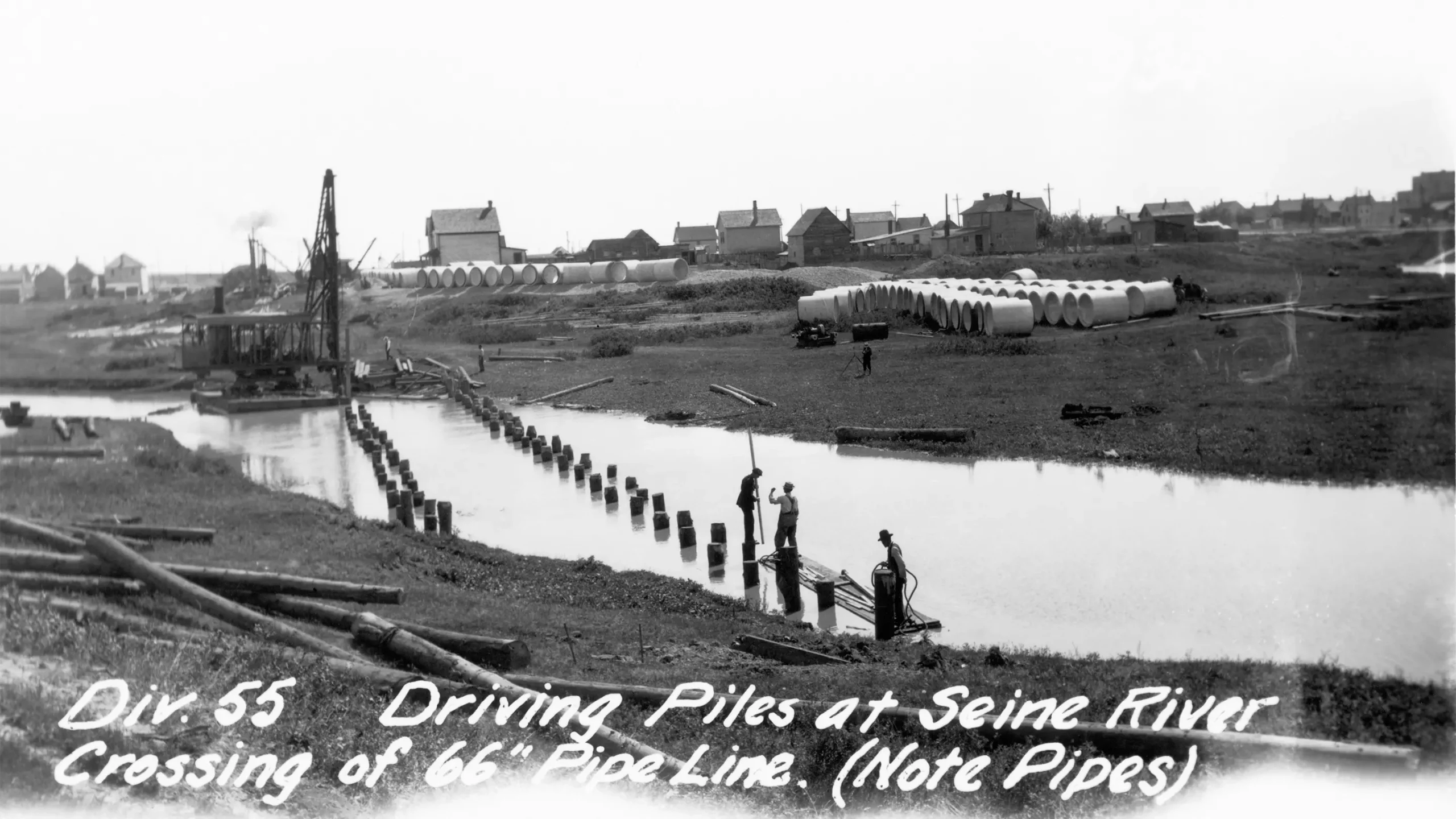
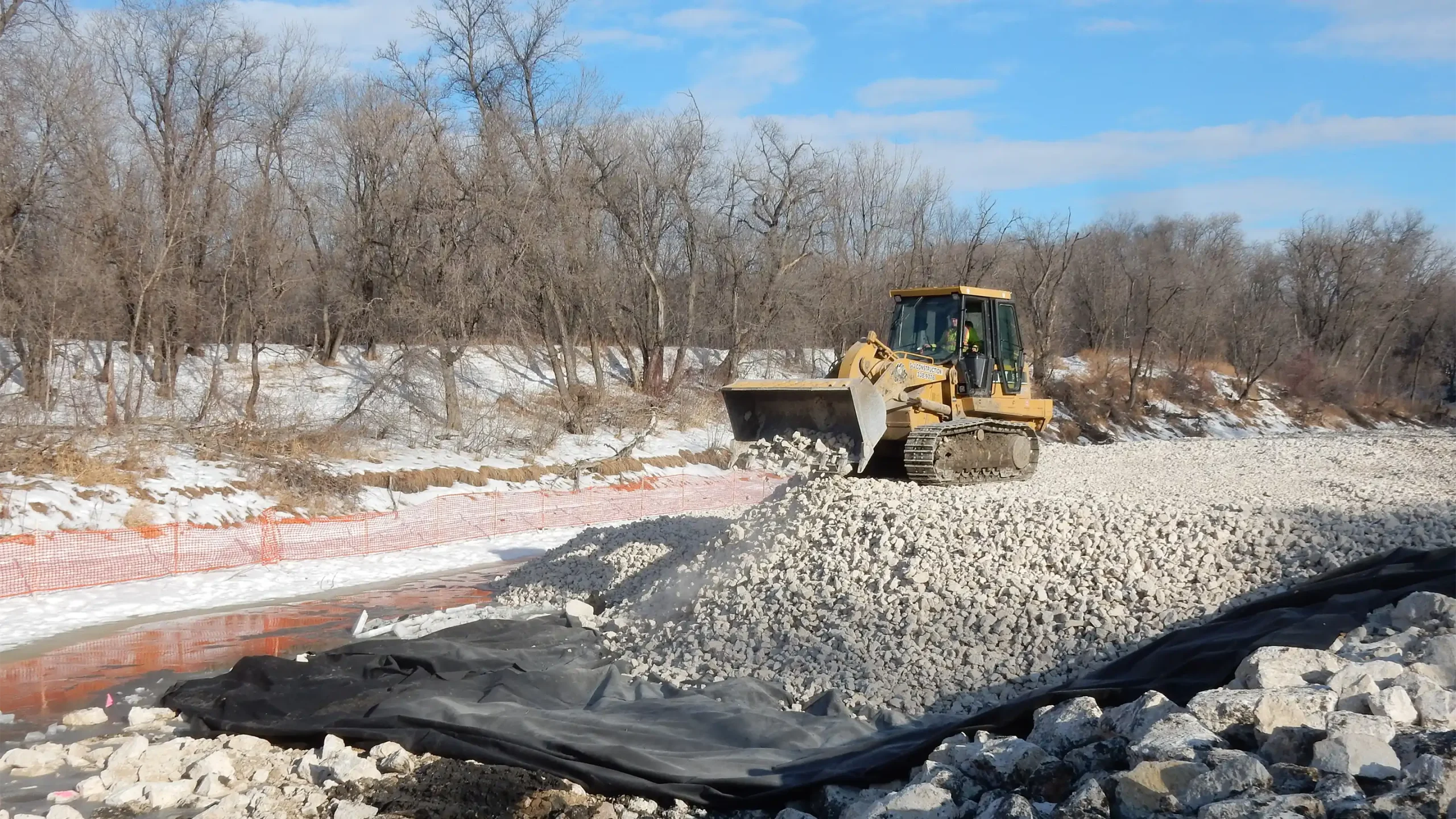
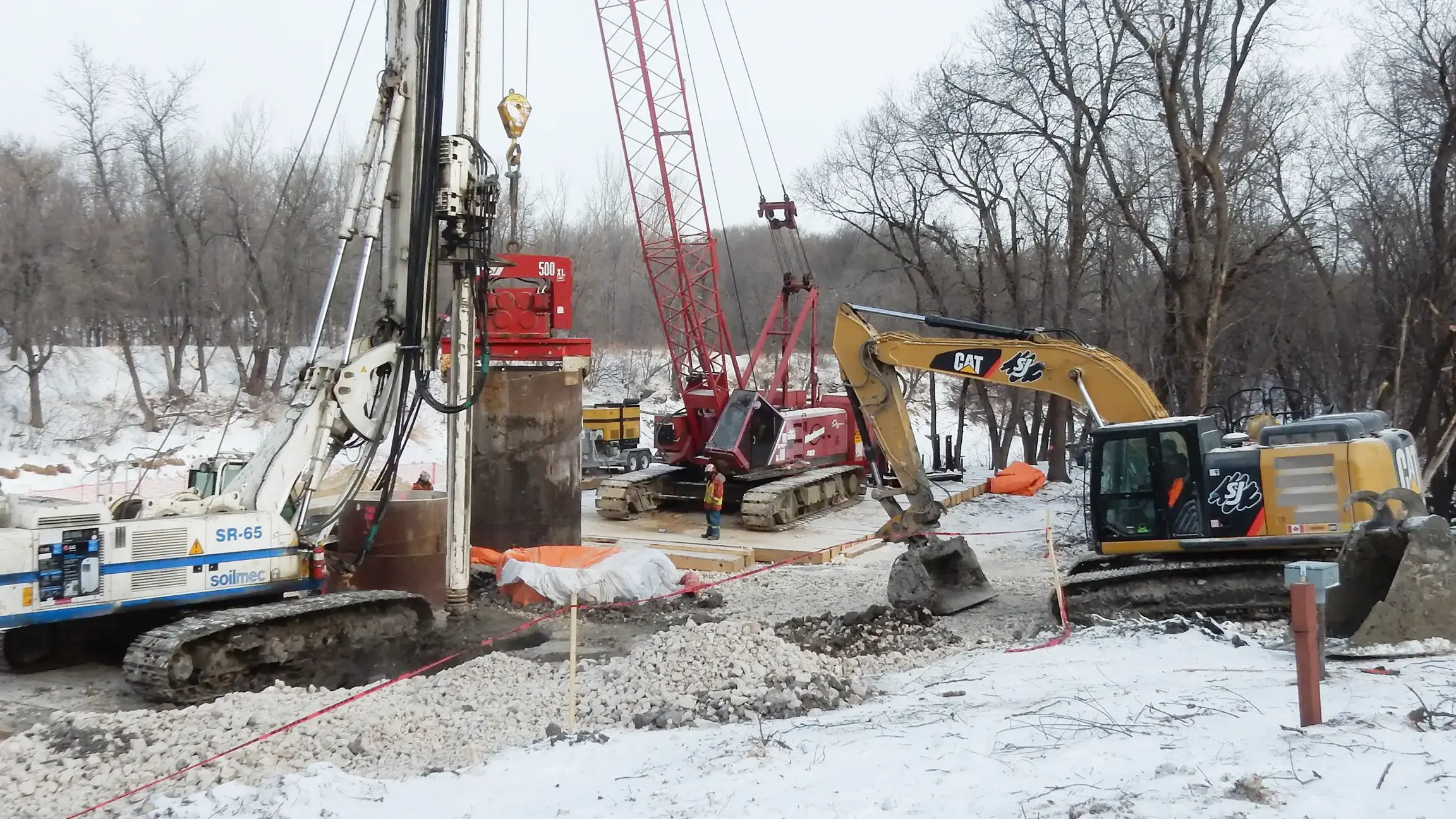
Riverbank movements near the Seine River crossing threatened the City of Winnipeg’s 100‑year‑old Branch 1 Aqueduct, which carries 40% of the city’s drinking water. KGS Group helped stabilize the riverbank while keeping the aqueduct in service throughout construction, protecting a critical supply and reducing risk to the community.
Our team applied an extensive design evaluation process, a full-scale field-testing program, a ground-breaking instrumentation monitoring program and a highly prescriptive construction methodology to manage risk at each stage of construction.
This approach required more intensive engineering but reduced the construction timeline by one full year and resulted in significant project cost savings. After the stabilization work was completed, a complete revegetation project ensued, ensuring the area was ready for community use for years to come.
Project Highlights
- Planning, design, geotechnical evaluation, construction oversight, monitoring and stakeholder coordination
- Advanced instrumentation program and prescriptive construction sequencing
- Project timeline was completed one year ahead of schedule, leading to significant cost savings
- The site was restored and revegetated, improving the public realm and long‑term resilience