

Rainy River Water Treatment Study and Systems Upgrade
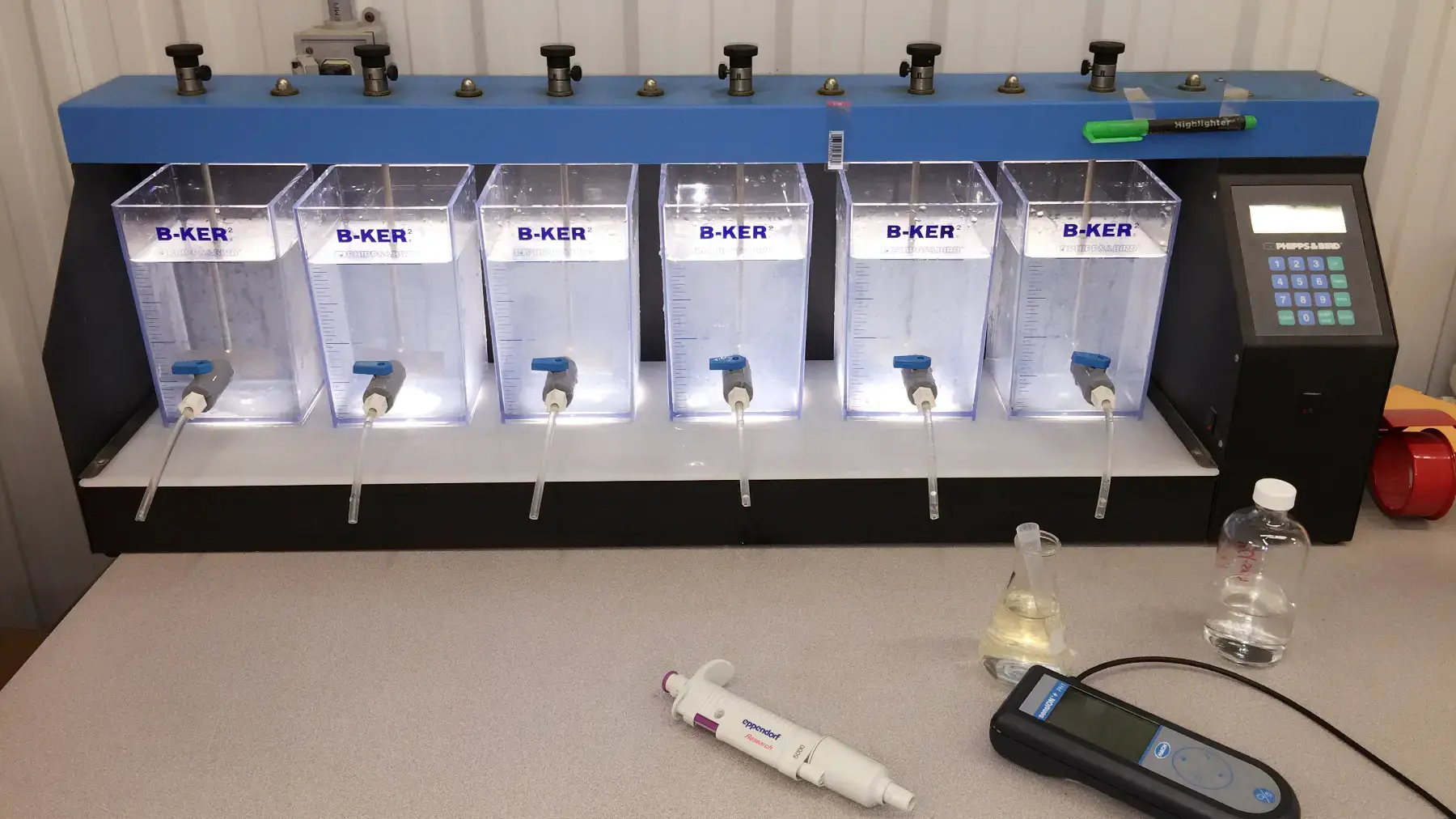
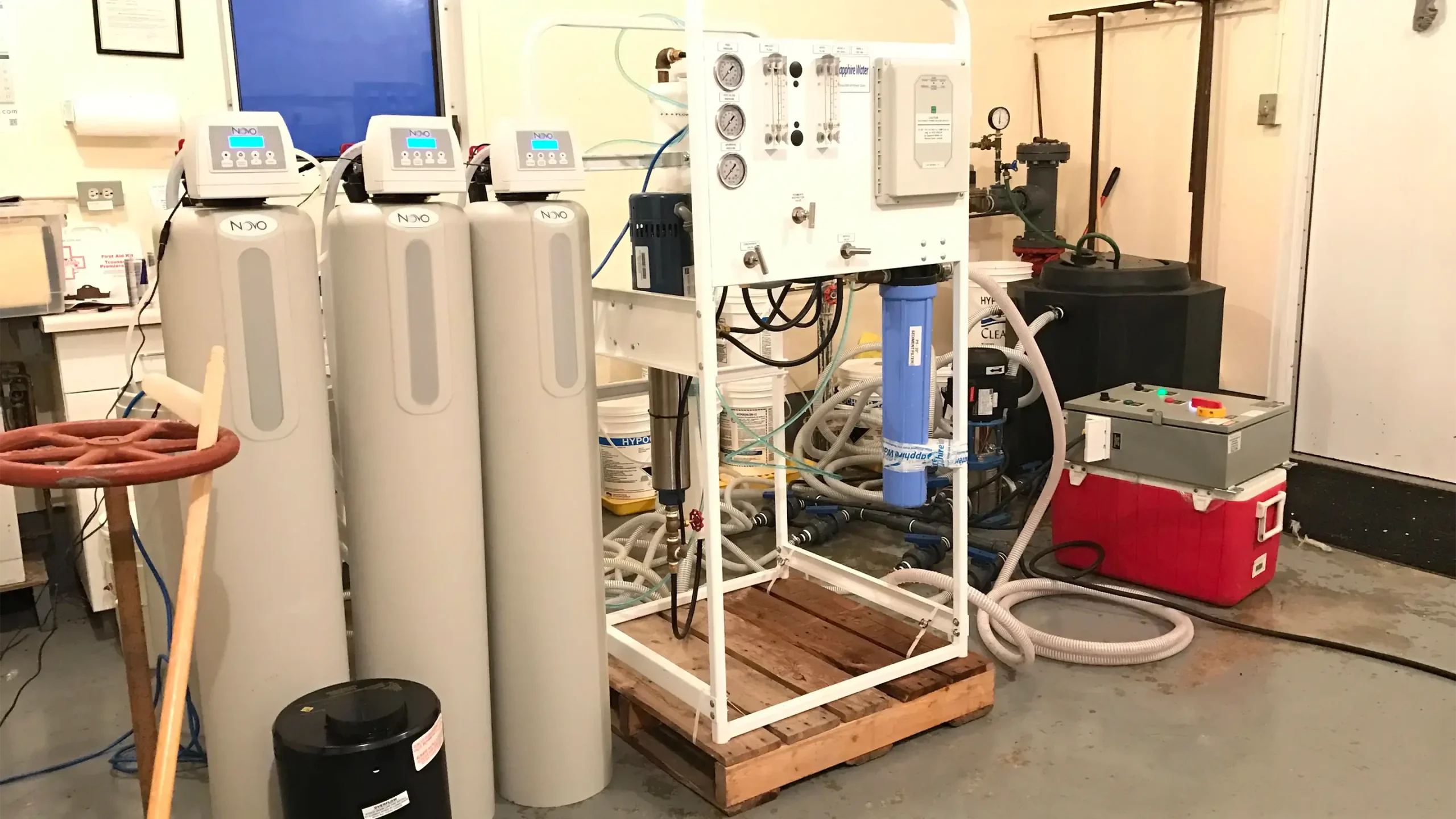
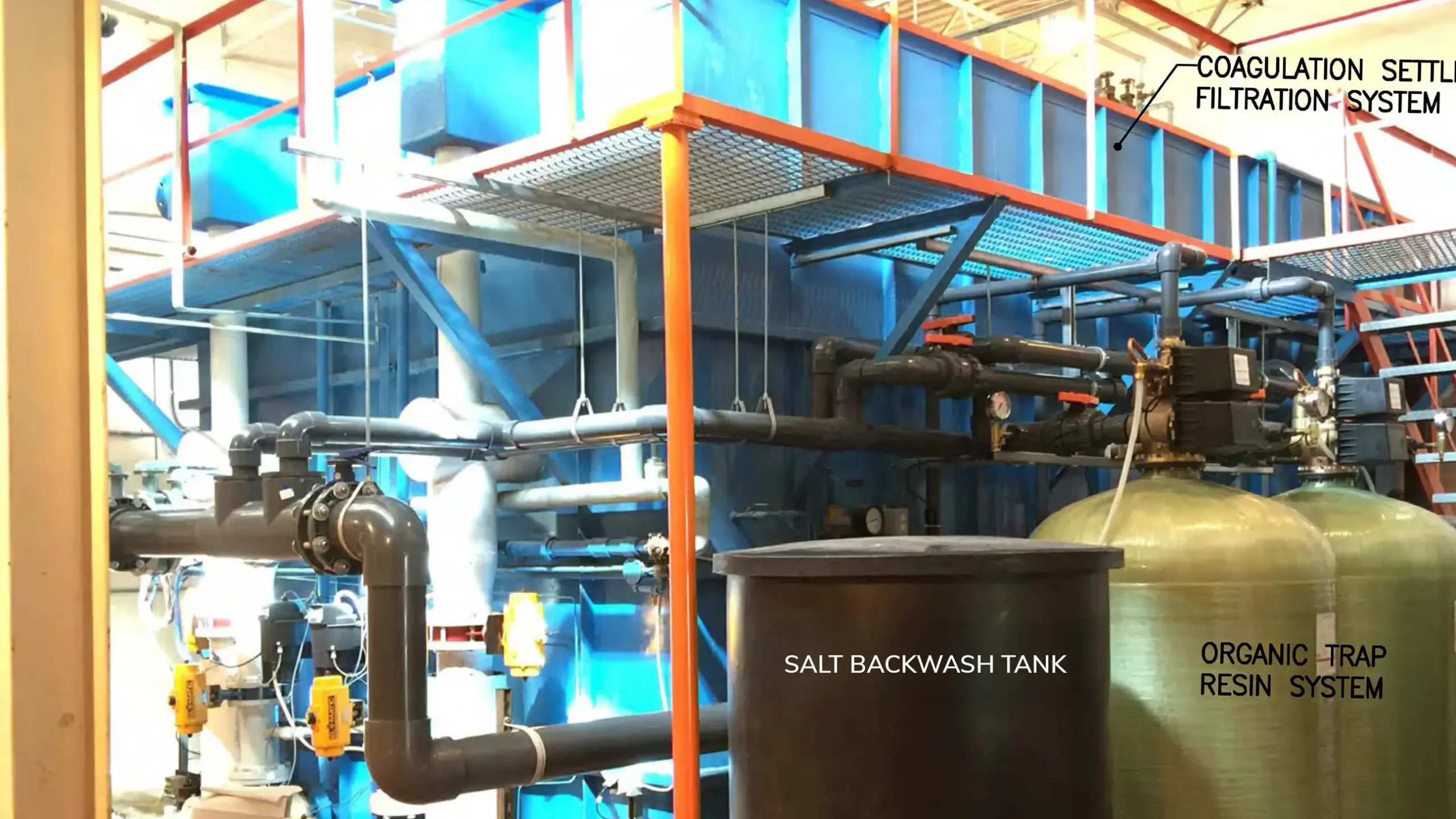
Facing a public health risk from elevated carcinogen levels in its drinking water, the Town of Rainy River needed a practical solution that fit within their existing plant footprint to remedy the situation. KGS Group, in collaboration with the University of Manitoba, conducted detailed pilot studies comparing ion exchange and nanofiltration to determine the most effective, operationally feasible way to reduce carcinogen levels in the drinking water.
Ion exchange was selected because it avoided costly building expansion and offered simpler operations and maintenance for the Town. We then provided engineering services for the design, construction and commissioning of the new ion exchange treatment system, integrating it with the plant’s existing processes and controls.
The upgraded system exceeded Health Canada’s Guideline for Canadian Drinking Water Quality for carcinogens and reduced chlorine consumption by 40%. The project addressed a serious health concern while optimizing use of Rainy River’s existing assets. The Town also received a commendation from the Ontario Ministry of the Environment and Climate Change in recognition of the project’s success.
Project Highlights
- Designed the new ion exchange system and integrated it with existing plant processes
- Reduced chlorine consumption levels by 40%
- New system exceeds Health Canada’s Guideline for Canadian Drinking Water Quality
Brandon Third Street Dam Replacement
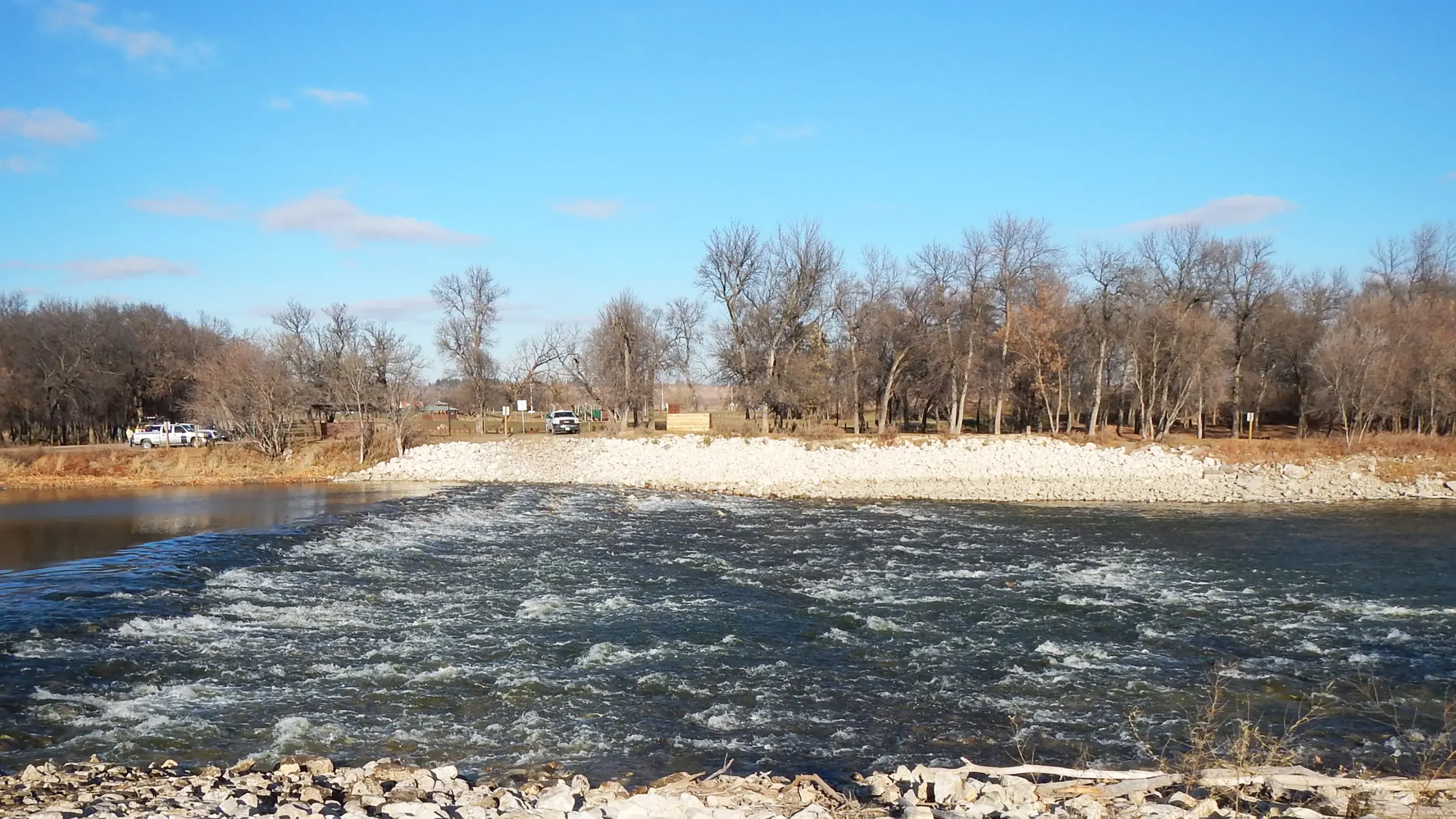
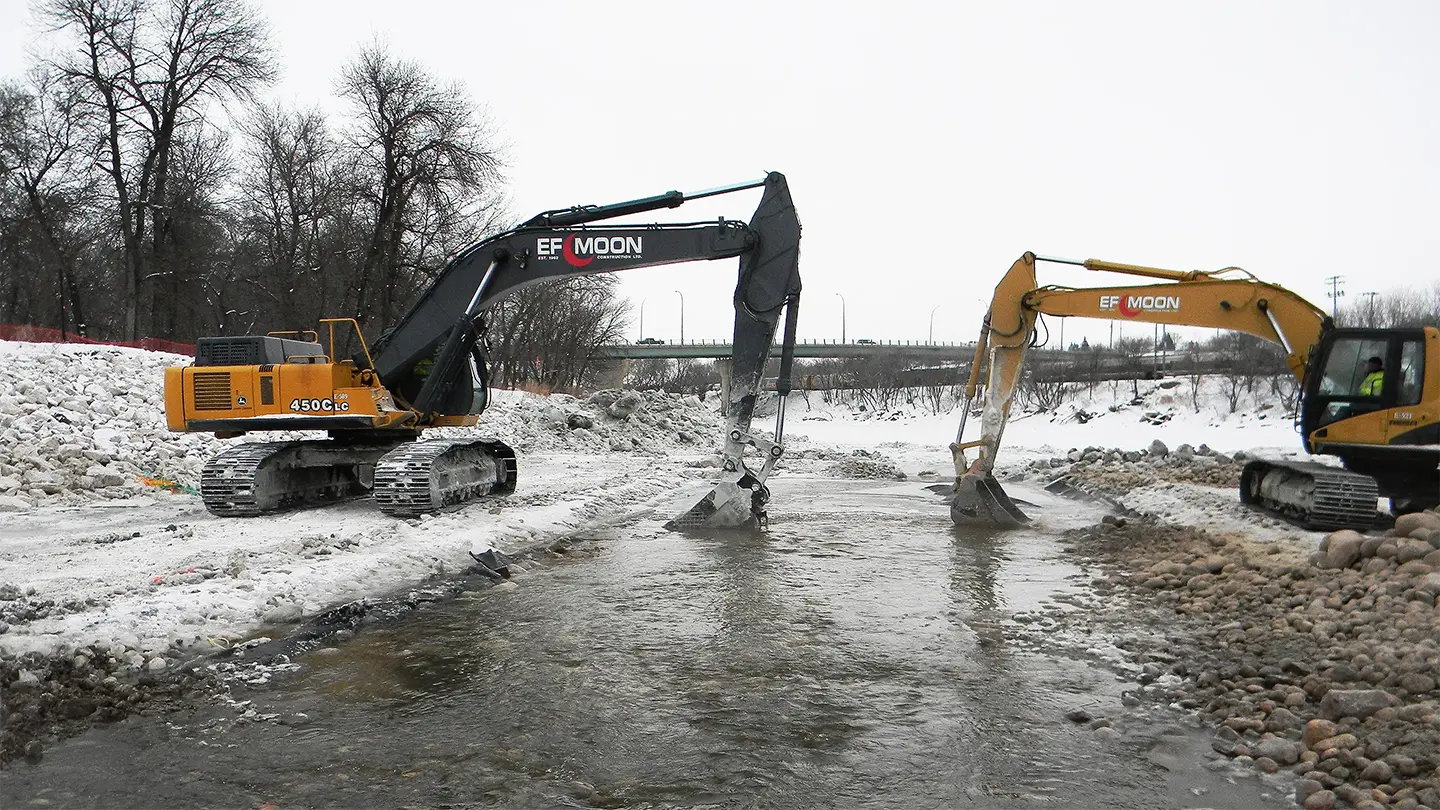
For more than 70 years, the Third Street Dam on the Assiniboine River supported the City of Brandon’s drinking water supply and provided social, environmental and commercial benefits. When the dam was irreparably damaged, KGS Group moved quickly to design temporary emergency measures that limited further habitat impacts and preserved Brandon’s water supply.
We then developed a functional, cost-effective, permanent solution that also removes a 70-year-old barrier to fish passage. The new overflow rockfill weir, with a low flow rock ramp fishway, preserves Brandon’s water supply, restores fish passage, adds spawning habitat, and improves the safety and aesthetics of the river adjacent to Dinsdale Park.
Working with the City of Brandon and regulators, the team demonstrated how preserving vital infrastructure can go hand‑in‑hand with prioritizing and enhancing the environment.
Project Highlights
- Designed and implemented temporary emergency measures to stabilize the river and maintain municipal water supply during dam failure
- Constructed an overflow rockfill weir to replace the damaged dam and secure long‑term water levels for intake reliability
- Constructed a low‑flow rock ramp fishway to restore year‑round fish passage and remove a 70‑year barrier
- Integrated spawning habitat through rock ramp geometry and material gradation, enhancing local fisheries
Town of Ogema Water Treatment Plant
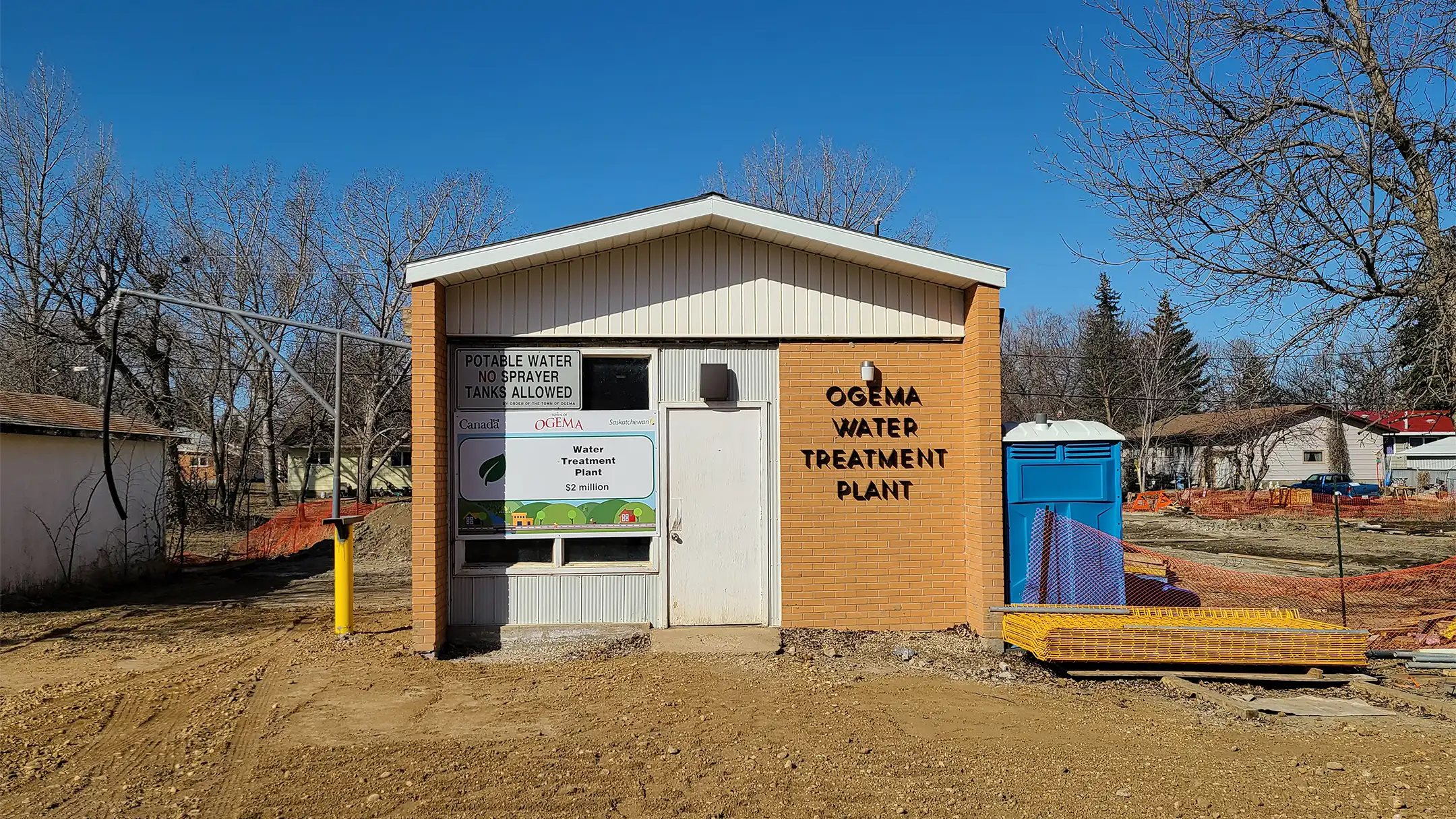

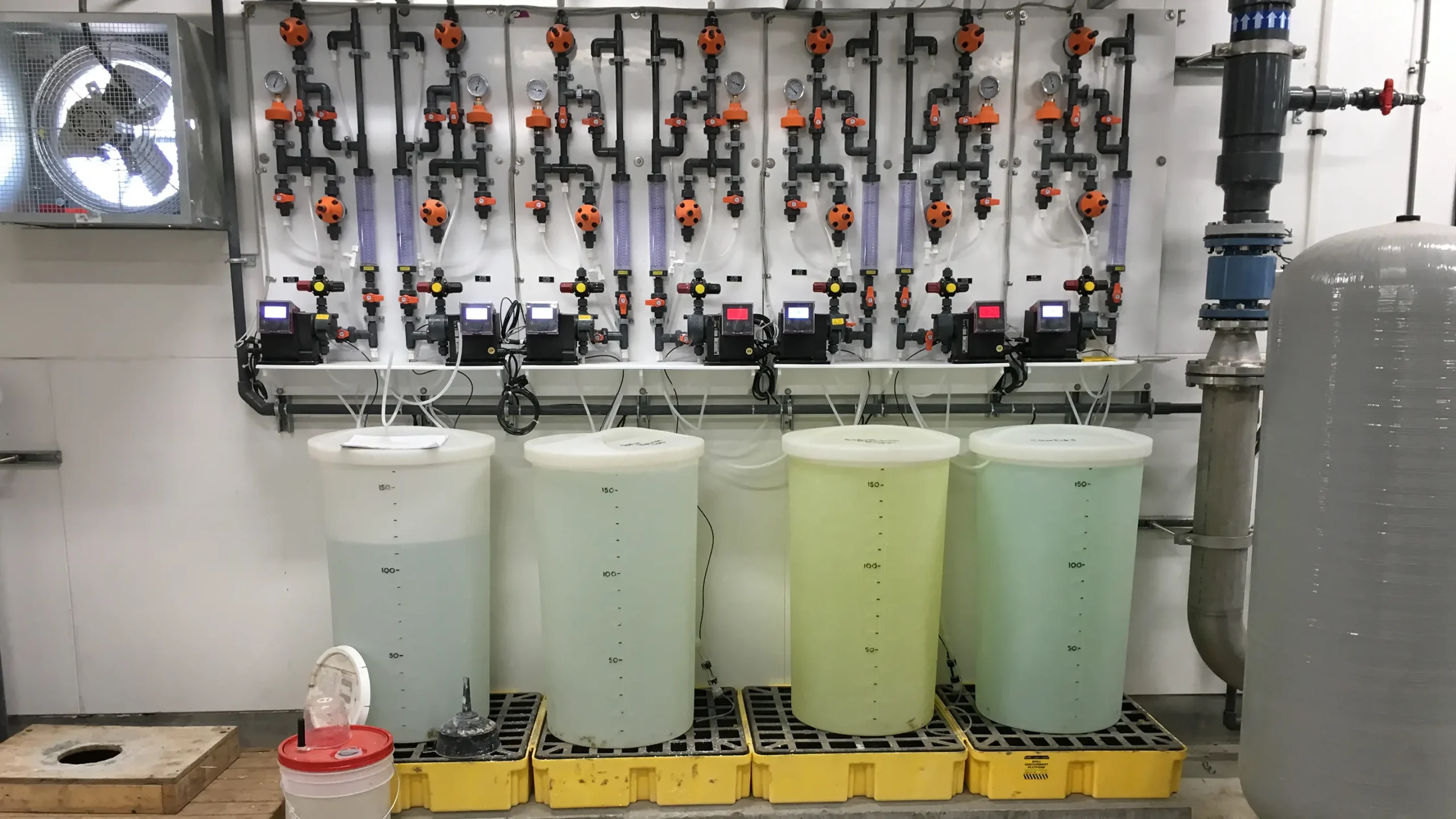
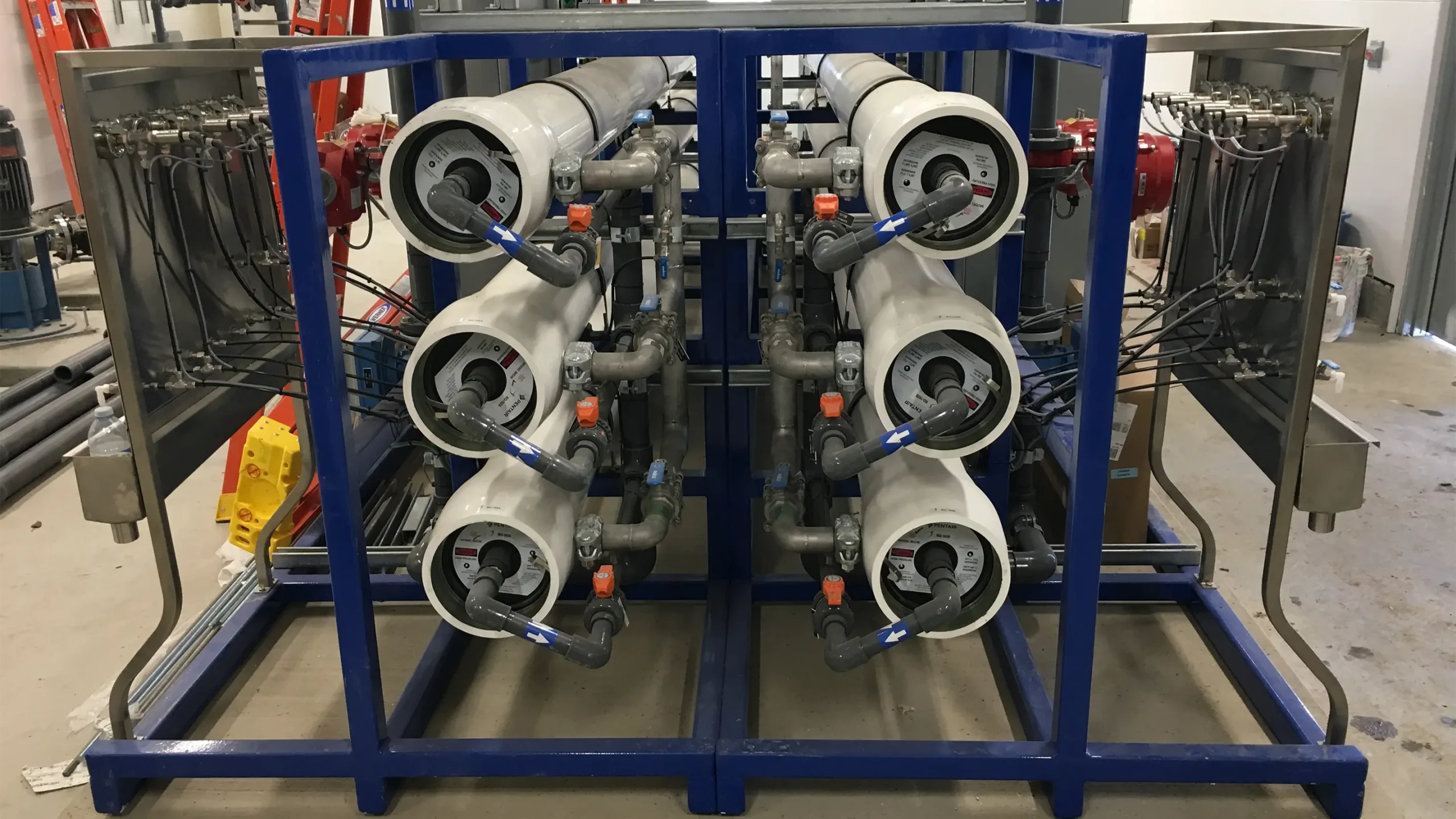
To address persistent water quality issues in the Town of Ogema, KGS Group designed a new treatment solution to improve taste and reduce dissolved minerals. The existing greensand filters had been relatively successful in removing high iron and manganese, but were not capable of removing elevated alkalinity, sulfates, hardness and total dissolved solids from the groundwater supply drawn from two nearby wells.
To increase the palatability of the finished water, KGS Group was retained to provide detailed design services for a brand-new water treatment plant using reverse osmosis membranes. A pilot study was first conducted to determine if direct feeding the reverse osmosis membranes from the wells would be an acceptable long-term solution. With great success from the study, the final design for direct feed membranes was completed in early 2019. The work also included design and construction of a new below-grade concrete reservoir, building and vertical turbine distribution pumps.
The new plant was commissioned in early 2020 and has received significant praise from the town for exceptional water quality.
Project Highlights
- Conducted a pilot study to determine the best long-term solution
- Provide detailed design services for a brand-new water treatment plant using reverse osmosis membranes
- Design and construction of a new below-grade concrete reservoir
Moose Jaw Refinery Debottleneck Project
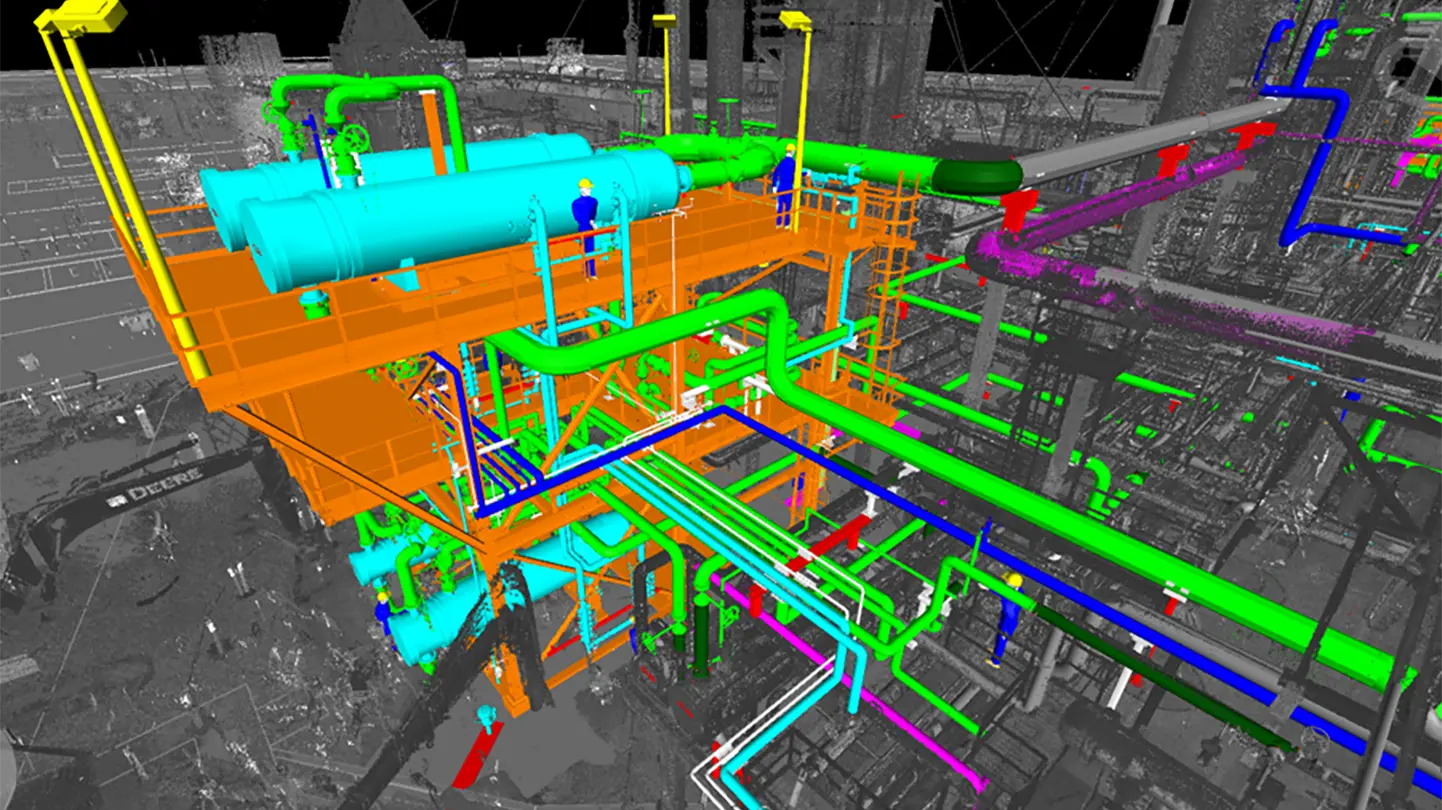
Gibson Energy’s heavy crude oil processing facility in Moose Jaw, Saskatchewan, refines products such as asphalt. KGS Group was tasked with front end engineering design (FEED), detailed design, procurement, contract administration and construction support to expand and increase the facility’s capacity. The work was executed while the plant remained in operation, requiring careful sequencing, safety planning and coordination.
KGS used simulation modelling and 3D models to visualize designs and anticipate potential conflicts, ensuring a smoother implementation. With construction taking place while the facility was in operation, the team overcame logistical challenges, complex safety considerations and an aging facility to complete the project in June 2019, on time and within budget.
Ultimately, the expansion increased throughput capacity by approximately 30% – from 17,000 barrels per day to 22,000 barrels per day – with no increase in GHG emissions. This reduces the facility’s emissions per barrel of oil processed by approximately 20-25%.
Project Highlights
- Performed the front end engineering design, detailed design, procurement, contract administration and construction support to increase the facility’s capacity
- Work was completed while the plant remained operational
- Simulation modelling was used to visual designs and anticipate conflicts to resolve them before implementation
MobilGrain Delisle Seed Cleaning Plant
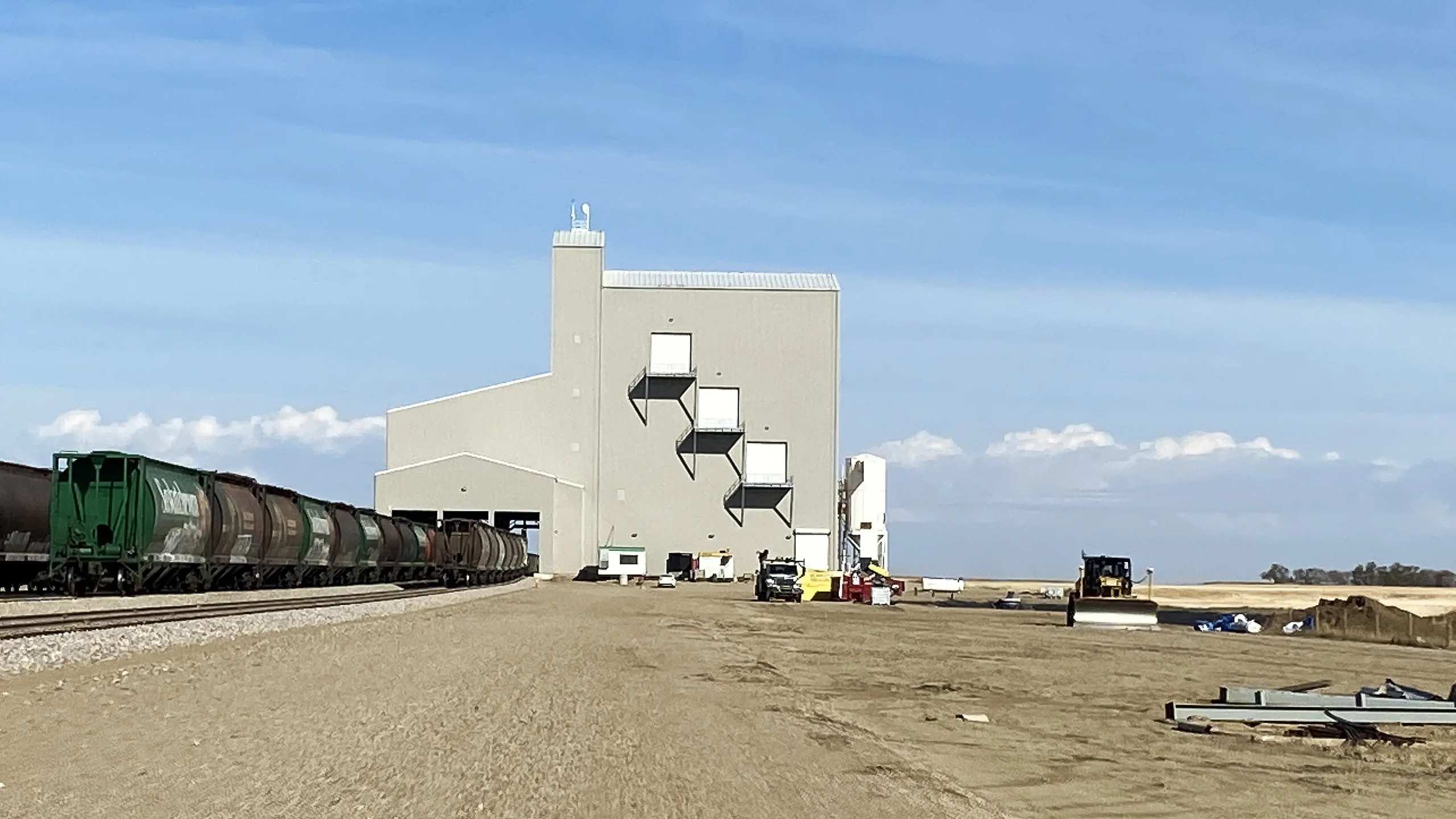

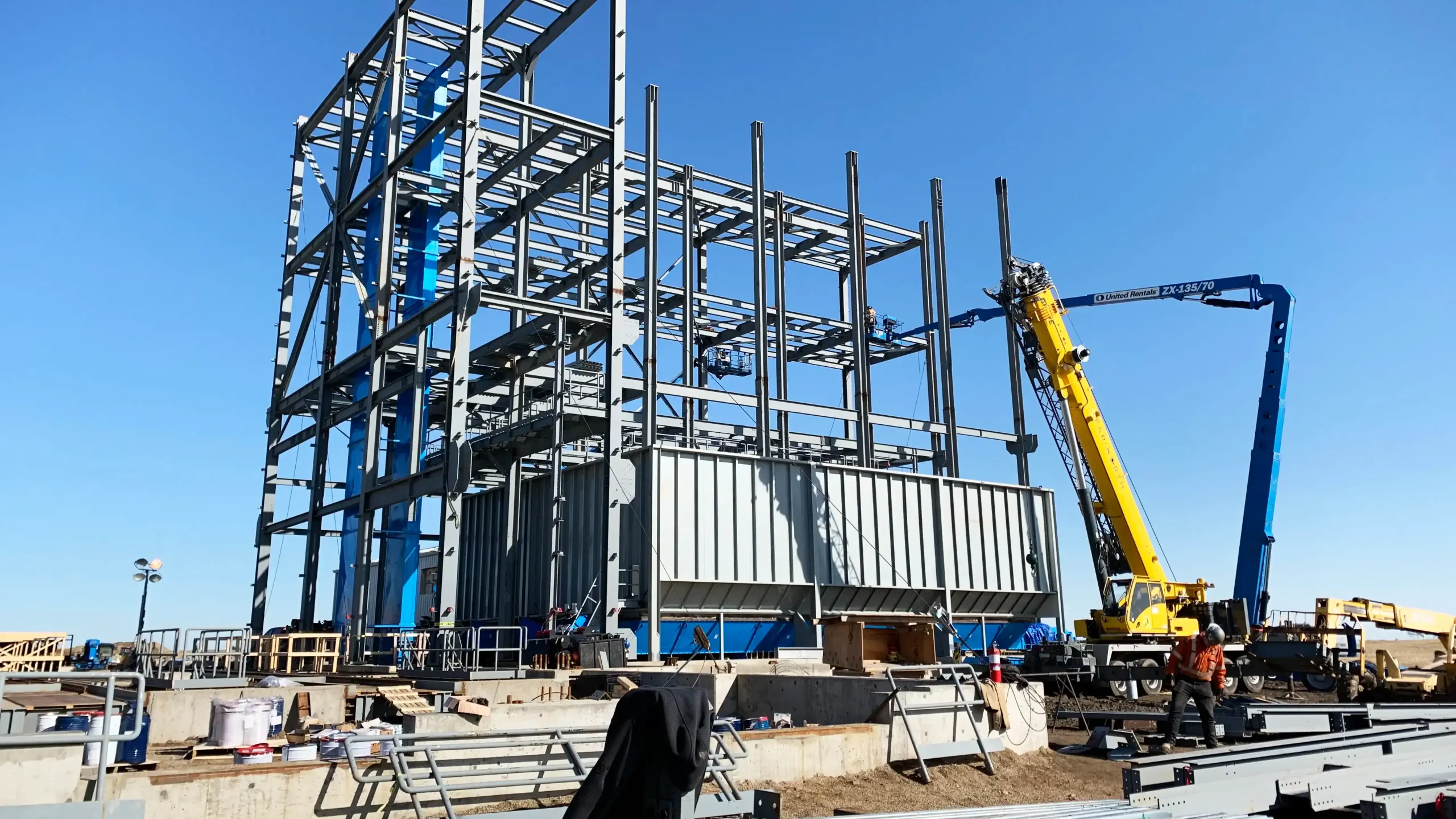
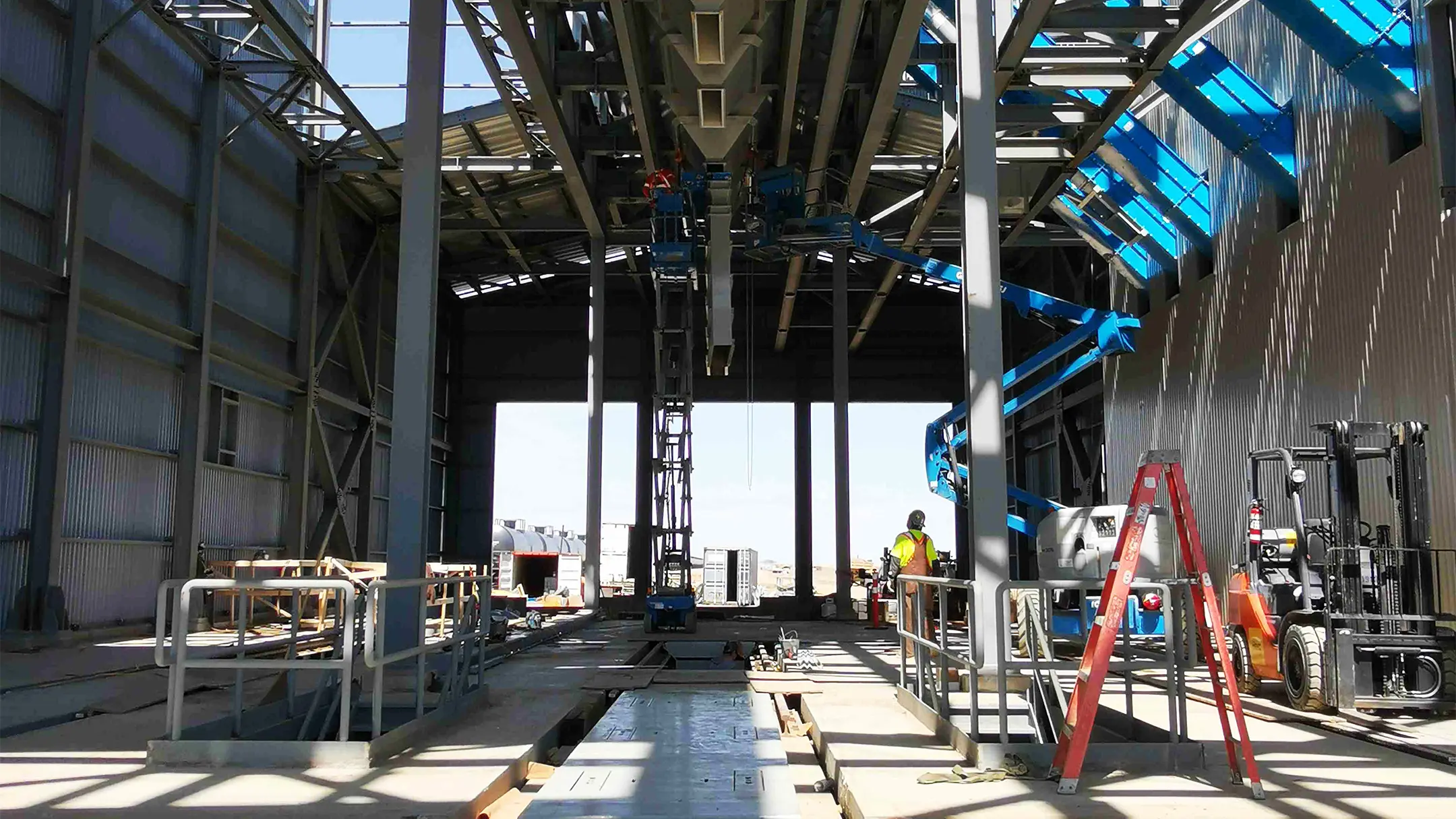
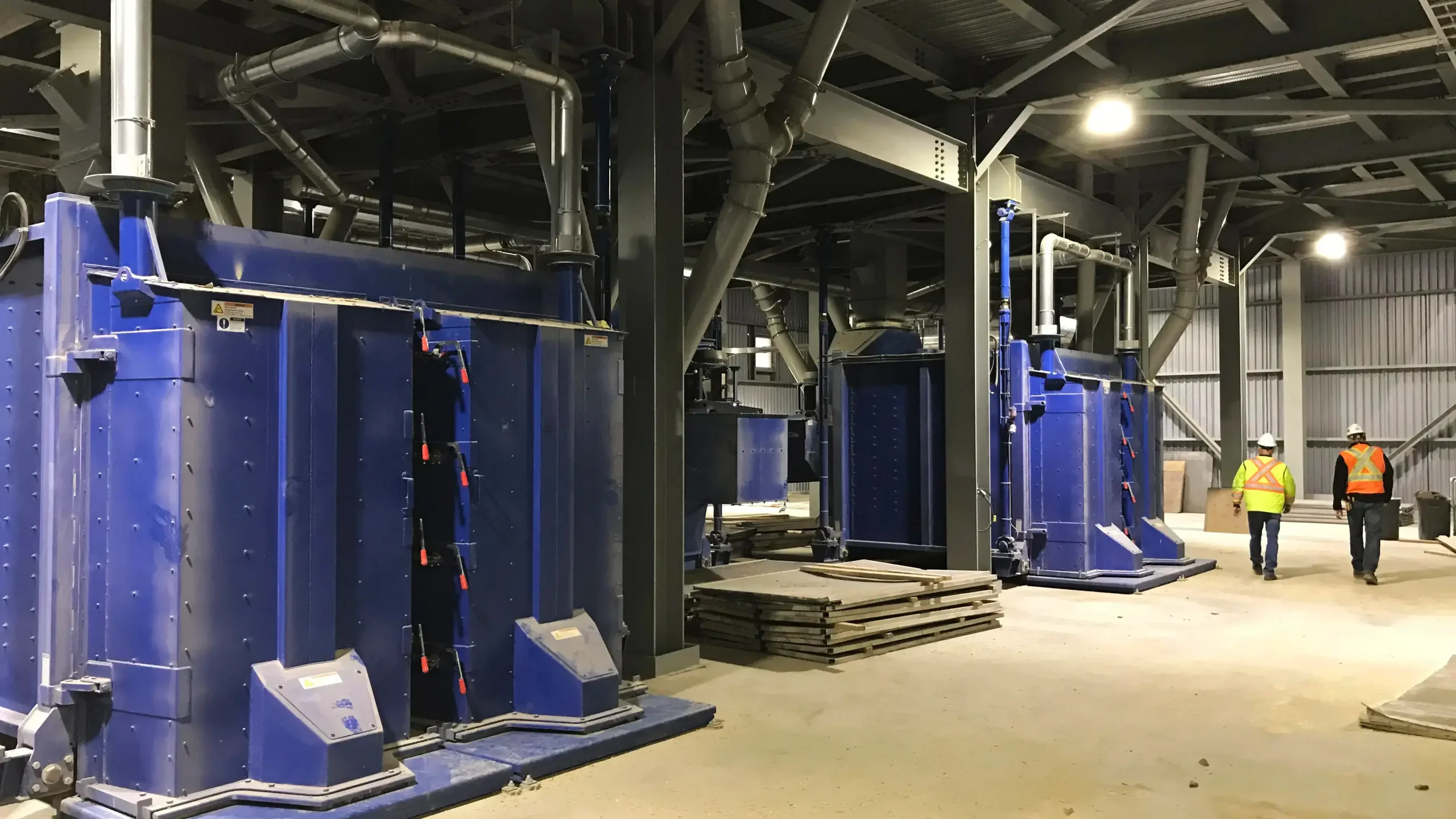
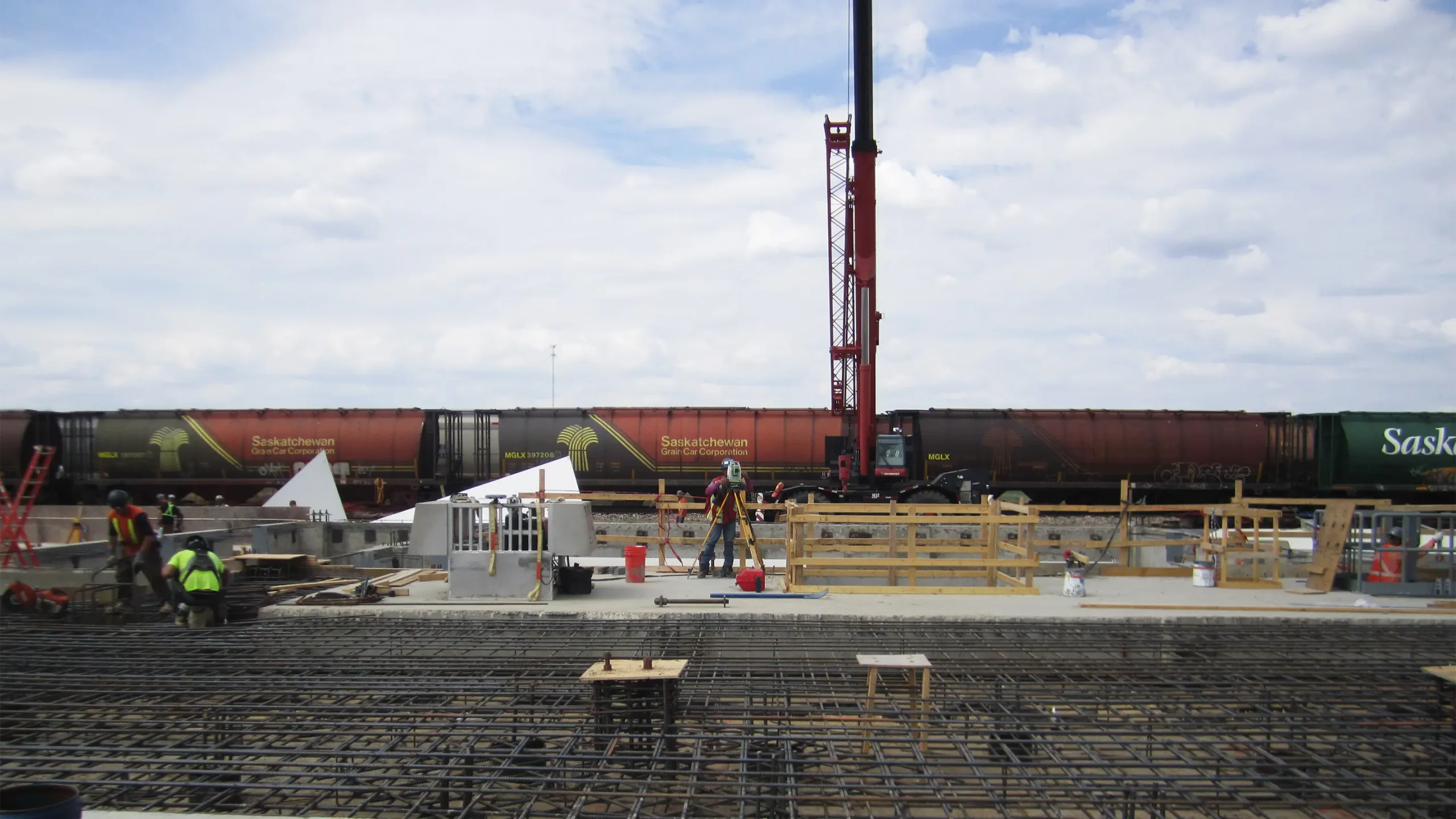
KGS Group provided detailed structural design for the foundation and superstructure of a new seed cleaning facility for MobilGrain. The 140-foot-tall terminal features a unique design that maximizes the use of gravity and minimizes the need for maintenance-intense conveyance equipment to handle grain. The facility also includes a railcar loadout station with underground storage bins, a large storage bin covering the entire main floor, vibrating screens and an explosion-proof bucket elevator.
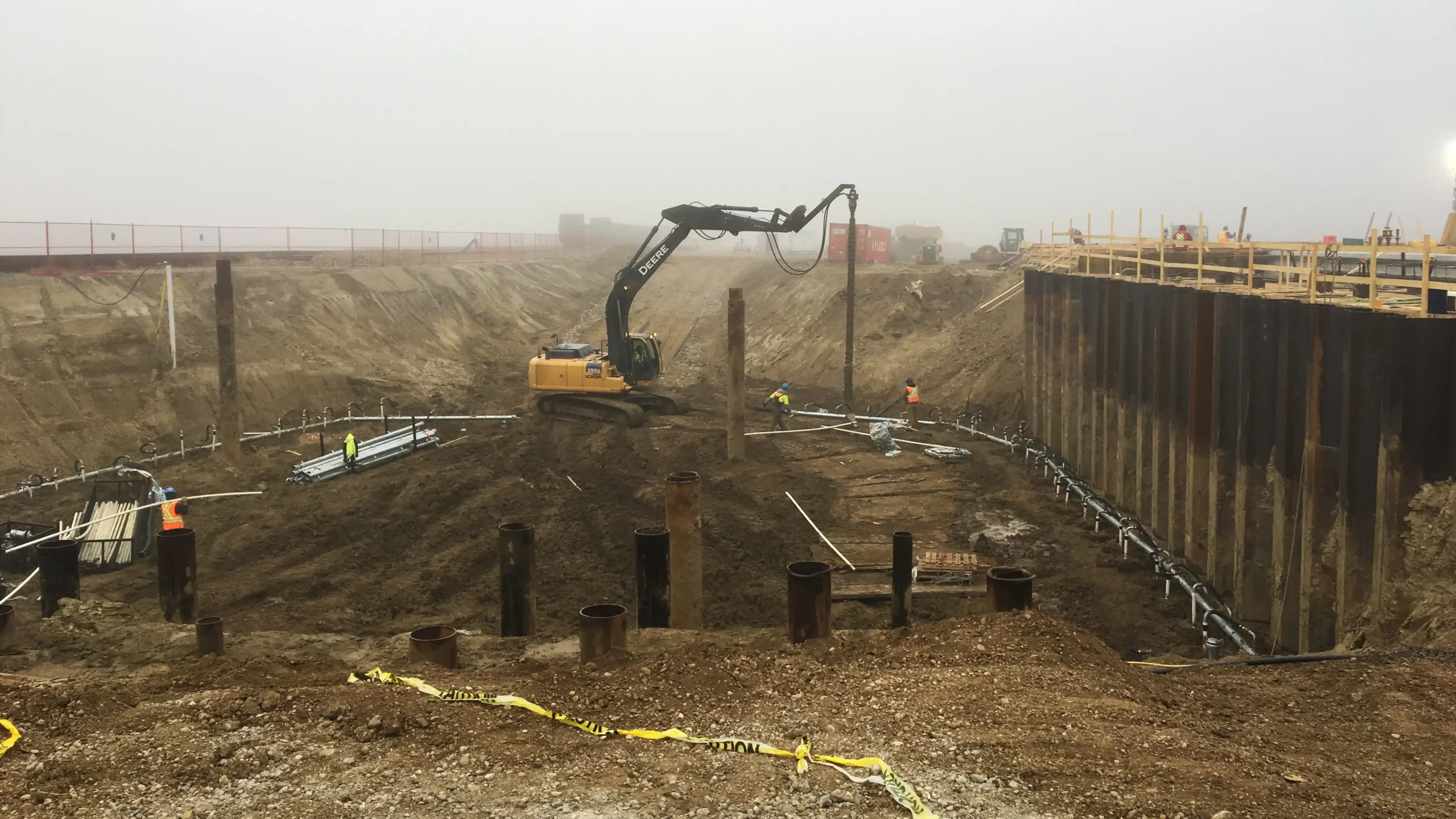
The proposed site was located within a geological zone that is challenging for foundation design and excavation works. In addition to a high-water table, neither piles or footings were found to be a clear choice of foundation. Through careful interpretation of geotechnical parameters and design simulations, the team determined concrete‑filled, steel‑driven piles as the appropriate foundation solution. A thick main‑floor concrete slab was designed to support the heavy bin loading and ensure the pile array acts uniformly as a group. Sheet piling was also installed between the main plant and loadout basement in order to speed up foundation construction. Draw wells were installed along the perimeter of the site in order to lower the water table during construction.
As a result of intense coordination efforts between the owner, engineering team and sub-contractors, the 3-year long project was successfully completed.
Project Highlights
- Detailed structural design for the foundation and superstructure of a new seed cleaning facility
- The 140-foot-tall terminal features a unique design that maximizes the use of gravity and minimizes the need for maintenance-intense conveyance equipment to handle grain
- Careful interpretation of geotechnical parameters and design simulations resulted in the chosen solution of concrete‑filled, steel‑driven piles