

Peter Sutherland Sr. Generating Station
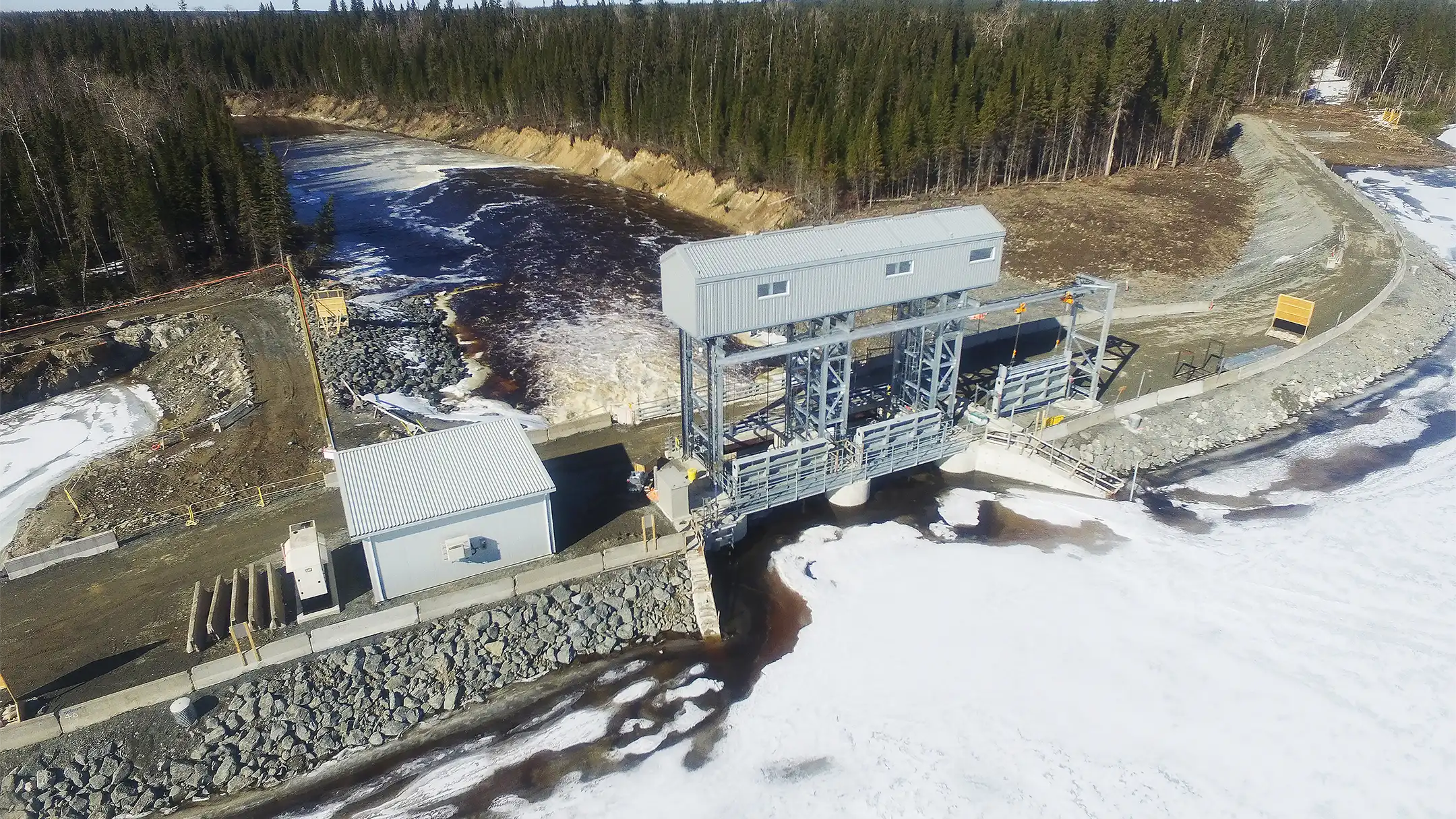
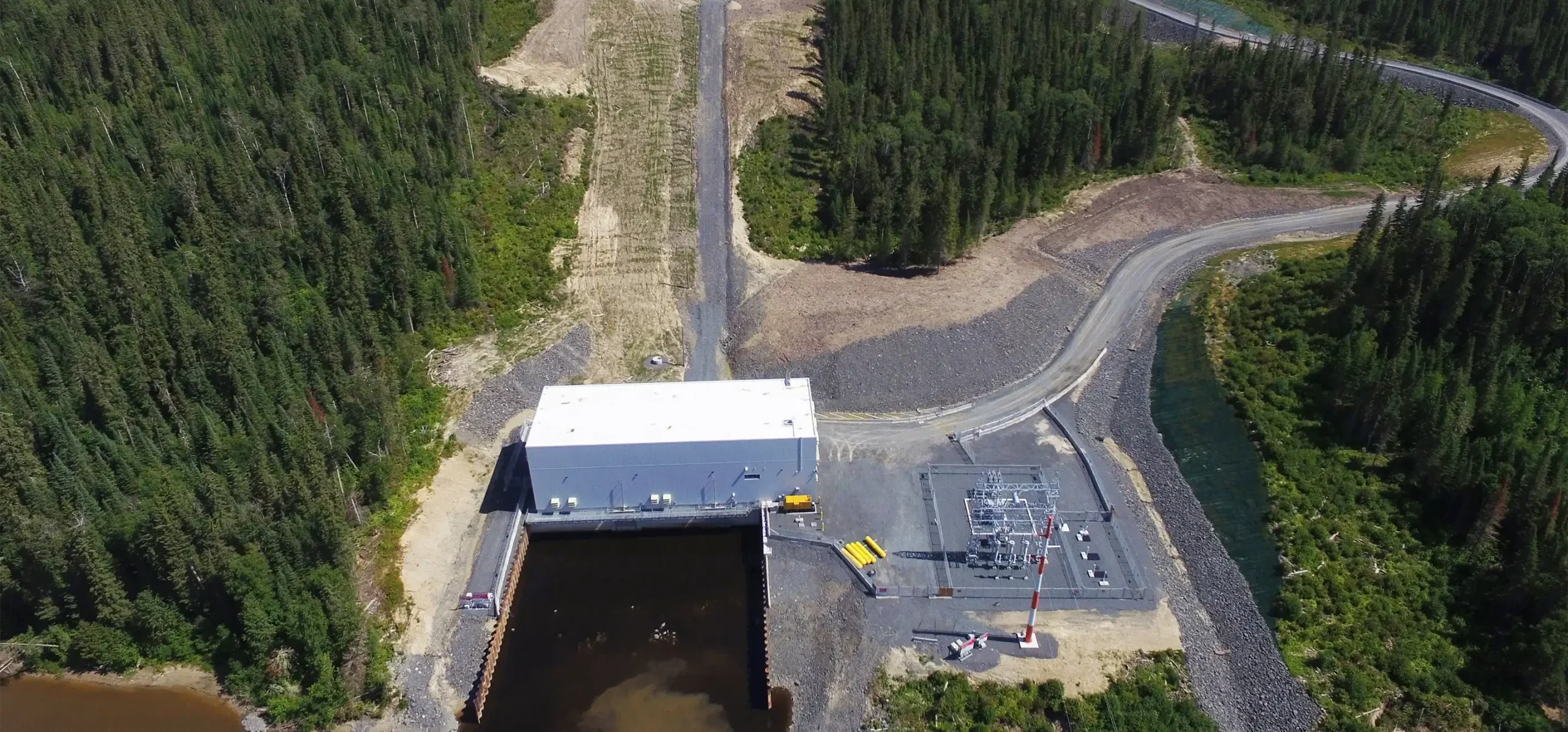
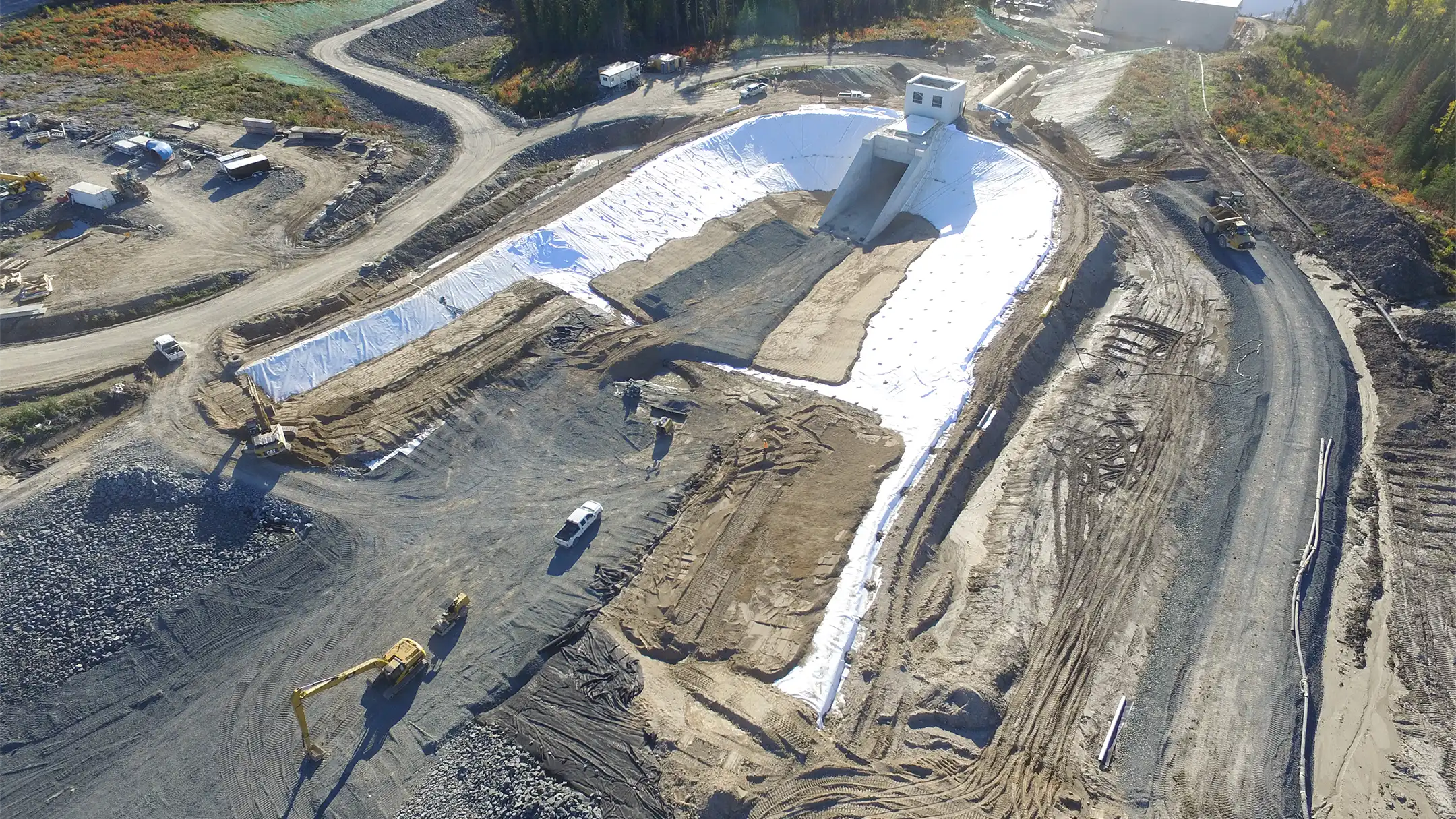
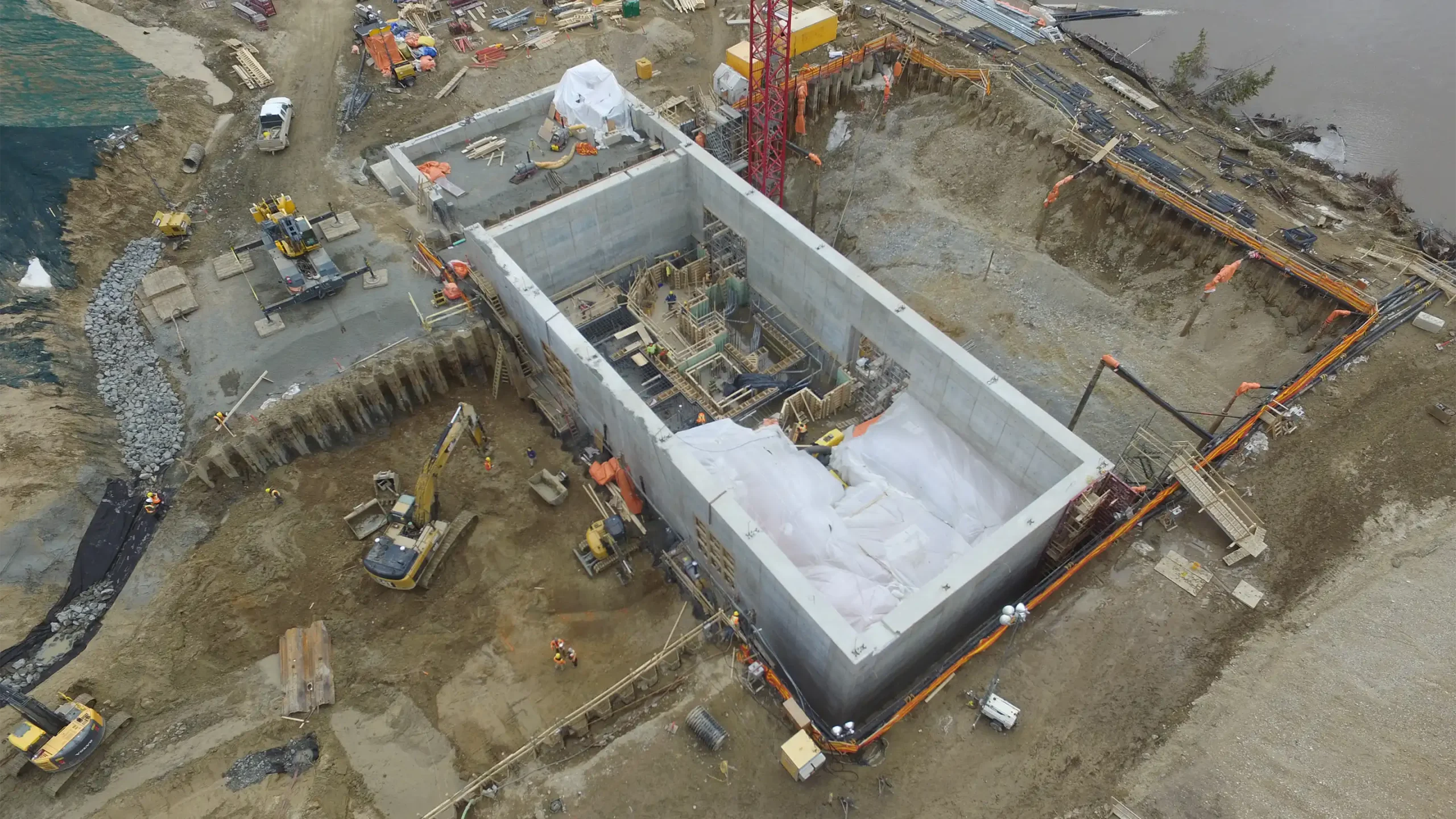
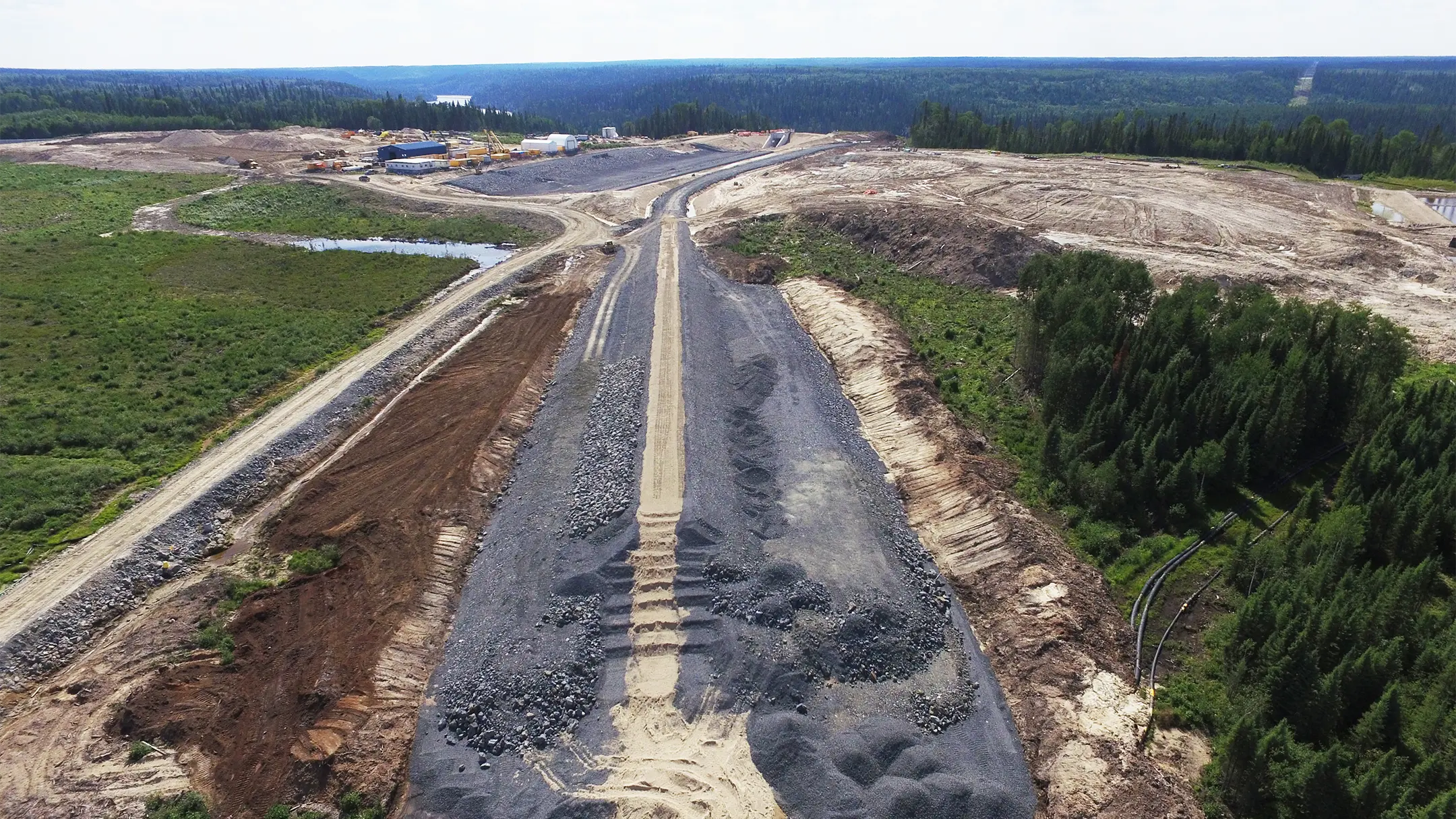
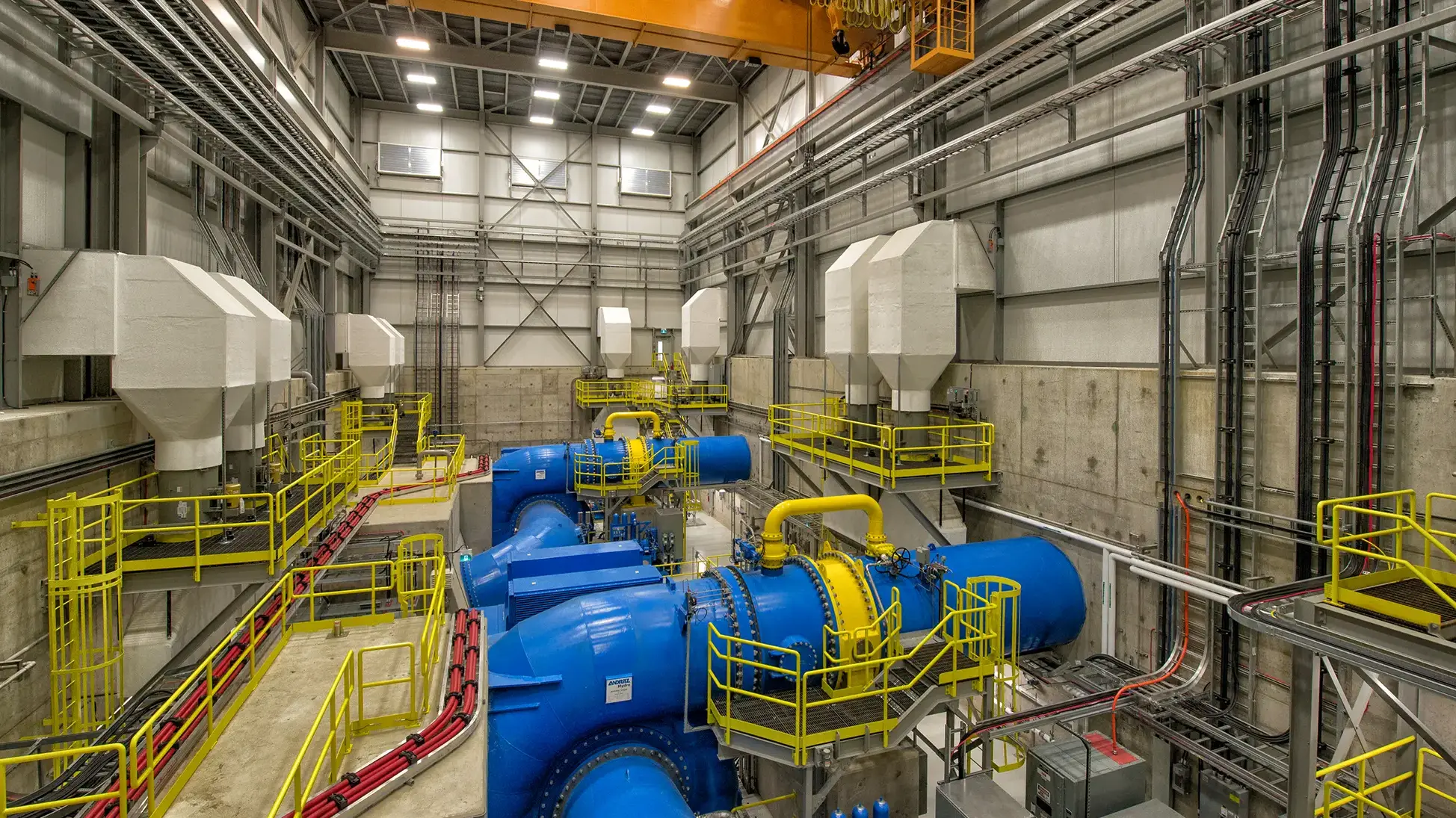
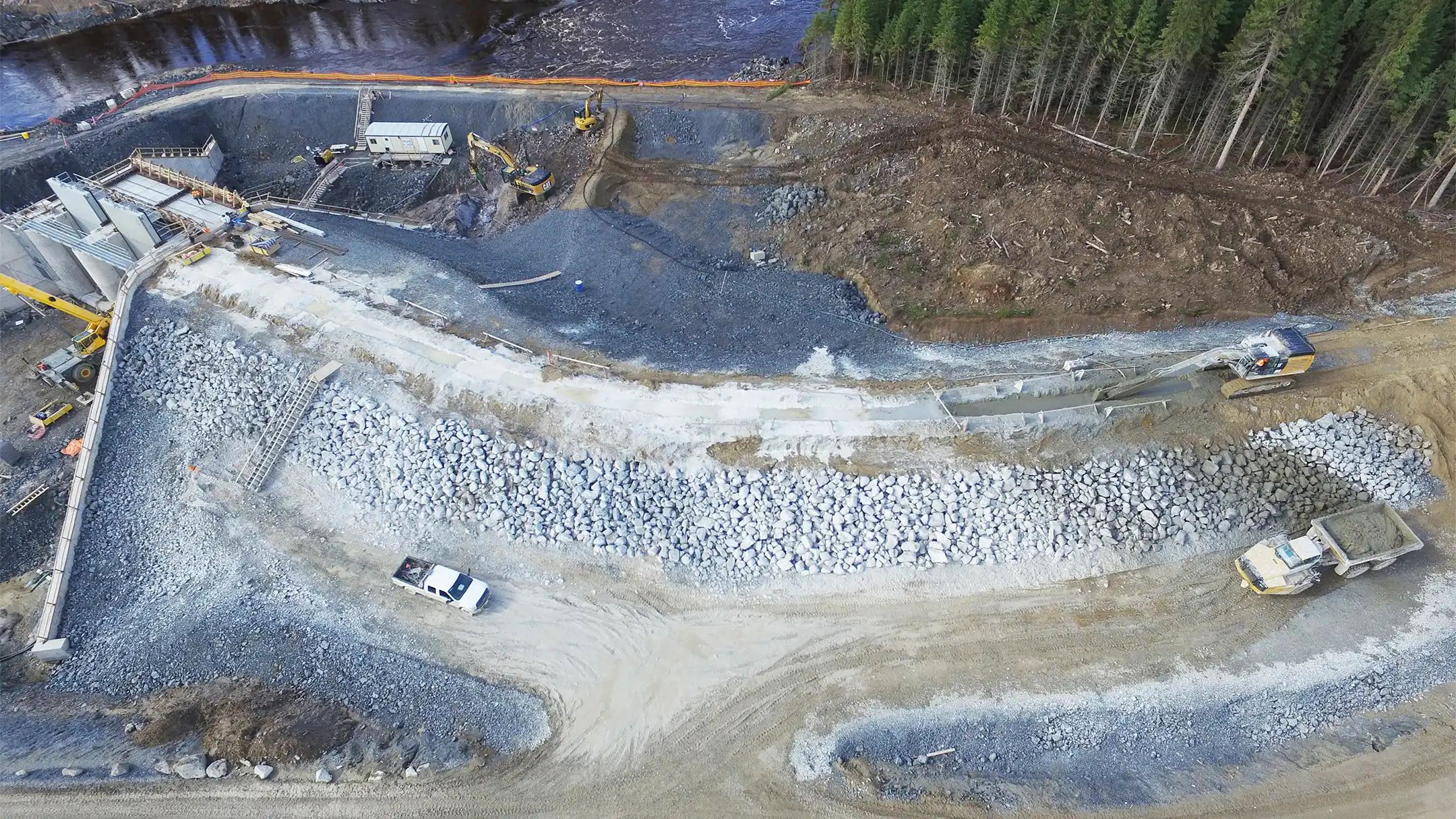
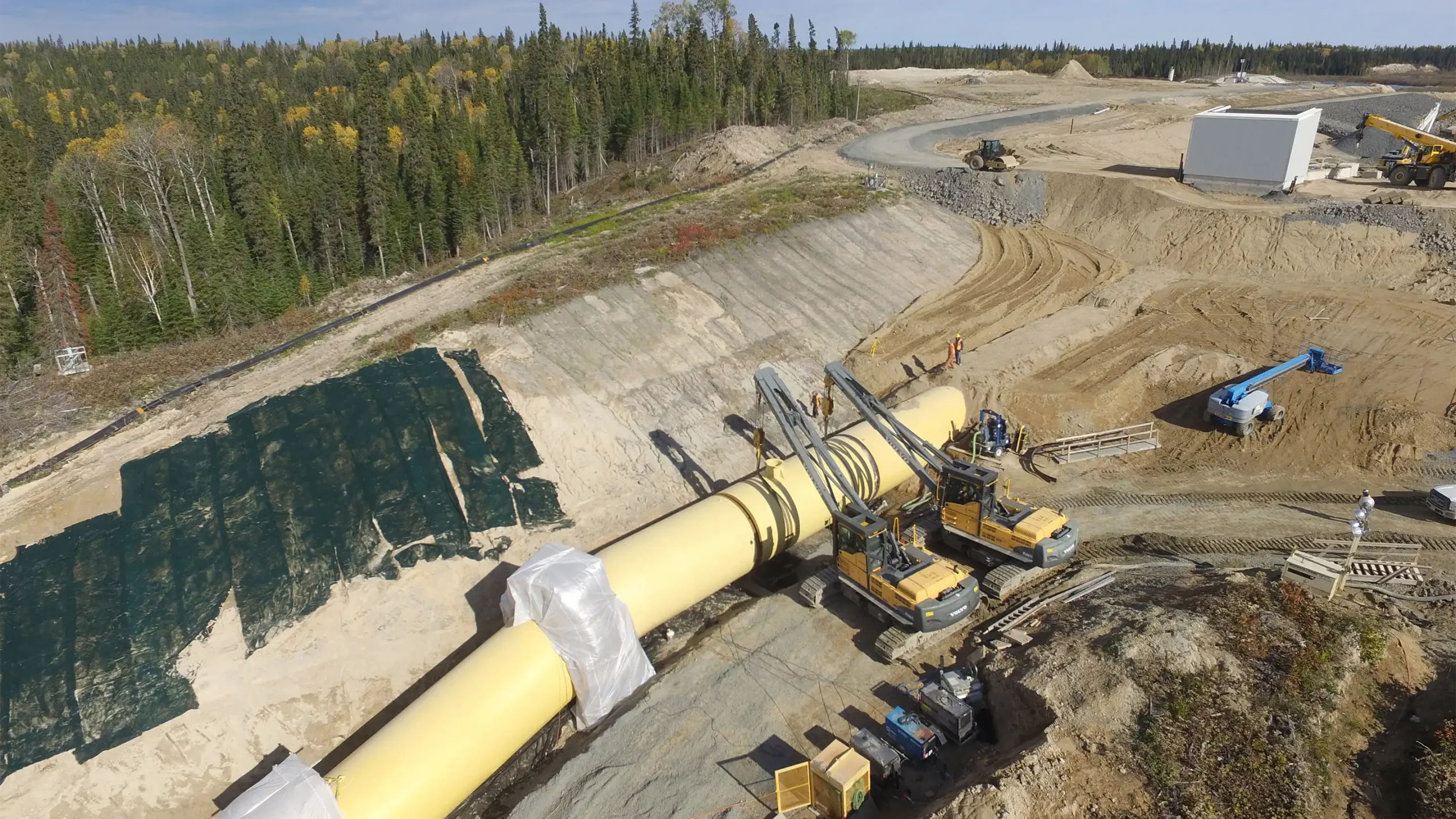
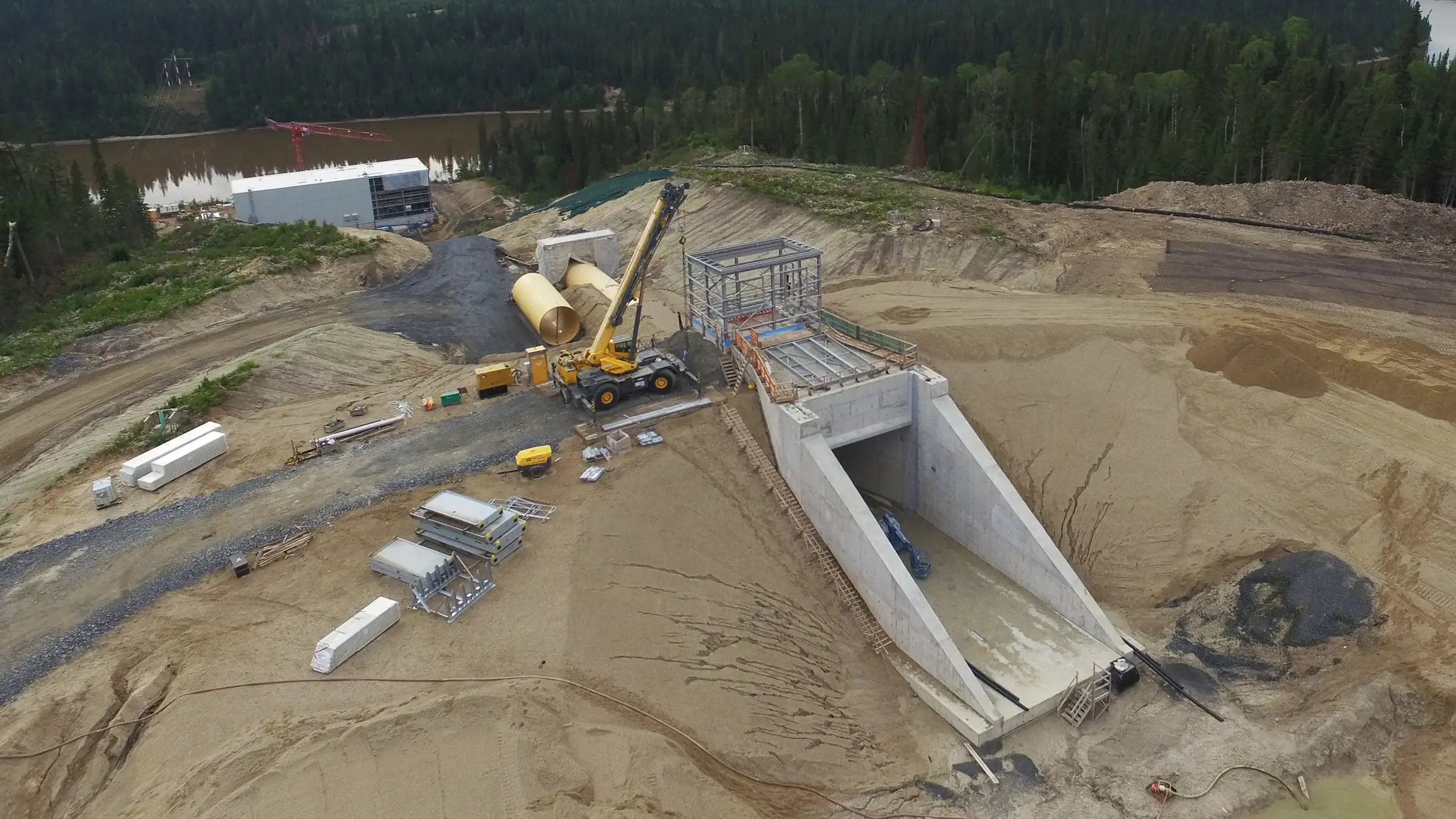
Ontario Power Generation and Coral Rapids Power Corporation (a company wholly owned by Taykwa Tagamou Nation) are equity partners in the Peter Sutherland Sr. Generating Station. Named after a respected community elder, the 28 MW hydroelectric power station is remotely located at the confluence of the Abitibi River and New Post Creek within the Taykwa Tagamou Nation traditional territory of northeastern Ontario. A portion of the flows from New Post Creek have been harnessed to provide clean, renewable hydroelectric energy.
KGS Group worked closely with Ontario Power Generation and Coral Rapids Power through the conceptual and preliminary design stages, ultimately acting as the owner’s representative through the design-build construction phase that was performed by Kiewit and Aecon. KGS Group staff were onsite throughout construction assisting and collaborating with the owners and contractor team.
Construction was completed safely, on budget, and ahead of schedule. The project is not only an investment into Ontario’s clean energy future; it is a symbol of reconciliation and the culmination of a strong partnership between Taykwa Tagamou Nation and Ontario Power Generation that will benefit the community for generations.
Project Highlights
- Powerhouse construction with two horizontal‑axis Francis turbines with a total plant capacity 28 MW
- Gated intake structure and approach channel with controlled conveyance from New Post Creek
- 4 m diameter steel penstock 250 m long
- 520 m long embankment dam with a cement-bentonite core
- Two-bay gated spillway
HyLife Pork Processing Plant
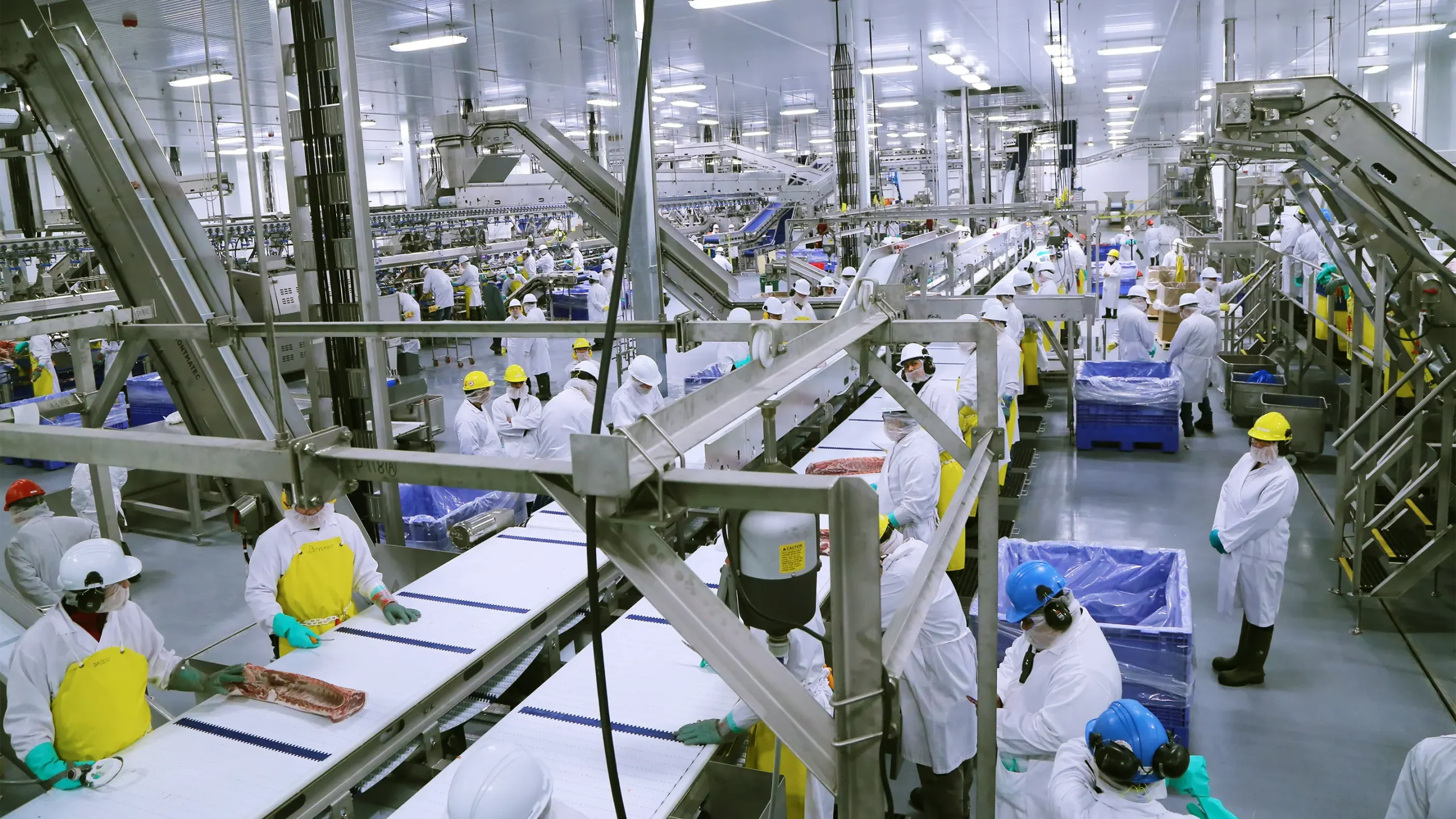
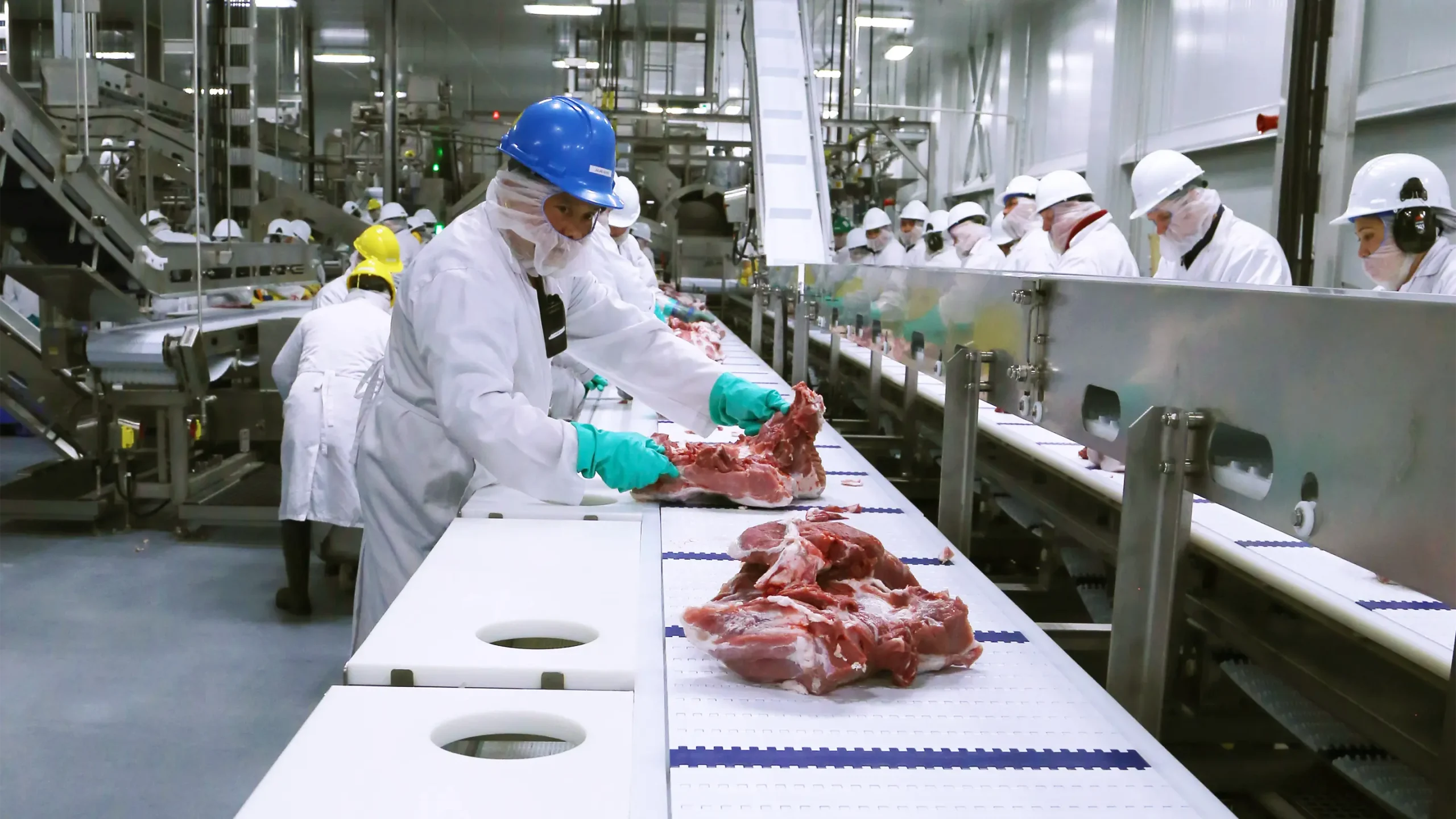
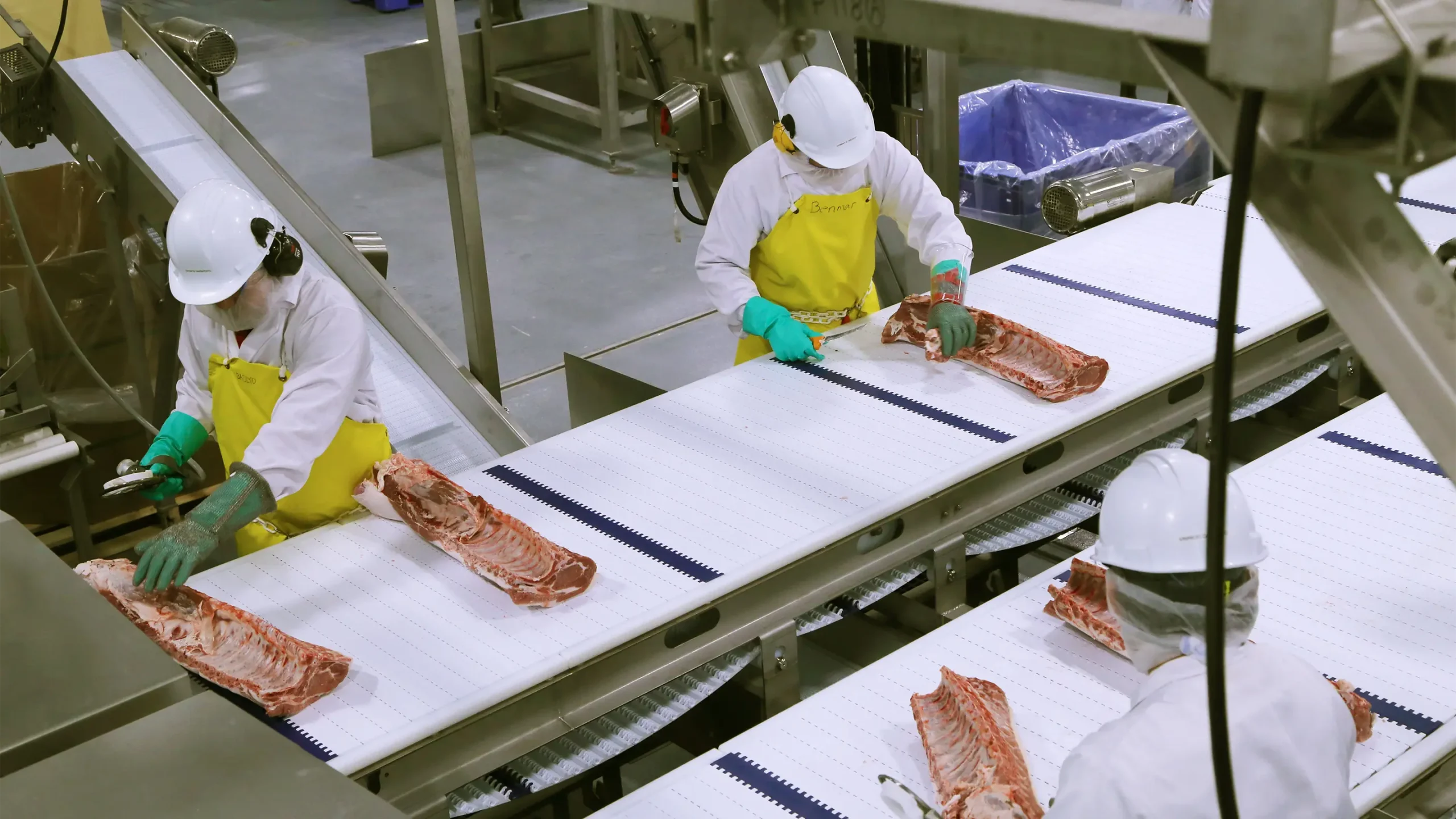
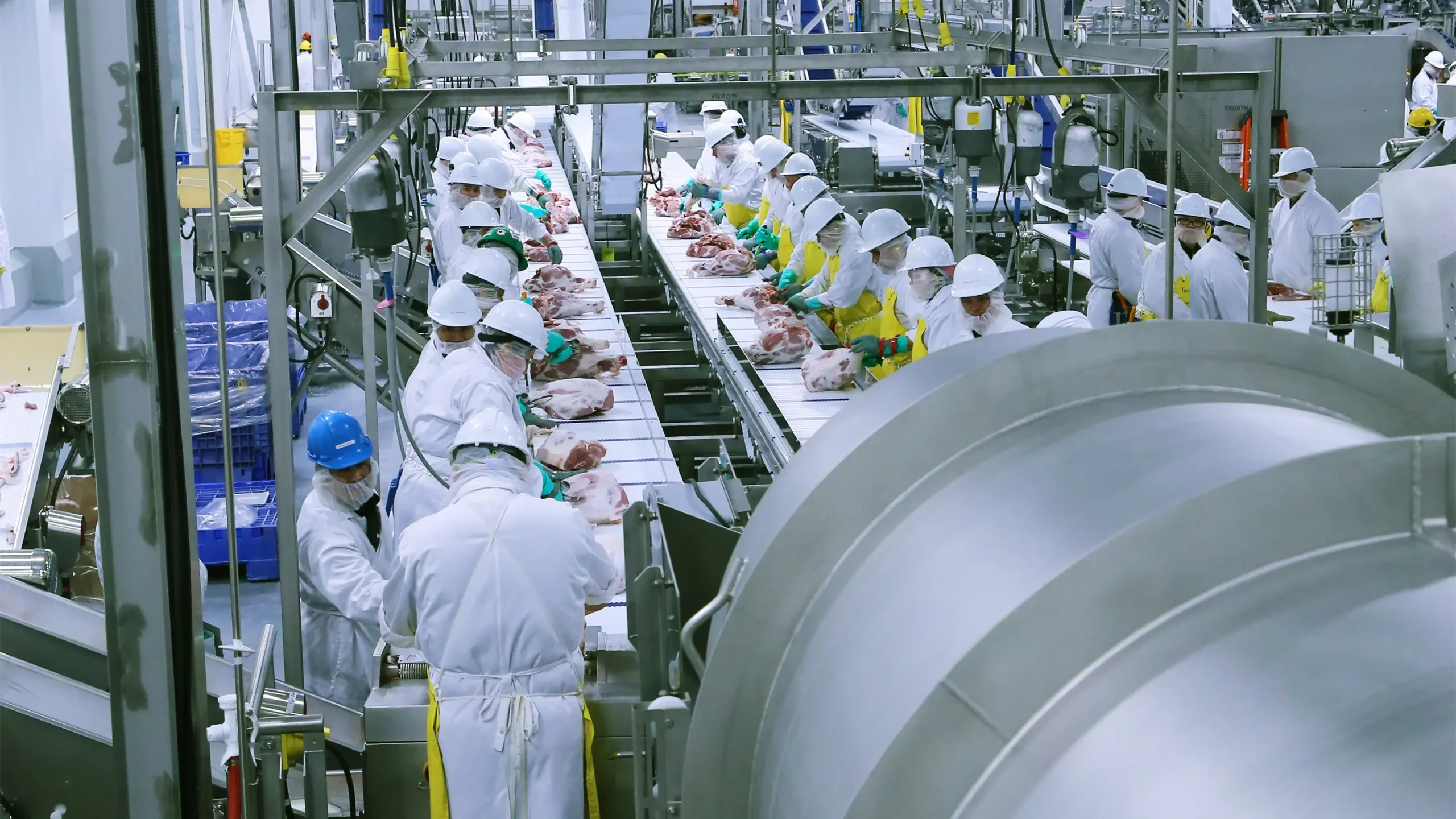

KGS Group worked with HyLife Foods to engineer a new 98,500 square foot pork processing facility that would elevate employee welfare, bring food safety practices in line with global standards, increase efficiency and maximize return on investment – while keeping existing production running.
The cornerstone of a $125 million investment, the new plant includes a modern cut floor, advanced packaging area, high‑capacity storage coolers, palletizing and shipping zones and upgraded utility spaces. KGS provided conceptual design, cost estimate and value engineering services to support project funding. Detailed design of the facility to global meat industry standards was also provided by KGS Group, as well as the design of building utility service upgrades, integration of vendor equipment, procurement management and construction engineering support for this fast-track project.
By combining state‑of‑the‑art technology with tailored engineering solutions, the project reduced waste, enhanced employee welfare and increased production capacity. It has helped HyLife transform its investment into a global competitive advantage while generating 165 permanent jobs for the local community. Delivered through a fully multidisciplinary approach, the project was completed on time and on budget.
Project Highlights
- Improved plant efficiency – increased throughput of 1250 hogs/day (to 7,500 hogs/day)
- Integration of cutting-edge processing equipment reducing repetitive strain and increasing yield per carcass
- Over 1.1 kilometres of conveyance equipment providing efficient and linear material handling
- Local job creation for construction trades – 90% Manitoba sourced with 45% from the local Westman region
Taché Arts Complex Desautels Concert Hall Addition
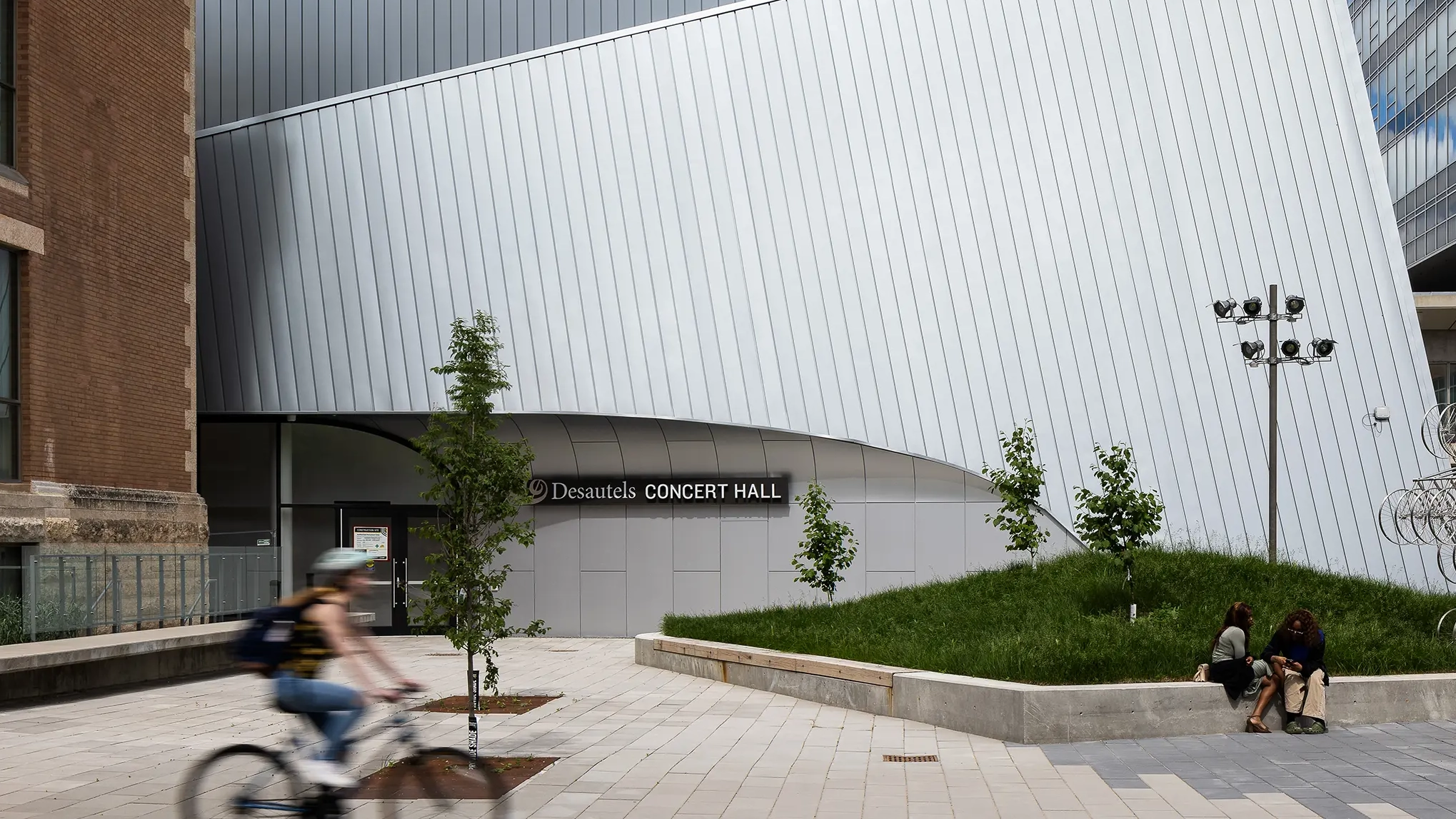
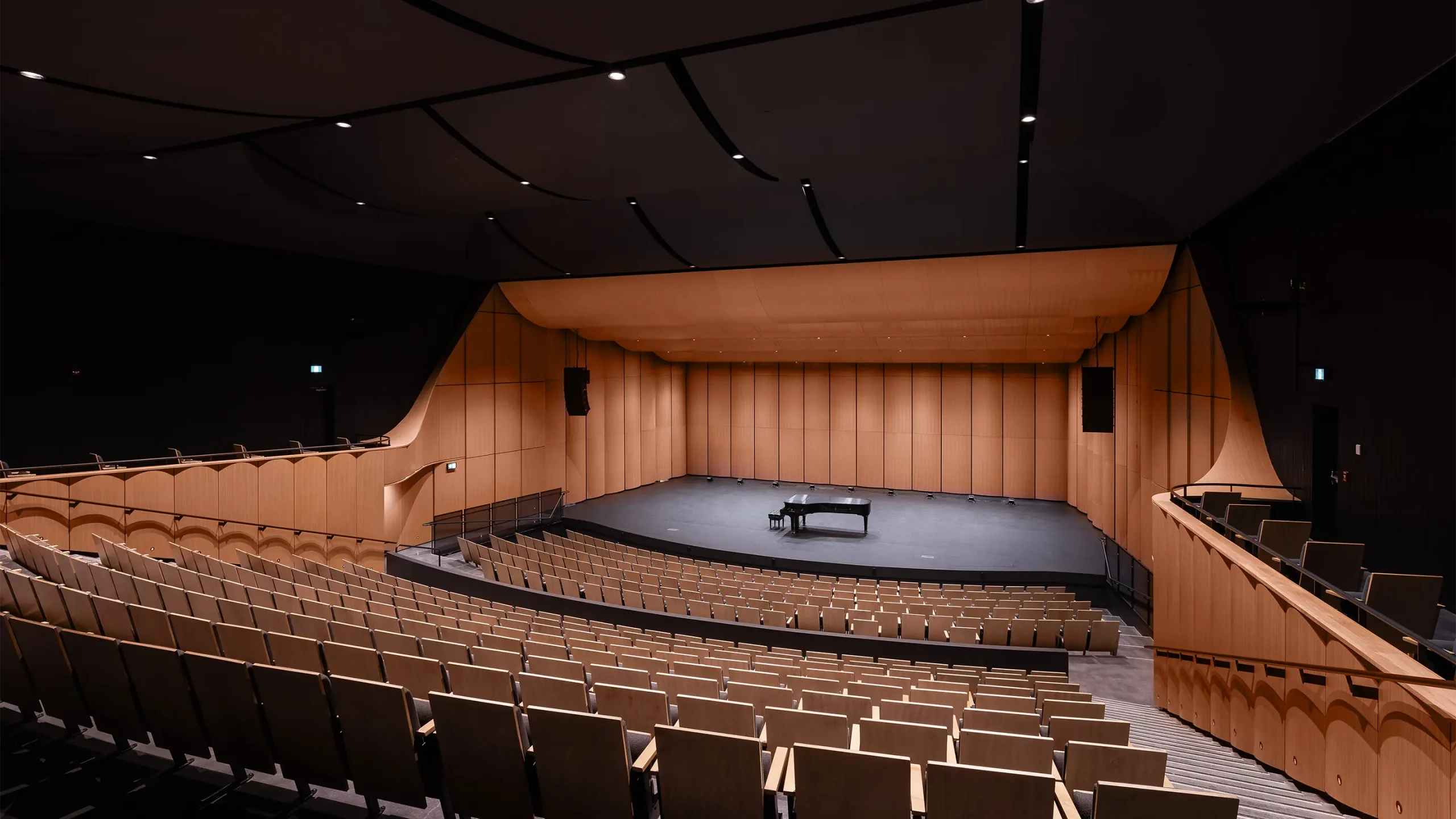
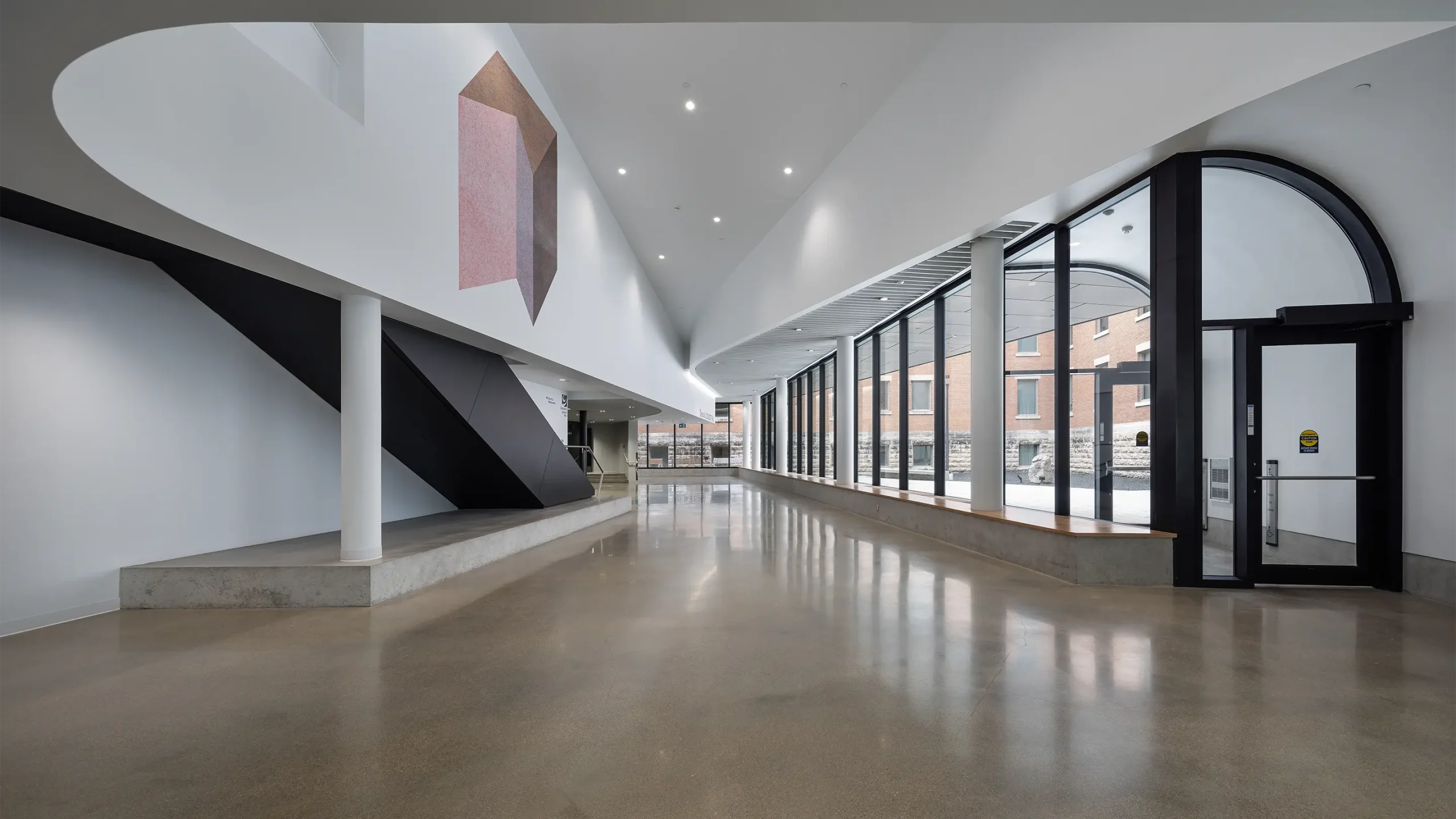
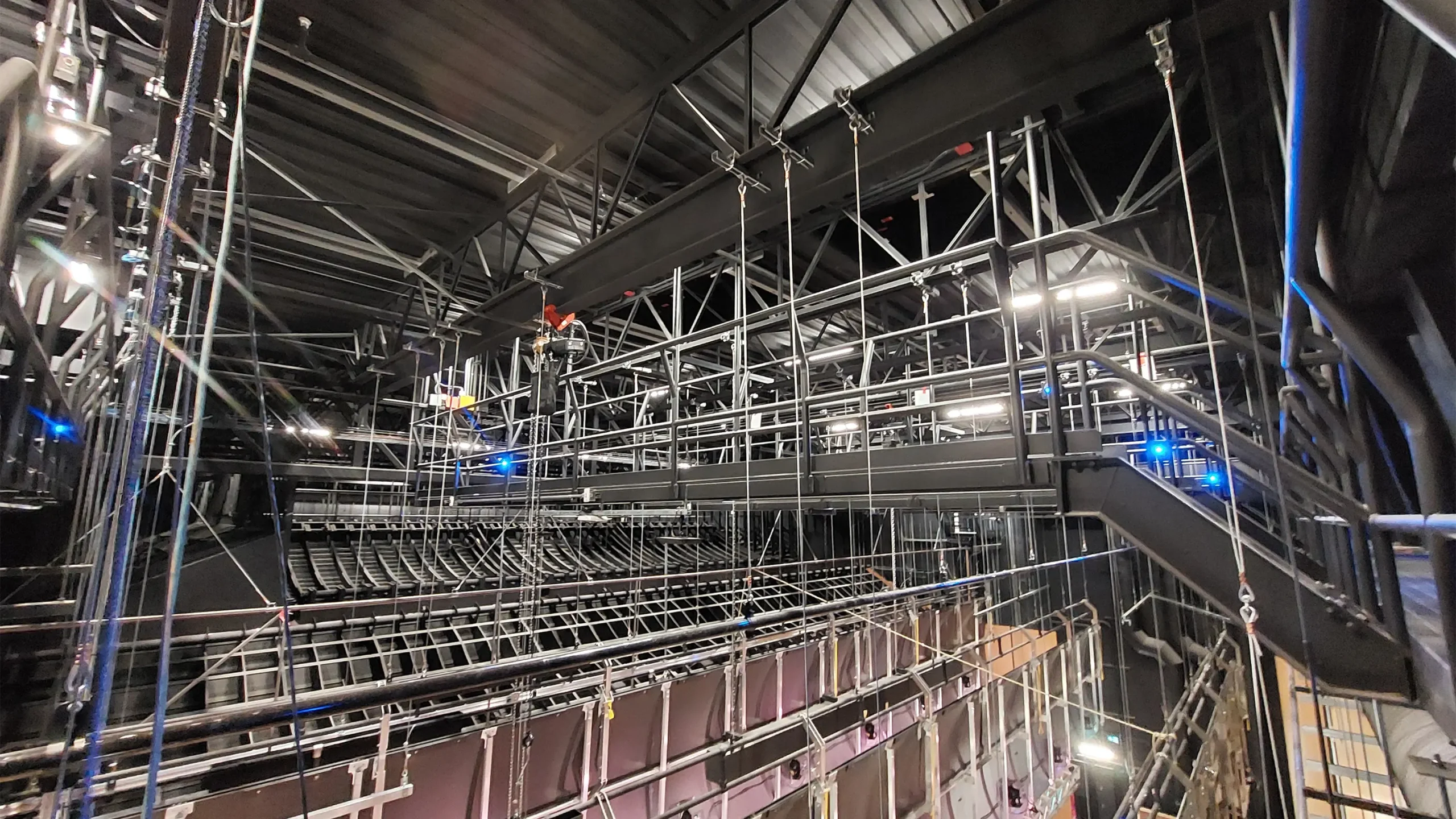
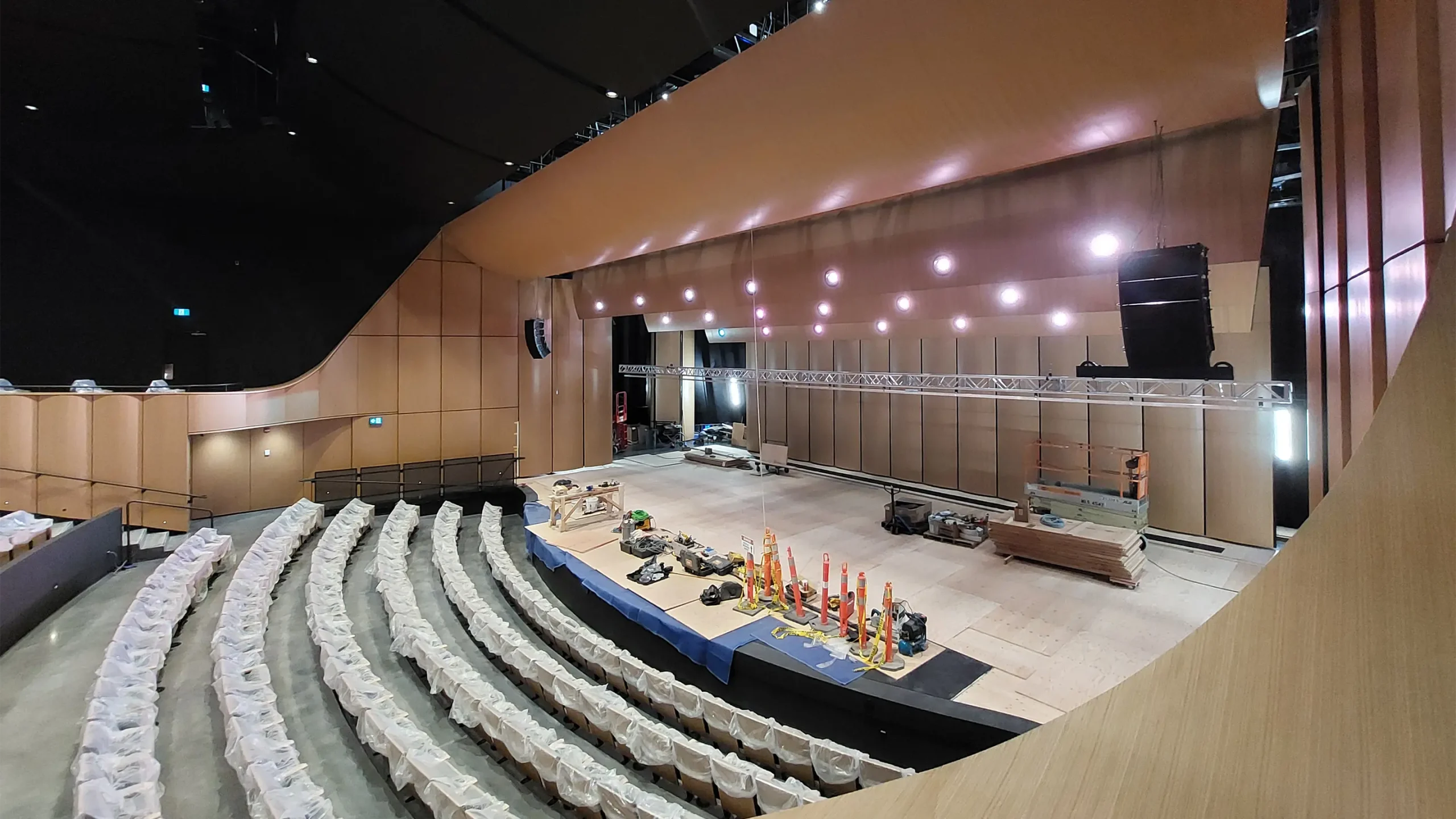
The Desautels Concert Hall is the newest addition to the University of Manitoba’s Taché Arts Complex. It serves as a cutting-edge rehearsal and performance space for students of the Desautels Faculty of Music to showcase their progress and talents and as a hub for performing arts groups in Winnipeg.
This 407-seat, 1,332 m² facility hosts diverse events, from solo acoustic performers to operas complete with an orchestra pit. Exceptional acoustics, achieved through meticulous engineering, allow performances to resonate across four audience levels. Careful integration of building systems preserves the hall’s beautiful aesthetics and reduces noise from outside and within the facility.
Designed for energy efficiency and targeting LEED Silver certification, this world-class hall provides a rich acoustic experience and flexible space, supporting student and community talent for generations.
Project Highlights
- The 1,332 m² facility hosts 407 seats, four audience levels and an orchestra pit for rehearsal and performance uses
- Meticulous acoustic engineering, discreet system integration to reduce internal/external noise, flexible staging and audience layouts
- Enhanced audience experience, energy‑efficient operations and LEED Silver certification
Little Long Dam Safety Project

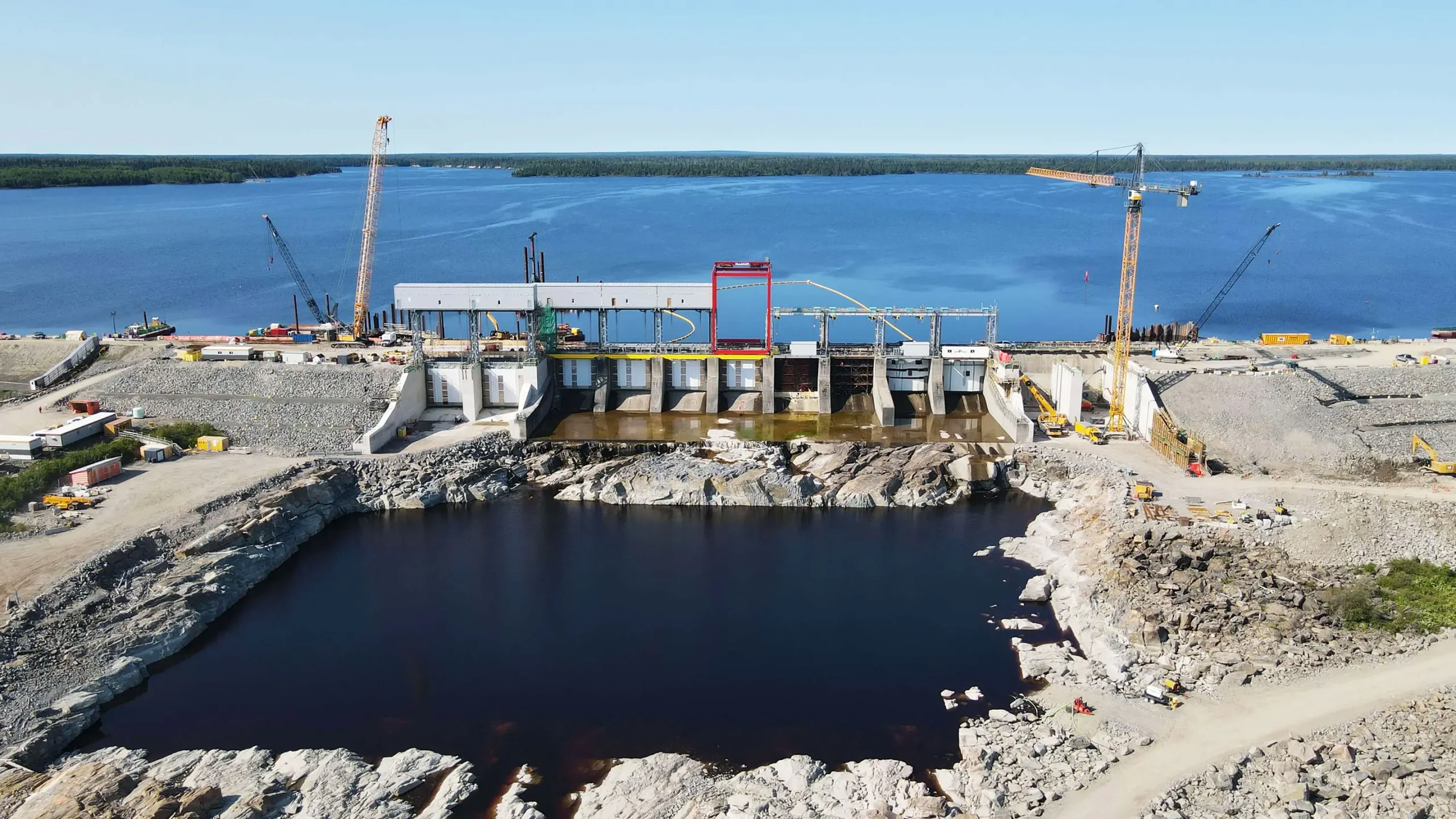
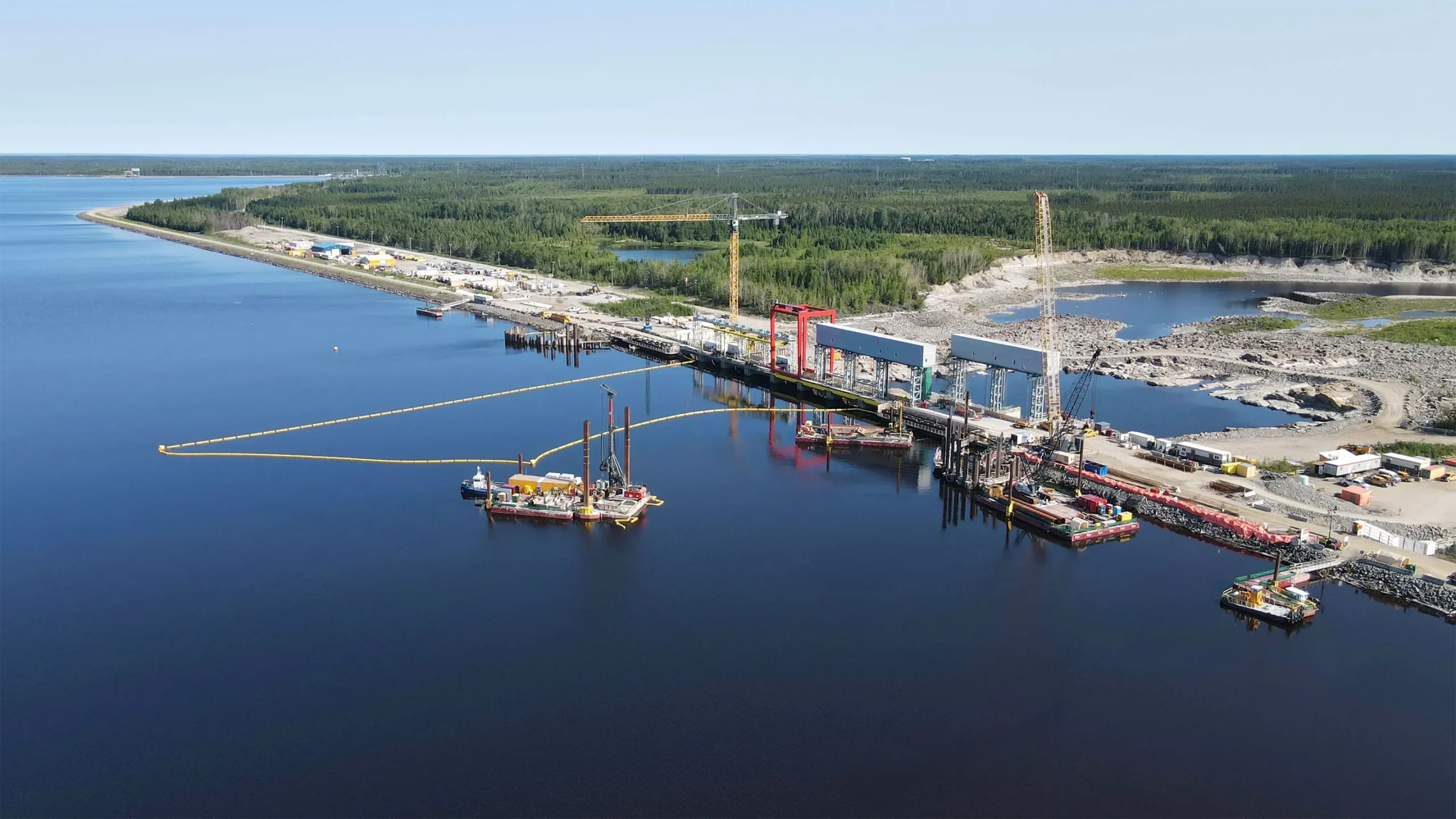
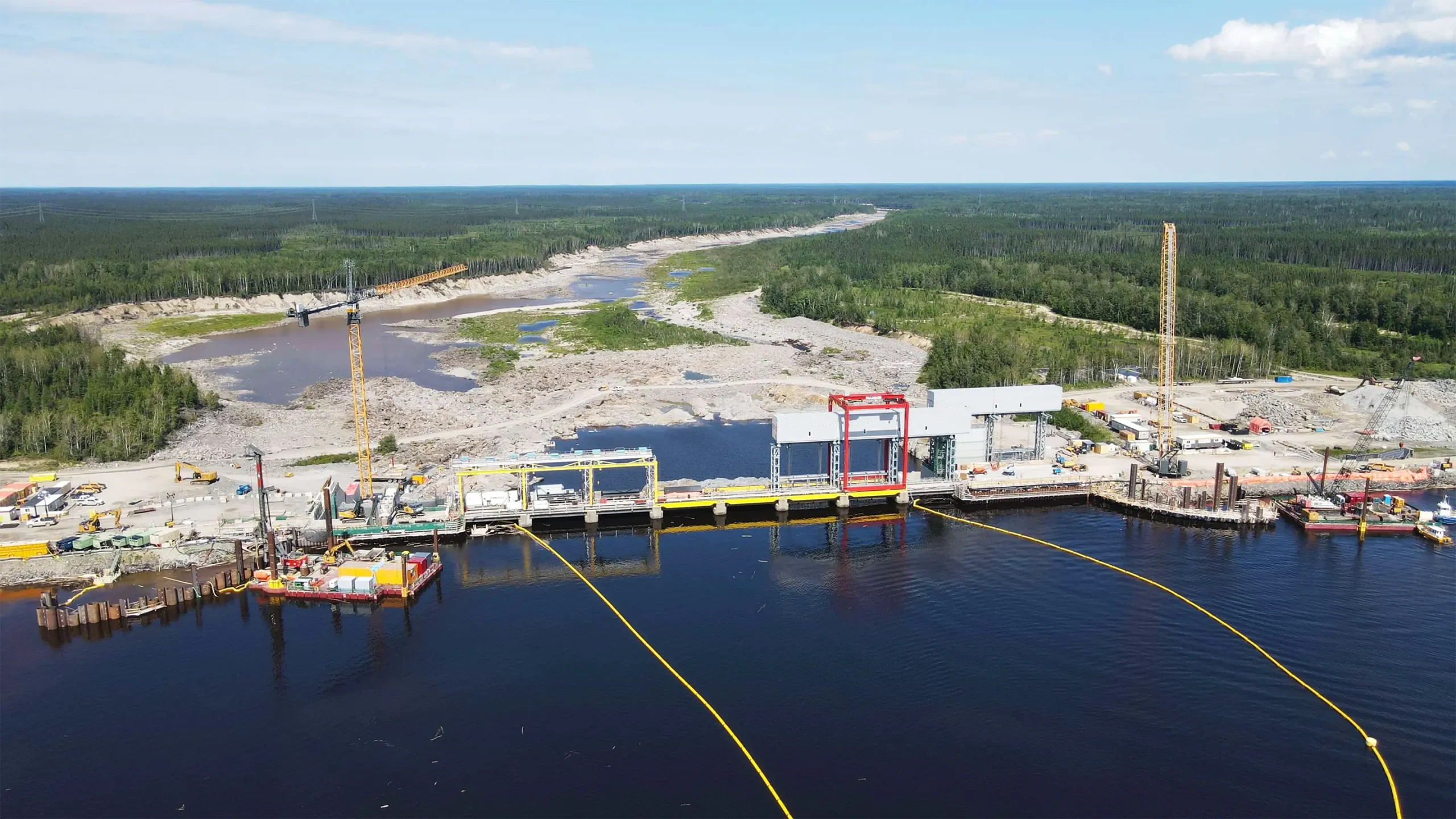
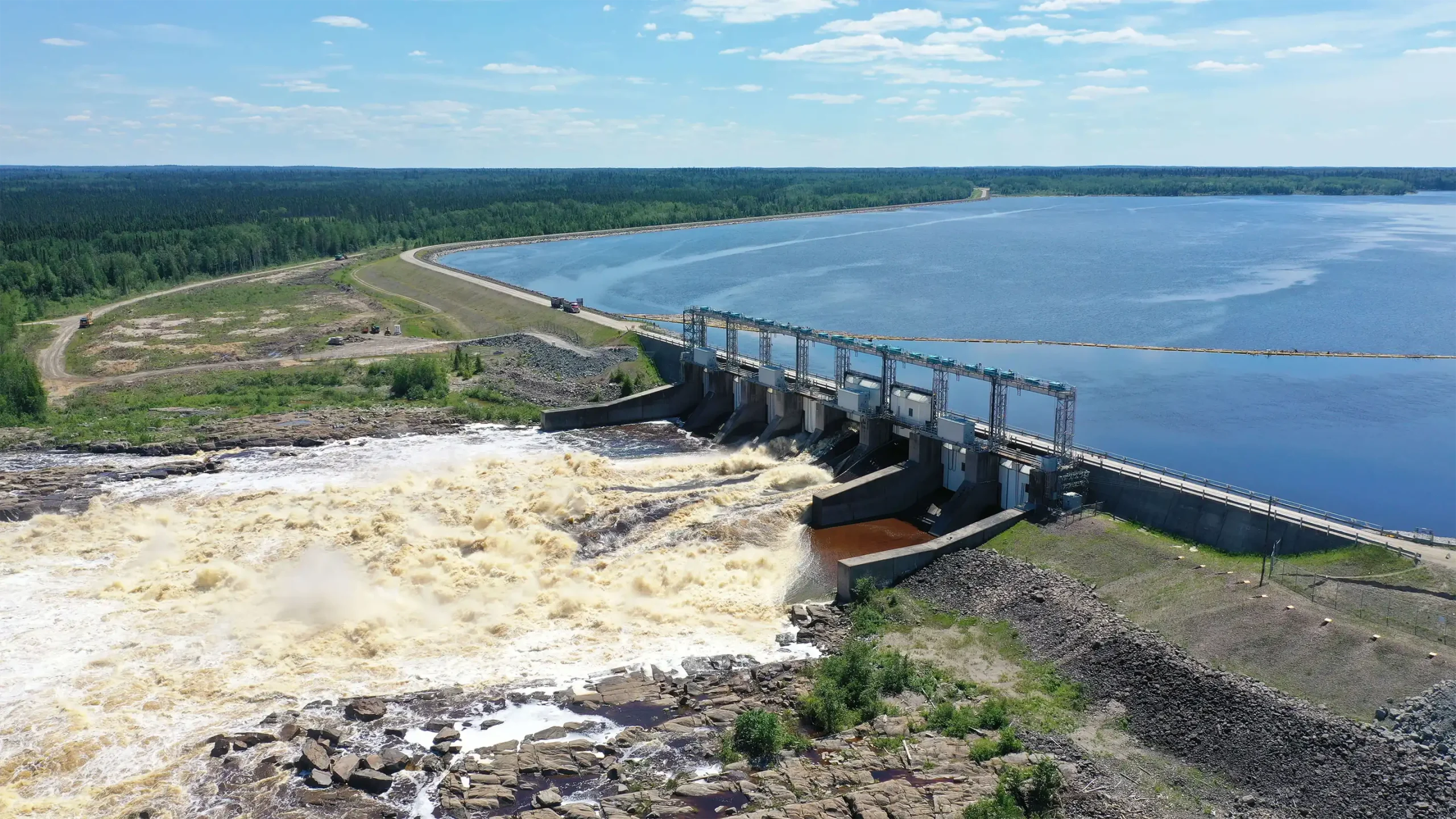
The Little Long Dam Safety Project was a significant initiative by Ontario Power Generation (OPG) to rehabilitate and enhance the spill capacity at the Adam Creek Sluiceway to meet new dam safety standards. The project increased overall discharge capacity of the Little Long headpond by 40%, significantly increasing the ability to manage large floods at this site.
There were four main components to the project:
- The addition of four new concrete sluiceway bays to the pre-existing eight bay structure, providing the additional discharge capacity
- The replacement of 10 existing sluice gates, gate hoist systems and superstructures to improve operational safety and reliability
- The installation of an upstream splash wall to protect against wave and debris overtopping
- Post-tensioned anchoring of the existing structures to address stability deficiencies
KGS Group was initially retained by OPG to carry out the concept design for the project, as well as undertake pre-construction geotechnical investigations. The final design and construction phase was executed by OPG under a design-build arrangement with Kiewit as the EPC contractor, where KGS Group’s role transitioned to owner’s engineer. In this role, KGS Group acted as an extension of OPG’s team, contributing to overall project management, contract administration, advisory and technical support. Our responsibilities included review of the contractor and designer’s work for compliance with good practice and the performance specification requirements, carrying out quality assurance and formal quality audits and providing resident engineering services to participate in overall coordination, monitoring, commissioning and turnover.
With careful planning, Little Long GS facilities remained in operation during the project’s four-year lifecycle. Due to the remote site location, the project required setting up a full-service camp to support over 200 workers, complete with all necessary facilities.
Throughout the project, it was a priority to have local Indigenous community members and women contribute to project execution. This helped to build strong relationships with the community and ensure the project and result would benefit all involved.
Project Highlights
- Construction of four new concrete sluiceway bays to increase overall discharge capacity of the Little Long headpond by 40%, from 6,090 CMS to 8,650 CMS
- Replacement of 10 sluice gates, the gate hoist systems and superstructures, which improved operational safety and reliability
- Installation of upstream splash wall which provides protection against wave and debris overtopping to improve emergency access during large wind and wave events
- Continuous plant operation maintained during staged construction over four years
- 20% of hours were worked by local Indigenous community members and 25% of hours were worked by women
- 11% of construction contract value provided by First Nation subcontracts
- Over 2.1 million person‑hours worked
- Enhanced spillway capacity and dam safety compliance, improved operational reliability and increased generation
Mayo B Hydro Enhancement Project
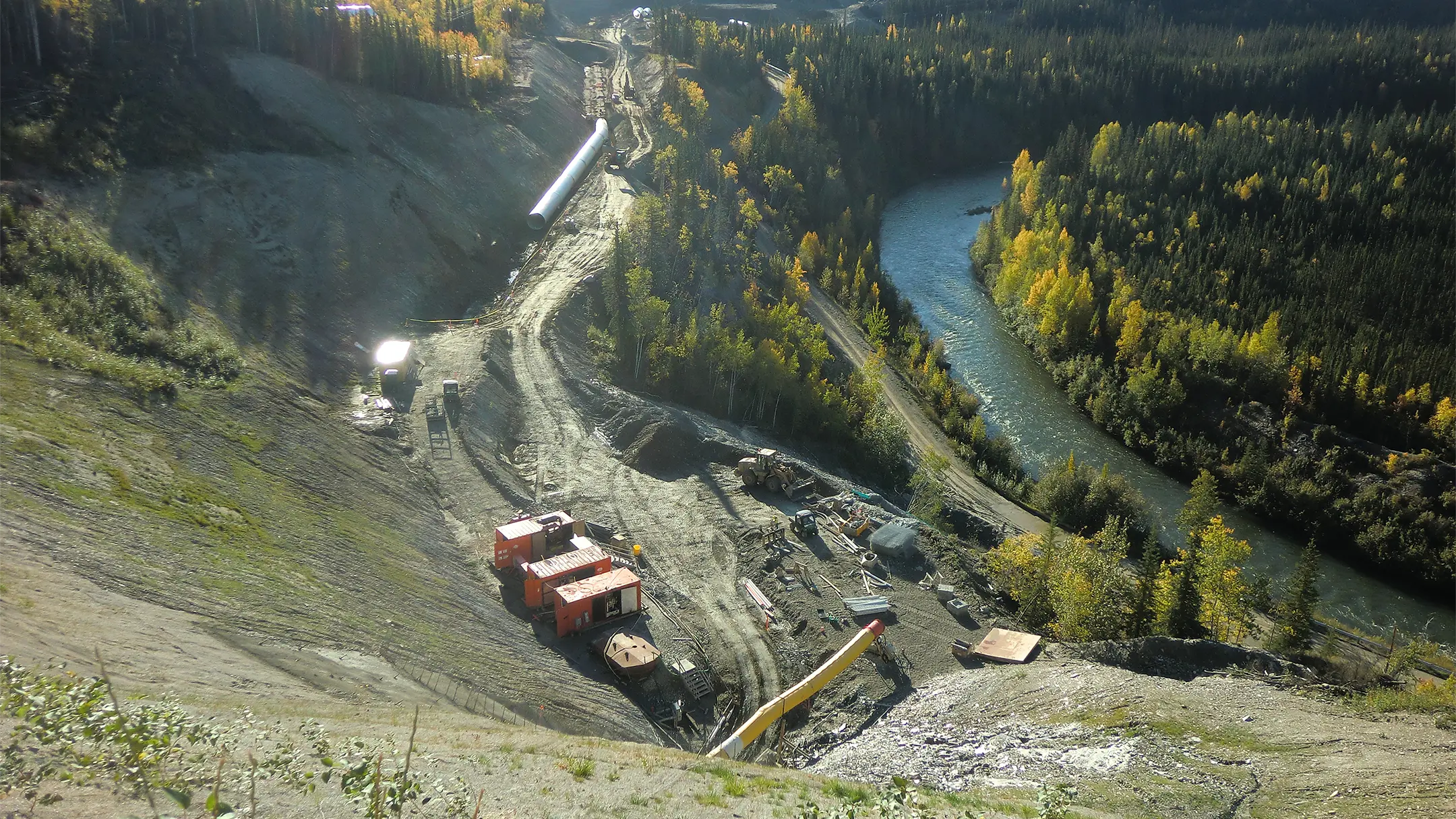
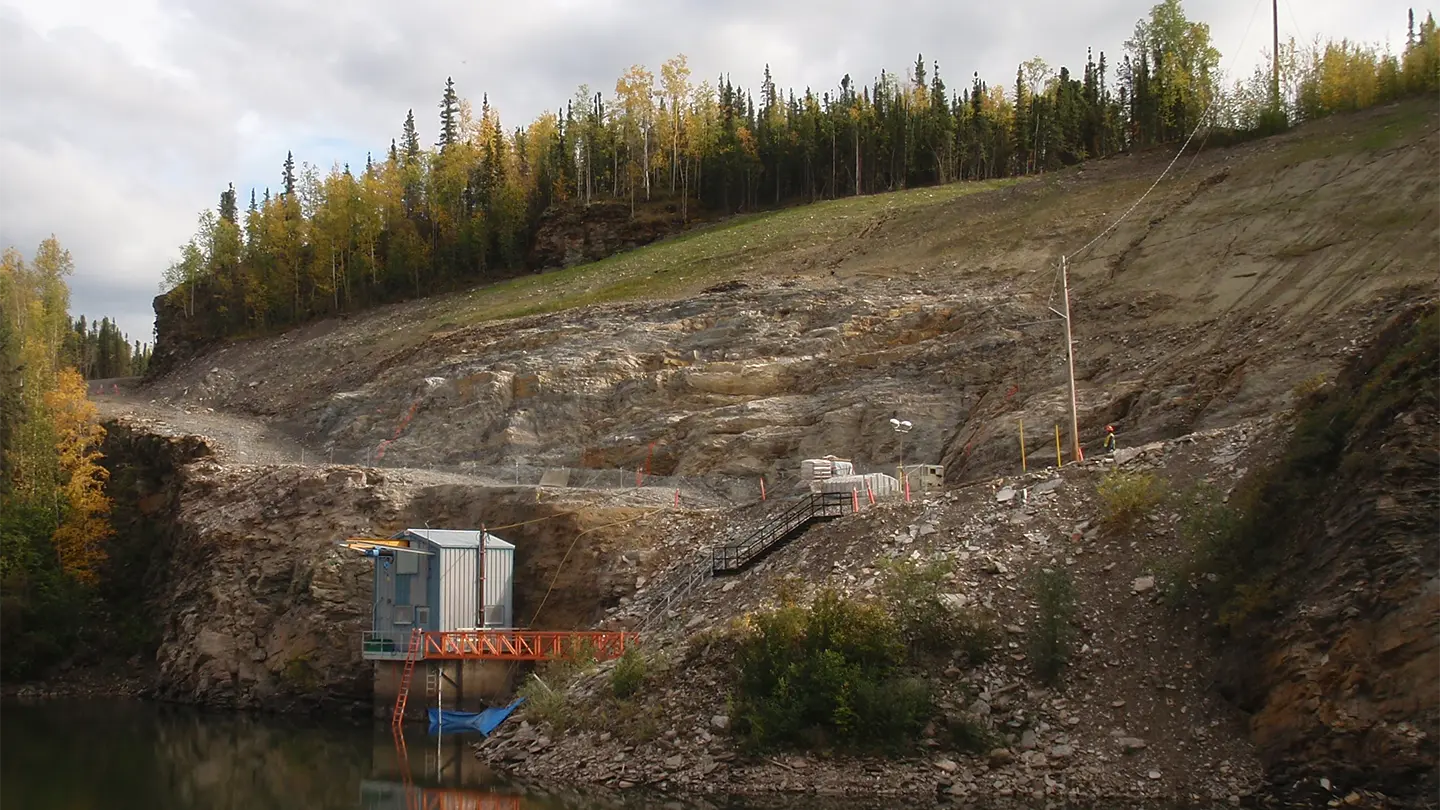
KGS Group was retained by the Yukon Energy Corporation to review feasible hydro projects in the territory, which culminated in the selection of the Mayo B project. To develop the $120 million Mayo B, KGS entered into an early contractor involvement alliance partnership, sharing the financial risks and project rewards. This partnership was the first of its kind in the Canadian hydroelectric industry.
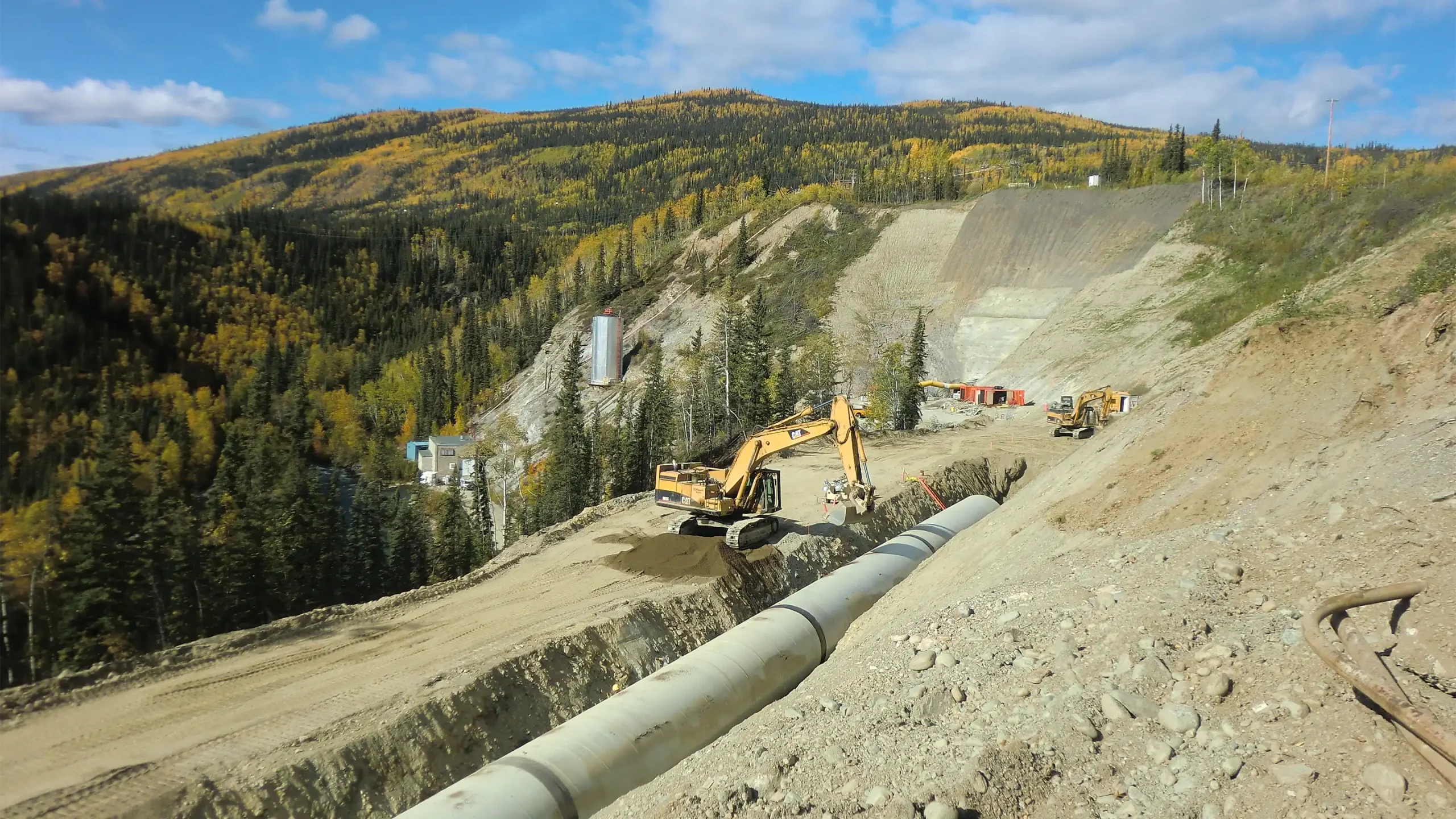
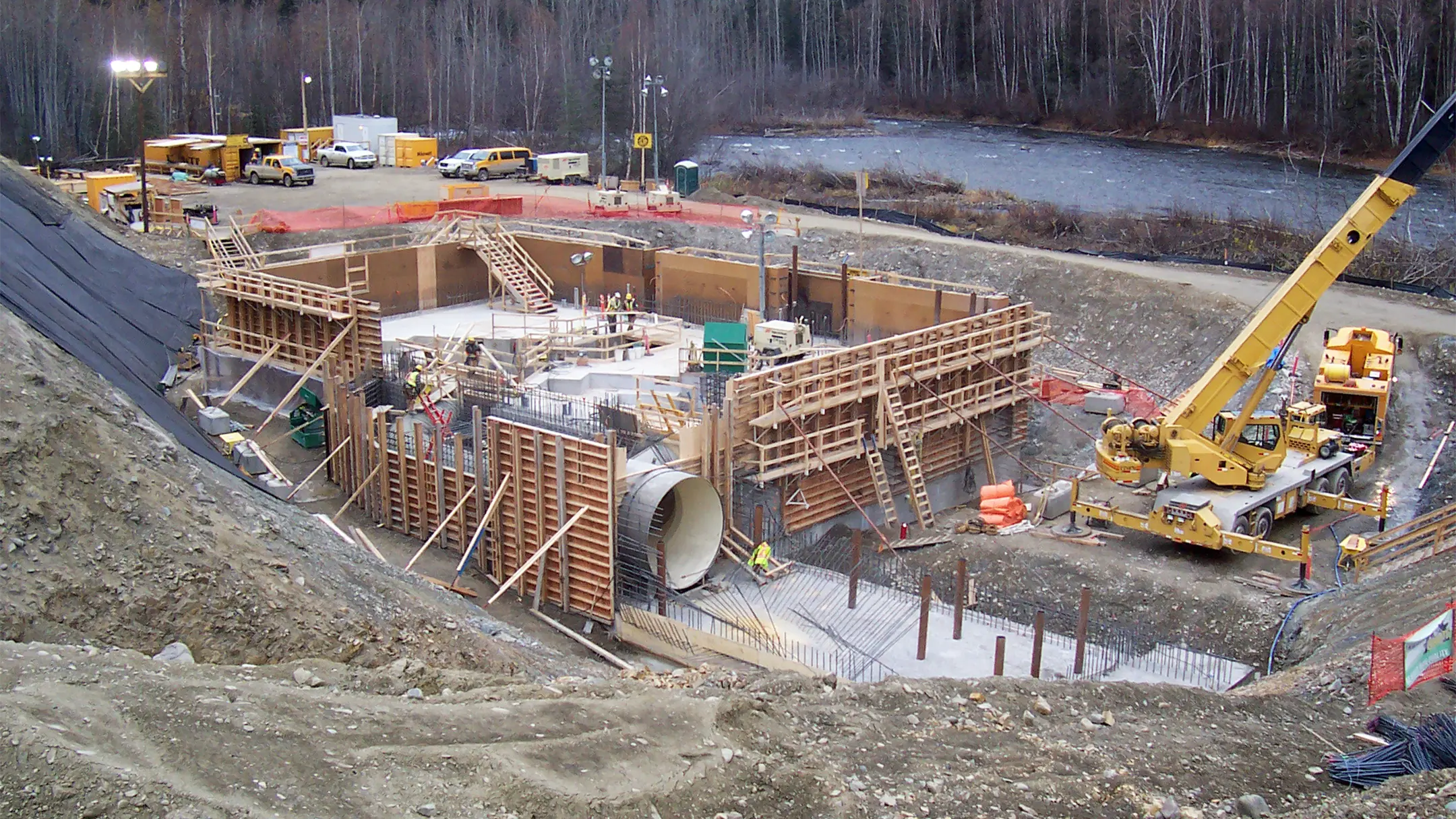
We conducted a feasibility study as well as completed the preliminary and final design of a new powerhouse downstream of the existing Mayo hydroelectric development. Reusing the already in-place dam and intake structure, the work also included connecting and conveying water to the new powerhouse through a new 3.8 km tunnel and penstock system.
Overcoming challenging conditions to make way for the new tunnel and “tie it” into 60-year old infrastructure, we used careful mapping and characterization. This helped support concurrent tunnel design and excavation, and slope stabilization. Precision LiDAR 3-D survey techniques and modelling were also integral to the work.
Within a remote, sub-arctic climate, KGS was also responsible for on-site construction management including all contract administration and quality assurance for the civil, mechanical and electrical works, as well as the supply and installation of the turbines and generator equipment.
As a result, total hydro power generation capacity went from 5.4 MW to 12 MW, increasing Yukon’s renewable and sustainable electricity generation capability. The on-budget, on-schedule project also displaces diesel generation, offsetting up to $10 million in annual fuel costs and eliminating approximately 25,000 tonnes of greenhouse gas emissions per year.
Project Highlights
- A new downstream powerhouse and 3.8 km tunnel and penstock system
- Integrated new infrastructure with the existing 60-year-old dam and intake infrastructure
- Generation capacity increased from 5.4 MW to 12 MW
- Up to $10 million/year fuel cost offset
- 25,000 tonnes of CO₂ avoided per year
- $120M project completed on time and on schedule
New Museum Building for the Royal Aviation Museum of Western Canada
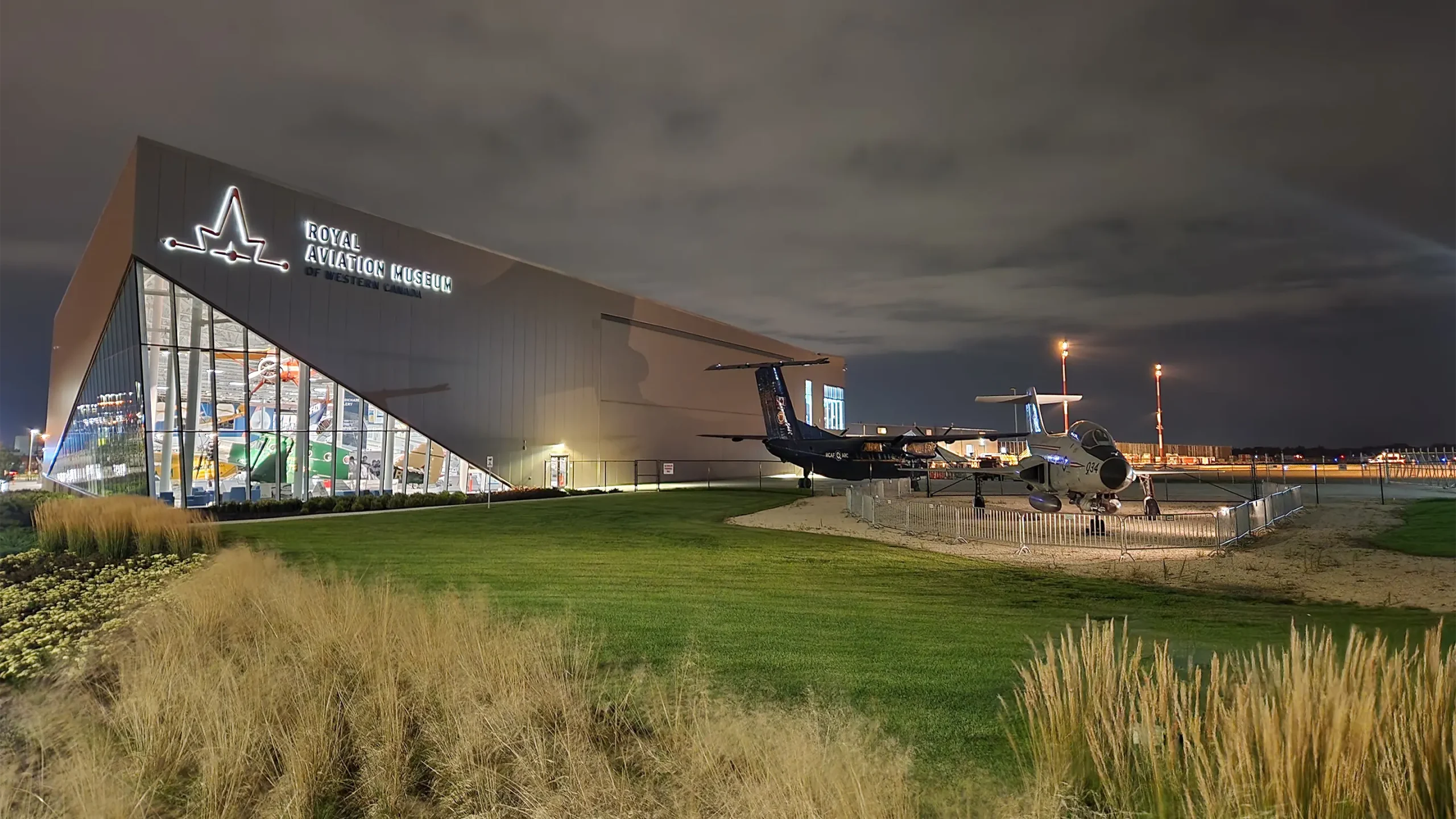
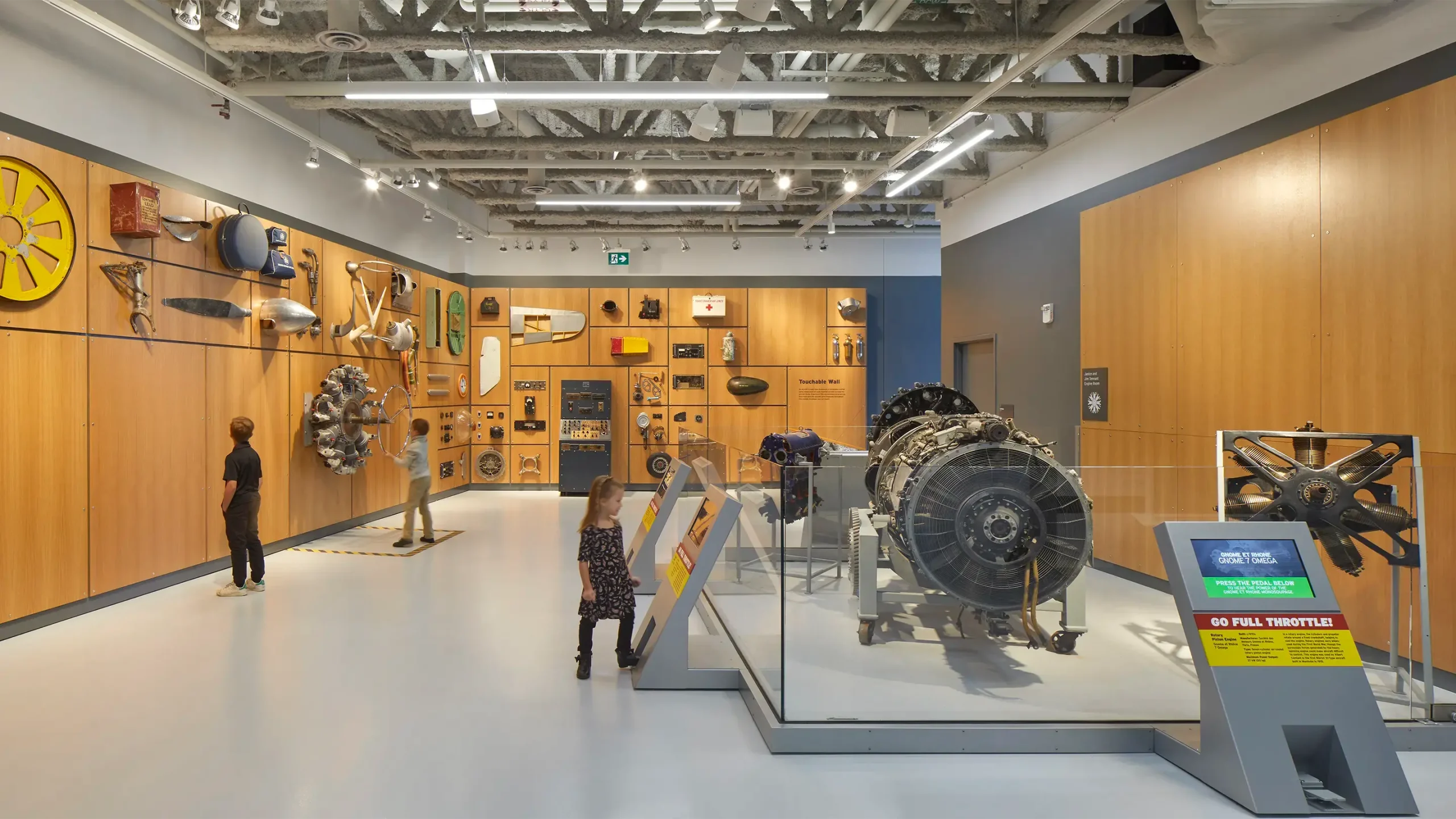
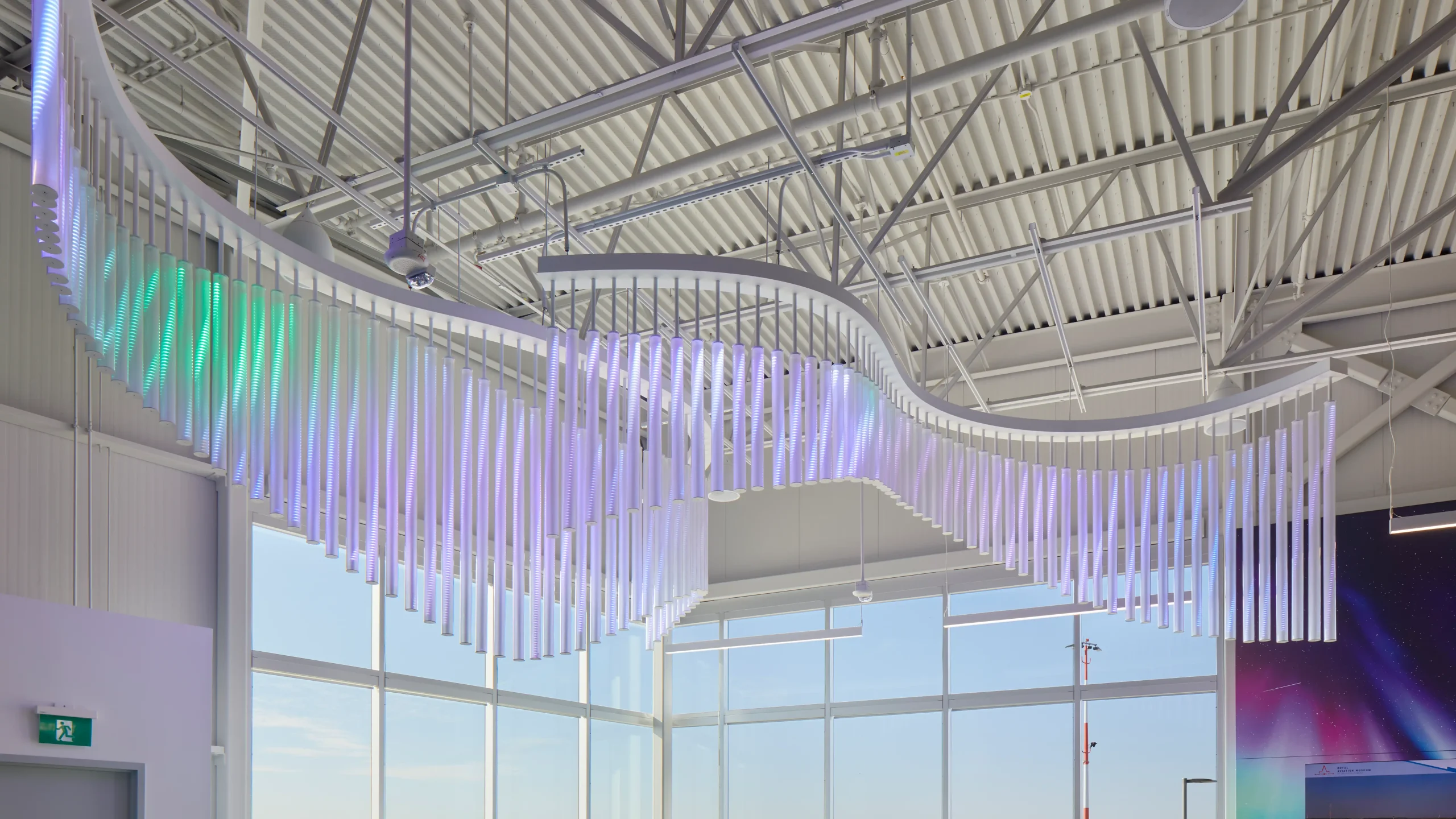
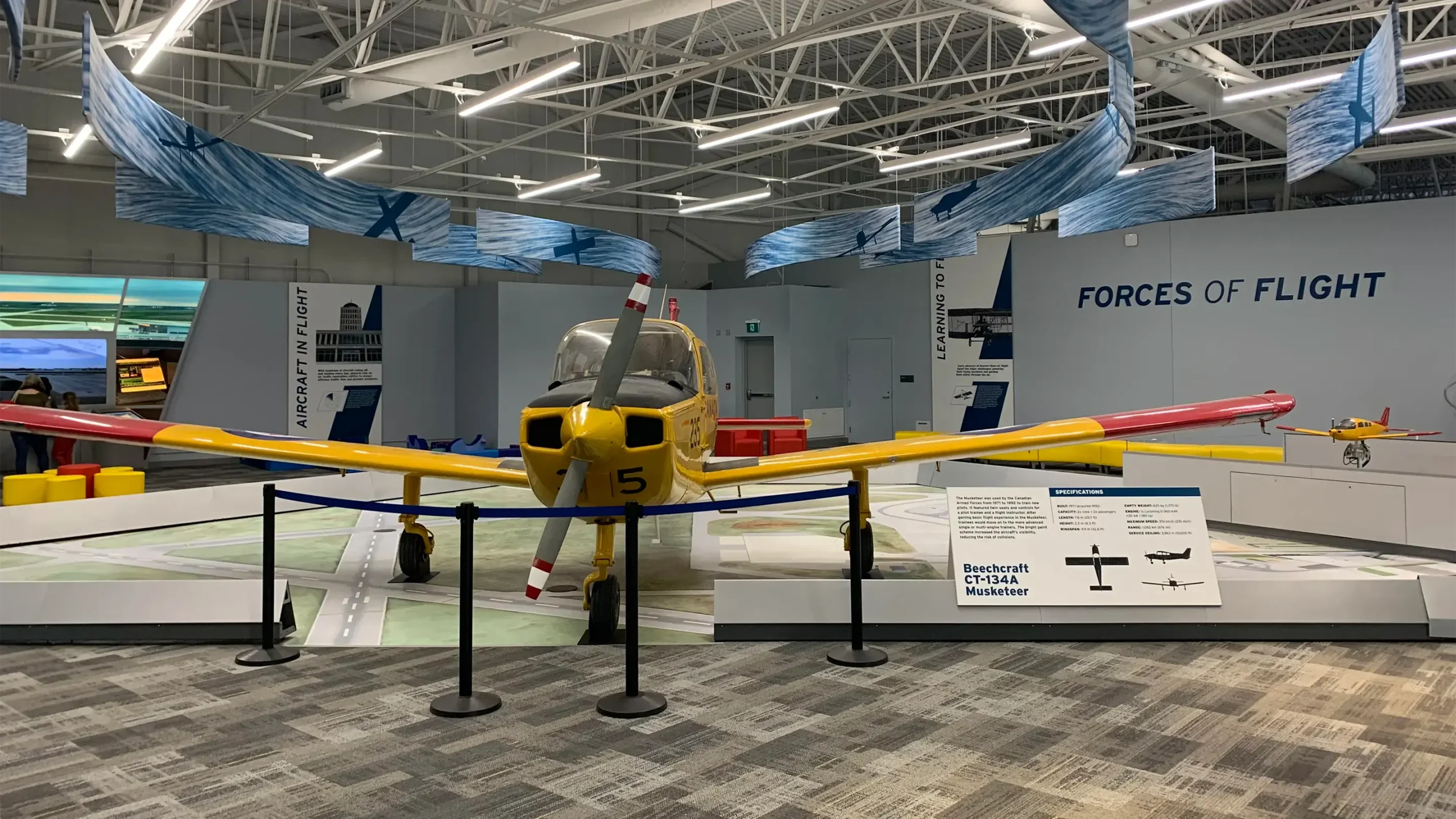
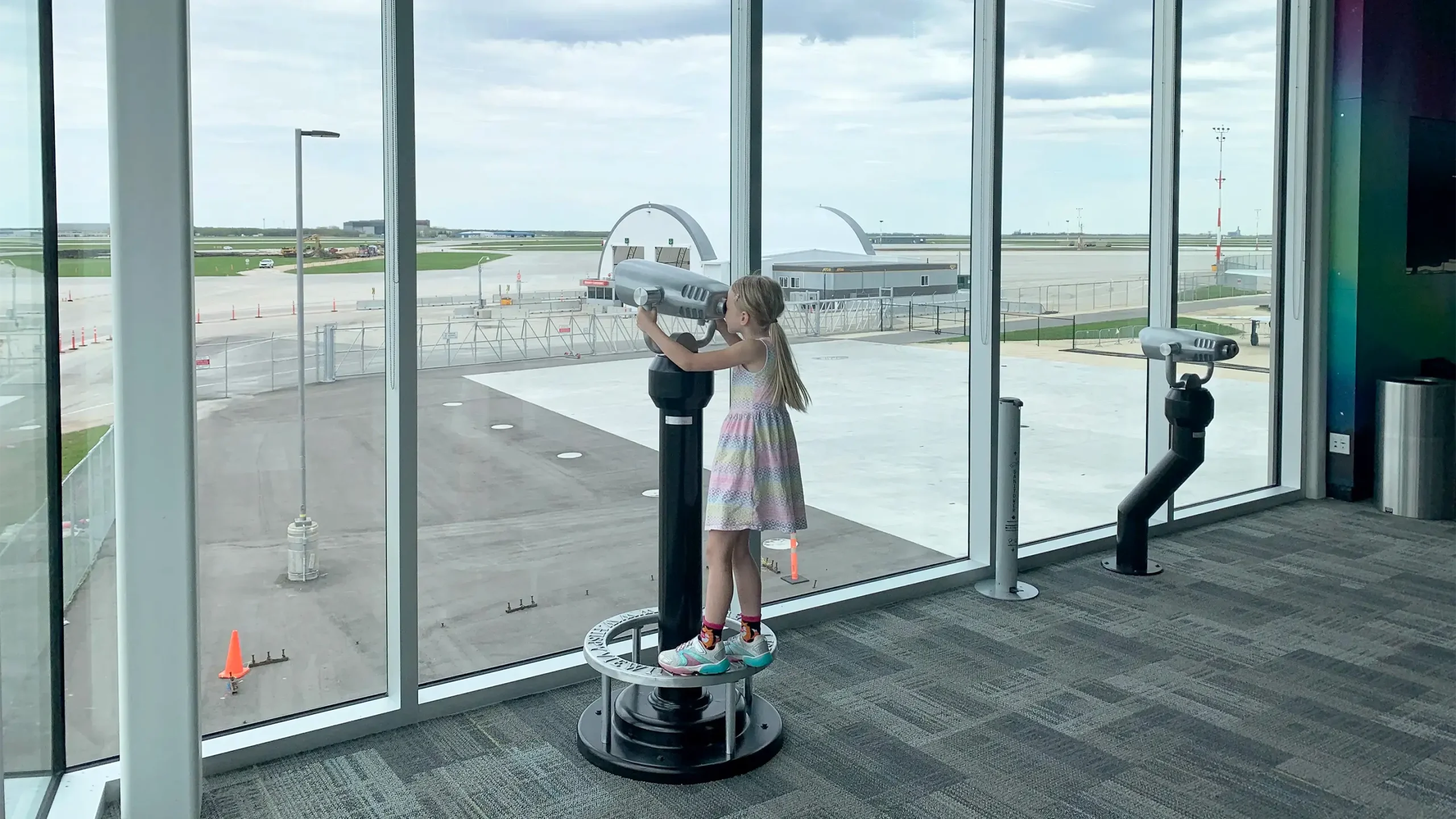
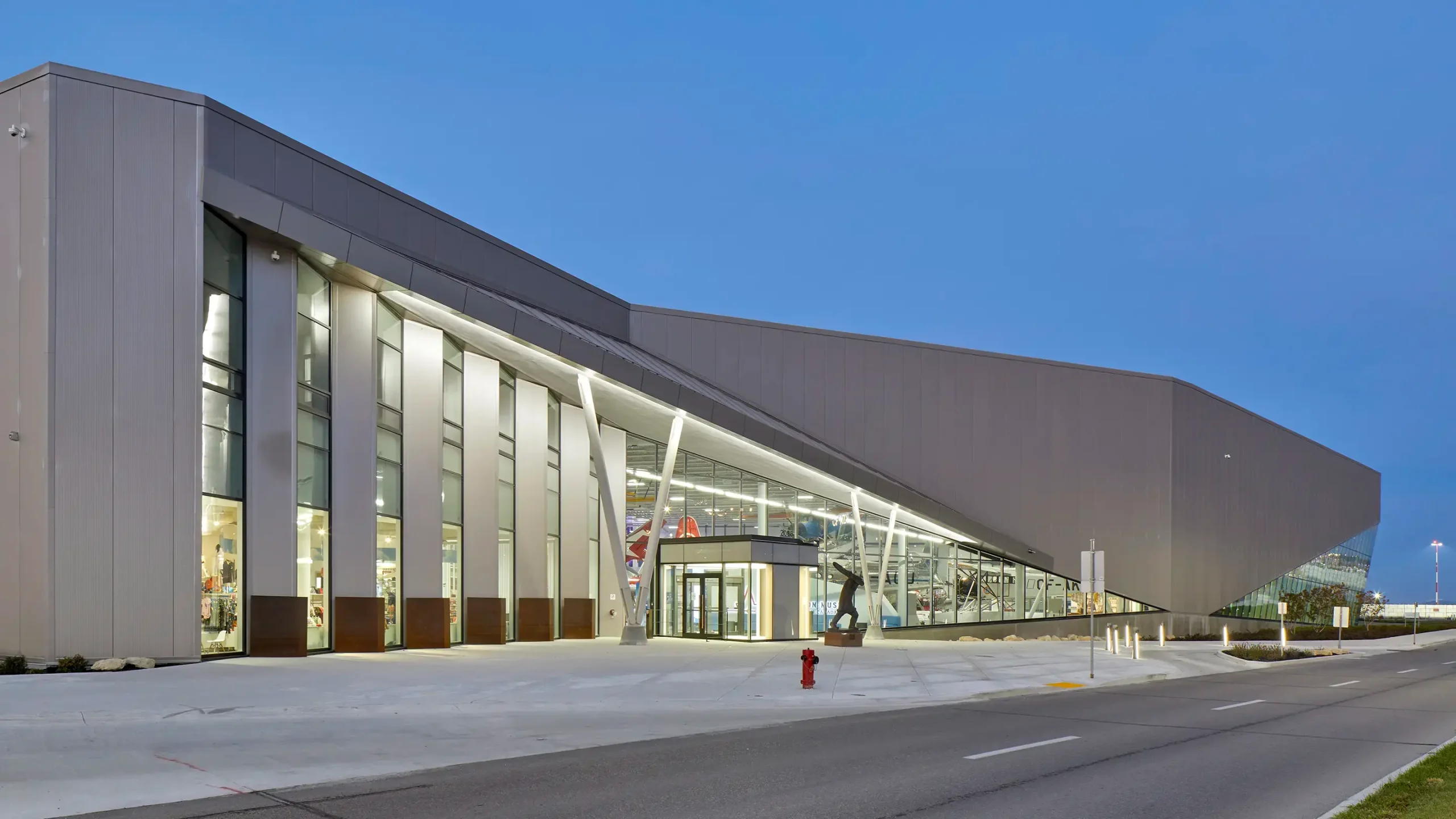
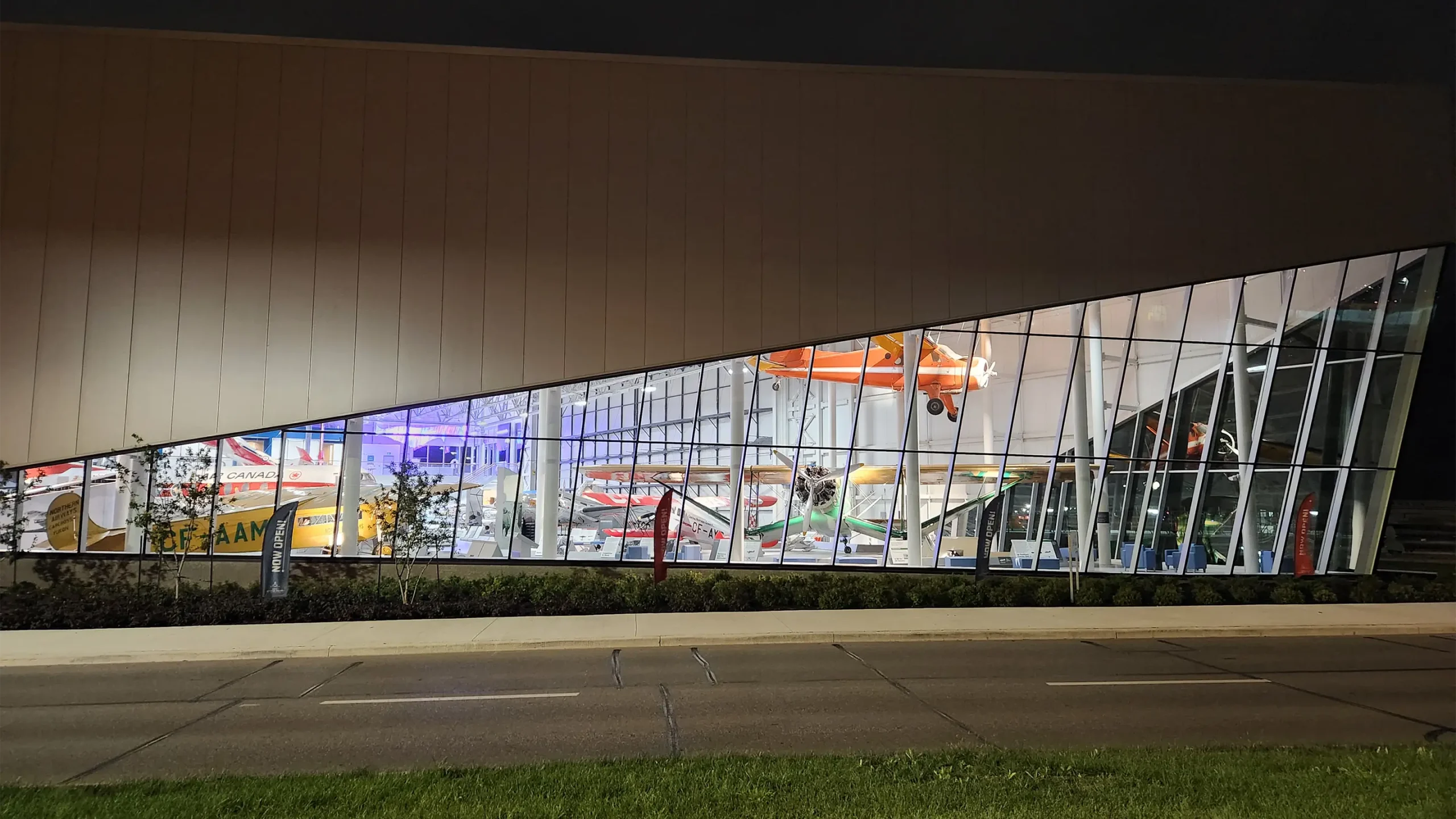
The new Royal Aviation Museum of Western Canada is a state‑of‑the‑art, 86,000 square foot facility housing more than 20 aircraft, 14 galleries, meeting rooms, classrooms, a gift shop and an observation lounge overlooking active runways. KGS Group engineered the energy‑efficient facility targeting LEED Silver certification, balancing visitor experience with performance, constructability and budget.
Working with the Museum, curator, architect, Winnipeg Airports Authority and utility owners, KGS Group’s multidisciplinary team brought the interactive galleries to life and resolved complex requirements including environmental temperature and humidity control for displays and the illumination of the grounds, building façade and galleries.
The final energy model demonstrated 39.1% annual energy savings, achieved through coordinated “out‑of‑the‑box” design strategies and rigorous quality assurance. Stakeholder concerns and issues were addressed, including energy savings, budgeting and LEED certification. The result provides Winnipeg with a destination go-to attraction and venue that welcomes visitors from across Canada and beyond.
Project Highlights
- Design and commissioning of temperature and humidity stabilization and humidification systems for artifacts
- High‑efficiency HVAC and building automation to achieve energy targets, showing 39.1% annual savings
- Electrical distribution and specialty power for interactive exhibits, AV and classrooms
- Fire protection and life‑safety systems tailored to large artifacts and public assembly spaces
- Quality assurance and internal project management including design reviews, constructability checks, and commissioning support
Perimeter Aviation Terminal Expansion
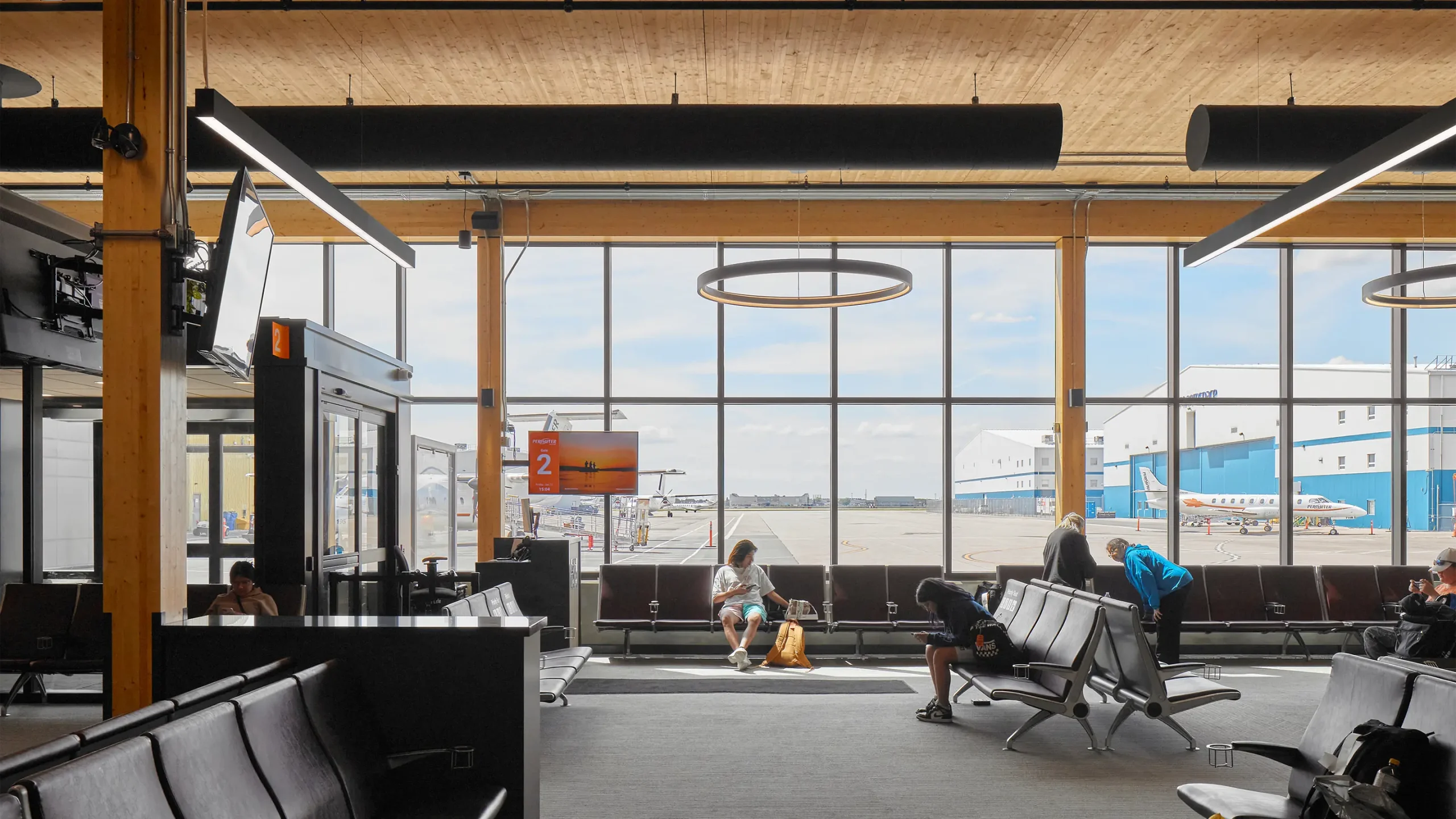
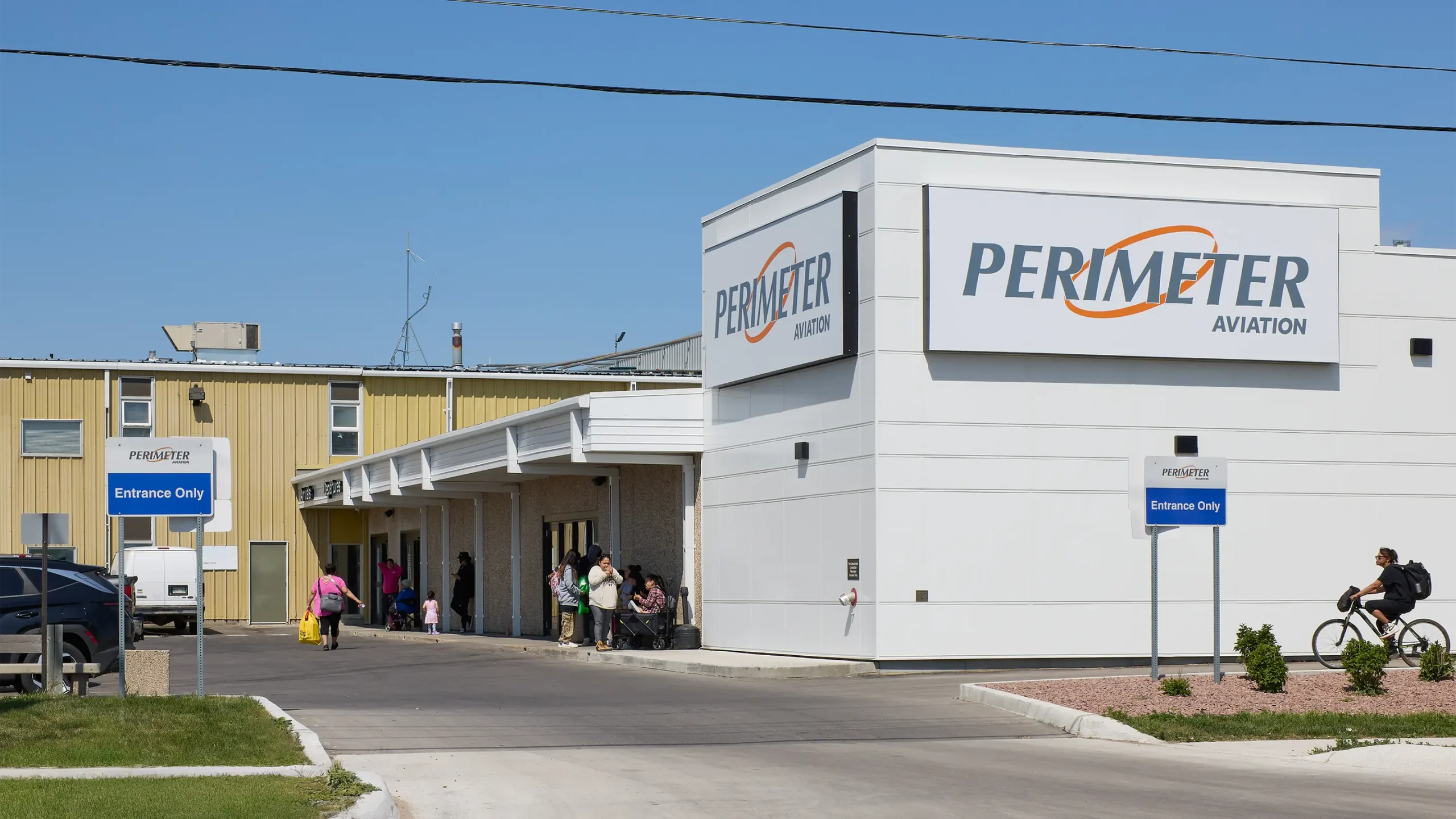

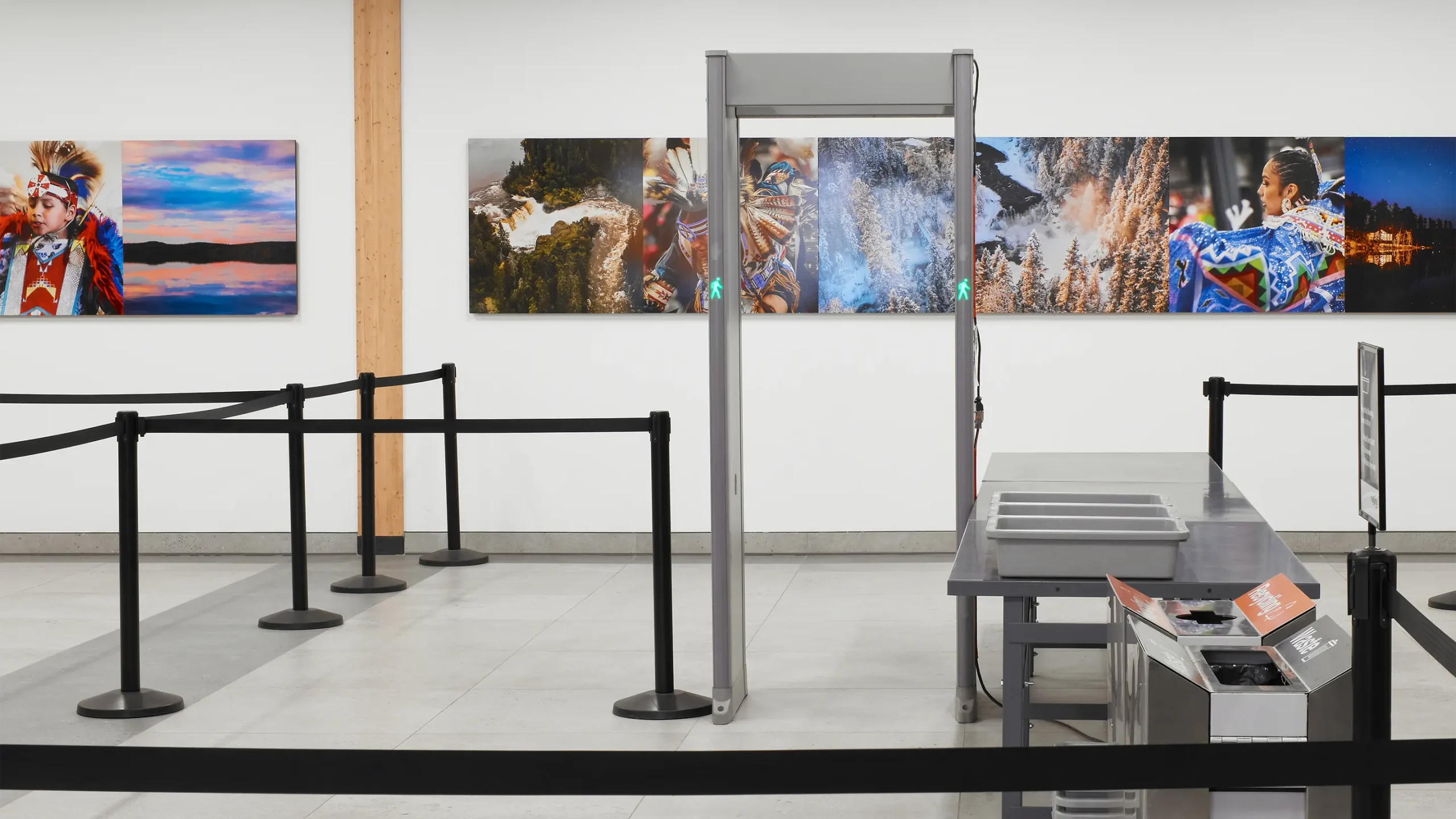
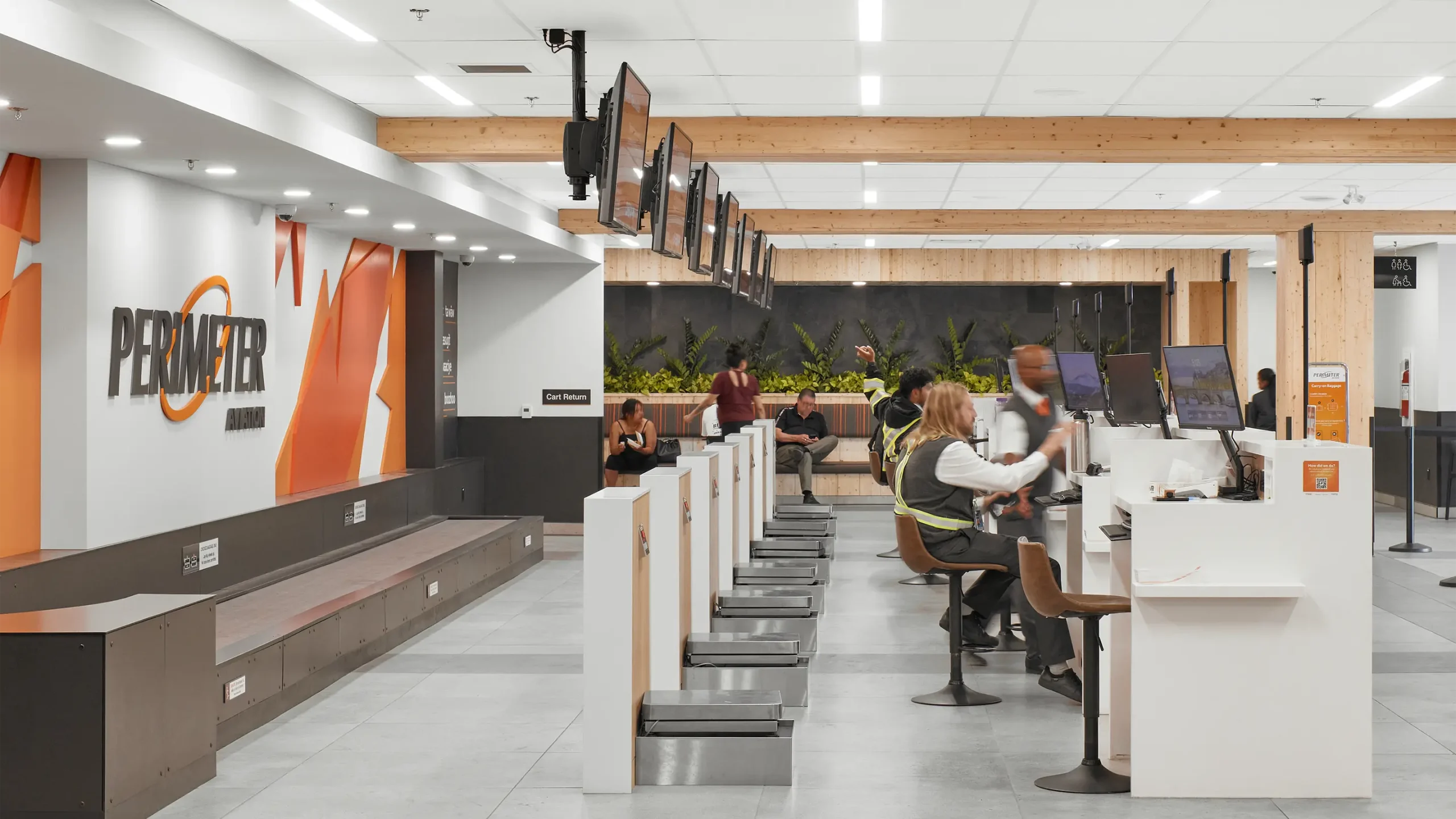
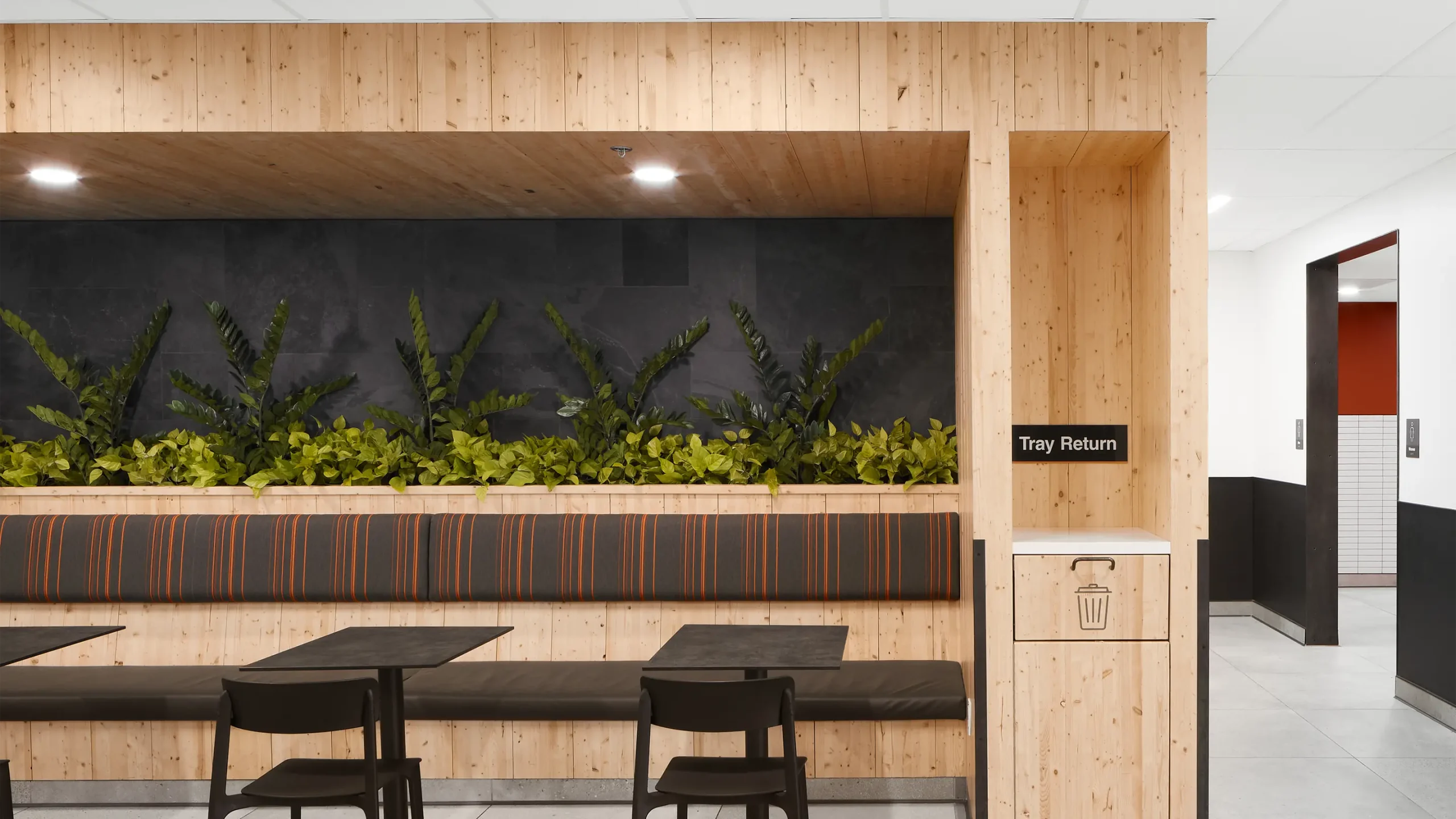
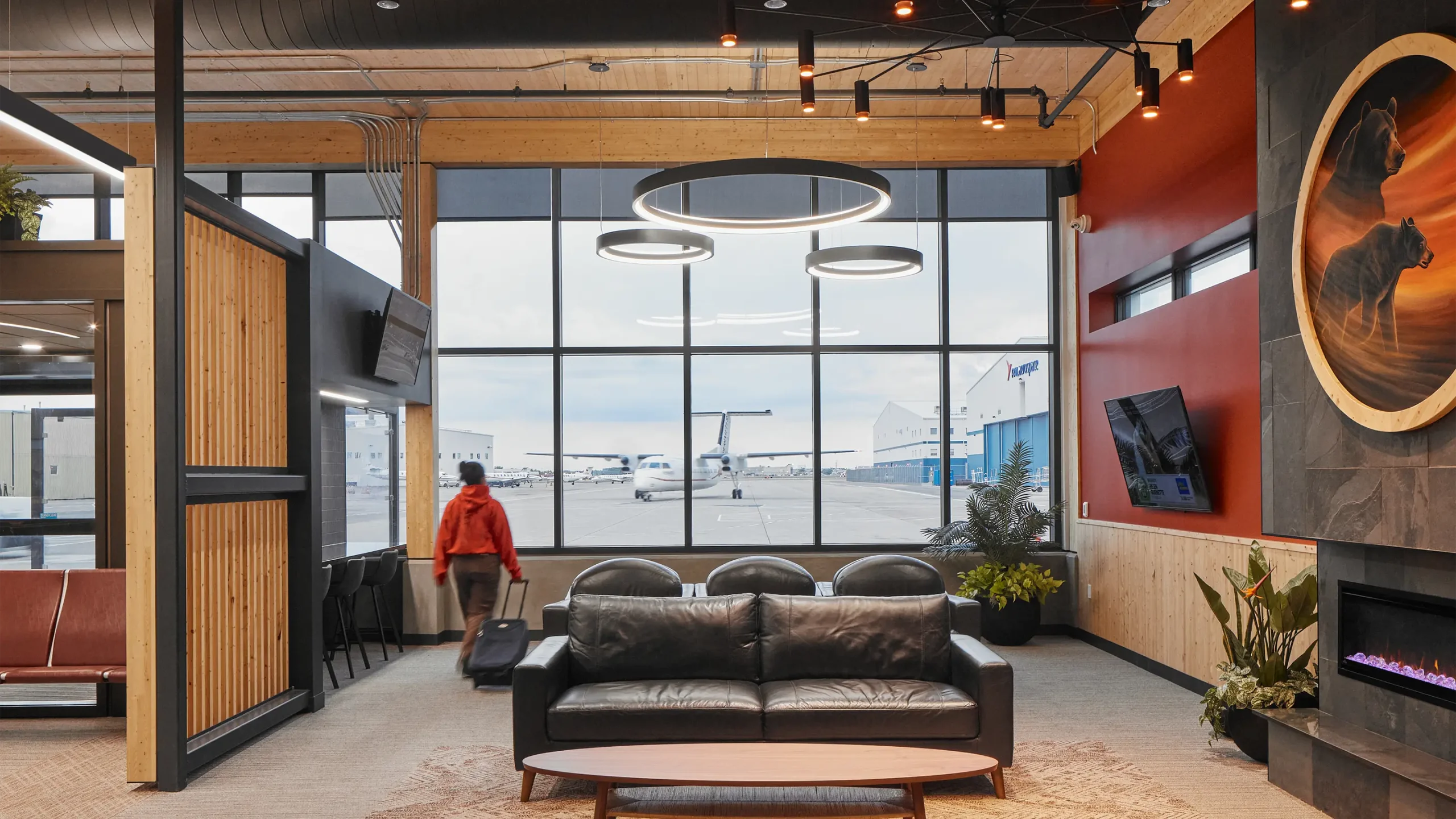
Perimeter Aviation is a leader in providing safe and innovative aviation services to rural and northern communities in Manitoba and Ontario. To continue to provide an exceptional level of service for their customers, their facilities in Winnipeg required significant upgrades.
Working as a subcontractor for MMP Architects Inc., KGS Group oversaw the planning, design and construction of the expansion and renovation of their main terminal building. This project was split into multiple phases to ensure flights and customers were not significantly impacted.
The first phase included an 18,000 square foot expansion featuring a large and prominent cross-laminate timber ceiling and a new commercial kitchen for the departure terminal. In the second phase, the existing 4,000 square foot terminal building underwent substantial renovations, featuring new kiosks, a modern baggage area, a welcoming arrival area and an upgraded on-site parking lot. Improvements to the remote parking lot took place in the third phase of the project.
The main terminal building also underwent significant mechanical and electrical upgrades. These included new HVAC systems and associated controls, as well as new plumbing and fire protection systems. Additionally, new electrical services included LED lighting, addressable lighting control systems and Lutron shade controls. To maintain customer safety, upgrades also included a state-of-the-art surveillance camera system, access controls and a public address system.
These new facilities and upgrades will help Perimeter Aviation continue to make travel safe, accessible, and impactful for their passengers, connecting communities with every flight.
Project Highlights
- 18,000 sq ft expansion and the renovation of the existing 4,000 sq ft terminal
- Cross‑laminated timber feature ceiling, new commercial kitchen, upgraded kiosks and baggage area, welcoming arrivals zone
- New HVAC and controls, plumbing and fire protection, LED lighting, addressable lighting control, Lutron shade controls, surveillance cameras, access controls and public address system
Whitehorse Diesel-LNG Conversion
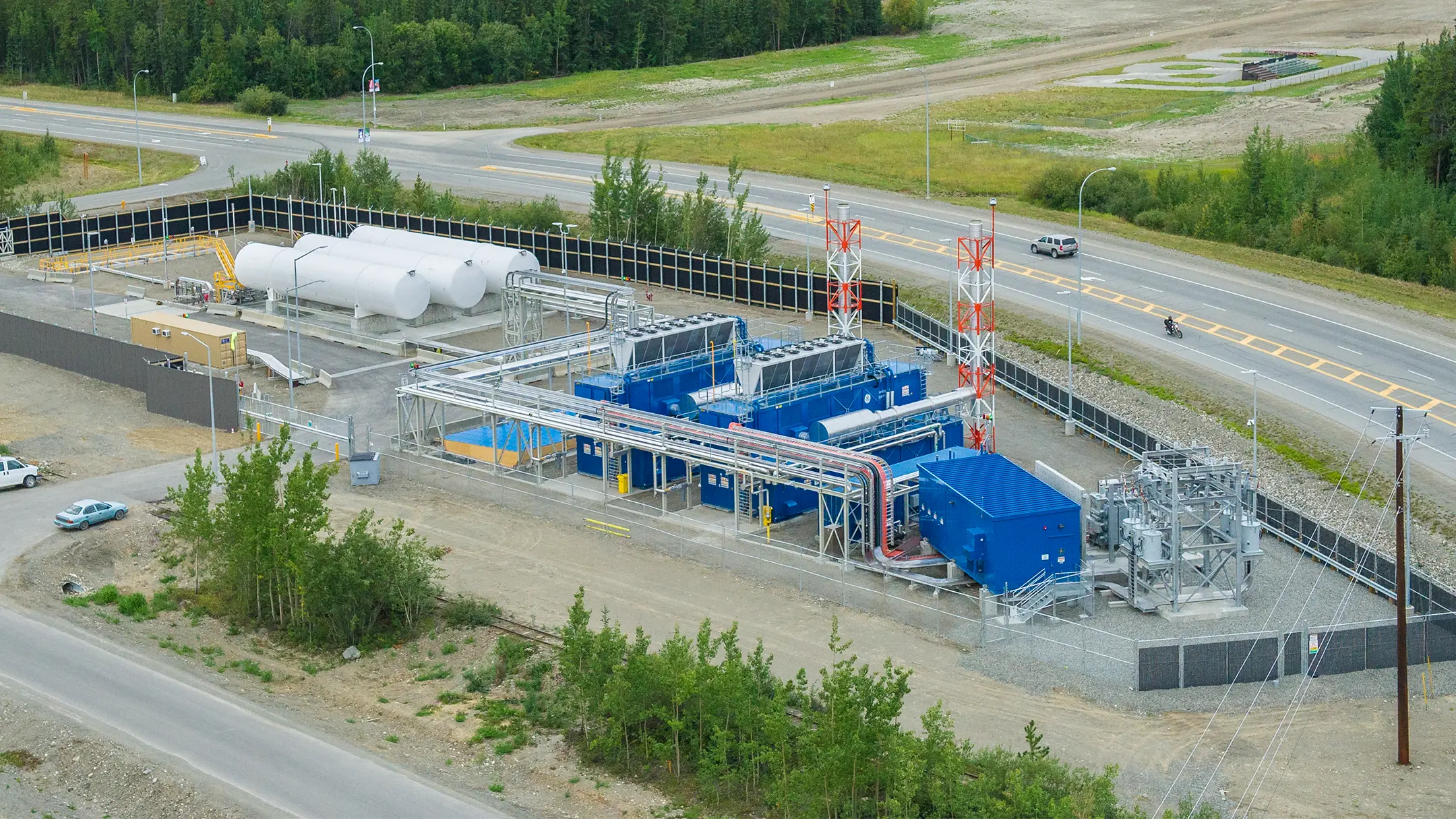
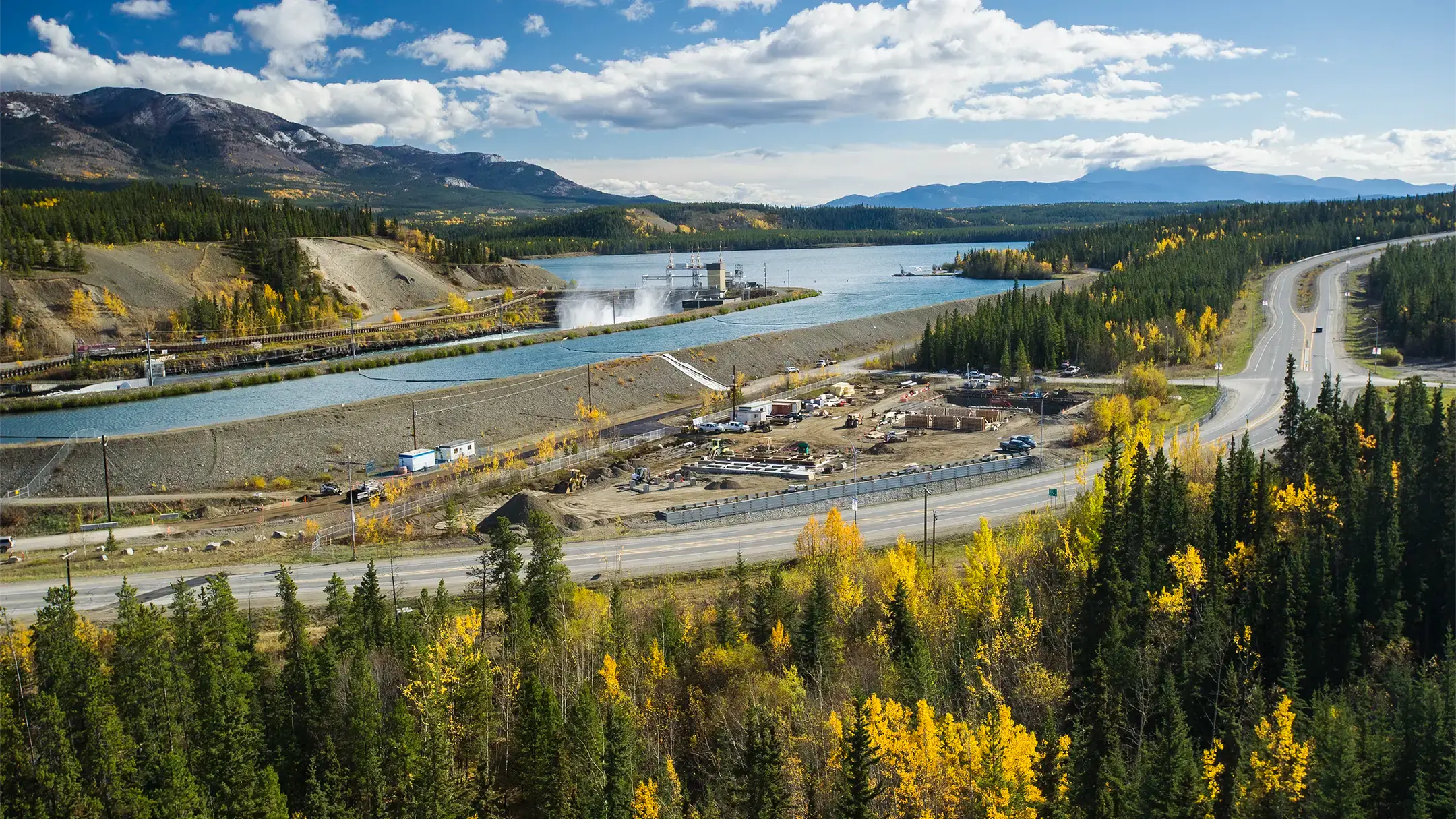

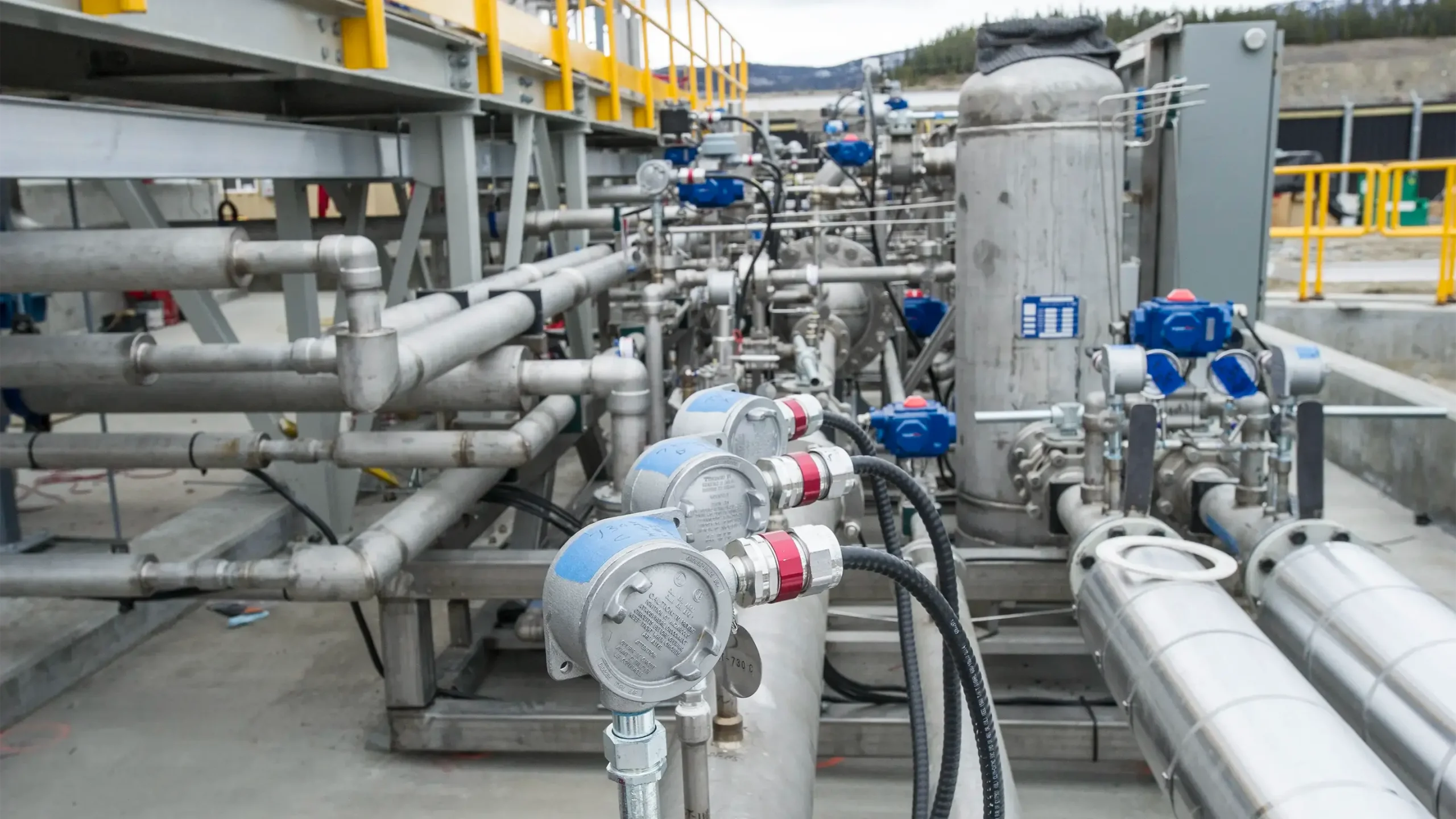
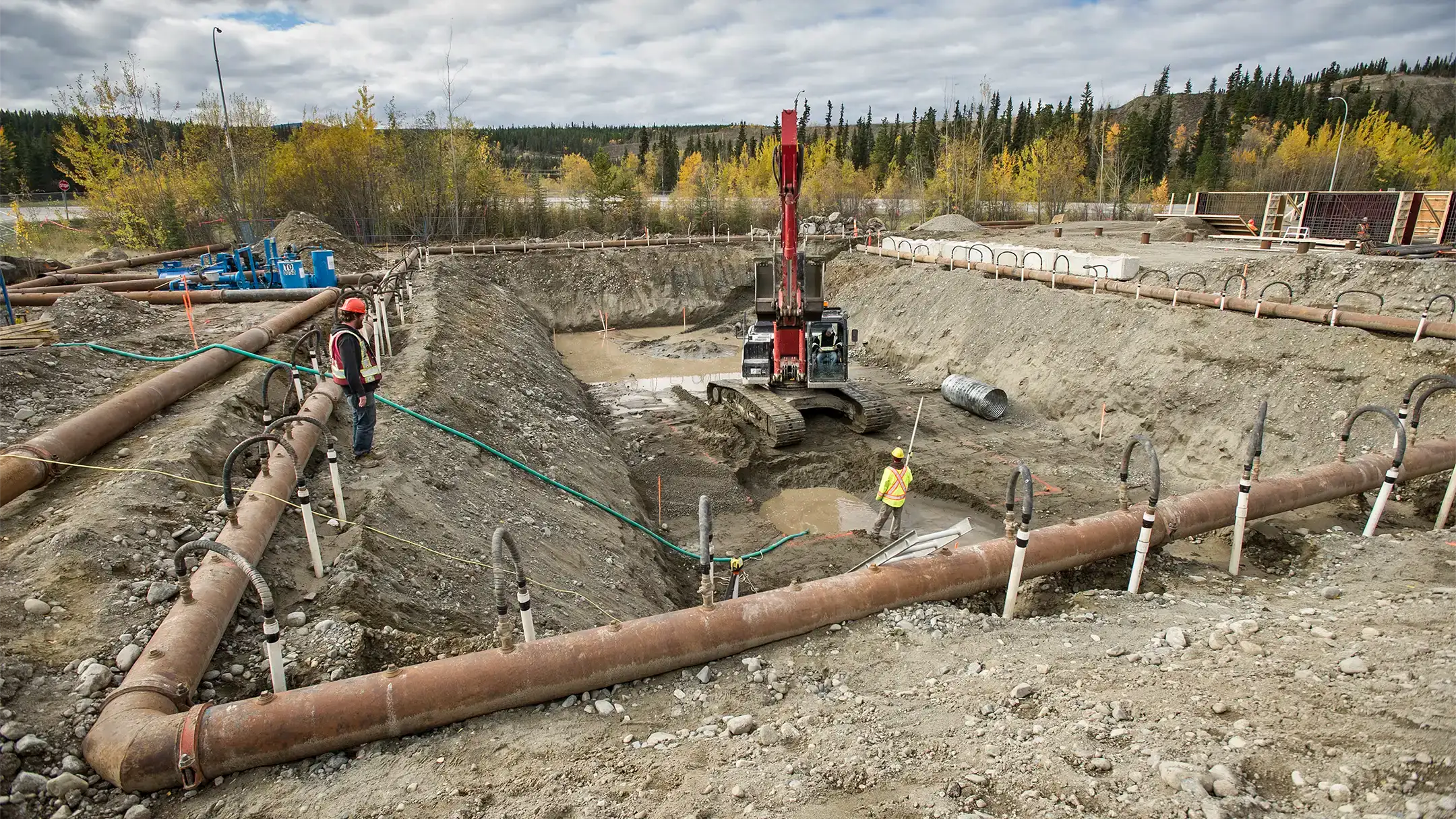
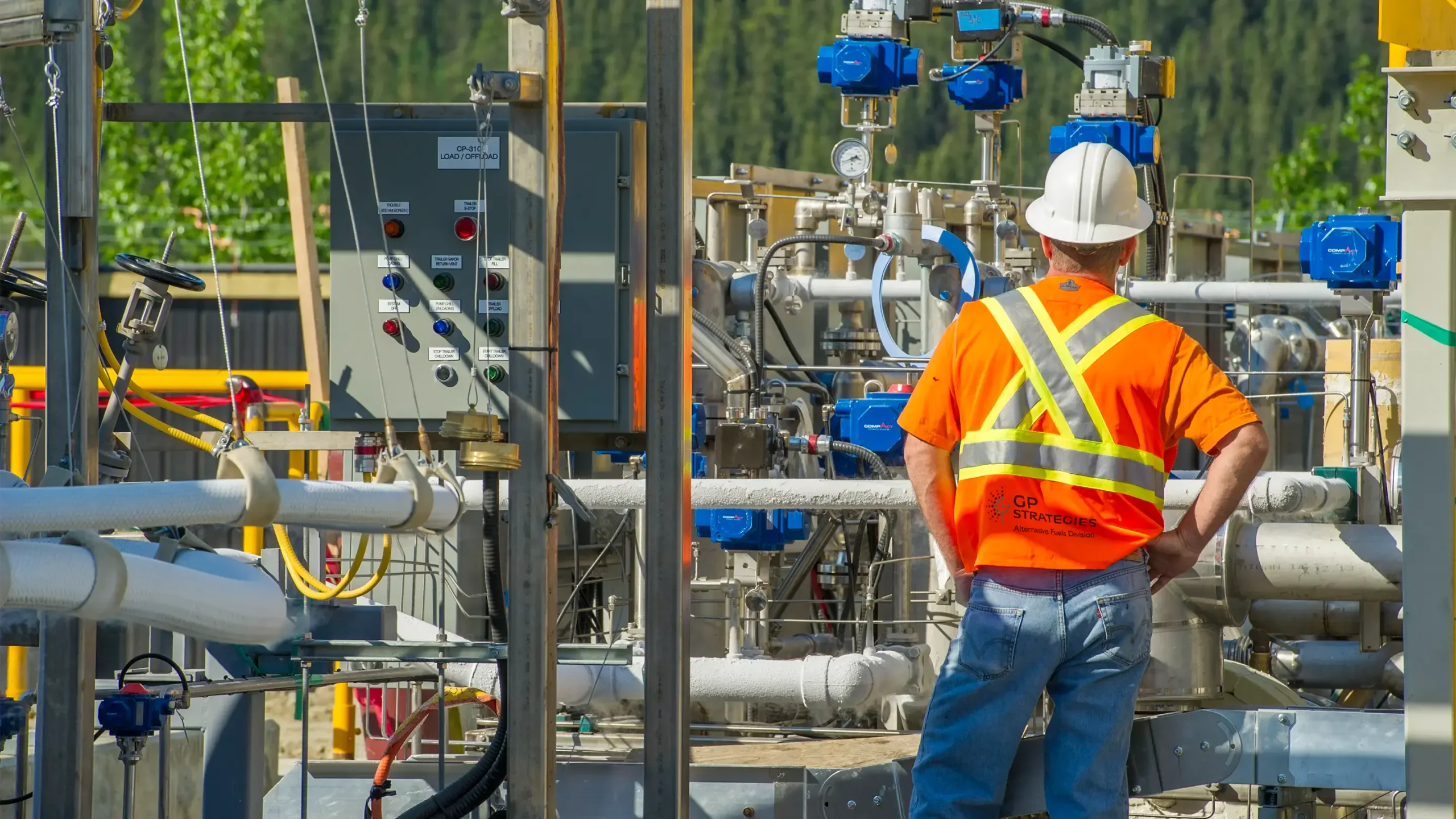
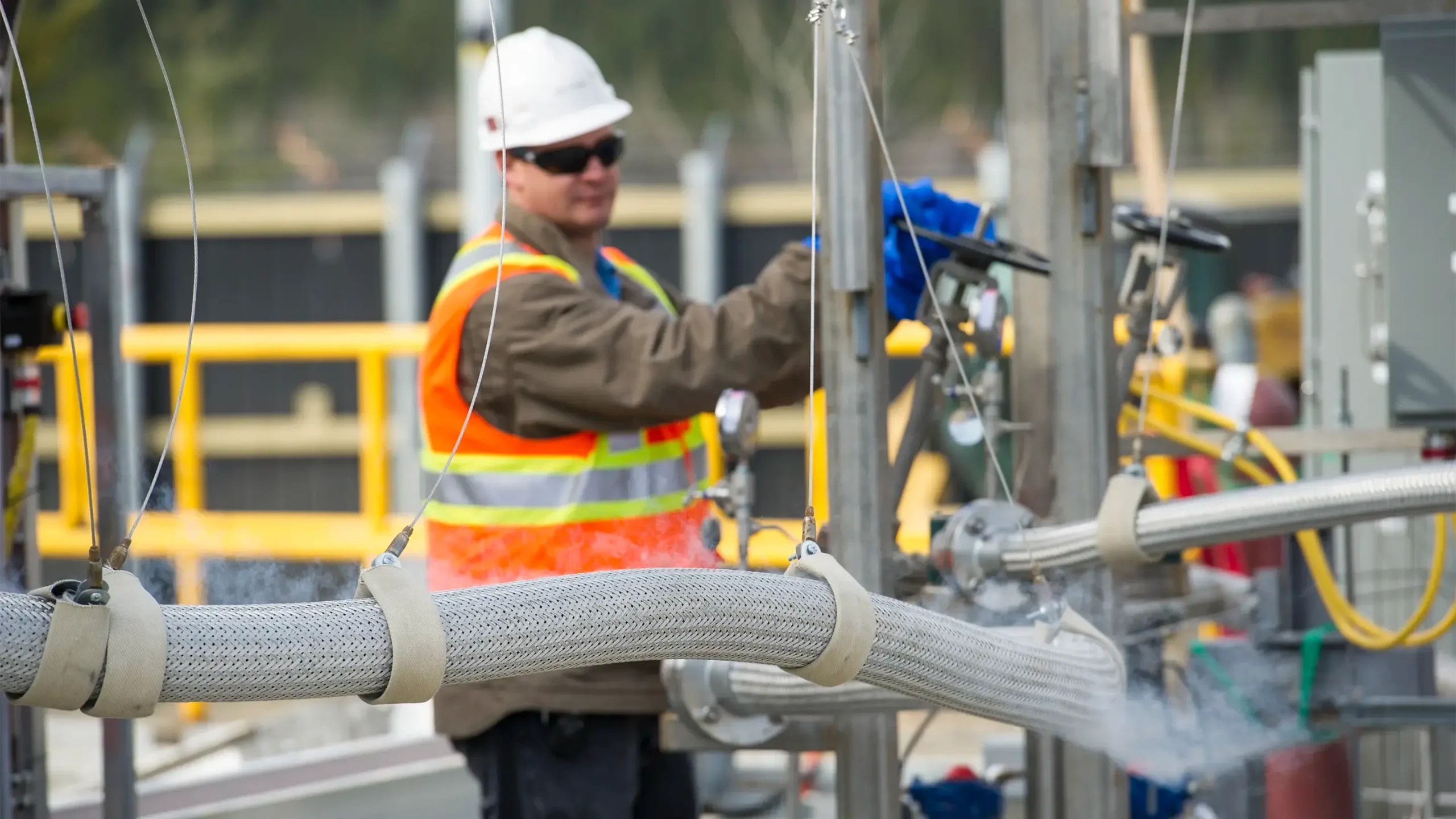

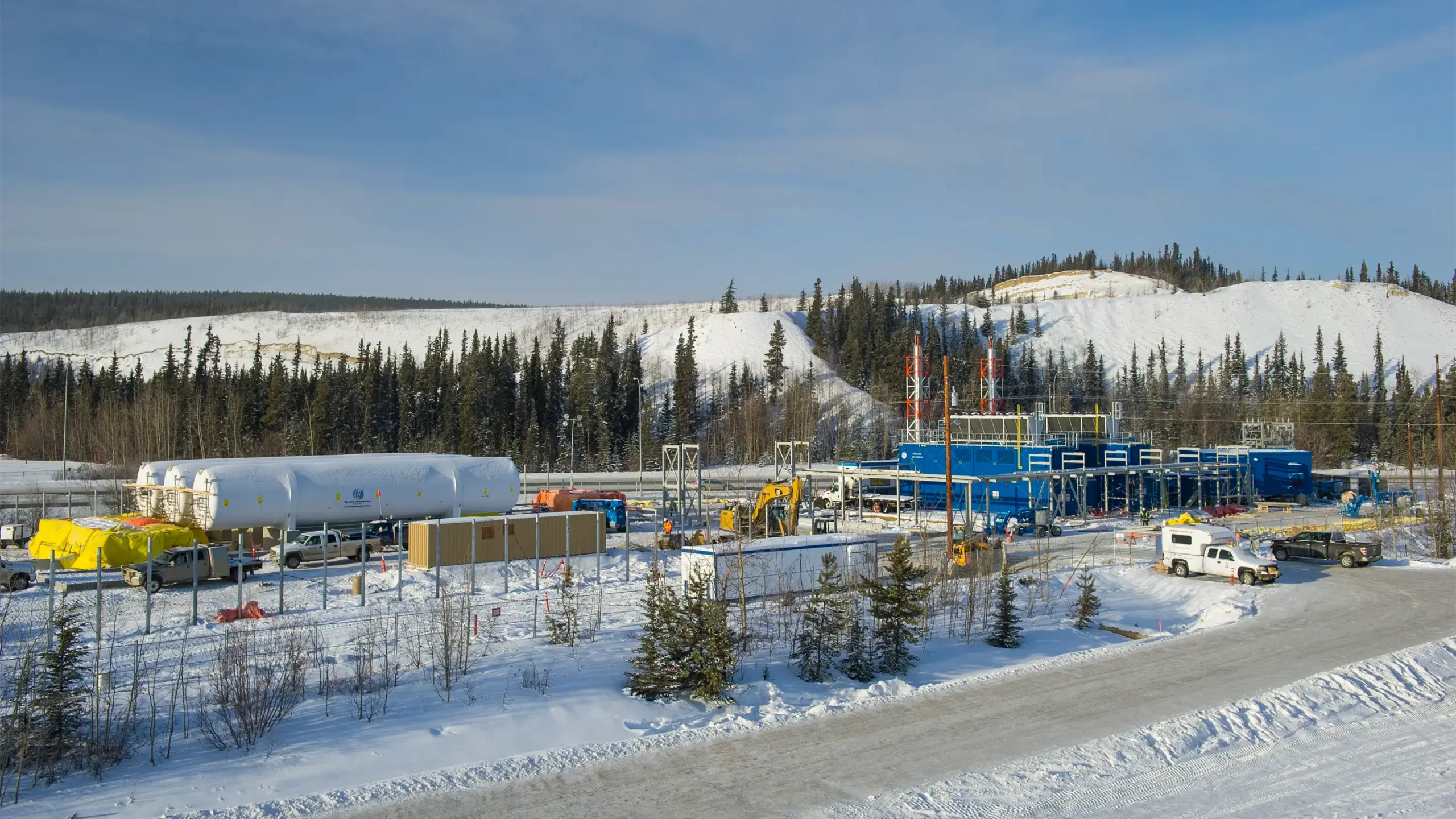
While the Yukon draws the bulk of its energy from renewable hydroelectric and wind power, the territory’s electrical grid required a backup source of power to meet consumer needs. Yukon Energy retained KGS to modernize the existing diesel system to meet peak demand and maintain territory-wide service for residents.
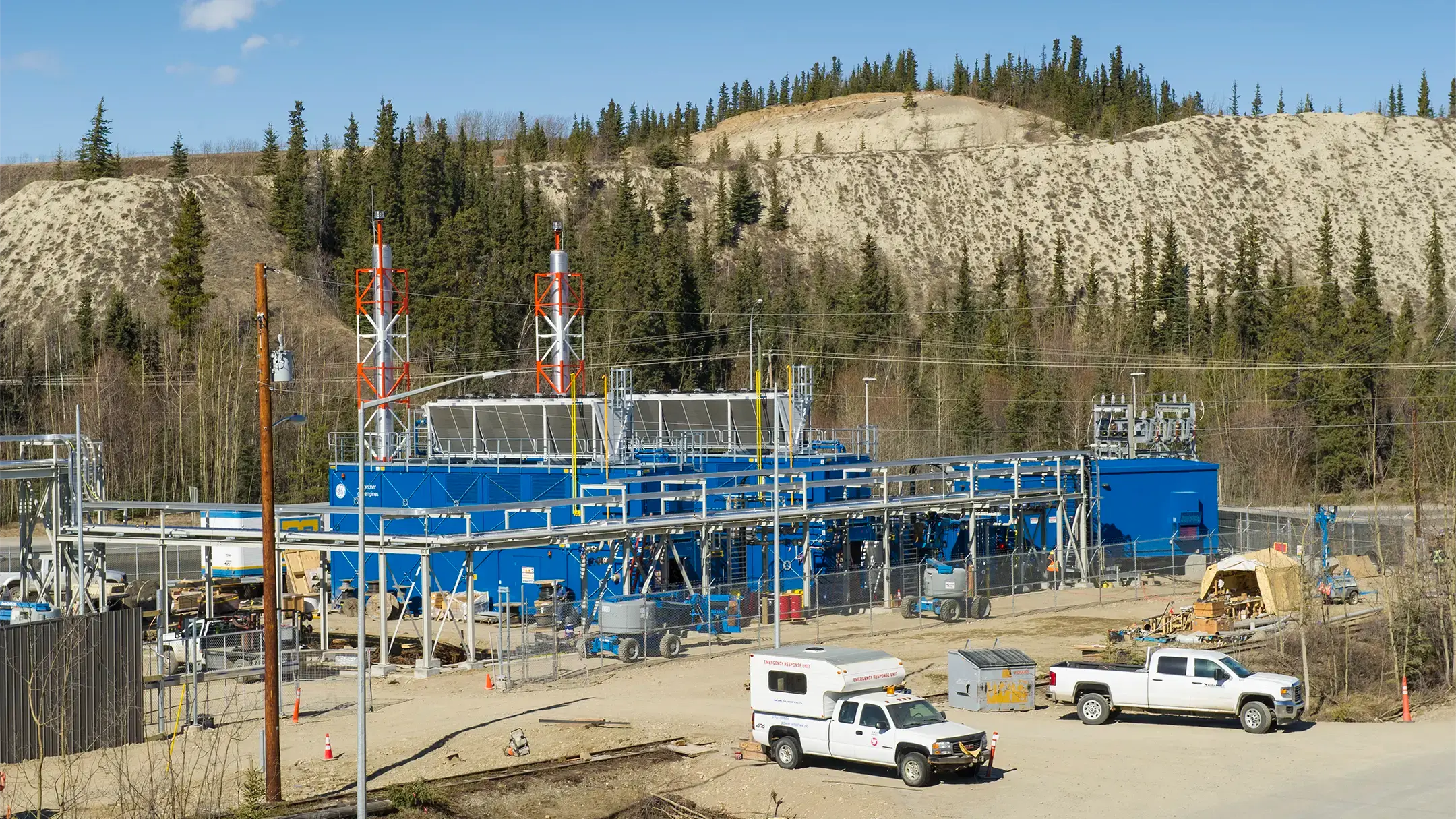
A new liquefied natural gas (LNG) fueled backup power generating station and associated infrastructure was constructed adjacent to Yukon Energy’s existing primary power generating station in Whitehorse, Yukon. Commissioned in 2015, the project site includes two modular LNG fueled reciprocating generators intended to replace Yukon Energy’s aging diesel generating equipment and to provide flexible and reliable backup power to supplement Yukon’s other power sources.
Project Highlights
- An LNG backup station was built with two modular reciprocating generators
- First use of LNG in Yukon
- Lower greenhouse gas emissions than the previous diesel system, long‑term ratepayer savings and improved reliability and peak support
El Dorado Forebay Dam- FERC Dam Safety Project

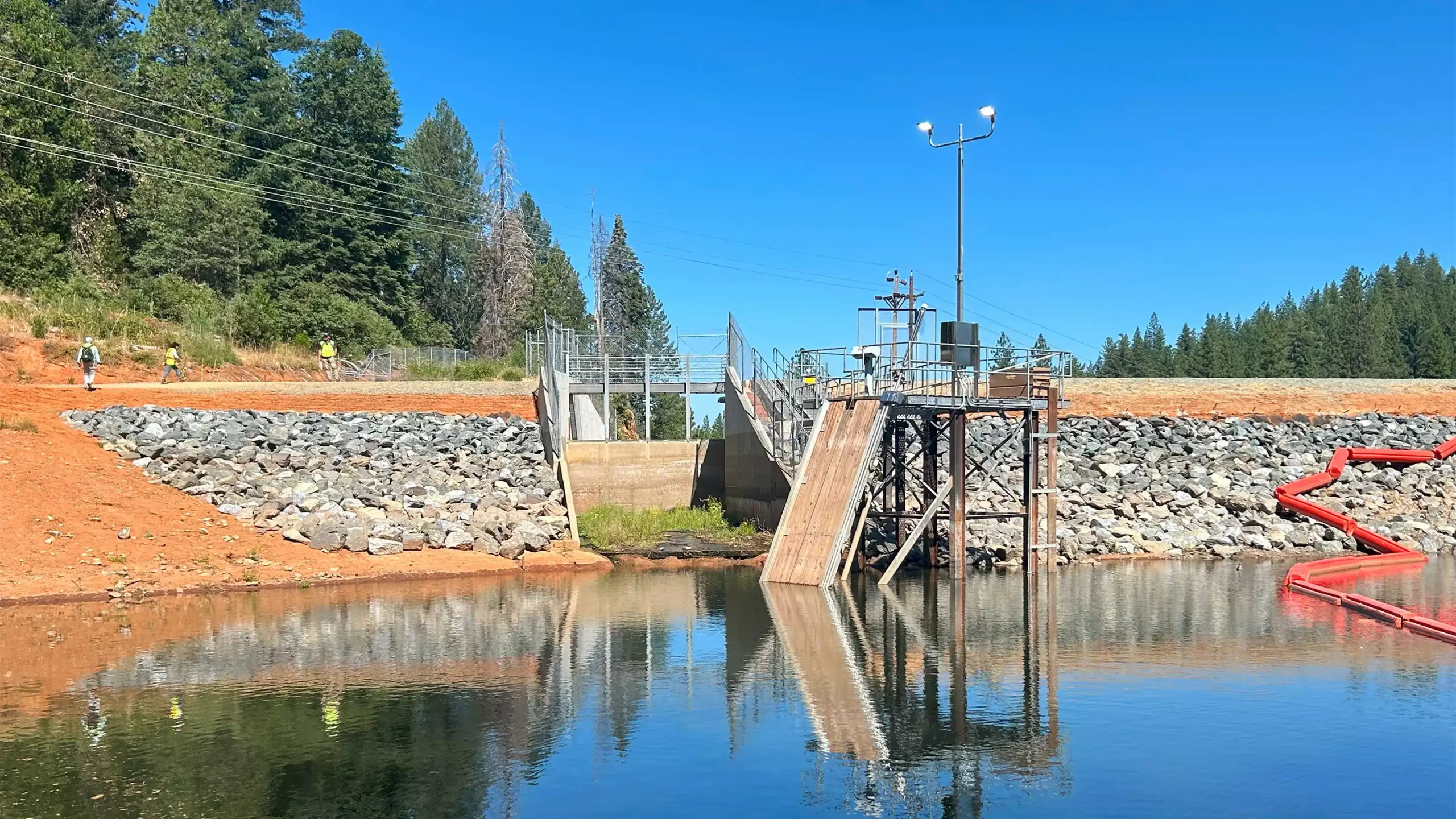
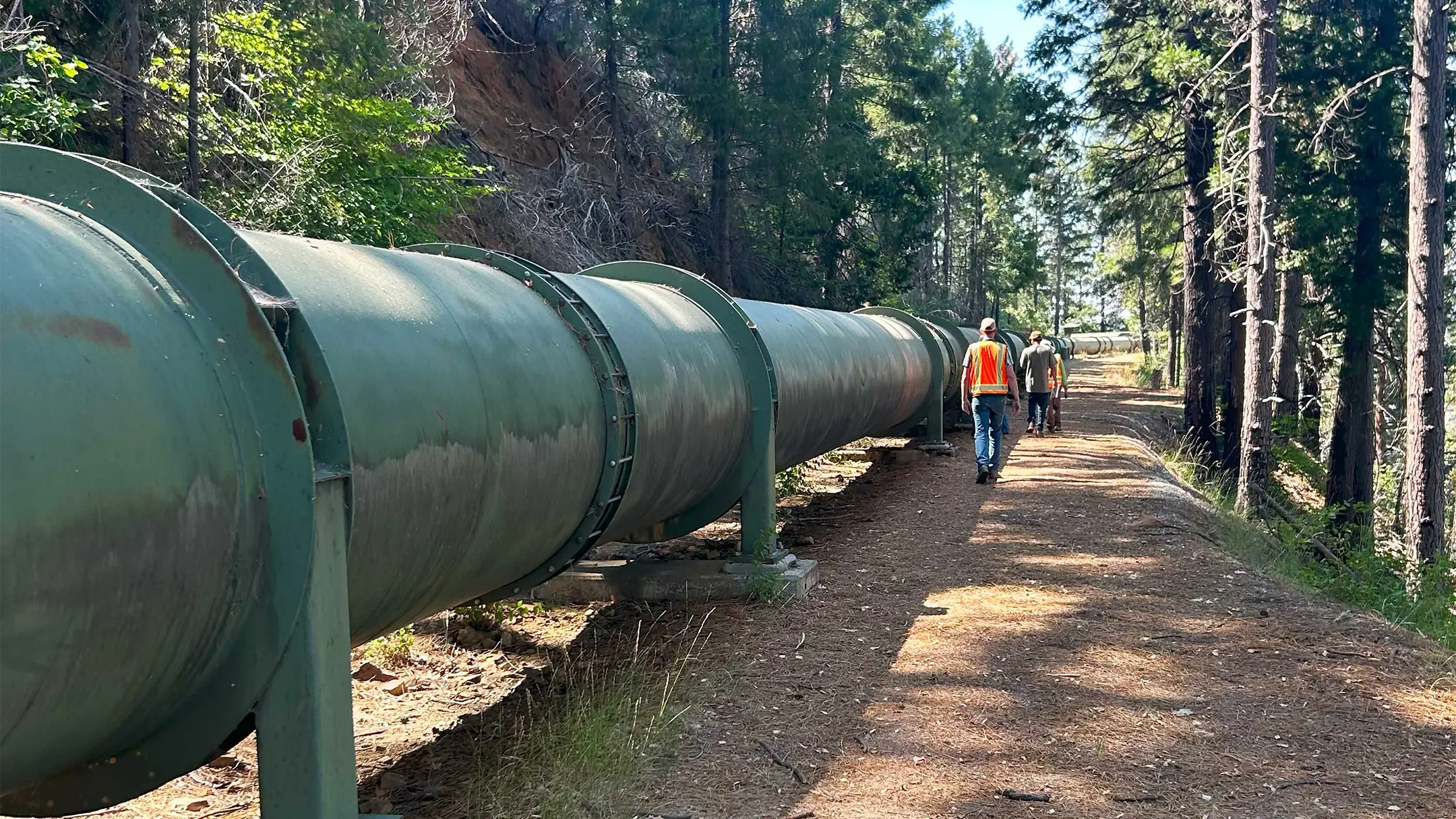
The El Dorado Forebay Dam and Reservoir acts as storage for domestic and irrigation water supply, and for hydroelectric power generation. The dam itself had been performing reliably since its construction in 1923. However, it no longer met current dam safety standards and had lost nearly one third of its original volume capacity. It was determined that the site needed to undergo design and construction improvements.
KGS Group’s work involved a comprehensive background review of key dam safety documents, along with evaluations of design, construction and analyses of record. This included preparing potential incident reports, performing failure mode analyses, conducting inspections and meeting with federal commission officials to address comments.
Our recommended improvements resulted in improved availability and reliability of water supply from Forebay, a safer dam that meets all modern safety standards, grading, paving and accessibility improvements to the Forebay day use area and realignment and improvement to the walking trail along the north side of Forebay Reservoir.
Project Highlights
- Conducted a comprehensive background review of key dam safety documents, along with evaluations of design, construction and analyses of record
- Prepared potential incident reports, performing failure mode analyses, conducted inspections and meeting with federal commission officials to address comments
RAS Piping Refurbishment at the North End Water Pollution Control Centre
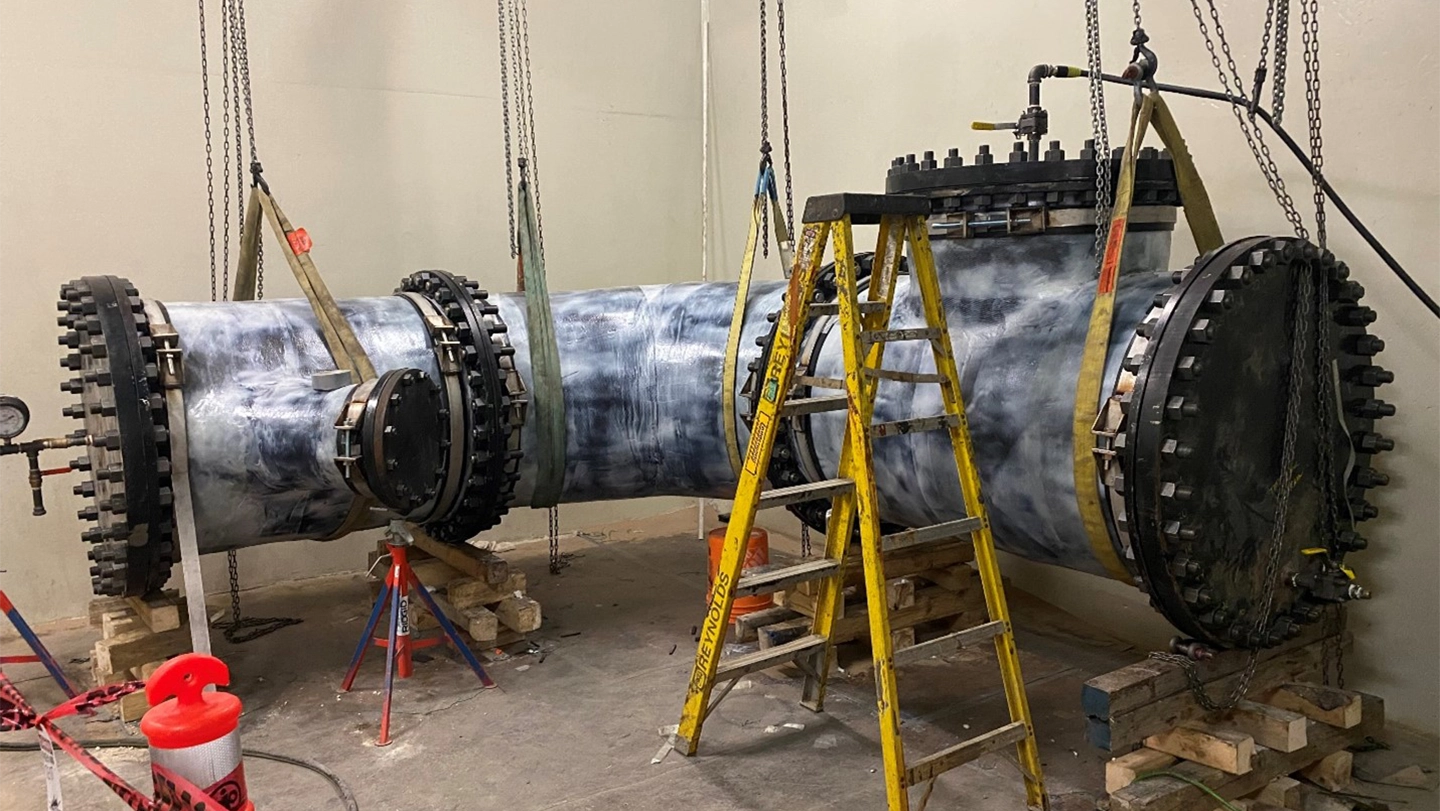
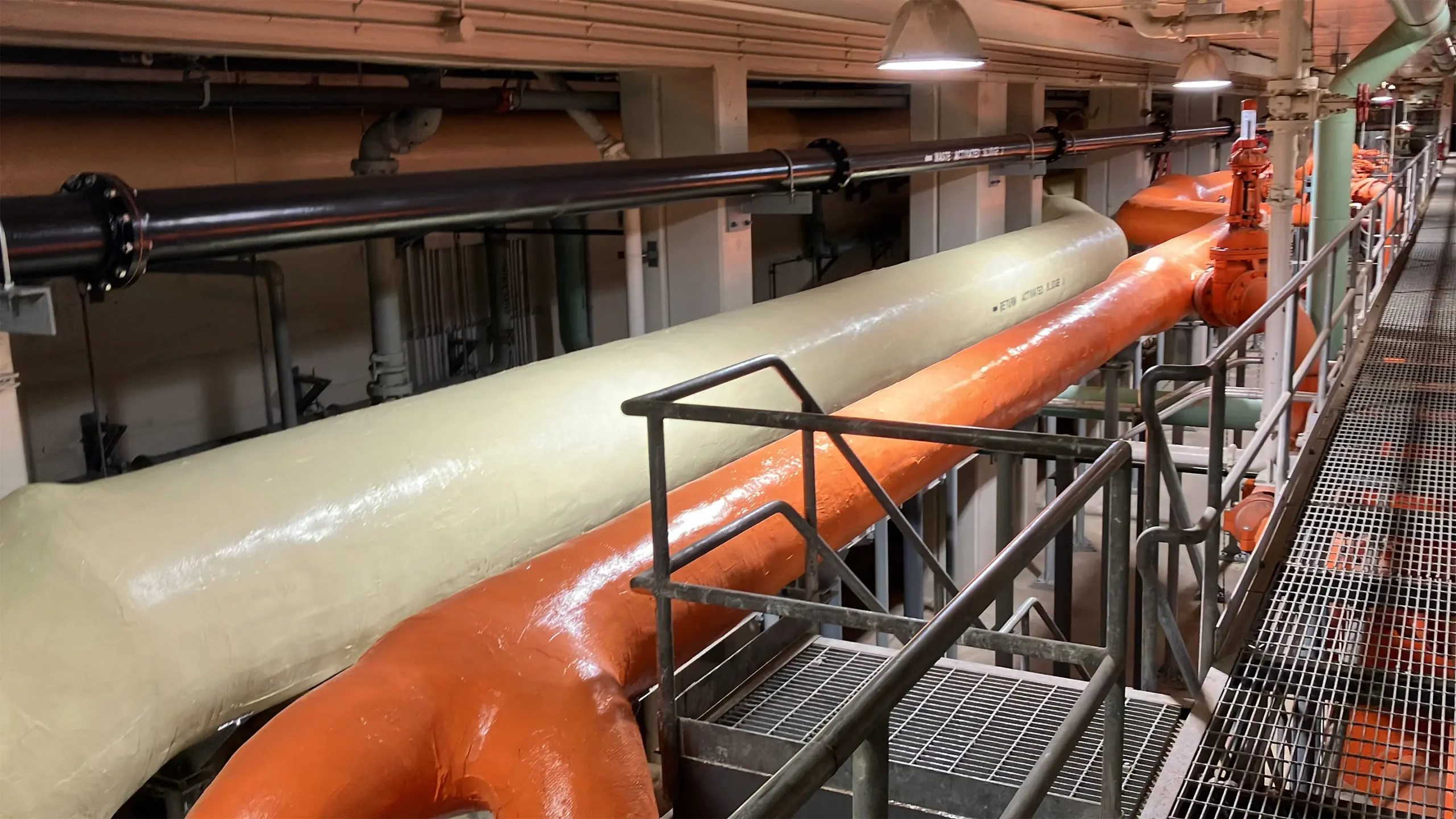

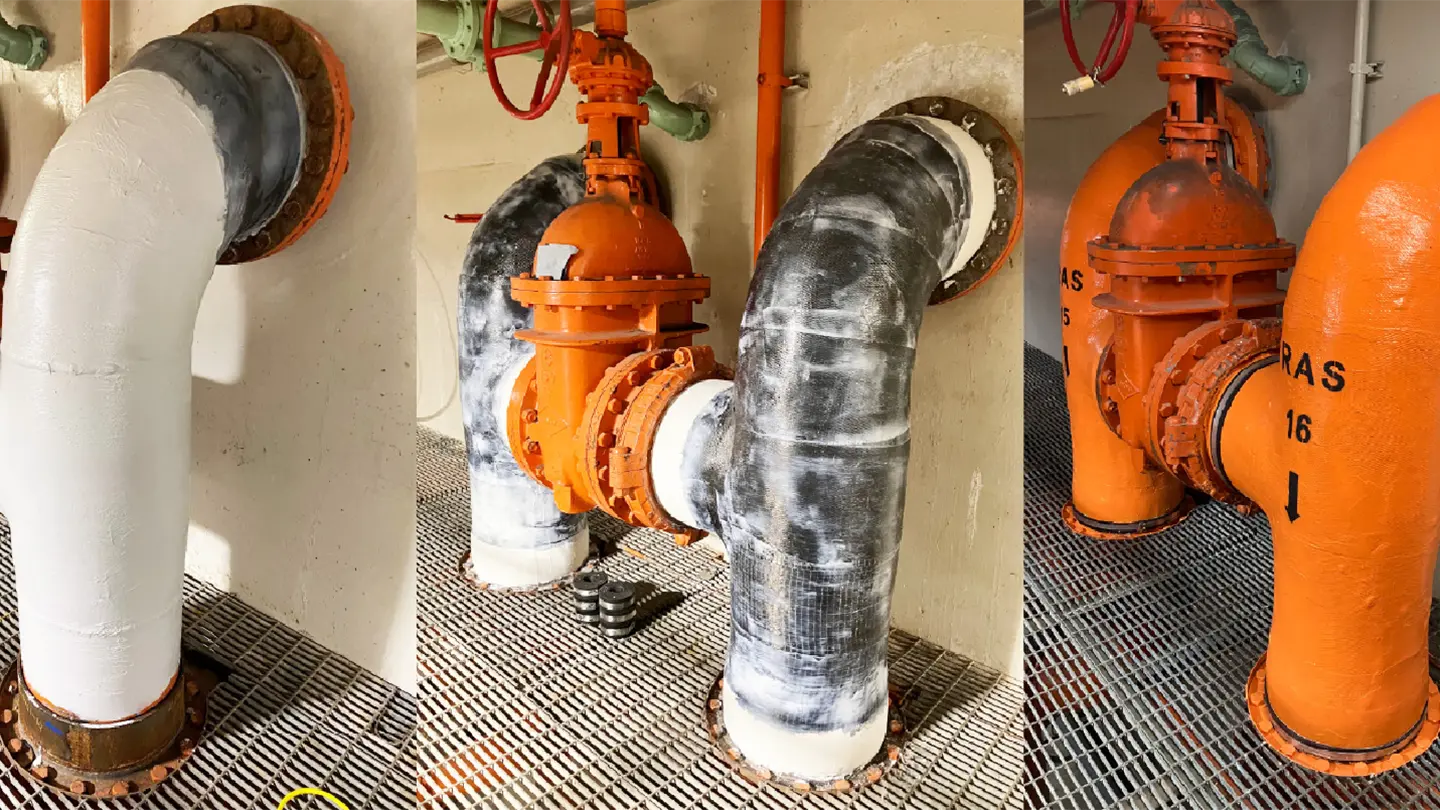
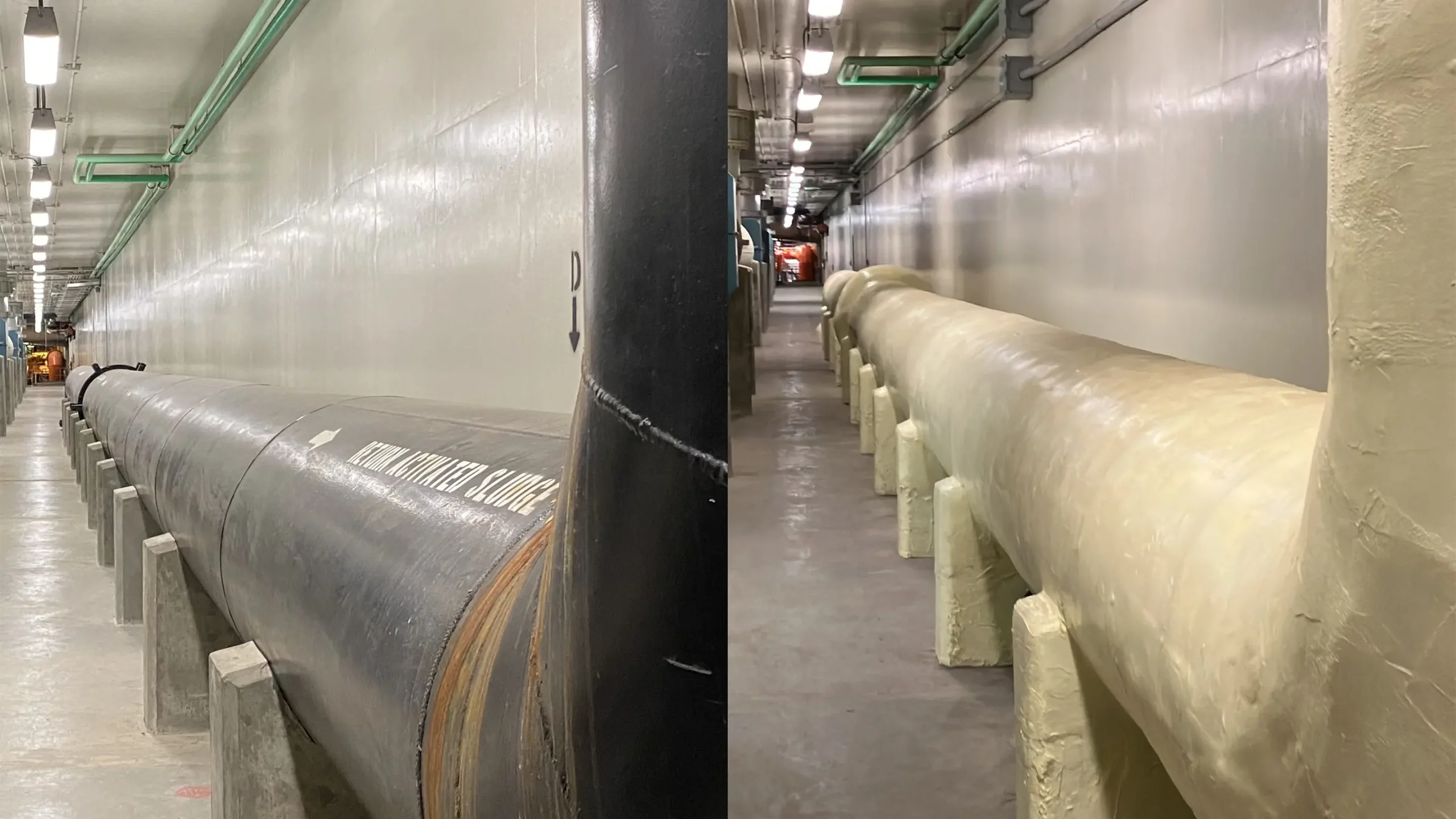
KGS Group led the renewal of almost 2,000 feet of aging Return Activated Sludge (RAS) piping at the City of Winnipeg’s North End Water Pollution Control Centre. This is the city’s oldest and largest wastewater facility, constructed in 1937. The work addressed leaks and structural risk in a critical system that supports treatment for 70% of Winnipeg’s wastewater.
The KGS team did a condition assessment and determined the best solution was a Carbon Fiber Reinforced Polymer external repair system. This solution had not been used on many large-scale, industrial/wastewater applications prior to this project.
After coordinating the design, KGS Group oversaw construction within one year, successfully refurbishing the RAS system for another 25+ years of operation. The plant remained in operation throughout construction to prevent wastewater overflow into the Red River.
Project Highlights
- Renewal of almost 2,000 feet of over 30-year-old, leaking Return Activated Sludge (RAS) piping using Carbon Fiber Reinforced Polymer external repair system
- Plant remained operational throughout construction
- More than 25 years of added service life to the North End Water Pollution Control Centre, which treats 70% of Winnipeg’s wastewater (approximately 187.5 million litres daily)
- Reduced the risk of wastewater overflow into the Red River
Water Security Agency Owner’s Engineer
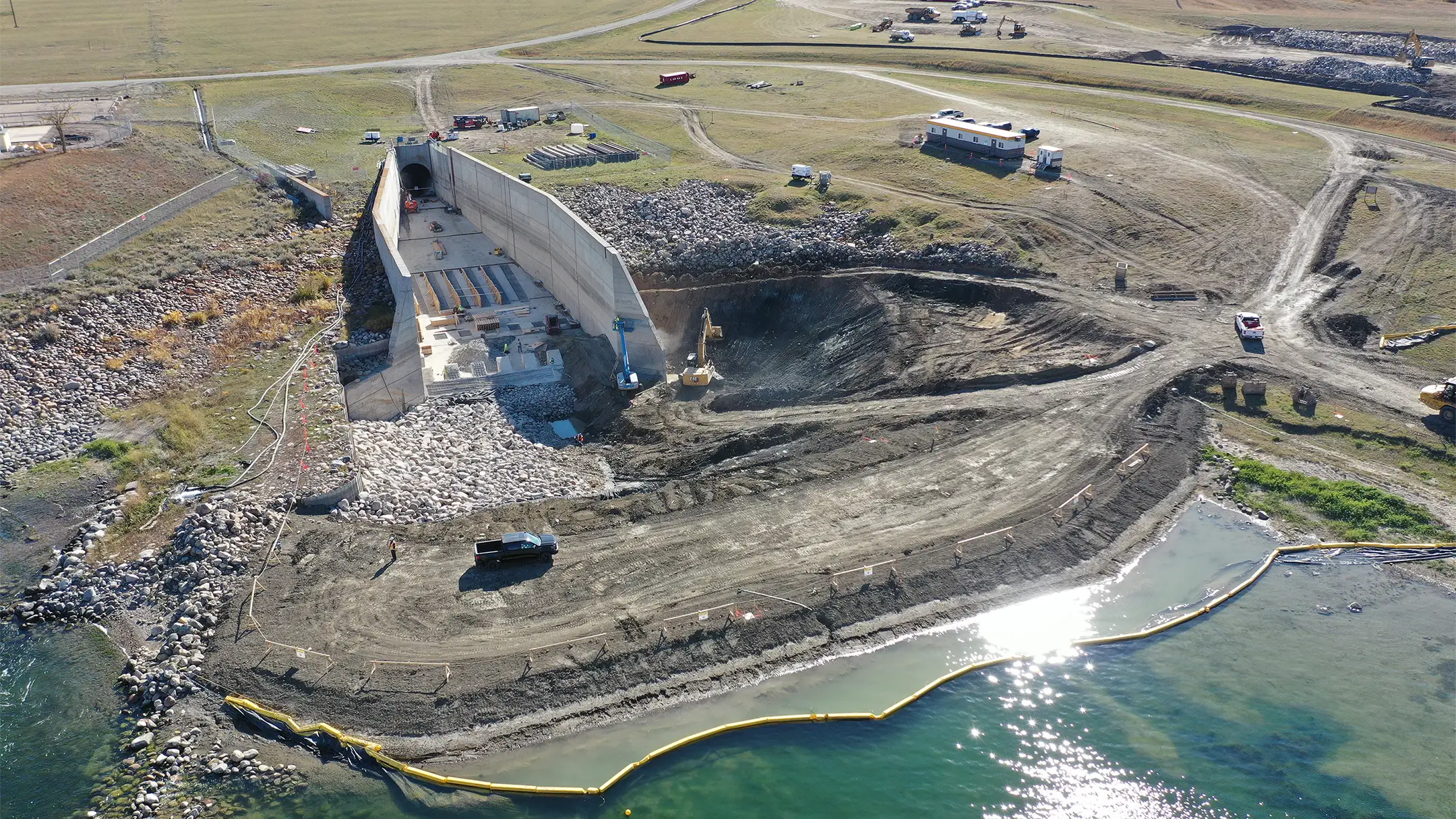
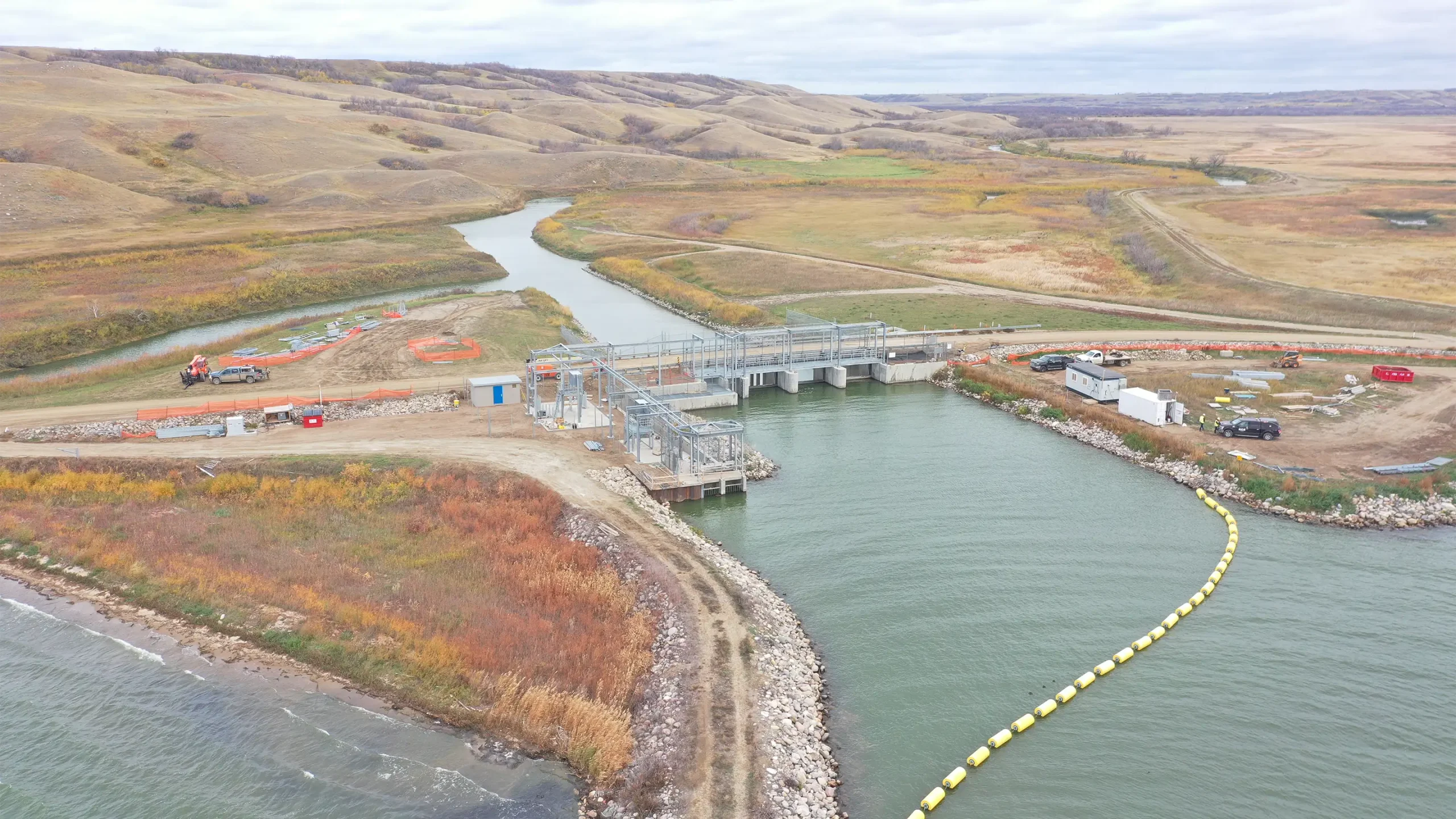
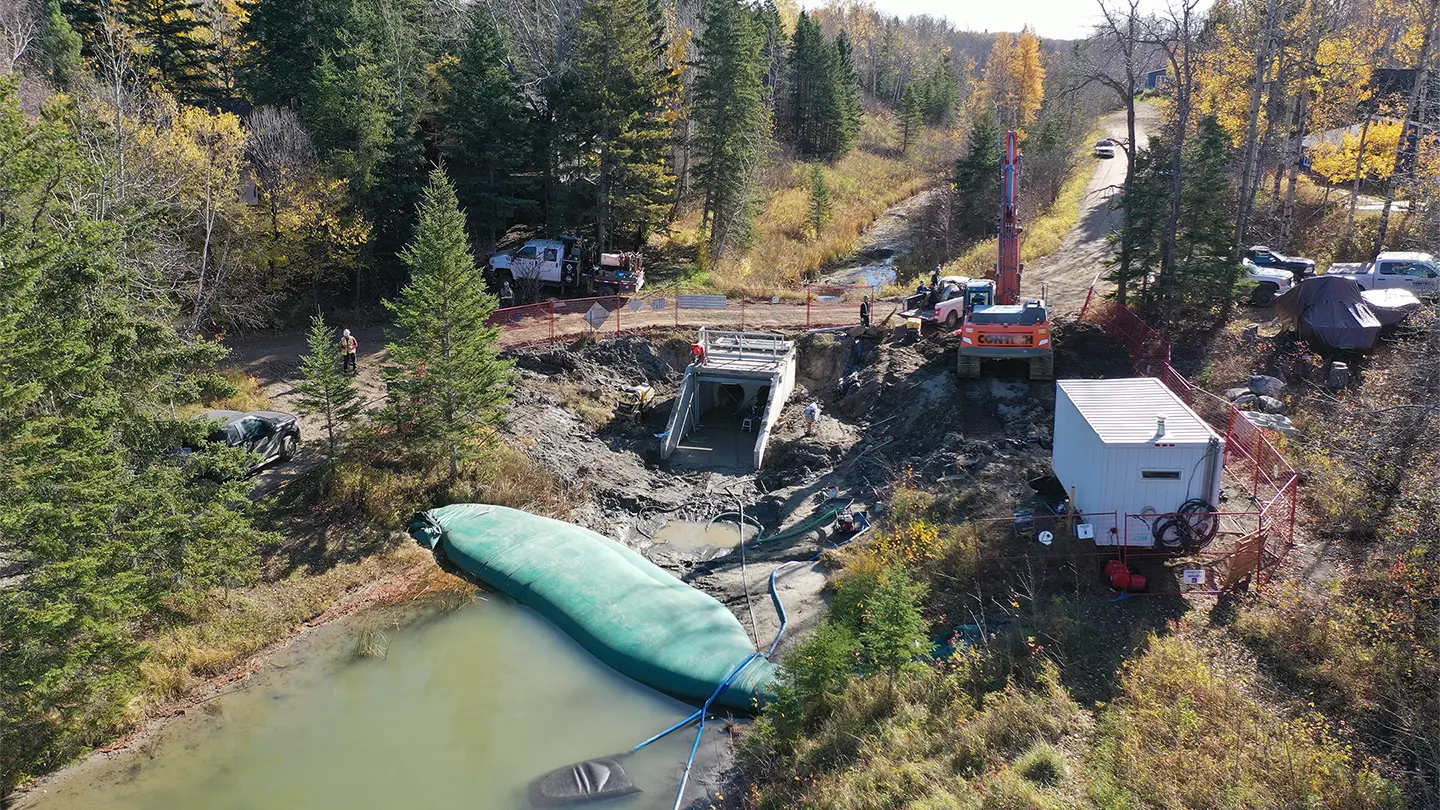
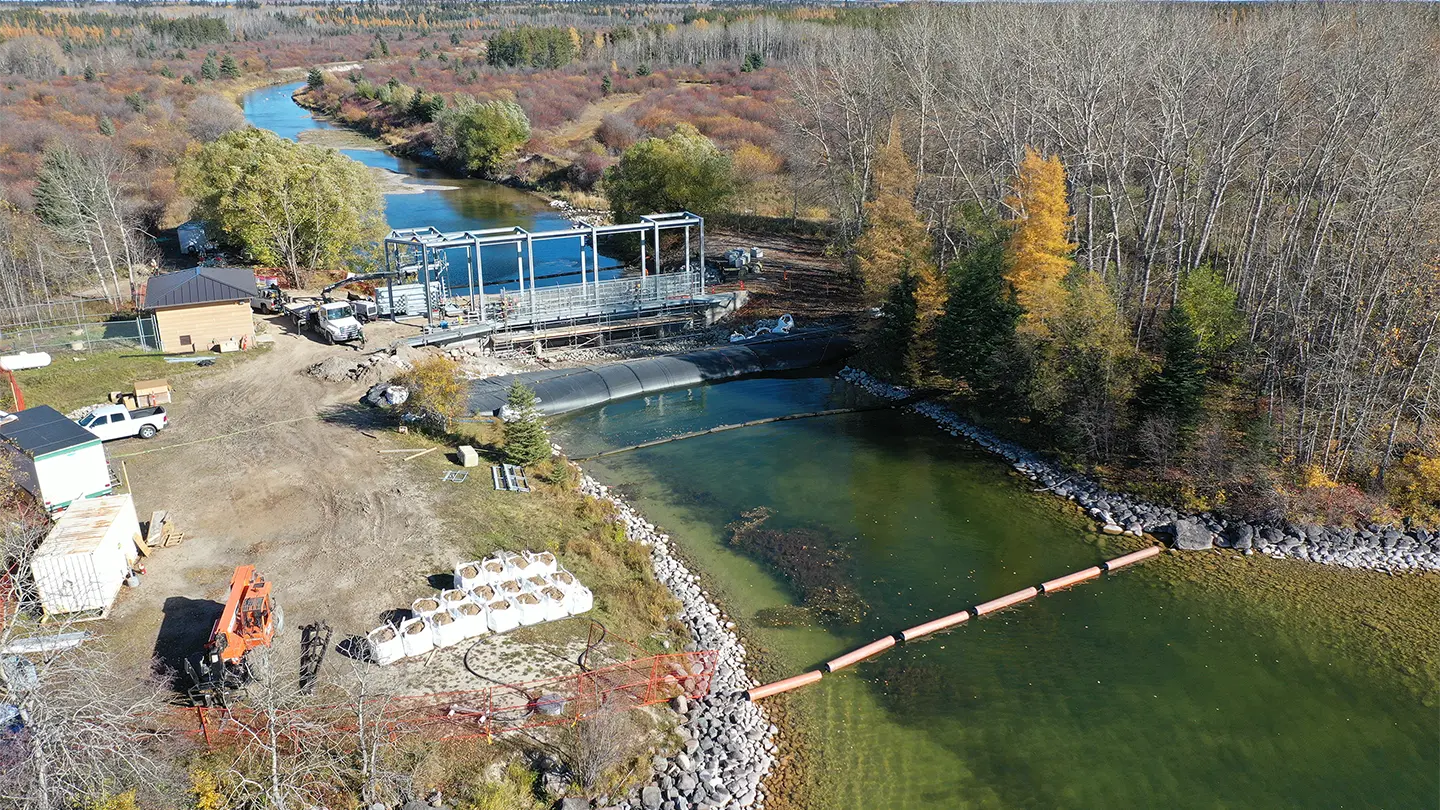
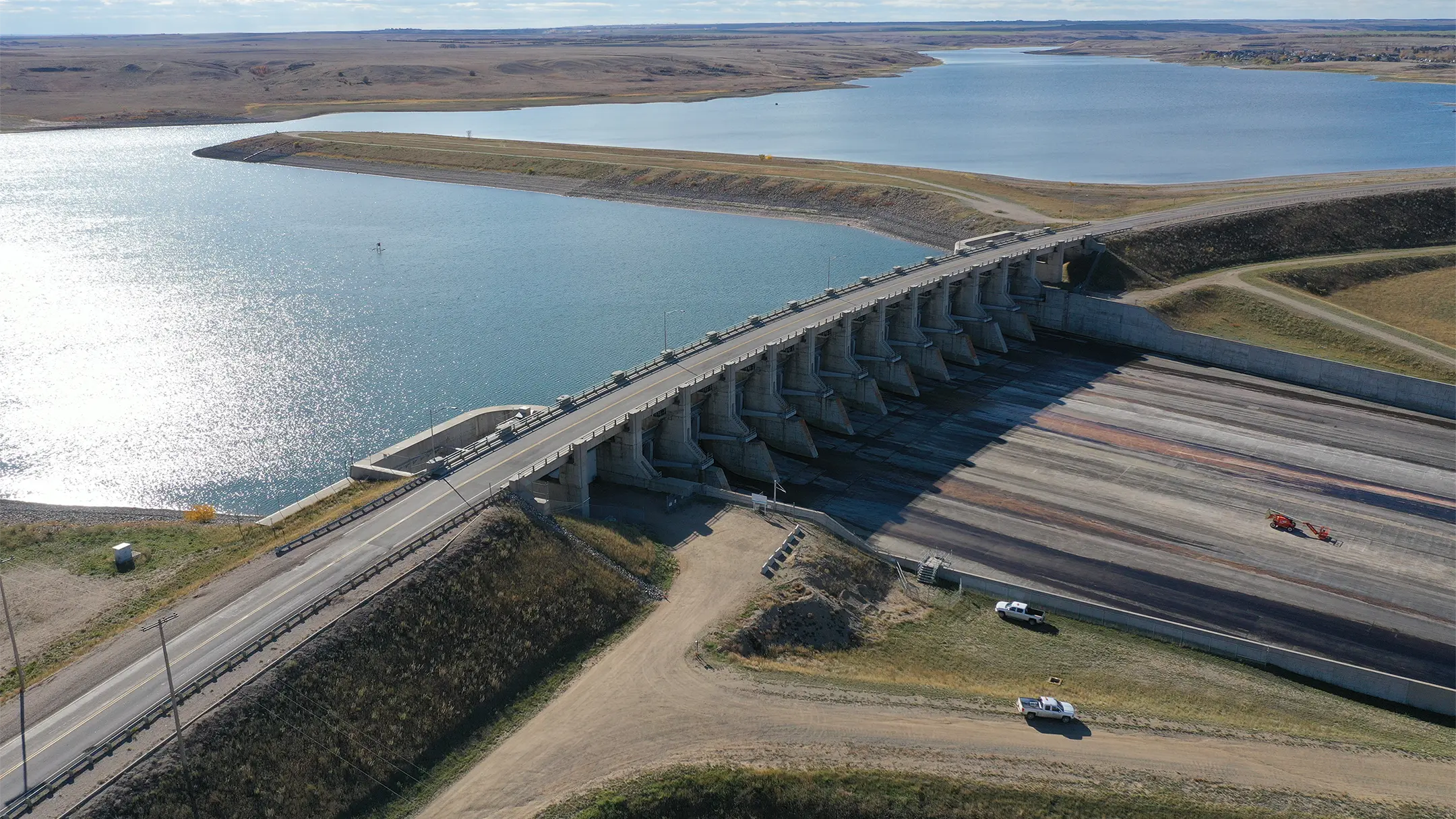
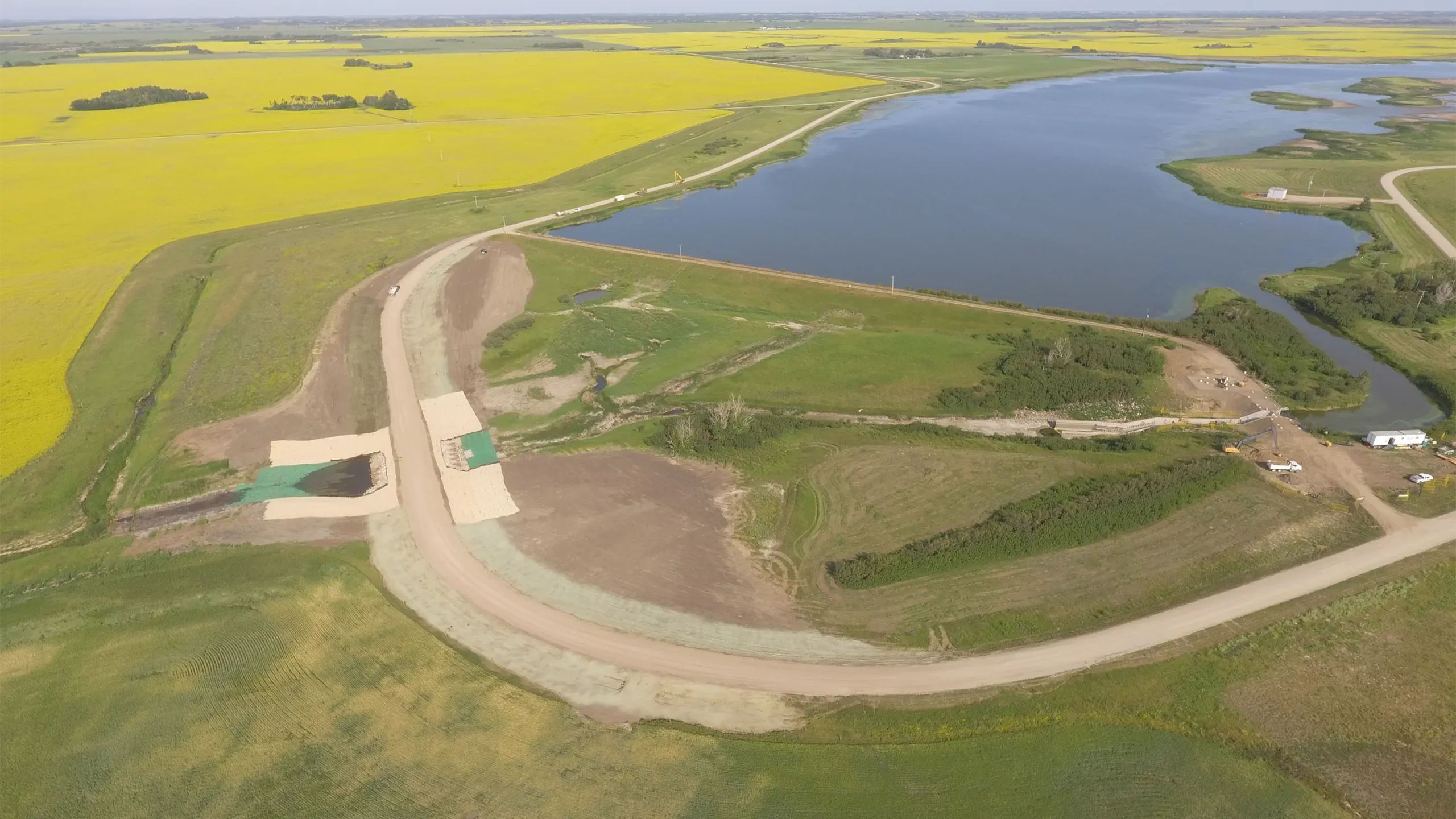
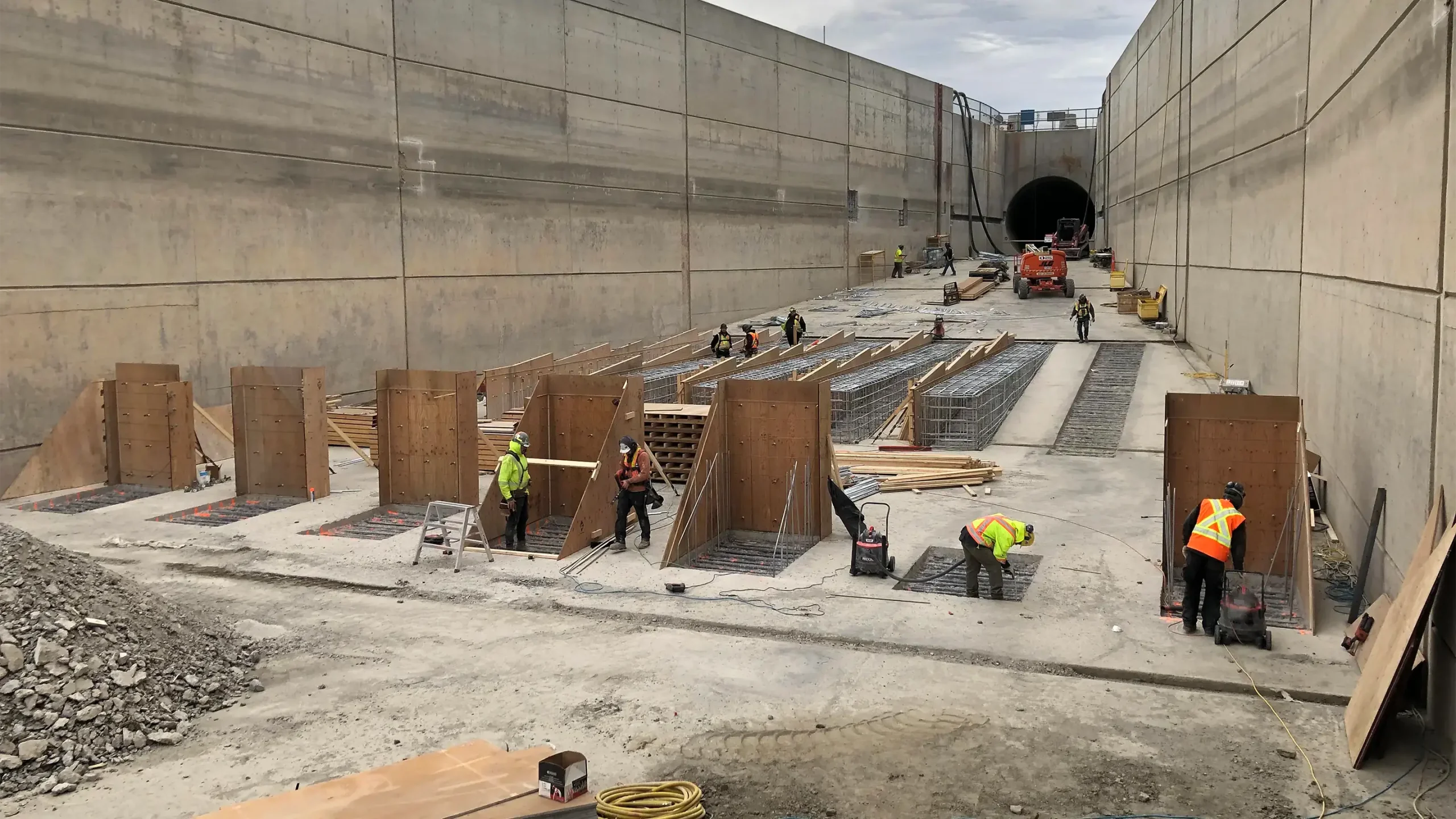
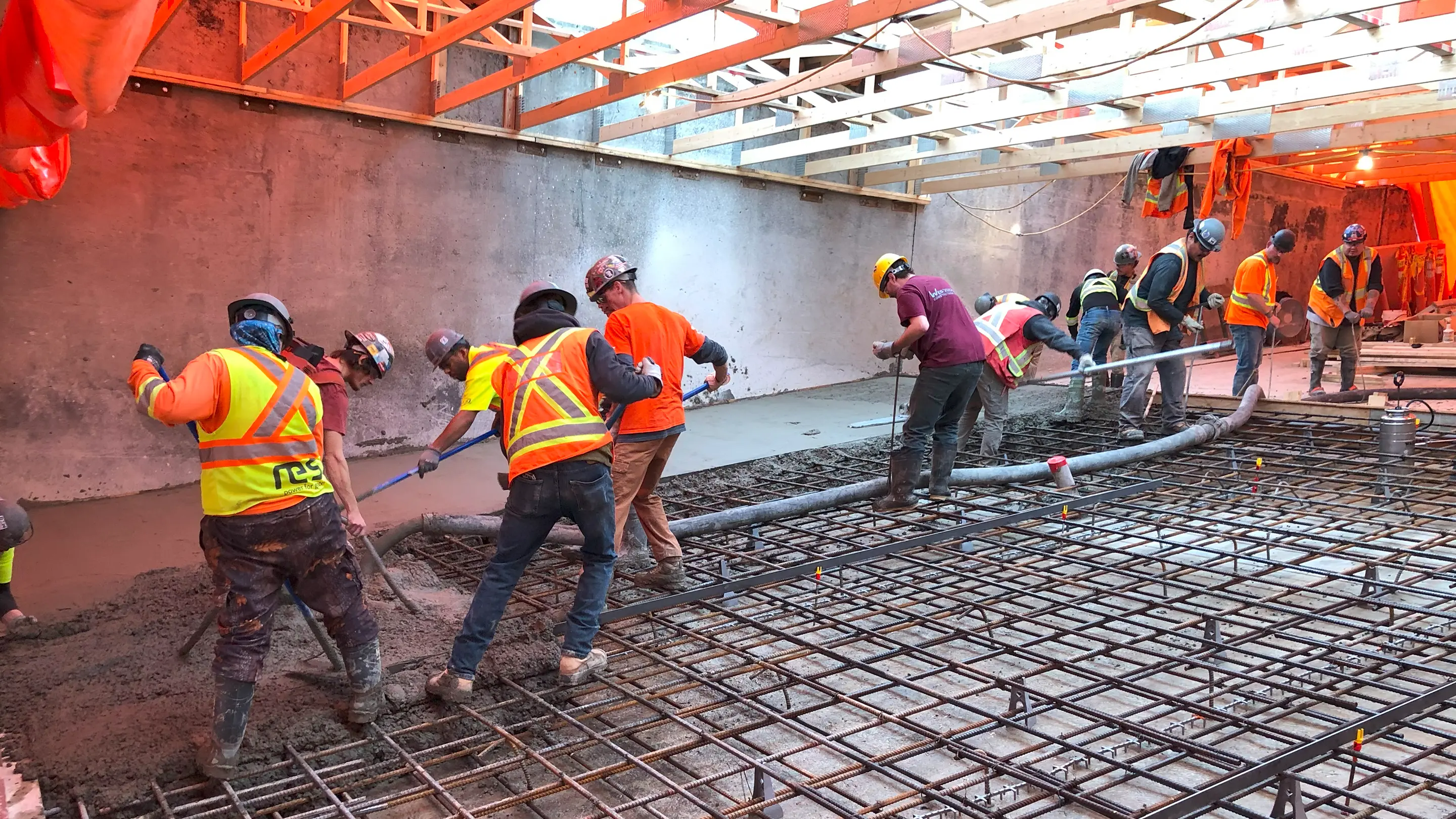
KGS Group served as owner’s engineer to help the Water Security Agency (WSA) reduce their project backlog and bring consistency to their capital delivery services. Acting as project managers, our team scoped, managed and executed over 20 project procurements on behalf of the WSA.
Our project managers also assisted the WSA with oversight of their larger portfolio of owner’s engineer projects. Our role covered portfolio oversight, procurement leadership and risk and schedule control across multiple projects.
At the start of the contract, KGS mostly worked on process definition, engineering standards development and project engineering. In the later years, KGS was able to progress the work through engineering to construction. Because of this, the WSA spent its full capital allocation, with KGS-managed projects accounting for the majority of the spend, with this trend continuing to this day.
The KGS team accelerated project delivery and budget utilization while establishing a repeatable framework for future projects, enabling continued success for WSA.
Project Highlights
- Managed and executed over 20 project procurements
- Managed over 45 engineering, long‑lead procurement and construction contracts
- $53 million in capital construction delivered (November 2020 – March 2024)
- Helped create a framework enabling consistent, sustainable asset maintenance
- Clearer engagement model for ACEC‑SK members
Davis Diversion Coanda Fish Exclusion Screen

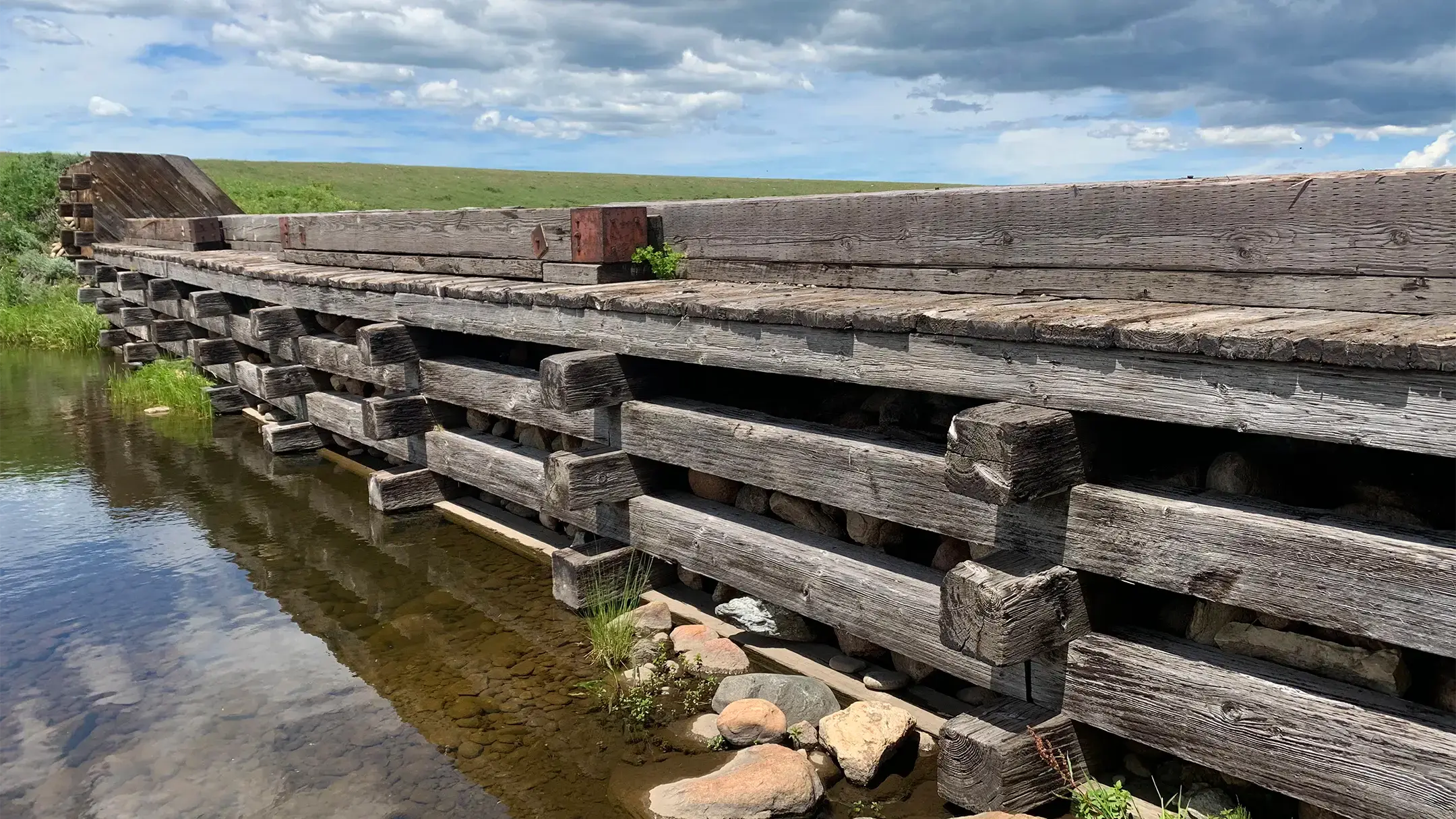
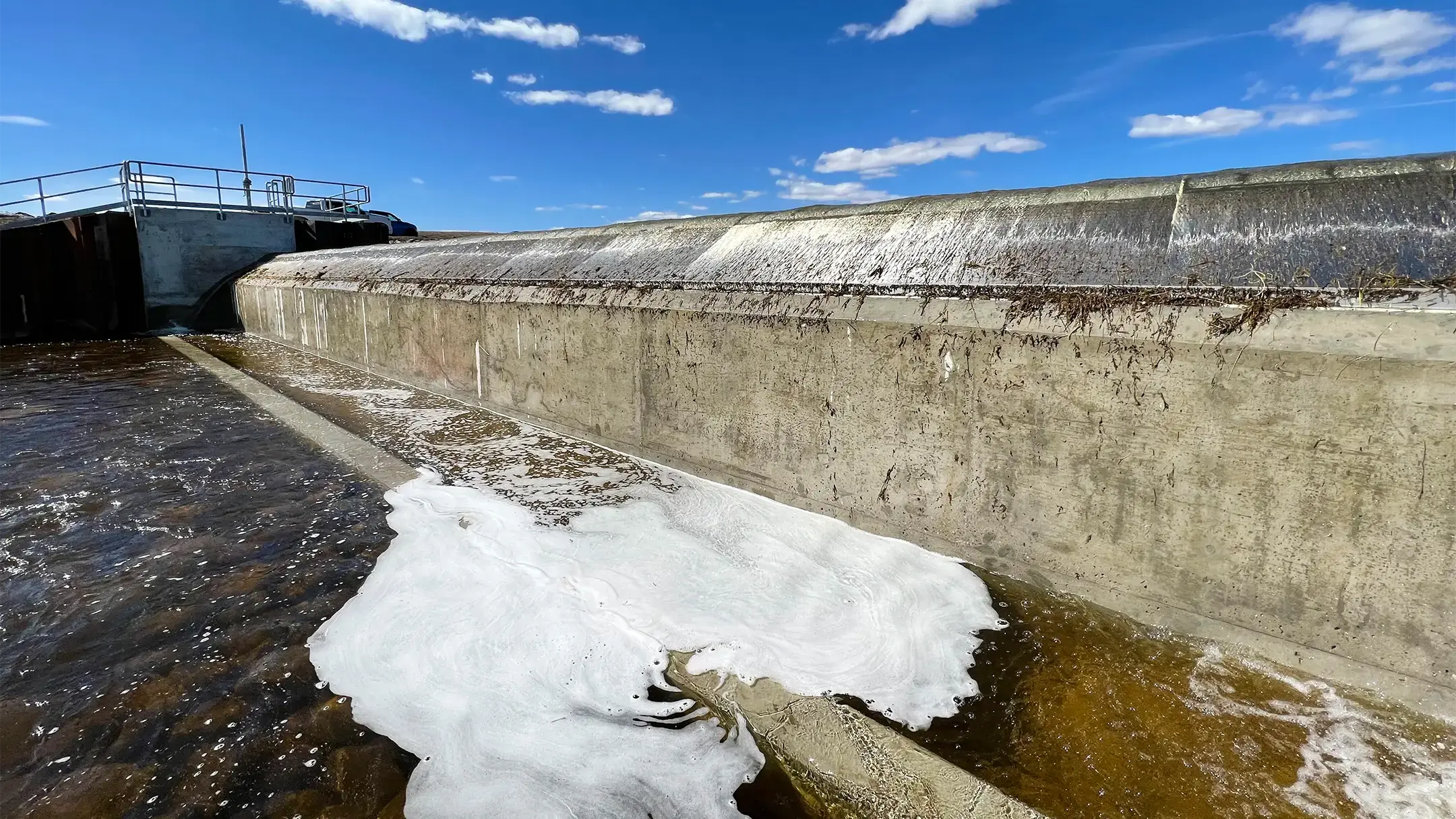
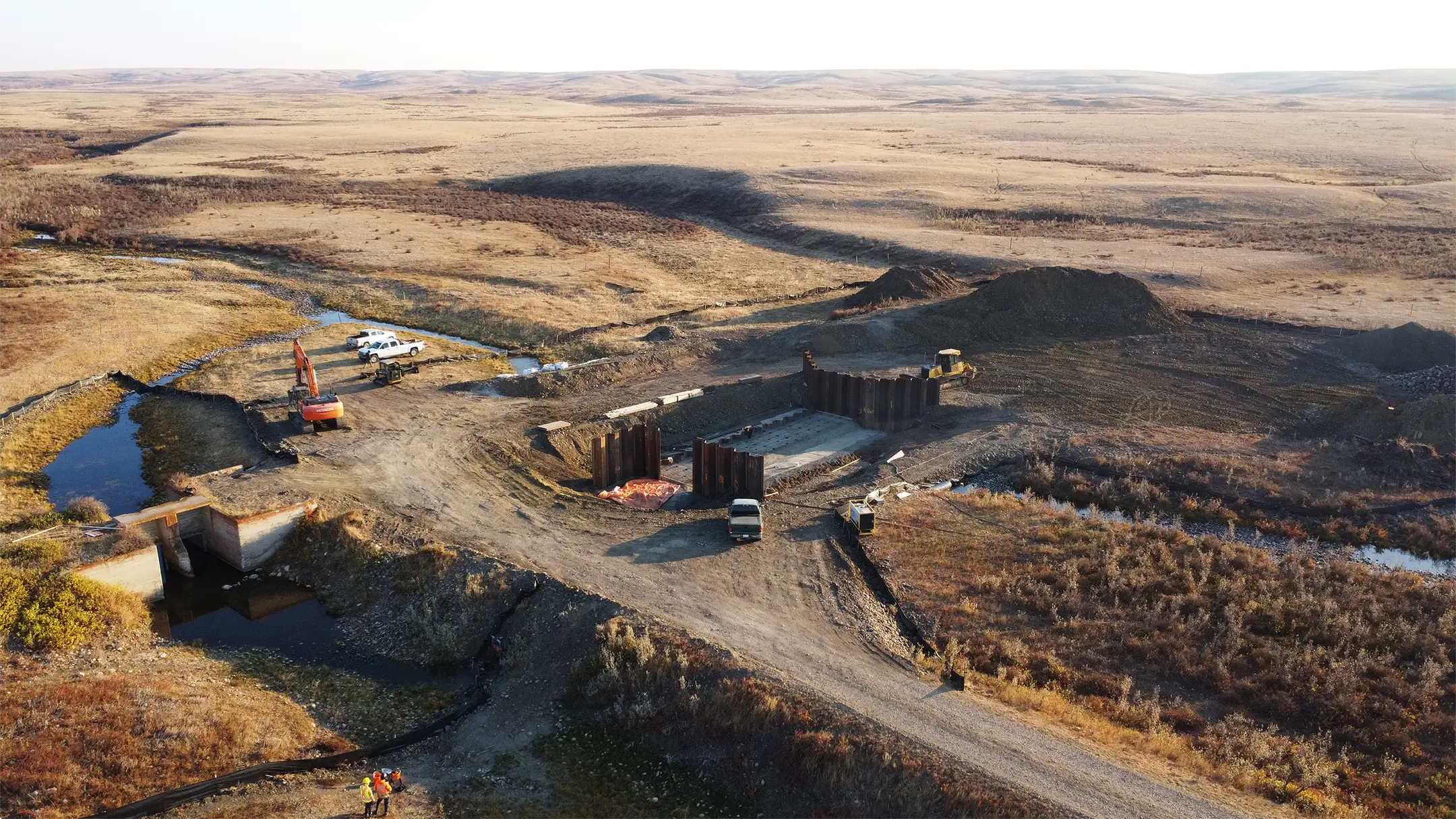
The Davis Diversion was built in 1939 near the town of Maple Creek. The main purpose of this canal is to divert unregulated flow to Cypress Lake, the main source of drinking water and irrigation projects in Southwestern Saskatchewan. Operation of the original diversion has, in the past, resulted in stranding of at risk fish species.
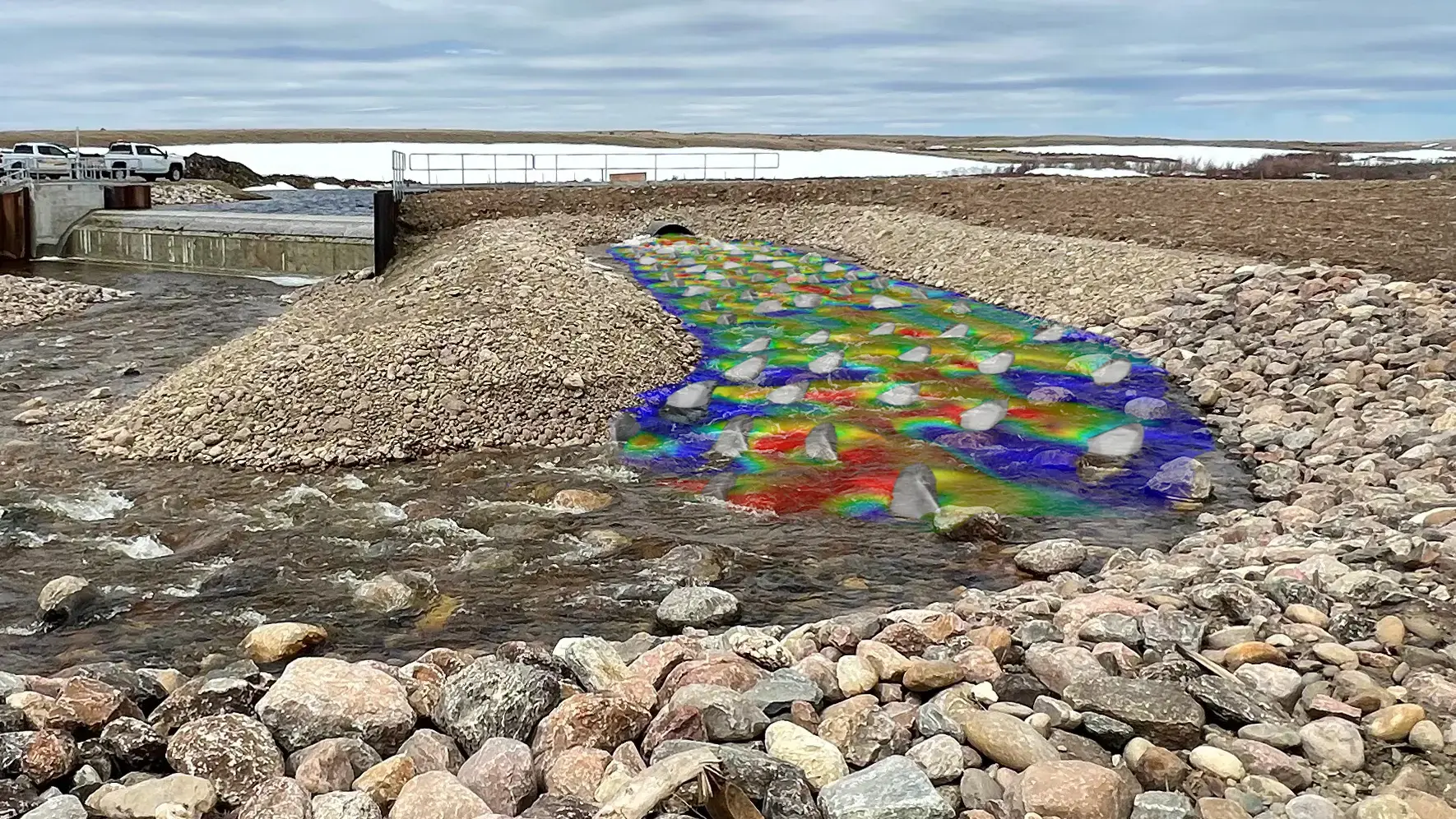
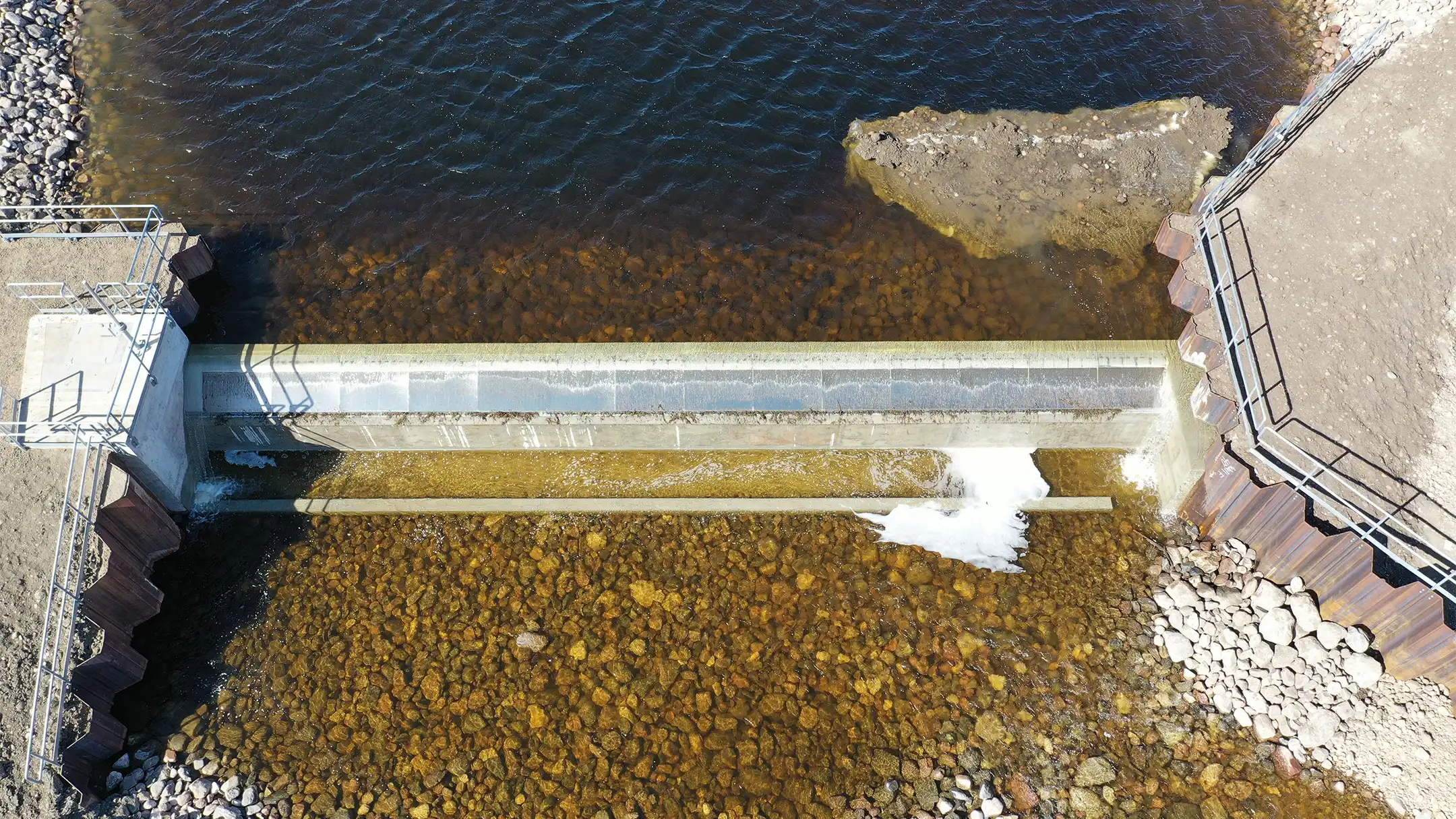
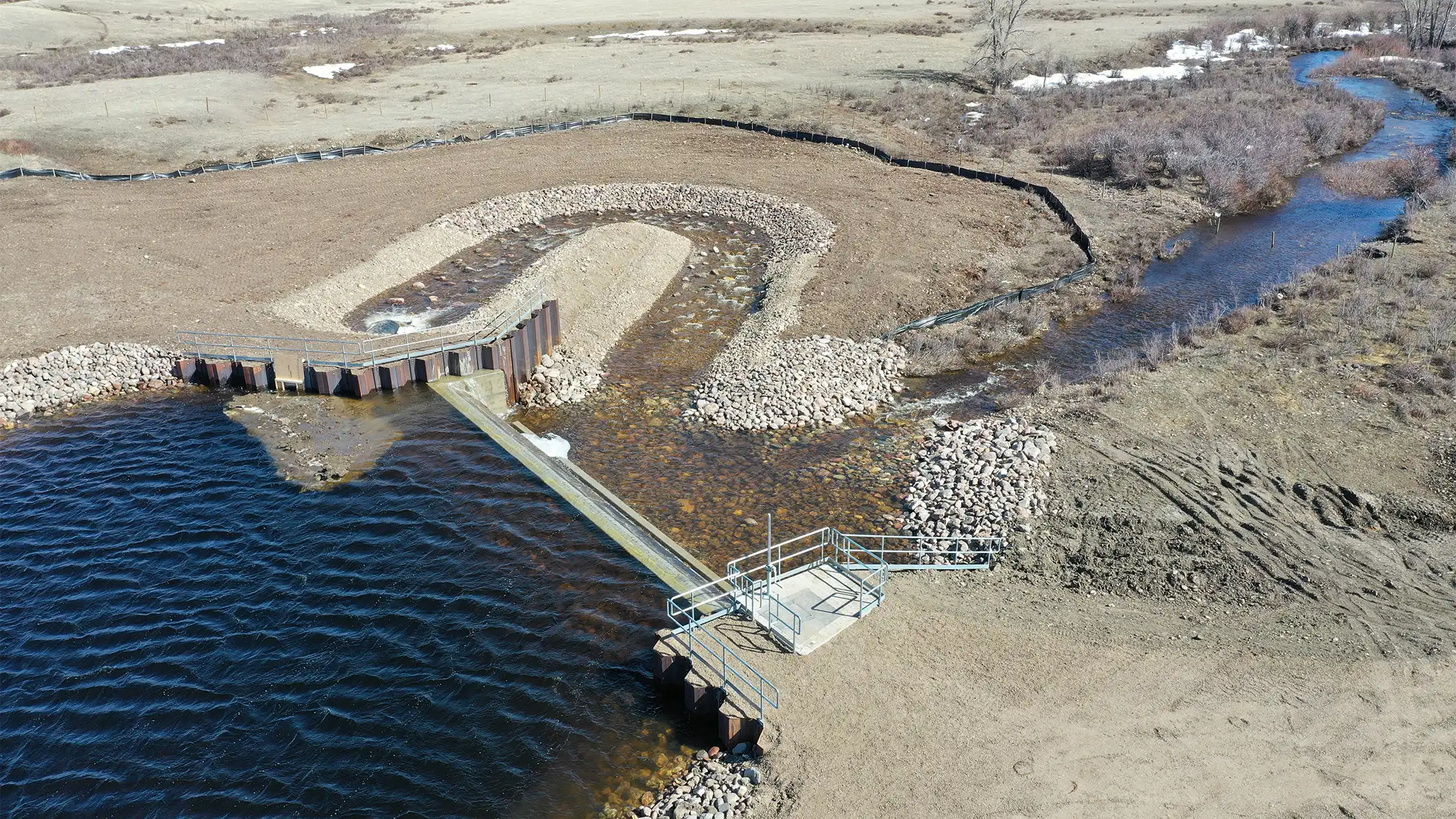
The Water Security Agency (WSA) ceased operation of the diversion system while contemplating solutions. KGS Group developed a solution consisting of the design and construction of a new concrete weir with a Coanda fish exclusion screen, combined with a new rock ramp fishway. This structure provides a novel solution for WSA to achieve its water management objectives, while protecting the area’s sensitive aquatic environment and bringing infrastructure into regulatory compliance.
Project Highlights
- Conceptual and detailed design of fish exclusion at diversion intake
- Replacement and modernization of aging water control structures
- Upstream fish passage integrated around the control structure
- Final product was in complete compliance with Fisheries Act and SARA
- Enables resumption of diversion operations to Cypress Lake