

Geothermal Heating/Cooling System for IKEA Winnipeg
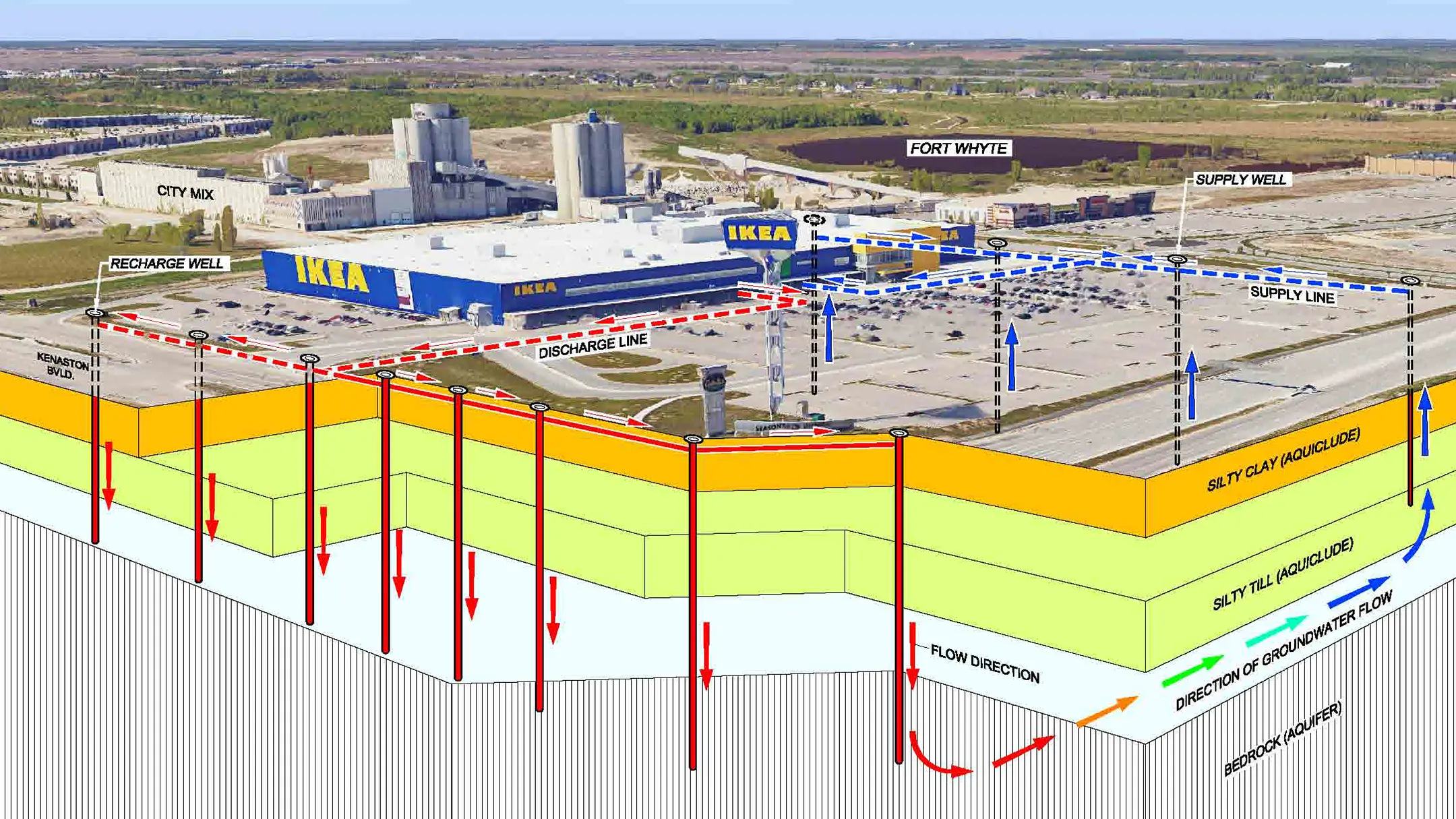
To advance IKEA’s global mandate to reduce its carbon footprint, the IKEA Winnipeg store adopted geothermal heating and cooling as a cornerstone of its energy strategy. KGS Group provided design, construction management and commissioning for a geothermal heat pump system that meets the heating and cooling requirements for the 400,000 square foot retail facility.
With four pumping wells and eight recharge wells, this system is the largest geothermal installation of its kind within Winnipeg. Since November 2012, the plant has delivered reliable, year‑round heating and cooling without using the backup gas boilers, significantly reducing greenhouse gas emissions for the building while showcasing pragmatic geothermal innovation.
Project Highlights
- Designed a geothermal heat pump system to serve the 400,000 square foot IKEA Winnipeg store
- Drilled and completed four pumping wells and eight recharge wells – the largest of it’s kind in Winnipeg
- Engineered wellfield layout and hydraulic balancing to optimize performance and facilitate maintenance redundancy
- Lowered carbon footprint for IKEA Winnipeg
Advanced Satellite Integration Facility
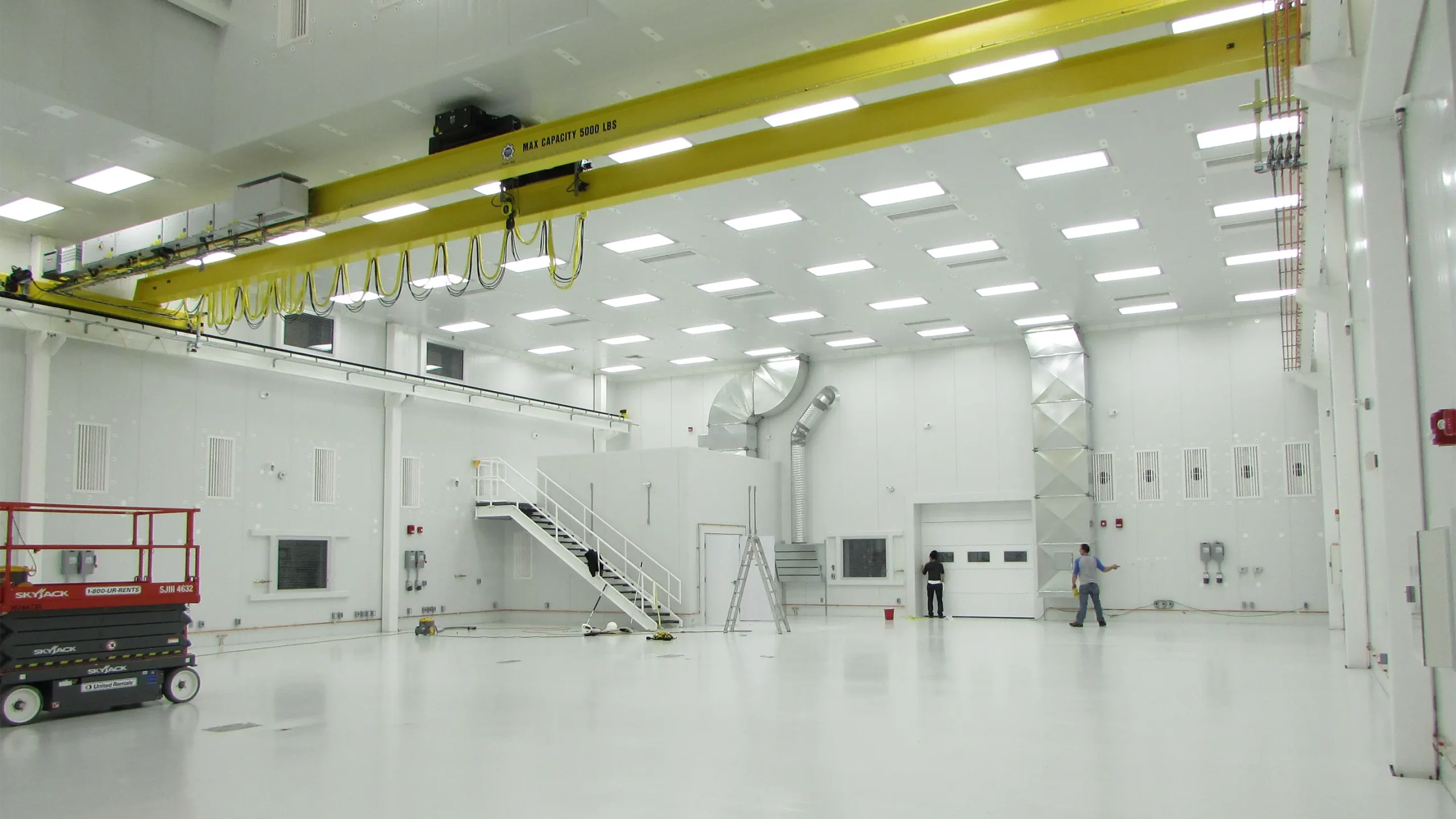
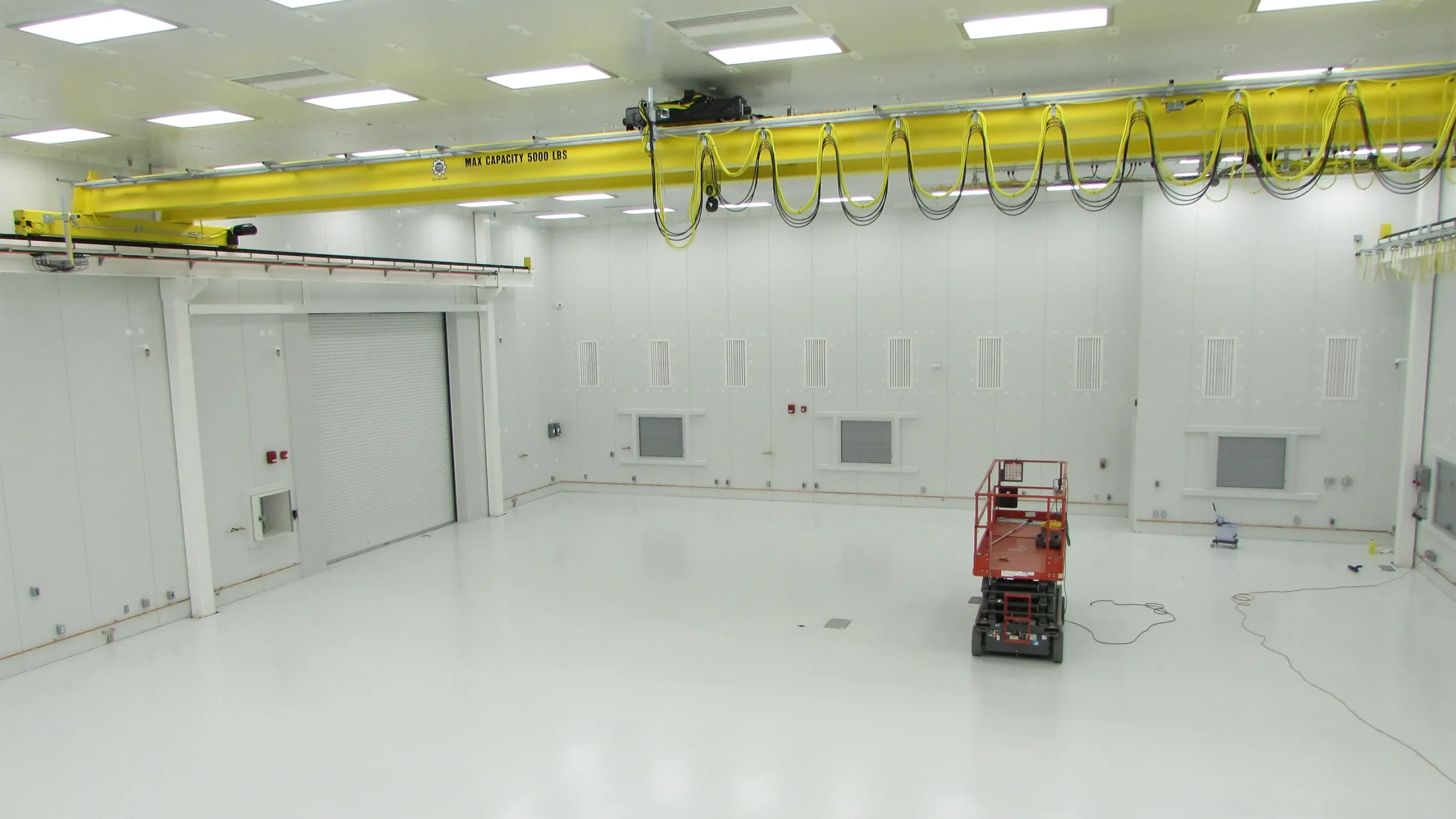
Magellan Aerospace was awarded a contract to manufacture three, low earth orbit satellite buses for the RADARSAT Constellation Mission, one of the largest space projects ever undertaken by Canada. Design and construction of an advance satellite integration facility (or clean room) where these and future satellites would be constructed required an intense multi-disciplined engineering effort between KGS and Magellan.
The new facility needed to be designed and constructed to stringent standards to meet unique spacecraft manufacturing requirements. Working closely with Magellan Aerospace, KGS Group provided structural, mechanical, electrical and construction supervision services for the design, construction and commissioning of the 5,800 sq. ft. building.
The completed facility went into operation in the spring of 2015, meeting tight budget and scheduling constraints.
Project Highlights
- We provided structural, mechanical, electrical and construction supervision services for the design, construction and commissioning of the 5,800 sq. ft. building.
- Met tight budget and scheduling constraints
- Intense collaborative multi-disciplined engineering effort between KGS and Magellan
Rainy River Water Treatment Study and Systems Upgrade
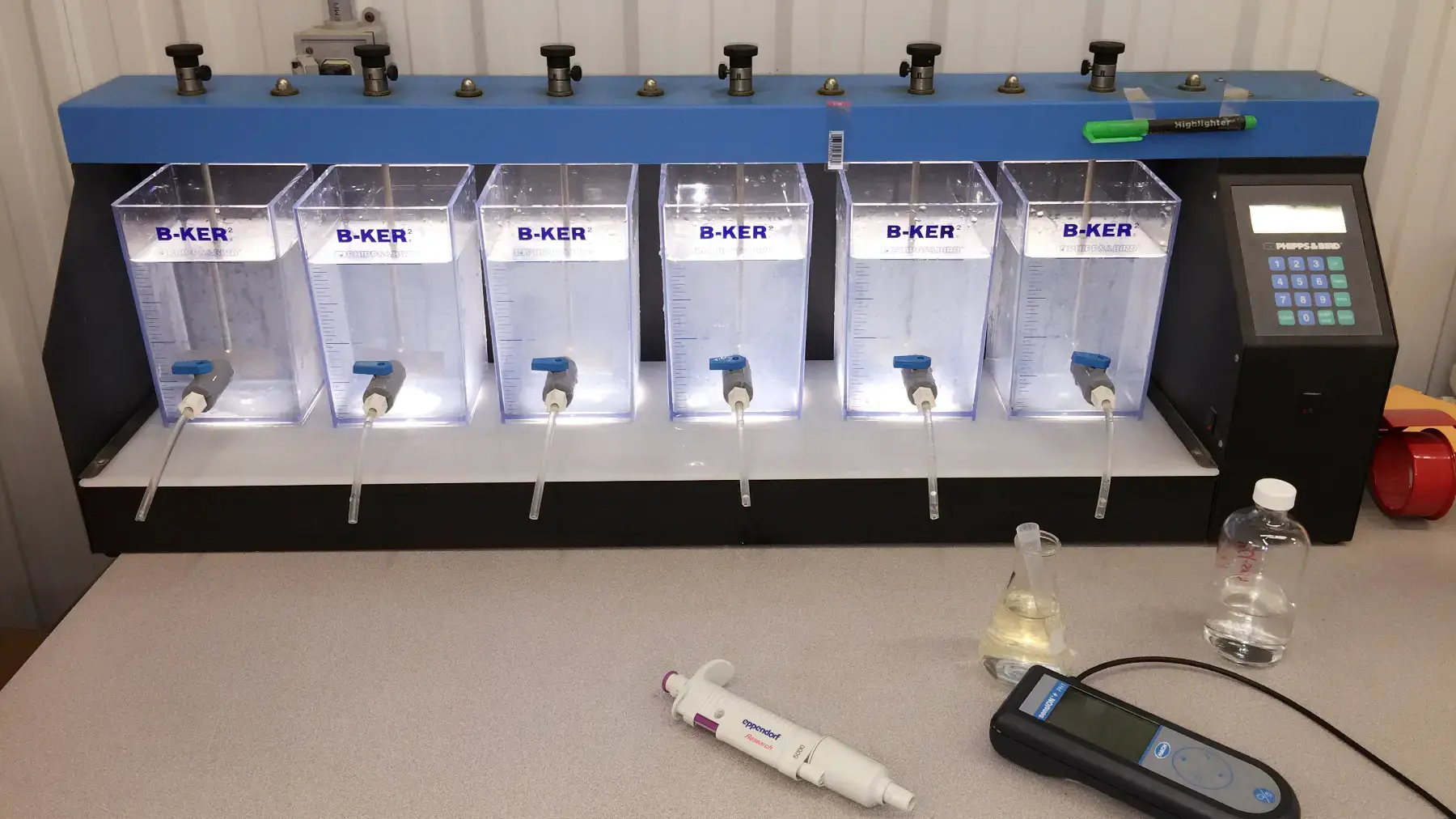
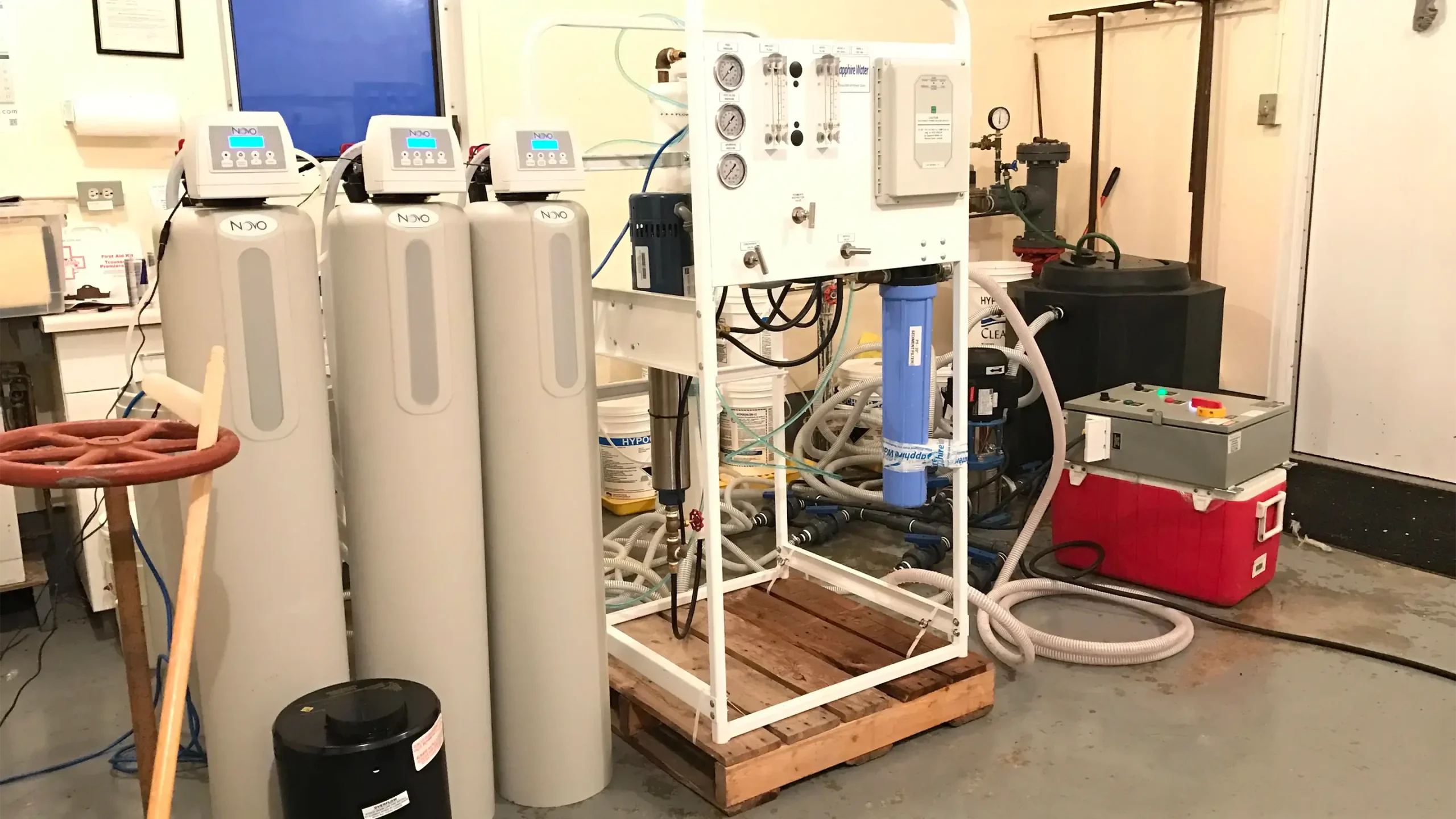
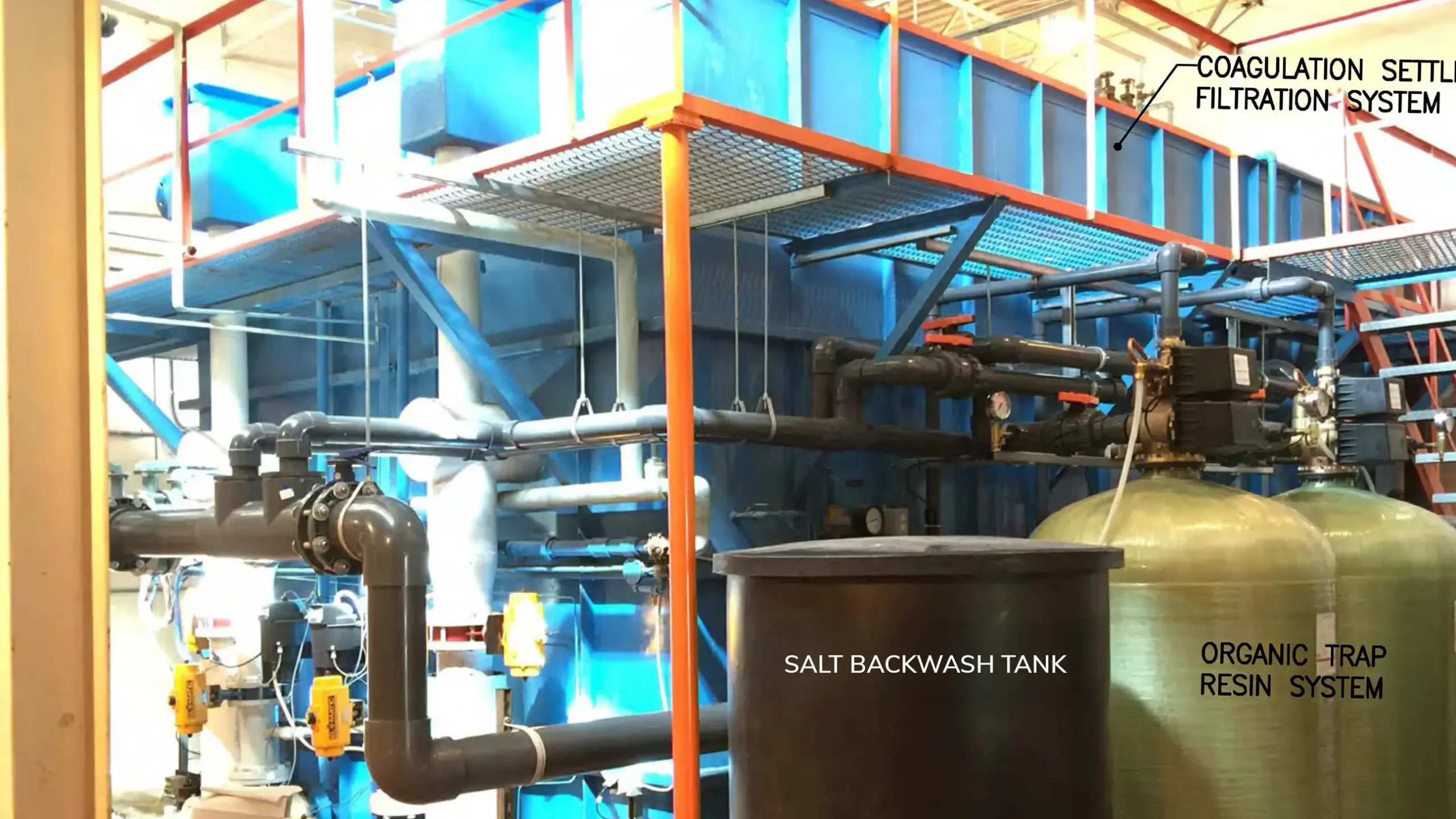
Facing a public health risk from elevated carcinogen levels in its drinking water, the Town of Rainy River needed a practical solution that fit within their existing plant footprint to remedy the situation. KGS Group, in collaboration with the University of Manitoba, conducted detailed pilot studies comparing ion exchange and nanofiltration to determine the most effective, operationally feasible way to reduce carcinogen levels in the drinking water.
Ion exchange was selected because it avoided costly building expansion and offered simpler operations and maintenance for the Town. We then provided engineering services for the design, construction and commissioning of the new ion exchange treatment system, integrating it with the plant’s existing processes and controls.
The upgraded system exceeded Health Canada’s Guideline for Canadian Drinking Water Quality for carcinogens and reduced chlorine consumption by 40%. The project addressed a serious health concern while optimizing use of Rainy River’s existing assets. The Town also received a commendation from the Ontario Ministry of the Environment and Climate Change in recognition of the project’s success.
Project Highlights
- Designed the new ion exchange system and integrated it with existing plant processes
- Reduced chlorine consumption levels by 40%
- New system exceeds Health Canada’s Guideline for Canadian Drinking Water Quality
Town of Ogema Water Treatment Plant
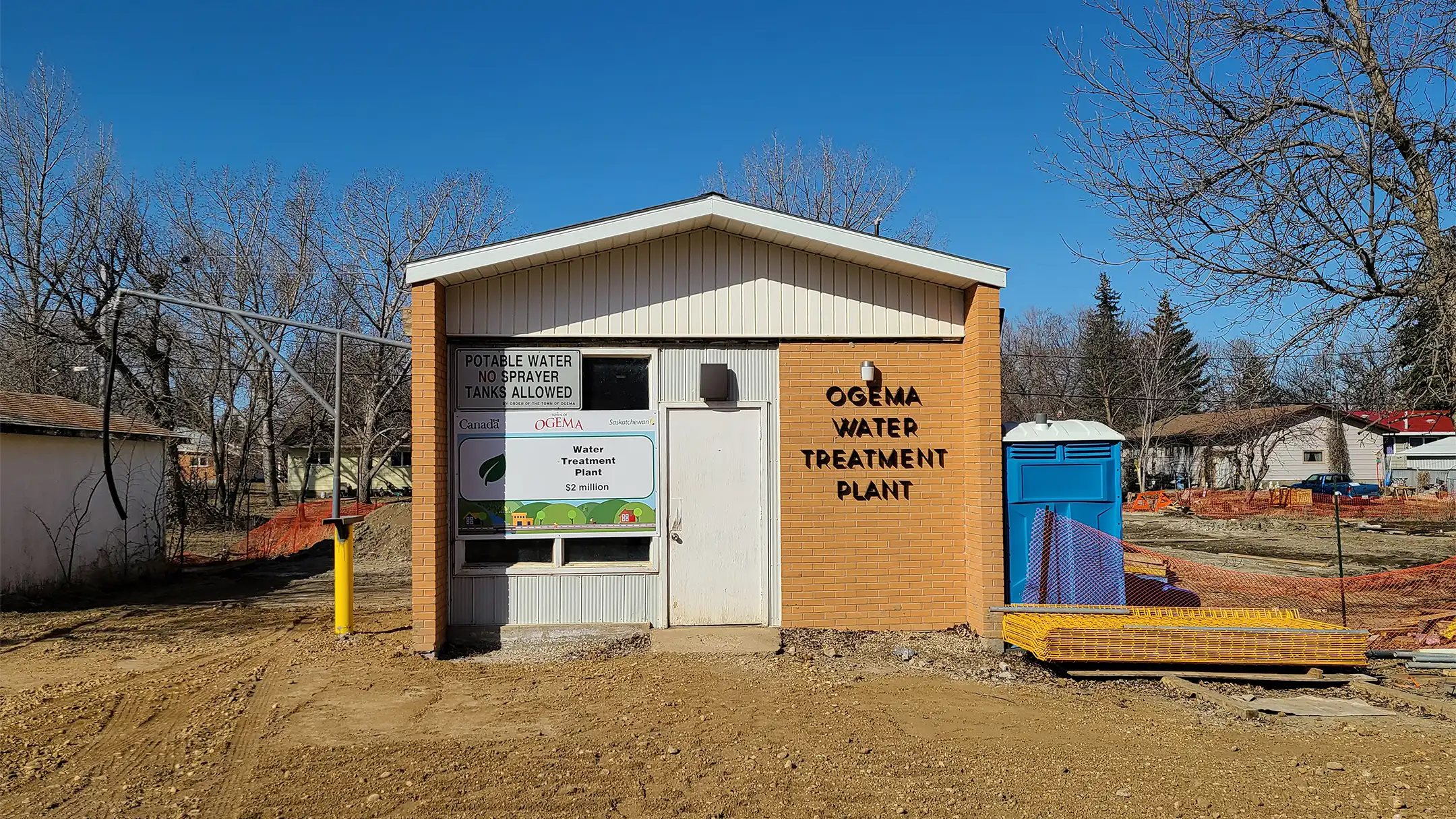

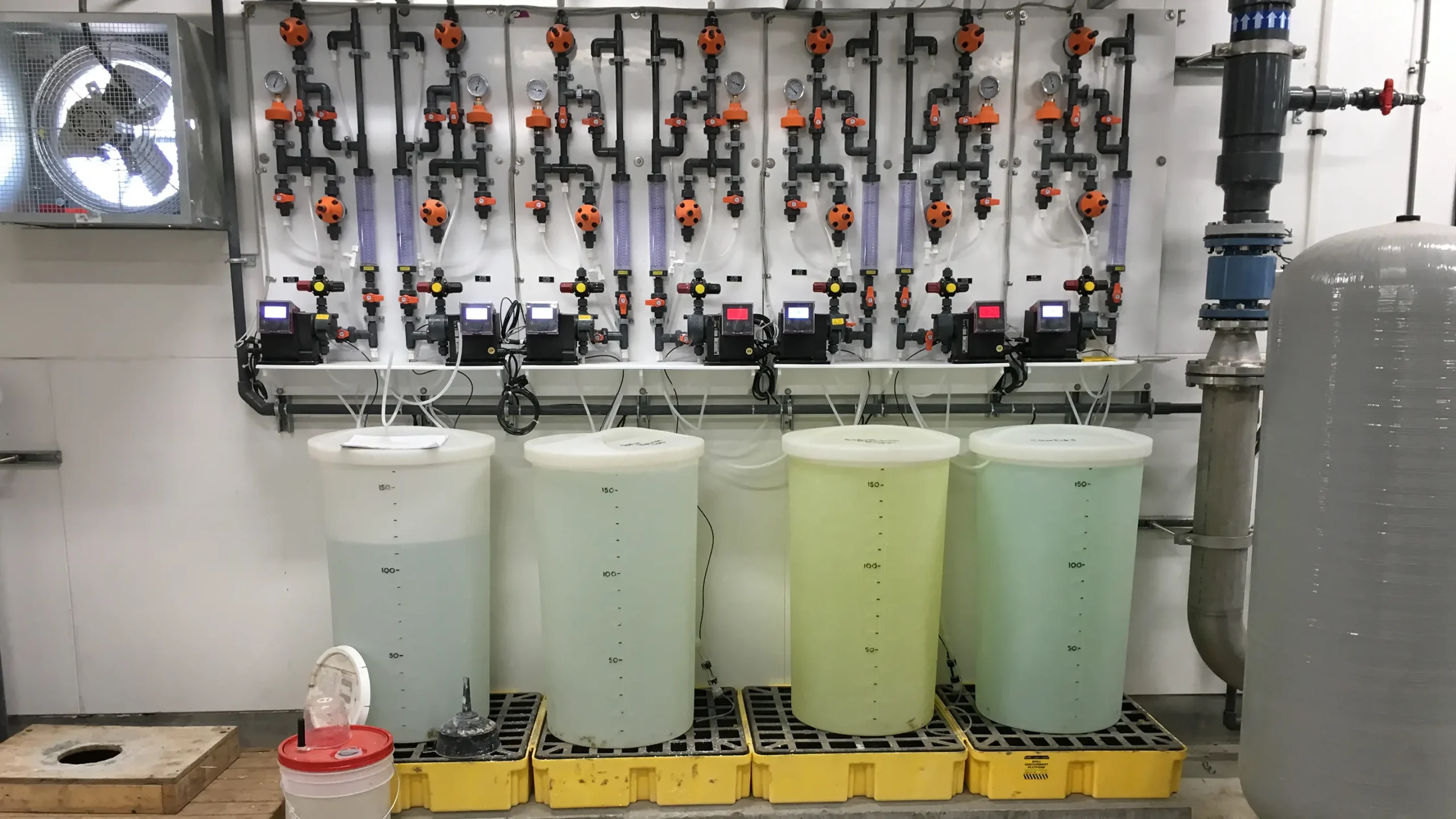
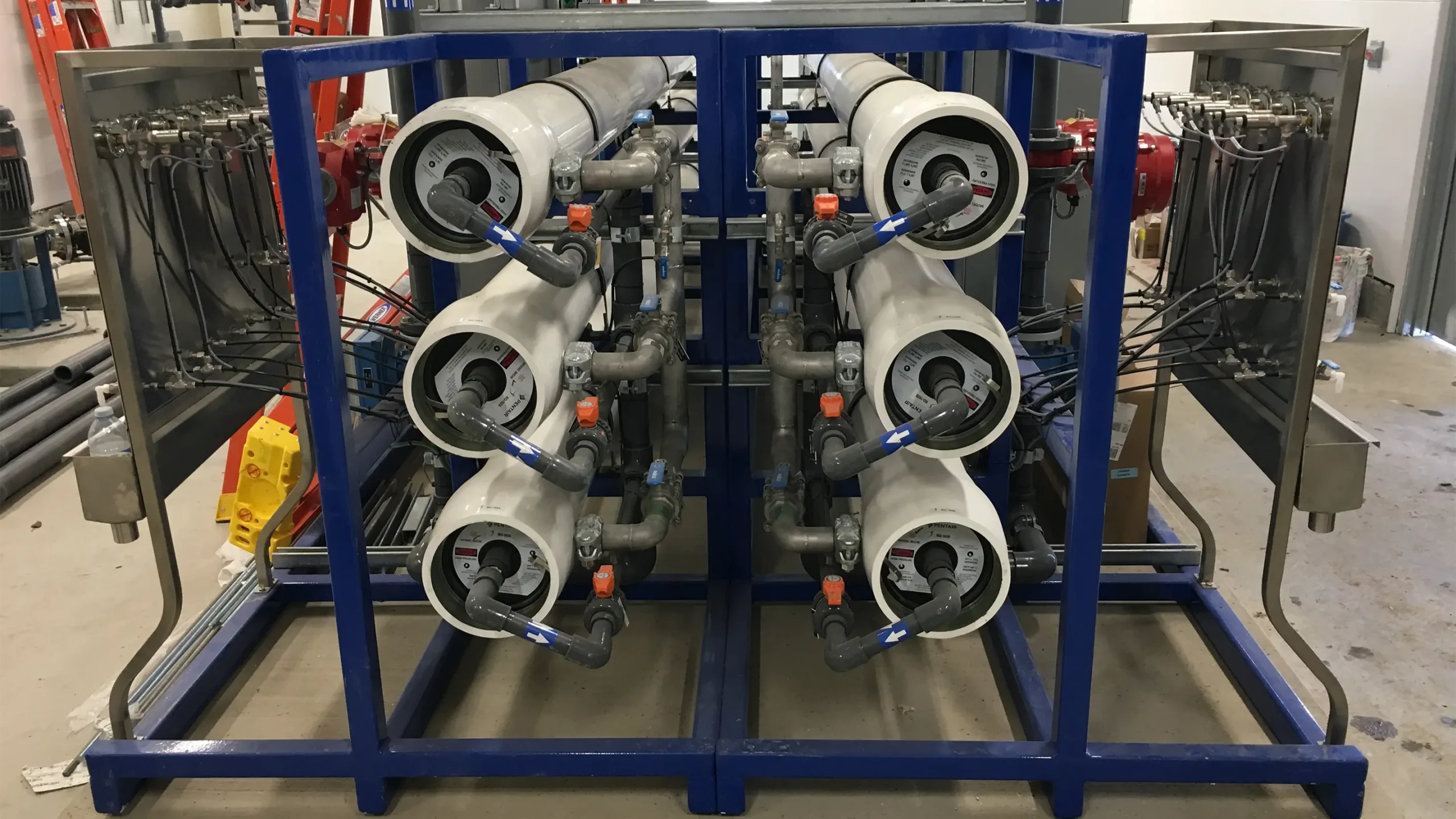
To address persistent water quality issues in the Town of Ogema, KGS Group designed a new treatment solution to improve taste and reduce dissolved minerals. The existing greensand filters had been relatively successful in removing high iron and manganese, but were not capable of removing elevated alkalinity, sulfates, hardness and total dissolved solids from the groundwater supply drawn from two nearby wells.
To increase the palatability of the finished water, KGS Group was retained to provide detailed design services for a brand-new water treatment plant using reverse osmosis membranes. A pilot study was first conducted to determine if direct feeding the reverse osmosis membranes from the wells would be an acceptable long-term solution. With great success from the study, the final design for direct feed membranes was completed in early 2019. The work also included design and construction of a new below-grade concrete reservoir, building and vertical turbine distribution pumps.
The new plant was commissioned in early 2020 and has received significant praise from the town for exceptional water quality.
Project Highlights
- Conducted a pilot study to determine the best long-term solution
- Provide detailed design services for a brand-new water treatment plant using reverse osmosis membranes
- Design and construction of a new below-grade concrete reservoir
Moose Jaw Refinery Debottleneck Project
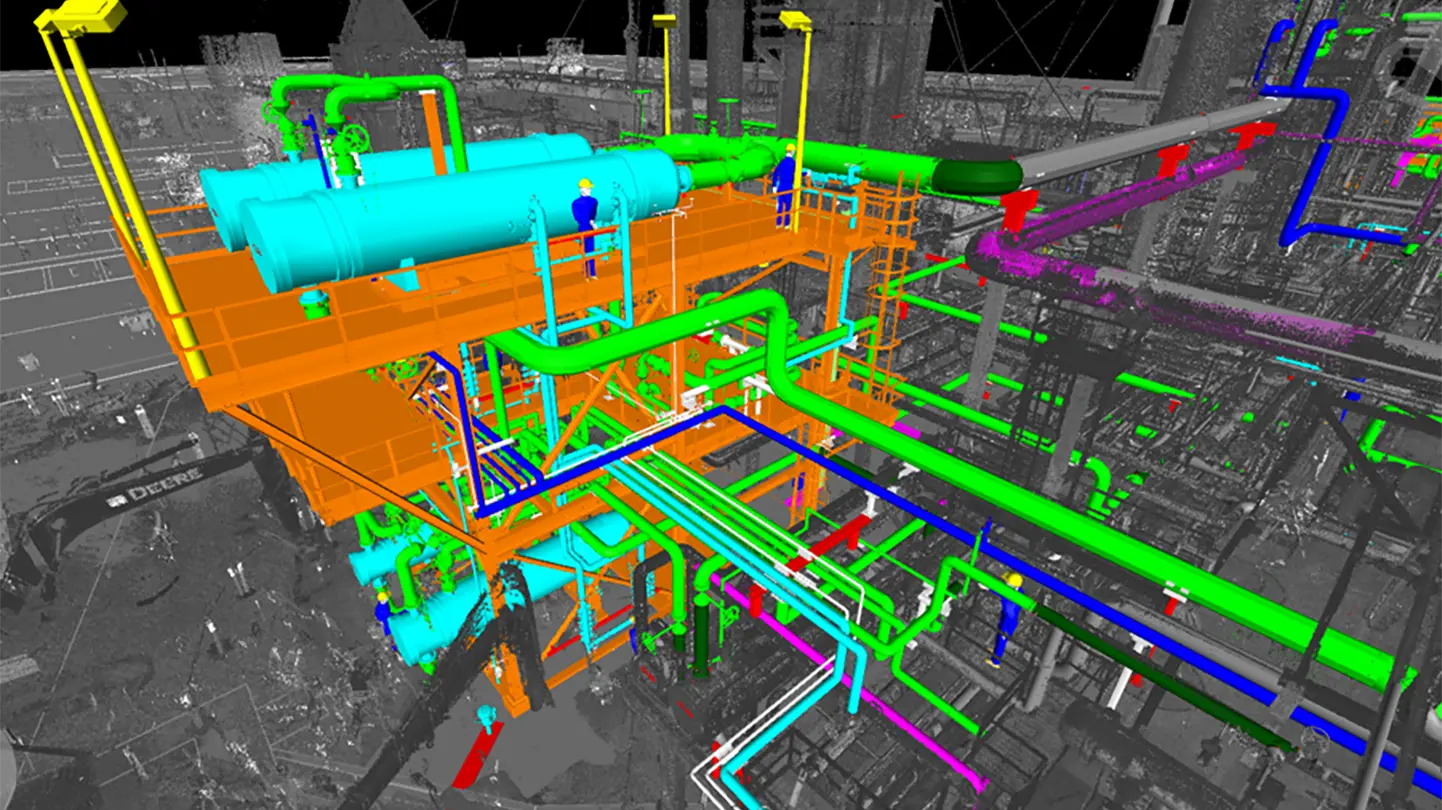
Gibson Energy’s heavy crude oil processing facility in Moose Jaw, Saskatchewan, refines products such as asphalt. KGS Group was tasked with front end engineering design (FEED), detailed design, procurement, contract administration and construction support to expand and increase the facility’s capacity. The work was executed while the plant remained in operation, requiring careful sequencing, safety planning and coordination.
KGS used simulation modelling and 3D models to visualize designs and anticipate potential conflicts, ensuring a smoother implementation. With construction taking place while the facility was in operation, the team overcame logistical challenges, complex safety considerations and an aging facility to complete the project in June 2019, on time and within budget.
Ultimately, the expansion increased throughput capacity by approximately 30% – from 17,000 barrels per day to 22,000 barrels per day – with no increase in GHG emissions. This reduces the facility’s emissions per barrel of oil processed by approximately 20-25%.
Project Highlights
- Performed the front end engineering design, detailed design, procurement, contract administration and construction support to increase the facility’s capacity
- Work was completed while the plant remained operational
- Simulation modelling was used to visual designs and anticipate conflicts to resolve them before implementation