

Peter Sutherland Sr. Generating Station
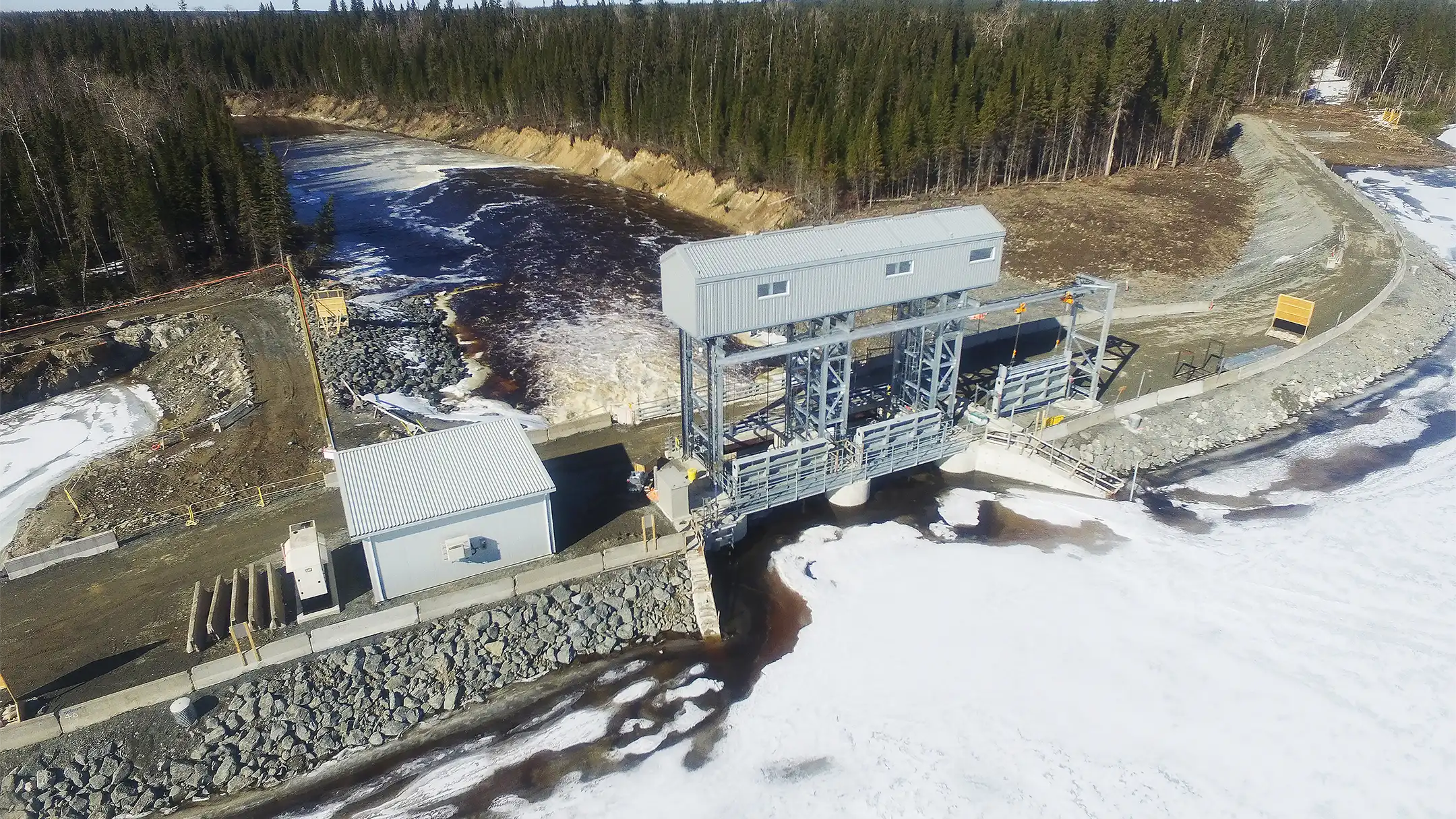
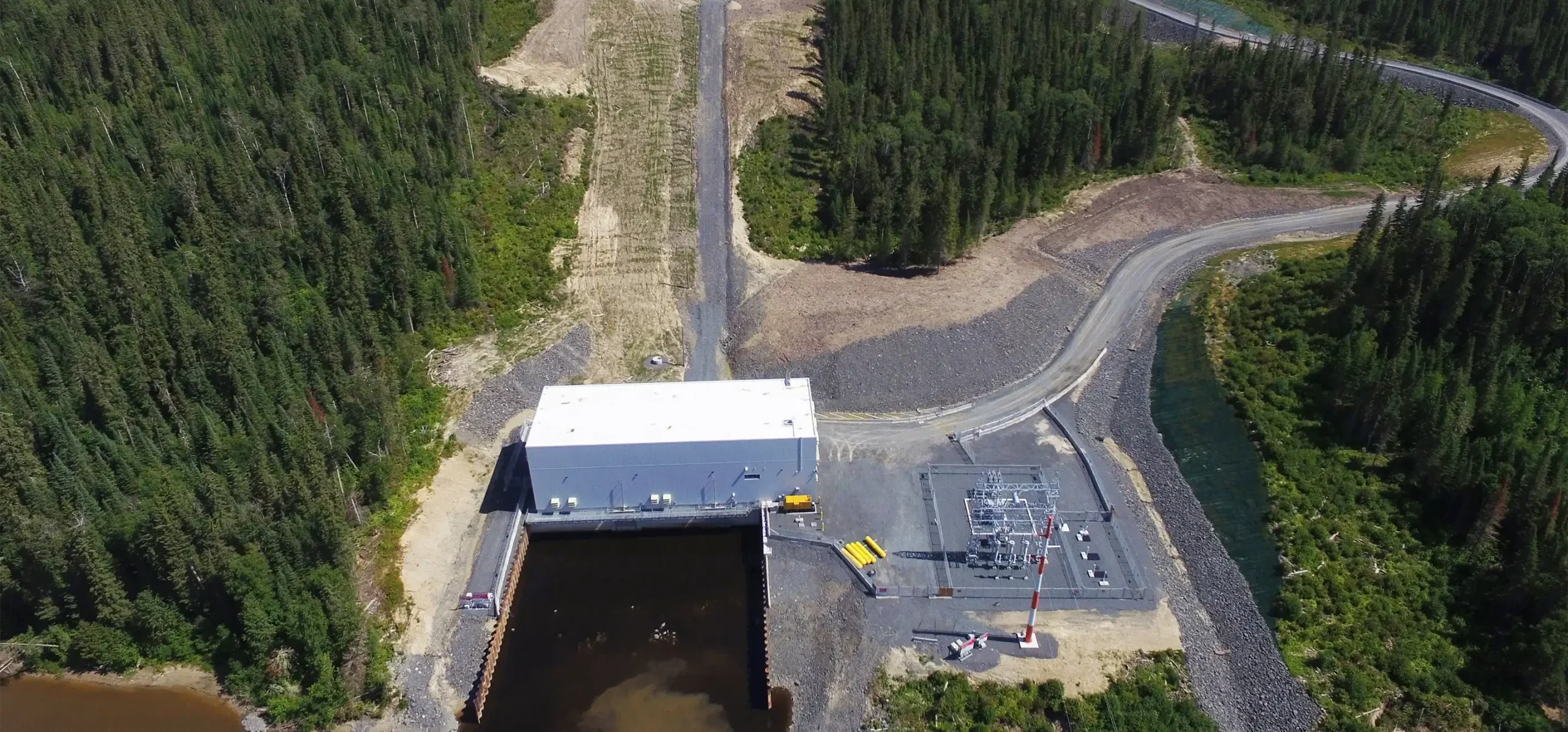
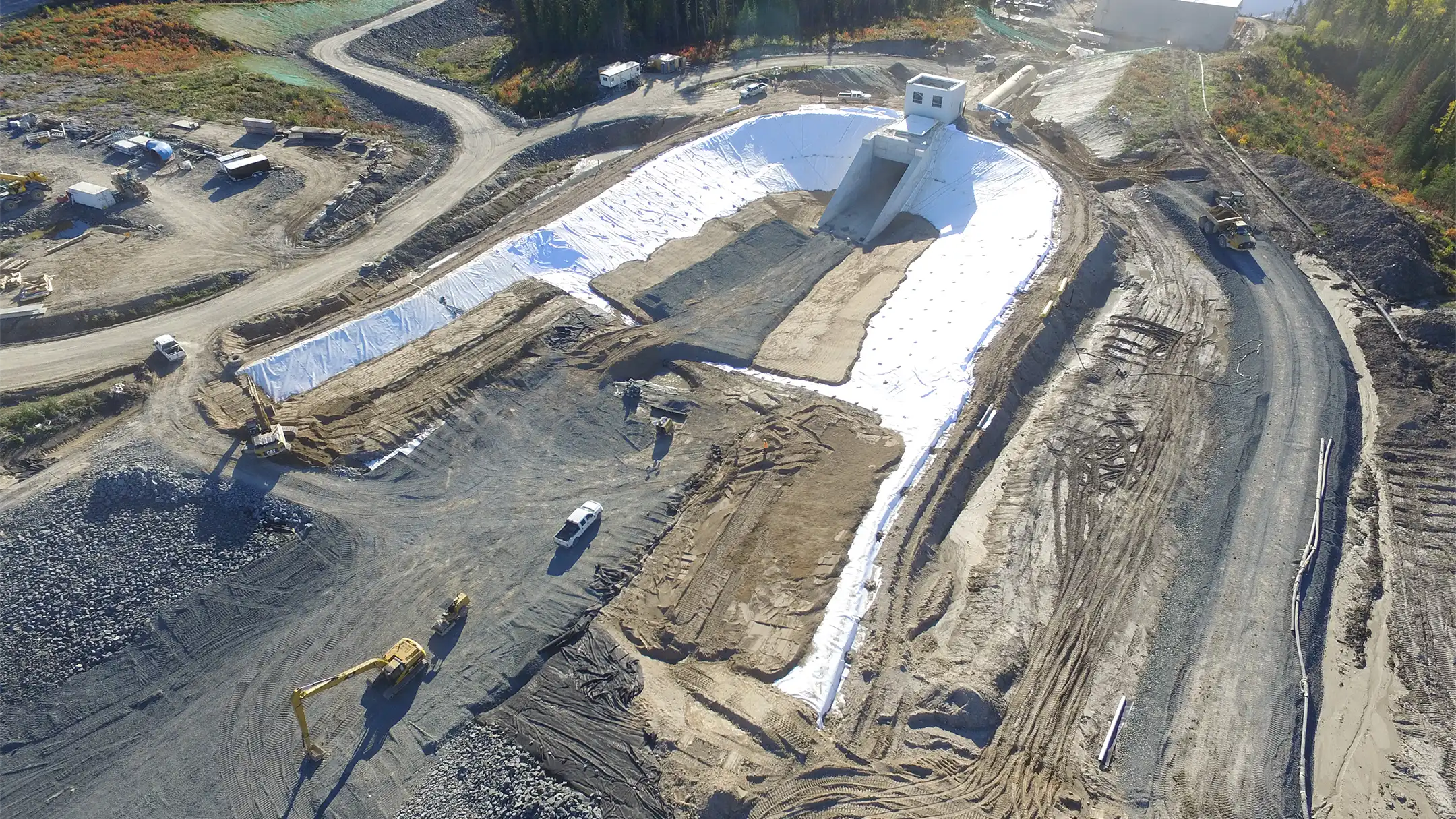
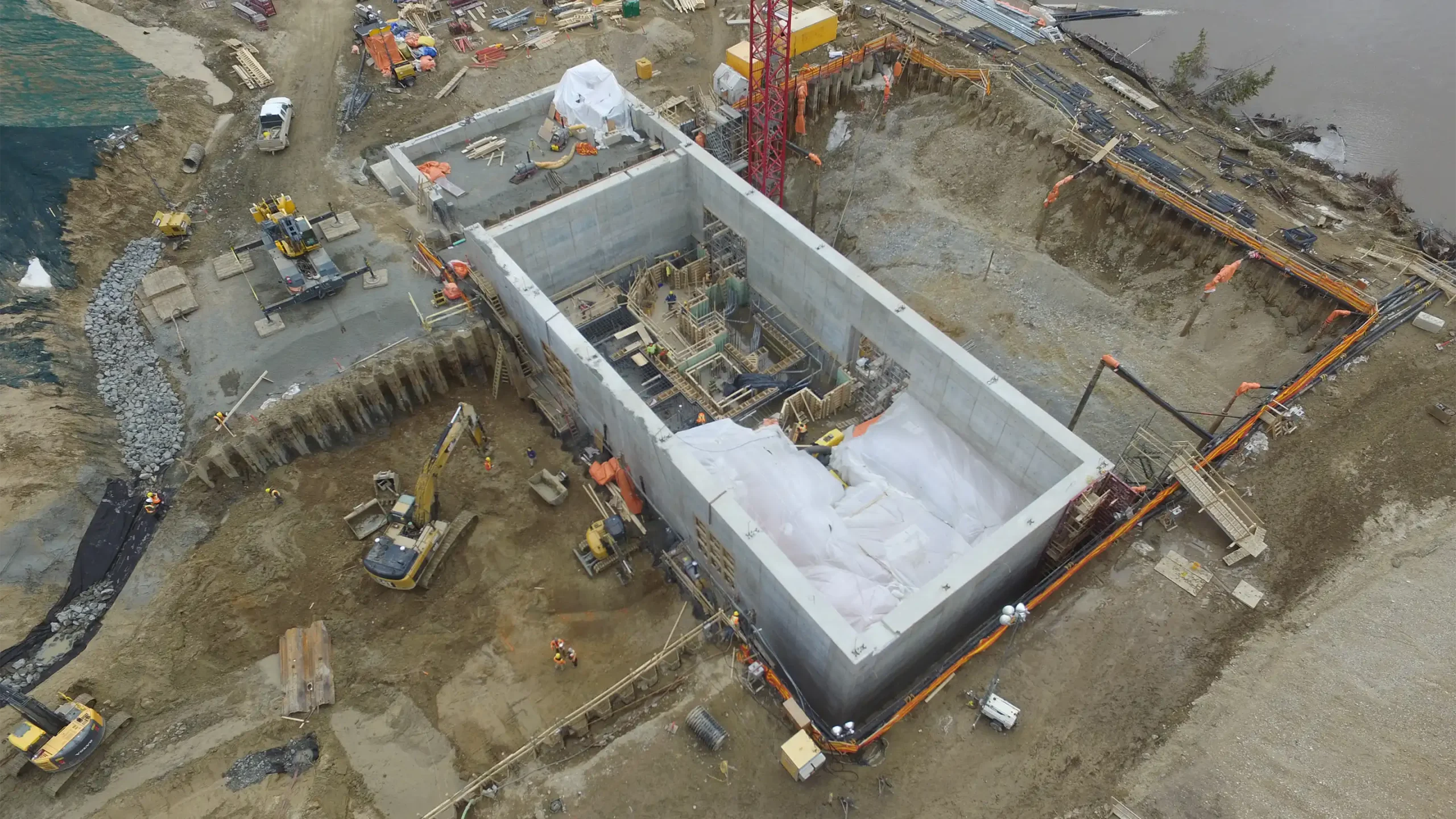
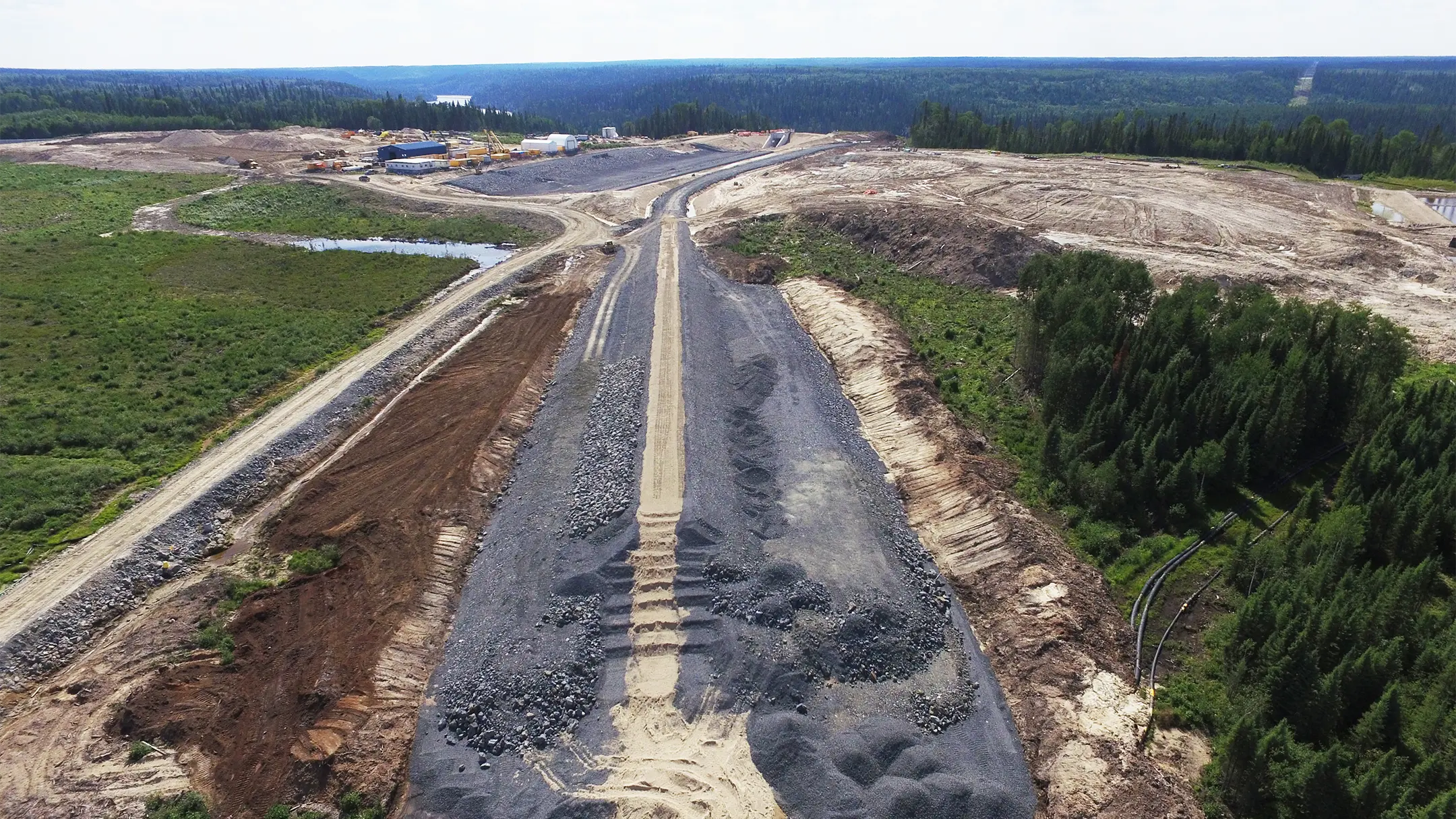
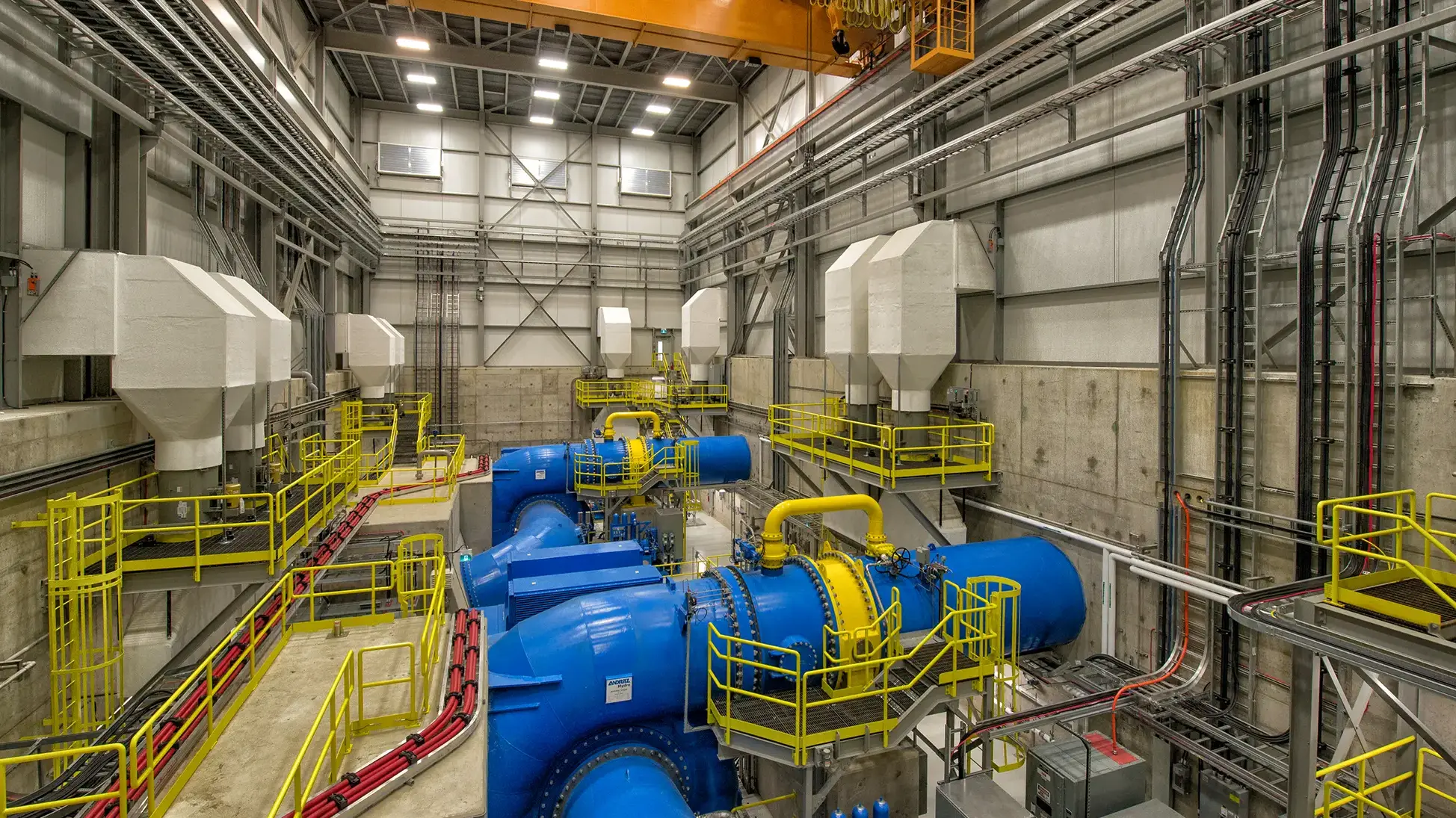
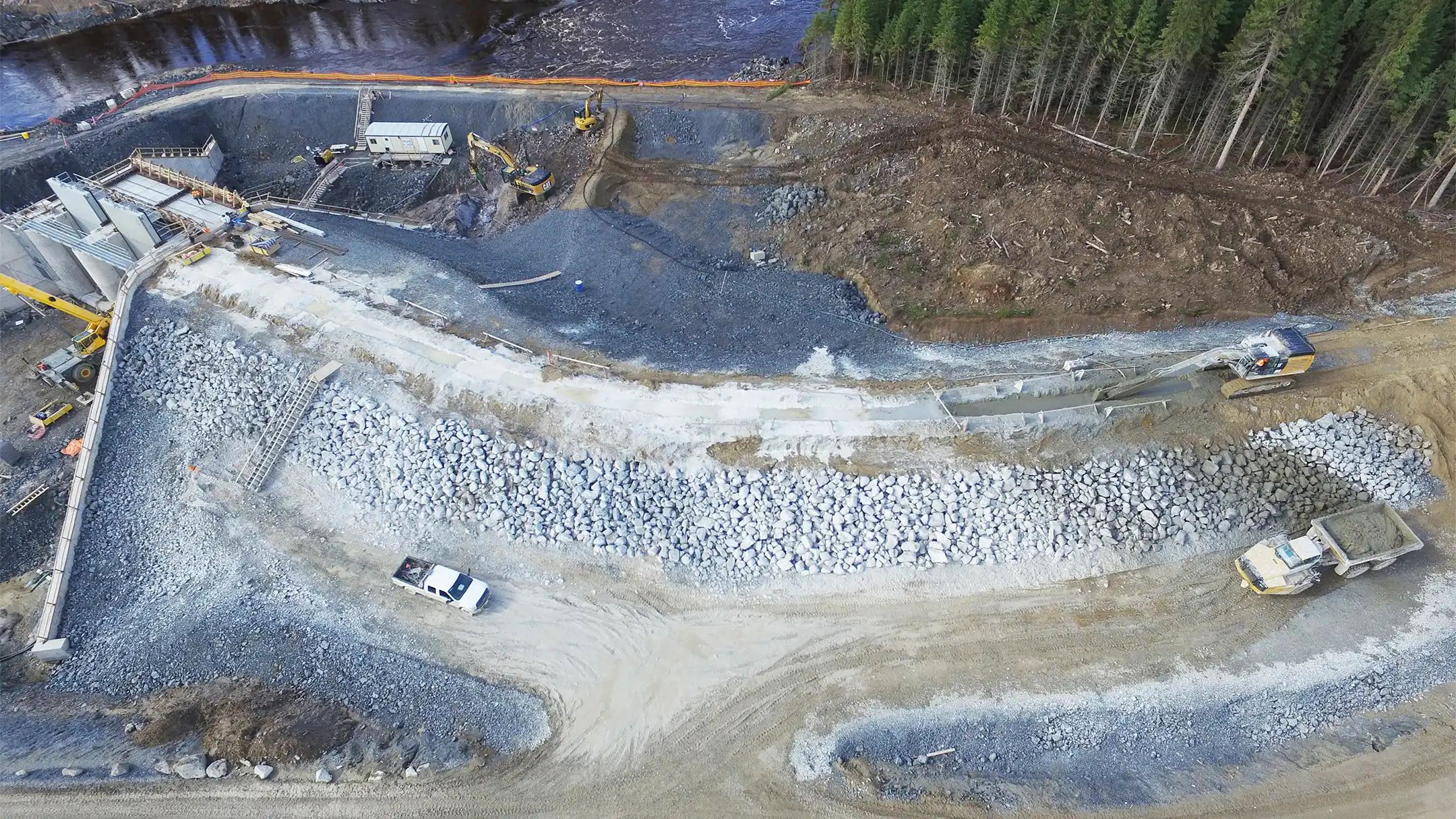
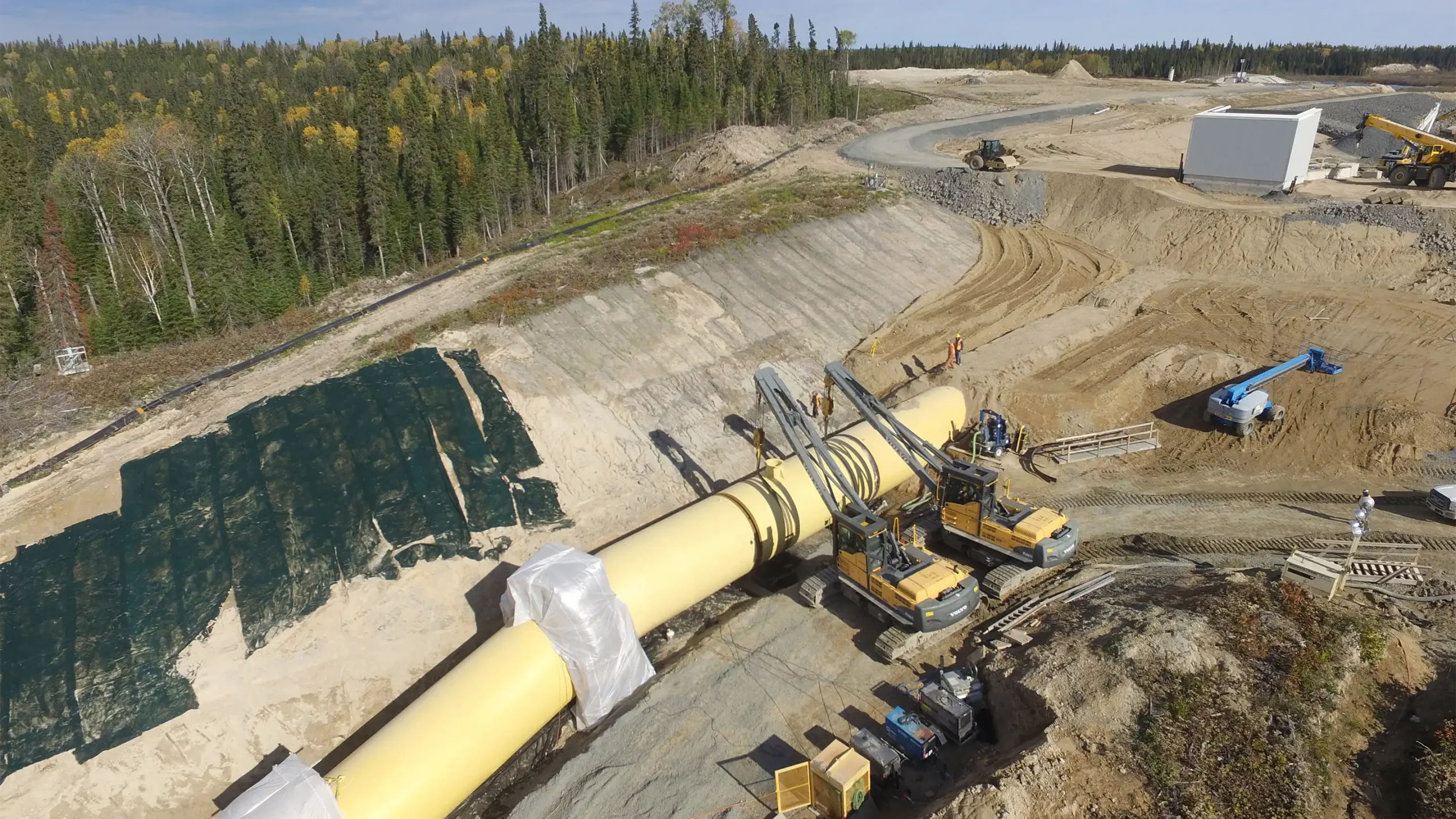
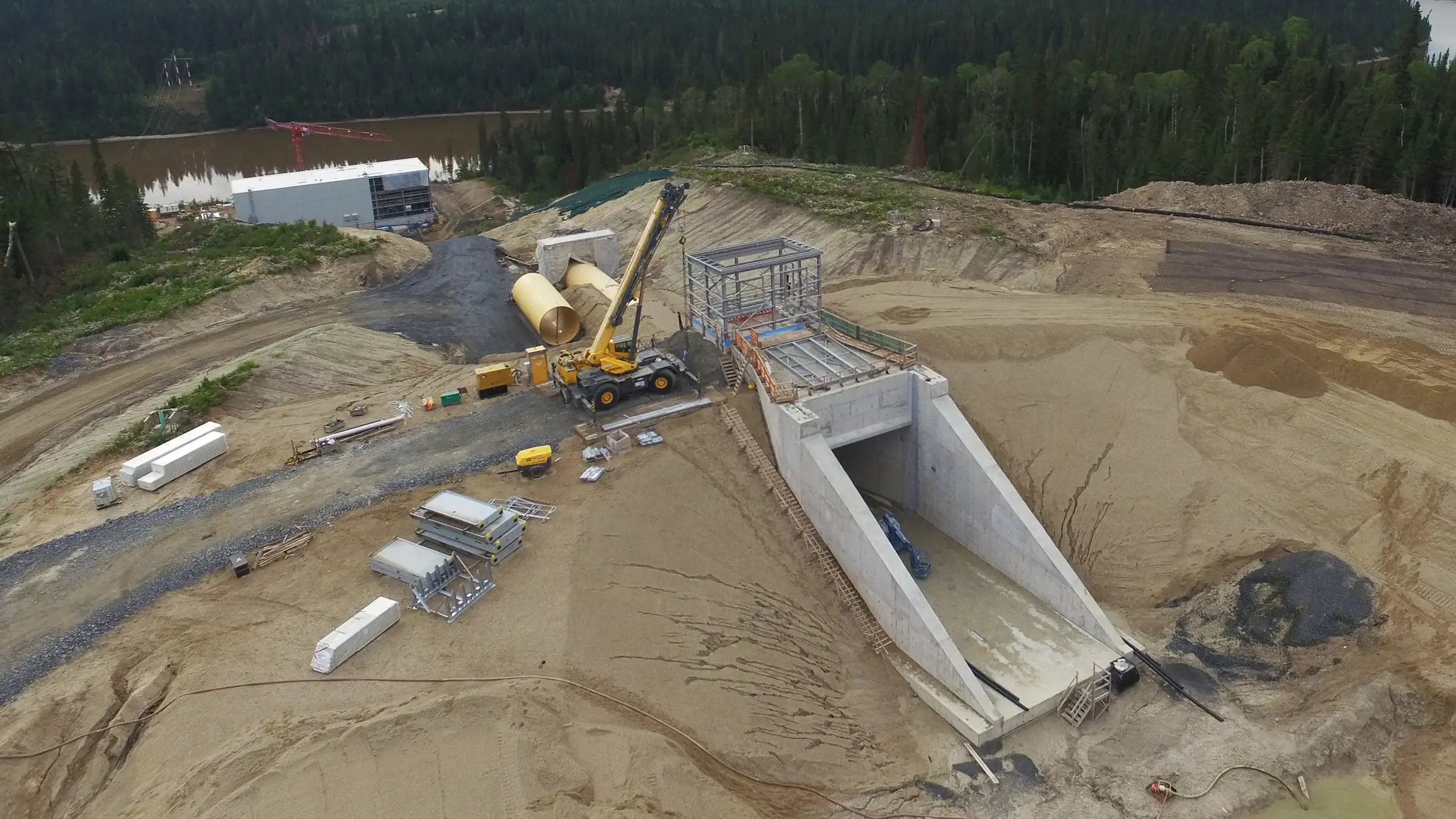
Ontario Power Generation and Coral Rapids Power Corporation (a company wholly owned by Taykwa Tagamou Nation) are equity partners in the Peter Sutherland Sr. Generating Station. Named after a respected community elder, the 28 MW hydroelectric power station is remotely located at the confluence of the Abitibi River and New Post Creek within the Taykwa Tagamou Nation traditional territory of northeastern Ontario. A portion of the flows from New Post Creek have been harnessed to provide clean, renewable hydroelectric energy.
KGS Group worked closely with Ontario Power Generation and Coral Rapids Power through the conceptual and preliminary design stages, ultimately acting as the owner’s representative through the design-build construction phase that was performed by Kiewit and Aecon. KGS Group staff were onsite throughout construction assisting and collaborating with the owners and contractor team.
Construction was completed safely, on budget, and ahead of schedule. The project is not only an investment into Ontario’s clean energy future; it is a symbol of reconciliation and the culmination of a strong partnership between Taykwa Tagamou Nation and Ontario Power Generation that will benefit the community for generations.
Project Highlights
- Powerhouse construction with two horizontal‑axis Francis turbines with a total plant capacity 28 MW
- Gated intake structure and approach channel with controlled conveyance from New Post Creek
- 4 m diameter steel penstock 250 m long
- 520 m long embankment dam with a cement-bentonite core
- Two-bay gated spillway
HyLife Pork Processing Plant

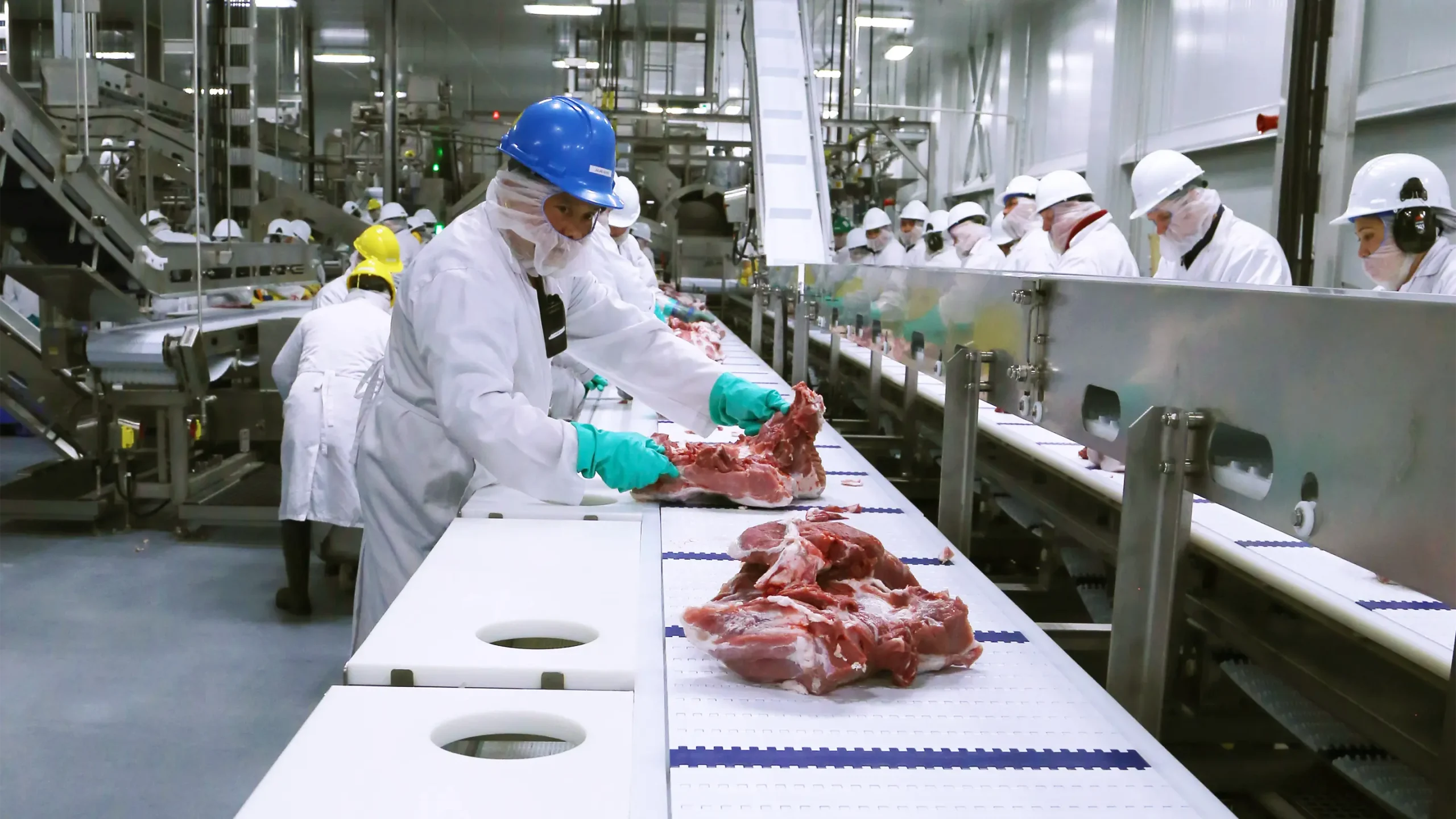
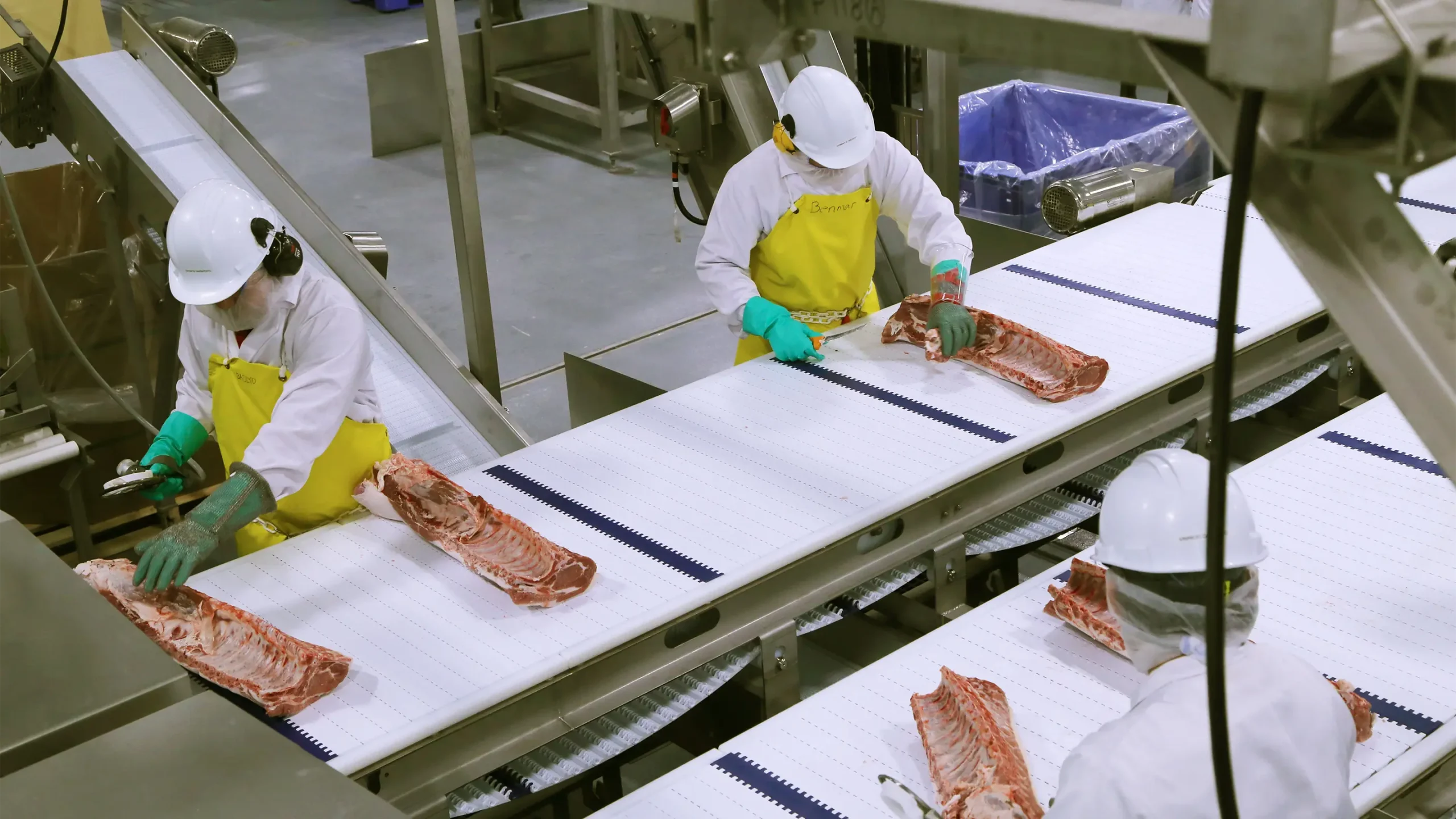
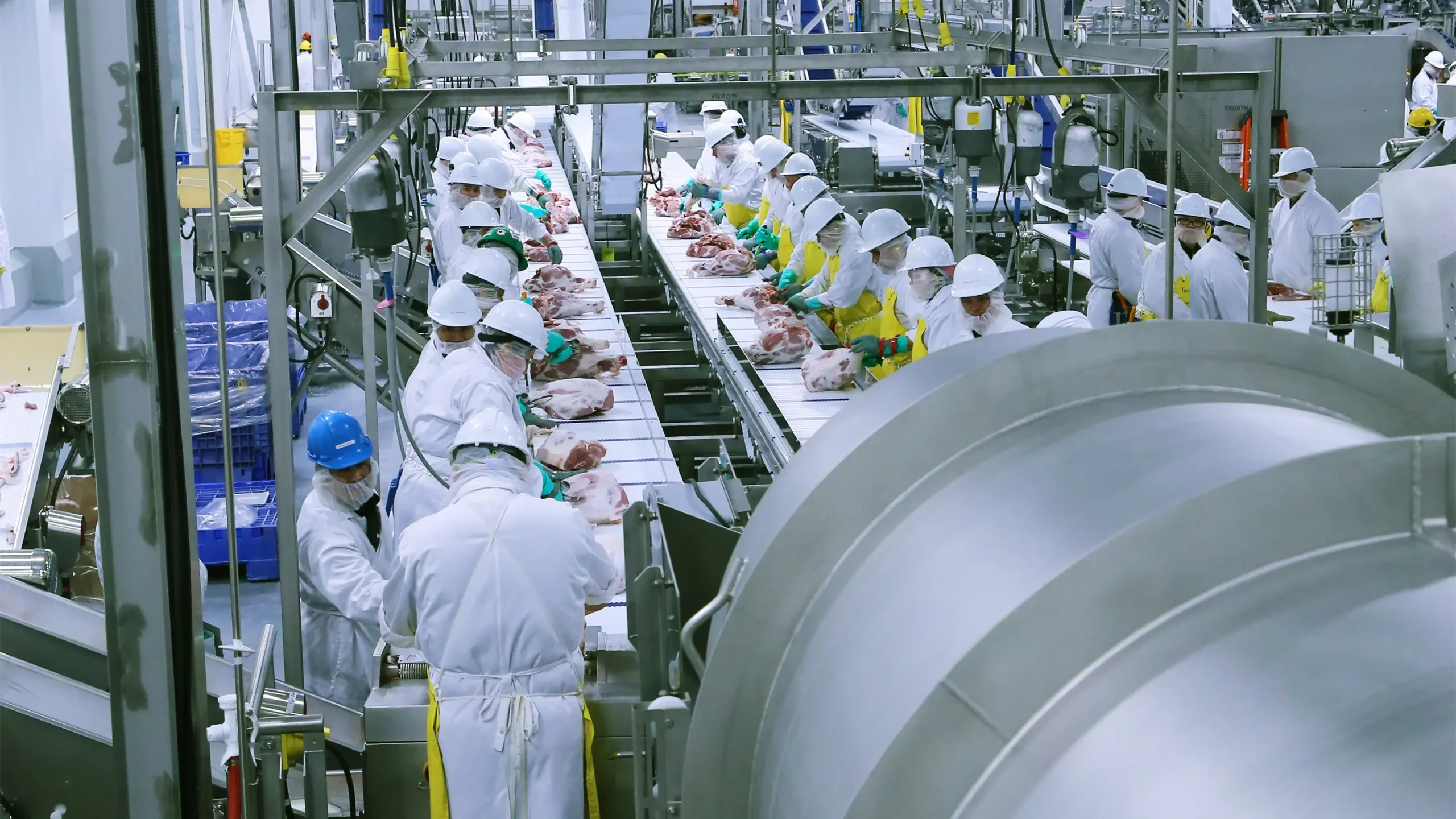

KGS Group worked with HyLife Foods to engineer a new 98,500 square foot pork processing facility that would elevate employee welfare, bring food safety practices in line with global standards, increase efficiency and maximize return on investment – while keeping existing production running.
The cornerstone of a $125 million investment, the new plant includes a modern cut floor, advanced packaging area, high‑capacity storage coolers, palletizing and shipping zones and upgraded utility spaces. KGS provided conceptual design, cost estimate and value engineering services to support project funding. Detailed design of the facility to global meat industry standards was also provided by KGS Group, as well as the design of building utility service upgrades, integration of vendor equipment, procurement management and construction engineering support for this fast-track project.
By combining state‑of‑the‑art technology with tailored engineering solutions, the project reduced waste, enhanced employee welfare and increased production capacity. It has helped HyLife transform its investment into a global competitive advantage while generating 165 permanent jobs for the local community. Delivered through a fully multidisciplinary approach, the project was completed on time and on budget.
Project Highlights
- Improved plant efficiency – increased throughput of 1250 hogs/day (to 7,500 hogs/day)
- Integration of cutting-edge processing equipment reducing repetitive strain and increasing yield per carcass
- Over 1.1 kilometres of conveyance equipment providing efficient and linear material handling
- Local job creation for construction trades – 90% Manitoba sourced with 45% from the local Westman region
Cockburn and Calrossie Sewer Relief Works
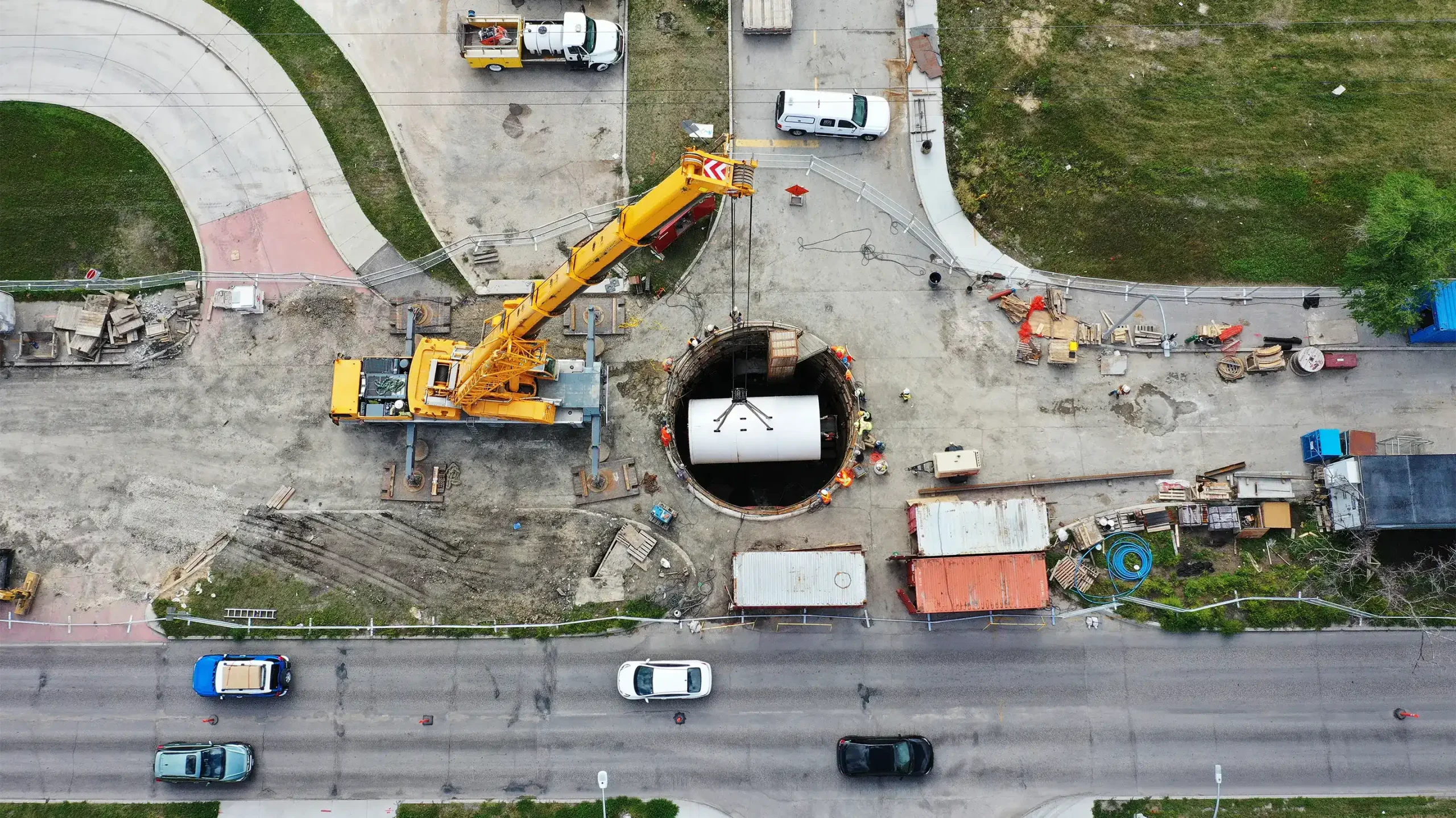
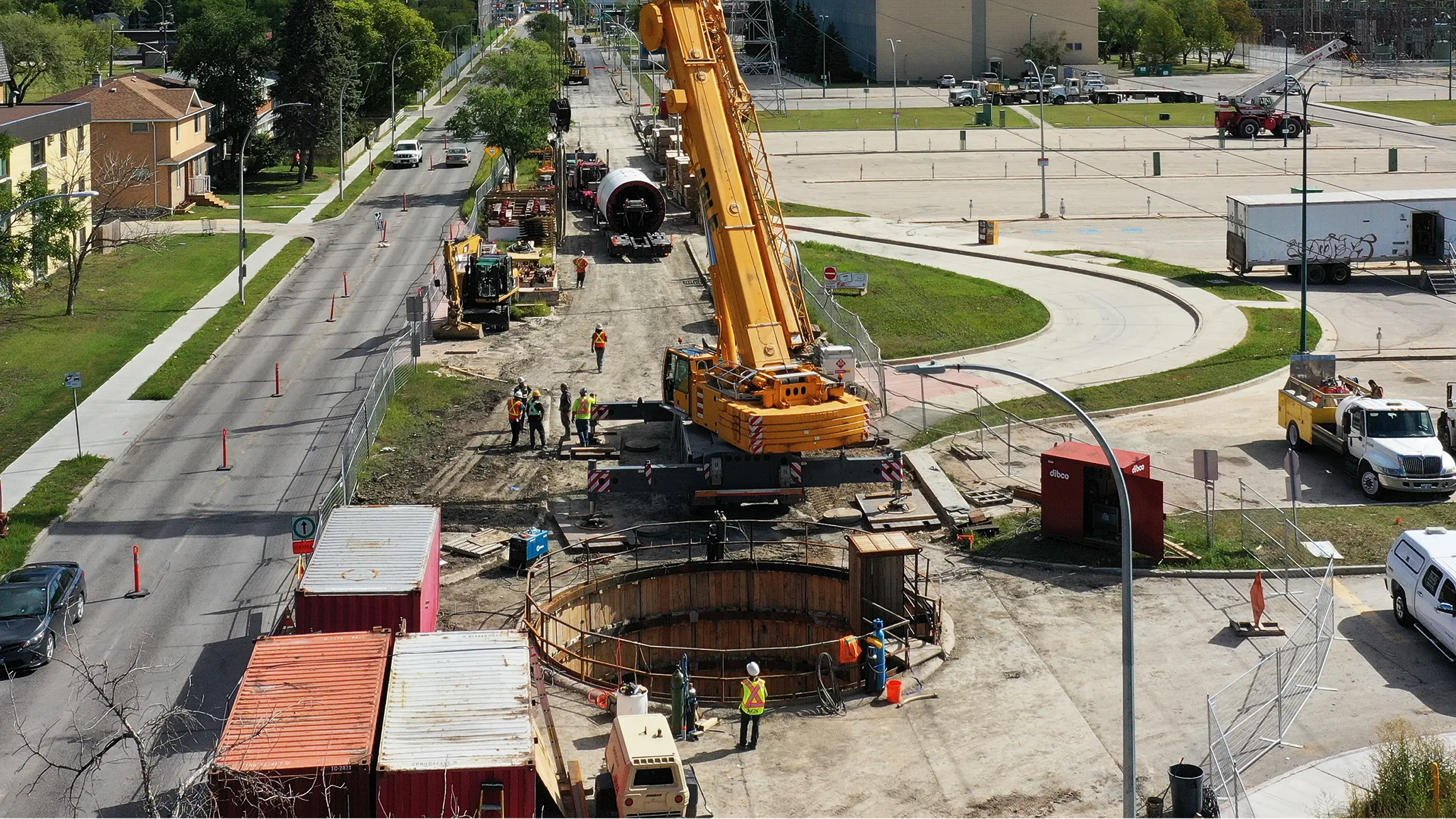
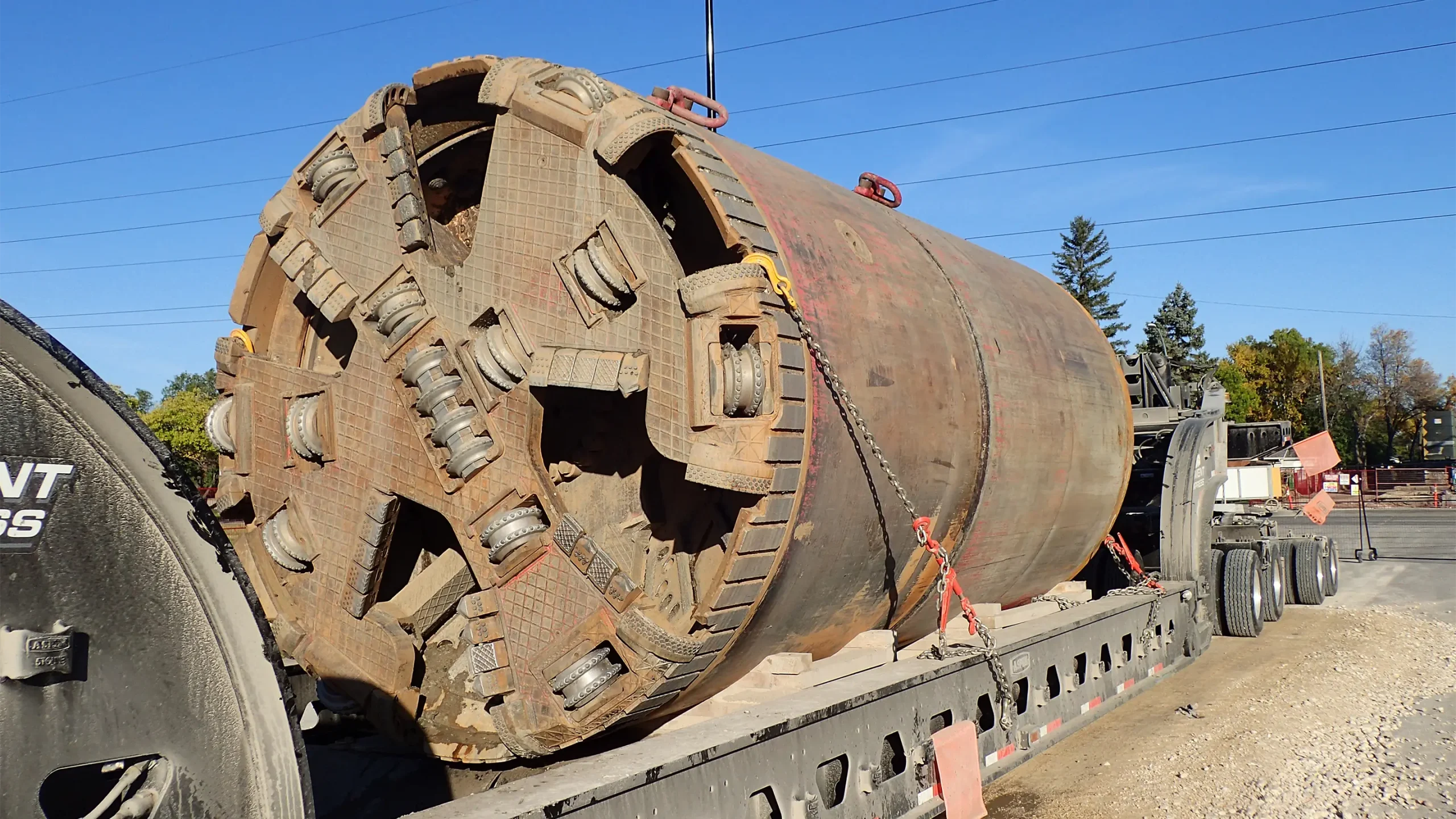

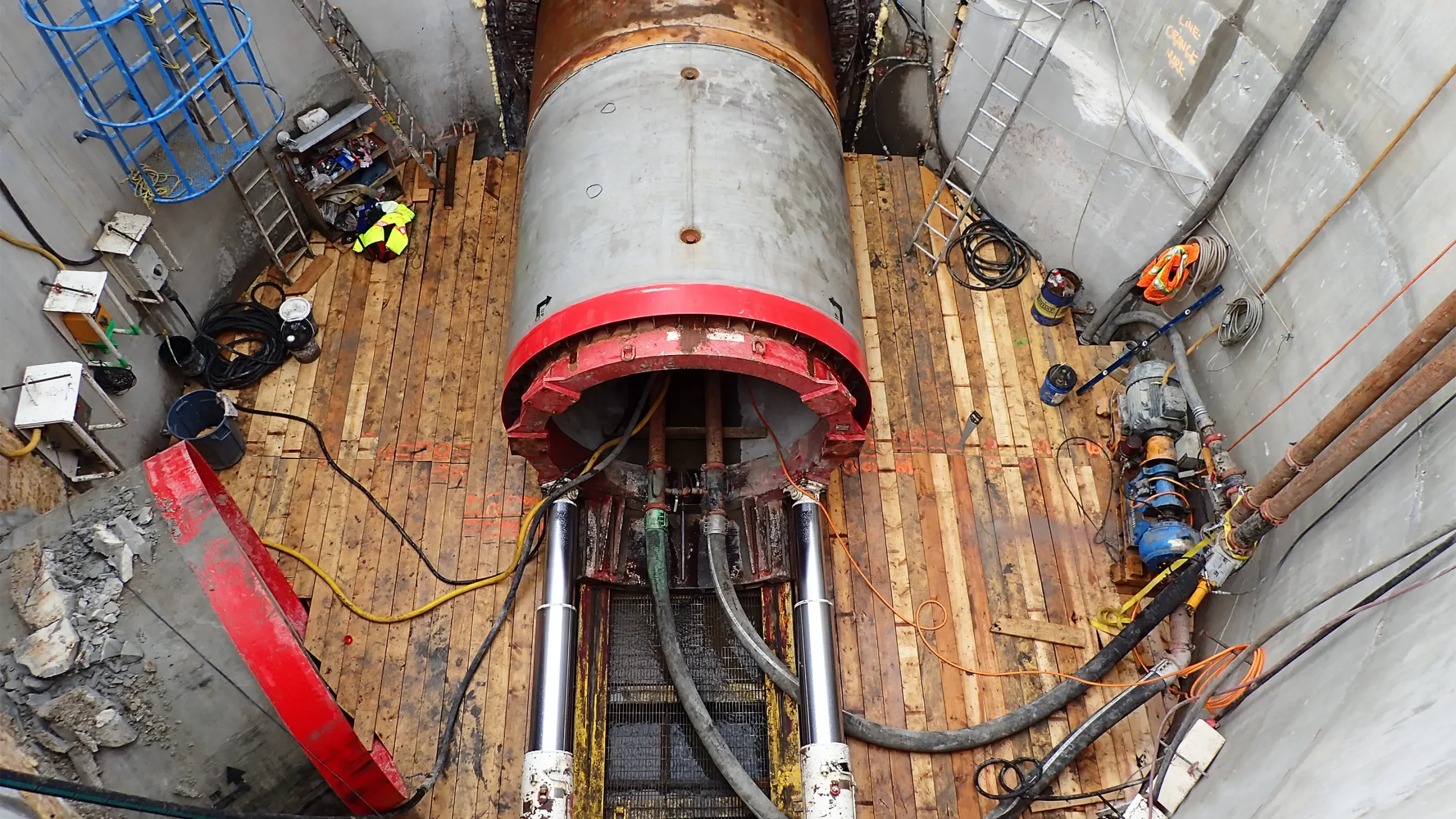
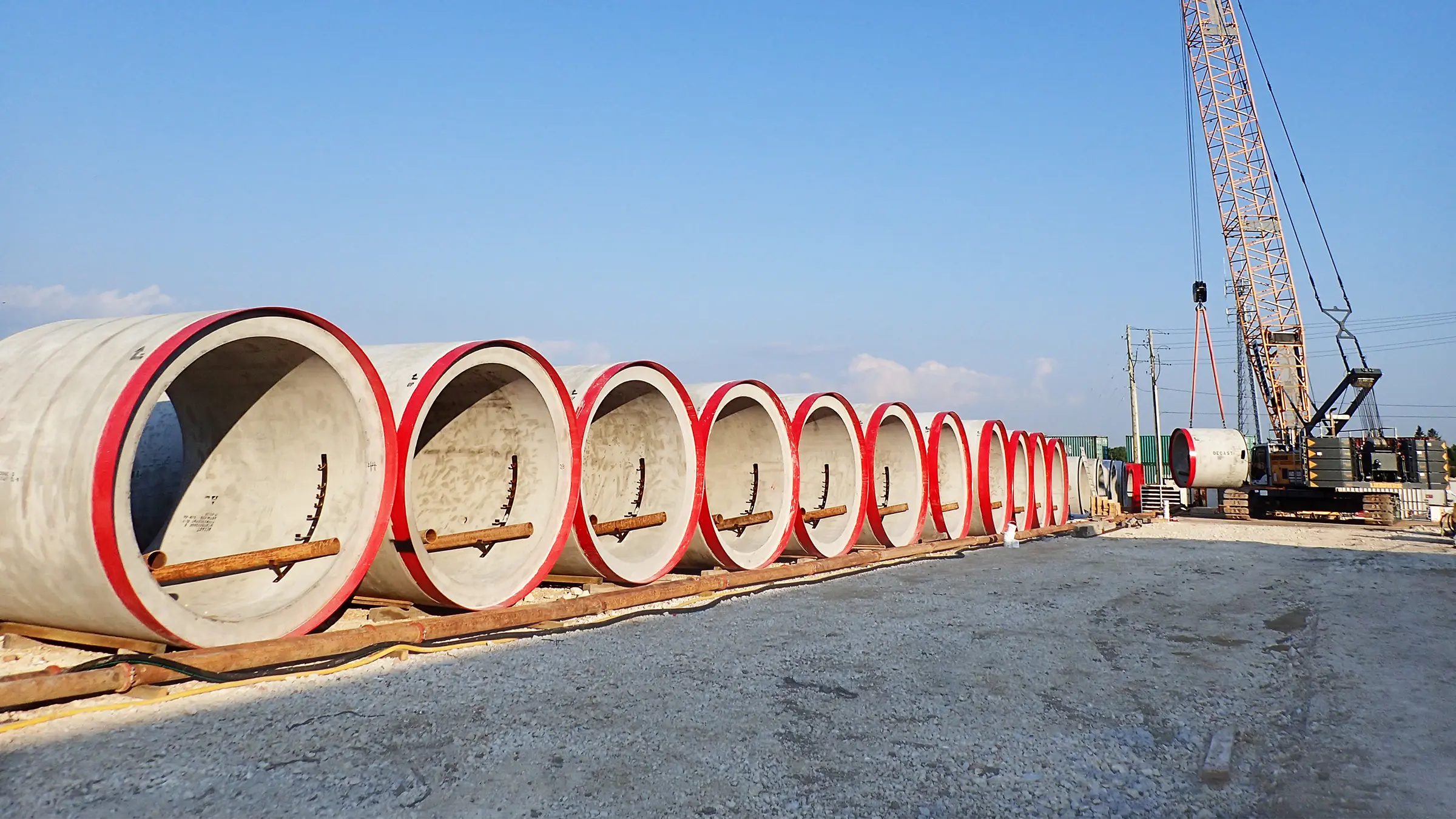
KGS Group partnered with the City of Winnipeg to study, design and implement district‑wide drainage improvements in neighbourhoods prone to annual flooding. This project was a complex, large-scale undertaking in a densely urbanized center that includes major businesses, residential homes, regional streets, and the primary rail line that bisects the City. KGS led a large team to take the project from initial concepts to practical implementation.
We developed a regional hydraulic/hydrologic model of three adjacent drainage areas and created an evaluation criterion to objectively select the drainage improvement option that considered stakeholder needs, constructability issues, future City projects and cost.
Due to the potential public impact of this project, public engagement was paramount. A public engagement strategy was developed and open houses were organized to gather public input. Once the preferred option was selected, KGS oversaw the construction of the drainage improvements. Tunneling and trenchless technologies were used to limit disruption within this dense urban community.
Project Highlights
- Development of a regional hydraulic/hydrologic model for three drainage areas
- Alternatives evaluation using stakeholder needs, constructability, future projects and costs
- First large diameter micro-tunnelling project in Manitoba (2,700 mm dia. tunnel)
- Tunneling and trenchless installations under regional streets and the primary rail line to minimize disruption
- Preparation of Geotechnical Baseline Report, a first-time application in Manitoba
- Risk sharing construction contract strategies to reduce capital costs
- Redevelopment of a historic rail yard into a storm retention basin and new public park space
Wellington Crescent Riverbank, Roadway and Multi-Use Path
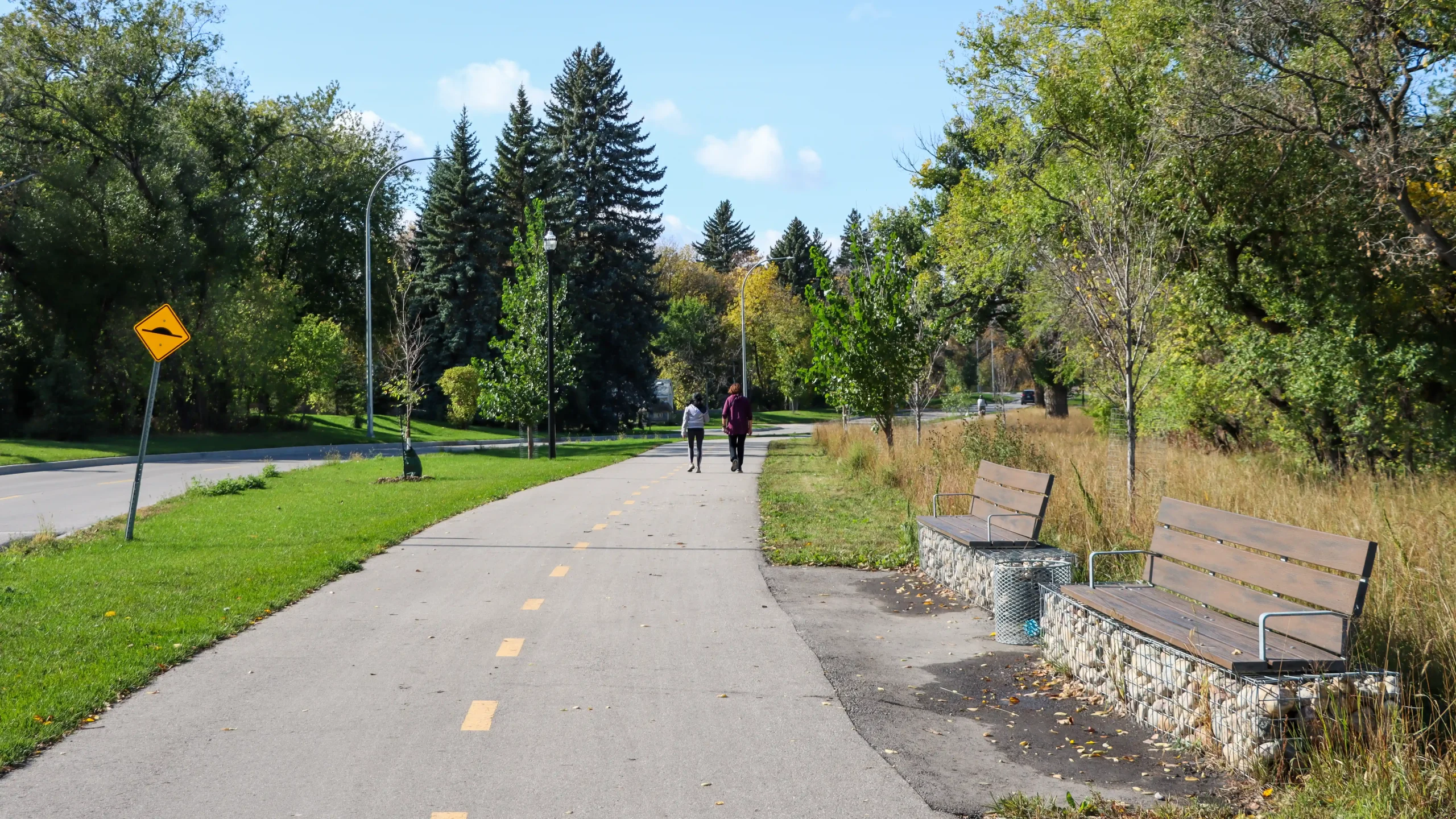
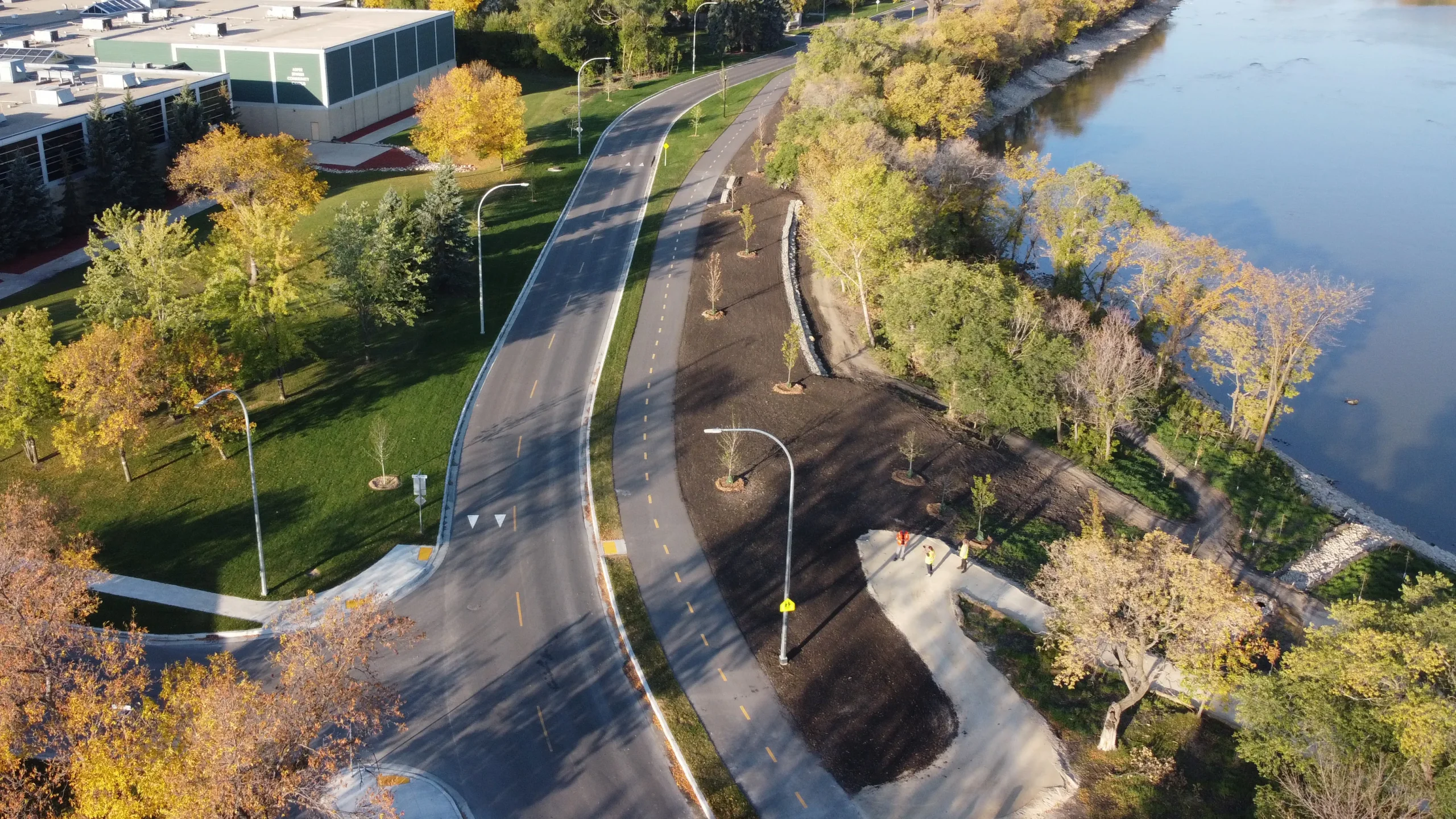


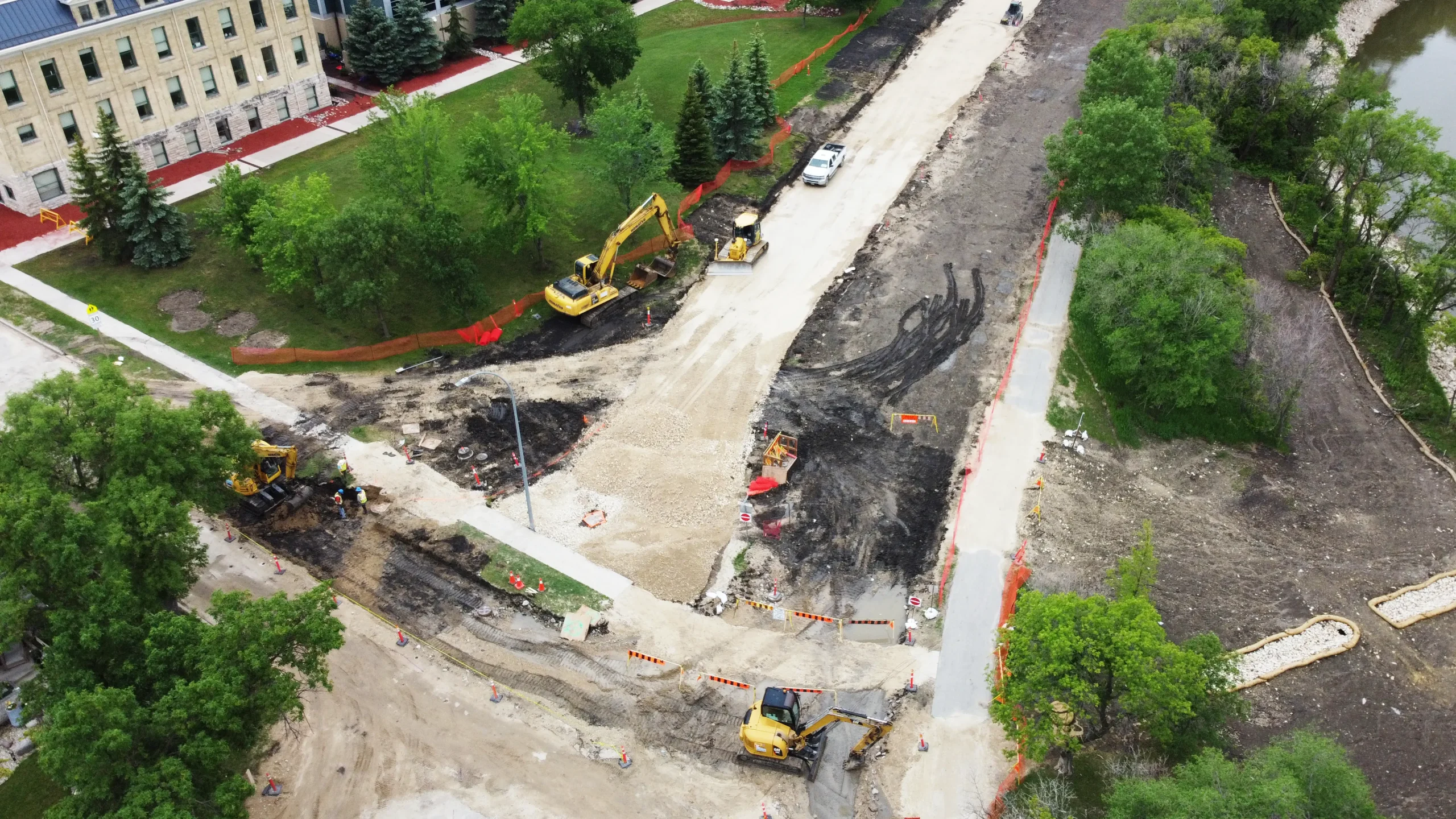

Following bank failures along the Assiniboine River adjacent to Wellington Crescent, the City of Winnipeg engaged KGS Group to explore and recommend renewal strategies to retain or replace critical riverfront infrastructure. The goal was to remediate at-risk sections, protect community assets and enhance a well-used corridor that connects downtown to Assiniboine Park.
Wellington Crescent is a vital corridor used by pedestrians, cyclists and vehicles and required careful consideration for long-term management. It also is an important naturalized area with a robust riparian ecosystem. Other considerations included protecting several underground utility assets, diverse critical infrastructure and the urban location.
Working from concept through design, tender and contract administration, we delivered a comprehensive design that weighed competing priorities and met ecological, social and economic objectives. This included erosion protection and riverbank stabilization, tree protection measures, active transportation development, realignment of Wellington Crescent and land drainage upgrades.
Project Highlights
- Riprap erosion protection and rockfill shear key slope stabilization along the riverbank
- Heritage tree protection measures and gabion retaining wall improvements
- Construction of river access trail, wilderness trail and paved multi‑use path
- Raised and reconfigured roadway intersections to improve safety and drainage
- Geometric realignment and widening of Wellington Crescent
- Tension crack sealing to stabilize roadway and adjacent slopes
- Land drainage and sewer upgrades to enhance corridor resilience
New Museum Building for the Royal Aviation Museum of Western Canada
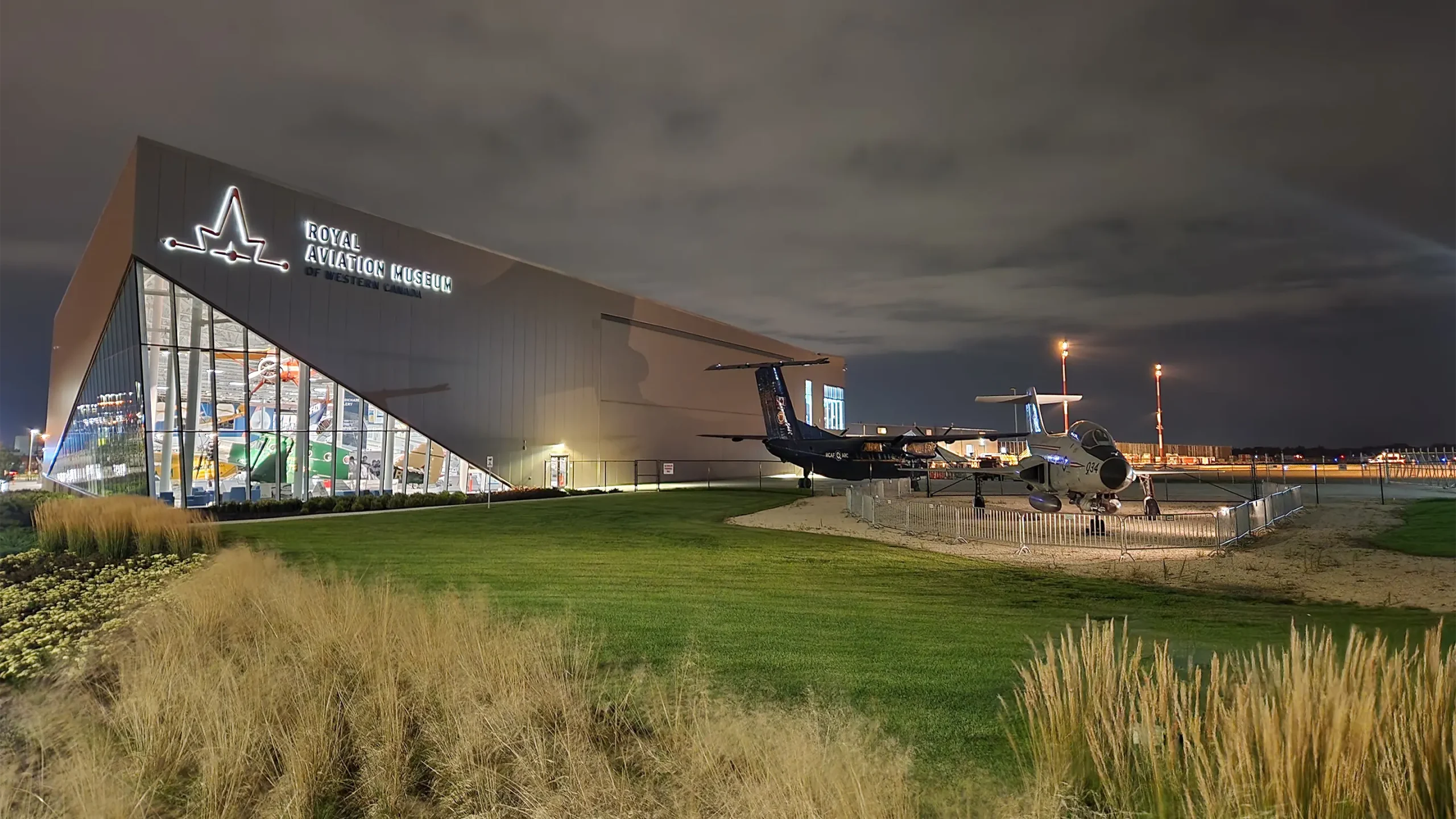
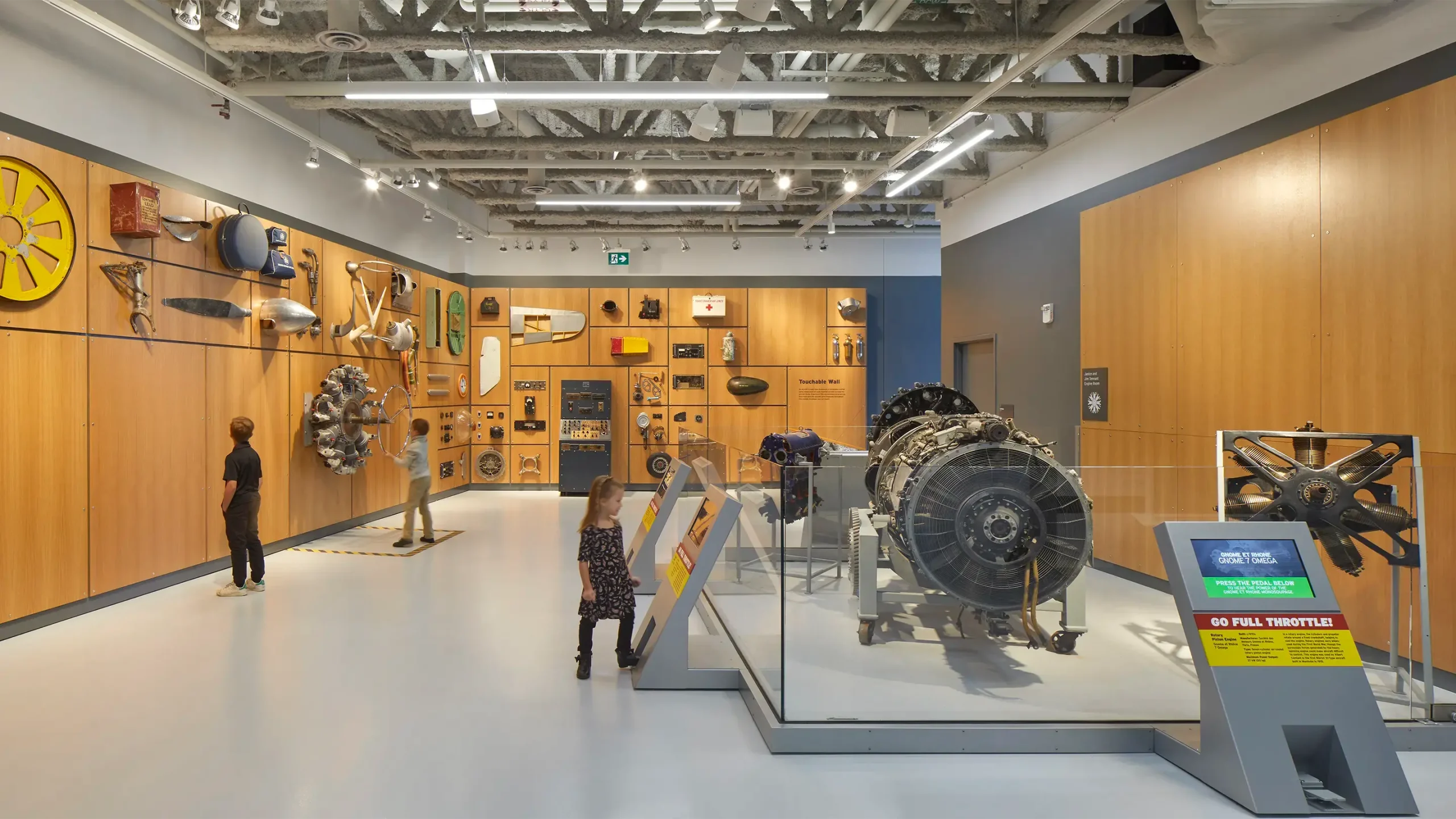
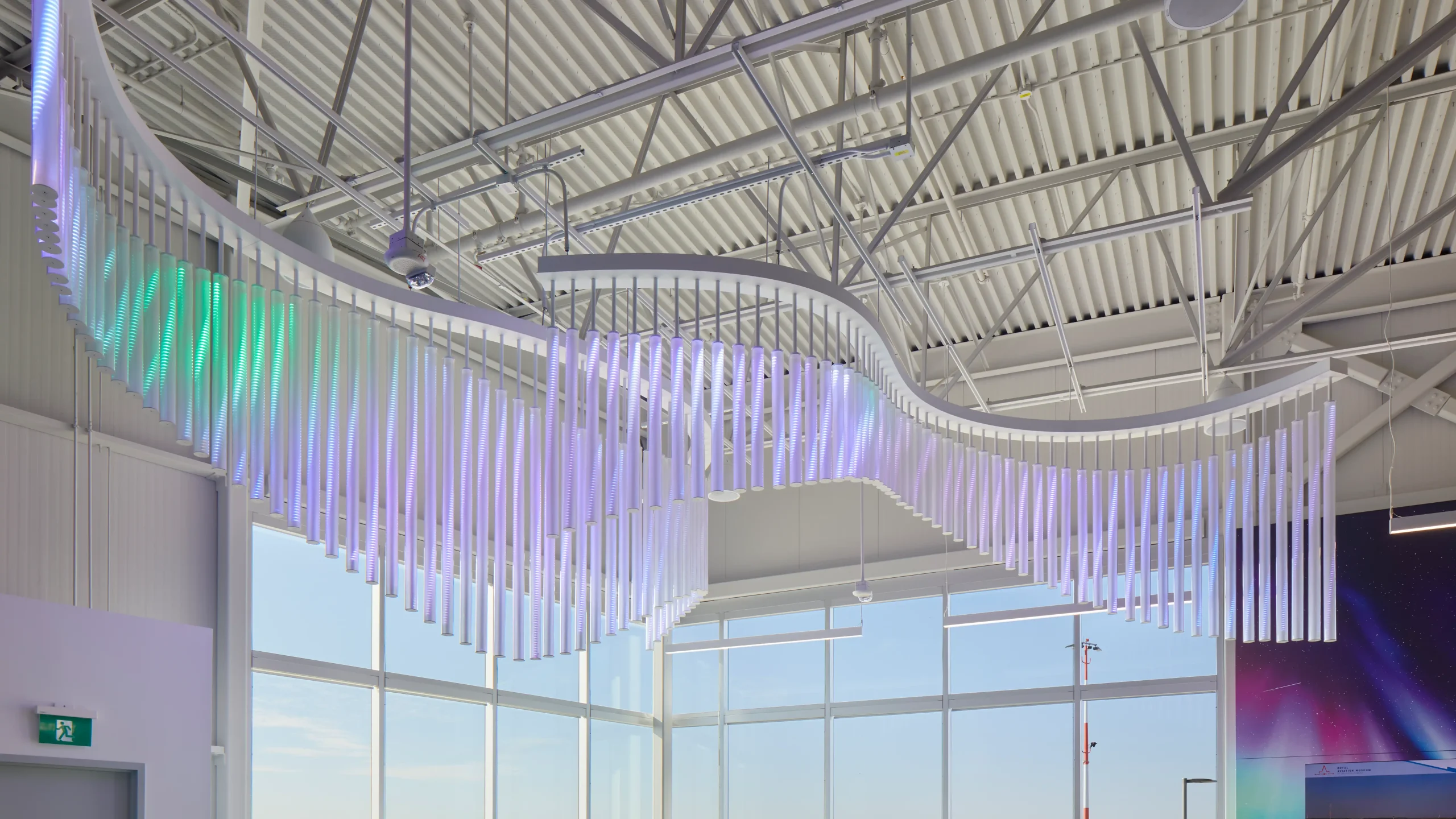
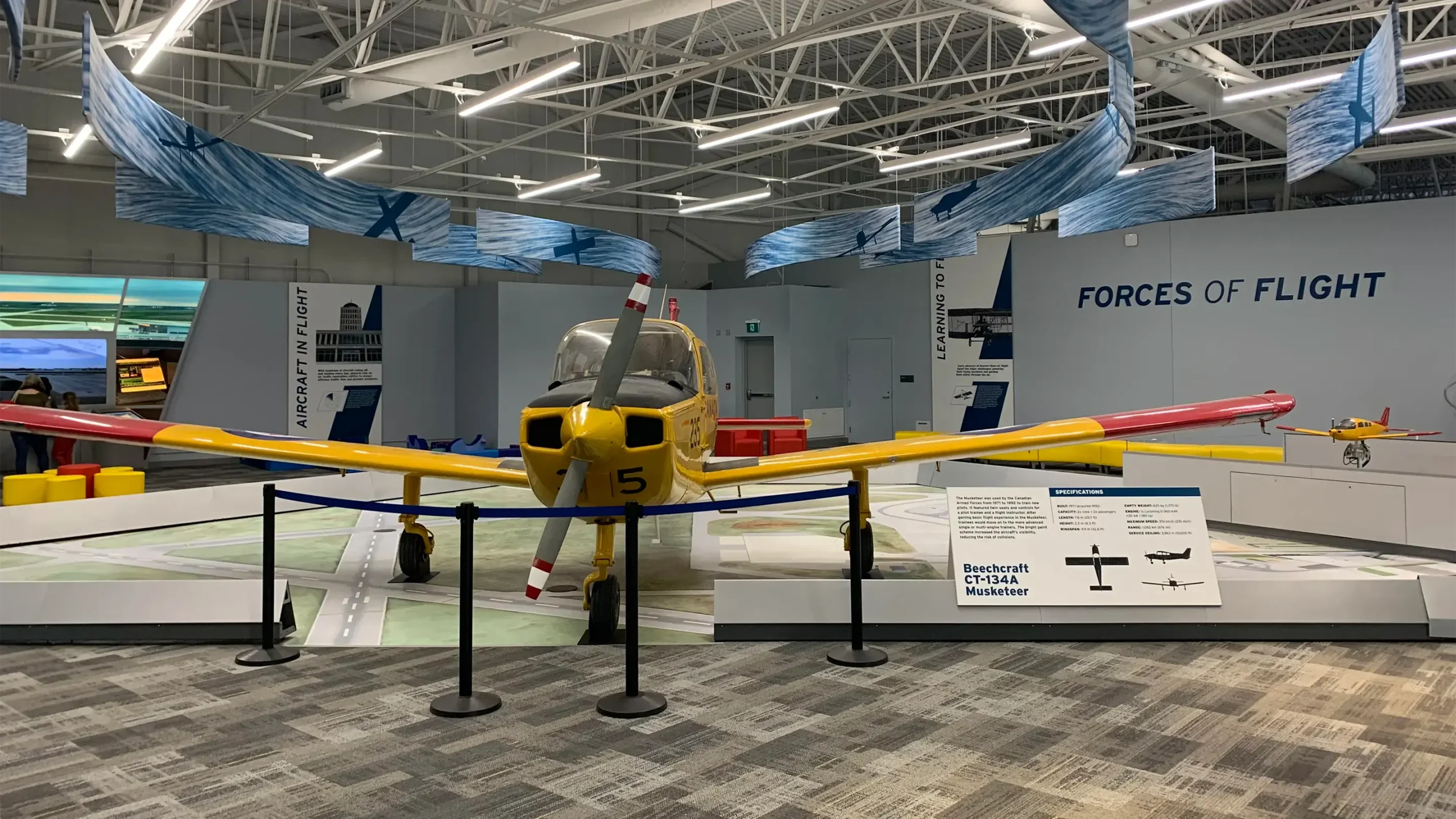
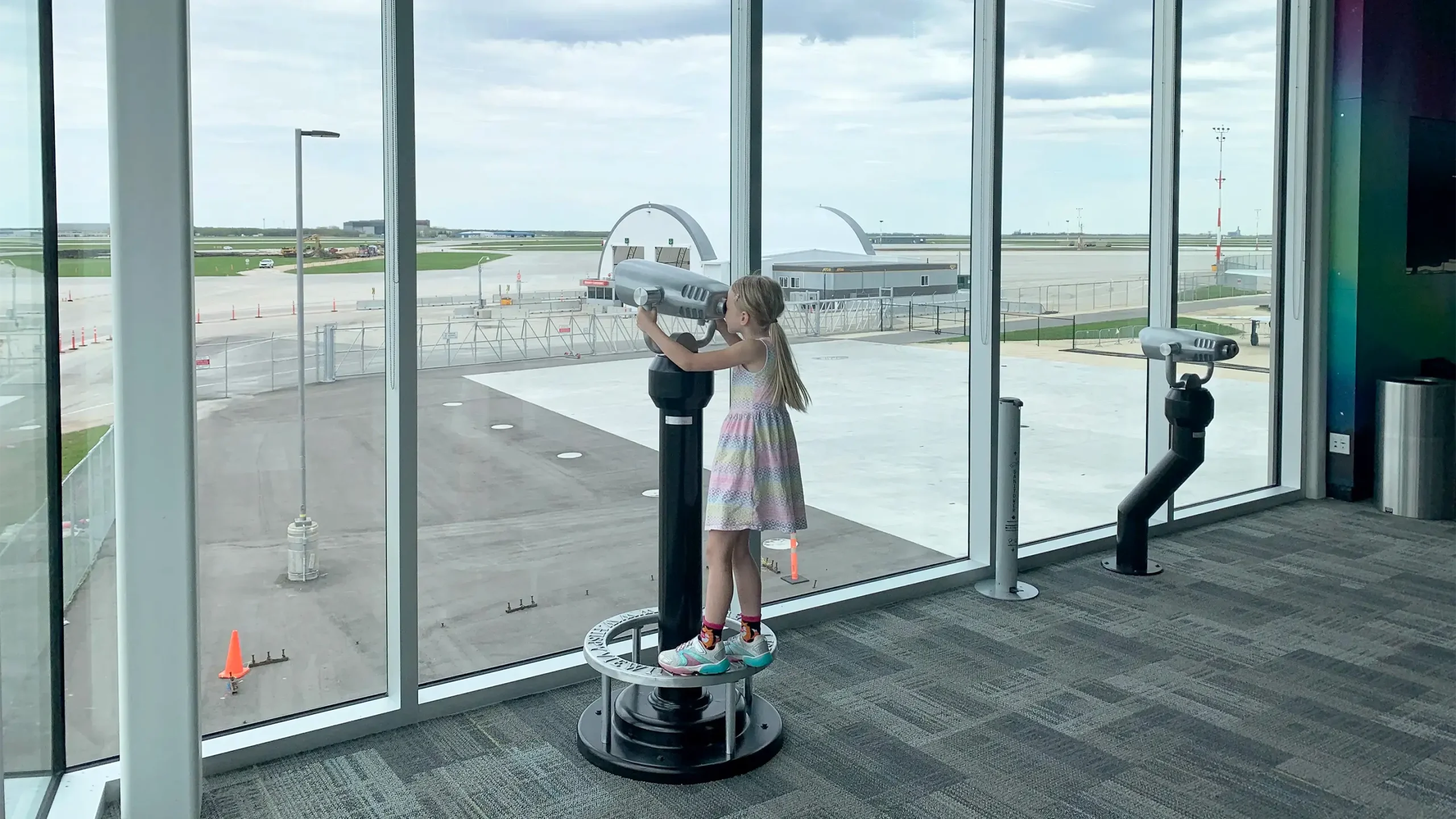
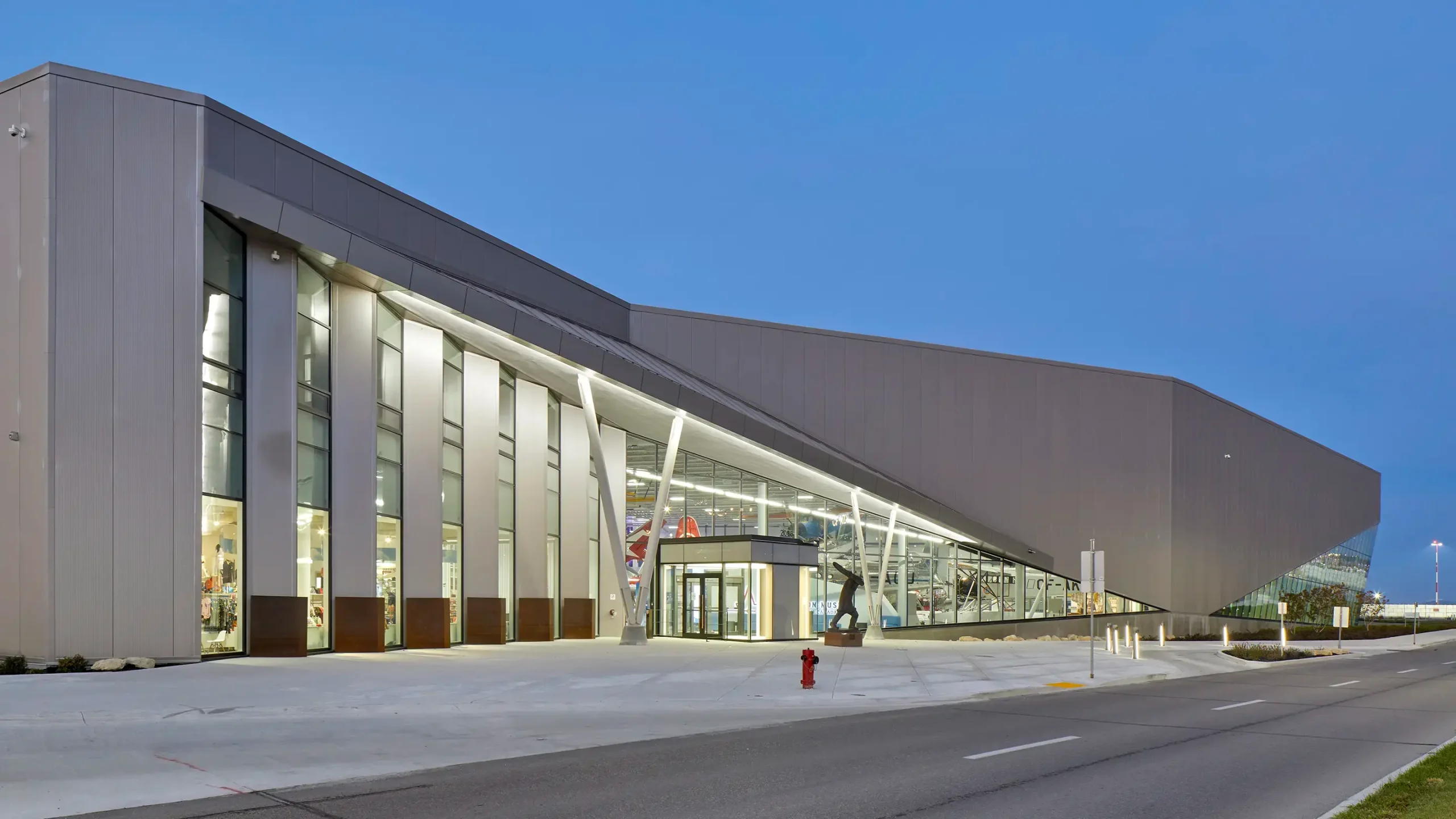
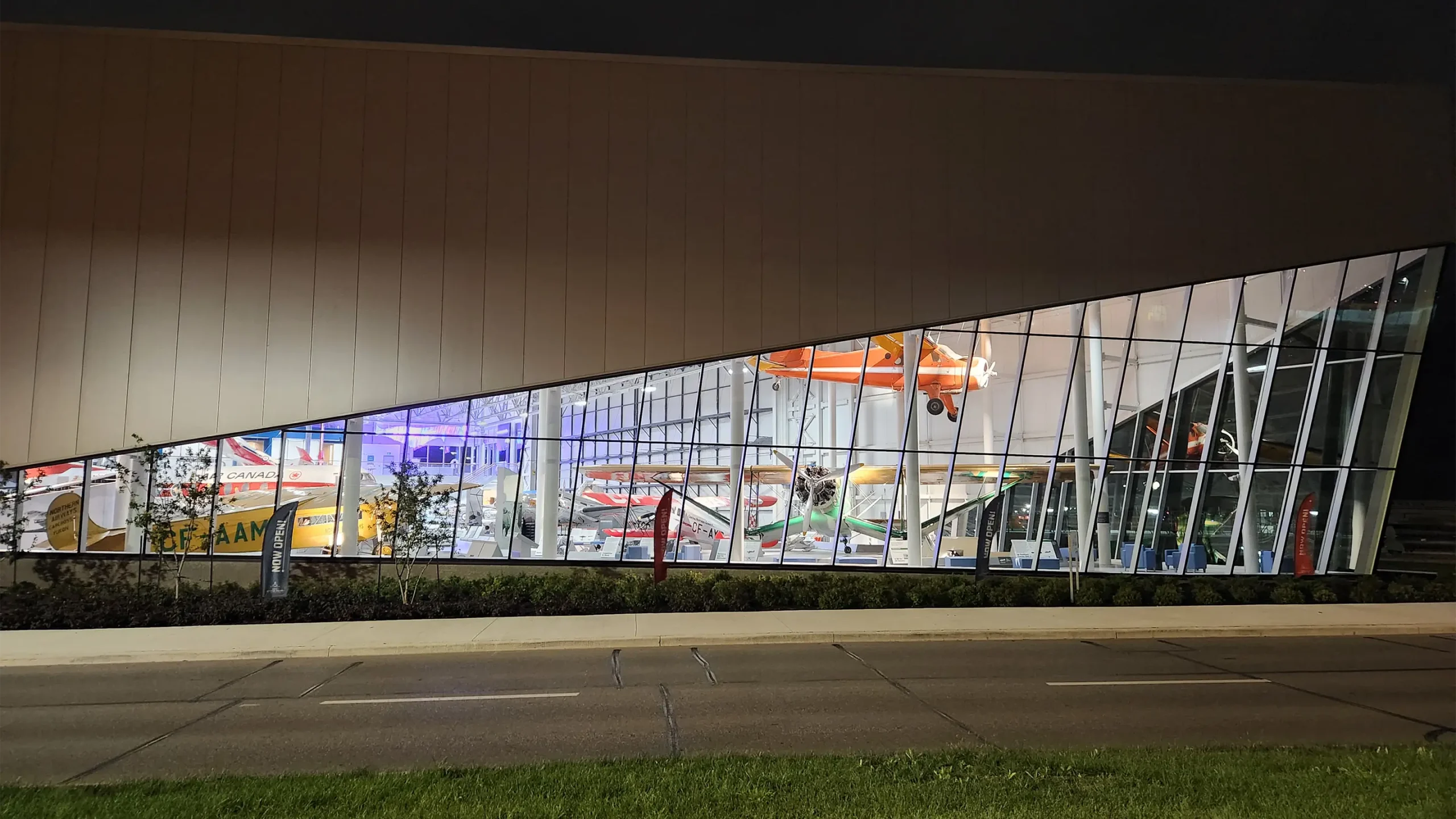
The new Royal Aviation Museum of Western Canada is a state‑of‑the‑art, 86,000 square foot facility housing more than 20 aircraft, 14 galleries, meeting rooms, classrooms, a gift shop and an observation lounge overlooking active runways. KGS Group engineered the energy‑efficient facility targeting LEED Silver certification, balancing visitor experience with performance, constructability and budget.
Working with the Museum, curator, architect, Winnipeg Airports Authority and utility owners, KGS Group’s multidisciplinary team brought the interactive galleries to life and resolved complex requirements including environmental temperature and humidity control for displays and the illumination of the grounds, building façade and galleries.
The final energy model demonstrated 39.1% annual energy savings, achieved through coordinated “out‑of‑the‑box” design strategies and rigorous quality assurance. Stakeholder concerns and issues were addressed, including energy savings, budgeting and LEED certification. The result provides Winnipeg with a destination go-to attraction and venue that welcomes visitors from across Canada and beyond.
Project Highlights
- Design and commissioning of temperature and humidity stabilization and humidification systems for artifacts
- High‑efficiency HVAC and building automation to achieve energy targets, showing 39.1% annual savings
- Electrical distribution and specialty power for interactive exhibits, AV and classrooms
- Fire protection and life‑safety systems tailored to large artifacts and public assembly spaces
- Quality assurance and internal project management including design reviews, constructability checks, and commissioning support
Kenora Downtown and Waterfront Revitalization
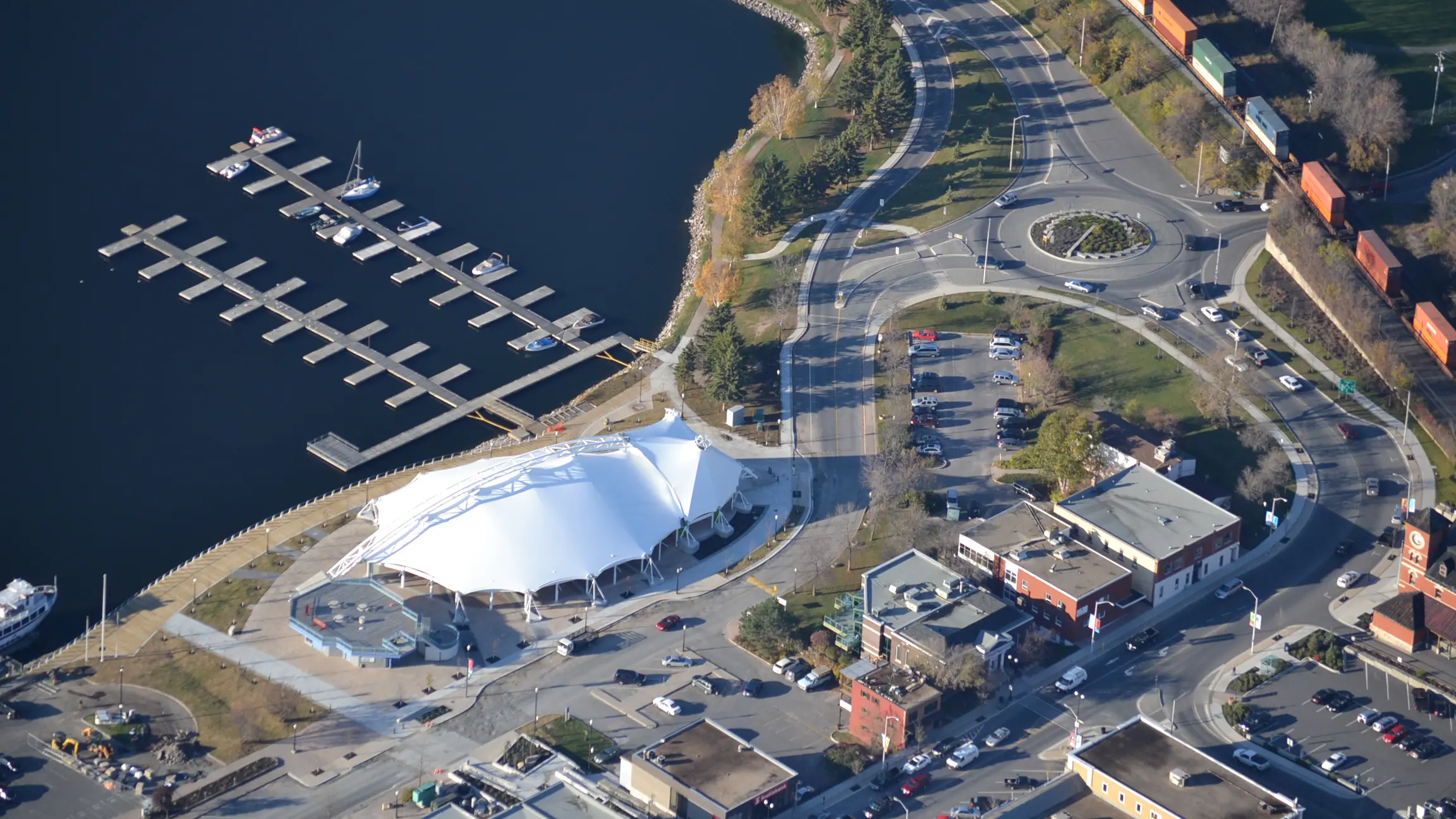
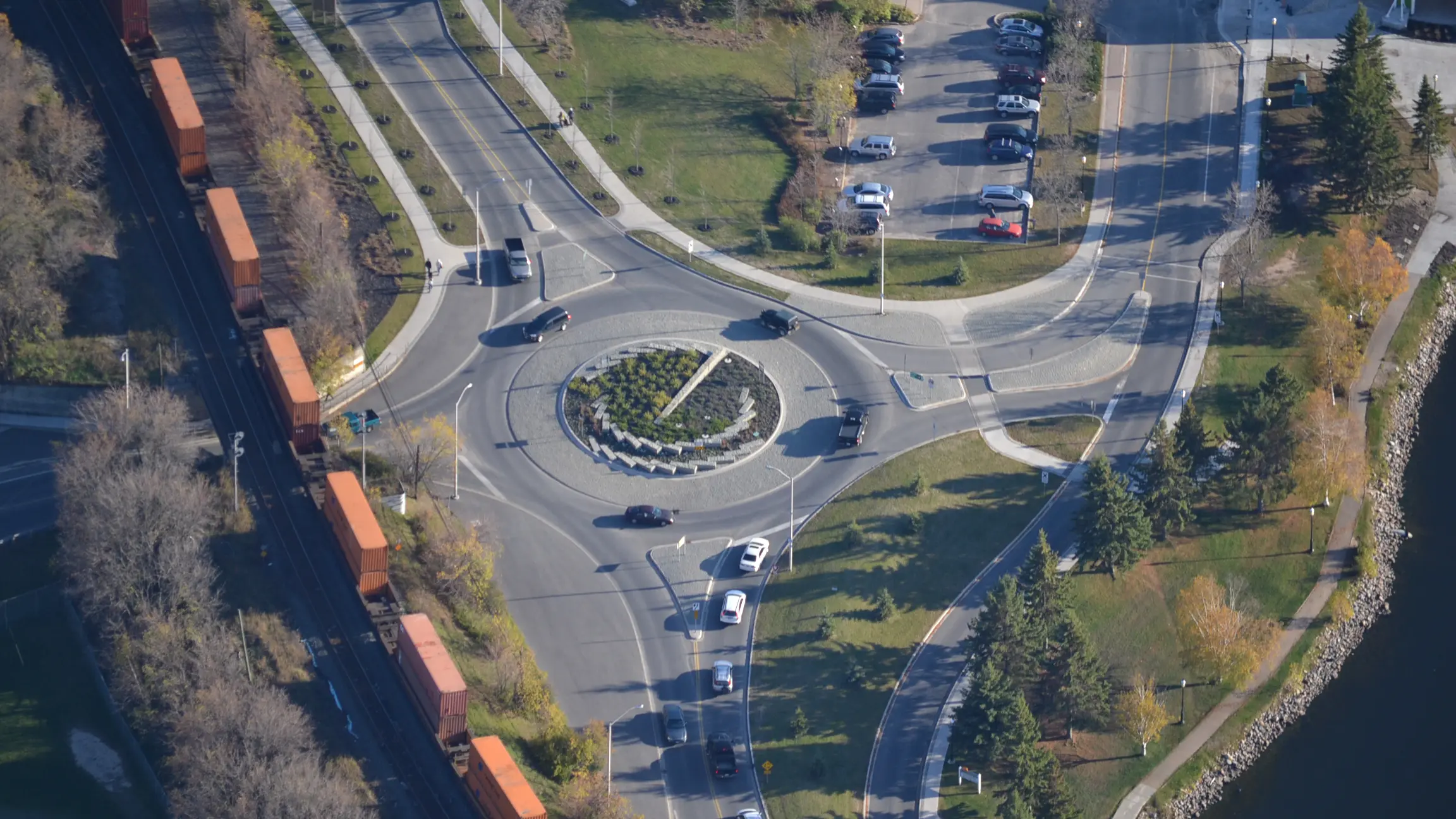
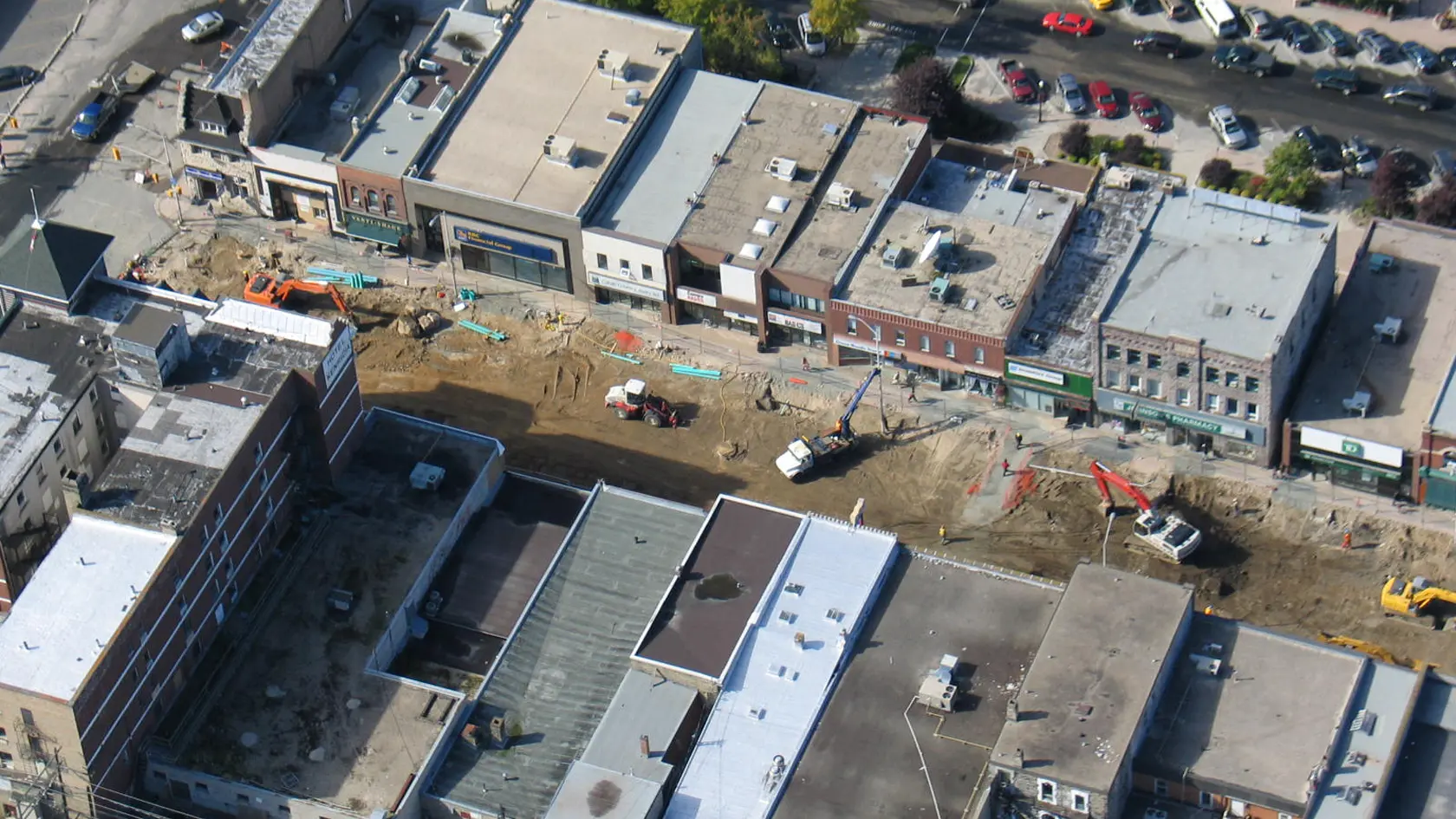
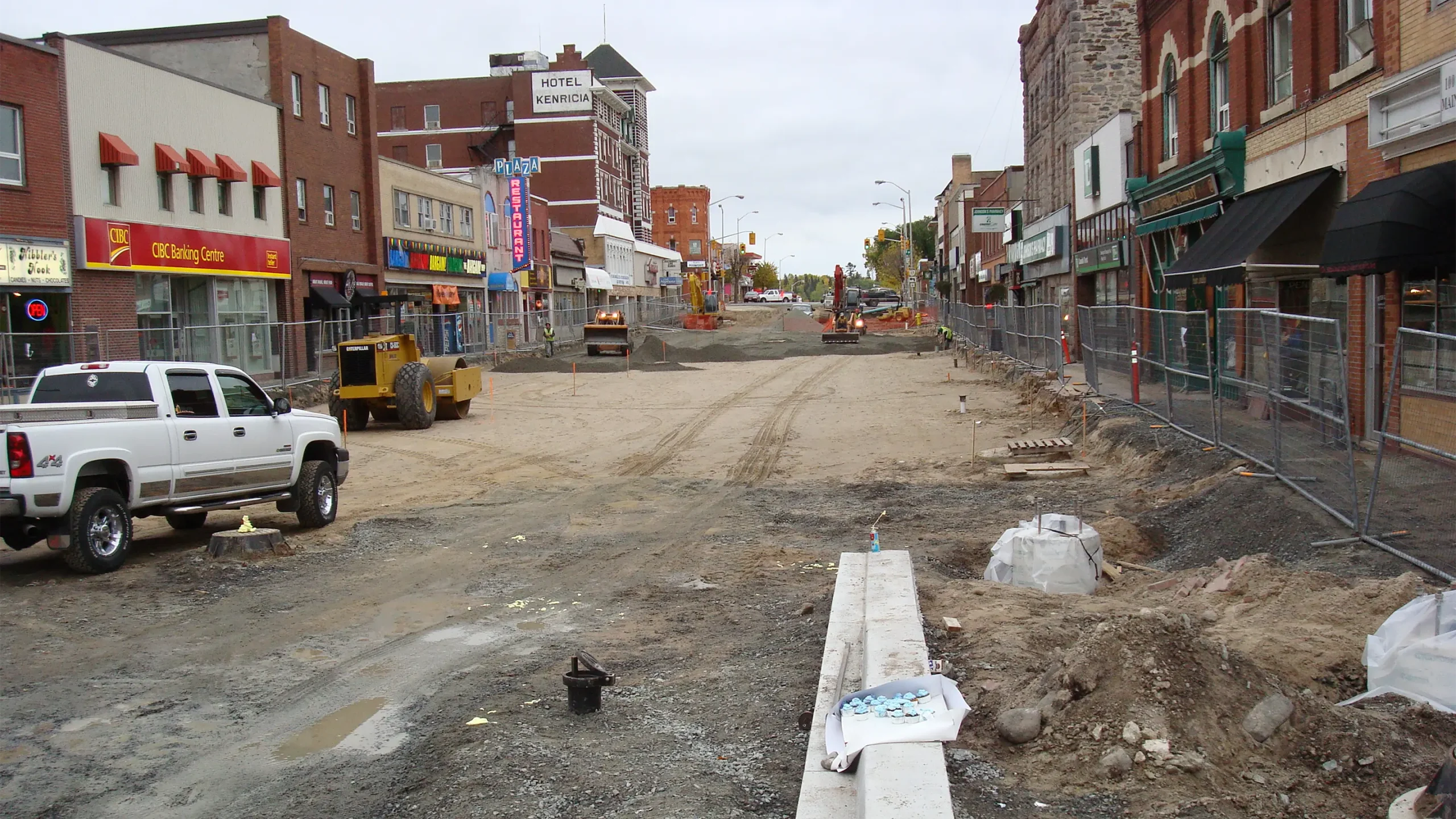
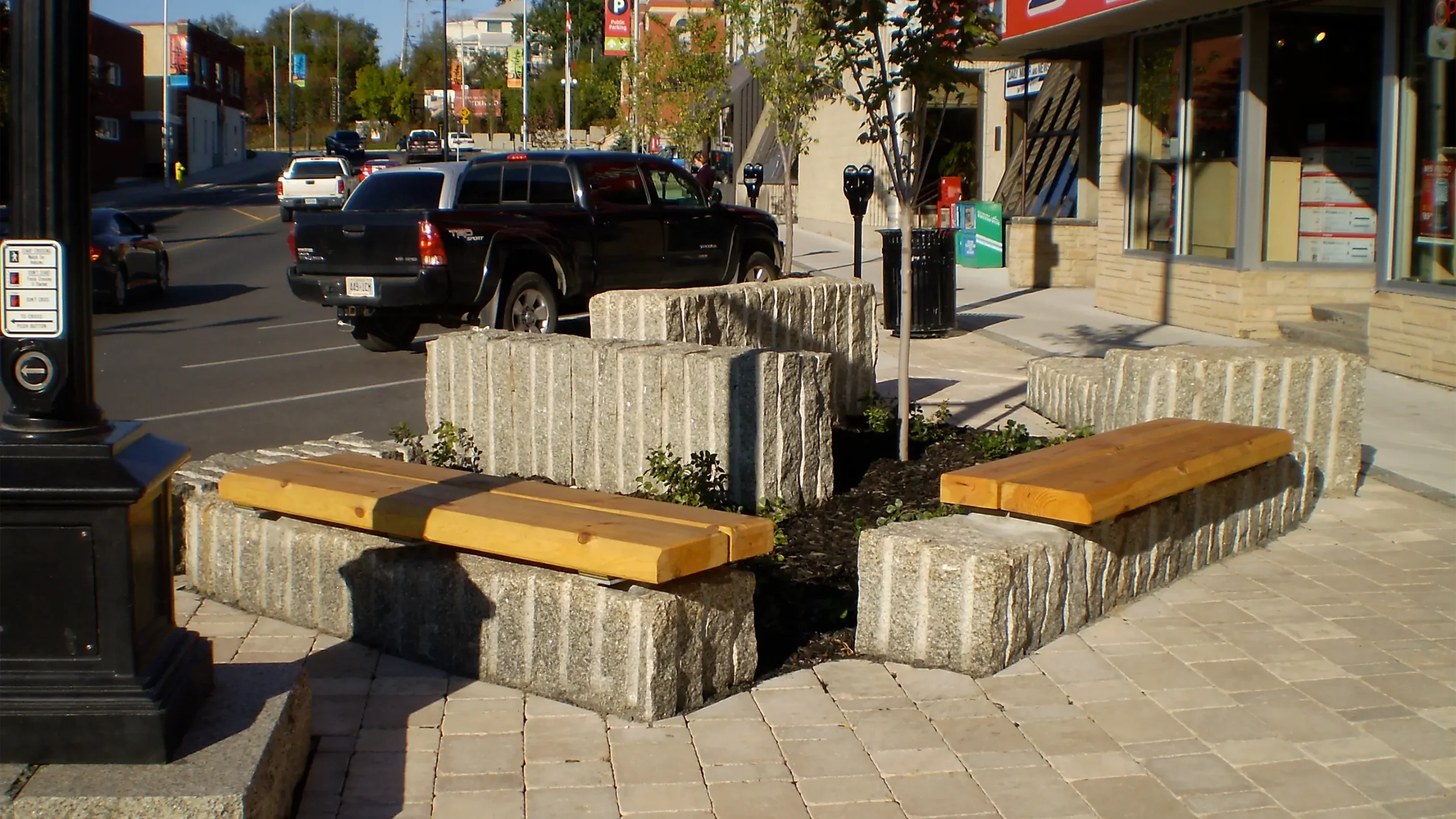
We provided design and contract administration services for a $9.1 million redevelopment of Kenora’s waterfront and downtown precincts – modernizing streets, public spaces and underground services while elevating the pedestrian experience and improving multimodal connectivity. A highlight of this project is utilizing our knowledge of the Complete Streets design methodology to create right‑of‑way that is safer for pedestrians, cyclists and drivers of all ages and abilities.
Working closely with the City of Kenora and stakeholders, the design addressed building interfaces, utility constraints and long‑term maintenance needs. Other major parts of the project included implementing traffic calming elements, pedestrian upgrades, underground renewal and drainage upgrades. Collaboration at focused user meetings resulted in one of the more significant changes from a signalized three-way intersection to the first modern roundabout built along the TransCanada Highway, improving safety and flow.
What was once an aging waterfront area, is now a vibrant pillar of the community that attracts visitors from near and far.
Project Highlights
- Street renewals and realignments across key downtown/waterfront corridors
- Construction of modern roundabout (the first along the TransCanada Highway)
- Sewer and water renewals with building service replacements
- Land drainage upgrades and coordinated utility relocations
- Multi‑use pathways and expanded active‑transportation network
- Boardwalk extension along waterfront for continuous access
- Tensile fabric event centre to support community programming
- Accessible design features – tactile‑delineated sidewalks and grading to meet guidelines
- Haptic roadway surfacing at intersections for traffic calming and awareness
Whitehorse Diesel-LNG Conversion
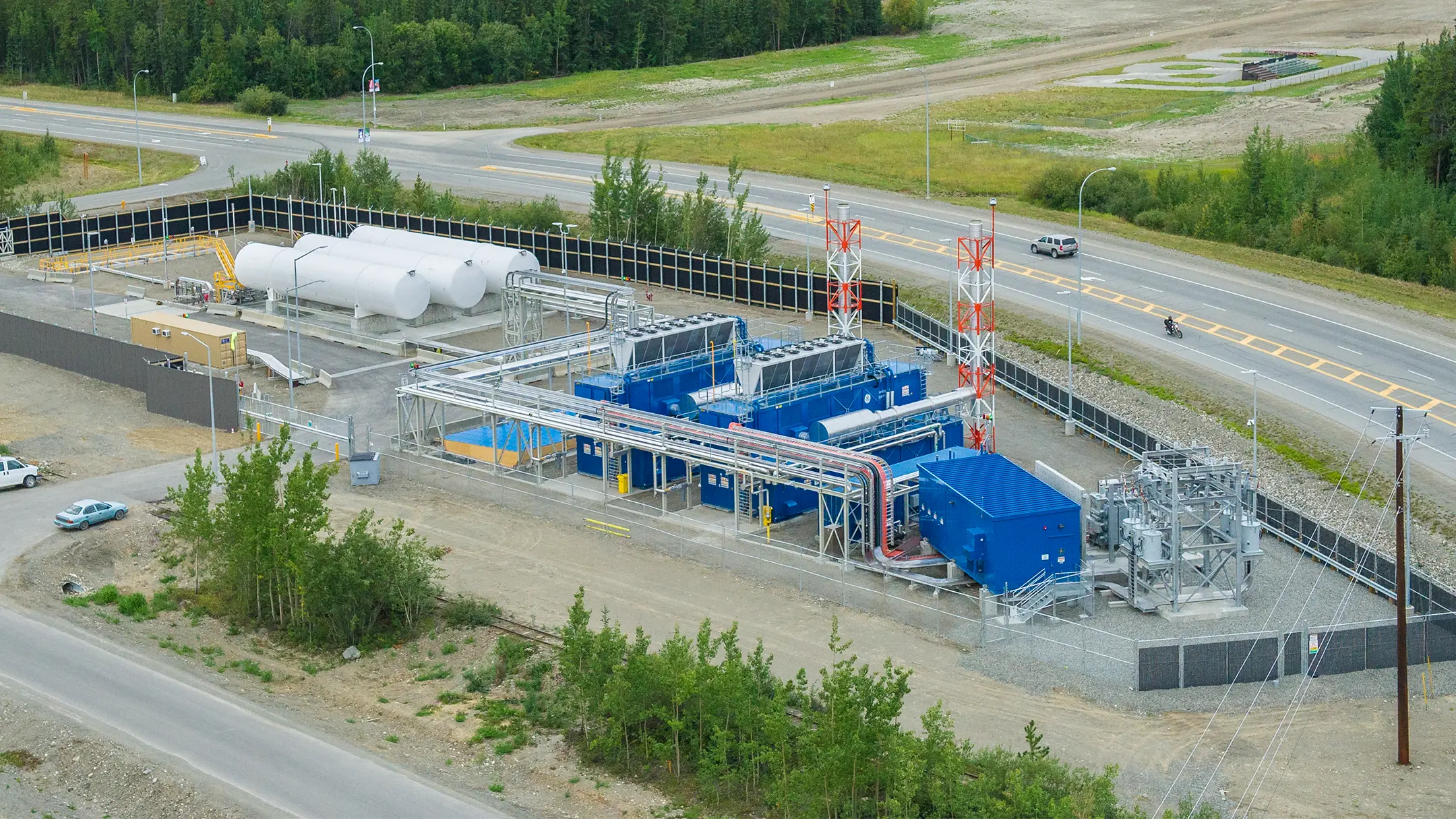
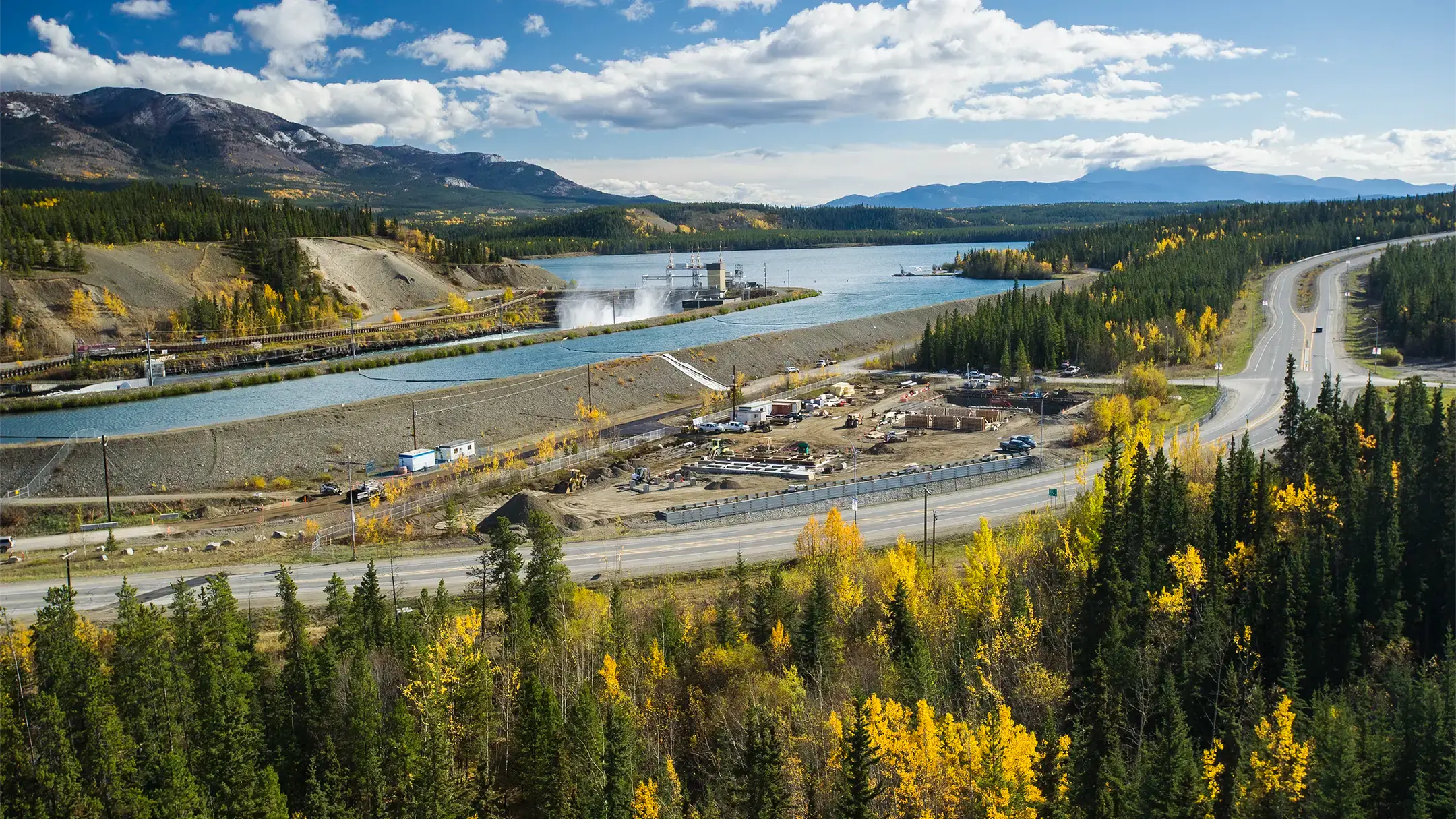

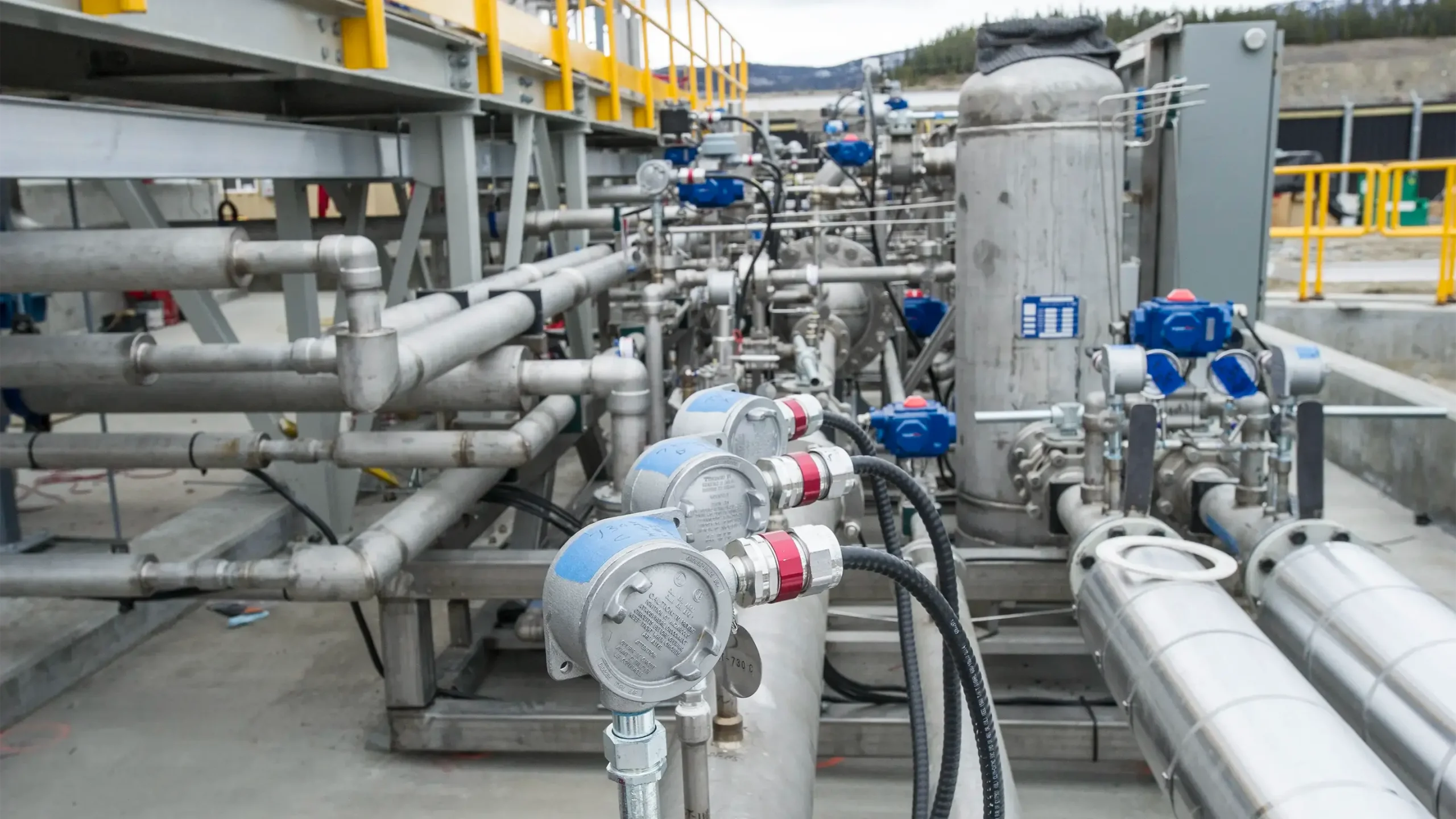
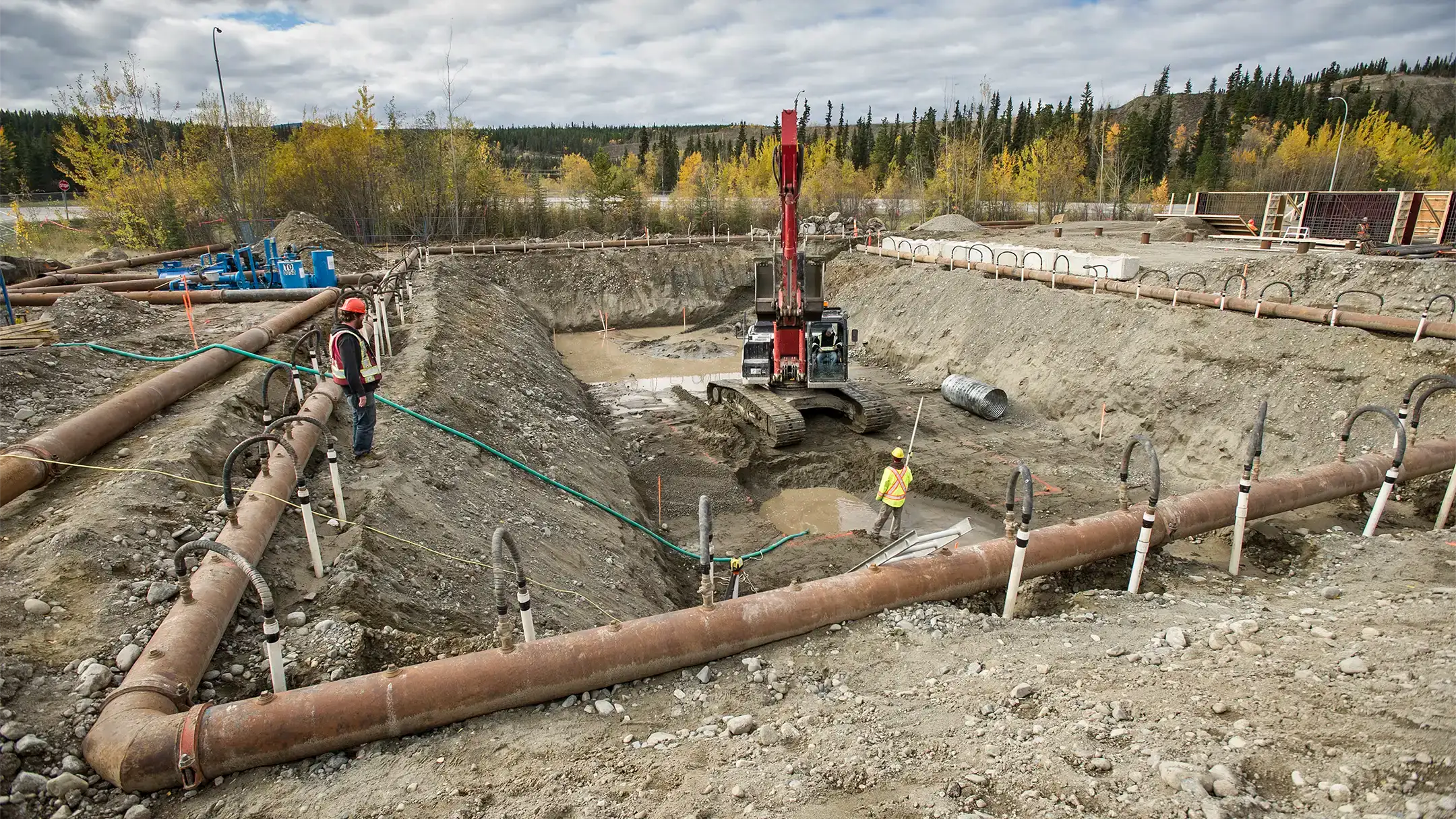
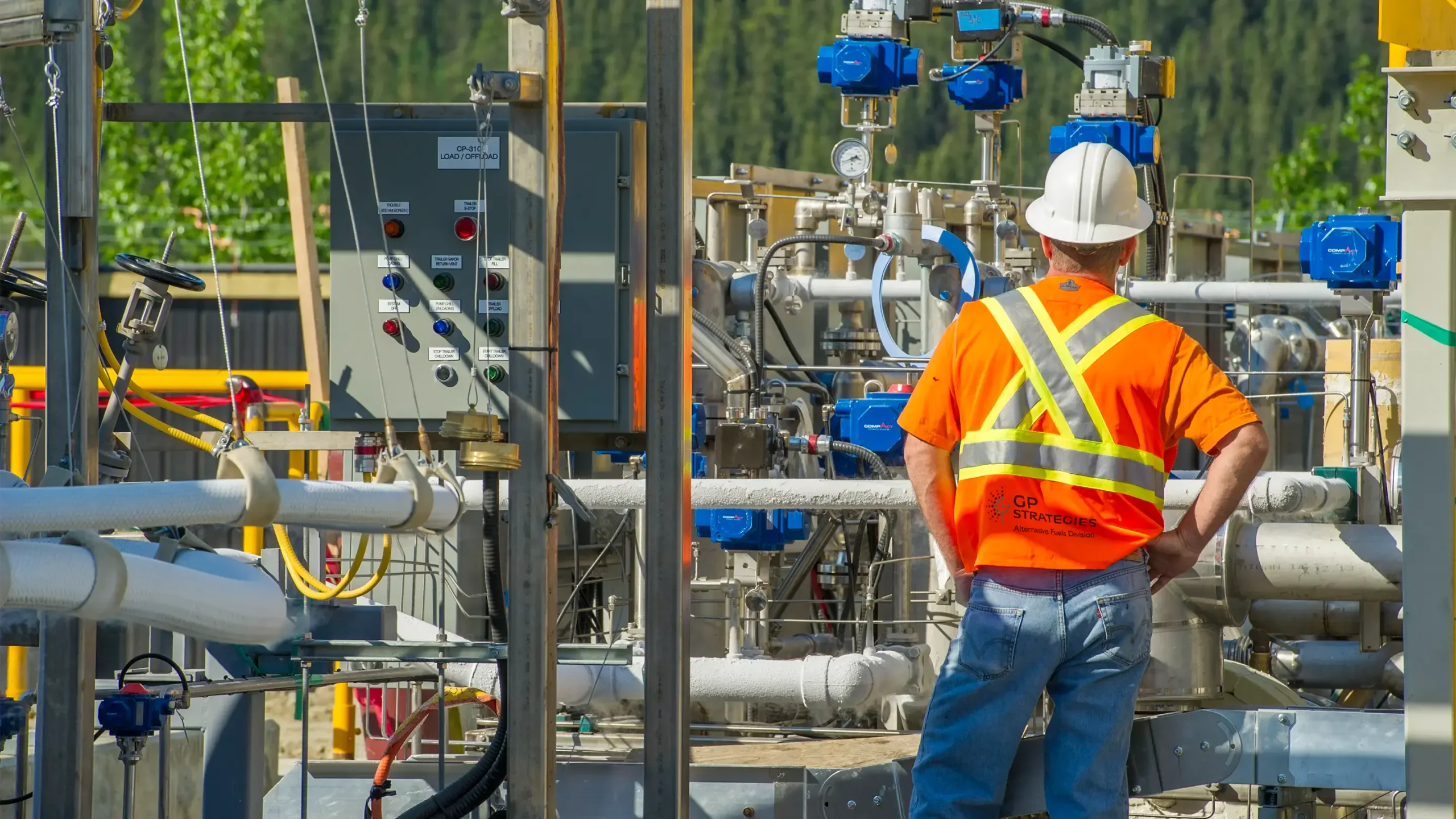
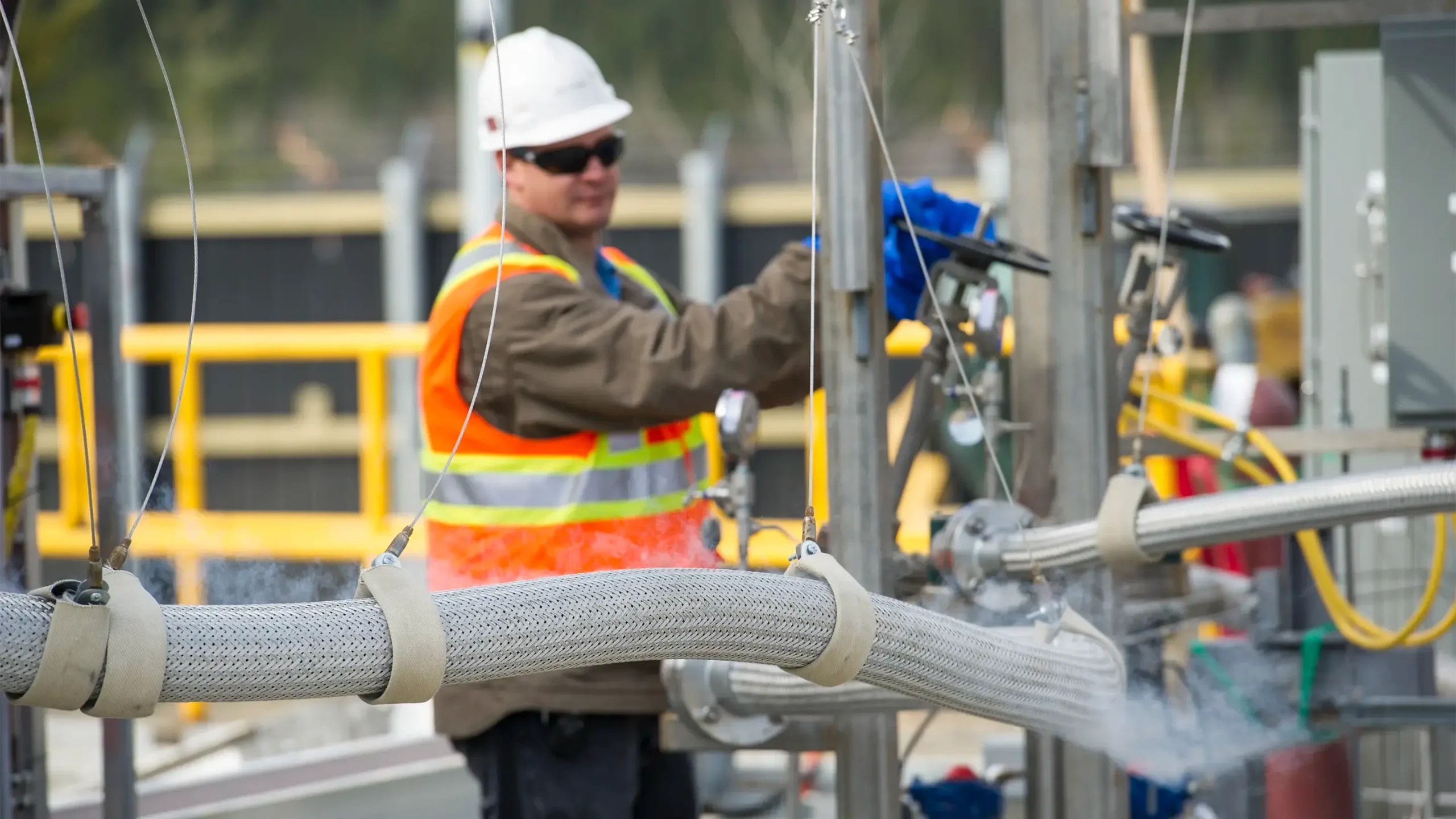

While the Yukon draws the bulk of its energy from renewable hydroelectric and wind power, the territory’s electrical grid required a backup source of power to meet consumer needs. Yukon Energy retained KGS to modernize the existing diesel system to meet peak demand and maintain territory-wide service for residents.
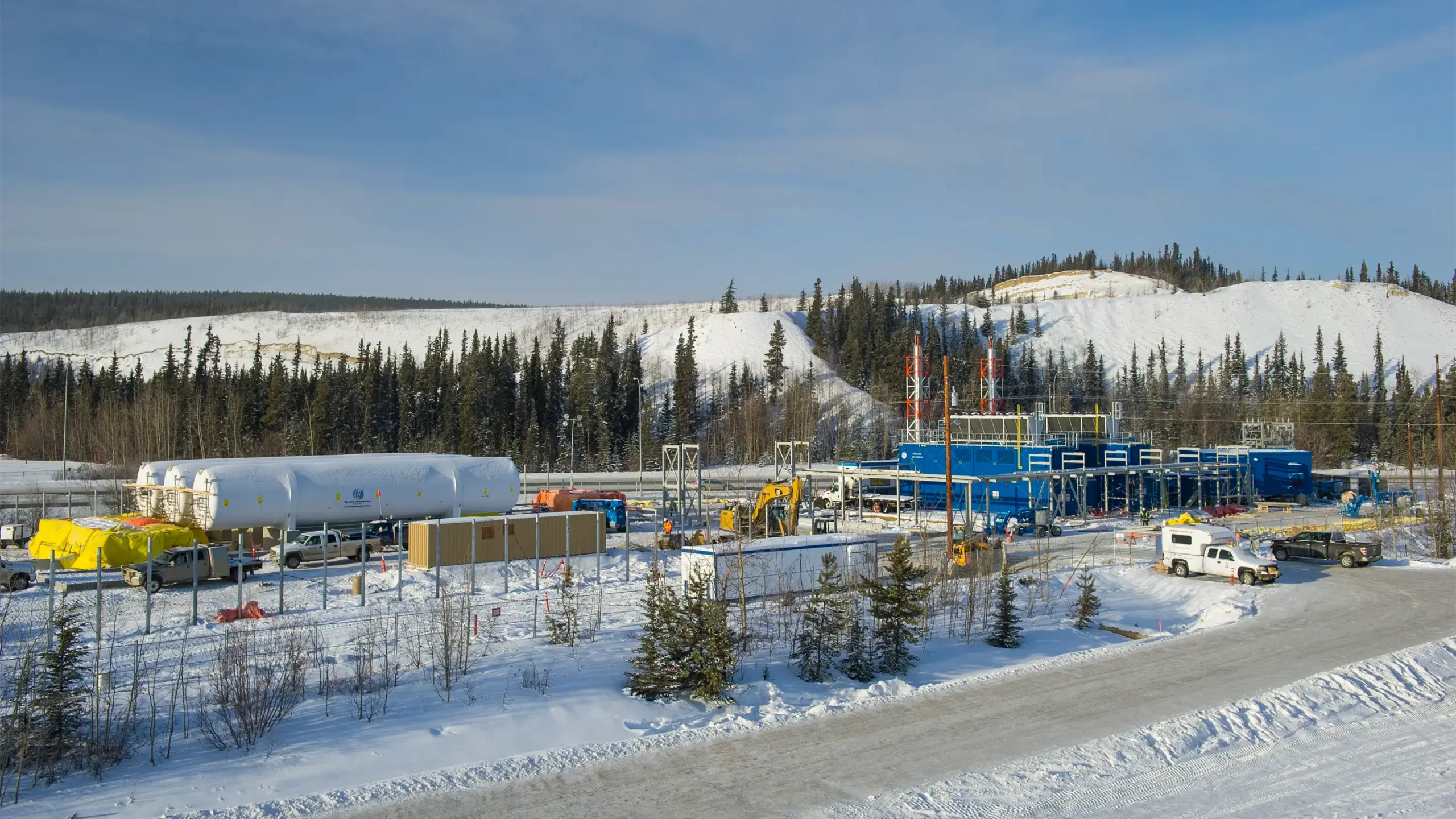
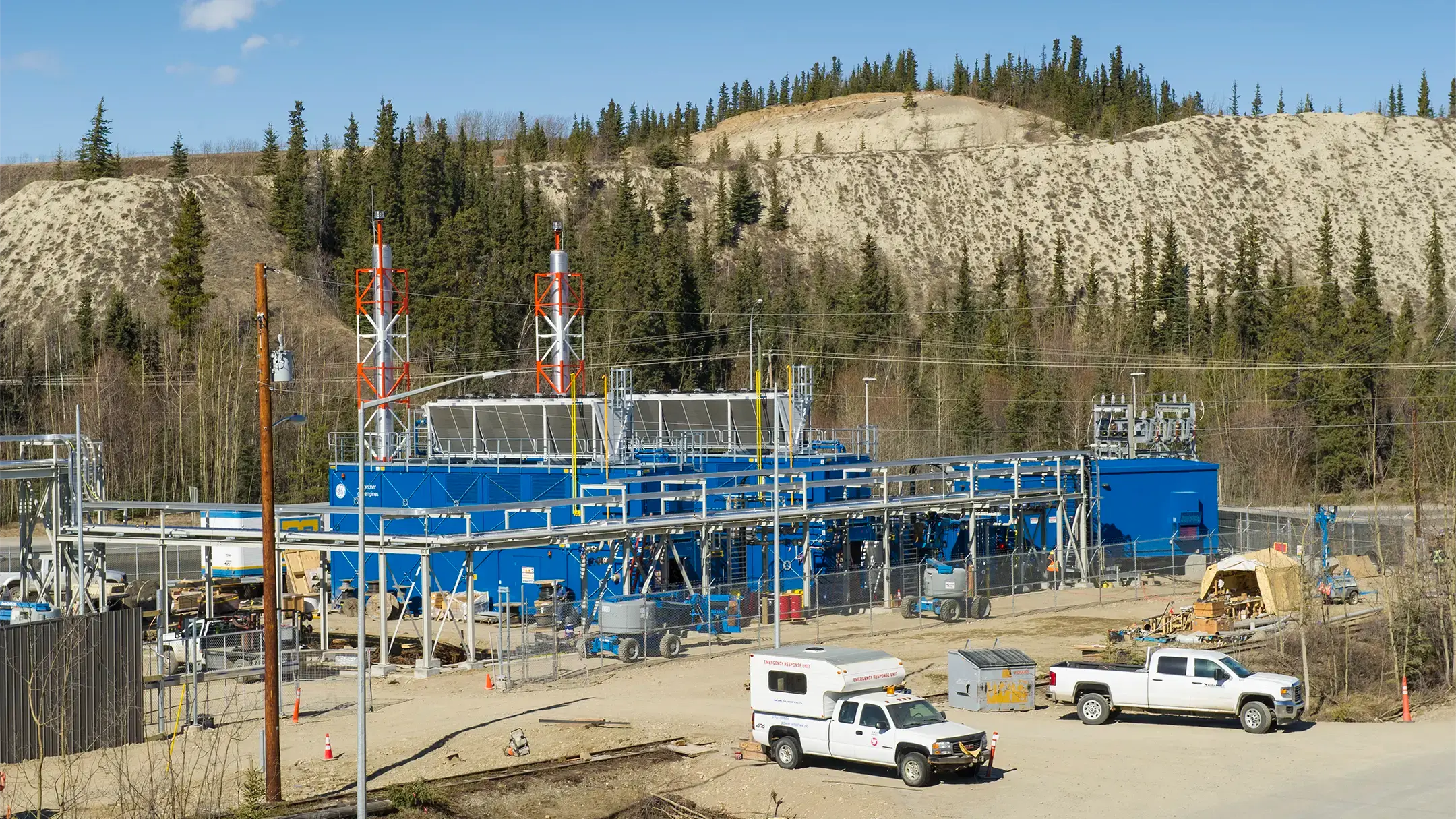
A new liquefied natural gas (LNG) fueled backup power generating station and associated infrastructure was constructed adjacent to Yukon Energy’s existing primary power generating station in Whitehorse, Yukon. Commissioned in 2015, the project site includes two modular LNG fueled reciprocating generators intended to replace Yukon Energy’s aging diesel generating equipment and to provide flexible and reliable backup power to supplement Yukon’s other power sources.
Project Highlights
- An LNG backup station was built with two modular reciprocating generators
- First use of LNG in Yukon
- Lower greenhouse gas emissions than the previous diesel system, long‑term ratepayer savings and improved reliability and peak support
Yellowquill Trail Relocation
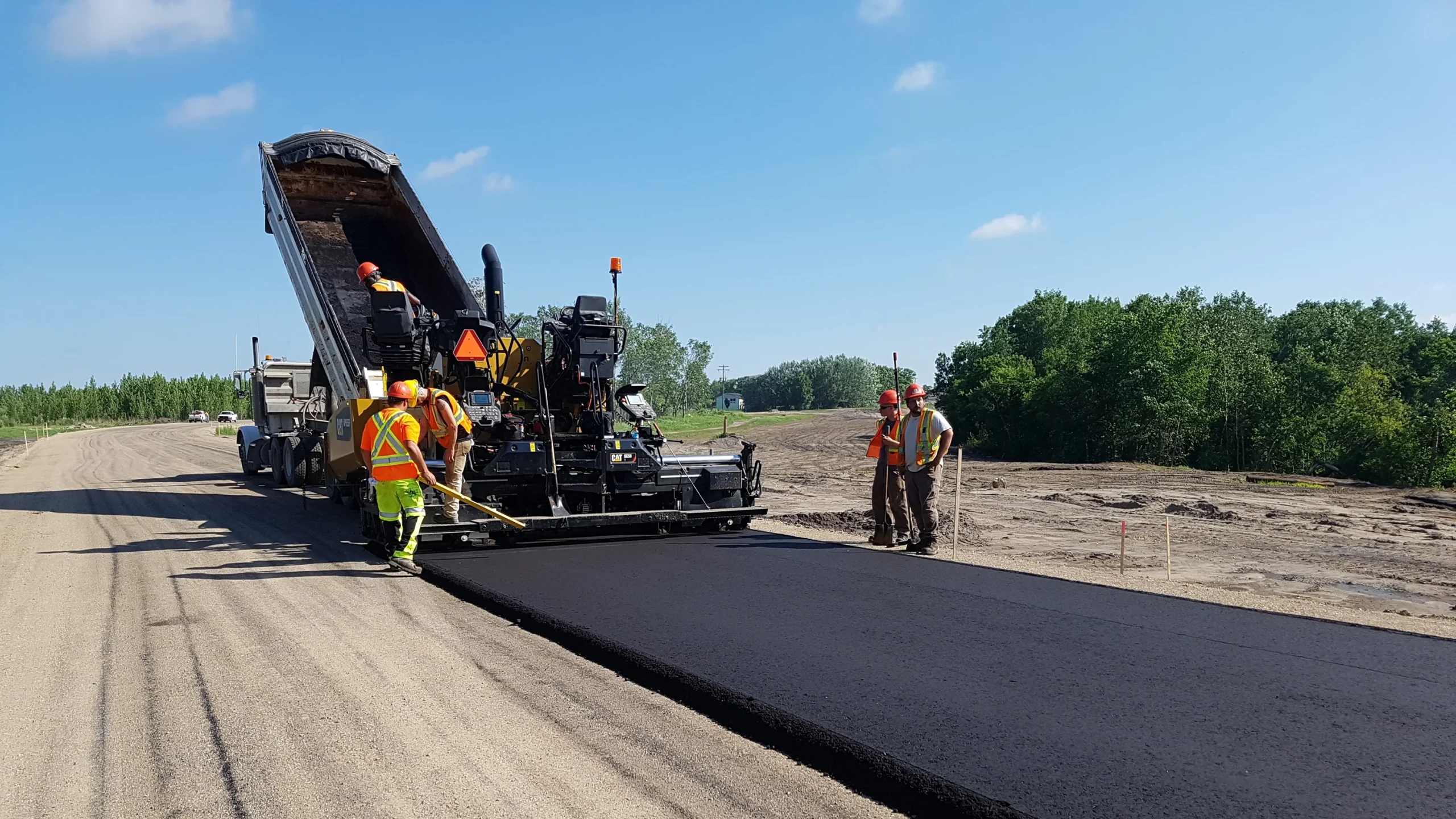
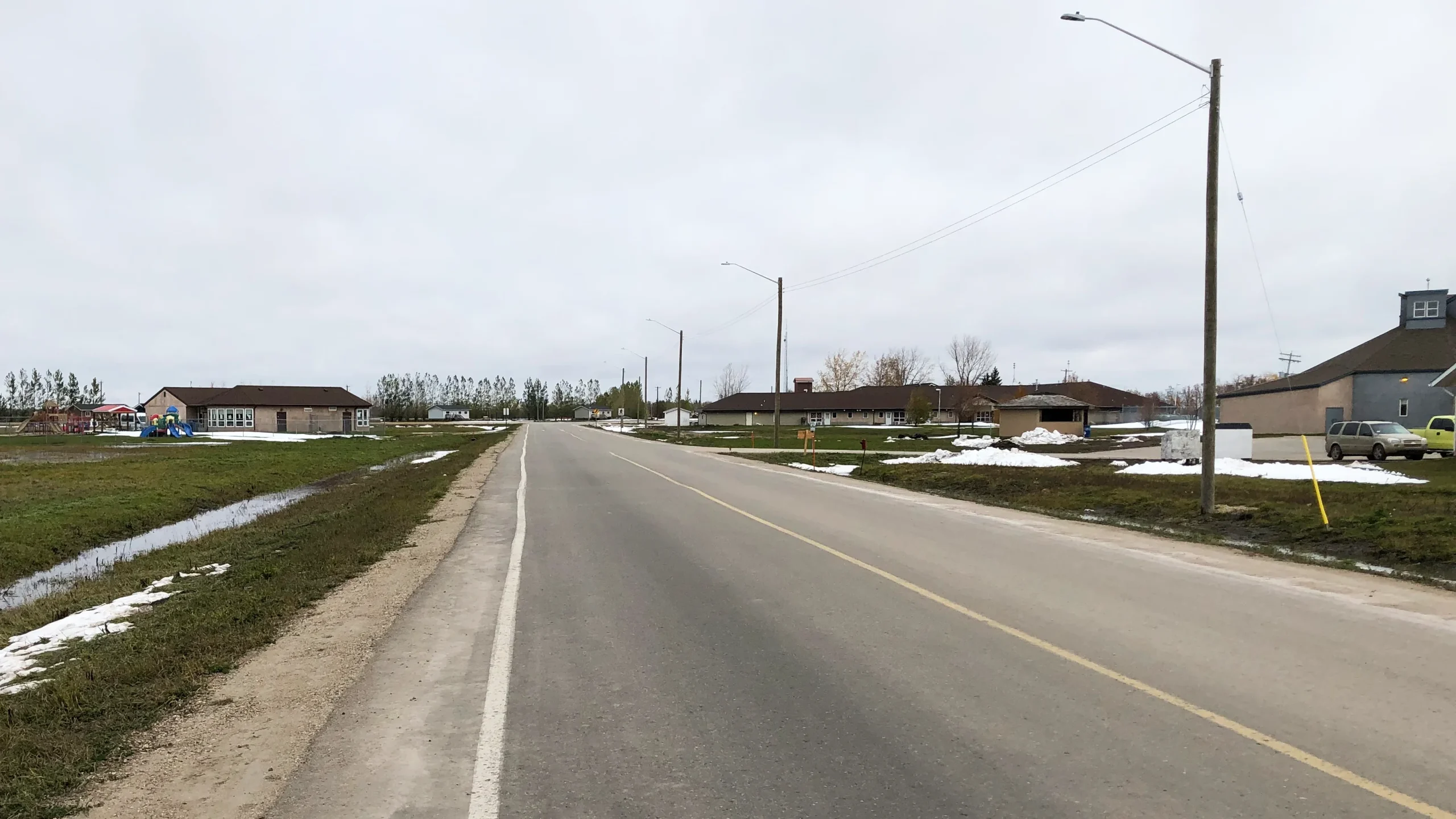
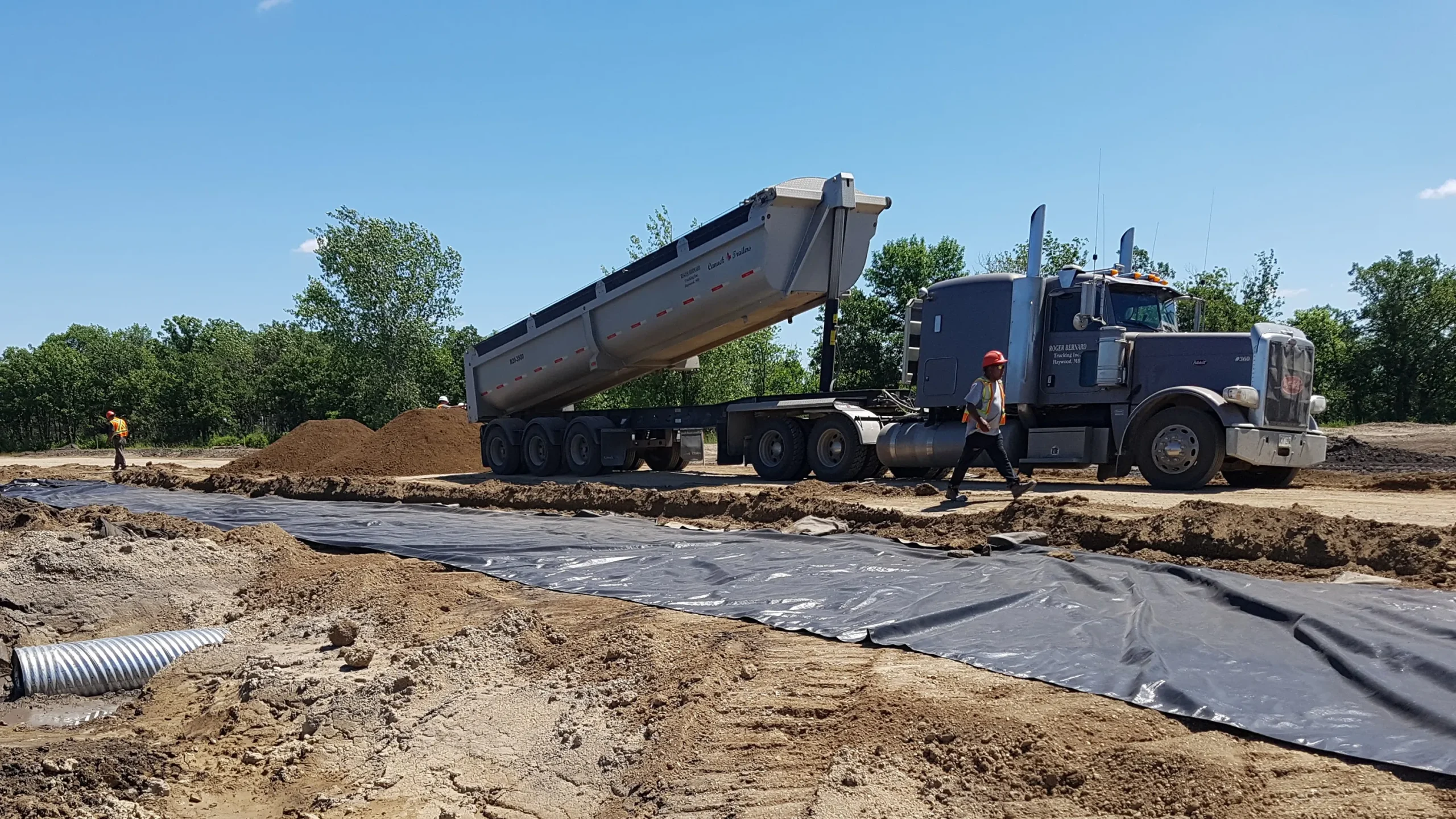
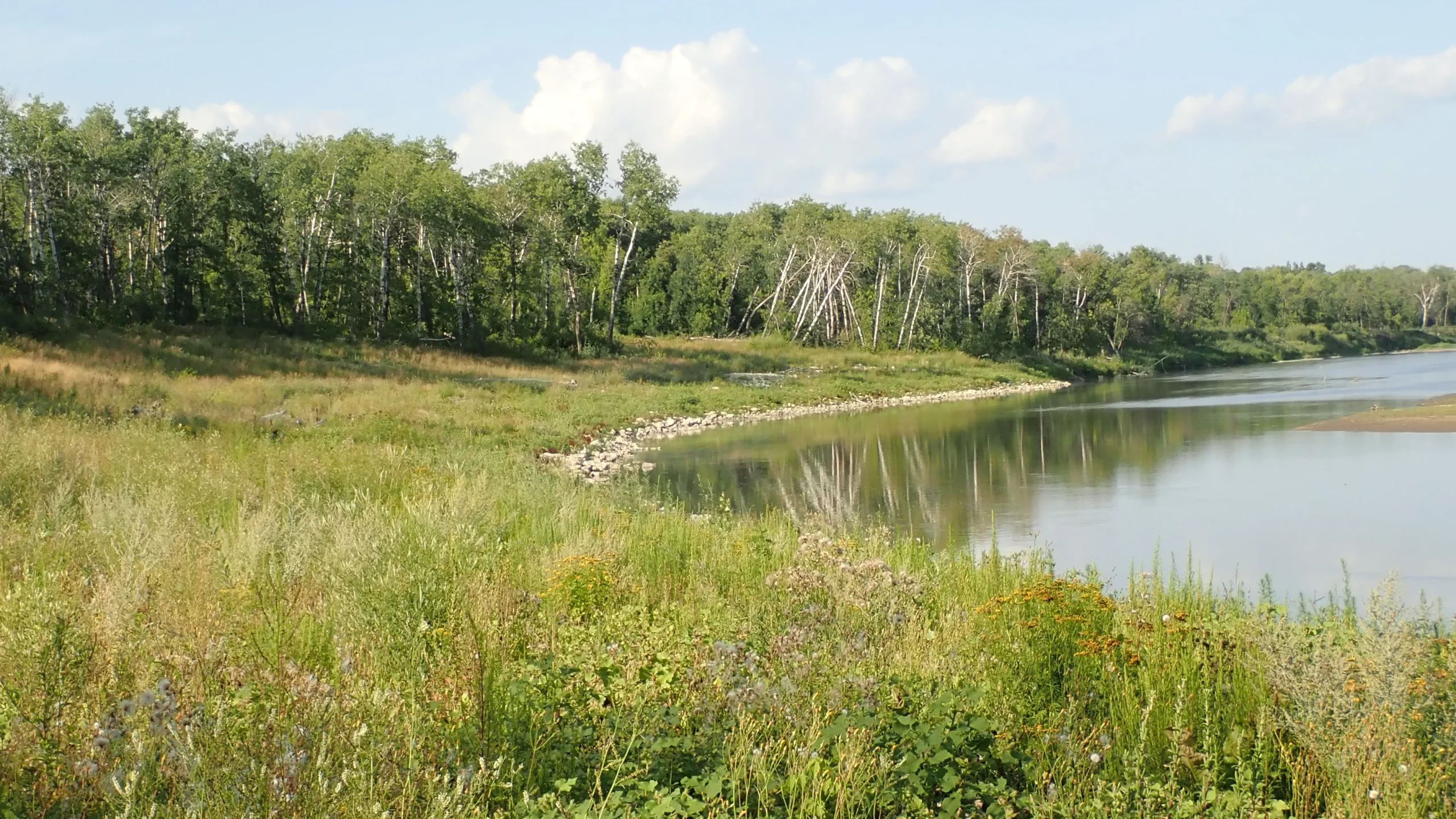
Heavy winds, rain and hail accompanied a tornado that touched down in Long Plain First Nation in 2016, causing riverbank movement that damaged Yellowquill Trail, the main roadway through the community.
KGS Group provided engineering services for the permanent re-establishment of the roadway, completing an extensive drilling and monitoring program, slope stability analysis and assessment of potential options for remedial riverbank works versus roadway and utility relocations. We also acted as the project contract administrators responsible for all environmental approvals, geotechnical investigations, riverbank stabilization as well as the municipal design of the new road alignments.
The result was a reliable roadway that will protect the community from future erosion and potential future encroachment on community infrastructure.
Project Highlights
- 500 metres of riprap erosion protection, riverbank regrading and drainage swale construction to protect the community from the long-term effects of erosion of the lower shoreline and potential future encroachment of community infrastructure
- Realignment of 1,600 metres of asphalt roadway for the new alignment of the Yellowquill Trail
- Installation of new water main, sewer, service connections and raw water along the relocated road
- Extensive revegetation design at the site, including revegetation with native grasses, trees, shrubs, and willows
RAS Piping Refurbishment at the North End Water Pollution Control Centre
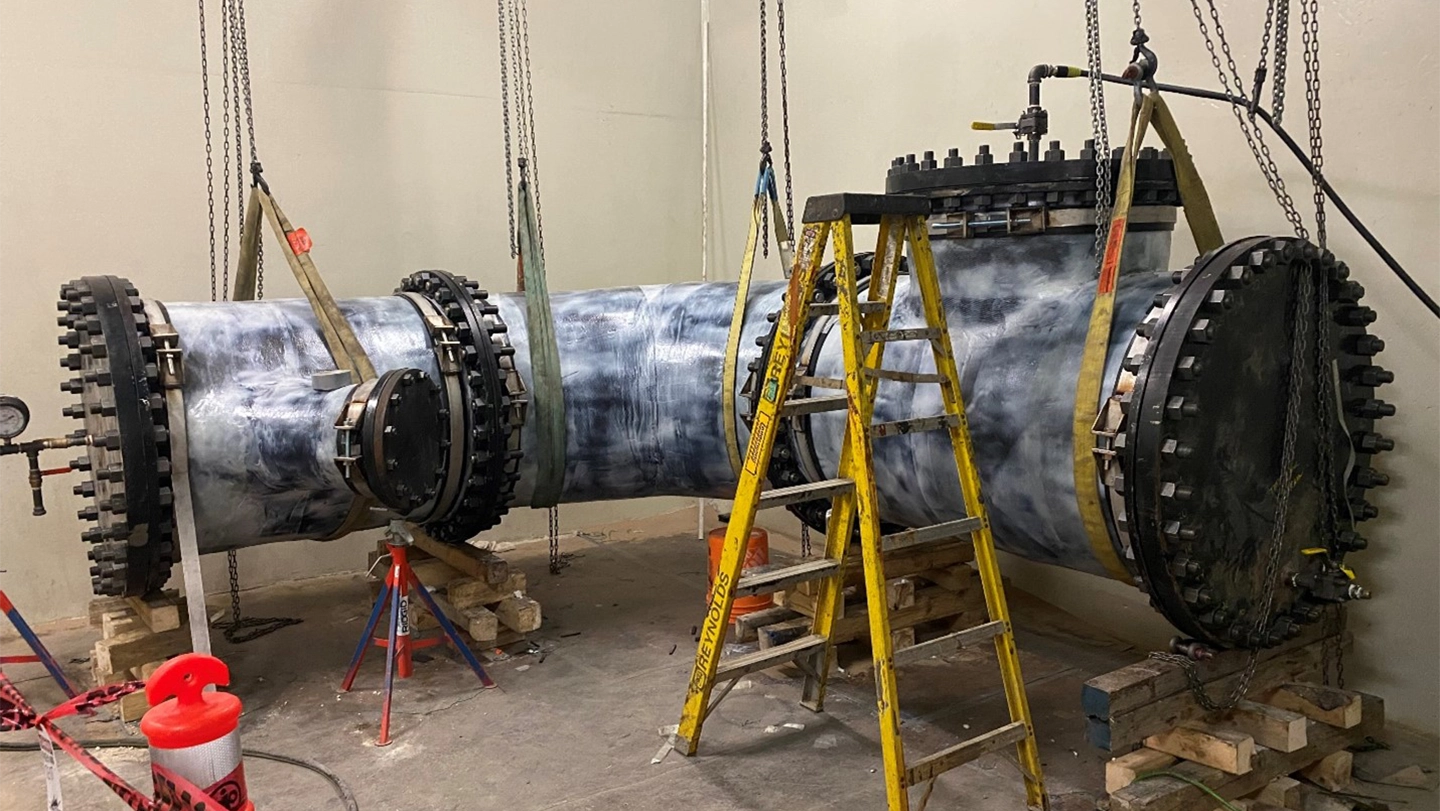
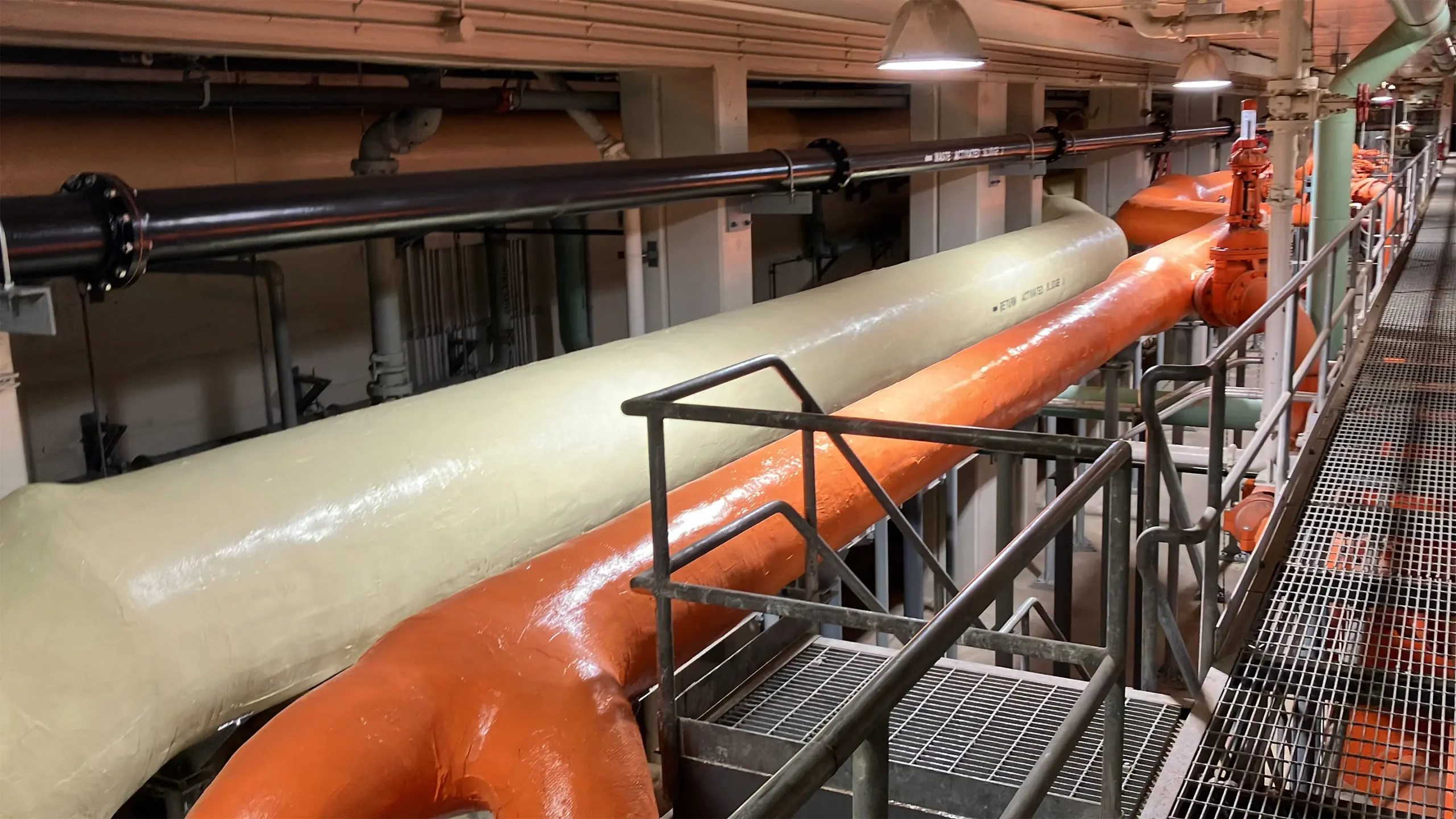

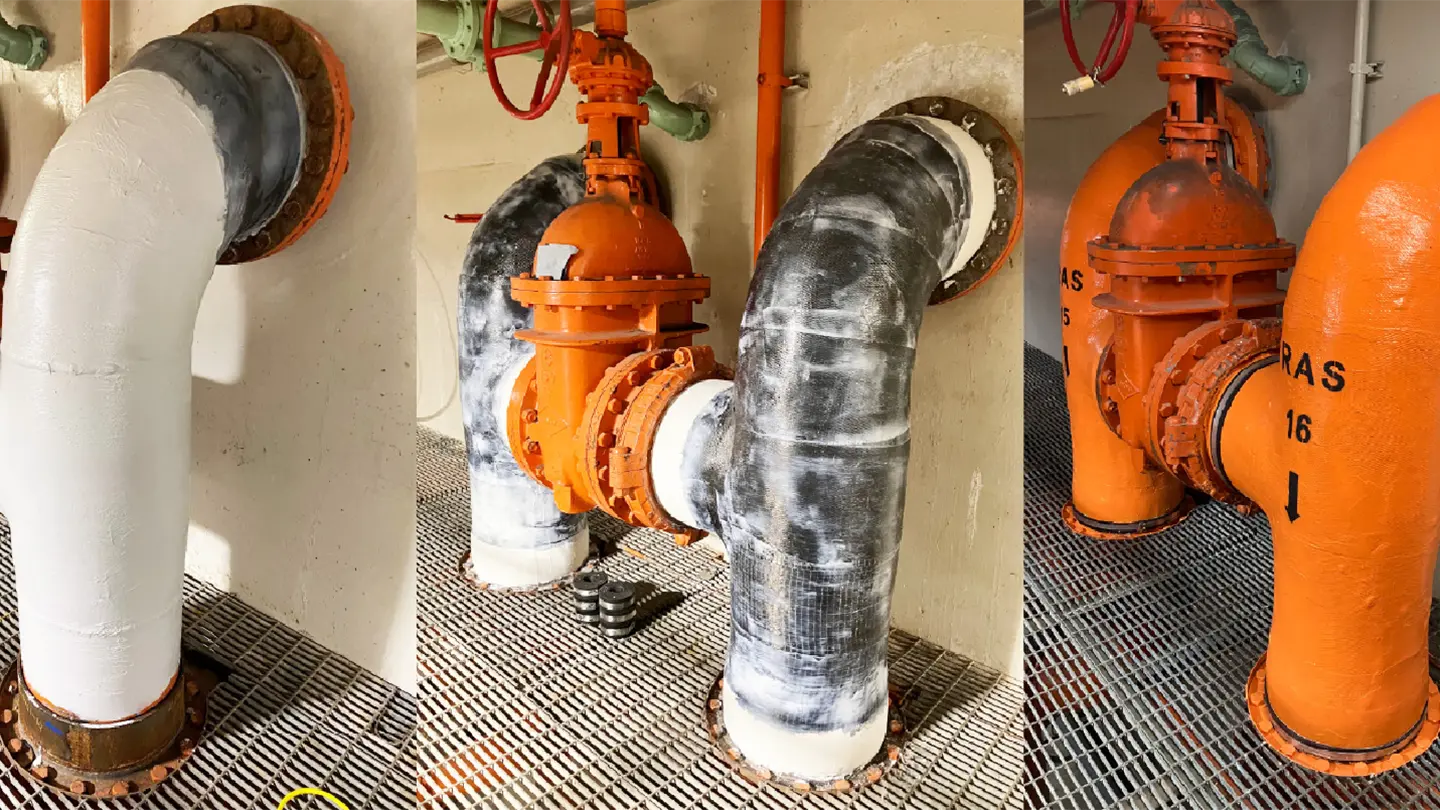
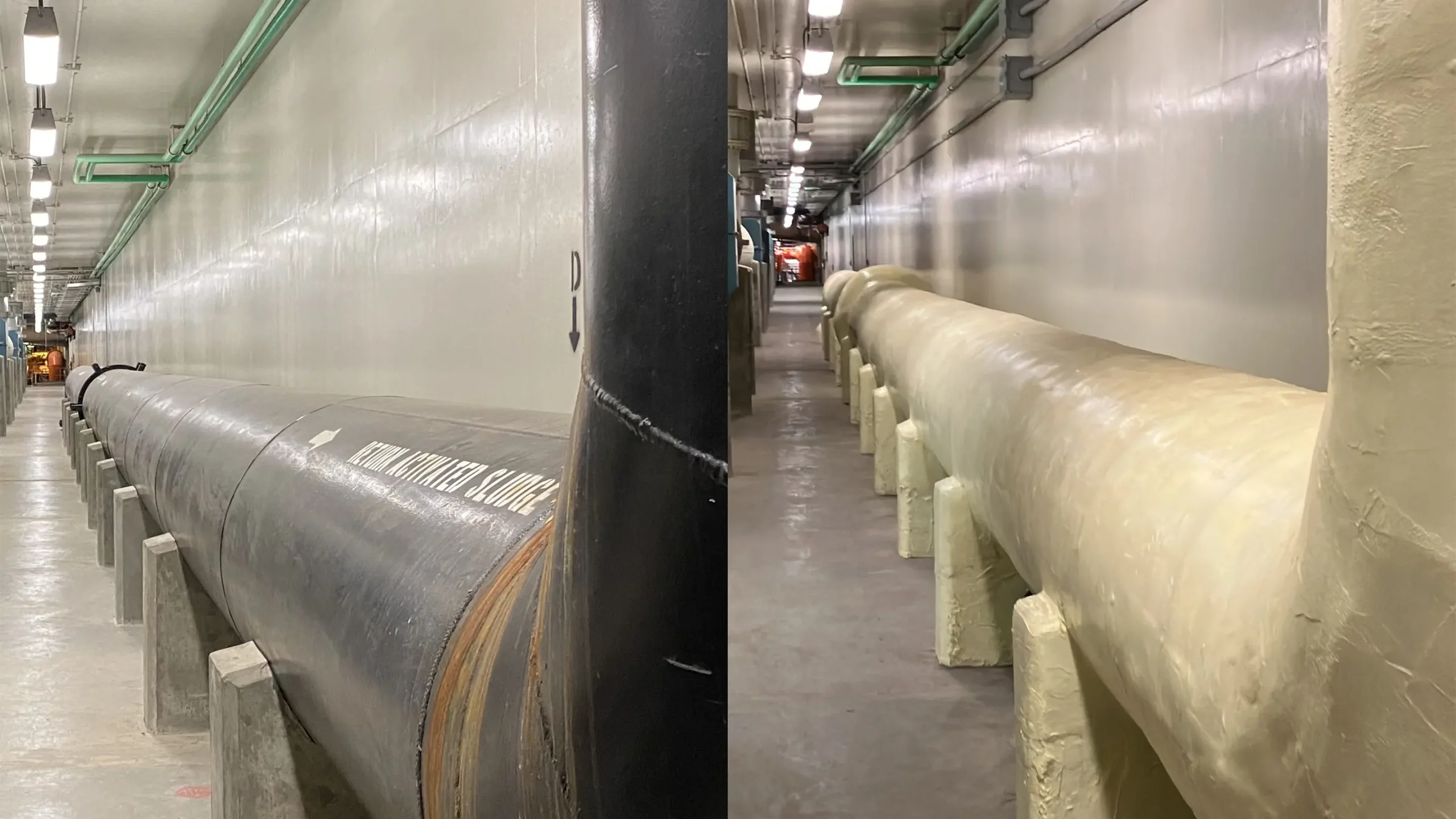
KGS Group led the renewal of almost 2,000 feet of aging Return Activated Sludge (RAS) piping at the City of Winnipeg’s North End Water Pollution Control Centre. This is the city’s oldest and largest wastewater facility, constructed in 1937. The work addressed leaks and structural risk in a critical system that supports treatment for 70% of Winnipeg’s wastewater.
The KGS team did a condition assessment and determined the best solution was a Carbon Fiber Reinforced Polymer external repair system. This solution had not been used on many large-scale, industrial/wastewater applications prior to this project.
After coordinating the design, KGS Group oversaw construction within one year, successfully refurbishing the RAS system for another 25+ years of operation. The plant remained in operation throughout construction to prevent wastewater overflow into the Red River.
Project Highlights
- Renewal of almost 2,000 feet of over 30-year-old, leaking Return Activated Sludge (RAS) piping using Carbon Fiber Reinforced Polymer external repair system
- Plant remained operational throughout construction
- More than 25 years of added service life to the North End Water Pollution Control Centre, which treats 70% of Winnipeg’s wastewater (approximately 187.5 million litres daily)
- Reduced the risk of wastewater overflow into the Red River
Pauingassi First Nation Landfill Expansion
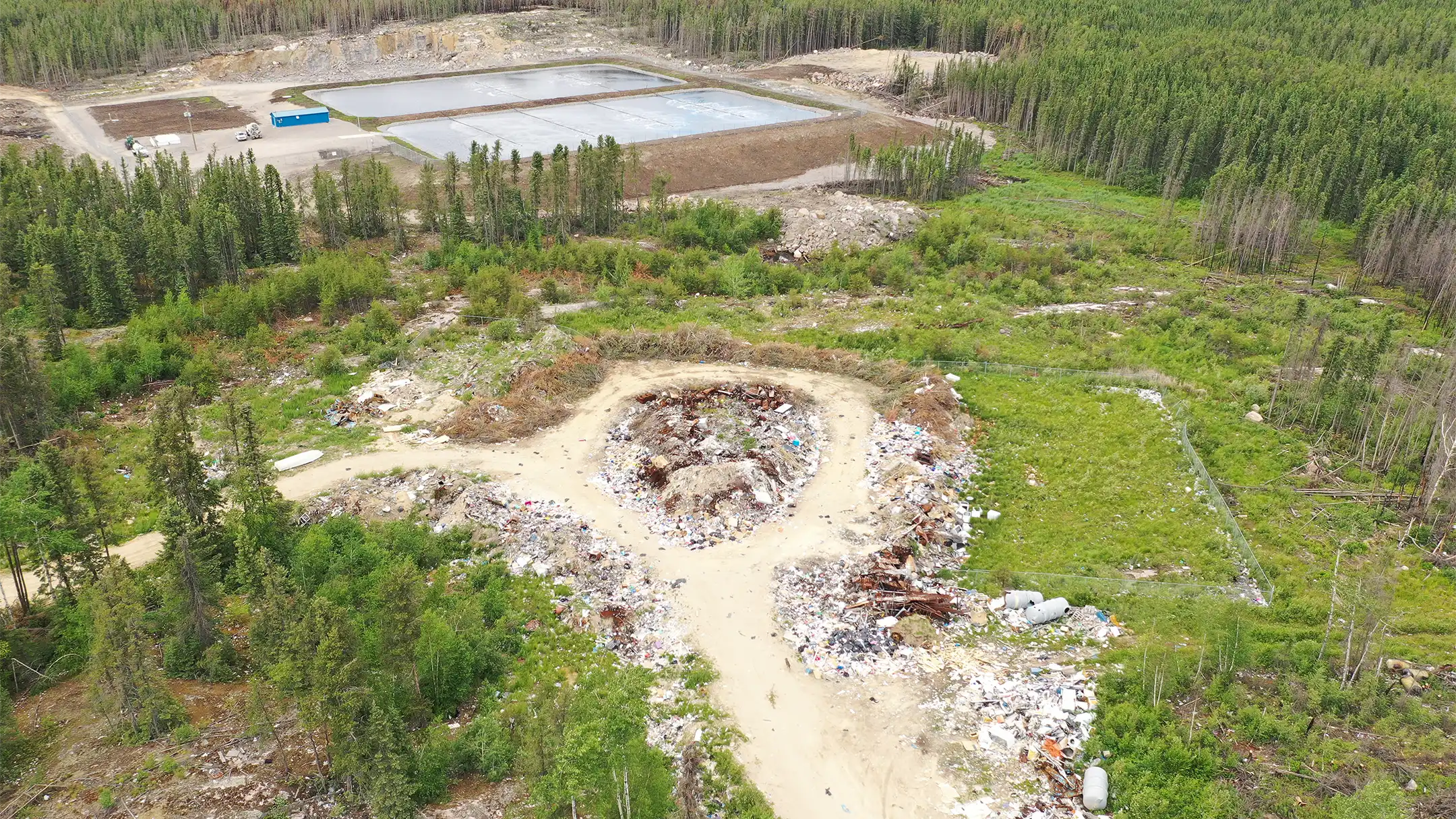
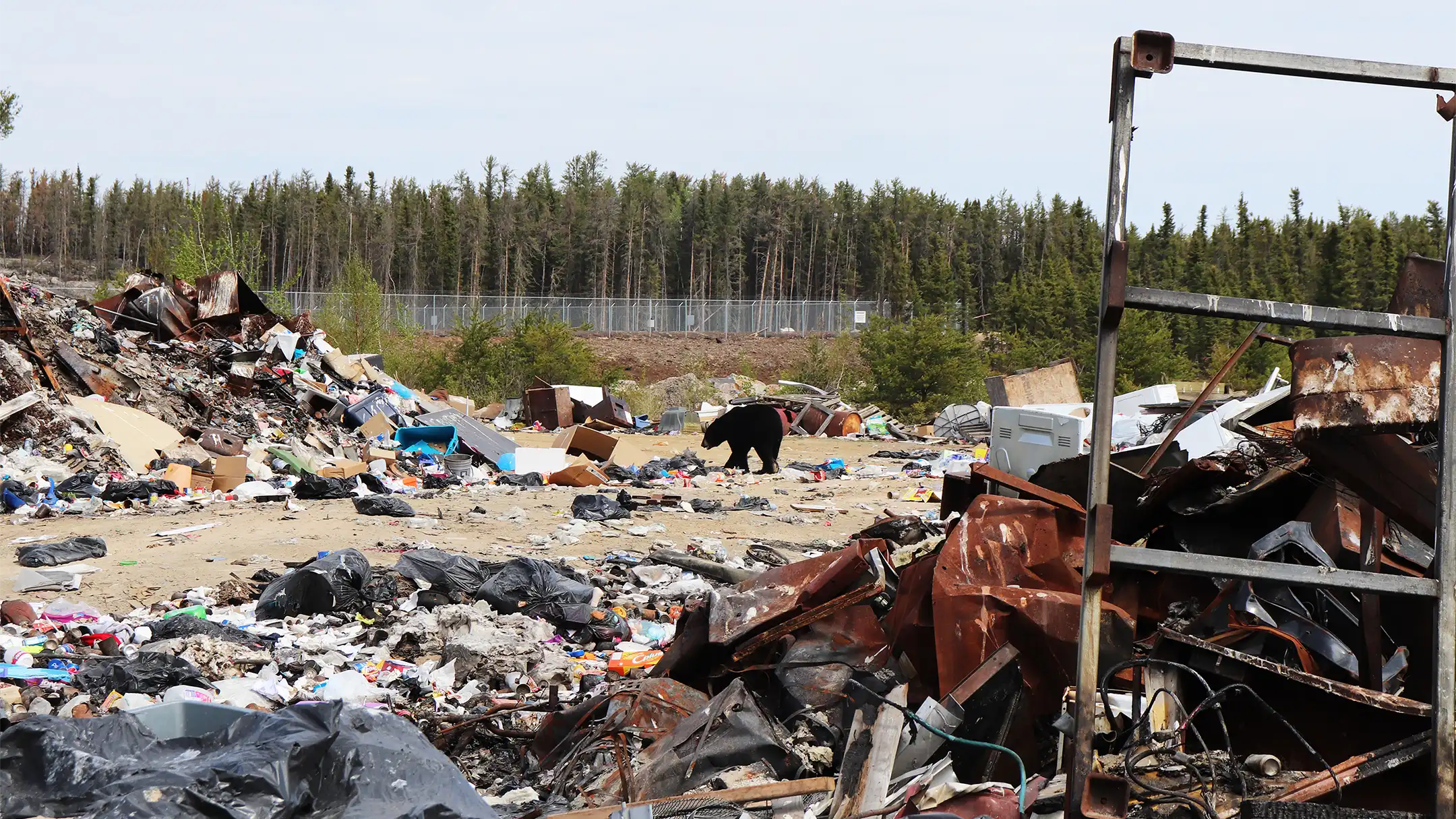
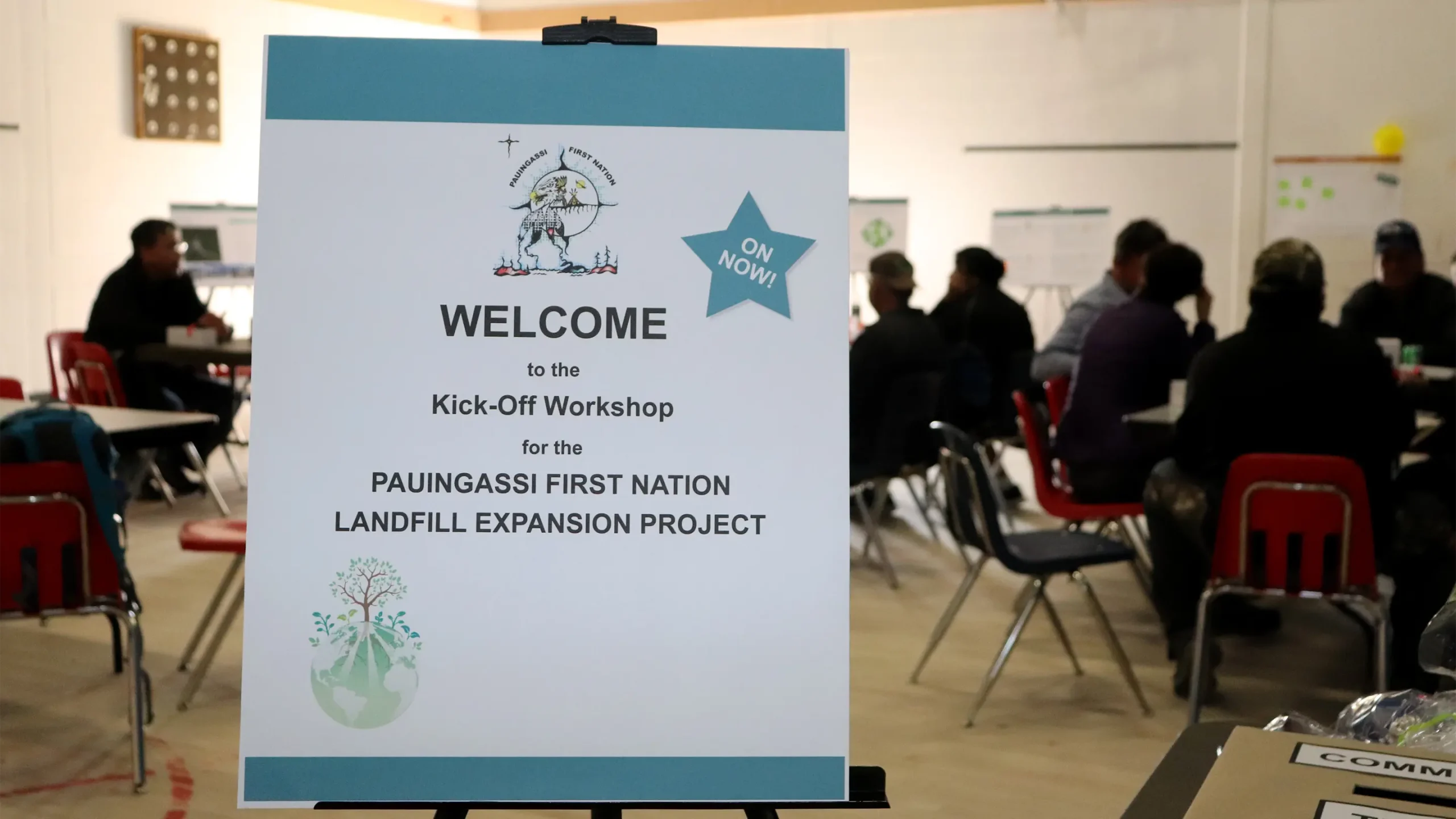
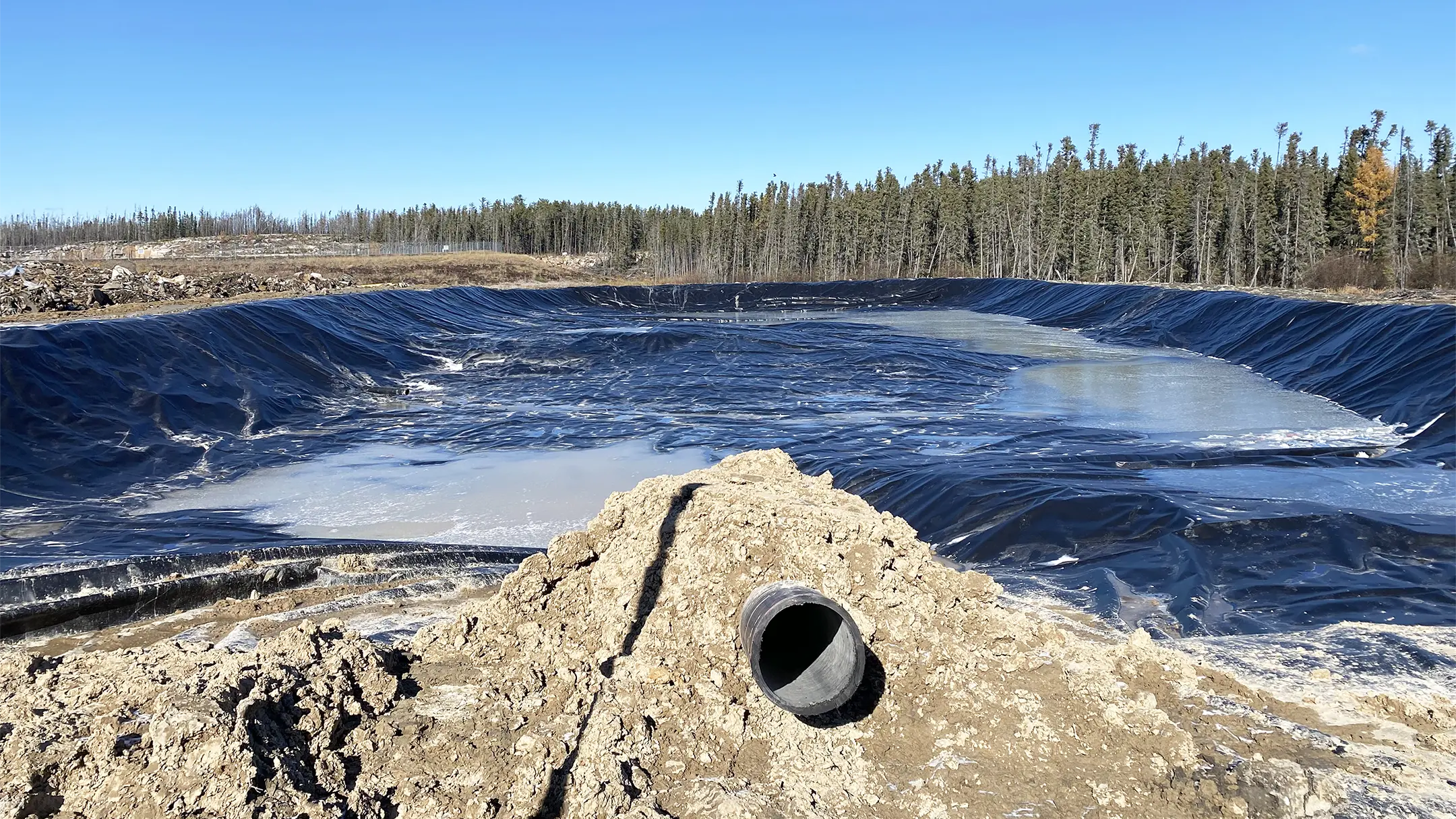
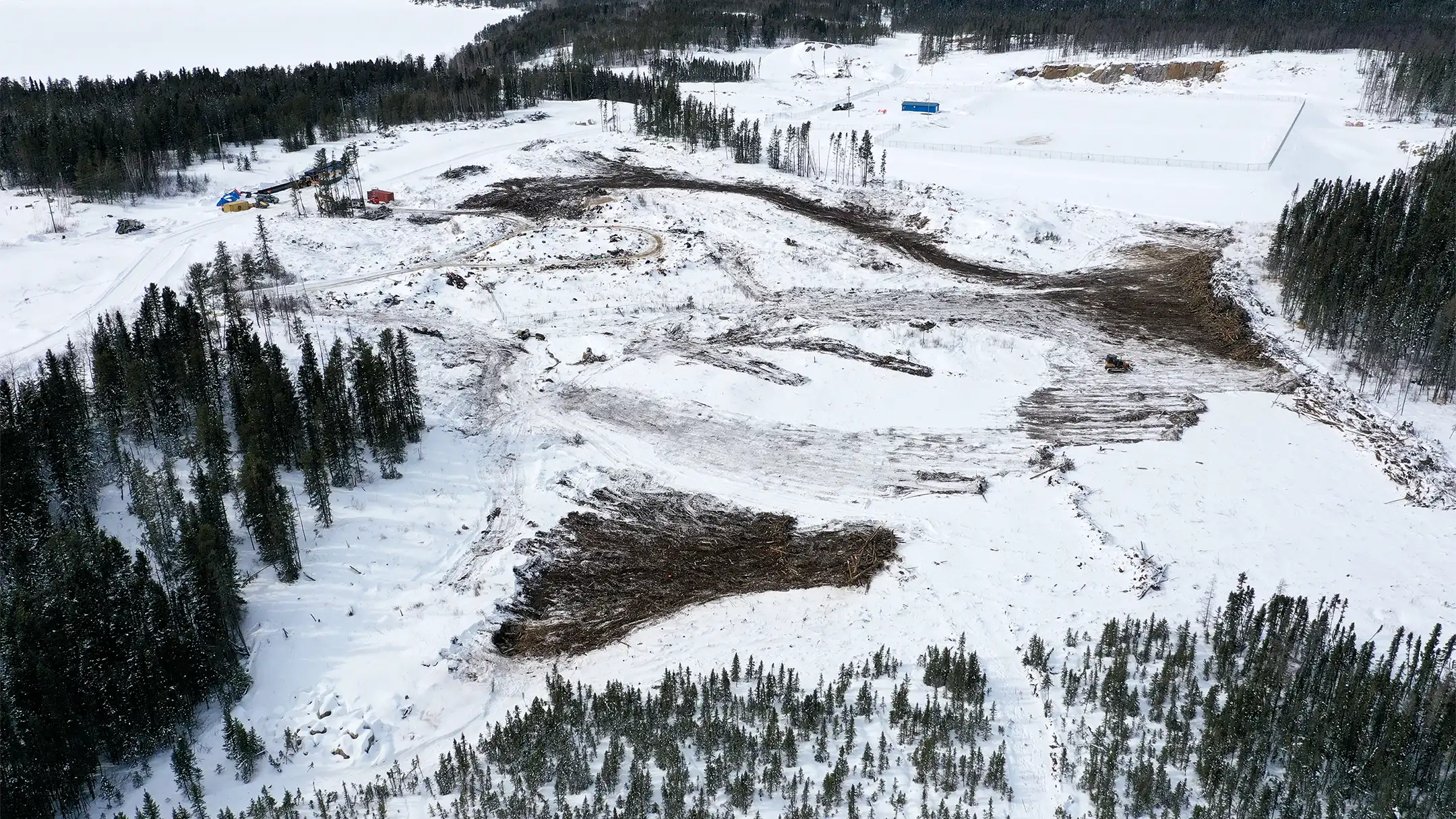
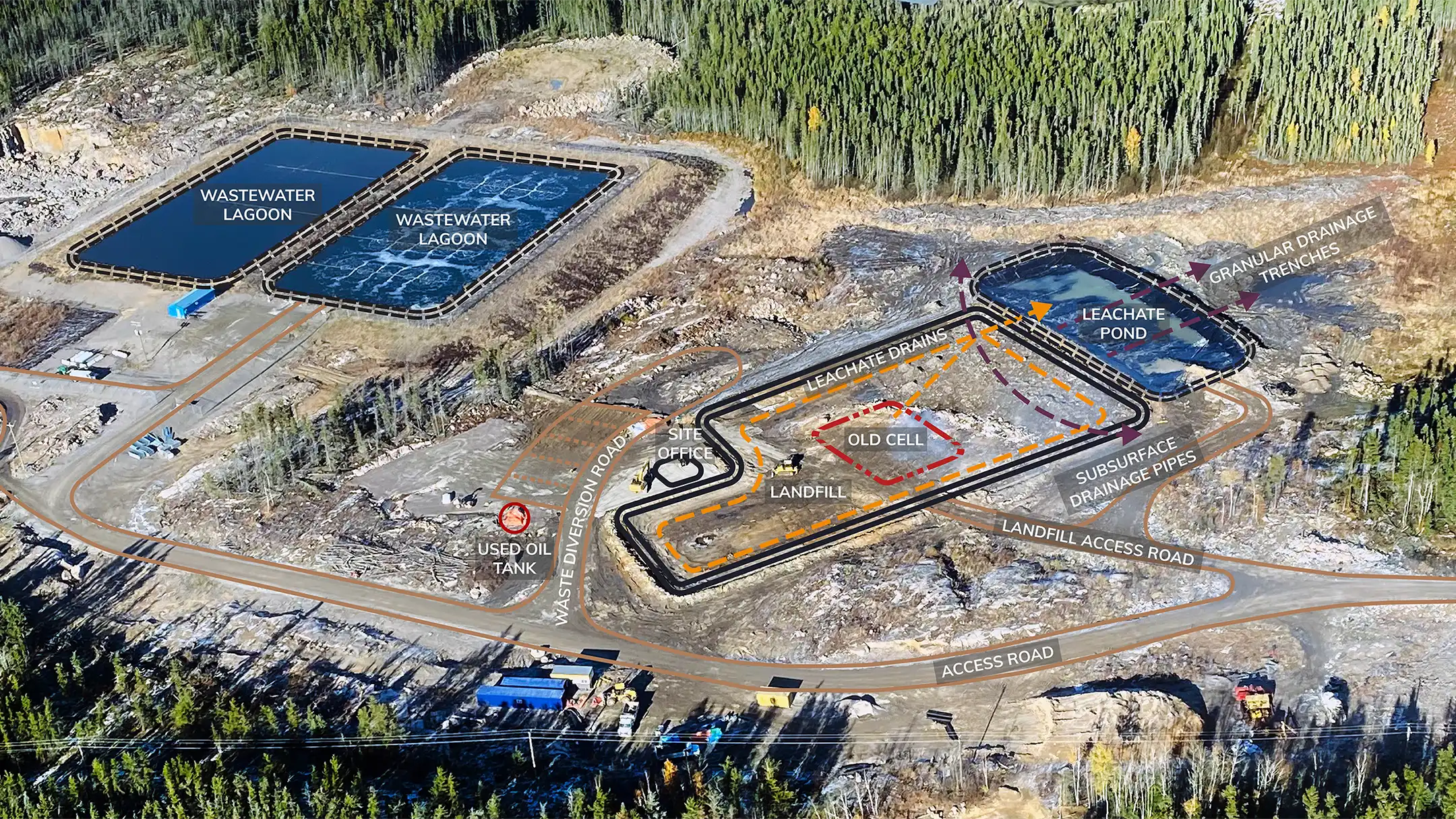
Pauingassi First Nation is located in eastern Manitoba, approximately 275 km northeast of Winnipeg, on a peninsula of land that extends southward into Fishing Lake. At the time, the community had a total registered population of 668 and did not have an airport or an all-season road for access and uses winter roads, float planes or helicopters depending on the time of year.
Because access is primarily by winter road, numerous challenges must be overcome for solid waste management and in general for any construction projects in the community. Some of these challenges include heavy equipment access, difficulty removing divertible wastes from the community to proper disposal depots, dependency (and variability) of ice thickness, and overall higher construction costs compared to other, more easily accessible communities.
KGS Group created a new integrated resource management centre for this remote community. Success was achieved even though the COVID-19 pandemic and 2021 forest fires impacted the schedule. An innovative design overcame challenging site conditions, integrated community requests, preserved local heritage resources and Traditional Land Use Areas, and mitigated existing environmental impacts.
The result is a practical, environmentally sound, sustainable and aesthetically pleasing waste management facility that also addresses waste diversion. This project is a model for successful collaboration between Indigenous communities, contractors, consulting companies and government agencies.
Project Highlights
- Community‑informed planning, design and construction oversight
- Remote delivery adapted to winter road logistics
- Engineered facility to centralize waste handling and address diversion
- Design aligned with site constraints while preserving heritage and Traditional Land Use Areas
- A cleaner, safer community environment
Lake Manitoba and Lake St. Martin Outlet Channels
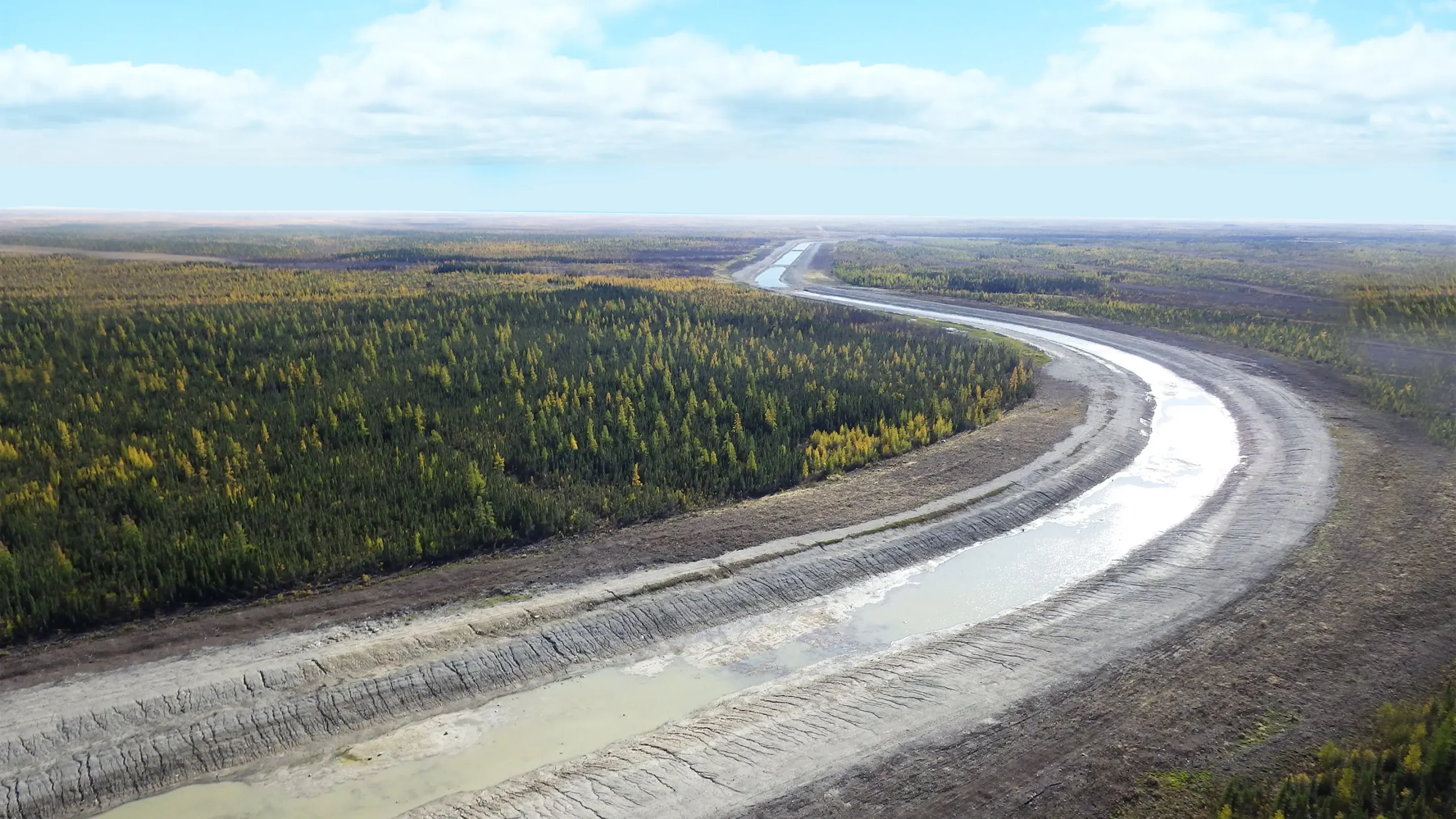
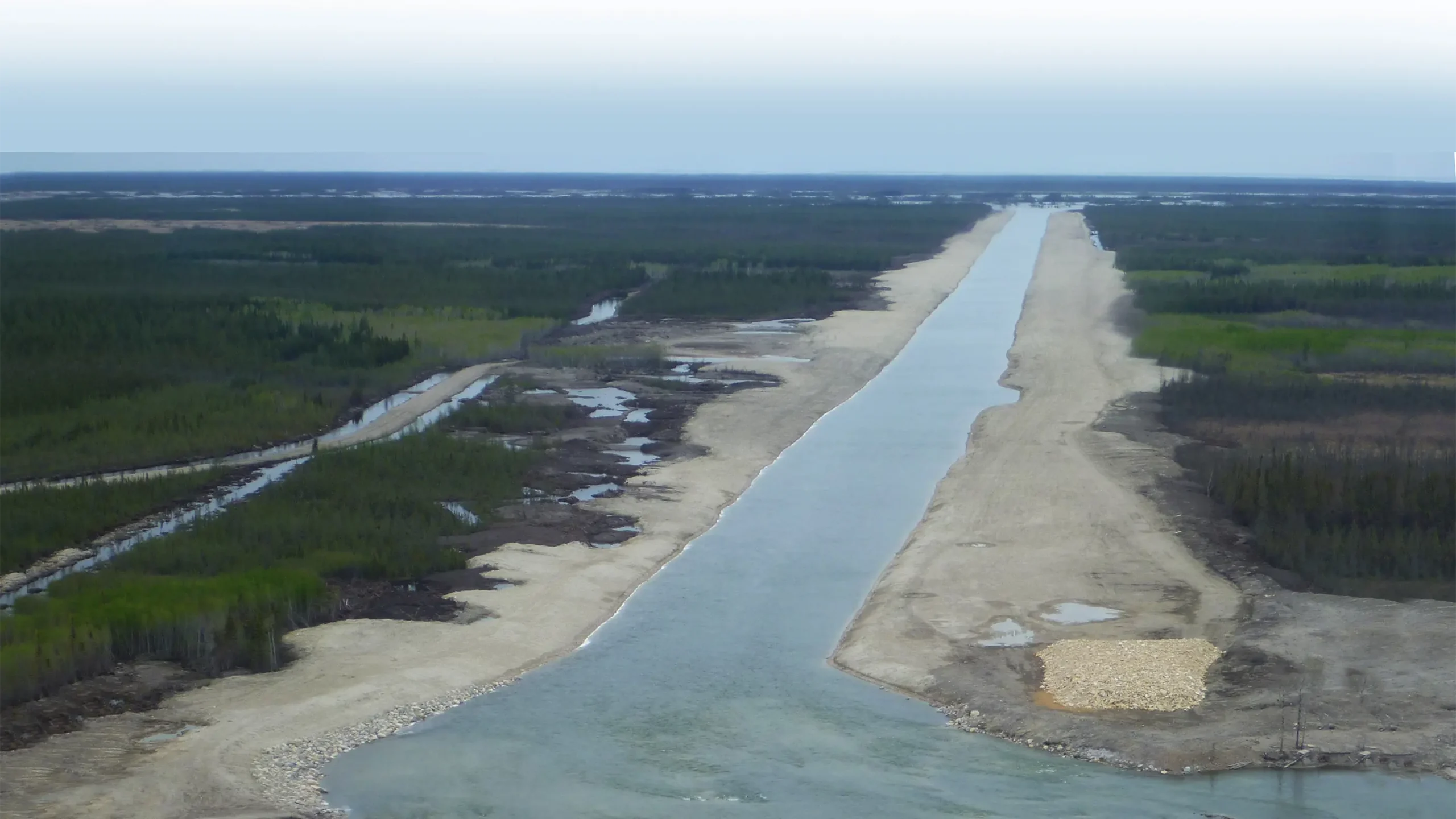
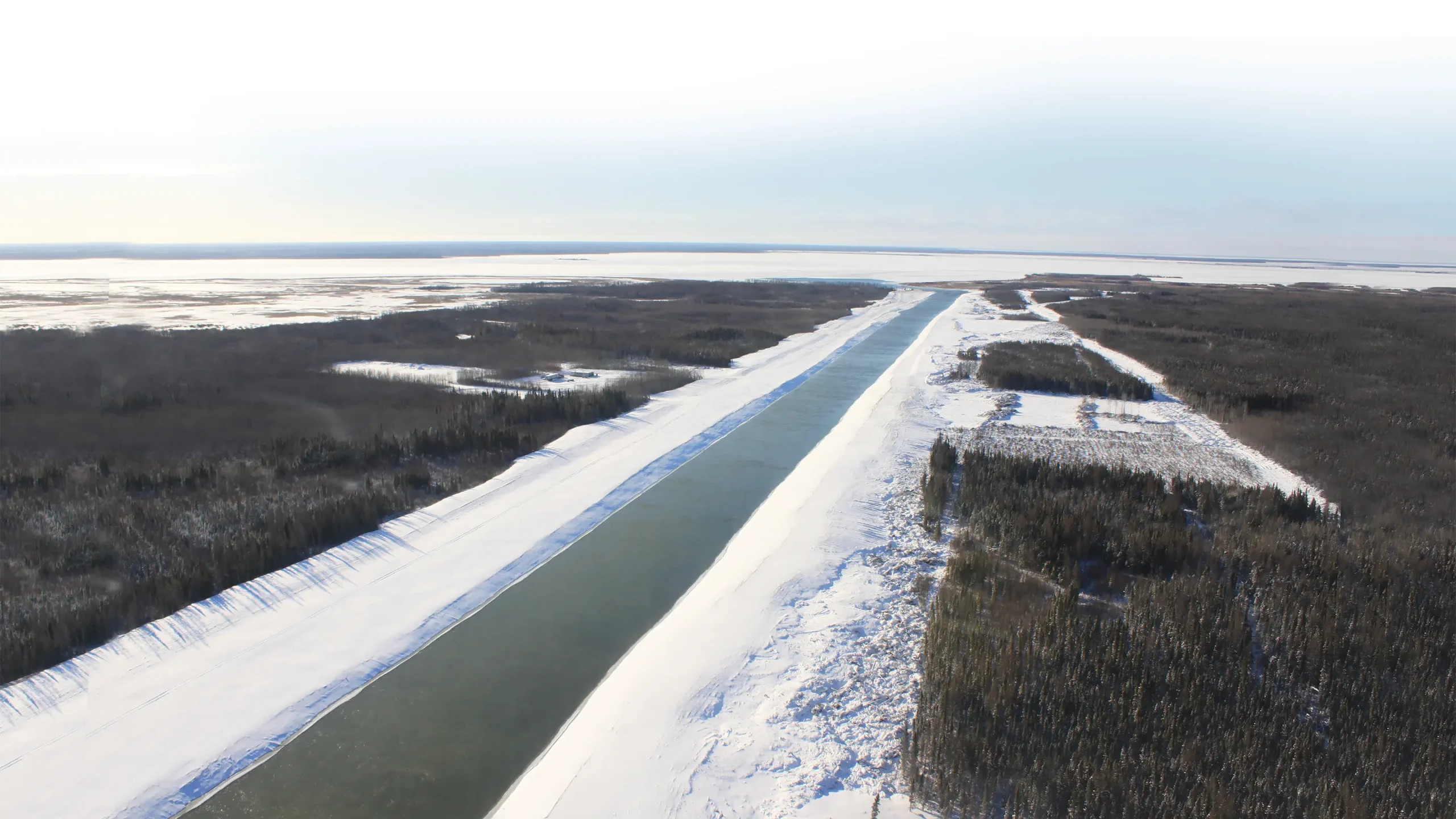
Following severe flooding events in 2011 and 2014, the Province of Manitoba retained KGS Group for the design of the Lake Manitoba and Lake St. Martin Outlet Channels Project. The outlet channels will serve as new, permanent flood control infrastructure for both lakes.
Completed under tight schedule restrictions, the conceptual design work involved:
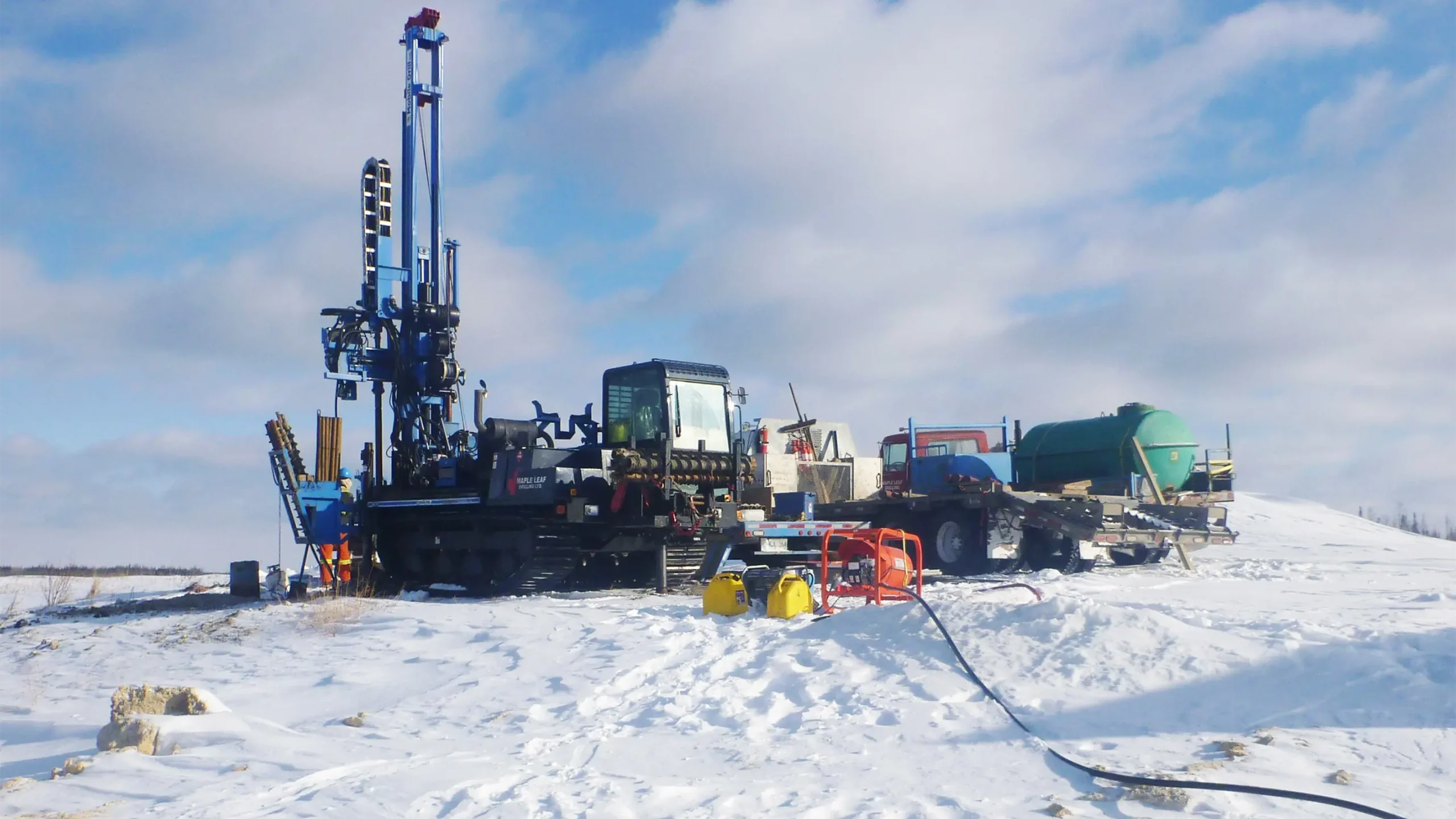
- Remote field investigations
- Extensive review and analysis of the various channel configurations
- Preparation of concept designs, cost estimates and constructability reviews
- Identification, assessment and screening of potential environmental and socio-economic impacts
The diverse range of design components and unique site conditions resulted in a challenging engineering undertaking that was successfully managed by the multidisciplinary team of experienced engineers, GIS technicians and support staff assembled by KGS Group.
KGS Group subsequently completed the preliminary, final design and tender preparation for the outlet channel from Lake St. Martin to Lake Winnipeg. The project includes roughly 23 km of channel excavation, multiple drop structures, and construction of a water control structure near the channel inlet complete with gates, hoists, bridge deck and ancillary buildings. The total estimated budget for this portion of the project is over $300 million. The construction phase of the project is pending regulatory approval.
Once constructed, the outlet channels are projected to maintain both lakes below flood stage over 99 per cent of the time. They will provide the ability to better regulate the lakes and reduce the impact of future floods, benefiting residents and businesses in the area.
Project Highlights
- Design for 23 km of channel excavation with defined sections and earthworks quantities
- Design of multiple drop structures sized for hydraulic control and energy dissipation
- Water control structure near the channel inlet for operational regulation
Pointe du Bois Spillway Replacement
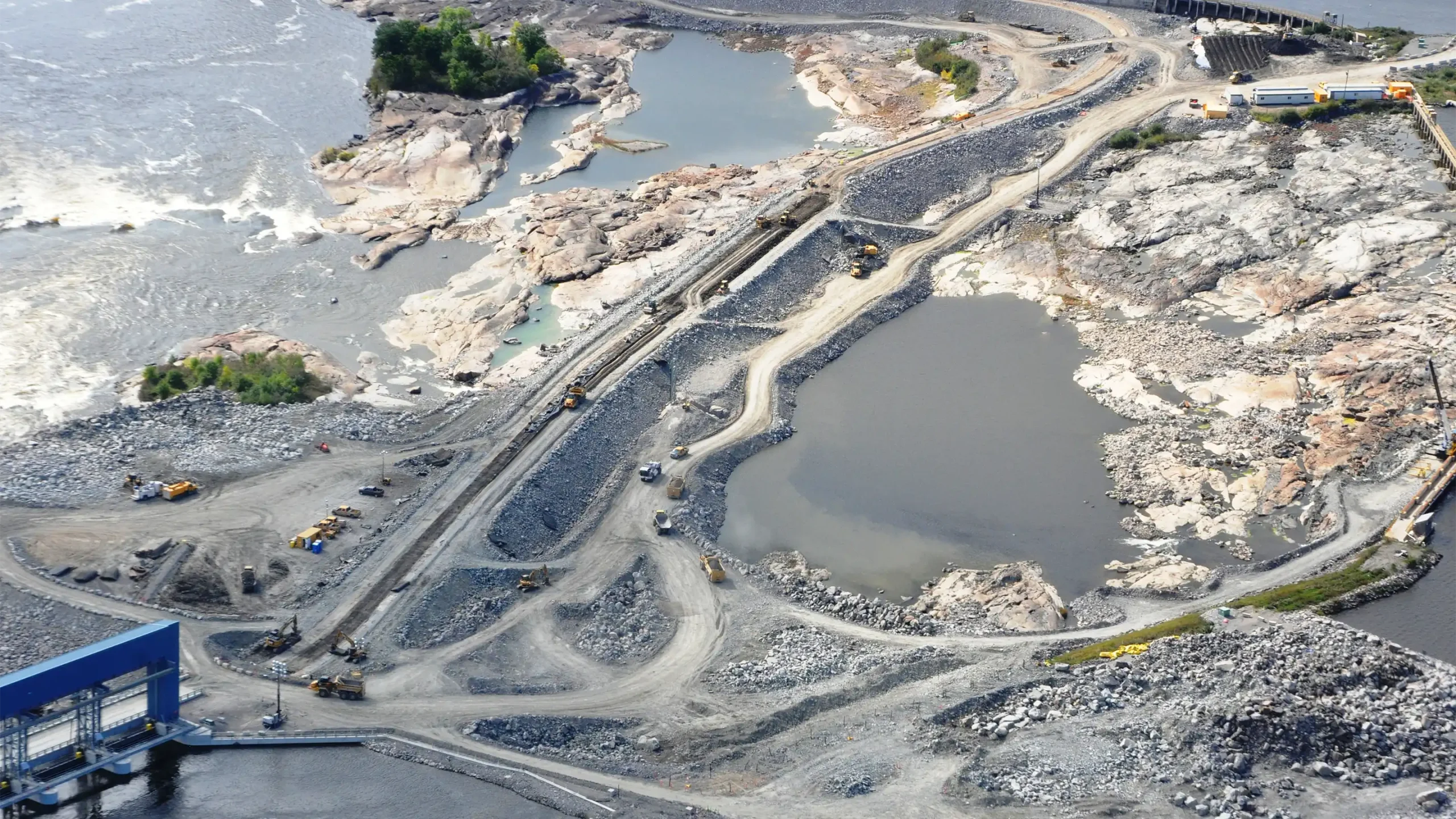
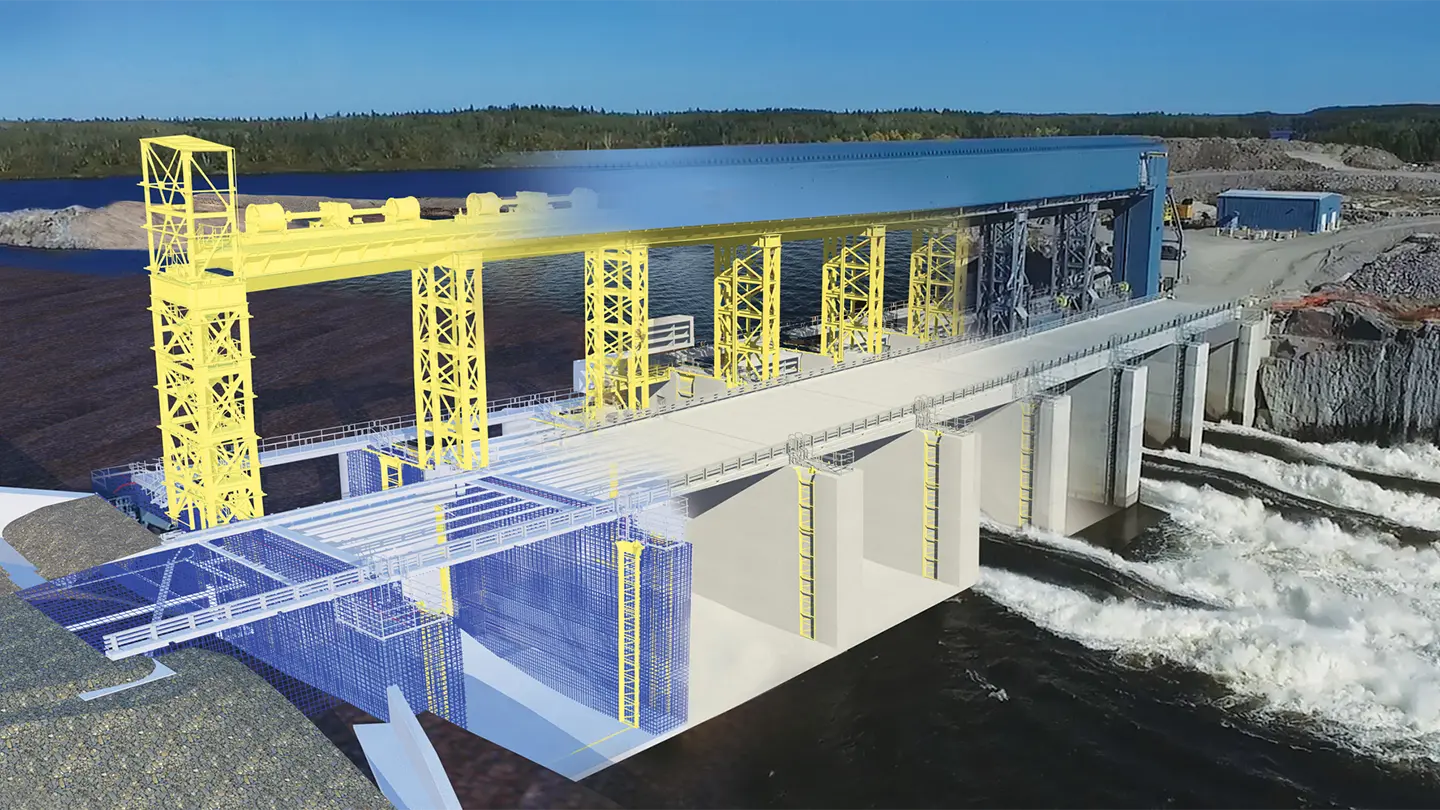
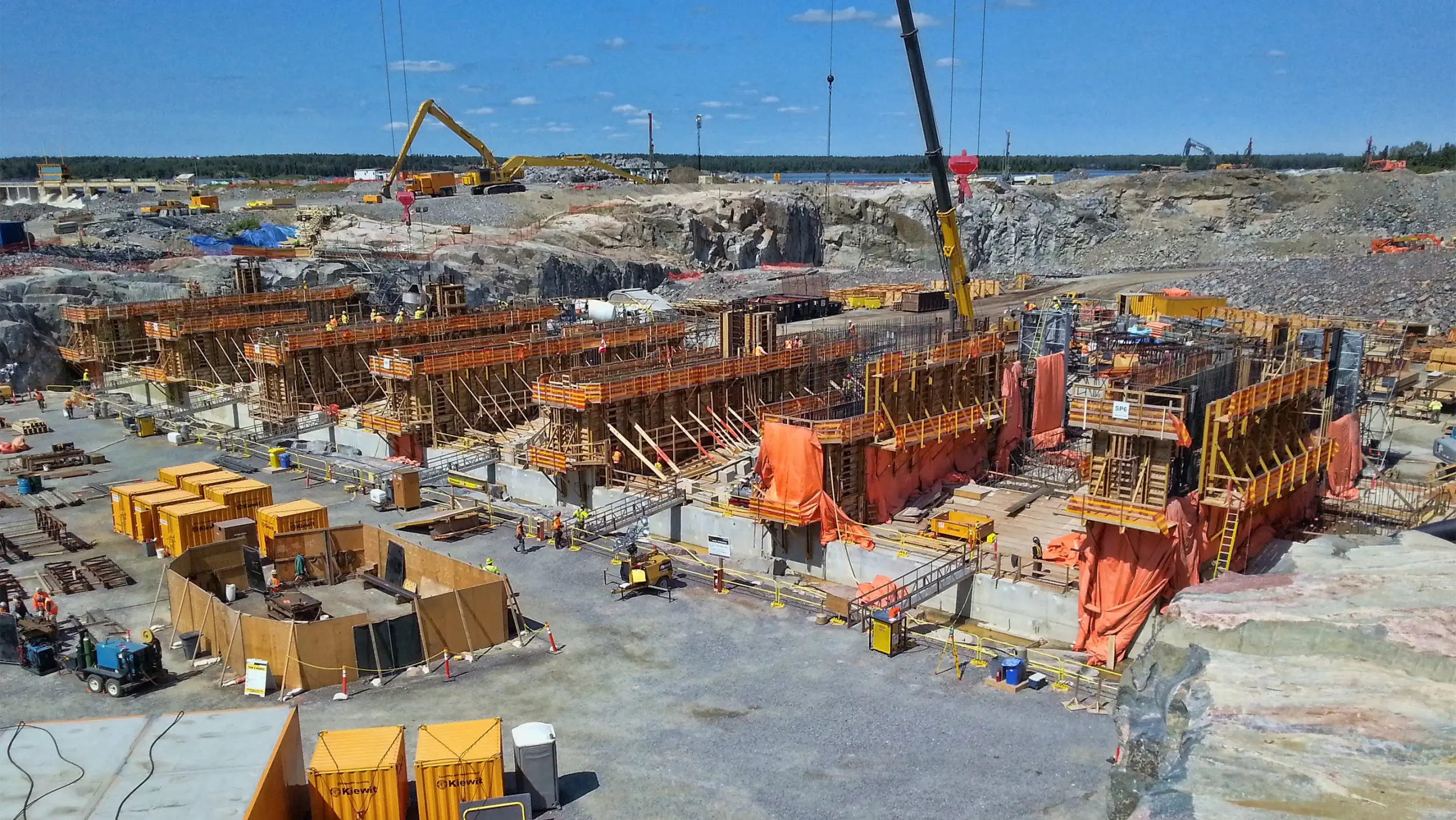
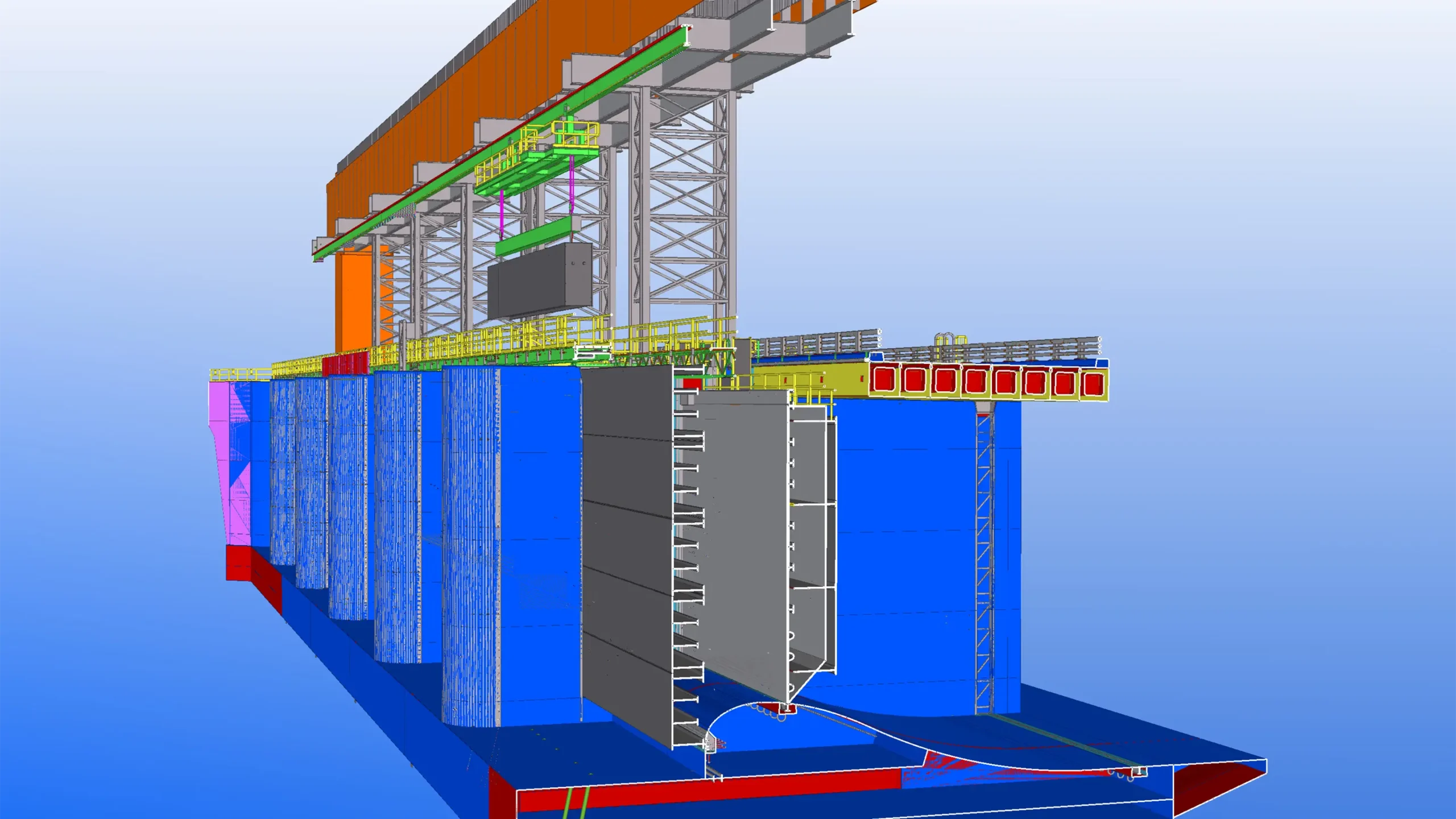
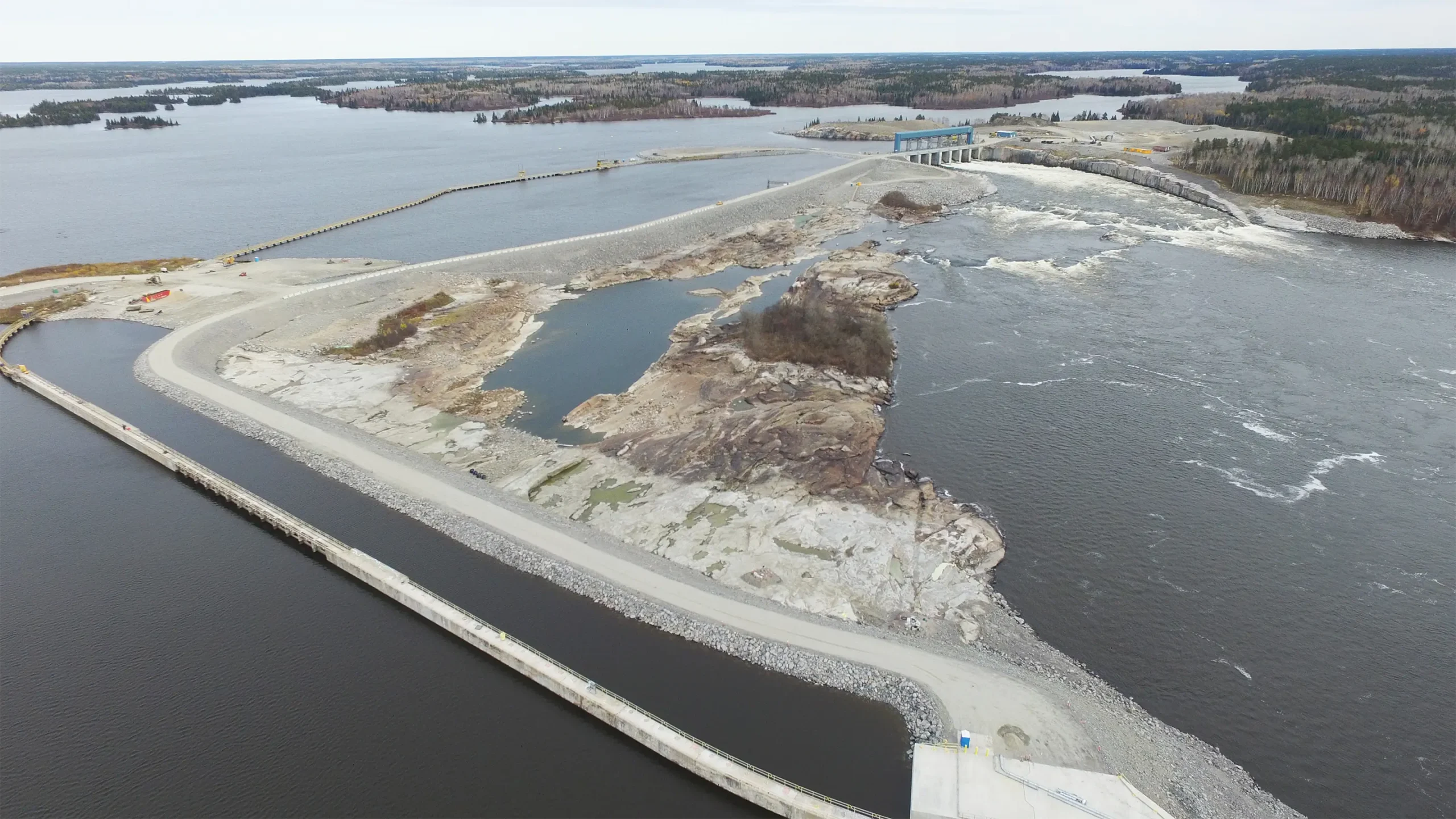
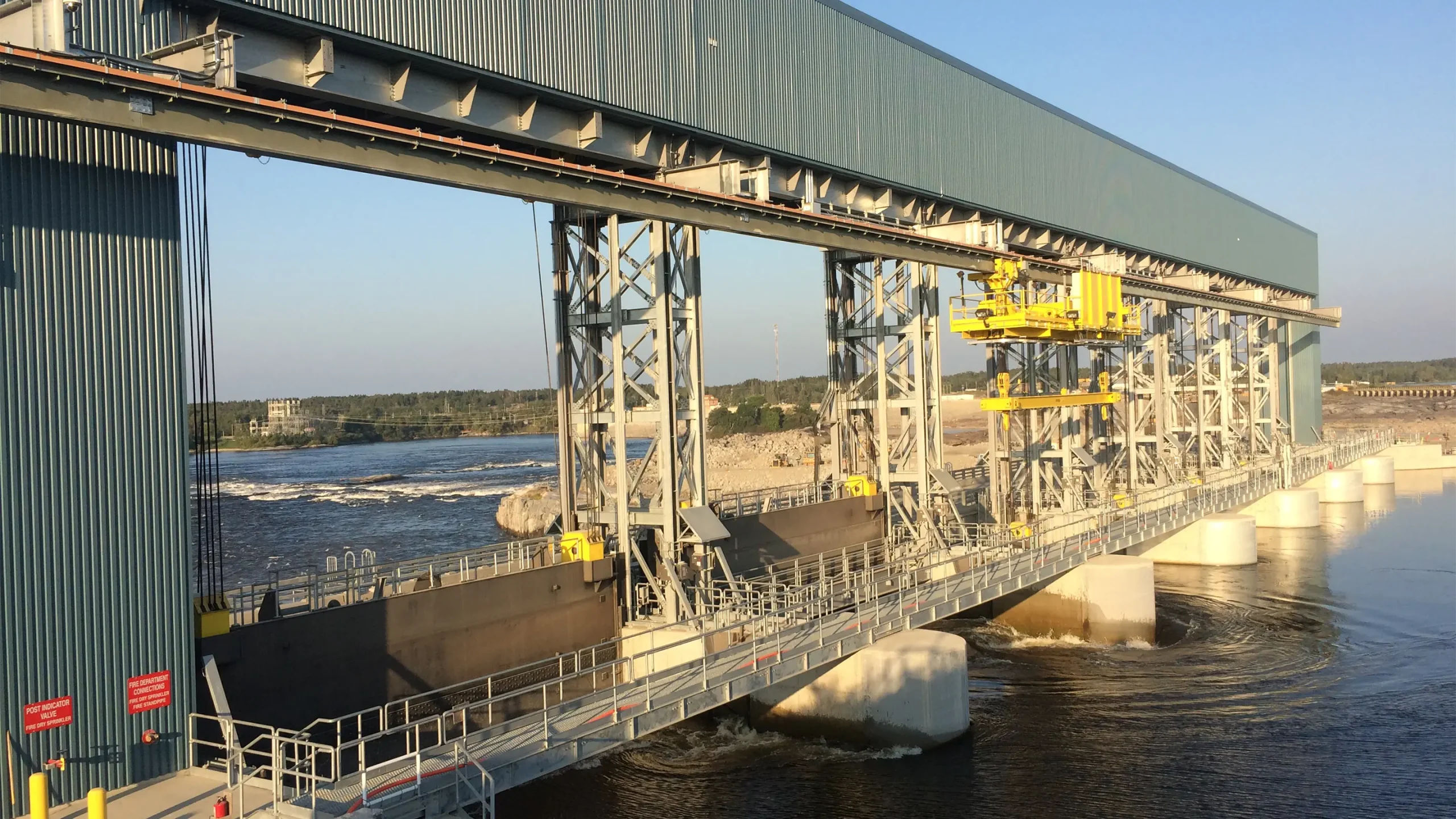
The Pointe du Bois Generating Station is the oldest operating hydroelectric plant in Manitoba. Despite extensive upgrades and ongoing maintenance over the years, the original spillway required replacement. The Pointe du Bois Spillway Replacement project included the design and construction of a new remotely operated 7-bay spillway and a new 1km long zoned earthfill dam, complete with an ancillary support building for electrical switch gear and control systems, a backup diesel generator, and other related infrastructure.
As the prime consultant, KGS Group worked collaboratively with Manitoba Hydro as the designer in an early contractor involvement project delivery process. KGS also provided full-time technical support and quality assurance assistance through construction, commissioning and close-out activities.
The final design was carried out entirely within a 3D digital environment, and was paramount for the successful execution of all stages of the project. This innovative approach gave the team the ability to visualize the end product at the design stage and enabled harmonious advancement of the project across multiple disciplines.
The several hundred-million-dollar project was successfully completed without any interruptions to the ongoing operation of the plant, while protecting and preserving established lake sturgeon habitat and restoring the natural landscape in this environmentally sensitive provincial park setting.
Project Highlights
- New remotely operated seven bay spillway, support building and backup diesel generator
- New 1km long zoned earthfill embankment dam
- 3D digital design environment
- The several hundred‑million‑dollar capital program was completed without operational interruptions
- Enhanced safety and control, extended asset life and a more reliable discharge capacity
- Lake sturgeon habitat protected and the landscape in the provincial park was restored