

Little Long Dam Safety Project

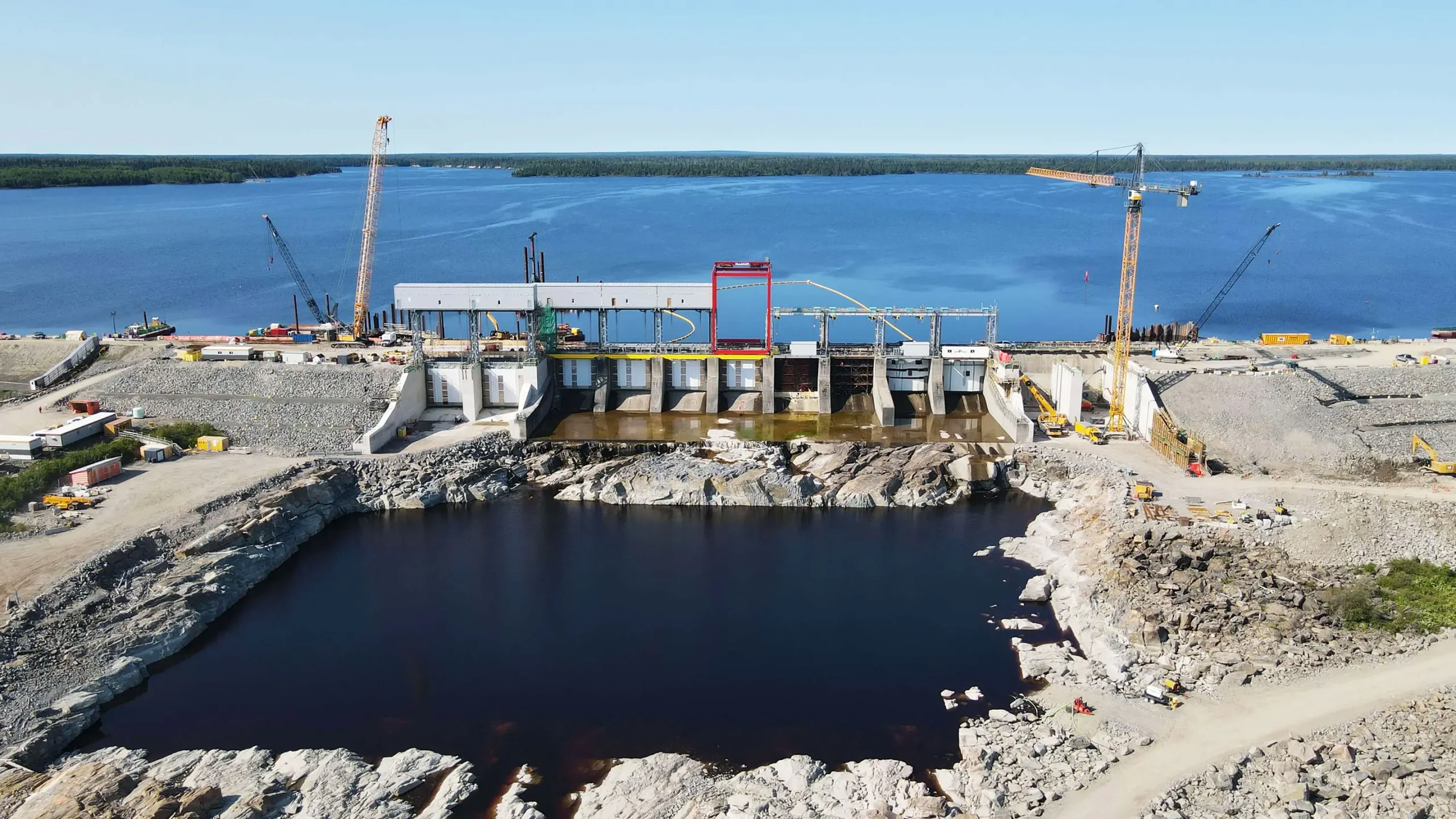
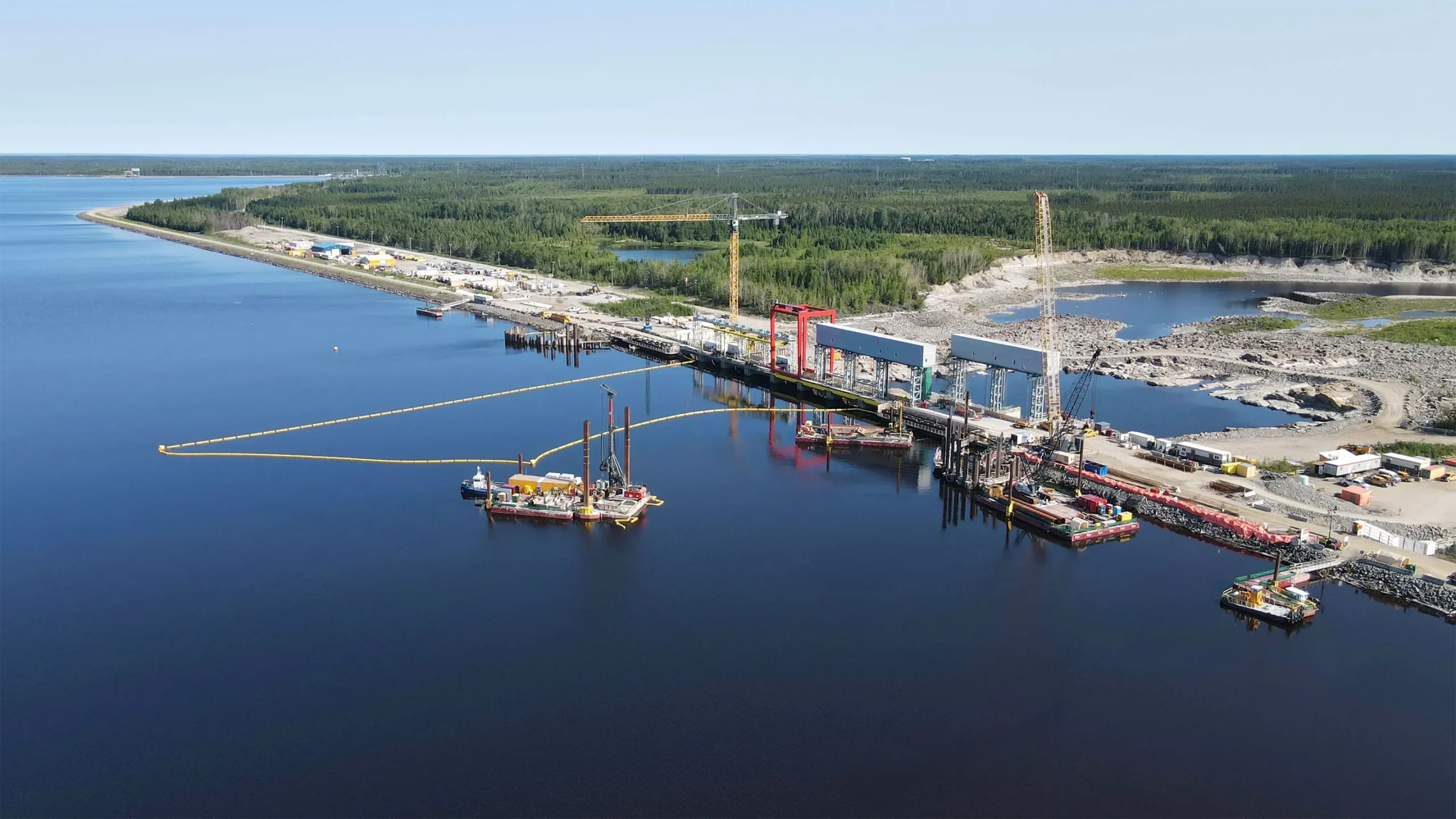
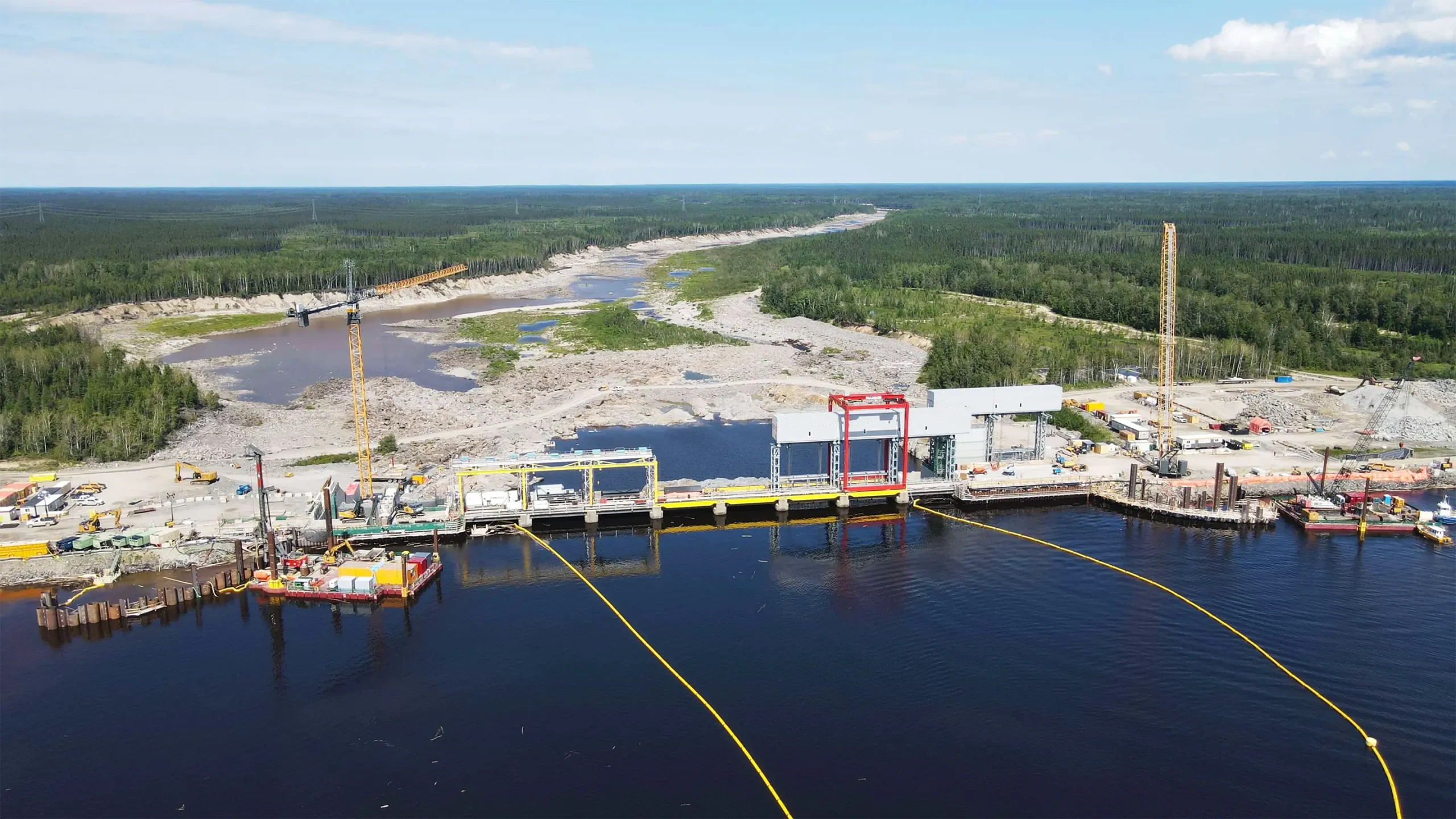
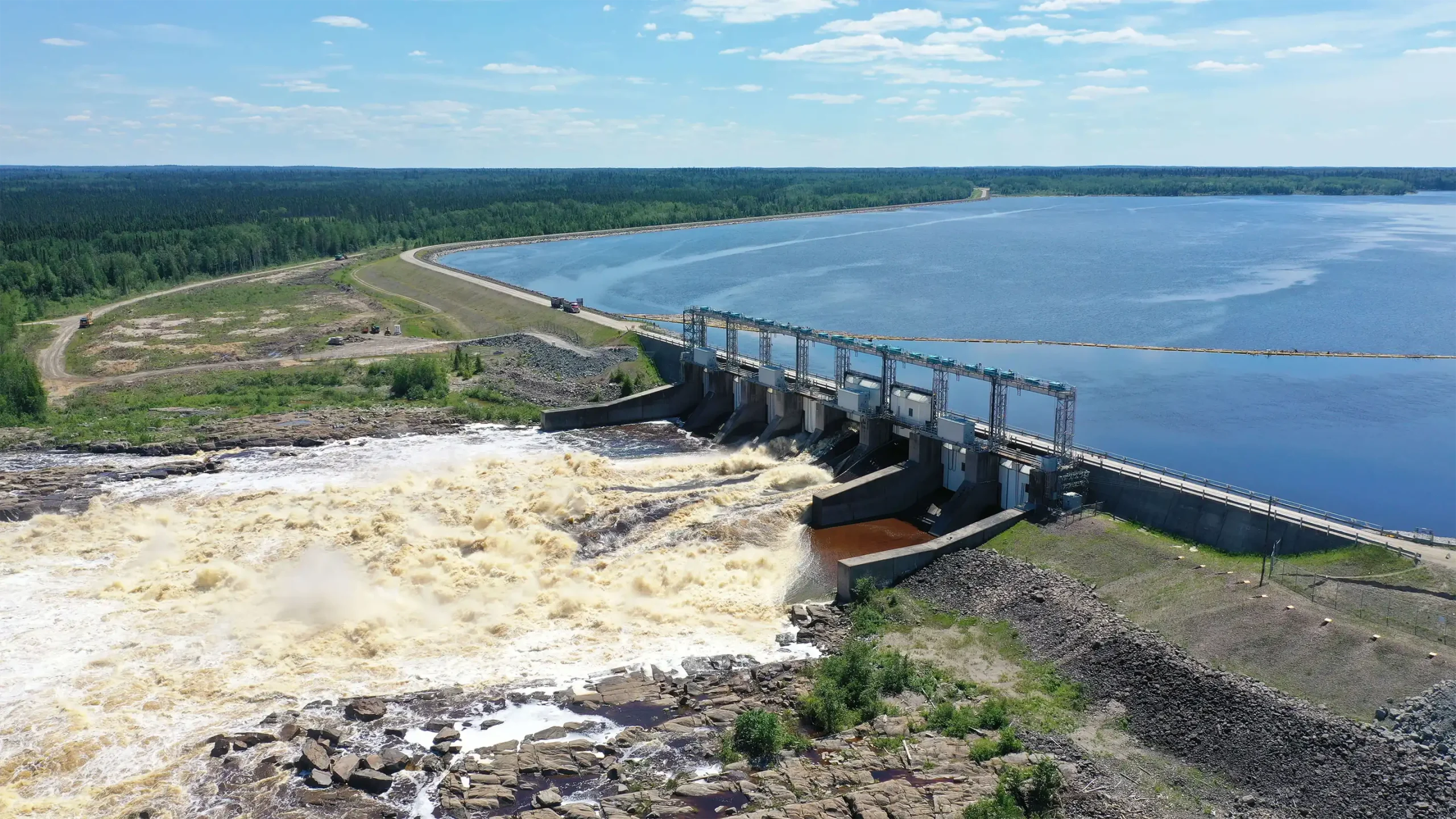
The Little Long Dam Safety Project was a significant initiative by Ontario Power Generation (OPG) to rehabilitate and enhance the spill capacity at the Adam Creek Sluiceway to meet new dam safety standards. The project increased overall discharge capacity of the Little Long headpond by 40%, significantly increasing the ability to manage large floods at this site.
There were four main components to the project:
- The addition of four new concrete sluiceway bays to the pre-existing eight bay structure, providing the additional discharge capacity
- The replacement of 10 existing sluice gates, gate hoist systems and superstructures to improve operational safety and reliability
- The installation of an upstream splash wall to protect against wave and debris overtopping
- Post-tensioned anchoring of the existing structures to address stability deficiencies
KGS Group was initially retained by OPG to carry out the concept design for the project, as well as undertake pre-construction geotechnical investigations. The final design and construction phase was executed by OPG under a design-build arrangement with Kiewit as the EPC contractor, where KGS Group’s role transitioned to owner’s engineer. In this role, KGS Group acted as an extension of OPG’s team, contributing to overall project management, contract administration, advisory and technical support. Our responsibilities included review of the contractor and designer’s work for compliance with good practice and the performance specification requirements, carrying out quality assurance and formal quality audits and providing resident engineering services to participate in overall coordination, monitoring, commissioning and turnover.
With careful planning, Little Long GS facilities remained in operation during the project’s four-year lifecycle. Due to the remote site location, the project required setting up a full-service camp to support over 200 workers, complete with all necessary facilities.
Throughout the project, it was a priority to have local Indigenous community members and women contribute to project execution. This helped to build strong relationships with the community and ensure the project and result would benefit all involved.
Project Highlights
- Construction of four new concrete sluiceway bays to increase overall discharge capacity of the Little Long headpond by 40%, from 6,090 CMS to 8,650 CMS
- Replacement of 10 sluice gates, the gate hoist systems and superstructures, which improved operational safety and reliability
- Installation of upstream splash wall which provides protection against wave and debris overtopping to improve emergency access during large wind and wave events
- Continuous plant operation maintained during staged construction over four years
- 20% of hours were worked by local Indigenous community members and 25% of hours were worked by women
- 11% of construction contract value provided by First Nation subcontracts
- Over 2.1 million person‑hours worked
- Enhanced spillway capacity and dam safety compliance, improved operational reliability and increased generation
Mayo B Hydro Enhancement Project
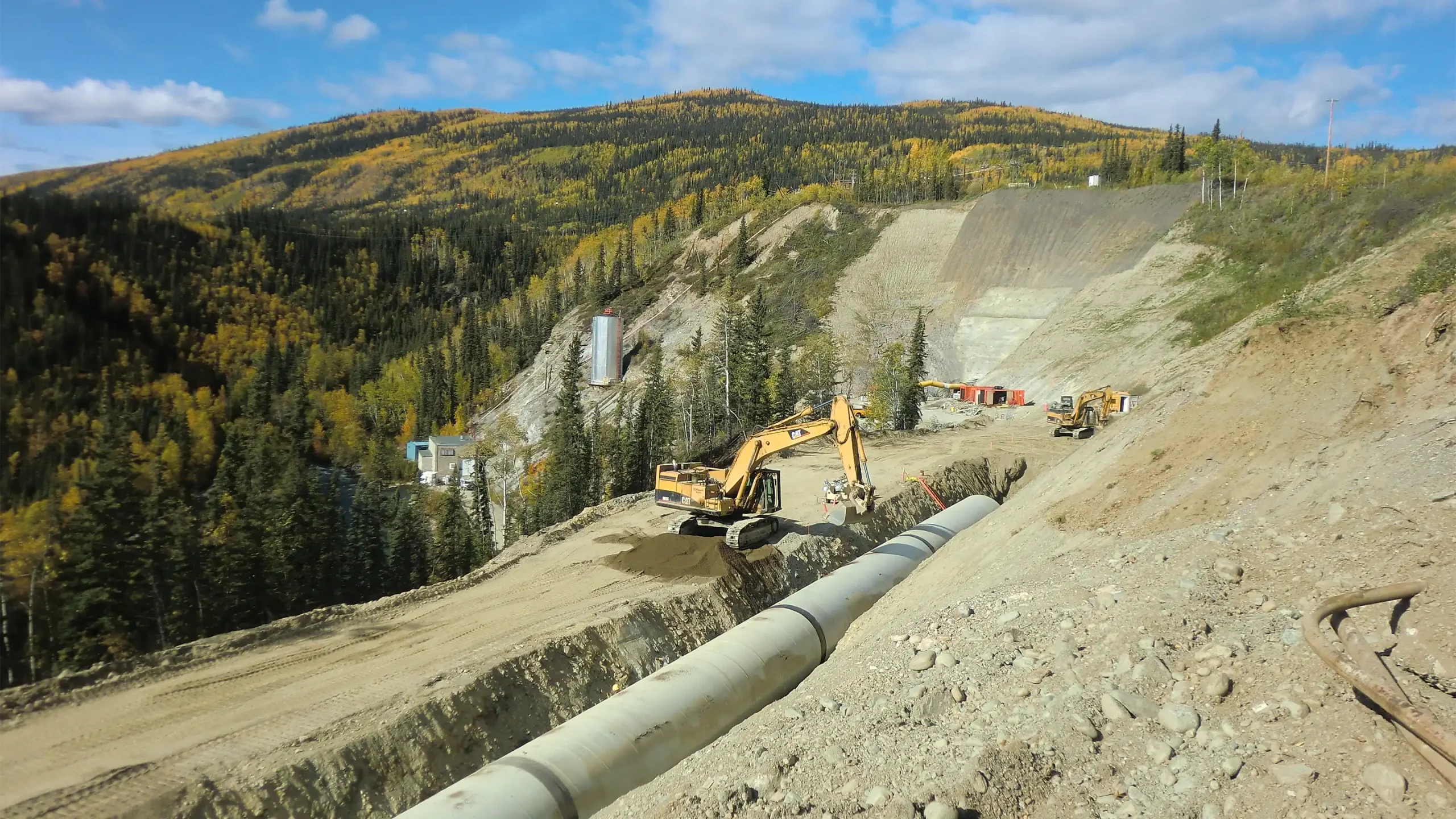
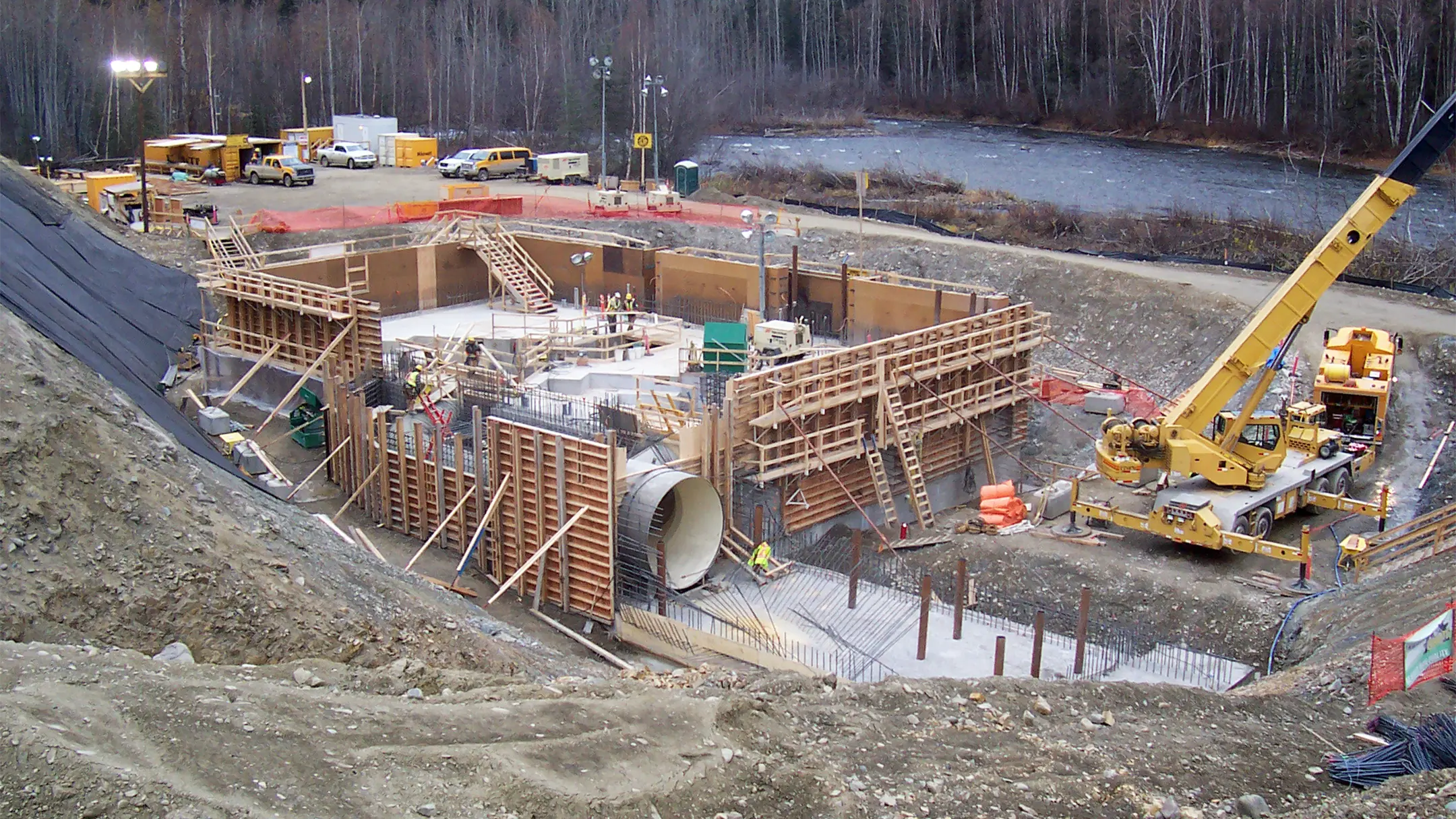
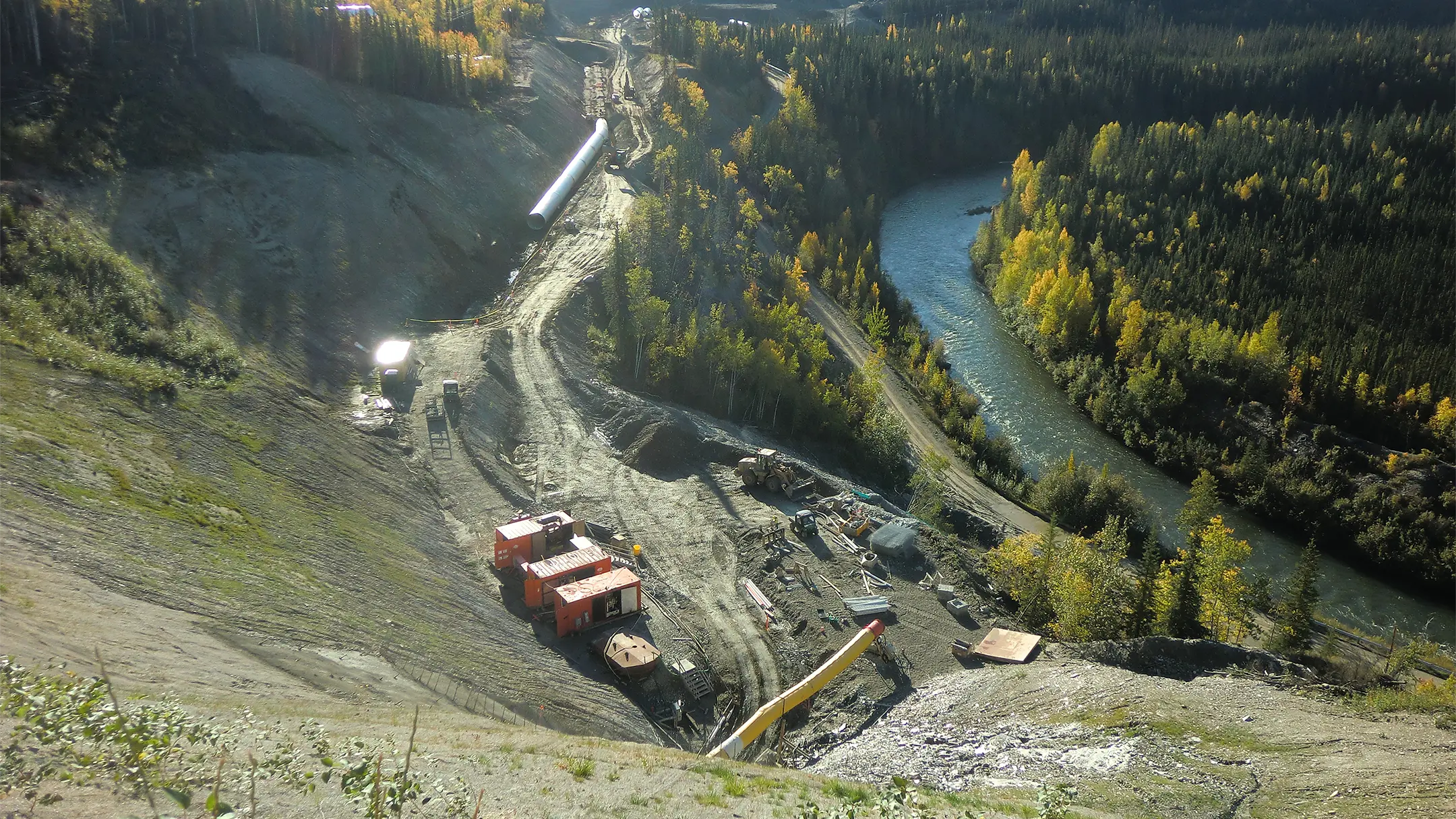
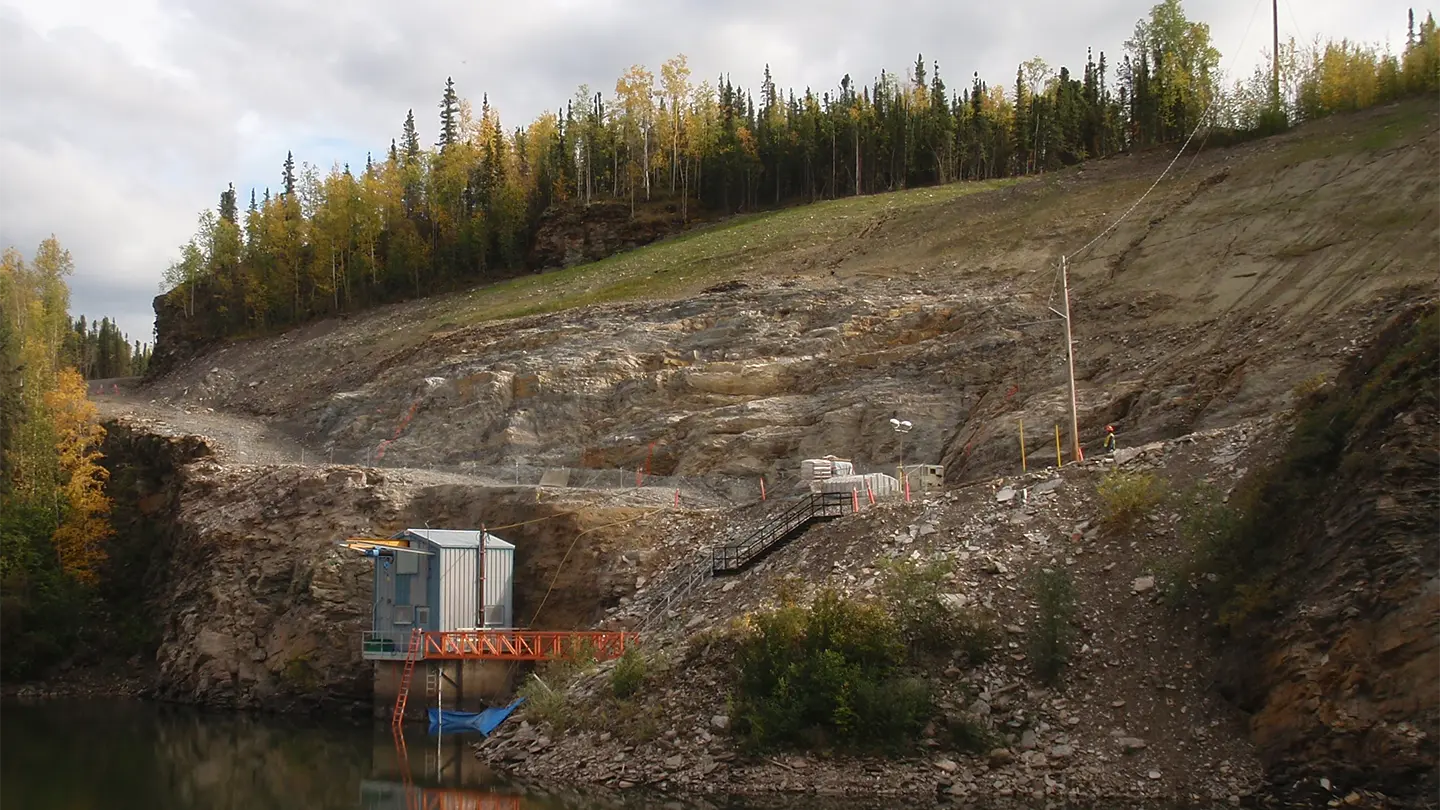
KGS Group was retained by the Yukon Energy Corporation to review feasible hydro projects in the territory, which culminated in the selection of the Mayo B project. To develop the $120 million Mayo B, KGS entered into an early contractor involvement alliance partnership, sharing the financial risks and project rewards. This partnership was the first of its kind in the Canadian hydroelectric industry.
We conducted a feasibility study as well as completed the preliminary and final design of a new powerhouse downstream of the existing Mayo hydroelectric development. Reusing the already in-place dam and intake structure, the work also included connecting and conveying water to the new powerhouse through a new 3.8 km tunnel and penstock system.
Overcoming challenging conditions to make way for the new tunnel and “tie it” into 60-year old infrastructure, we used careful mapping and characterization. This helped support concurrent tunnel design and excavation, and slope stabilization. Precision LiDAR 3-D survey techniques and modelling were also integral to the work.
Within a remote, sub-arctic climate, KGS was also responsible for on-site construction management including all contract administration and quality assurance for the civil, mechanical and electrical works, as well as the supply and installation of the turbines and generator equipment.
As a result, total hydro power generation capacity went from 5.4 MW to 12 MW, increasing Yukon’s renewable and sustainable electricity generation capability. The on-budget, on-schedule project also displaces diesel generation, offsetting up to $10 million in annual fuel costs and eliminating approximately 25,000 tonnes of greenhouse gas emissions per year.
Project Highlights
- A new downstream powerhouse and 3.8 km tunnel and penstock system
- Integrated new infrastructure with the existing 60-year-old dam and intake infrastructure
- Generation capacity increased from 5.4 MW to 12 MW
- Up to $10 million/year fuel cost offset
- 25,000 tonnes of CO₂ avoided per year
- $120M project completed on time and on schedule
Lafleche Dam Low Level Outlet Conduit Remediation

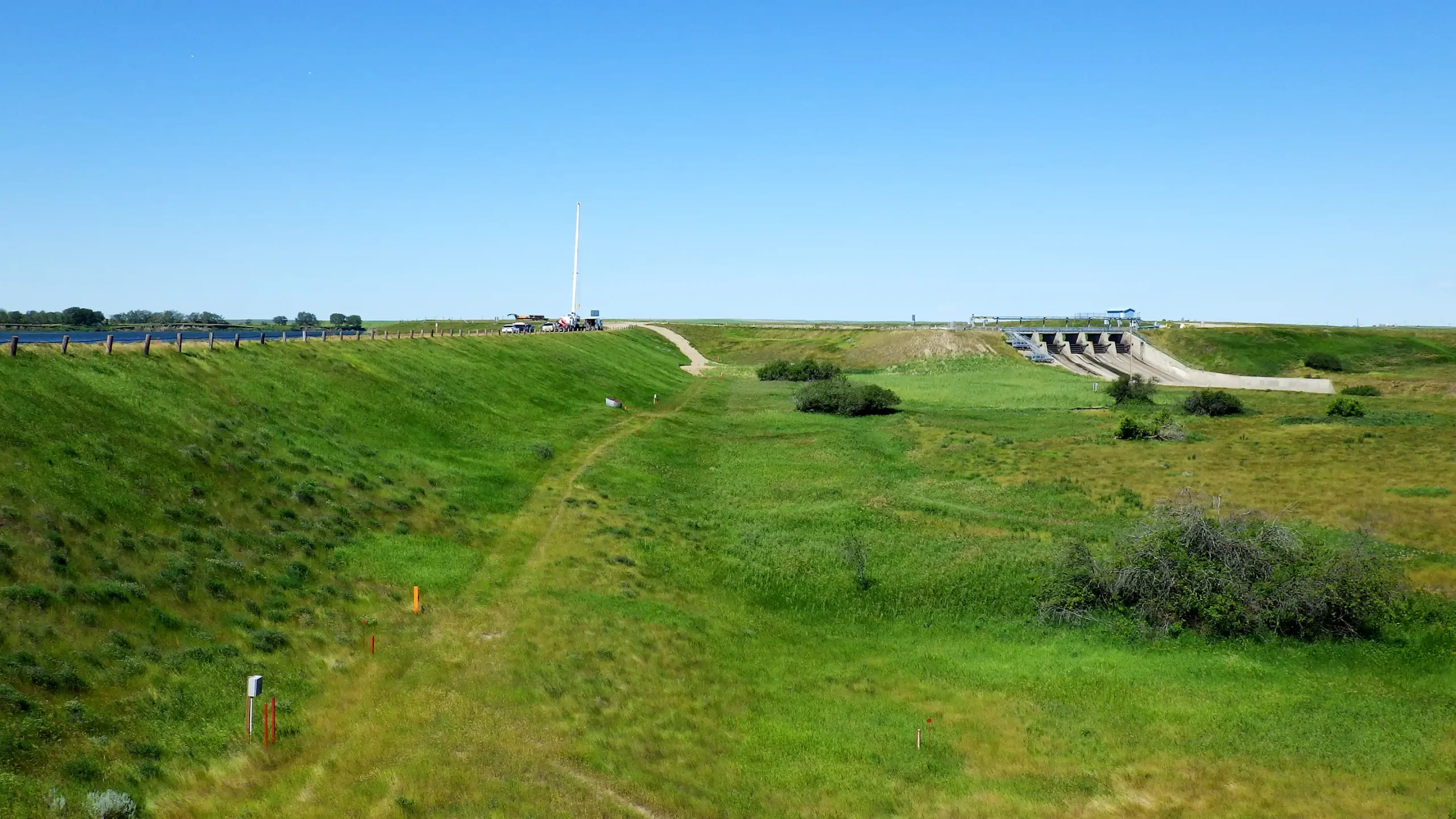
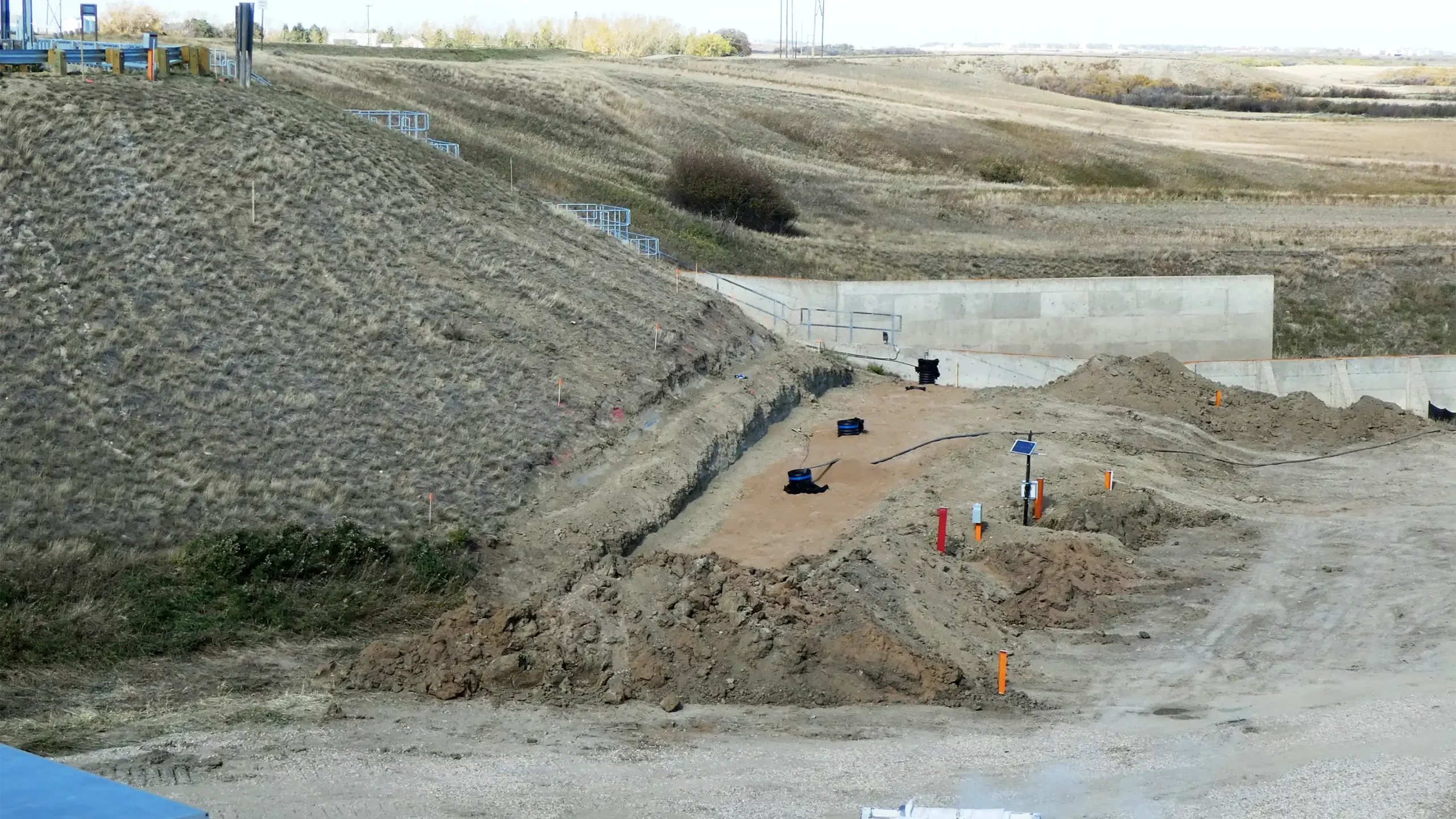
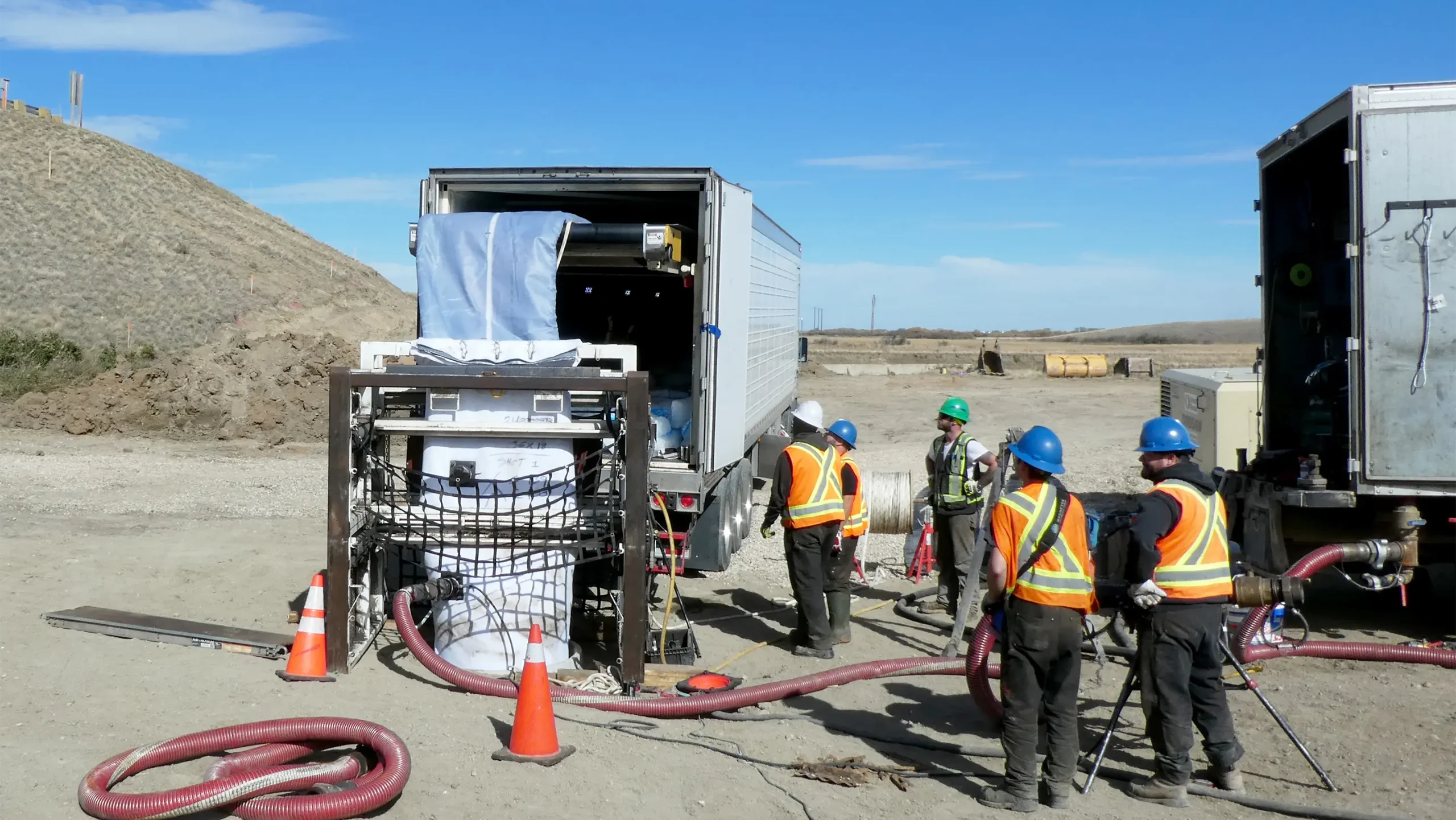
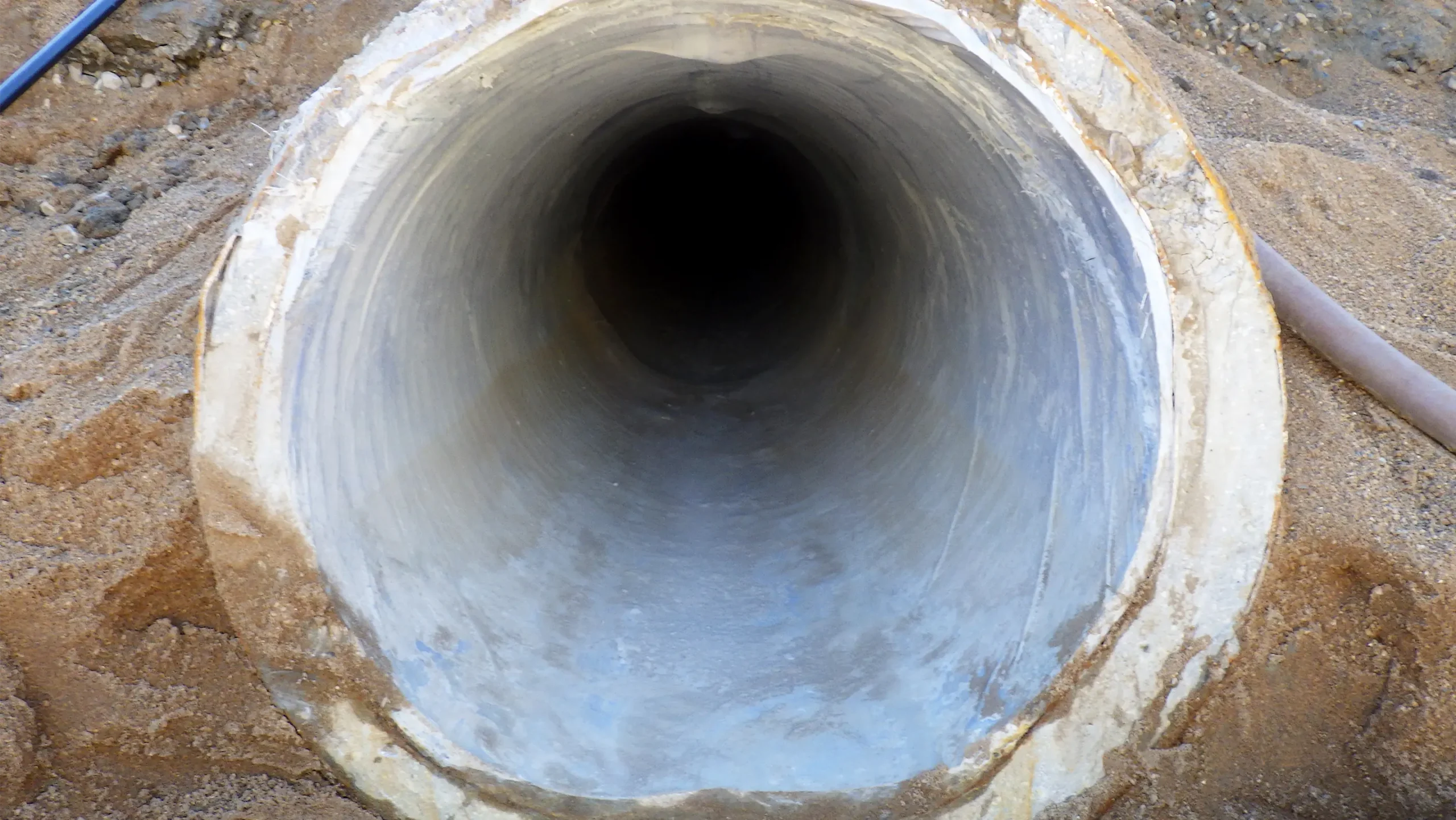

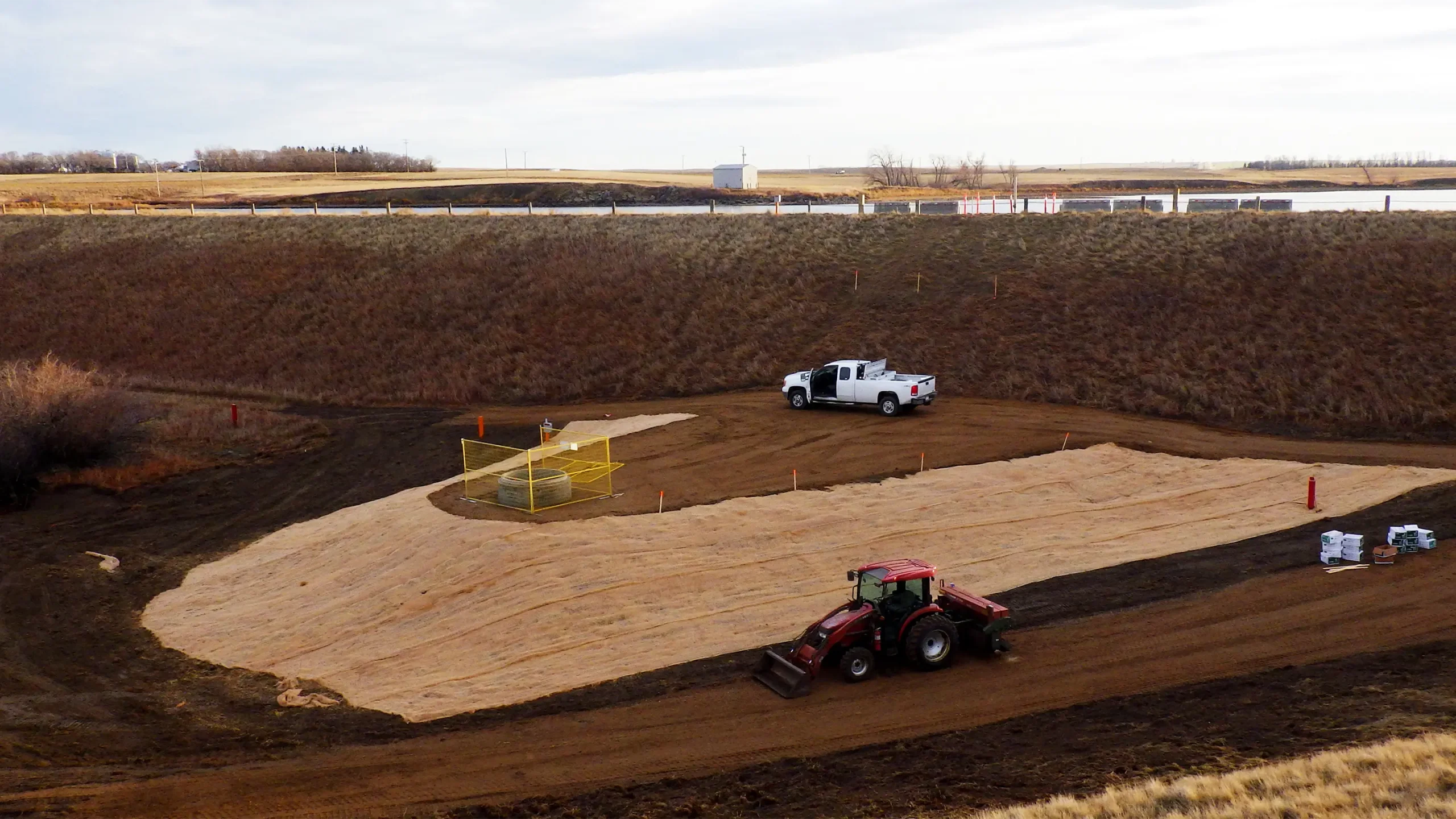
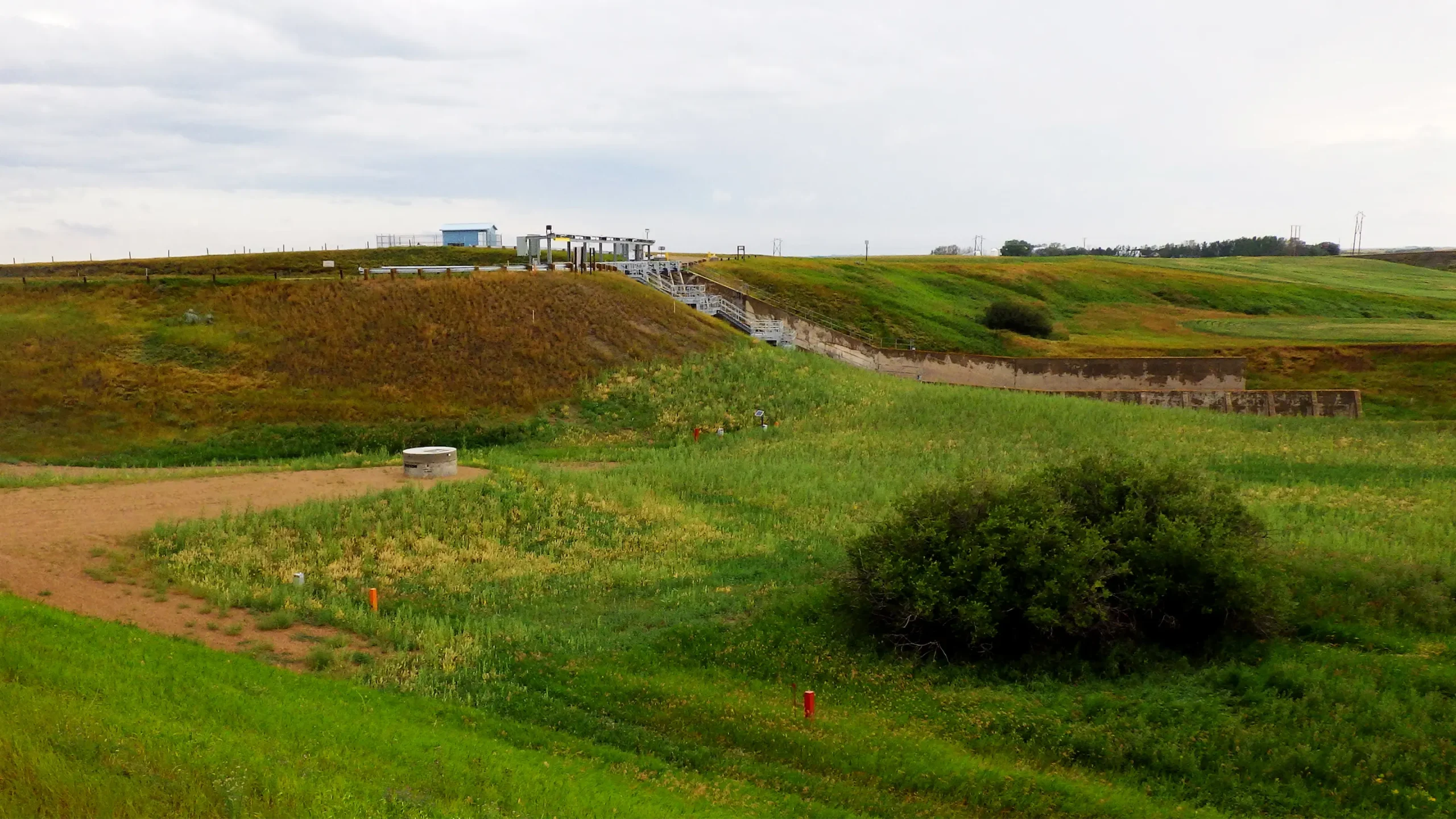
The Lafleche Dam in southwestern Saskatchewan was originally constructed in 1958. The dam’s reservoir (Thomson Lake) is used for municipal water supply, irrigation and recreation. The dam offers flood protection, and its low level outlet conduit is needed for reservoir management and riparian flow passage.
In 2018, an inspection of the conduit revealed severe deterioration of the pipe which presented a significant dam safety risk due to internal erosion. KGS Group developed a solution using an array of innovative conduit replacement and rehabilitation methods, including trenchless technologies such as slip-lining and Cured in Place Pipe (CIPP) replacement. The work required excavations and other construction activities at the toe of the in-service dam which necessitated a comprehensive dam safety surveillance program. KGS implemented a state-of-the-art instrumentation plan with telemetry to monitor the performance of the dam during critical high risk construction stages.
The project was completed on schedule and within budget just before winter onset, under a relatively short construction season. The low level outlet was returned to full service in September 2022 following final commissioning of the new slide gate equipped with a cathodic protection system.
Project Highlights
- Inspection and assessment, detailed design, construction supervision, dam safety surveillance and real‑time instrumentation with telemetry
- Renewal of low‑level outlet conduit at an in‑service dam and work at the dam toe through a short construction season
- Trenchless methods (slip‑lining, Cured‑in‑Place Pipe), new slide gate, cathodic protection system and state‑of‑the‑art monitoring through critical stages
Caribou Falls Block Dam 2 Reconstruction
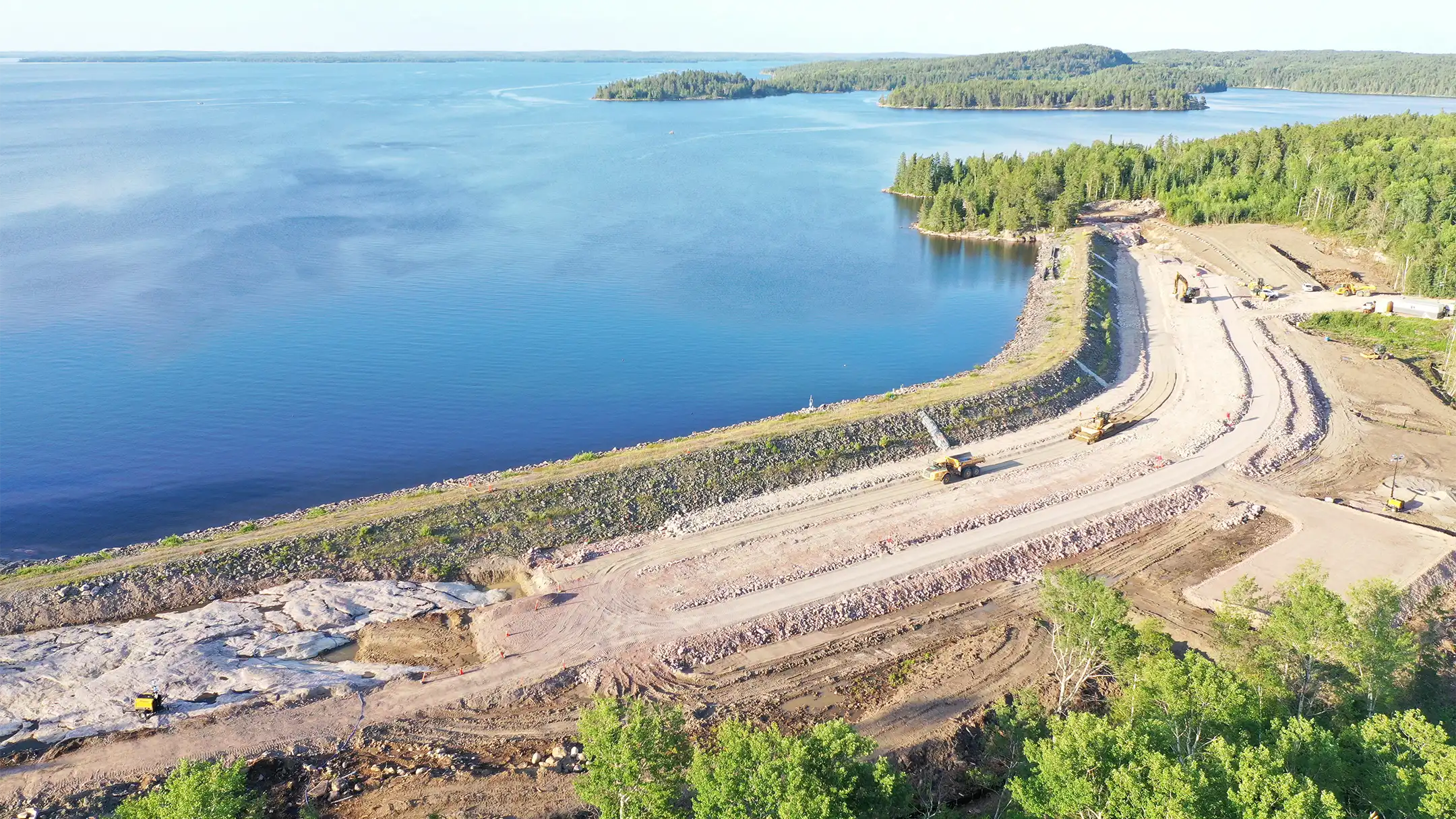
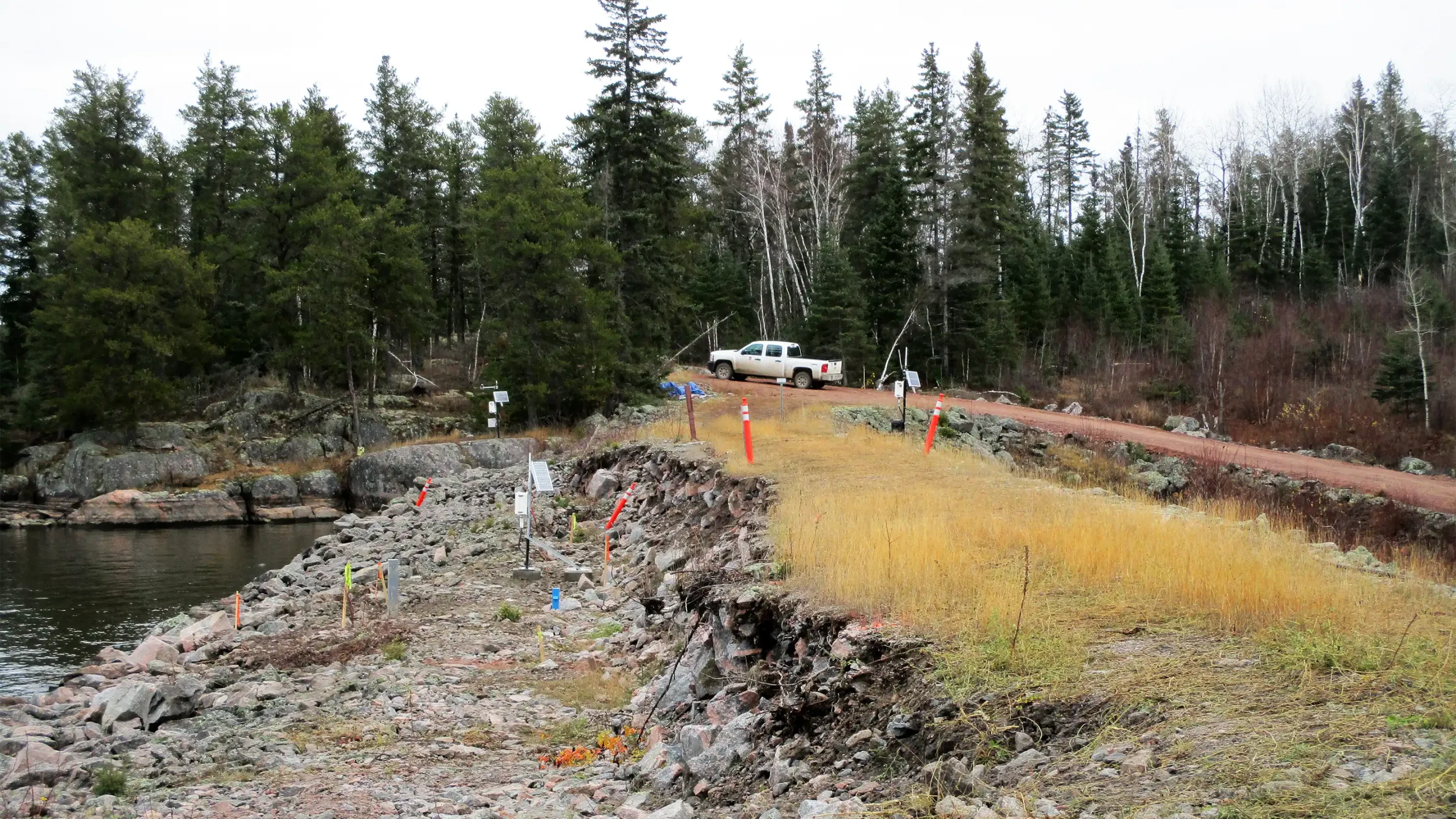
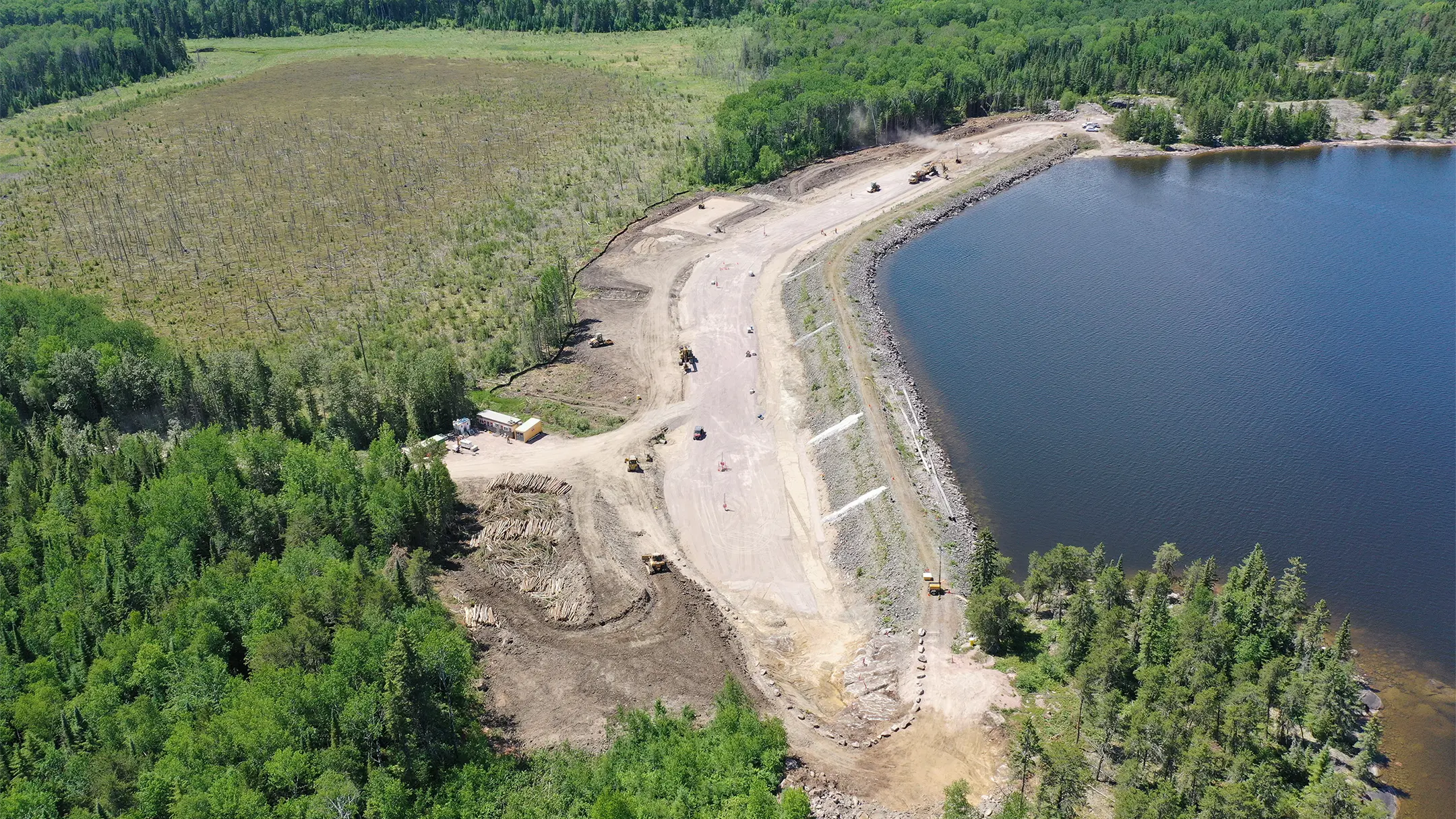
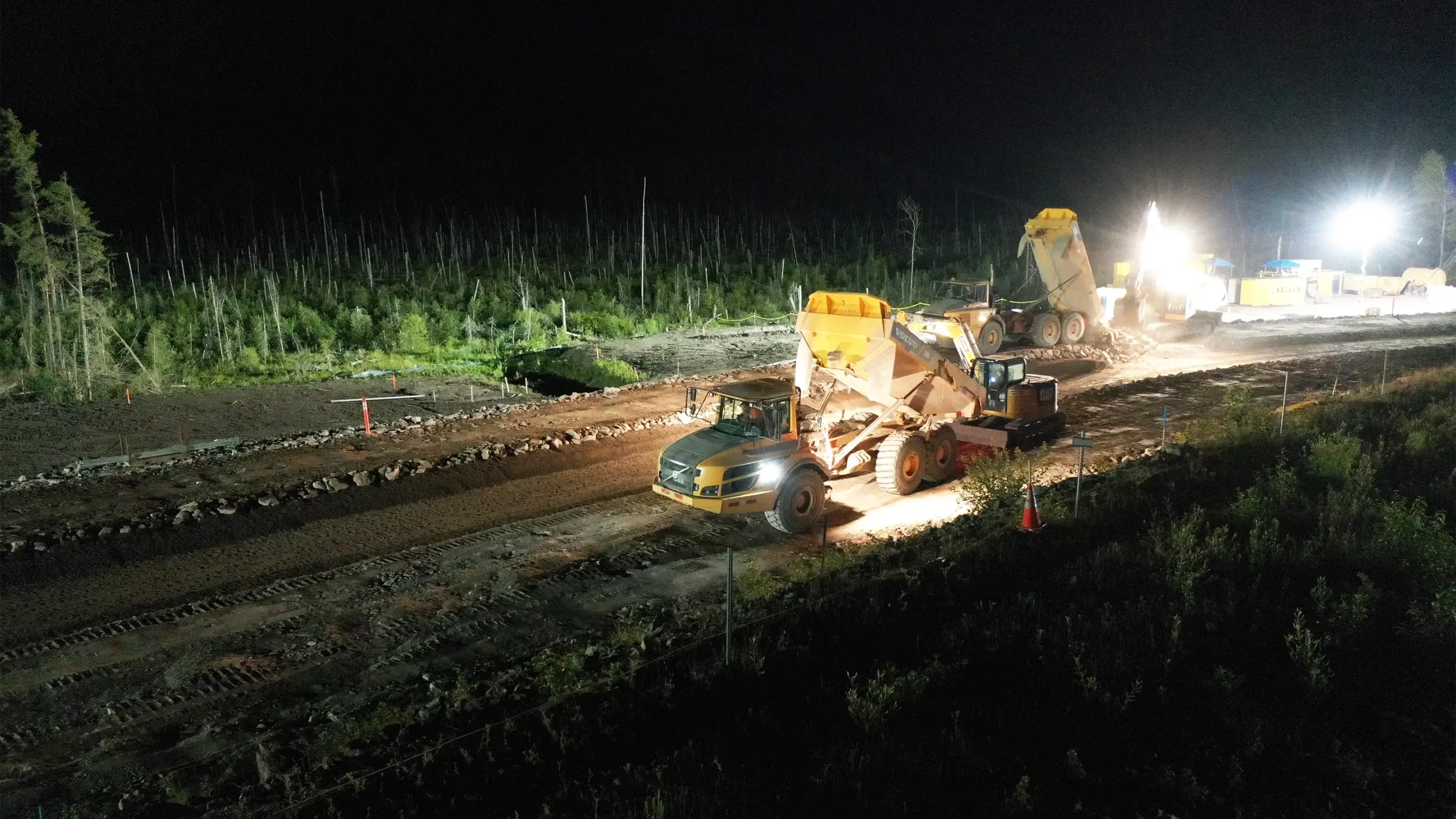
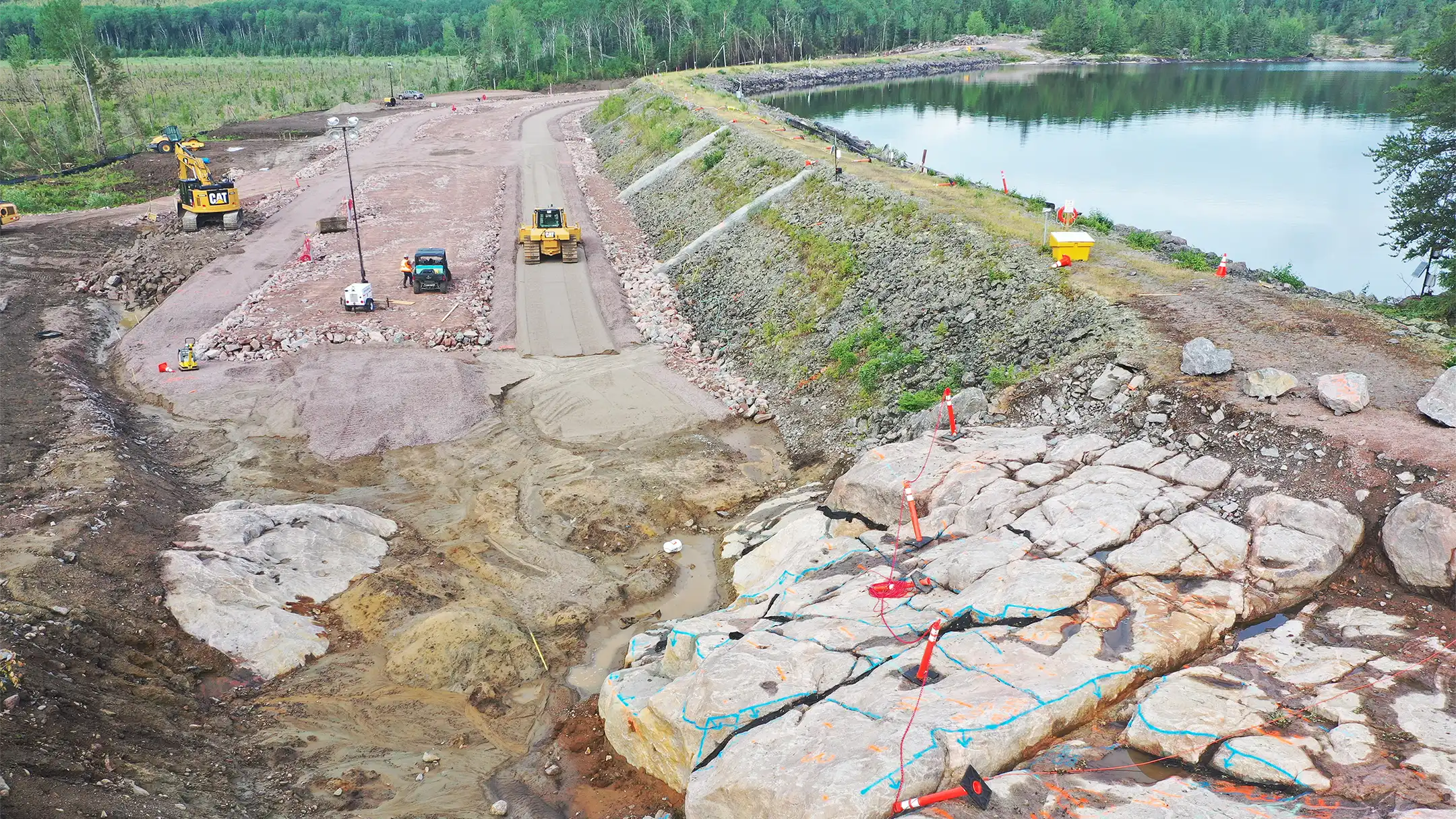
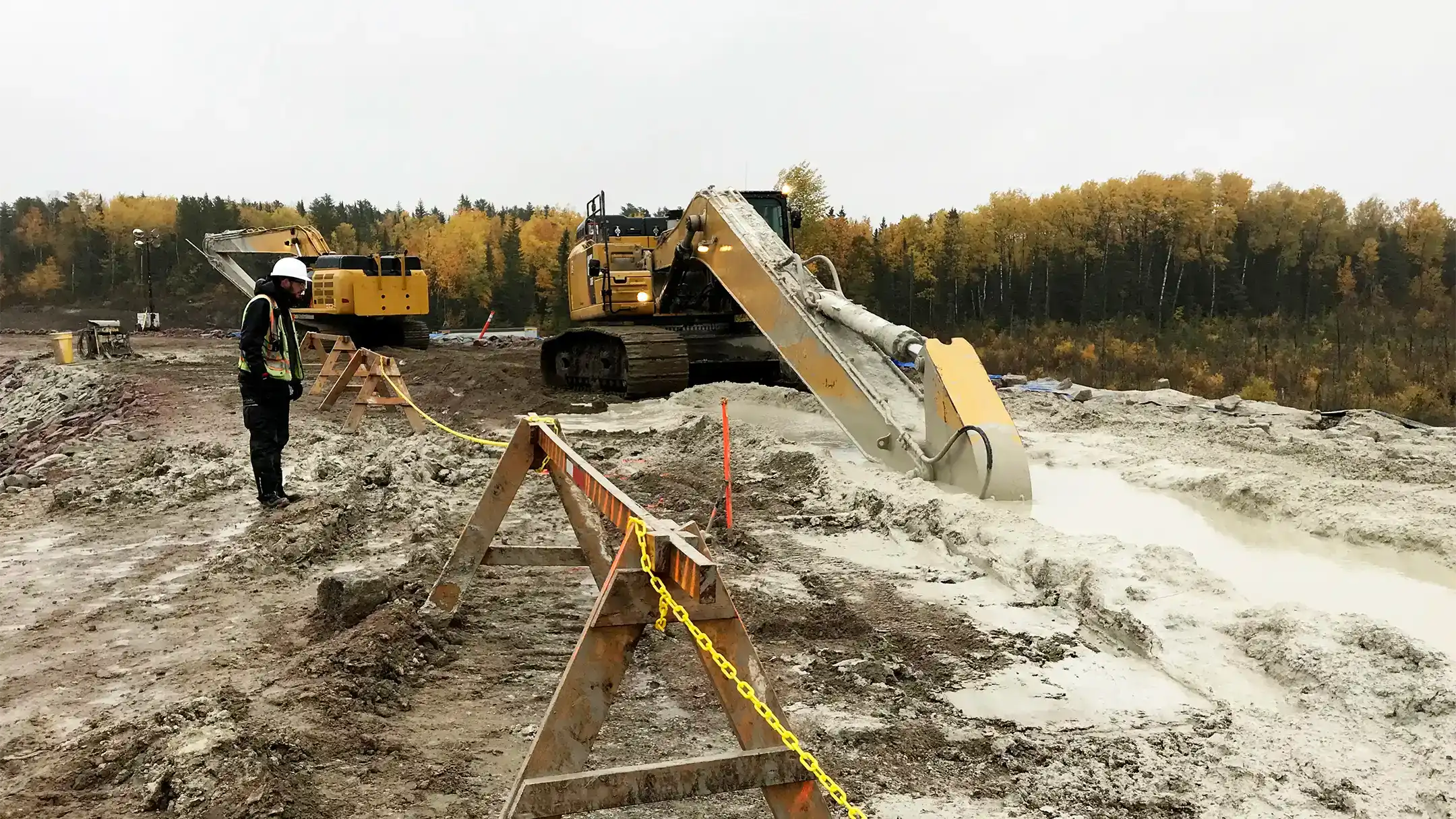
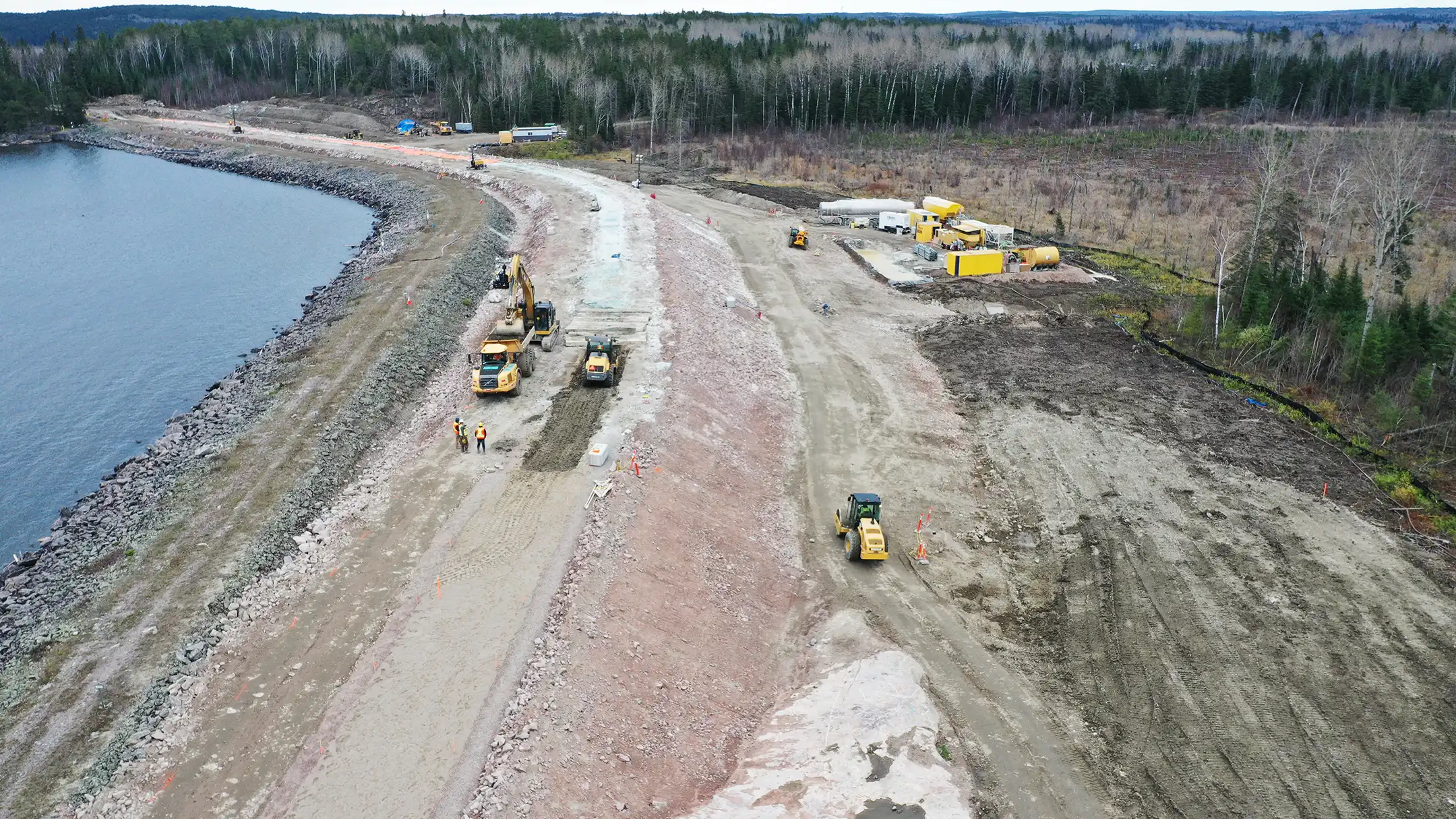
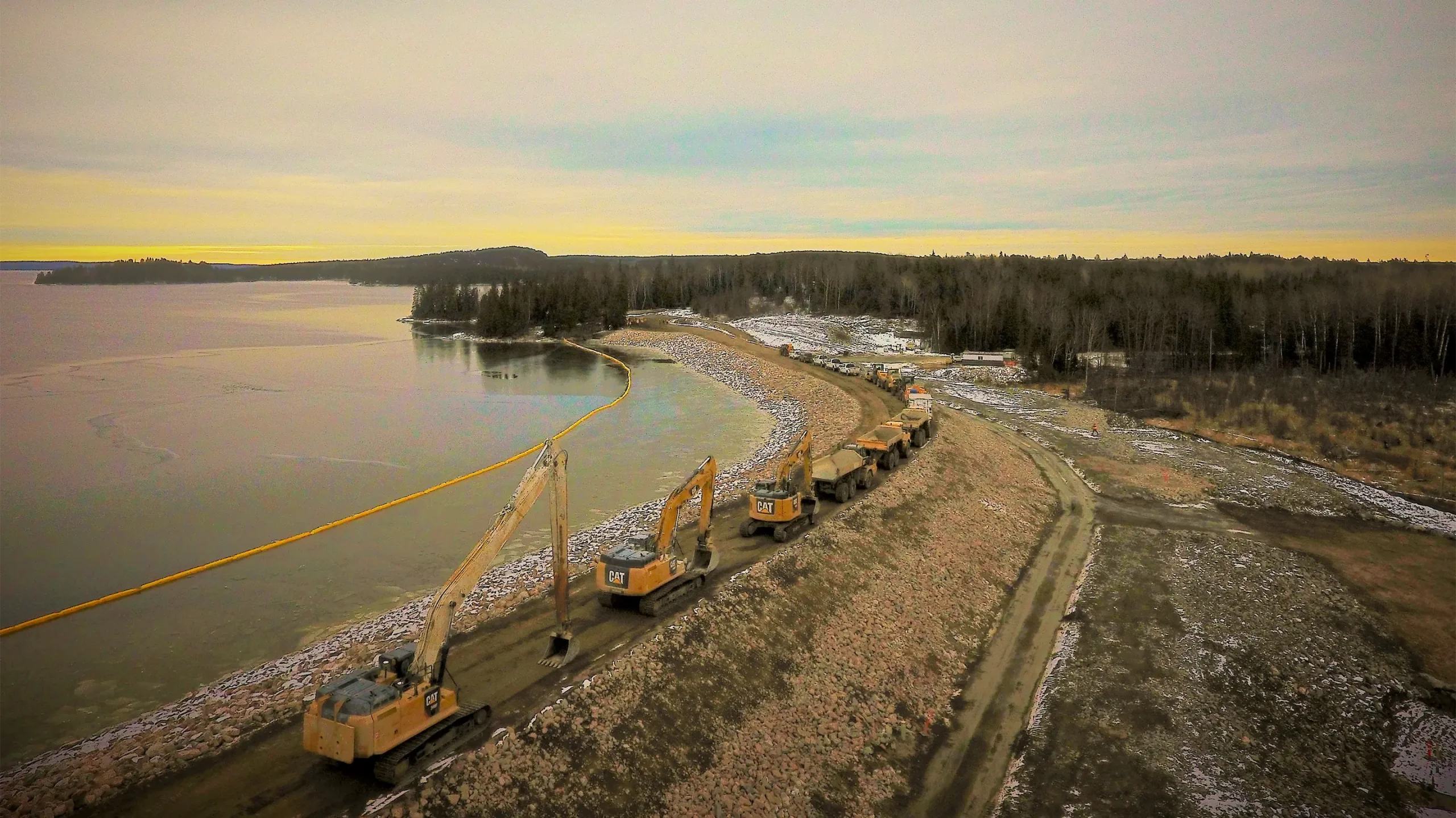
Block Dam 2 is one of four embankment dams that contain the Caribou Falls Generating Station reservoir in northwestern Ontario. After 60 years of operation, the dam sustained unexpected slope movements. With KGS Group retained to carryout detailed design and construction supervision, Ontario Power Generation awarded the construction contract to Peter Kiewit Sons Ltd. Together, OPG, KGS and Kiewit reconstructed the dam through most of 2019 and finalized the work in late 2020.
The team applied advanced investigation and laboratory testing techniques, innovative materials, sound engineering judgement and progressive construction methodologies to design and build a new zoned rockfill dam with a cement-bentonite wall (CB wall) core. The design integrated constructability, risk mitigation and schedule saving strategies at the planning level.
Despite unforeseen challenges, all parties persevered using a “One Team” approach. As a result, the project was successfully completed, restoring the dam to modern standards and the station’s generating capacity while preserving the natural surroundings in this wild and beautiful project setting.
Project Highlights
- Detailed design, materials and lab testing, constructability planning, risk management assessments and construction supervision
- Full reconstruction of a 60-year-old structure
- New rockfill dam with cement‑bentonite cutoff wall core
- Progressive construction methodologies and schedule‑saving strategies embedded at planning
- Restored generating capacity and dam service, compliance with modern standards and improved stability and performance
Davis Diversion Coanda Fish Exclusion Screen

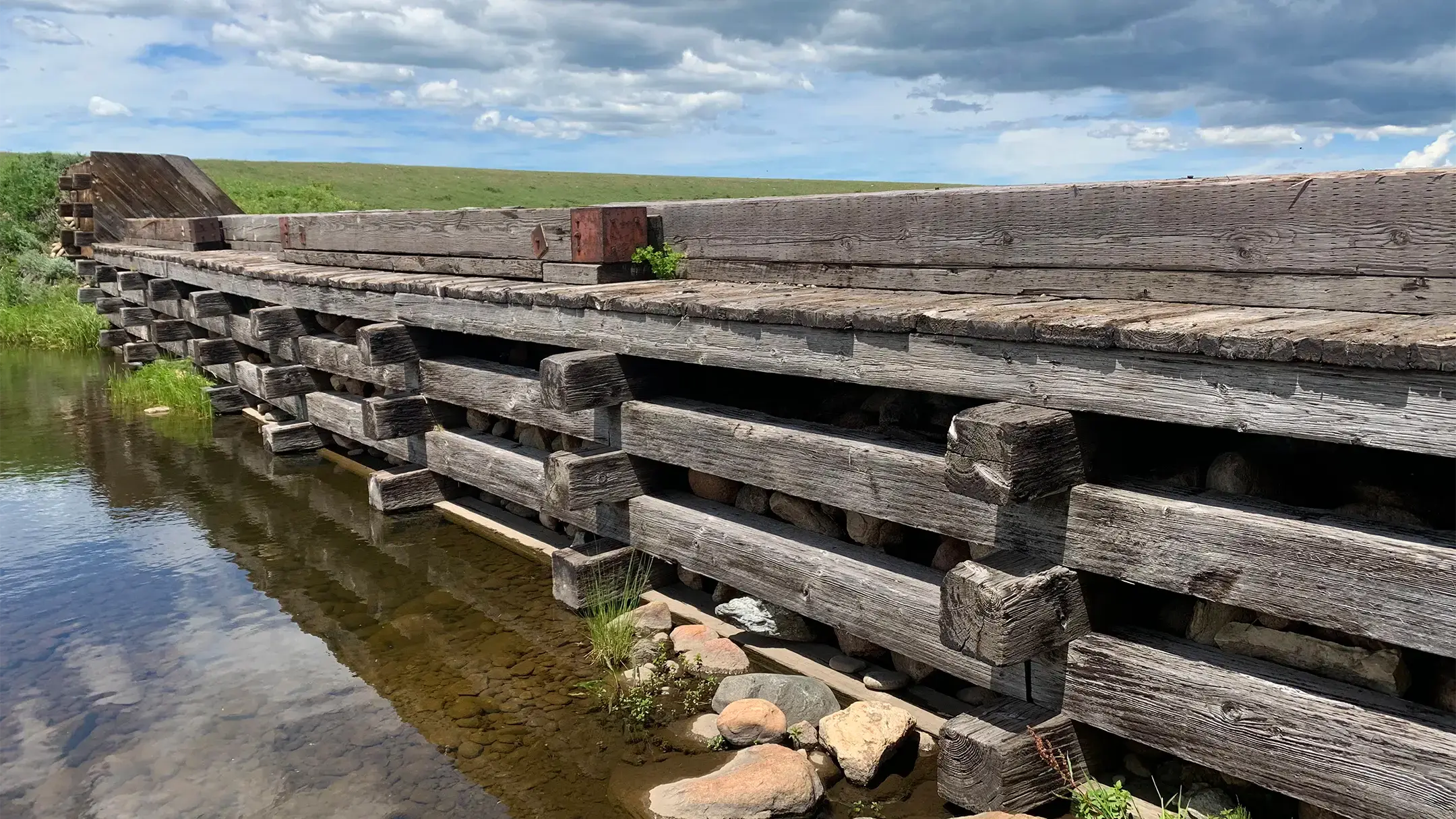
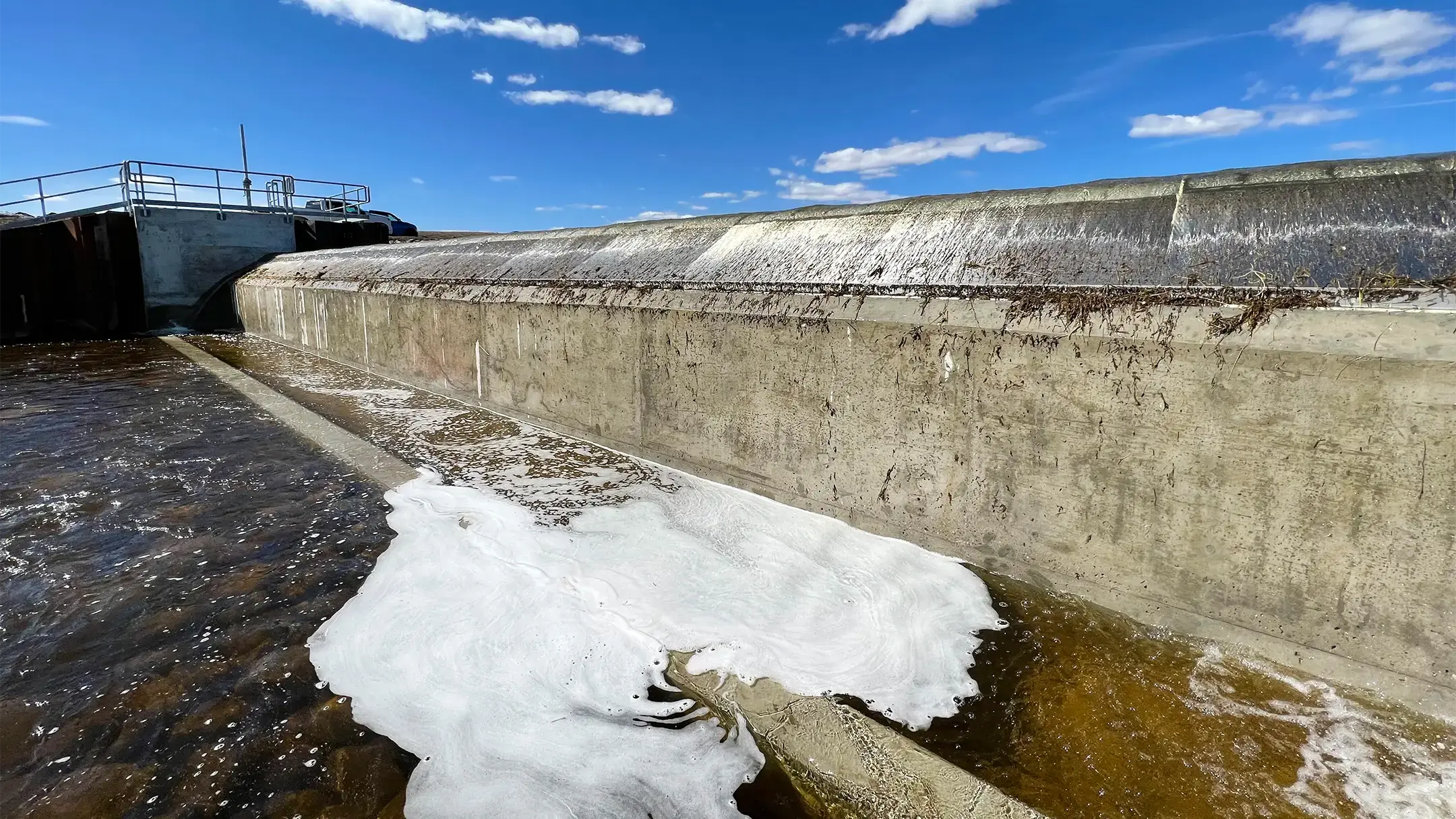
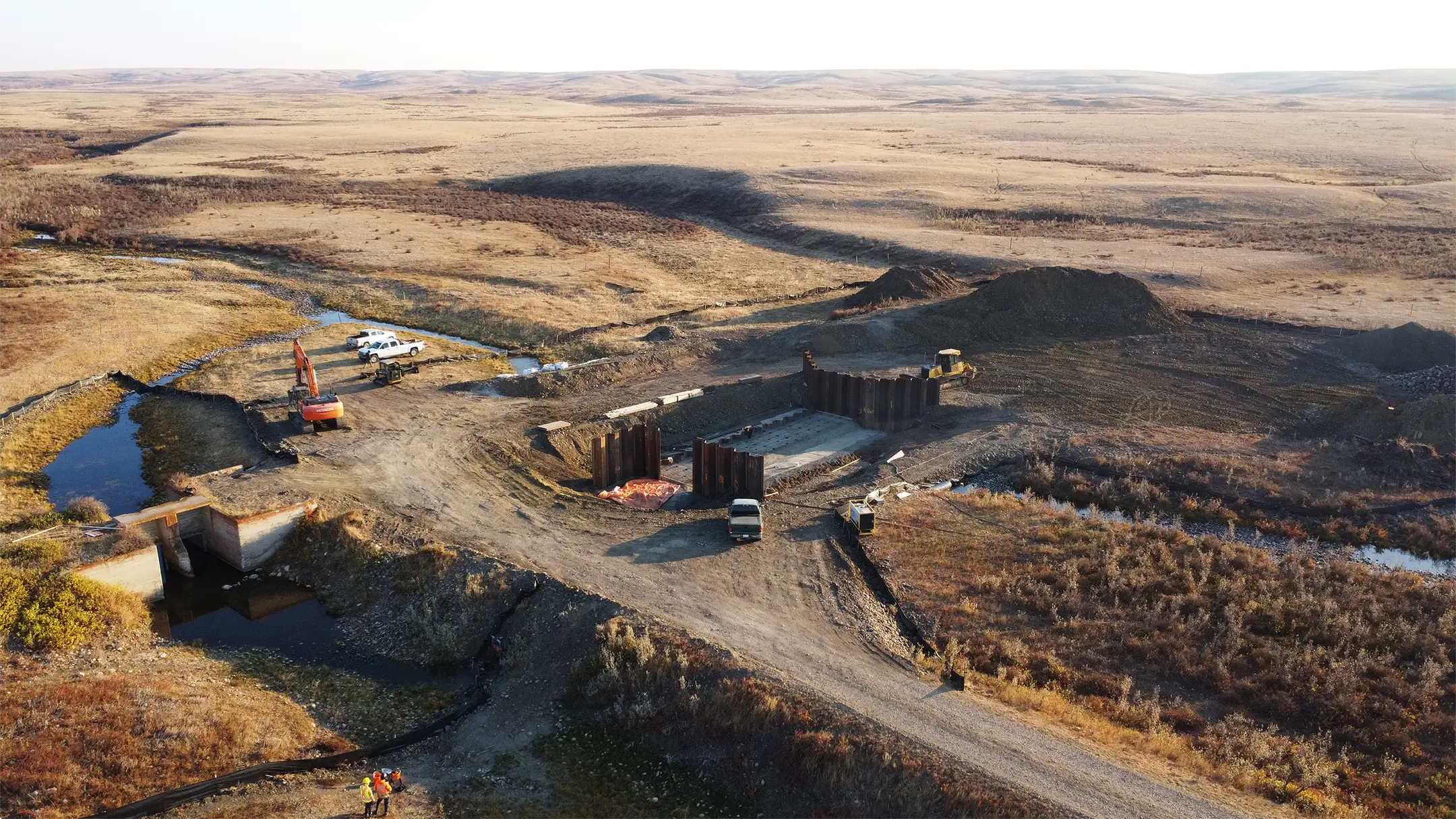
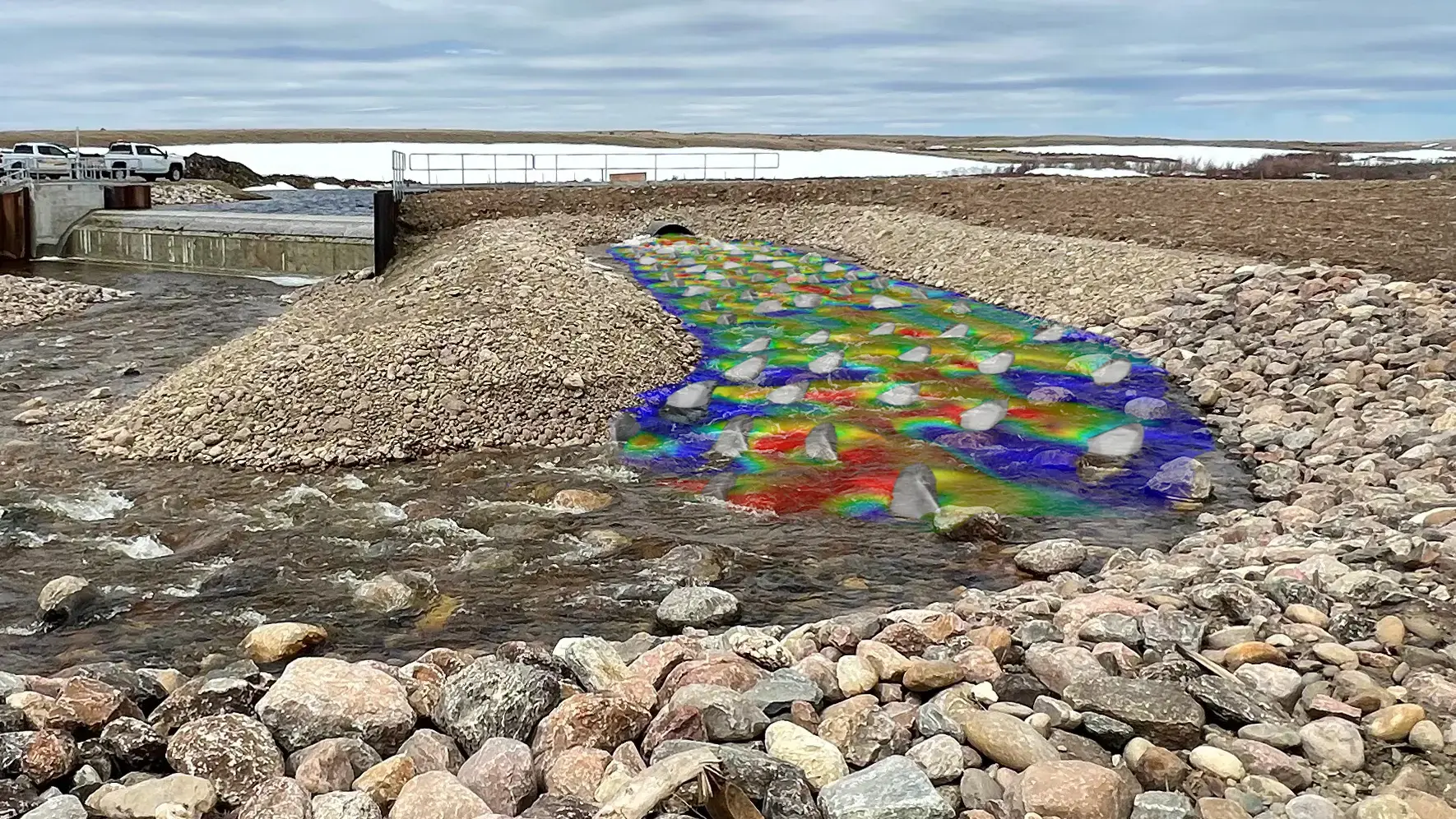
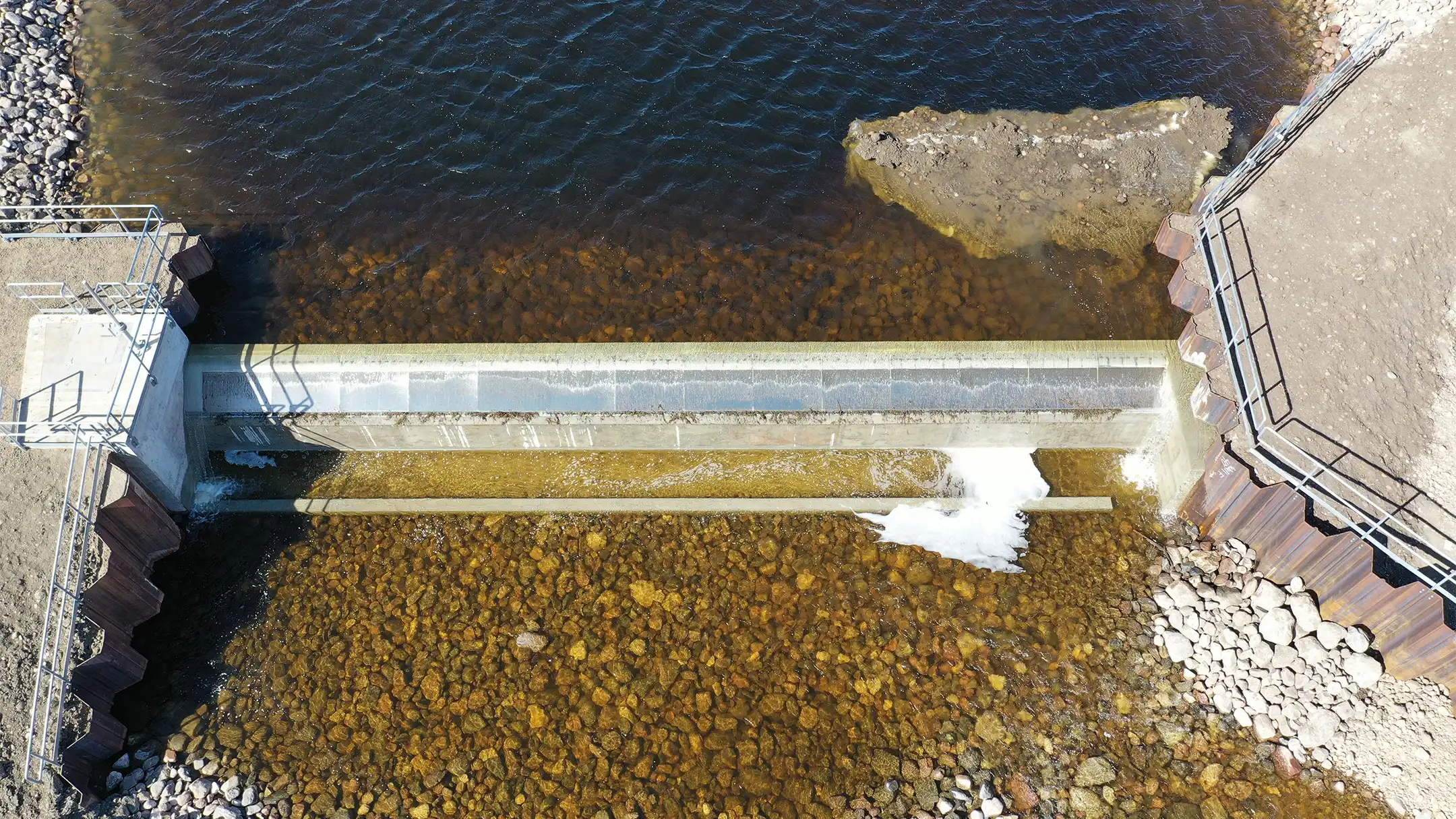
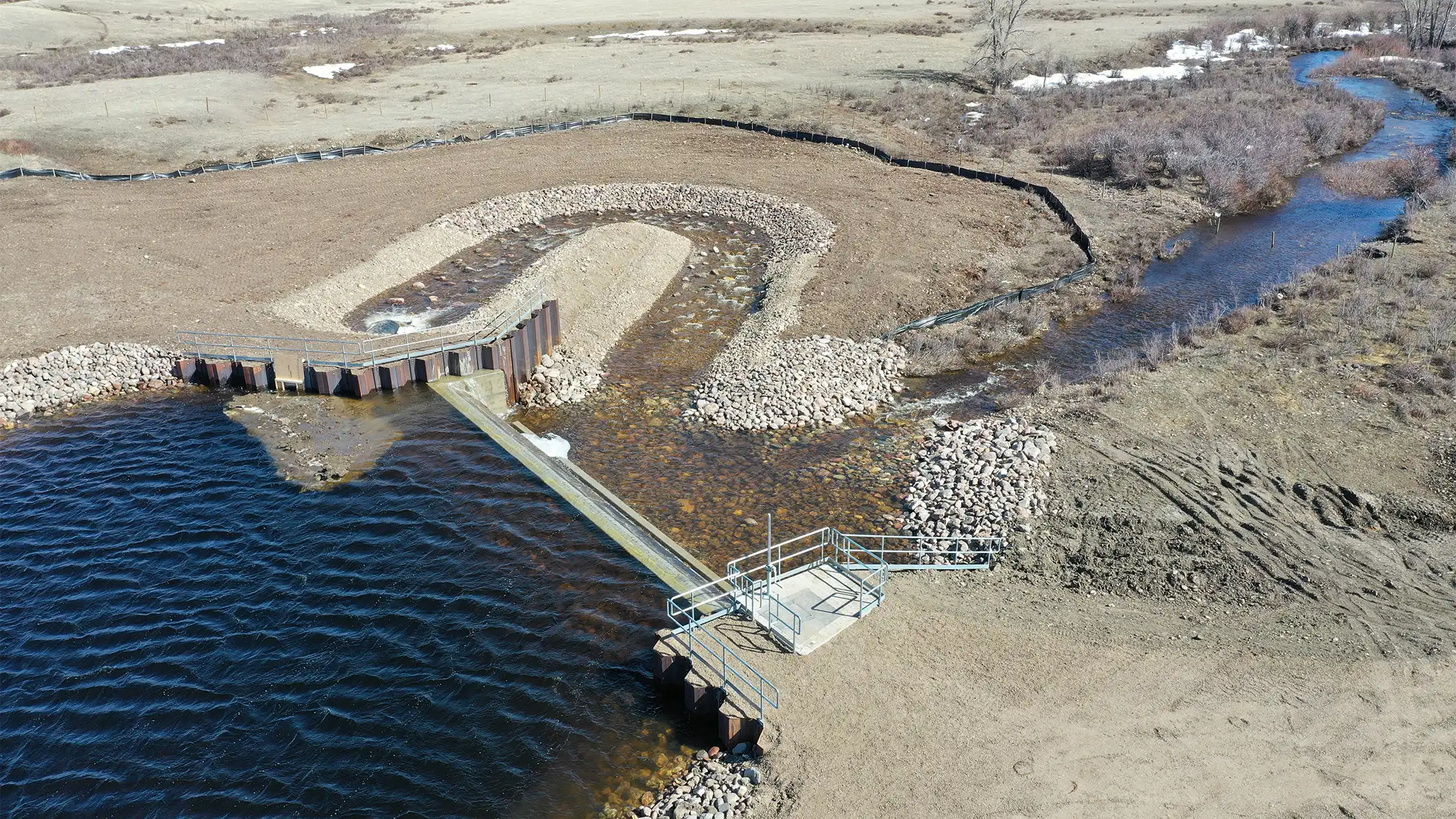
The Davis Diversion was built in 1939 near the town of Maple Creek. The main purpose of this canal is to divert unregulated flow to Cypress Lake, the main source of drinking water and irrigation projects in Southwestern Saskatchewan. Operation of the original diversion has, in the past, resulted in stranding of at risk fish species.
The Water Security Agency (WSA) ceased operation of the diversion system while contemplating solutions. KGS Group developed a solution consisting of the design and construction of a new concrete weir with a Coanda fish exclusion screen, combined with a new rock ramp fishway. This structure provides a novel solution for WSA to achieve its water management objectives, while protecting the area’s sensitive aquatic environment and bringing infrastructure into regulatory compliance.
Project Highlights
- Conceptual and detailed design of fish exclusion at diversion intake
- Replacement and modernization of aging water control structures
- Upstream fish passage integrated around the control structure
- Final product was in complete compliance with Fisheries Act and SARA
- Enables resumption of diversion operations to Cypress Lake
Lake Manitoba and Lake St. Martin Outlet Channels
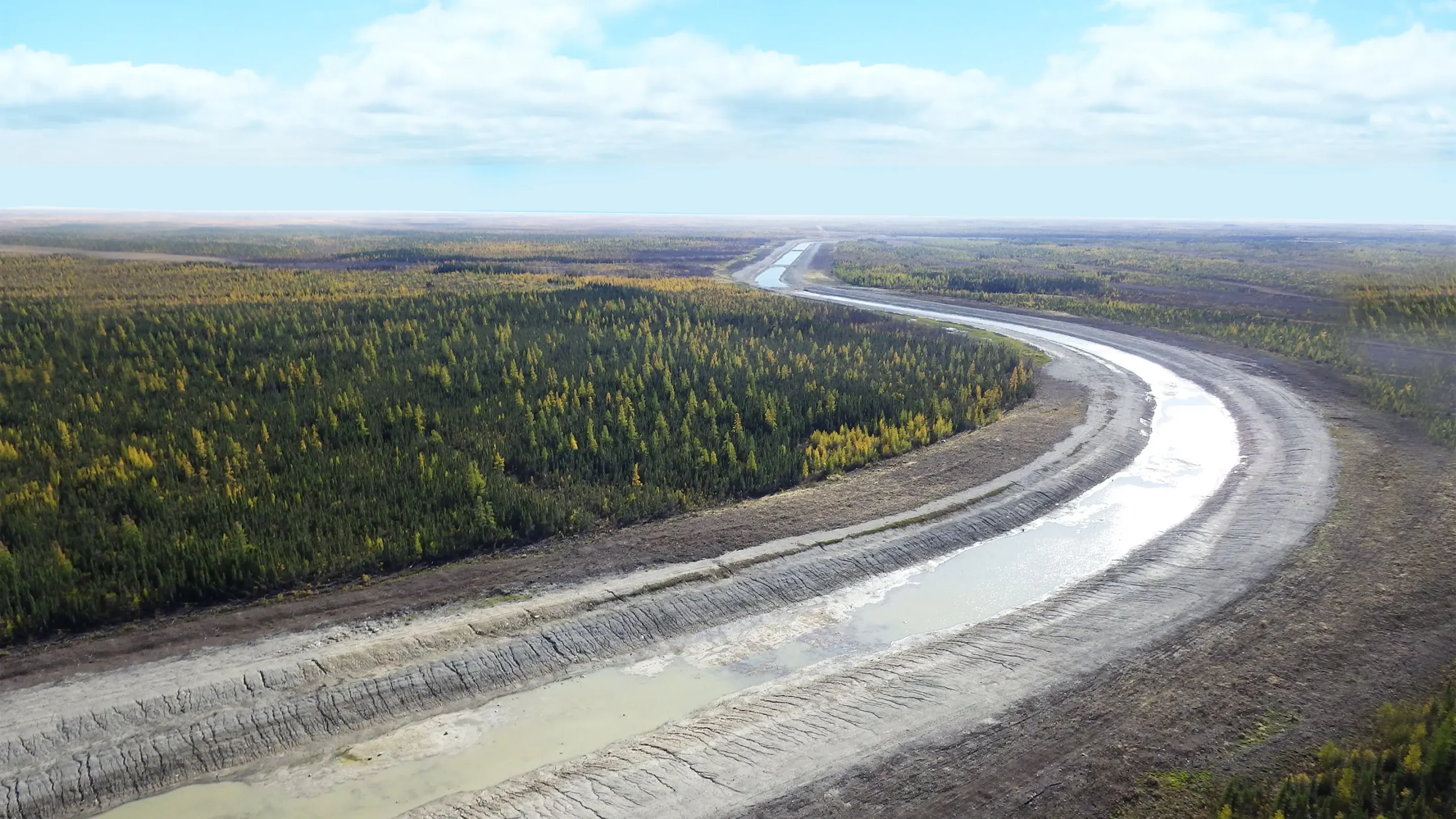
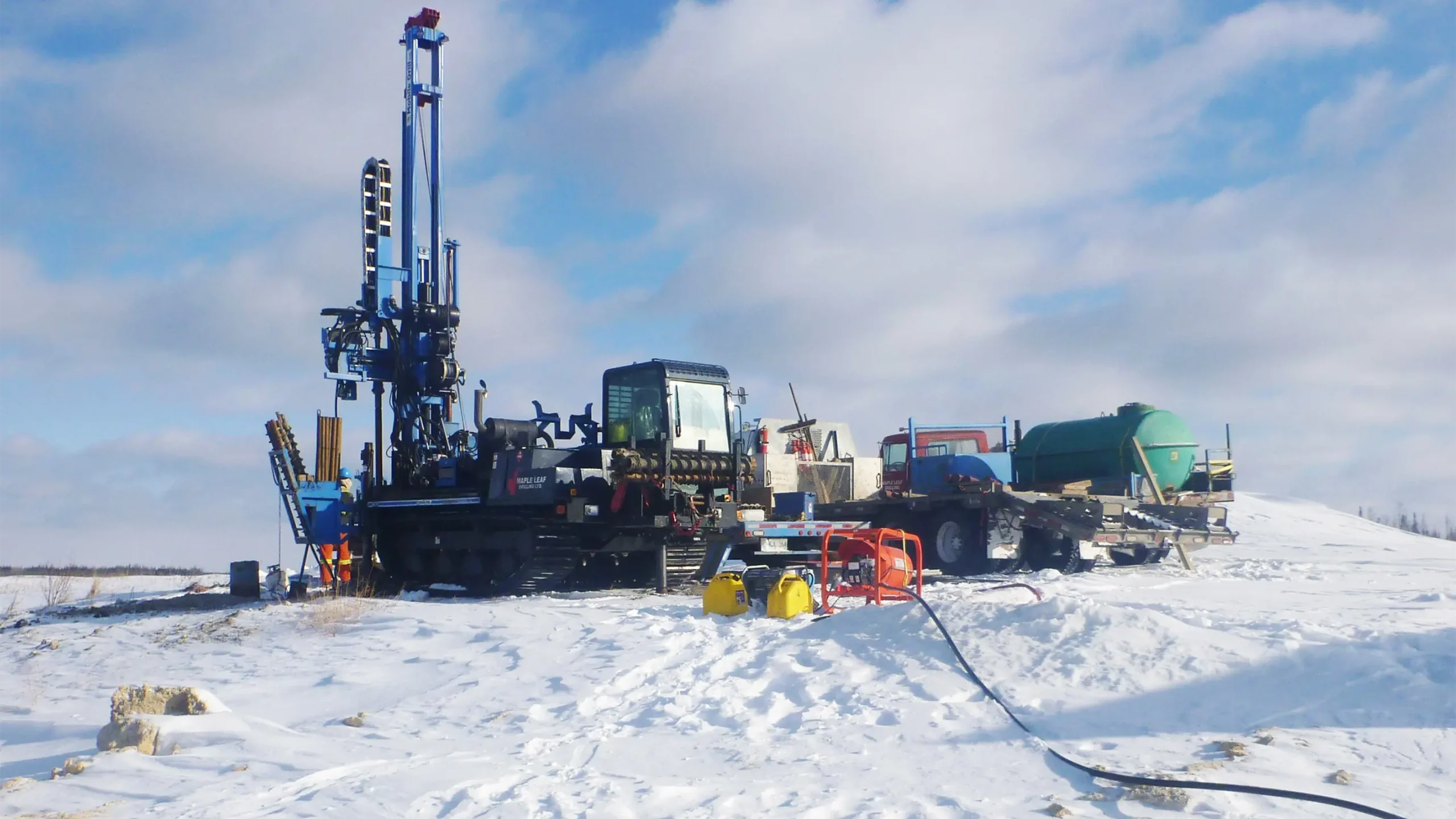
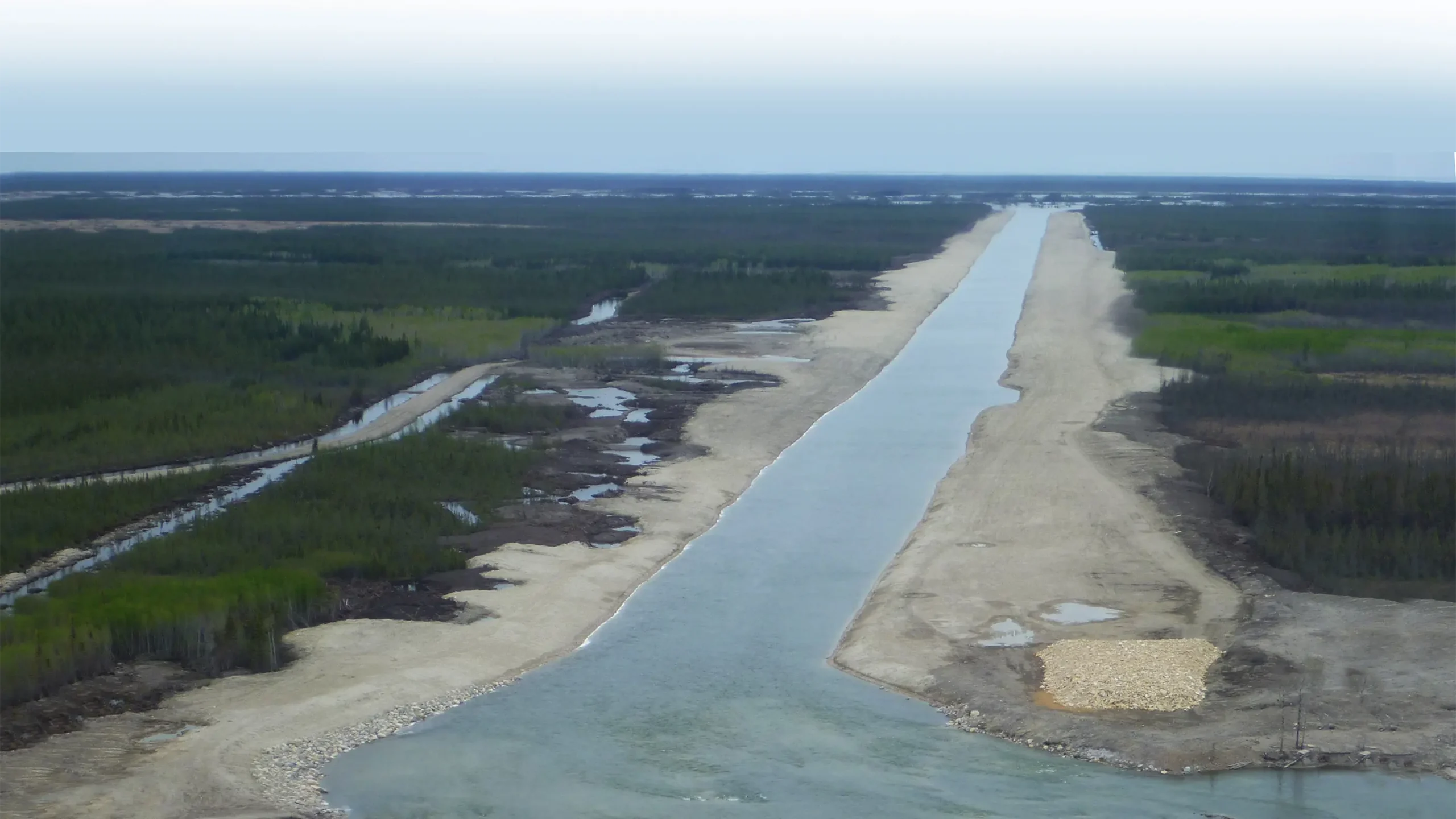
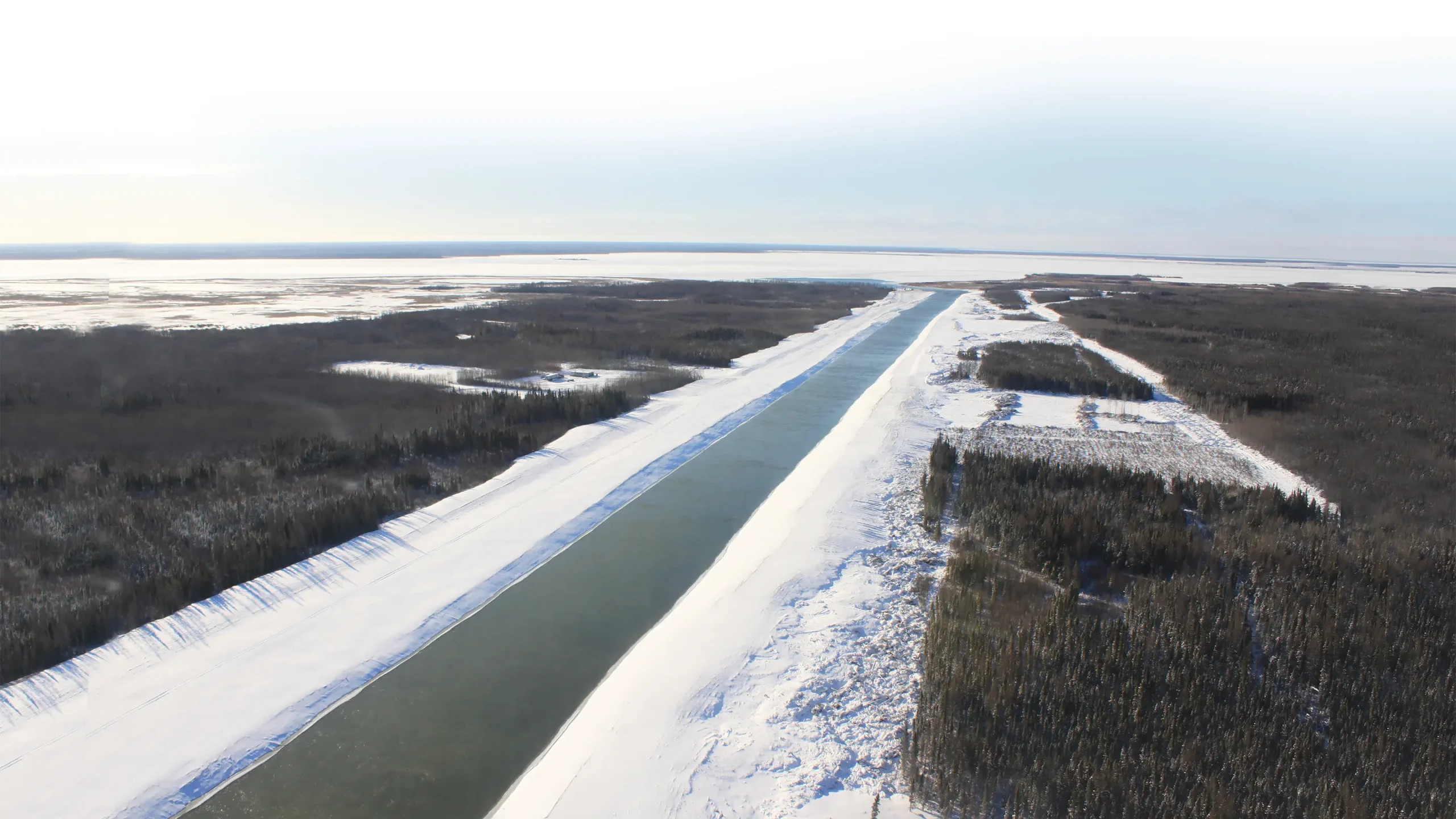
Following severe flooding events in 2011 and 2014, the Province of Manitoba retained KGS Group for the design of the Lake Manitoba and Lake St. Martin Outlet Channels Project. The outlet channels will serve as new, permanent flood control infrastructure for both lakes.
Completed under tight schedule restrictions, the conceptual design work involved:
- Remote field investigations
- Extensive review and analysis of the various channel configurations
- Preparation of concept designs, cost estimates and constructability reviews
- Identification, assessment and screening of potential environmental and socio-economic impacts
The diverse range of design components and unique site conditions resulted in a challenging engineering undertaking that was successfully managed by the multidisciplinary team of experienced engineers, GIS technicians and support staff assembled by KGS Group.
KGS Group subsequently completed the preliminary, final design and tender preparation for the outlet channel from Lake St. Martin to Lake Winnipeg. The project includes roughly 23 km of channel excavation, multiple drop structures, and construction of a water control structure near the channel inlet complete with gates, hoists, bridge deck and ancillary buildings. The total estimated budget for this portion of the project is over $300 million. The construction phase of the project is pending regulatory approval.
Once constructed, the outlet channels are projected to maintain both lakes below flood stage over 99 per cent of the time. They will provide the ability to better regulate the lakes and reduce the impact of future floods, benefiting residents and businesses in the area.
Project Highlights
- Design for 23 km of channel excavation with defined sections and earthworks quantities
- Design of multiple drop structures sized for hydraulic control and energy dissipation
- Water control structure near the channel inlet for operational regulation
Pointe du Bois Spillway Replacement
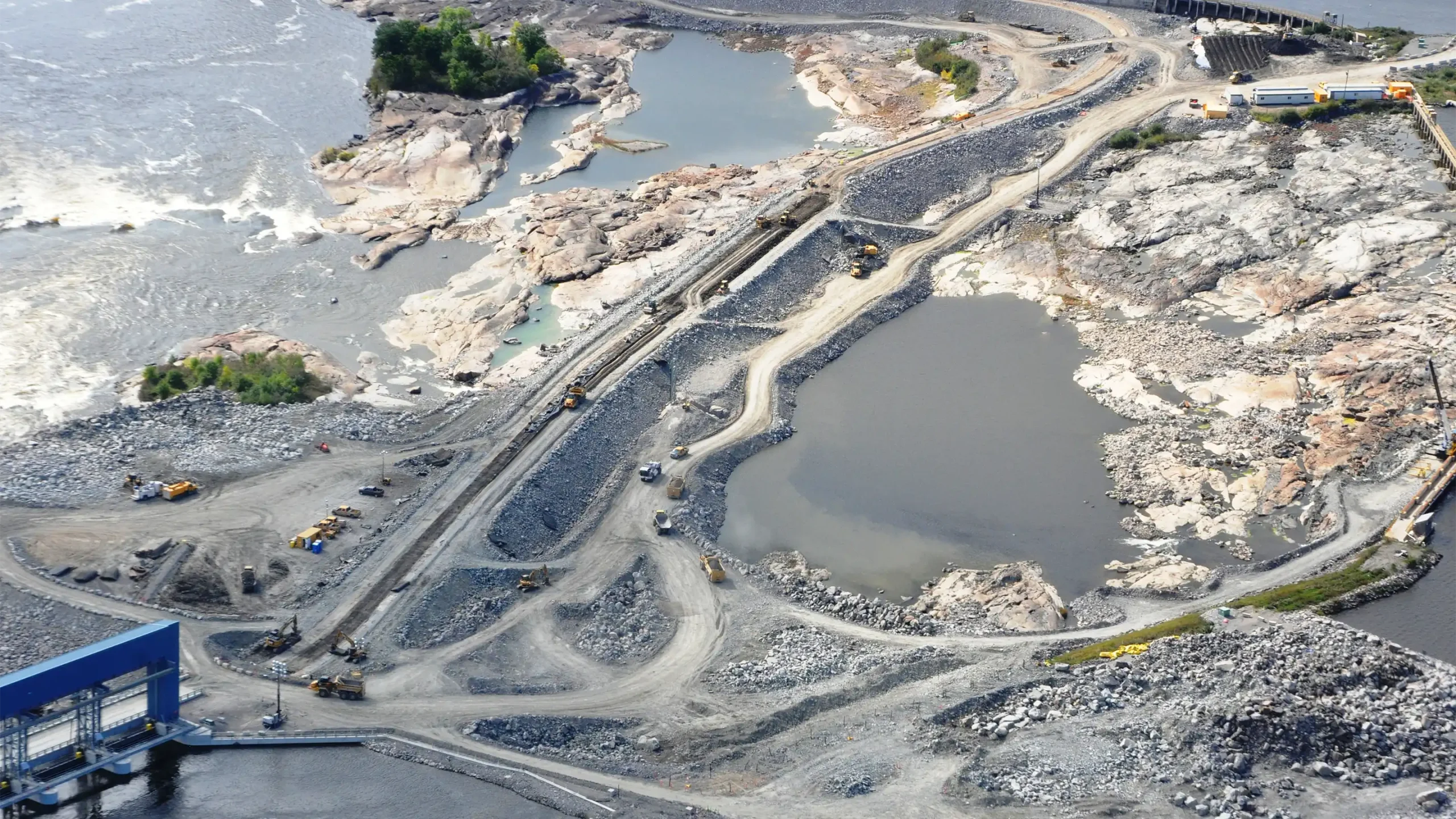
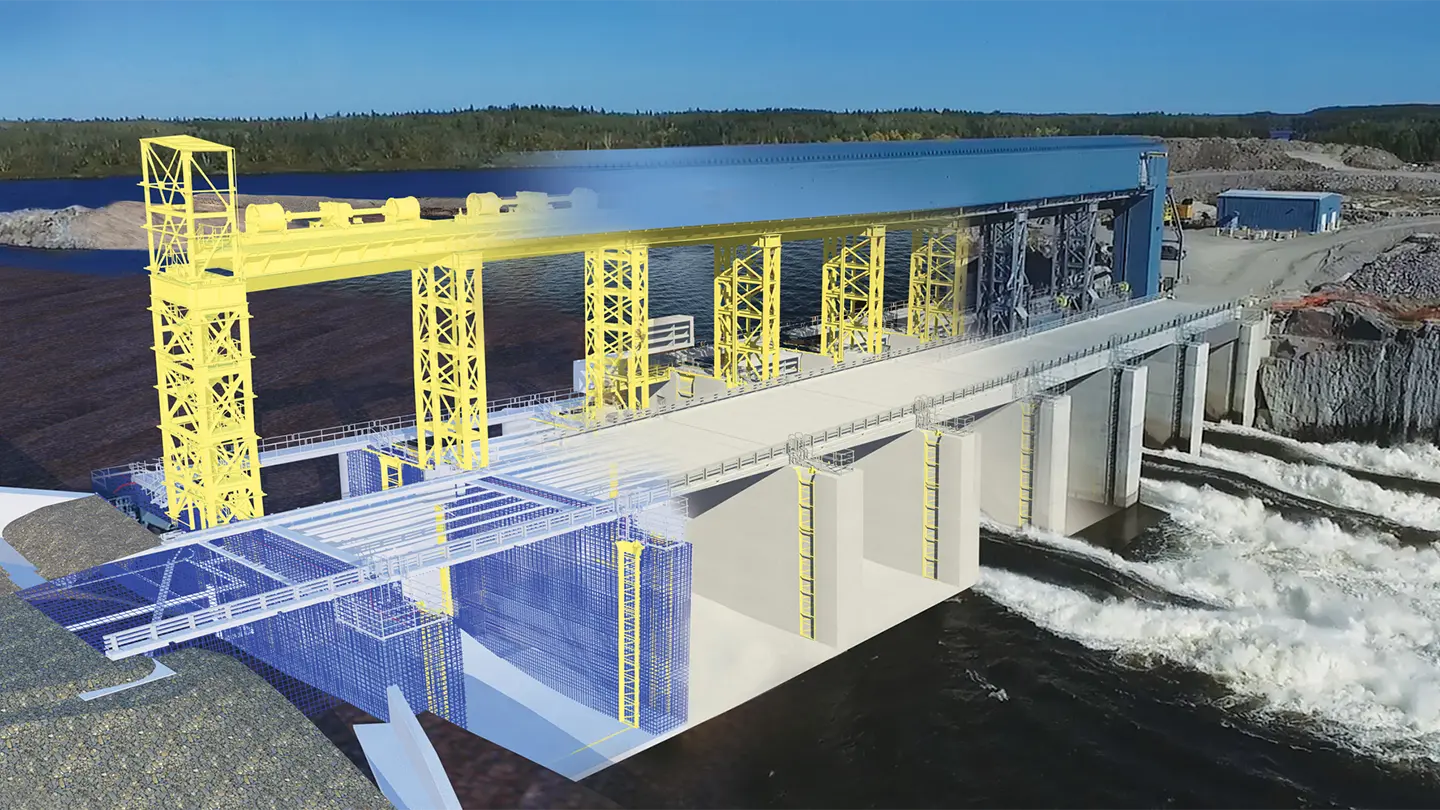
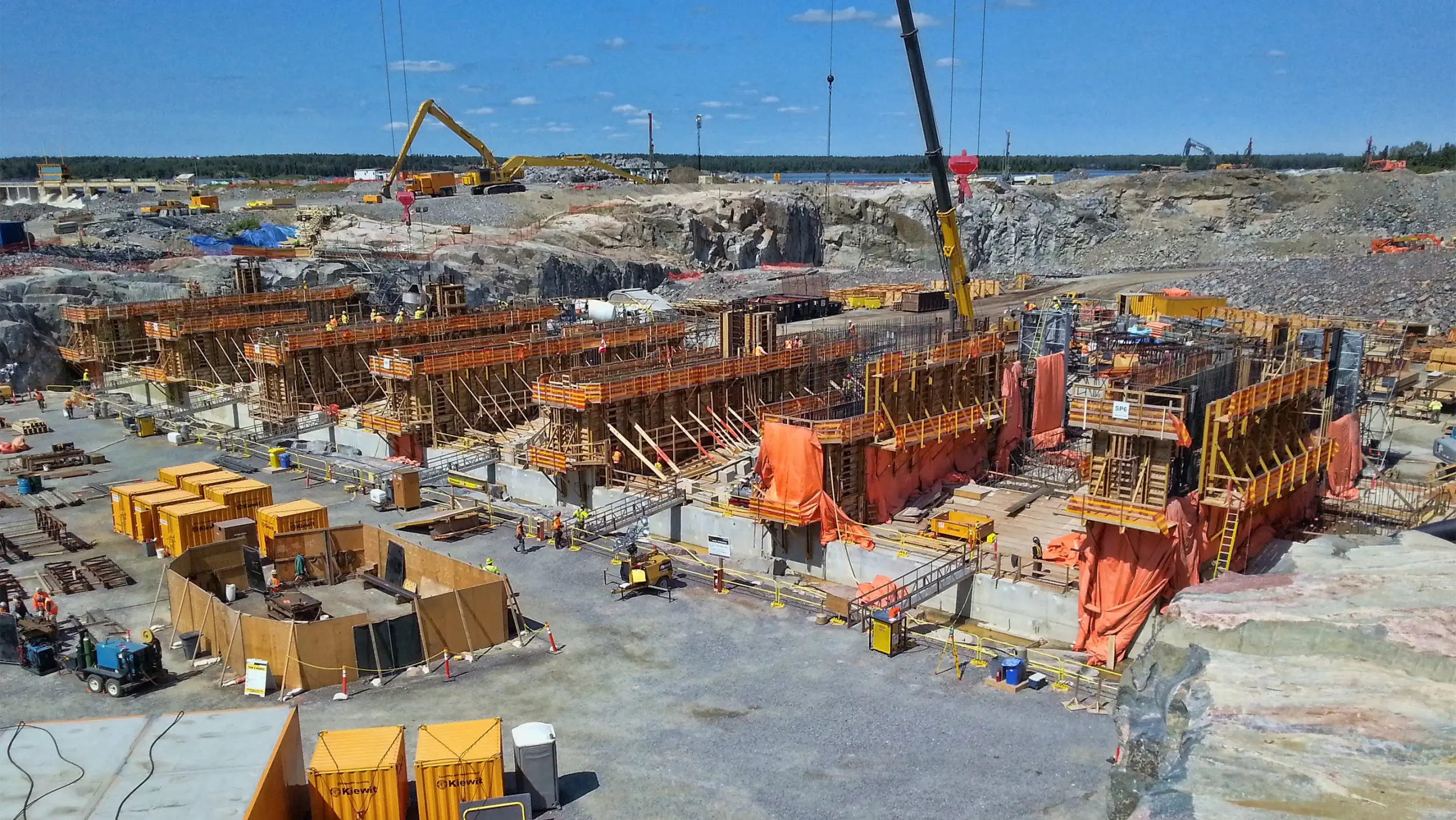
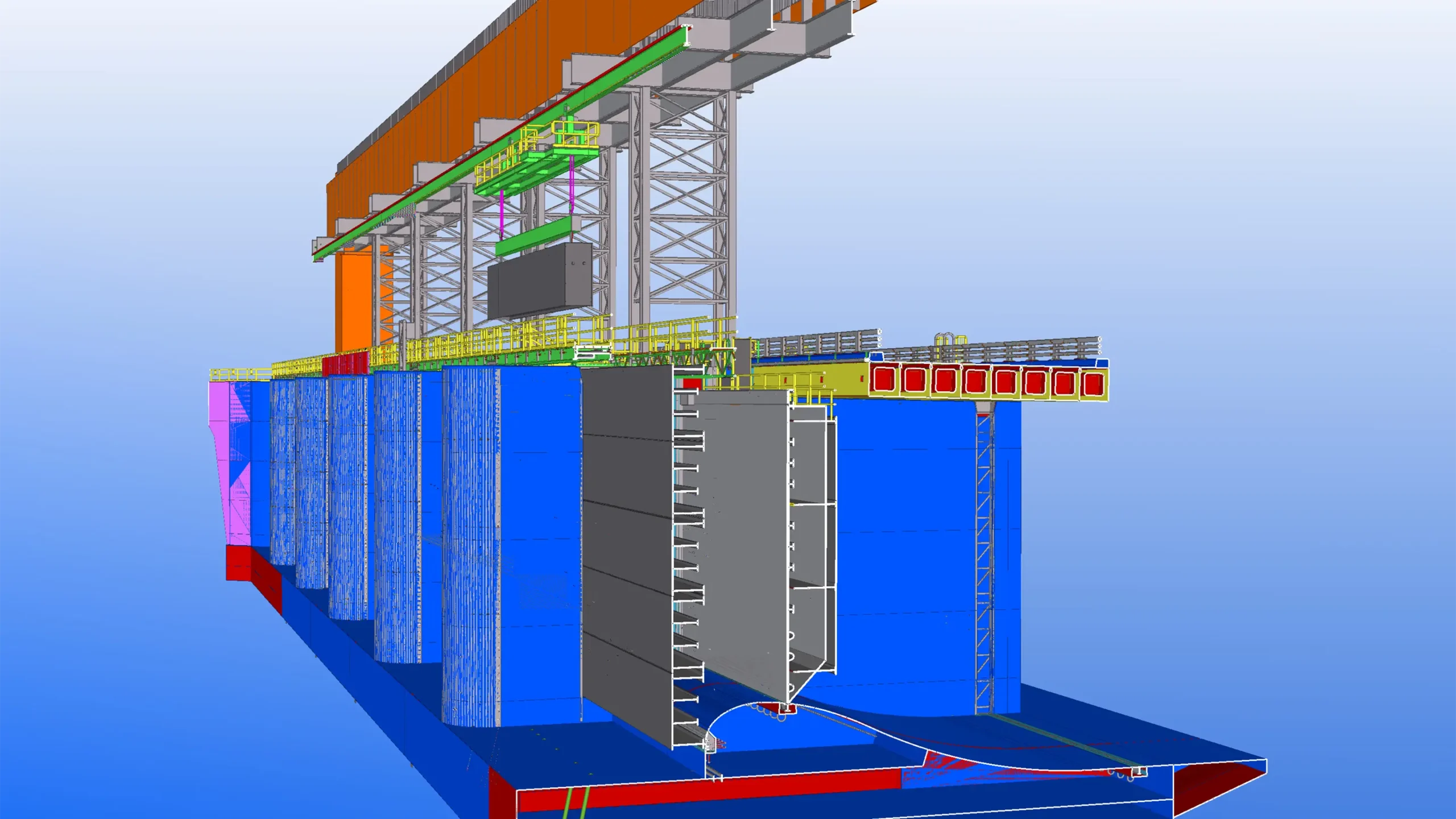
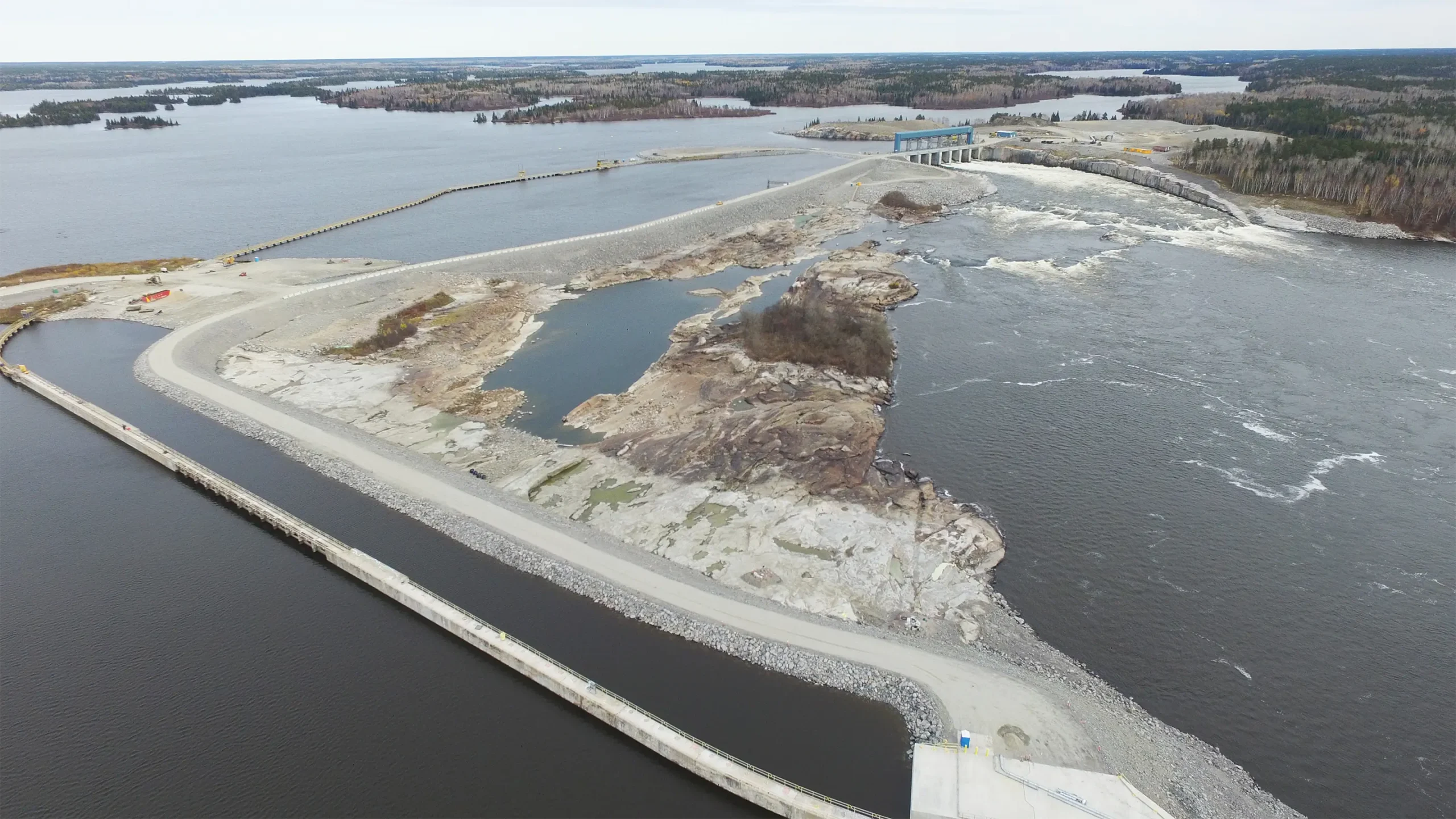
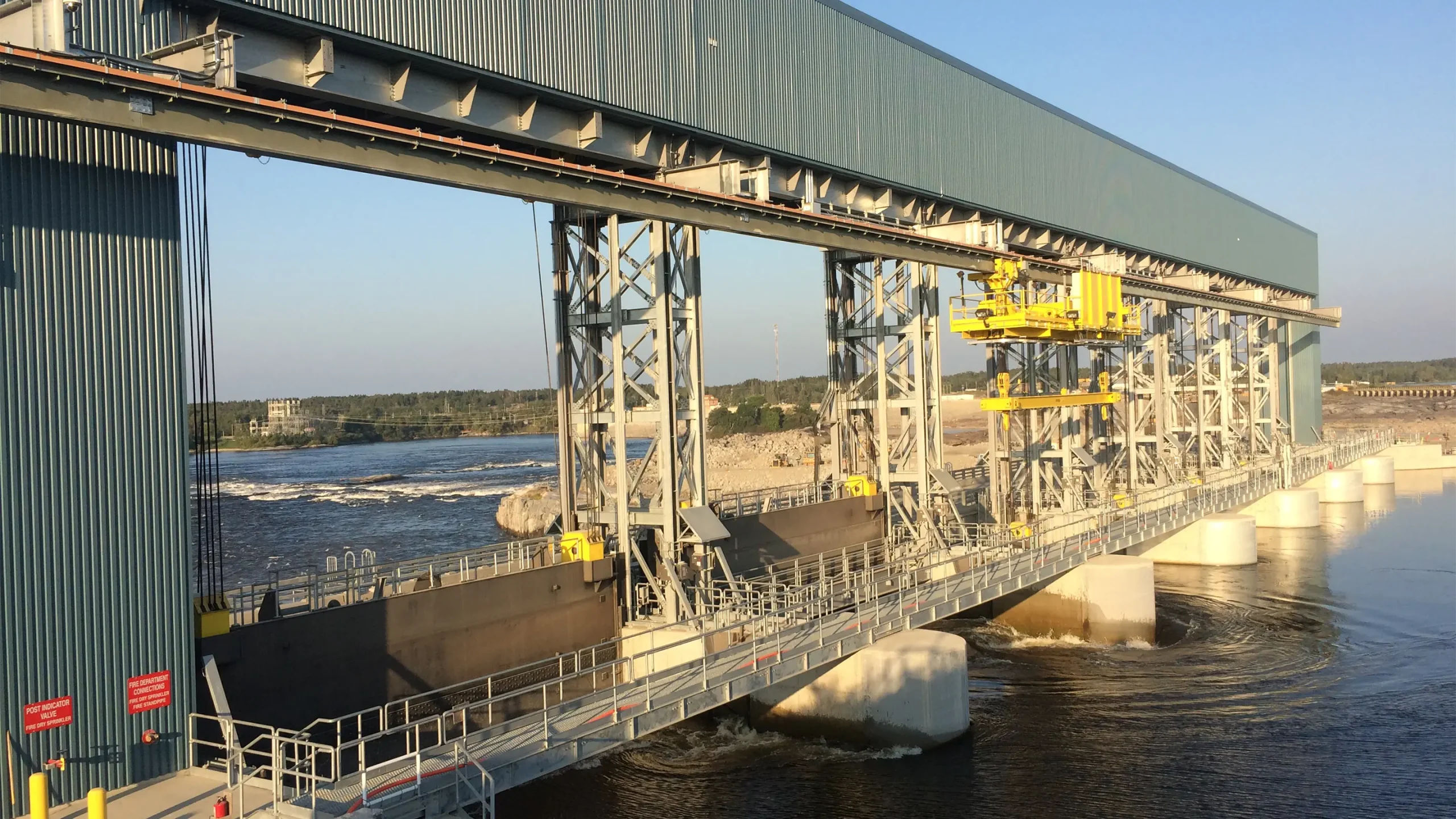
The Pointe du Bois Generating Station is the oldest operating hydroelectric plant in Manitoba. Despite extensive upgrades and ongoing maintenance over the years, the original spillway required replacement. The Pointe du Bois Spillway Replacement project included the design and construction of a new remotely operated 7-bay spillway and a new 1km long zoned earthfill dam, complete with an ancillary support building for electrical switch gear and control systems, a backup diesel generator, and other related infrastructure.
As the prime consultant, KGS Group worked collaboratively with Manitoba Hydro as the designer in an early contractor involvement project delivery process. KGS also provided full-time technical support and quality assurance assistance through construction, commissioning and close-out activities.
The final design was carried out entirely within a 3D digital environment, and was paramount for the successful execution of all stages of the project. This innovative approach gave the team the ability to visualize the end product at the design stage and enabled harmonious advancement of the project across multiple disciplines.
The several hundred-million-dollar project was successfully completed without any interruptions to the ongoing operation of the plant, while protecting and preserving established lake sturgeon habitat and restoring the natural landscape in this environmentally sensitive provincial park setting.
Project Highlights
- New remotely operated seven bay spillway, support building and backup diesel generator
- New 1km long zoned earthfill embankment dam
- 3D digital design environment
- The several hundred‑million‑dollar capital program was completed without operational interruptions
- Enhanced safety and control, extended asset life and a more reliable discharge capacity
- Lake sturgeon habitat protected and the landscape in the provincial park was restored
Brandon Third Street Dam Replacement
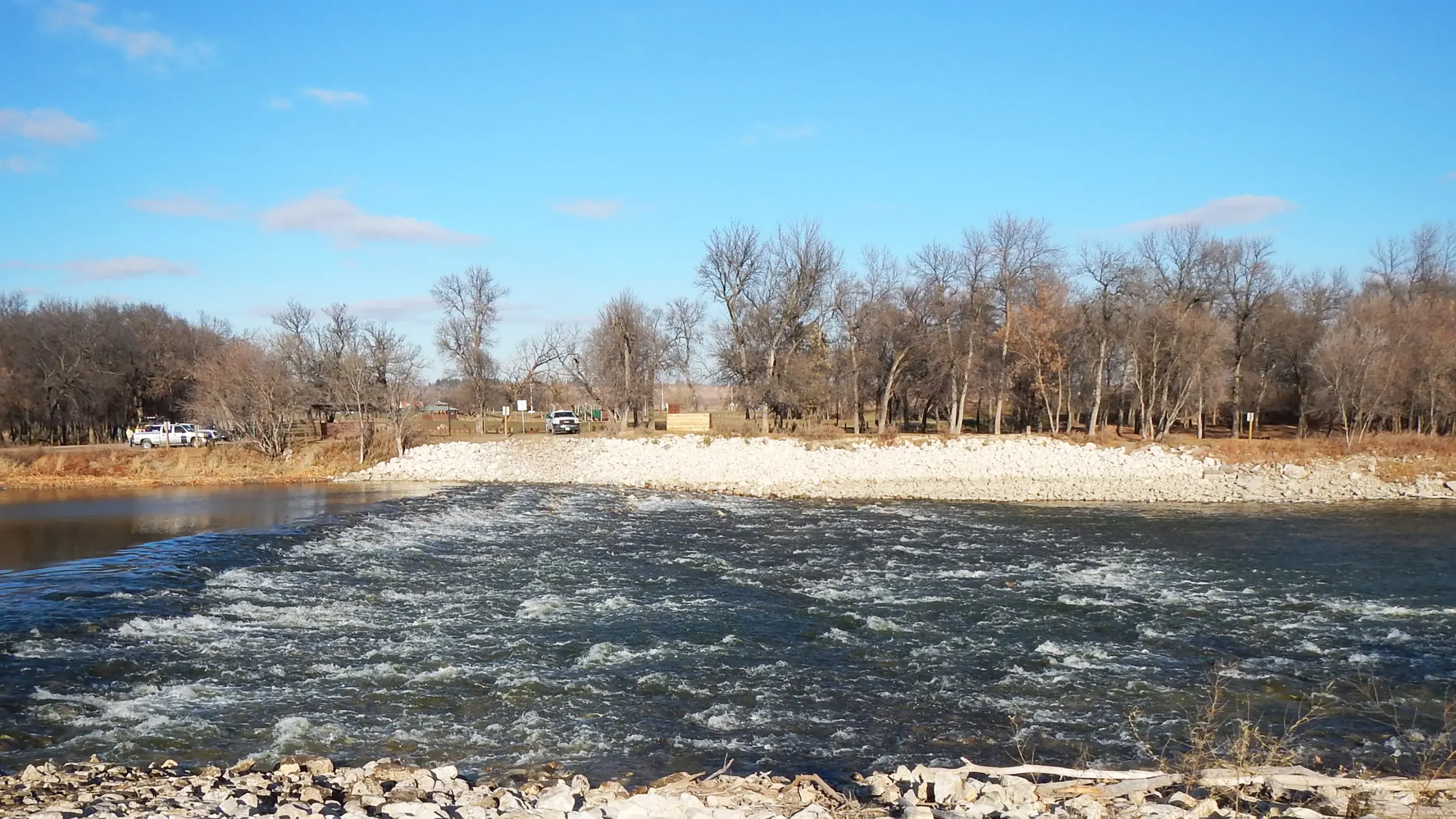
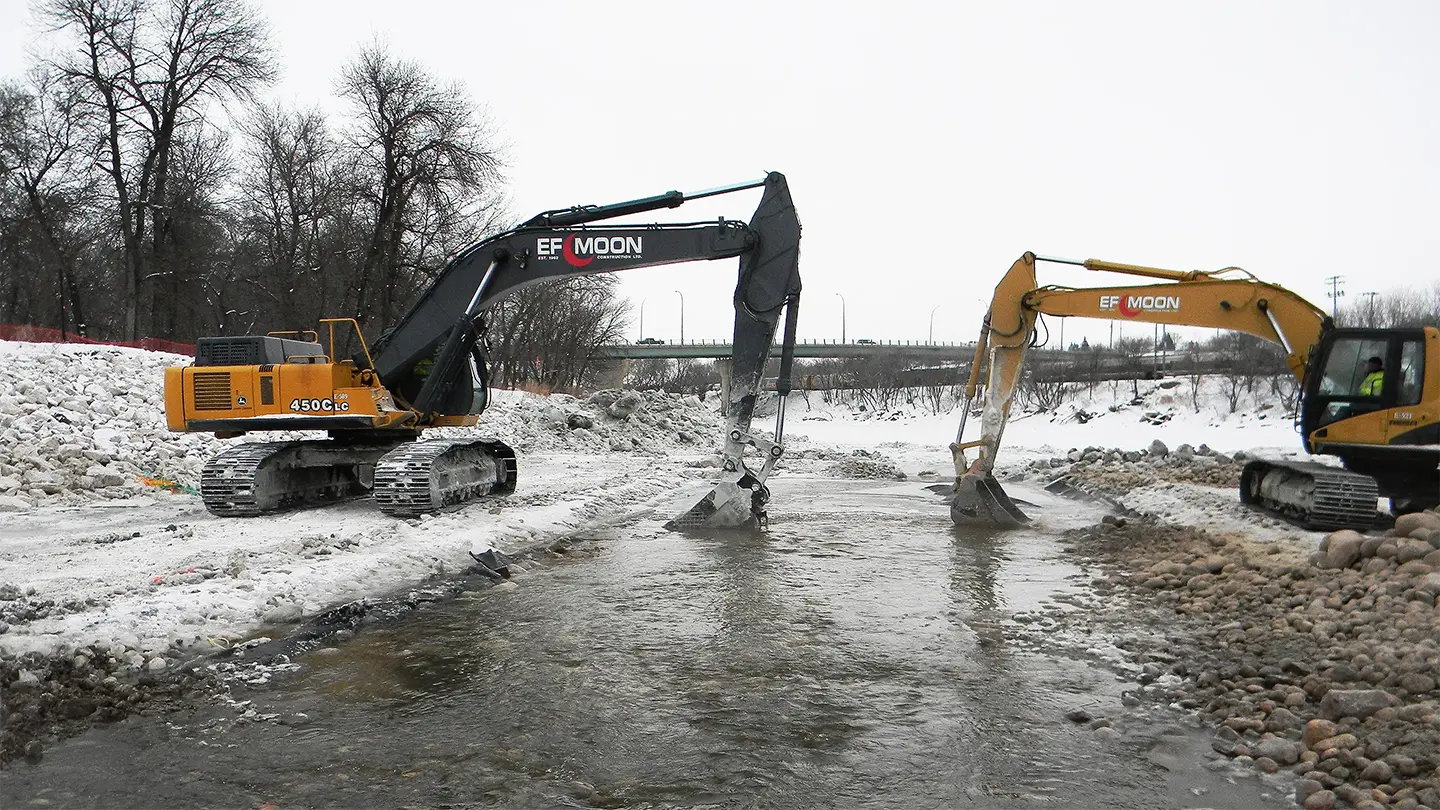
For more than 70 years, the Third Street Dam on the Assiniboine River supported the City of Brandon’s drinking water supply and provided social, environmental and commercial benefits. When the dam was irreparably damaged, KGS Group moved quickly to design temporary emergency measures that limited further habitat impacts and preserved Brandon’s water supply.
We then developed a functional, cost-effective, permanent solution that also removes a 70-year-old barrier to fish passage. The new overflow rockfill weir, with a low flow rock ramp fishway, preserves Brandon’s water supply, restores fish passage, adds spawning habitat, and improves the safety and aesthetics of the river adjacent to Dinsdale Park.
Working with the City of Brandon and regulators, the team demonstrated how preserving vital infrastructure can go hand‑in‑hand with prioritizing and enhancing the environment.
Project Highlights
- Designed and implemented temporary emergency measures to stabilize the river and maintain municipal water supply during dam failure
- Constructed an overflow rockfill weir to replace the damaged dam and secure long‑term water levels for intake reliability
- Constructed a low‑flow rock ramp fishway to restore year‑round fish passage and remove a 70‑year barrier
- Integrated spawning habitat through rock ramp geometry and material gradation, enhancing local fisheries