

University of Manitoba Fort Garry Riverbank Asset Management
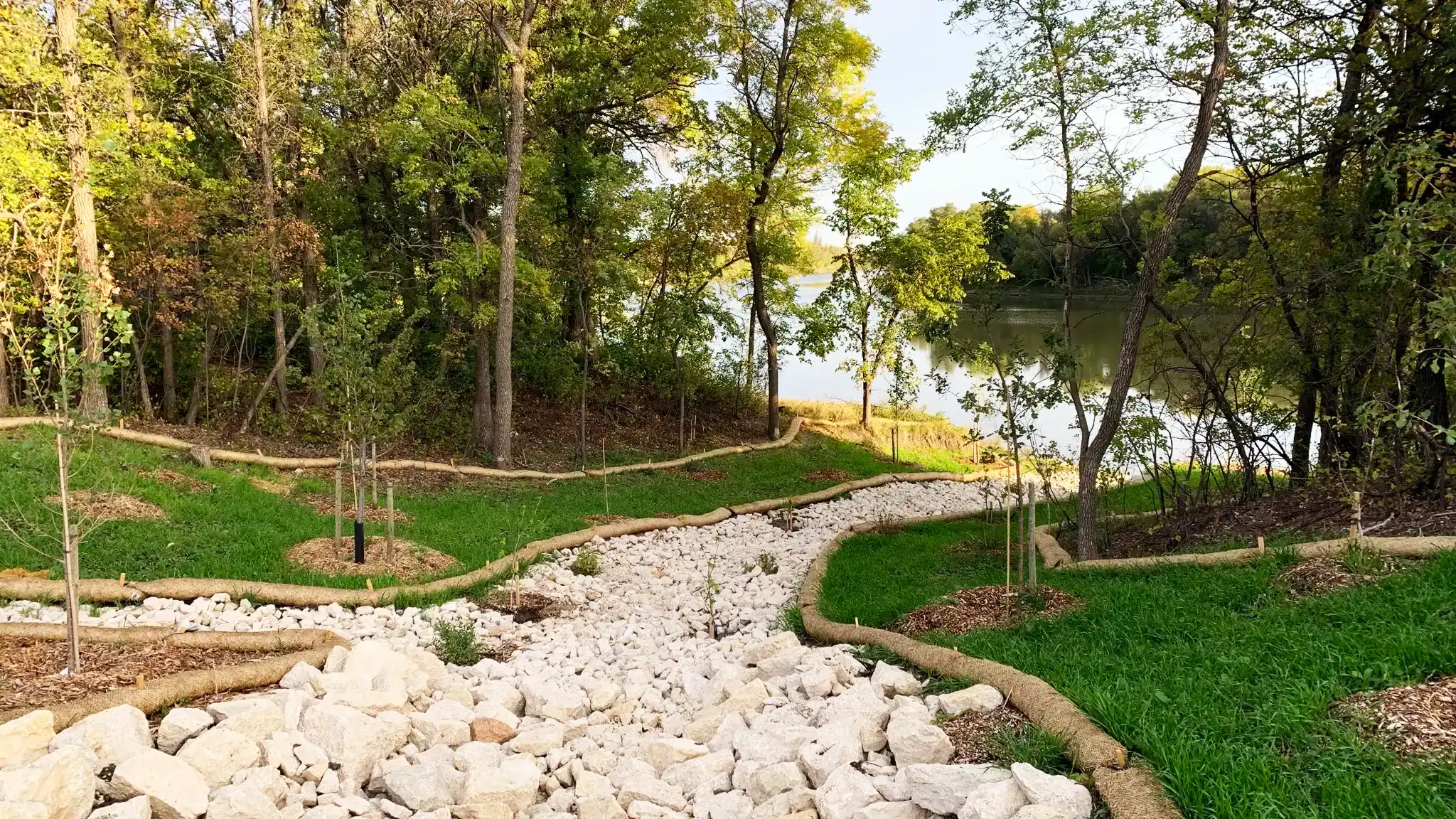
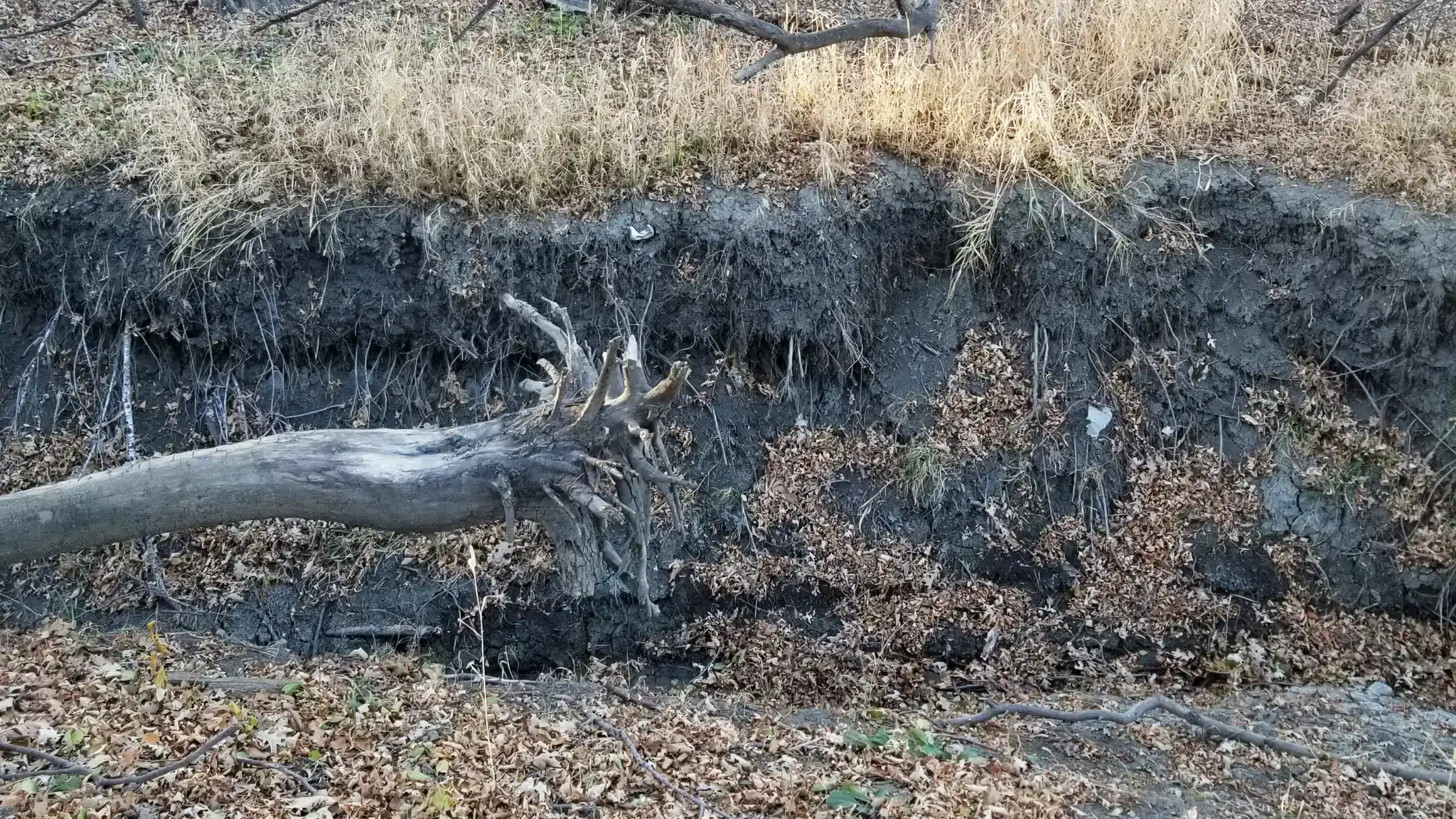
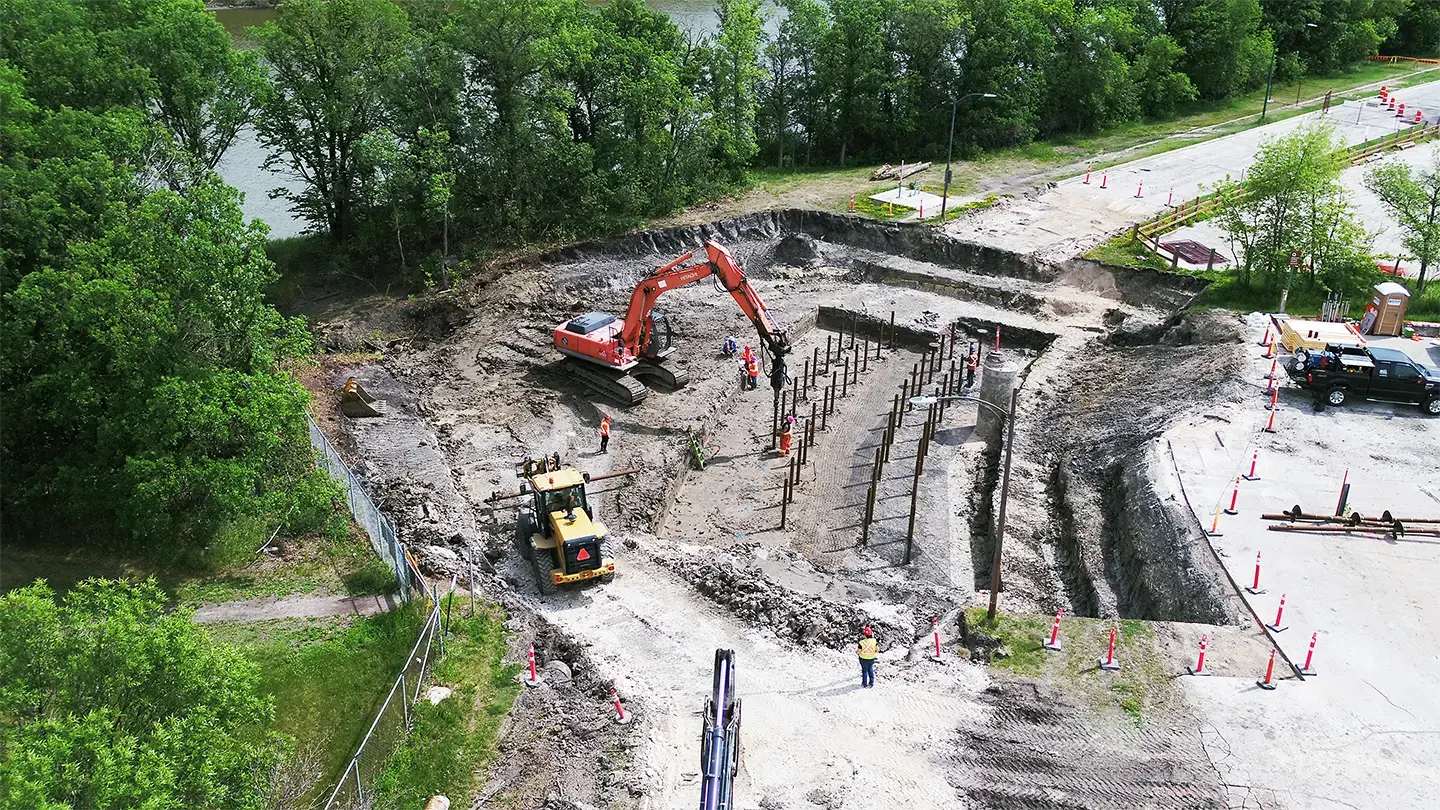
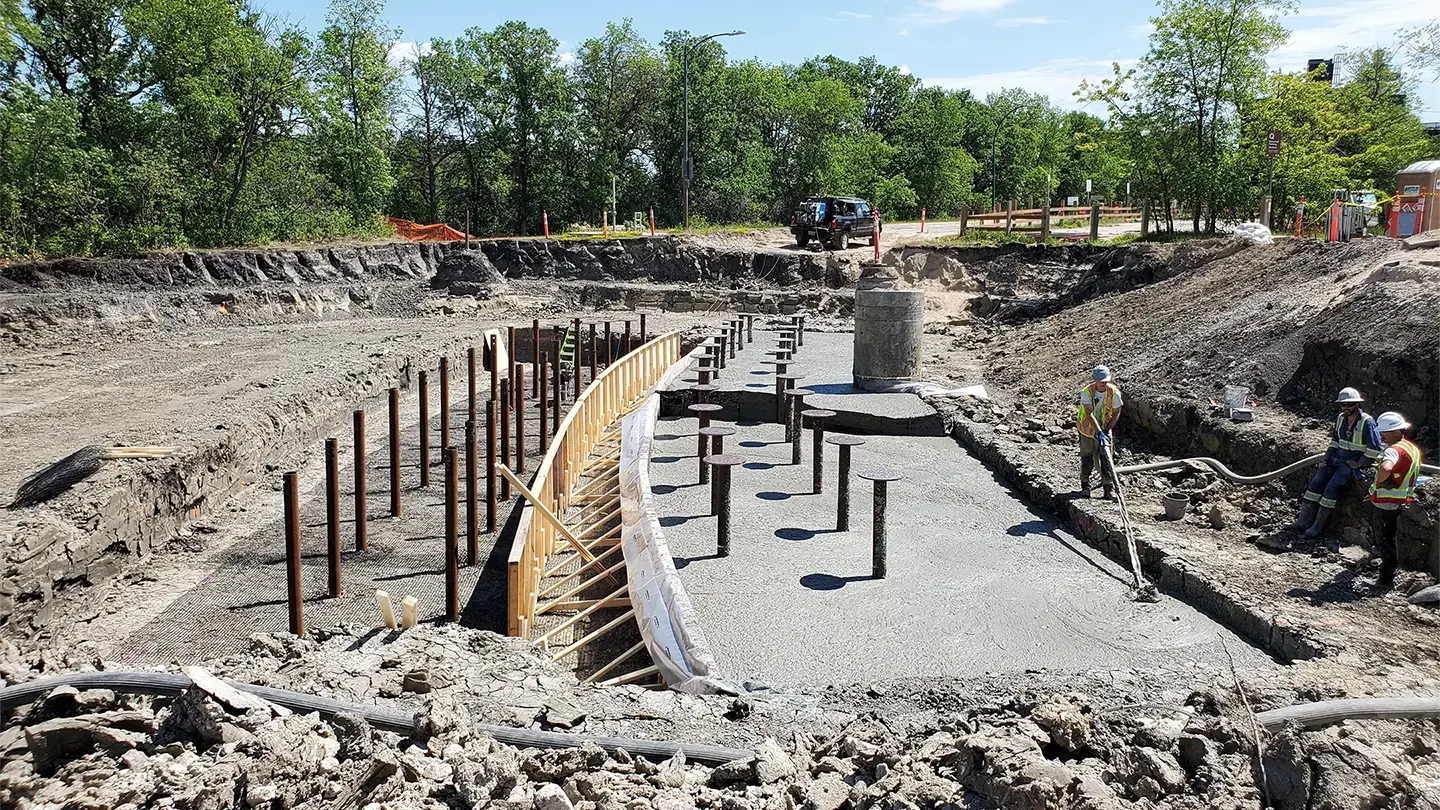
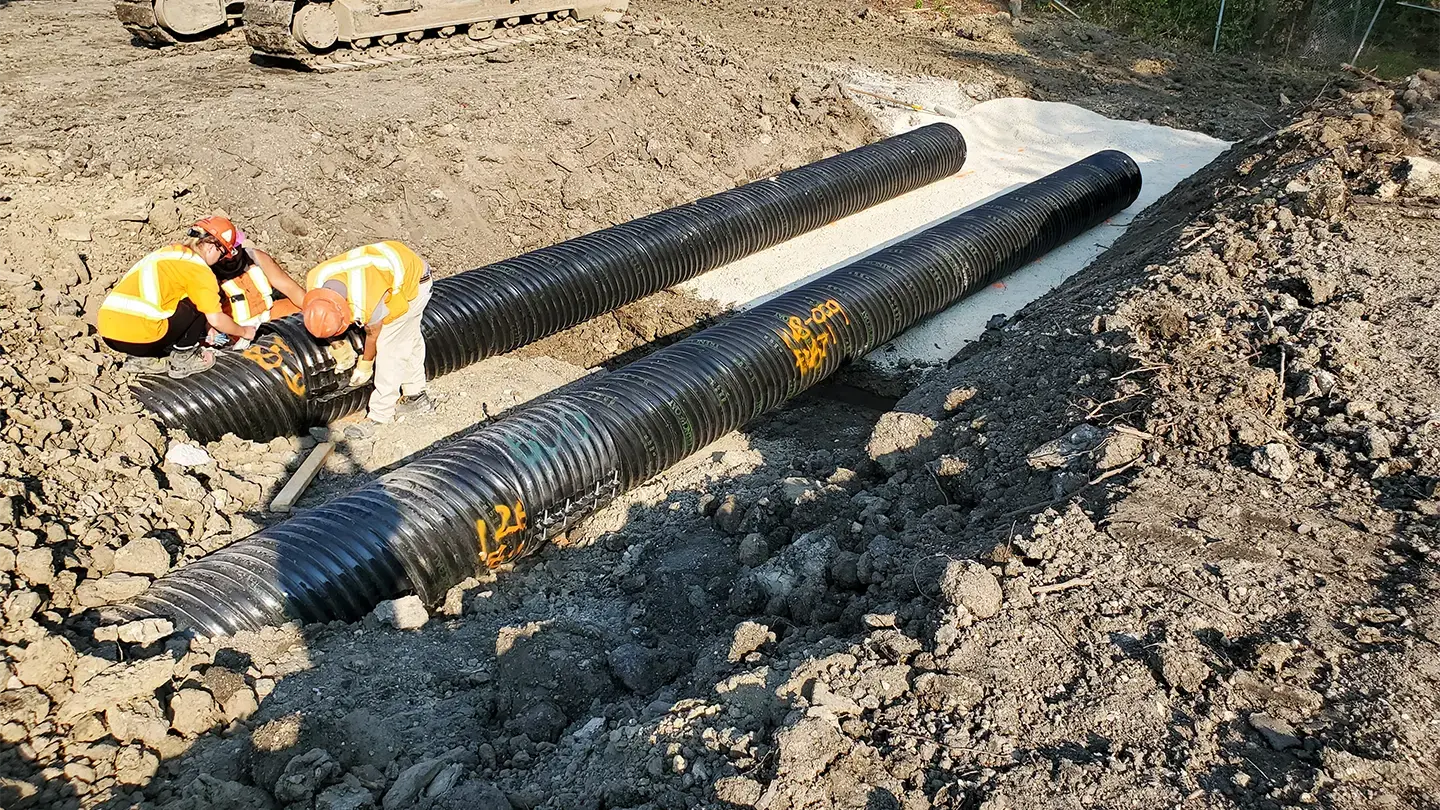
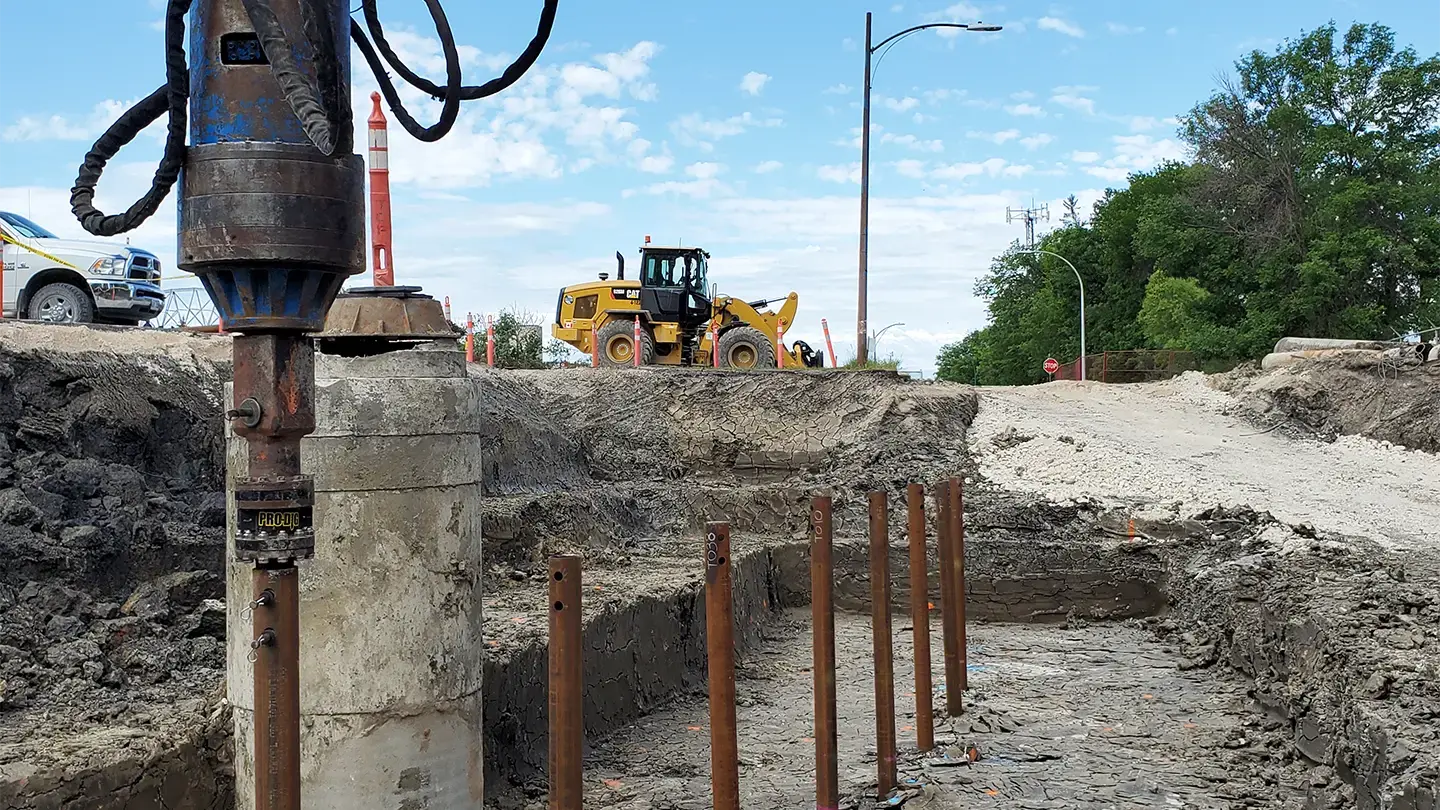

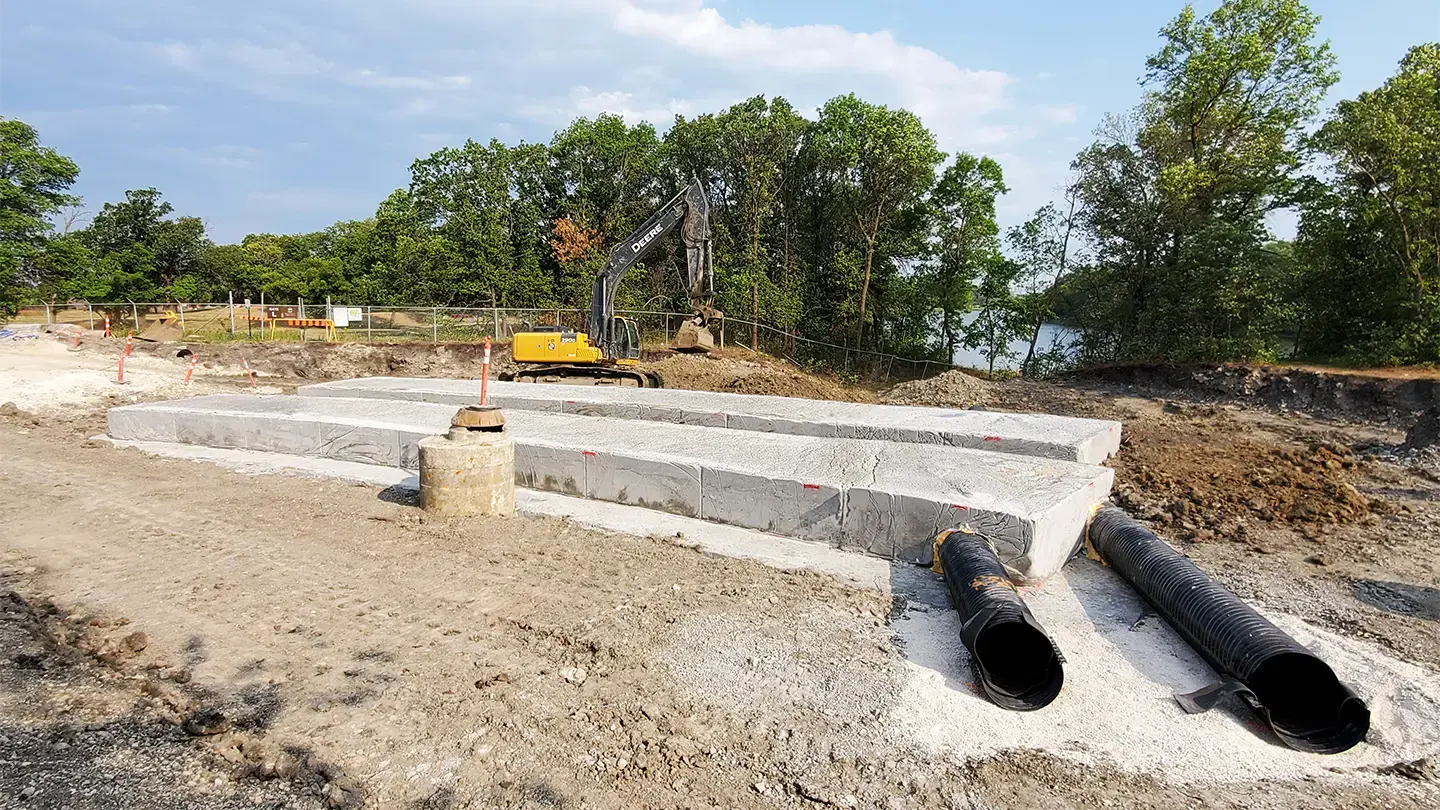
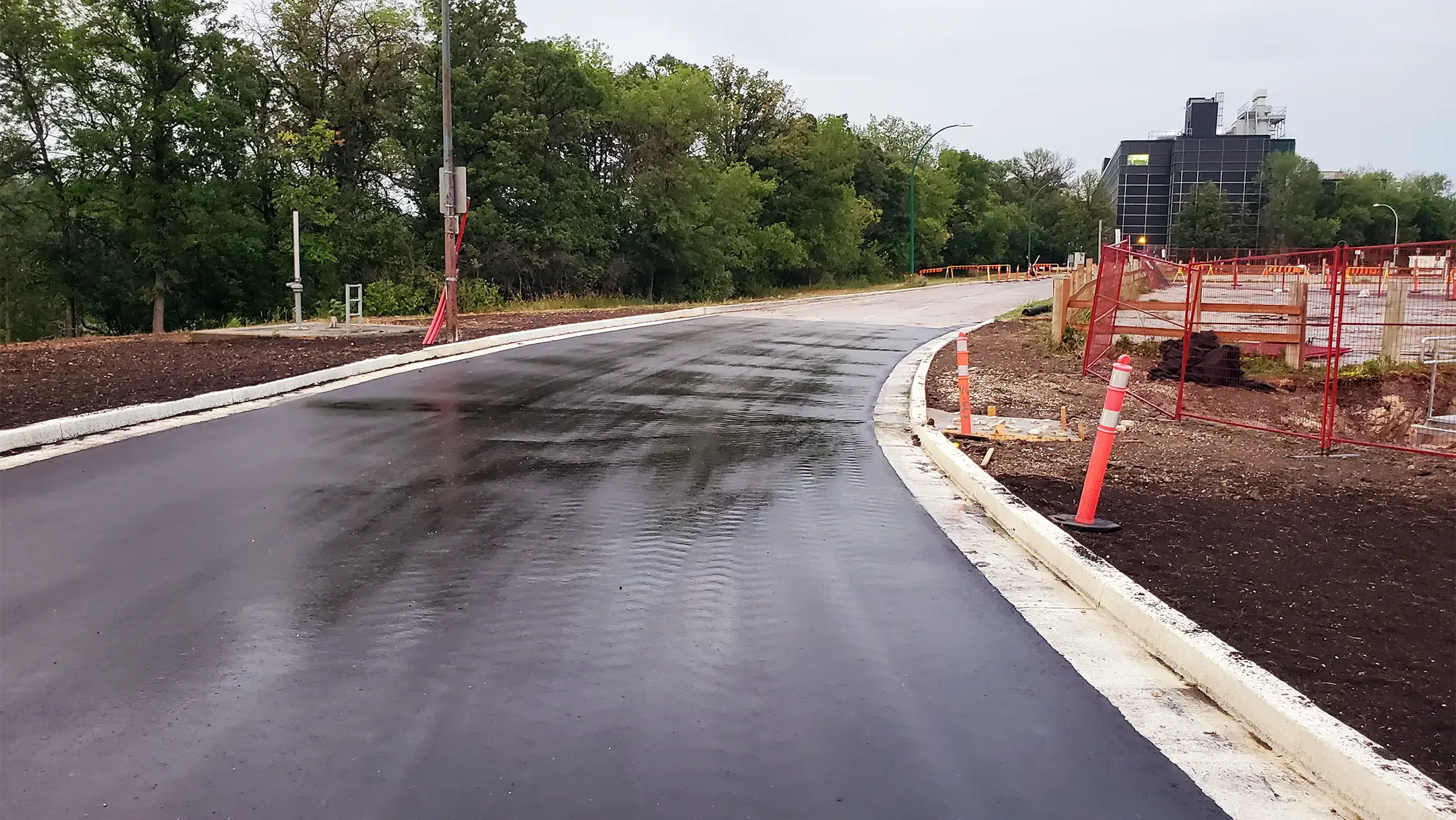
On the northwest side of the University of Manitoba Fort Garry Campus, which is located on Treaty 1 Territory, 600 meters of Sifton Road along the Red River acts as the Primary Line of Defense (PLD) dike, protecting the City of Winnipeg from flooding. Along the riverbank, ongoing and uncontrolled surface water discharge from Culvert 108 created over-steepened slopes and was threatening the integrity of this portion of Sifton Road.
KGS Group designed an innovative solution to reconstruct Culvert 108, Sifton Road and the PLD dike system. A first for this technology in Winnipeg, the solution used buoyant lightweight fill material anchored with helical piles. Additionally, the land drainage system was redesigned, Culvert 108 was upgraded to prevent future damage and supplemental vegetation was planted. The result was an area that is fully integrated with the surrounding ecosystem and is ready for future use opportunities while protecting the community.
Project Highlights
- Designed a solution to reconstruct Culvert 108, Sifton Road and PLD dike system to restore flood protection and roadway function
- The solution, a first for this technology in Winnipeg, included buoyant lightweight fill anchored with helical piles
- Redesigned the land drainage system to control and safely route surface water, reducing erosive outflows to the riverbank
Assiniboine River and Lake Manitoba Basins Flood Mitigation Study
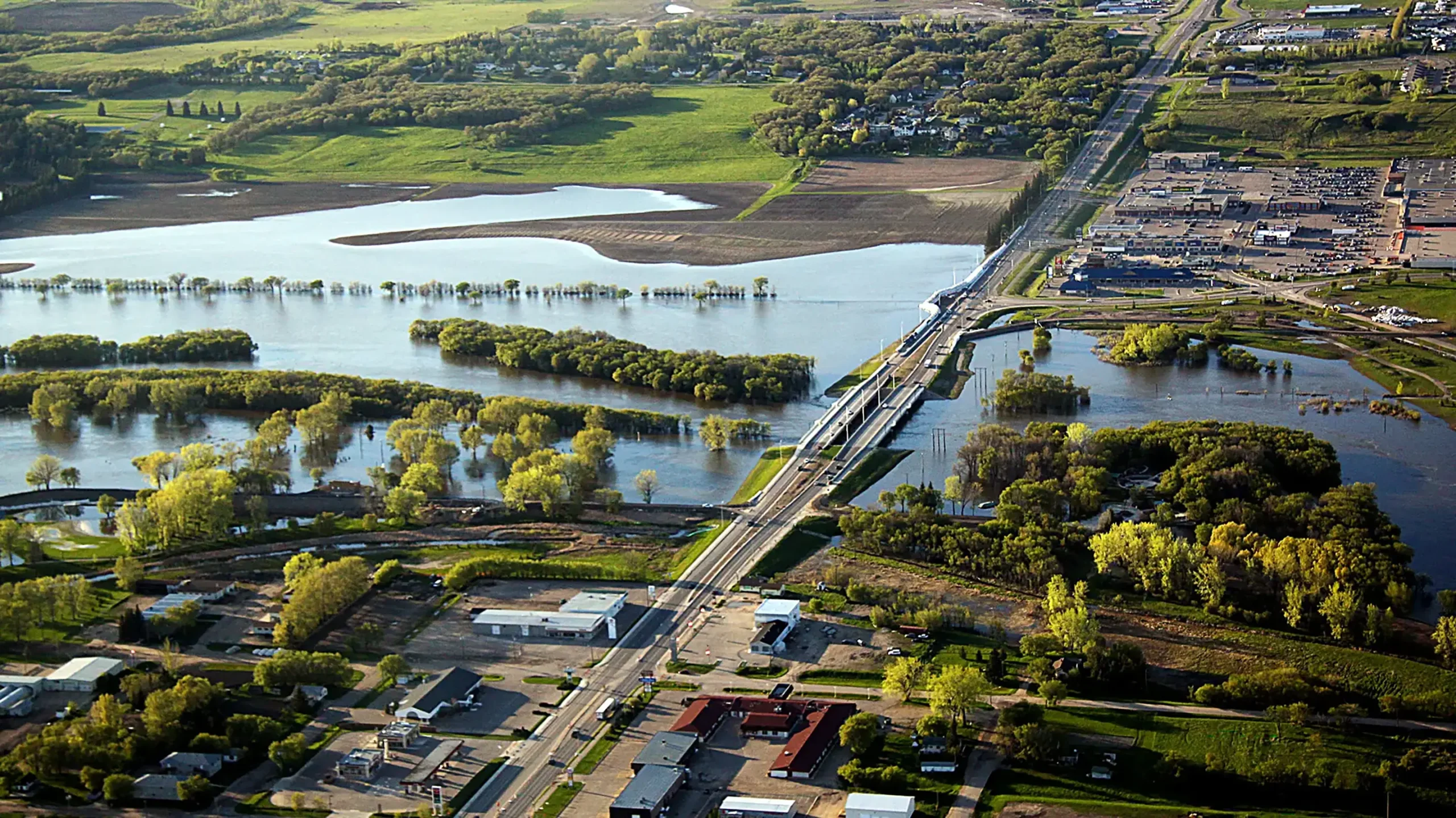
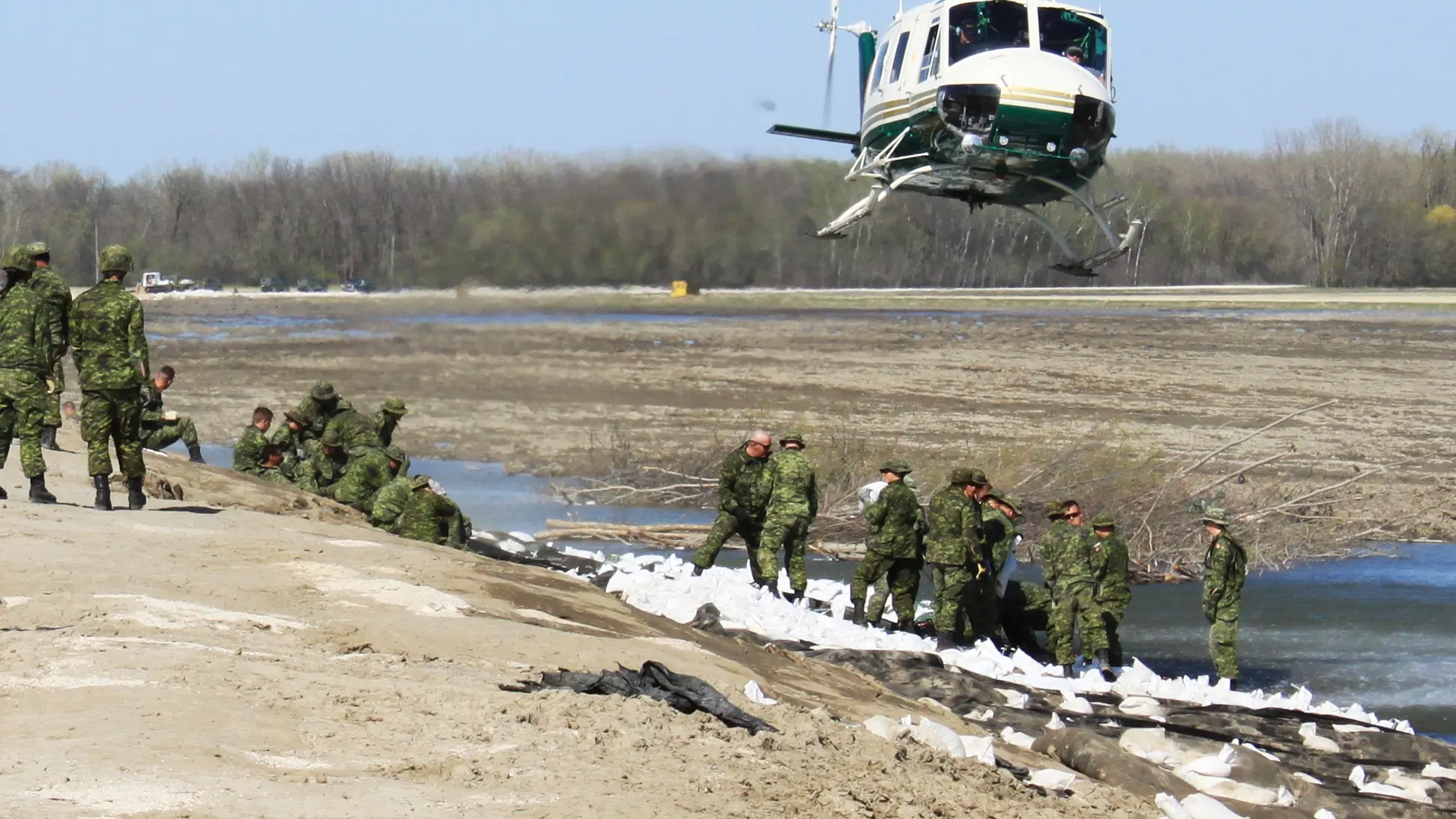
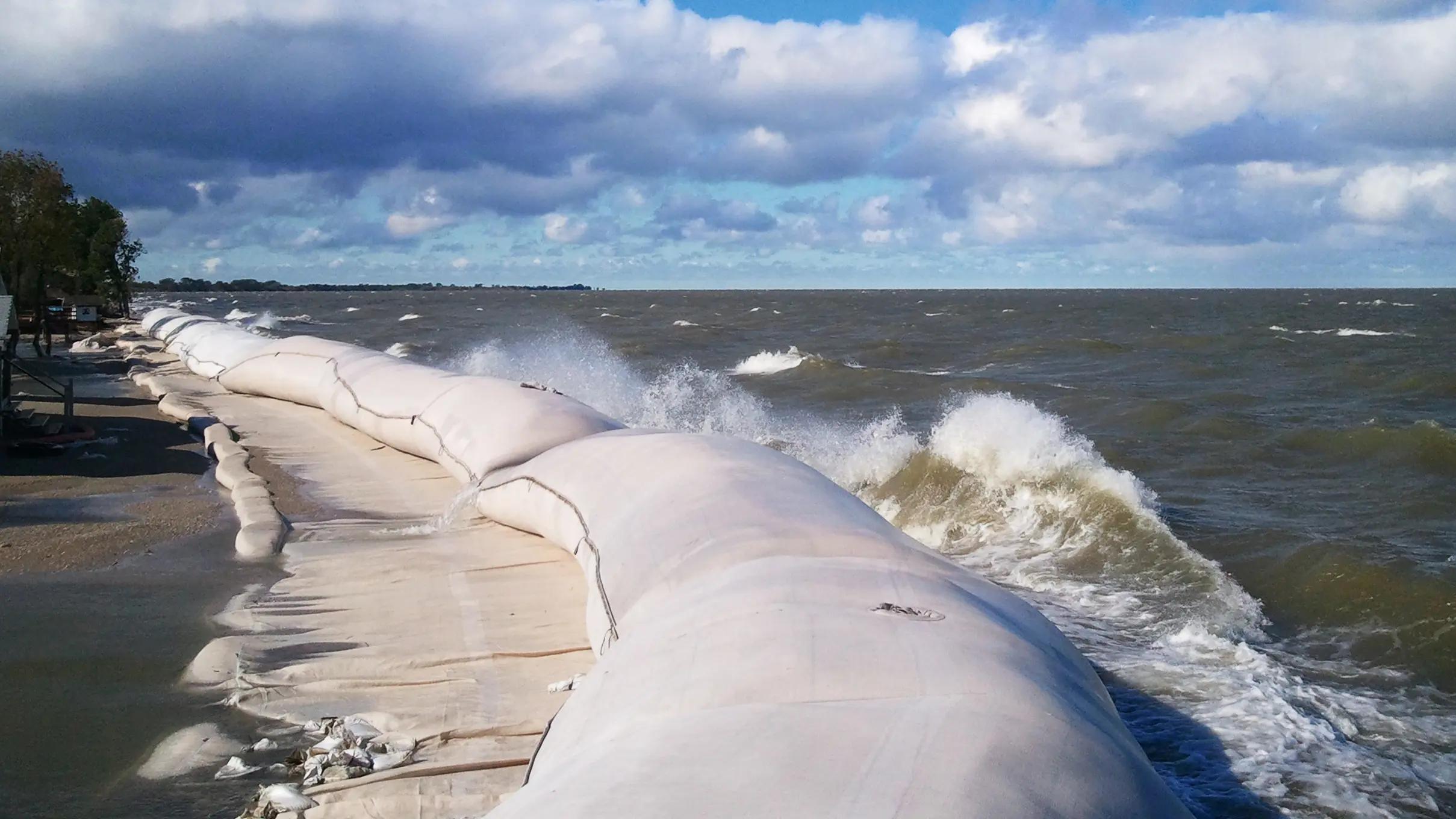
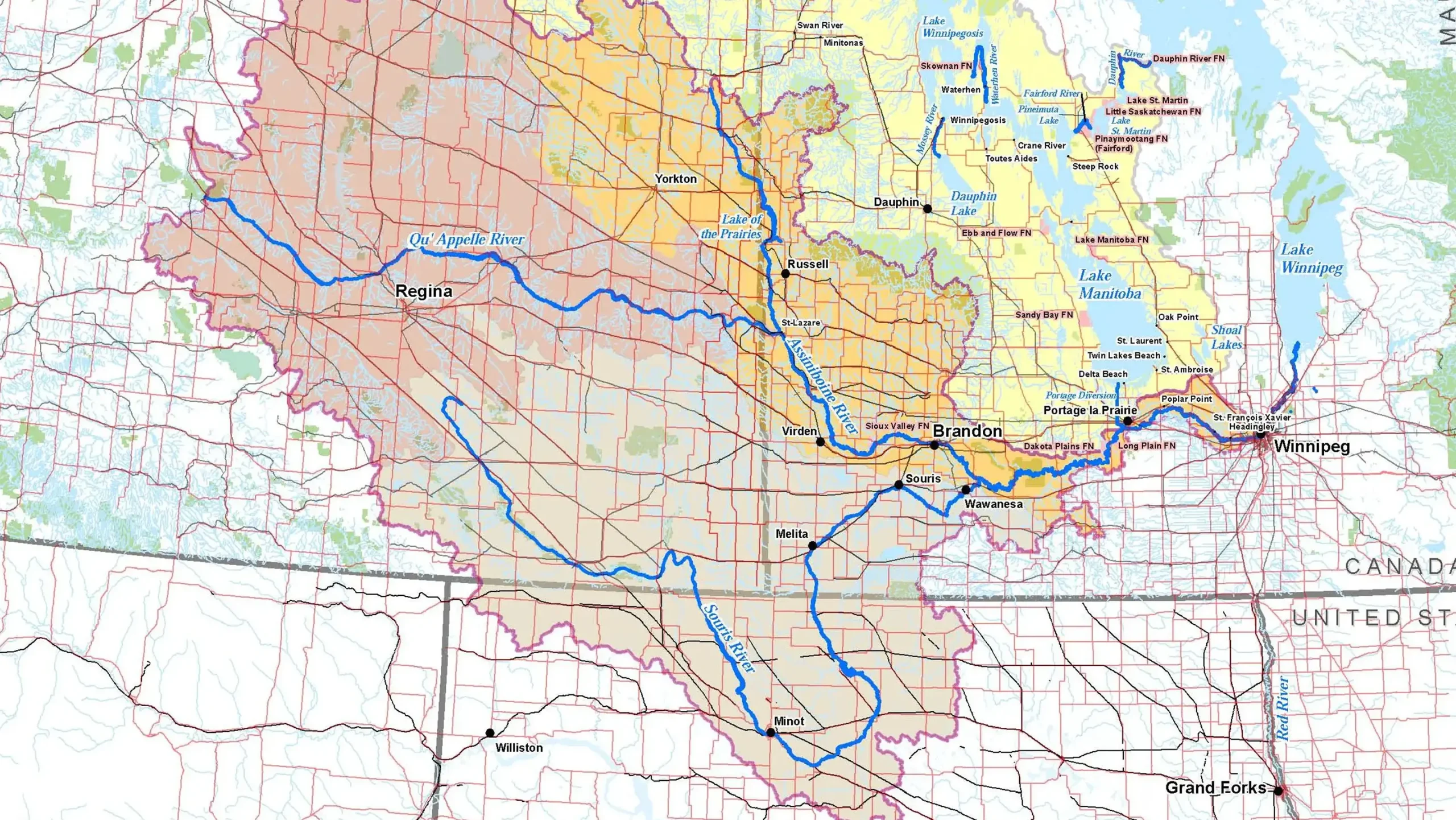
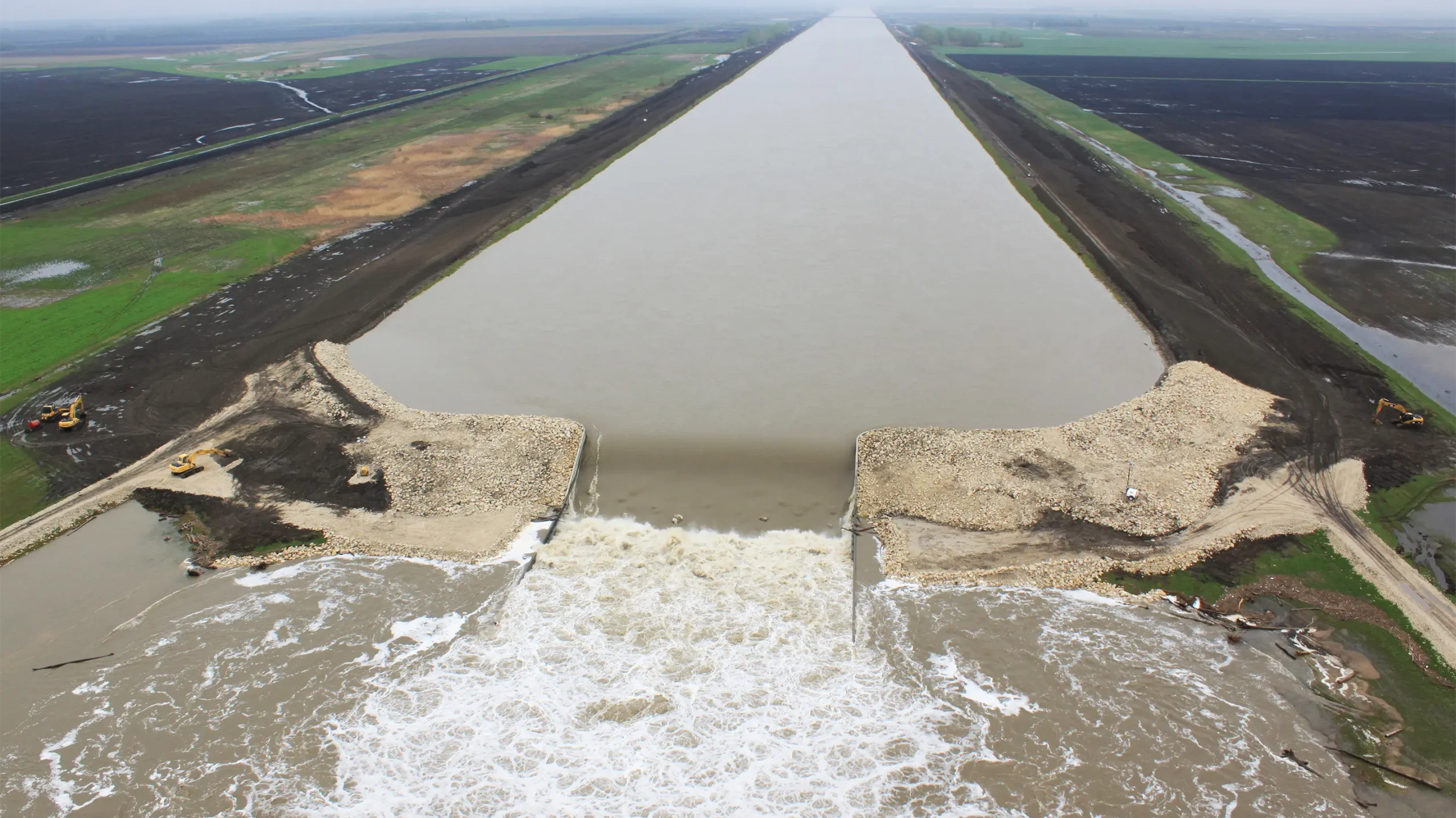
The flood of 2011 highlighted several potential “weak links” in Manitoba’s flood control system, which resulted in widespread damage across the province. To address the propensity for flooding in the Assiniboine River and Lake Manitoba basins, KGS Group carried out a flood mitigation study, which identified major flood vulnerabilities and assessed a wide range of measures to improve protection in the region.
A vast amount of data was reviewed and over 70 mitigation options were evaluated including dikes, reservoirs, diversion channels, wetland restoration and development controls. As well, a number of sophisticated models were developed to calculate cost-benefit ratios and the economic viability of the options.
Working collaboratively with Manitoba Transportation and Infrastructure, the project team developed a technical workshop and held public open house events to incorporate important feedback into the study findings.
The results of the study identified over $1 billion of flood mitigation upgrades required to increase the flood protection level to provincial standards across the basin. The results will also serve as the foundation for major flood mitigation programs for the next several decades.
Project Highlights
- Reviewed and synthesized basin‑wide datasets to establish current and future flood risk profiles
- Evaluated 70+ mitigation options, including dikes and levees, reservoirs and storage, diversion channels, wetland restoration, development controls
- Compiled actionable study deliverables for program planning
Environmental Research and Development
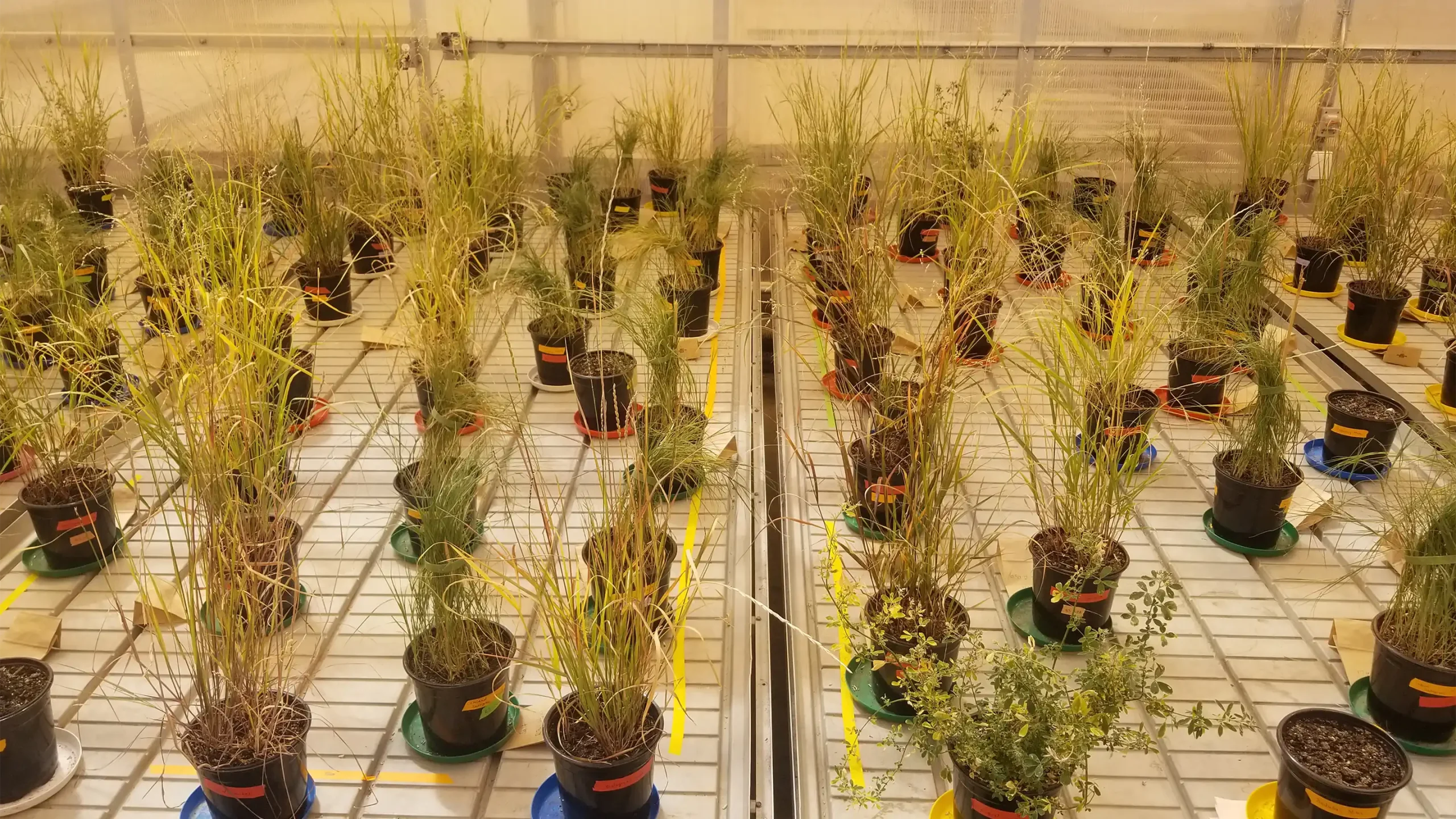
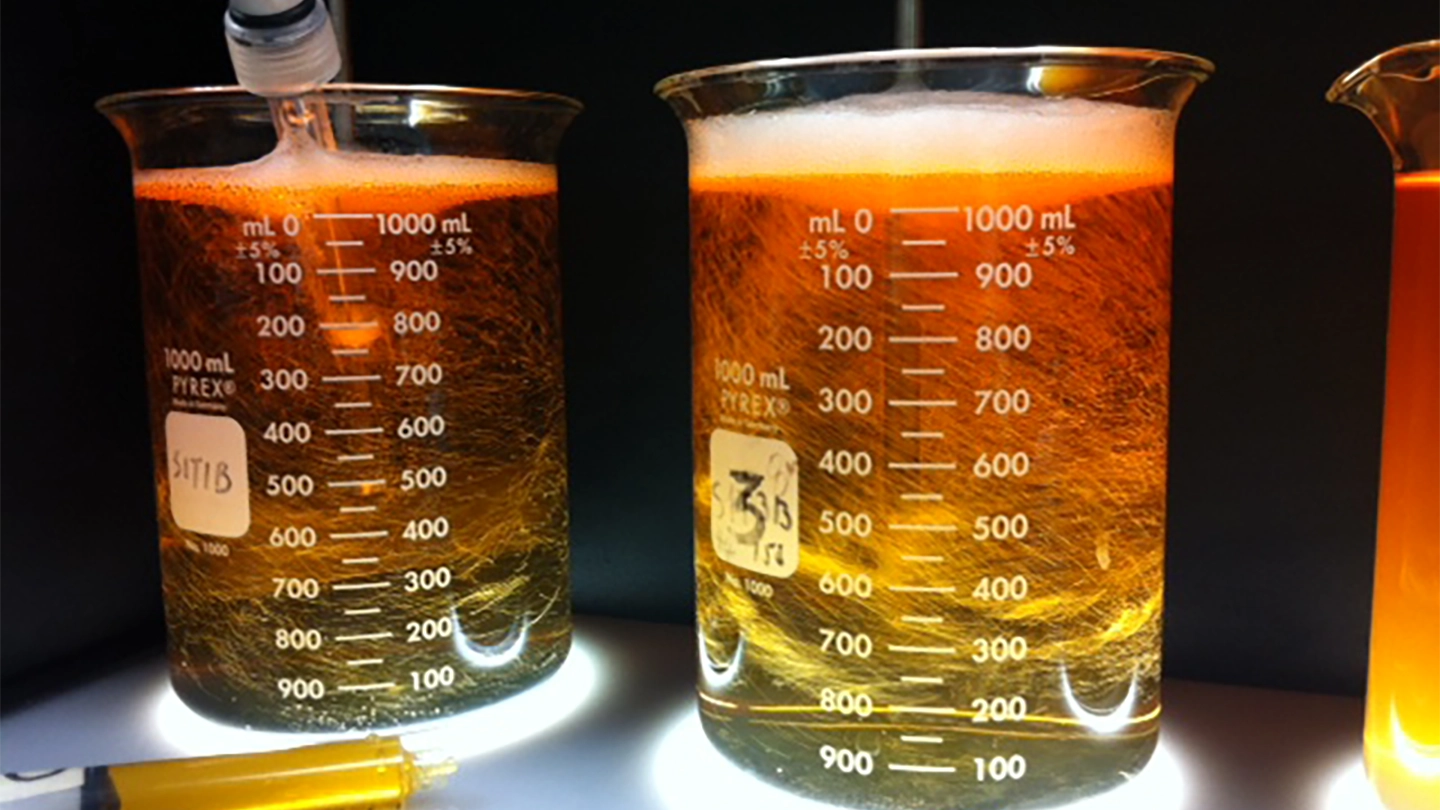
Our environmental services team actively seeks out opportunities to conduct research in a number of environmental disciplines, to advance our knowledge base, and to optimize solutions for real-life problems our clients are facing. Many of our projects benefit from this research. Some of our most recent research and development activities include:
Landfill Leachate Treatment
Since 2013, KGS Group has conceptualized and carried out several research and development projects involving laboratory and field scale activities aimed at reducing handling and treatment volumes of landfill leachate, including leachate irrigation studies, alternative chemical and physical treatment processes, and enhanced evaporation techniques.
Landfill Methane Mitigation
In 2014, KGS Group partnered with the University of Manitoba to develop design parameters for an innovative landfill biocover, designed to oxidize fugitive methane emissions. The first two phases of this multi-year project were carried out under laboratory conditions, followed by field trials at a waste management facility in the City of Winnipeg.
Acid Mine Drainage (AMD) Treatment
KGS Group is active in investigating the treatment of AMD from former mine sites in northern Manitoba. The objectives of these studies are to optimize the typical treatment process, and to develop cost-effective technologies directed at minimizing the use of chemicals, while improving operation of the treatment process.
Phosphorus Treatment
We are also developing technology for the treatment of insoluble phosphates applied to agricultural fields with manure, such as hog operations, to recover the phosphorus for fertilizer applications and to reduce phosphate loading on the surface water runoff to rivers and lakes.
Crossing Enhancements on Beaver Creek at Historic Fort Ellice
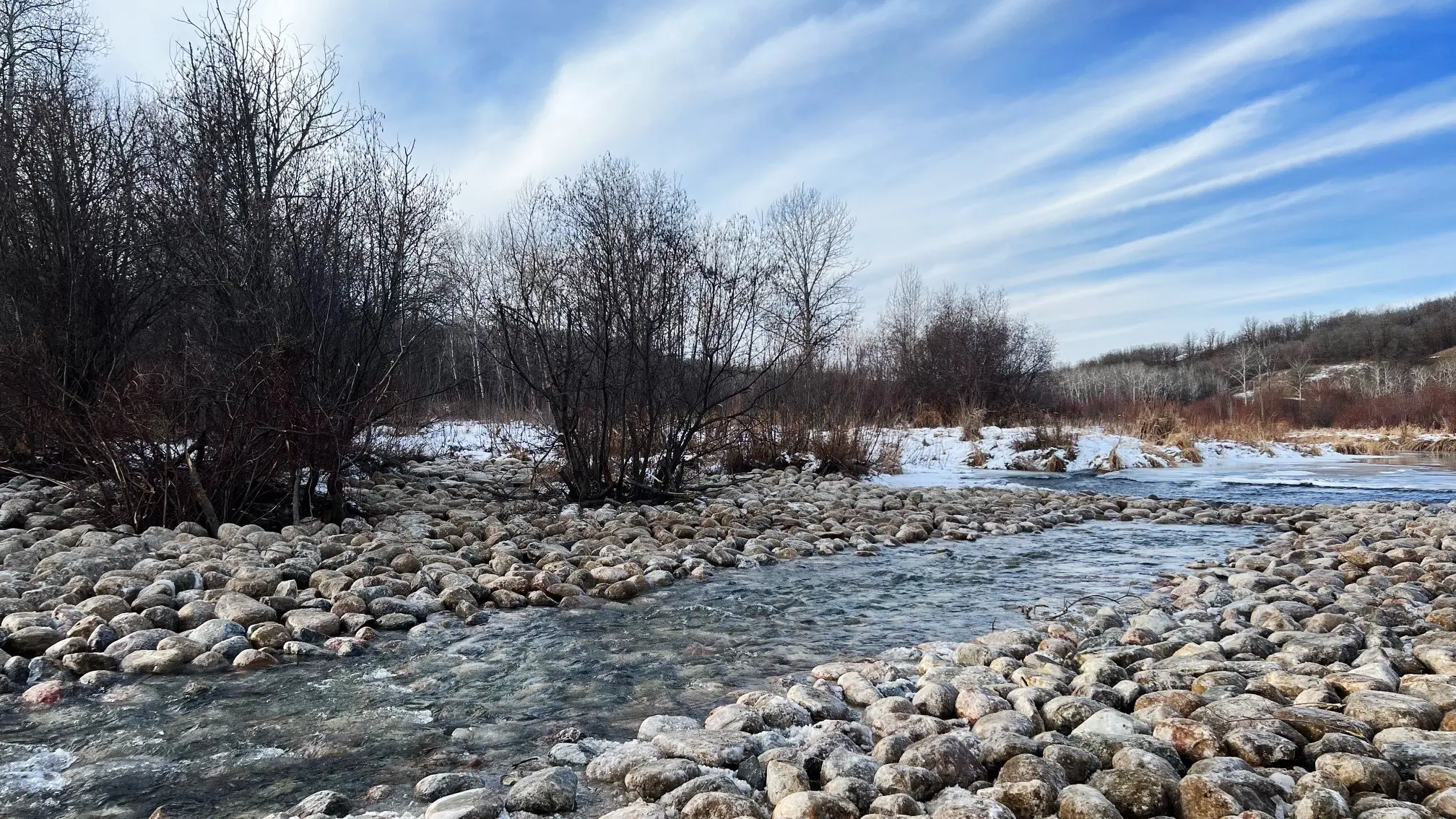
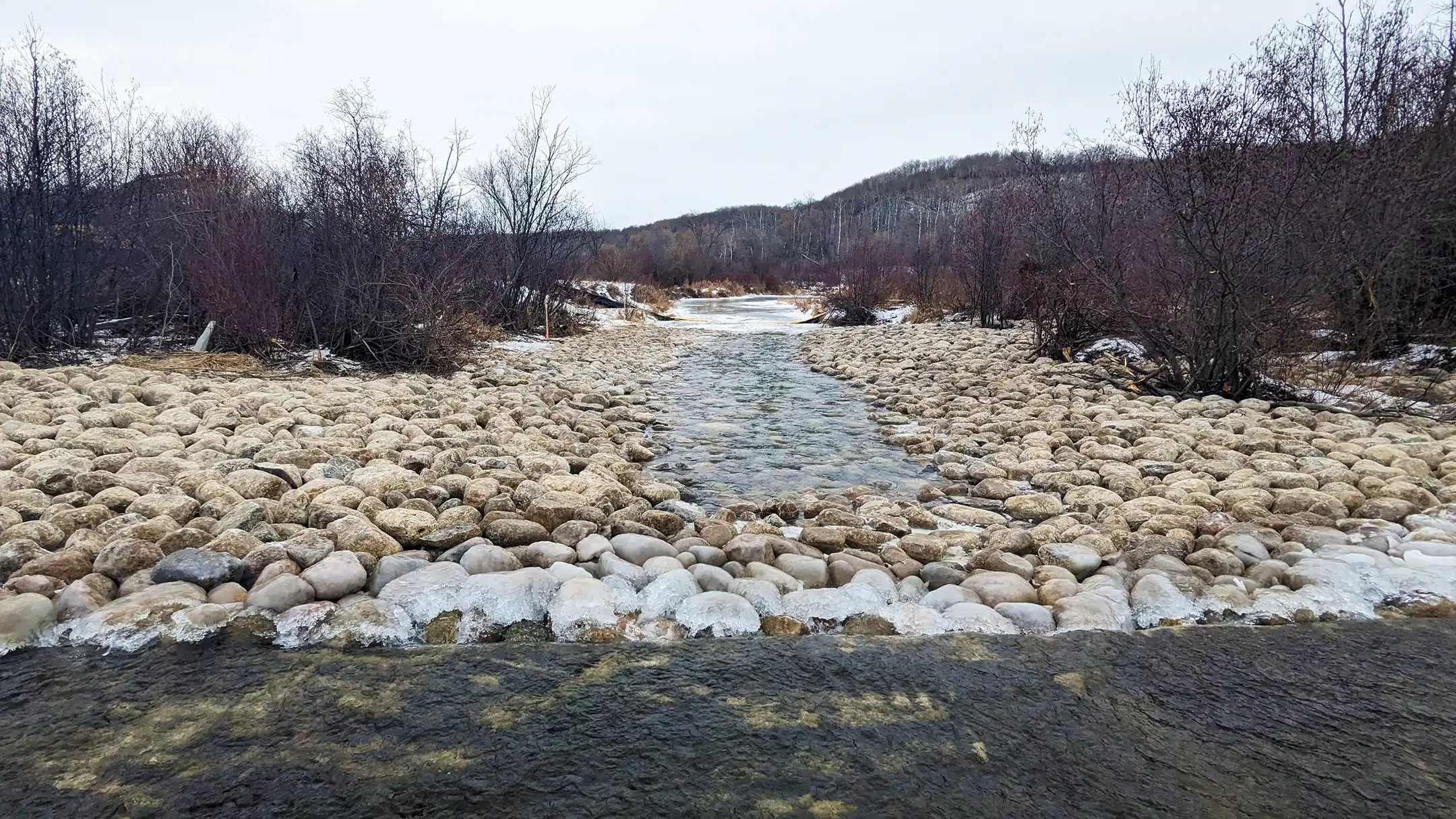
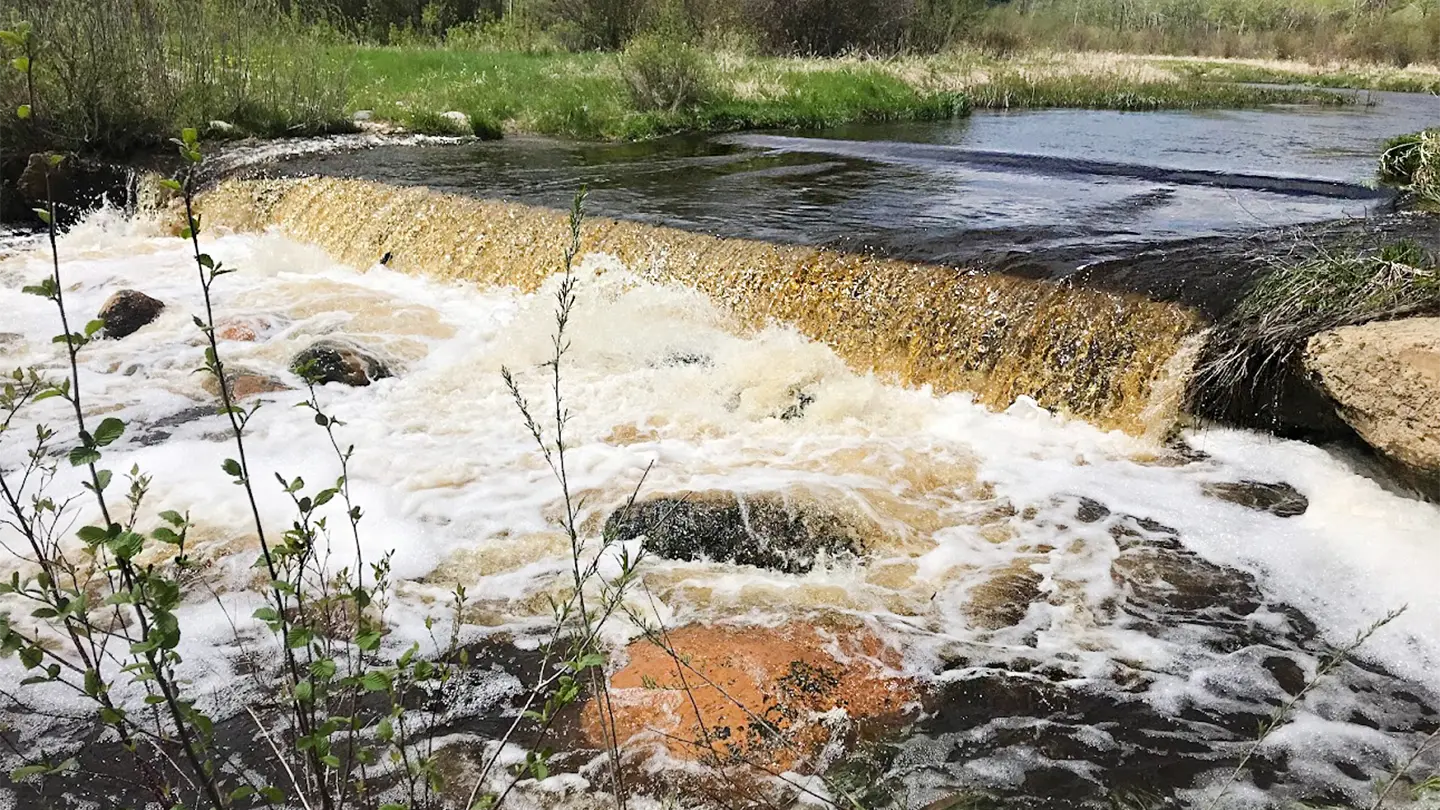
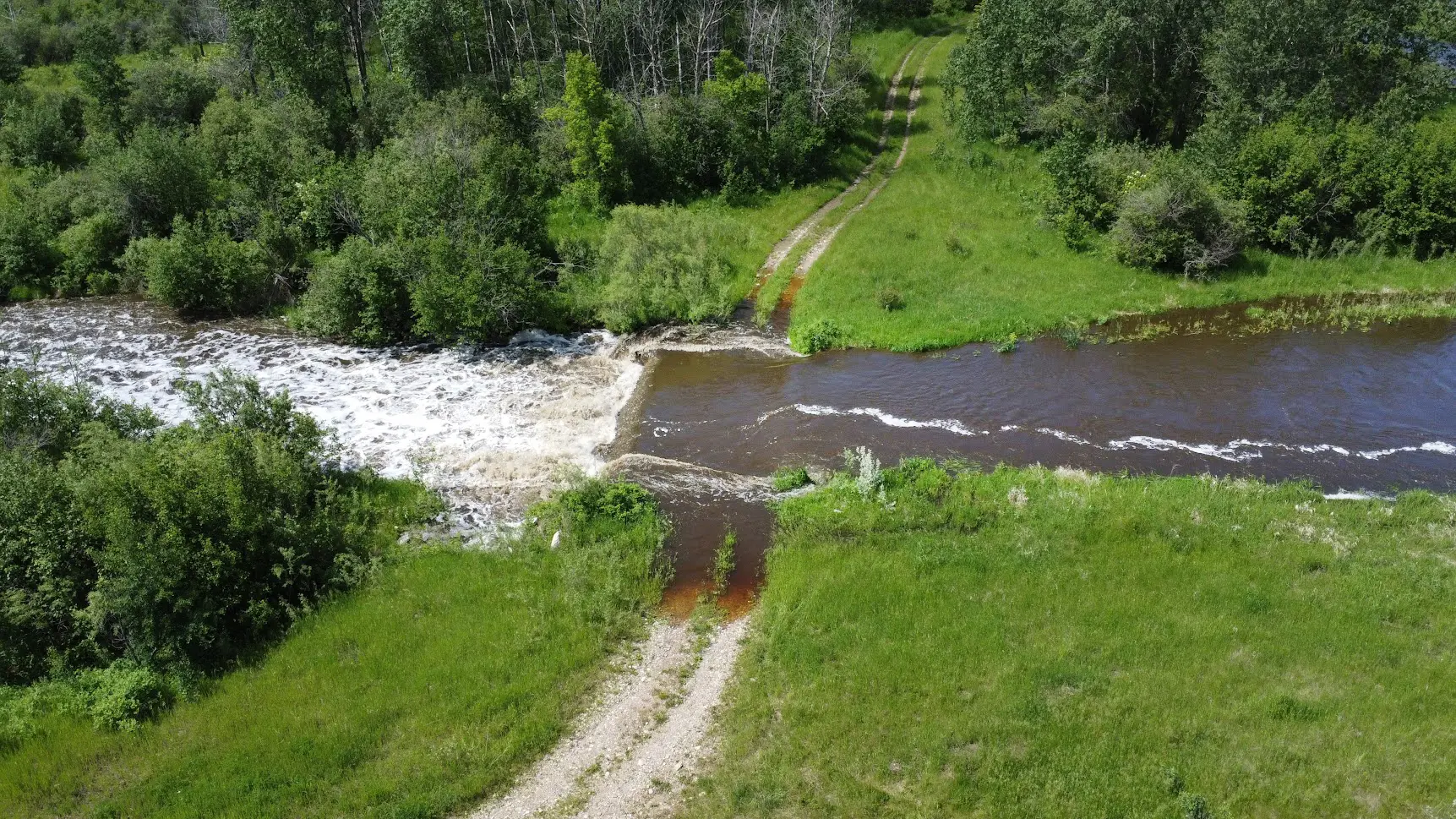
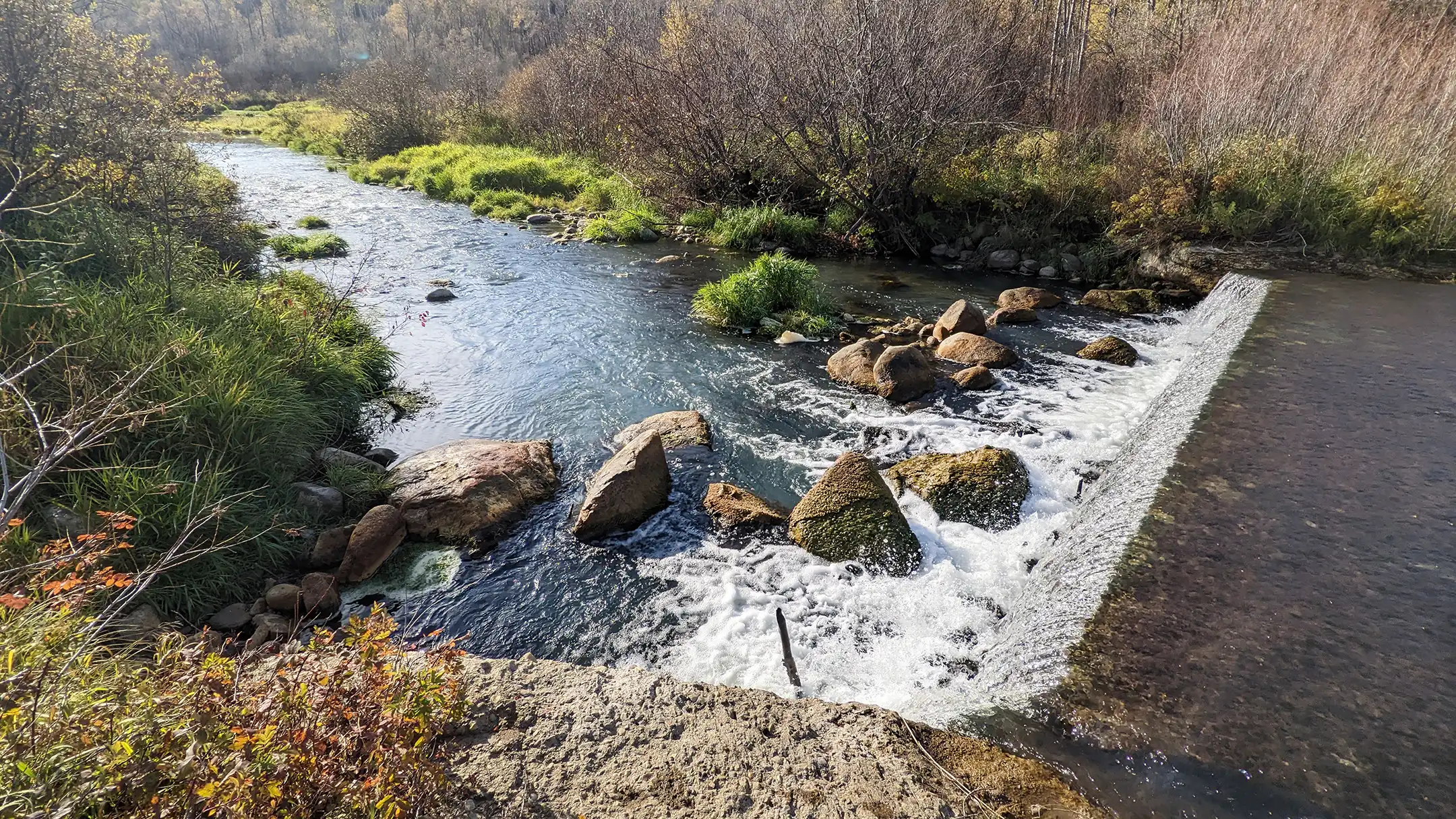
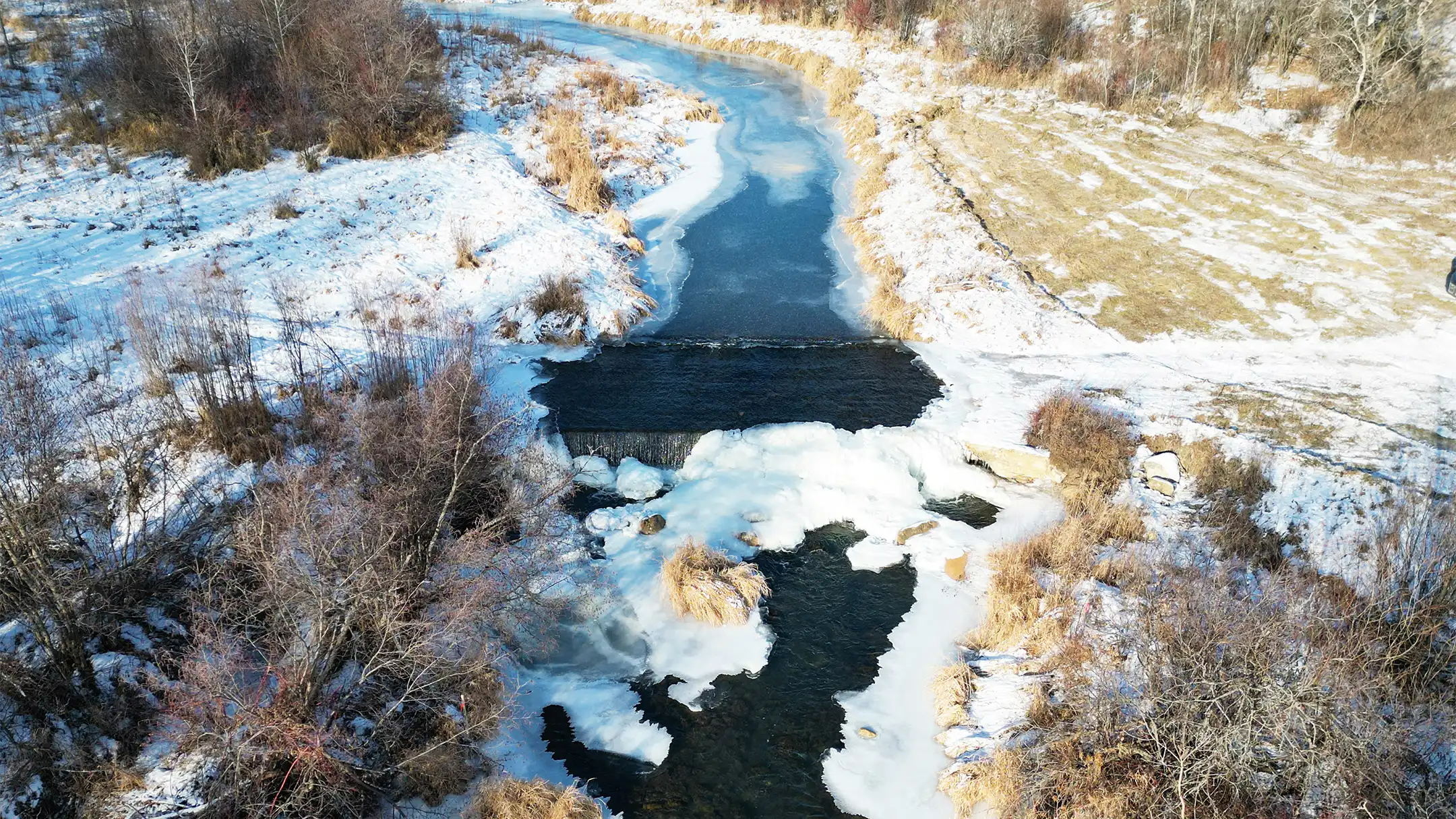
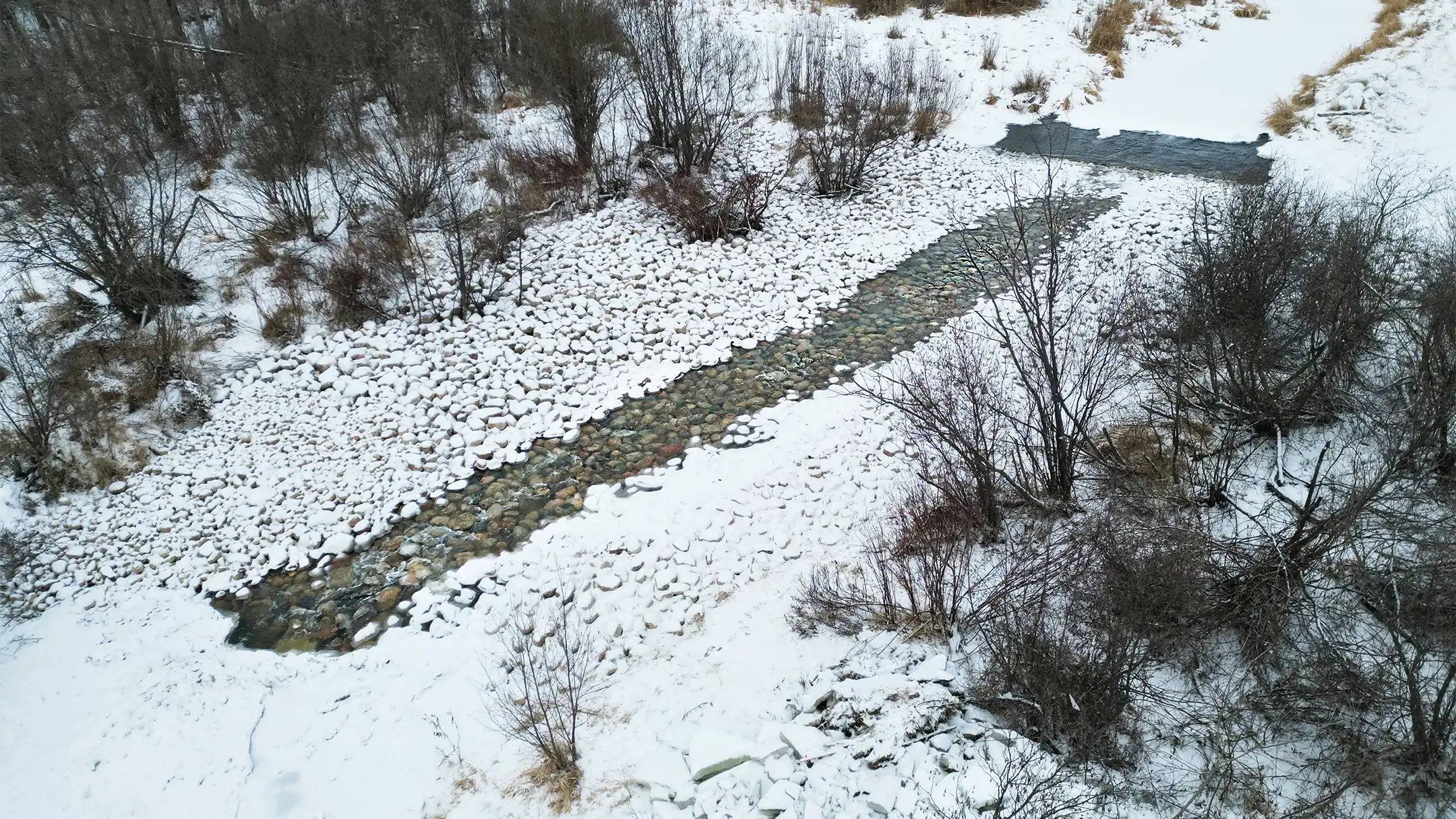
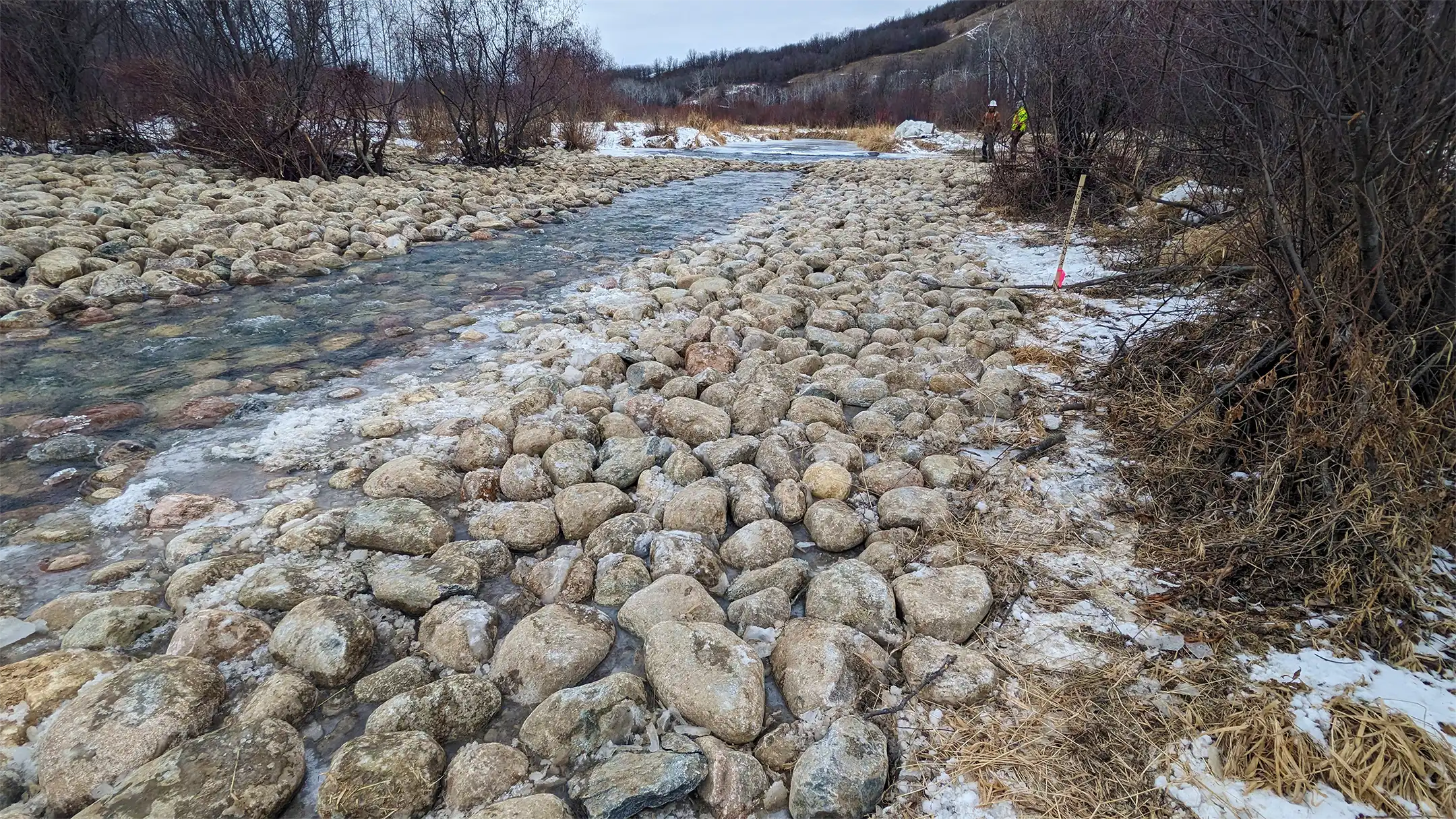
The Crossing Enhancements on the Beaver Creek project aimed to reconcile human infrastructure with the natural environment at the Nature Conservancy of Canada’s Fort Ellice property. The project focused on modifying a concrete ford crossing that impeded fish migration on Beaver Creek, to enhance bi-directional fish passage, maintain structural integrity and minimize ecological disruption.
Collaborative efforts led to the development of a rock ramp, that balanced technical feasibility, ecological sensitivity and regulatory compliance. The rock ramp now serves as a success story for future leaders and caretakers of the land and exemplifies sustainable conservation that combines sound engineering with environmental stewardship.
Project Highlights
- Modified the existing concrete ford crossing to reduce hydraulic barriers to fish movement
- Constructed a naturalized rock ramp to enable bi‑directional fish passage
- Configured ramp geometry and rock gradation to maintain crossing stability while minimizing habitat disruption
University of Manitoba Fort Garry Campus Riverbank Management Study
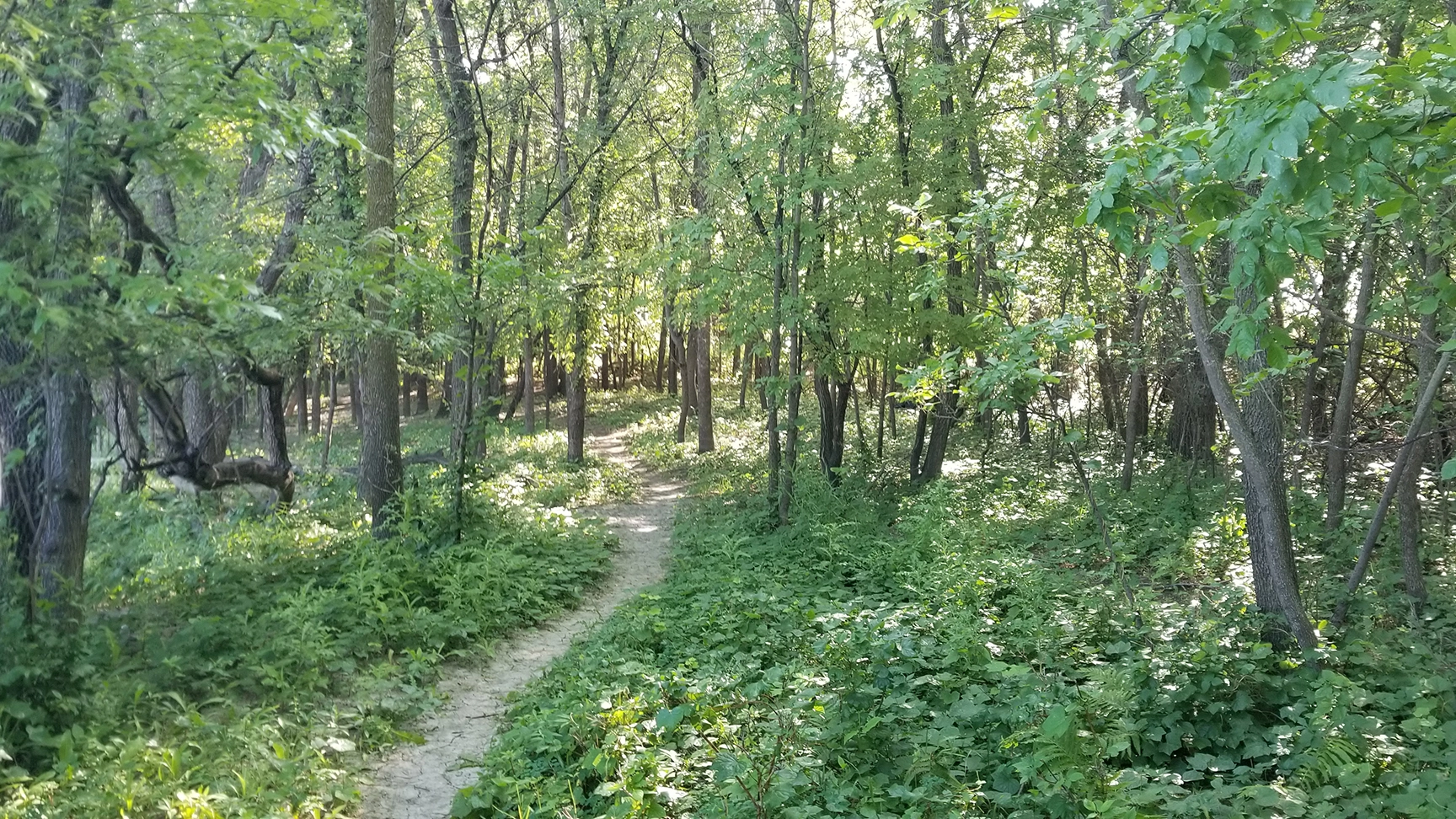
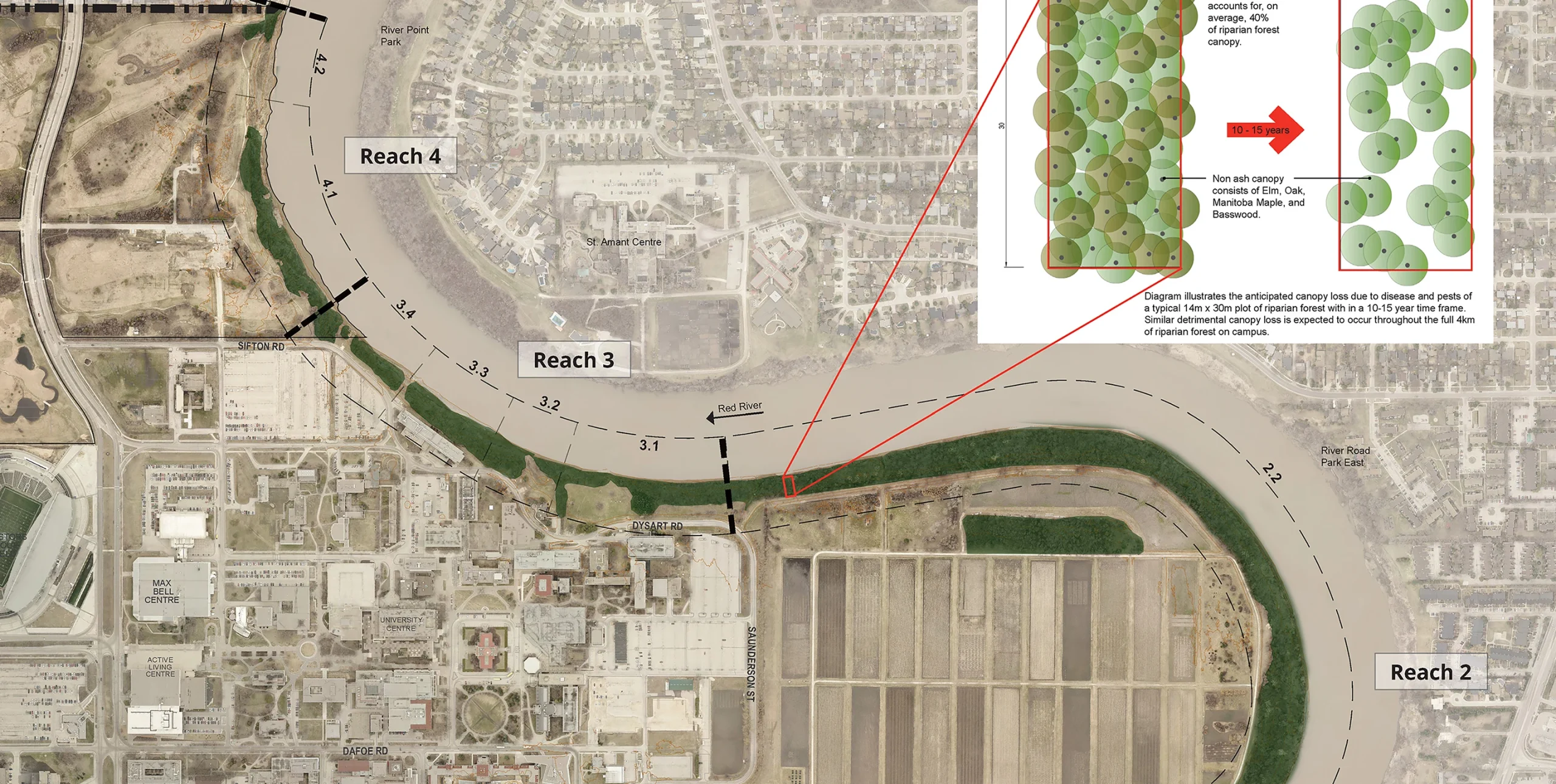
With nearly 4 km of shoreline, the University of Manitoba (UM) Fort Garry Campus is inherently linked to the Red River. The UM has adopted policies to become a leader in ecological, social and economic sustainability to promote a healthier, more active campus while reducing environmental impact.
Aligning with the UM’s sustainability principles, KGS Group provided the university with a 15-year, phased riverbank management strategy that favours restoration of the riparian corridor with naturalized solutions. Integrating geotechnical and ecological concepts, the riverbank management plan is a comprehensive tool to help the university manage risk, promote riverbank health and preserve critical infrastructure. The plan mirrors the dynamic nature of the river, allowing for updates over time to reflect changes to the riverbank and the campus itself.
Project Highlights
- Mapped and segmented 4 km of shoreline to create reach‑based inventories and prioritize restoration actions
- Completed integrated assessments of bank stability, erosion risk, riparian condition and habitat value
- Defined naturalized restoration treatments (e.g., riparian revegetation, bioengineering/soft stabilization, setback planting)