

Peter Sutherland Sr. Generating Station
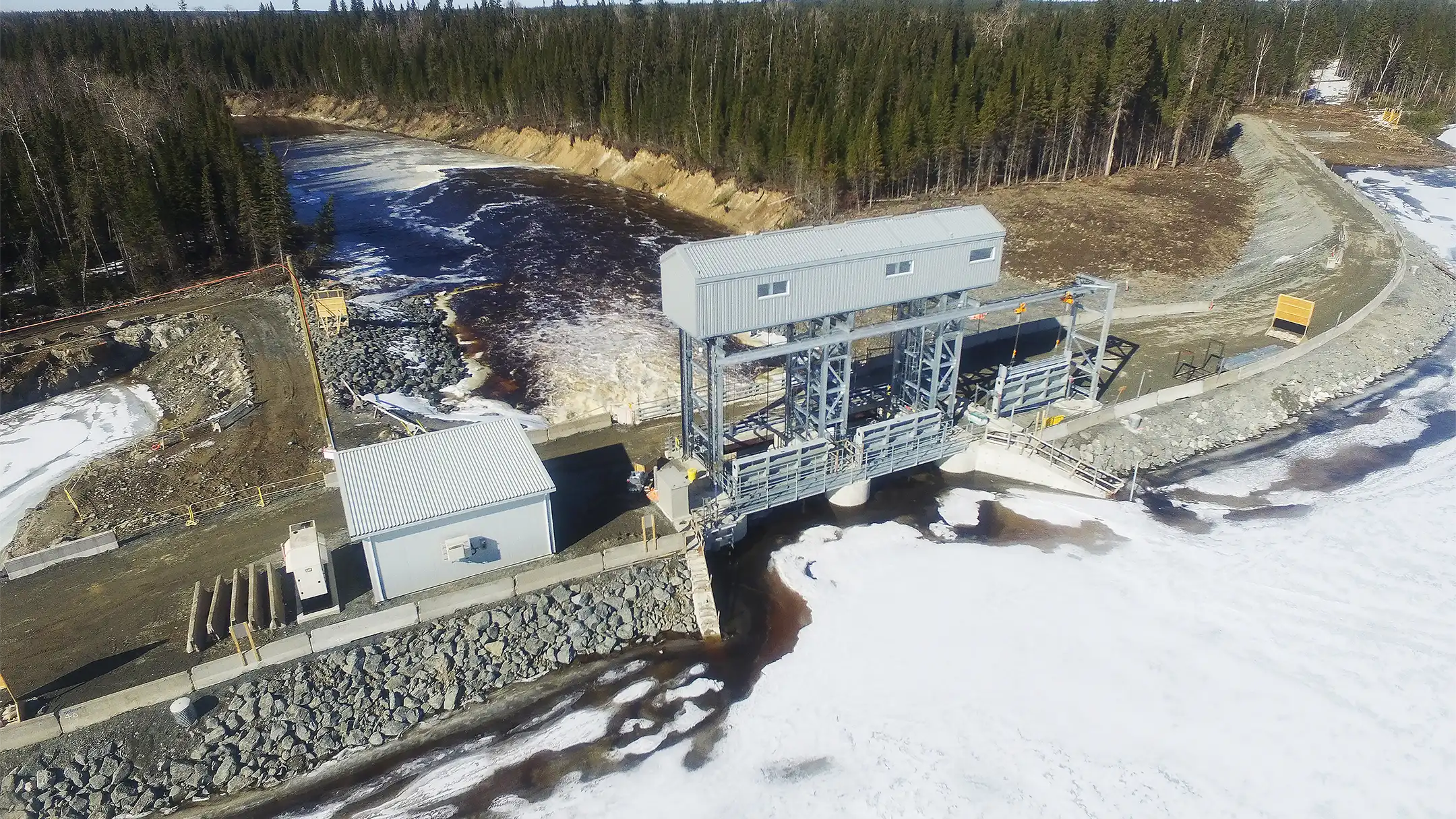
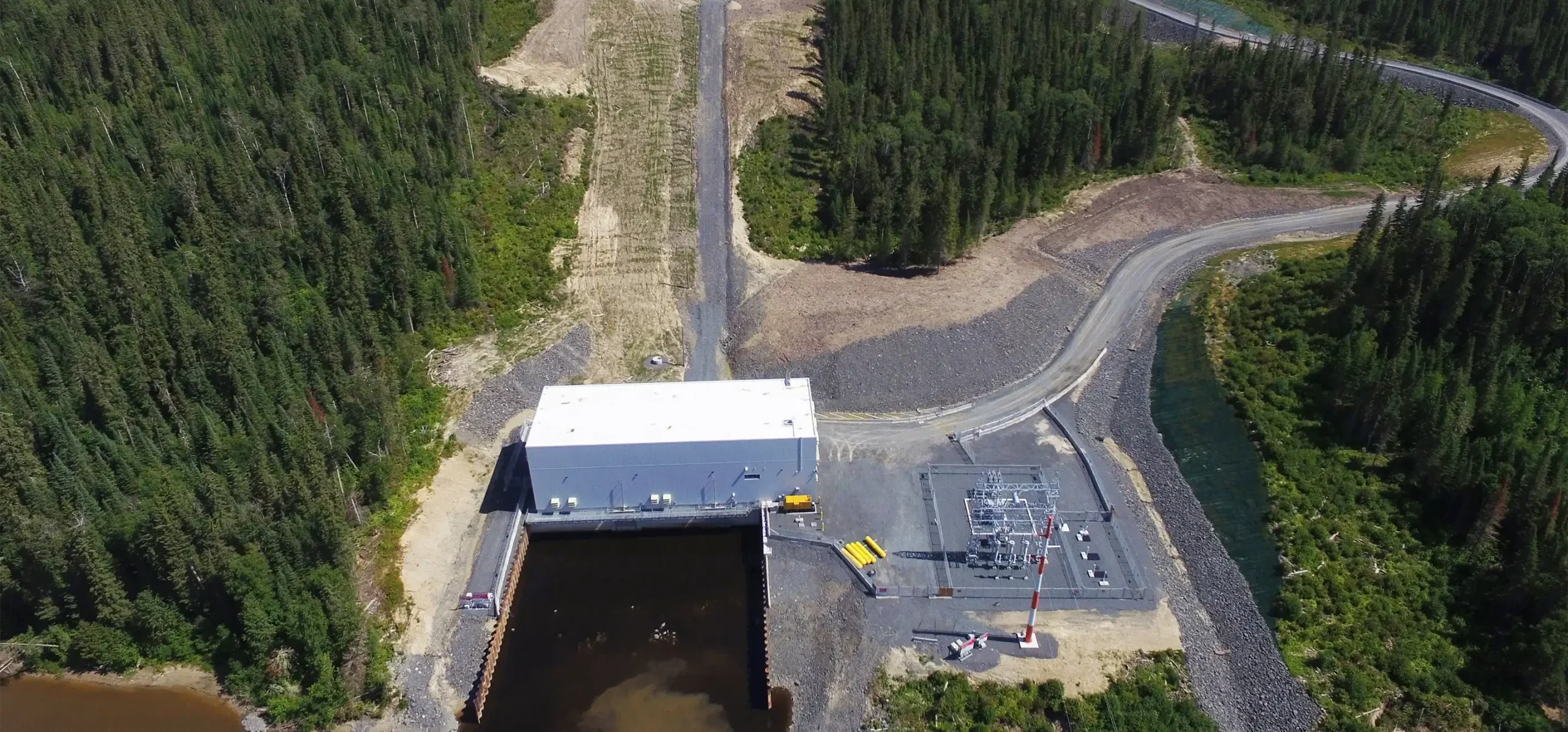
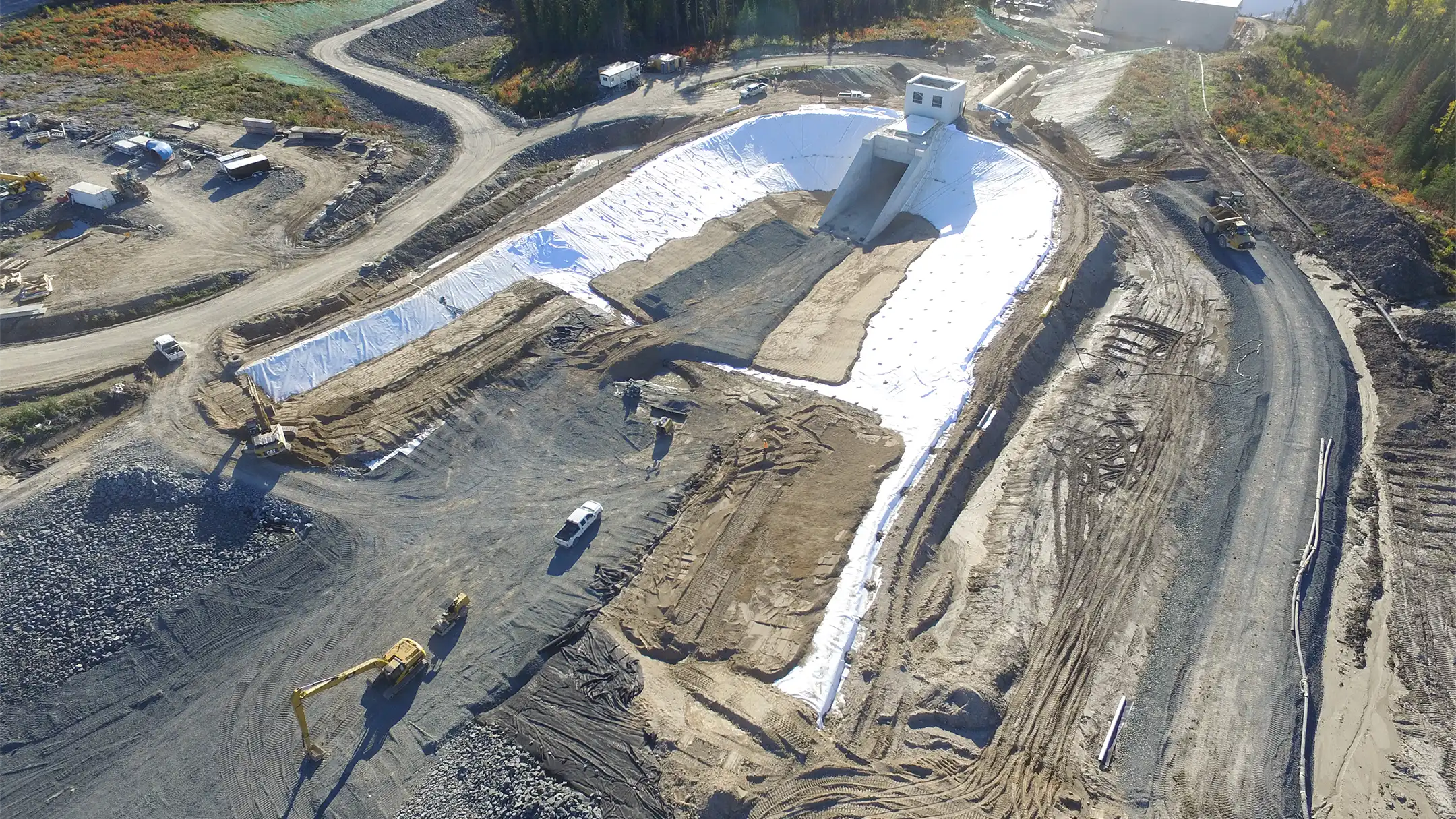
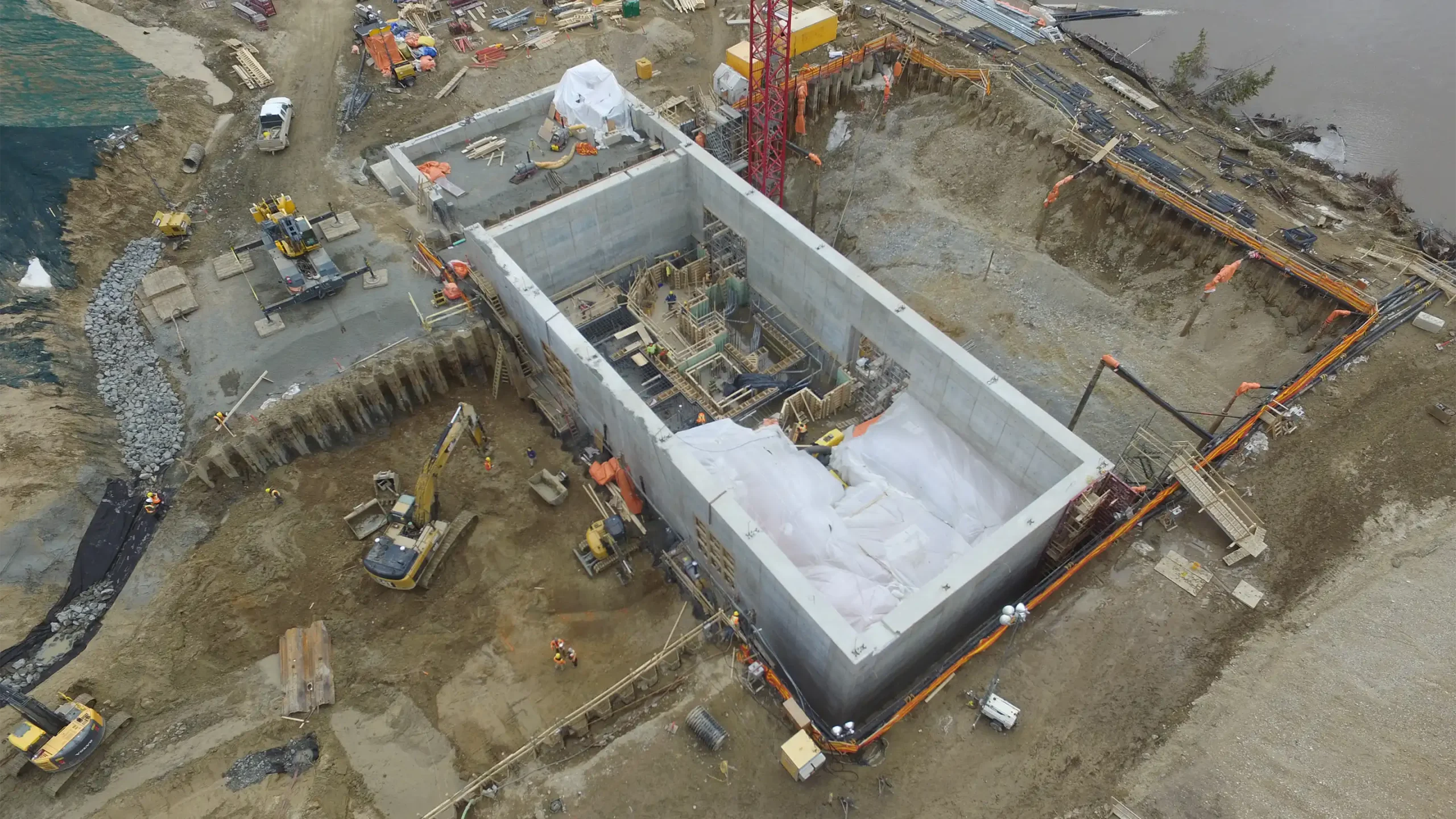
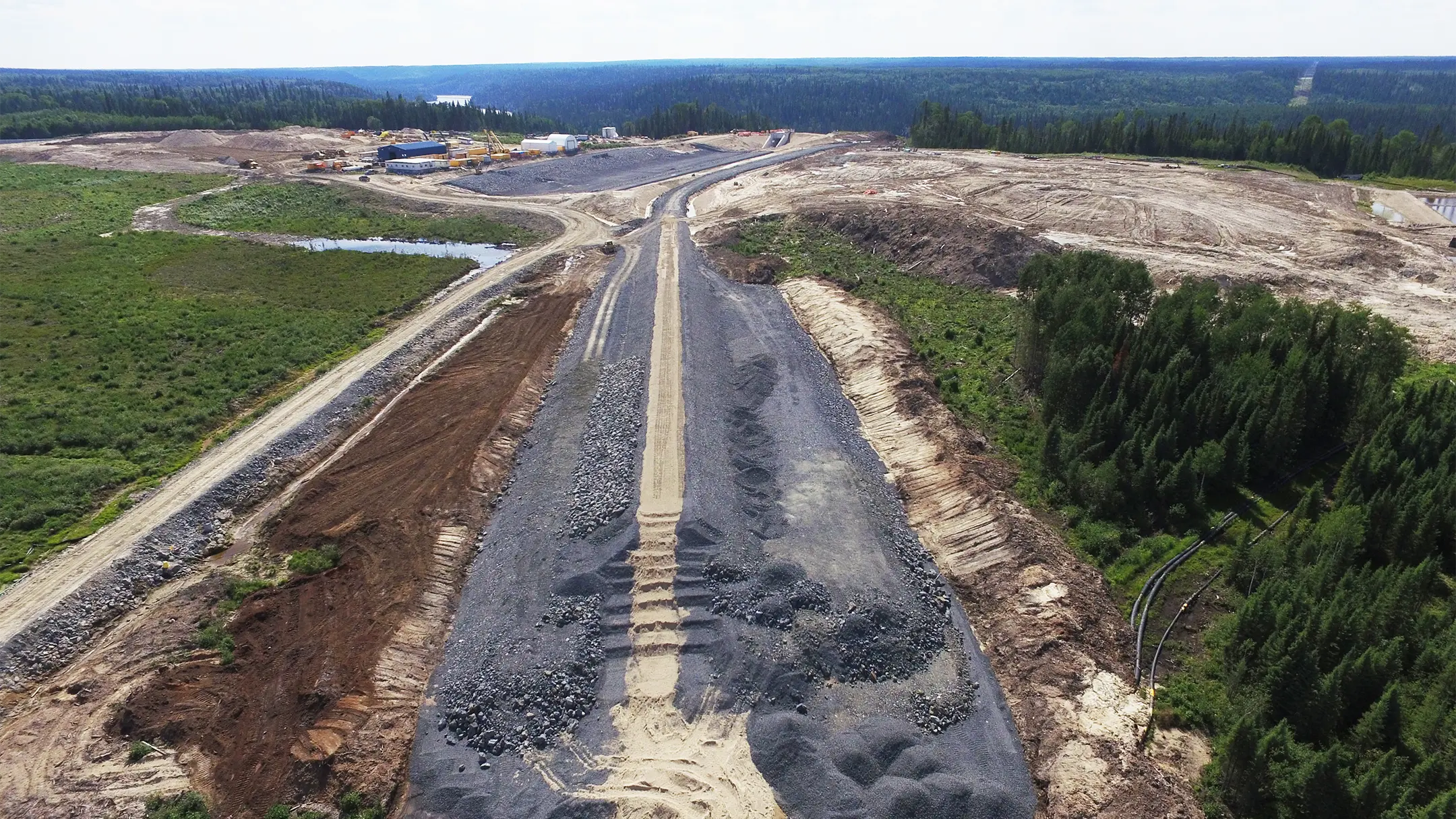
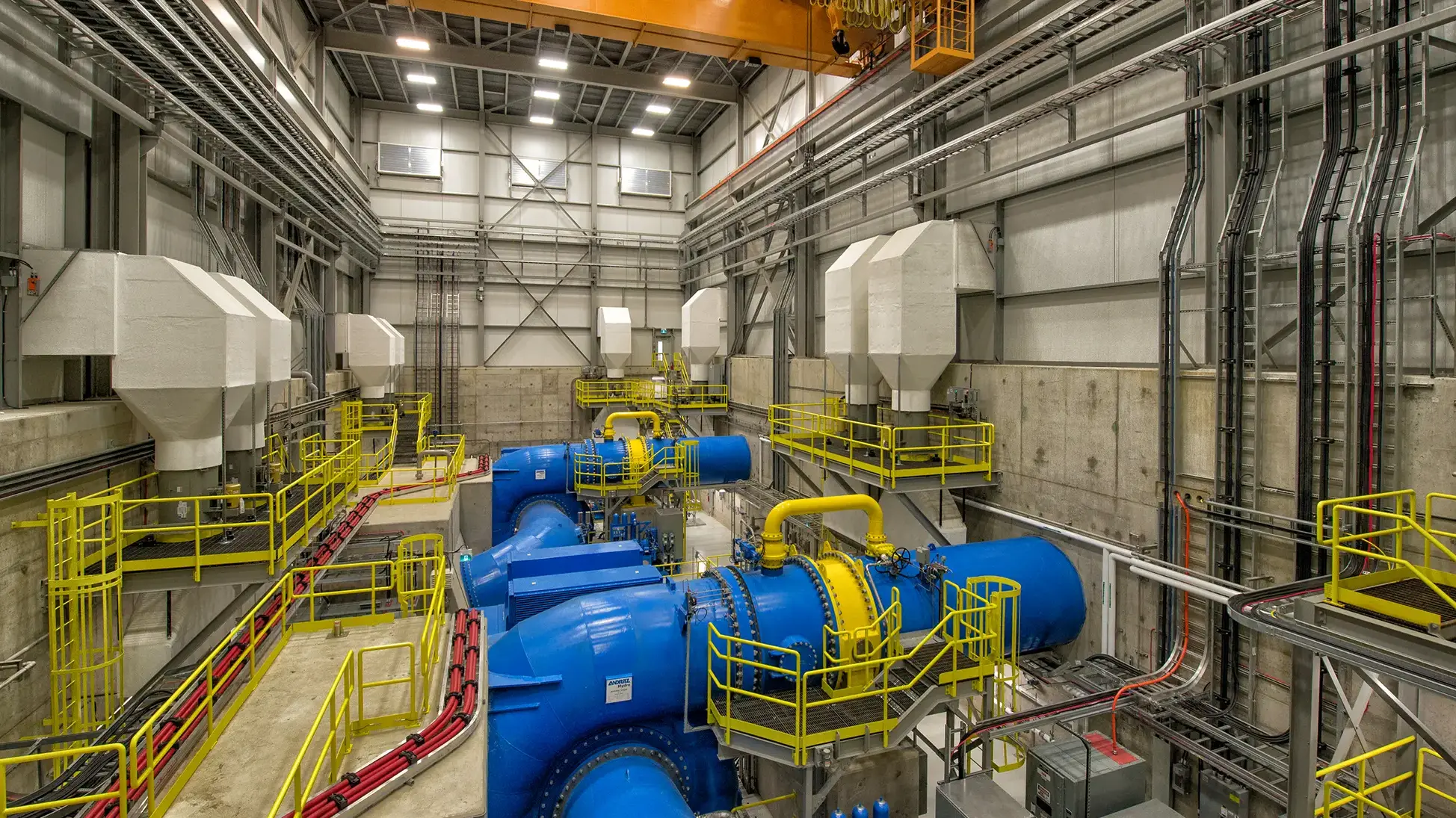
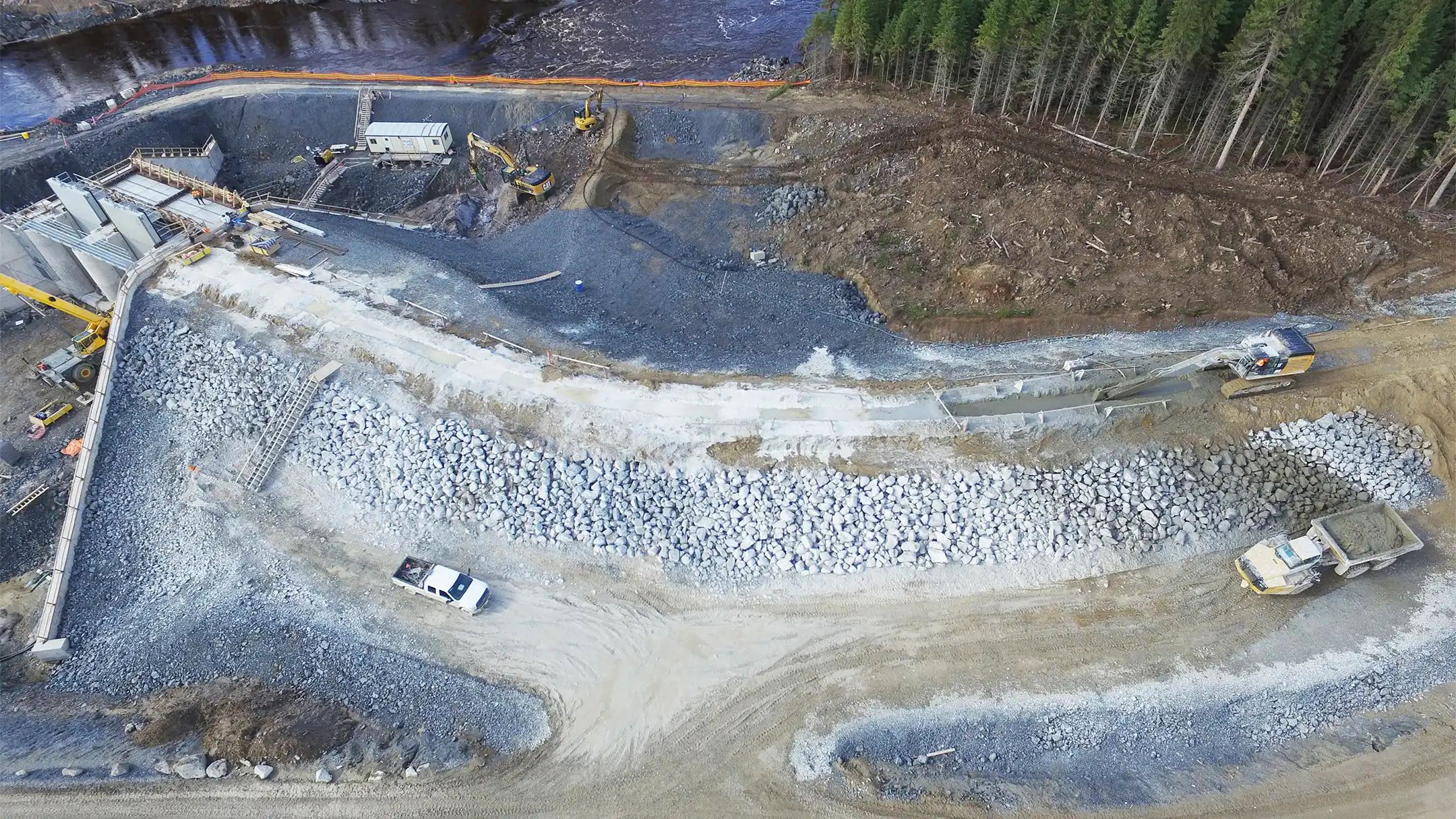
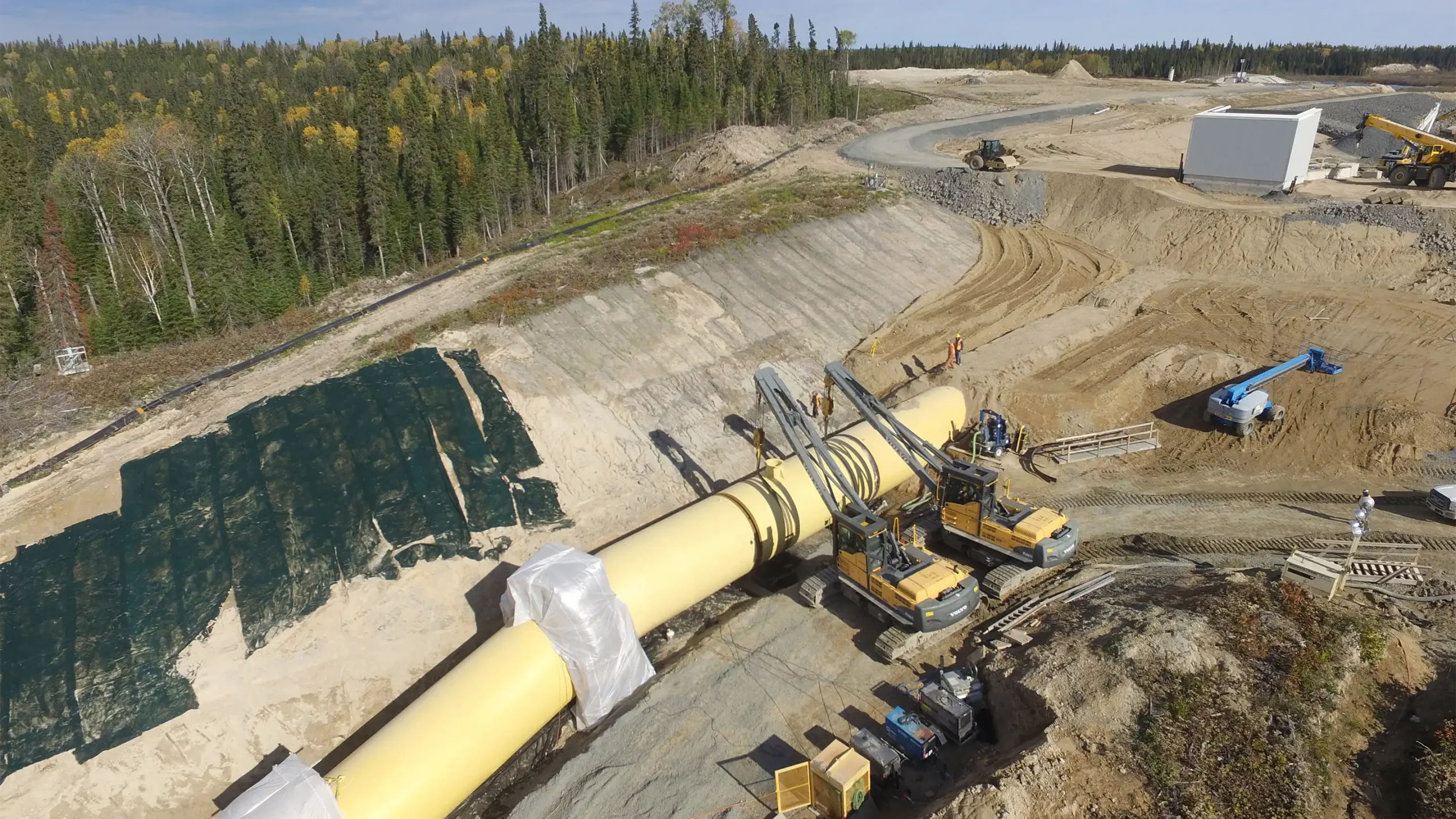
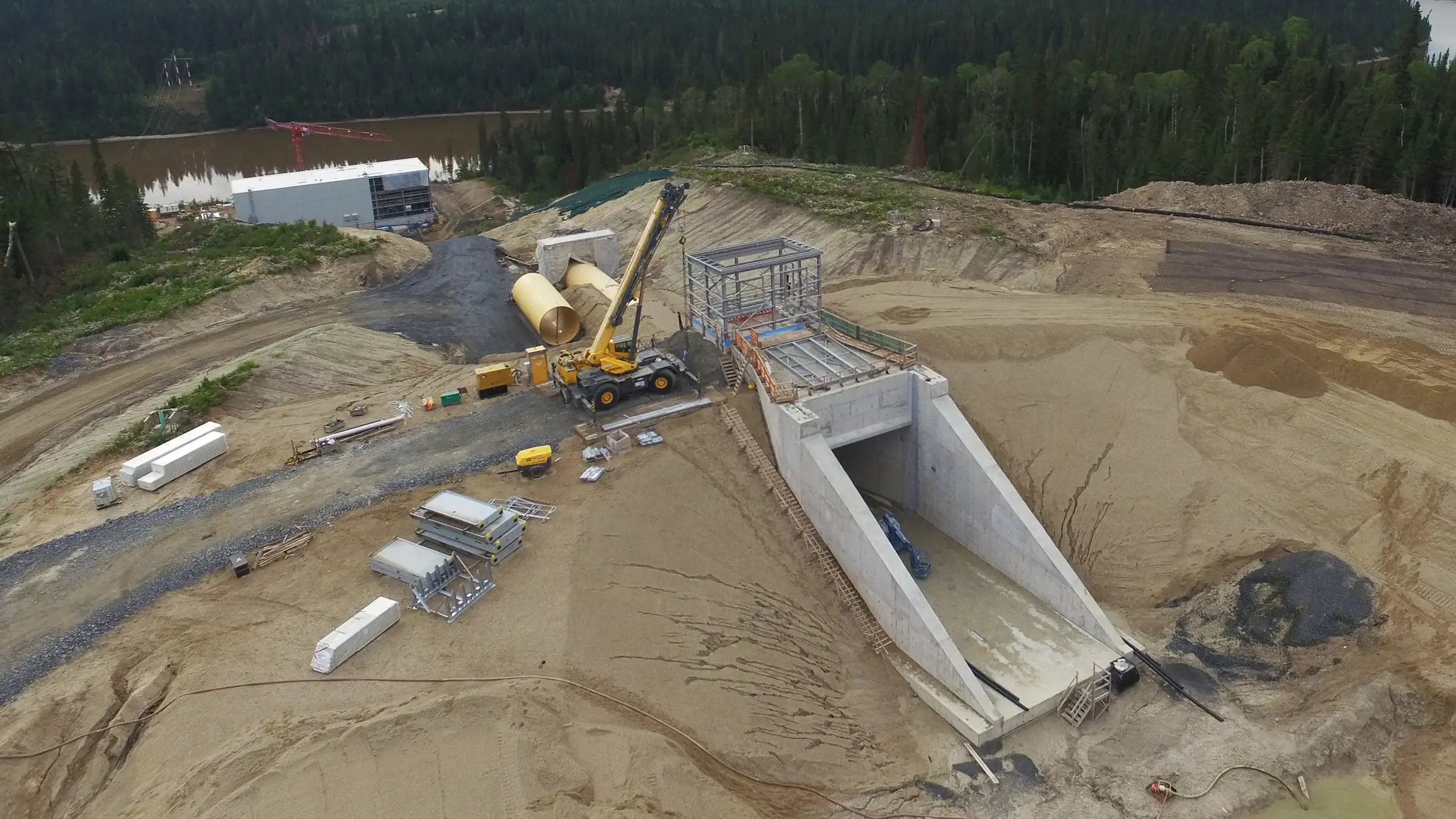
Ontario Power Generation and Coral Rapids Power Corporation (a company wholly owned by Taykwa Tagamou Nation) are equity partners in the Peter Sutherland Sr. Generating Station. Named after a respected community elder, the 28 MW hydroelectric power station is remotely located at the confluence of the Abitibi River and New Post Creek within the Taykwa Tagamou Nation traditional territory of northeastern Ontario. A portion of the flows from New Post Creek have been harnessed to provide clean, renewable hydroelectric energy.
KGS Group worked closely with Ontario Power Generation and Coral Rapids Power through the conceptual and preliminary design stages, ultimately acting as the owner’s representative through the design-build construction phase that was performed by Kiewit and Aecon. KGS Group staff were onsite throughout construction assisting and collaborating with the owners and contractor team.
Construction was completed safely, on budget, and ahead of schedule. The project is not only an investment into Ontario’s clean energy future; it is a symbol of reconciliation and the culmination of a strong partnership between Taykwa Tagamou Nation and Ontario Power Generation that will benefit the community for generations.
Project Highlights
- Powerhouse construction with two horizontal‑axis Francis turbines with a total plant capacity 28 MW
- Gated intake structure and approach channel with controlled conveyance from New Post Creek
- 4 m diameter steel penstock 250 m long
- 520 m long embankment dam with a cement-bentonite core
- Two-bay gated spillway
Whitehorse Diesel-LNG Conversion
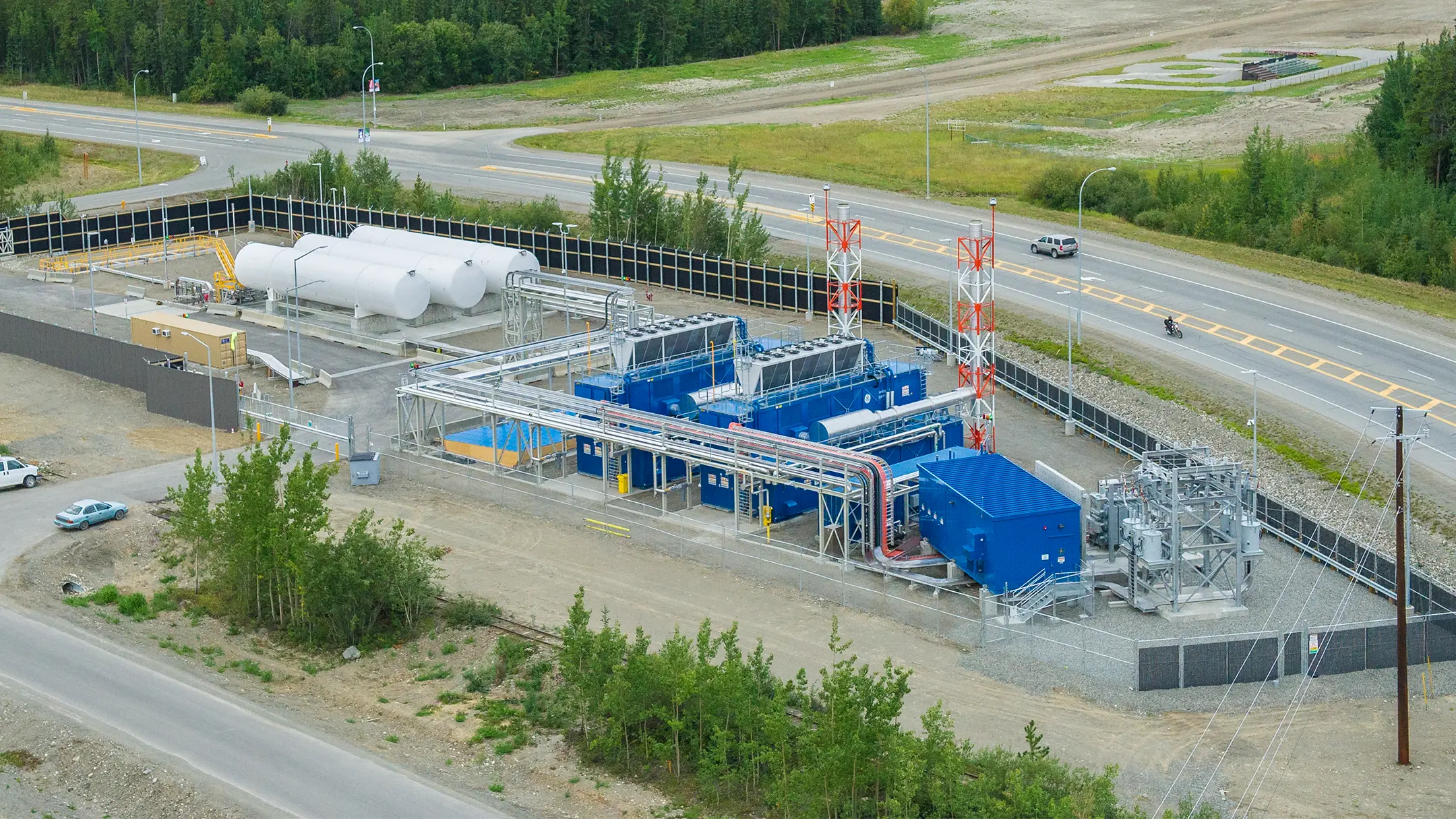
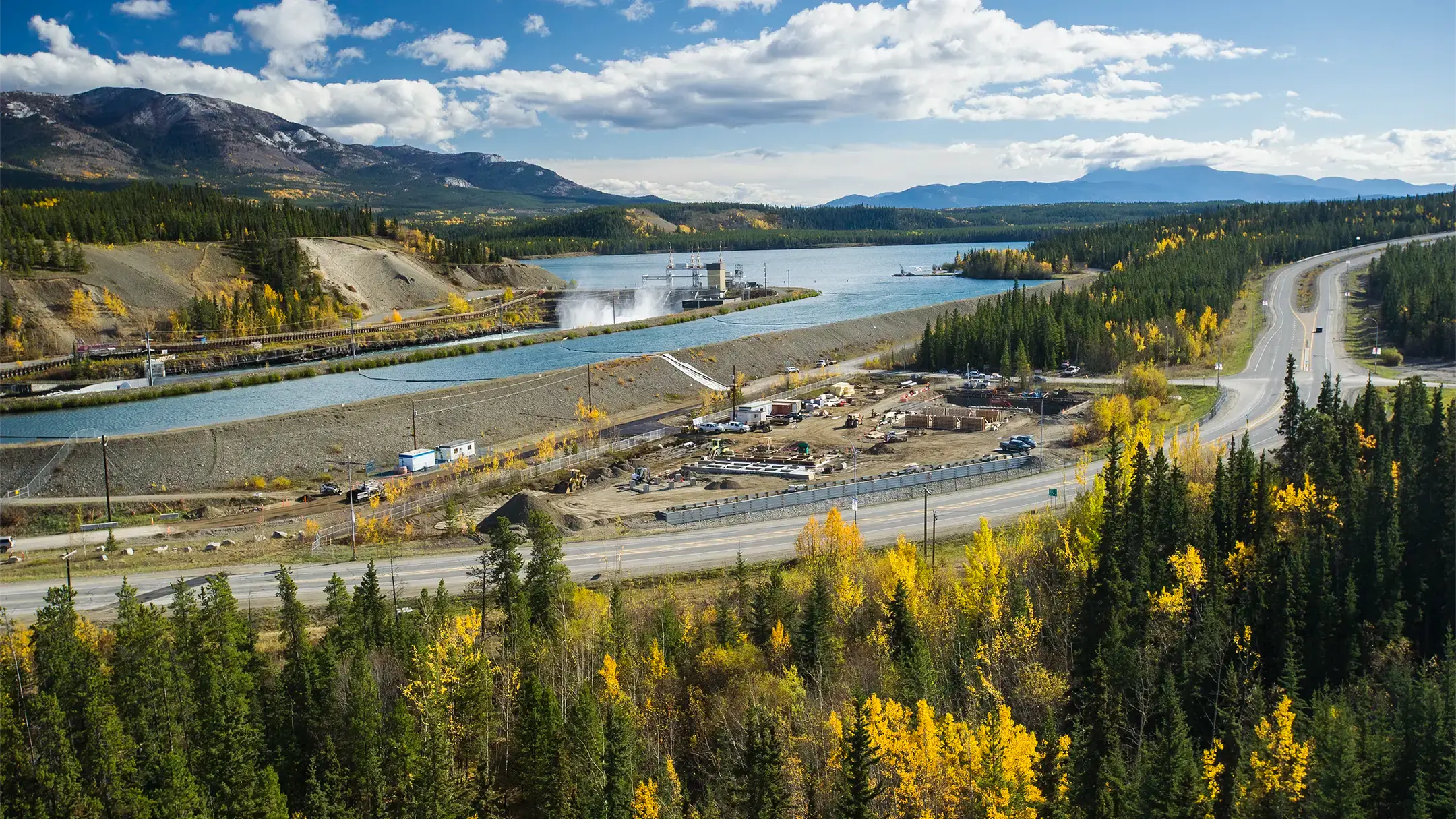

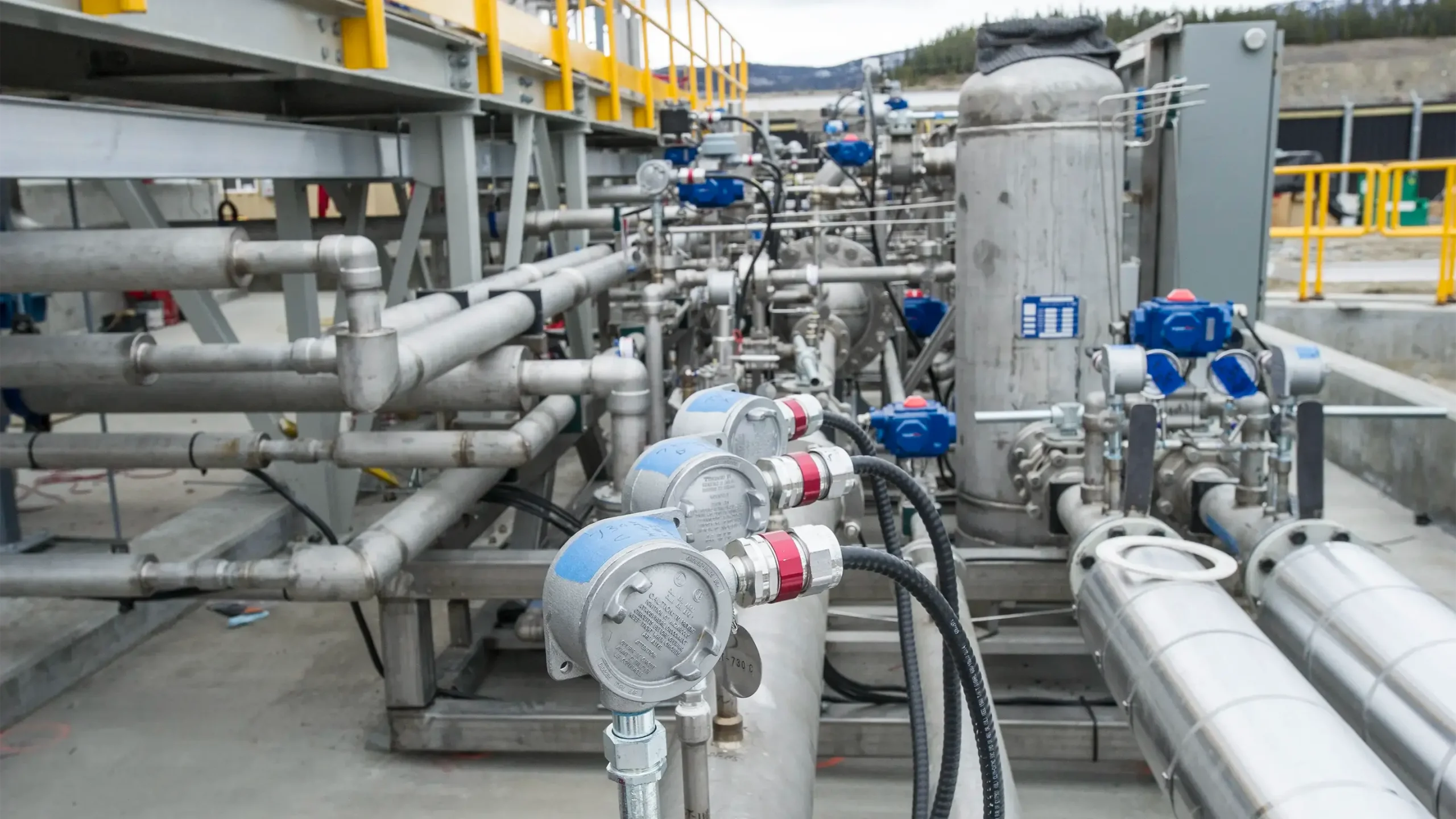
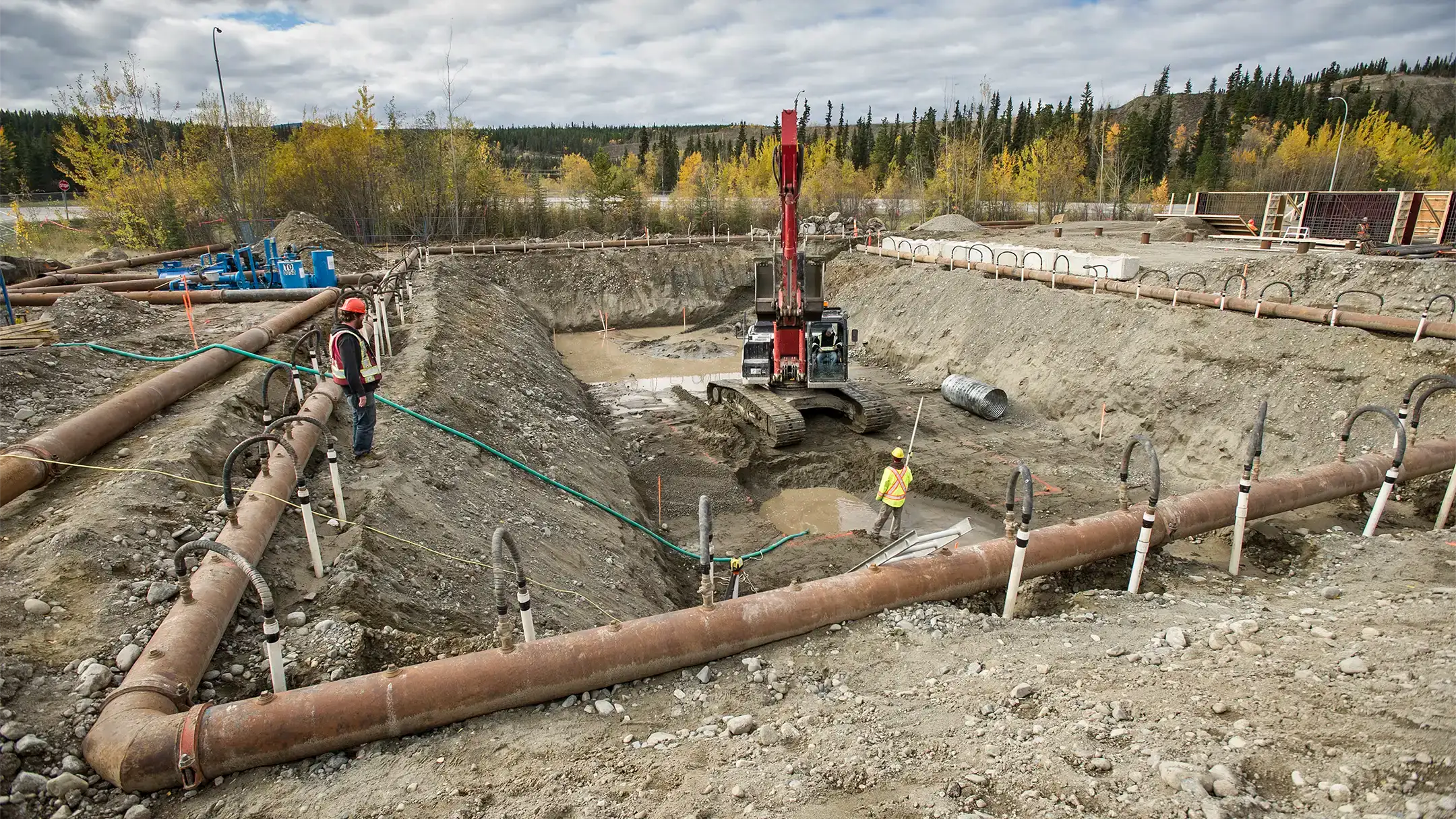



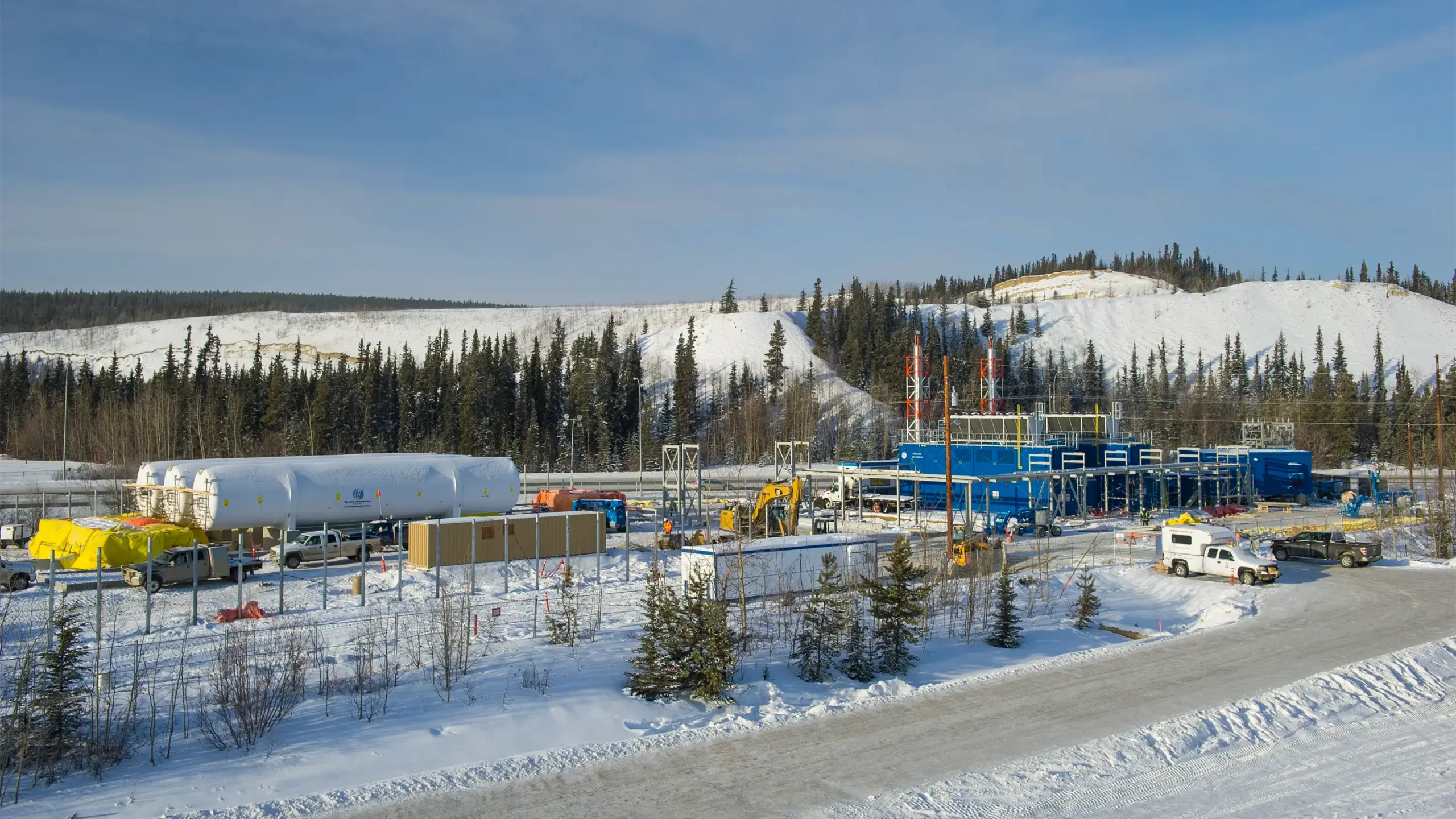
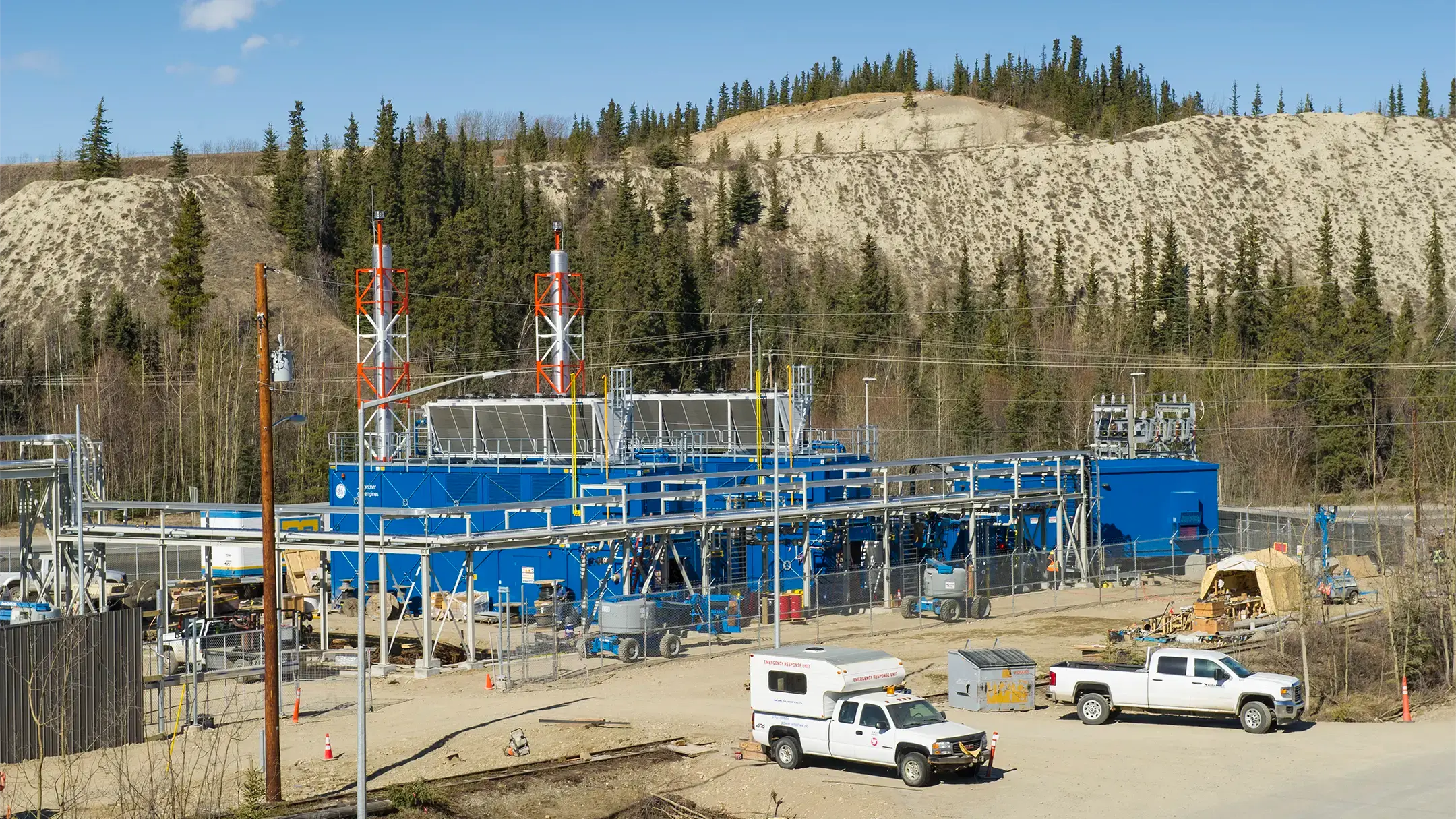
While the Yukon draws the bulk of its energy from renewable hydroelectric and wind power, the territory’s electrical grid required a backup source of power to meet consumer needs. Yukon Energy retained KGS to modernize the existing diesel system to meet peak demand and maintain territory-wide service for residents.
A new liquefied natural gas (LNG) fueled backup power generating station and associated infrastructure was constructed adjacent to Yukon Energy’s existing primary power generating station in Whitehorse, Yukon. Commissioned in 2015, the project site includes two modular LNG fueled reciprocating generators intended to replace Yukon Energy’s aging diesel generating equipment and to provide flexible and reliable backup power to supplement Yukon’s other power sources.
Project Highlights
- An LNG backup station was built with two modular reciprocating generators
- First use of LNG in Yukon
- Lower greenhouse gas emissions than the previous diesel system, long‑term ratepayer savings and improved reliability and peak support
Davis Diversion Coanda Fish Exclusion Screen

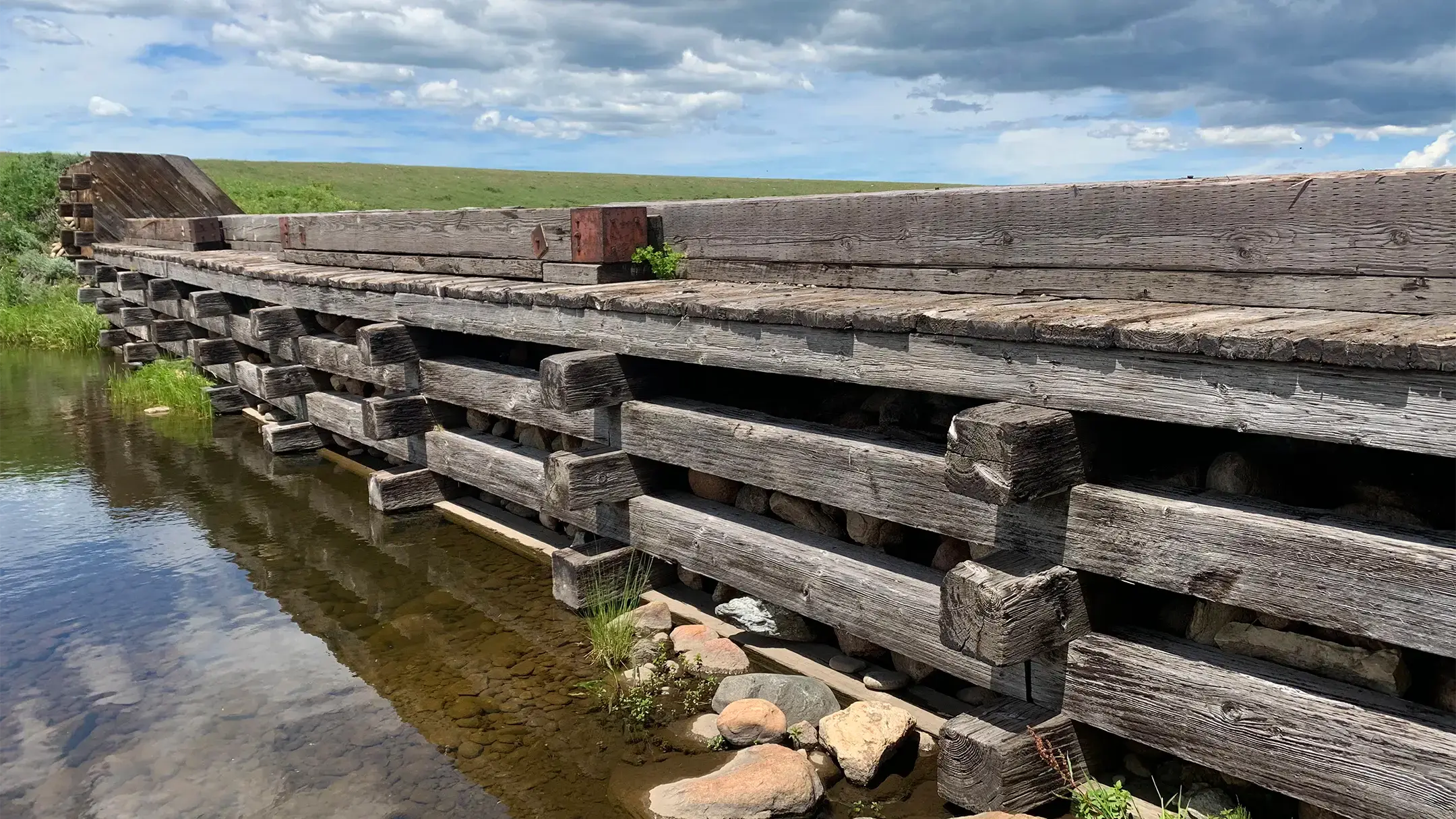
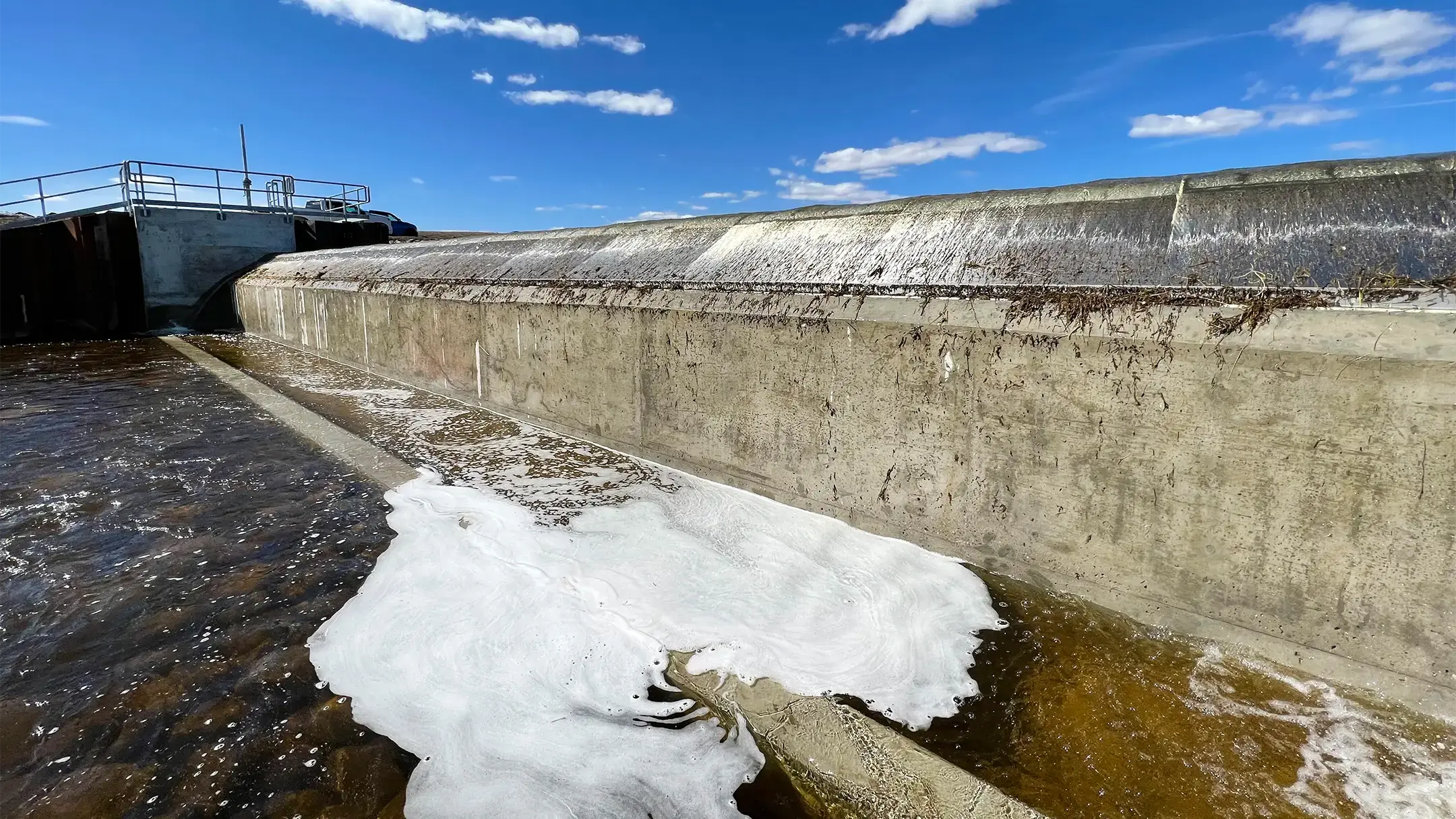
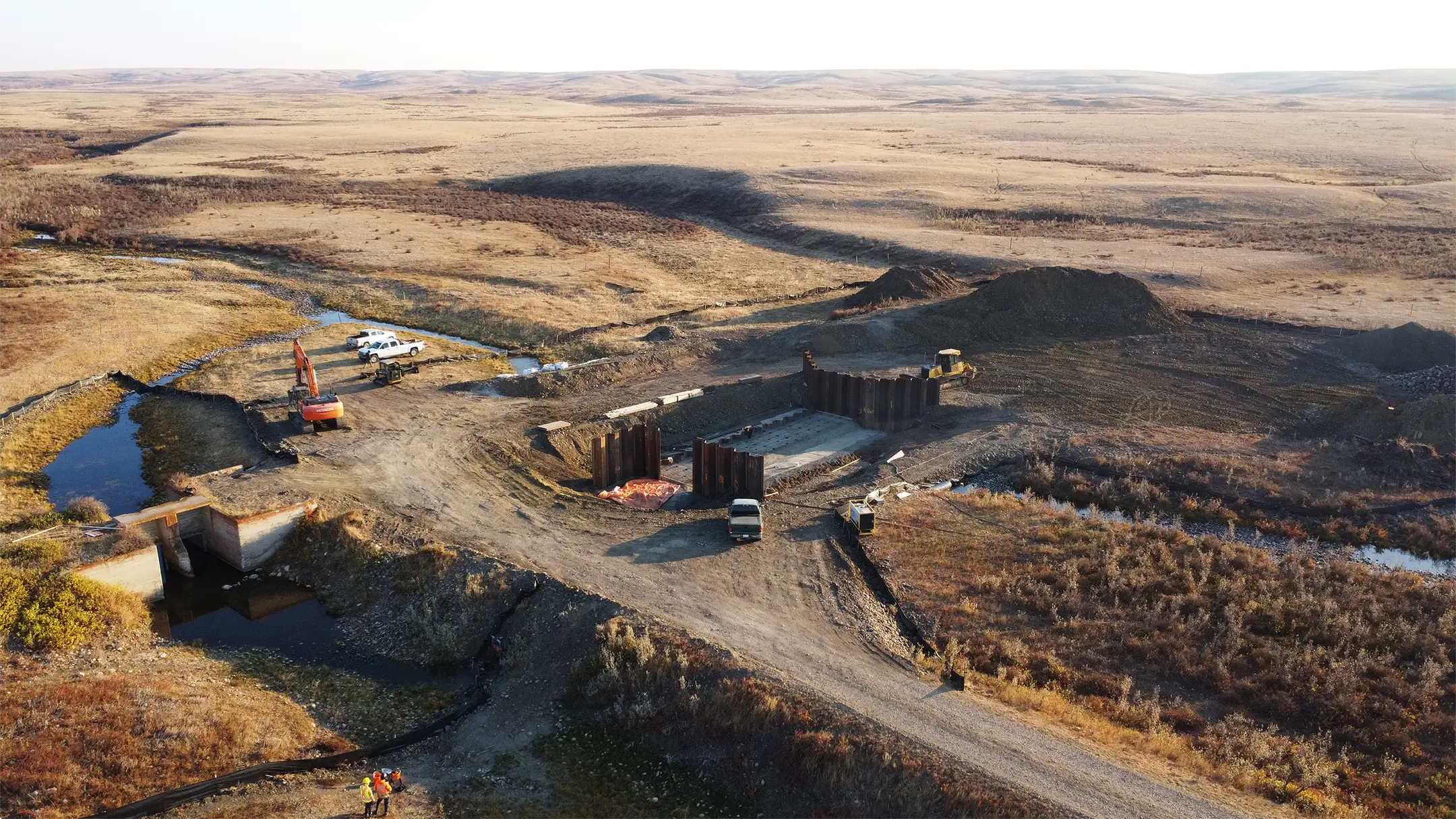
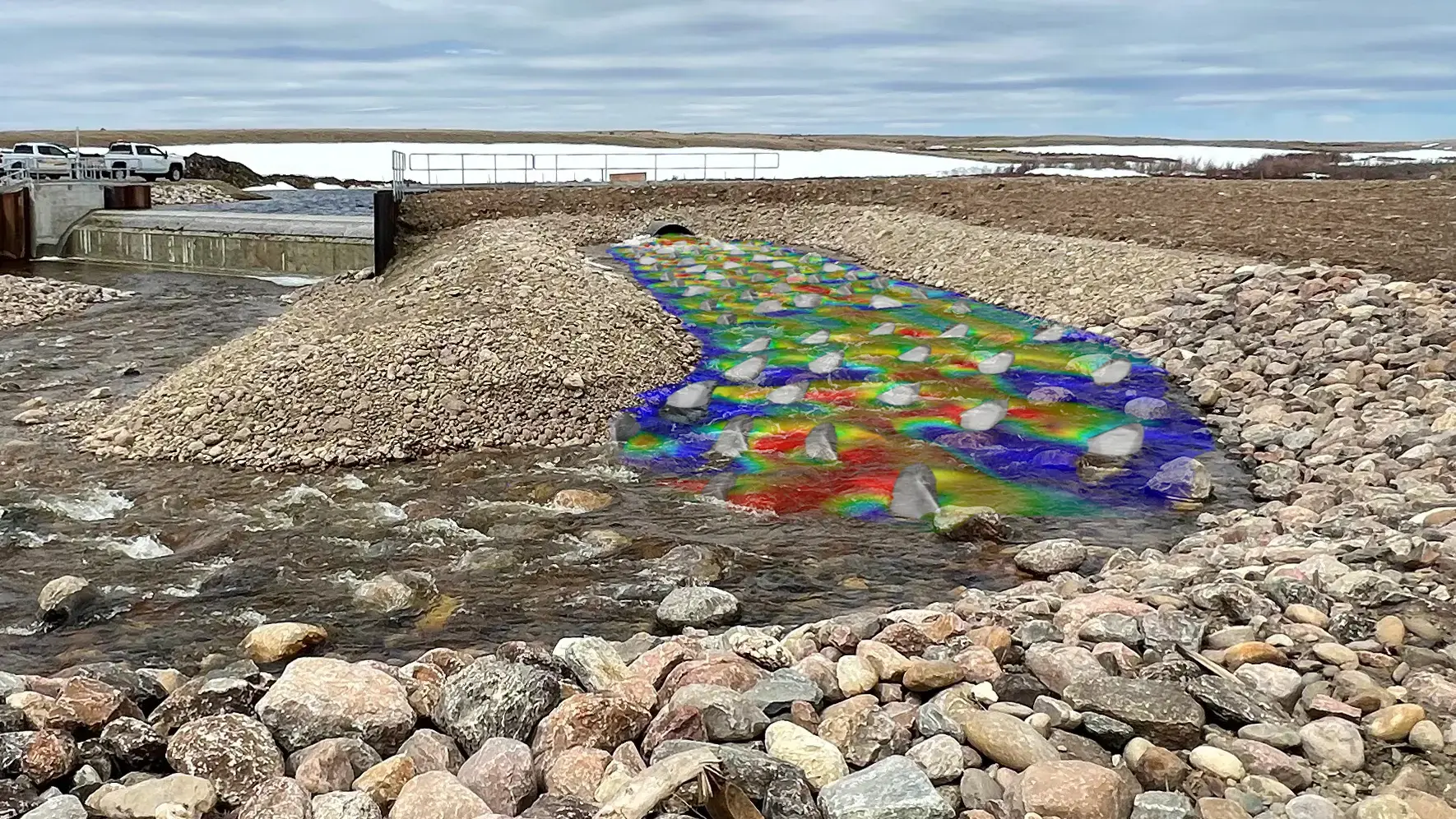
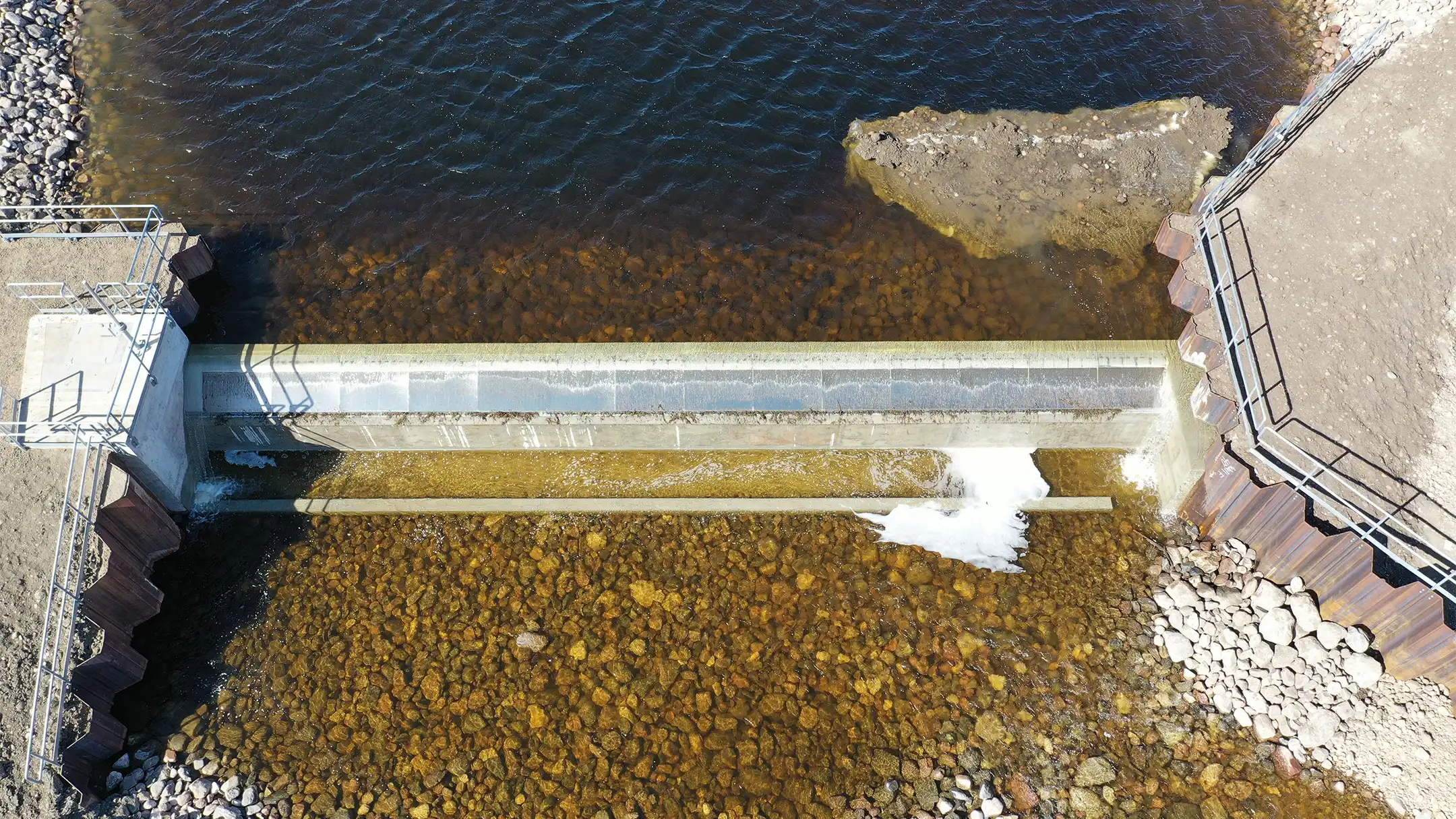
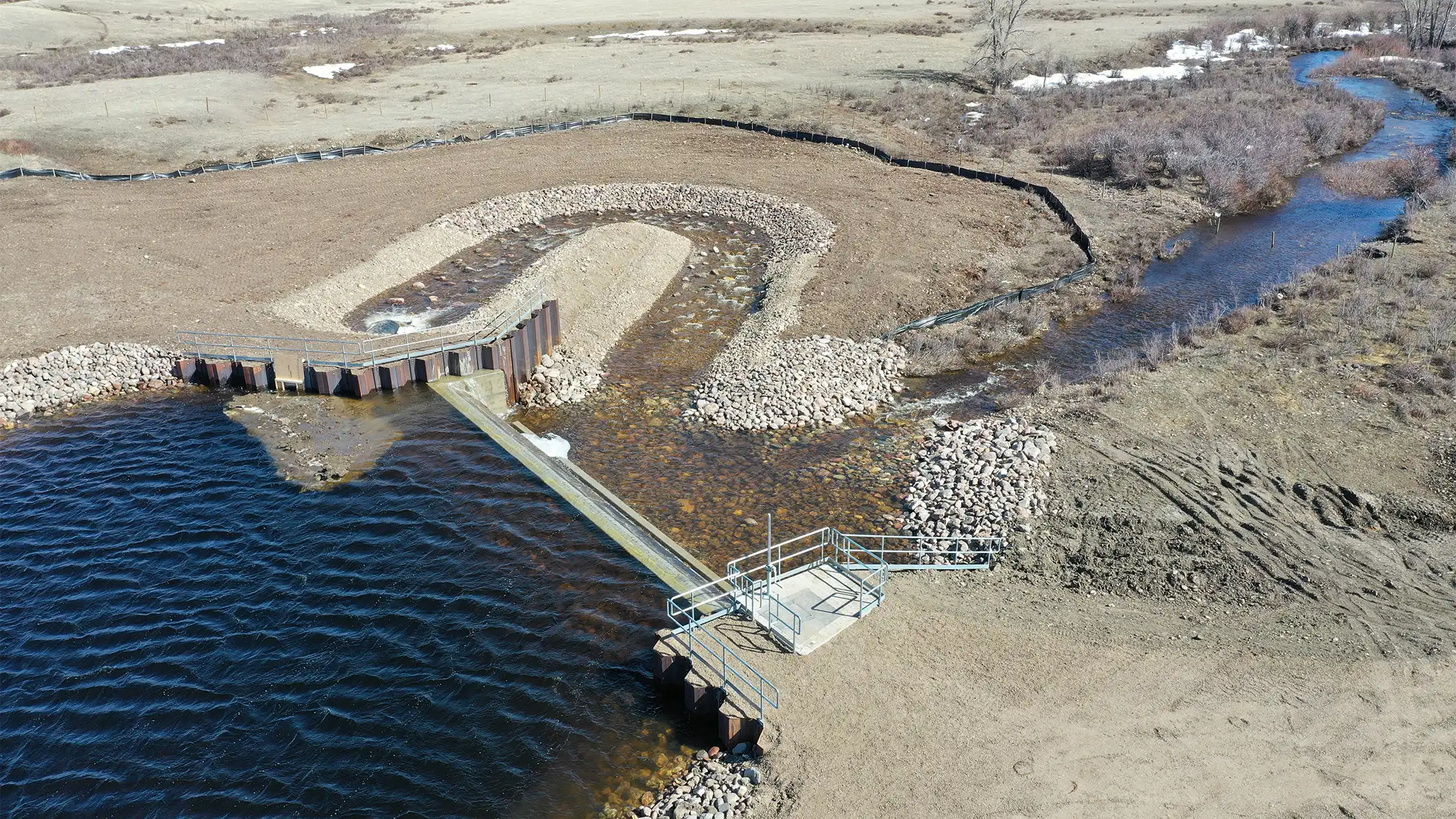
The Davis Diversion was built in 1939 near the town of Maple Creek. The main purpose of this canal is to divert unregulated flow to Cypress Lake, the main source of drinking water and irrigation projects in Southwestern Saskatchewan. Operation of the original diversion has, in the past, resulted in stranding of at risk fish species.
The Water Security Agency (WSA) ceased operation of the diversion system while contemplating solutions. KGS Group developed a solution consisting of the design and construction of a new concrete weir with a Coanda fish exclusion screen, combined with a new rock ramp fishway. This structure provides a novel solution for WSA to achieve its water management objectives, while protecting the area’s sensitive aquatic environment and bringing infrastructure into regulatory compliance.
Project Highlights
- Conceptual and detailed design of fish exclusion at diversion intake
- Replacement and modernization of aging water control structures
- Upstream fish passage integrated around the control structure
- Final product was in complete compliance with Fisheries Act and SARA
- Enables resumption of diversion operations to Cypress Lake
Lake Manitoba and Lake St. Martin Outlet Channels
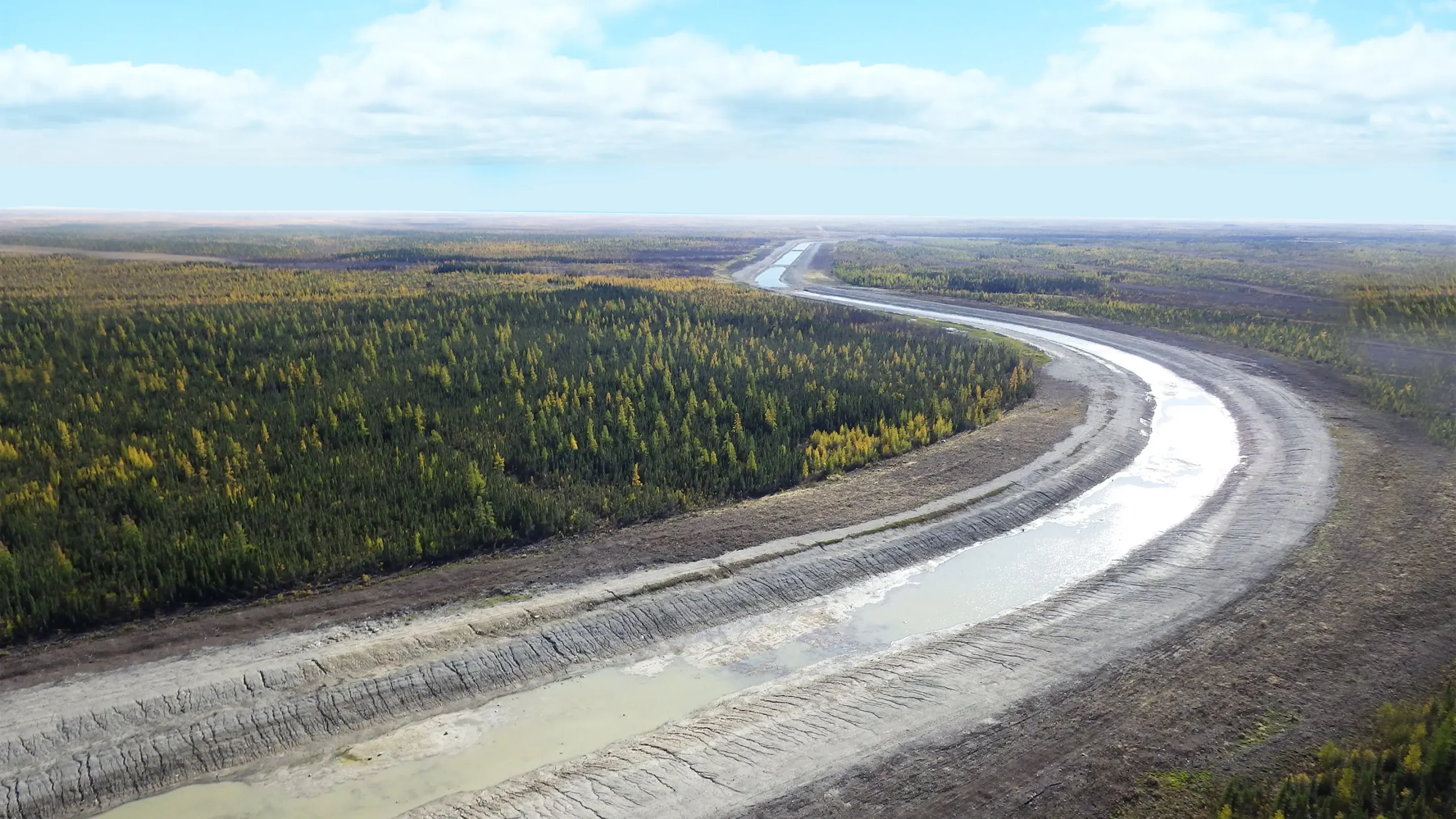
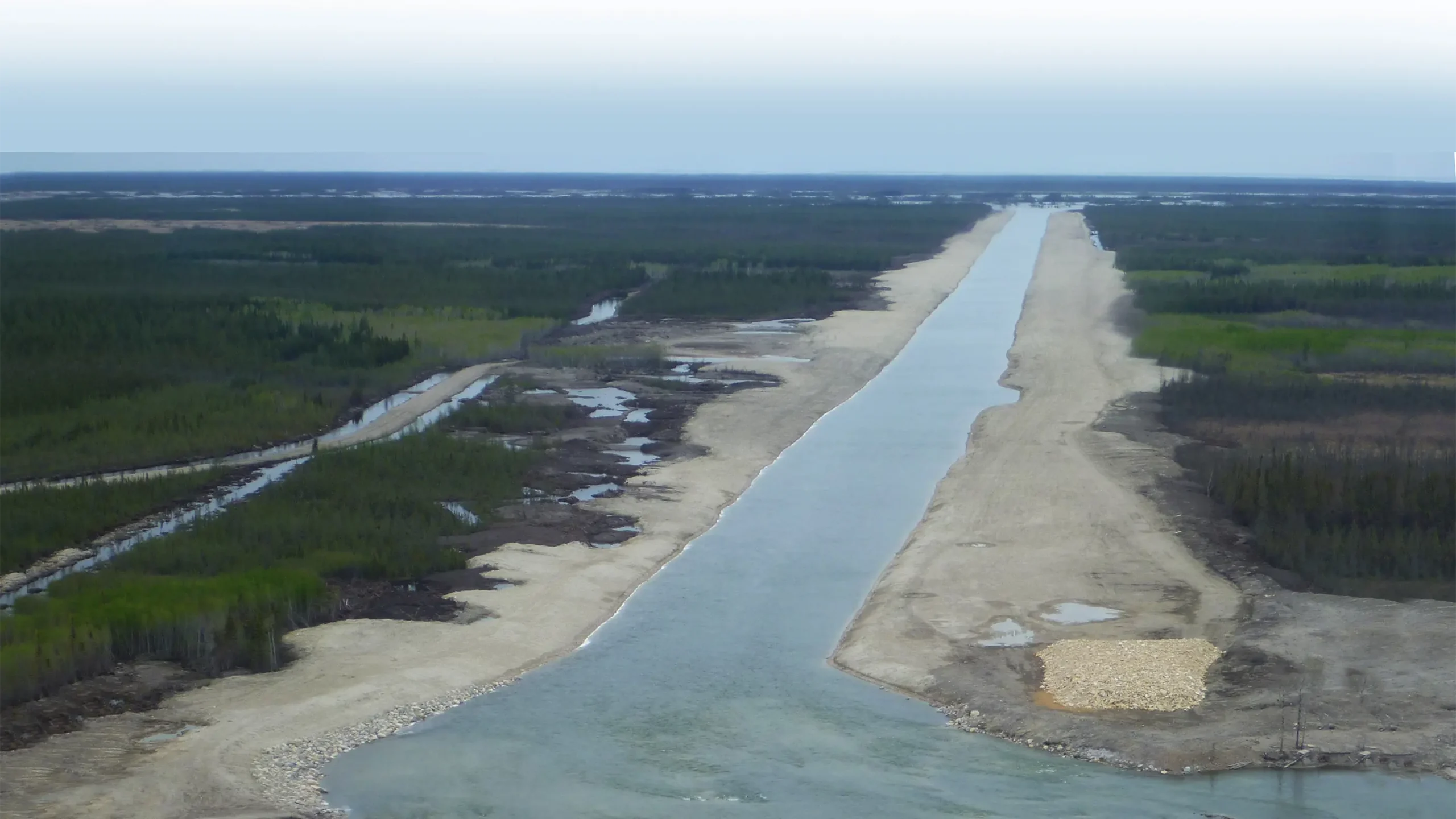
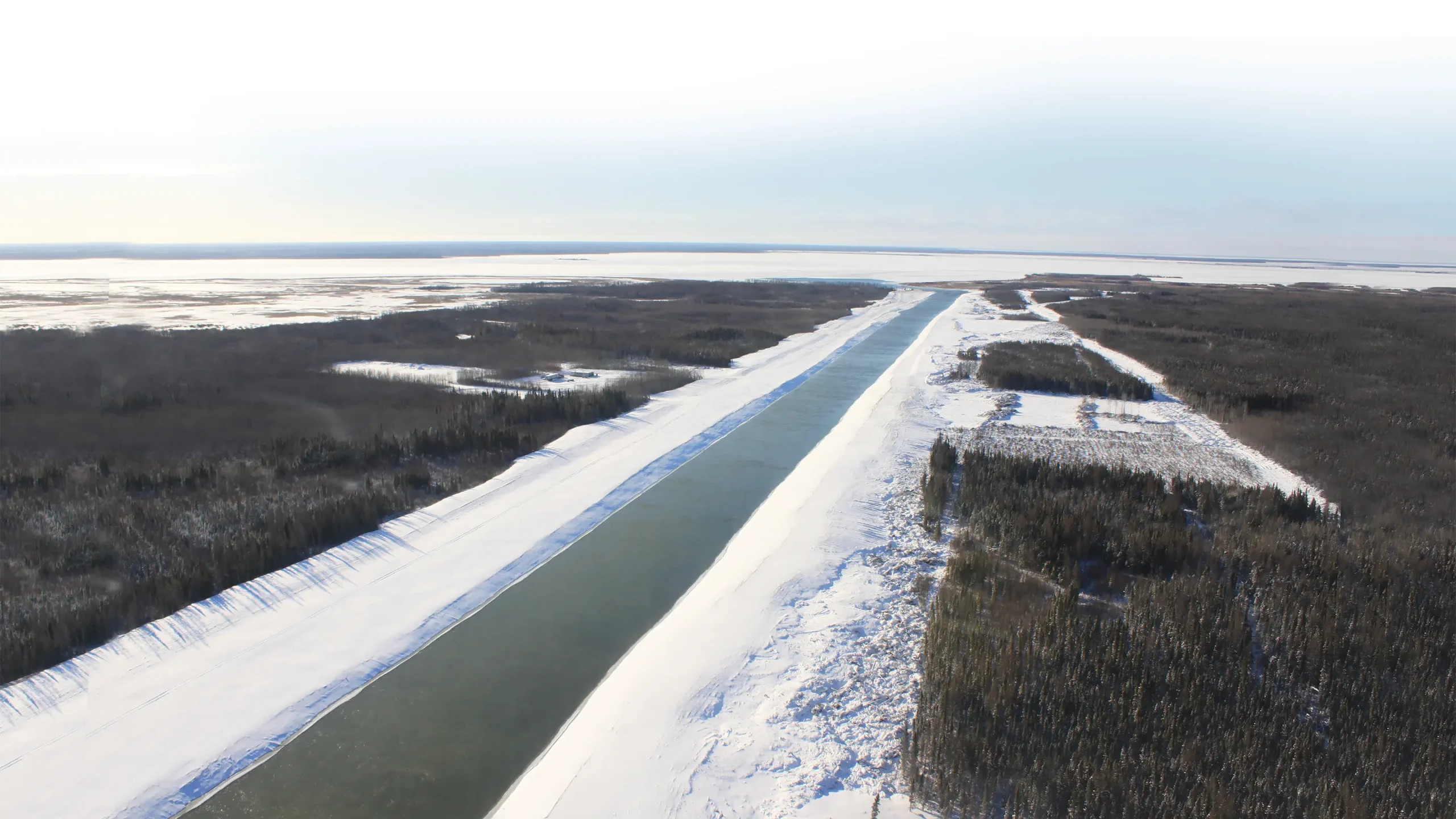
Following severe flooding events in 2011 and 2014, the Province of Manitoba retained KGS Group for the design of the Lake Manitoba and Lake St. Martin Outlet Channels Project. The outlet channels will serve as new, permanent flood control infrastructure for both lakes.
Completed under tight schedule restrictions, the conceptual design work involved:
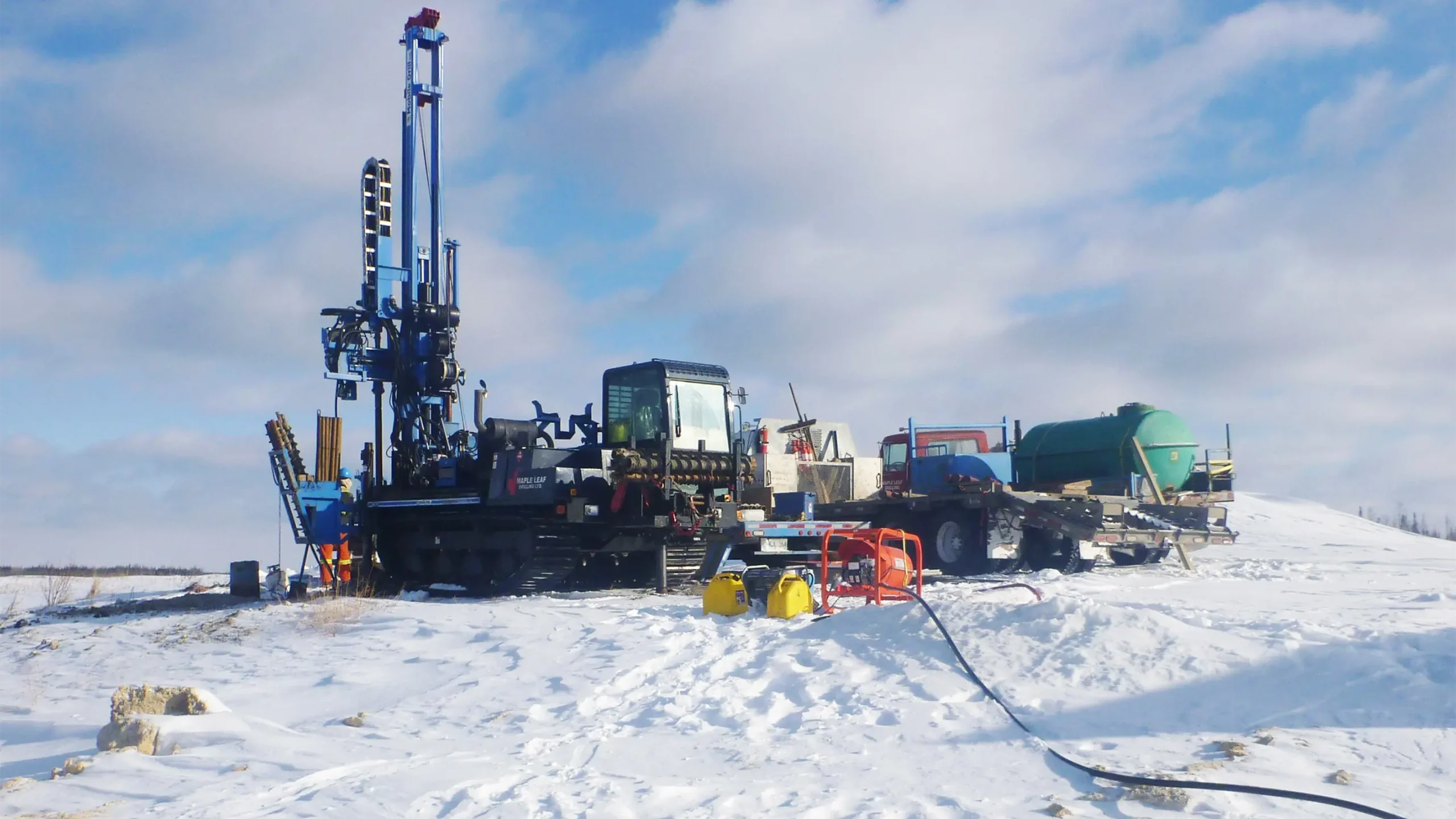
- Remote field investigations
- Extensive review and analysis of the various channel configurations
- Preparation of concept designs, cost estimates and constructability reviews
- Identification, assessment and screening of potential environmental and socio-economic impacts
The diverse range of design components and unique site conditions resulted in a challenging engineering undertaking that was successfully managed by the multidisciplinary team of experienced engineers, GIS technicians and support staff assembled by KGS Group.
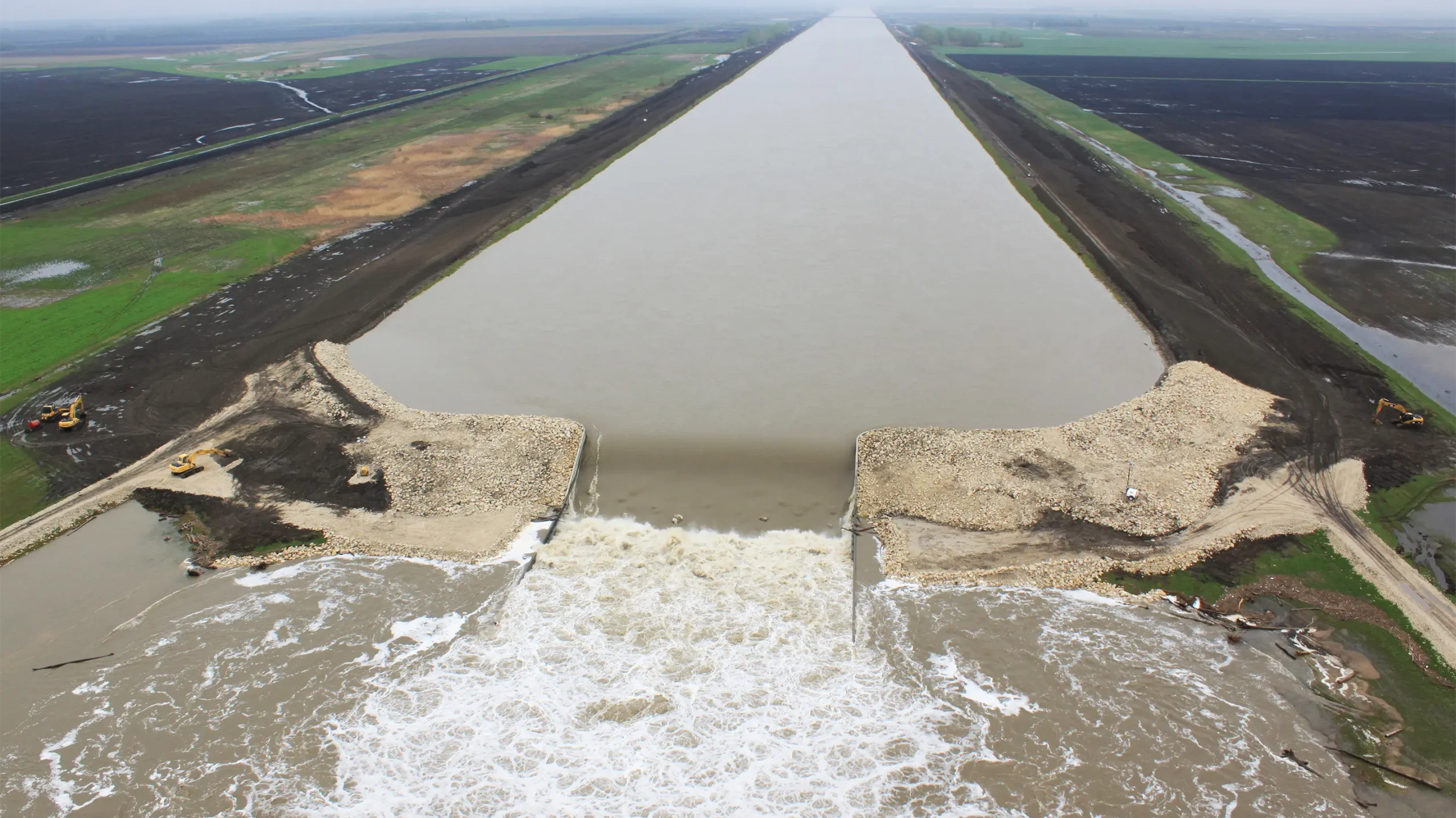
KGS Group subsequently completed the preliminary, final design and tender preparation for the outlet channel from Lake St. Martin to Lake Winnipeg. The project includes roughly 23 km of channel excavation, multiple drop structures, and construction of a water control structure near the channel inlet complete with gates, hoists, bridge deck and ancillary buildings. The total estimated budget for this portion of the project is over $300 million. The construction phase of the project is pending regulatory approval.
Once constructed, the outlet channels are projected to maintain both lakes below flood stage over 99 per cent of the time. They will provide the ability to better regulate the lakes and reduce the impact of future floods, benefiting residents and businesses in the area.
Project Highlights
- Design for 23 km of channel excavation with defined sections and earthworks quantities
- Design of multiple drop structures sized for hydraulic control and energy dissipation
- Water control structure near the channel inlet for operational regulation
Pointe du Bois Spillway Replacement
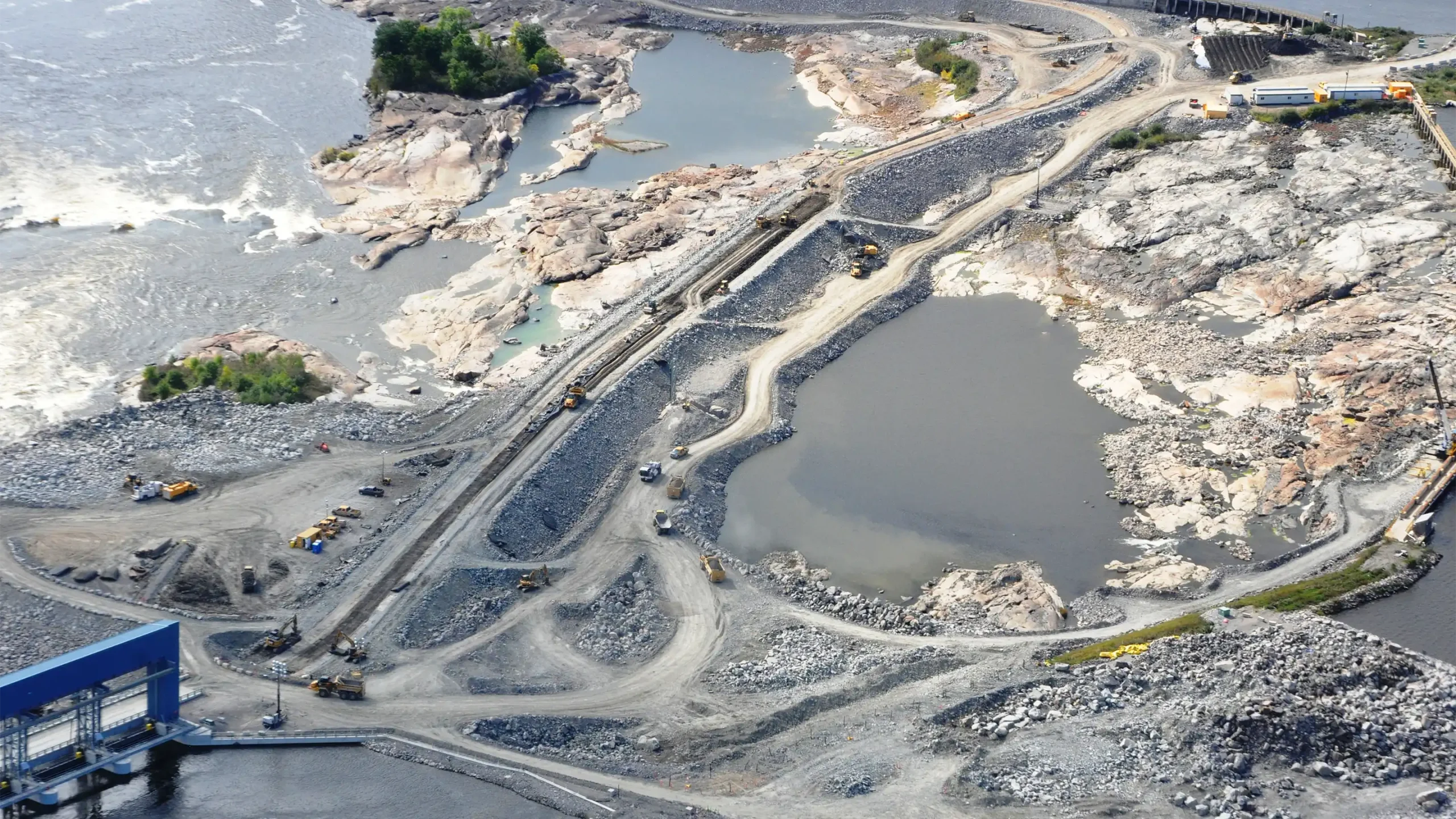
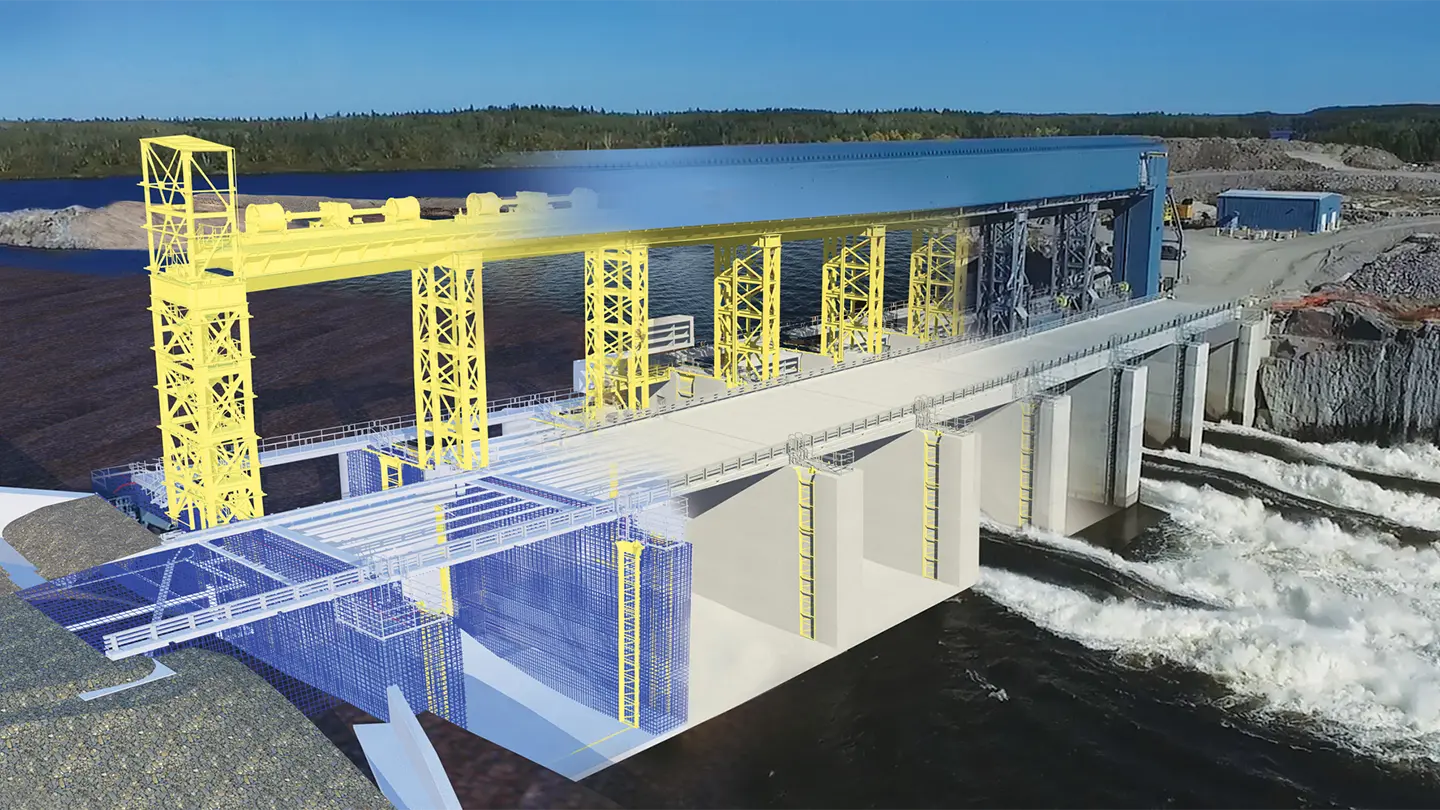
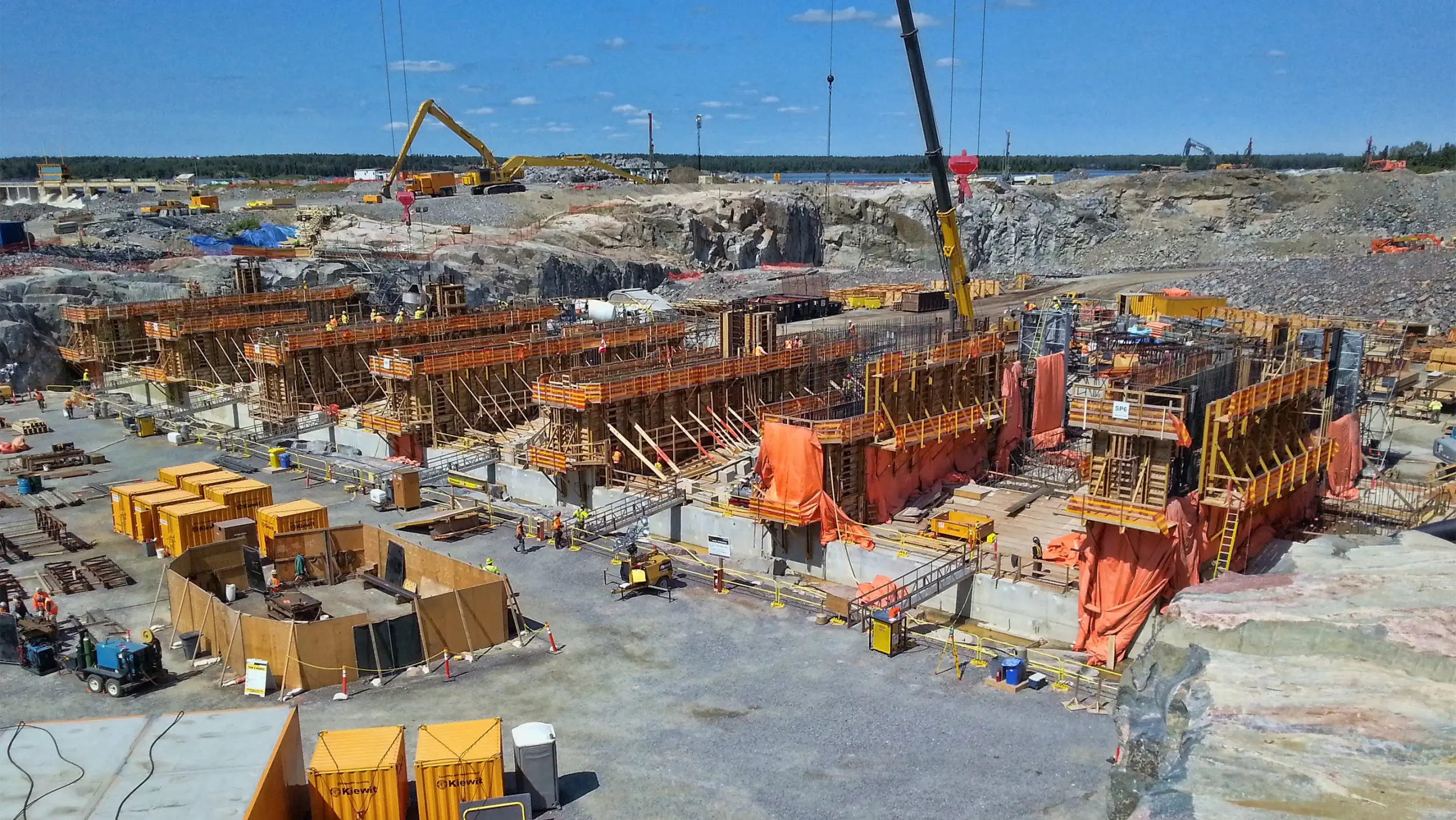
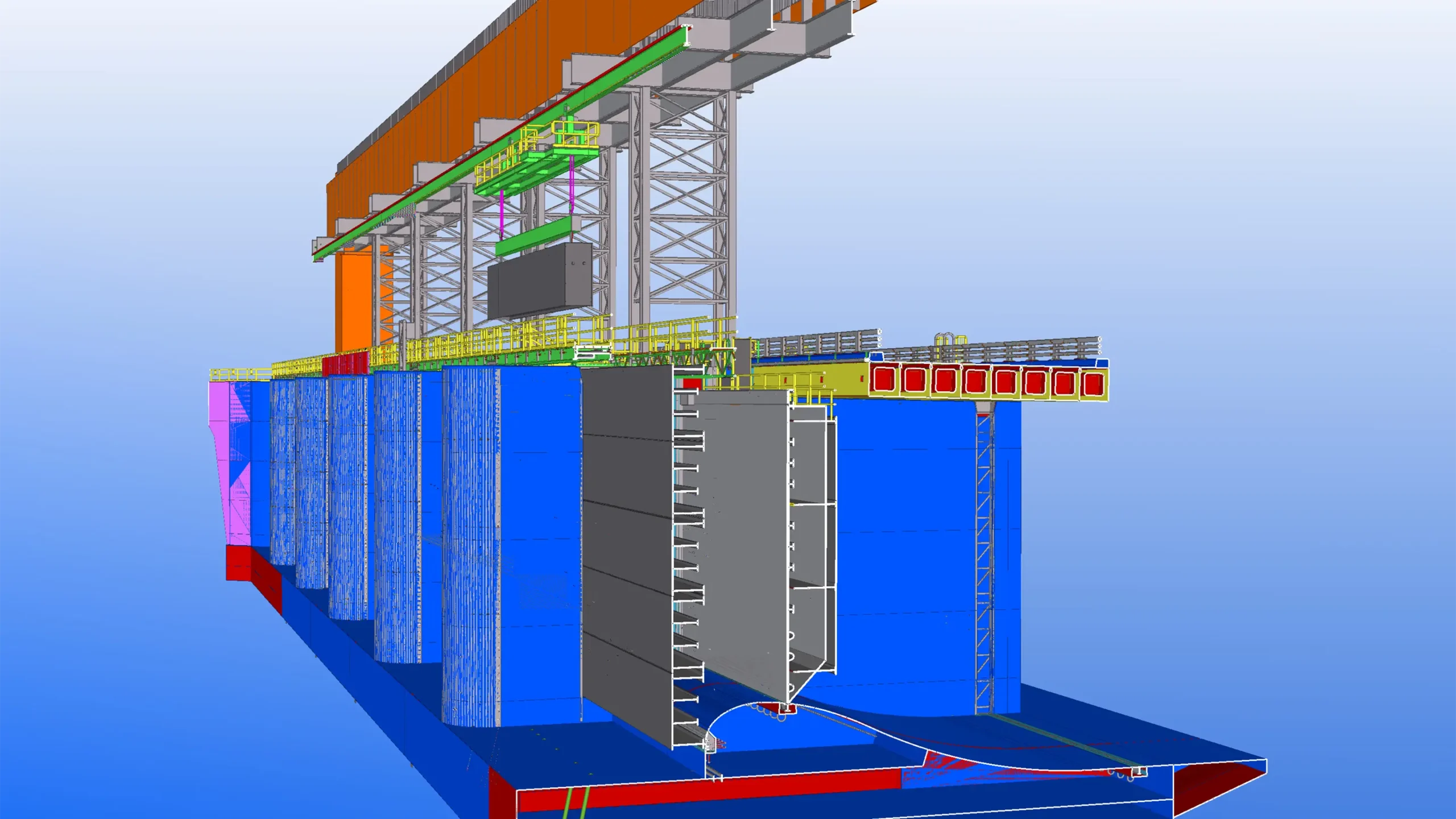
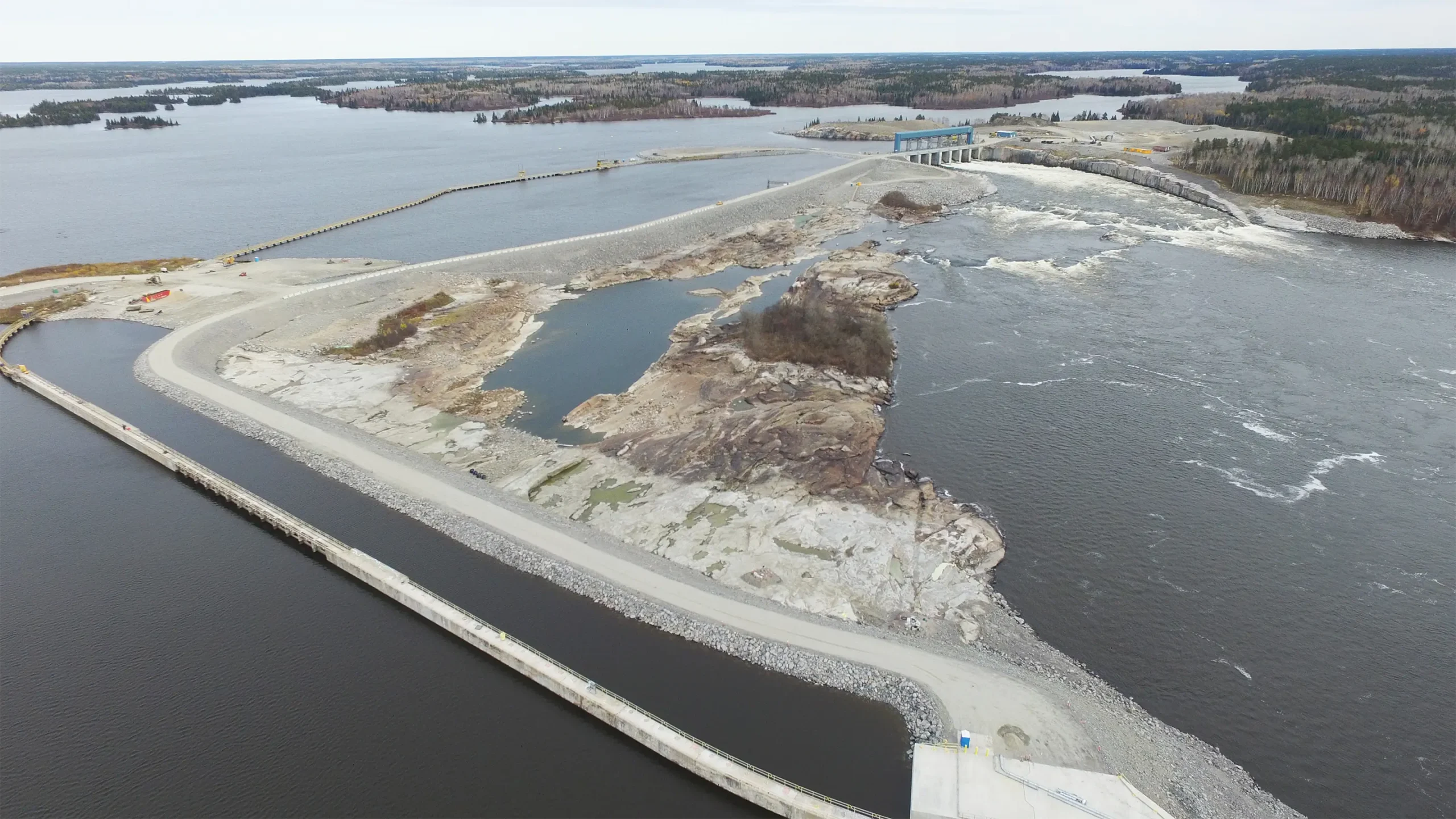
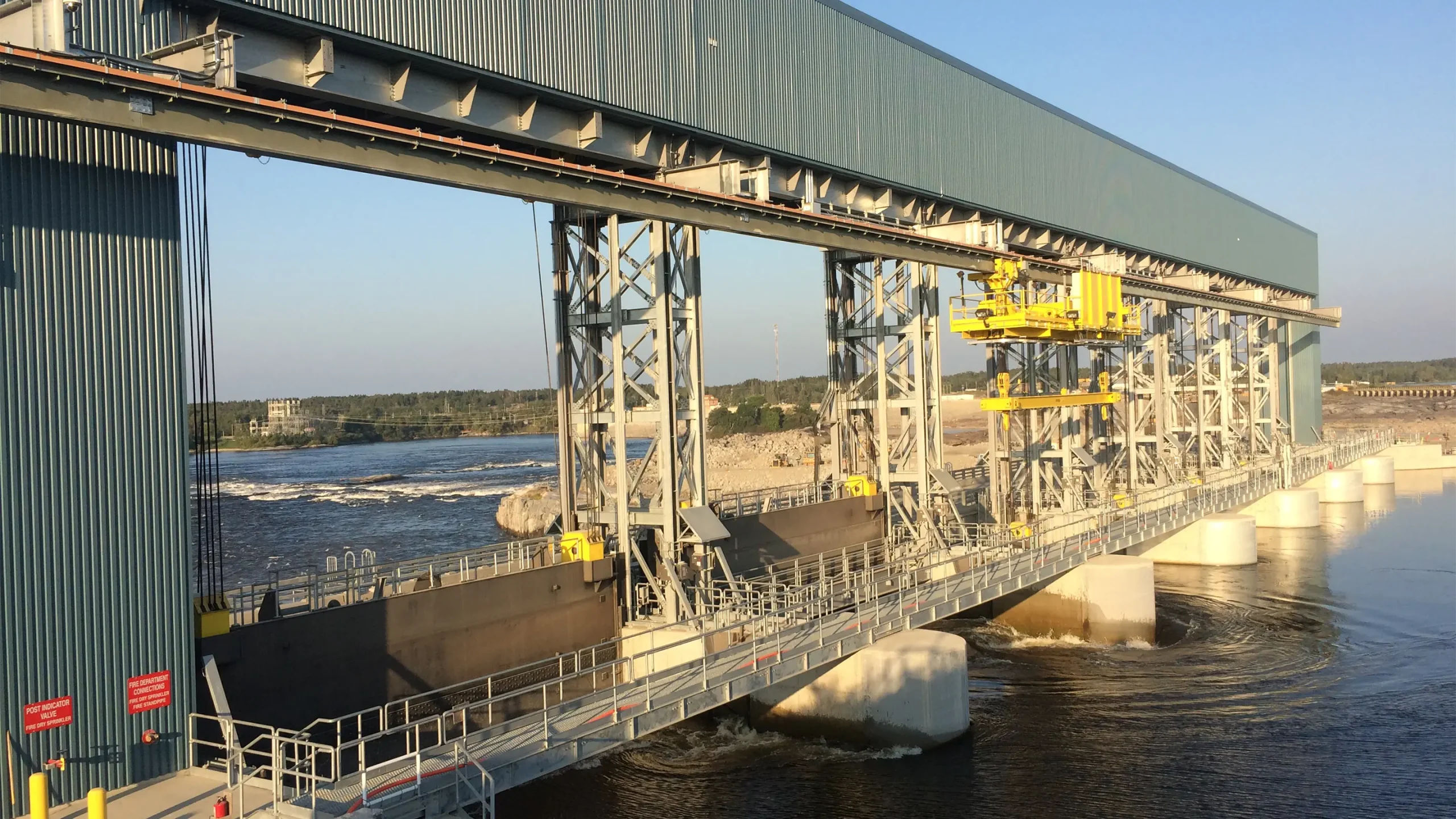
The Pointe du Bois Generating Station is the oldest operating hydroelectric plant in Manitoba. Despite extensive upgrades and ongoing maintenance over the years, the original spillway required replacement. The Pointe du Bois Spillway Replacement project included the design and construction of a new remotely operated 7-bay spillway and a new 1km long zoned earthfill dam, complete with an ancillary support building for electrical switch gear and control systems, a backup diesel generator, and other related infrastructure.
As the prime consultant, KGS Group worked collaboratively with Manitoba Hydro as the designer in an early contractor involvement project delivery process. KGS also provided full-time technical support and quality assurance assistance through construction, commissioning and close-out activities.
The final design was carried out entirely within a 3D digital environment, and was paramount for the successful execution of all stages of the project. This innovative approach gave the team the ability to visualize the end product at the design stage and enabled harmonious advancement of the project across multiple disciplines.
The several hundred-million-dollar project was successfully completed without any interruptions to the ongoing operation of the plant, while protecting and preserving established lake sturgeon habitat and restoring the natural landscape in this environmentally sensitive provincial park setting.
Project Highlights
- New remotely operated seven bay spillway, support building and backup diesel generator
- New 1km long zoned earthfill embankment dam
- 3D digital design environment
- The several hundred‑million‑dollar capital program was completed without operational interruptions
- Enhanced safety and control, extended asset life and a more reliable discharge capacity
- Lake sturgeon habitat protected and the landscape in the provincial park was restored
Newton Force Main River Crossing
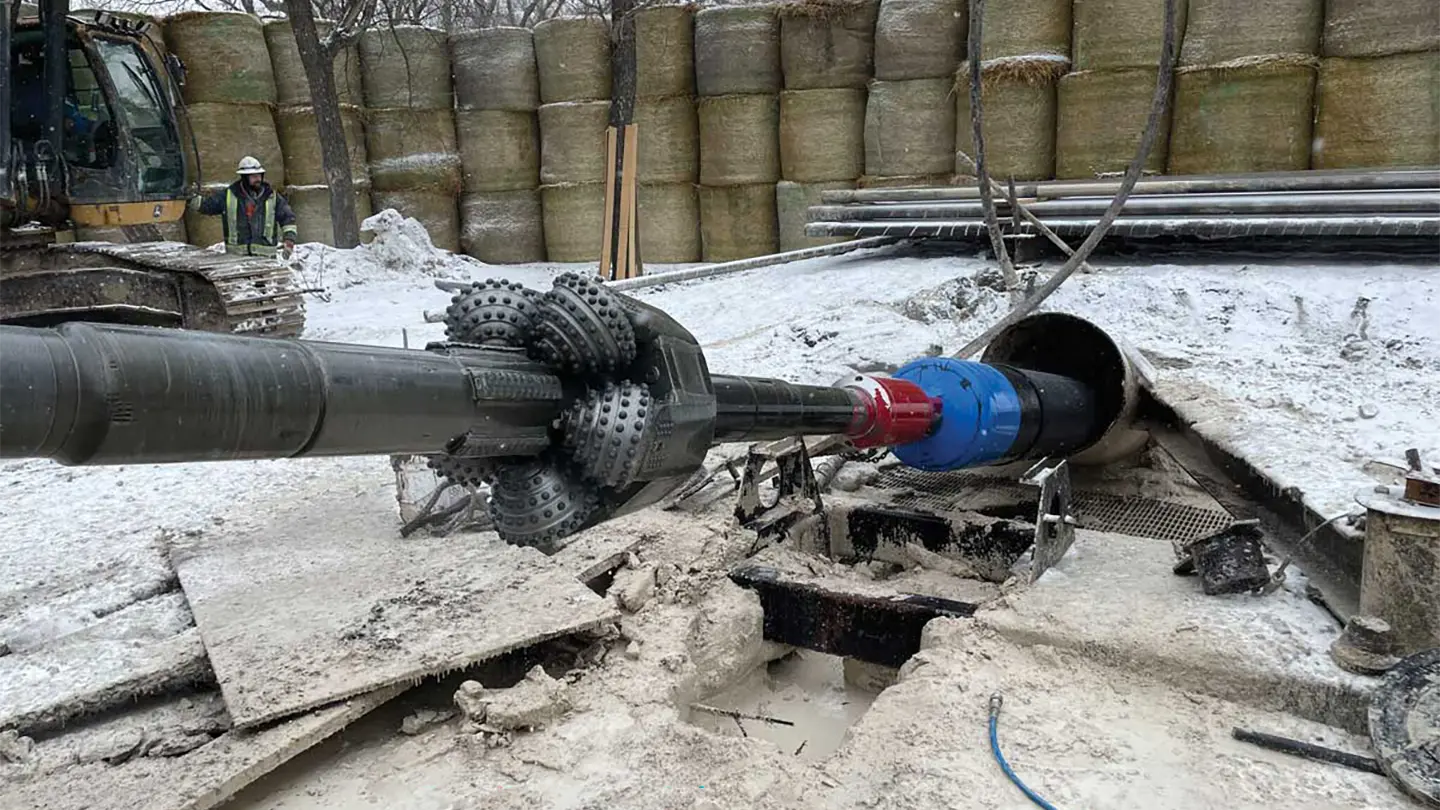
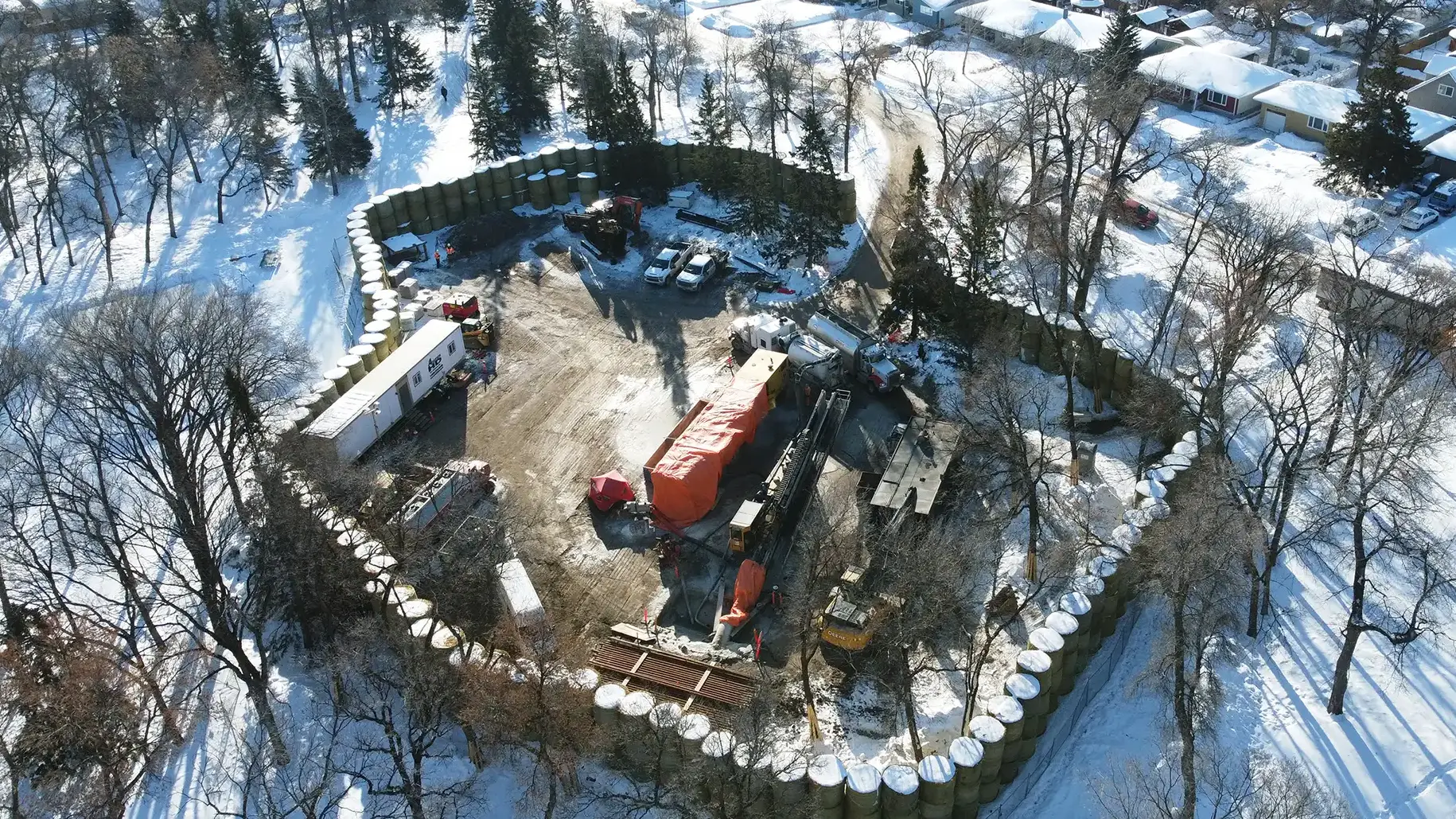
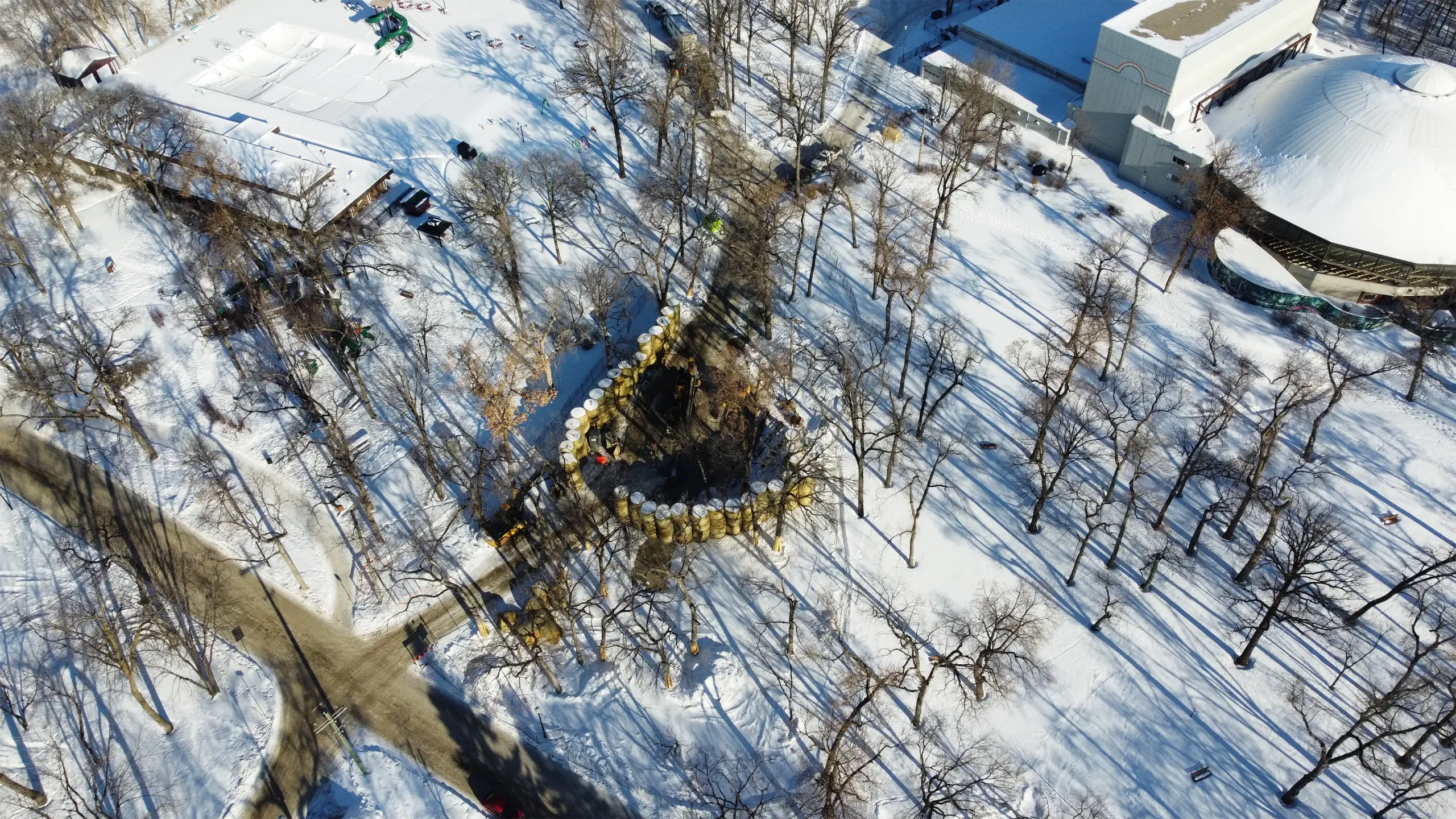
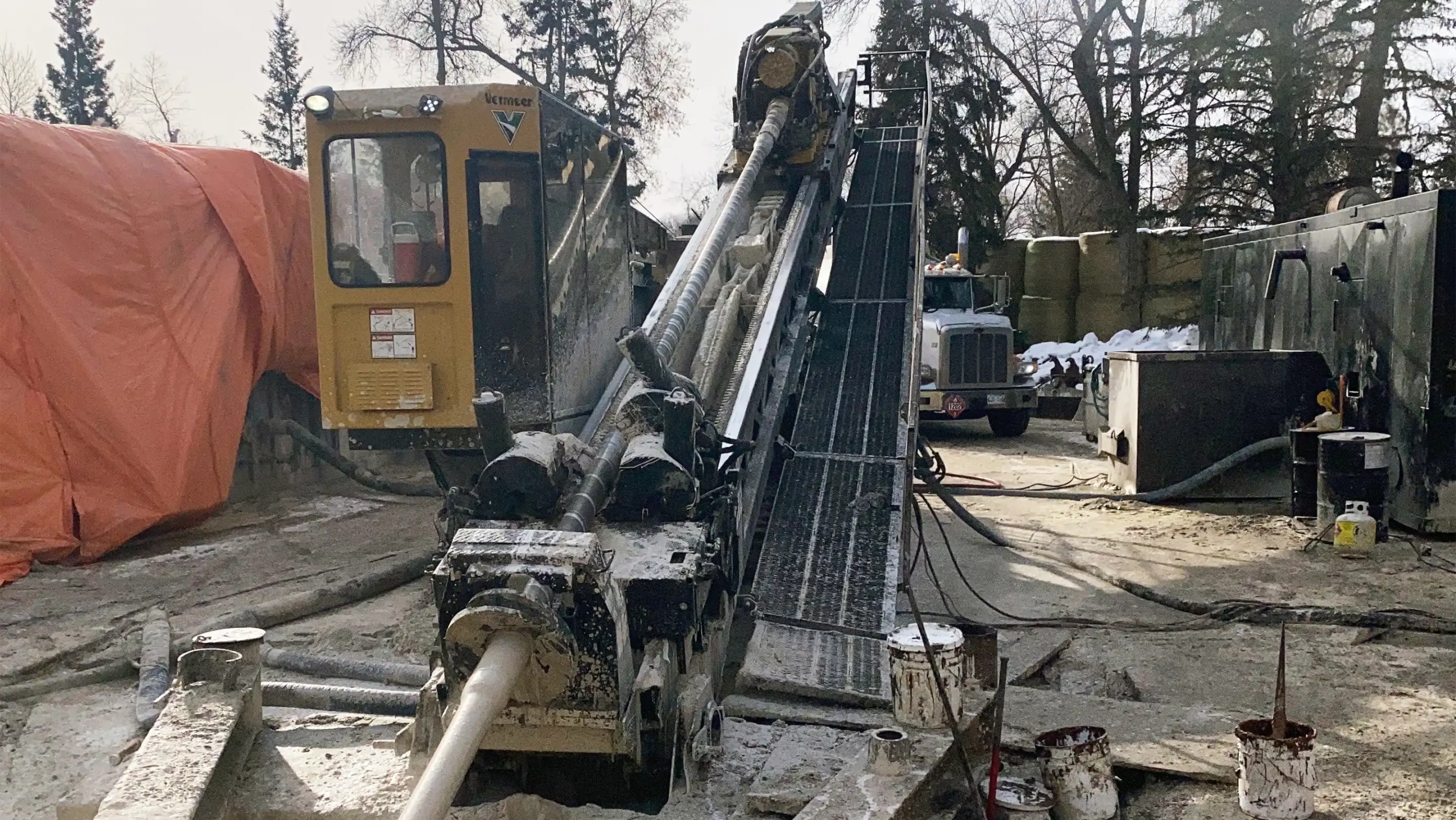
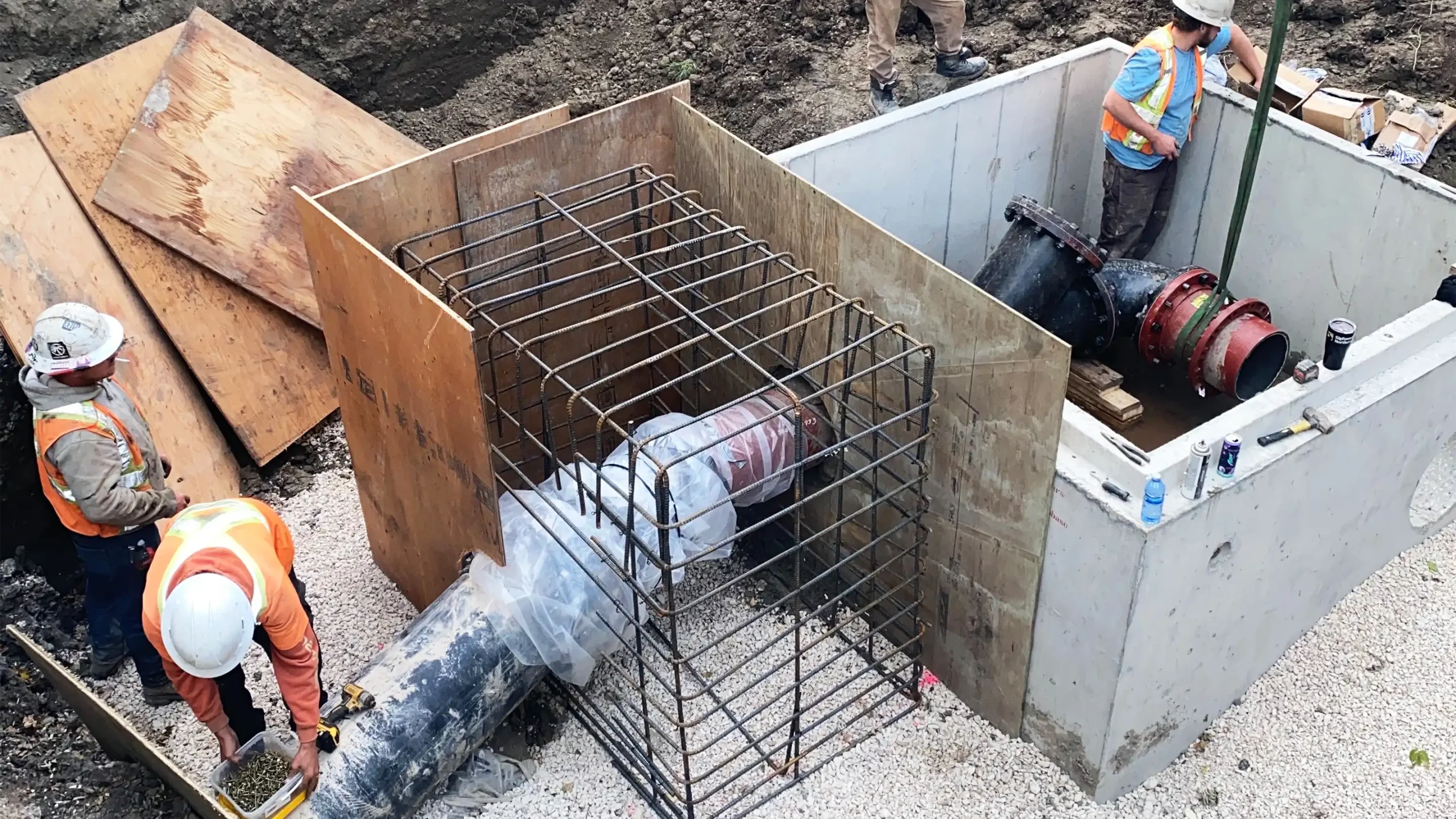
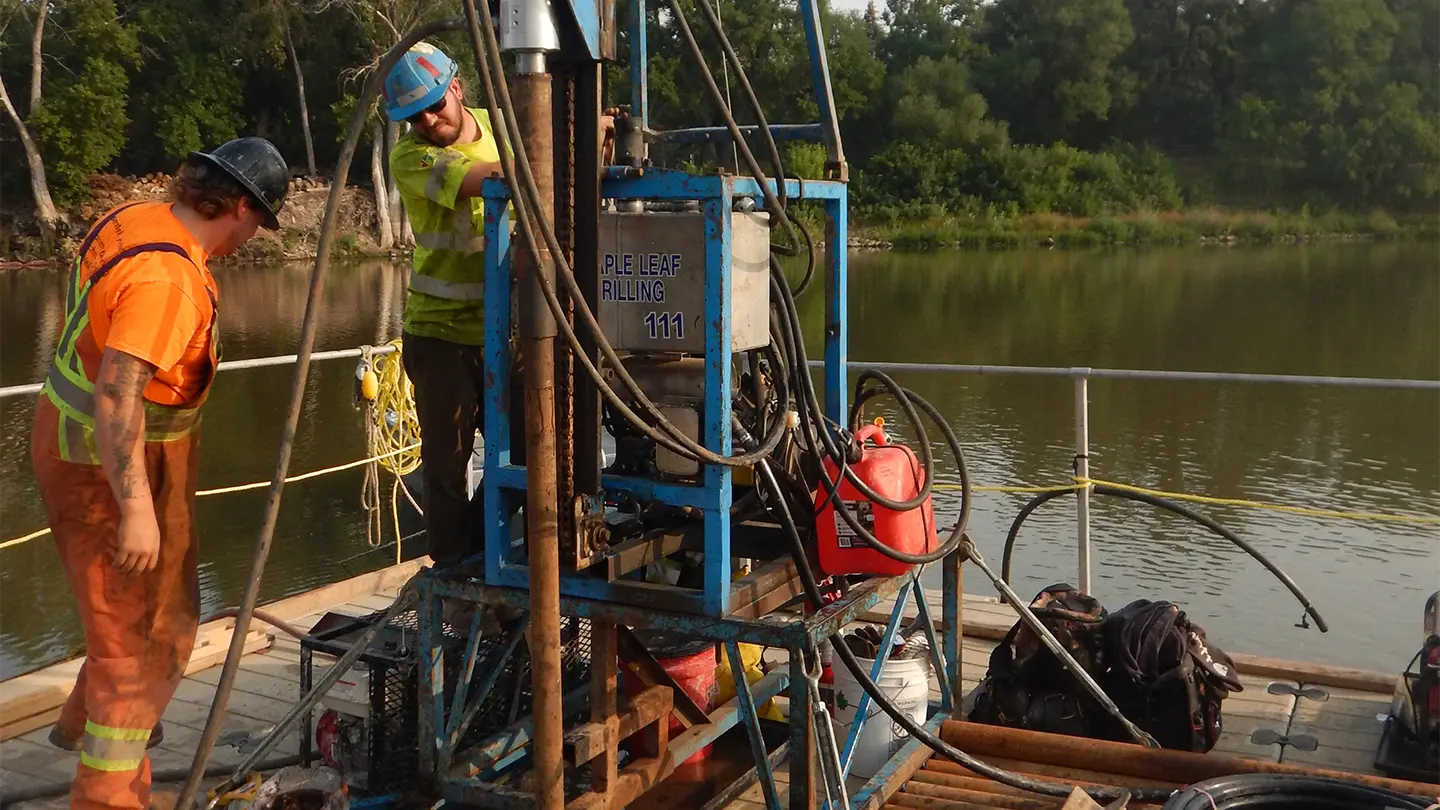
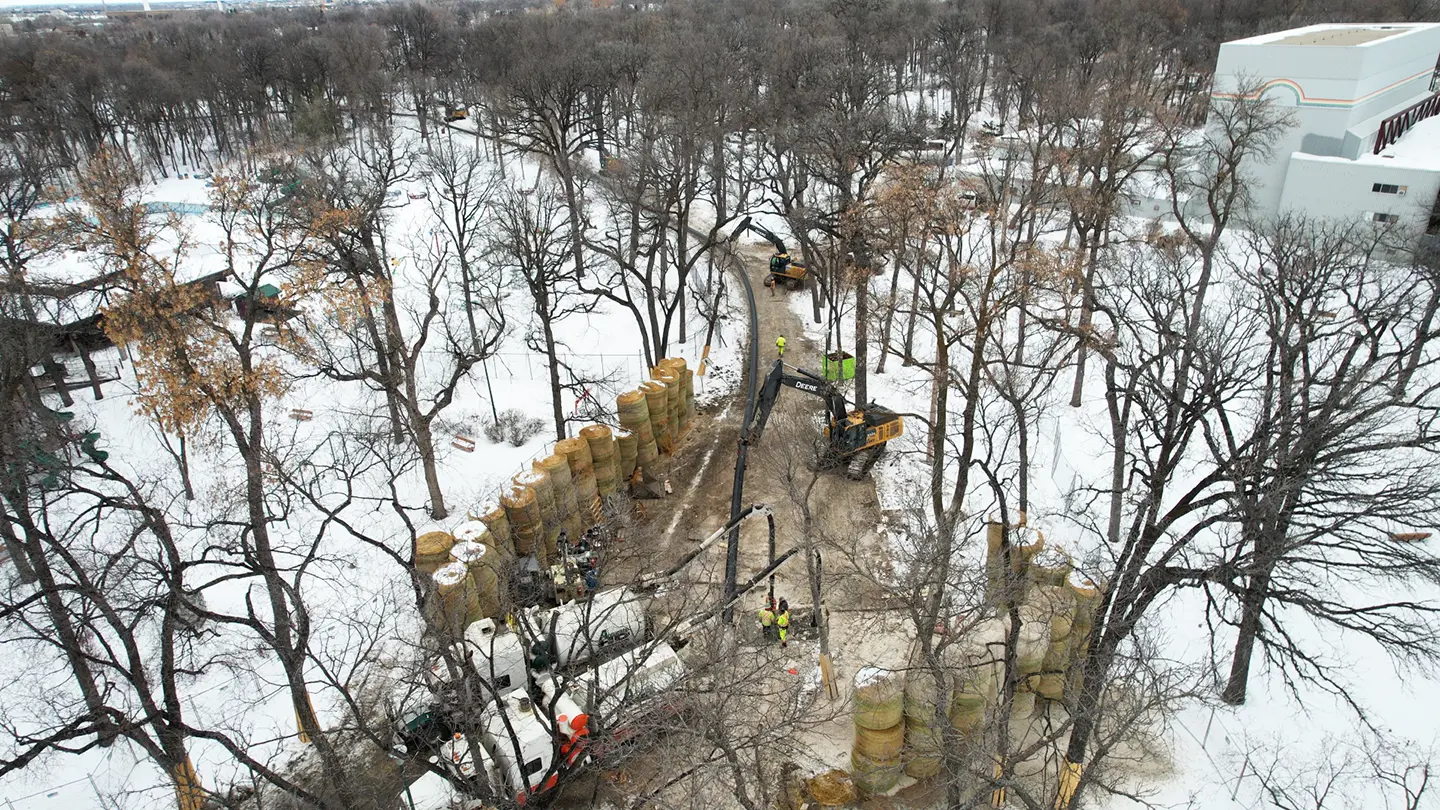
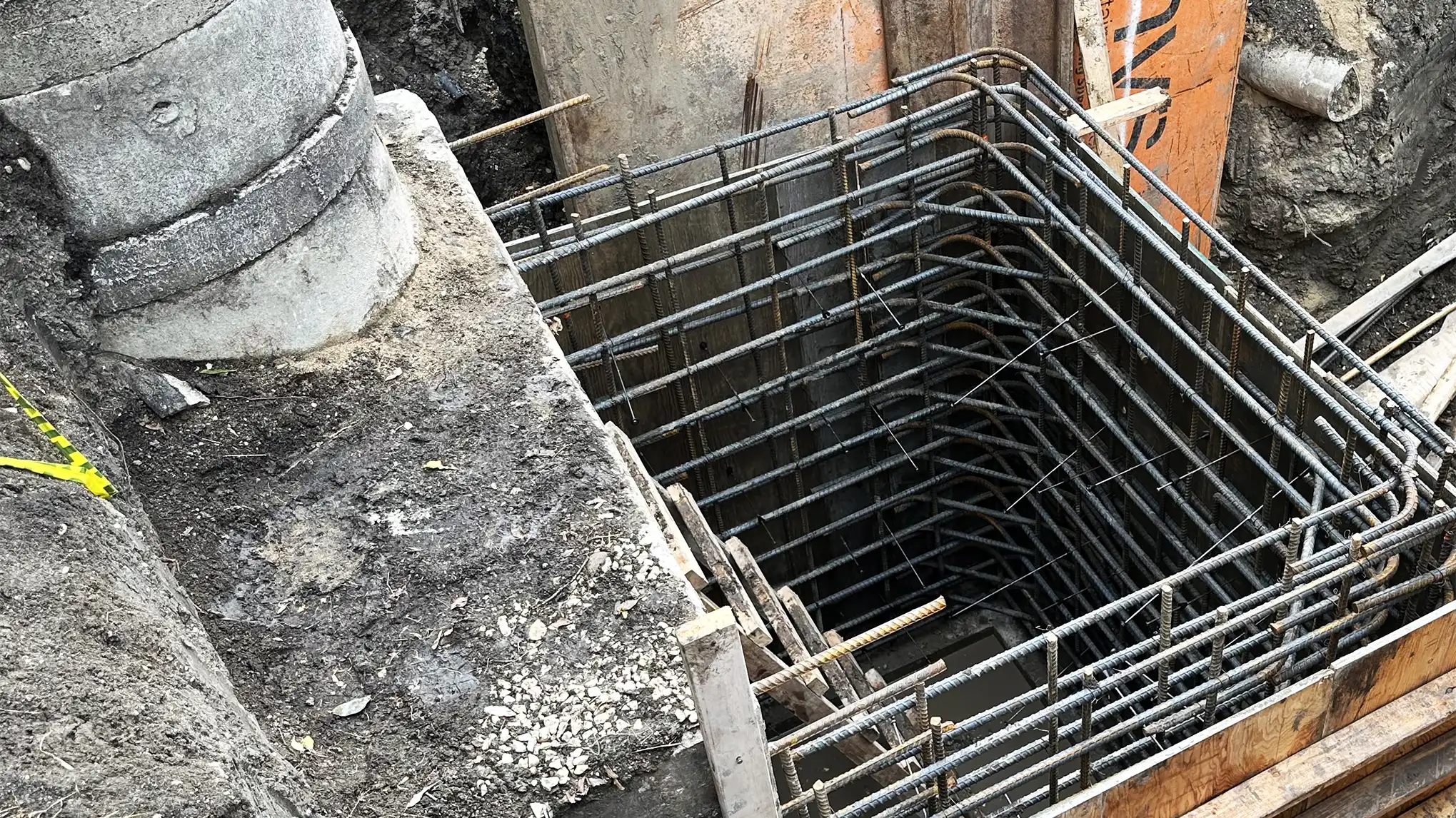
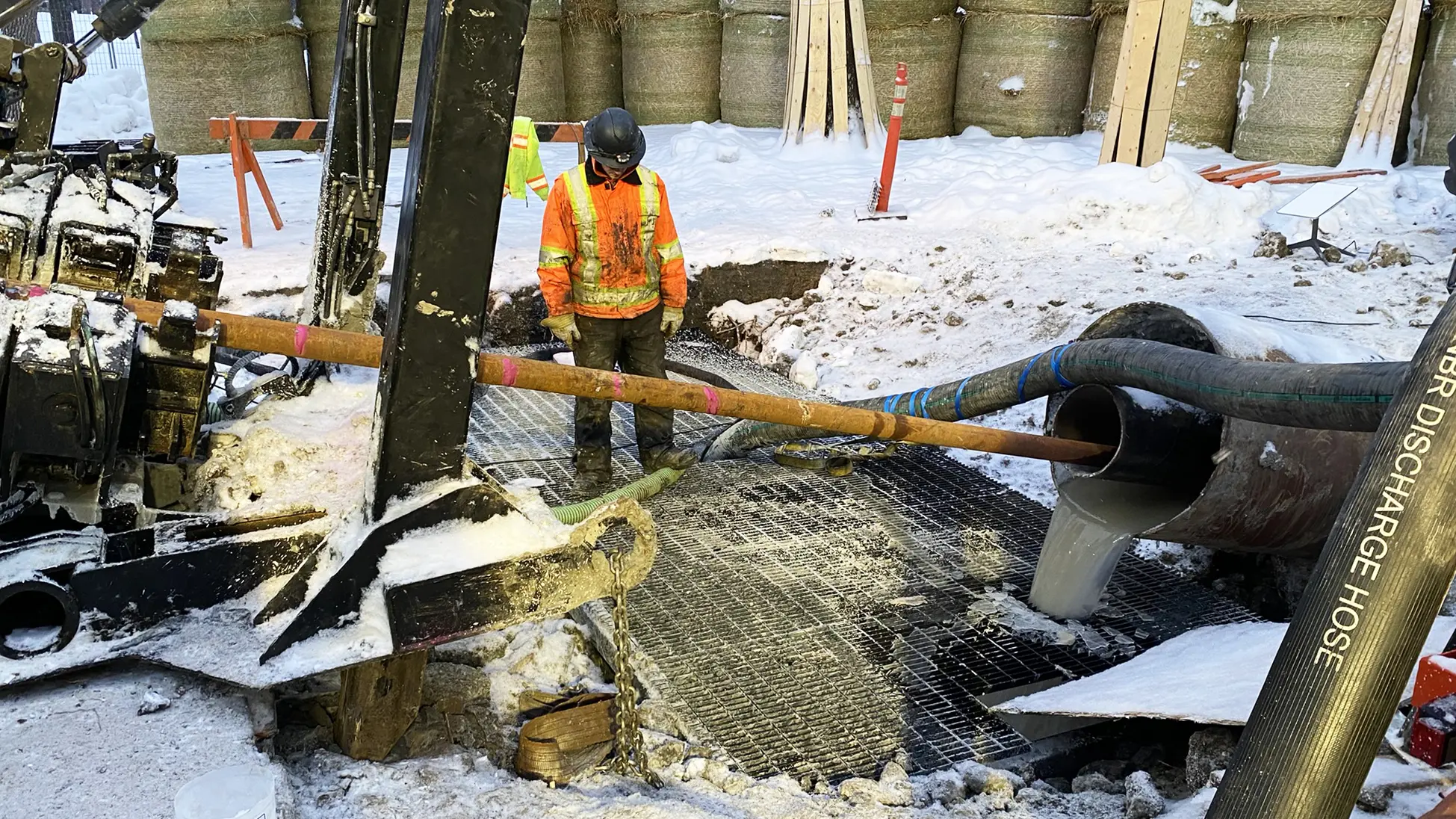
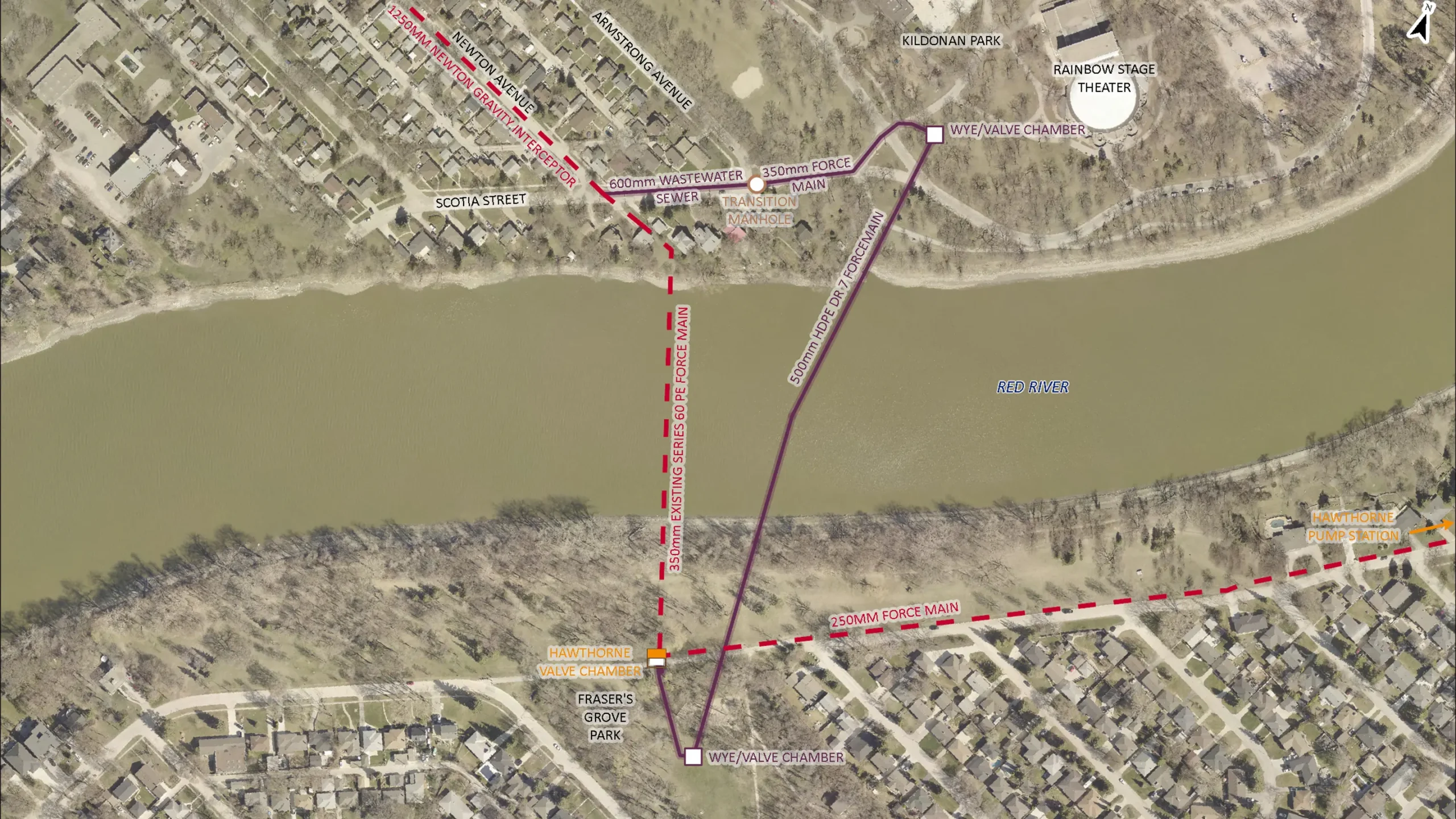
KGS Group and Associated Engineering designed and oversaw the construction of a new, 466 meter river crossing installed trenchlessly 40 meters below grade to replace the failing Newton Force Main River Crossing. This vital piece of infrastructure supports the wastewater flows from the entire Hawthorne sewer district in Winnipeg. Under dry weather conditions, the Newton Force Main River Crossing transports over 2.3 million litres of wastewater daily under the Red River.
The existing crossing was installed along the river bottom in 1978 and was connected to lands that have become densely urbanized, which limited solutions. An alternate alignment was developed to both reroute the force main and install it safely within the bedrock strata below the river.
The result is a durable, long‑term asset that improves system resilience and safeguards the environment and the community.
Project Highlights
- 466 meter river crossing installed trenchlessly, 40 meters below grade
- Horizontal directional drilling with horizontal and vertical curves – a first in Manitoba
- 780 meters of new force main on an alternate alignment in bedrock below the river
- Replaces 1978 river‑bottom crossing which lowers environmental risk and maintenance needs
Cote First Nation Solid Waste Transfer Station
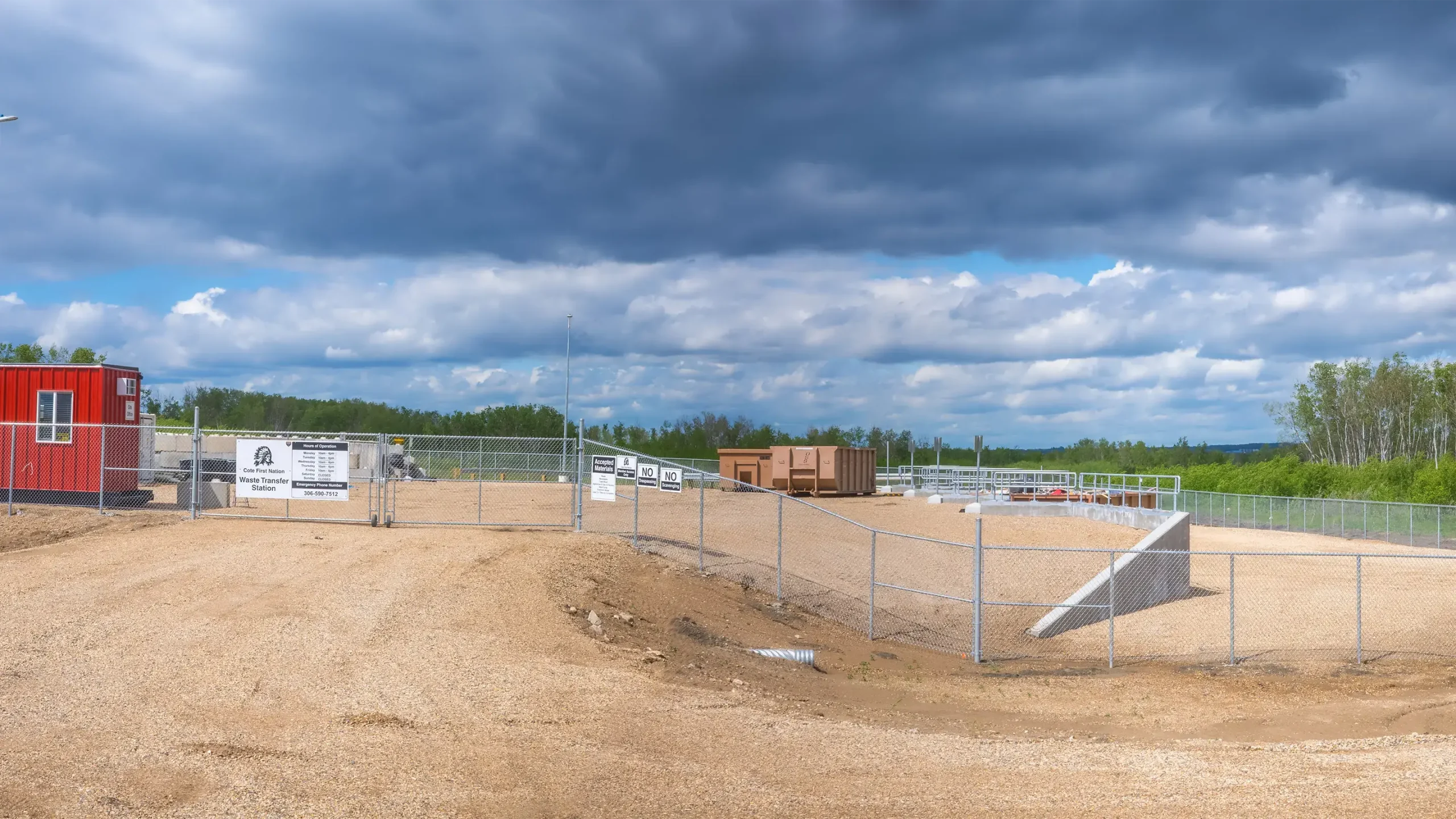
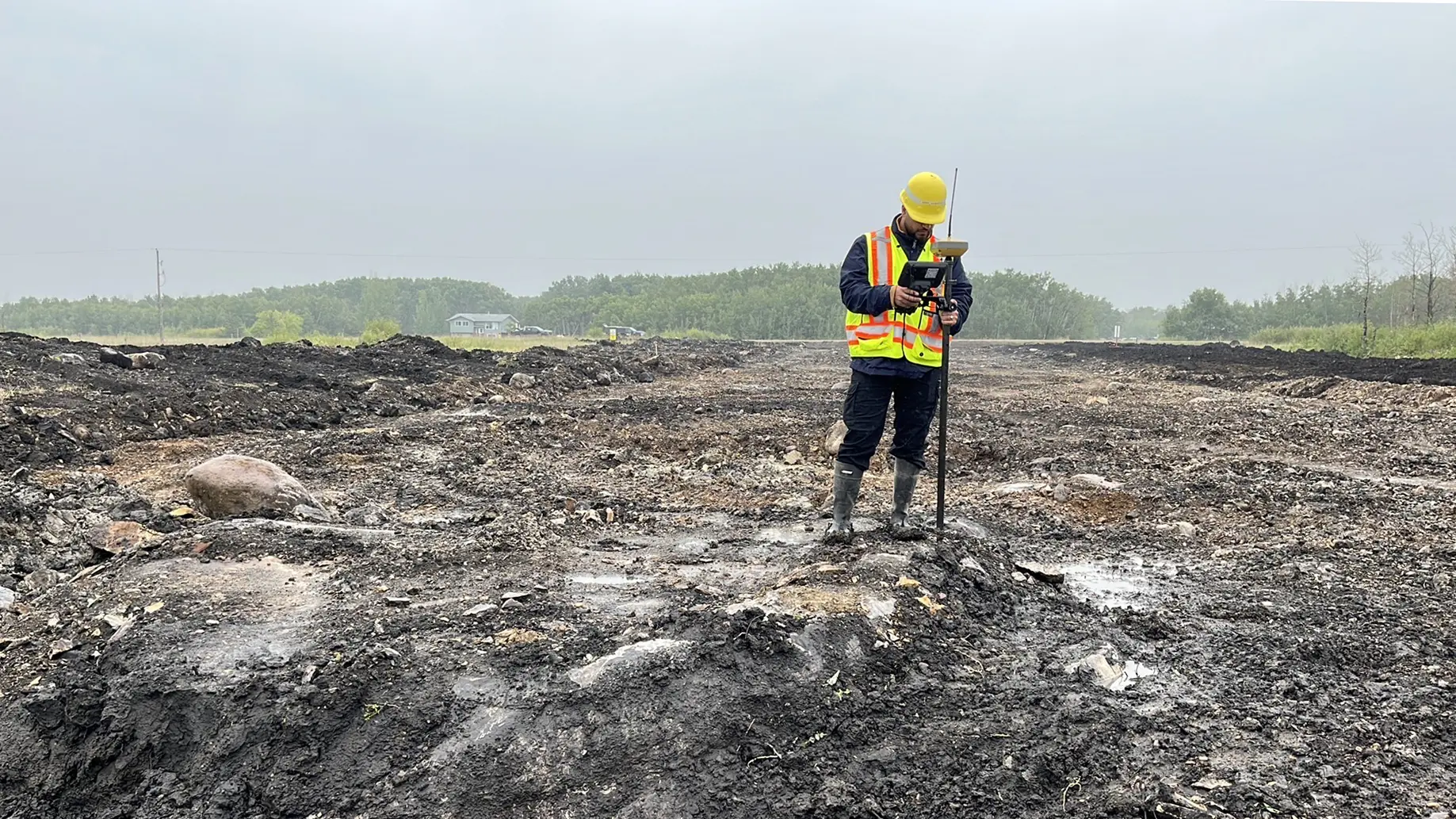
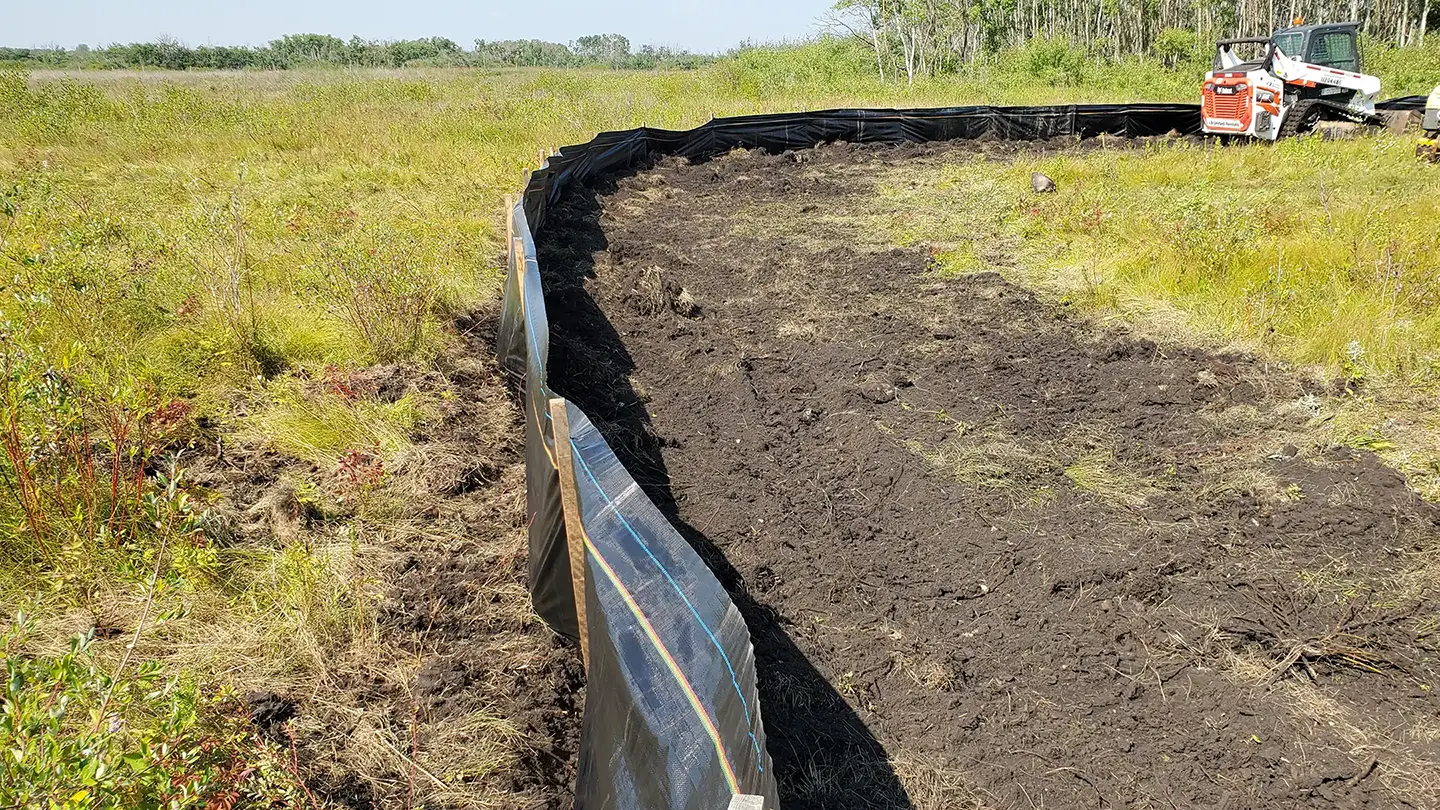
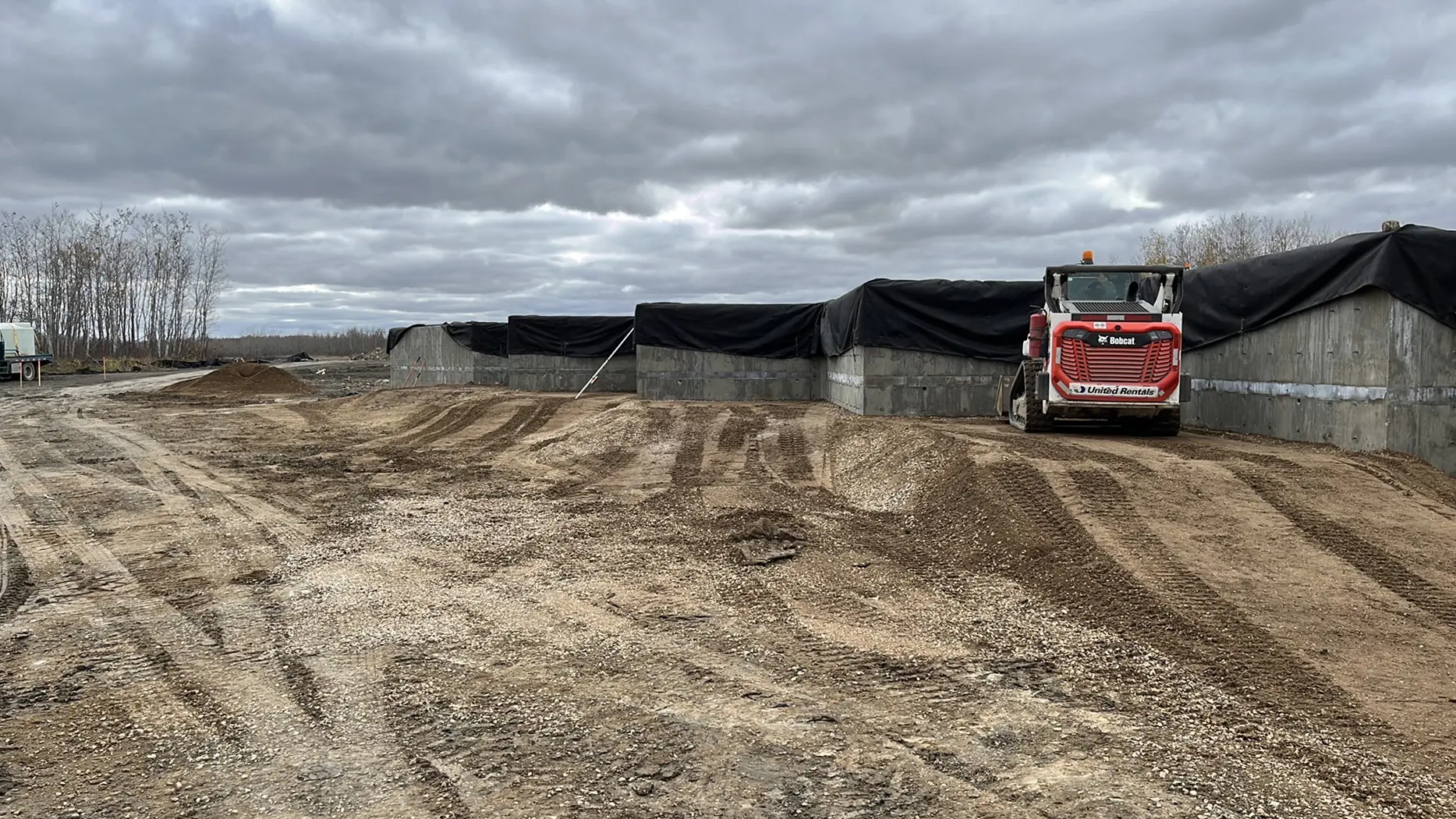
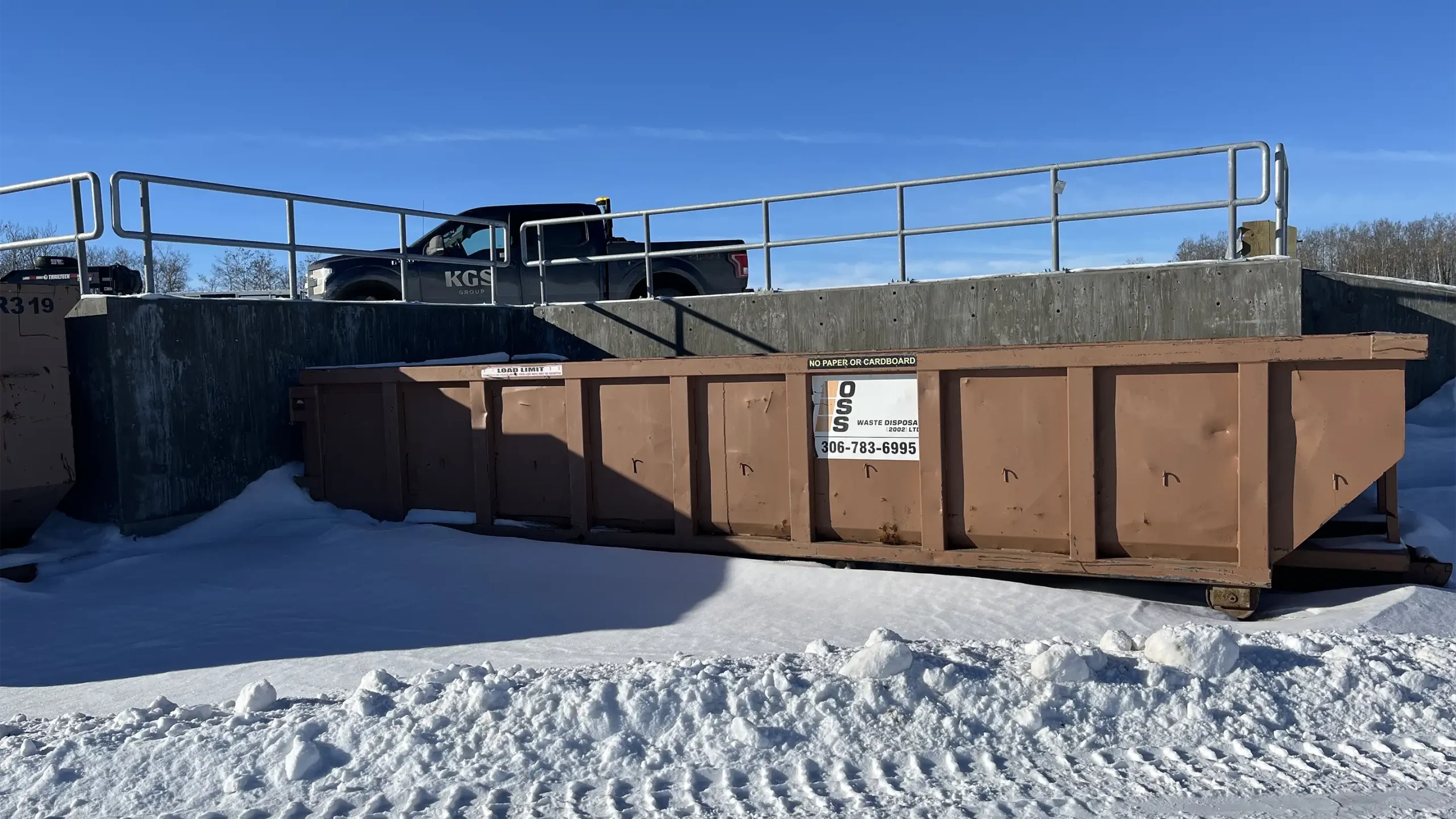
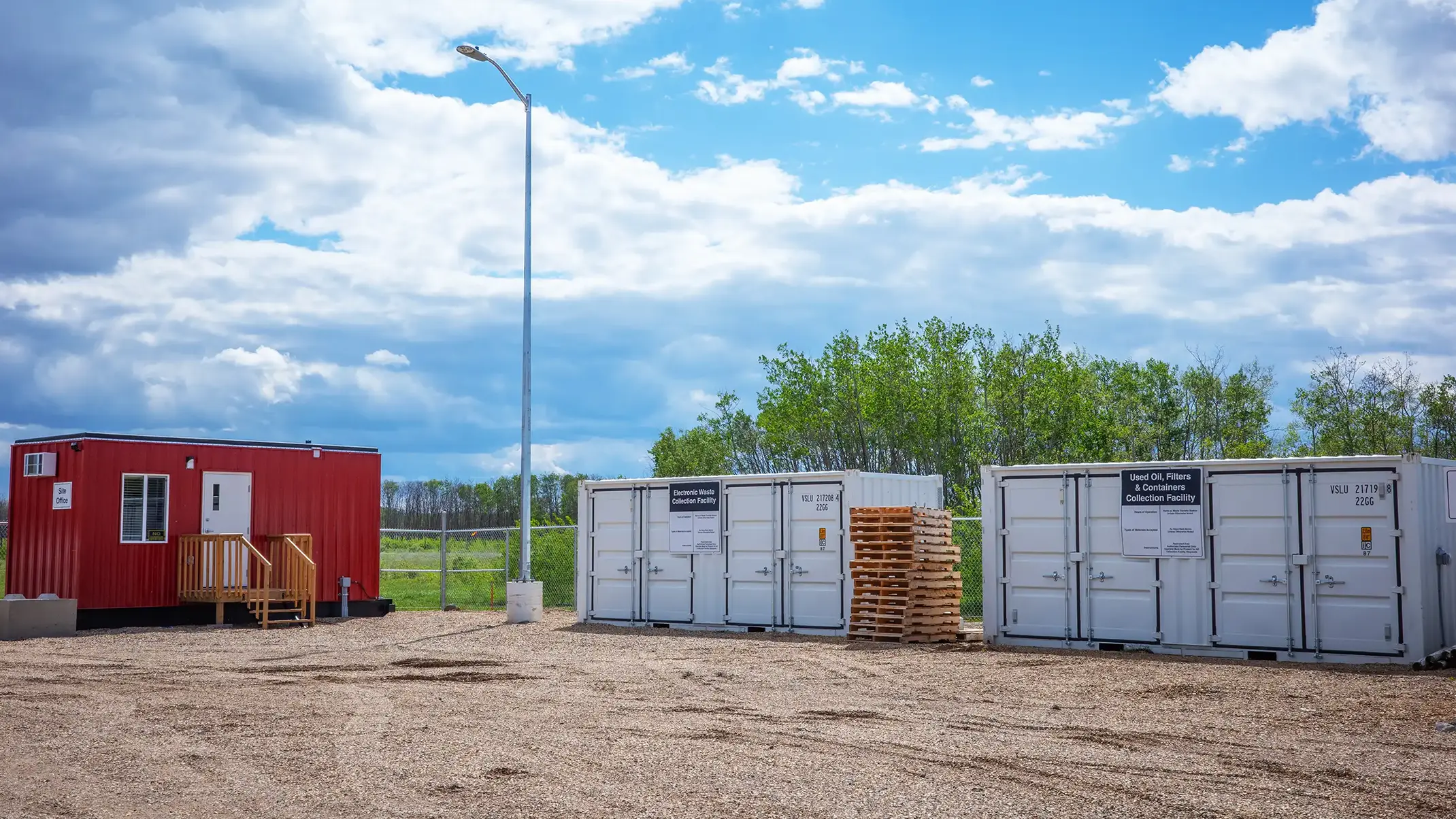
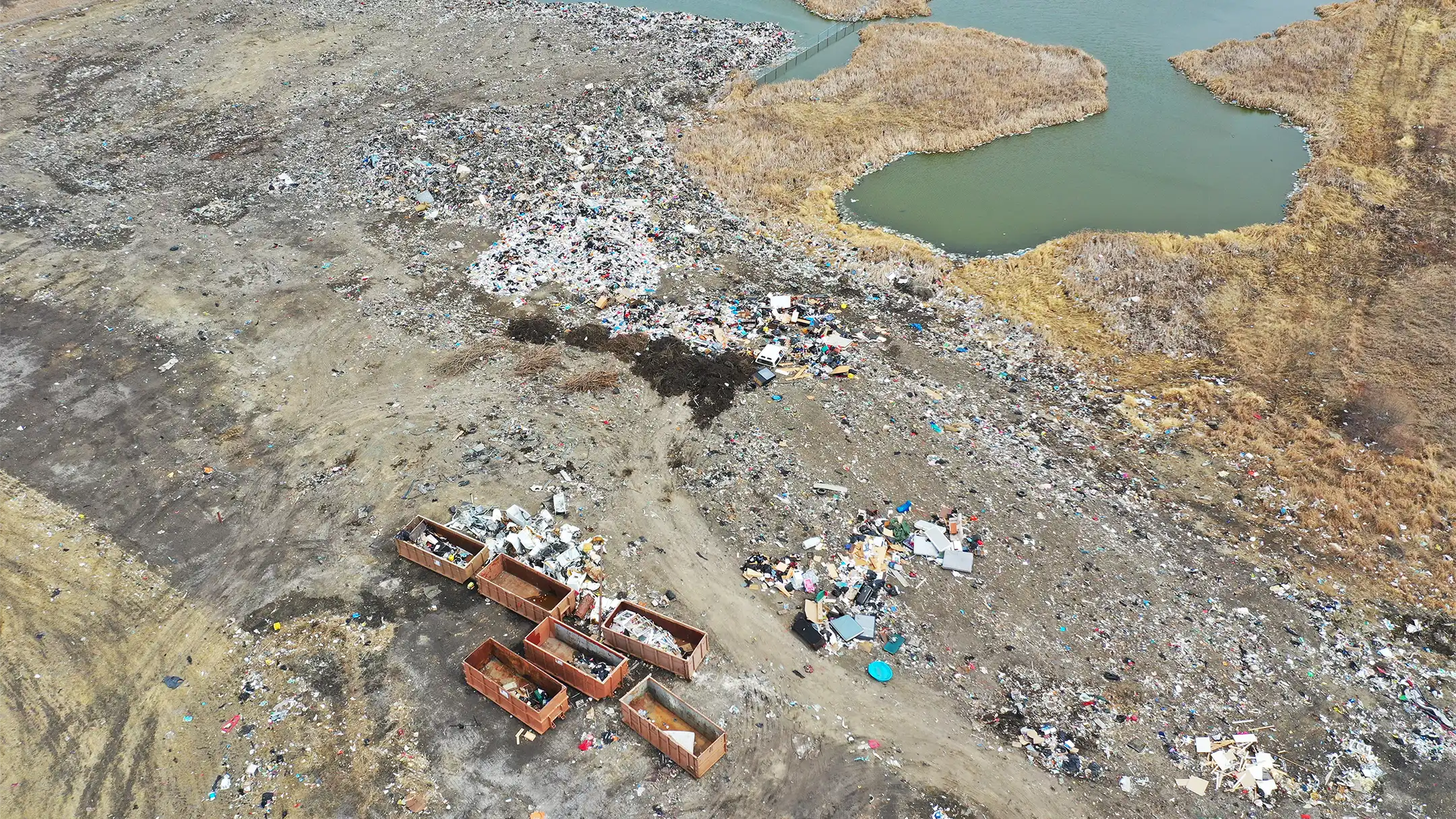
Cote First Nation had been experiencing significant solid waste management challenges including inconsistent collection services and unmanned and non-engineered dump sites throughout the Reserve. Additionally, the main landfill site was note engineered which posed a significant risks to the surrounding soil and groundwater.
To ensure waste was being managed in a sustainable manner, Cote First Nation engaged KGS Group to review their waste management practices and design and oversee the construction of a new solid waste transfer station. We also supported community engagement events to share the importance of transfer stations and responsible waste management practices.
During construction, nearly 2,000 hours were completed by Cote First Nation members, and the total value of purchased material, worker wages and equipment rentals from the Nation was approximately $126,500. This project also presented on-the-job training and mentorship opportunities for members of Cote First Nation and was seen as a community-driven process that was mutually beneficial to everyone.
The positive effects of the project will be evident through the waste diverted from unmanned dump sites, the protected soil and groundwater, and the sense of empowerment felt across Cote First Nation to continue with responsible waste management practices.
Project Highlights
- Design and oversaw construction of a new solid waste transfer station
- 2,000 hours contributed by Cote First Nation members to complete the project and $126,500 spent on local materials, wages and rentals
- Improved protection of soil and groundwater with waste diverted from unmanned landfills
- On‑the‑job training and mentorship for Cote First Nation members
University of Manitoba Fort Garry Riverbank Asset Management
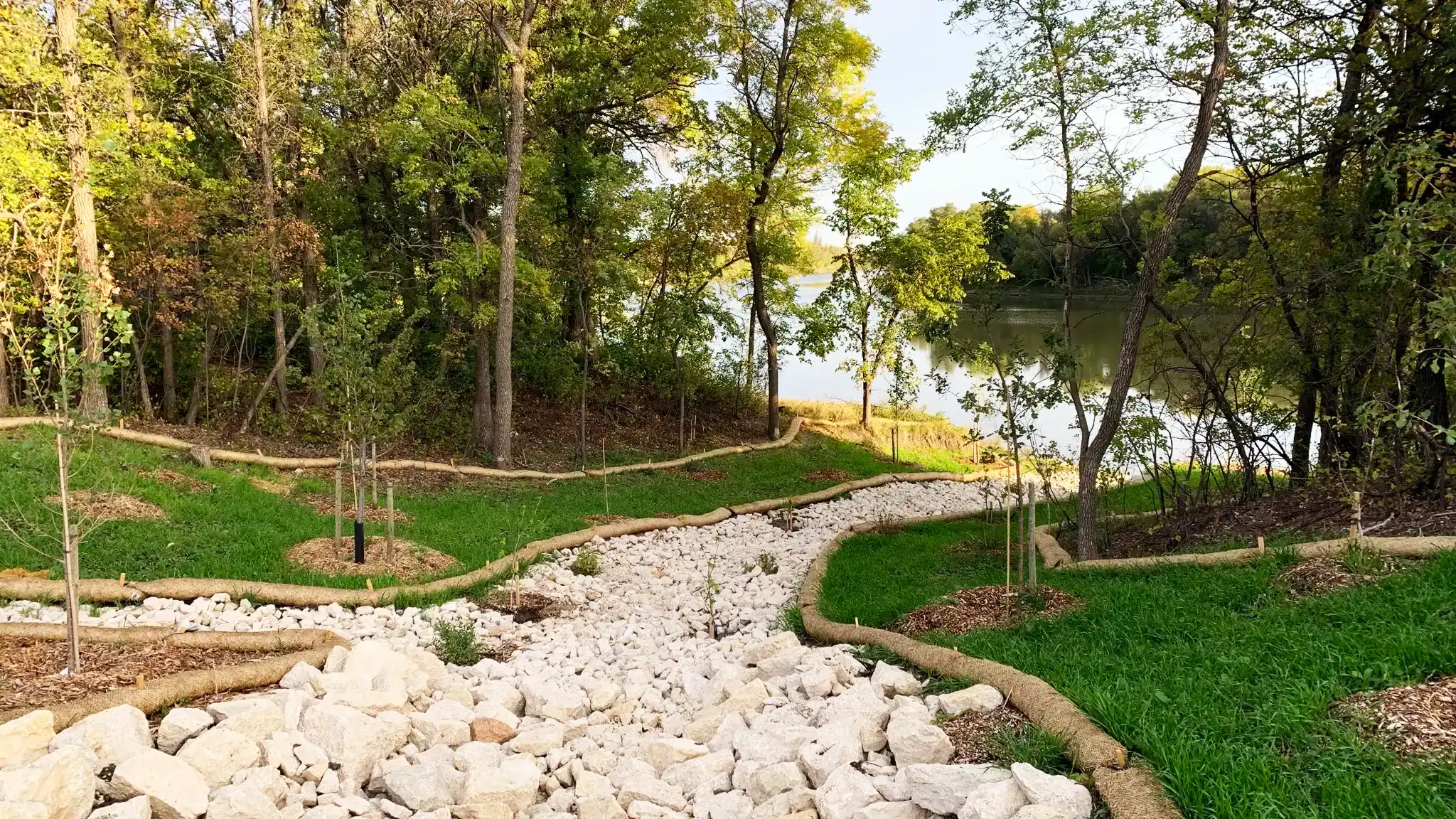
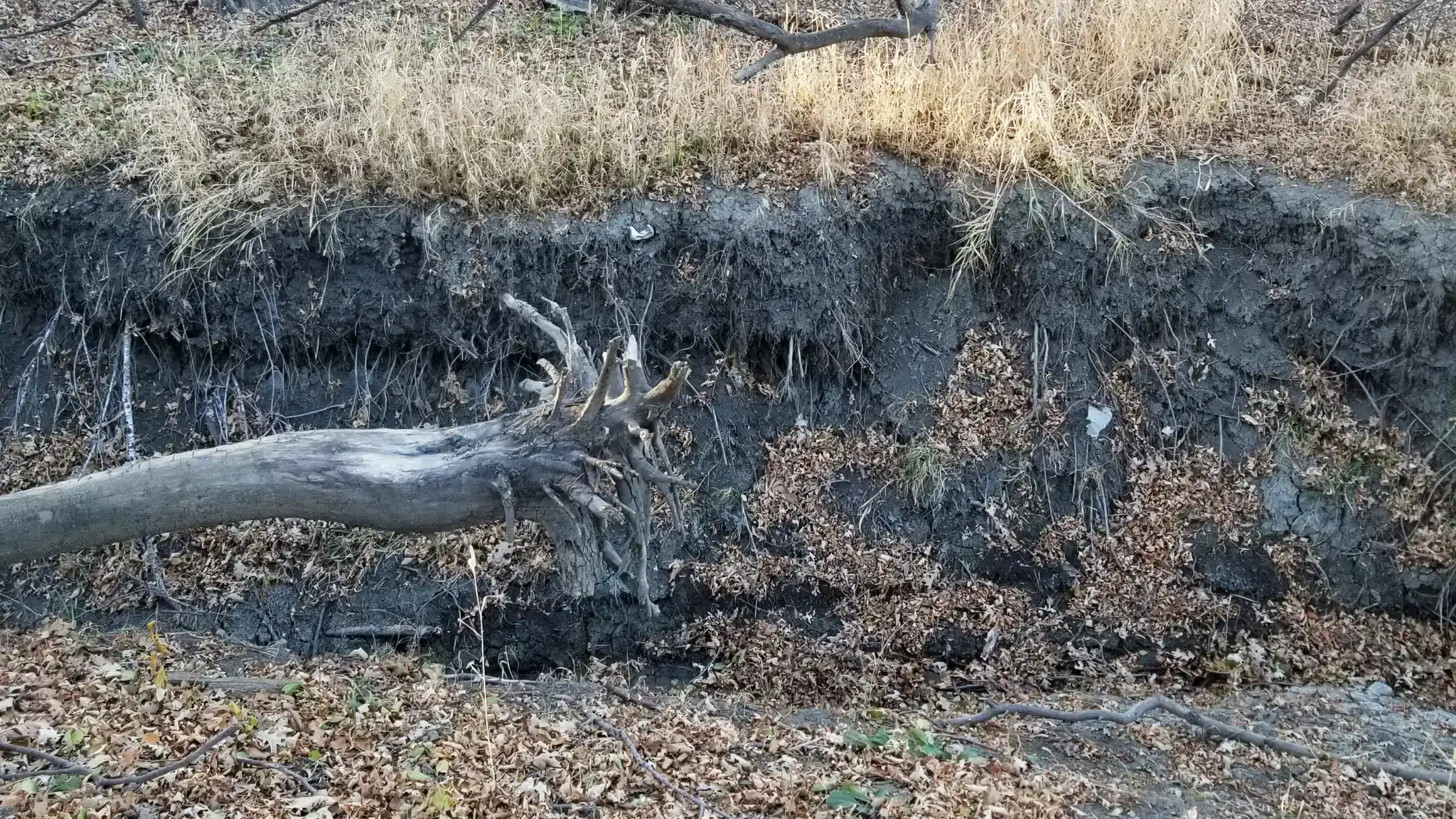
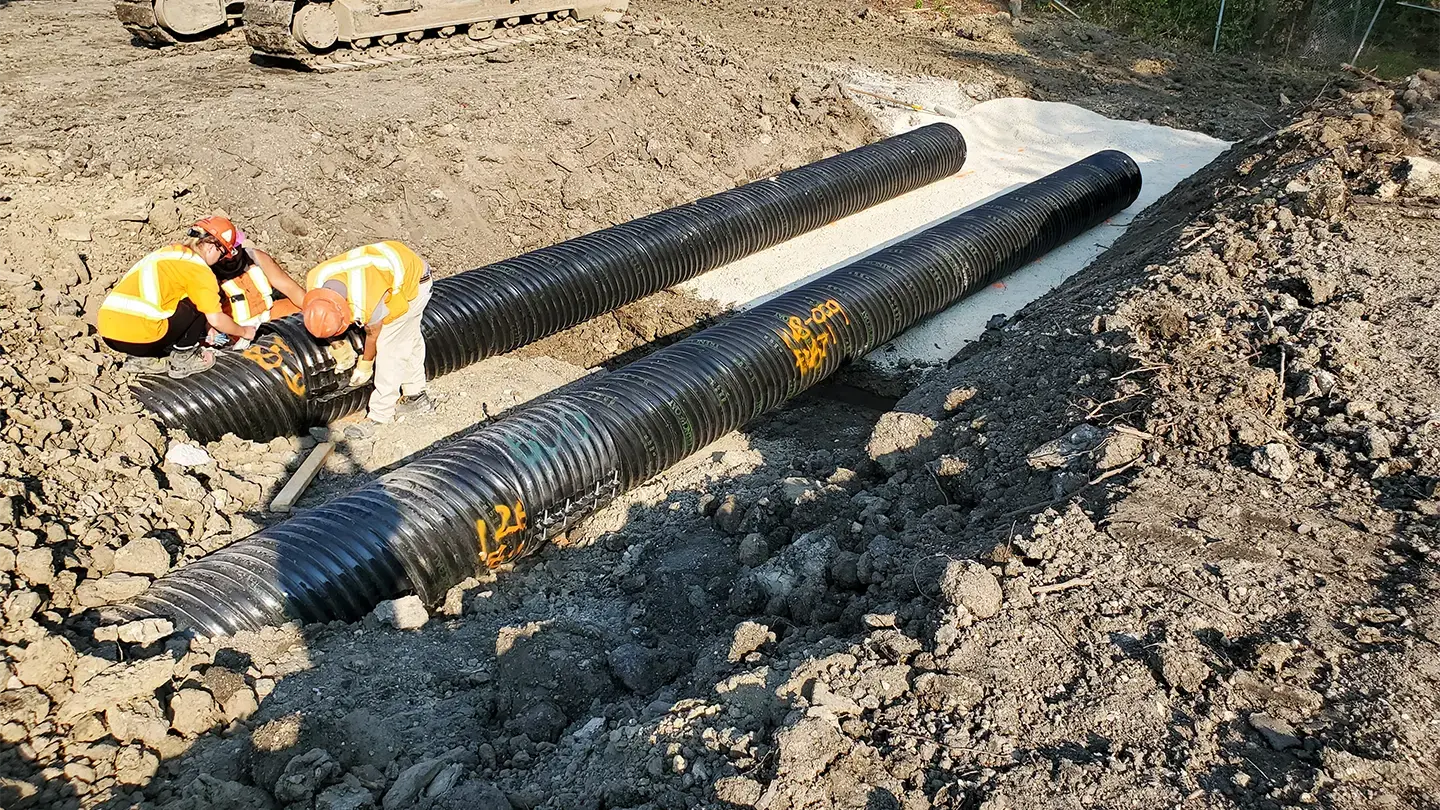
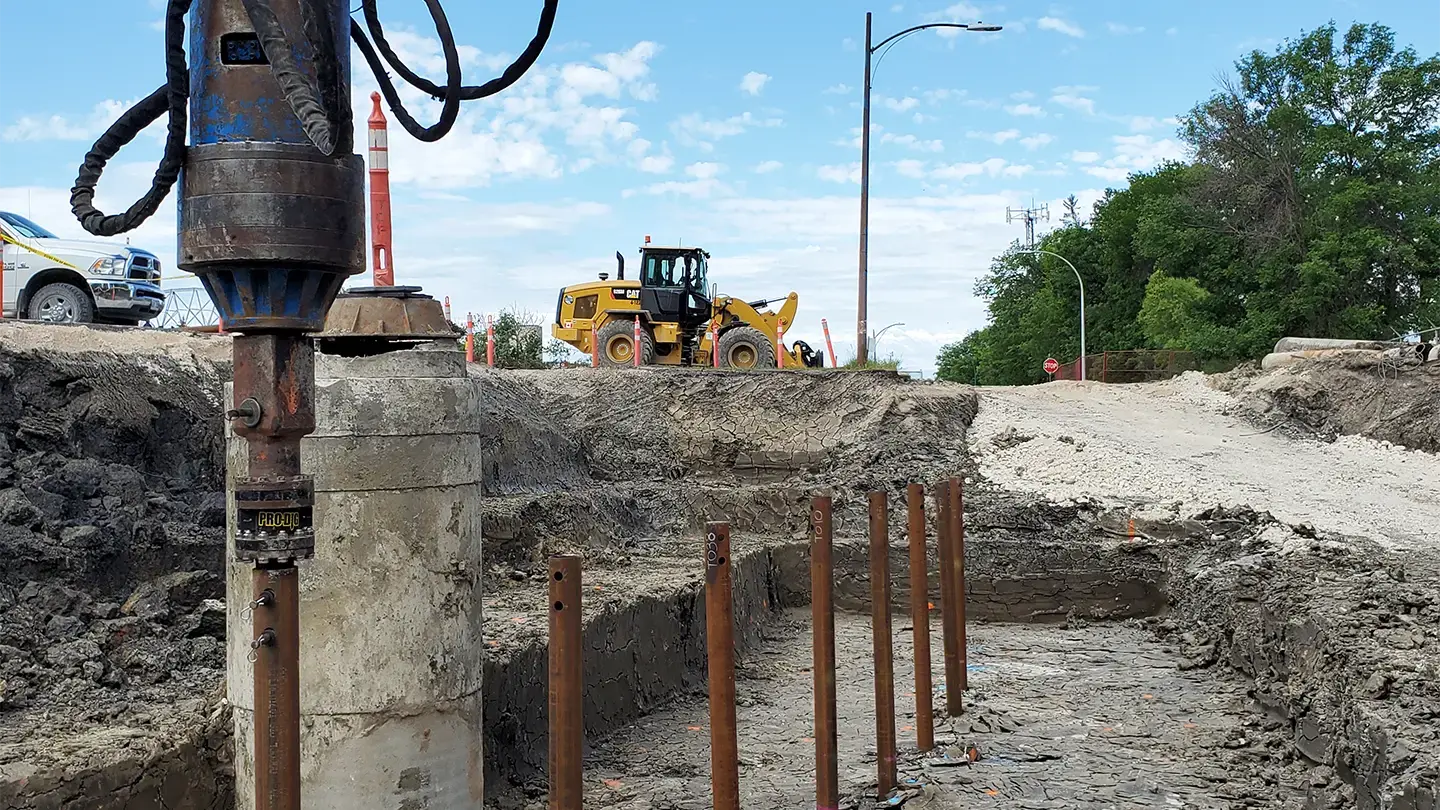

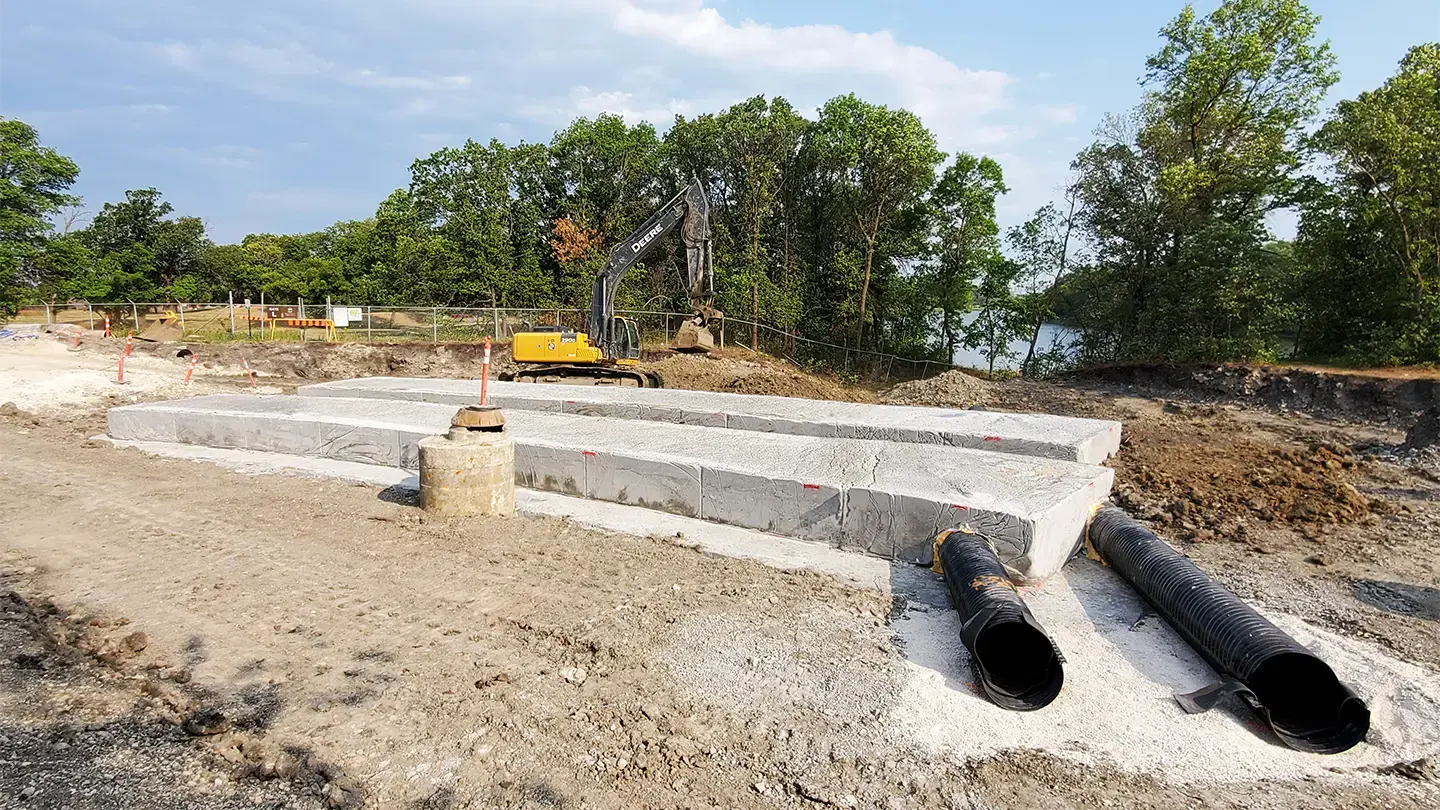
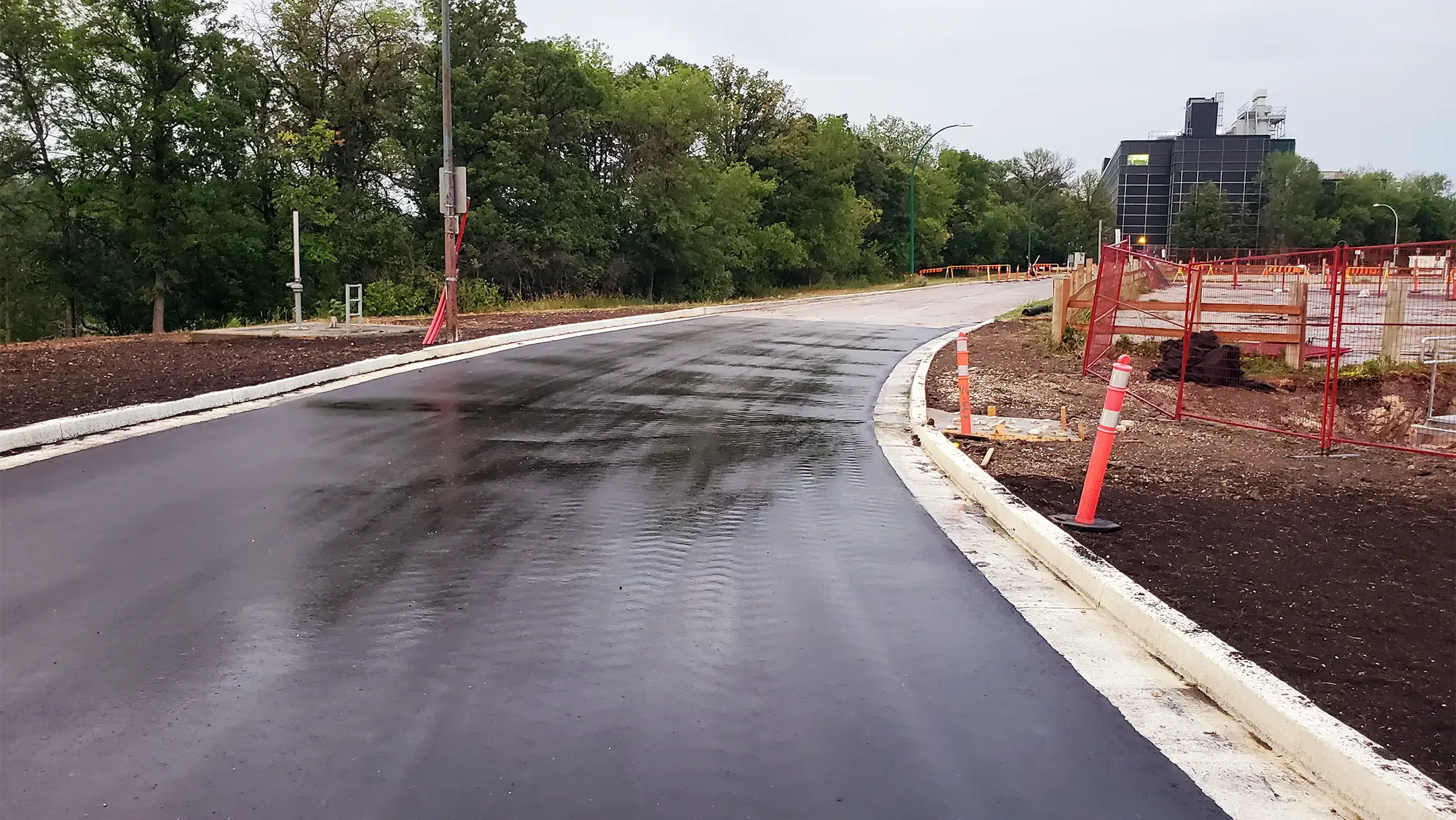
On the northwest side of the University of Manitoba Fort Garry Campus, which is located on Treaty 1 Territory, 600 meters of Sifton Road along the Red River acts as the Primary Line of Defense (PLD) dike, protecting the City of Winnipeg from flooding. Along the riverbank, ongoing and uncontrolled surface water discharge from Culvert 108 created over-steepened slopes and was threatening the integrity of this portion of Sifton Road.
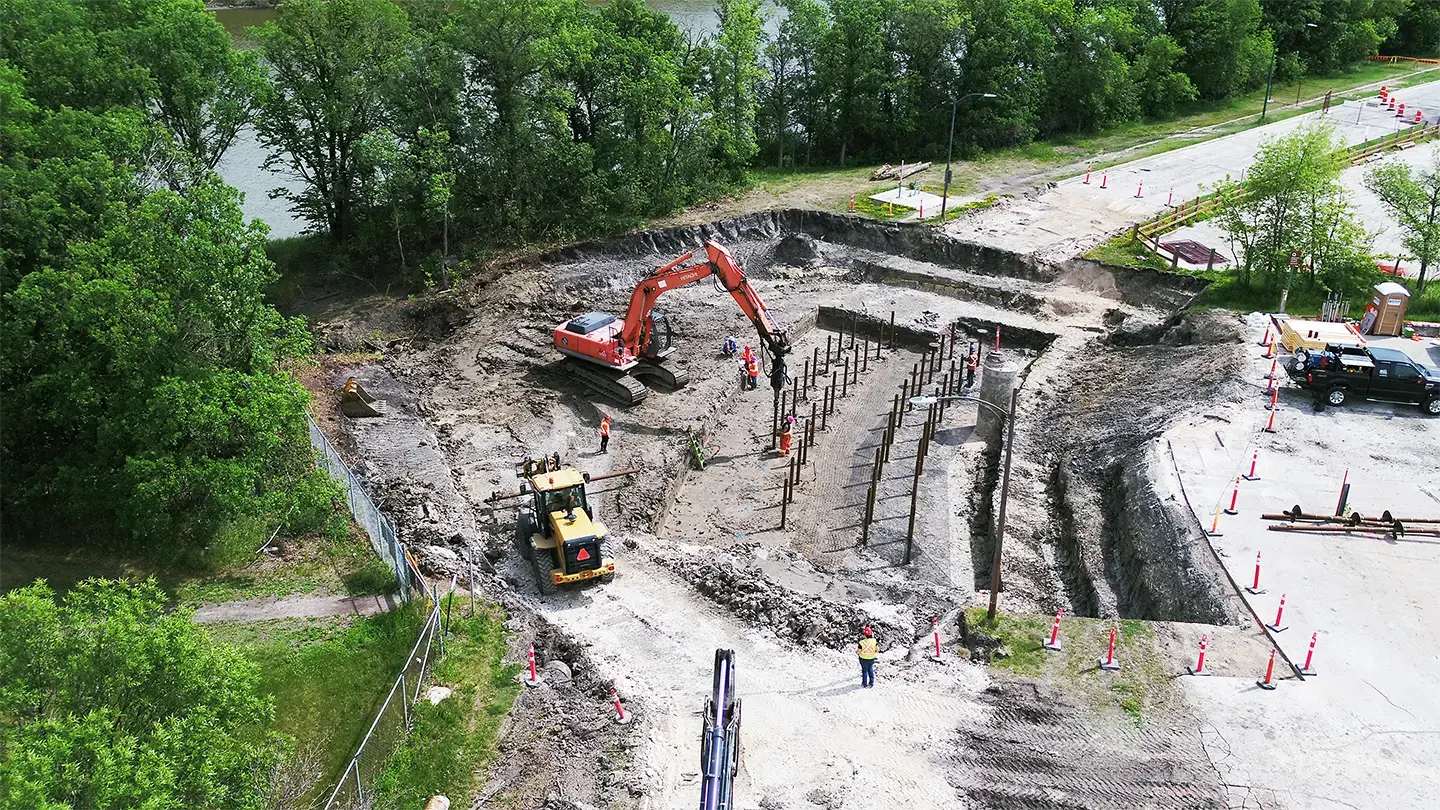
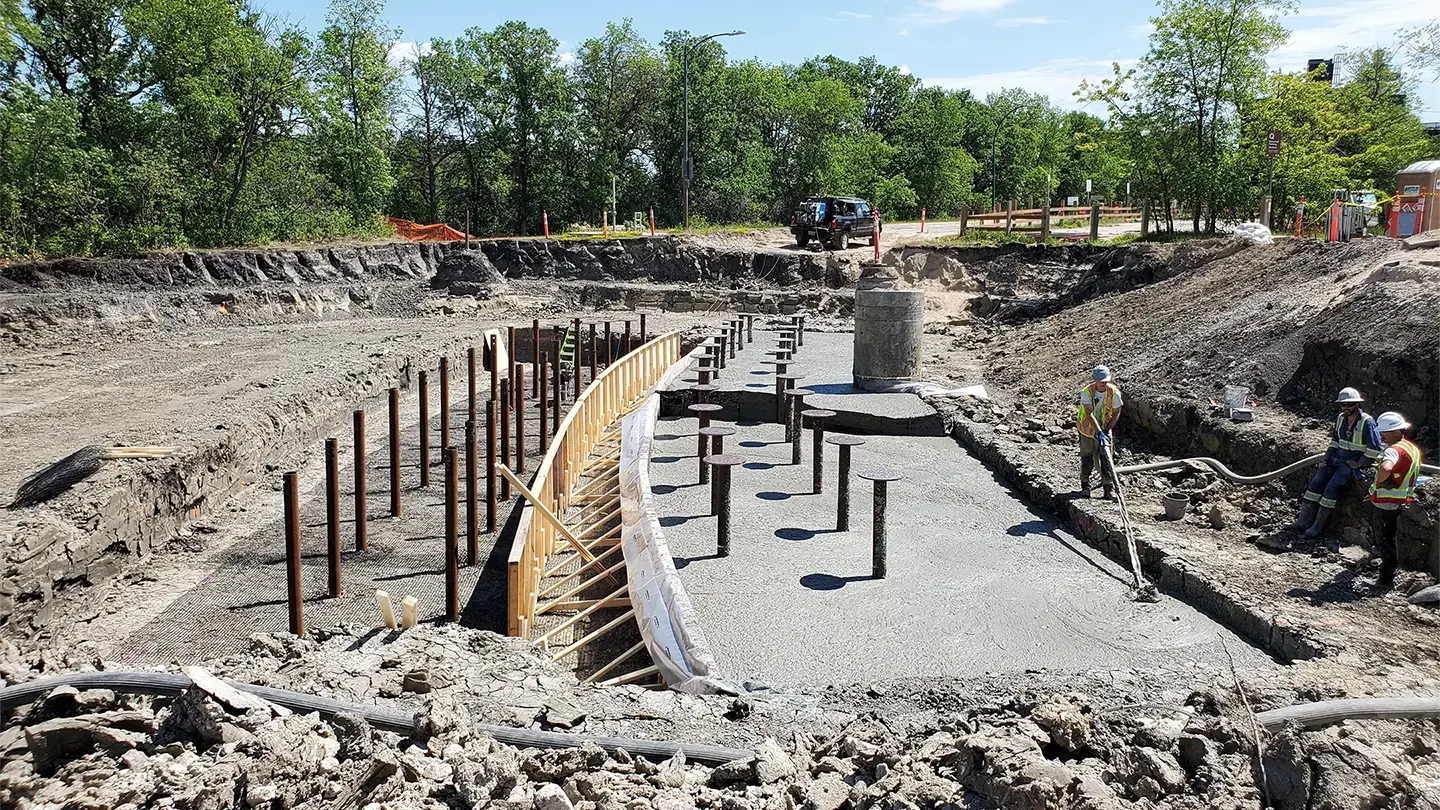
KGS Group designed an innovative solution to reconstruct Culvert 108, Sifton Road and the PLD dike system. A first for this technology in Winnipeg, the solution used buoyant lightweight fill material anchored with helical piles. Additionally, the land drainage system was redesigned, Culvert 108 was upgraded to prevent future damage and supplemental vegetation was planted. The result was an area that is fully integrated with the surrounding ecosystem and is ready for future use opportunities while protecting the community.
Project Highlights
- Designed a solution to reconstruct Culvert 108, Sifton Road and PLD dike system to restore flood protection and roadway function
- The solution, a first for this technology in Winnipeg, included buoyant lightweight fill anchored with helical piles
- Redesigned the land drainage system to control and safely route surface water, reducing erosive outflows to the riverbank
Assiniboine River and Lake Manitoba Basins Flood Mitigation Study
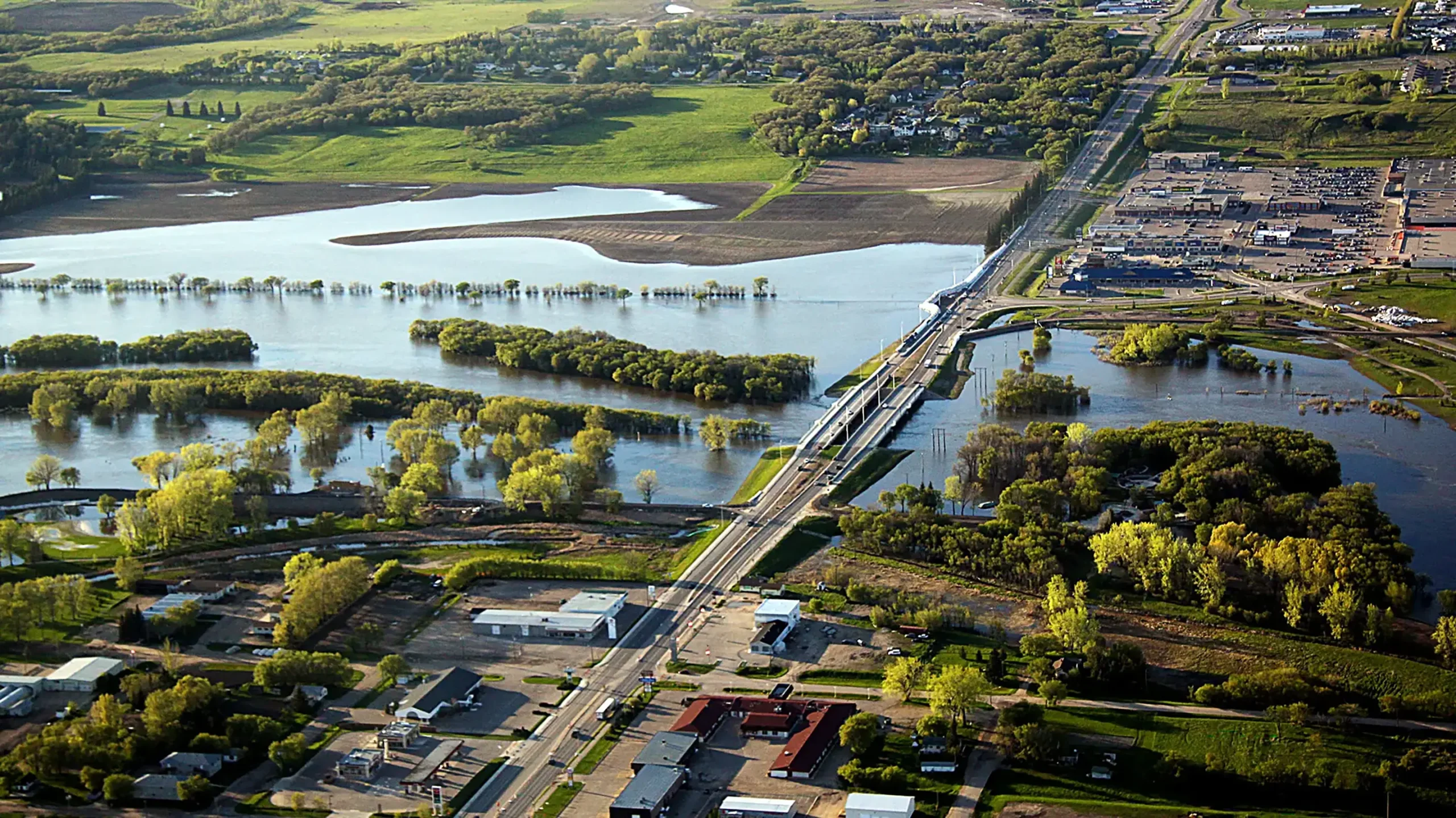
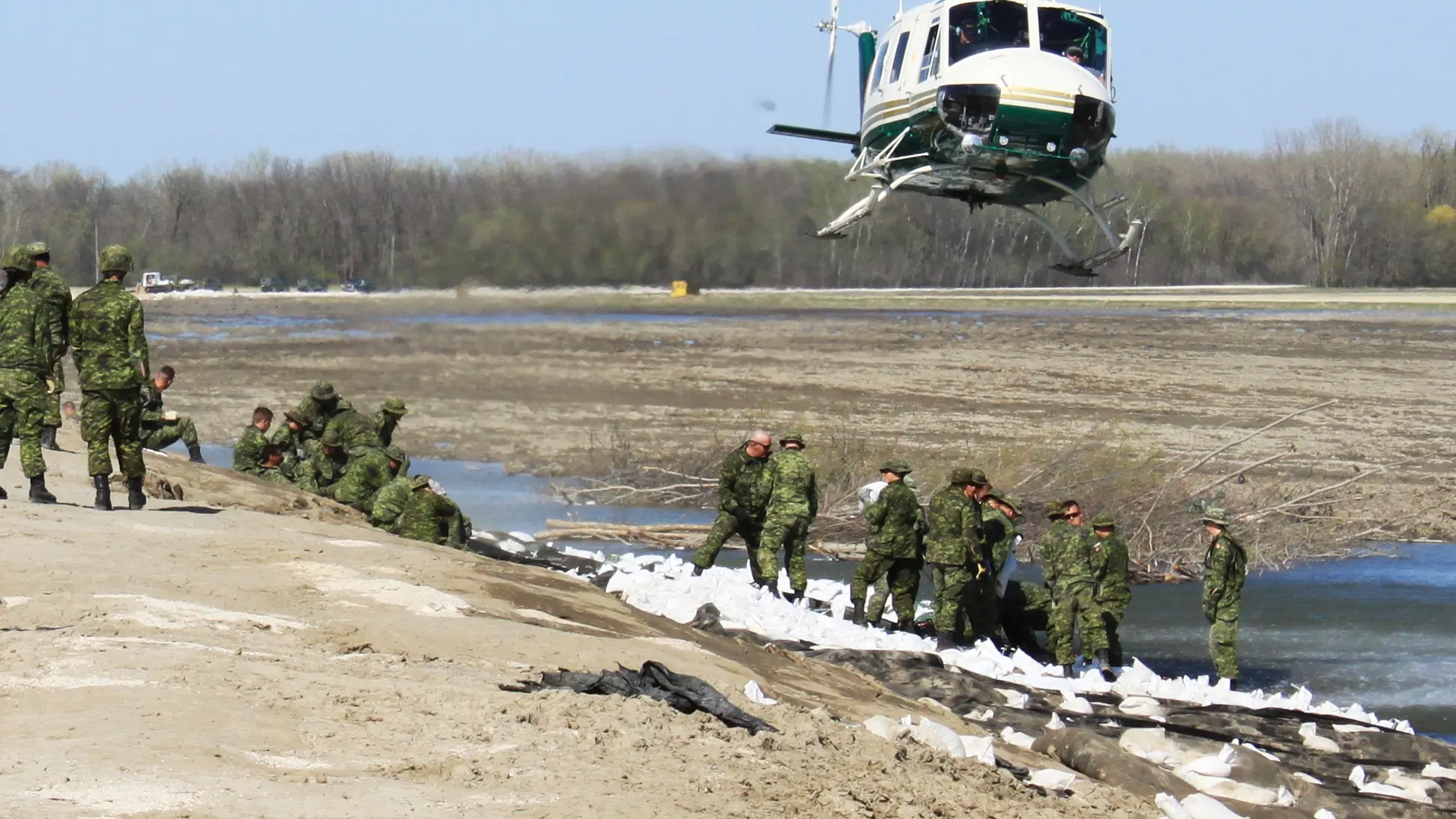
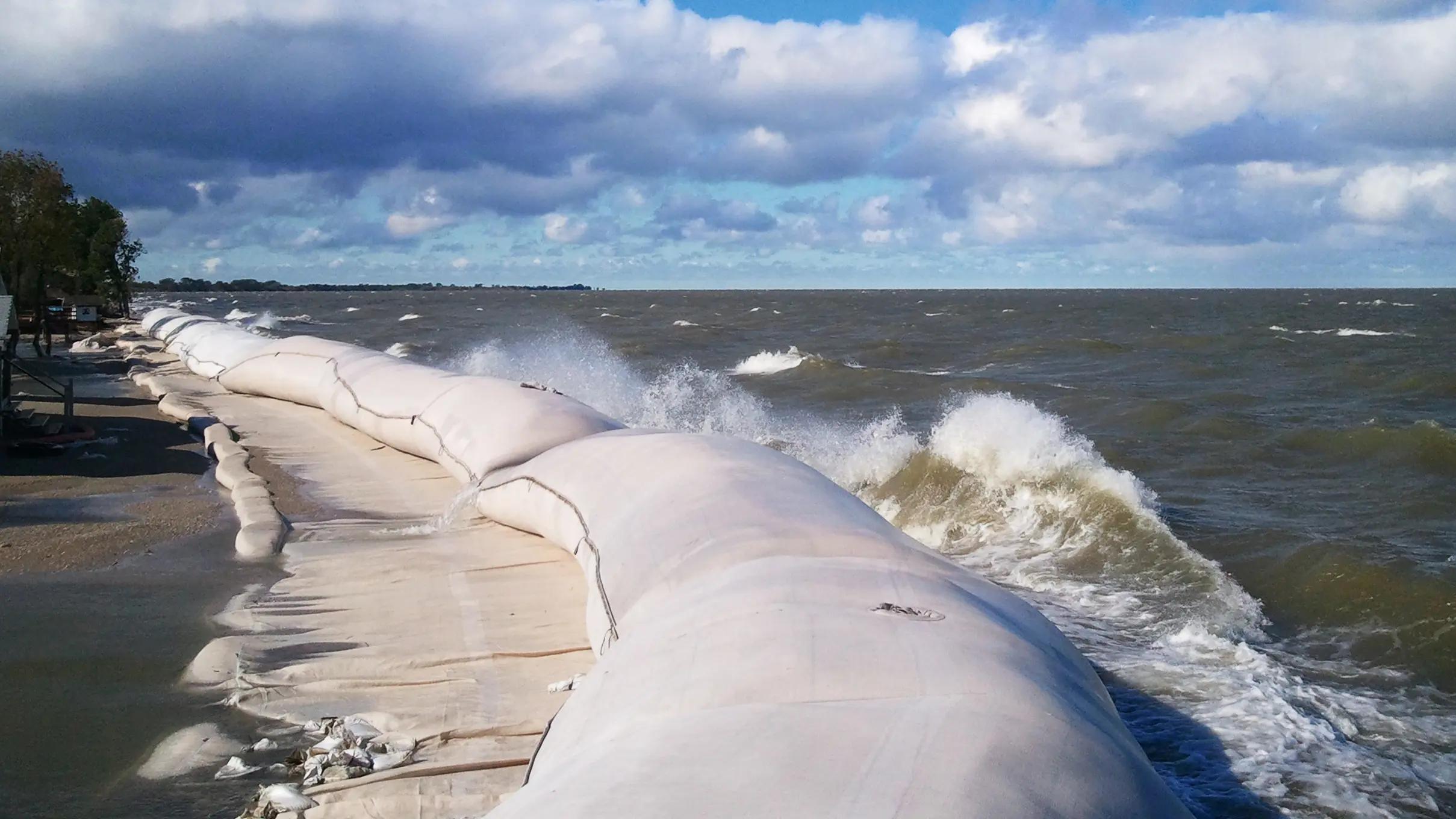
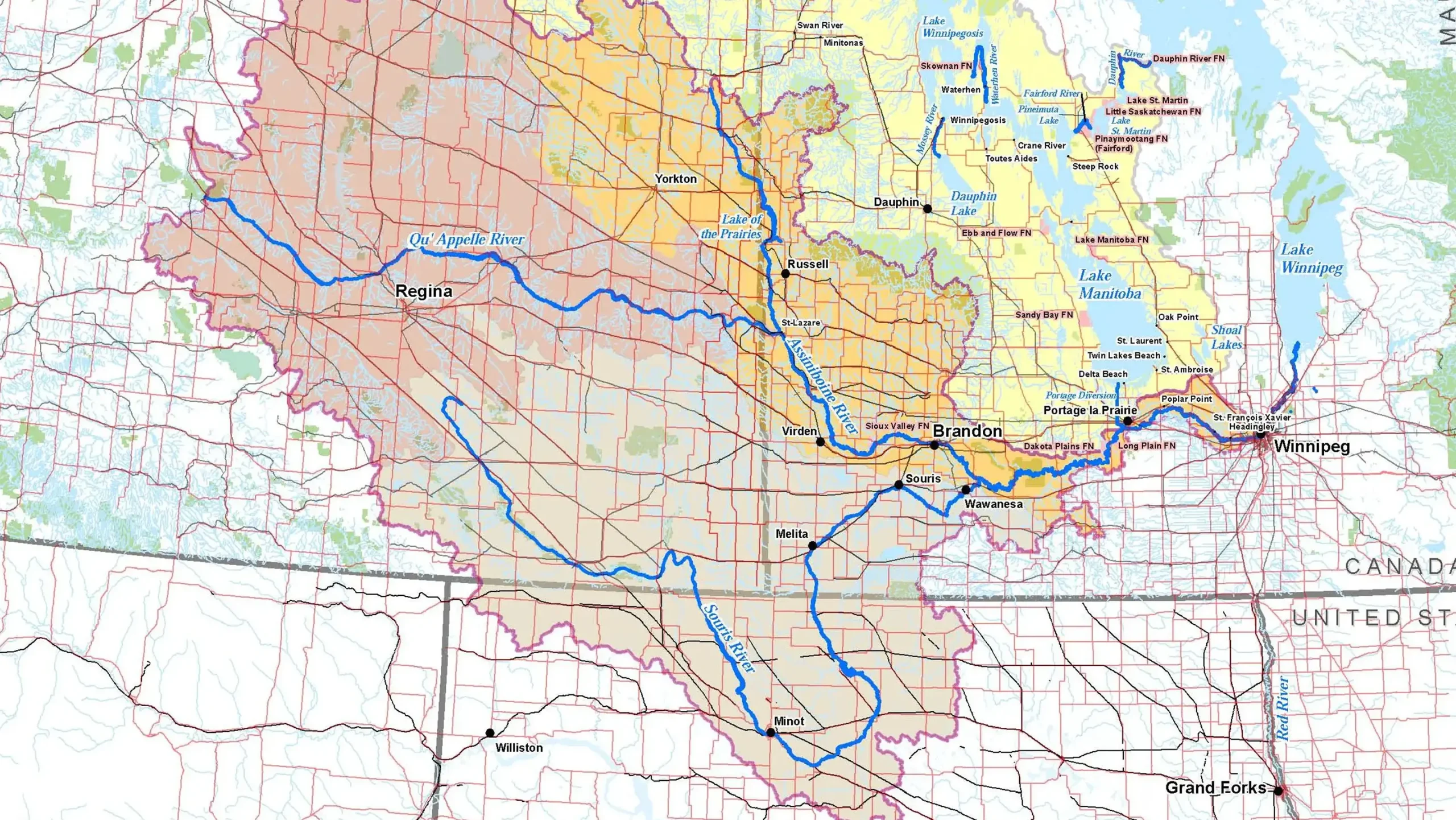
The flood of 2011 highlighted several potential “weak links” in Manitoba’s flood control system, which resulted in widespread damage across the province. To address the propensity for flooding in the Assiniboine River and Lake Manitoba basins, KGS Group carried out a flood mitigation study, which identified major flood vulnerabilities and assessed a wide range of measures to improve protection in the region.
A vast amount of data was reviewed and over 70 mitigation options were evaluated including dikes, reservoirs, diversion channels, wetland restoration and development controls. As well, a number of sophisticated models were developed to calculate cost-benefit ratios and the economic viability of the options.
Working collaboratively with Manitoba Transportation and Infrastructure, the project team developed a technical workshop and held public open house events to incorporate important feedback into the study findings.
The results of the study identified over $1 billion of flood mitigation upgrades required to increase the flood protection level to provincial standards across the basin. The results will also serve as the foundation for major flood mitigation programs for the next several decades.
Project Highlights
- Reviewed and synthesized basin‑wide datasets to establish current and future flood risk profiles
- Evaluated 70+ mitigation options, including dikes and levees, reservoirs and storage, diversion channels, wetland restoration, development controls
- Compiled actionable study deliverables for program planning
Crossing Enhancements on Beaver Creek at Historic Fort Ellice
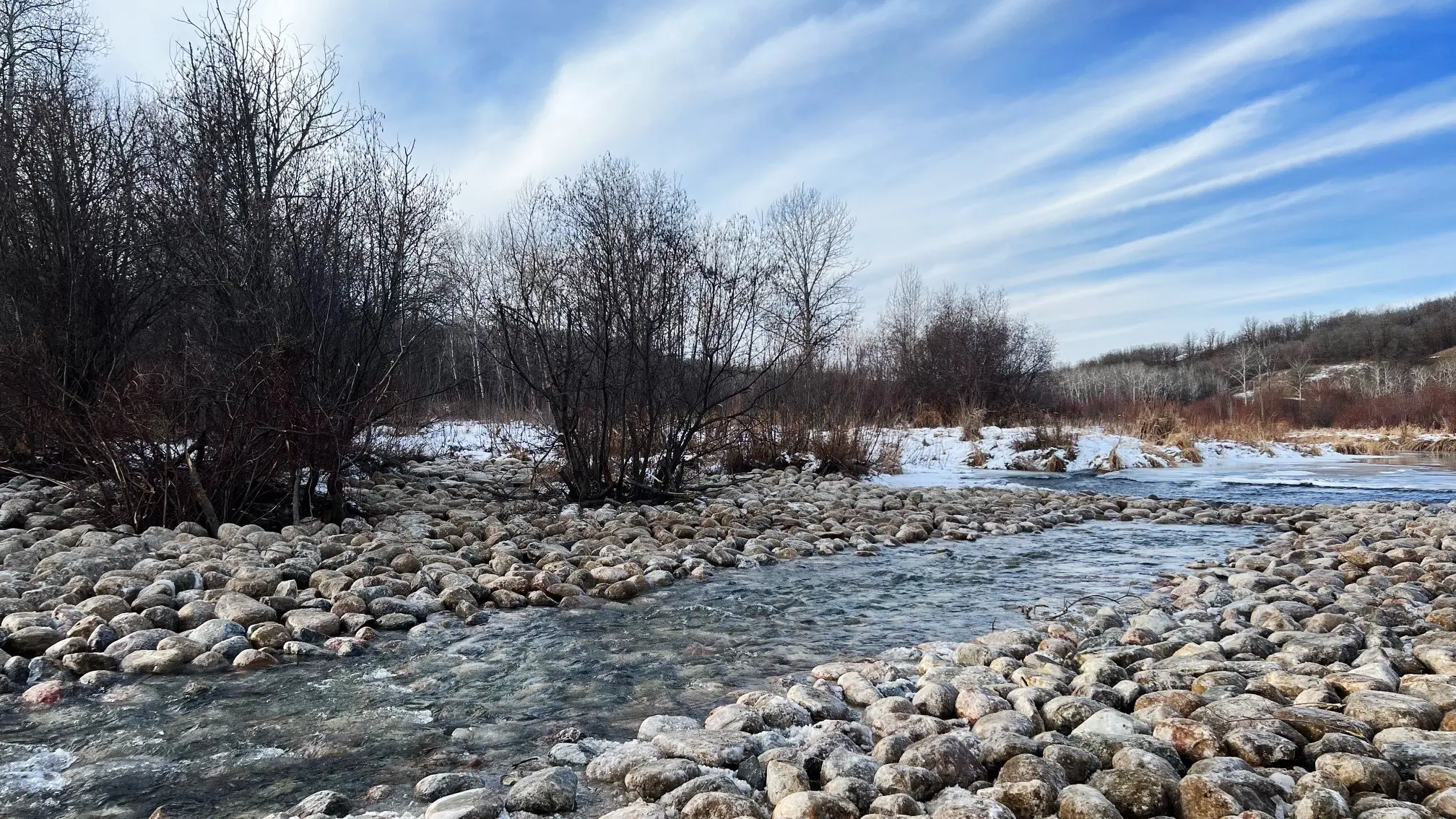
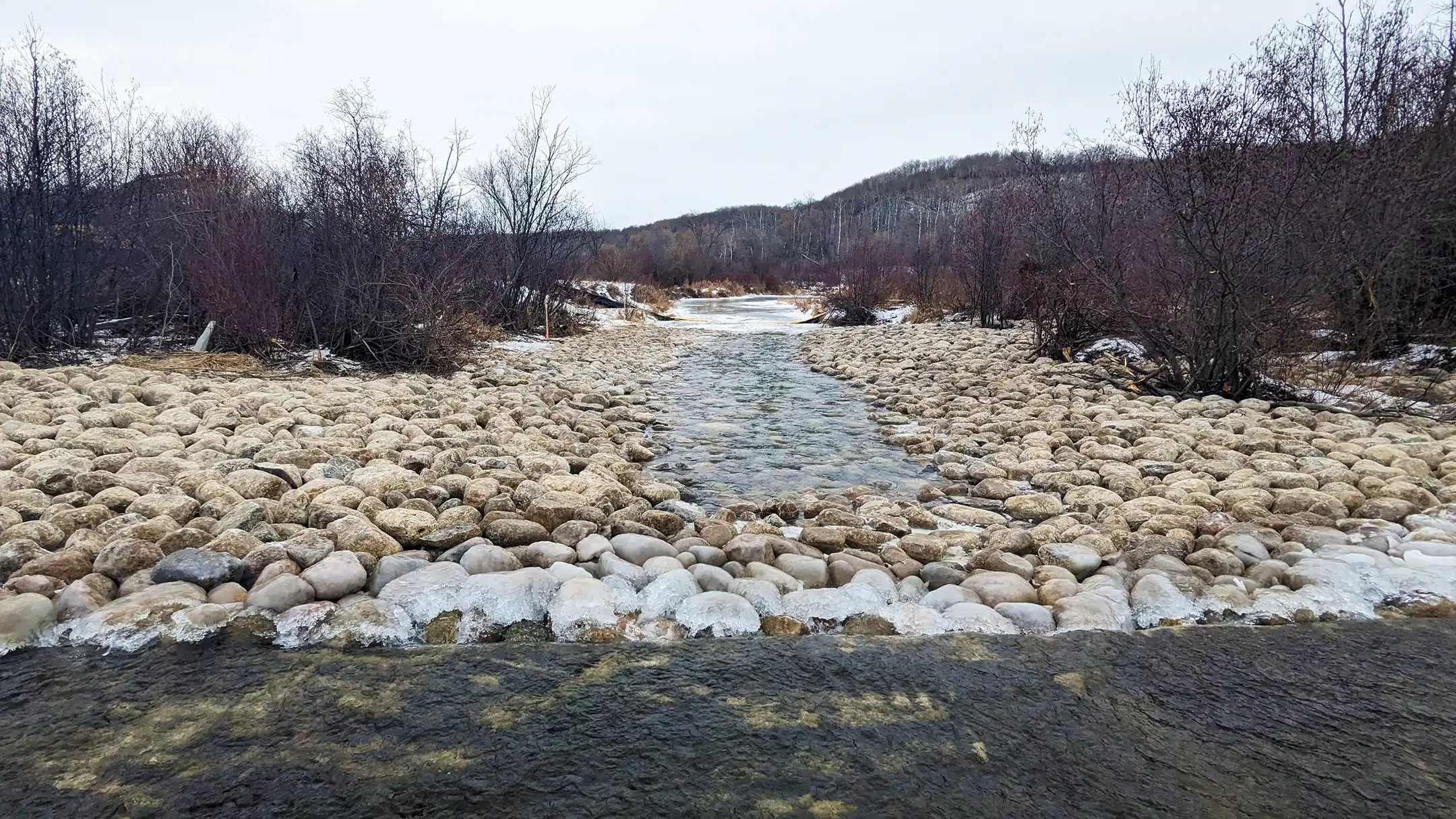
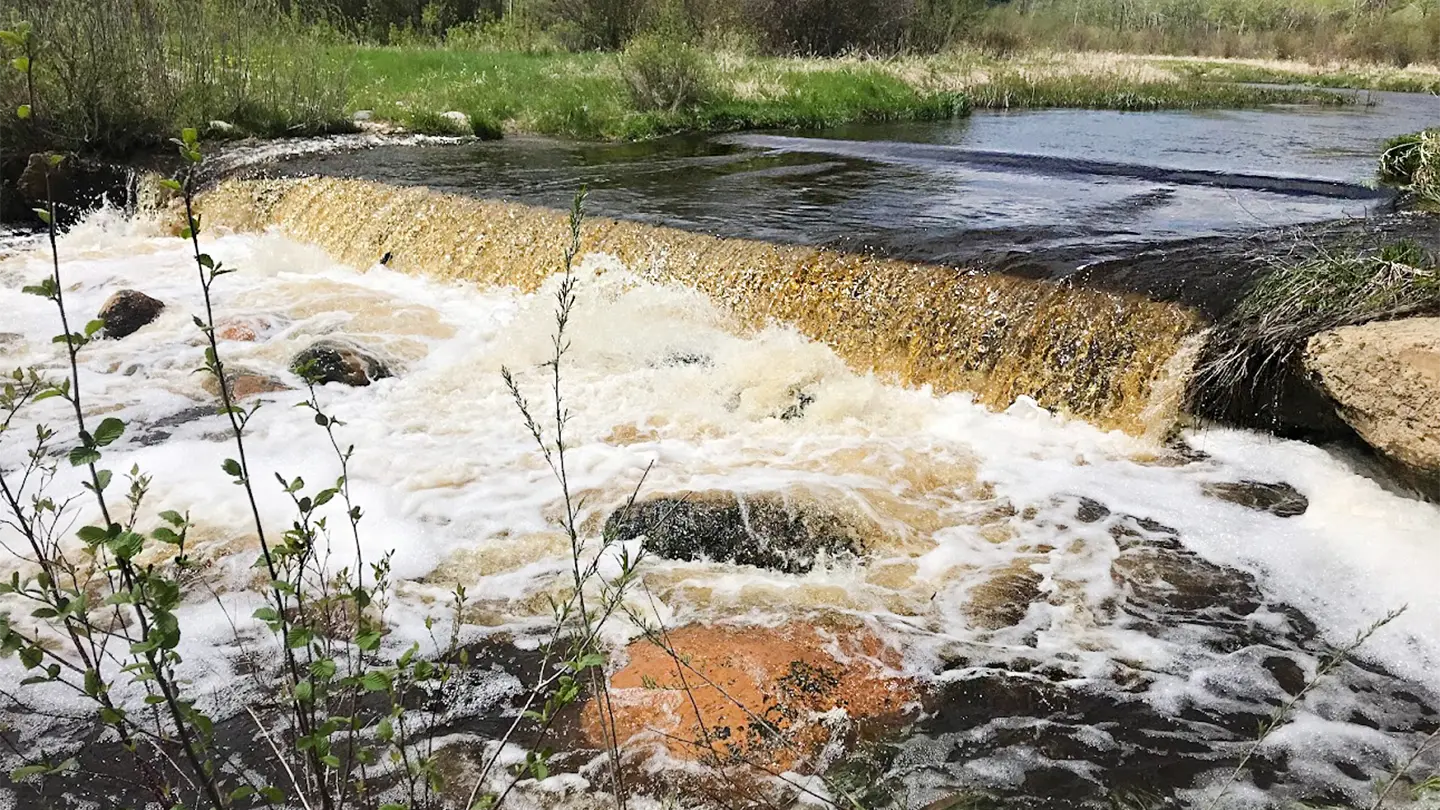
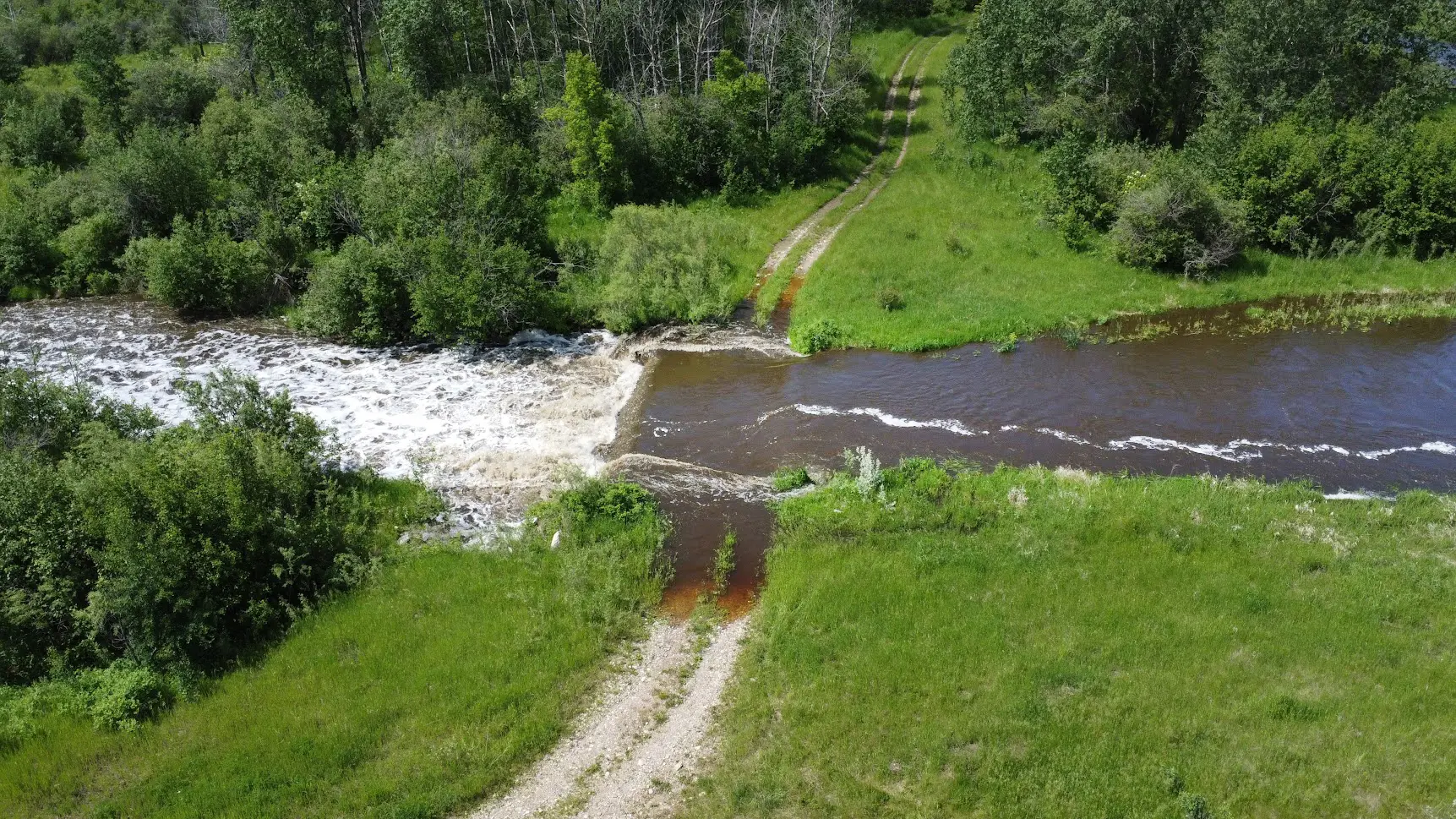
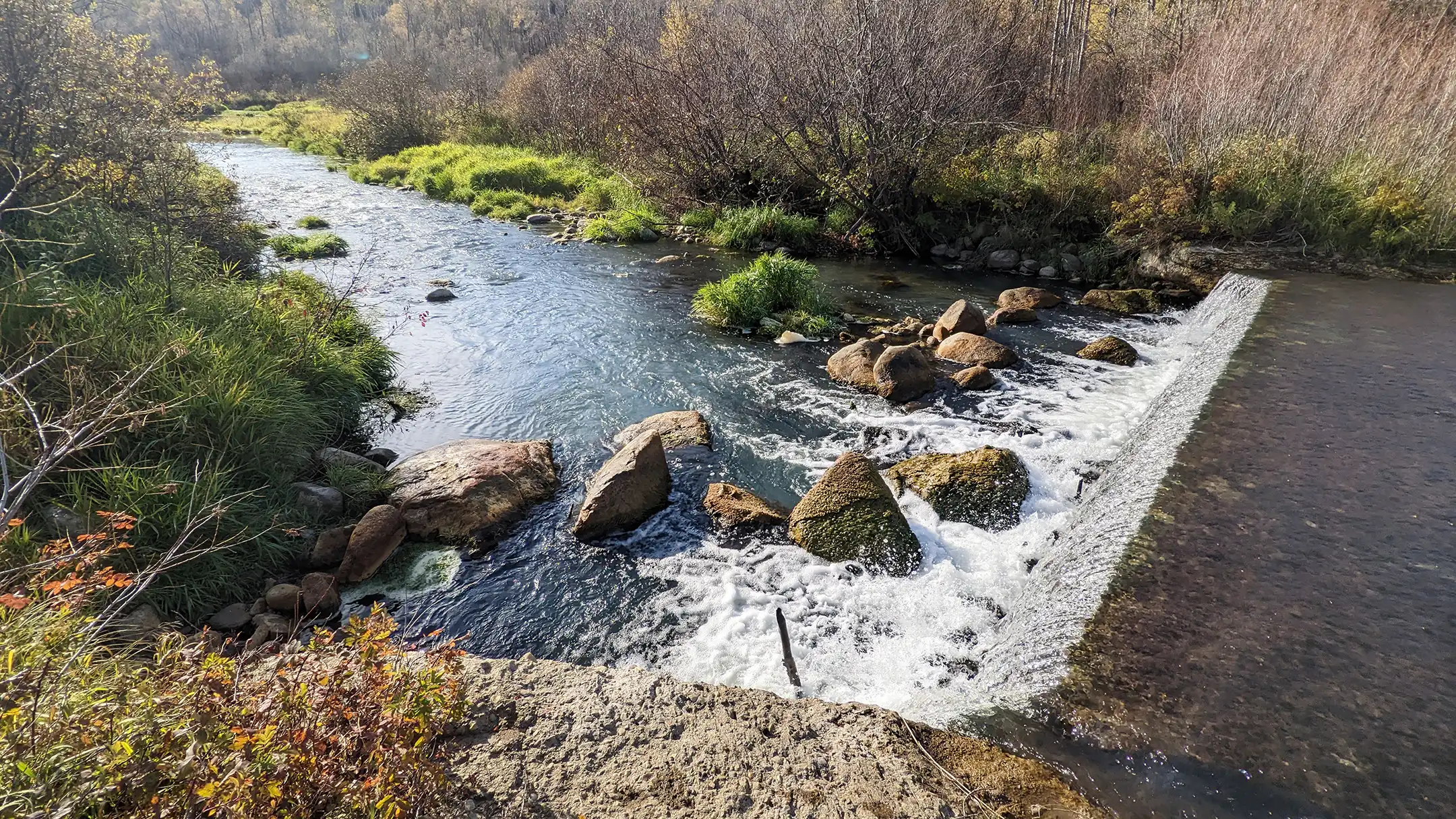
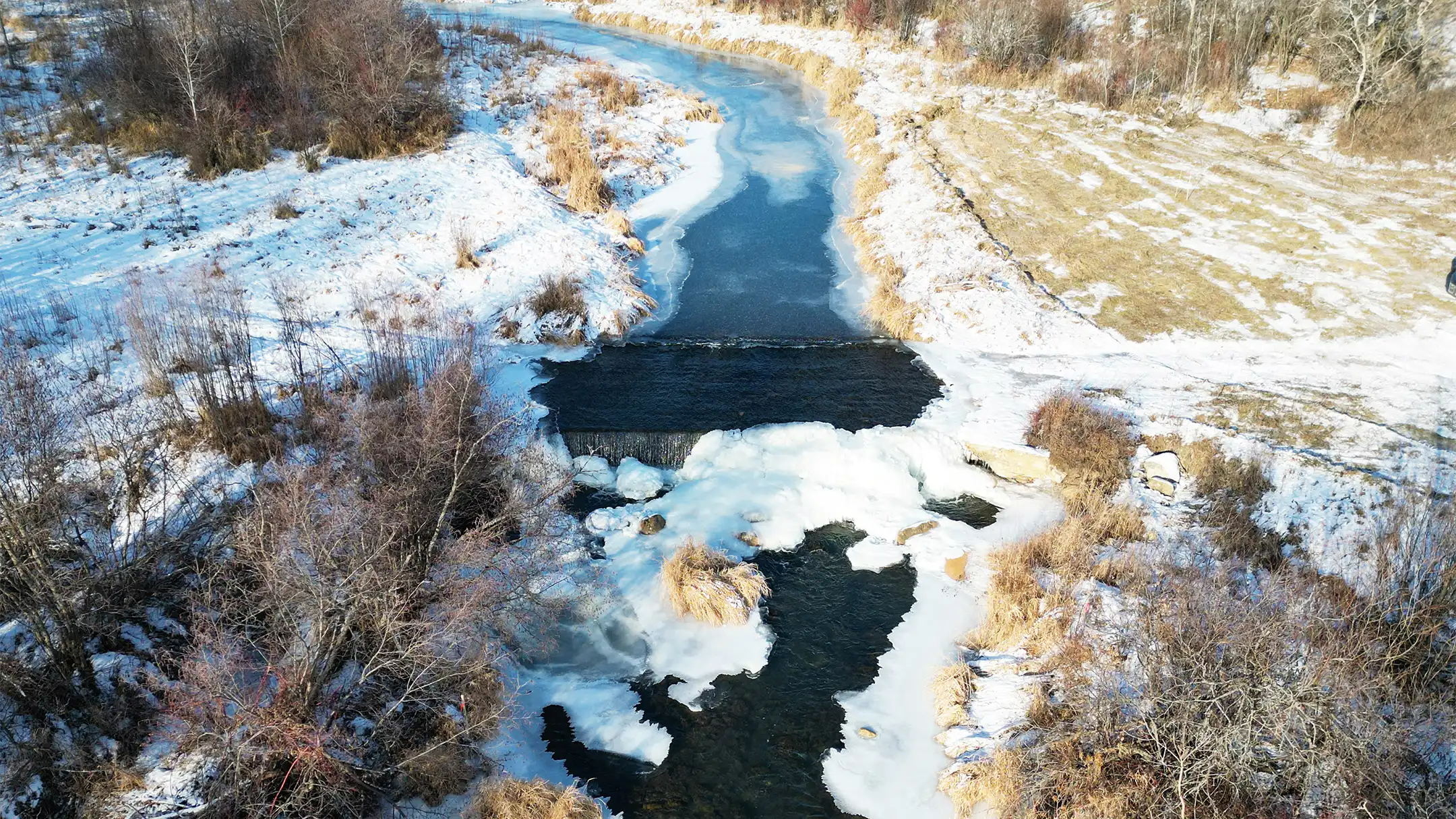
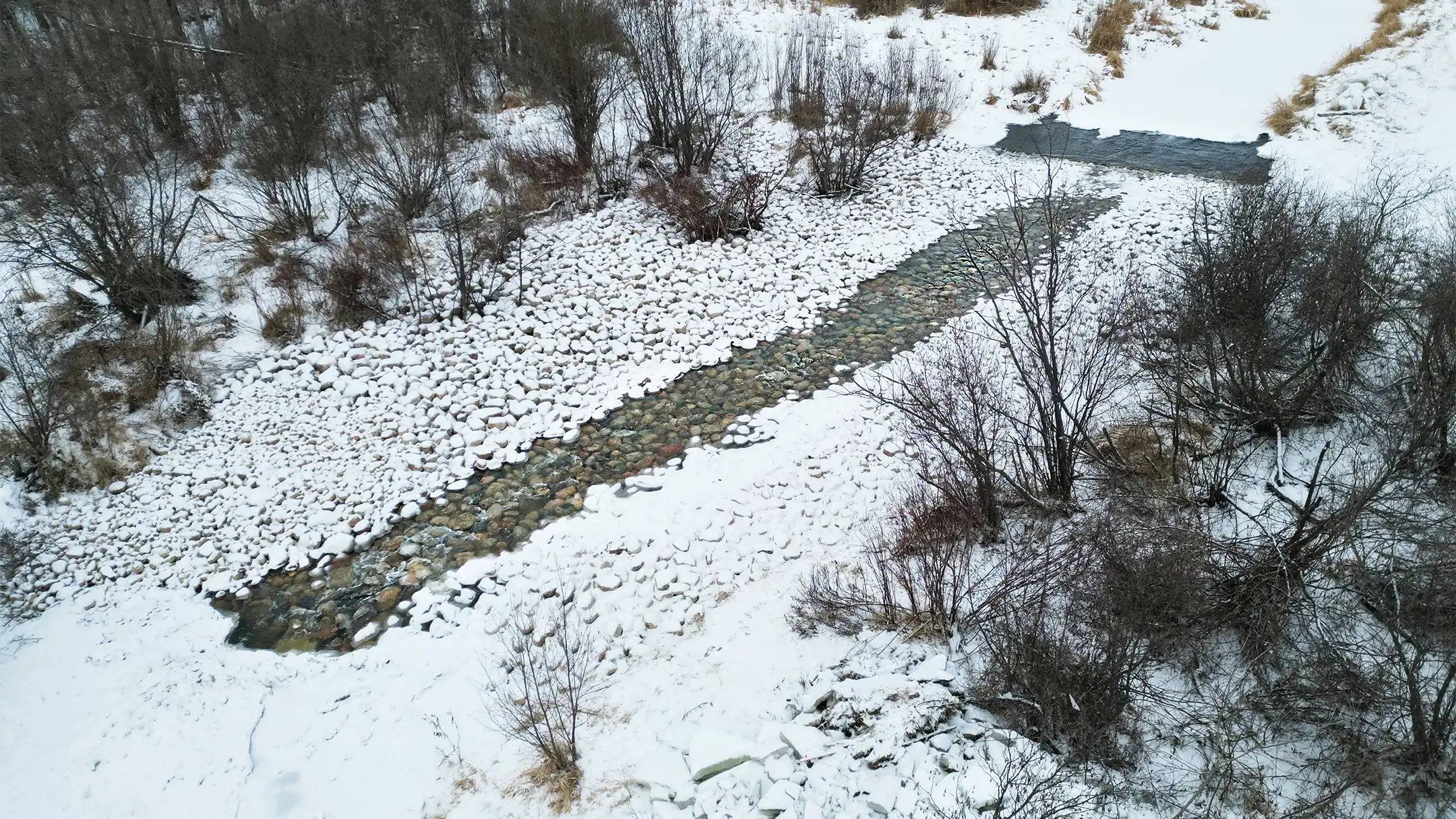
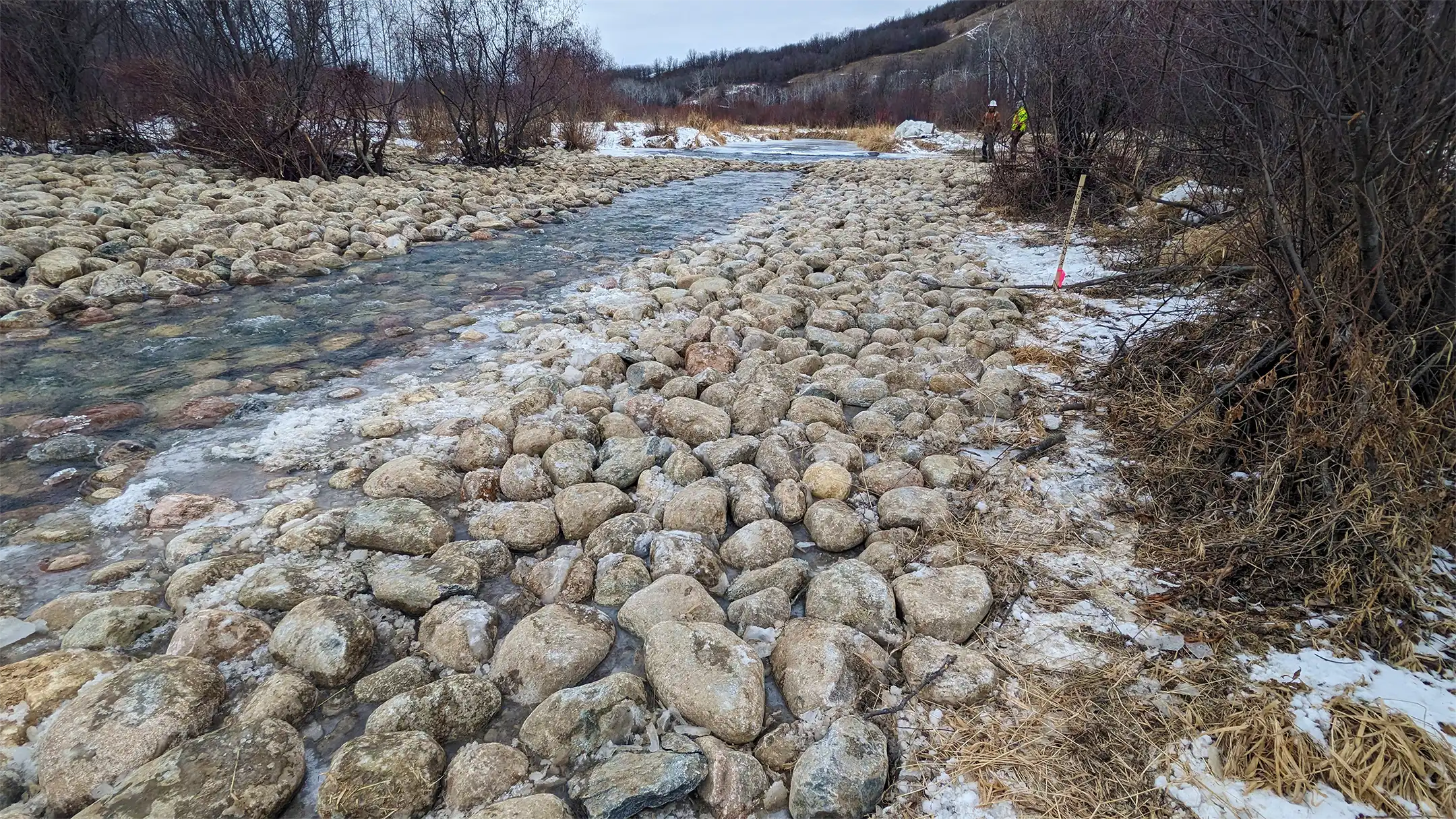
The Crossing Enhancements on the Beaver Creek project aimed to reconcile human infrastructure with the natural environment at the Nature Conservancy of Canada’s Fort Ellice property. The project focused on modifying a concrete ford crossing that impeded fish migration on Beaver Creek, to enhance bi-directional fish passage, maintain structural integrity and minimize ecological disruption.
Collaborative efforts led to the development of a rock ramp, that balanced technical feasibility, ecological sensitivity and regulatory compliance. The rock ramp now serves as a success story for future leaders and caretakers of the land and exemplifies sustainable conservation that combines sound engineering with environmental stewardship.
Project Highlights
- Modified the existing concrete ford crossing to reduce hydraulic barriers to fish movement
- Constructed a naturalized rock ramp to enable bi‑directional fish passage
- Configured ramp geometry and rock gradation to maintain crossing stability while minimizing habitat disruption