

Cockburn and Calrossie Sewer Relief Works
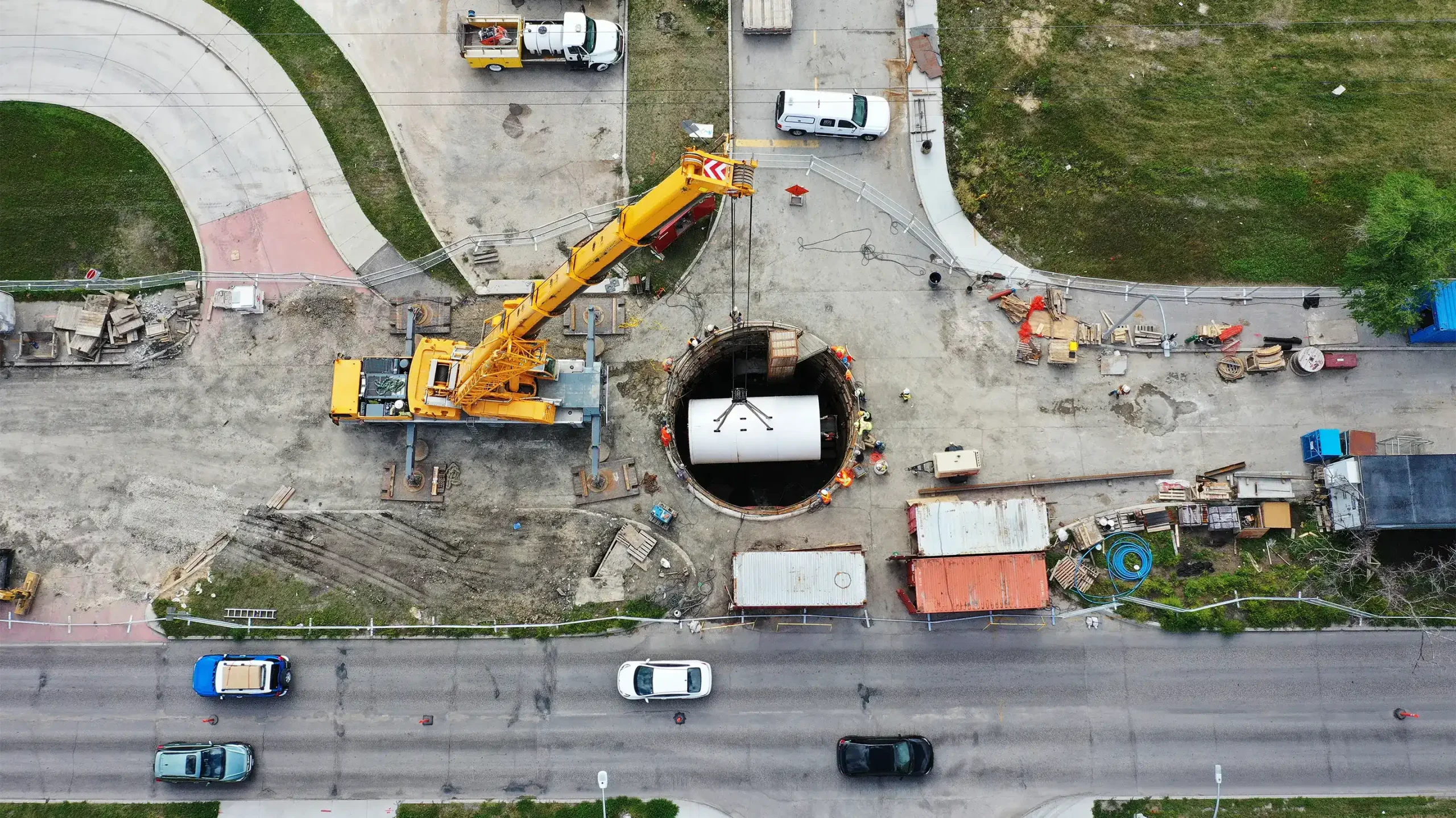
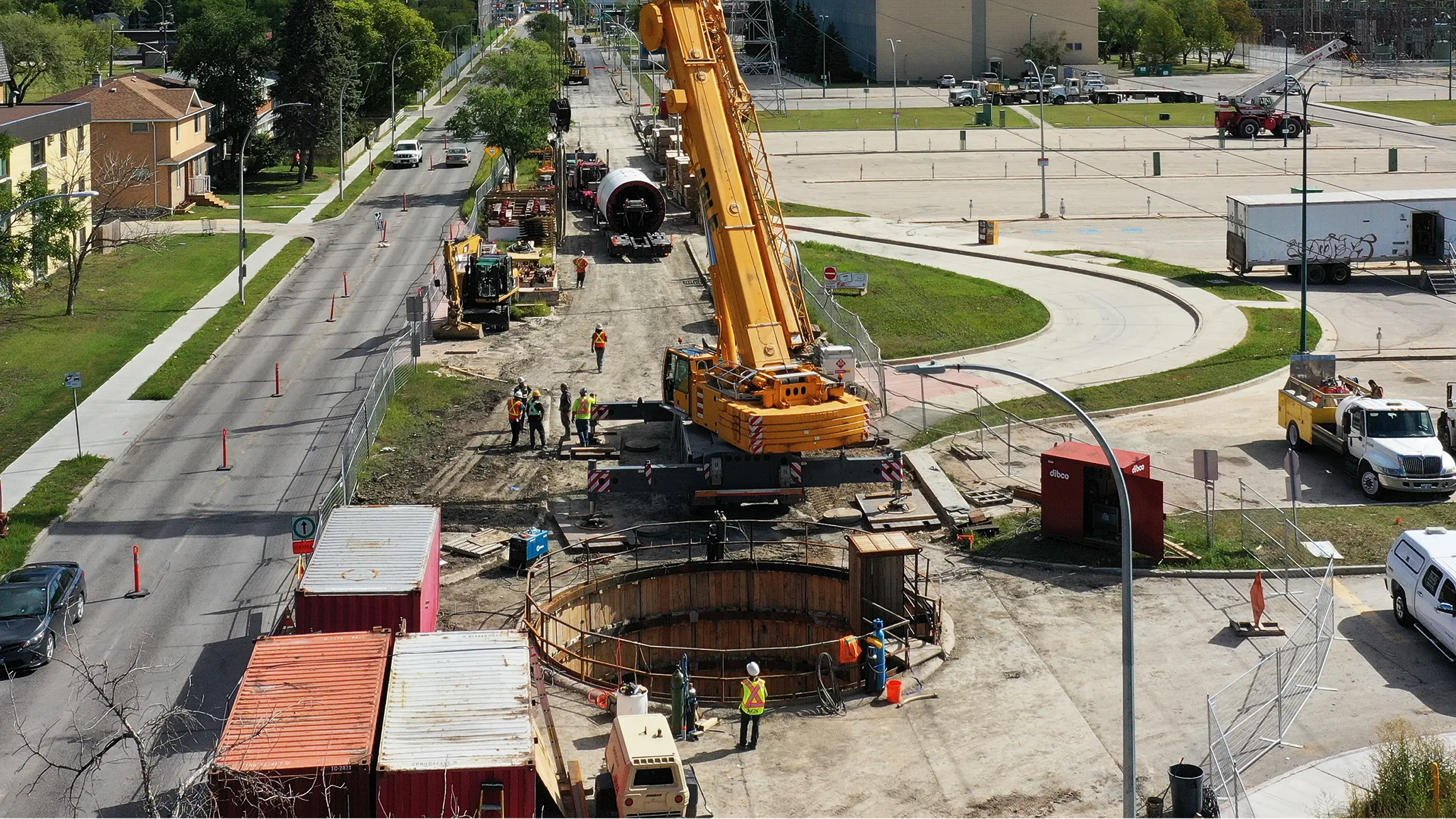

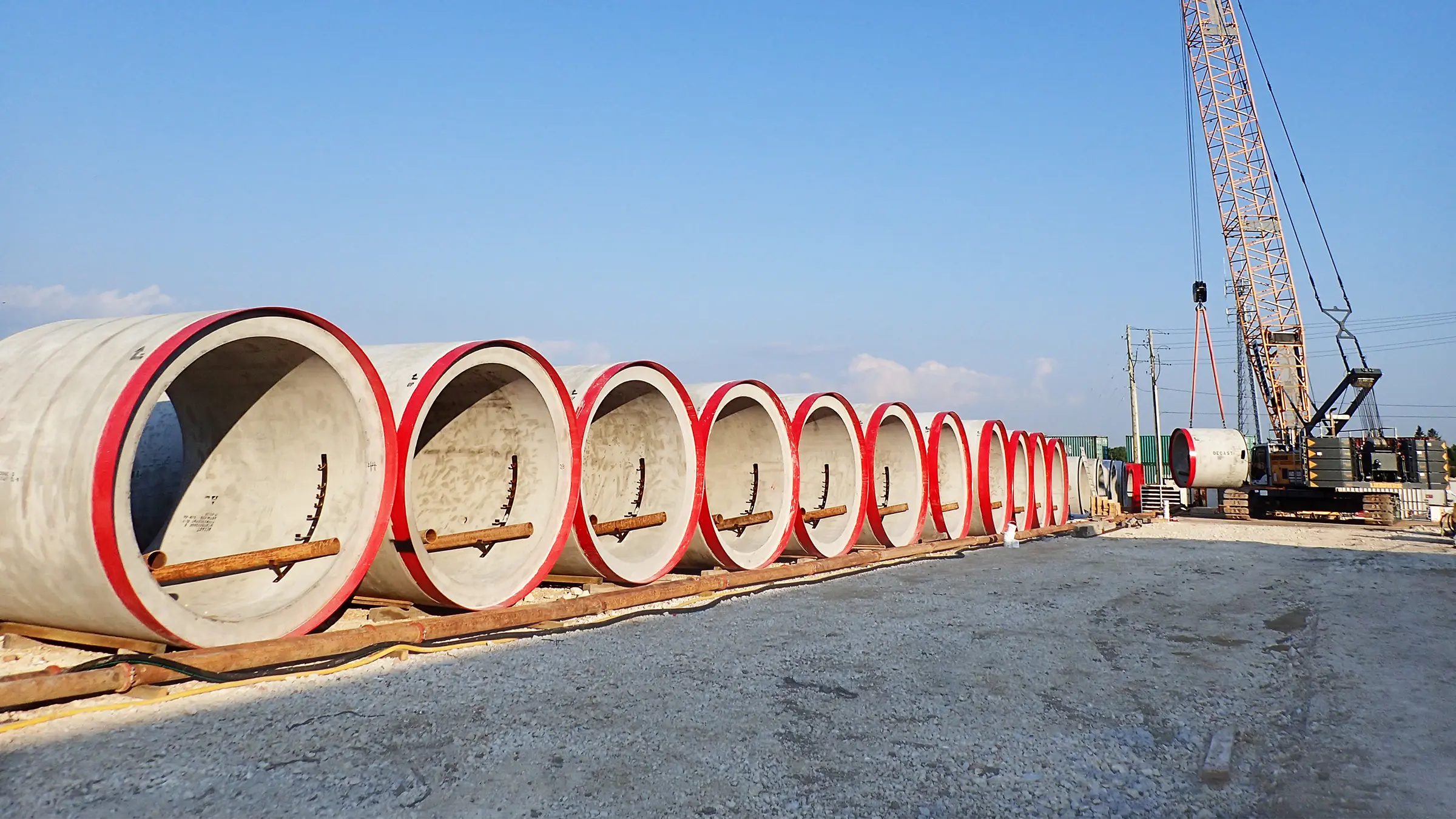
KGS Group partnered with the City of Winnipeg to study, design and implement district‑wide drainage improvements in neighbourhoods prone to annual flooding. This project was a complex, large-scale undertaking in a densely urbanized center that includes major businesses, residential homes, regional streets, and the primary rail line that bisects the City. KGS led a large team to take the project from initial concepts to practical implementation.
We developed a regional hydraulic/hydrologic model of three adjacent drainage areas and created an evaluation criterion to objectively select the drainage improvement option that considered stakeholder needs, constructability issues, future City projects and cost.
Due to the potential public impact of this project, public engagement was paramount. A public engagement strategy was developed and open houses were organized to gather public input. Once the preferred option was selected, KGS oversaw the construction of the drainage improvements. Tunneling and trenchless technologies were used to limit disruption within this dense urban community.
Project Highlights
- Development of a regional hydraulic/hydrologic model for three drainage areas
- Alternatives evaluation using stakeholder needs, constructability, future projects and costs
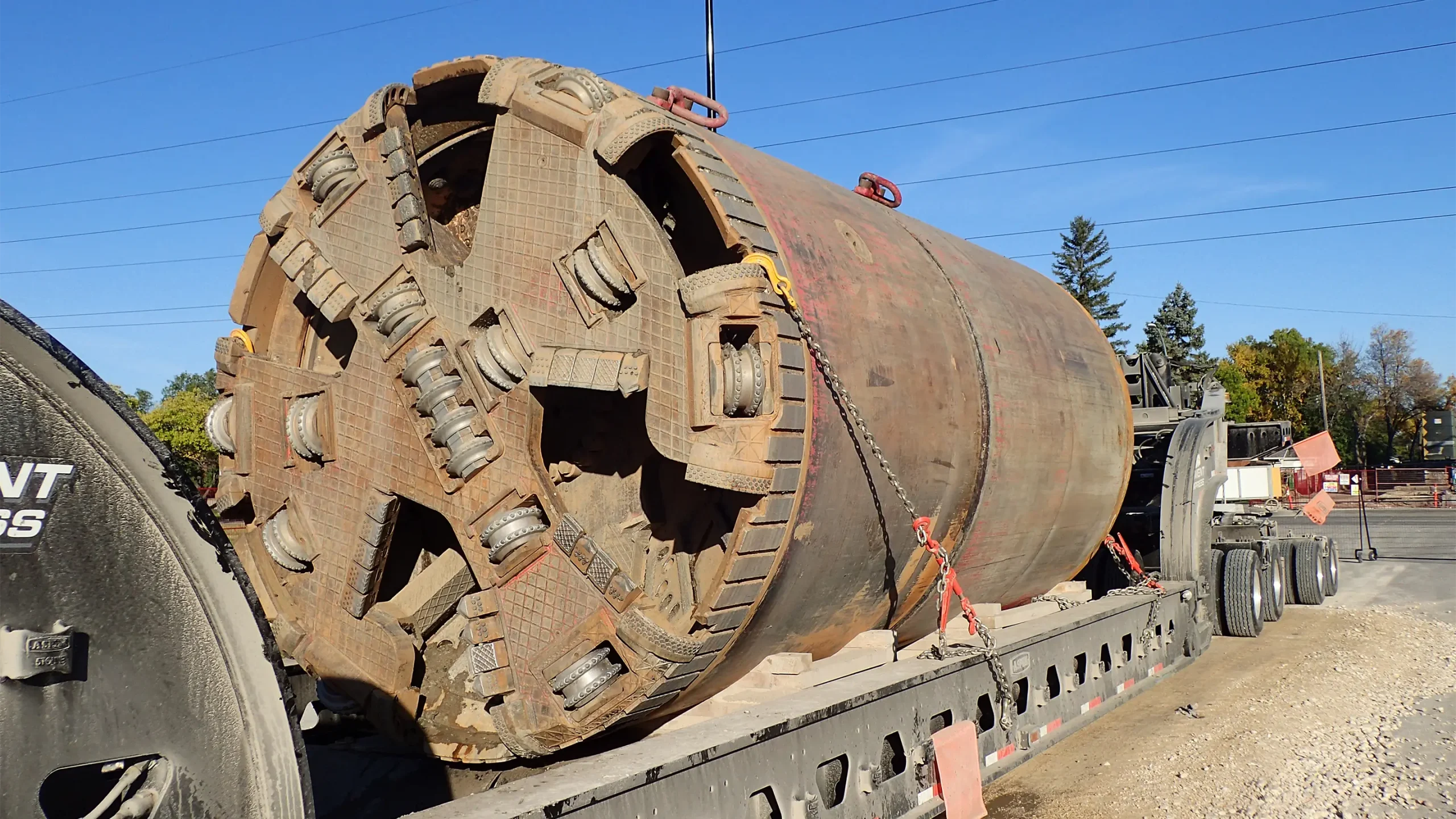
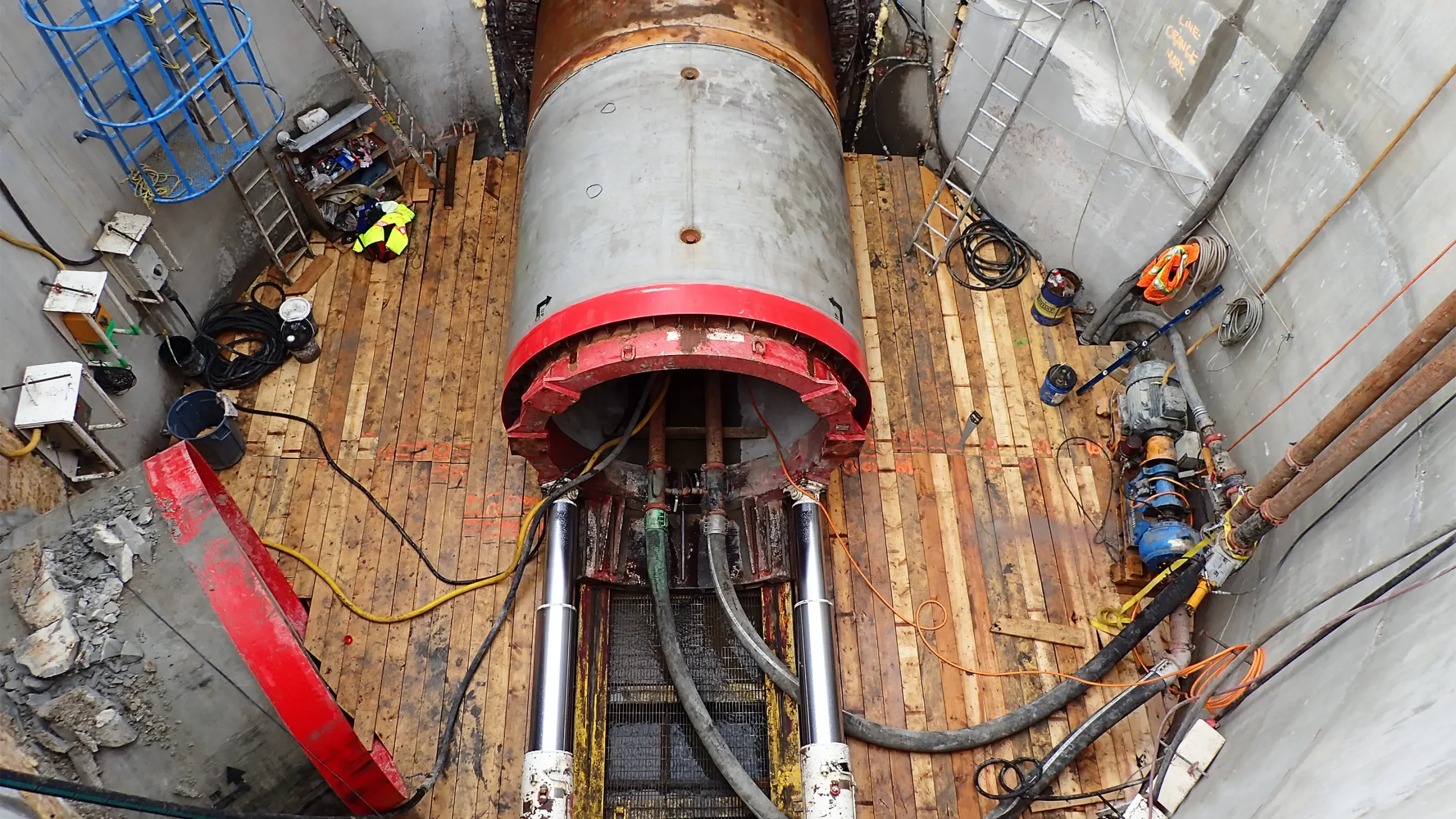
- First large diameter micro-tunnelling project in Manitoba (2,700 mm dia. tunnel)
- Tunneling and trenchless installations under regional streets and the primary rail line to minimize disruption
- Preparation of Geotechnical Baseline Report, a first-time application in Manitoba
- Risk sharing construction contract strategies to reduce capital costs
- Redevelopment of a historic rail yard into a storm retention basin and new public park space
Whitehorse Diesel-LNG Conversion
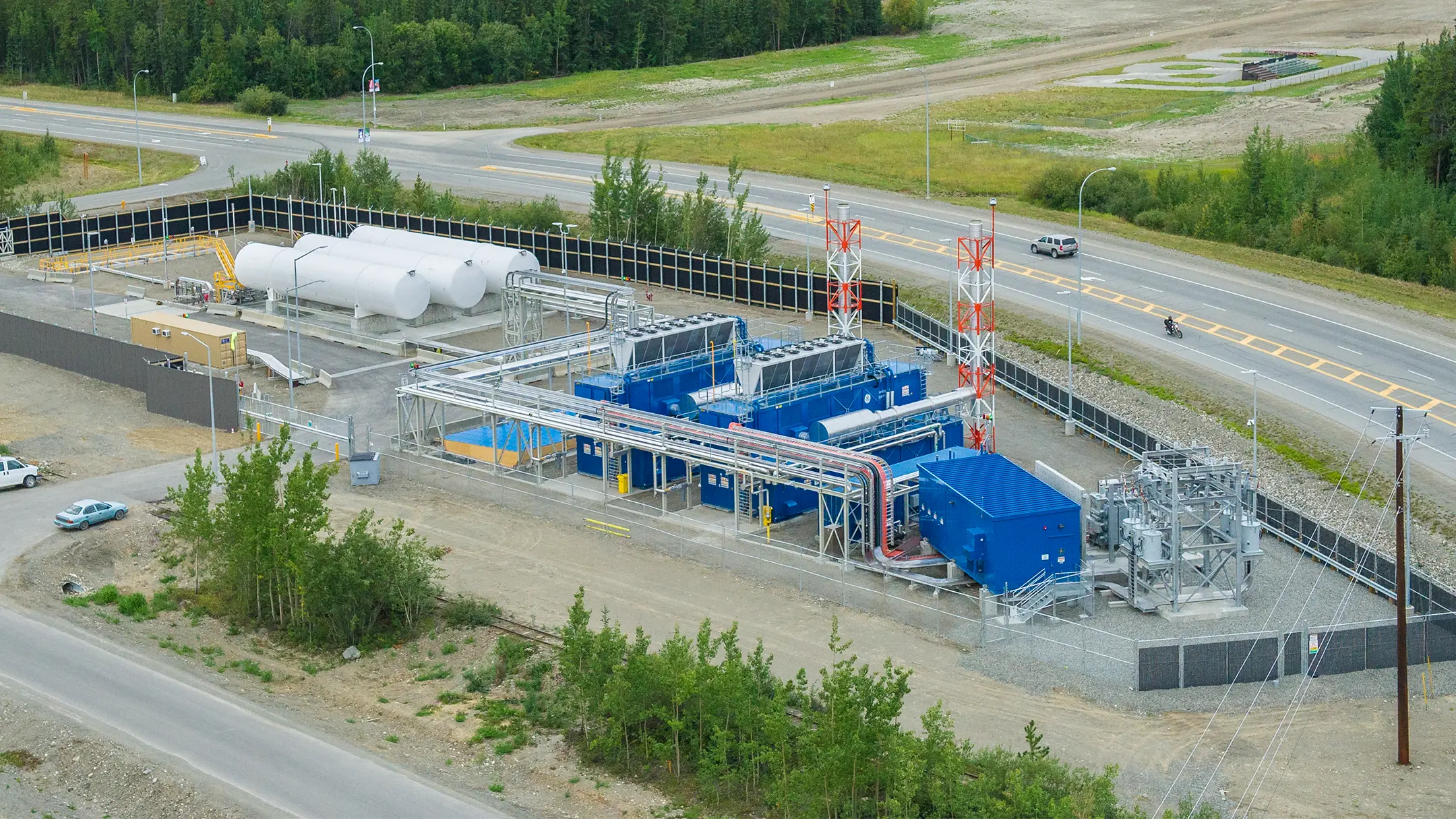
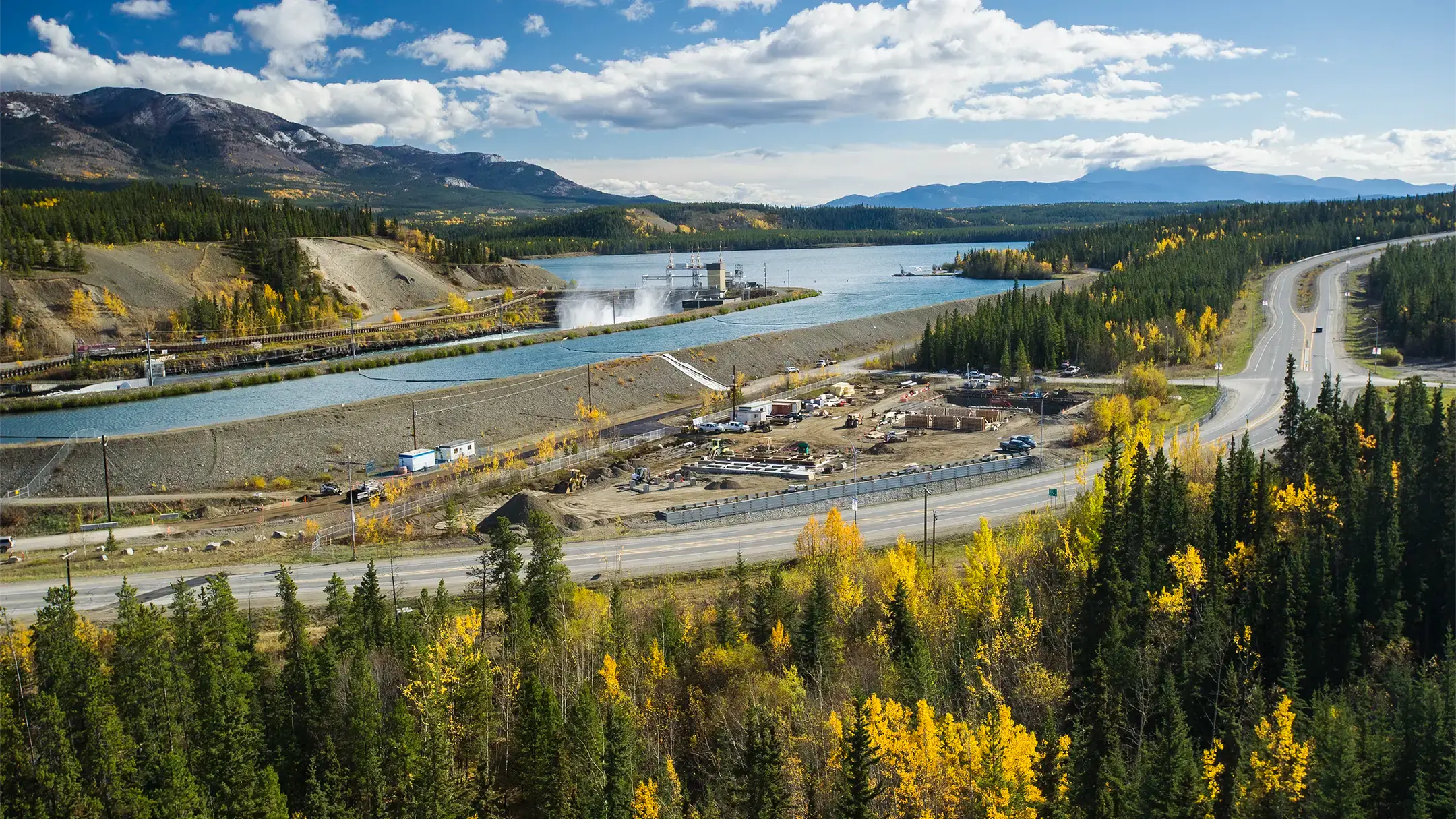

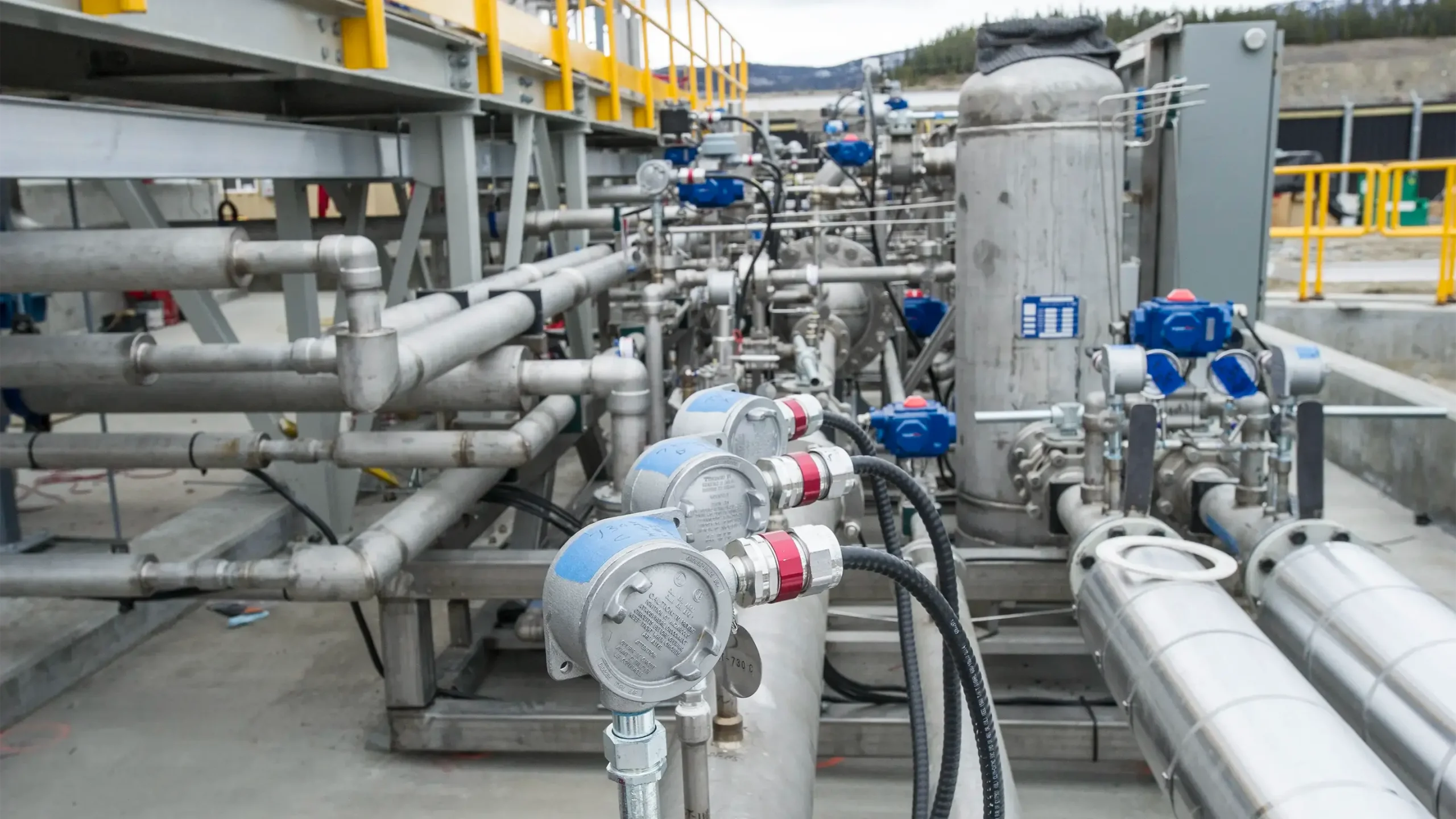
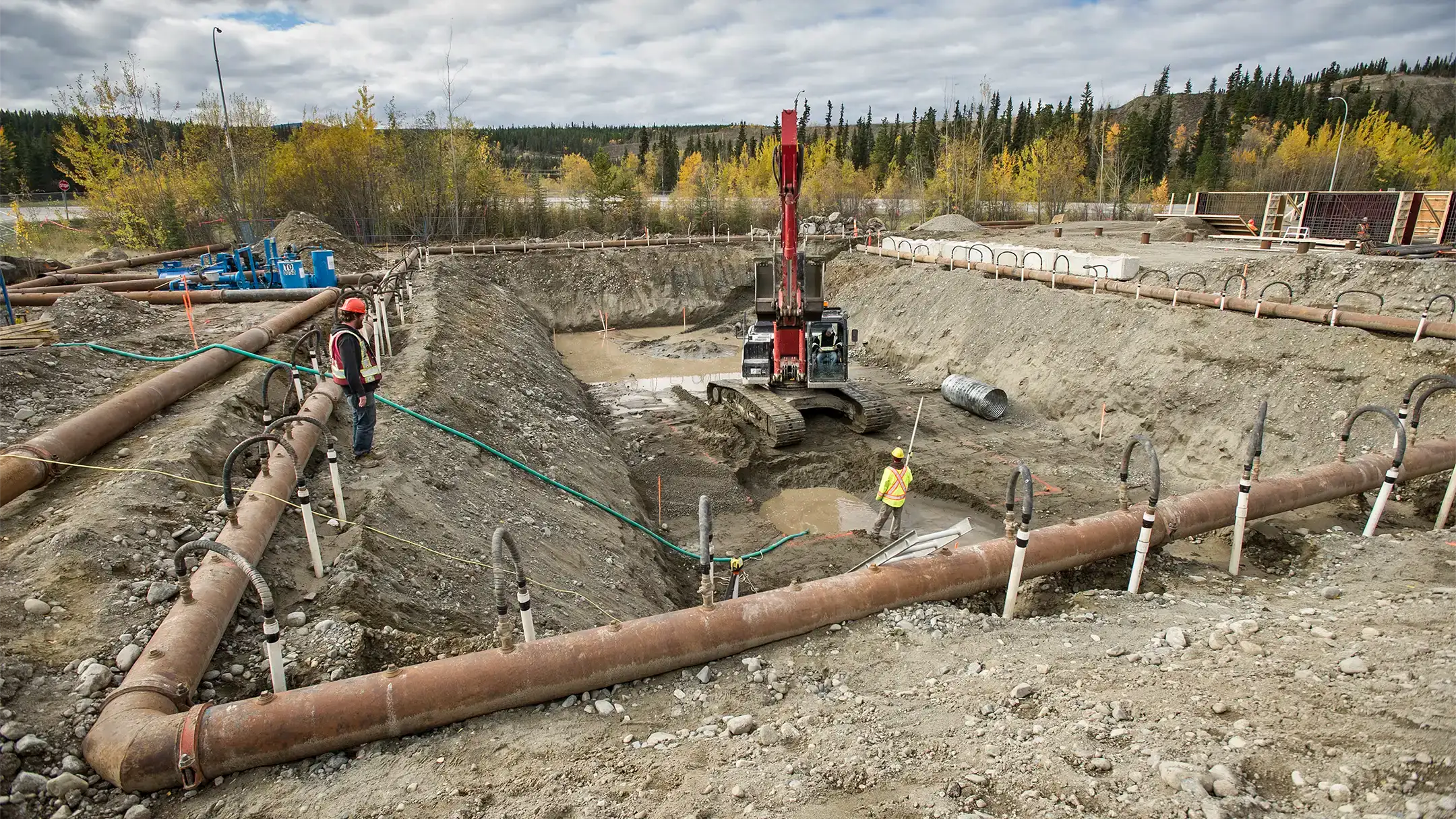



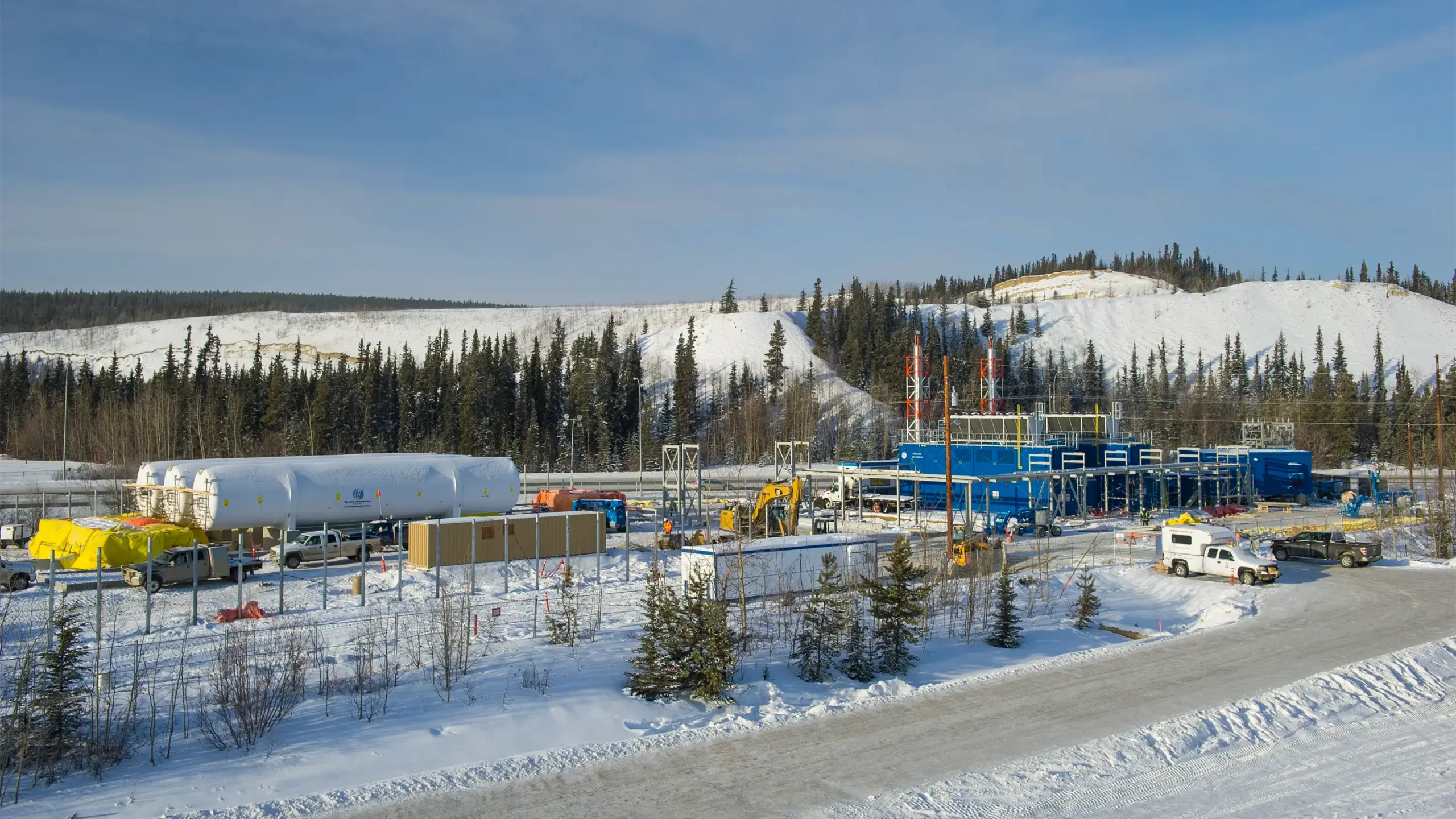
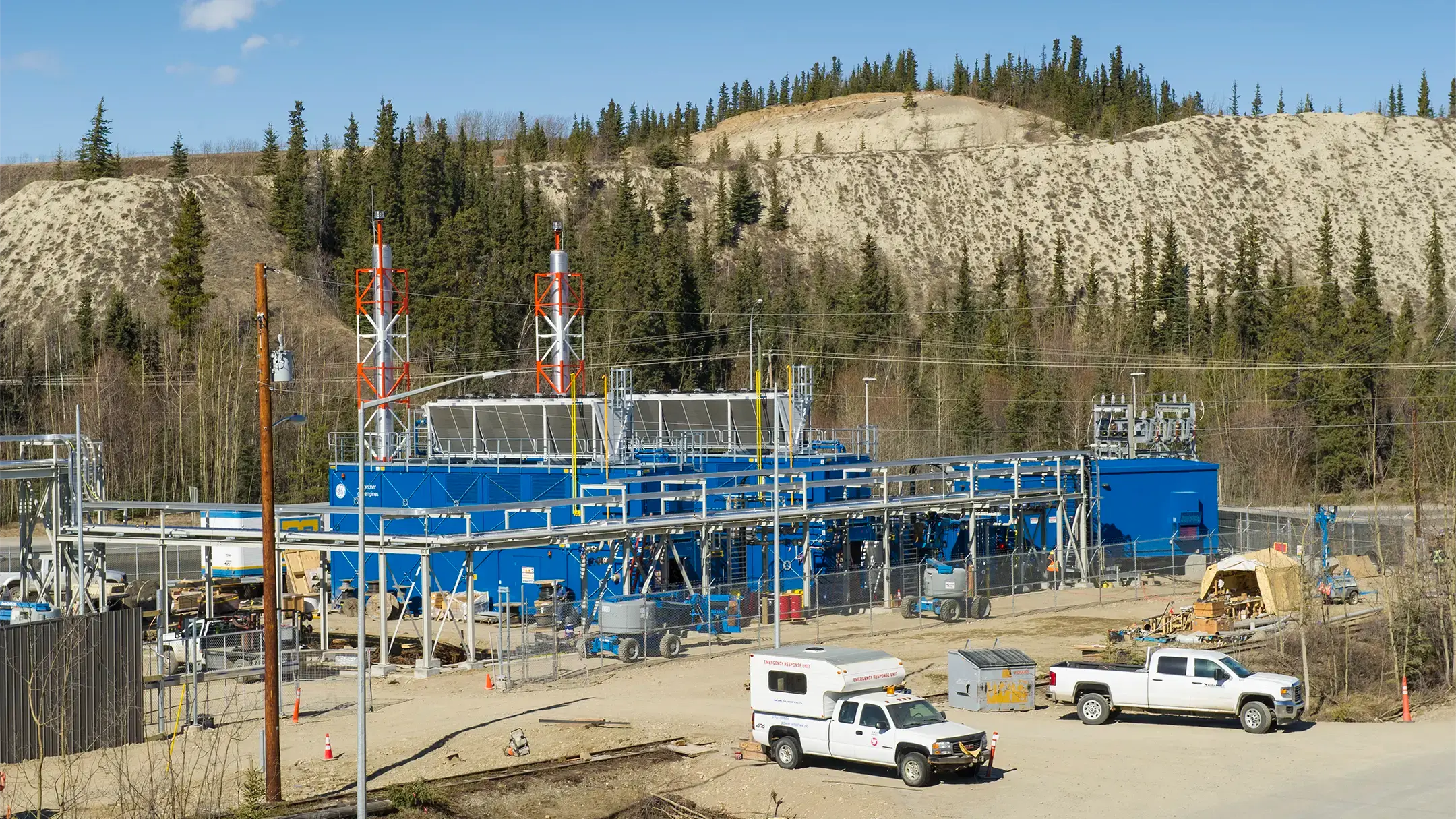
While the Yukon draws the bulk of its energy from renewable hydroelectric and wind power, the territory’s electrical grid required a backup source of power to meet consumer needs. Yukon Energy retained KGS to modernize the existing diesel system to meet peak demand and maintain territory-wide service for residents.
A new liquefied natural gas (LNG) fueled backup power generating station and associated infrastructure was constructed adjacent to Yukon Energy’s existing primary power generating station in Whitehorse, Yukon. Commissioned in 2015, the project site includes two modular LNG fueled reciprocating generators intended to replace Yukon Energy’s aging diesel generating equipment and to provide flexible and reliable backup power to supplement Yukon’s other power sources.
Project Highlights
- An LNG backup station was built with two modular reciprocating generators
- First use of LNG in Yukon
- Lower greenhouse gas emissions than the previous diesel system, long‑term ratepayer savings and improved reliability and peak support
Water Security Agency Owner’s Engineer
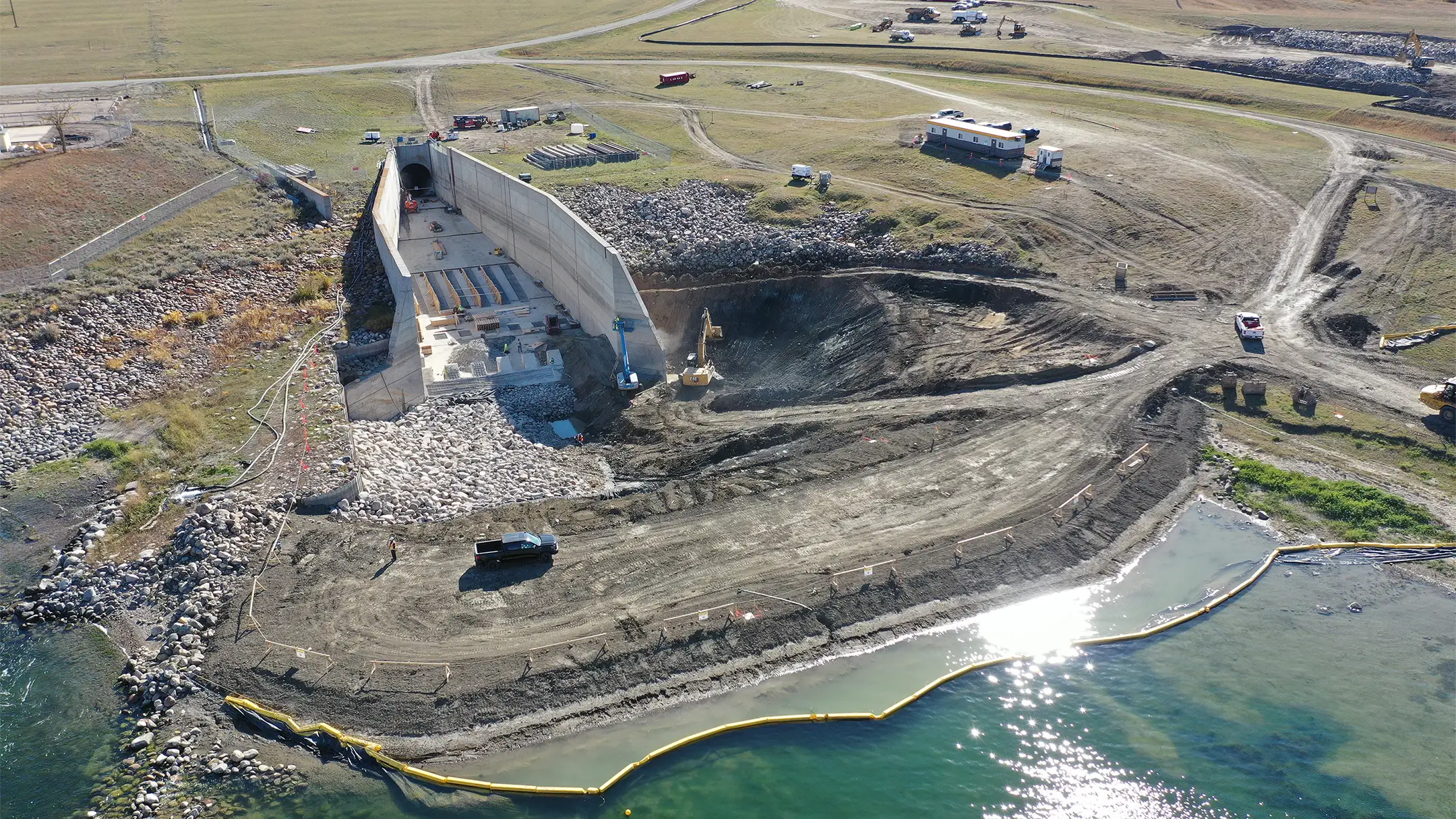
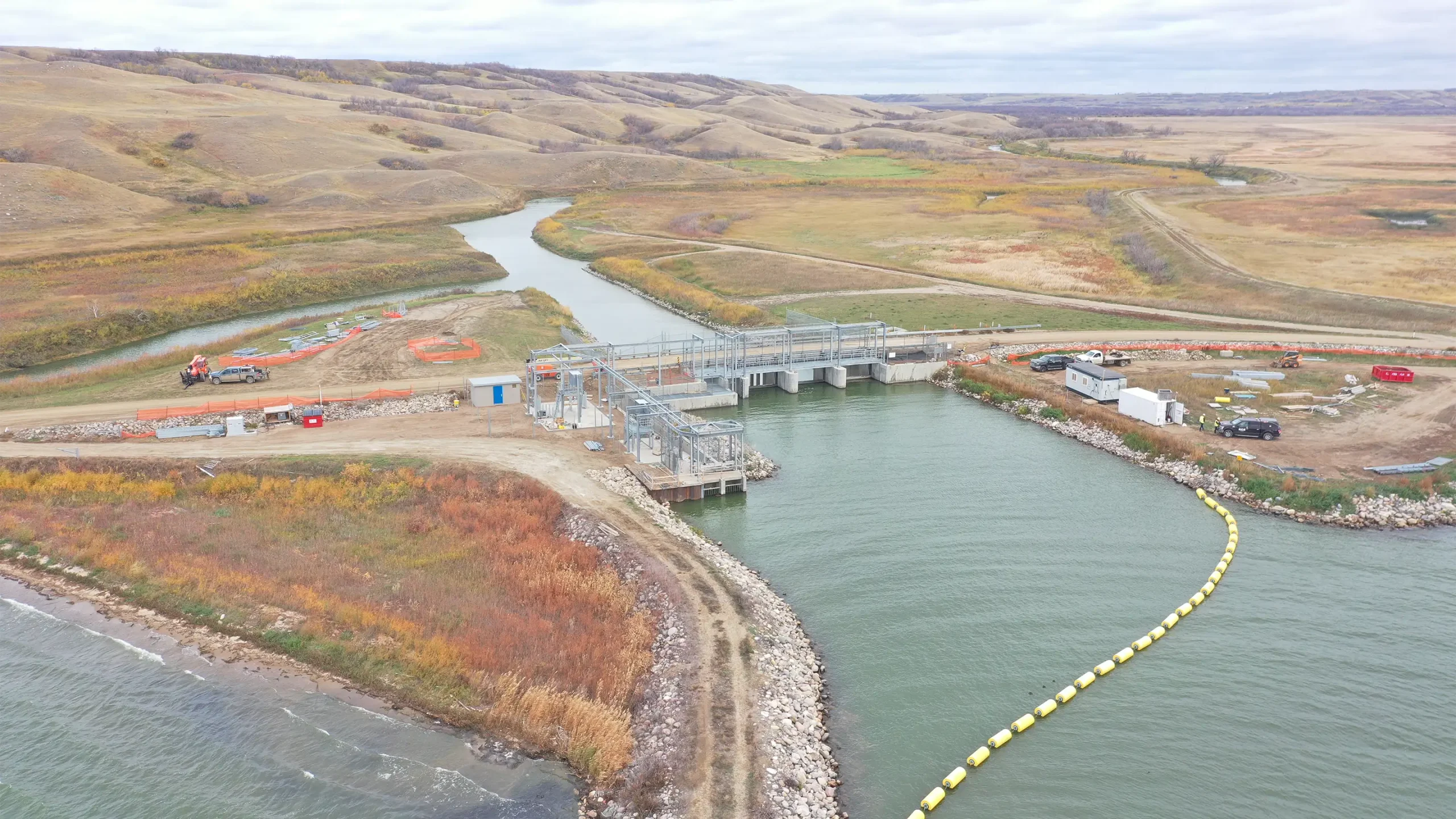
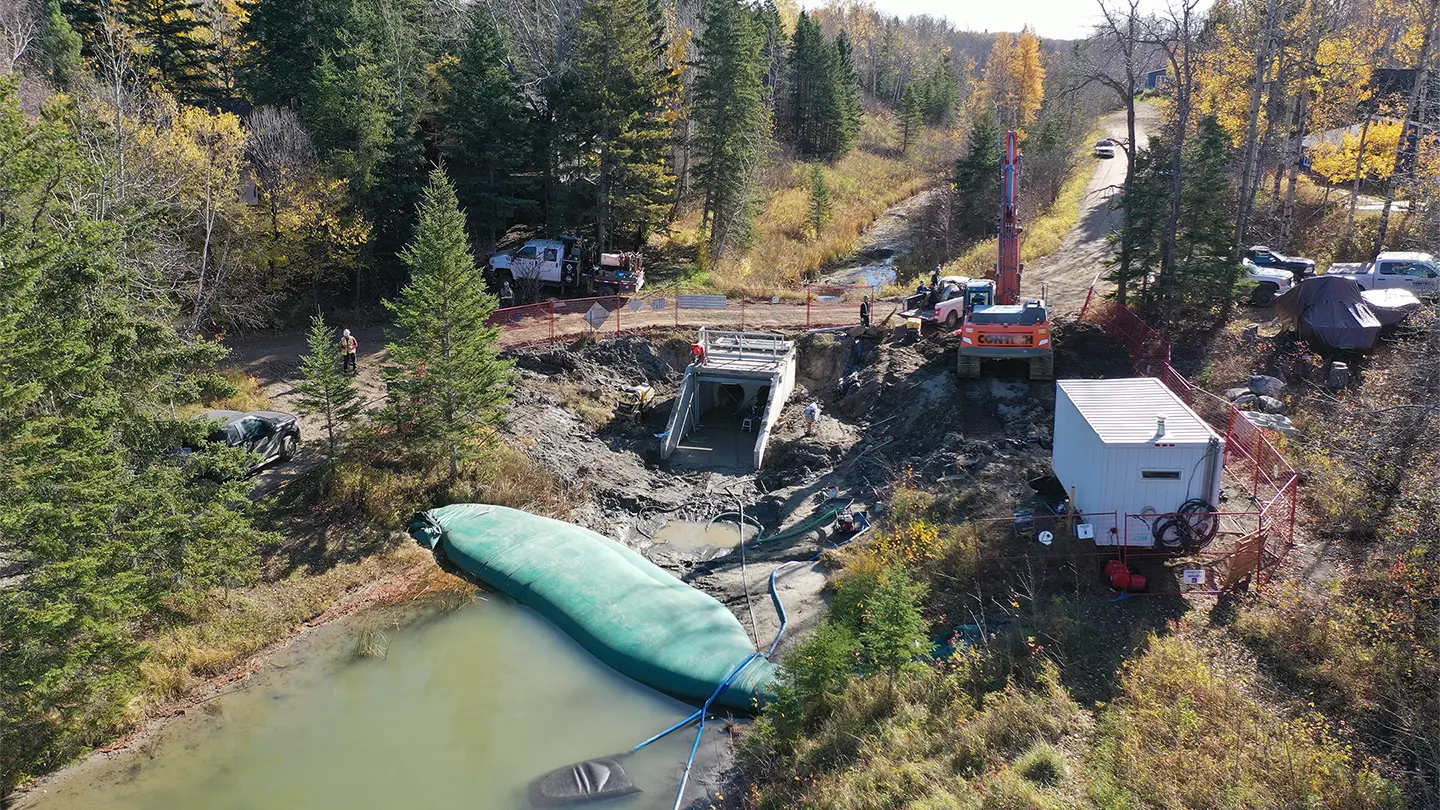
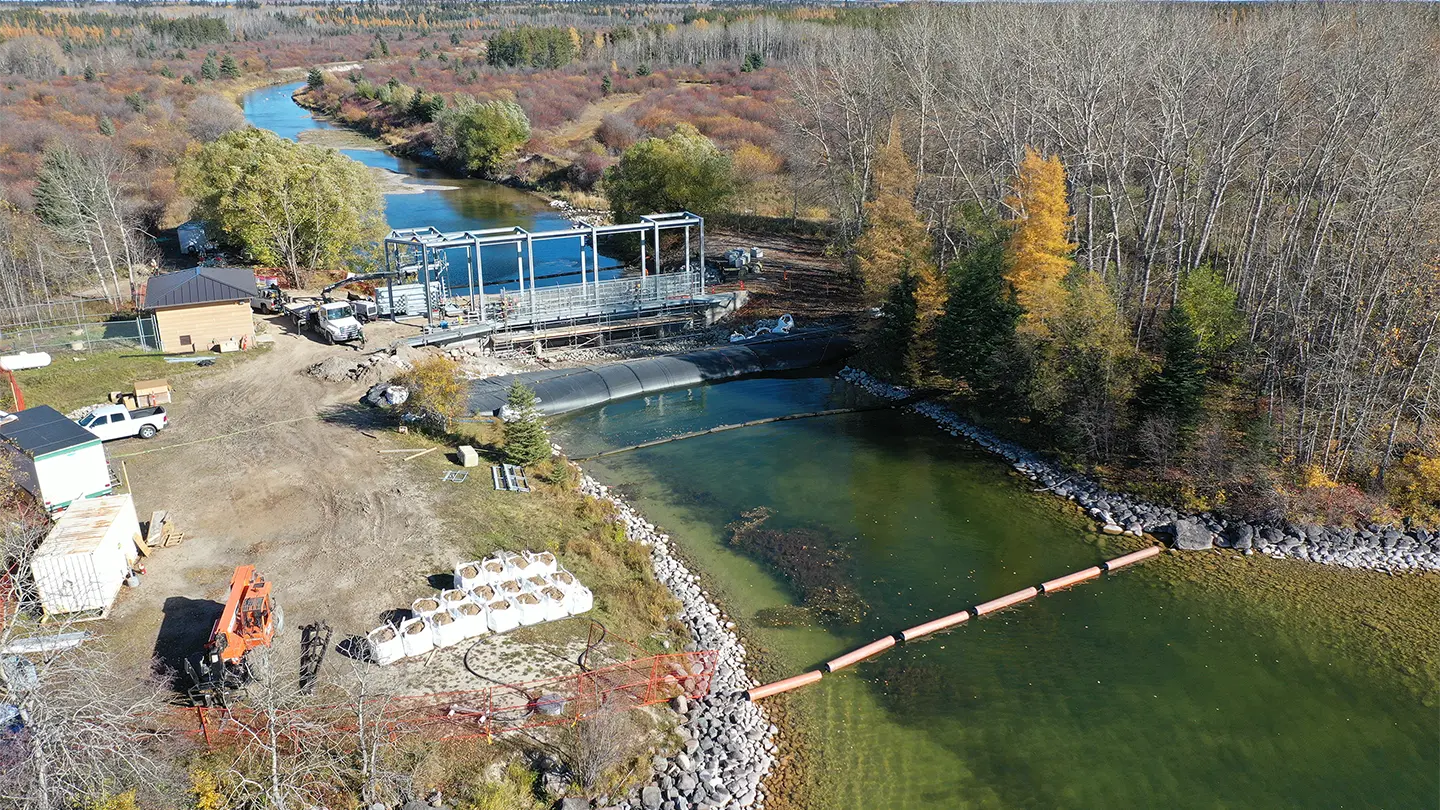
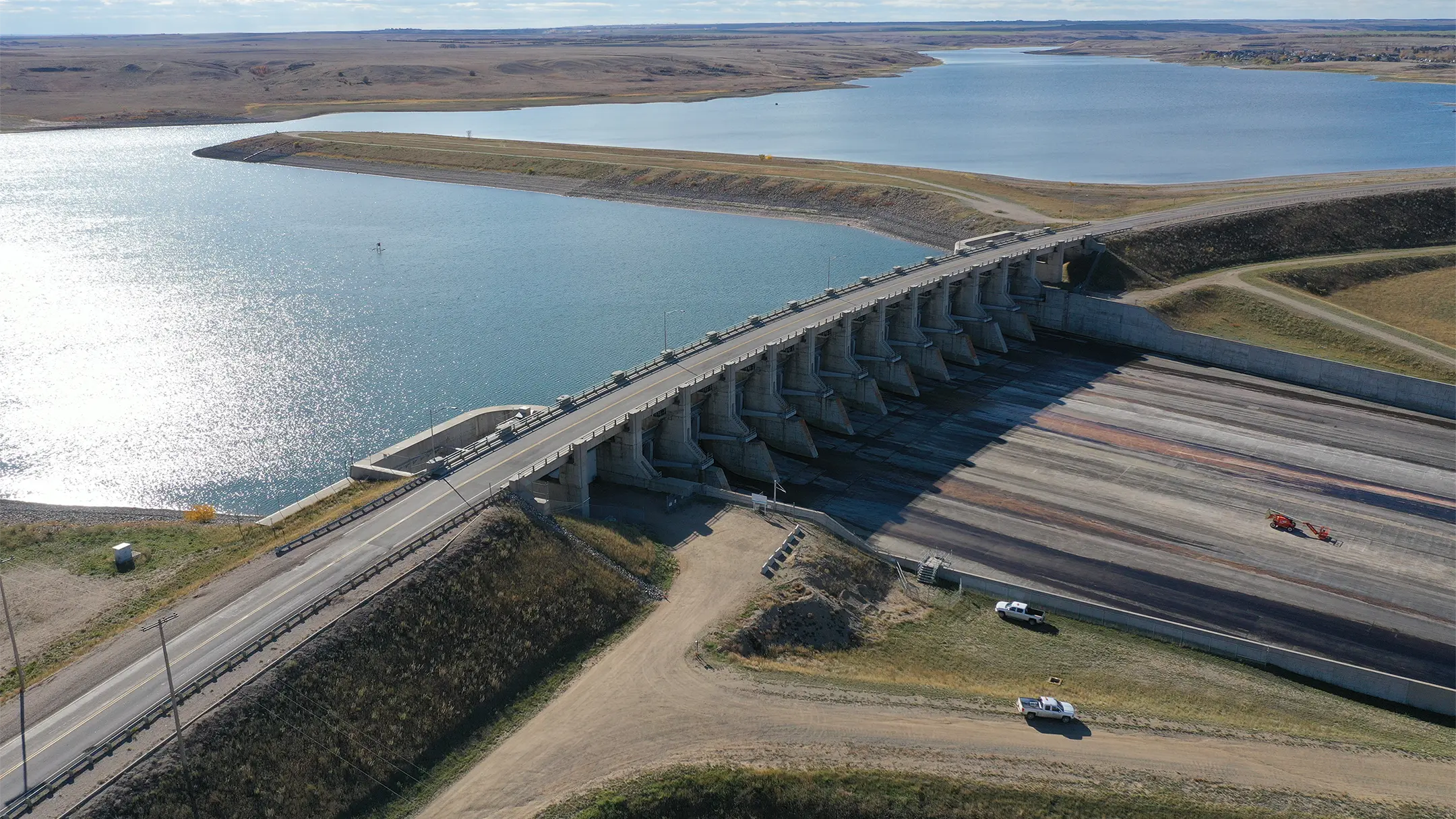
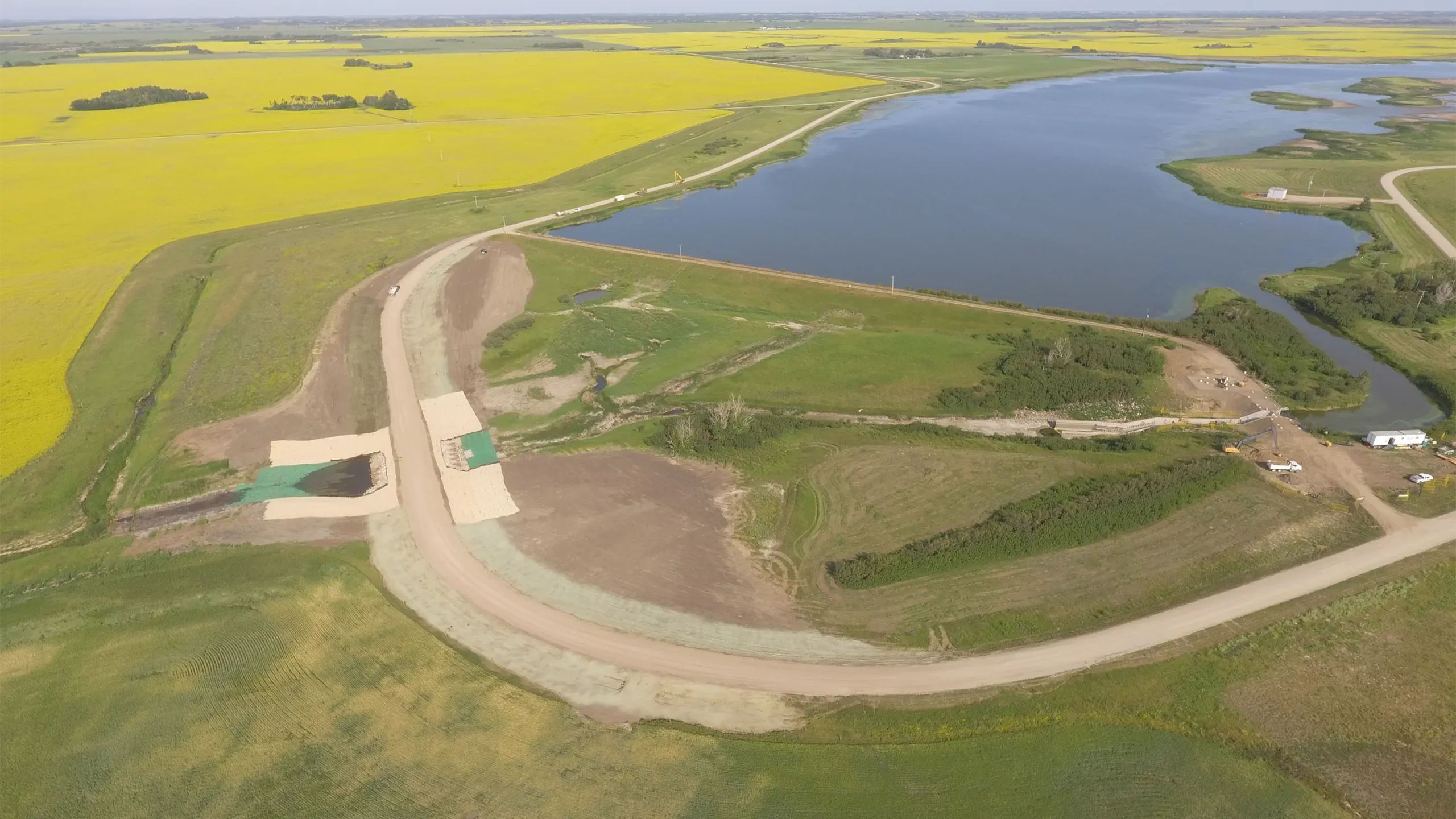
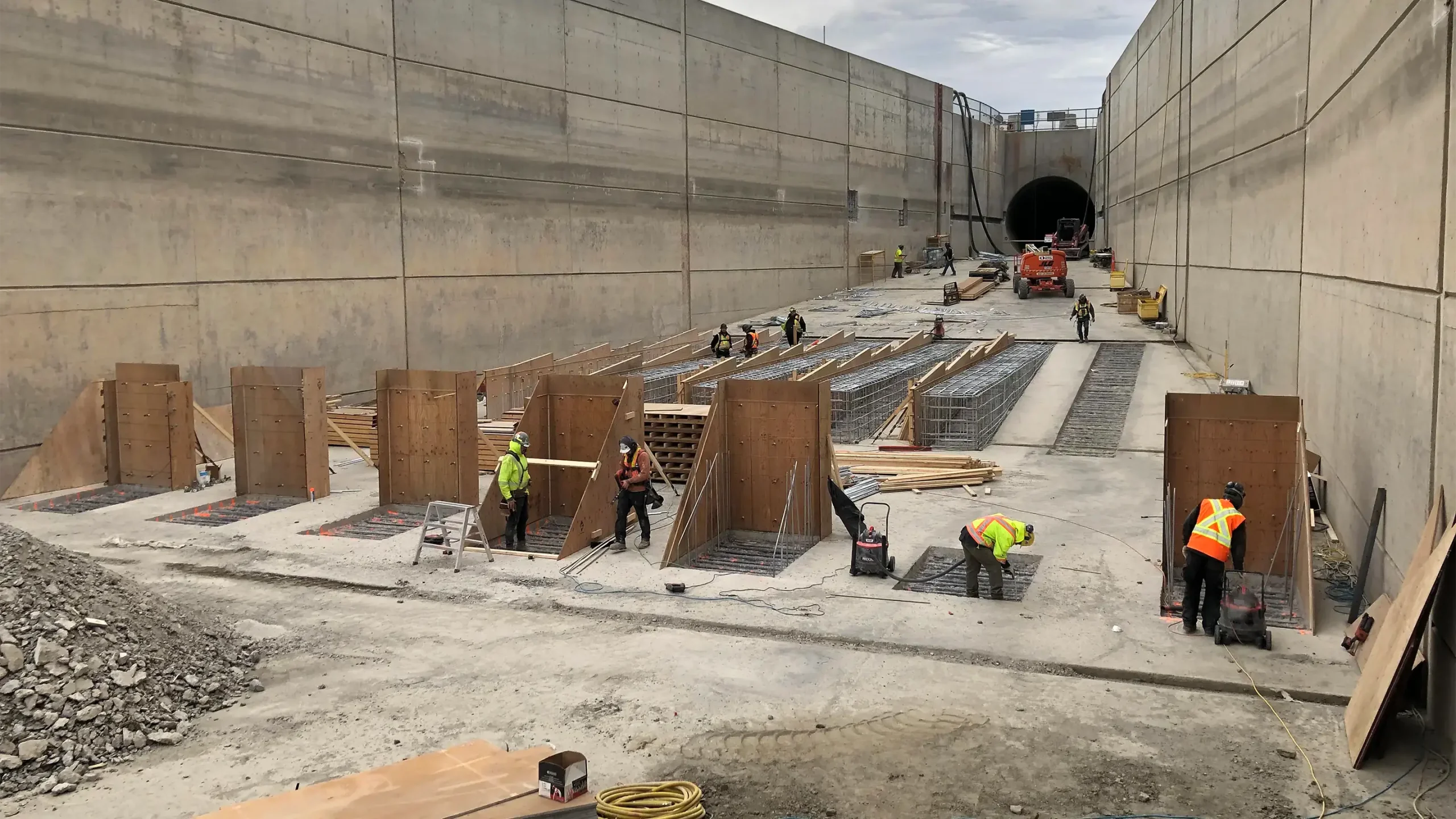
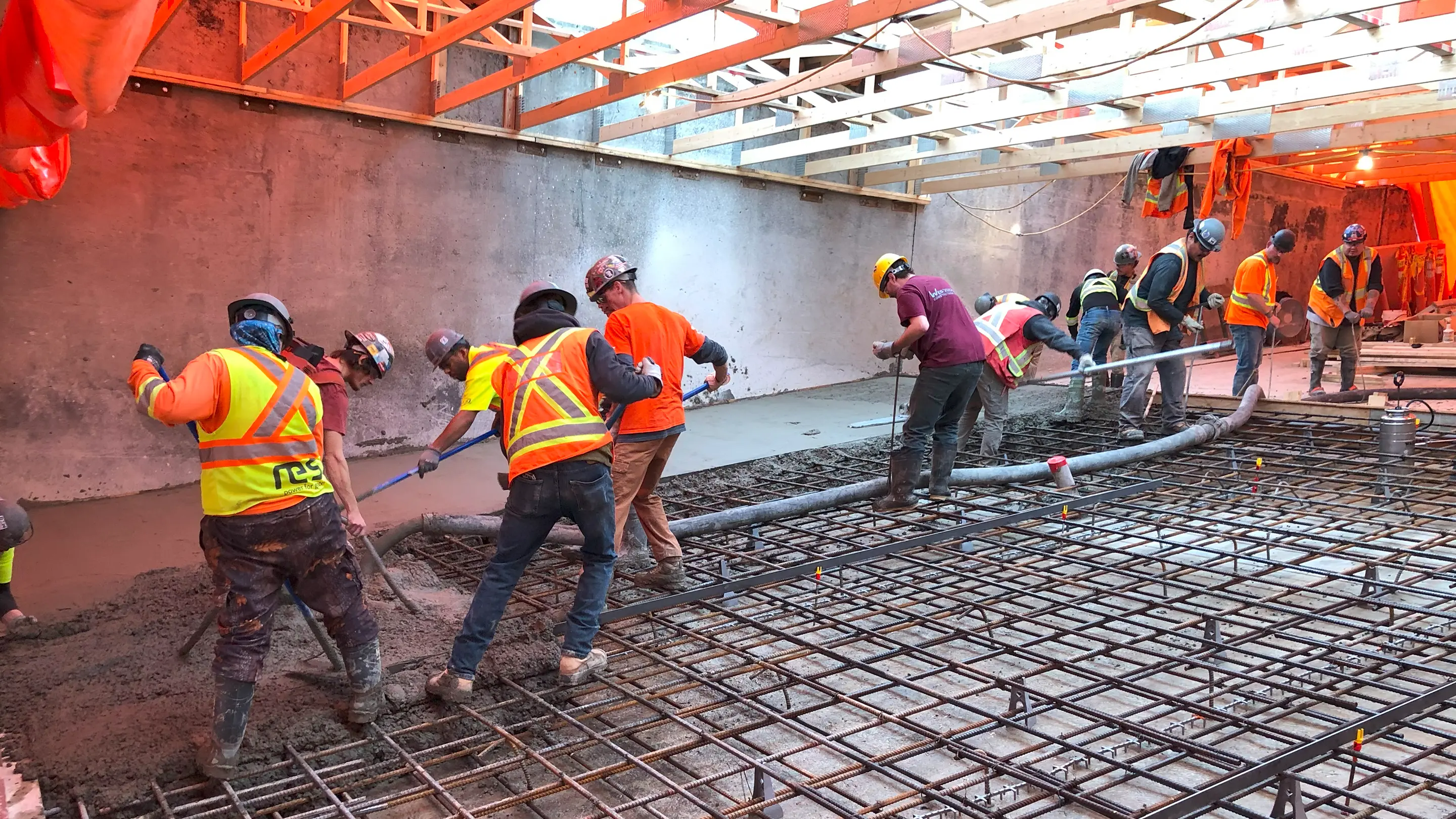
KGS Group served as owner’s engineer to help the Water Security Agency (WSA) reduce their project backlog and bring consistency to their capital delivery services. Acting as project managers, our team scoped, managed and executed over 20 project procurements on behalf of the WSA.
Our project managers also assisted the WSA with oversight of their larger portfolio of owner’s engineer projects. Our role covered portfolio oversight, procurement leadership and risk and schedule control across multiple projects.
At the start of the contract, KGS mostly worked on process definition, engineering standards development and project engineering. In the later years, KGS was able to progress the work through engineering to construction. Because of this, the WSA spent its full capital allocation, with KGS-managed projects accounting for the majority of the spend, with this trend continuing to this day.
The KGS team accelerated project delivery and budget utilization while establishing a repeatable framework for future projects, enabling continued success for WSA.
Project Highlights
- Managed and executed over 20 project procurements
- Managed over 45 engineering, long‑lead procurement and construction contracts
- $53 million in capital construction delivered (November 2020 – March 2024)
- Helped create a framework enabling consistent, sustainable asset maintenance
- Clearer engagement model for ACEC‑SK members
Lake Manitoba and Lake St. Martin Outlet Channels
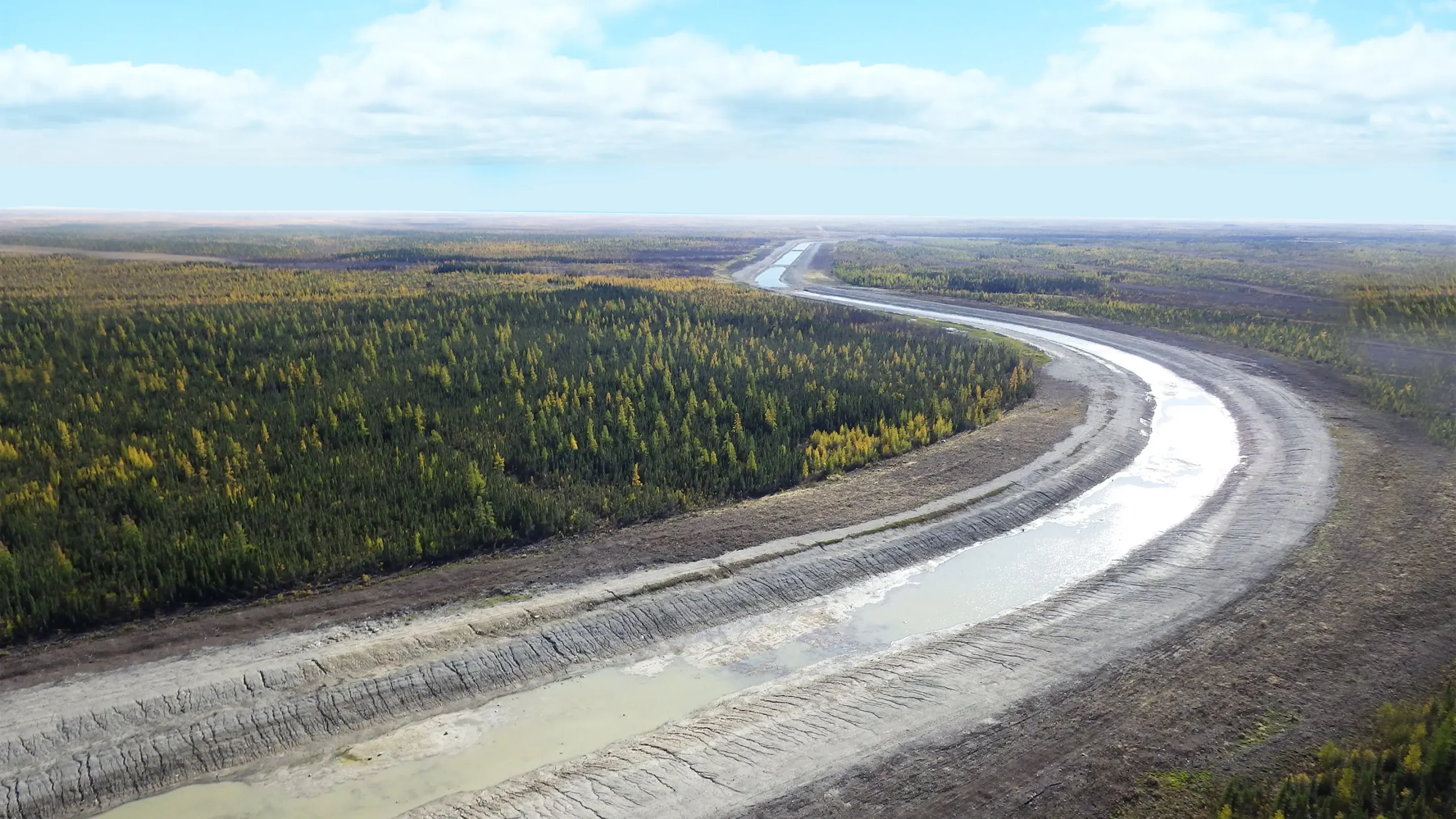
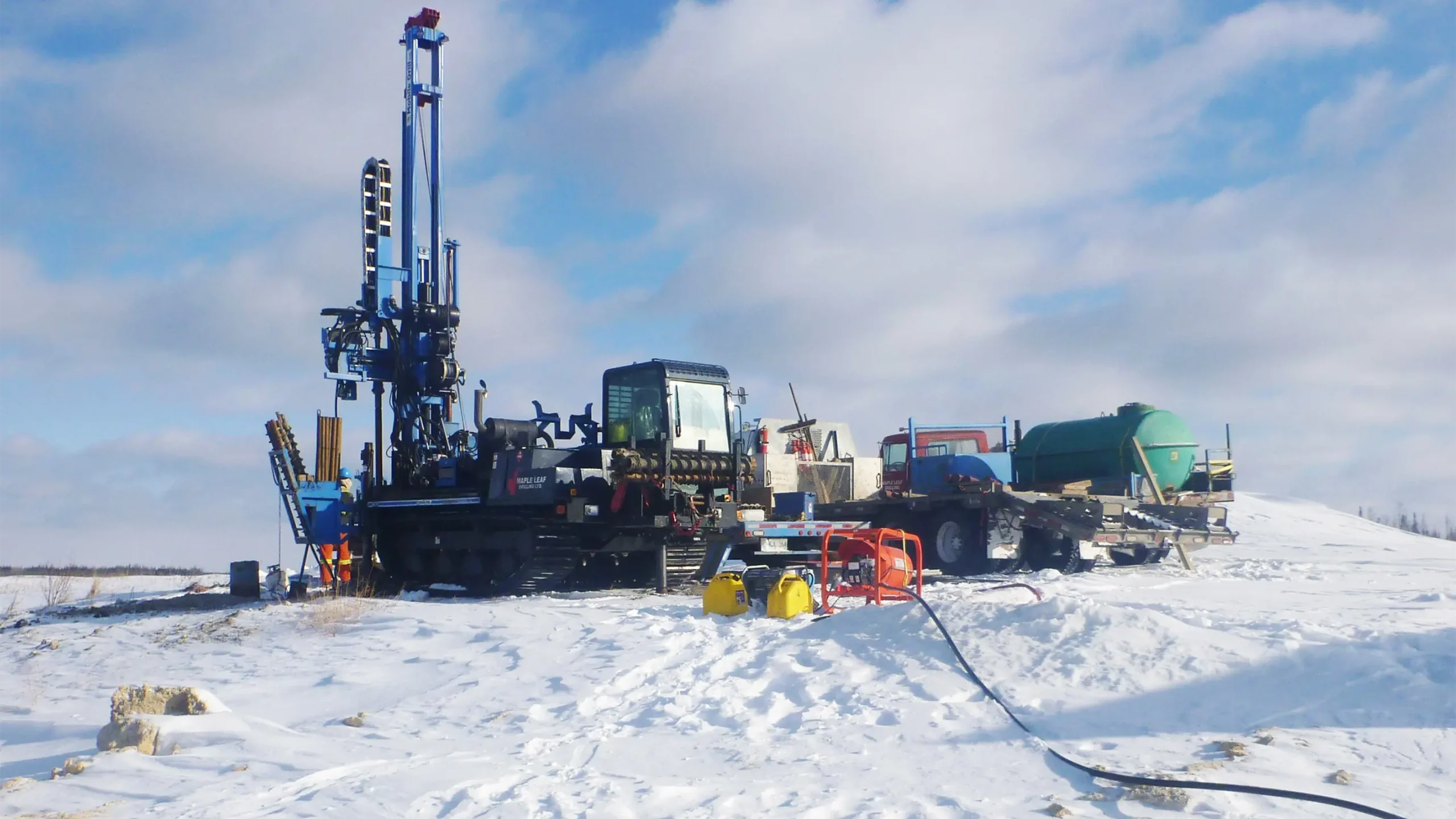
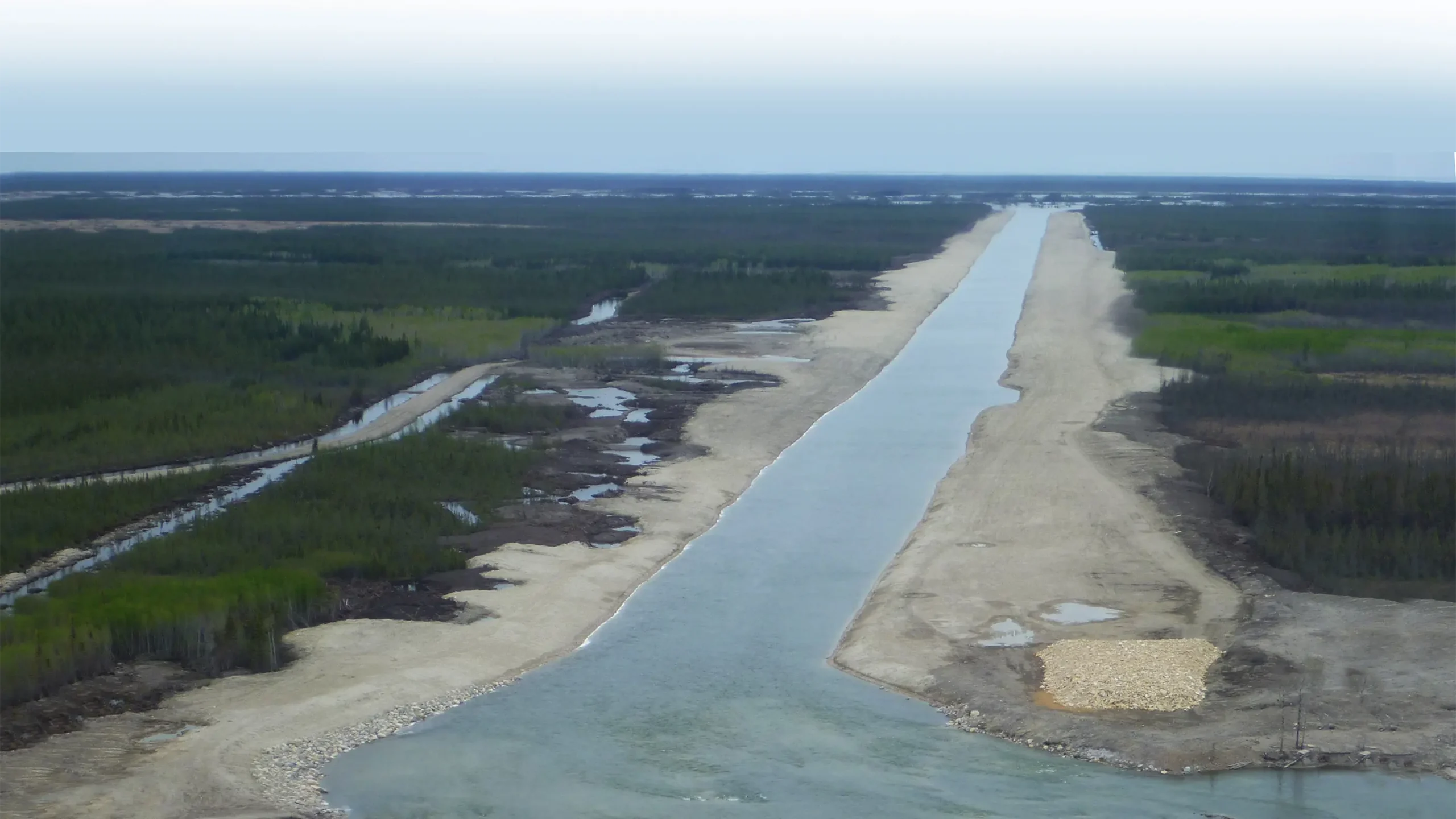
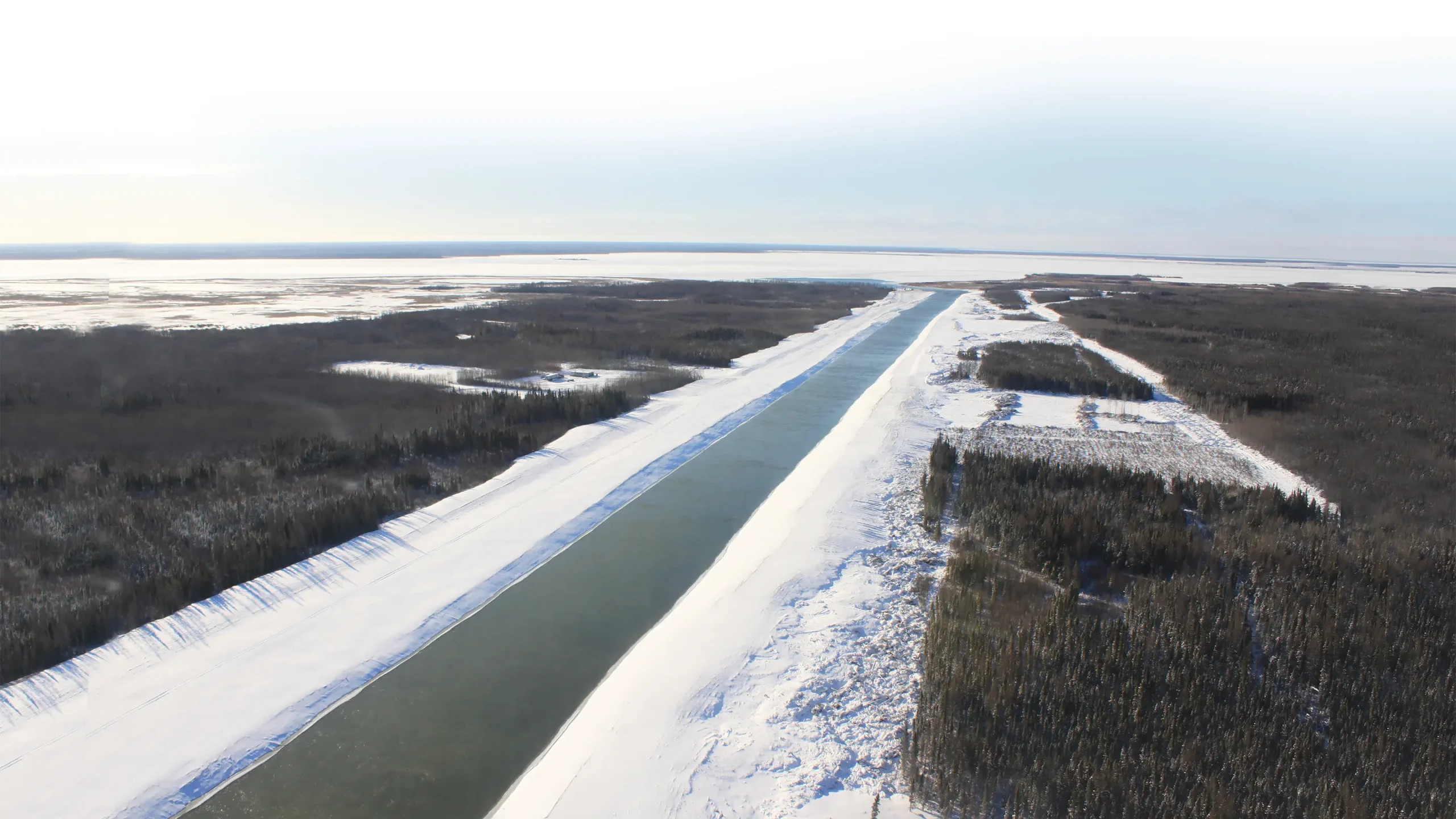
Following severe flooding events in 2011 and 2014, the Province of Manitoba retained KGS Group for the design of the Lake Manitoba and Lake St. Martin Outlet Channels Project. The outlet channels will serve as new, permanent flood control infrastructure for both lakes.
Completed under tight schedule restrictions, the conceptual design work involved:
- Remote field investigations
- Extensive review and analysis of the various channel configurations
- Preparation of concept designs, cost estimates and constructability reviews
- Identification, assessment and screening of potential environmental and socio-economic impacts
The diverse range of design components and unique site conditions resulted in a challenging engineering undertaking that was successfully managed by the multidisciplinary team of experienced engineers, GIS technicians and support staff assembled by KGS Group.
KGS Group subsequently completed the preliminary, final design and tender preparation for the outlet channel from Lake St. Martin to Lake Winnipeg. The project includes roughly 23 km of channel excavation, multiple drop structures, and construction of a water control structure near the channel inlet complete with gates, hoists, bridge deck and ancillary buildings. The total estimated budget for this portion of the project is over $300 million. The construction phase of the project is pending regulatory approval.
Once constructed, the outlet channels are projected to maintain both lakes below flood stage over 99 per cent of the time. They will provide the ability to better regulate the lakes and reduce the impact of future floods, benefiting residents and businesses in the area.
Project Highlights
- Design for 23 km of channel excavation with defined sections and earthworks quantities
- Design of multiple drop structures sized for hydraulic control and energy dissipation
- Water control structure near the channel inlet for operational regulation
University of Manitoba Fort Garry Riverbank Asset Management
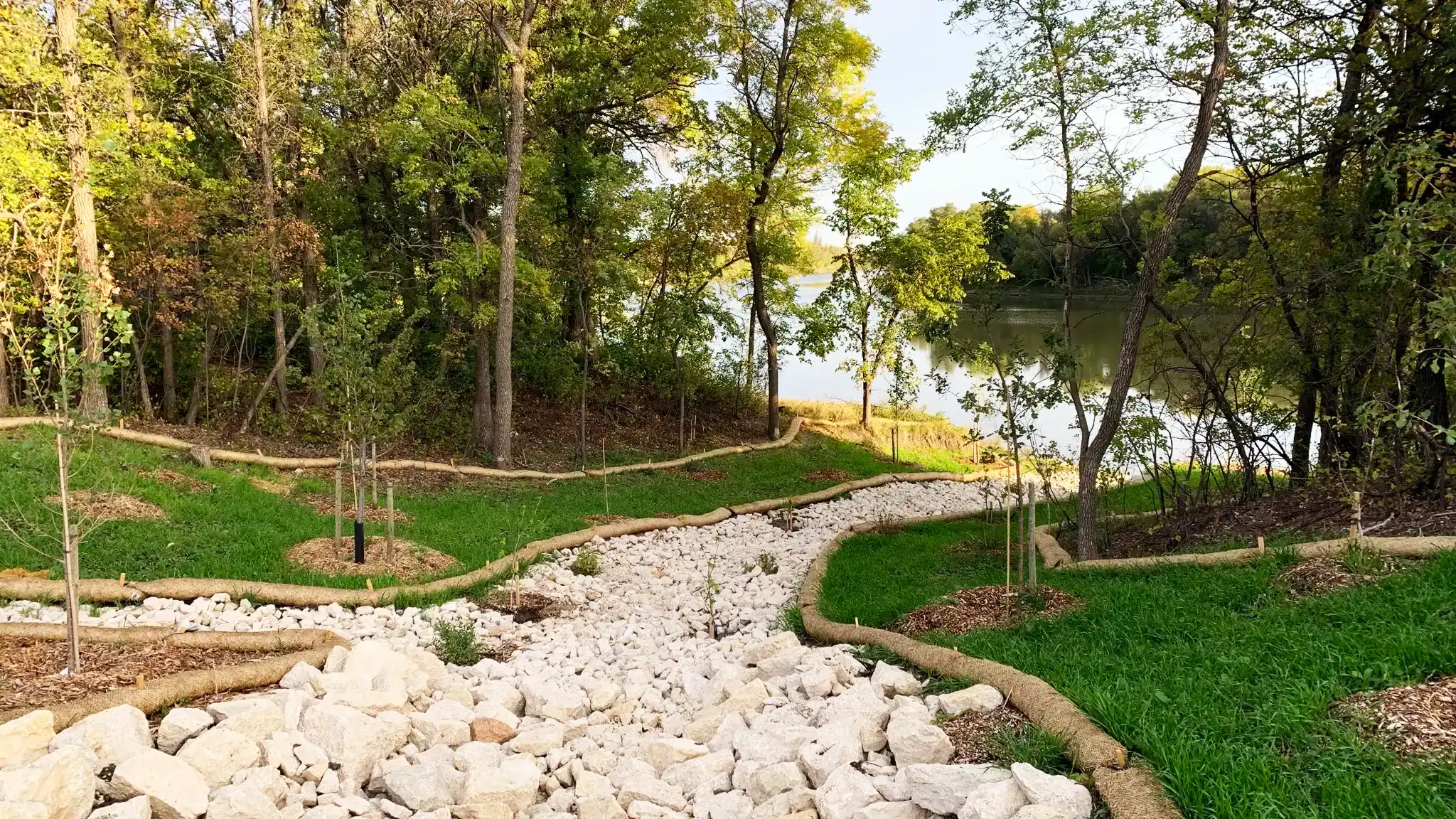
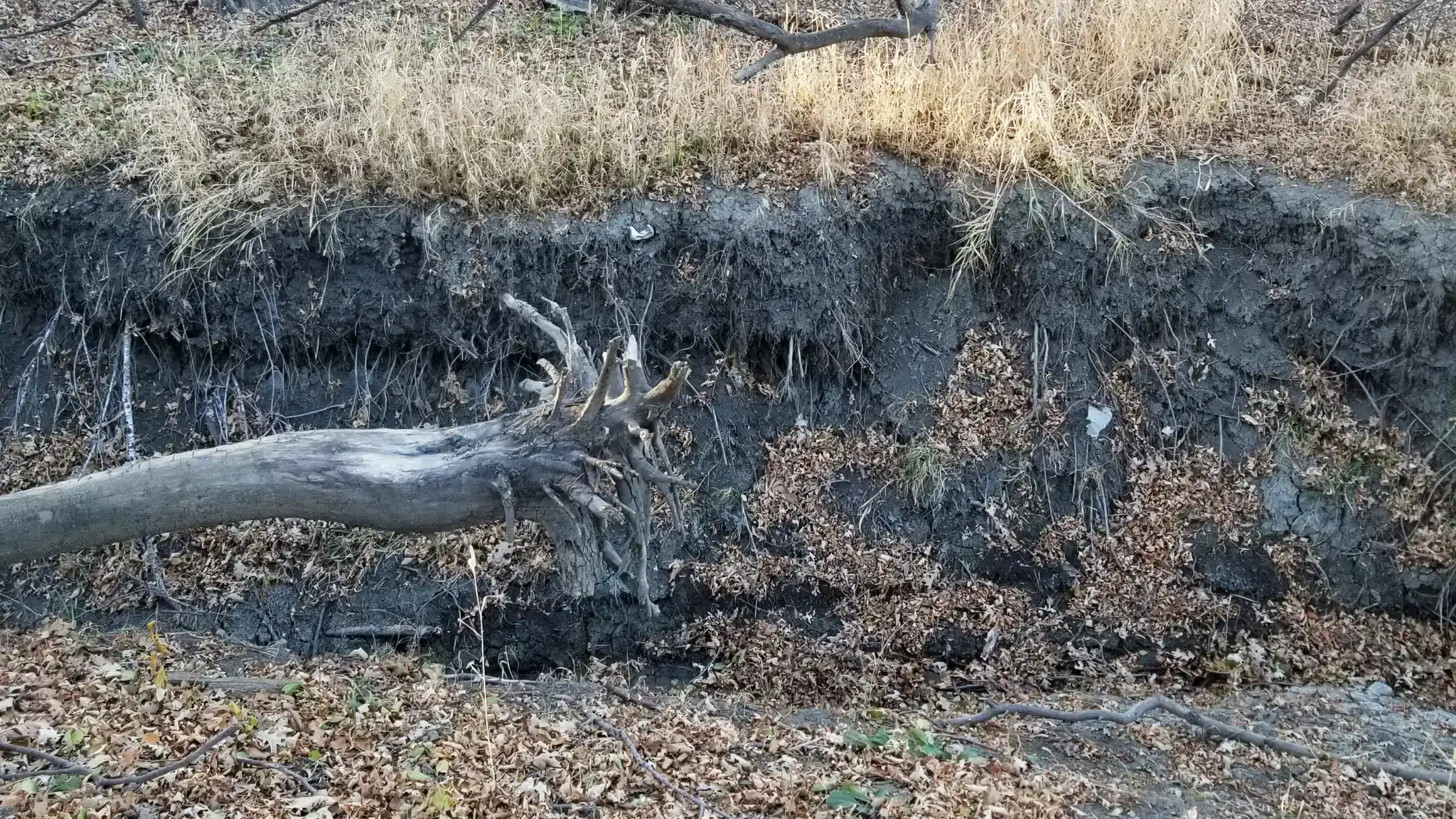
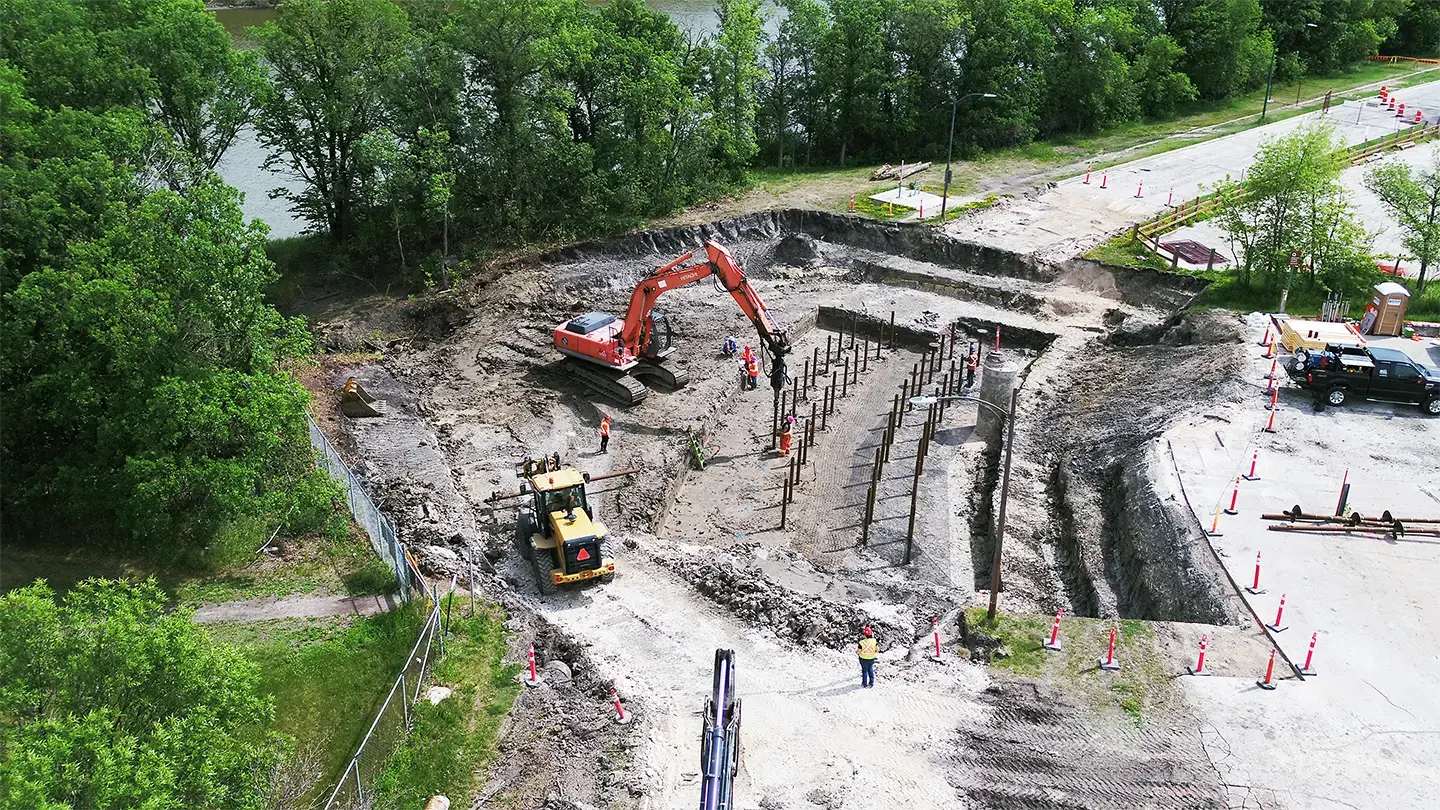
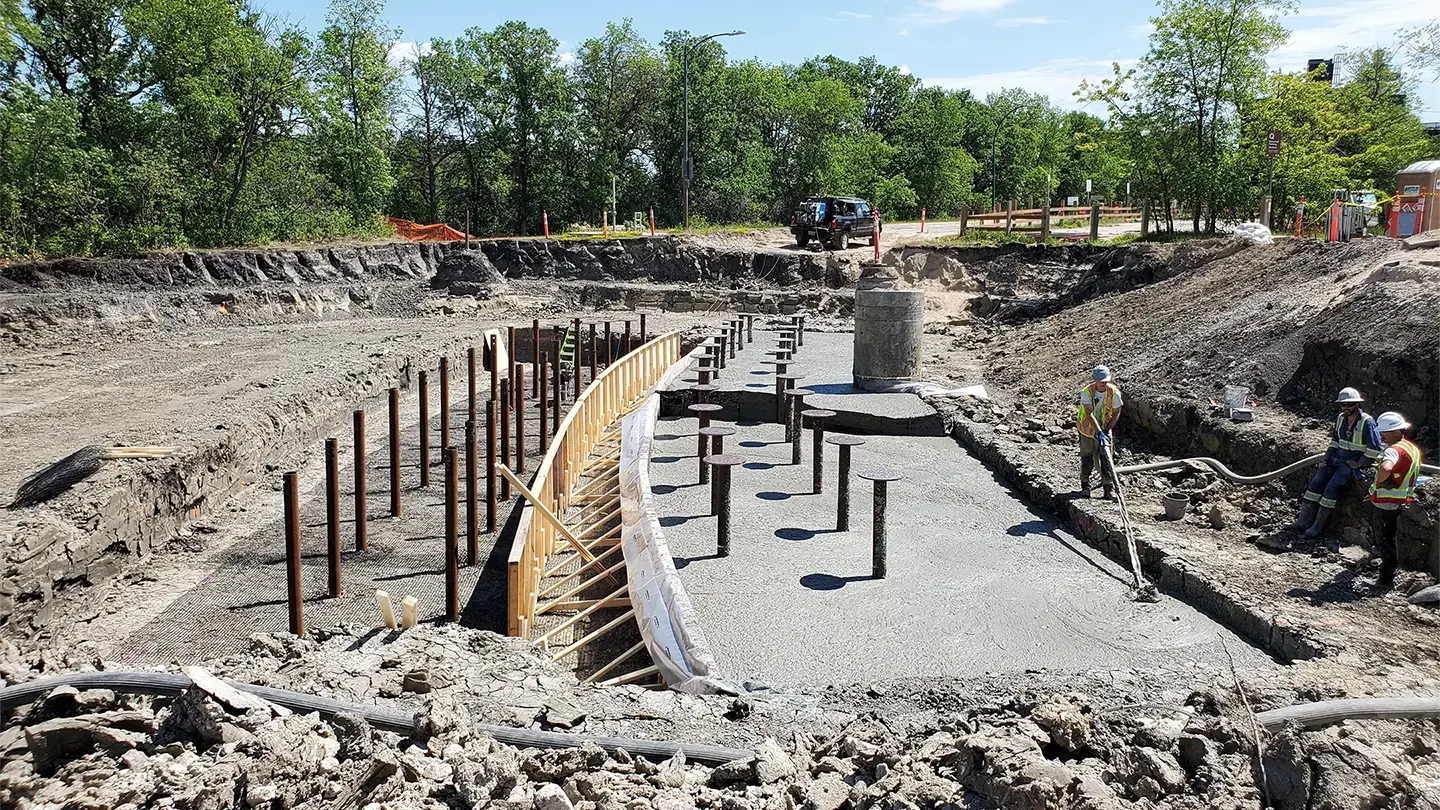
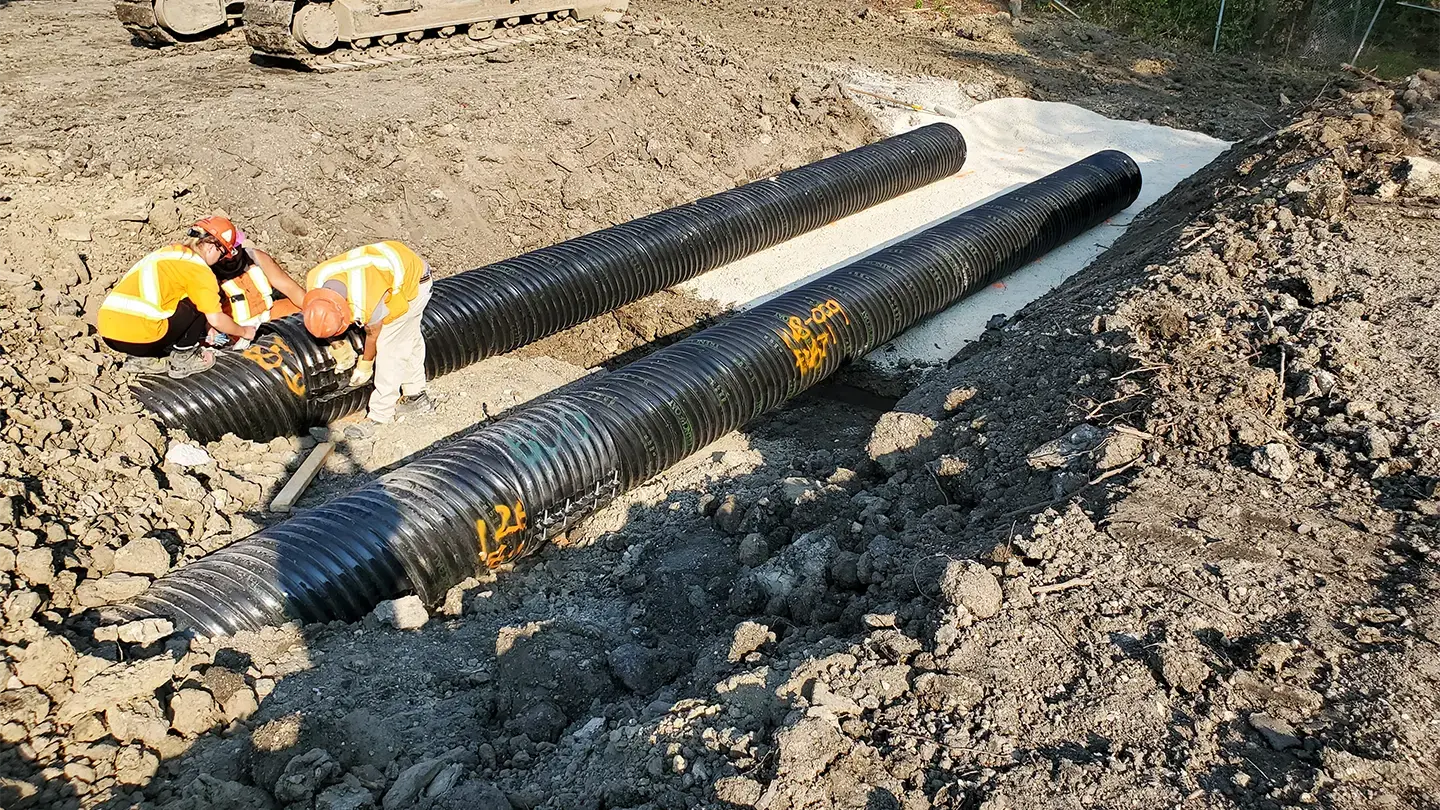
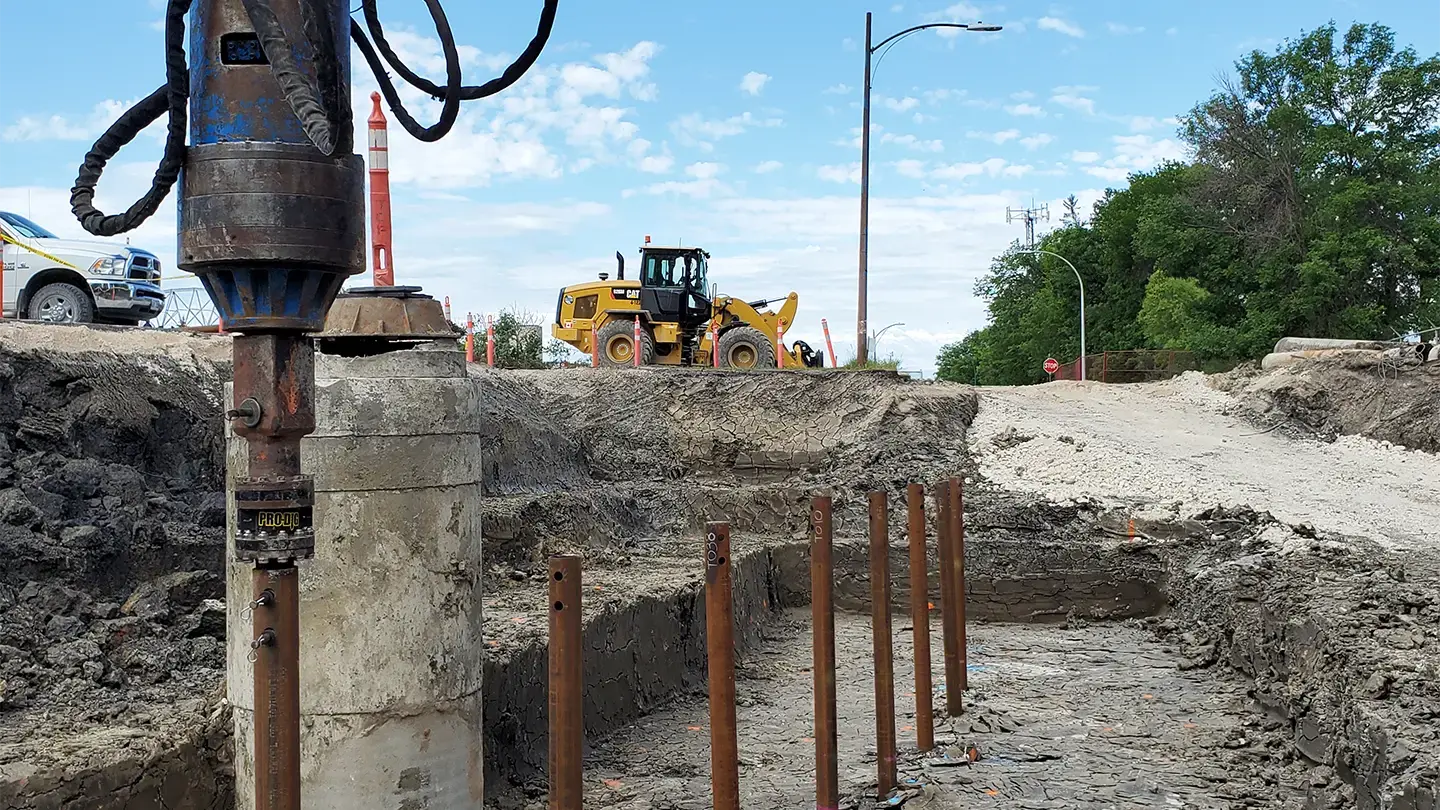

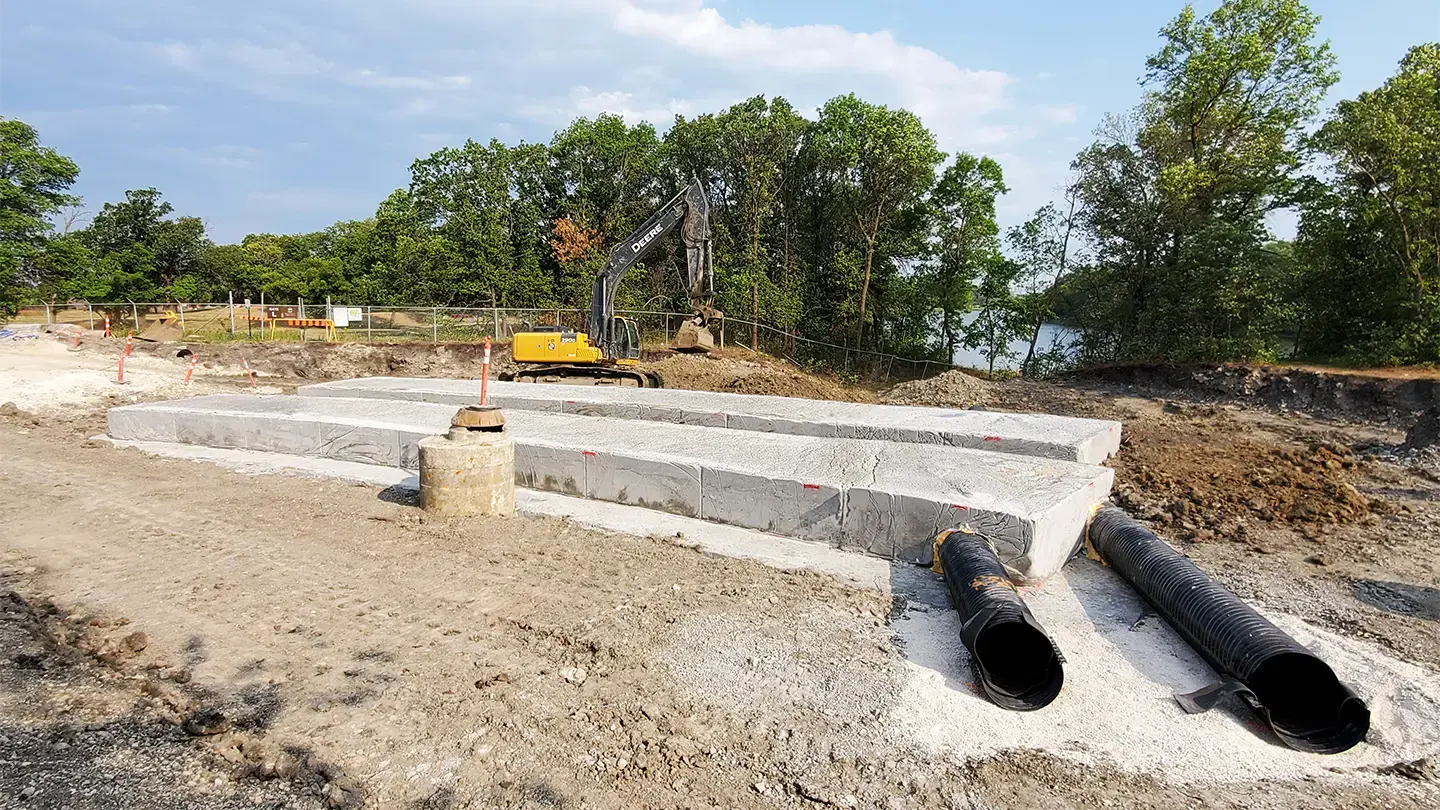
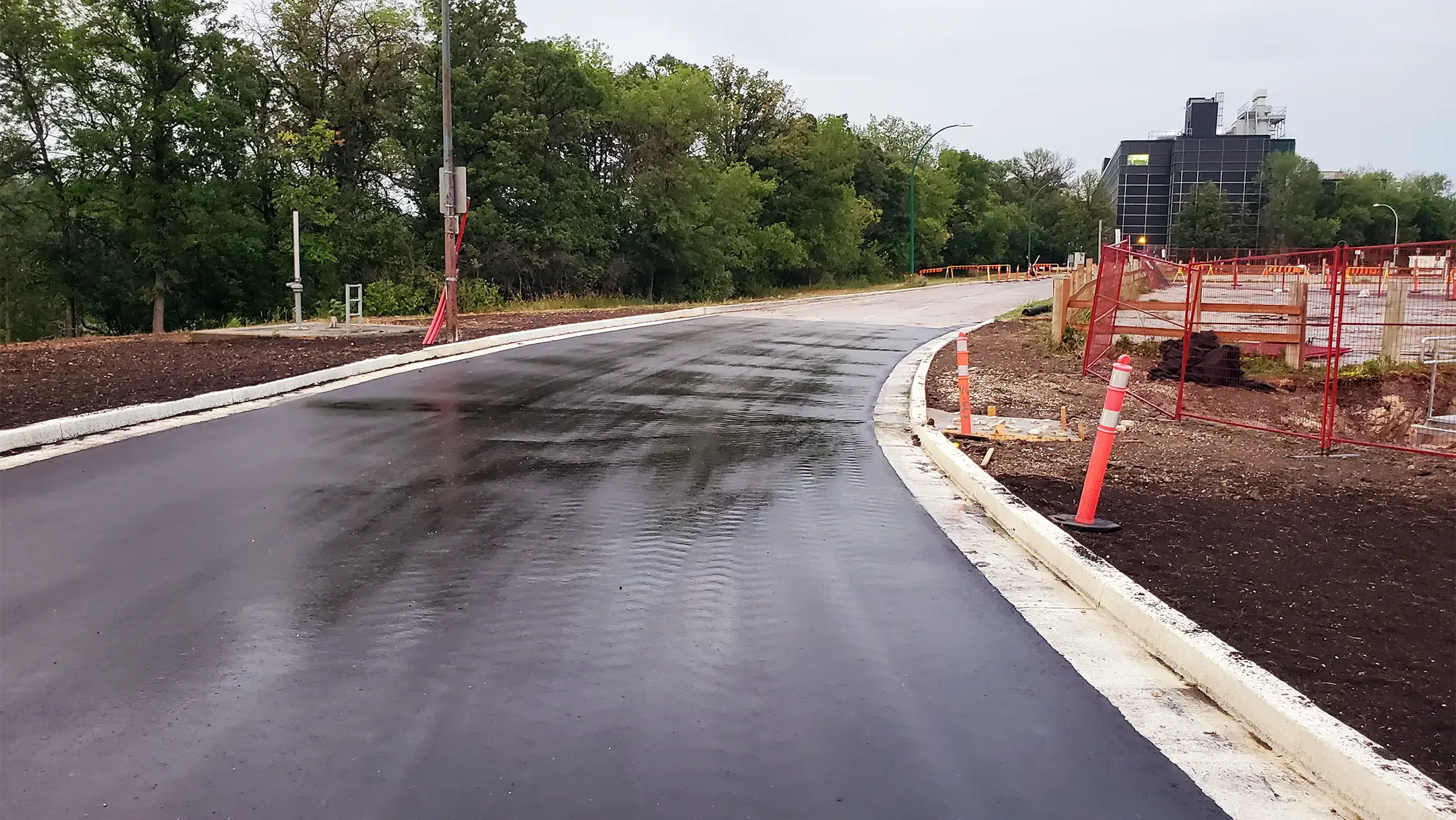
On the northwest side of the University of Manitoba Fort Garry Campus, which is located on Treaty 1 Territory, 600 meters of Sifton Road along the Red River acts as the Primary Line of Defense (PLD) dike, protecting the City of Winnipeg from flooding. Along the riverbank, ongoing and uncontrolled surface water discharge from Culvert 108 created over-steepened slopes and was threatening the integrity of this portion of Sifton Road.
KGS Group designed an innovative solution to reconstruct Culvert 108, Sifton Road and the PLD dike system. A first for this technology in Winnipeg, the solution used buoyant lightweight fill material anchored with helical piles. Additionally, the land drainage system was redesigned, Culvert 108 was upgraded to prevent future damage and supplemental vegetation was planted. The result was an area that is fully integrated with the surrounding ecosystem and is ready for future use opportunities while protecting the community.
Project Highlights
- Designed a solution to reconstruct Culvert 108, Sifton Road and PLD dike system to restore flood protection and roadway function
- The solution, a first for this technology in Winnipeg, included buoyant lightweight fill anchored with helical piles
- Redesigned the land drainage system to control and safely route surface water, reducing erosive outflows to the riverbank
Assiniboine River and Lake Manitoba Basins Flood Mitigation Study
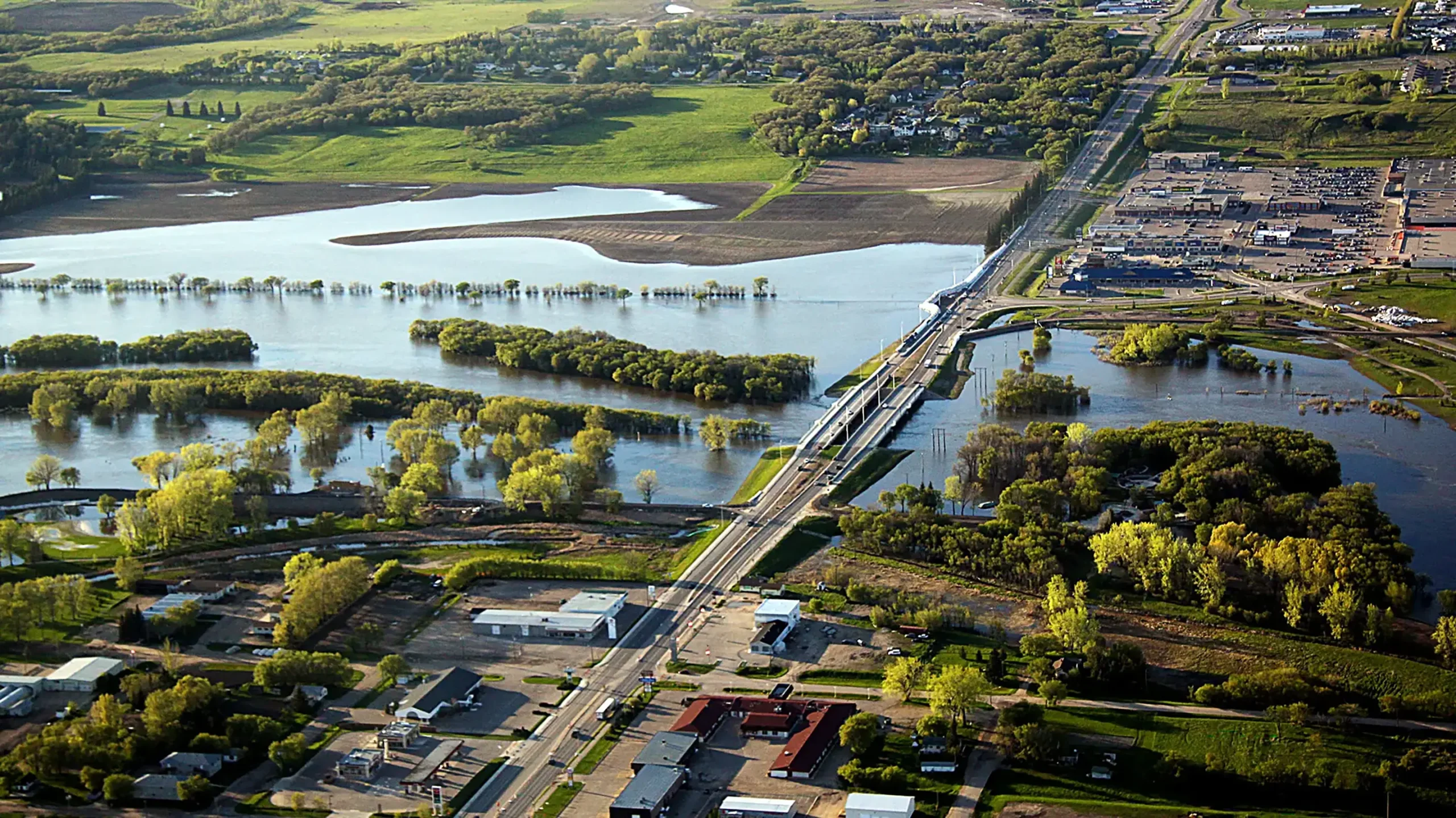
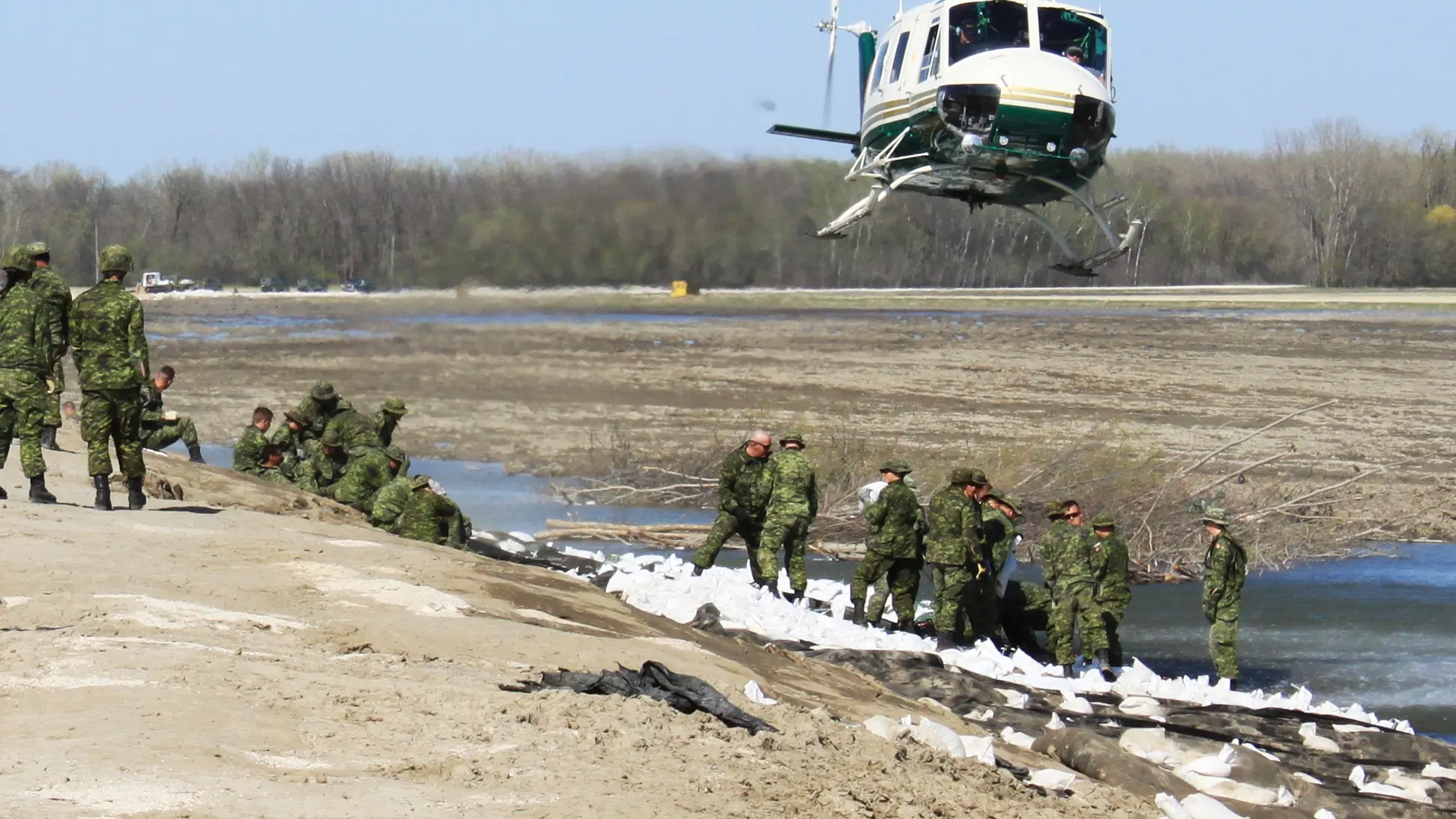
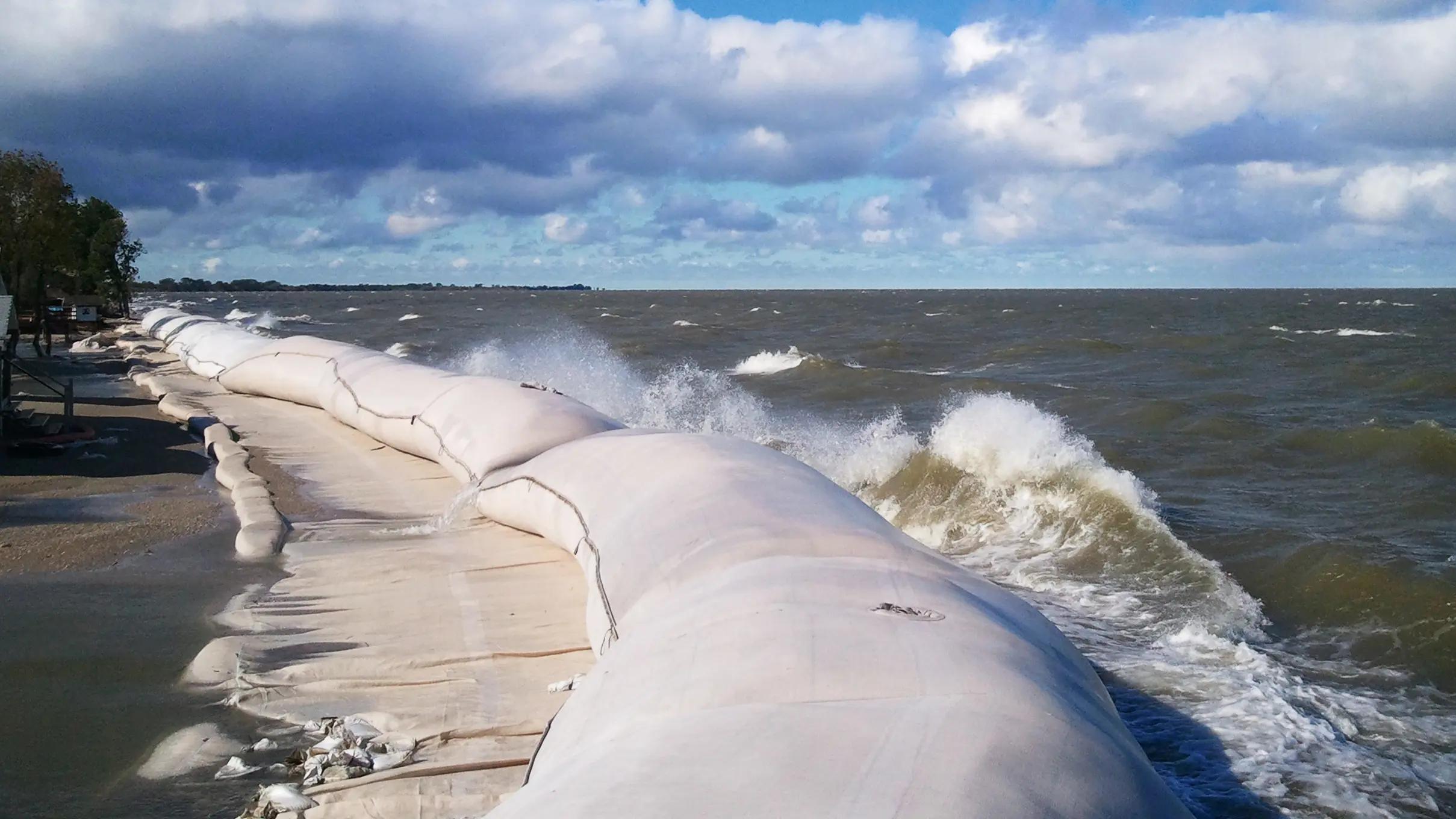
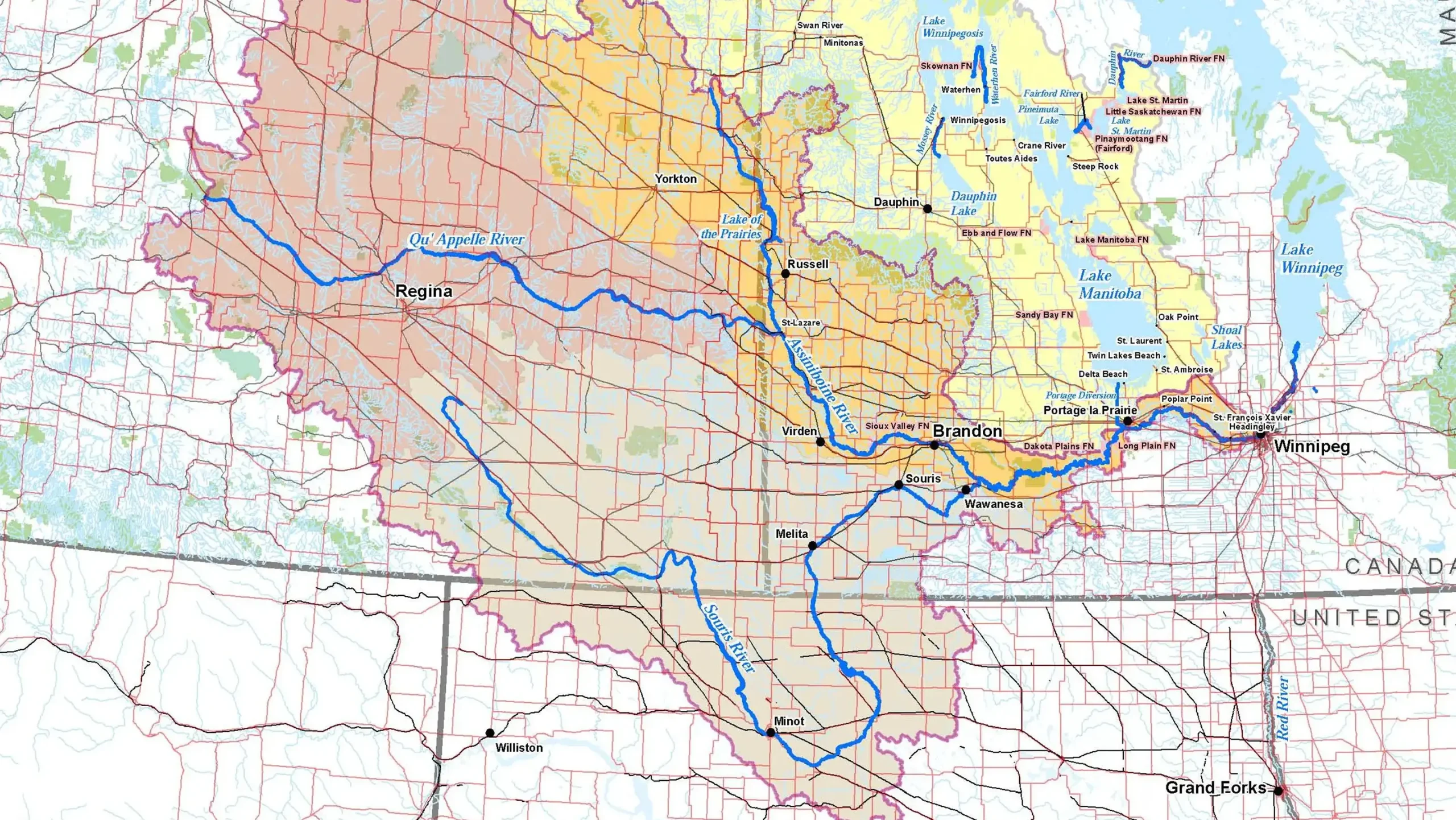
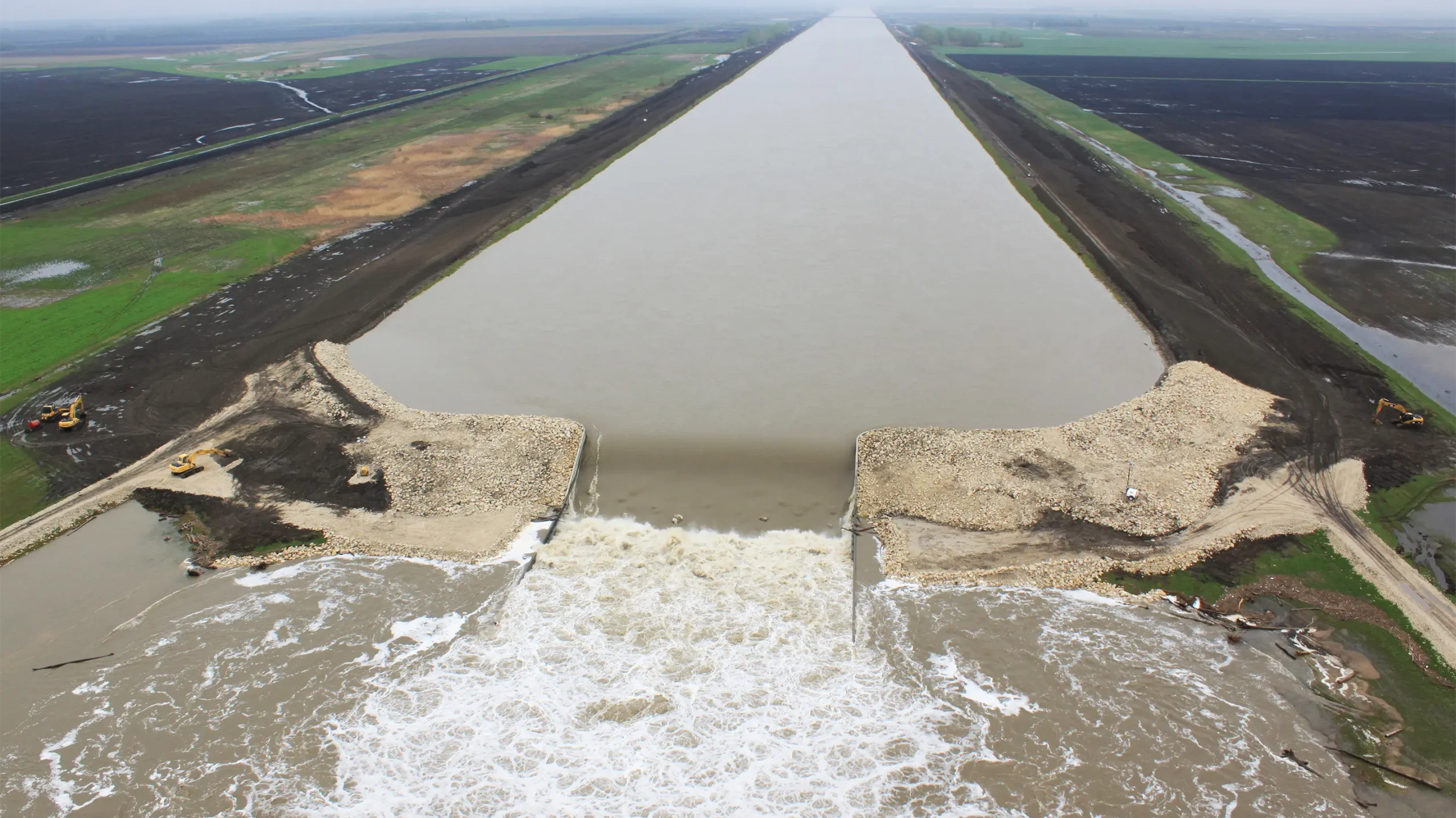
The flood of 2011 highlighted several potential “weak links” in Manitoba’s flood control system, which resulted in widespread damage across the province. To address the propensity for flooding in the Assiniboine River and Lake Manitoba basins, KGS Group carried out a flood mitigation study, which identified major flood vulnerabilities and assessed a wide range of measures to improve protection in the region.
A vast amount of data was reviewed and over 70 mitigation options were evaluated including dikes, reservoirs, diversion channels, wetland restoration and development controls. As well, a number of sophisticated models were developed to calculate cost-benefit ratios and the economic viability of the options.
Working collaboratively with Manitoba Transportation and Infrastructure, the project team developed a technical workshop and held public open house events to incorporate important feedback into the study findings.
The results of the study identified over $1 billion of flood mitigation upgrades required to increase the flood protection level to provincial standards across the basin. The results will also serve as the foundation for major flood mitigation programs for the next several decades.
Project Highlights
- Reviewed and synthesized basin‑wide datasets to establish current and future flood risk profiles
- Evaluated 70+ mitigation options, including dikes and levees, reservoirs and storage, diversion channels, wetland restoration, development controls
- Compiled actionable study deliverables for program planning
University of Manitoba Fort Garry Campus Riverbank Management Study
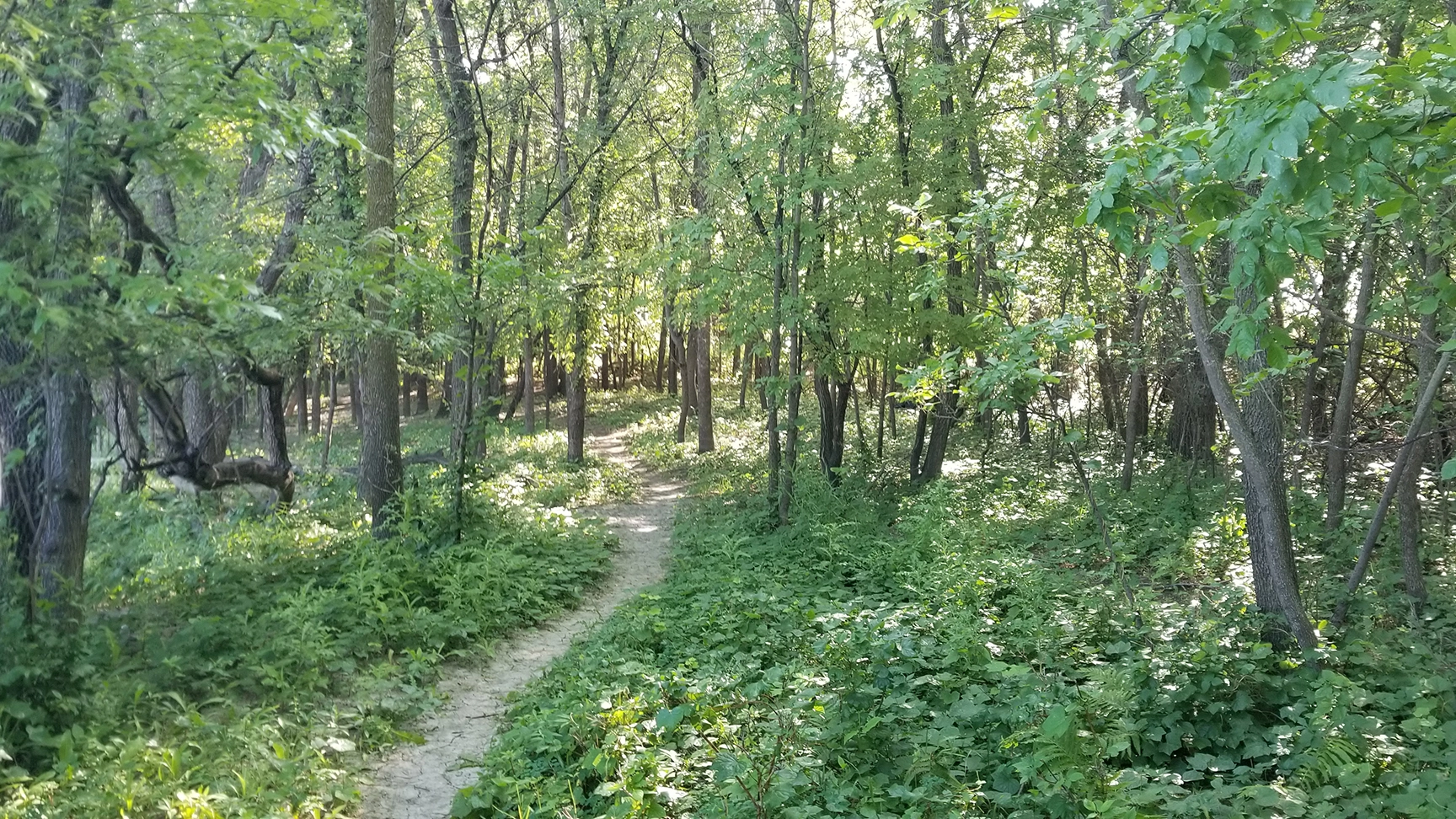
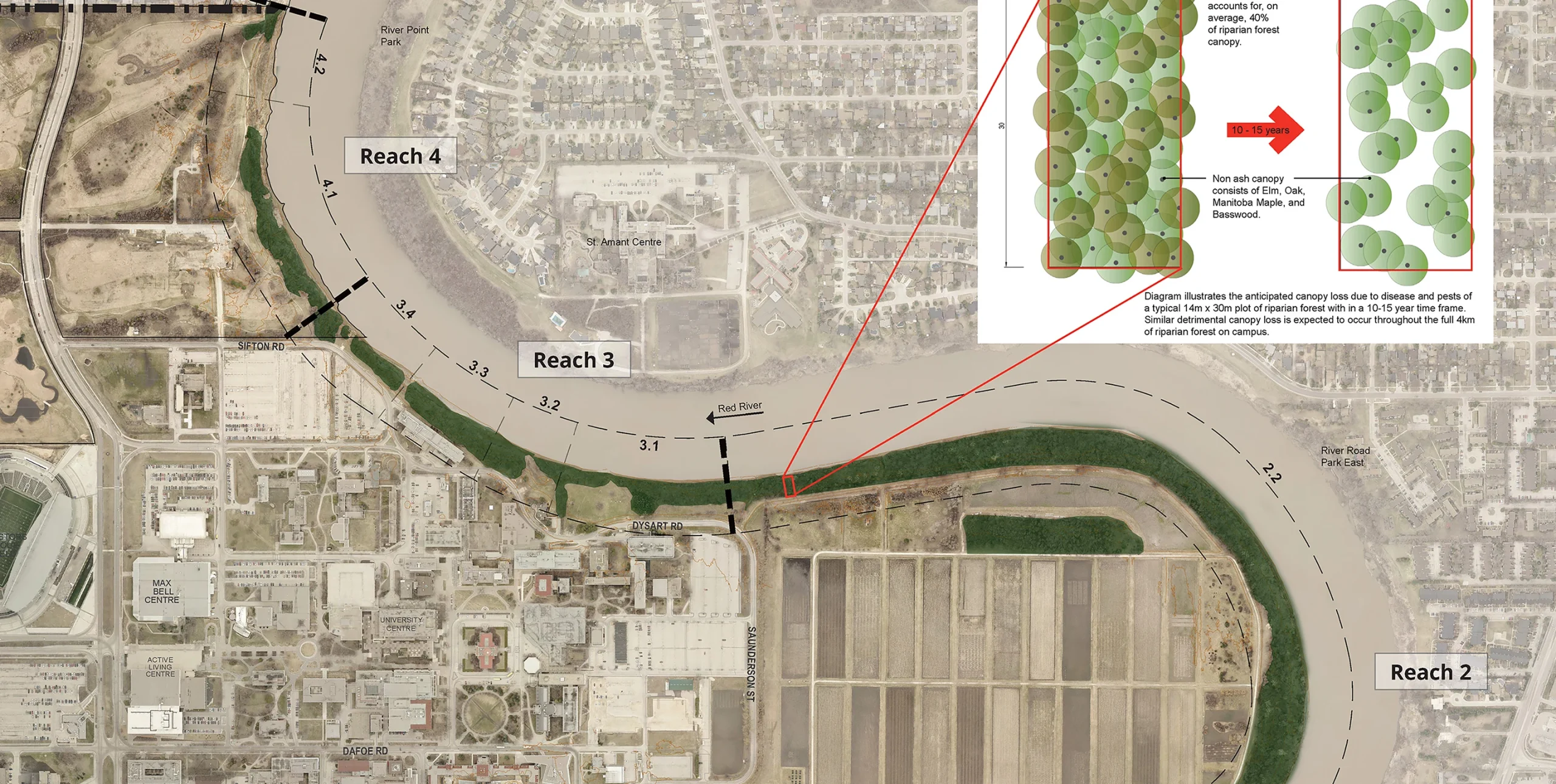
With nearly 4 km of shoreline, the University of Manitoba (UM) Fort Garry Campus is inherently linked to the Red River. The UM has adopted policies to become a leader in ecological, social and economic sustainability to promote a healthier, more active campus while reducing environmental impact.
Aligning with the UM’s sustainability principles, KGS Group provided the university with a 15-year, phased riverbank management strategy that favours restoration of the riparian corridor with naturalized solutions. Integrating geotechnical and ecological concepts, the riverbank management plan is a comprehensive tool to help the university manage risk, promote riverbank health and preserve critical infrastructure. The plan mirrors the dynamic nature of the river, allowing for updates over time to reflect changes to the riverbank and the campus itself.
Project Highlights
- Mapped and segmented 4 km of shoreline to create reach‑based inventories and prioritize restoration actions
- Completed integrated assessments of bank stability, erosion risk, riparian condition and habitat value
- Defined naturalized restoration treatments (e.g., riparian revegetation, bioengineering/soft stabilization, setback planting)
Gillam Subdivision Passive Groundwater Drainage Project
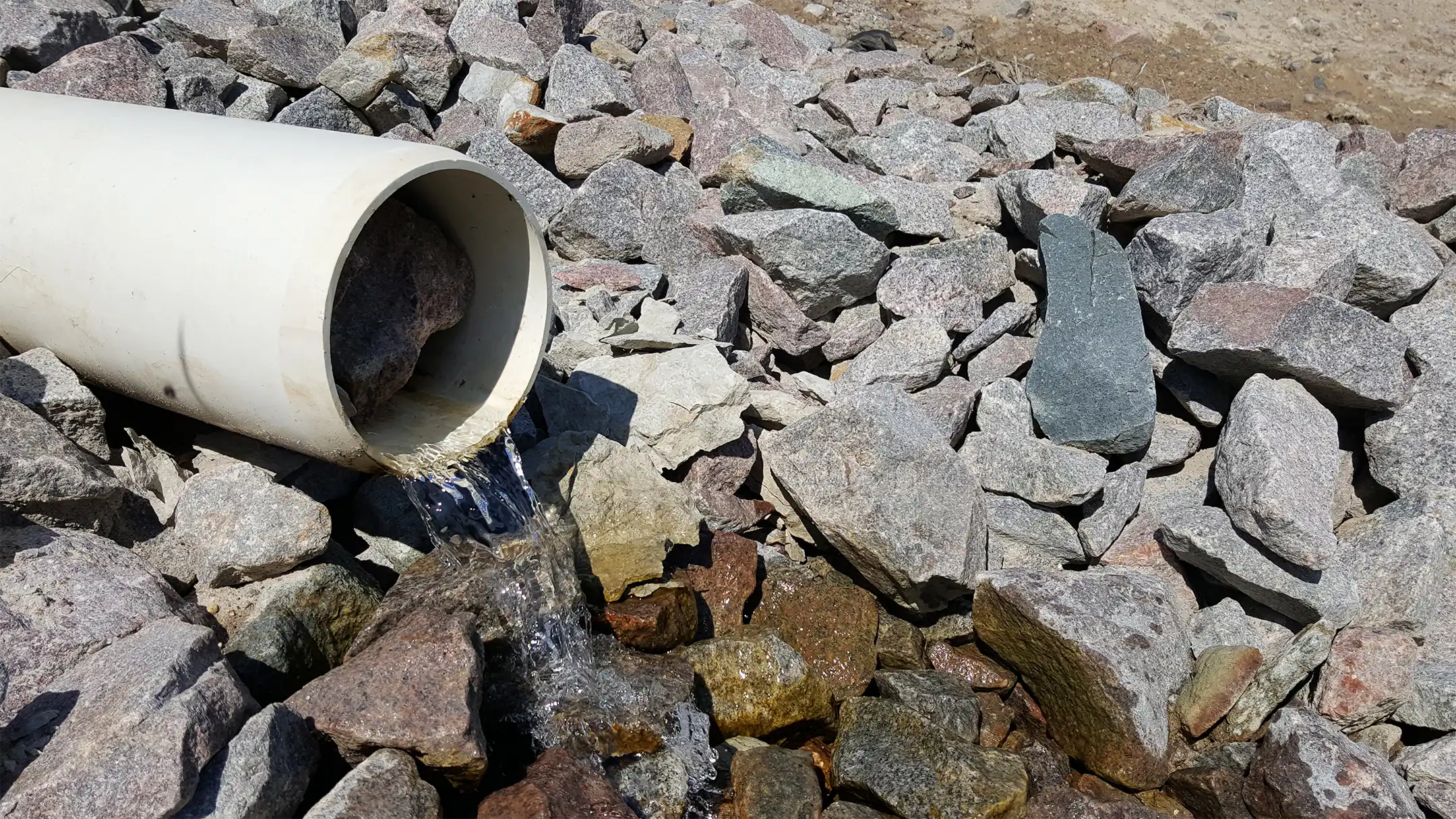
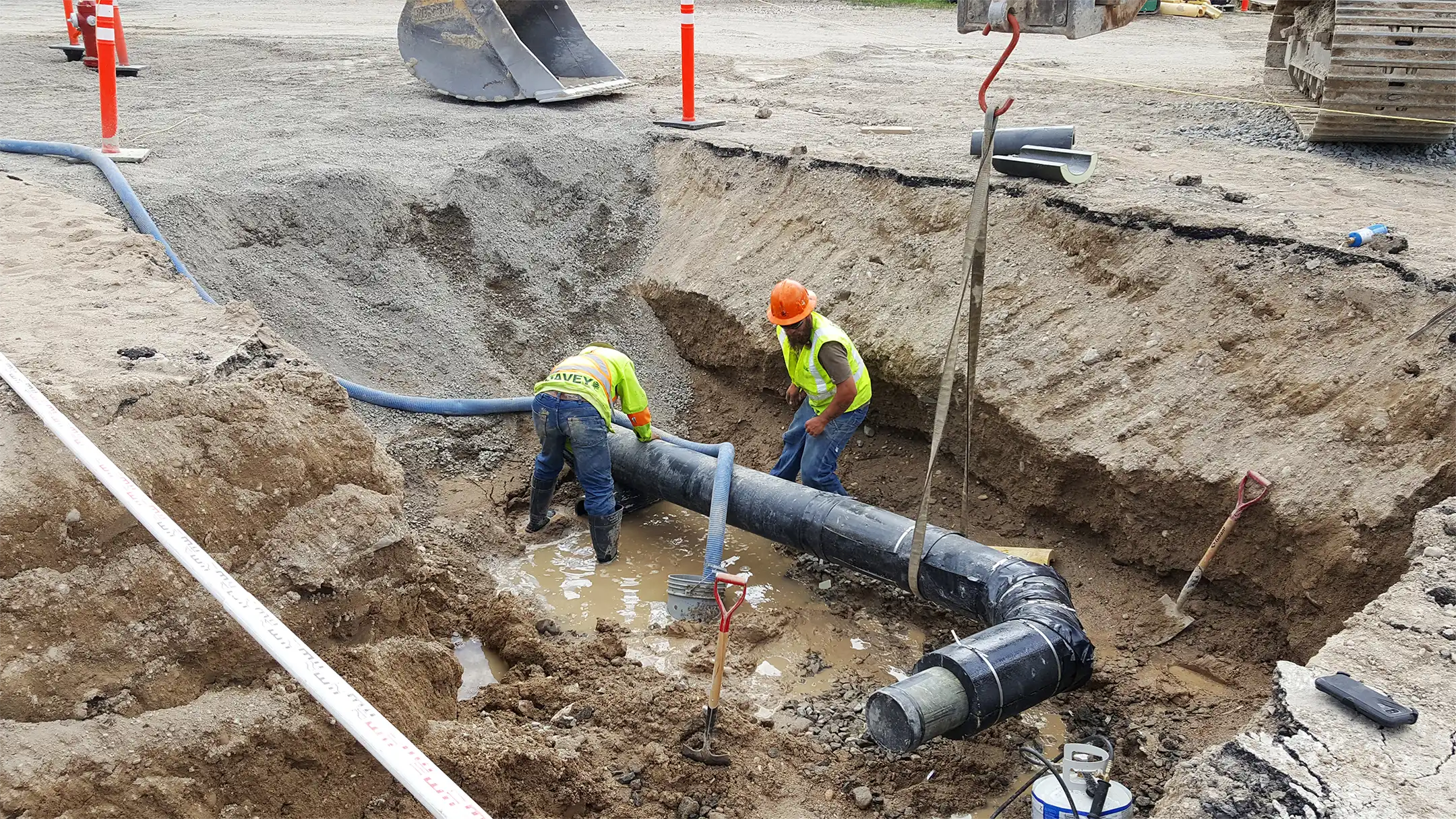
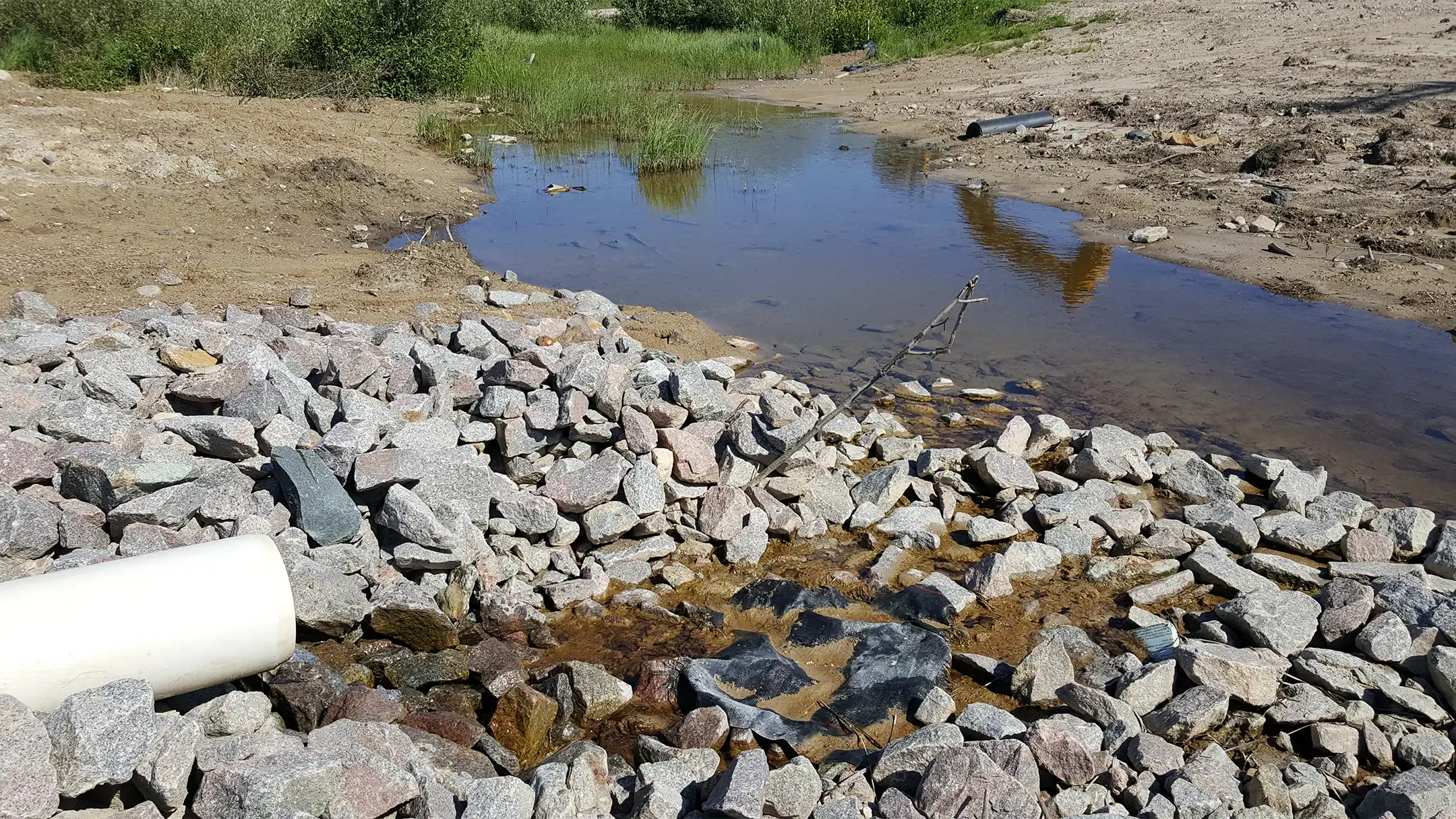
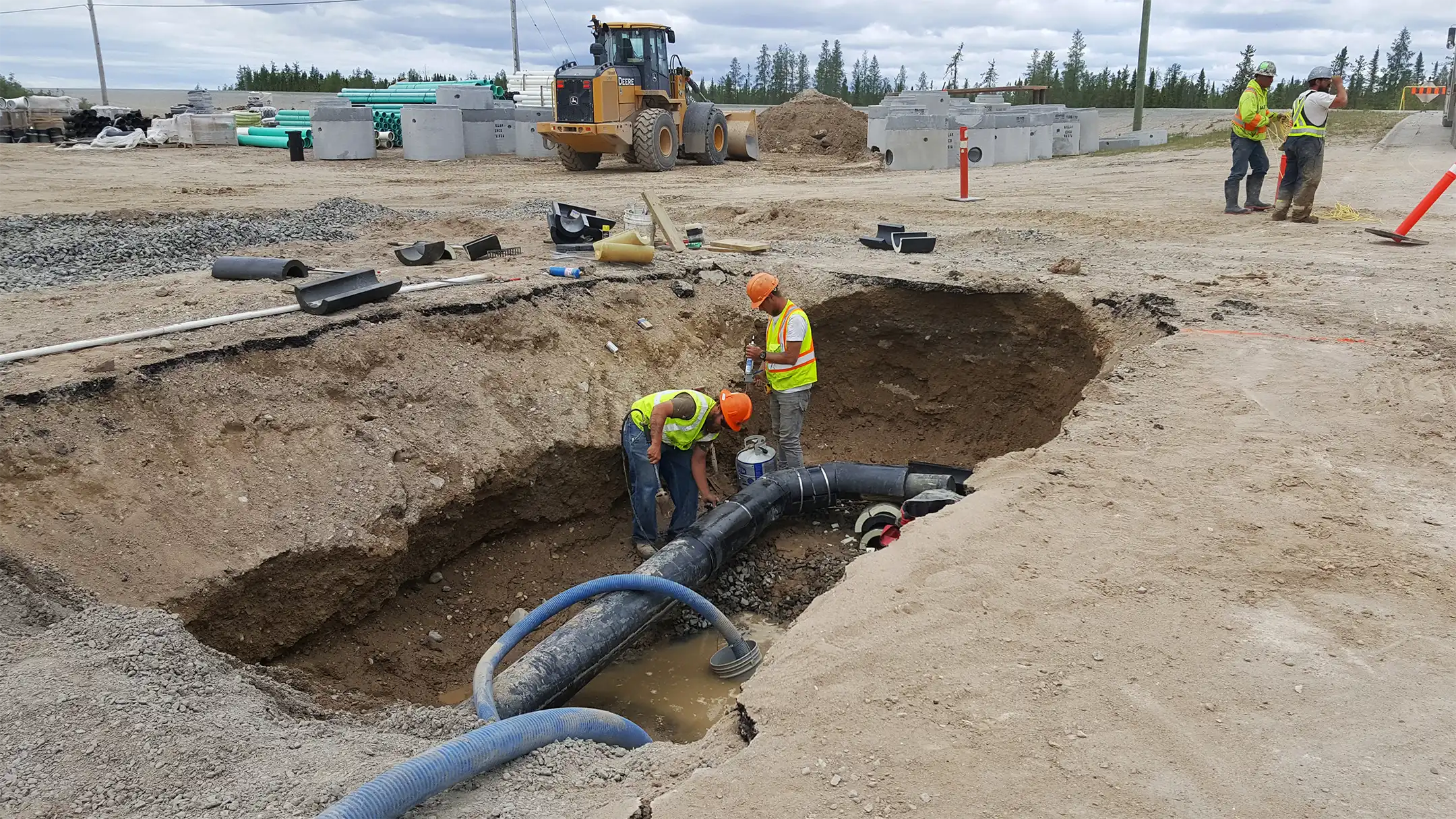
The “Crayola” subdivision in Gillam sits on soil that retains a high groundwater table. Over time, seasonal freezing and elevated groundwater led to disturbance of several structure foundations. To address this persistent issue, KGS Group leveraged the timing of a planned sewer and water infrastructure renewal to design and implement a simple, robust groundwater drainage system.
By using common trench excavation, engineered drainage piping and readily available backfill, the installation of the groundwater drainage system was simplified and optimized. Because there are no moving parts, continuous drainage of groundwater occurs passively by gravity.
Designed within the new sewer and water corridors, the system simplifies future maintenance and construction, while providing easy access points for the interconnection of foundation drainage systems throughout the subdivision.
Project Highlights
- Excavated common trenches within new sewer and water corridors to integrate groundwater drainage
- Installed engineered drainage piping to collect and convey groundwater
- Placed readily available backfill to promote free drainage and protect piping
- Eliminated mechanical components – no pumps or moving parts
- Established future tie‑in locations to enable interconnection of foundation drains across the subdivision
Brandon Third Street Dam Replacement
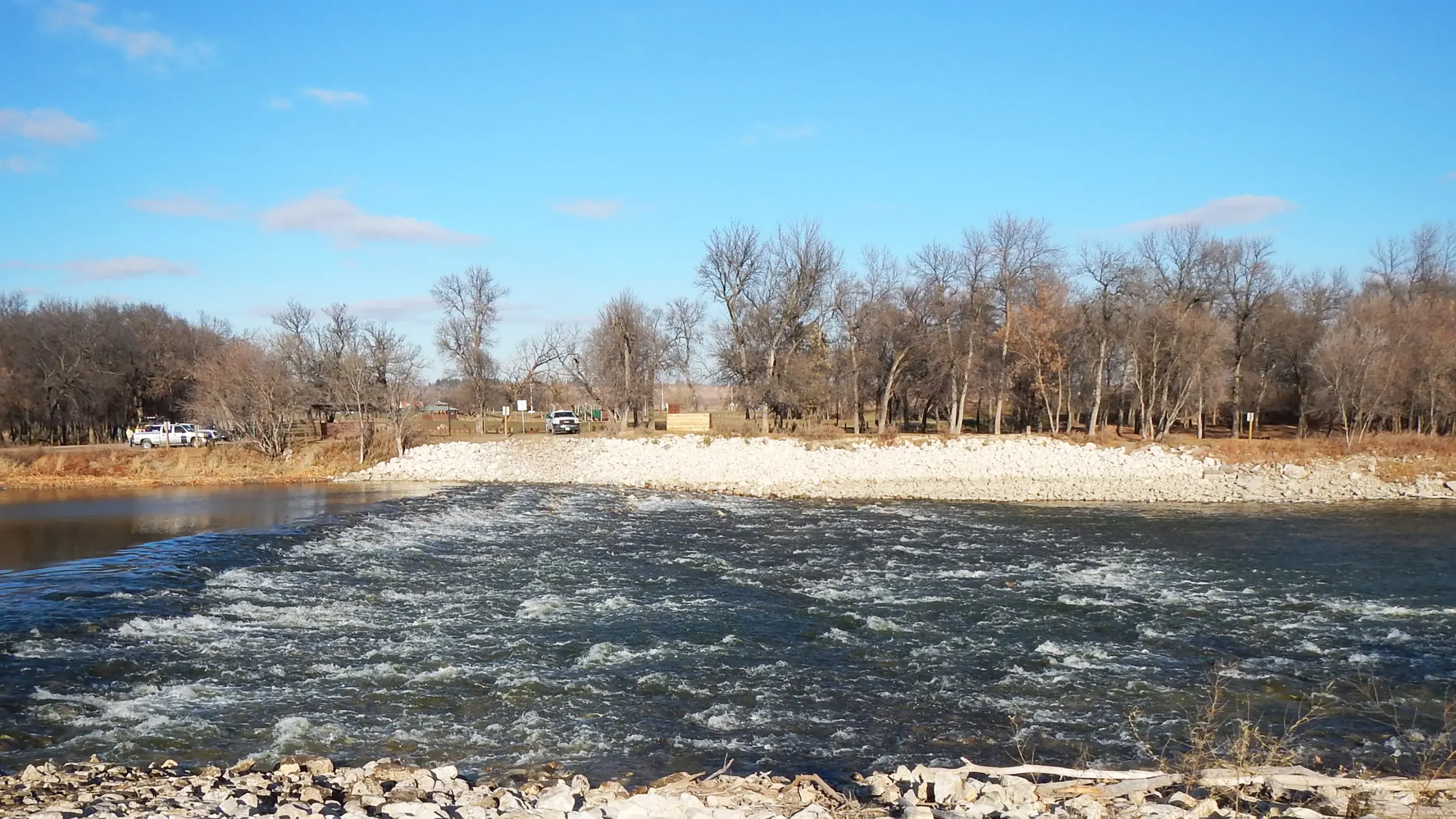
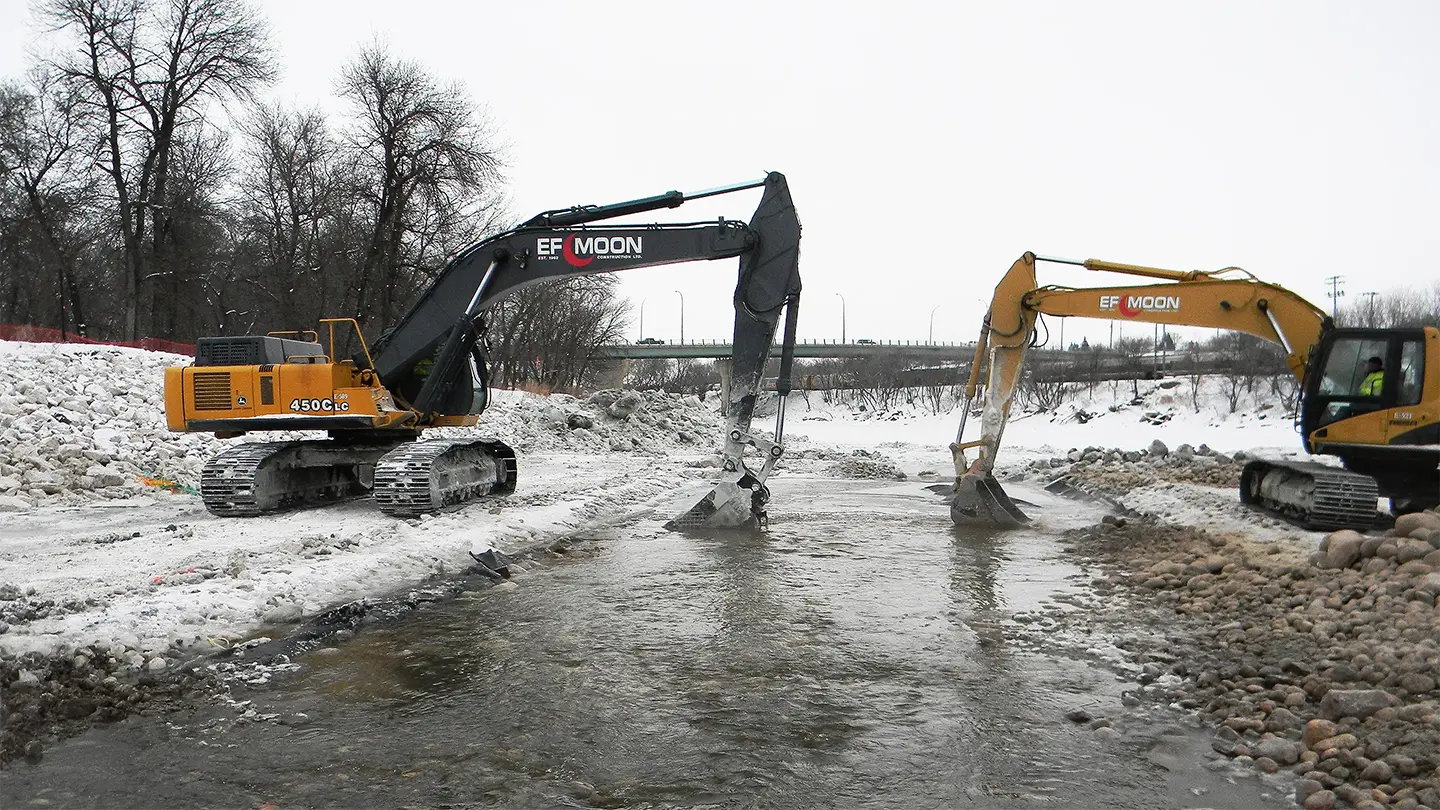
For more than 70 years, the Third Street Dam on the Assiniboine River supported the City of Brandon’s drinking water supply and provided social, environmental and commercial benefits. When the dam was irreparably damaged, KGS Group moved quickly to design temporary emergency measures that limited further habitat impacts and preserved Brandon’s water supply.
We then developed a functional, cost-effective, permanent solution that also removes a 70-year-old barrier to fish passage. The new overflow rockfill weir, with a low flow rock ramp fishway, preserves Brandon’s water supply, restores fish passage, adds spawning habitat, and improves the safety and aesthetics of the river adjacent to Dinsdale Park.
Working with the City of Brandon and regulators, the team demonstrated how preserving vital infrastructure can go hand‑in‑hand with prioritizing and enhancing the environment.
Project Highlights
- Designed and implemented temporary emergency measures to stabilize the river and maintain municipal water supply during dam failure
- Constructed an overflow rockfill weir to replace the damaged dam and secure long‑term water levels for intake reliability
- Constructed a low‑flow rock ramp fishway to restore year‑round fish passage and remove a 70‑year barrier
- Integrated spawning habitat through rock ramp geometry and material gradation, enhancing local fisheries