

Peter Sutherland Sr. Generating Station
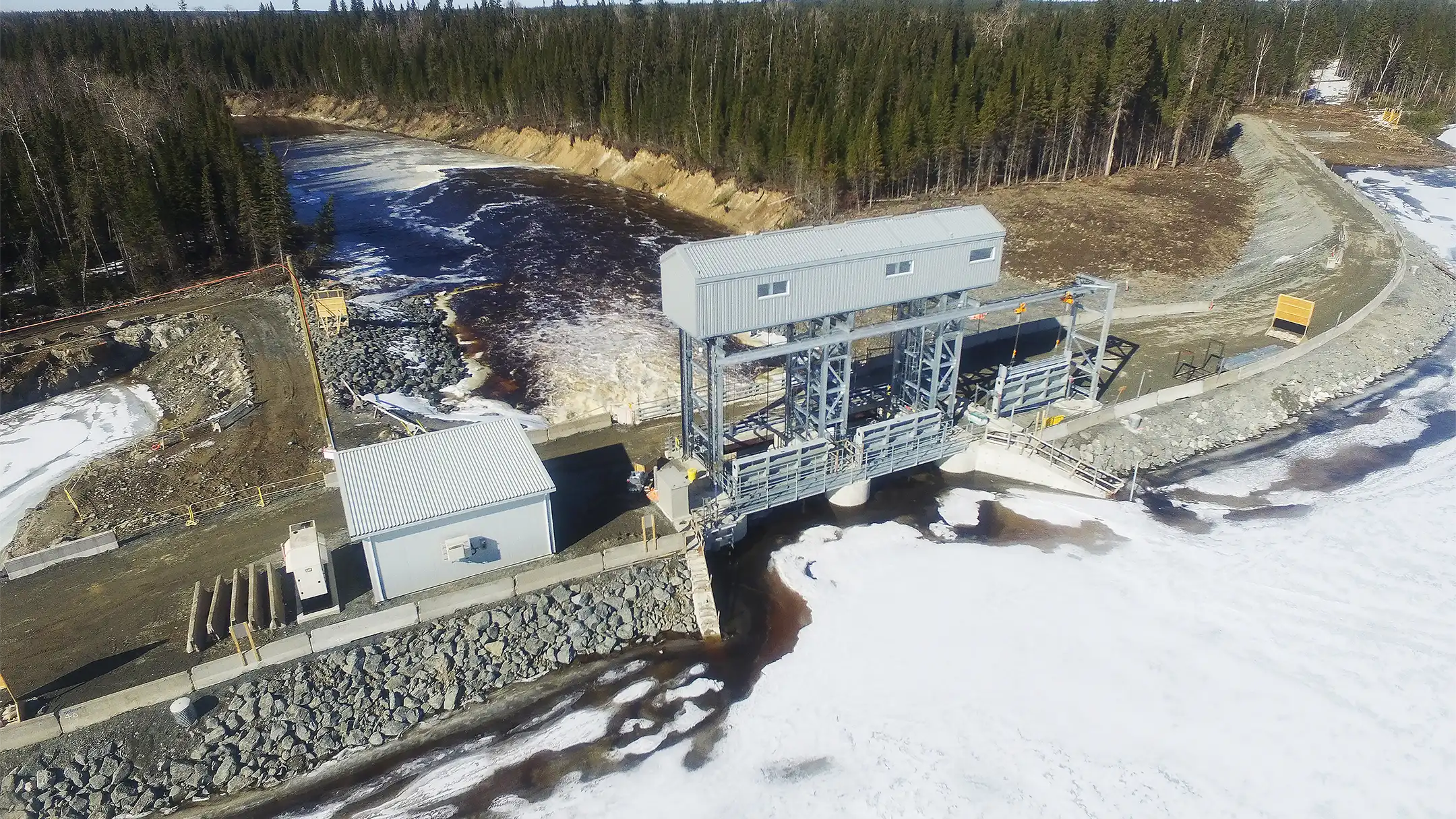
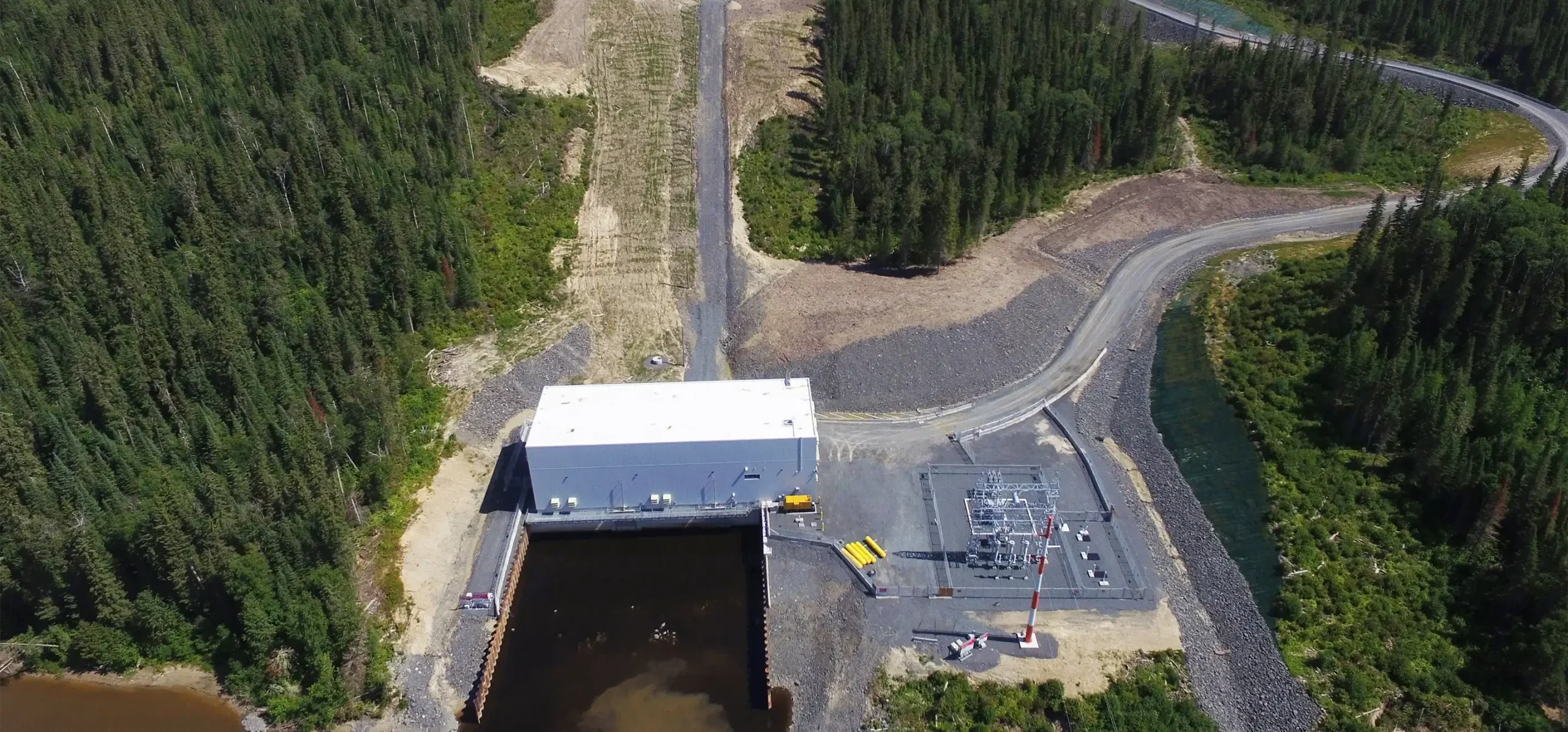
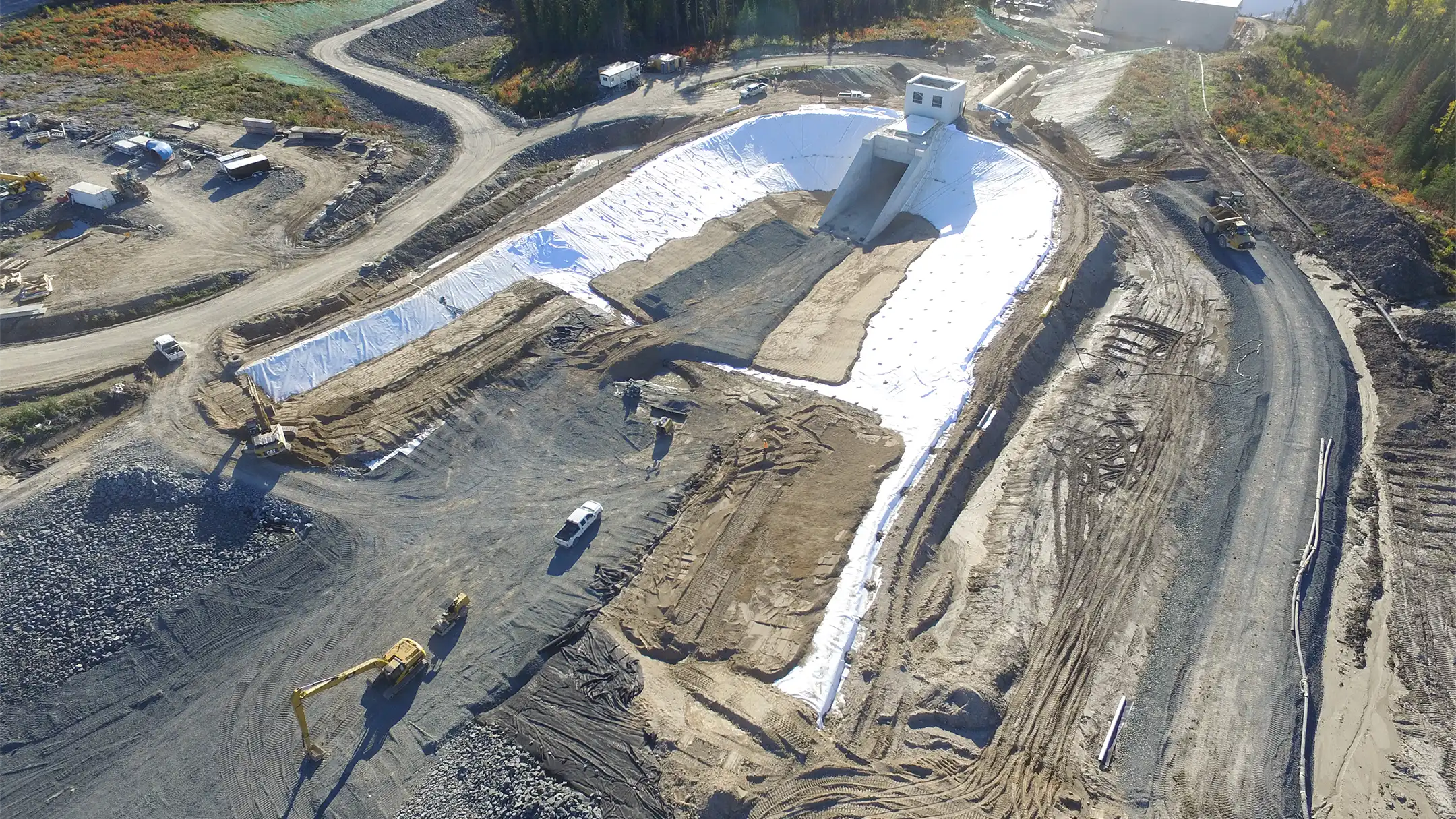
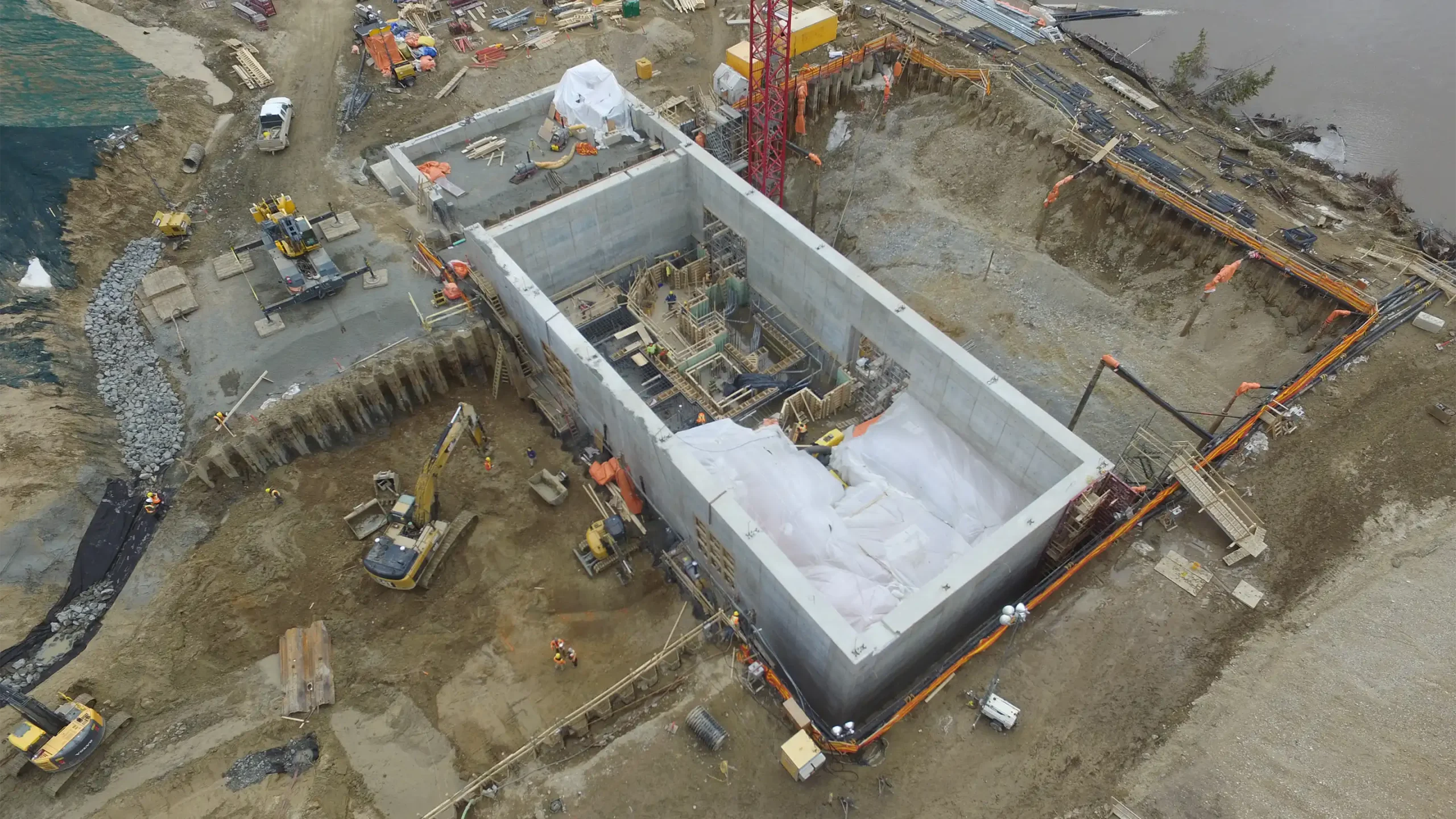
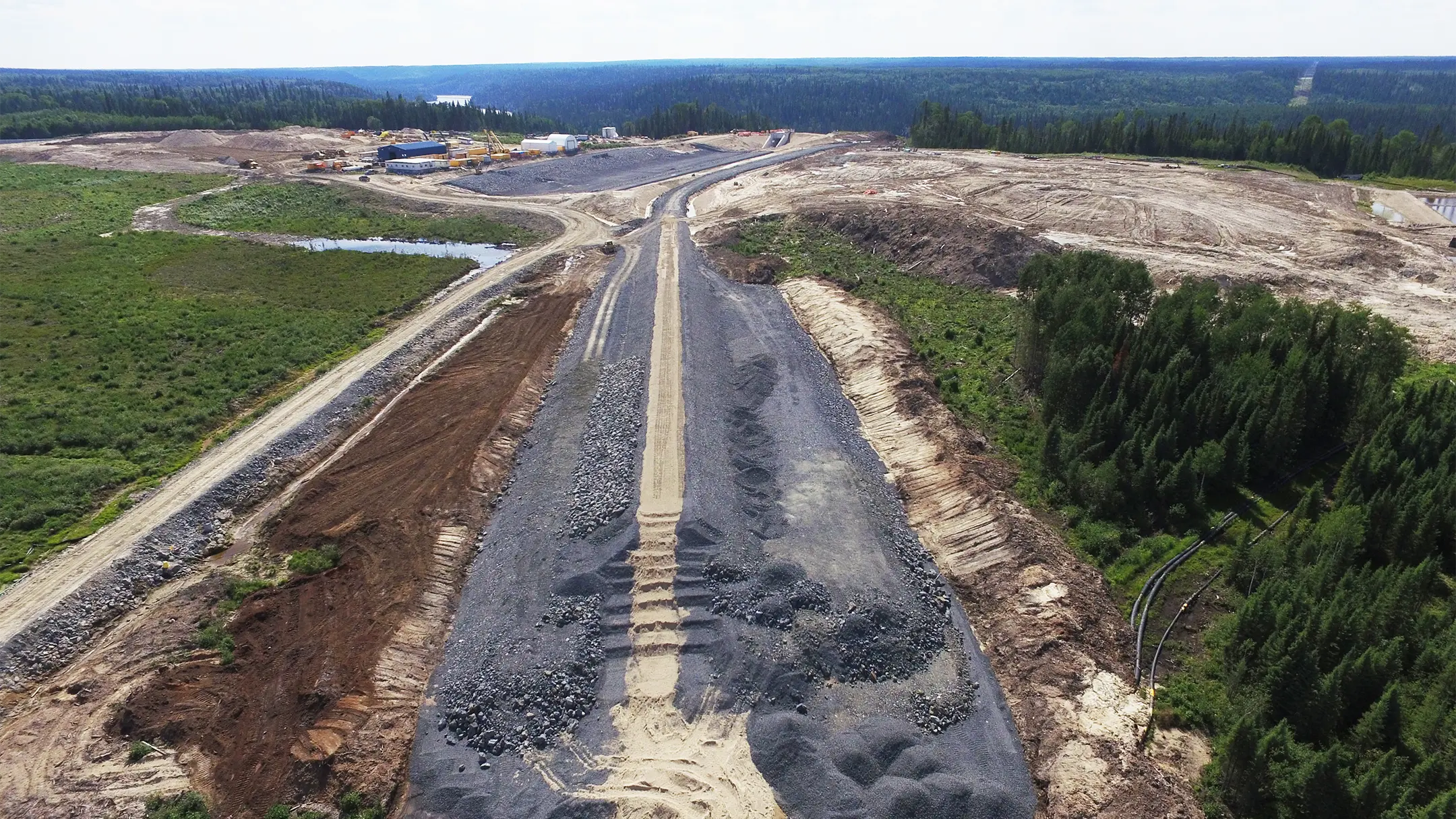
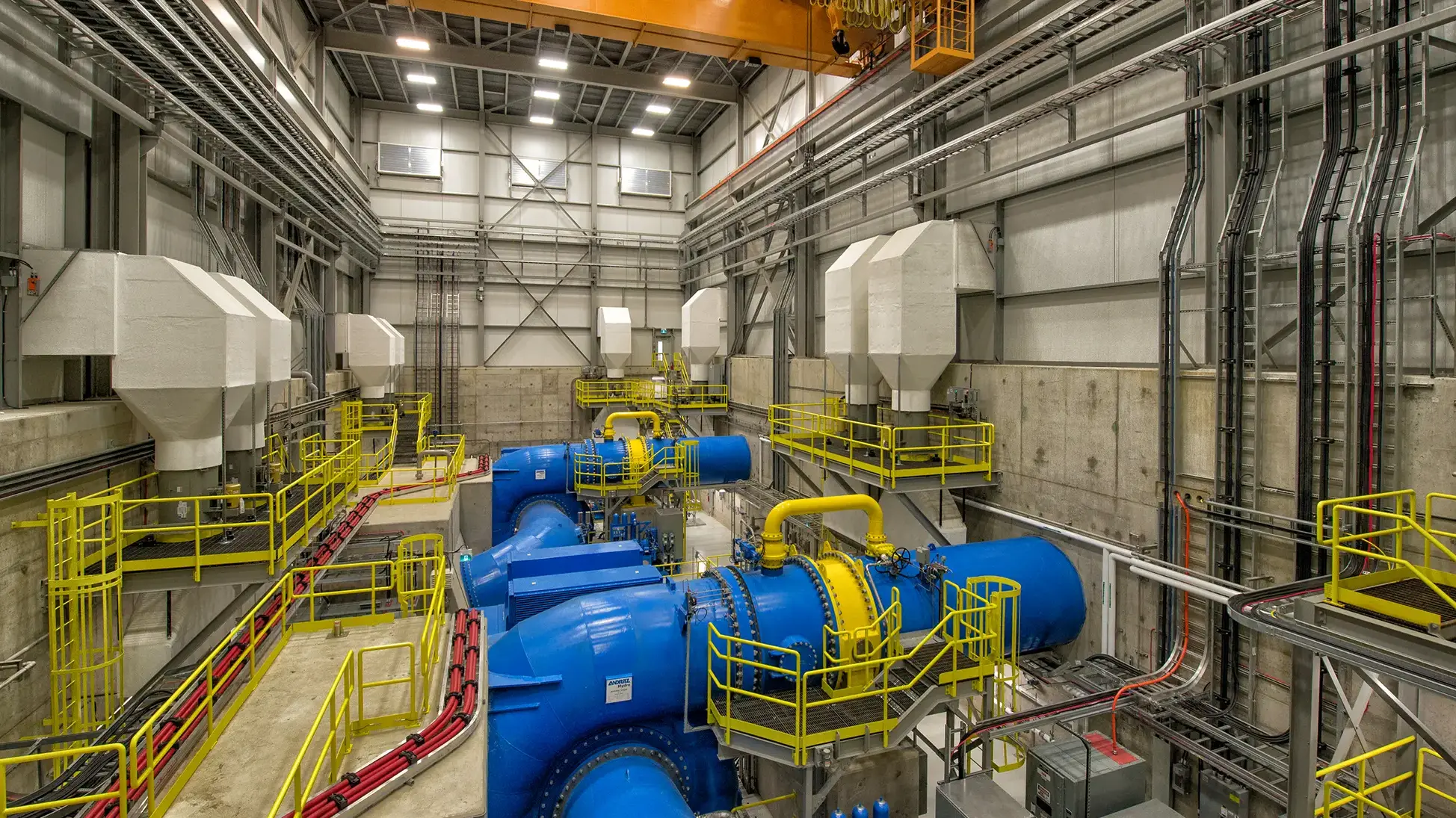
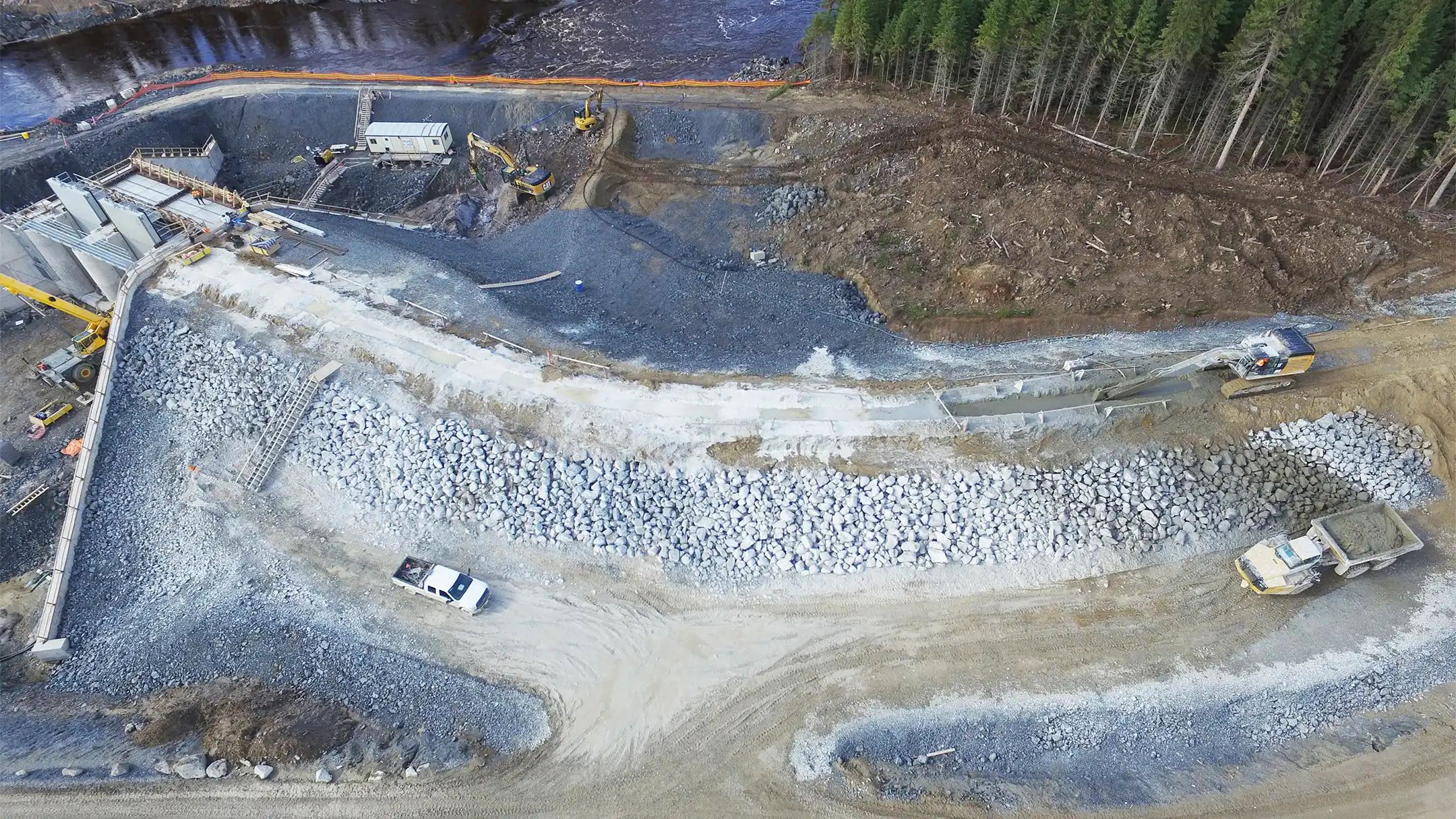
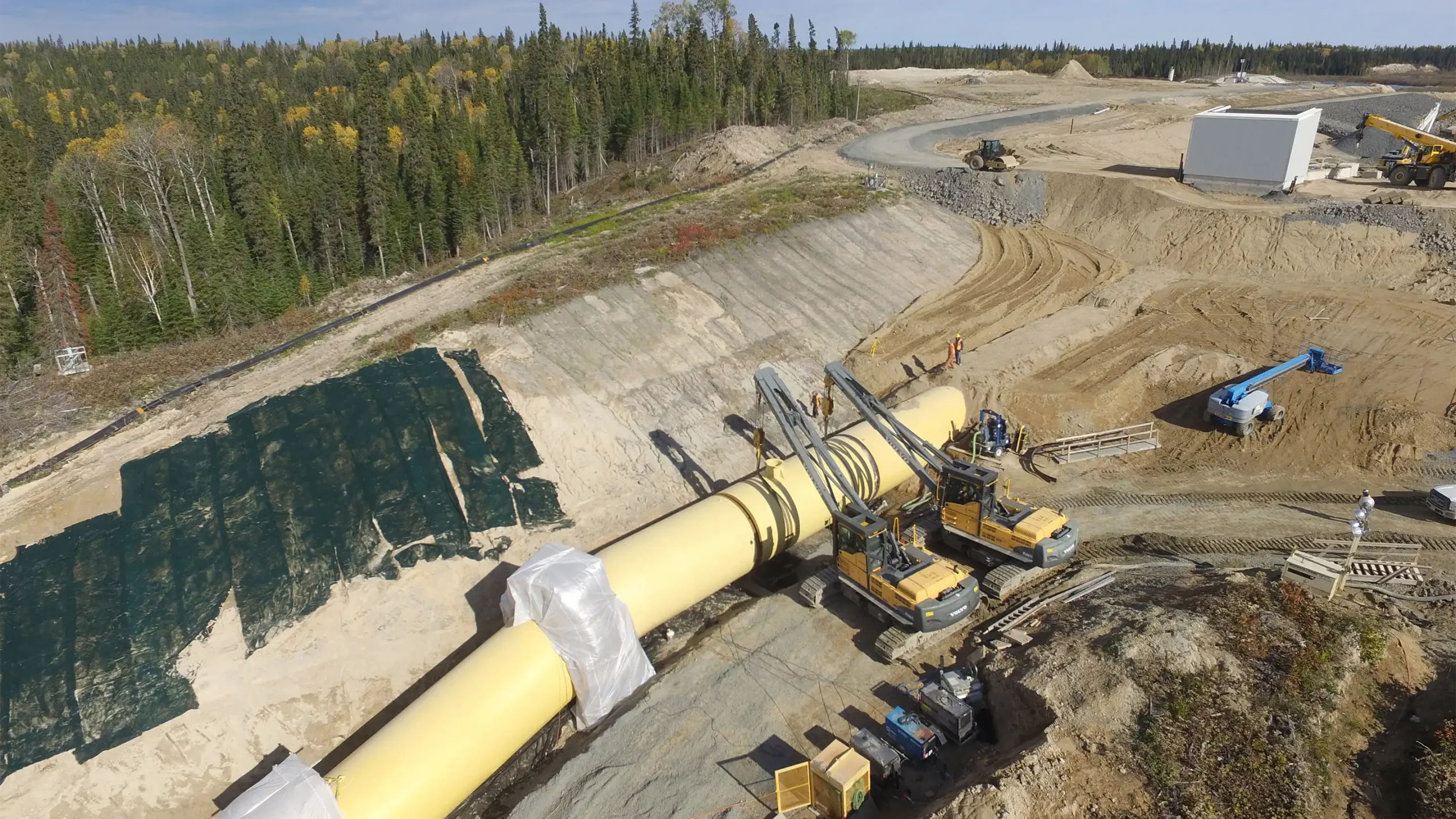
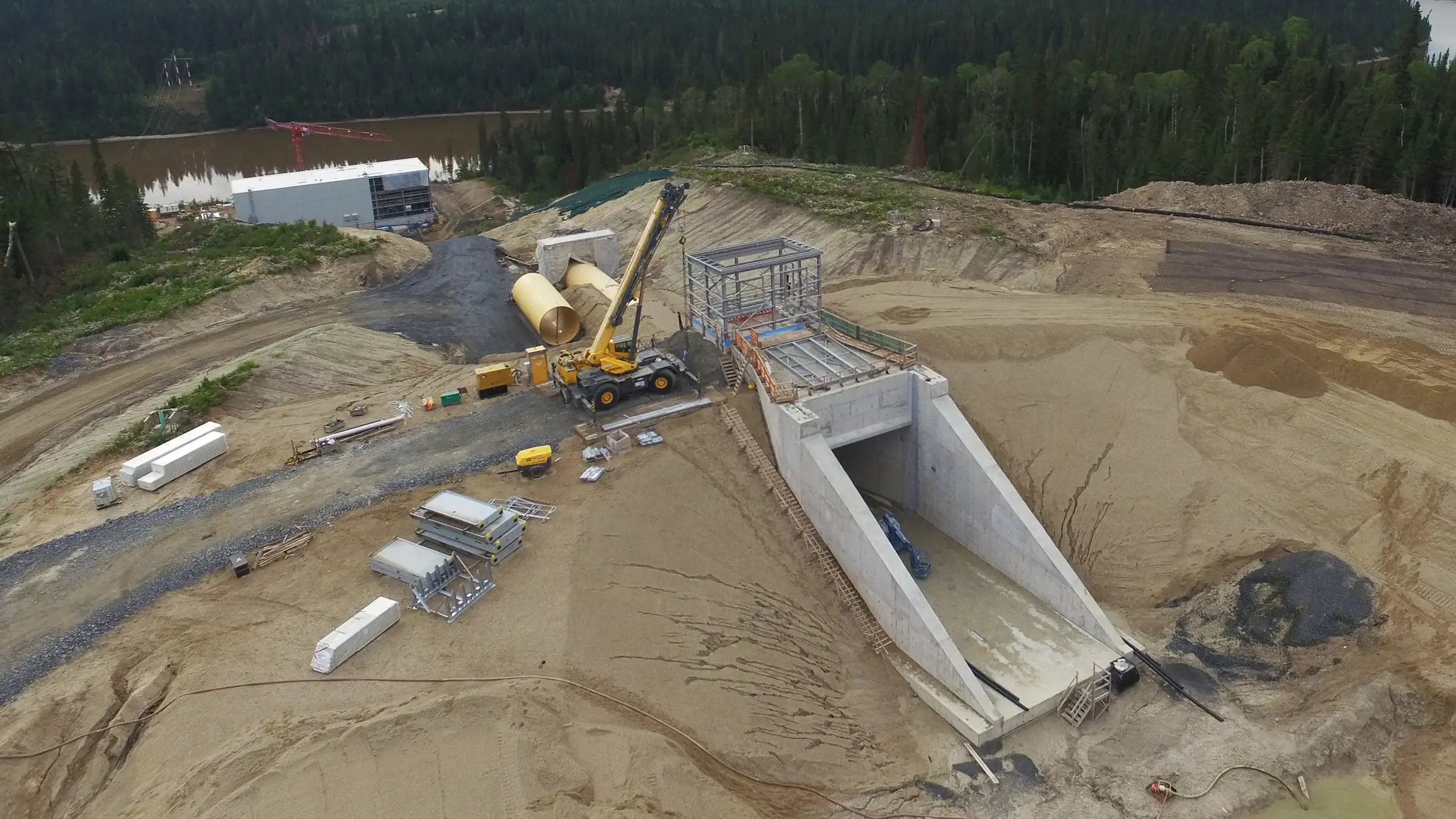
Ontario Power Generation and Coral Rapids Power Corporation (a company wholly owned by Taykwa Tagamou Nation) are equity partners in the Peter Sutherland Sr. Generating Station. Named after a respected community elder, the 28 MW hydroelectric power station is remotely located at the confluence of the Abitibi River and New Post Creek within the Taykwa Tagamou Nation traditional territory of northeastern Ontario. A portion of the flows from New Post Creek have been harnessed to provide clean, renewable hydroelectric energy.
KGS Group worked closely with Ontario Power Generation and Coral Rapids Power through the conceptual and preliminary design stages, ultimately acting as the owner’s representative through the design-build construction phase that was performed by Kiewit and Aecon. KGS Group staff were onsite throughout construction assisting and collaborating with the owners and contractor team.
Construction was completed safely, on budget, and ahead of schedule. The project is not only an investment into Ontario’s clean energy future; it is a symbol of reconciliation and the culmination of a strong partnership between Taykwa Tagamou Nation and Ontario Power Generation that will benefit the community for generations.
Project Highlights
- Powerhouse construction with two horizontal‑axis Francis turbines with a total plant capacity 28 MW
- Gated intake structure and approach channel with controlled conveyance from New Post Creek
- 4 m diameter steel penstock 250 m long
- 520 m long embankment dam with a cement-bentonite core
- Two-bay gated spillway
Little Long Dam Safety Project

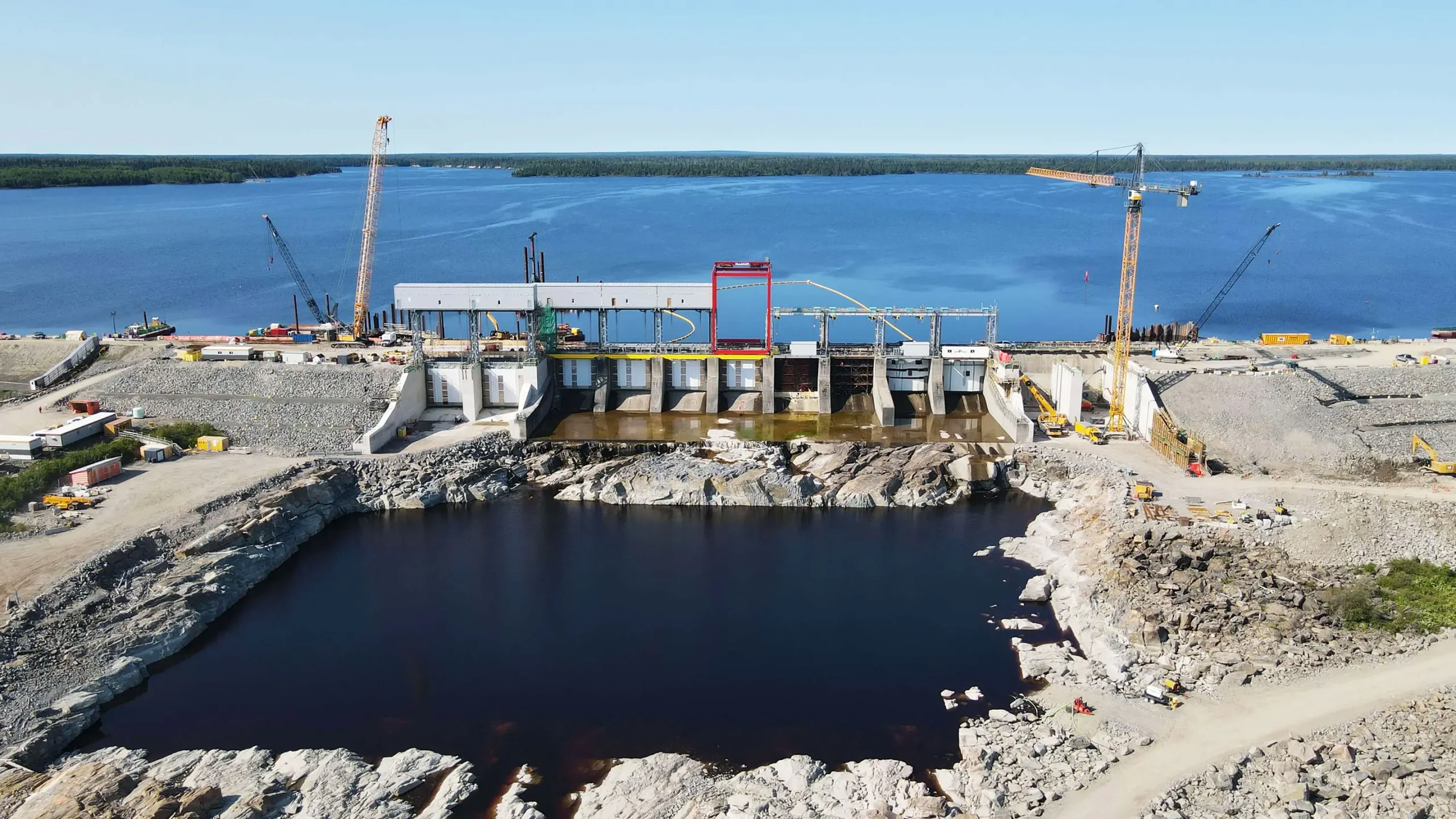
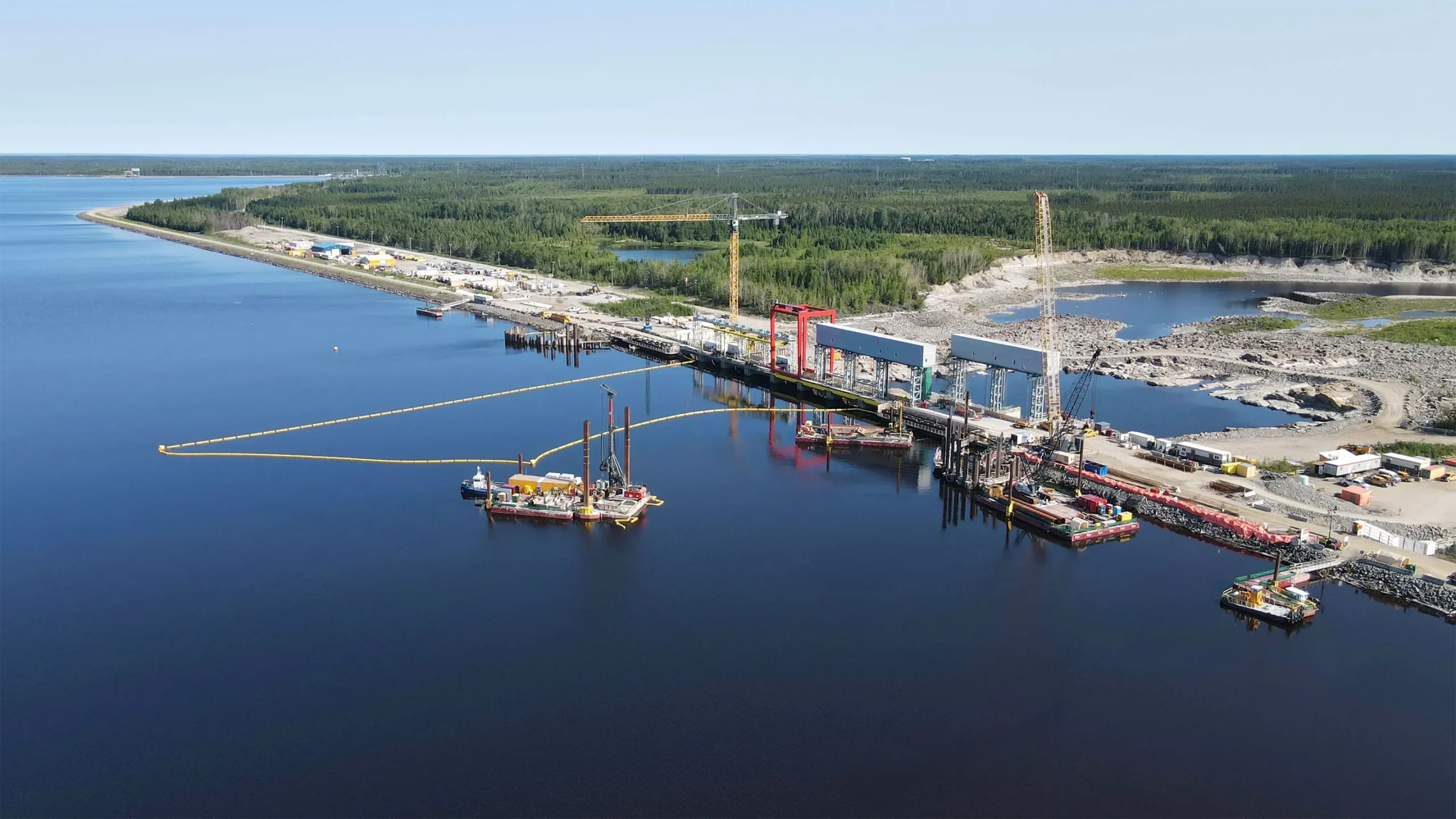
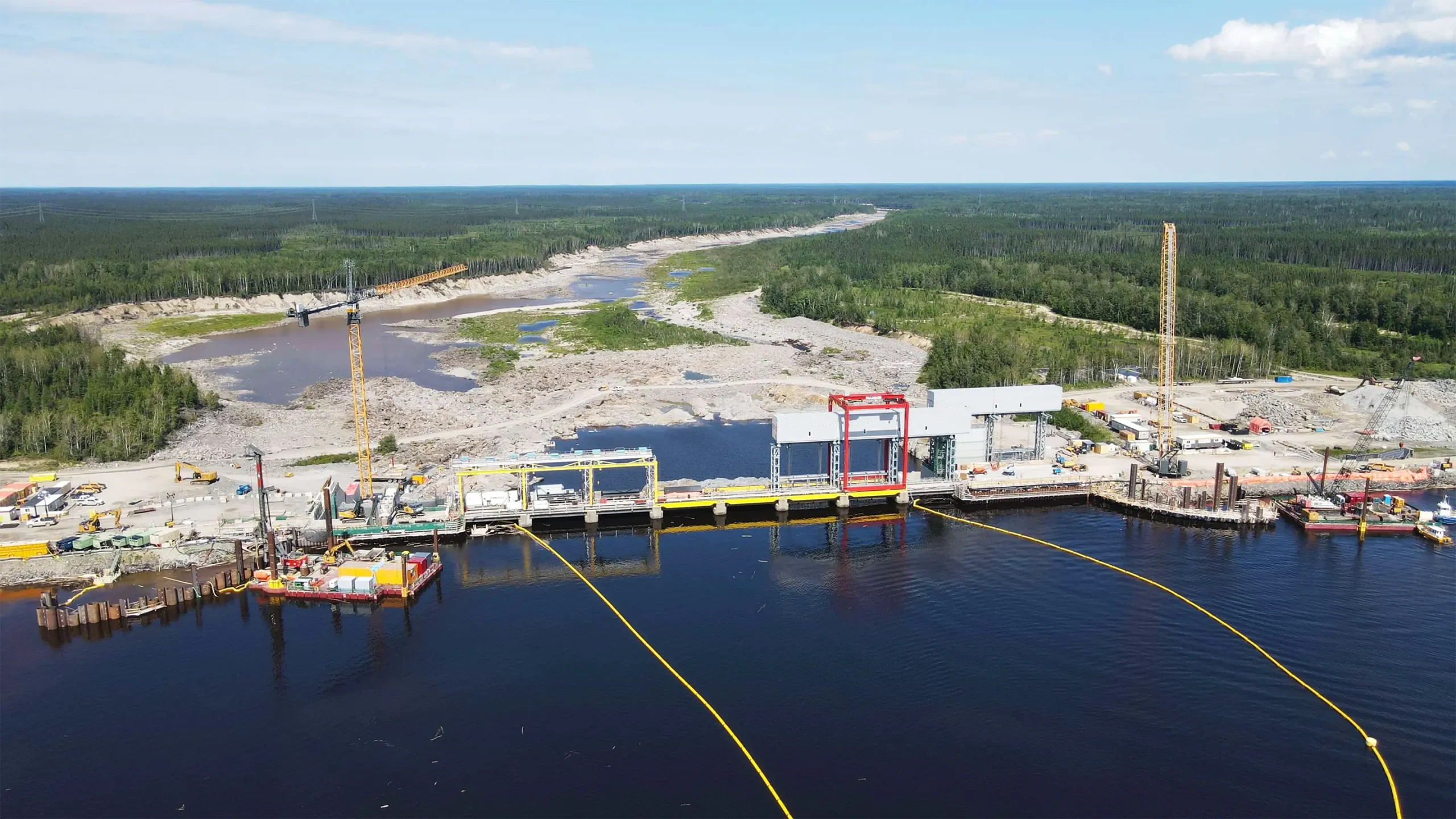
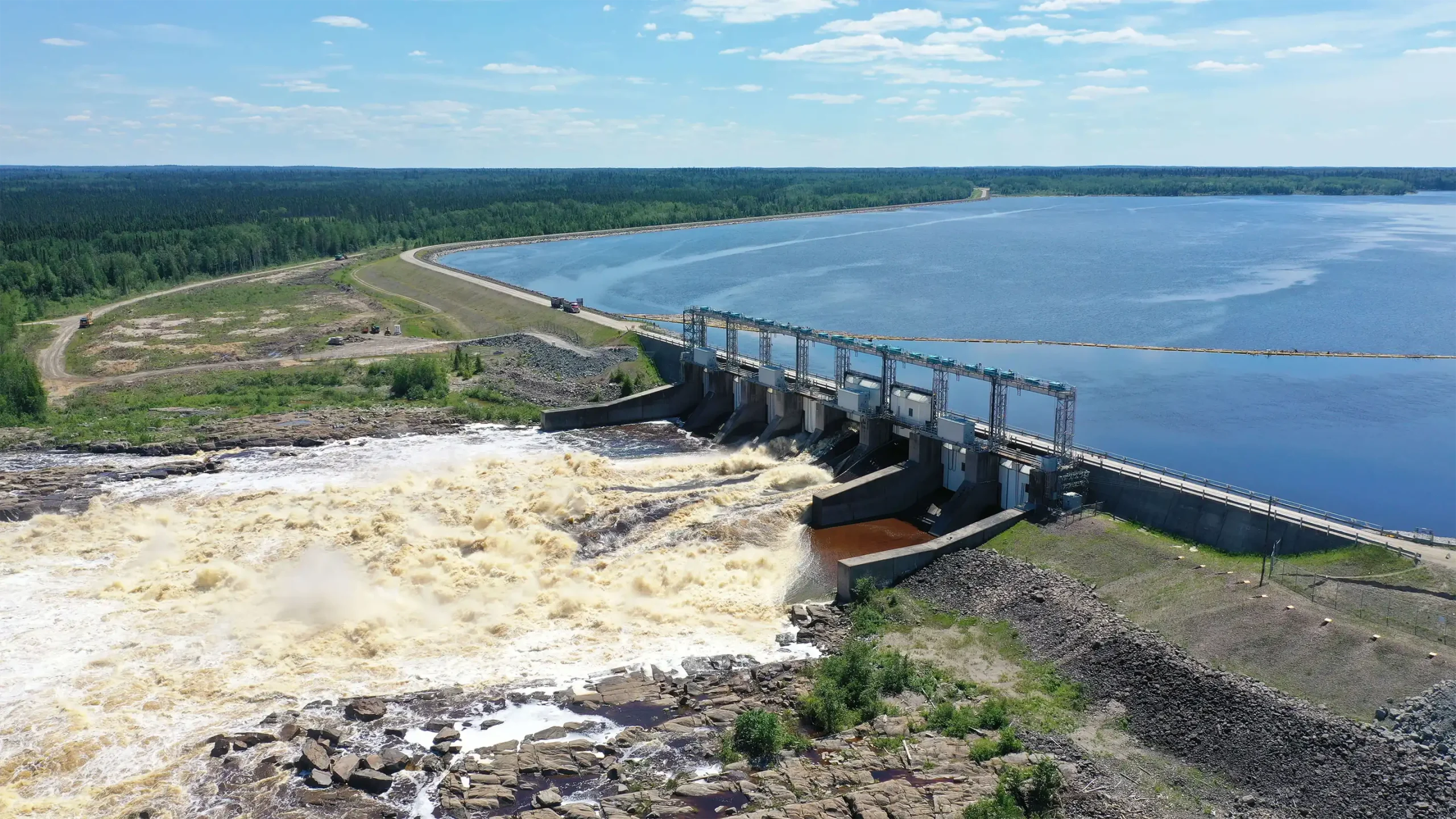
The Little Long Dam Safety Project was a significant initiative by Ontario Power Generation (OPG) to rehabilitate and enhance the spill capacity at the Adam Creek Sluiceway to meet new dam safety standards. The project increased overall discharge capacity of the Little Long headpond by 40%, significantly increasing the ability to manage large floods at this site.
There were four main components to the project:
- The addition of four new concrete sluiceway bays to the pre-existing eight bay structure, providing the additional discharge capacity
- The replacement of 10 existing sluice gates, gate hoist systems and superstructures to improve operational safety and reliability
- The installation of an upstream splash wall to protect against wave and debris overtopping
- Post-tensioned anchoring of the existing structures to address stability deficiencies
KGS Group was initially retained by OPG to carry out the concept design for the project, as well as undertake pre-construction geotechnical investigations. The final design and construction phase was executed by OPG under a design-build arrangement with Kiewit as the EPC contractor, where KGS Group’s role transitioned to owner’s engineer. In this role, KGS Group acted as an extension of OPG’s team, contributing to overall project management, contract administration, advisory and technical support. Our responsibilities included review of the contractor and designer’s work for compliance with good practice and the performance specification requirements, carrying out quality assurance and formal quality audits and providing resident engineering services to participate in overall coordination, monitoring, commissioning and turnover.
With careful planning, Little Long GS facilities remained in operation during the project’s four-year lifecycle. Due to the remote site location, the project required setting up a full-service camp to support over 200 workers, complete with all necessary facilities.
Throughout the project, it was a priority to have local Indigenous community members and women contribute to project execution. This helped to build strong relationships with the community and ensure the project and result would benefit all involved.
Project Highlights
- Construction of four new concrete sluiceway bays to increase overall discharge capacity of the Little Long headpond by 40%, from 6,090 CMS to 8,650 CMS
- Replacement of 10 sluice gates, the gate hoist systems and superstructures, which improved operational safety and reliability
- Installation of upstream splash wall which provides protection against wave and debris overtopping to improve emergency access during large wind and wave events
- Continuous plant operation maintained during staged construction over four years
- 20% of hours were worked by local Indigenous community members and 25% of hours were worked by women
- 11% of construction contract value provided by First Nation subcontracts
- Over 2.1 million person‑hours worked
- Enhanced spillway capacity and dam safety compliance, improved operational reliability and increased generation
Mayo B Hydro Enhancement Project
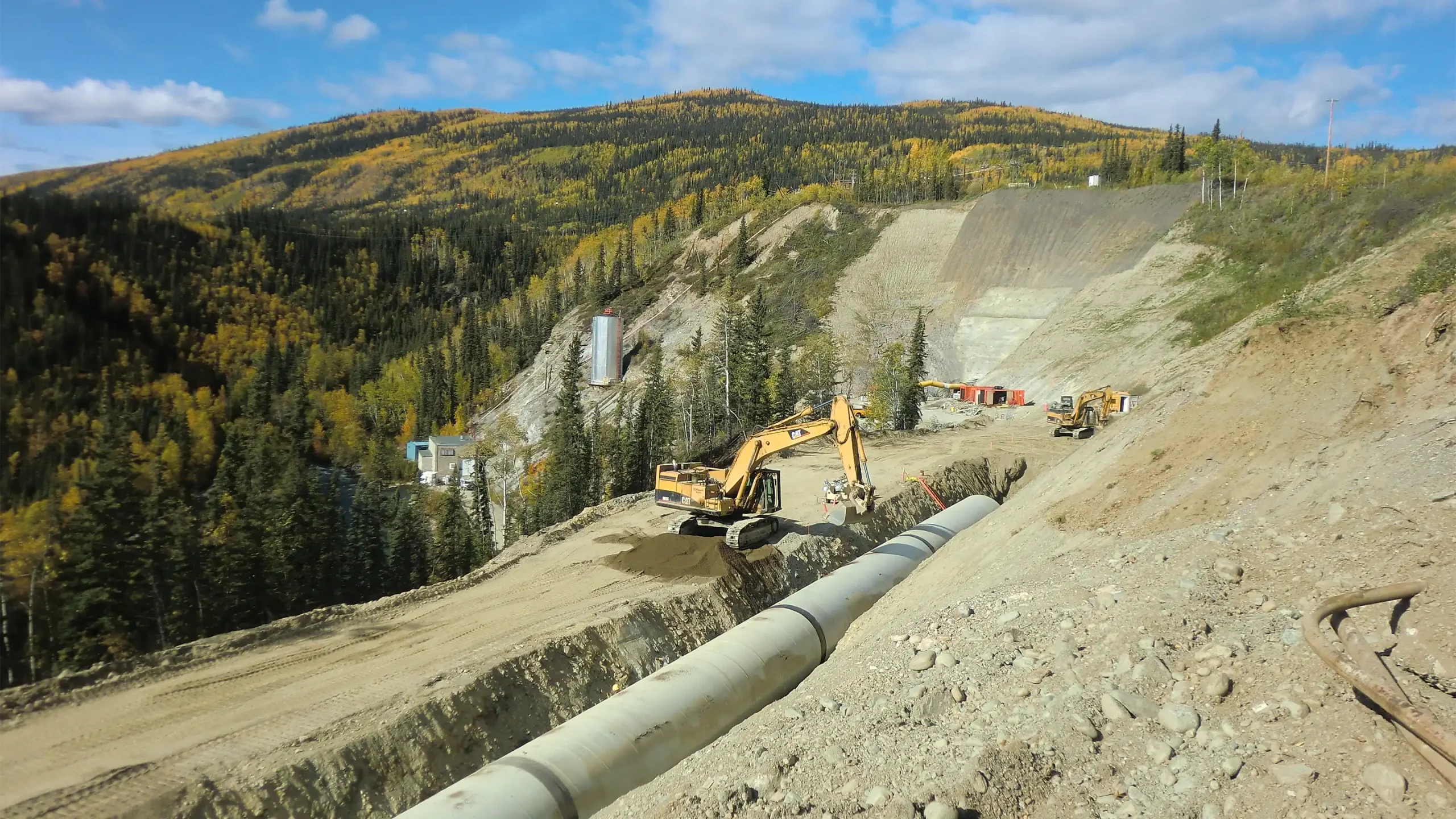
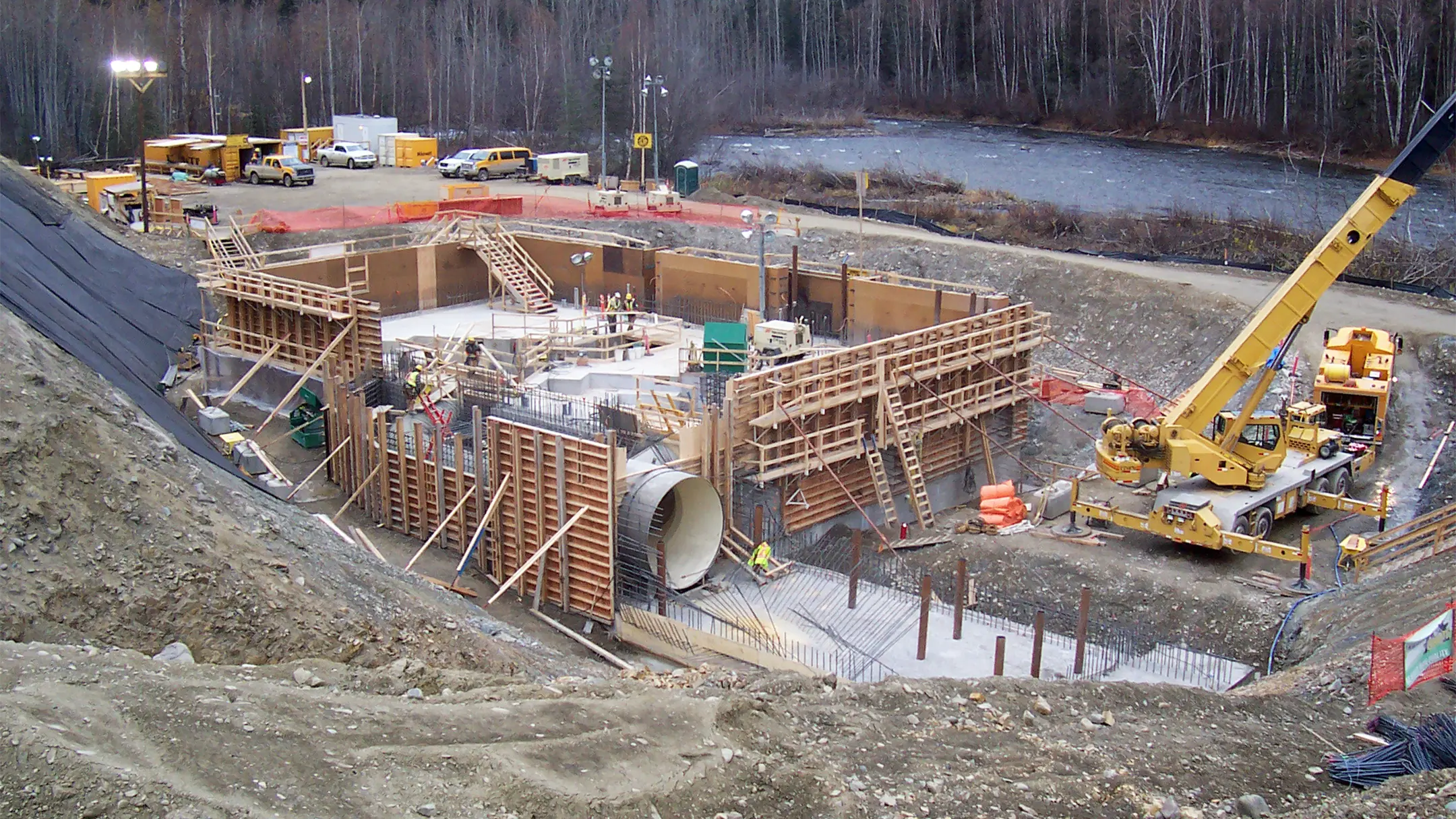
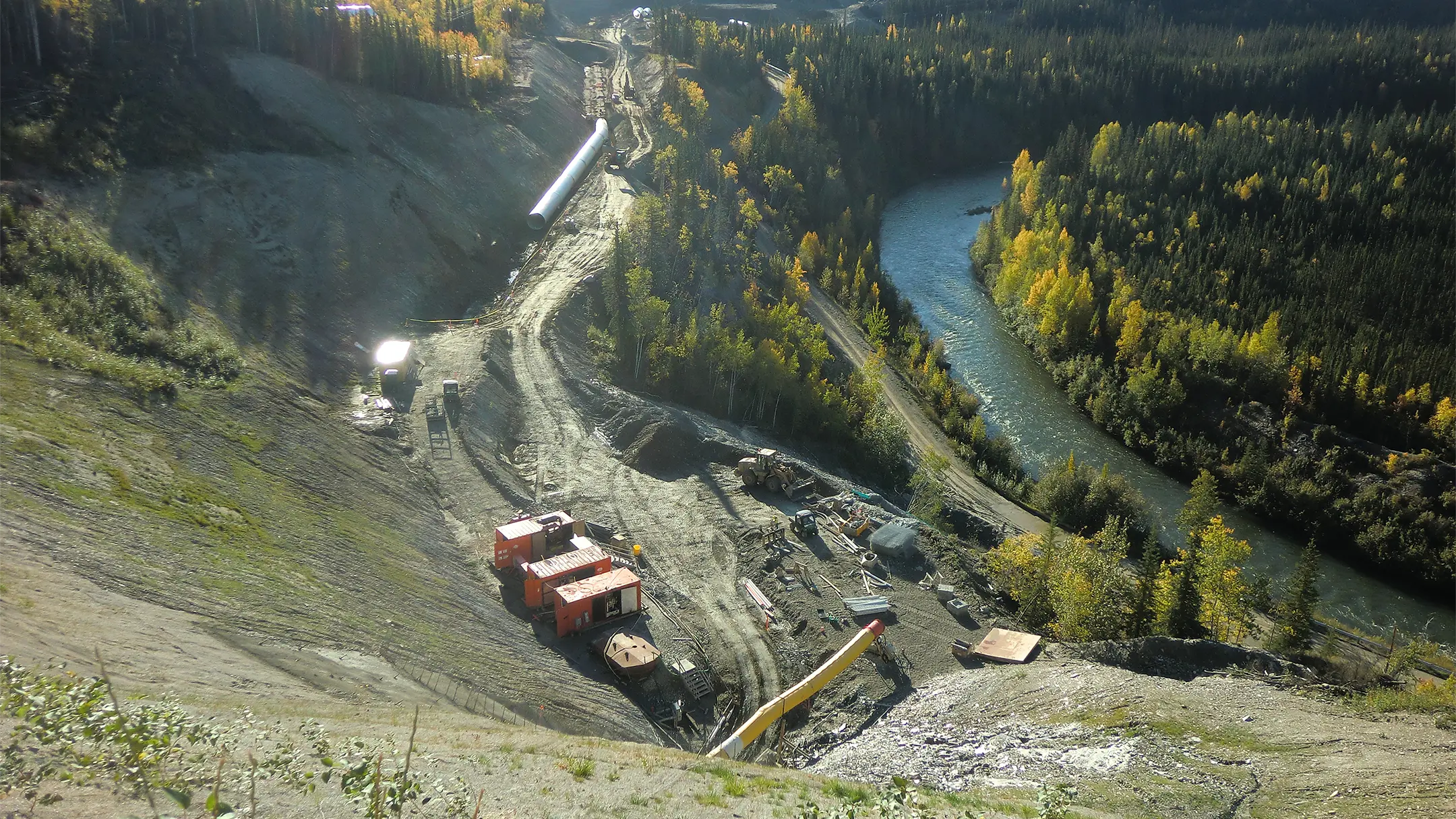
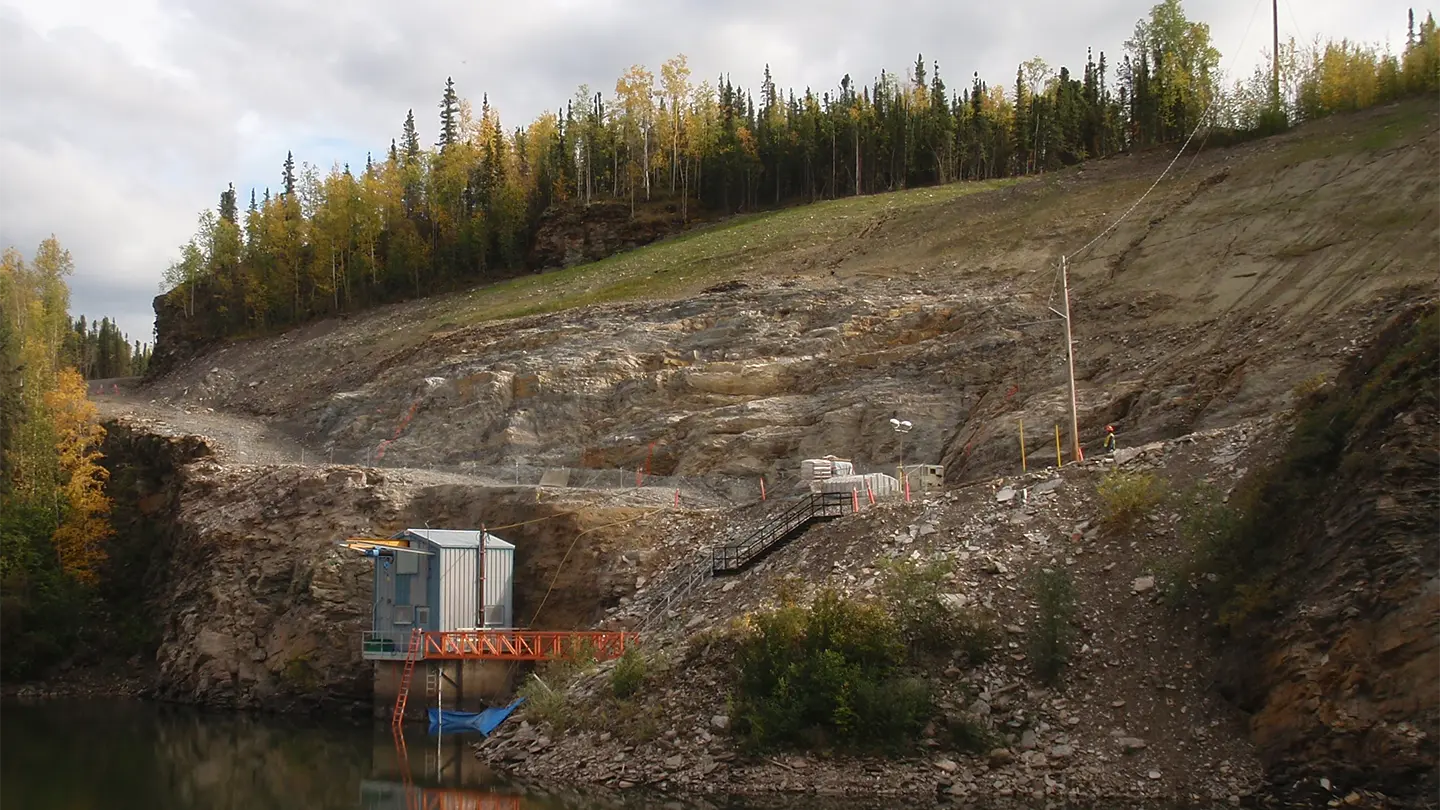
KGS Group was retained by the Yukon Energy Corporation to review feasible hydro projects in the territory, which culminated in the selection of the Mayo B project. To develop the $120 million Mayo B, KGS entered into an early contractor involvement alliance partnership, sharing the financial risks and project rewards. This partnership was the first of its kind in the Canadian hydroelectric industry.
We conducted a feasibility study as well as completed the preliminary and final design of a new powerhouse downstream of the existing Mayo hydroelectric development. Reusing the already in-place dam and intake structure, the work also included connecting and conveying water to the new powerhouse through a new 3.8 km tunnel and penstock system.
Overcoming challenging conditions to make way for the new tunnel and “tie it” into 60-year old infrastructure, we used careful mapping and characterization. This helped support concurrent tunnel design and excavation, and slope stabilization. Precision LiDAR 3-D survey techniques and modelling were also integral to the work.
Within a remote, sub-arctic climate, KGS was also responsible for on-site construction management including all contract administration and quality assurance for the civil, mechanical and electrical works, as well as the supply and installation of the turbines and generator equipment.
As a result, total hydro power generation capacity went from 5.4 MW to 12 MW, increasing Yukon’s renewable and sustainable electricity generation capability. The on-budget, on-schedule project also displaces diesel generation, offsetting up to $10 million in annual fuel costs and eliminating approximately 25,000 tonnes of greenhouse gas emissions per year.
Project Highlights
- A new downstream powerhouse and 3.8 km tunnel and penstock system
- Integrated new infrastructure with the existing 60-year-old dam and intake infrastructure
- Generation capacity increased from 5.4 MW to 12 MW
- Up to $10 million/year fuel cost offset
- 25,000 tonnes of CO₂ avoided per year
- $120M project completed on time and on schedule
Calabogie Generating Station Redevelopment
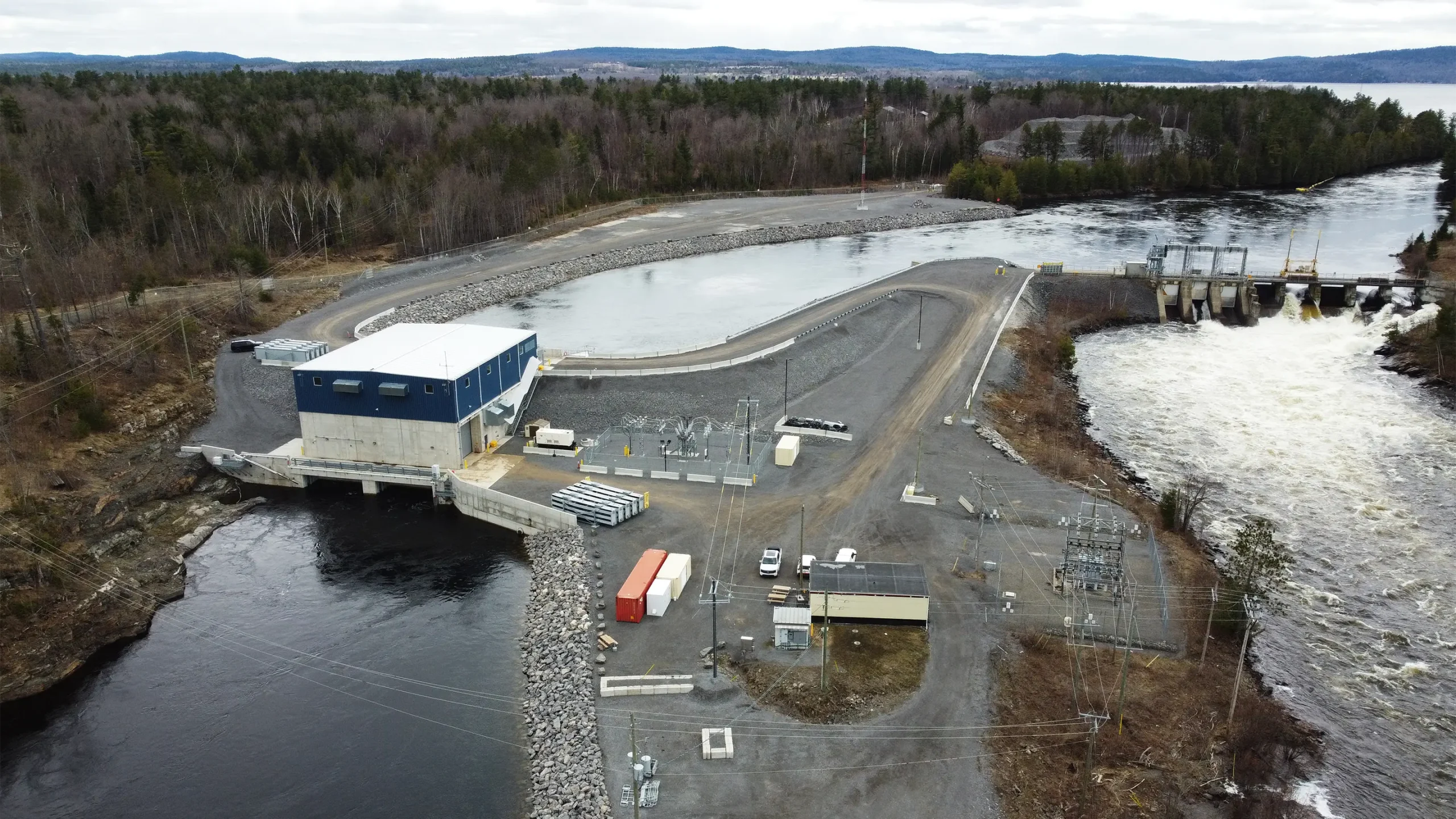
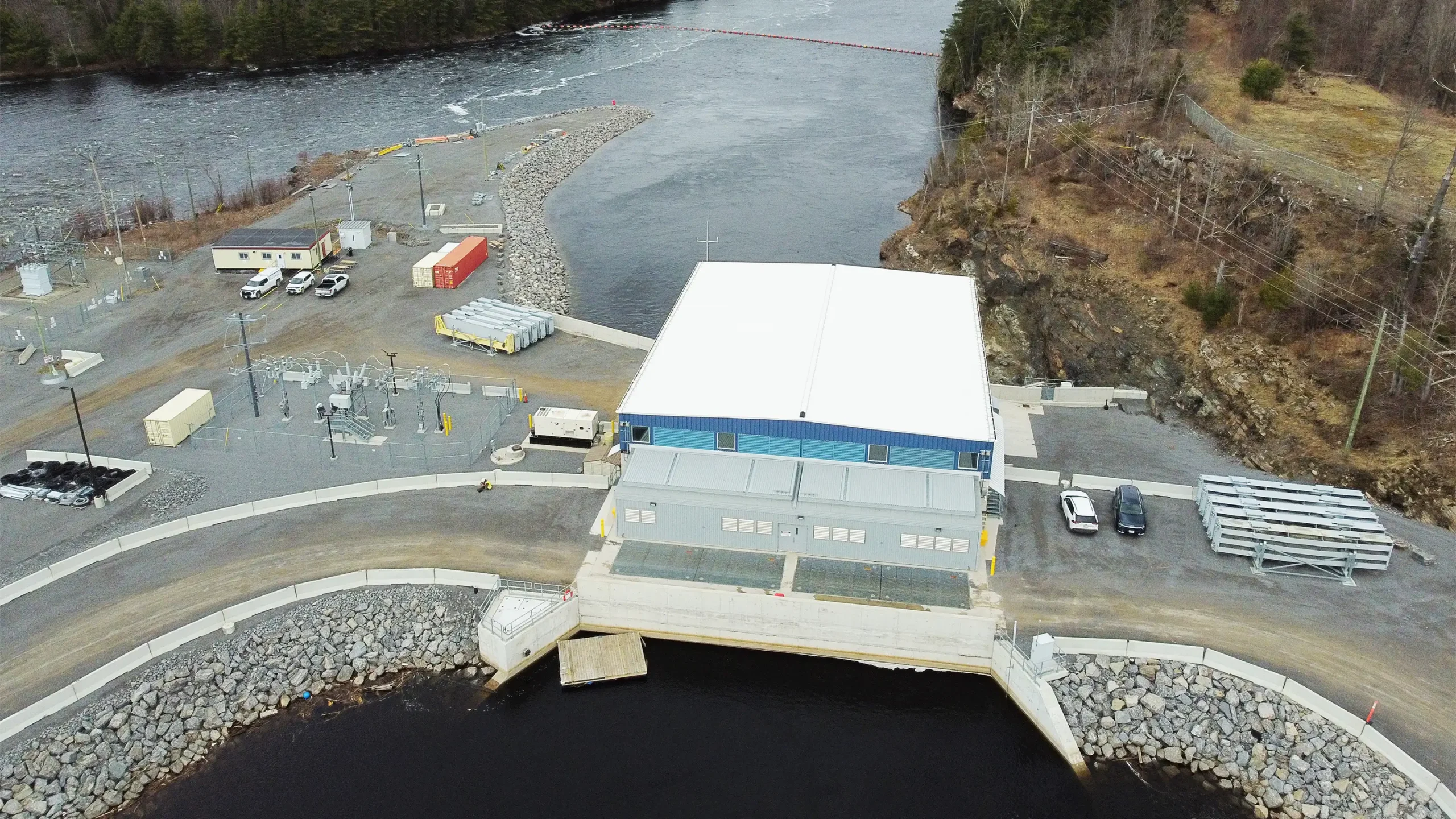
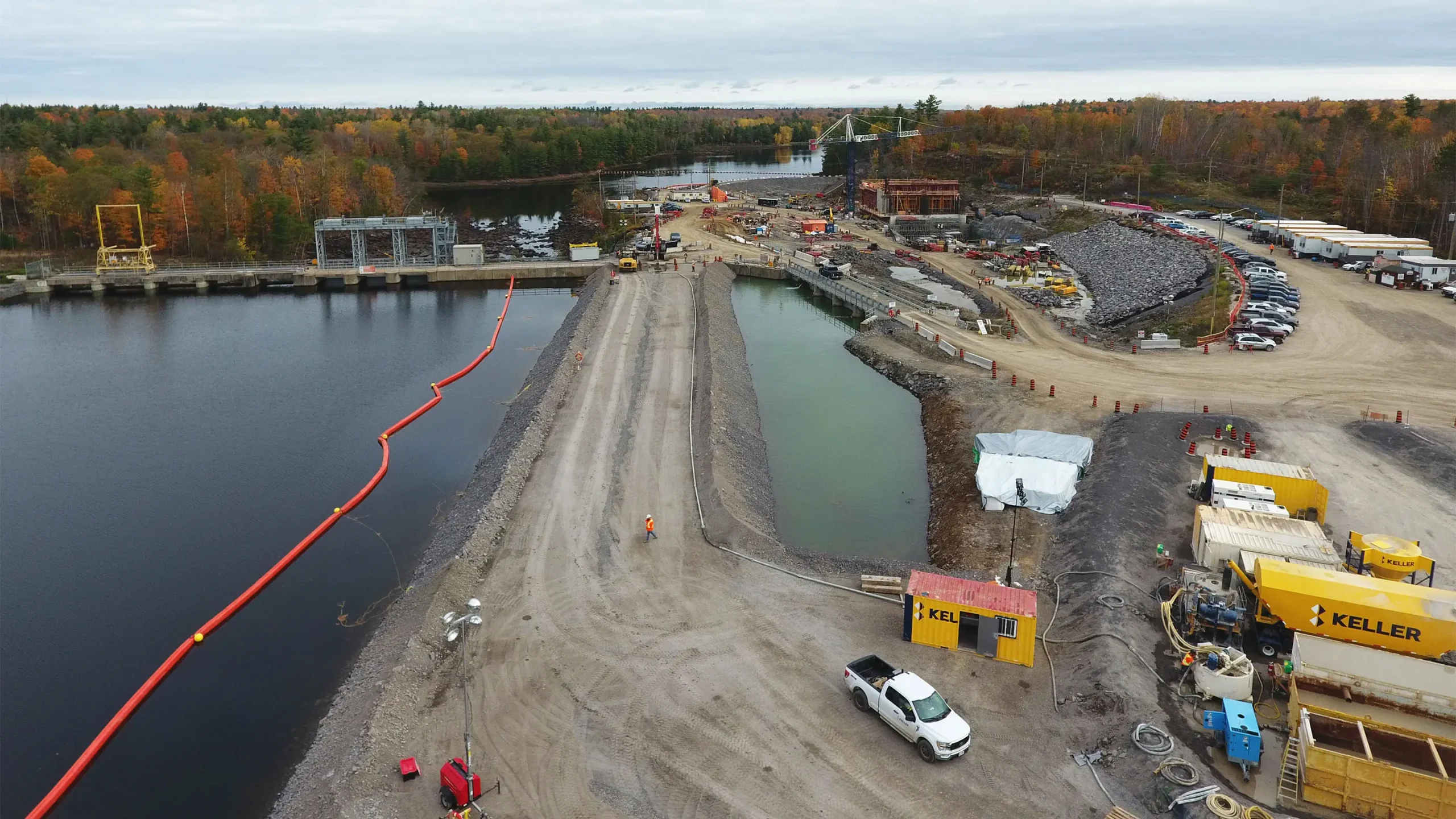
KGS Group served as owner’s engineer to redevelop Calabogie Generating Station, extending its life and increasing its output to 11 MW. We guided the project through feasibility, design and execution phases. The project included constructing a new powerhouse, expanding intake and tailrace channels, rebuilding the forebay dam and adding a new substation and fish habitat compensation features.
In 2006, KGS Group completed a feasibility study to explore options for the site’s refurbishment and redevelopment and was consequently awarded the role of owner’s engineer in 2017. We presented the client with a list of new turbine vendors, developed user requirements and preliminary specifications, supported environmental assessments and assisted with stakeholder consultations, including engagement with Indigenous groups.
Our team then assisted in procuring the contractor for the project who completed the final optimization, design and construction. Key design refinements included a more compact powerhouse, a redesigned forebay dam and a reworked intake channel supported by hydraulic modelling and a physical model. The project also included measures to make the site ready for eel passage and to facilitate future downstream passage.
KGS Group provided oversight, in collaboration with the resident engineer, throughout the project including full-time inspection services, ensuring quality and regulatory compliance, while mitigating risks and following safety standards. We helped complete commissioning and turnover of the project providing consistency and project knowledge from feasibility design to close out.
Project Highlights
- New powerhouse with expanded intake and tailrace channels and a rebuilt forebay dam
- New substation with fish habitat compensation features and a site ready for eel passage and future downstream passage
- Environmental assessments and stakeholder consultations
- Supported contractor procurement, optimized hydraulic and physical modelling
- 3D digital design for multi‑discipline coordination and field execution
- 11 MW output, extended asset life, improved reliability and operability