

Cockburn and Calrossie Sewer Relief Works
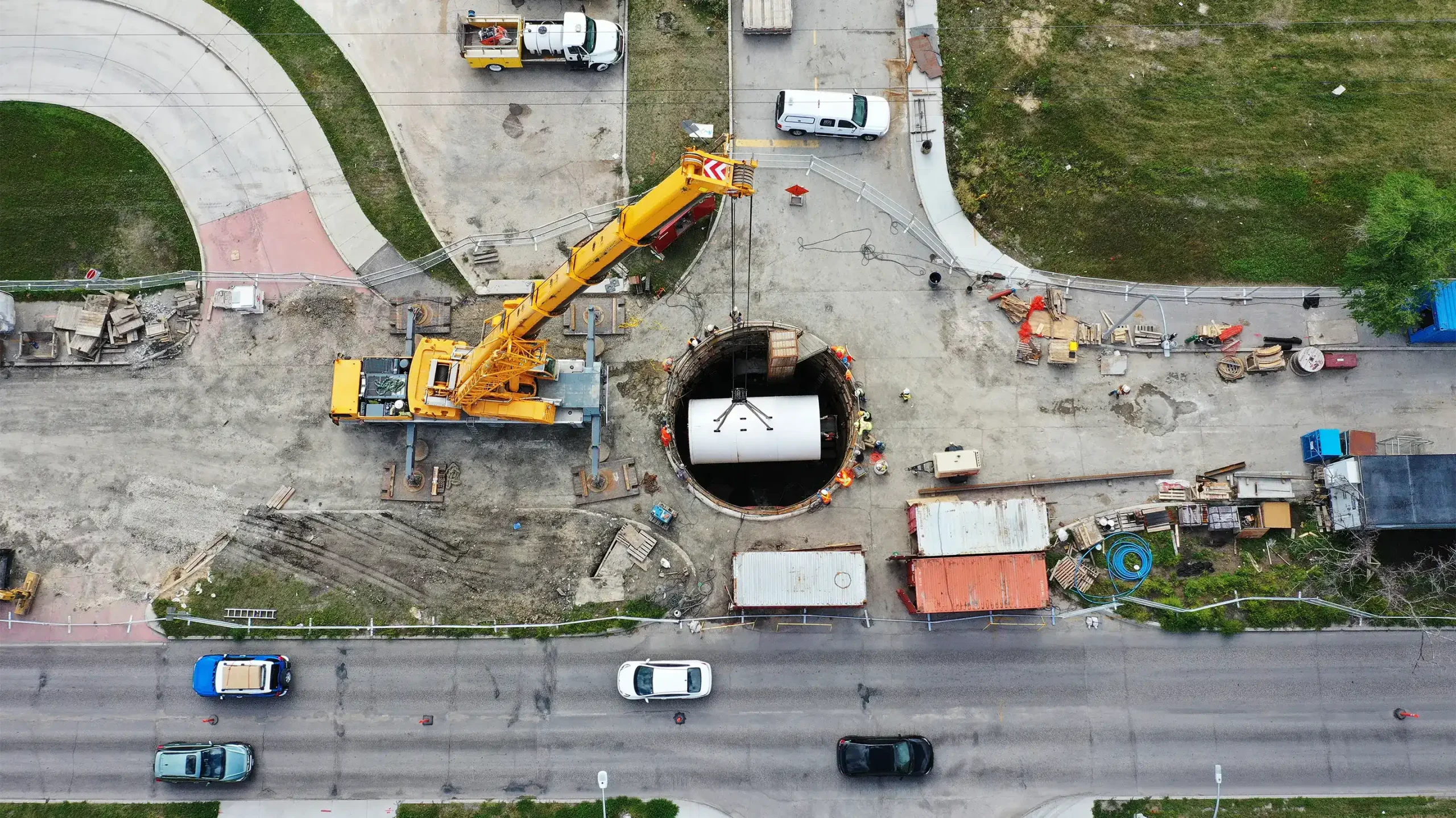
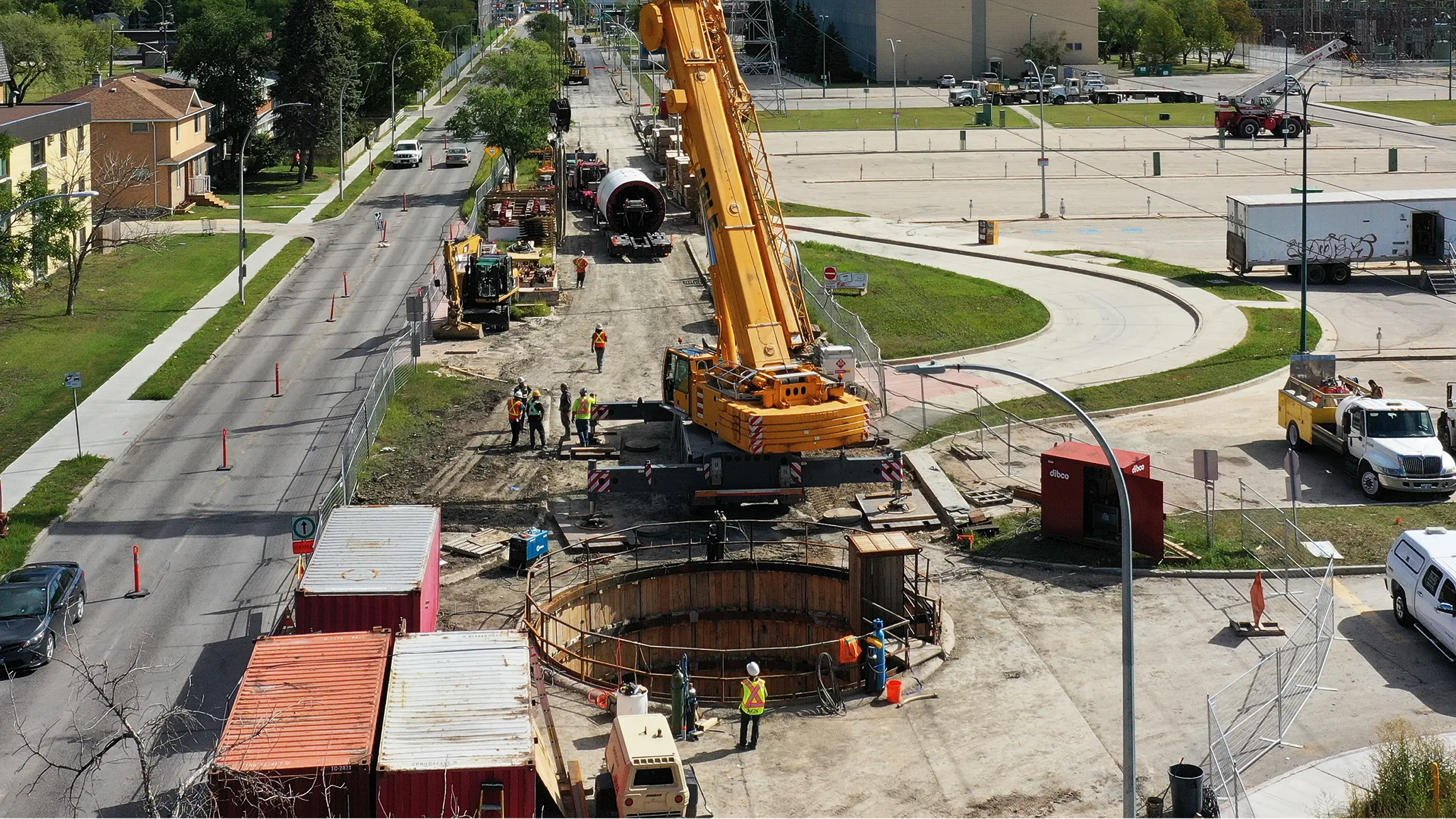
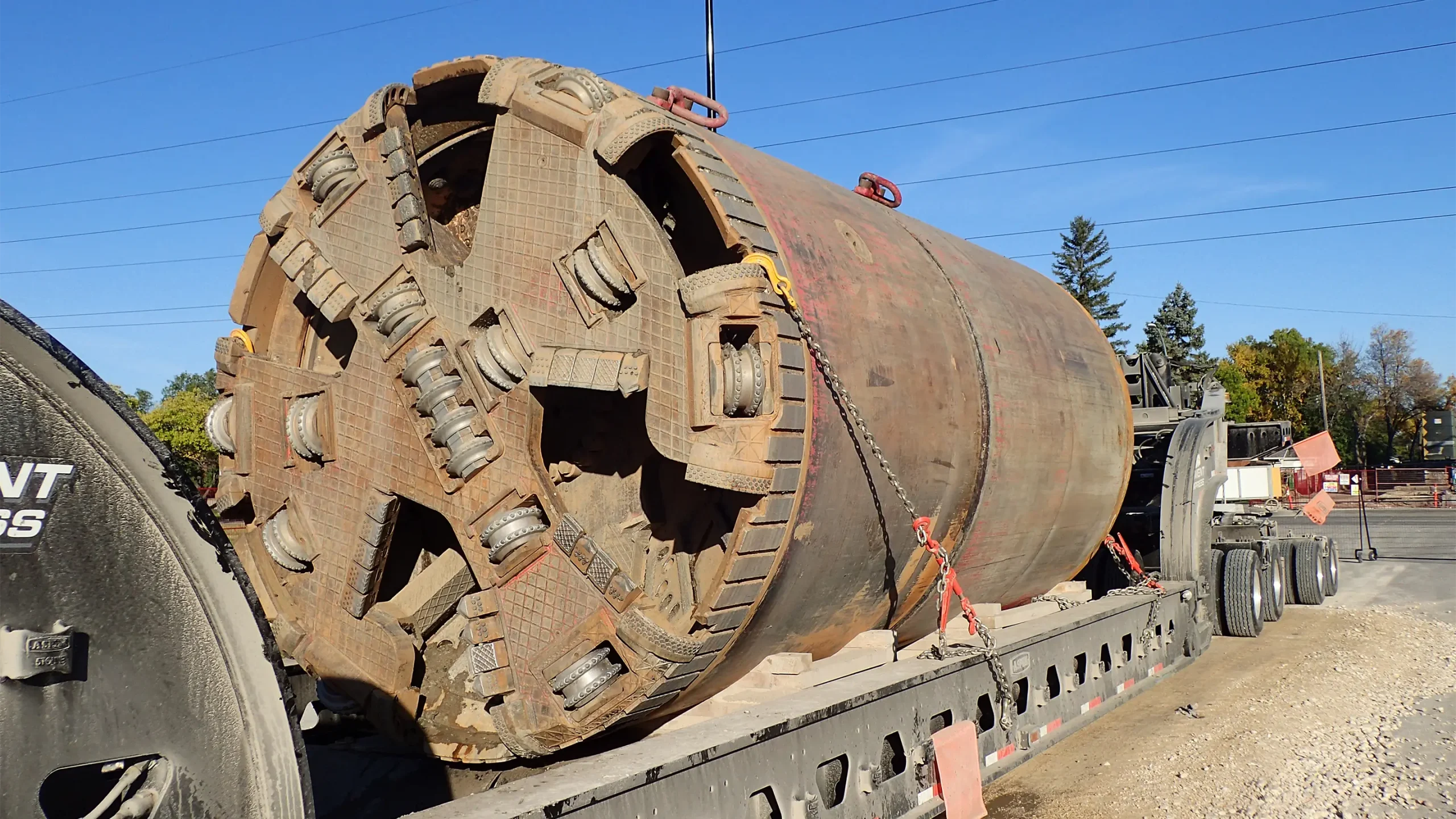

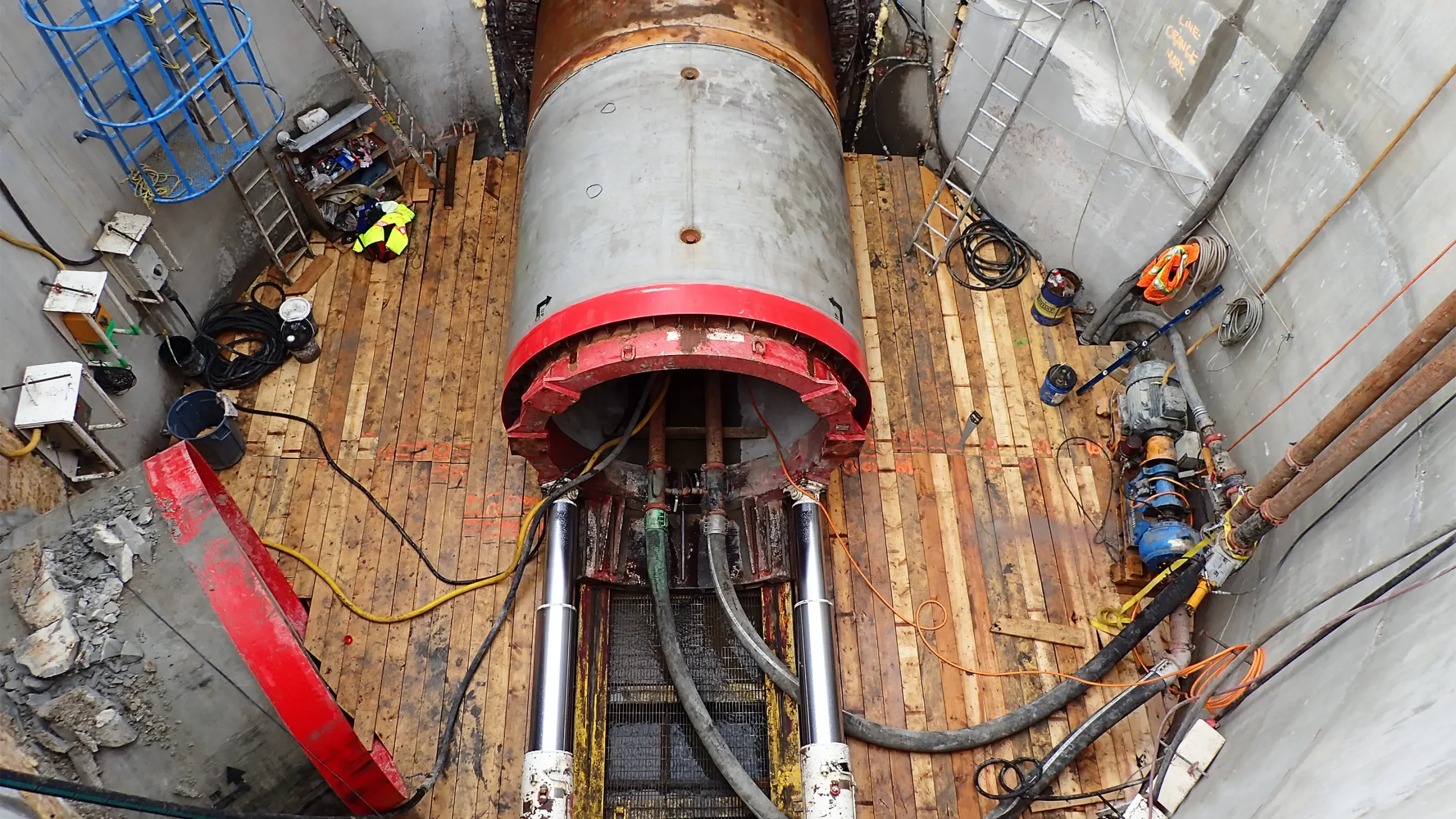
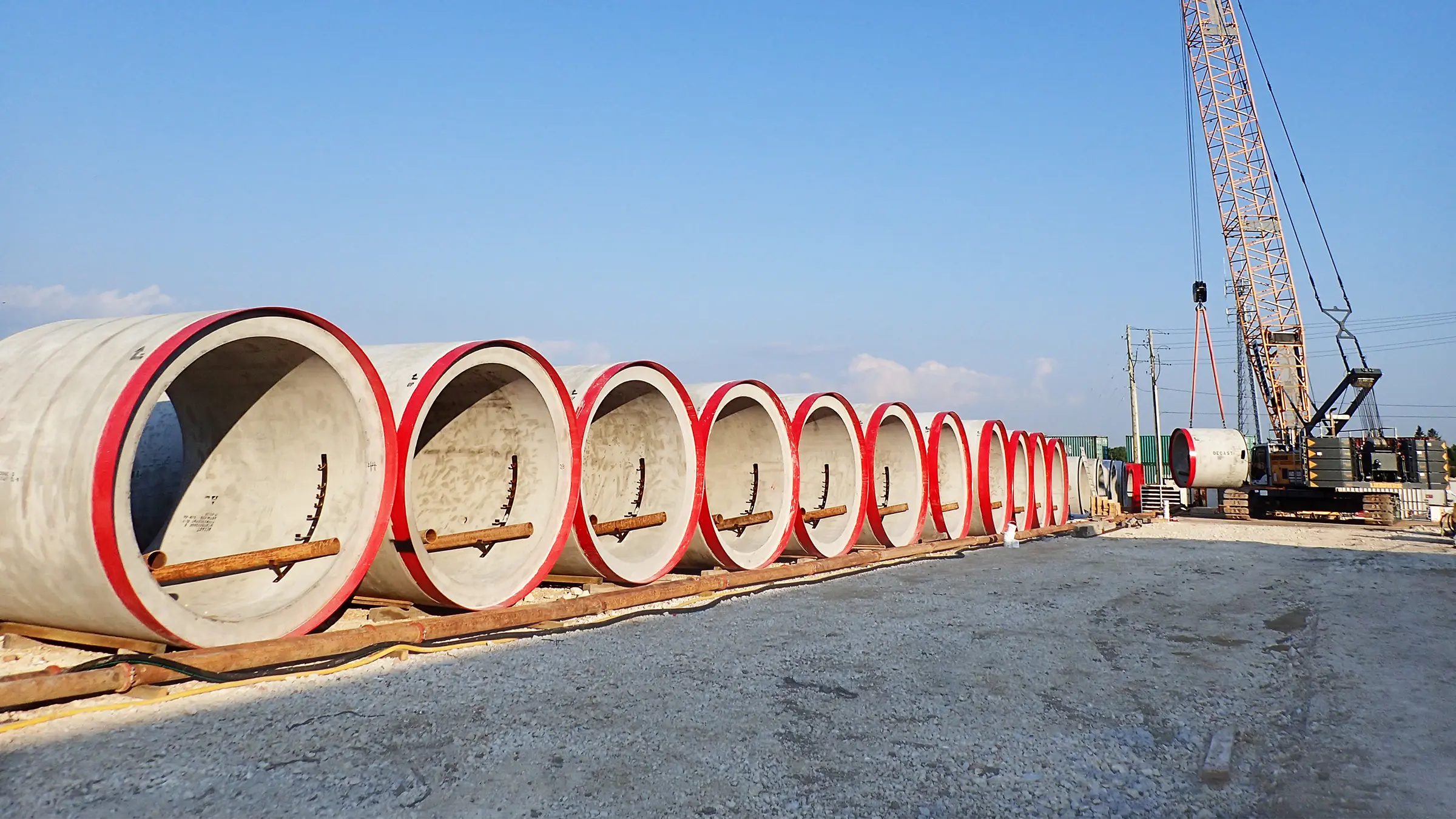
KGS Group partnered with the City of Winnipeg to study, design and implement district‑wide drainage improvements in neighbourhoods prone to annual flooding. This project was a complex, large-scale undertaking in a densely urbanized center that includes major businesses, residential homes, regional streets, and the primary rail line that bisects the City. KGS led a large team to take the project from initial concepts to practical implementation.
We developed a regional hydraulic/hydrologic model of three adjacent drainage areas and created an evaluation criterion to objectively select the drainage improvement option that considered stakeholder needs, constructability issues, future City projects and cost.
Due to the potential public impact of this project, public engagement was paramount. A public engagement strategy was developed and open houses were organized to gather public input. Once the preferred option was selected, KGS oversaw the construction of the drainage improvements. Tunneling and trenchless technologies were used to limit disruption within this dense urban community.
Project Highlights
- Development of a regional hydraulic/hydrologic model for three drainage areas
- Alternatives evaluation using stakeholder needs, constructability, future projects and costs
- First large diameter micro-tunnelling project in Manitoba (2,700 mm dia. tunnel)
- Tunneling and trenchless installations under regional streets and the primary rail line to minimize disruption
- Preparation of Geotechnical Baseline Report, a first-time application in Manitoba
- Risk sharing construction contract strategies to reduce capital costs
- Redevelopment of a historic rail yard into a storm retention basin and new public park space
Kenora Downtown and Waterfront Revitalization
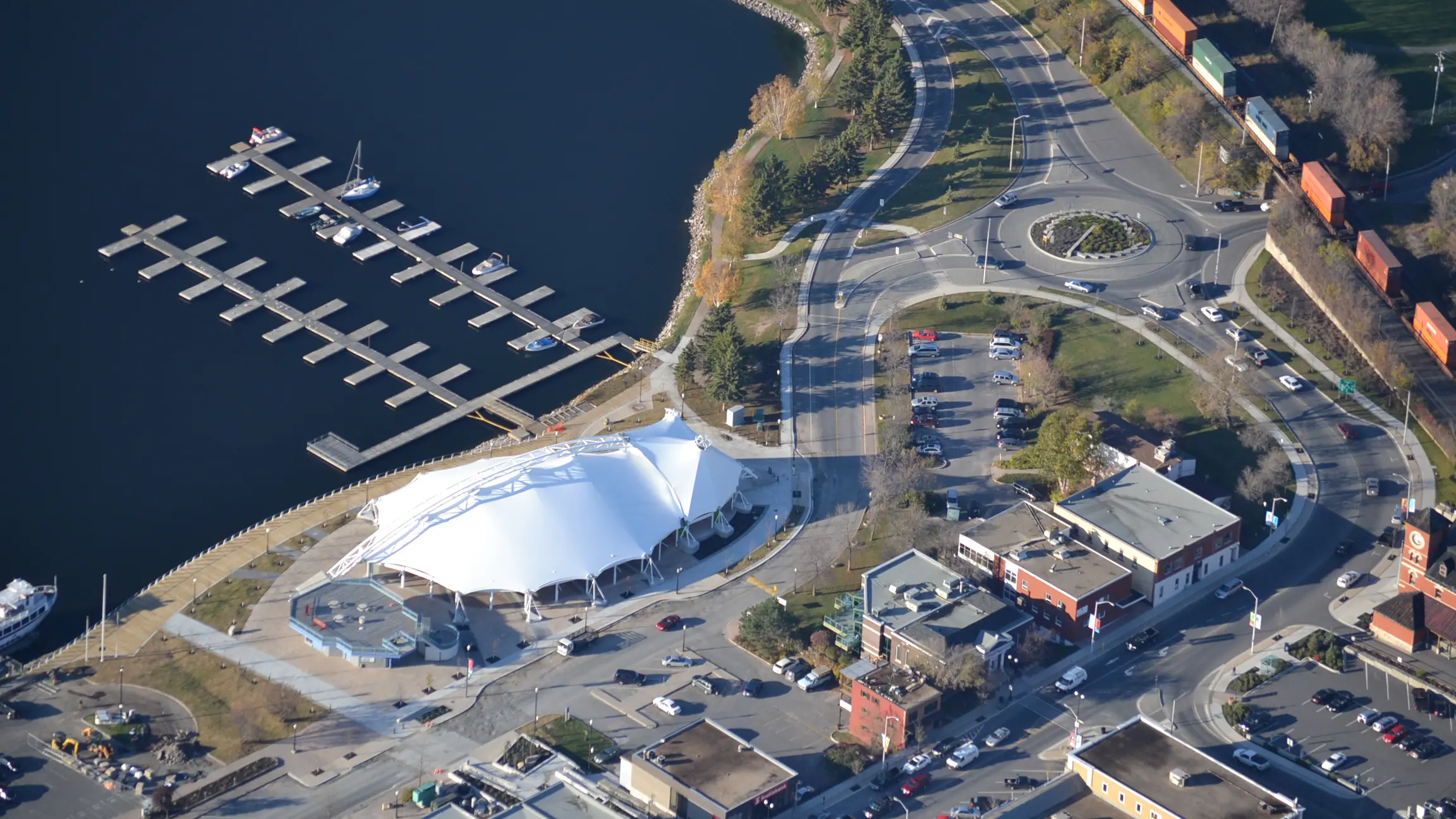
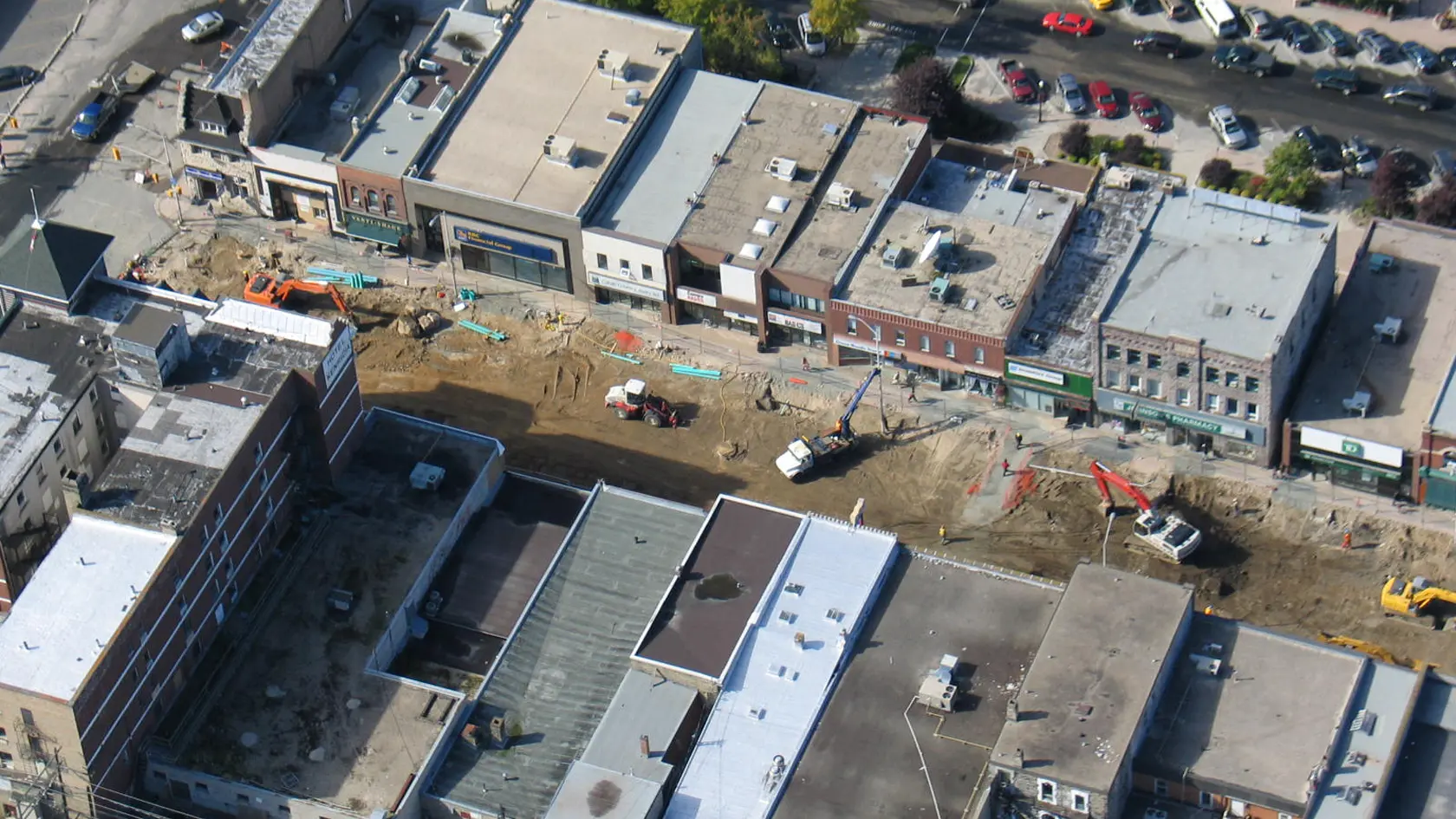
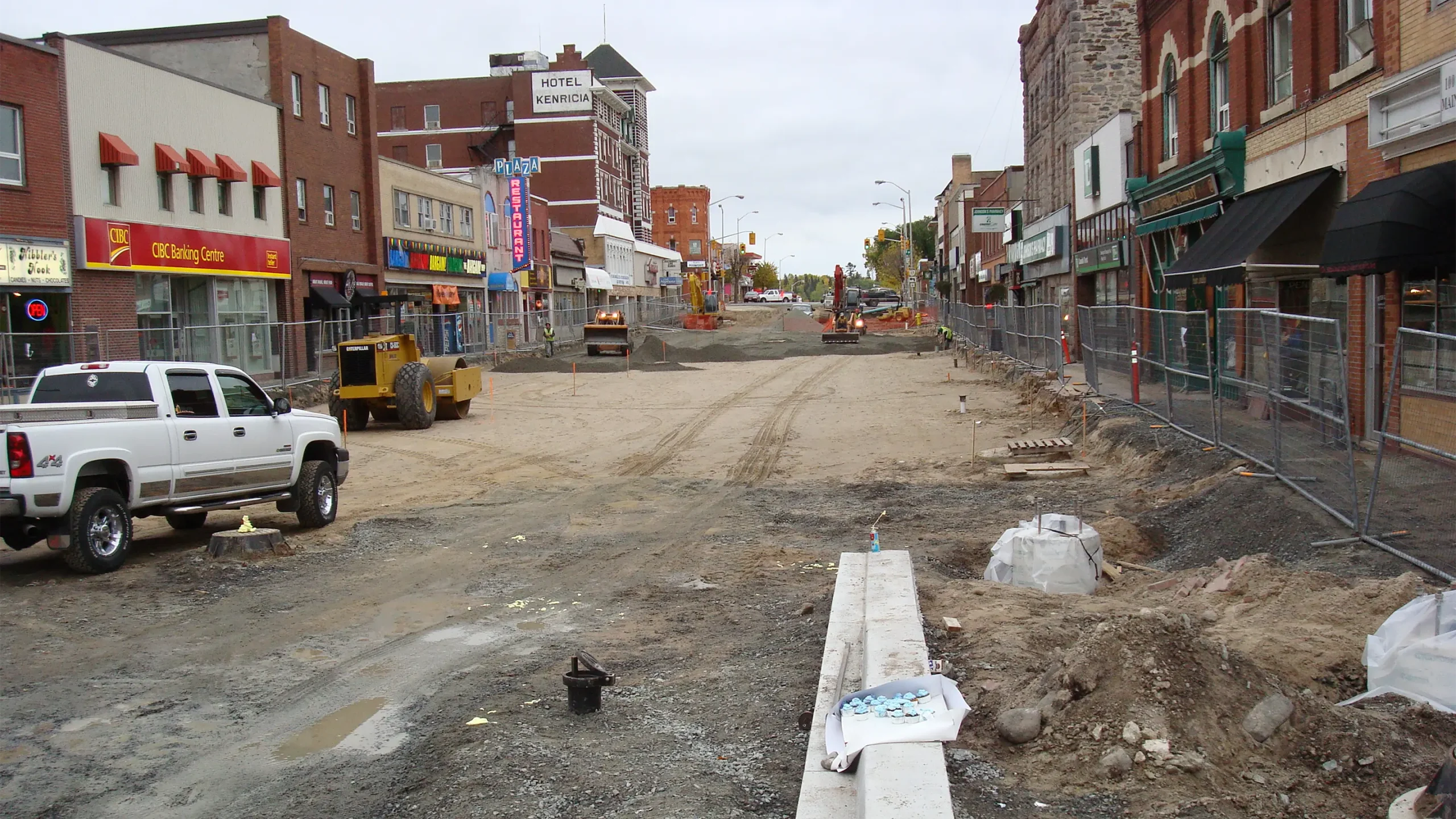
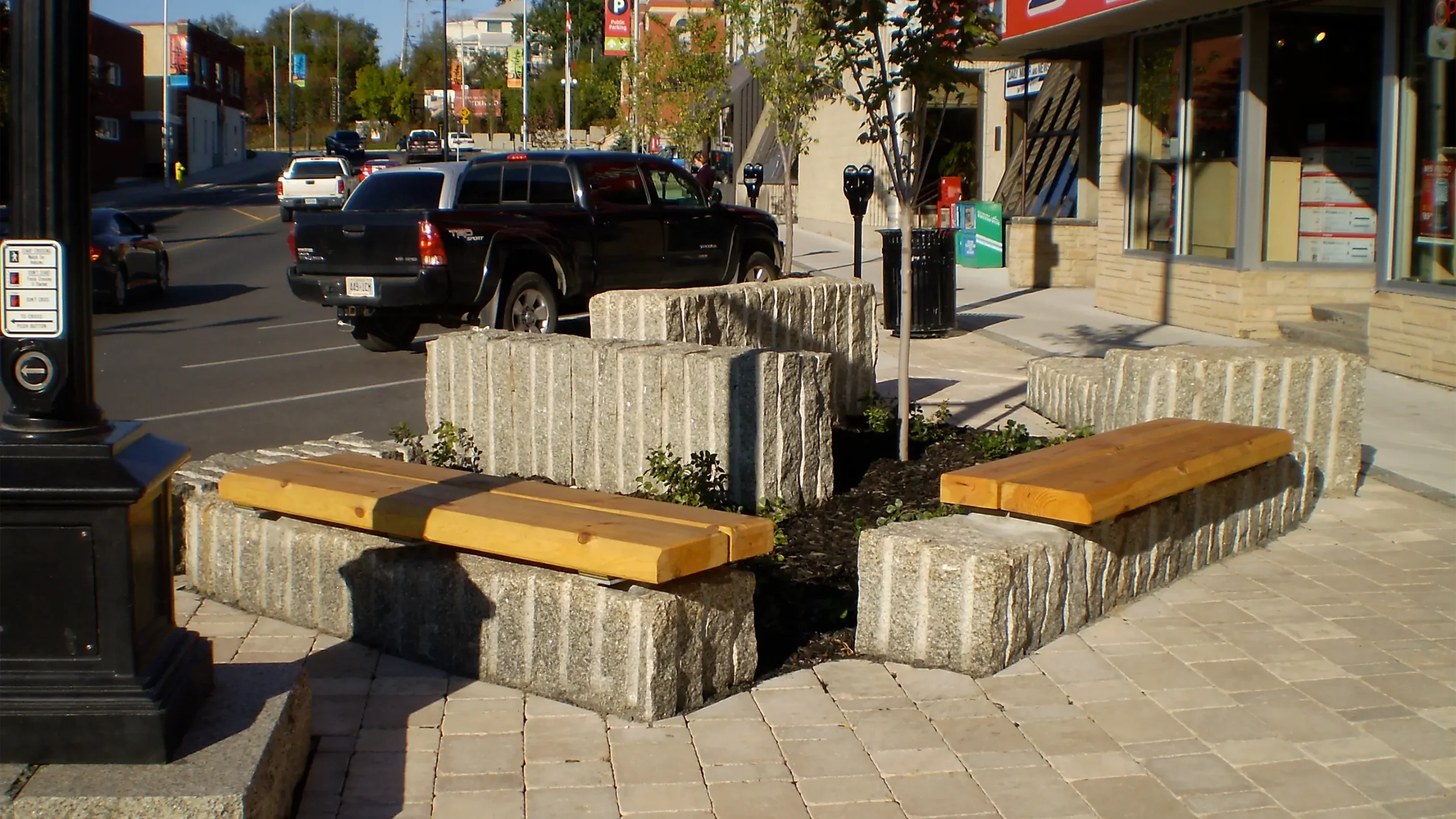
We provided design and contract administration services for a $9.1 million redevelopment of Kenora’s waterfront and downtown precincts – modernizing streets, public spaces and underground services while elevating the pedestrian experience and improving multimodal connectivity. A highlight of this project is utilizing our knowledge of the Complete Streets design methodology to create right‑of‑way that is safer for pedestrians, cyclists and drivers of all ages and abilities.
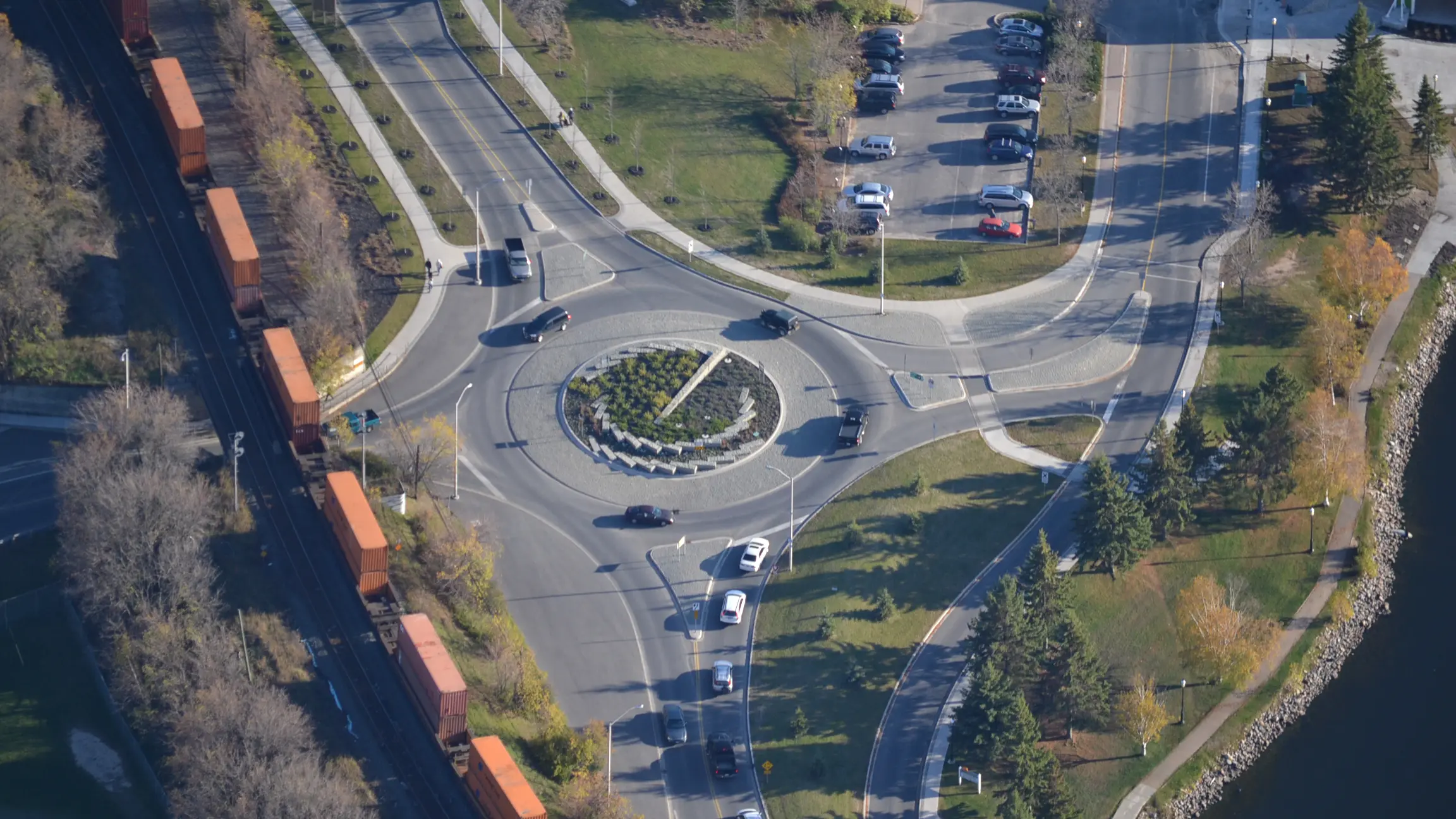
Working closely with the City of Kenora and stakeholders, the design addressed building interfaces, utility constraints and long‑term maintenance needs. Other major parts of the project included implementing traffic calming elements, pedestrian upgrades, underground renewal and drainage upgrades. Collaboration at focused user meetings resulted in one of the more significant changes from a signalized three-way intersection to the first modern roundabout built along the TransCanada Highway, improving safety and flow.
What was once an aging waterfront area, is now a vibrant pillar of the community that attracts visitors from near and far.
Project Highlights
- Street renewals and realignments across key downtown/waterfront corridors
- Construction of modern roundabout (the first along the TransCanada Highway)
- Sewer and water renewals with building service replacements
- Land drainage upgrades and coordinated utility relocations
- Multi‑use pathways and expanded active‑transportation network
- Boardwalk extension along waterfront for continuous access
- Tensile fabric event centre to support community programming
- Accessible design features – tactile‑delineated sidewalks and grading to meet guidelines
- Haptic roadway surfacing at intersections for traffic calming and awareness
Whitehorse Diesel-LNG Conversion
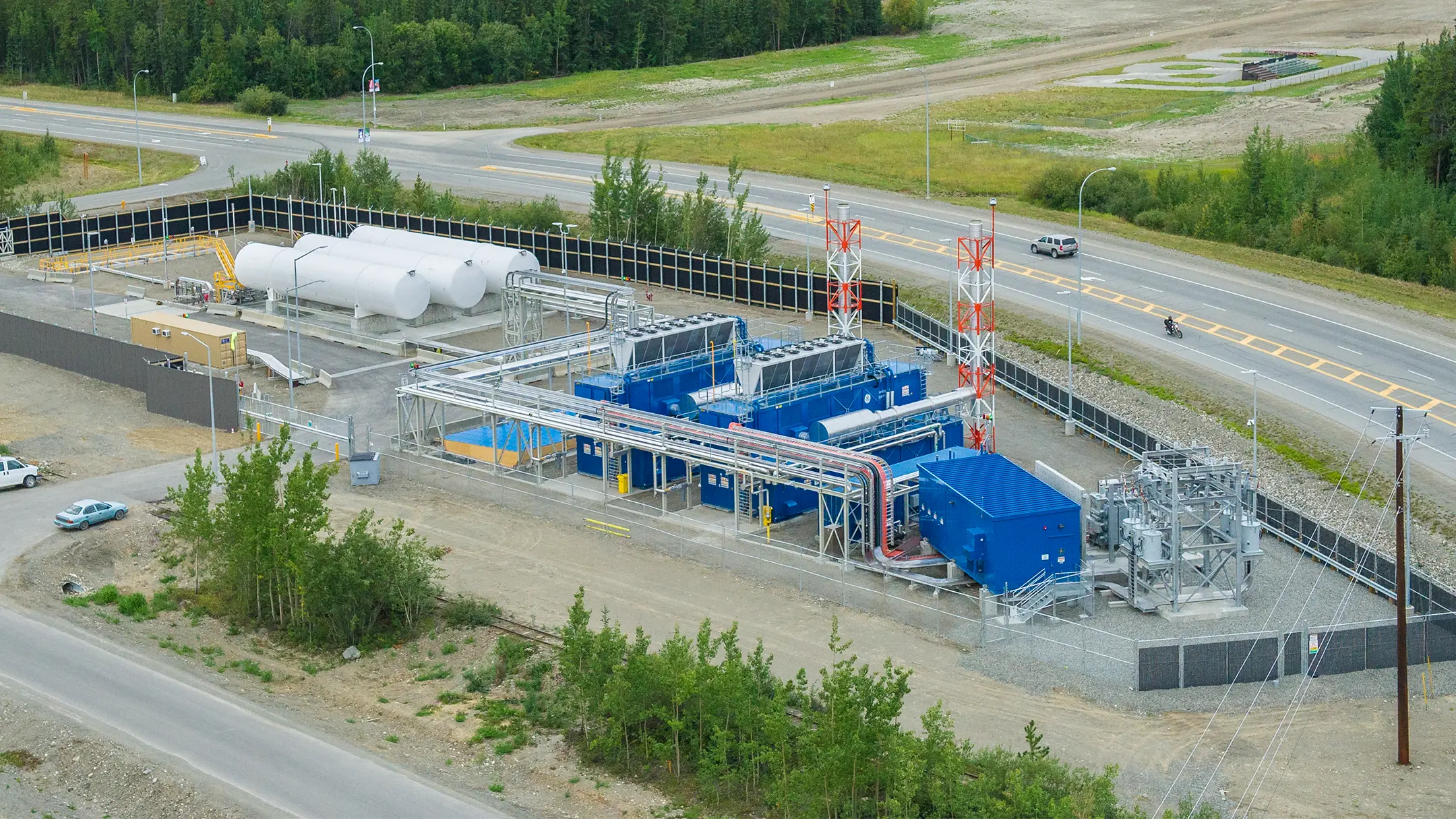
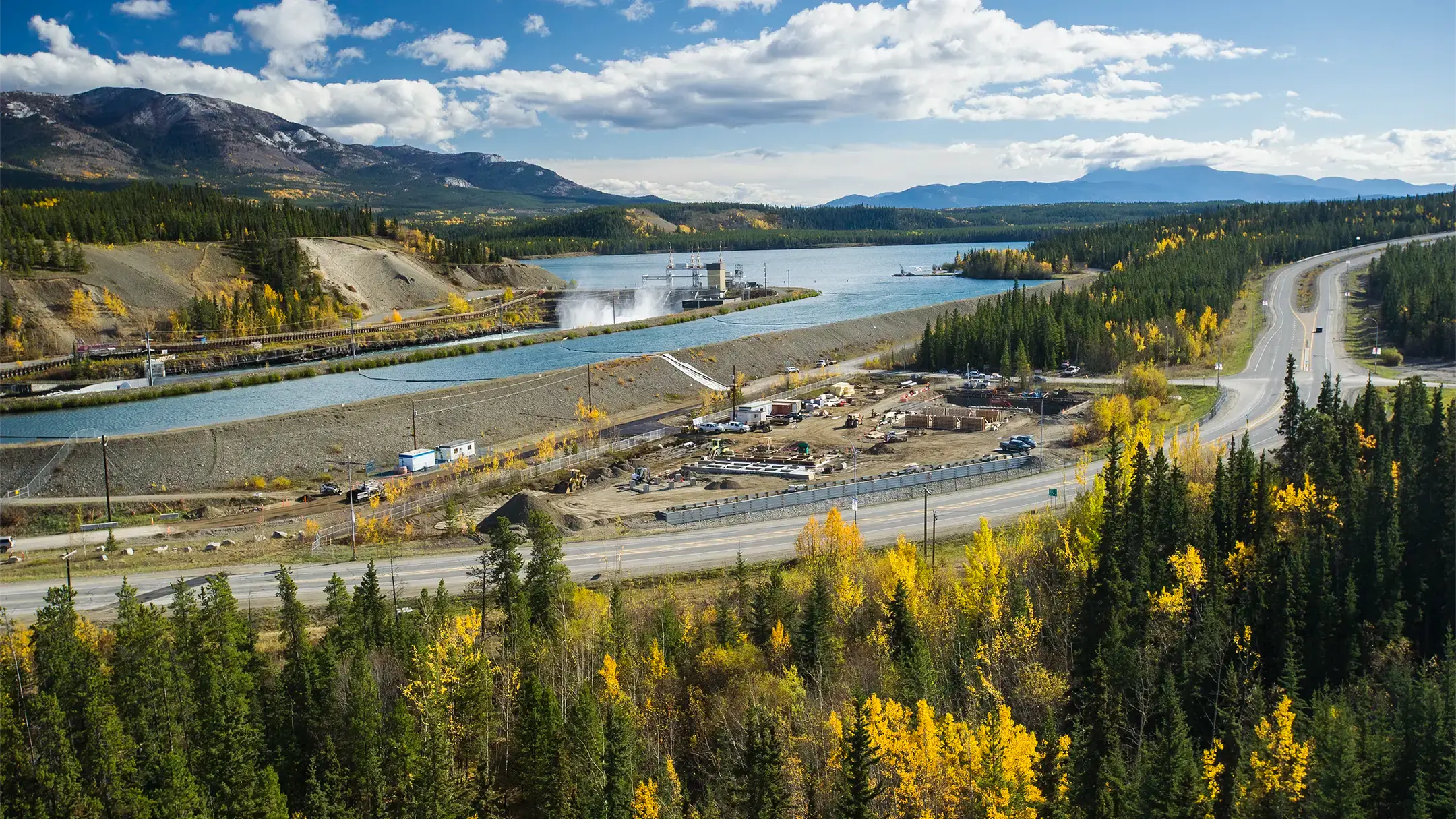

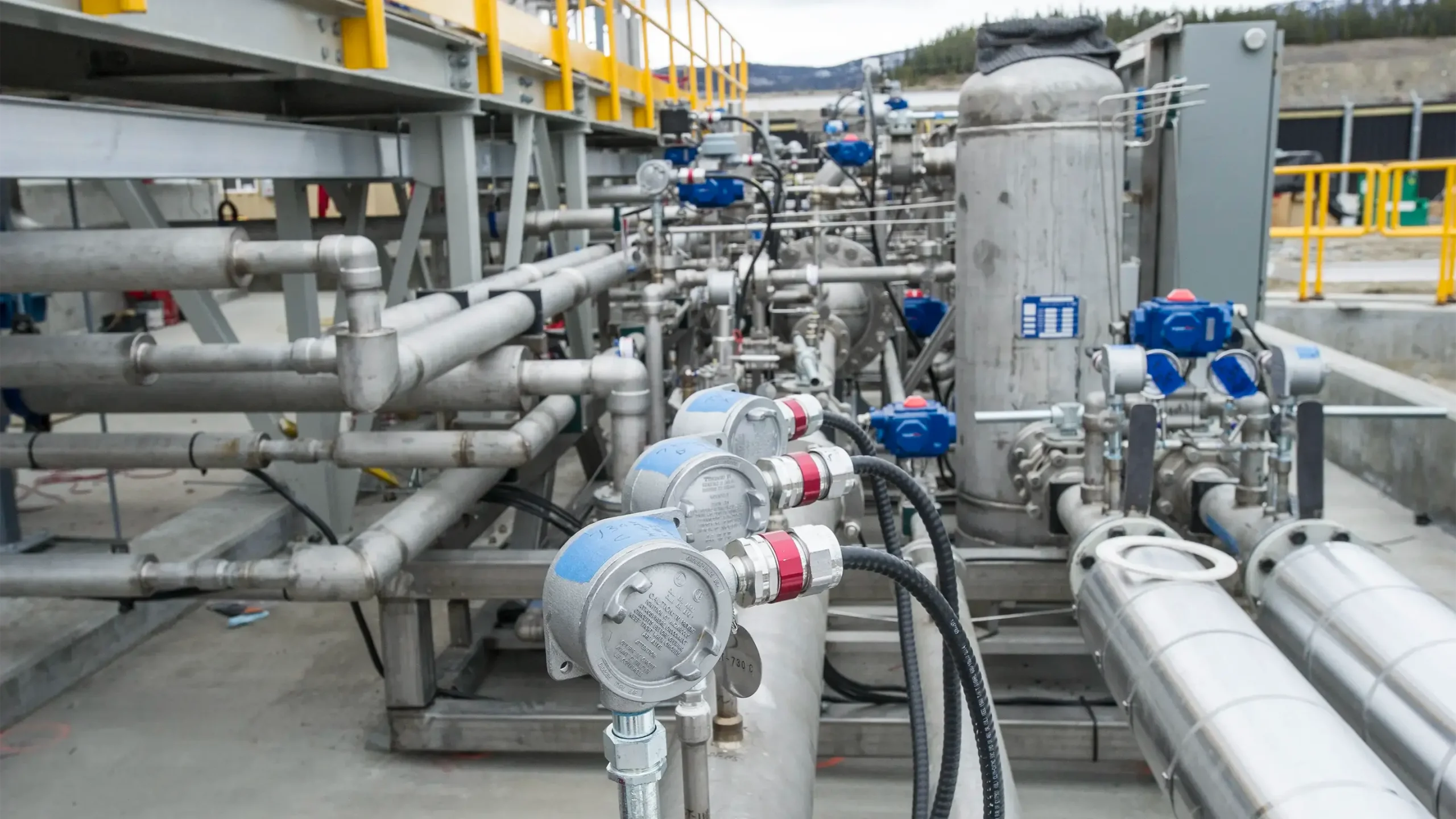
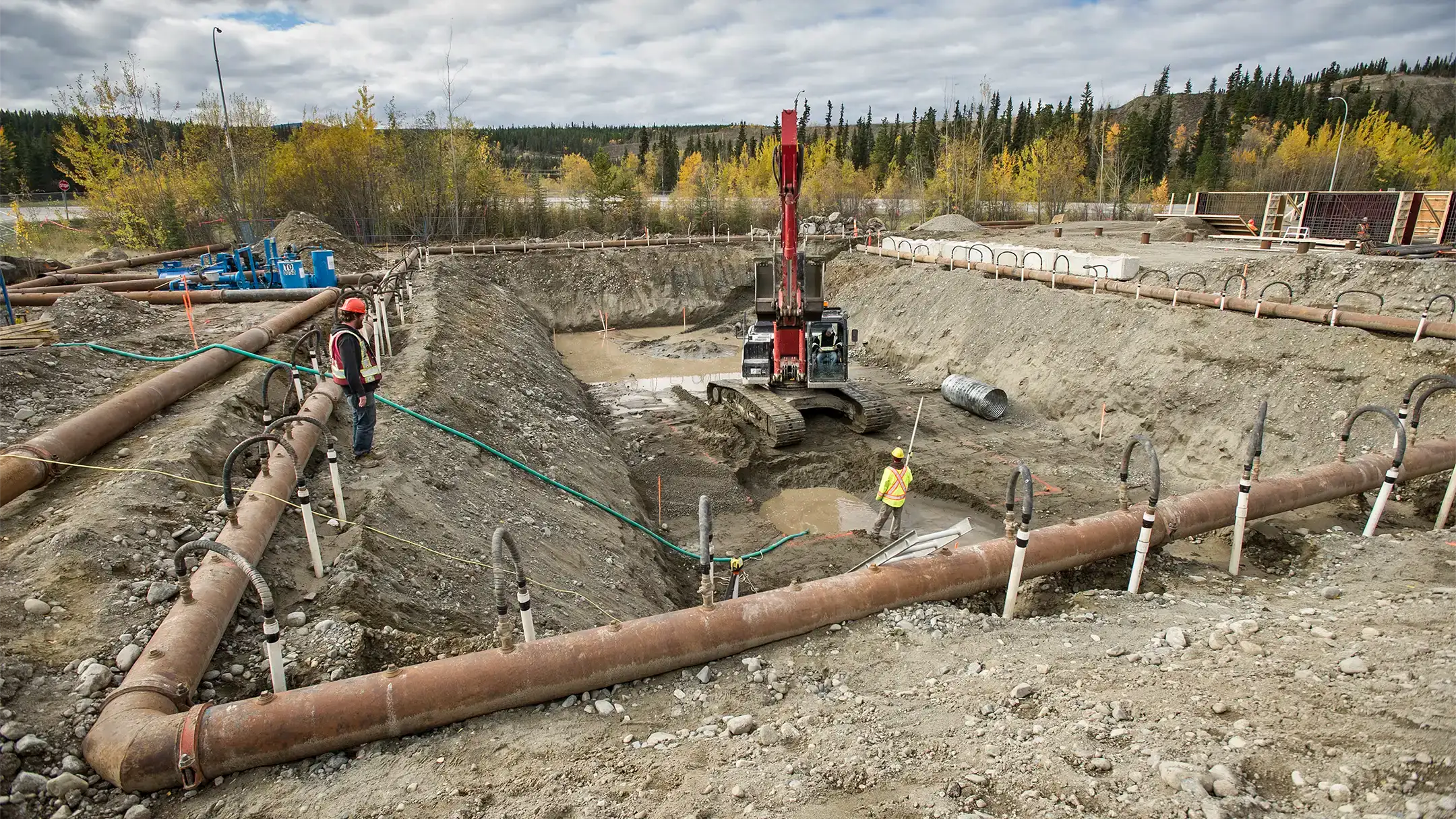
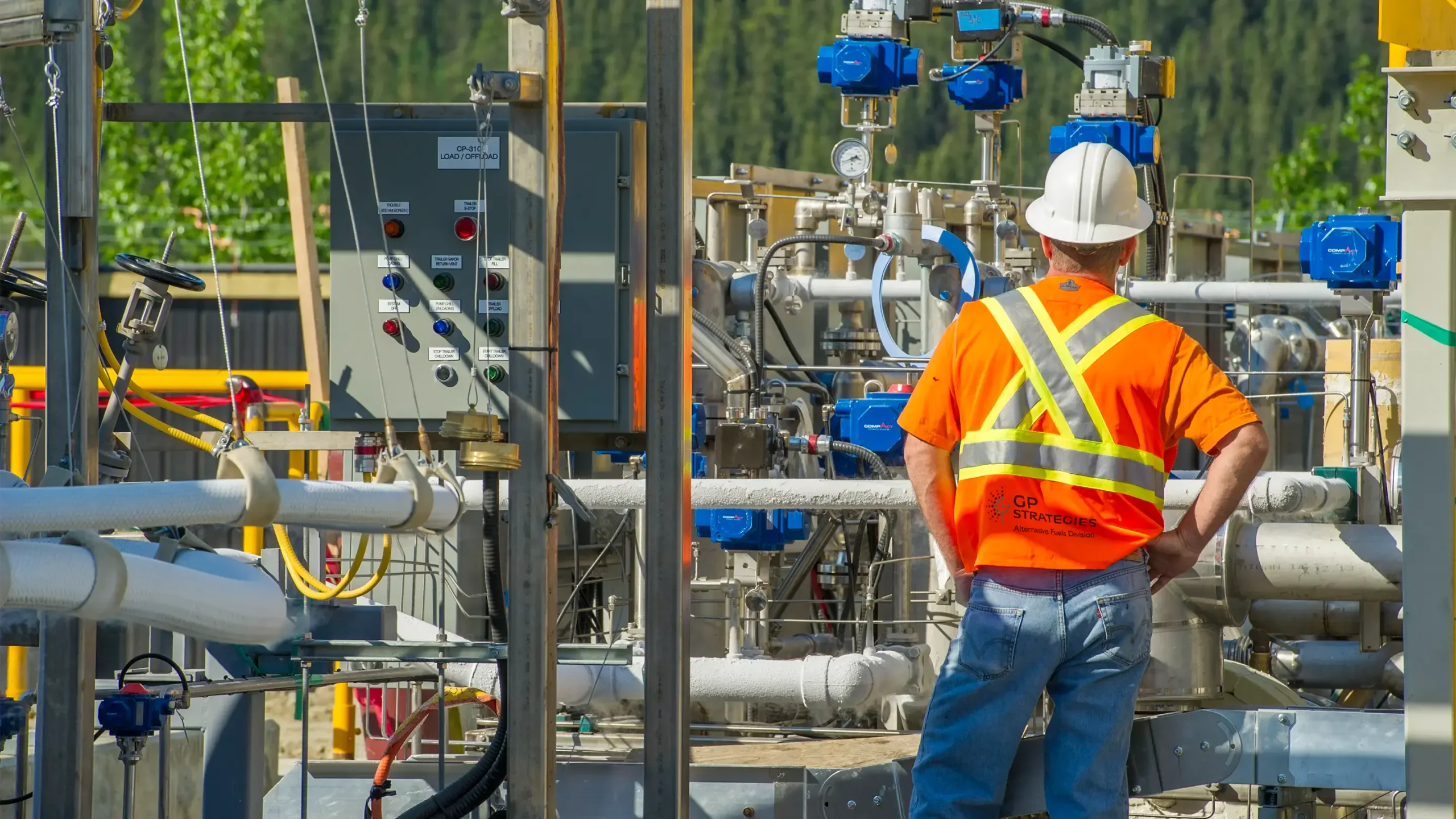
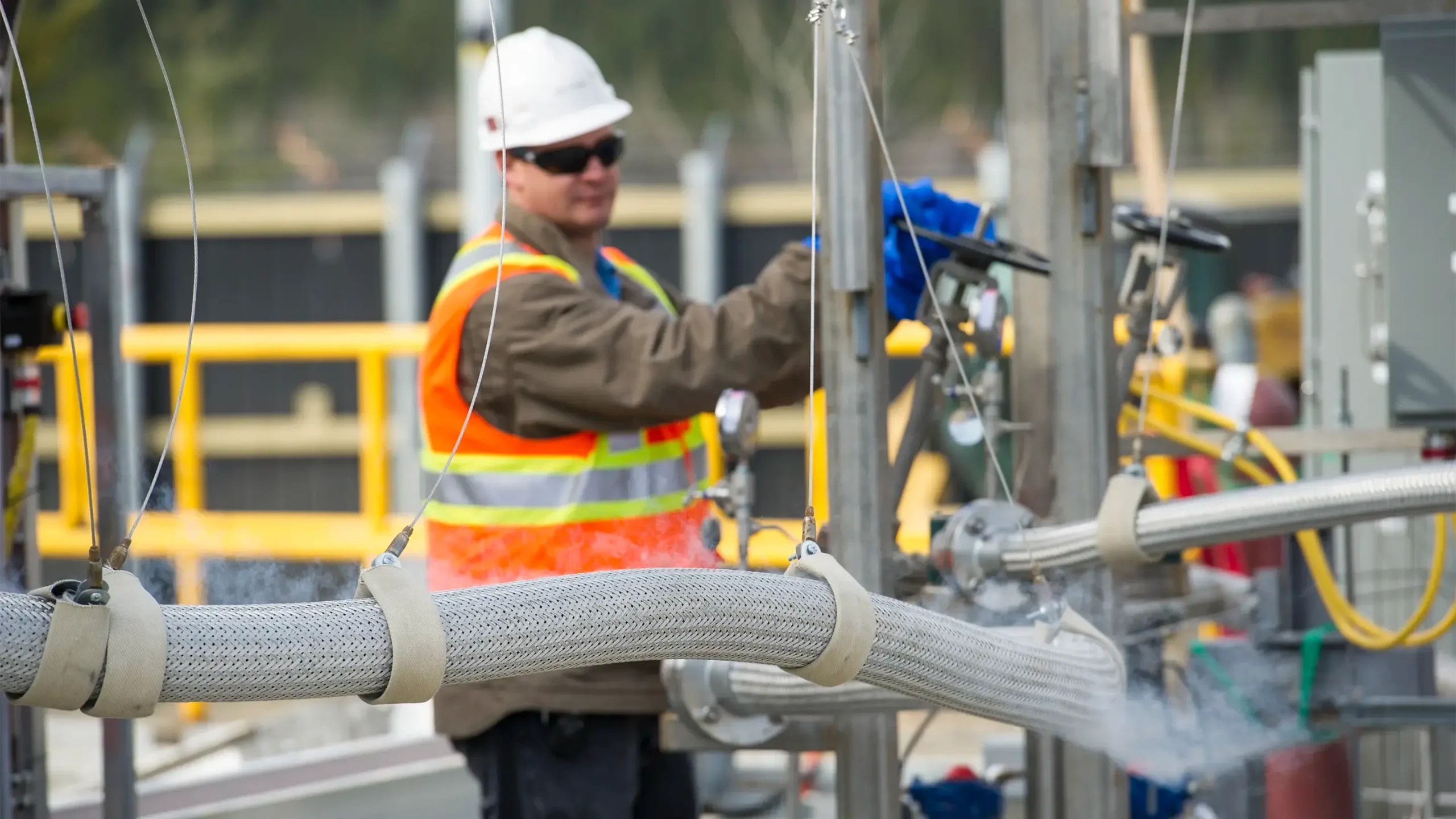

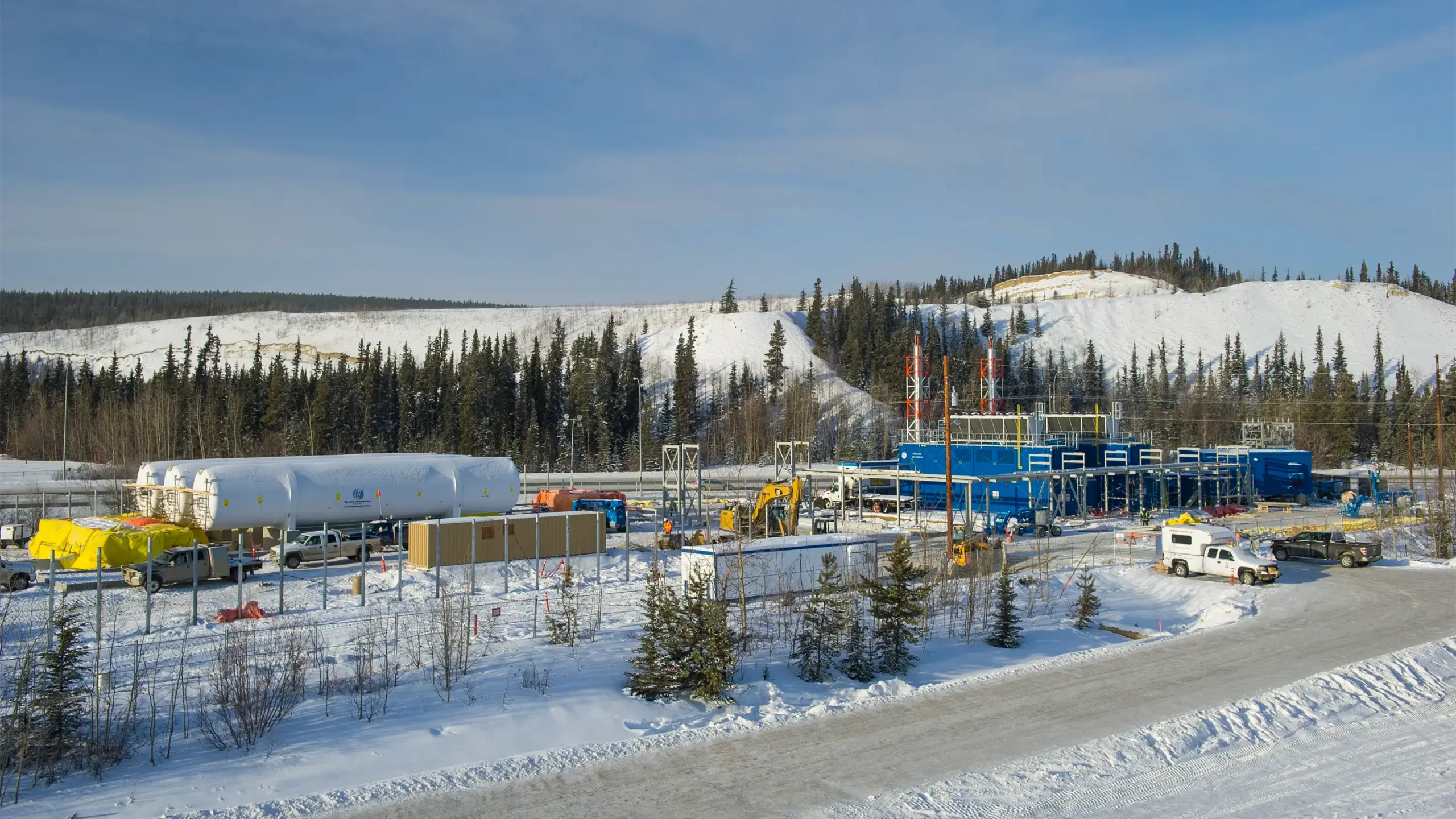
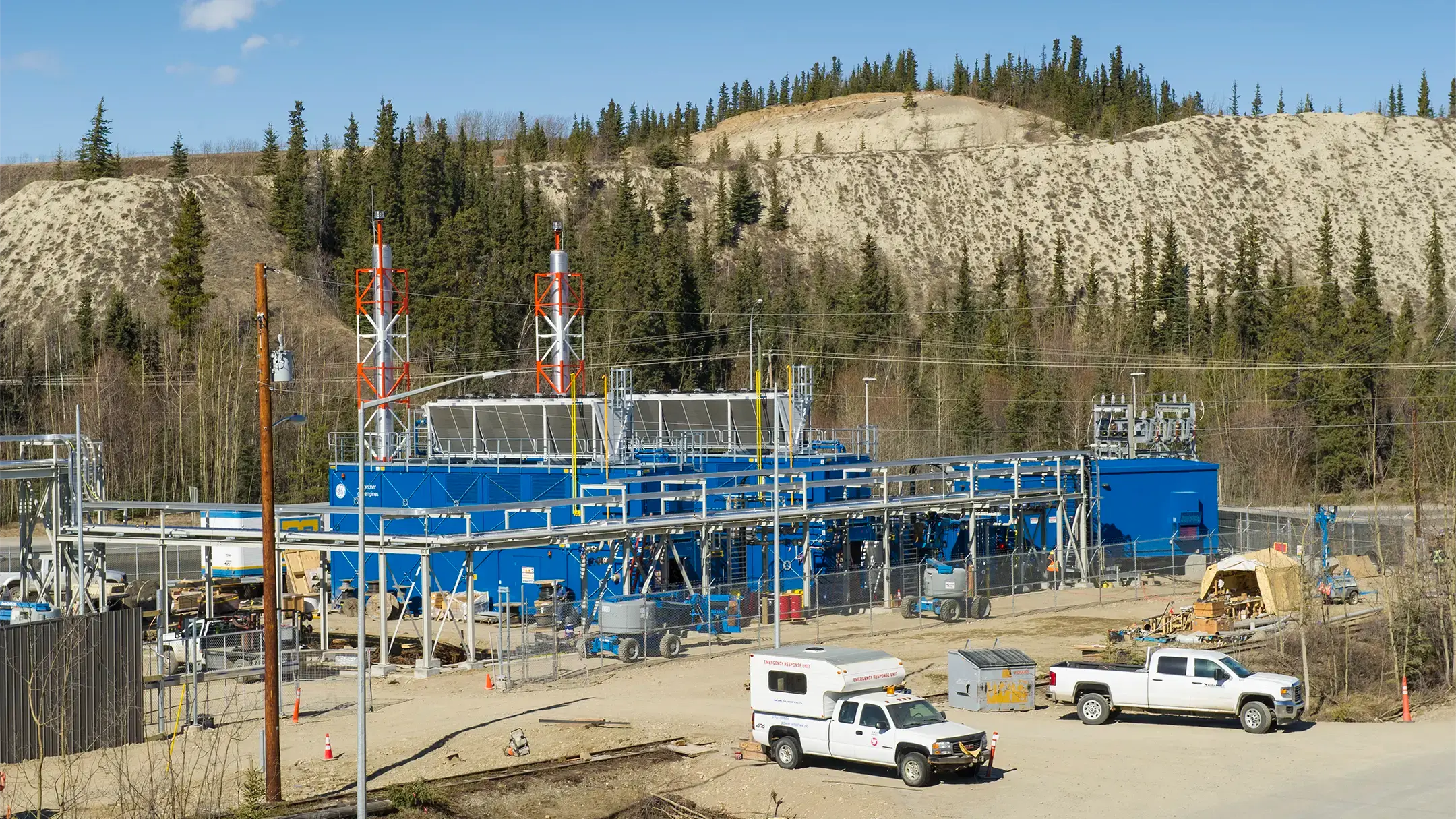
While the Yukon draws the bulk of its energy from renewable hydroelectric and wind power, the territory’s electrical grid required a backup source of power to meet consumer needs. Yukon Energy retained KGS to modernize the existing diesel system to meet peak demand and maintain territory-wide service for residents.
A new liquefied natural gas (LNG) fueled backup power generating station and associated infrastructure was constructed adjacent to Yukon Energy’s existing primary power generating station in Whitehorse, Yukon. Commissioned in 2015, the project site includes two modular LNG fueled reciprocating generators intended to replace Yukon Energy’s aging diesel generating equipment and to provide flexible and reliable backup power to supplement Yukon’s other power sources.
Project Highlights
- An LNG backup station was built with two modular reciprocating generators
- First use of LNG in Yukon
- Lower greenhouse gas emissions than the previous diesel system, long‑term ratepayer savings and improved reliability and peak support
Yellowquill Trail Relocation
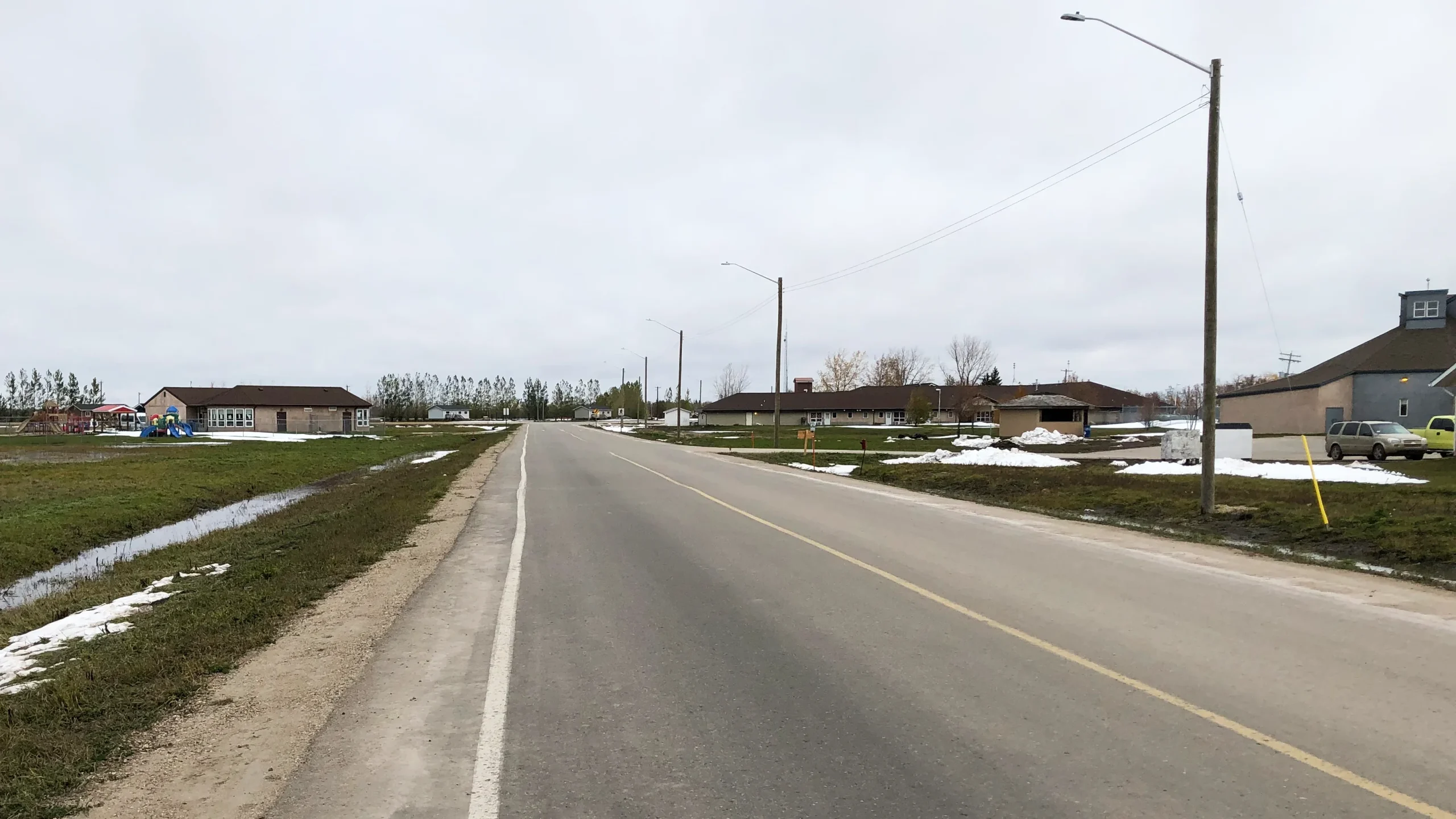
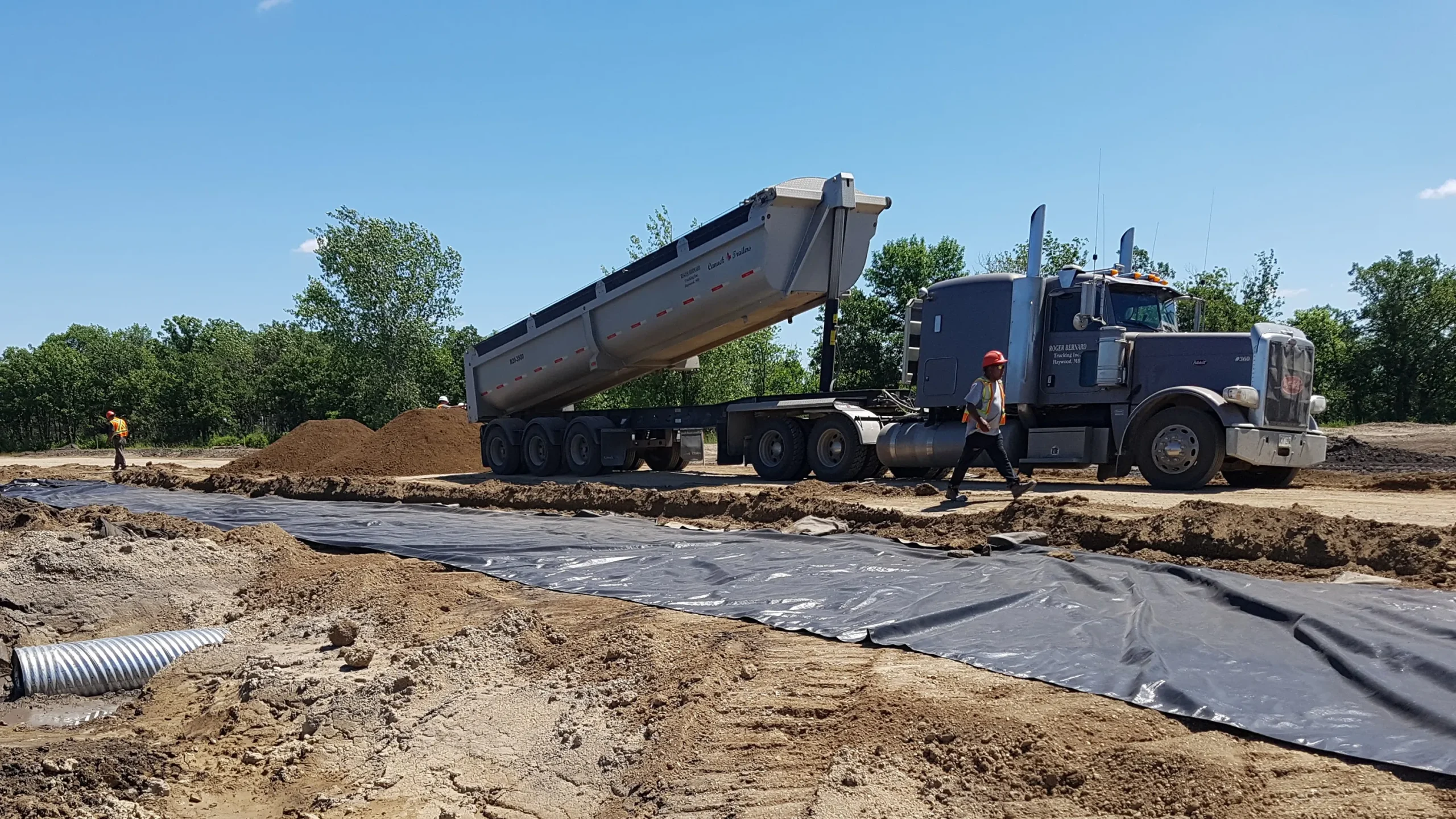
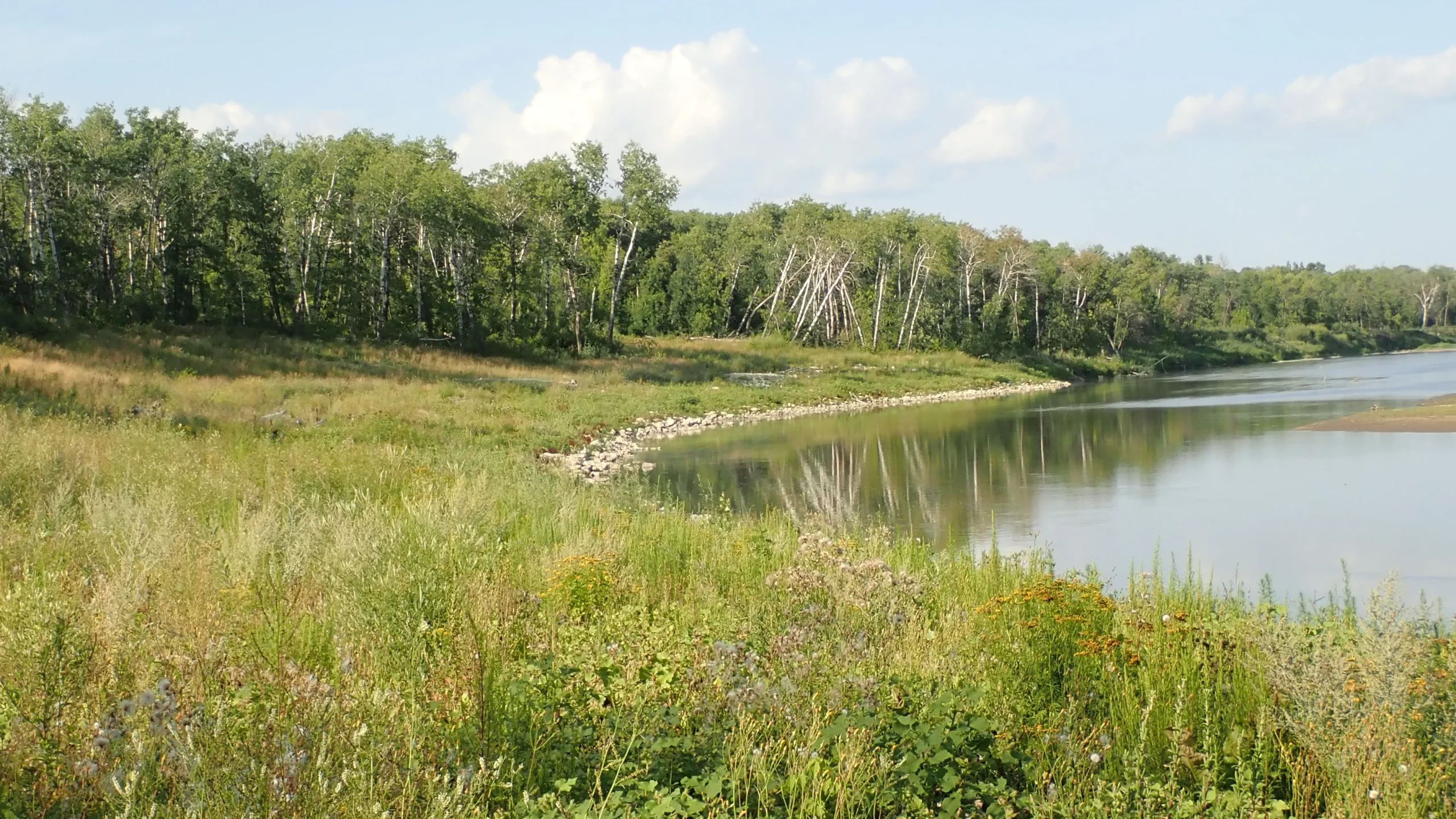
Heavy winds, rain and hail accompanied a tornado that touched down in Long Plain First Nation in 2016, causing riverbank movement that damaged Yellowquill Trail, the main roadway through the community.
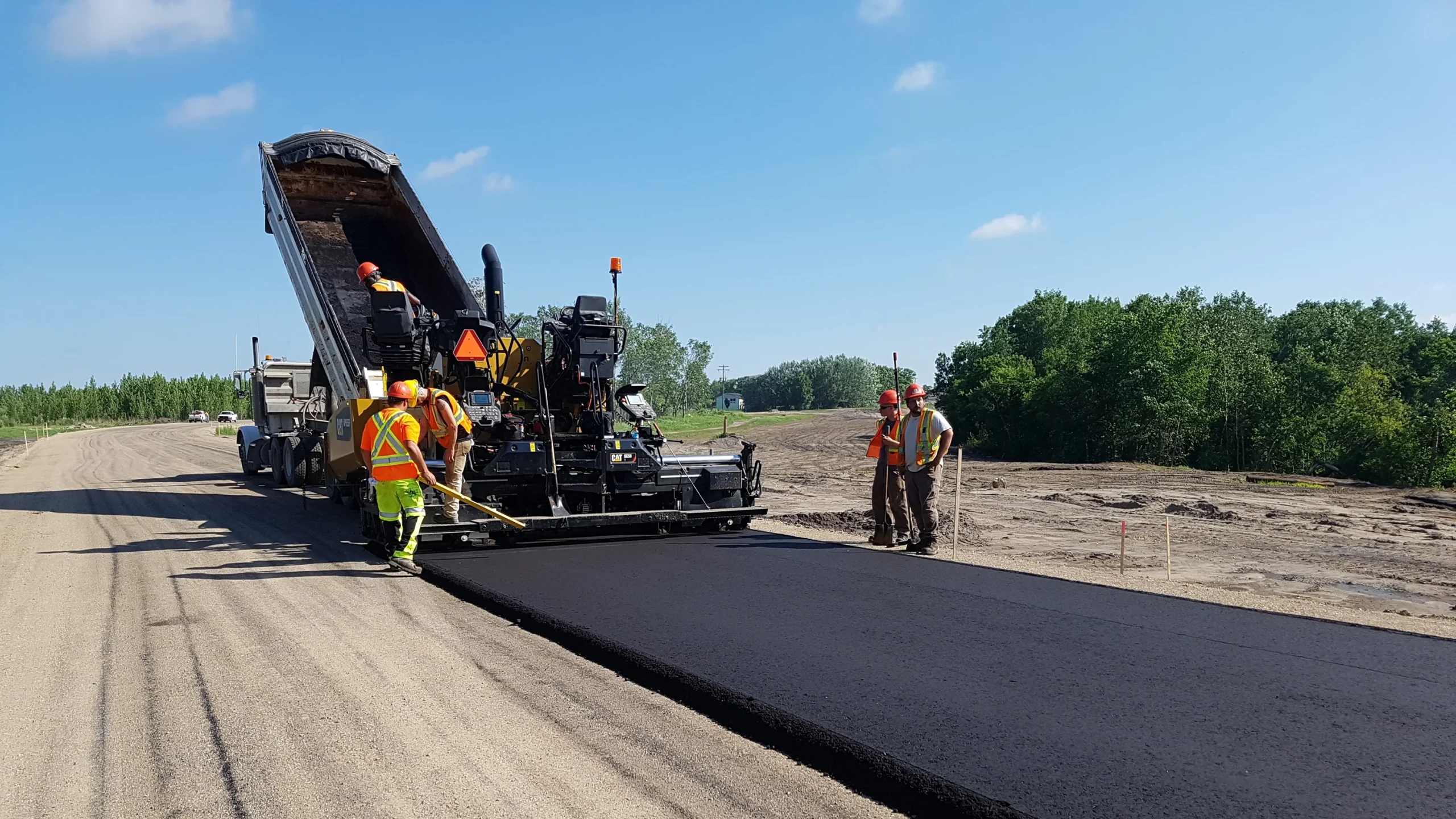
KGS Group provided engineering services for the permanent re-establishment of the roadway, completing an extensive drilling and monitoring program, slope stability analysis and assessment of potential options for remedial riverbank works versus roadway and utility relocations. We also acted as the project contract administrators responsible for all environmental approvals, geotechnical investigations, riverbank stabilization as well as the municipal design of the new road alignments.
The result was a reliable roadway that will protect the community from future erosion and potential future encroachment on community infrastructure.
Project Highlights
- 500 metres of riprap erosion protection, riverbank regrading and drainage swale construction to protect the community from the long-term effects of erosion of the lower shoreline and potential future encroachment of community infrastructure
- Realignment of 1,600 metres of asphalt roadway for the new alignment of the Yellowquill Trail
- Installation of new water main, sewer, service connections and raw water along the relocated road
- Extensive revegetation design at the site, including revegetation with native grasses, trees, shrubs, and willows
PR 304 to Berens River All Season Road
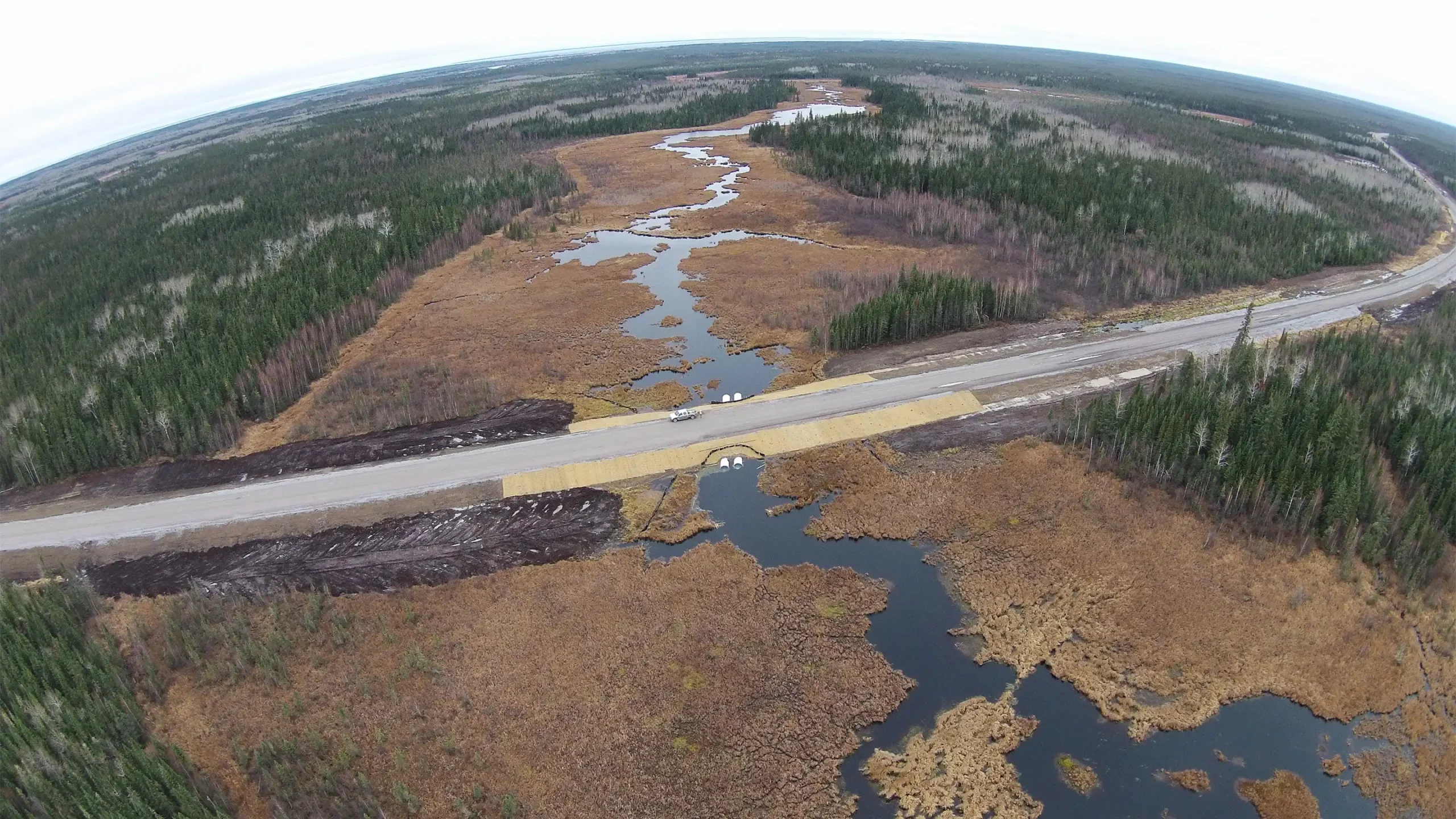
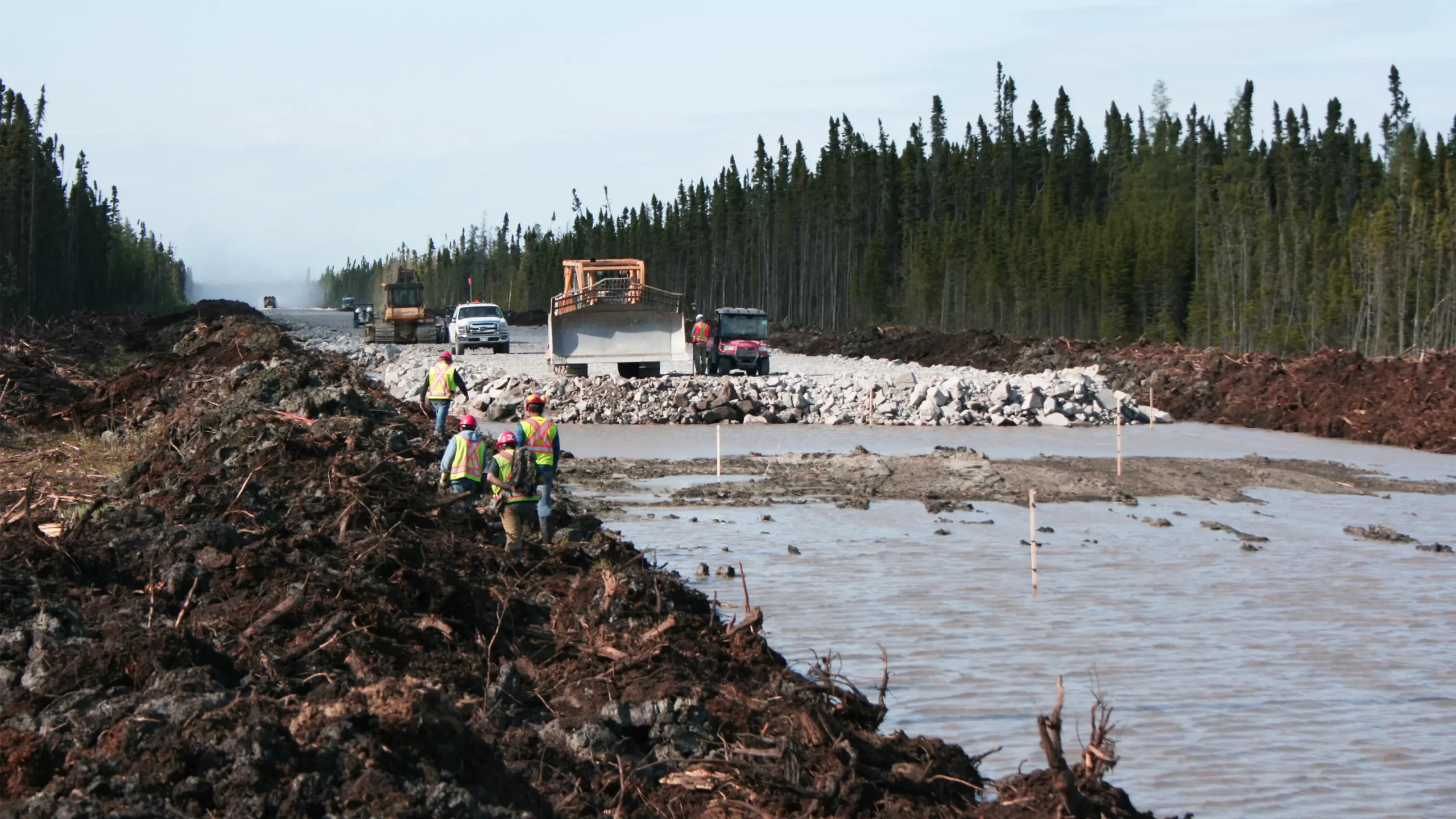
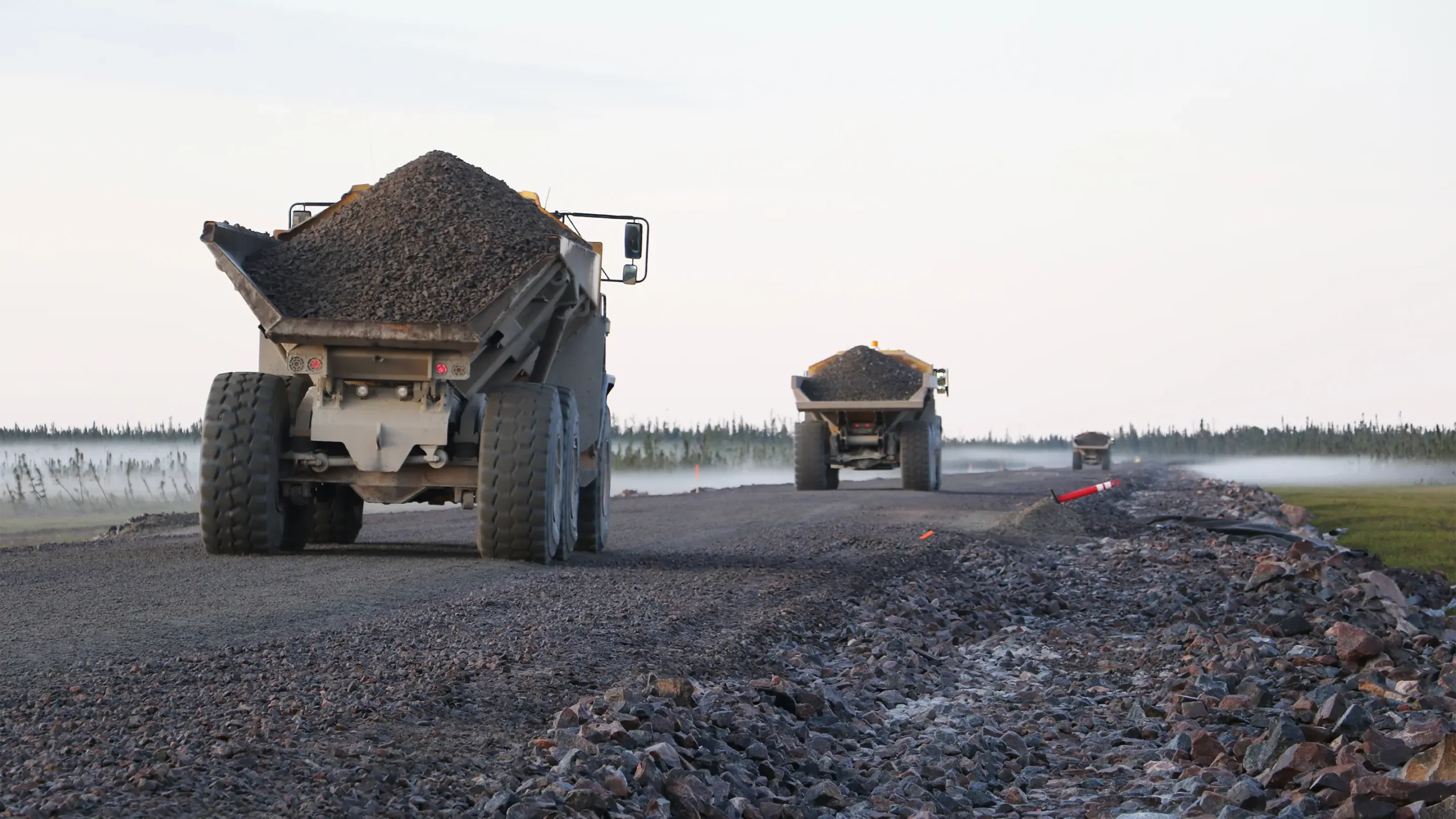
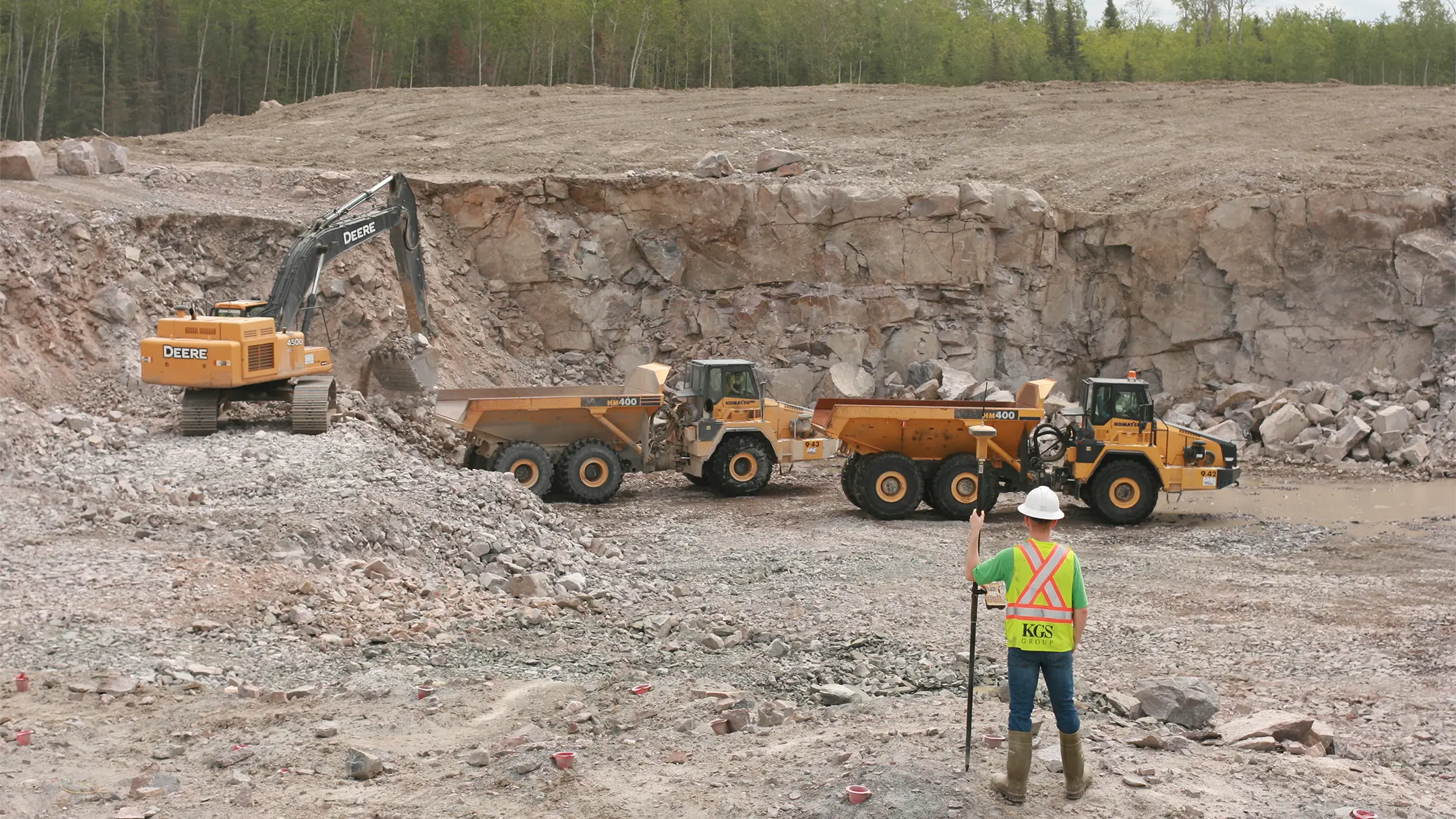
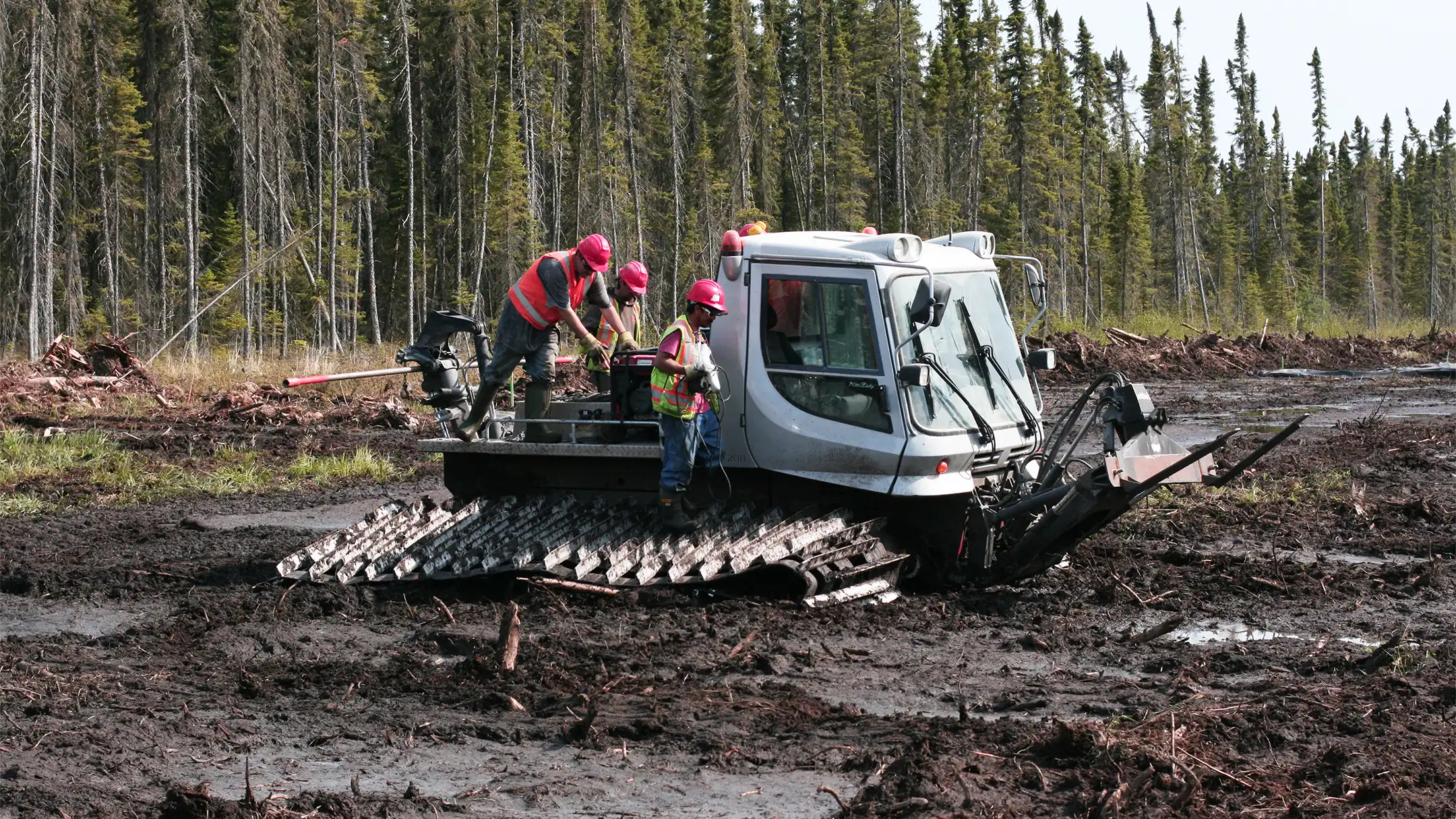
Lake Winnipeg’s east side is a provincial jewel, with vast stands of boreal forest, an abundance of wildlife and a vibrant traditional culture. Despite these assets, the lack of permanent road connectivity resulted in detrimental societal and economic impacts.
Recognizing the benefits of reliable access, KGS Group teamed with other firms to oversee the construction of a new 158-km all-season roadway including nine individual river crossings connecting to both Bloodvein and Berens River First Nations.
Over a six-year duration, KGS Group met numerous challenges including wide-ranging terrain, seasonal-access restrictions, limited accommodations, rigorous safety requirements, complex assignment sequencing, robust environmental protection measures and timely public liaison.
Project Highlights
- Construction of Manitoba’s first open-bottom, multi-plate arch culvert with MSE wall structure to protect fish habitat
- Coordination of external Community Benefit Agreements (CBA) for road aggregate production and tree clearing
- Application of ground-penetrating radar (GPR) studies to determine subsurface conditions
- Application of sonar mapping to determine and qualify bridge pier and abutment locations
- Application of Traditional Ecological Knowledge (TEK) studies to optimize final roadway alignments
RAS Piping Refurbishment at the North End Water Pollution Control Centre
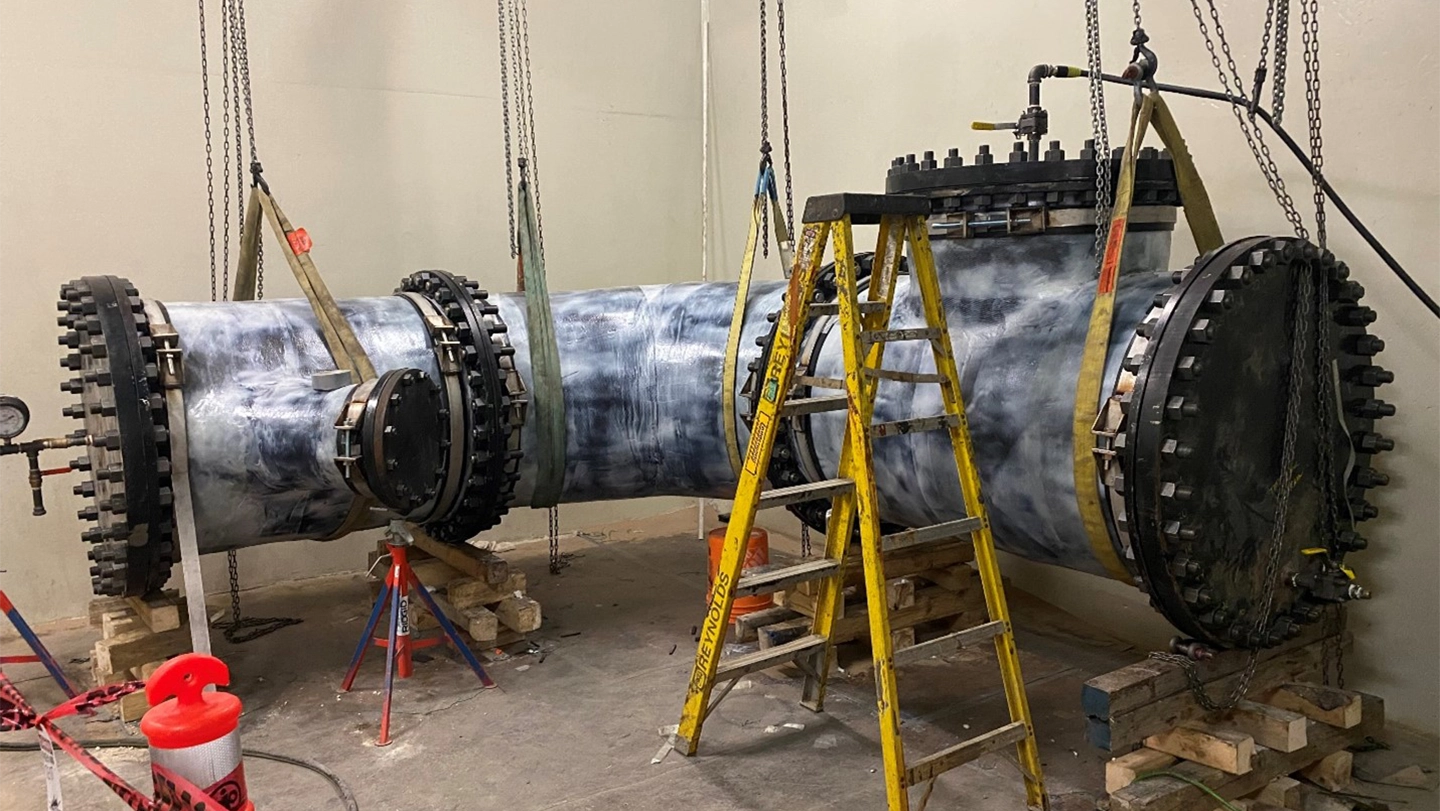
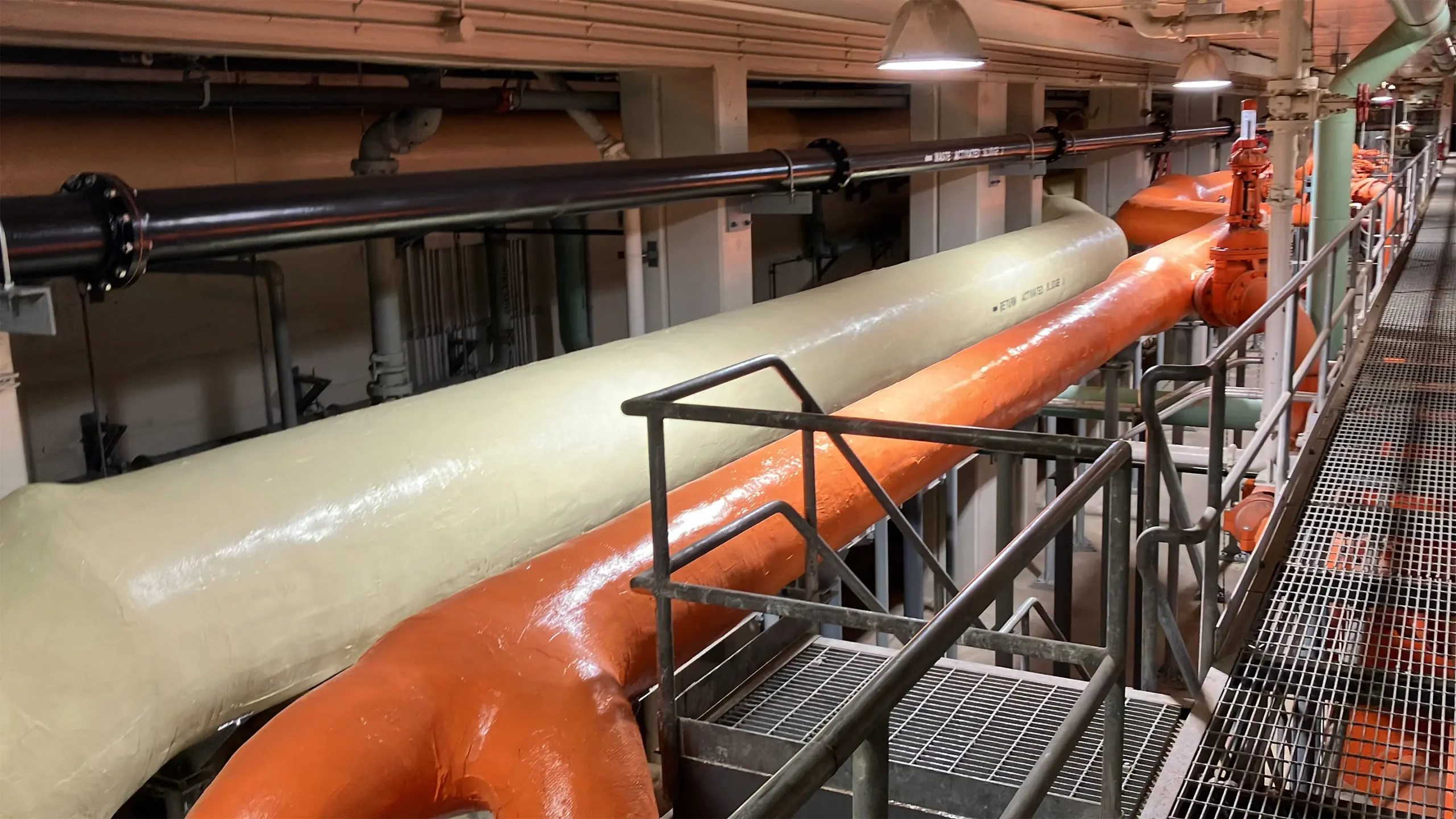

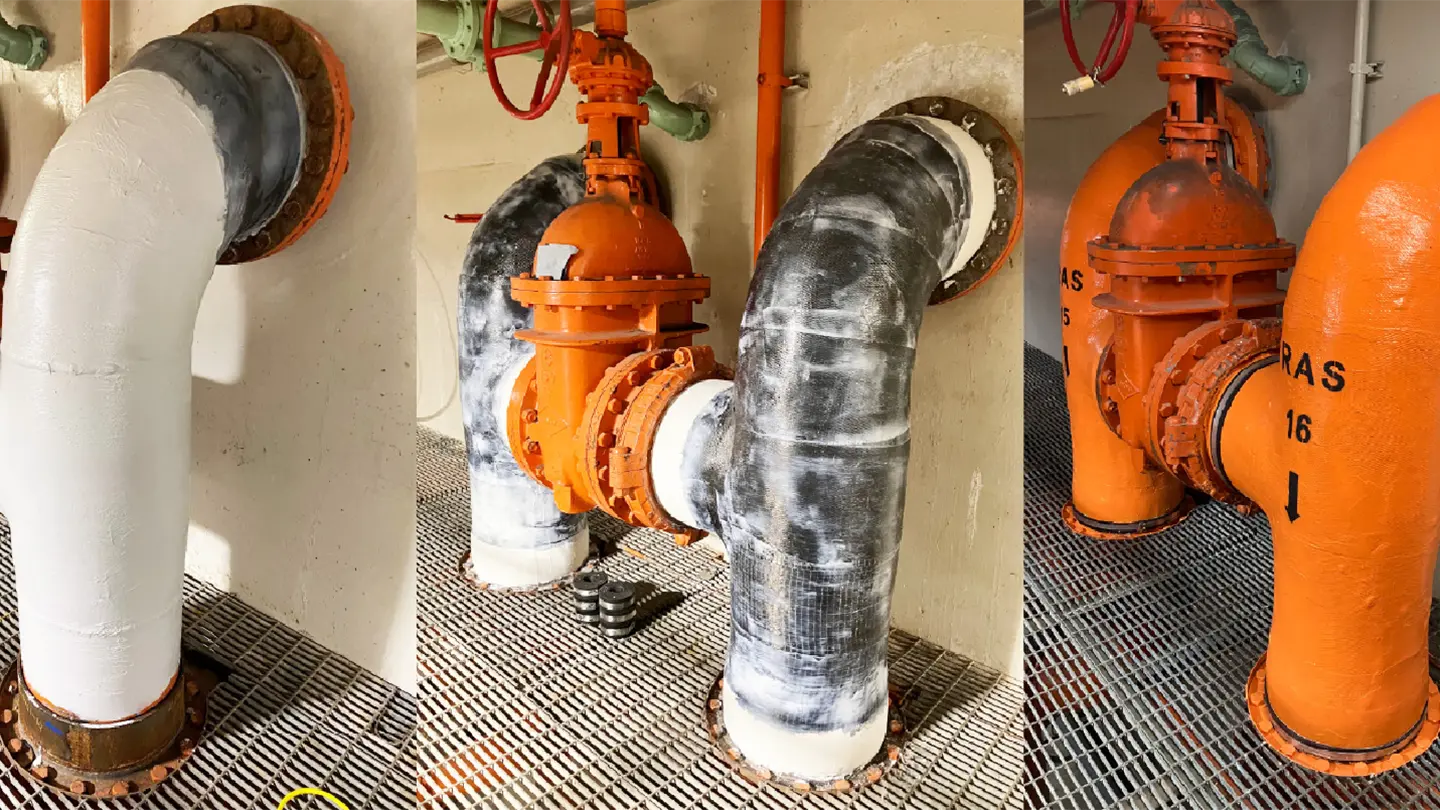
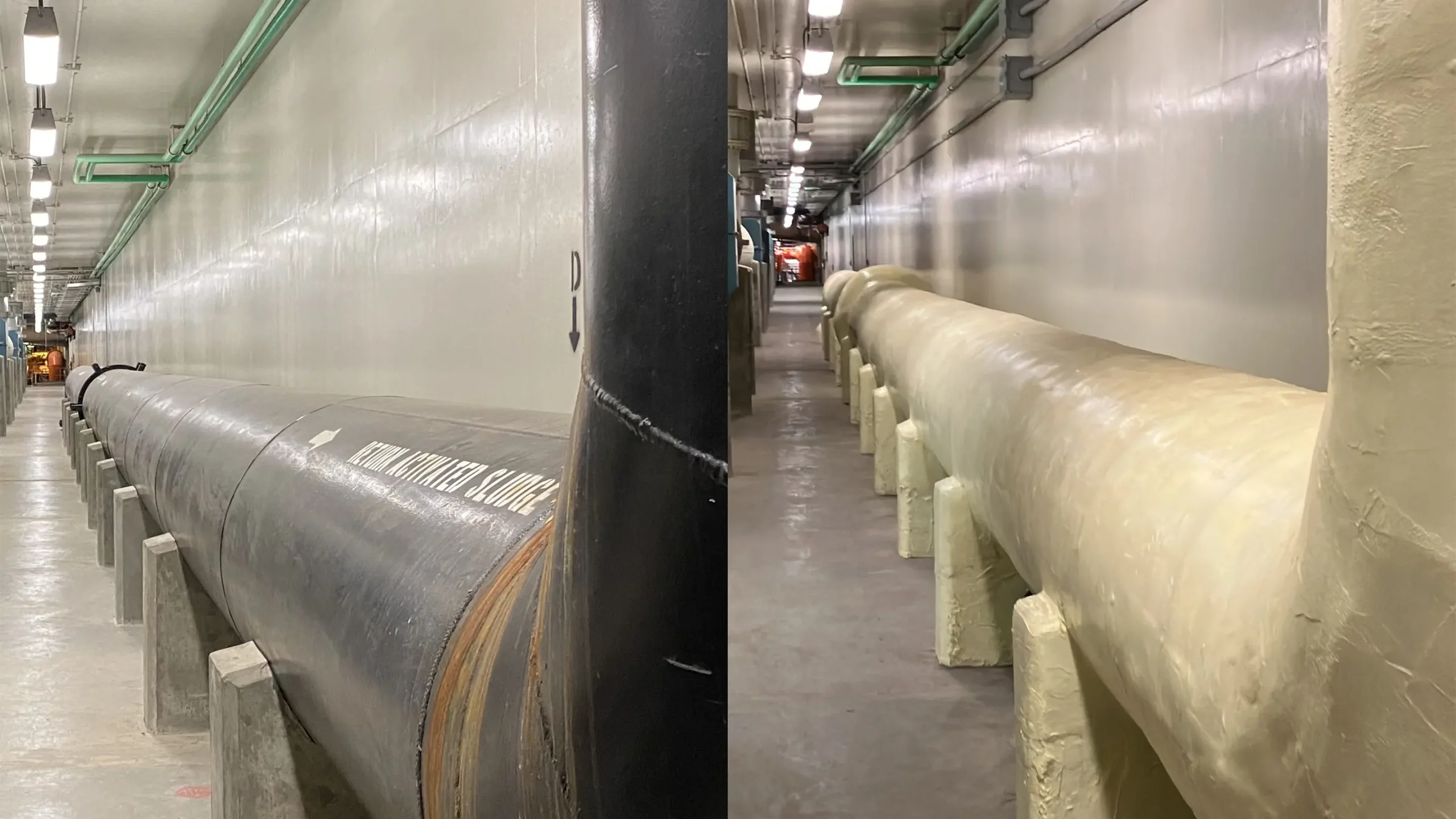
KGS Group led the renewal of almost 2,000 feet of aging Return Activated Sludge (RAS) piping at the City of Winnipeg’s North End Water Pollution Control Centre. This is the city’s oldest and largest wastewater facility, constructed in 1937. The work addressed leaks and structural risk in a critical system that supports treatment for 70% of Winnipeg’s wastewater.
The KGS team did a condition assessment and determined the best solution was a Carbon Fiber Reinforced Polymer external repair system. This solution had not been used on many large-scale, industrial/wastewater applications prior to this project.
After coordinating the design, KGS Group oversaw construction within one year, successfully refurbishing the RAS system for another 25+ years of operation. The plant remained in operation throughout construction to prevent wastewater overflow into the Red River.
Project Highlights
- Renewal of almost 2,000 feet of over 30-year-old, leaking Return Activated Sludge (RAS) piping using Carbon Fiber Reinforced Polymer external repair system
- Plant remained operational throughout construction
- More than 25 years of added service life to the North End Water Pollution Control Centre, which treats 70% of Winnipeg’s wastewater (approximately 187.5 million litres daily)
- Reduced the risk of wastewater overflow into the Red River
Water Security Agency Owner’s Engineer
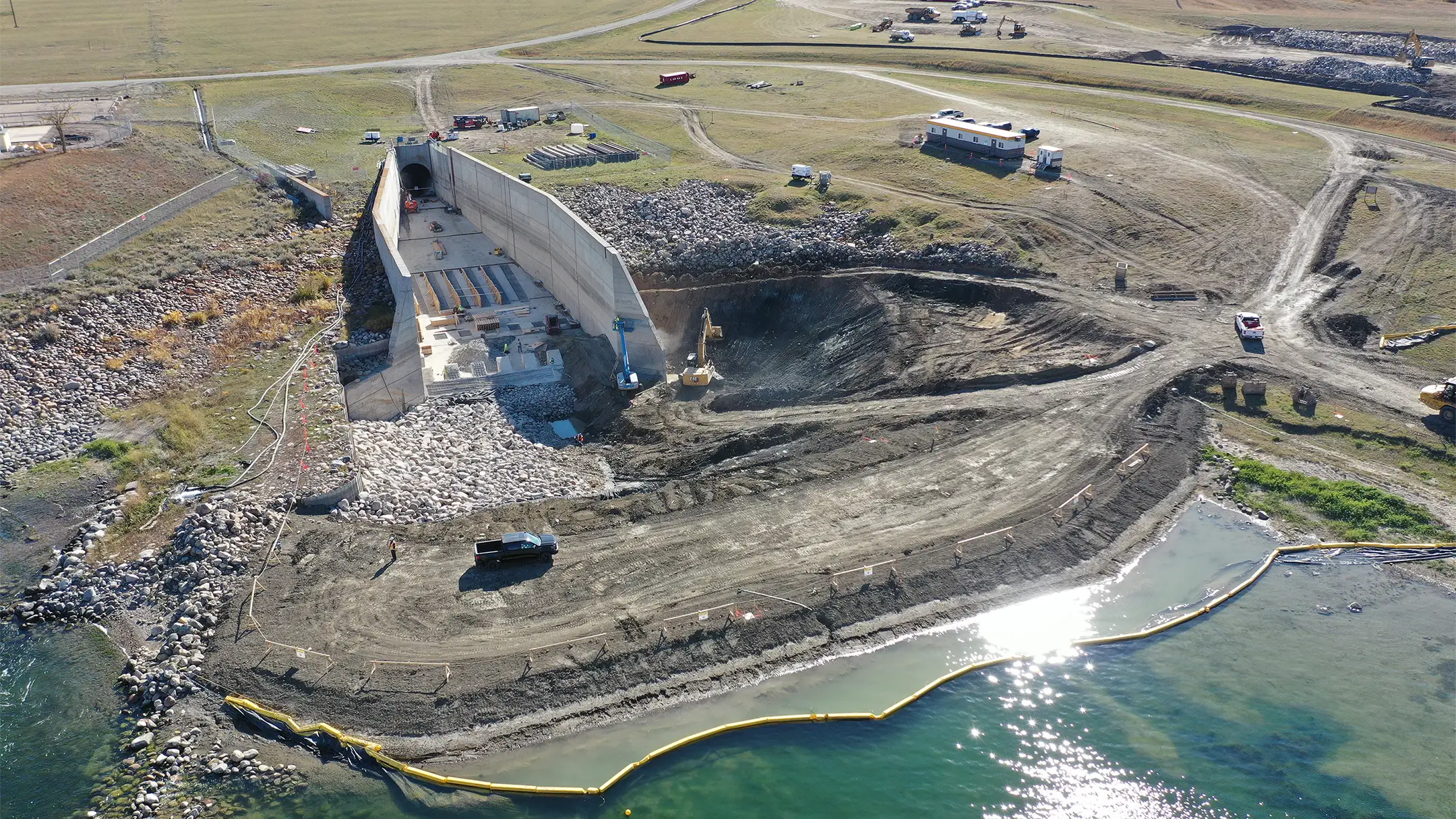
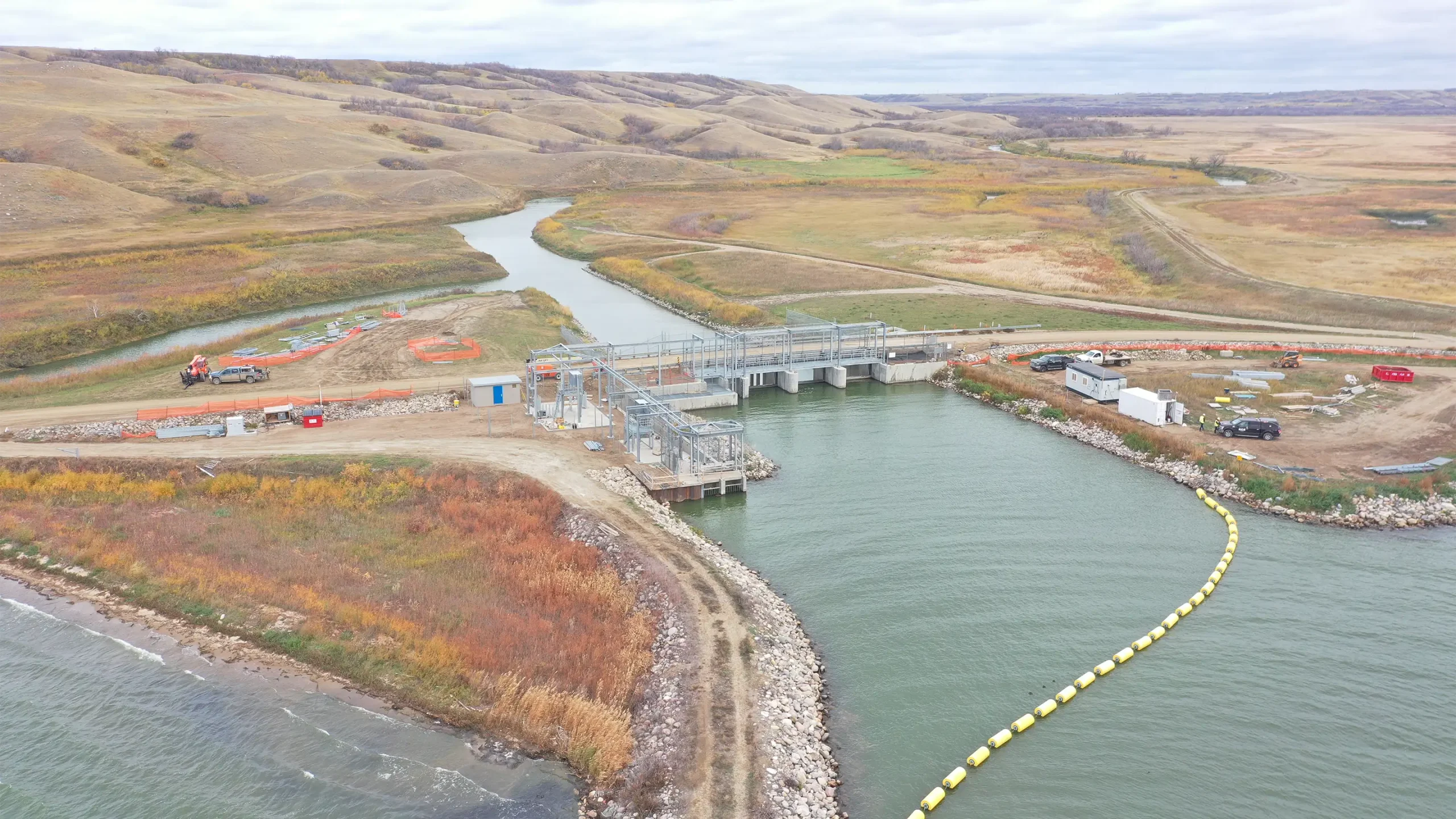
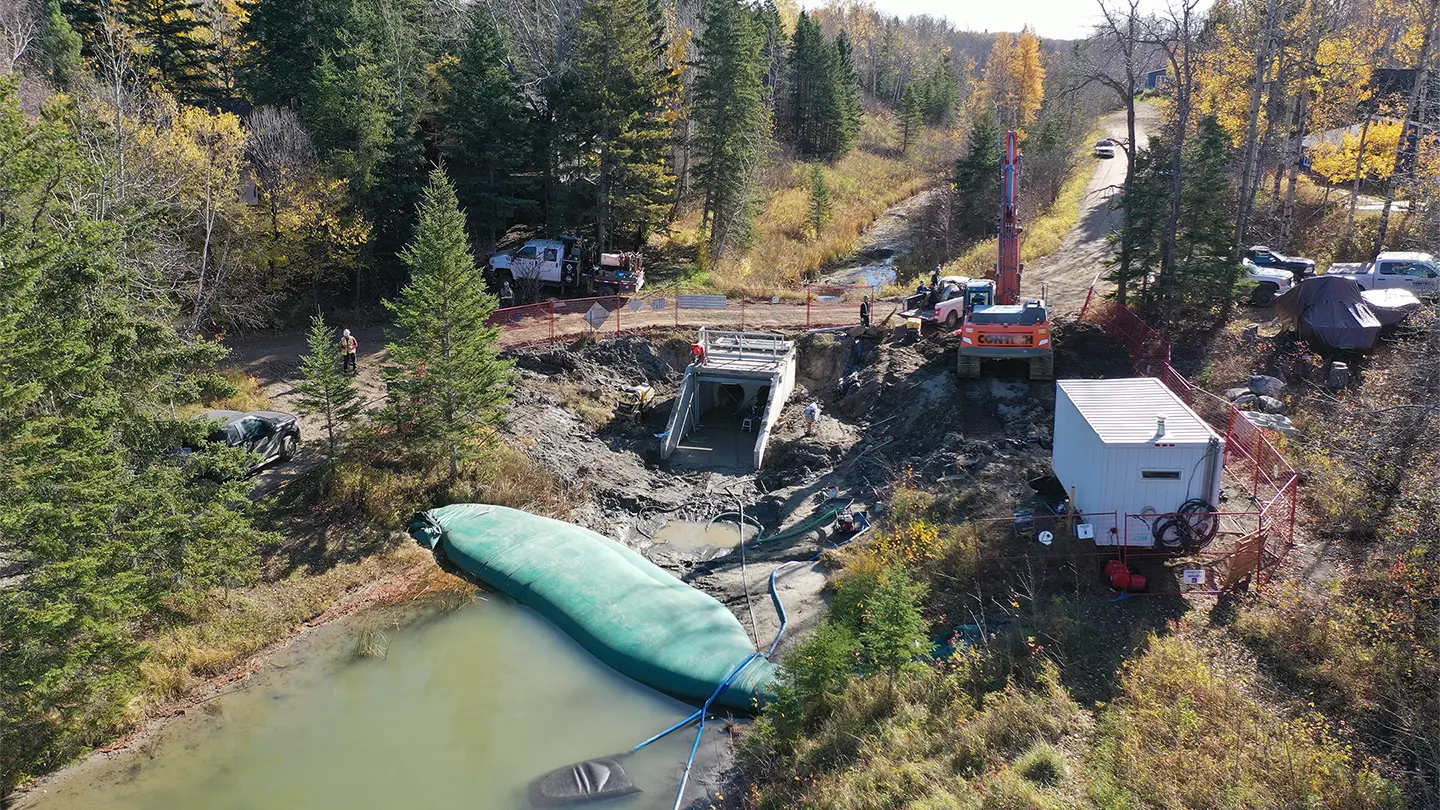
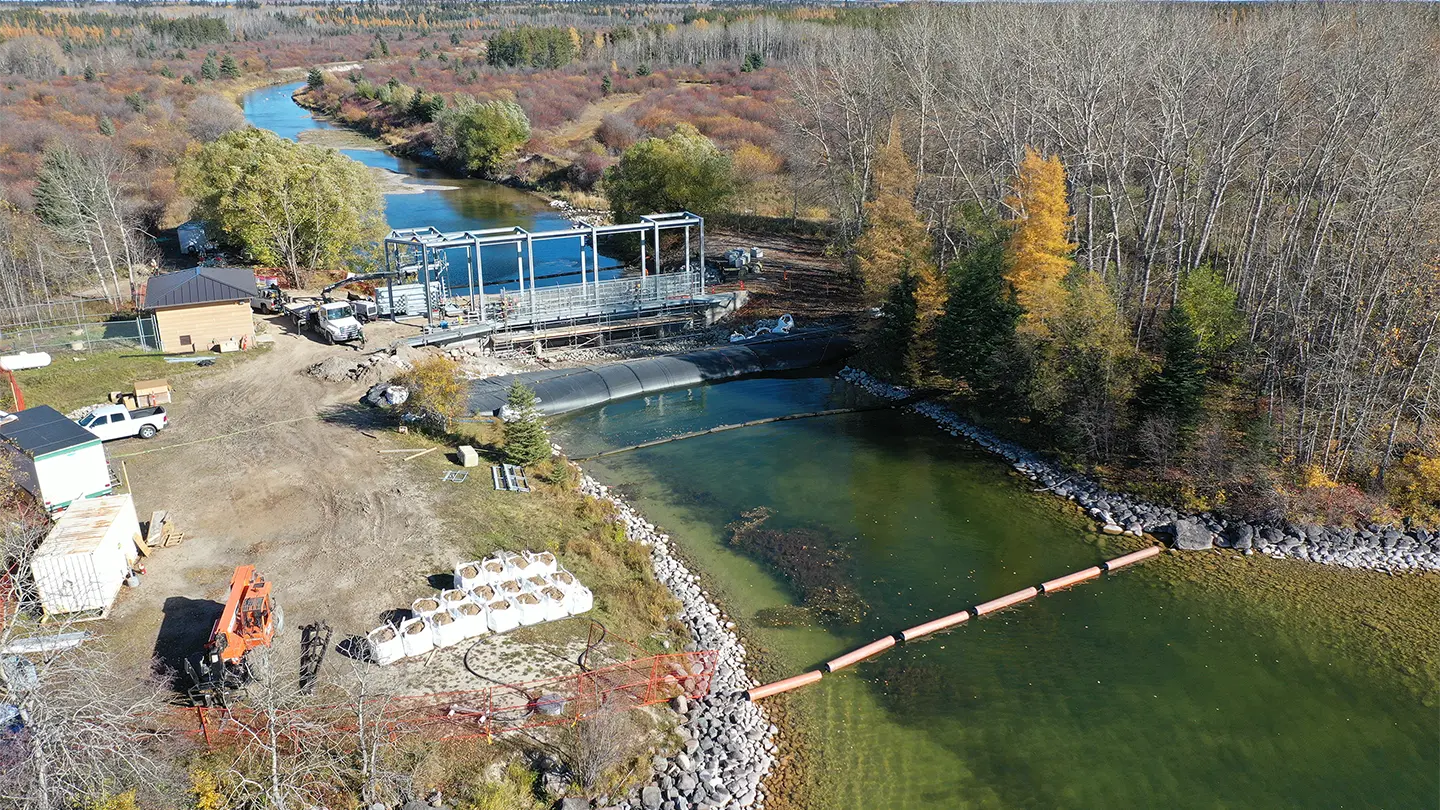
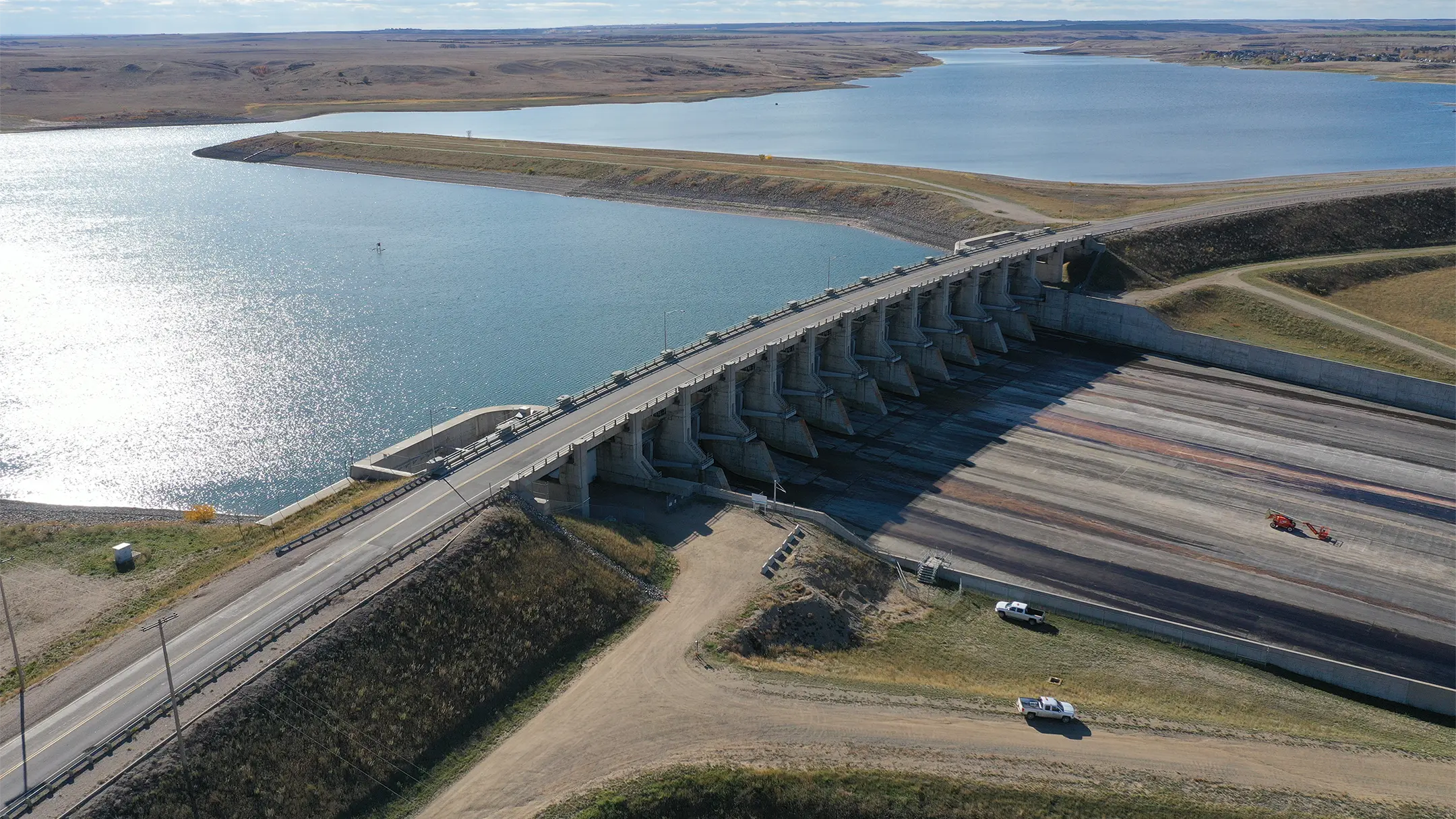
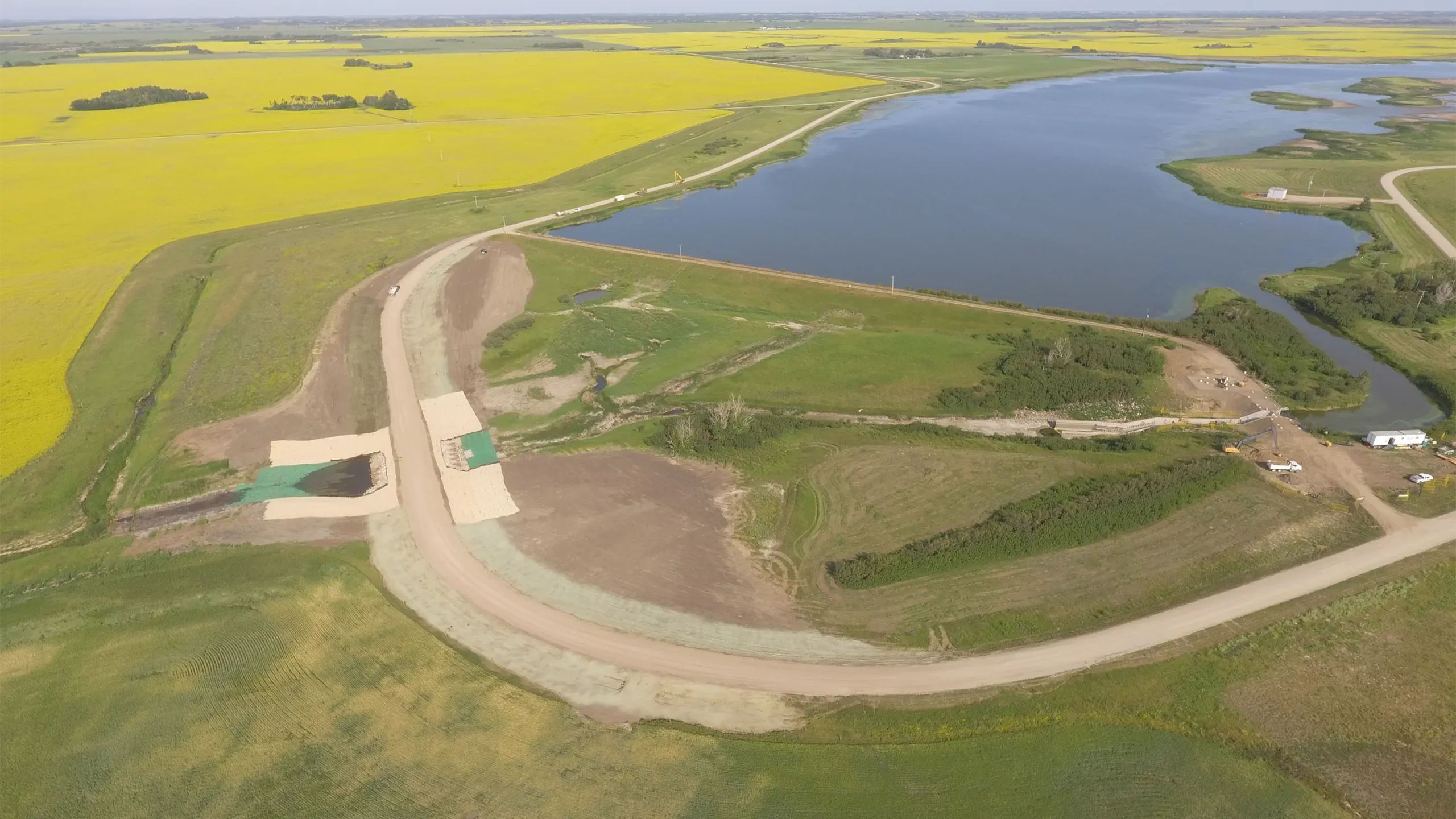
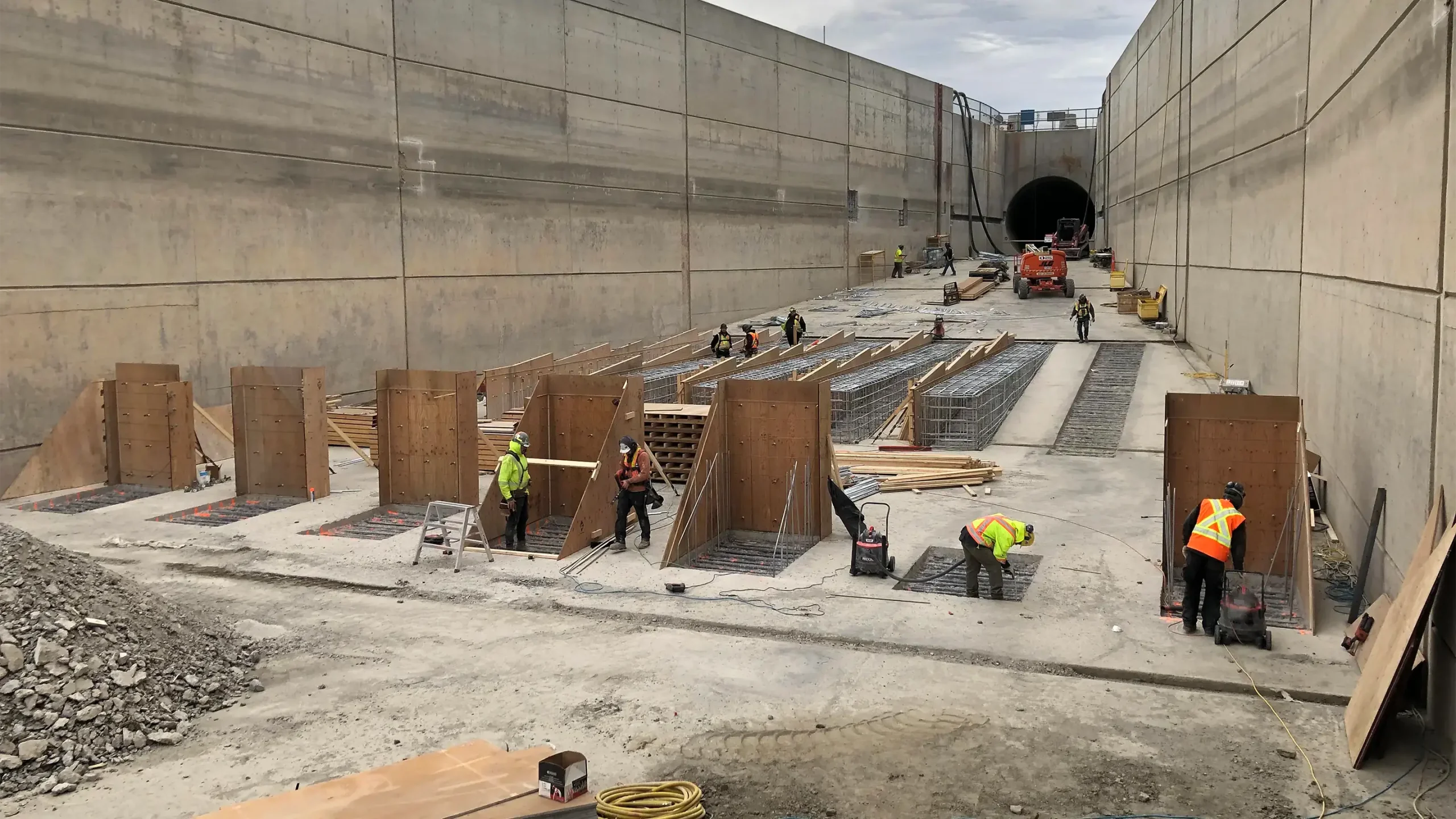
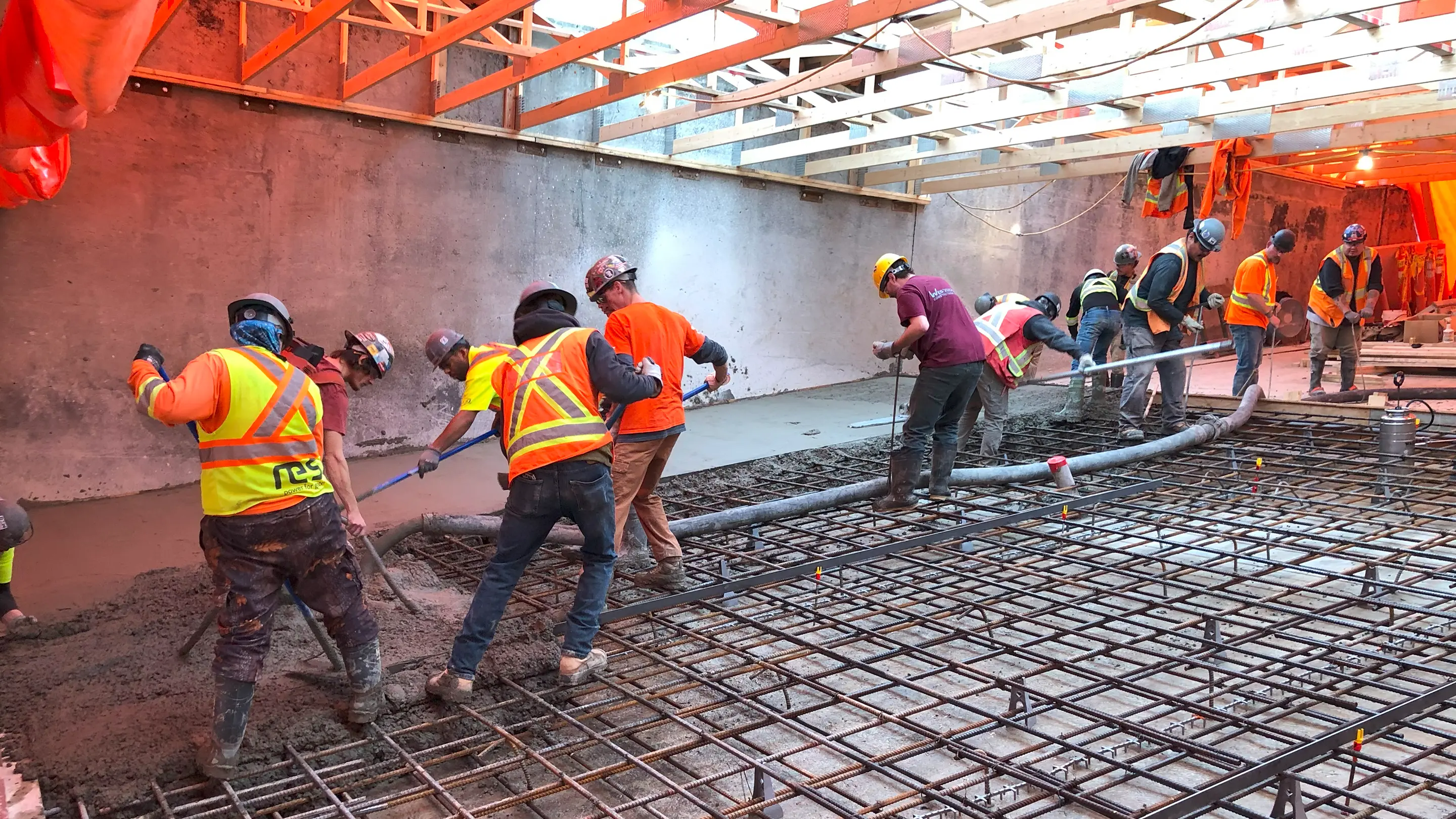
KGS Group served as owner’s engineer to help the Water Security Agency (WSA) reduce their project backlog and bring consistency to their capital delivery services. Acting as project managers, our team scoped, managed and executed over 20 project procurements on behalf of the WSA.
Our project managers also assisted the WSA with oversight of their larger portfolio of owner’s engineer projects. Our role covered portfolio oversight, procurement leadership and risk and schedule control across multiple projects.
At the start of the contract, KGS mostly worked on process definition, engineering standards development and project engineering. In the later years, KGS was able to progress the work through engineering to construction. Because of this, the WSA spent its full capital allocation, with KGS-managed projects accounting for the majority of the spend, with this trend continuing to this day.
The KGS team accelerated project delivery and budget utilization while establishing a repeatable framework for future projects, enabling continued success for WSA.
Project Highlights
- Managed and executed over 20 project procurements
- Managed over 45 engineering, long‑lead procurement and construction contracts
- $53 million in capital construction delivered (November 2020 – March 2024)
- Helped create a framework enabling consistent, sustainable asset maintenance
- Clearer engagement model for ACEC‑SK members
Lake Manitoba and Lake St. Martin Outlet Channels
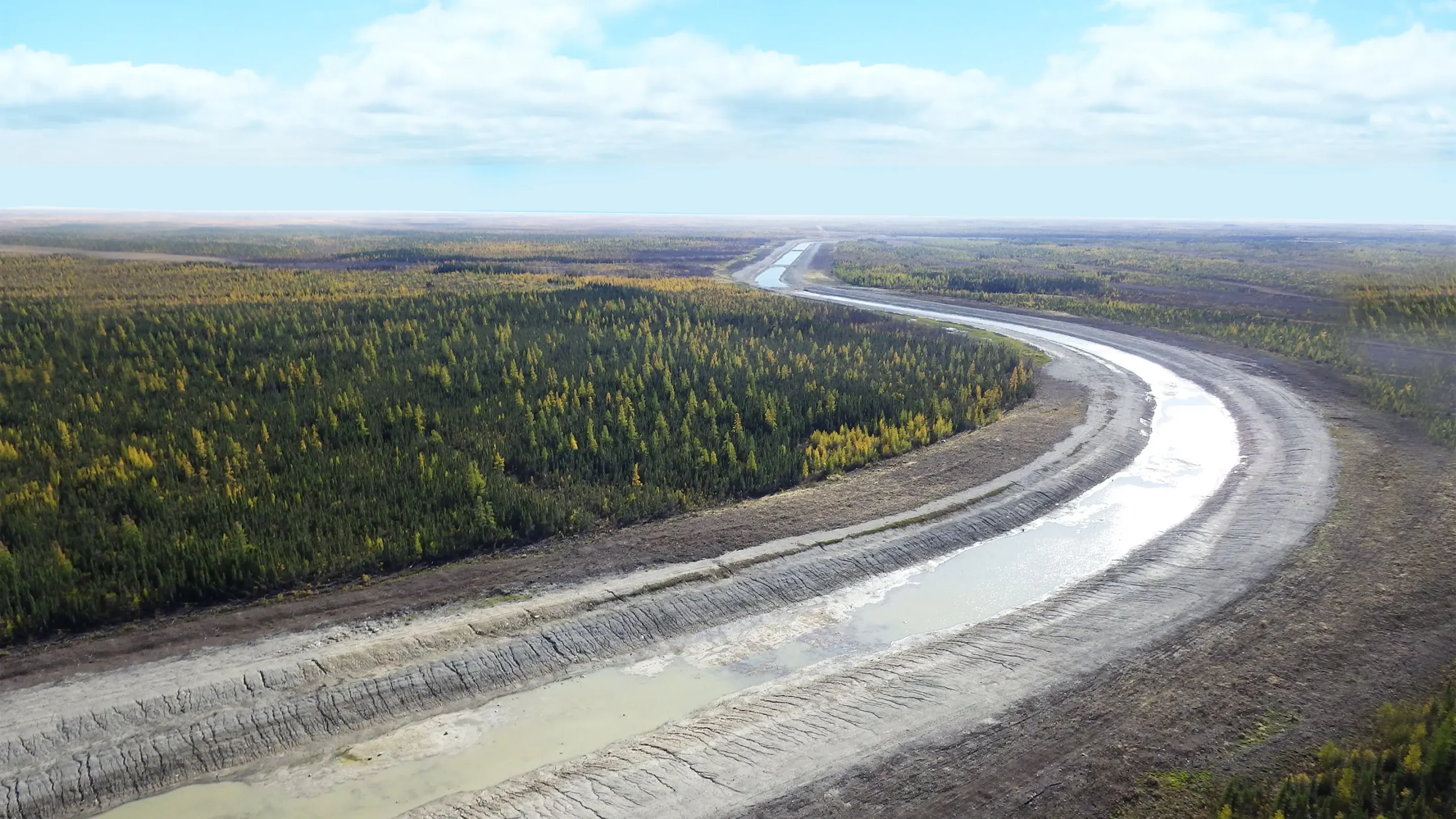
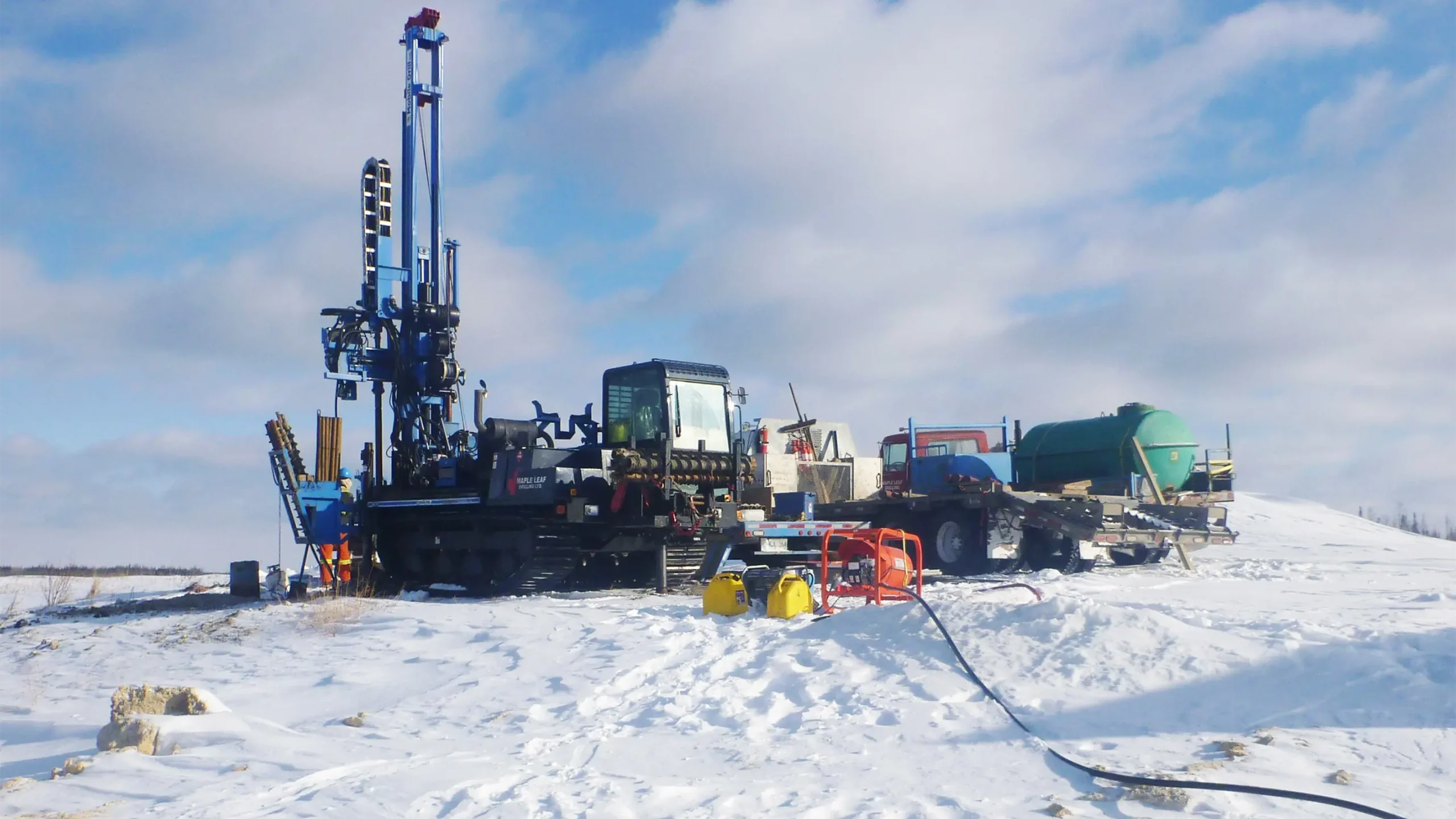
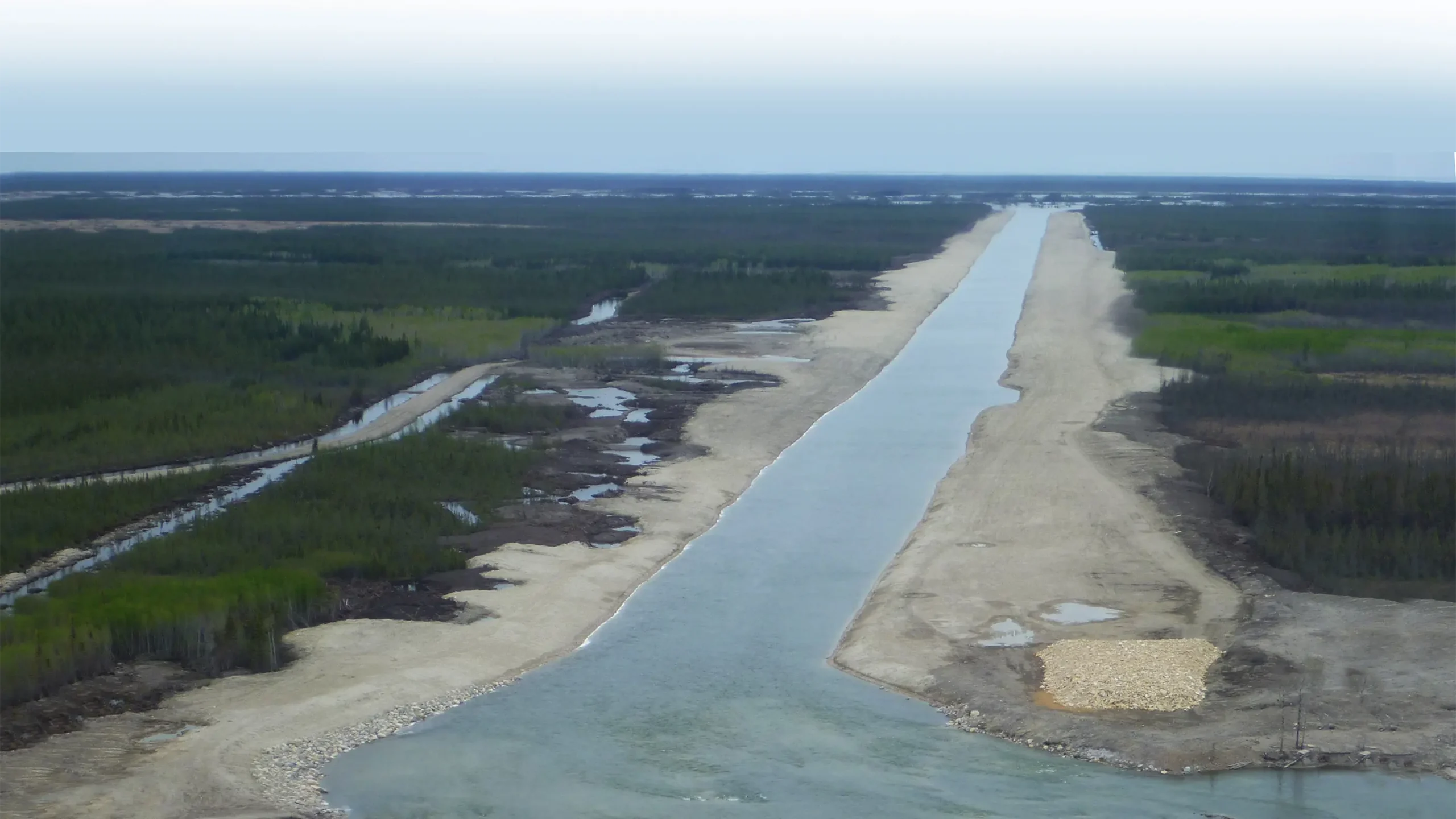
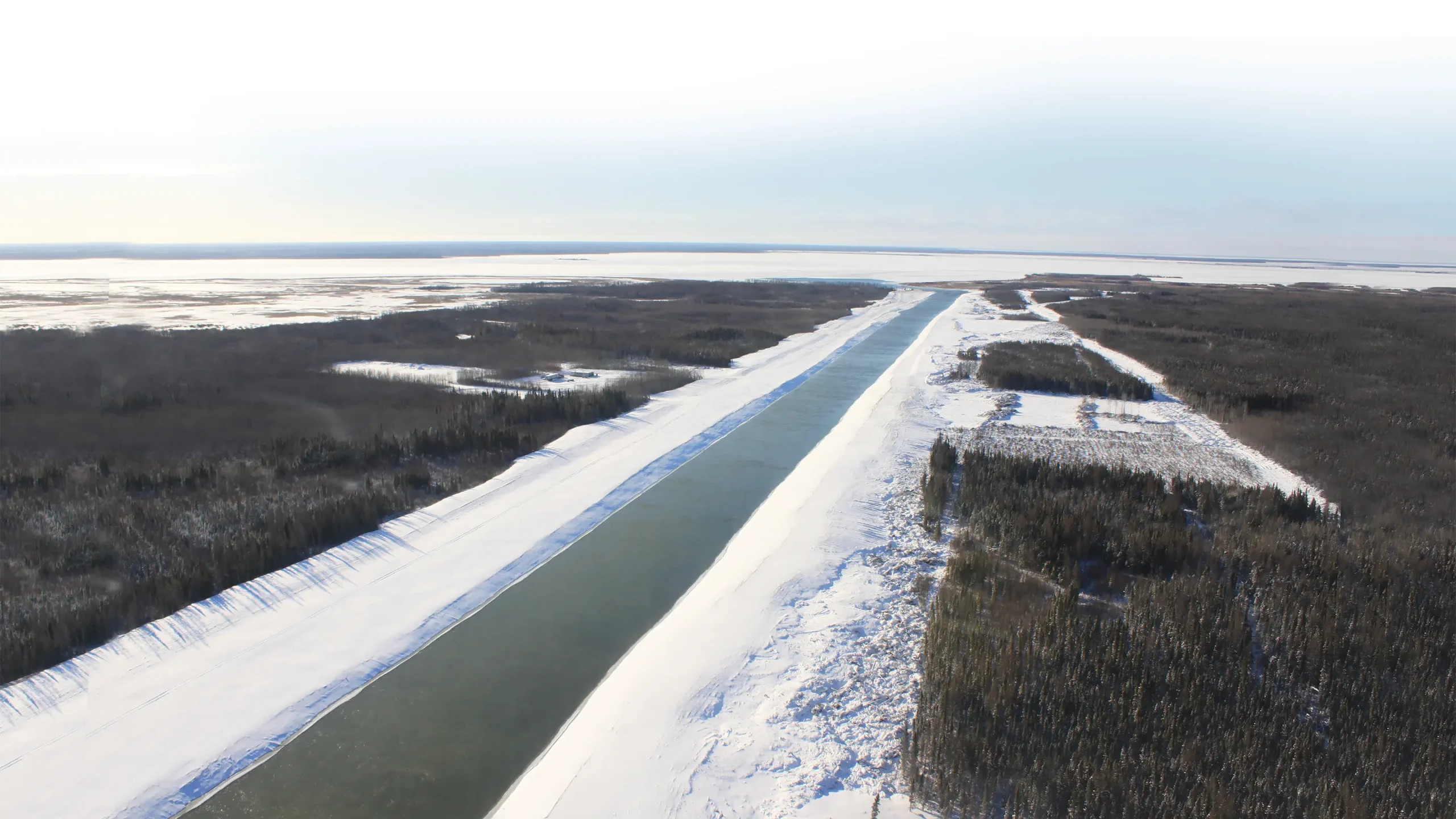
Following severe flooding events in 2011 and 2014, the Province of Manitoba retained KGS Group for the design of the Lake Manitoba and Lake St. Martin Outlet Channels Project. The outlet channels will serve as new, permanent flood control infrastructure for both lakes.
Completed under tight schedule restrictions, the conceptual design work involved:
- Remote field investigations
- Extensive review and analysis of the various channel configurations
- Preparation of concept designs, cost estimates and constructability reviews
- Identification, assessment and screening of potential environmental and socio-economic impacts
The diverse range of design components and unique site conditions resulted in a challenging engineering undertaking that was successfully managed by the multidisciplinary team of experienced engineers, GIS technicians and support staff assembled by KGS Group.
KGS Group subsequently completed the preliminary, final design and tender preparation for the outlet channel from Lake St. Martin to Lake Winnipeg. The project includes roughly 23 km of channel excavation, multiple drop structures, and construction of a water control structure near the channel inlet complete with gates, hoists, bridge deck and ancillary buildings. The total estimated budget for this portion of the project is over $300 million. The construction phase of the project is pending regulatory approval.
Once constructed, the outlet channels are projected to maintain both lakes below flood stage over 99 per cent of the time. They will provide the ability to better regulate the lakes and reduce the impact of future floods, benefiting residents and businesses in the area.
Project Highlights
- Design for 23 km of channel excavation with defined sections and earthworks quantities
- Design of multiple drop structures sized for hydraulic control and energy dissipation
- Water control structure near the channel inlet for operational regulation
Seine Riverbank Stabilization at the Branch 1 Aqueduct
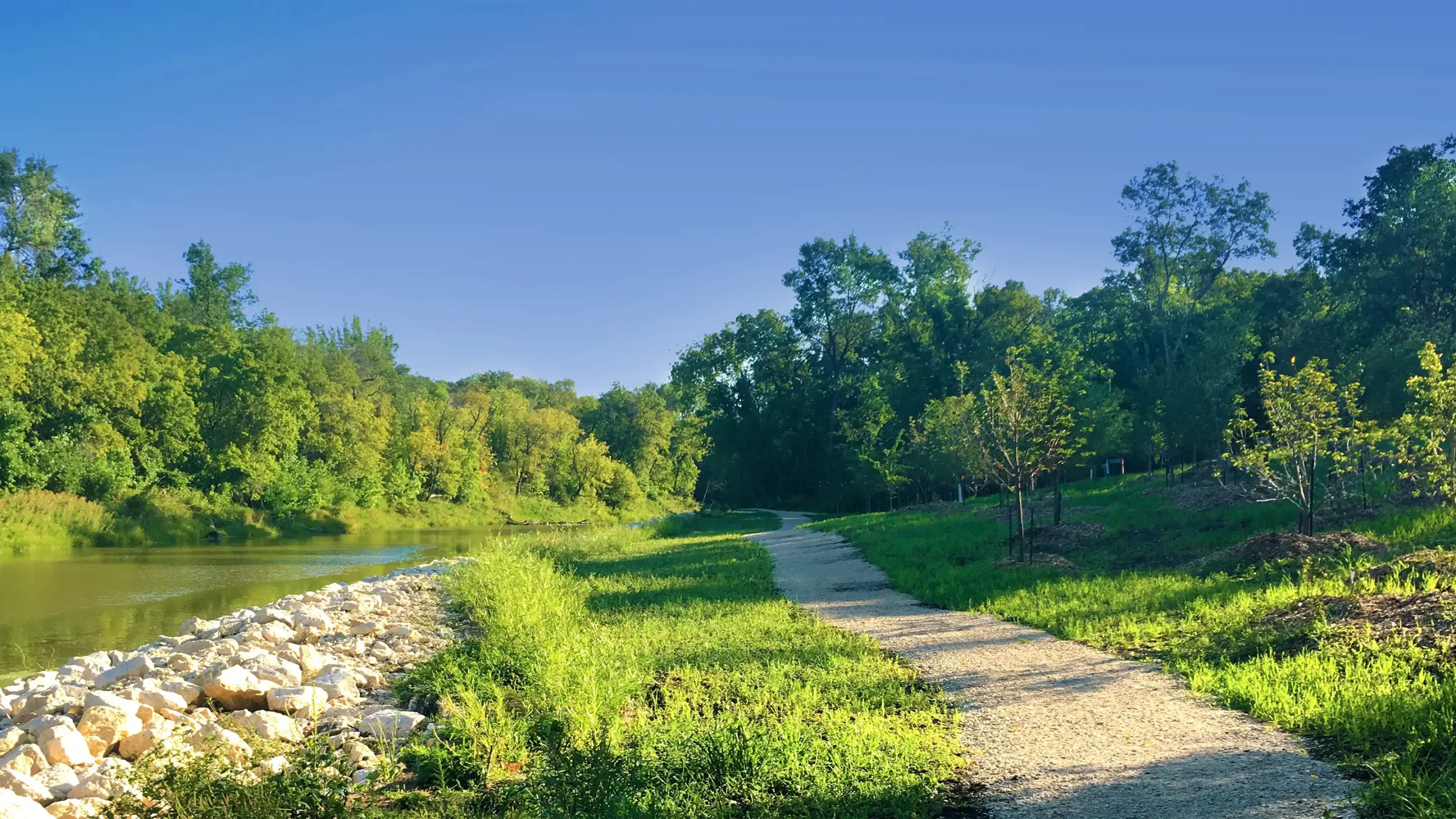
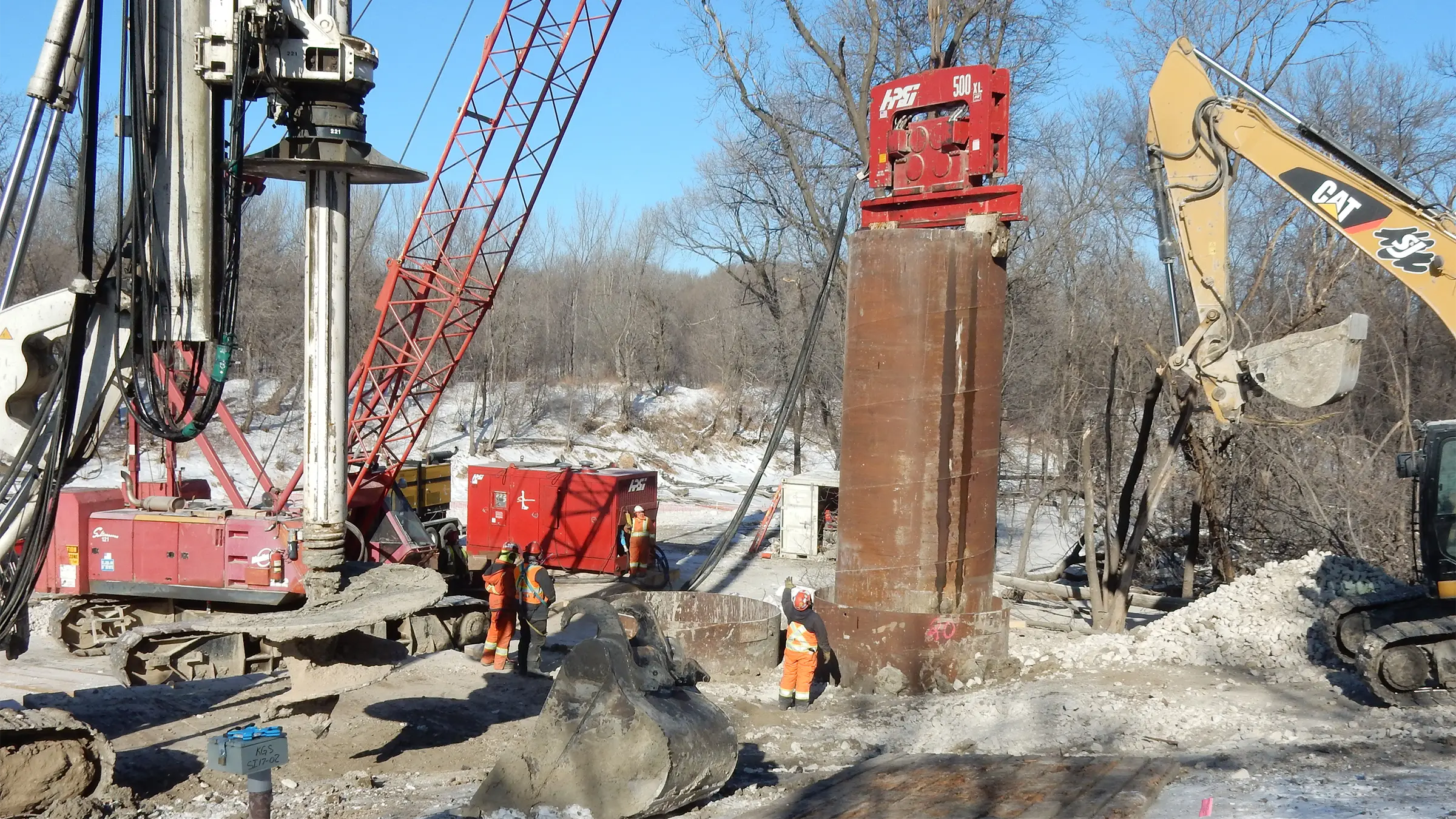
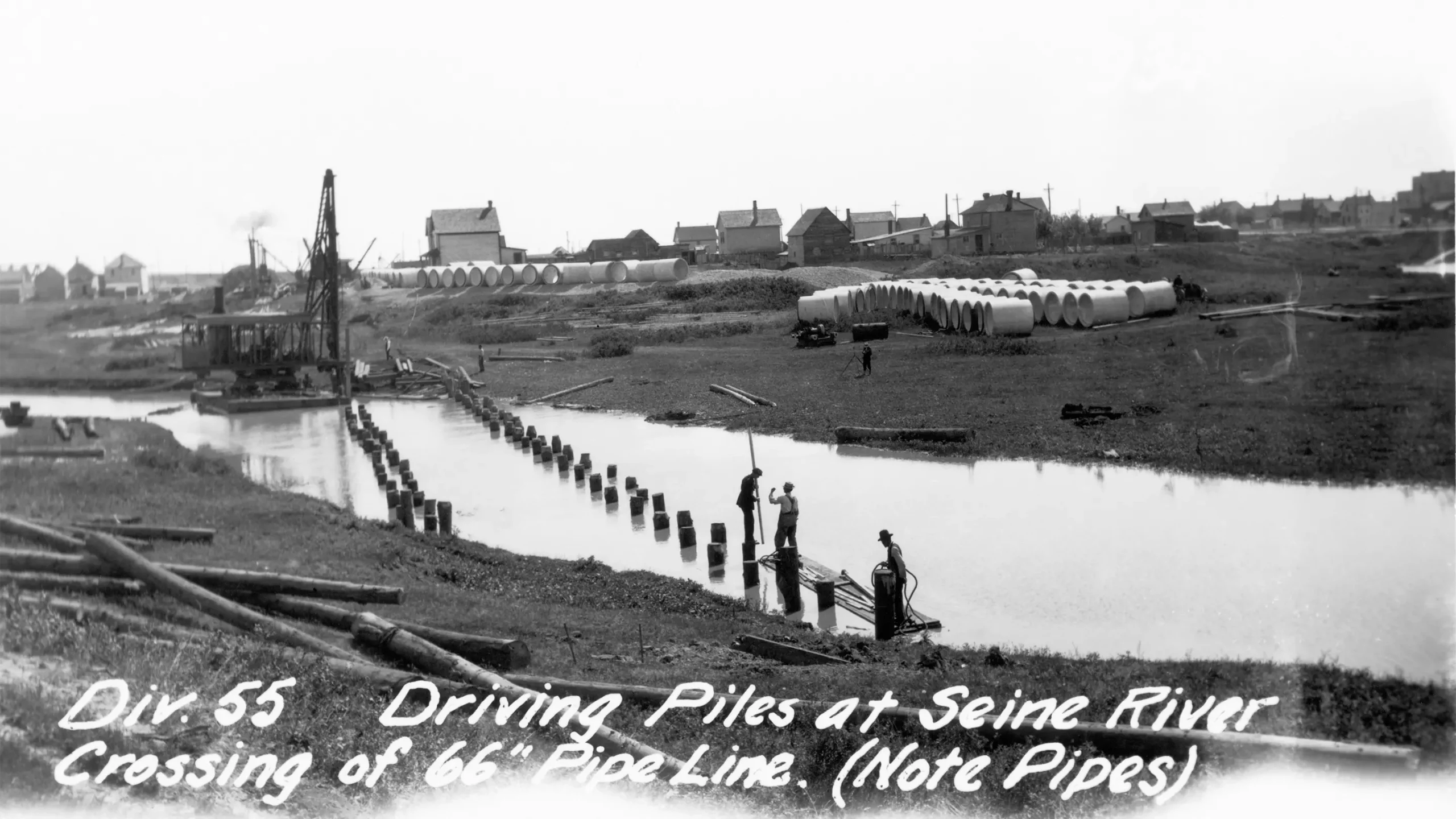
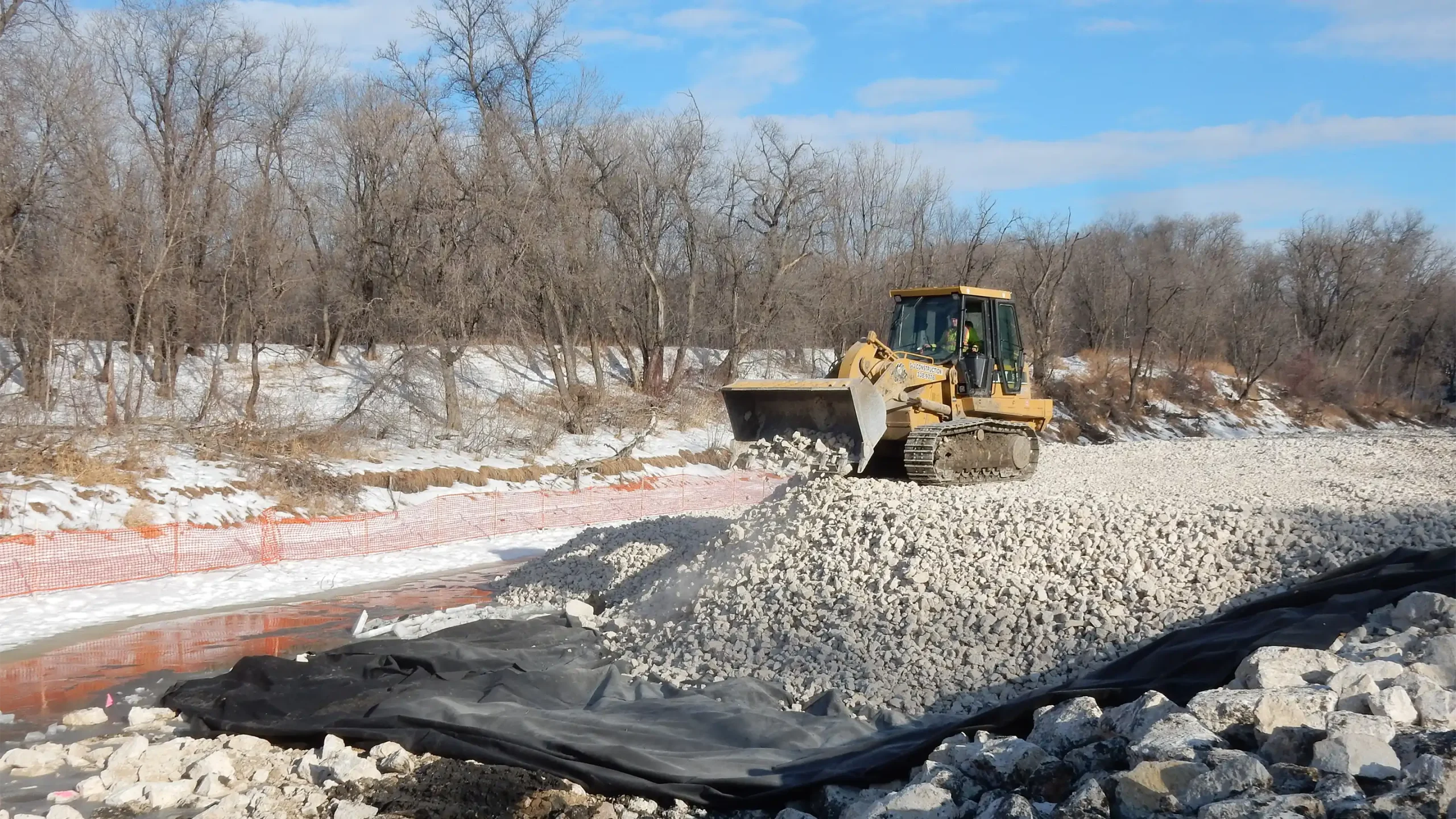
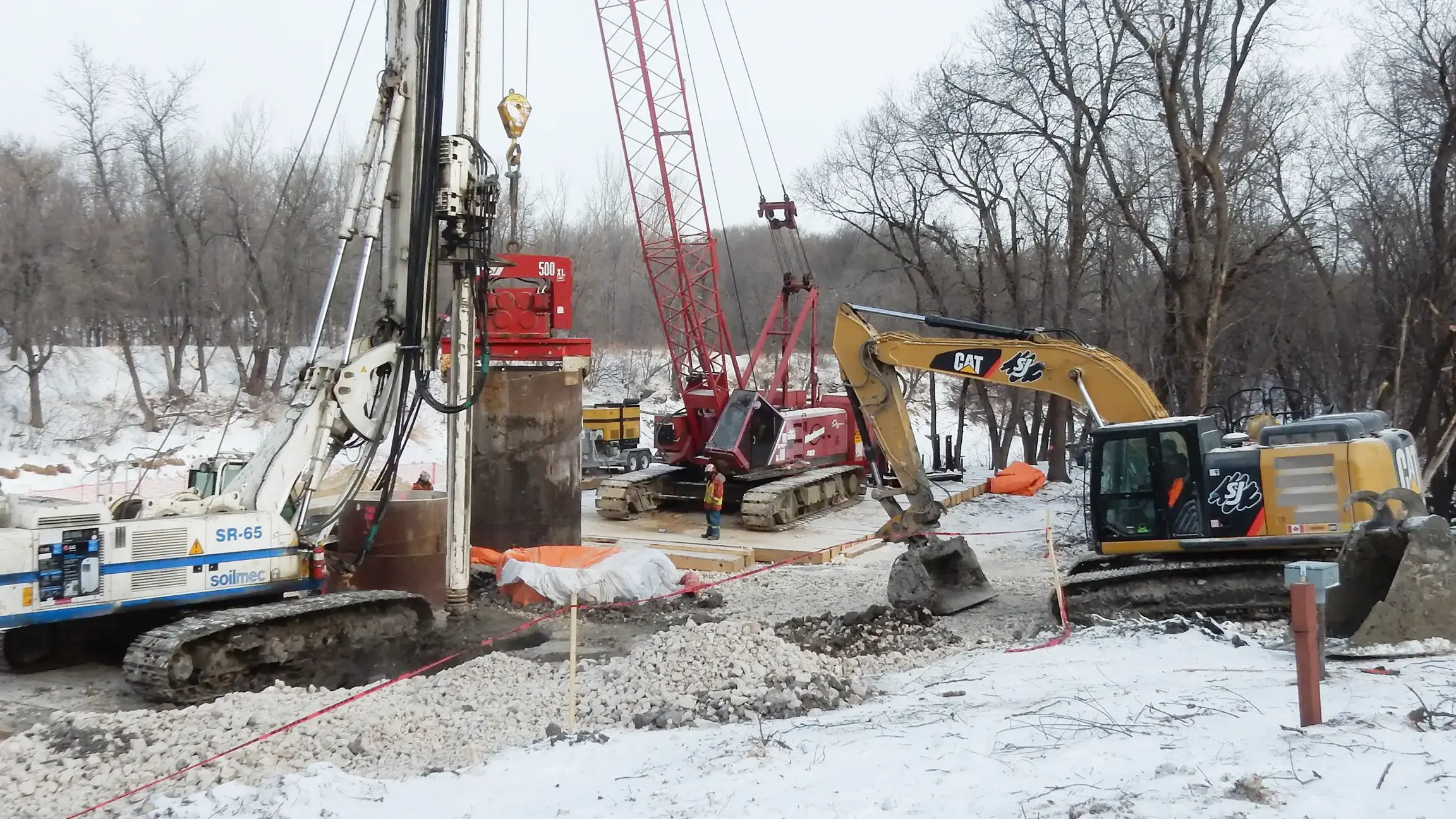
Riverbank movements near the Seine River crossing threatened the City of Winnipeg’s 100‑year‑old Branch 1 Aqueduct, which carries 40% of the city’s drinking water. KGS Group helped stabilize the riverbank while keeping the aqueduct in service throughout construction, protecting a critical supply and reducing risk to the community.
Our team applied an extensive design evaluation process, a full-scale field-testing program, a ground-breaking instrumentation monitoring program and a highly prescriptive construction methodology to manage risk at each stage of construction.
This approach required more intensive engineering but reduced the construction timeline by one full year and resulted in significant project cost savings. After the stabilization work was completed, a complete revegetation project ensued, ensuring the area was ready for community use for years to come.
Project Highlights
- Planning, design, geotechnical evaluation, construction oversight, monitoring and stakeholder coordination
- Advanced instrumentation program and prescriptive construction sequencing
- Project timeline was completed one year ahead of schedule, leading to significant cost savings
- The site was restored and revegetated, improving the public realm and long‑term resilience
Newton Force Main River Crossing
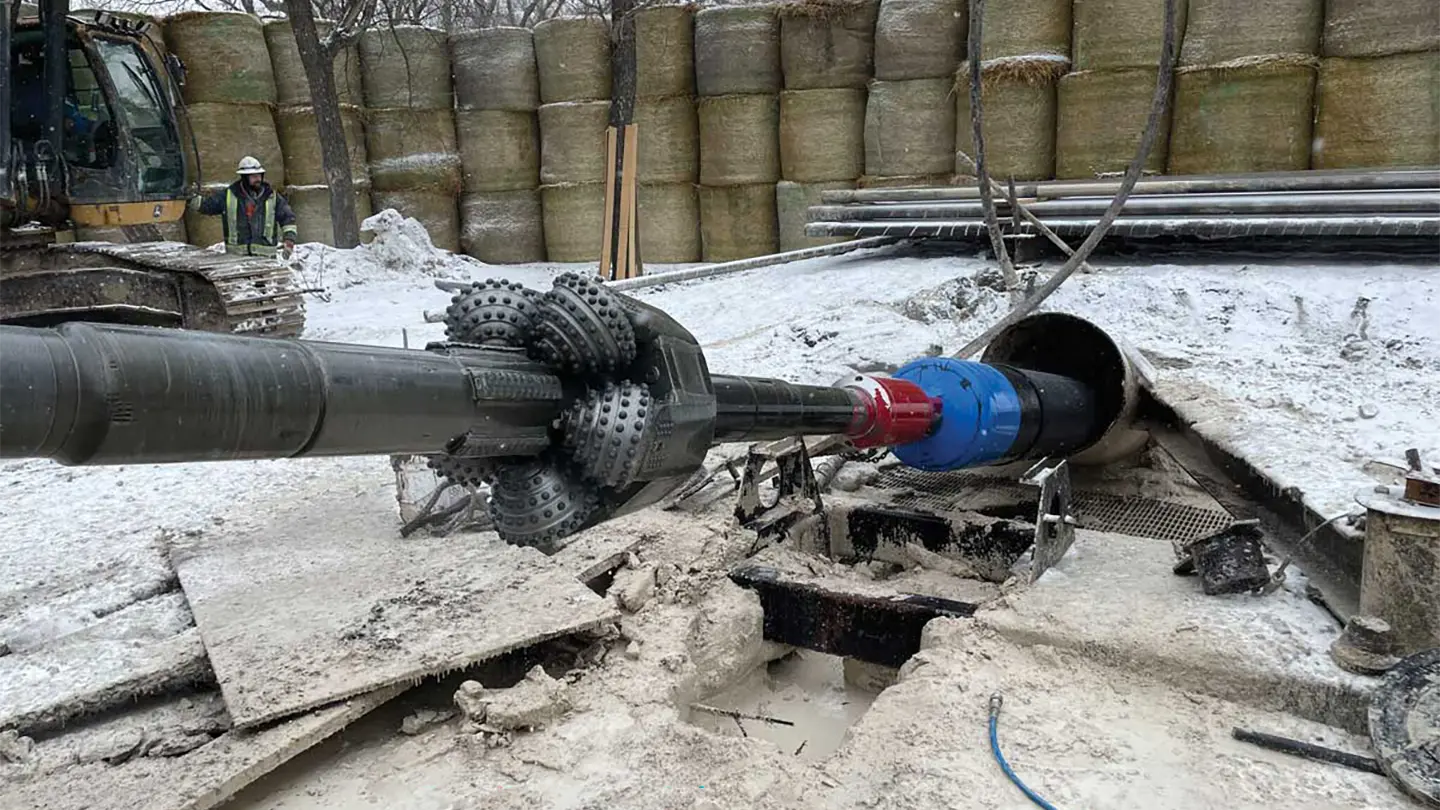
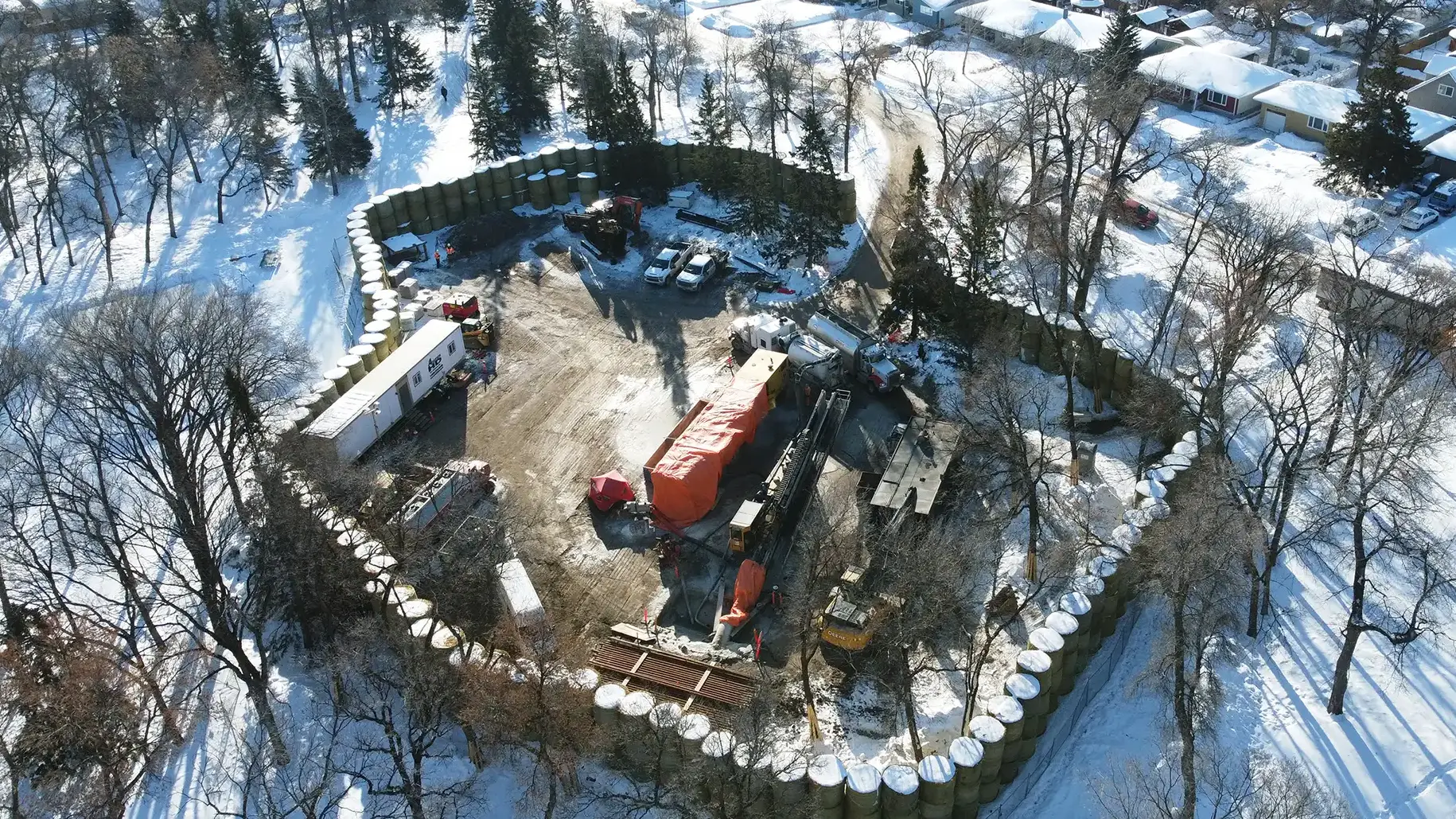
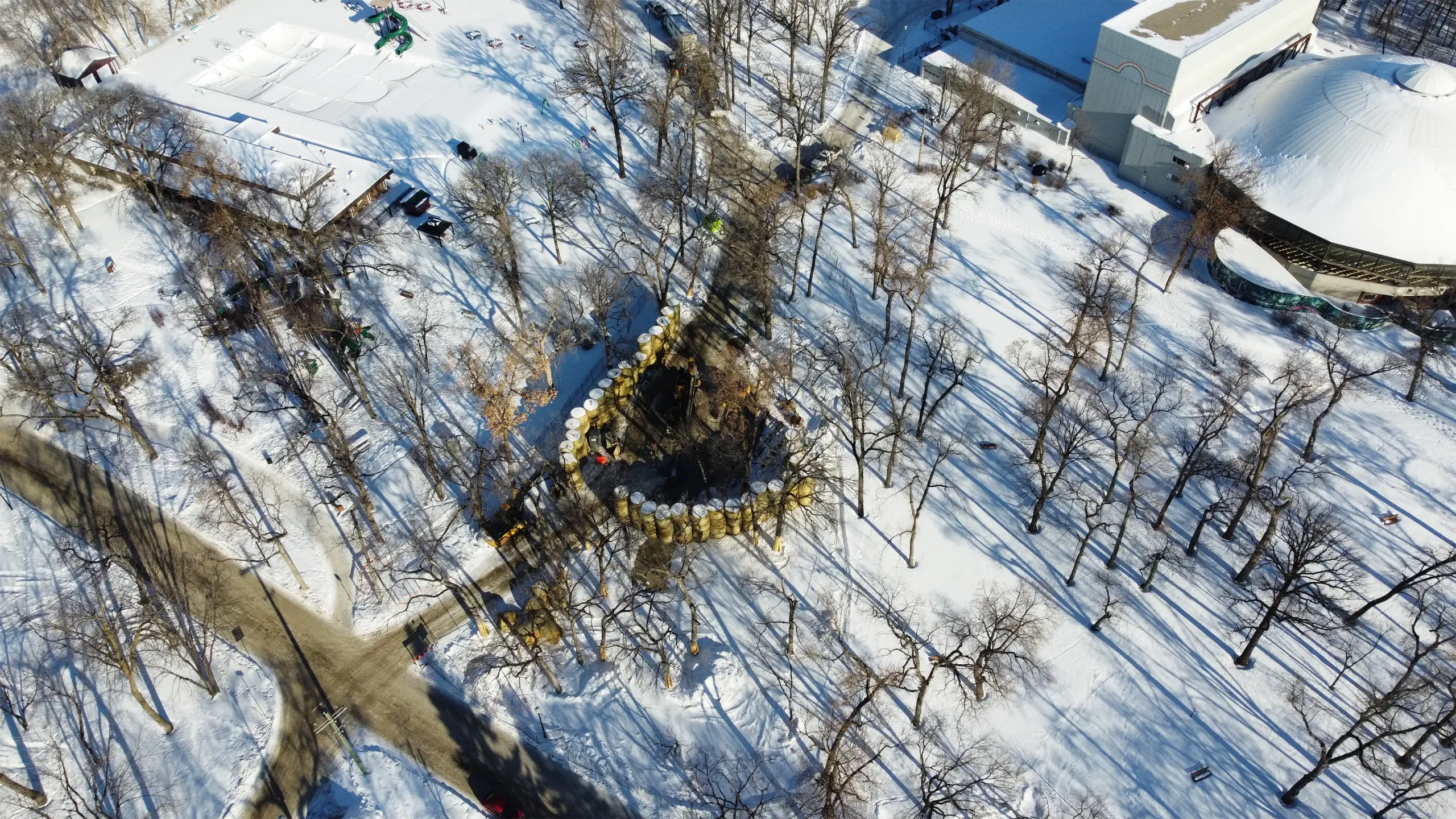
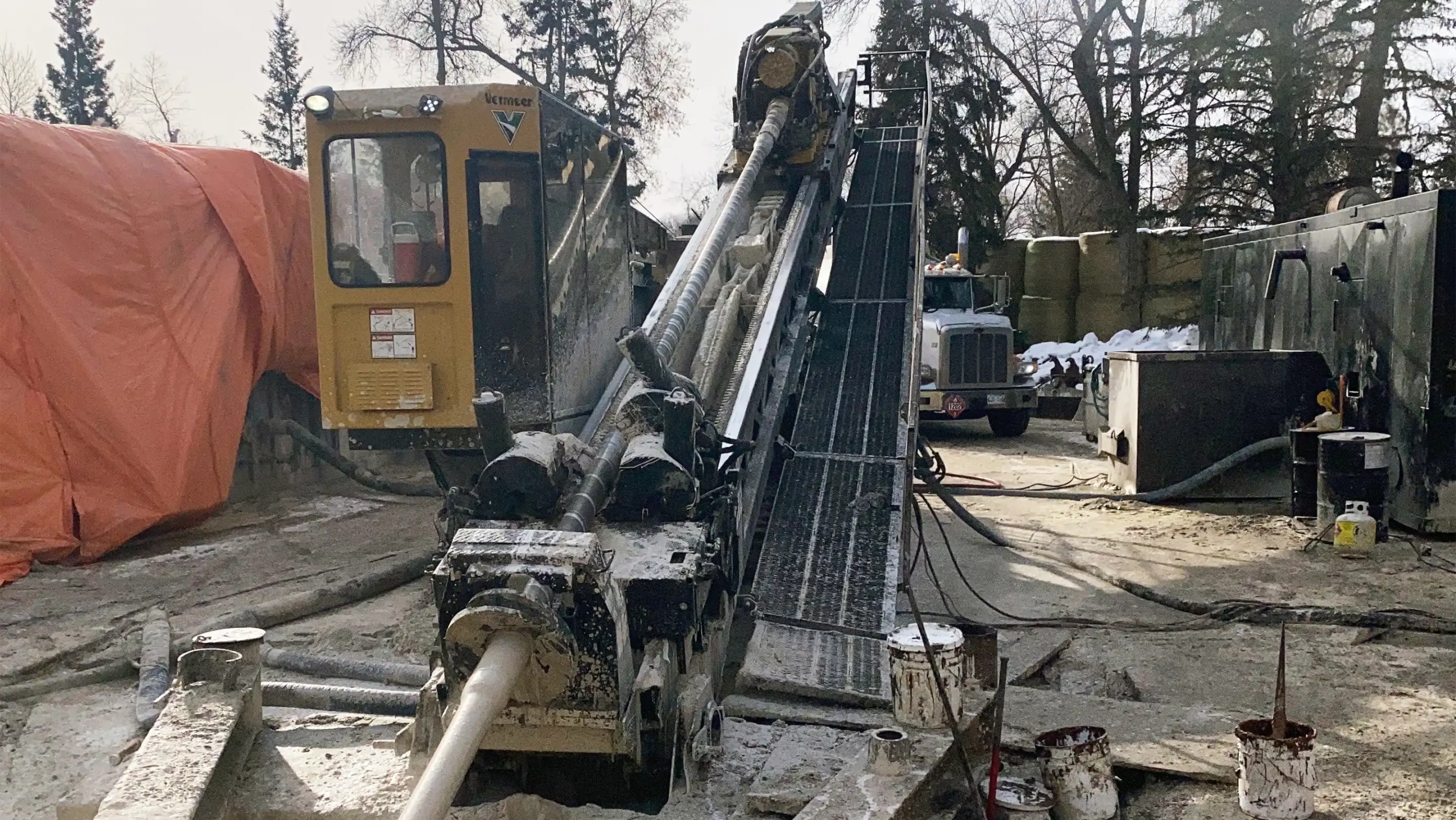
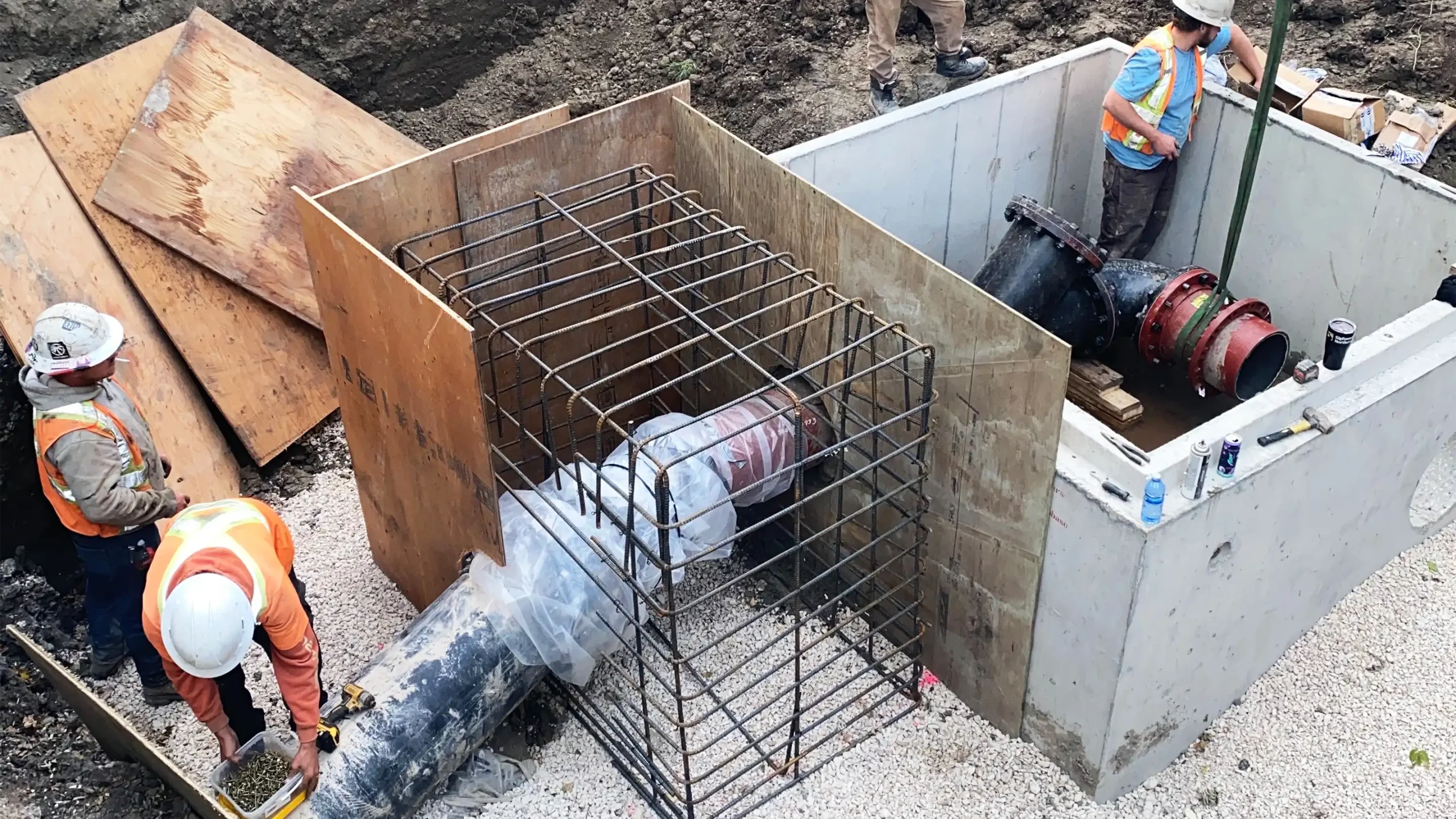
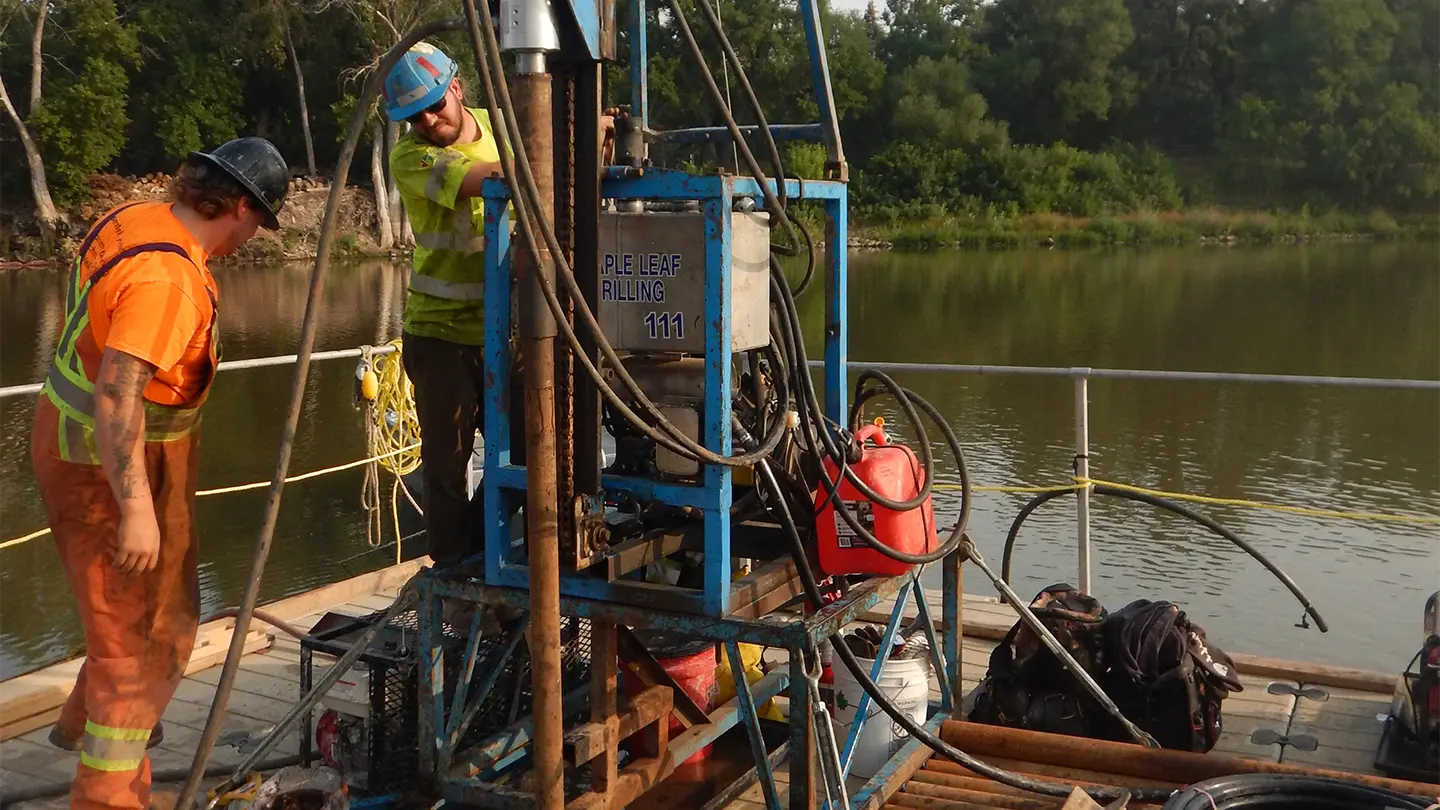
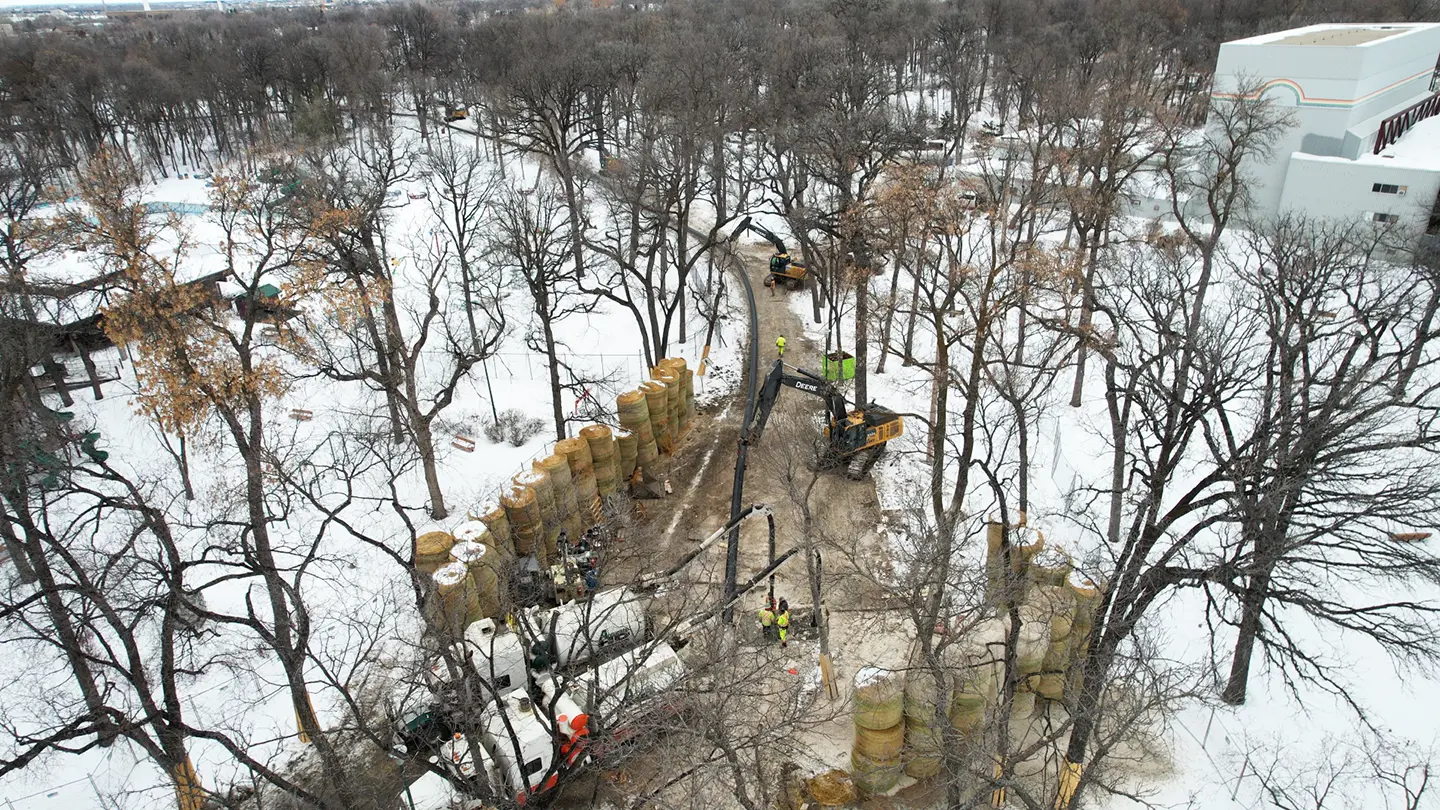
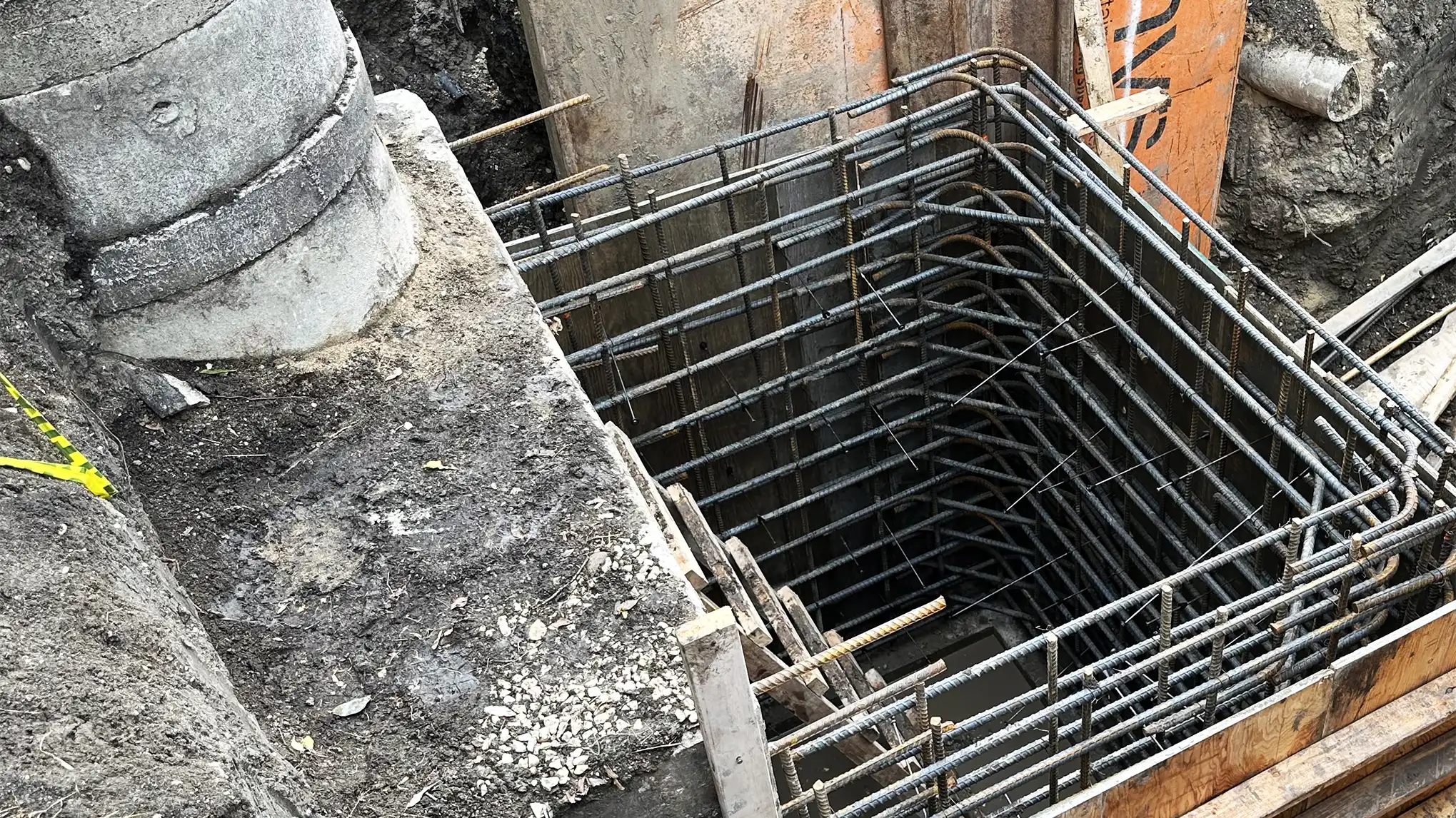
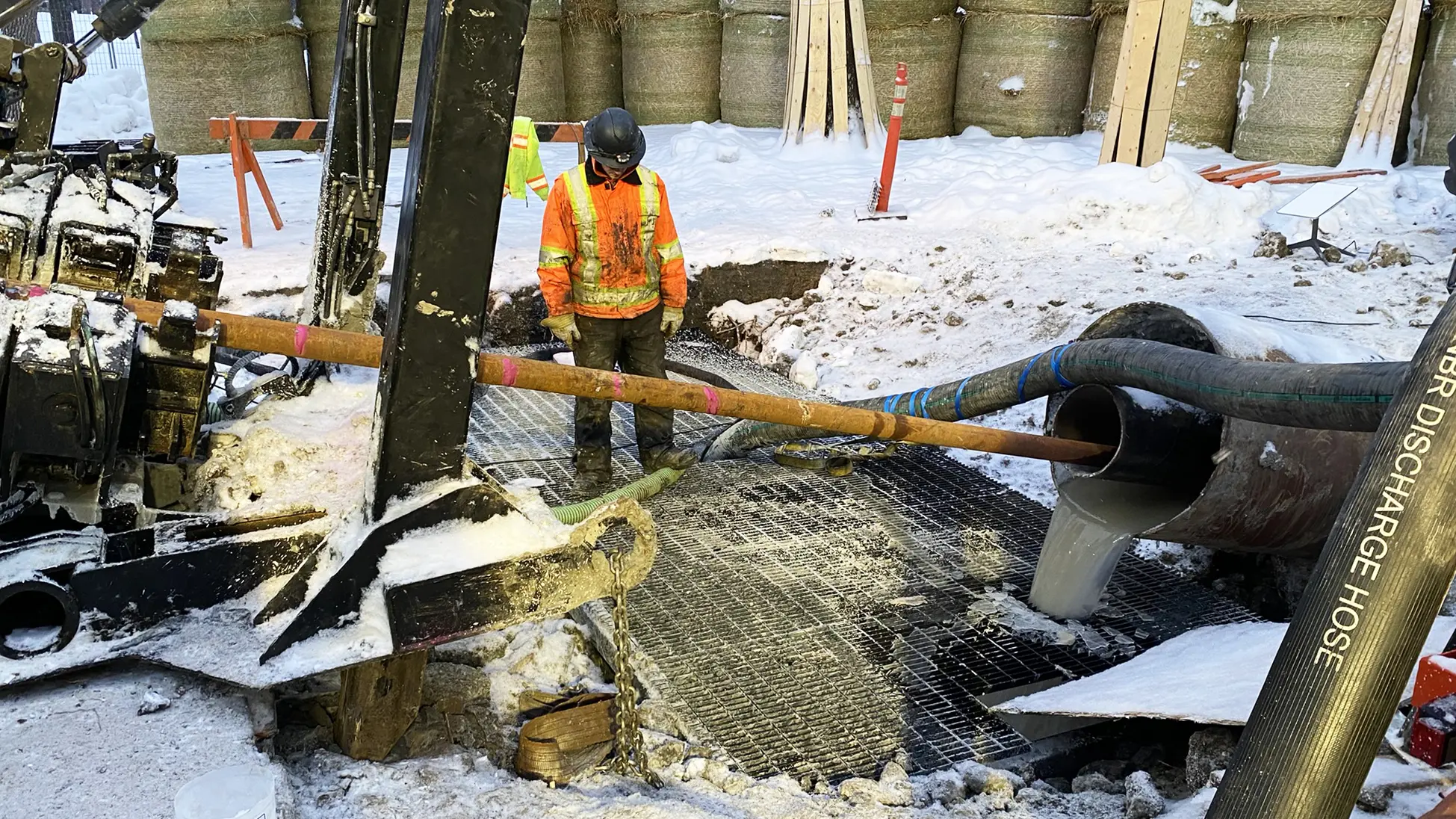
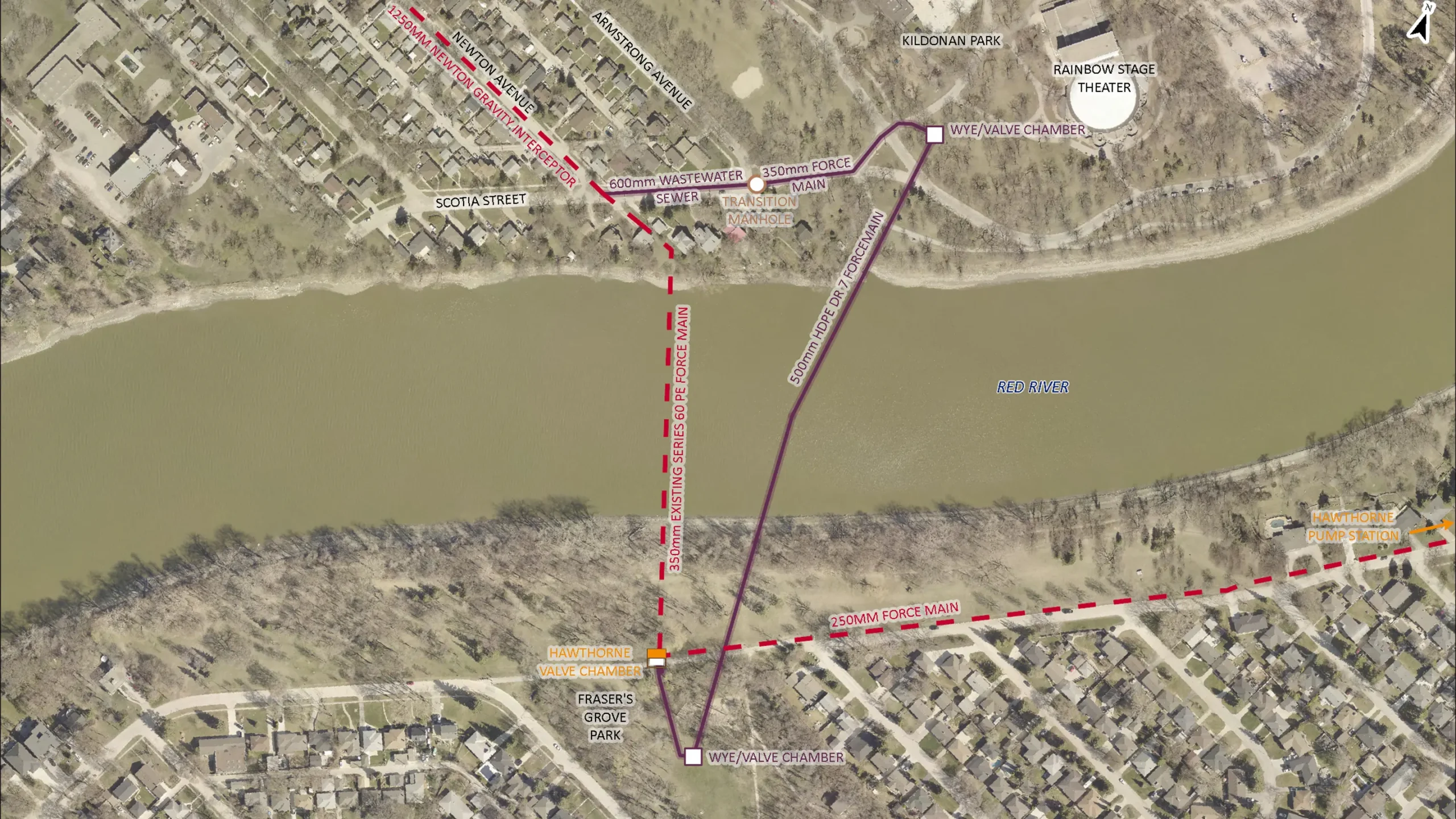
KGS Group and Associated Engineering designed and oversaw the construction of a new, 466 meter river crossing installed trenchlessly 40 meters below grade to replace the failing Newton Force Main River Crossing. This vital piece of infrastructure supports the wastewater flows from the entire Hawthorne sewer district in Winnipeg. Under dry weather conditions, the Newton Force Main River Crossing transports over 2.3 million litres of wastewater daily under the Red River.
The existing crossing was installed along the river bottom in 1978 and was connected to lands that have become densely urbanized, which limited solutions. An alternate alignment was developed to both reroute the force main and install it safely within the bedrock strata below the river.
The result is a durable, long‑term asset that improves system resilience and safeguards the environment and the community.
Project Highlights
- 466 meter river crossing installed trenchlessly, 40 meters below grade
- Horizontal directional drilling with horizontal and vertical curves – a first in Manitoba
- 780 meters of new force main on an alternate alignment in bedrock below the river
- Replaces 1978 river‑bottom crossing which lowers environmental risk and maintenance needs
Birds Hill Lake Improvements
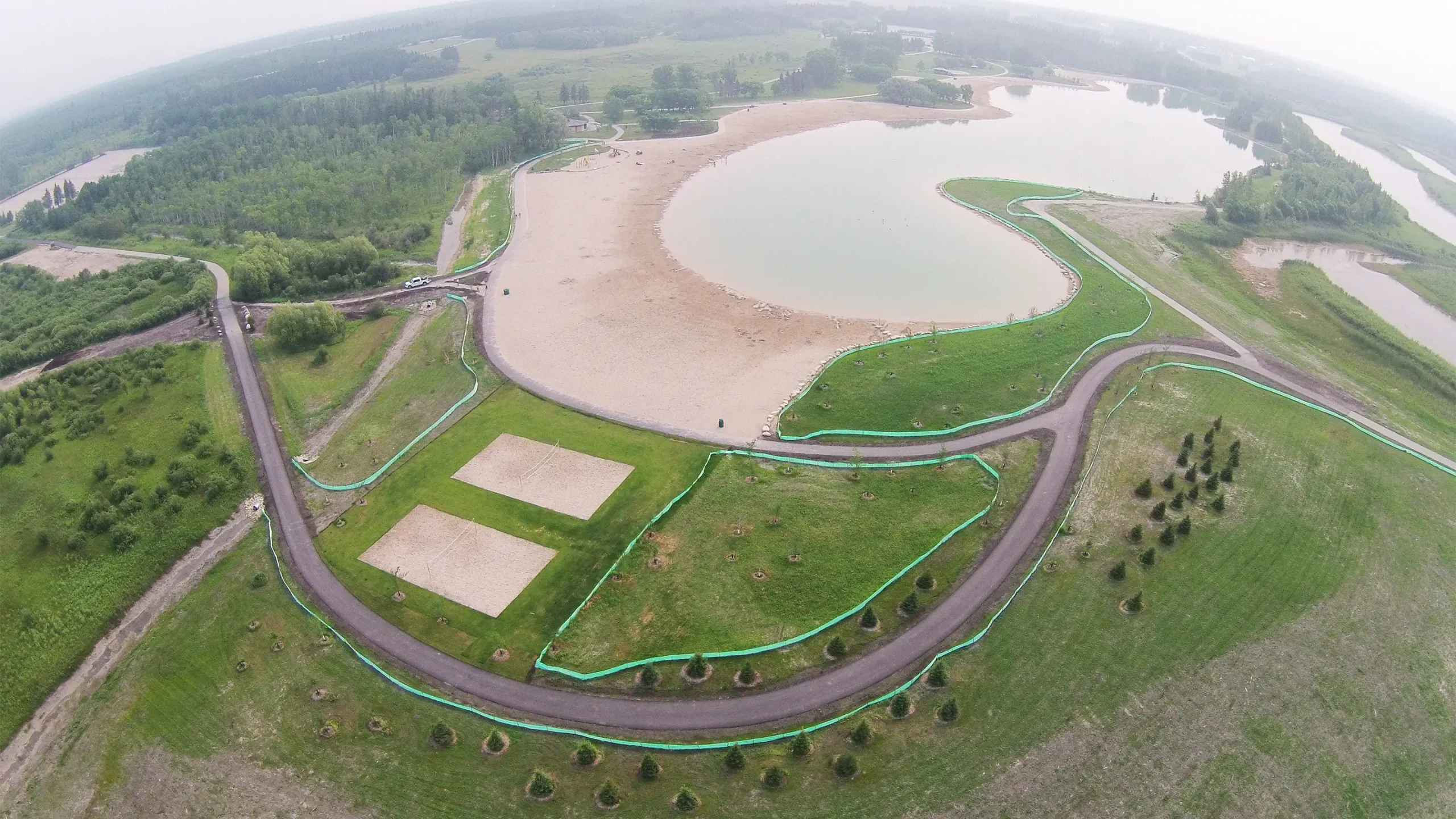
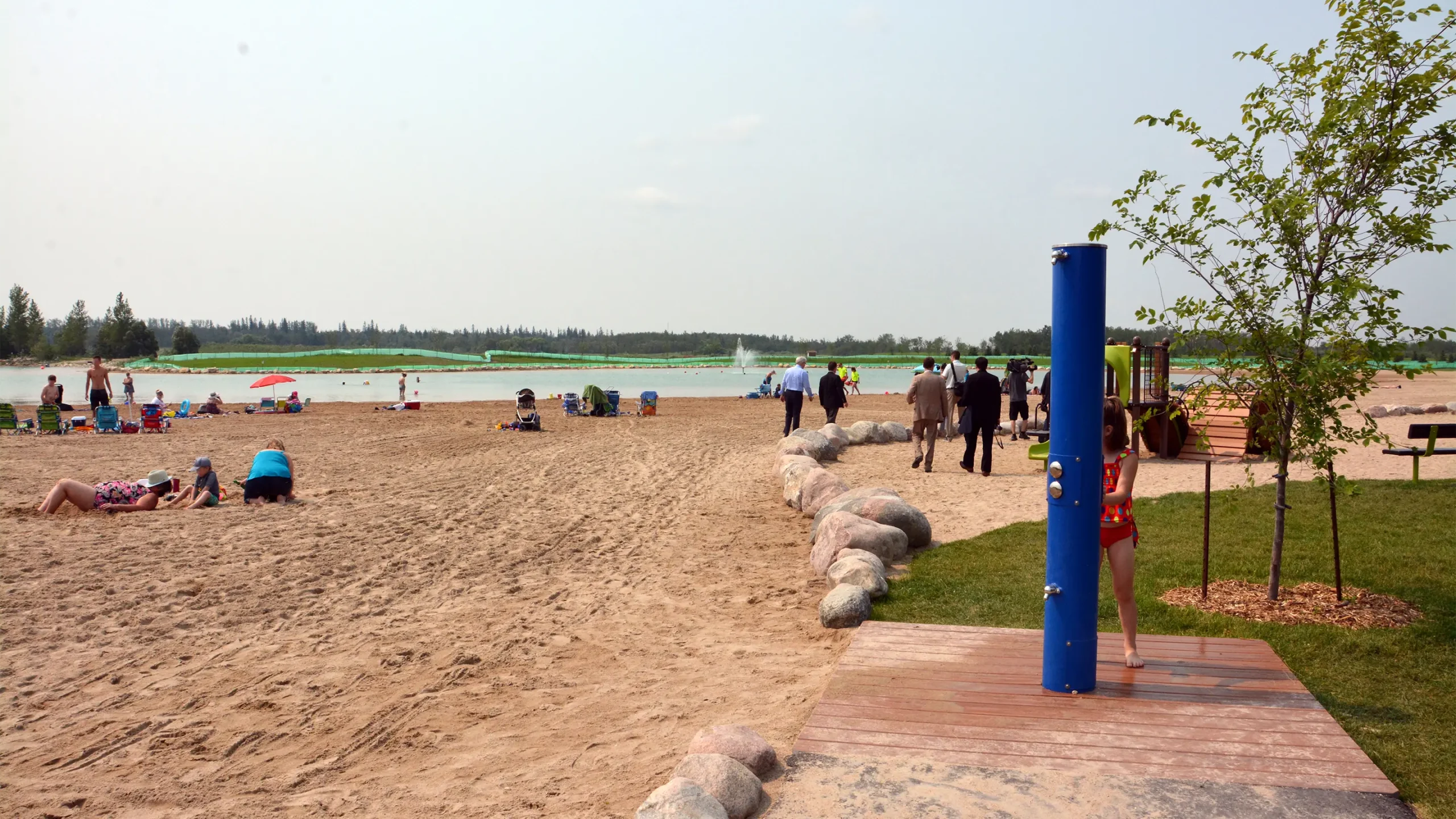
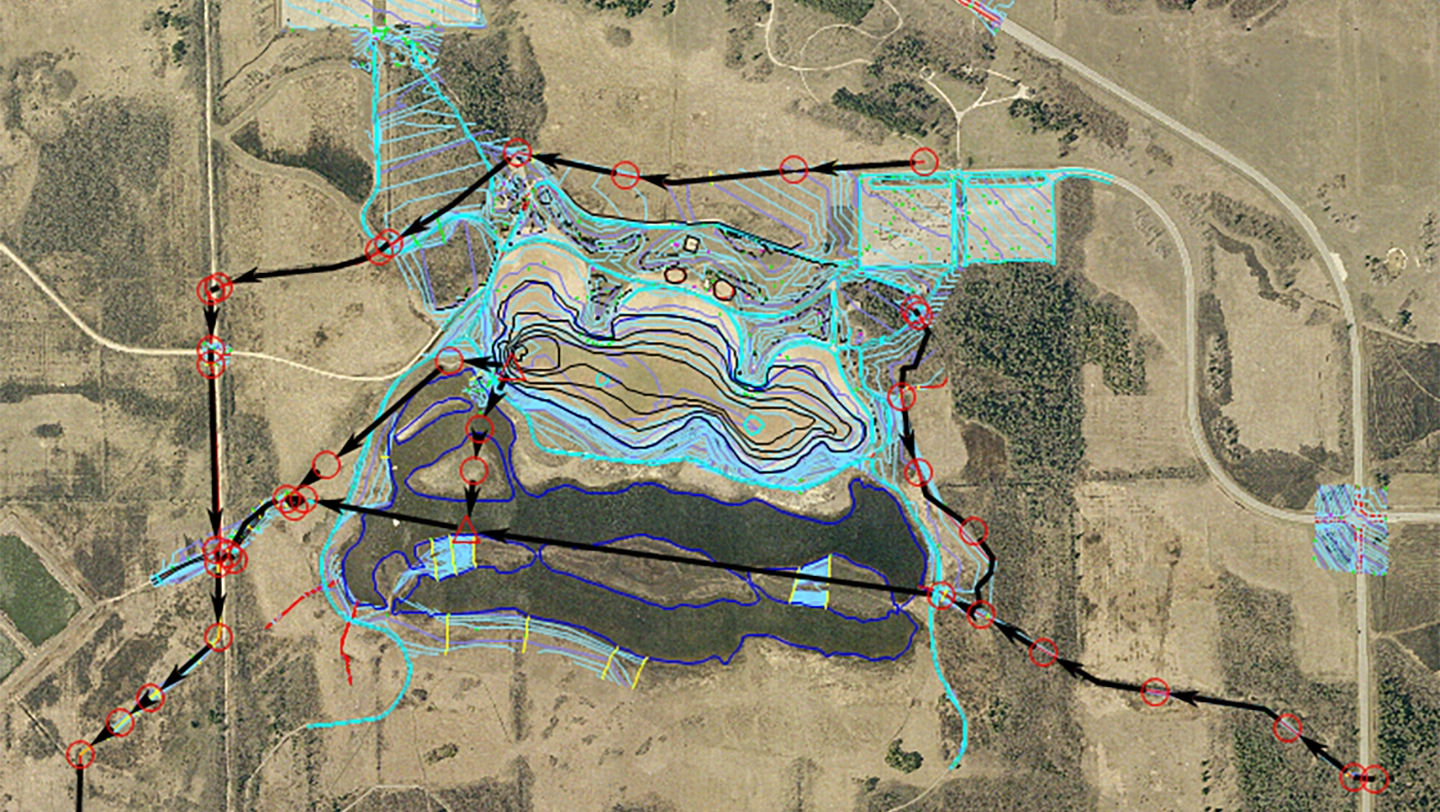
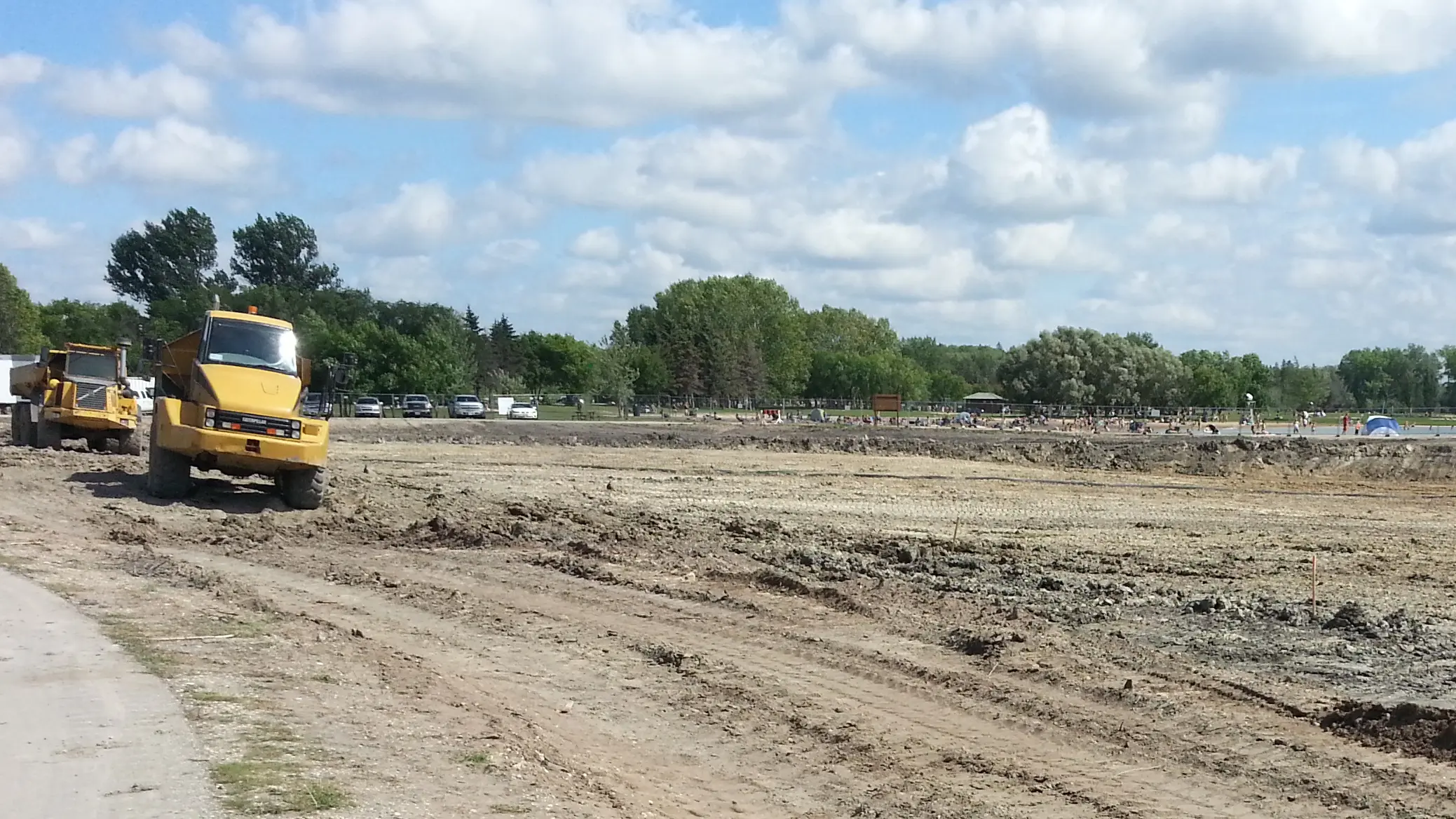
KGS Group, with Scatliff + Miller + Murray, delivered a $4.2 million program to expand Birds Hill Provincial Park’s lake and beachfront and modernize supporting infrastructure improving the public’s experience at one of Manitoba’s most popular recreational destinations. KGS Group rehabilitated the lake bed to improve water quality and added roughly one‑third more lake and beach-front area.
To support the lake expansion, several elements of the park’s infrastructure were also improved with the goal of increasing the reliability, safety and efficiency of existing systems. Improvements included expanding and repairing the active transportation network, upgrading dated sewage systems, improving the east and west parking lots as well as repurposing existing assets to serve new, innovative functions within the park.
Our multidisciplinary team provided integrated design and construction support, coordinating work within an active, high‑use park to protect visitors, maintain access and deliver efficient sequencing. The result is a larger, cleaner lake, safer and more reliable park systems, and amenities that better serve hundreds of thousands of visitors each year.
Project Highlights
- Multidisciplinary design and landscape architecture and construction support
- Roughly 33% more lake and beach-front area, east and west parking lots improved, active transportation routes expanded and repaired, sewage systems upgraded
- Lake‑bed rehabilitation to improve water quality
- Increased capacity and accessibility, higher reliability, safety, and efficiency, enhanced visitor experience for hundreds of thousands annually
University of Manitoba Fort Garry Riverbank Asset Management
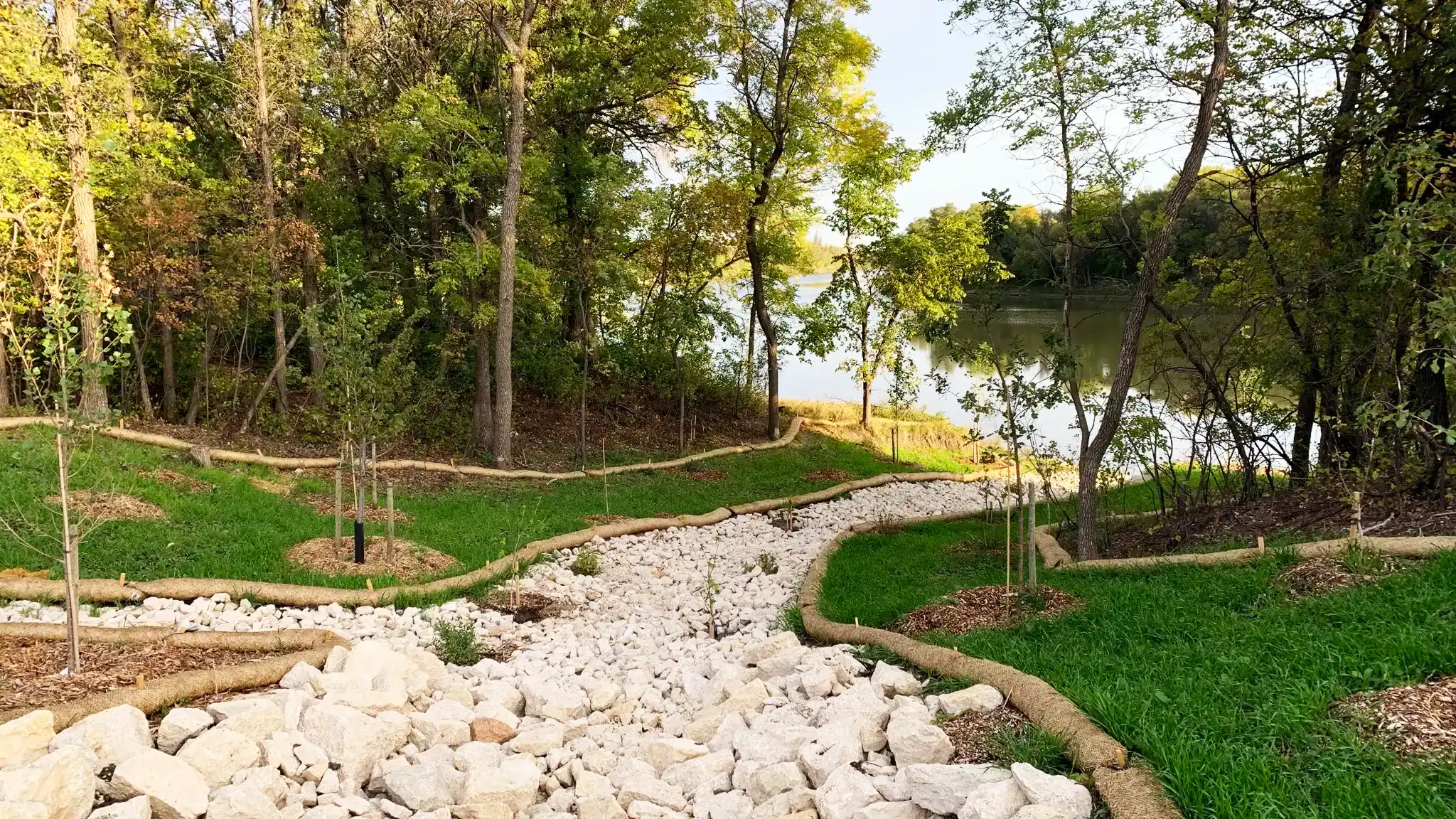
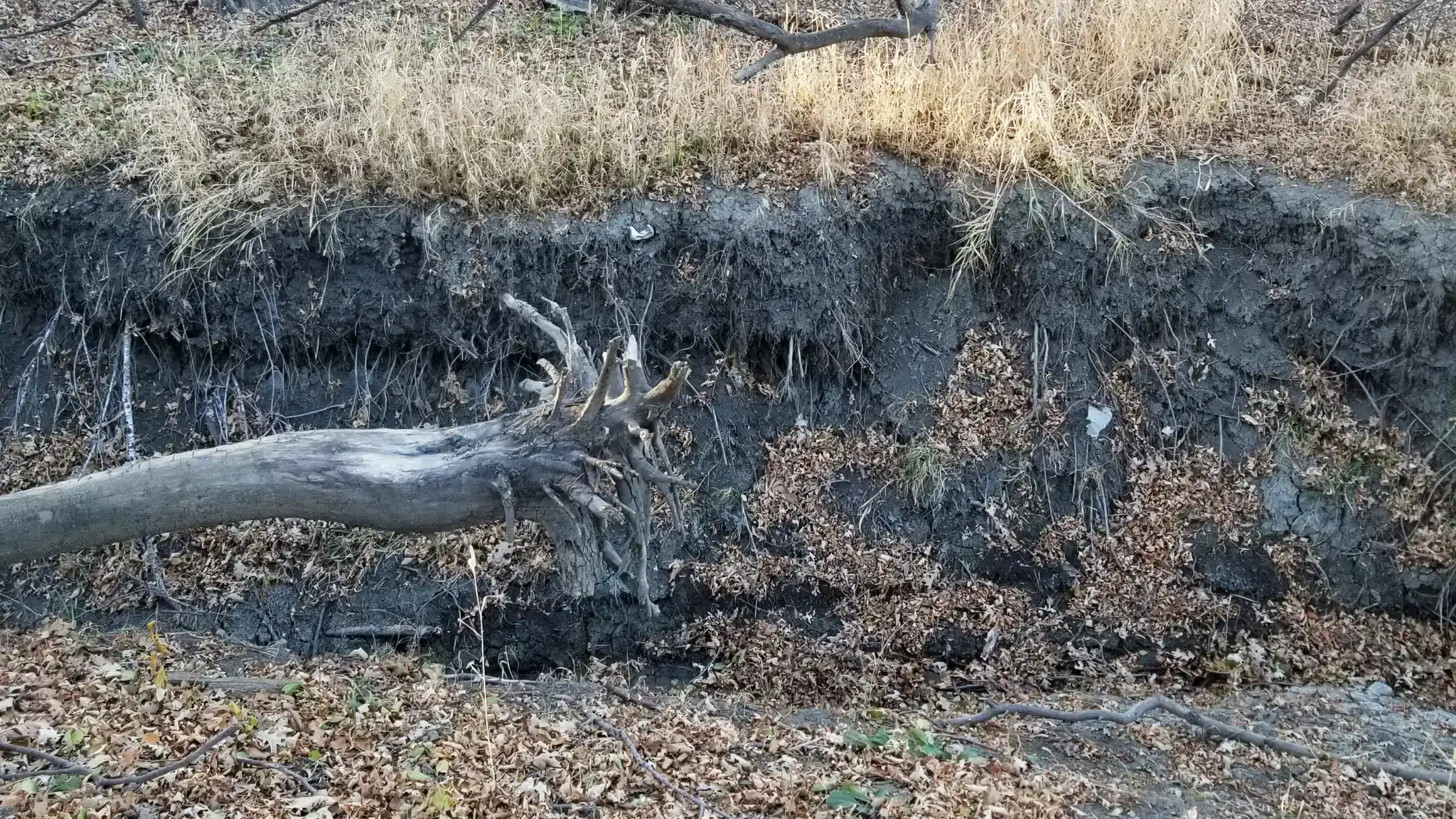
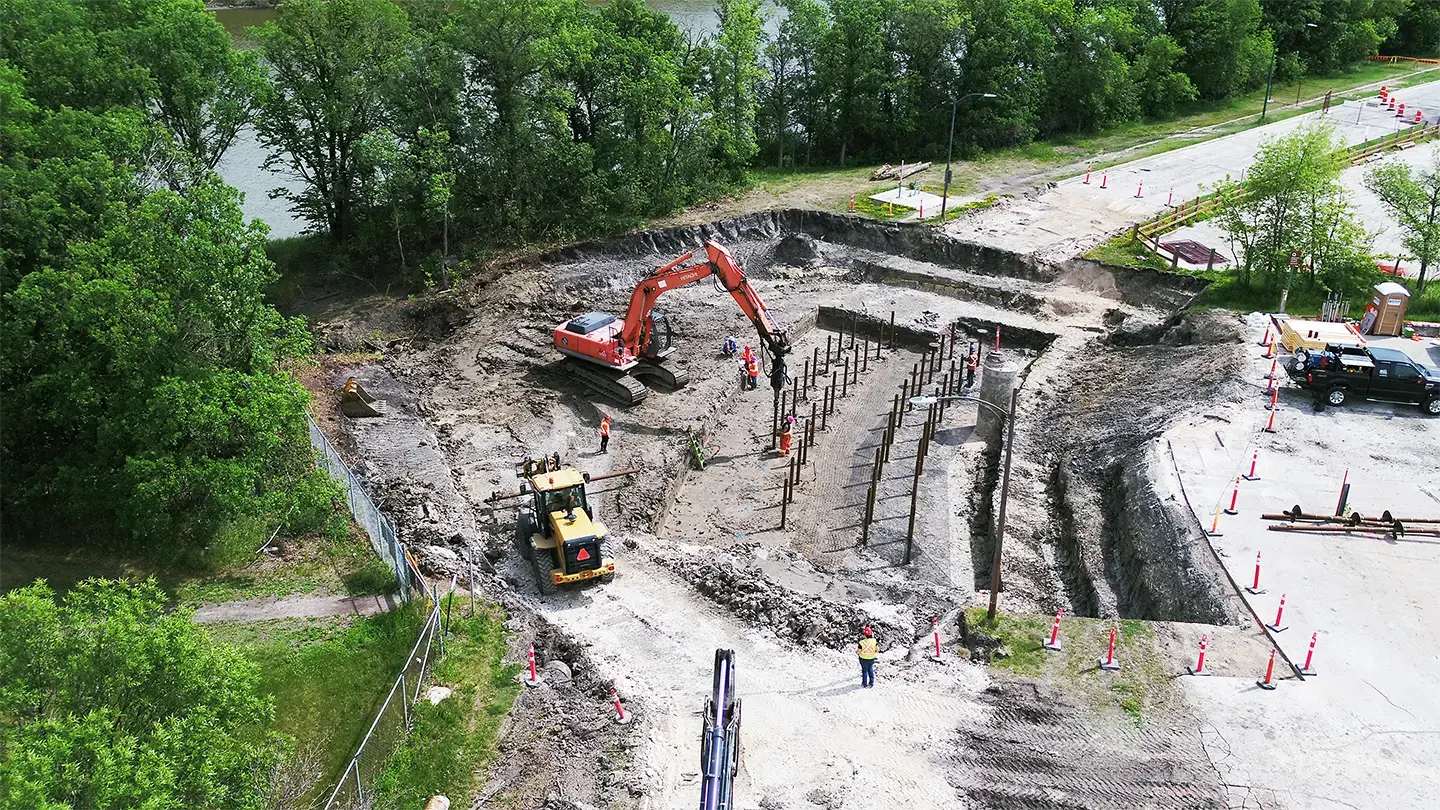
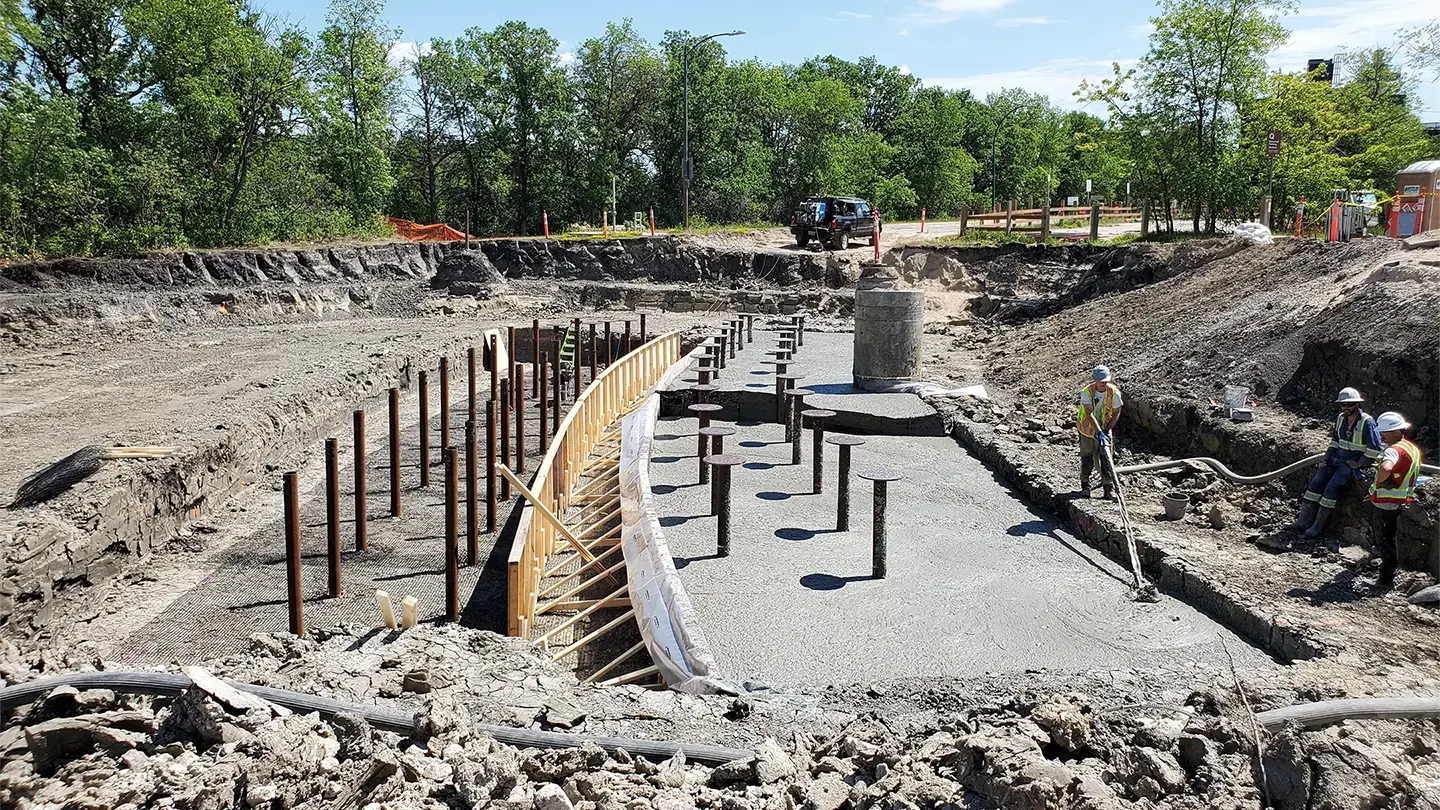
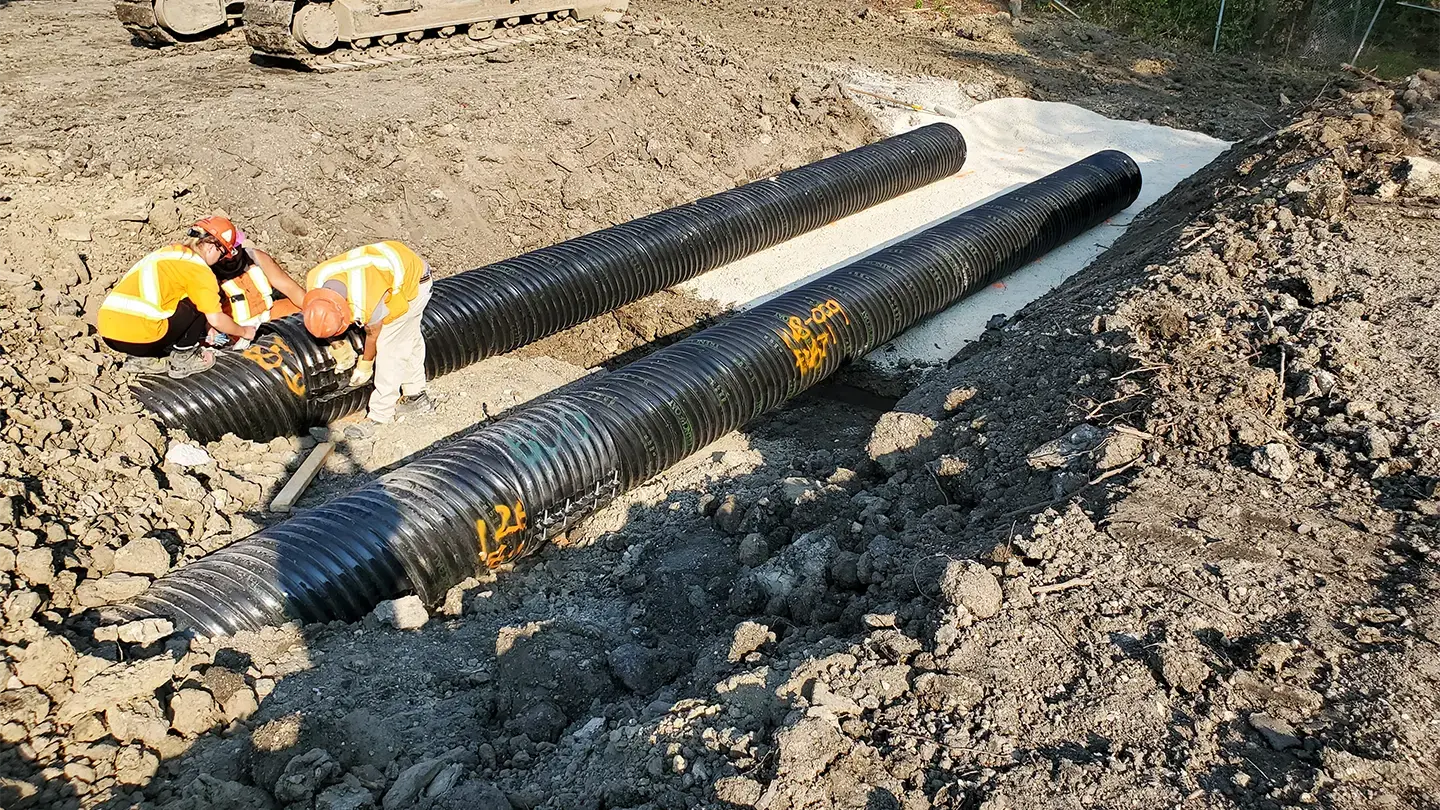
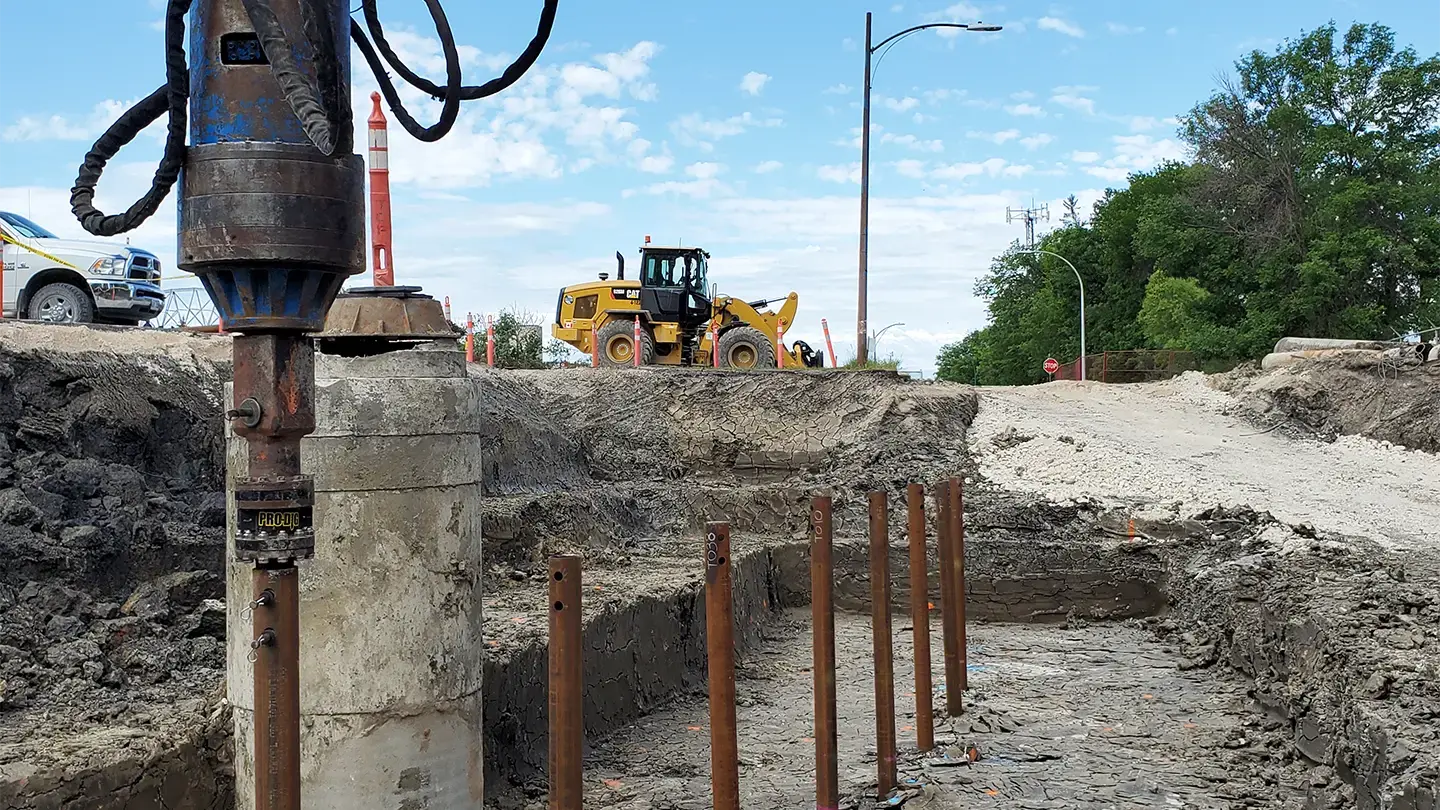

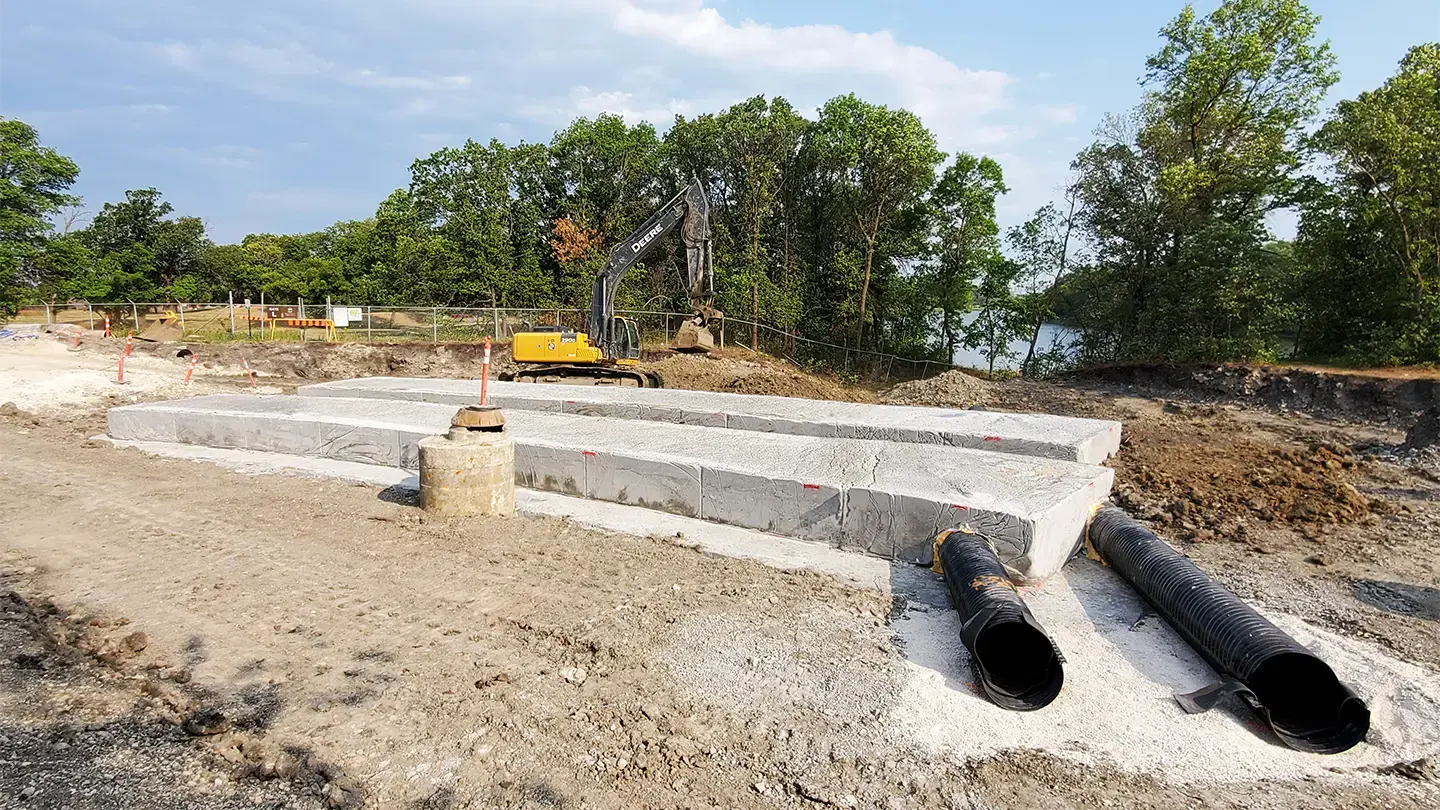
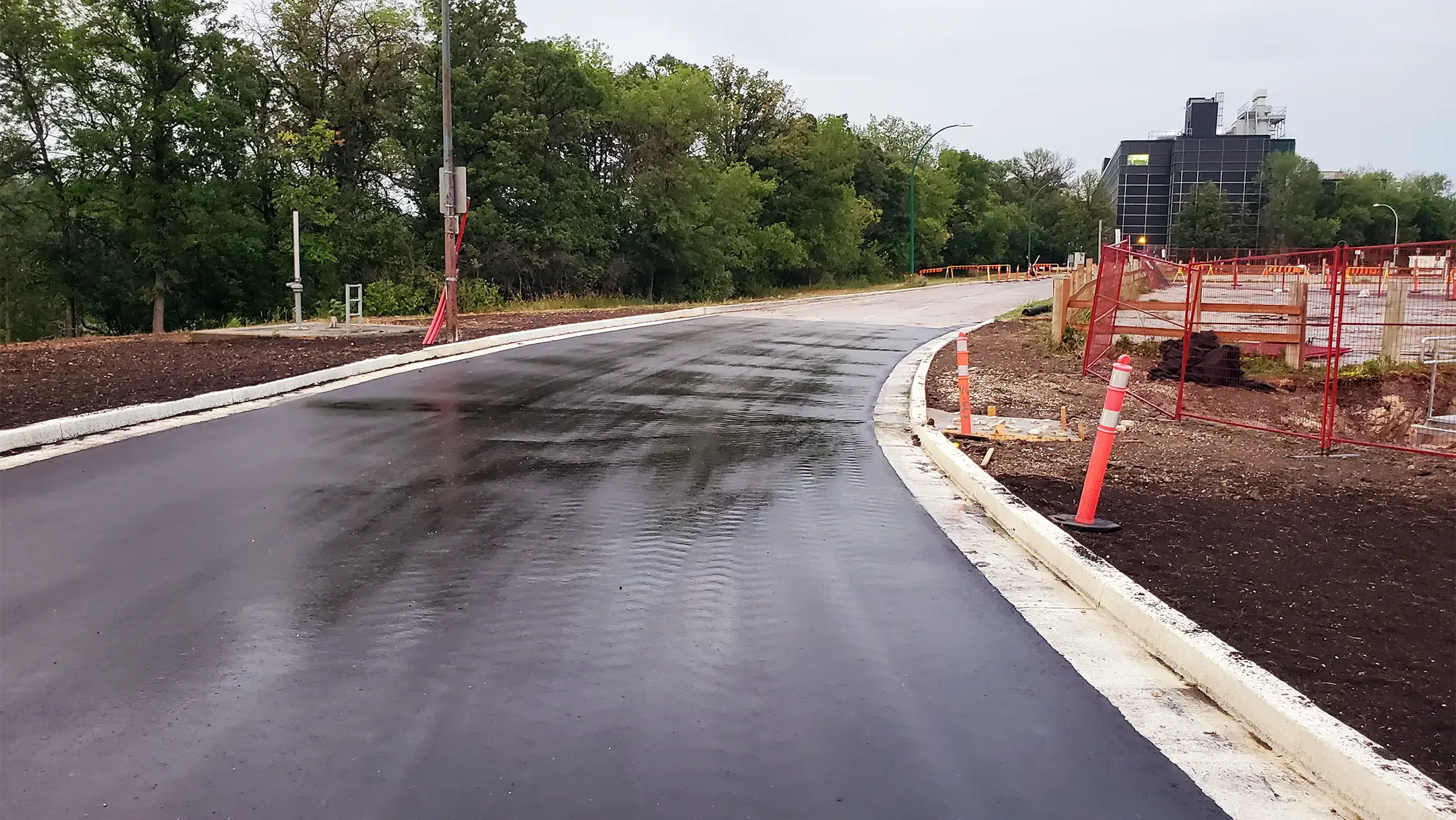
On the northwest side of the University of Manitoba Fort Garry Campus, which is located on Treaty 1 Territory, 600 meters of Sifton Road along the Red River acts as the Primary Line of Defense (PLD) dike, protecting the City of Winnipeg from flooding. Along the riverbank, ongoing and uncontrolled surface water discharge from Culvert 108 created over-steepened slopes and was threatening the integrity of this portion of Sifton Road.
KGS Group designed an innovative solution to reconstruct Culvert 108, Sifton Road and the PLD dike system. A first for this technology in Winnipeg, the solution used buoyant lightweight fill material anchored with helical piles. Additionally, the land drainage system was redesigned, Culvert 108 was upgraded to prevent future damage and supplemental vegetation was planted. The result was an area that is fully integrated with the surrounding ecosystem and is ready for future use opportunities while protecting the community.
Project Highlights
- Designed a solution to reconstruct Culvert 108, Sifton Road and PLD dike system to restore flood protection and roadway function
- The solution, a first for this technology in Winnipeg, included buoyant lightweight fill anchored with helical piles
- Redesigned the land drainage system to control and safely route surface water, reducing erosive outflows to the riverbank