

Assiniboine River and Lake Manitoba Basins Flood Mitigation Study
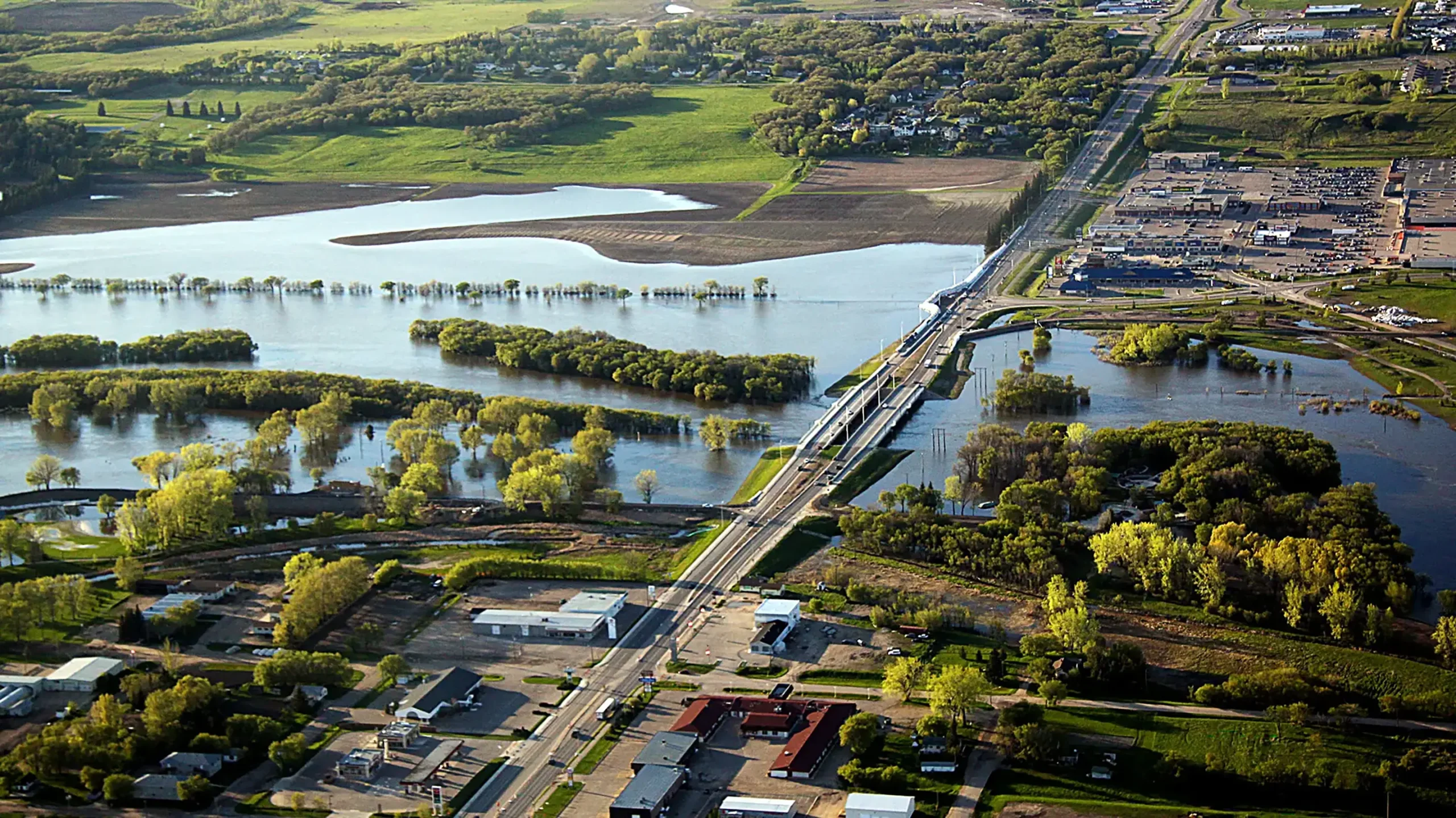
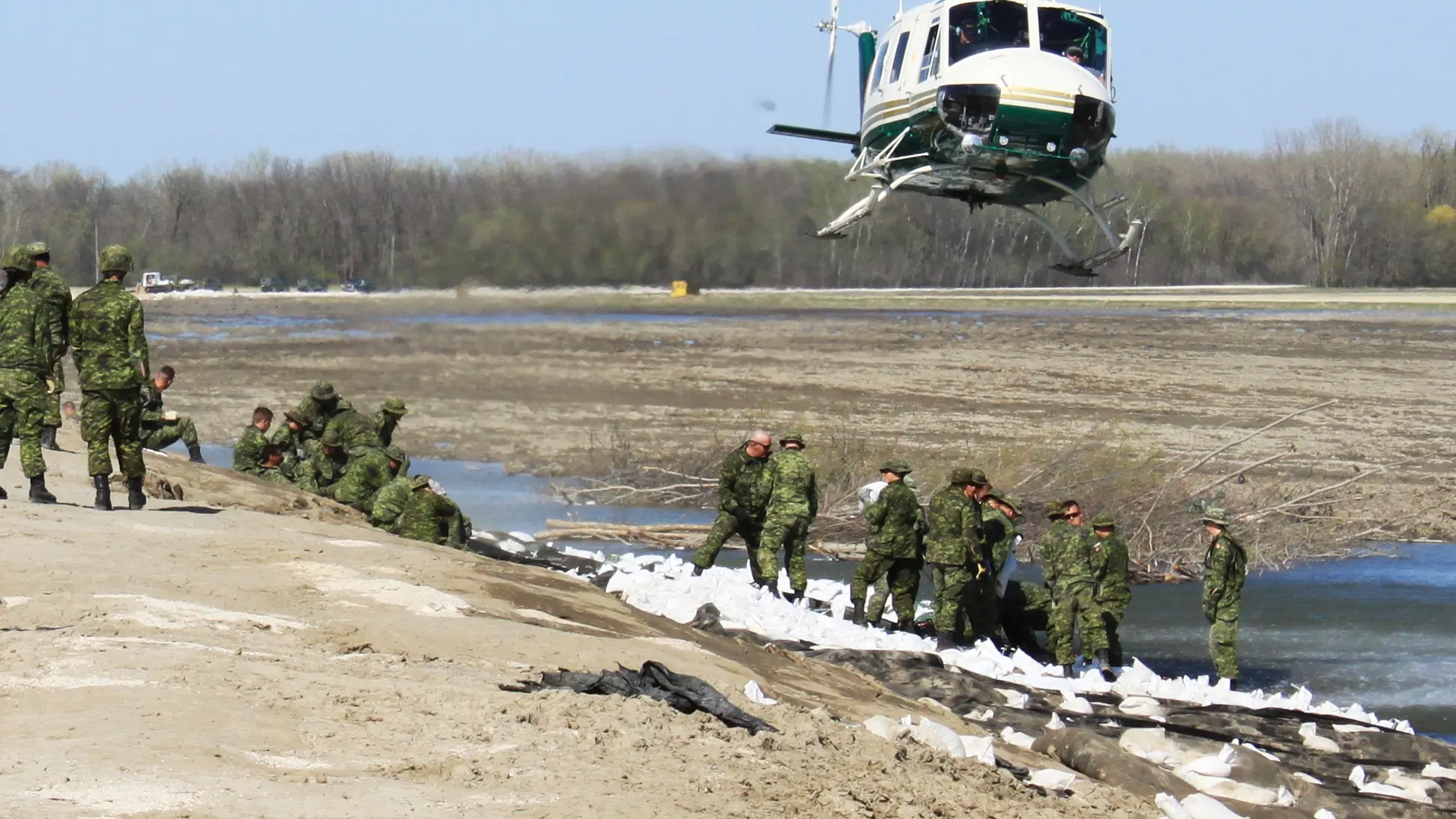
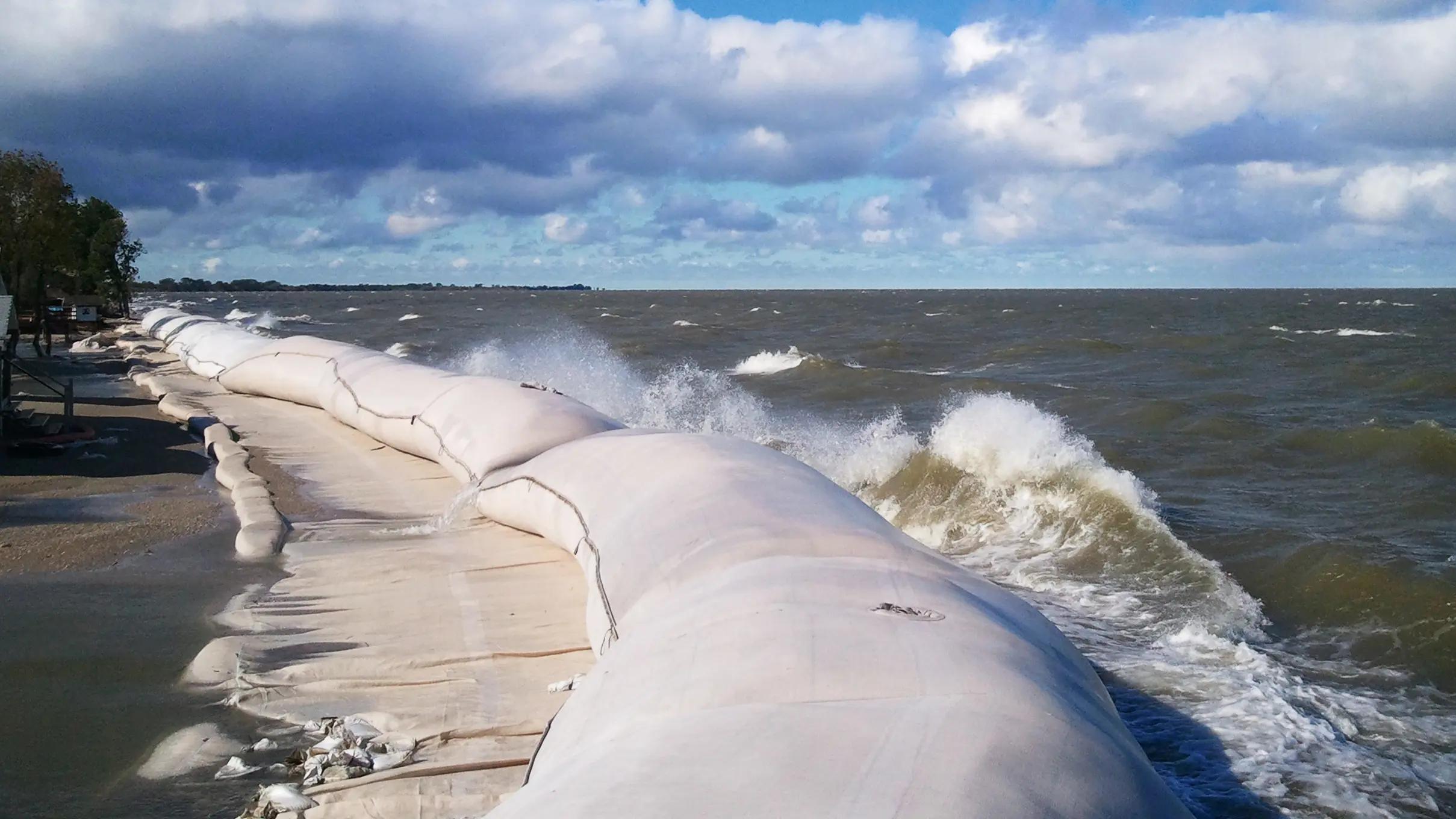
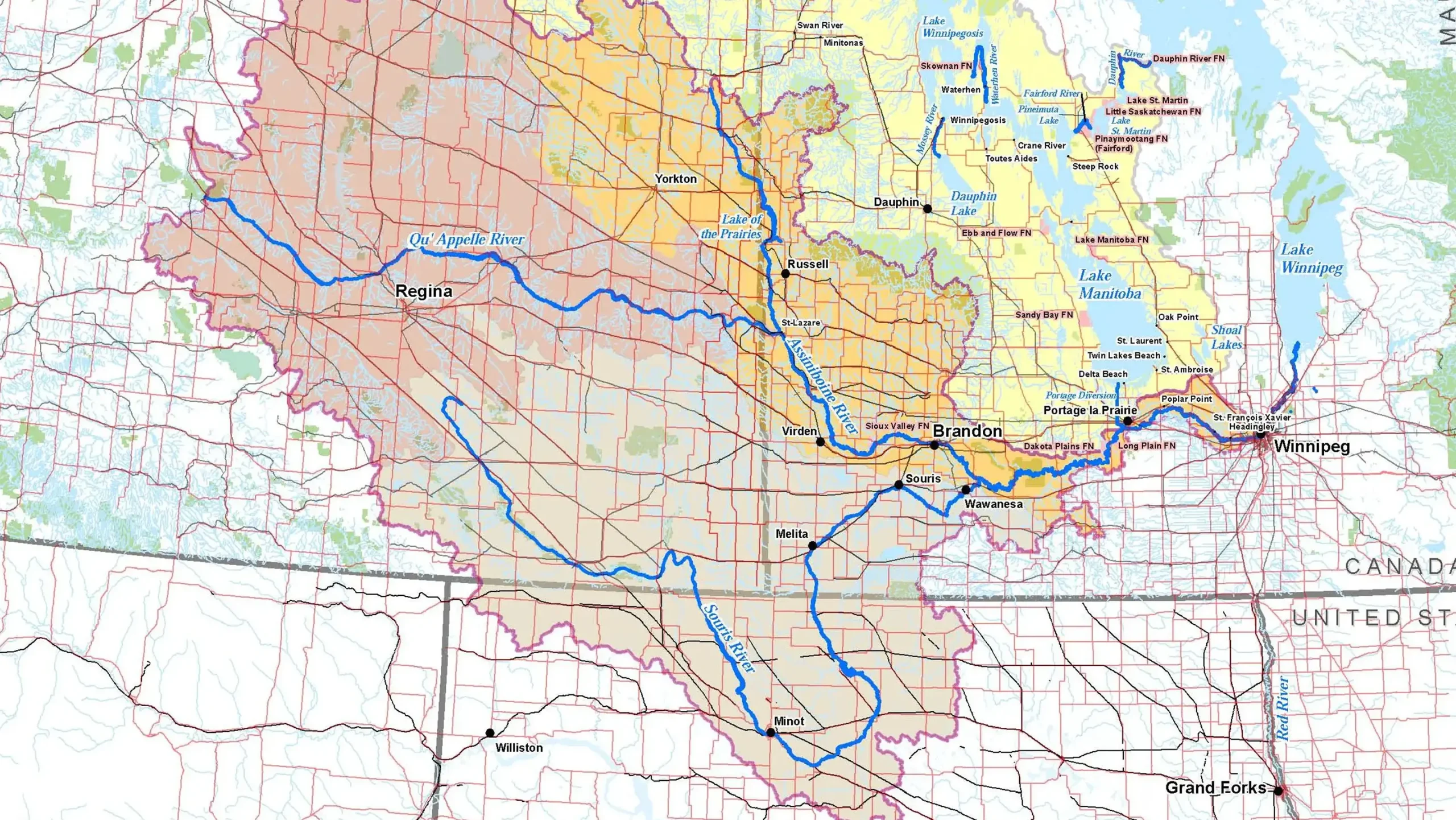
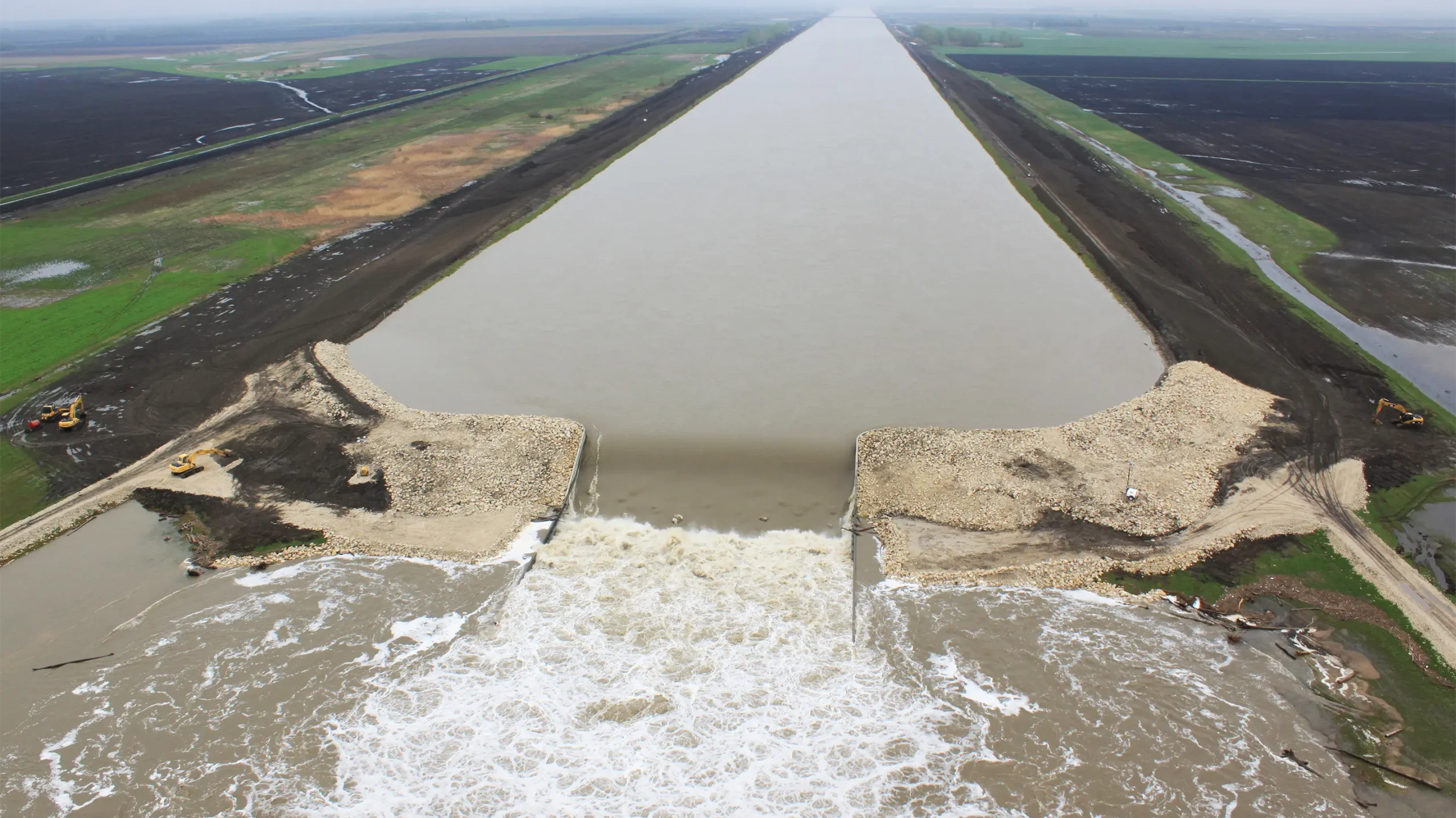
The flood of 2011 highlighted several potential “weak links” in Manitoba’s flood control system, which resulted in widespread damage across the province. To address the propensity for flooding in the Assiniboine River and Lake Manitoba basins, KGS Group carried out a flood mitigation study, which identified major flood vulnerabilities and assessed a wide range of measures to improve protection in the region.
A vast amount of data was reviewed and over 70 mitigation options were evaluated including dikes, reservoirs, diversion channels, wetland restoration and development controls. As well, a number of sophisticated models were developed to calculate cost-benefit ratios and the economic viability of the options.
Working collaboratively with Manitoba Transportation and Infrastructure, the project team developed a technical workshop and held public open house events to incorporate important feedback into the study findings.
The results of the study identified over $1 billion of flood mitigation upgrades required to increase the flood protection level to provincial standards across the basin. The results will also serve as the foundation for major flood mitigation programs for the next several decades.
Project Highlights
- Reviewed and synthesized basin‑wide datasets to establish current and future flood risk profiles
- Evaluated 70+ mitigation options, including dikes and levees, reservoirs and storage, diversion channels, wetland restoration, development controls
- Compiled actionable study deliverables for program planning
University of Manitoba Fort Garry Campus Riverbank Management Study
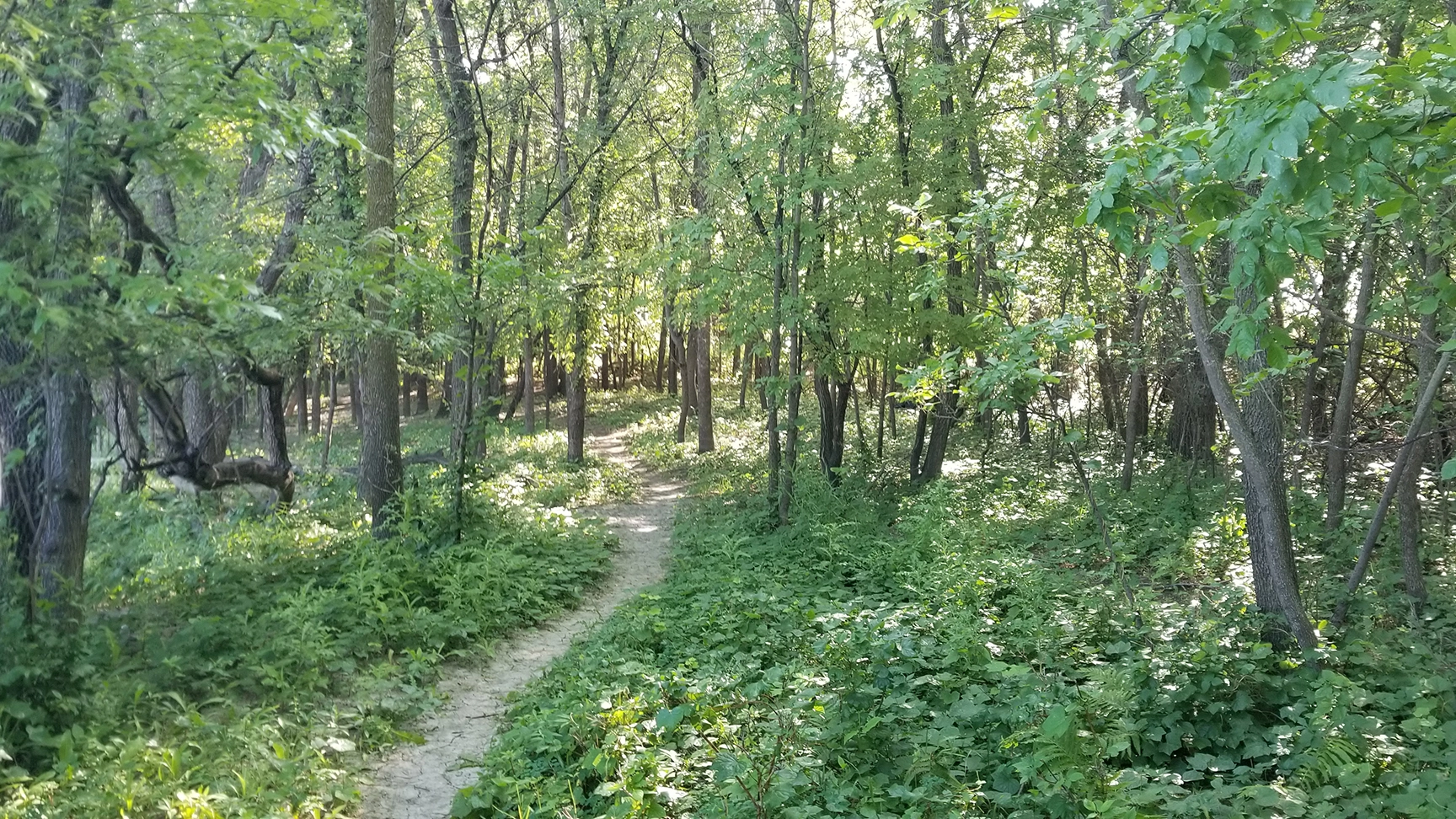
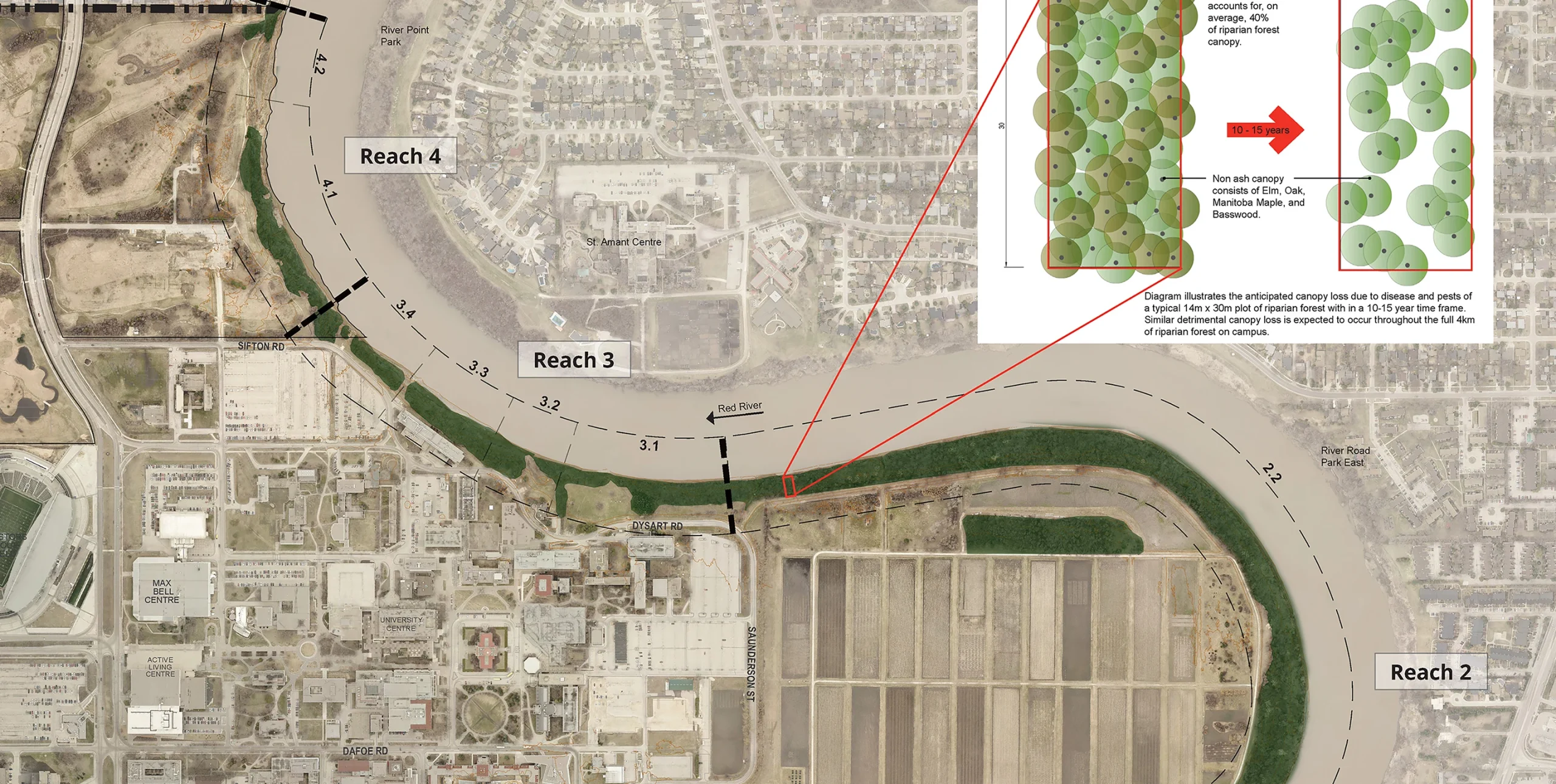
With nearly 4 km of shoreline, the University of Manitoba (UM) Fort Garry Campus is inherently linked to the Red River. The UM has adopted policies to become a leader in ecological, social and economic sustainability to promote a healthier, more active campus while reducing environmental impact.
Aligning with the UM’s sustainability principles, KGS Group provided the university with a 15-year, phased riverbank management strategy that favours restoration of the riparian corridor with naturalized solutions. Integrating geotechnical and ecological concepts, the riverbank management plan is a comprehensive tool to help the university manage risk, promote riverbank health and preserve critical infrastructure. The plan mirrors the dynamic nature of the river, allowing for updates over time to reflect changes to the riverbank and the campus itself.
Project Highlights
- Mapped and segmented 4 km of shoreline to create reach‑based inventories and prioritize restoration actions
- Completed integrated assessments of bank stability, erosion risk, riparian condition and habitat value
- Defined naturalized restoration treatments (e.g., riparian revegetation, bioengineering/soft stabilization, setback planting)
Gillam Subdivision Passive Groundwater Drainage Project
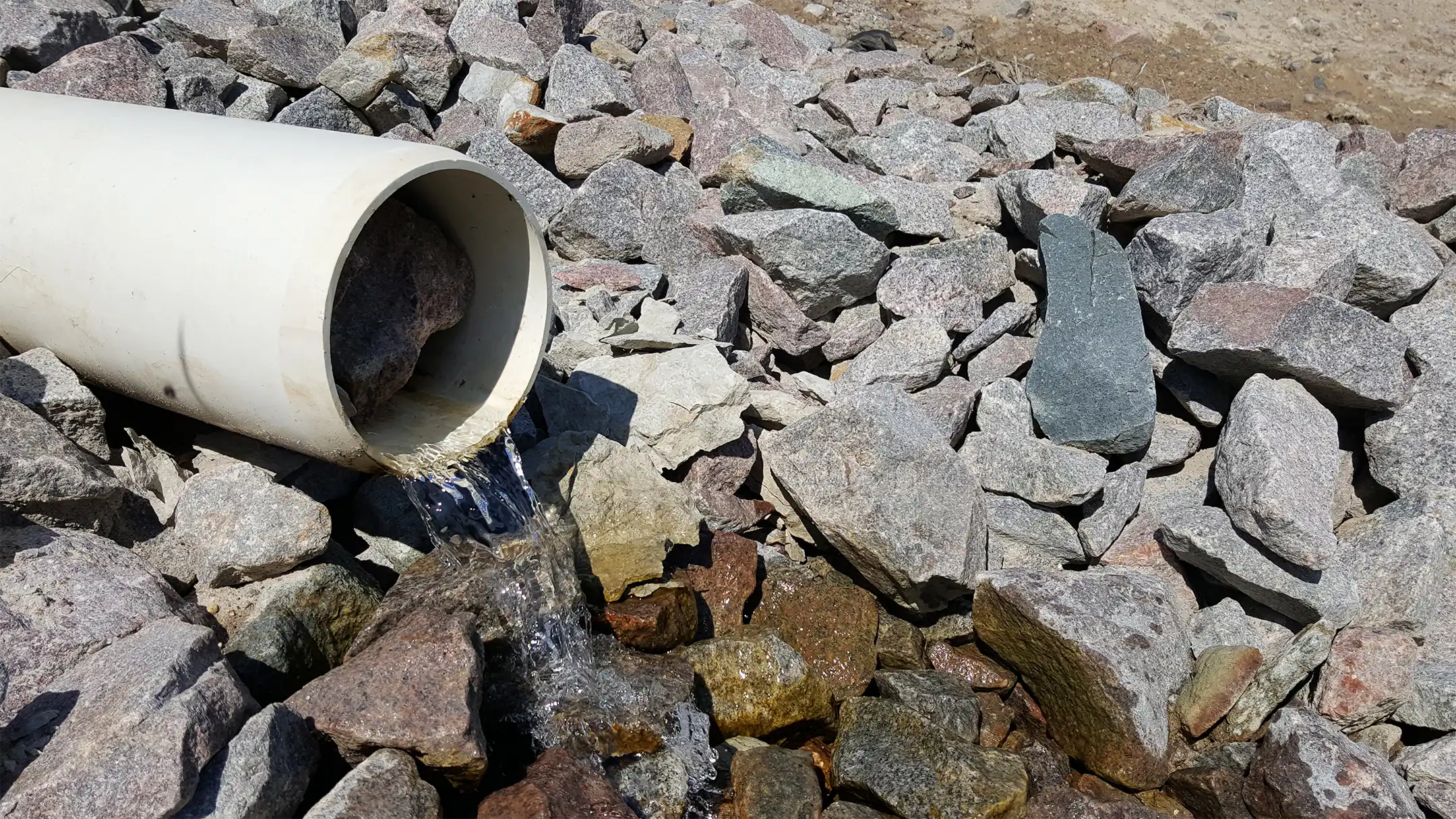
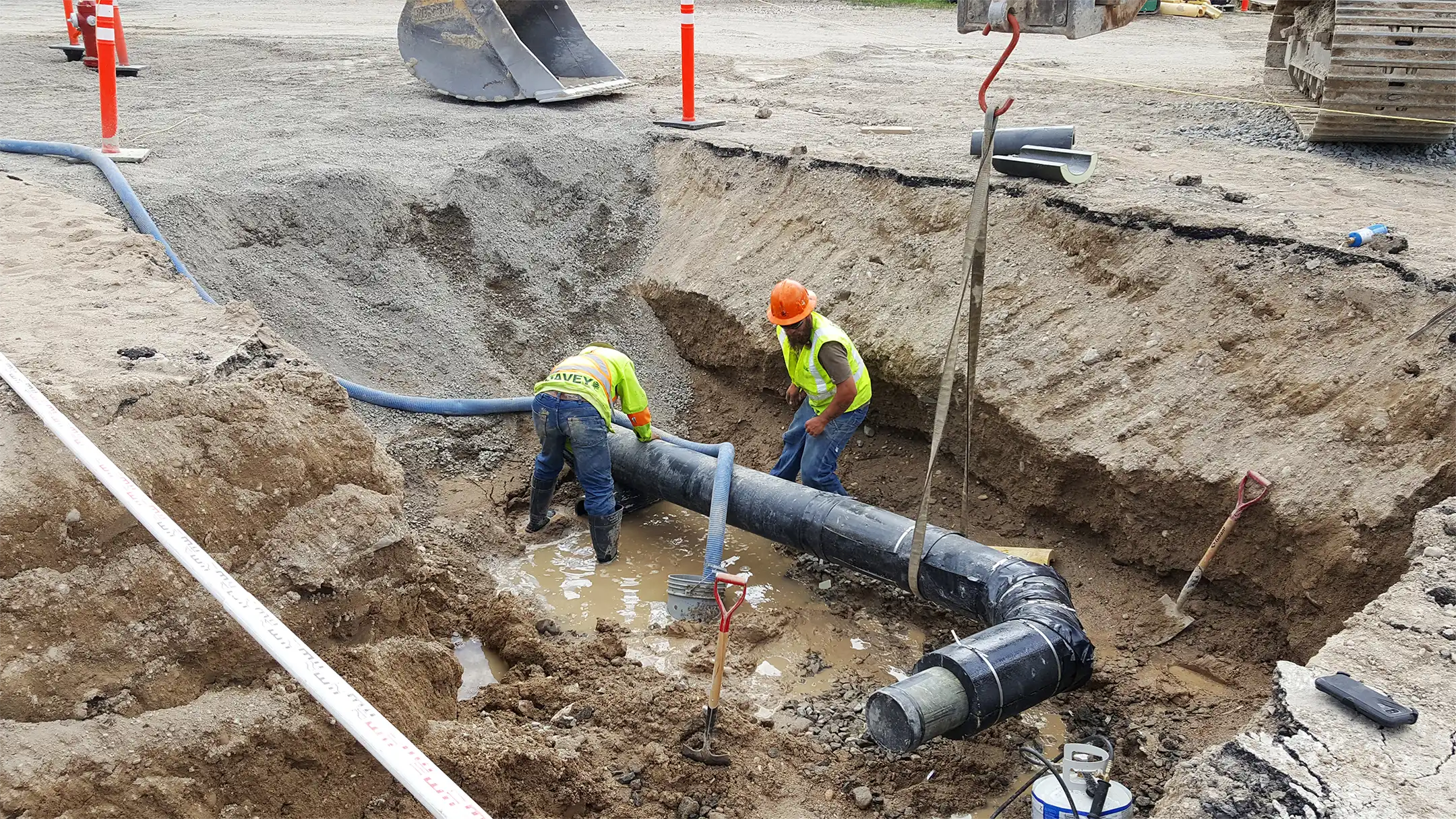
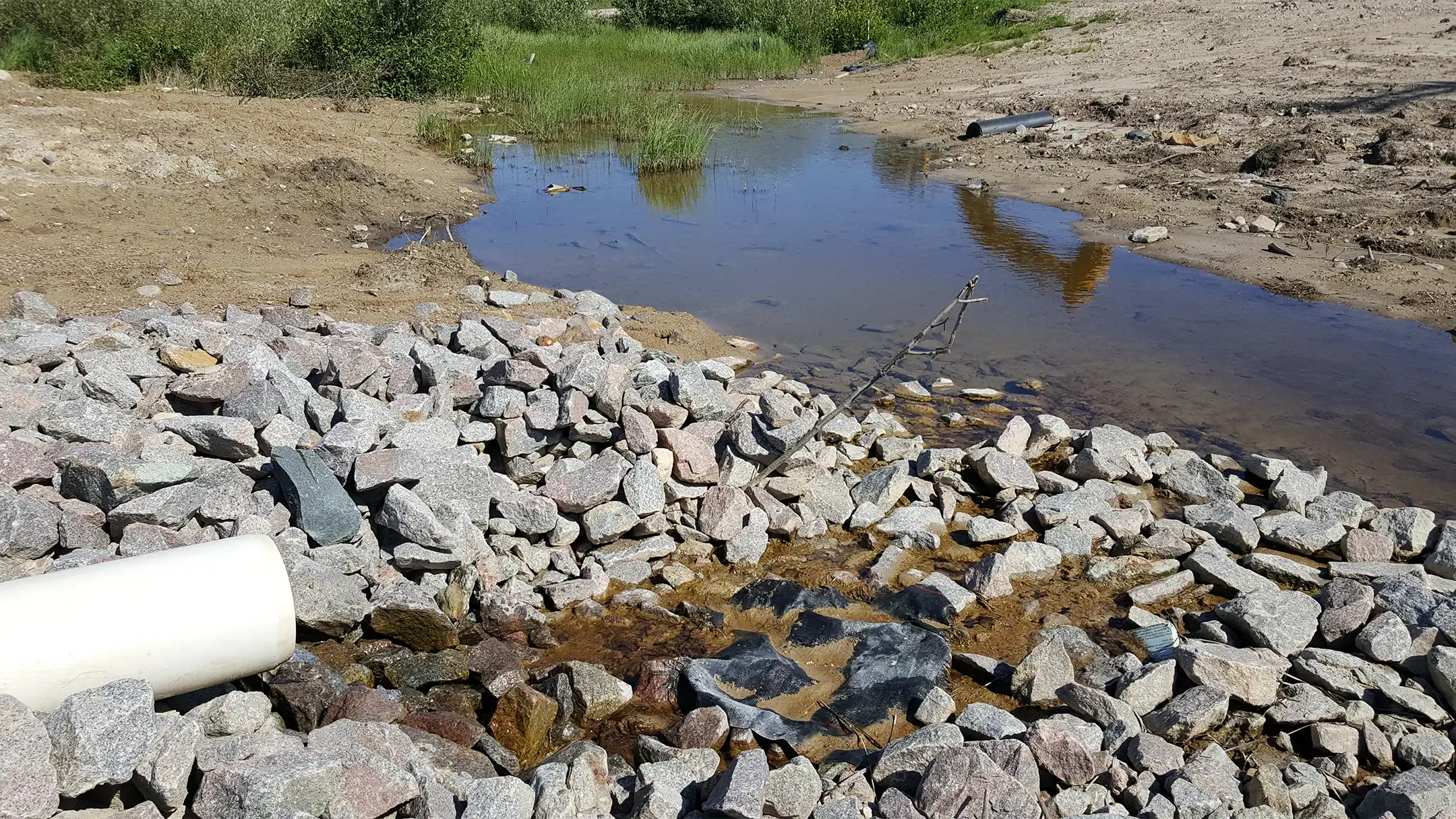
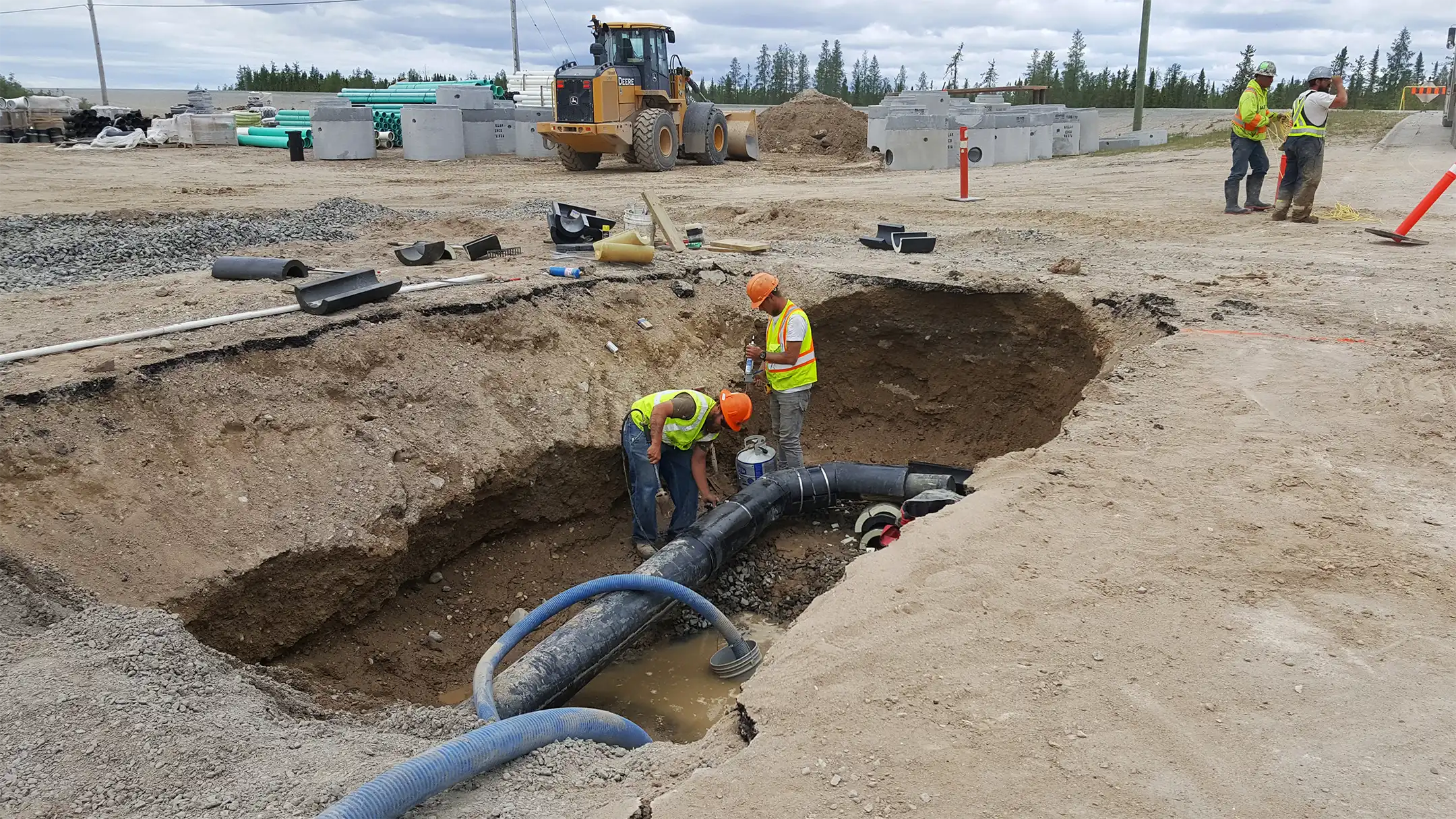
The “Crayola” subdivision in Gillam sits on soil that retains a high groundwater table. Over time, seasonal freezing and elevated groundwater led to disturbance of several structure foundations. To address this persistent issue, KGS Group leveraged the timing of a planned sewer and water infrastructure renewal to design and implement a simple, robust groundwater drainage system.
By using common trench excavation, engineered drainage piping and readily available backfill, the installation of the groundwater drainage system was simplified and optimized. Because there are no moving parts, continuous drainage of groundwater occurs passively by gravity.
Designed within the new sewer and water corridors, the system simplifies future maintenance and construction, while providing easy access points for the interconnection of foundation drainage systems throughout the subdivision.
Project Highlights
- Excavated common trenches within new sewer and water corridors to integrate groundwater drainage
- Installed engineered drainage piping to collect and convey groundwater
- Placed readily available backfill to promote free drainage and protect piping
- Eliminated mechanical components – no pumps or moving parts
- Established future tie‑in locations to enable interconnection of foundation drains across the subdivision
Rainy River Water Treatment Study and Systems Upgrade
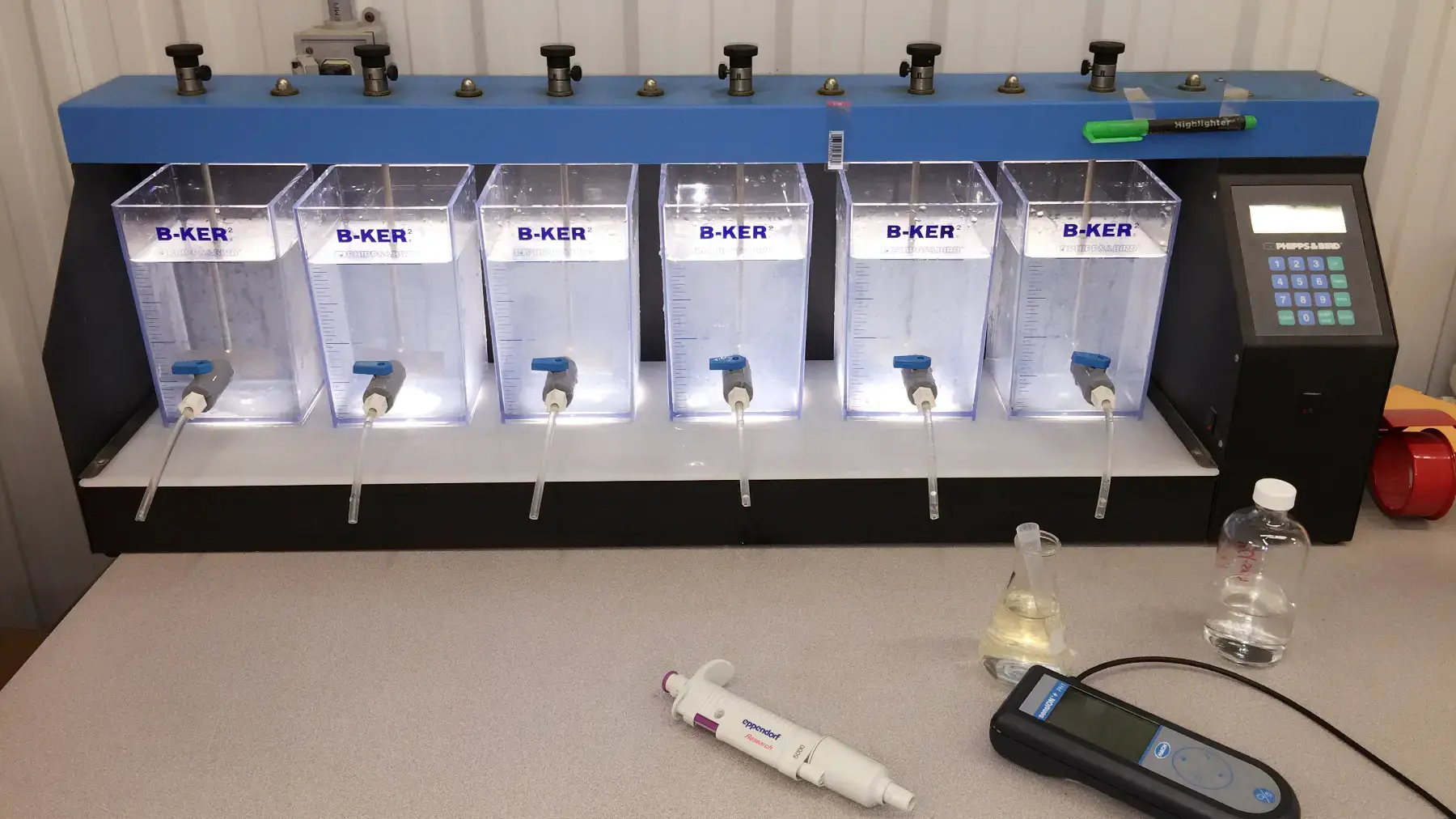
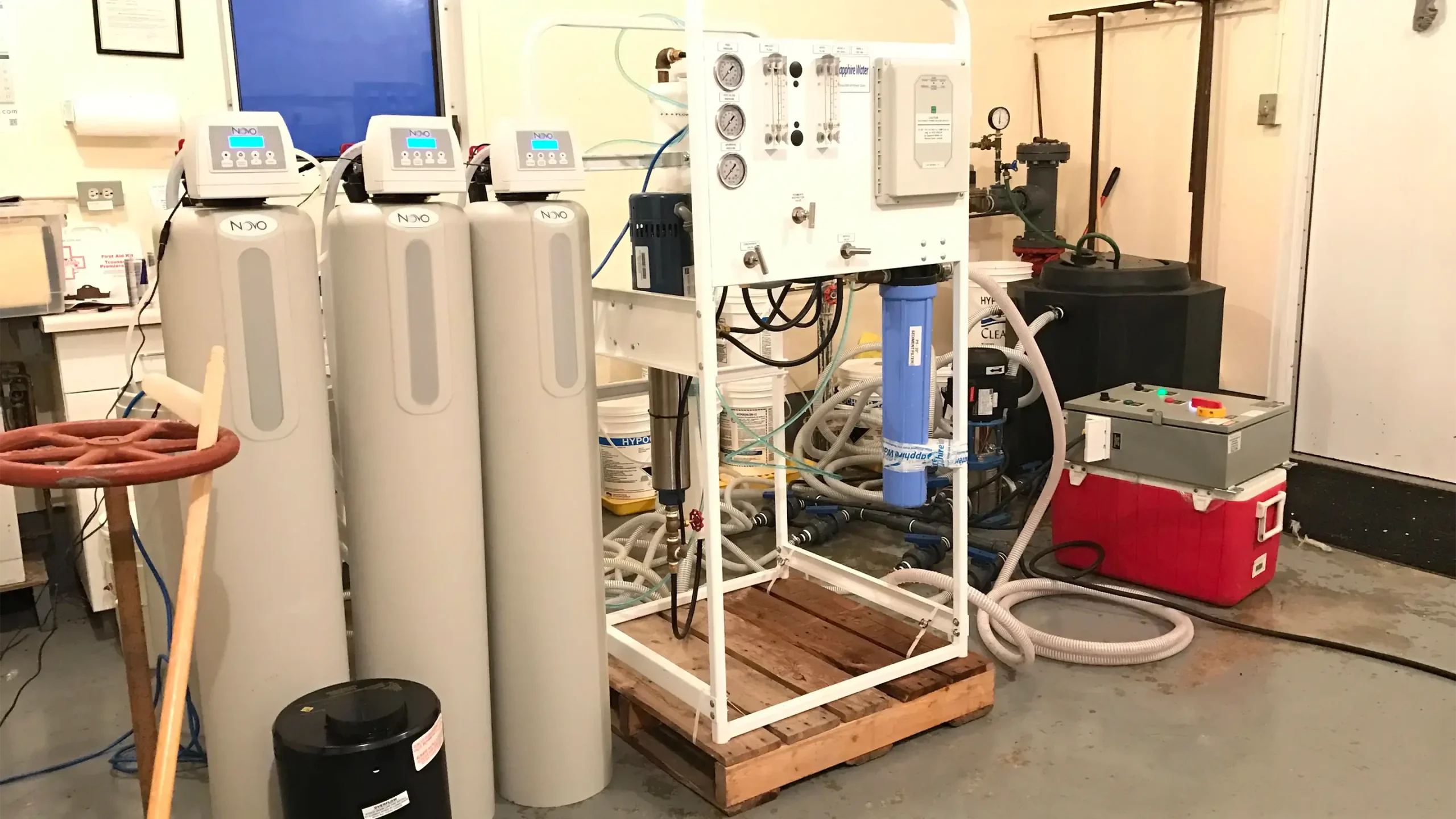
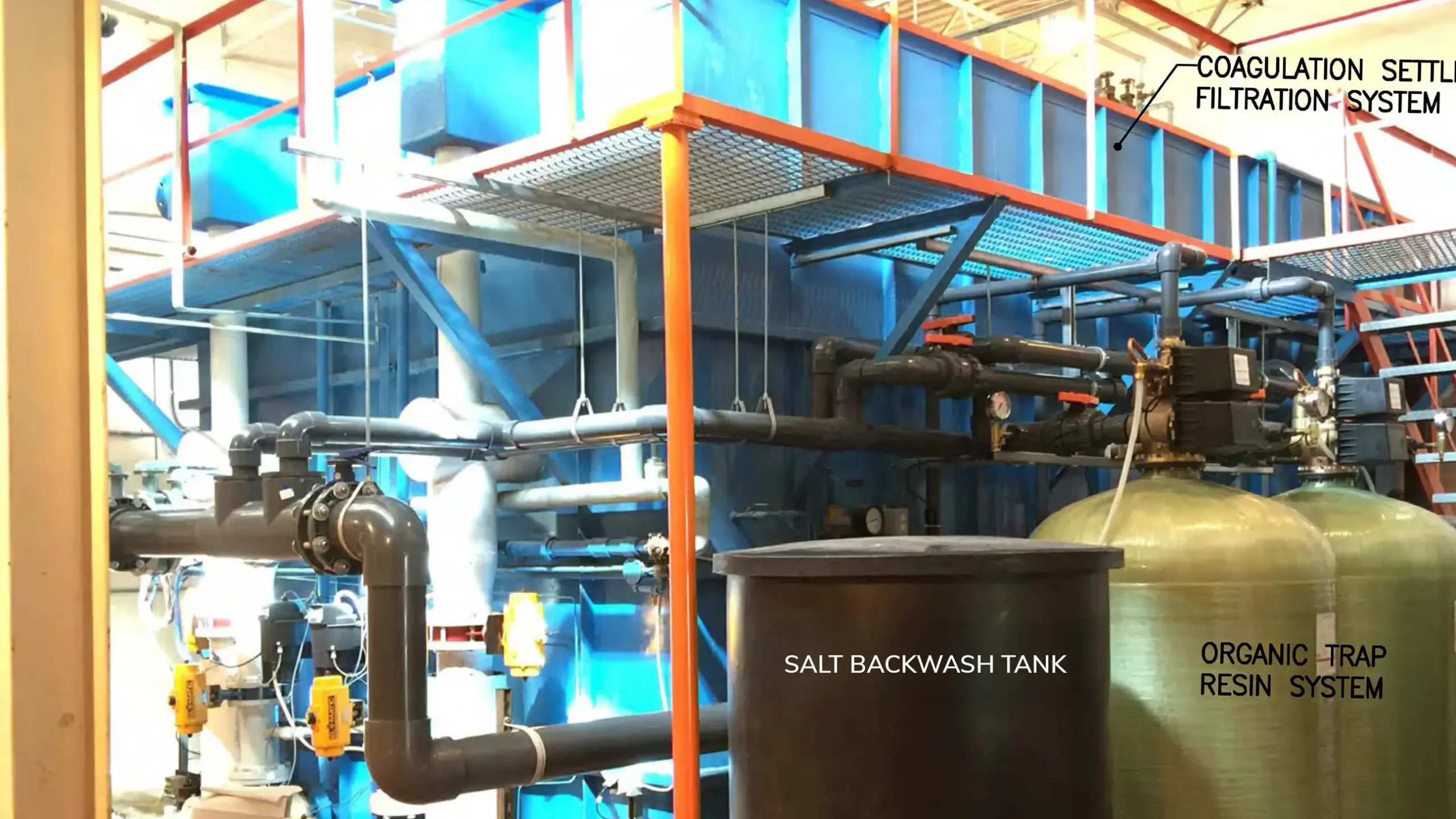
Facing a public health risk from elevated carcinogen levels in its drinking water, the Town of Rainy River needed a practical solution that fit within their existing plant footprint to remedy the situation. KGS Group, in collaboration with the University of Manitoba, conducted detailed pilot studies comparing ion exchange and nanofiltration to determine the most effective, operationally feasible way to reduce carcinogen levels in the drinking water.
Ion exchange was selected because it avoided costly building expansion and offered simpler operations and maintenance for the Town. We then provided engineering services for the design, construction and commissioning of the new ion exchange treatment system, integrating it with the plant’s existing processes and controls.
The upgraded system exceeded Health Canada’s Guideline for Canadian Drinking Water Quality for carcinogens and reduced chlorine consumption by 40%. The project addressed a serious health concern while optimizing use of Rainy River’s existing assets. The Town also received a commendation from the Ontario Ministry of the Environment and Climate Change in recognition of the project’s success.
Project Highlights
- Designed the new ion exchange system and integrated it with existing plant processes
- Reduced chlorine consumption levels by 40%
- New system exceeds Health Canada’s Guideline for Canadian Drinking Water Quality
Brandon Third Street Dam Replacement
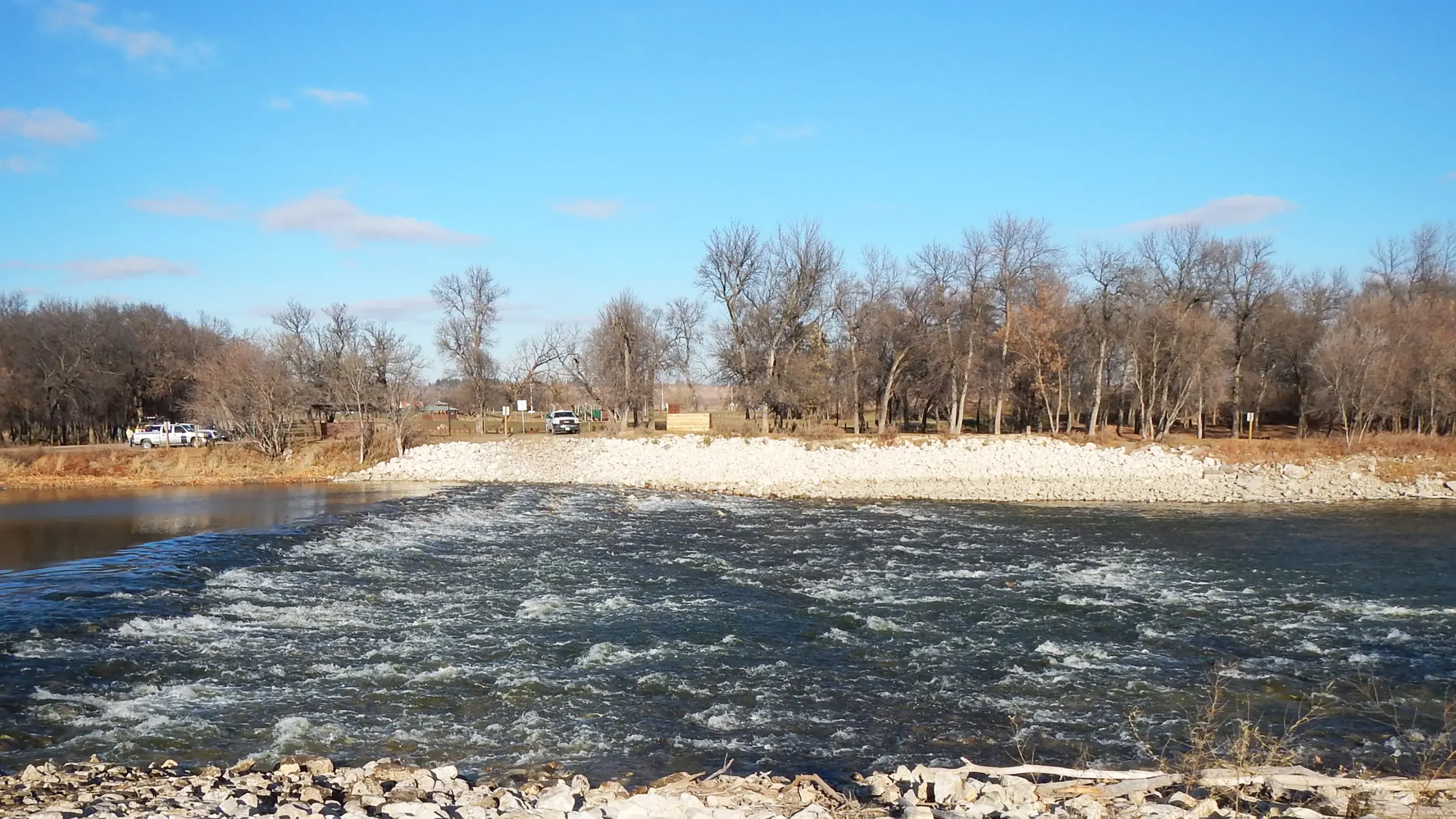
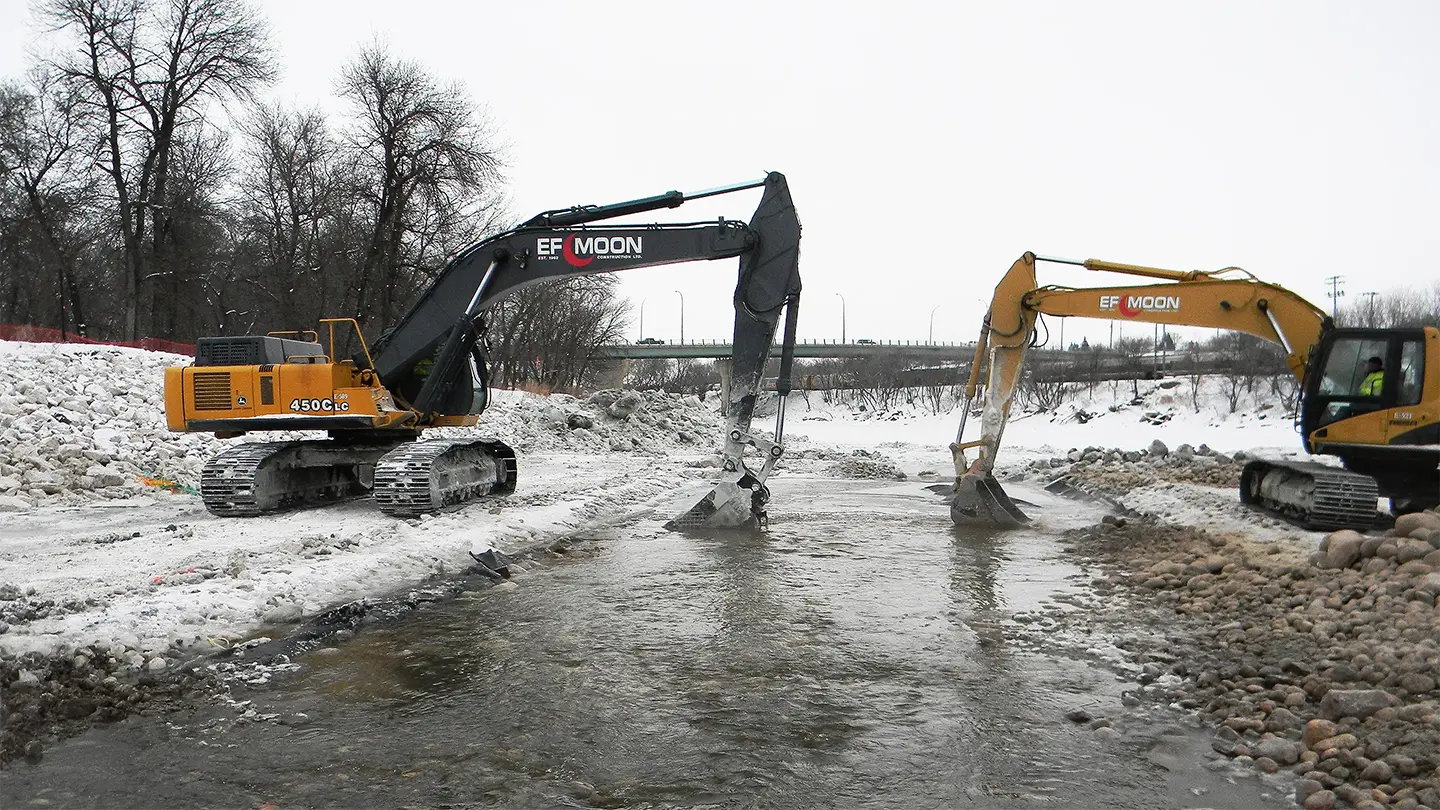
For more than 70 years, the Third Street Dam on the Assiniboine River supported the City of Brandon’s drinking water supply and provided social, environmental and commercial benefits. When the dam was irreparably damaged, KGS Group moved quickly to design temporary emergency measures that limited further habitat impacts and preserved Brandon’s water supply.
We then developed a functional, cost-effective, permanent solution that also removes a 70-year-old barrier to fish passage. The new overflow rockfill weir, with a low flow rock ramp fishway, preserves Brandon’s water supply, restores fish passage, adds spawning habitat, and improves the safety and aesthetics of the river adjacent to Dinsdale Park.
Working with the City of Brandon and regulators, the team demonstrated how preserving vital infrastructure can go hand‑in‑hand with prioritizing and enhancing the environment.
Project Highlights
- Designed and implemented temporary emergency measures to stabilize the river and maintain municipal water supply during dam failure
- Constructed an overflow rockfill weir to replace the damaged dam and secure long‑term water levels for intake reliability
- Constructed a low‑flow rock ramp fishway to restore year‑round fish passage and remove a 70‑year barrier
- Integrated spawning habitat through rock ramp geometry and material gradation, enhancing local fisheries
Town of Ogema Water Treatment Plant
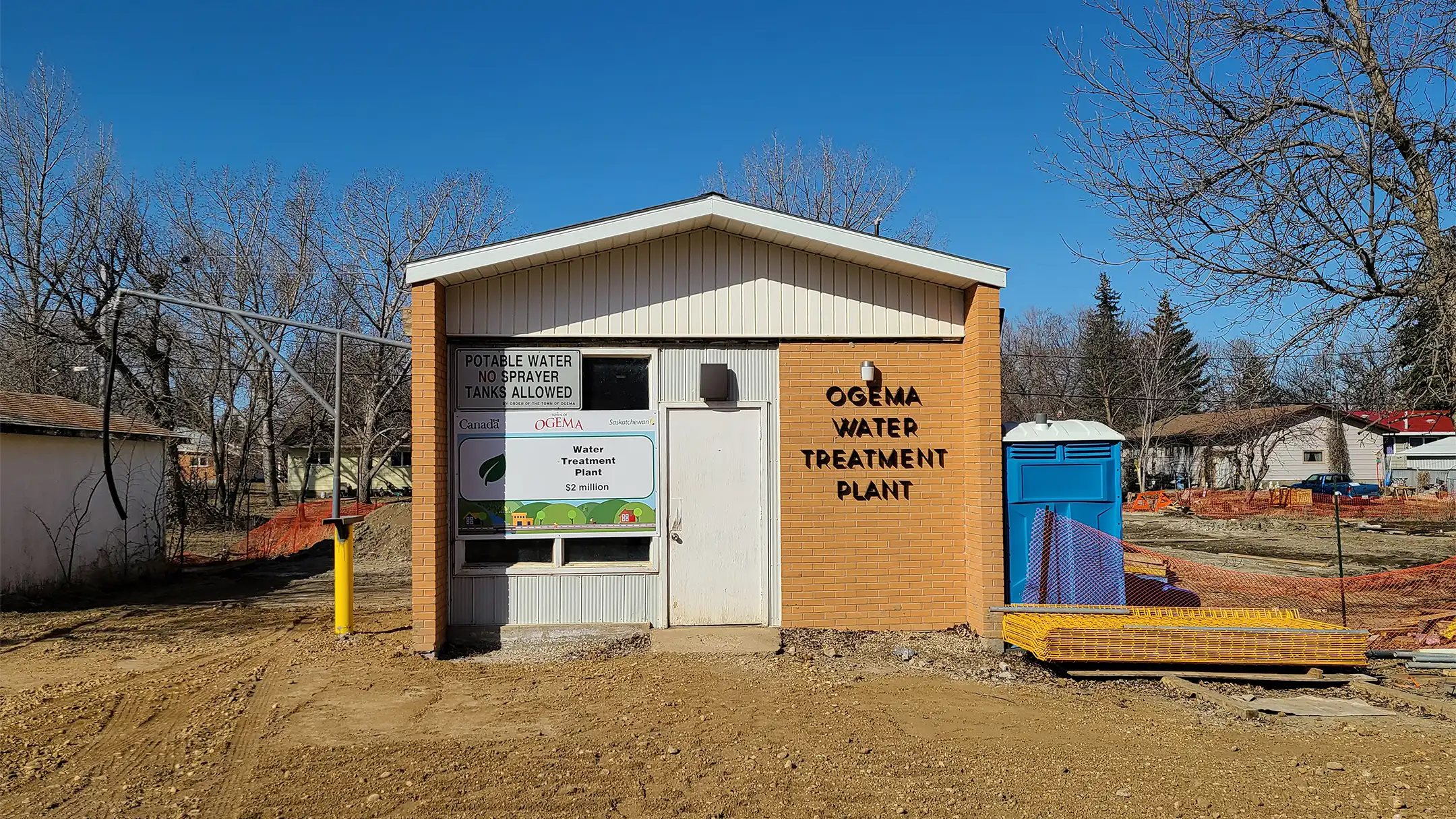

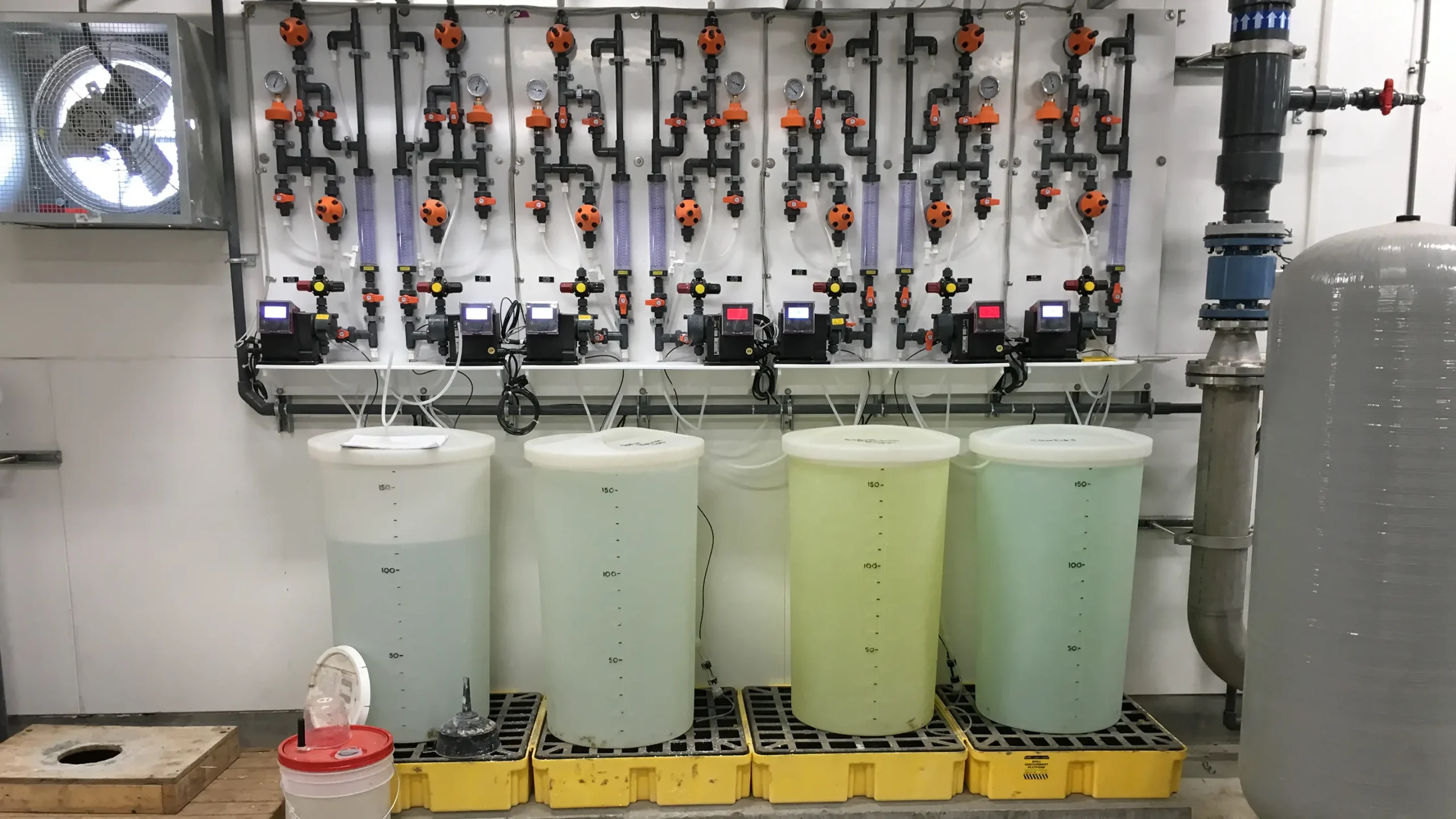
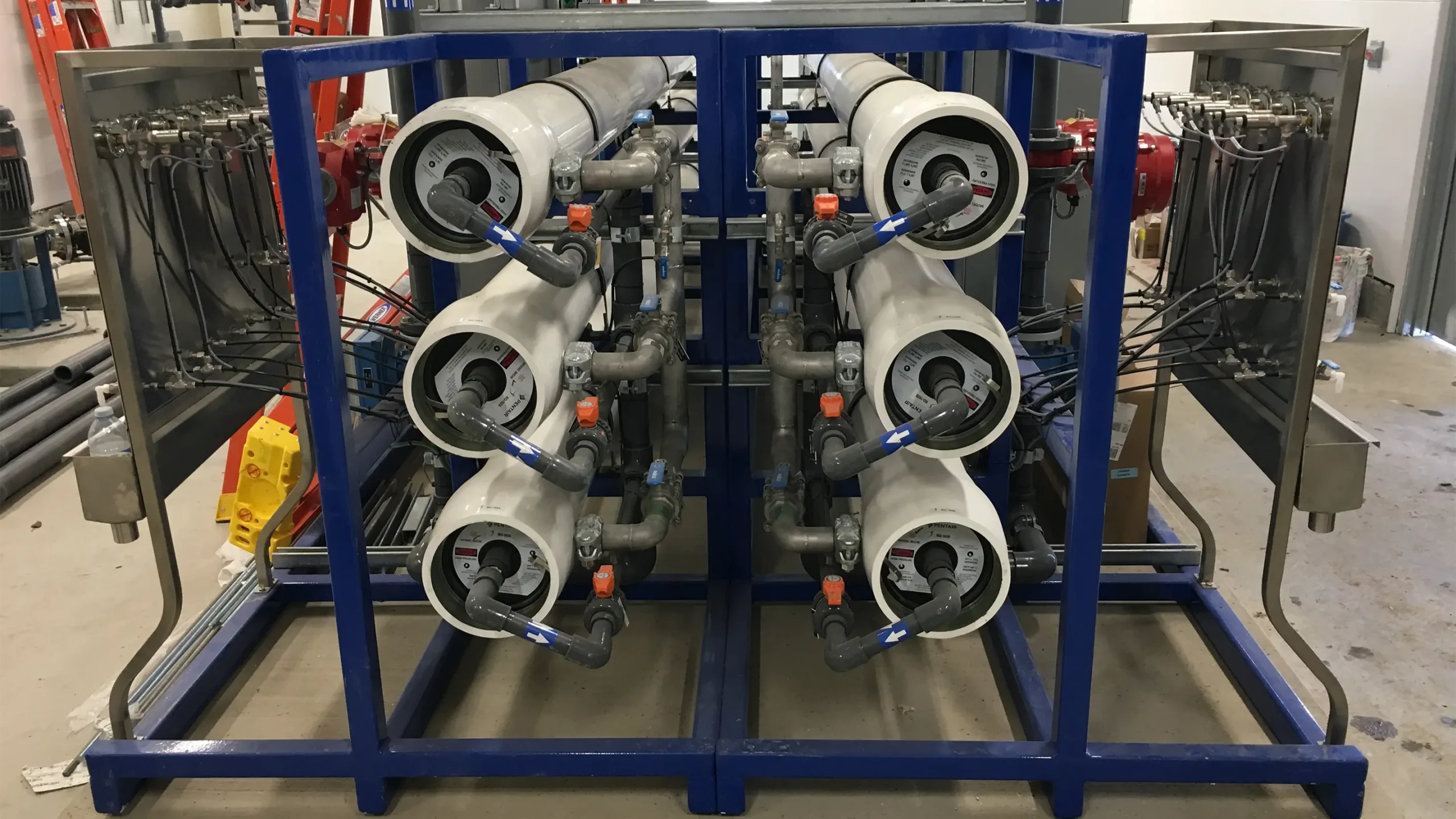
To address persistent water quality issues in the Town of Ogema, KGS Group designed a new treatment solution to improve taste and reduce dissolved minerals. The existing greensand filters had been relatively successful in removing high iron and manganese, but were not capable of removing elevated alkalinity, sulfates, hardness and total dissolved solids from the groundwater supply drawn from two nearby wells.
To increase the palatability of the finished water, KGS Group was retained to provide detailed design services for a brand-new water treatment plant using reverse osmosis membranes. A pilot study was first conducted to determine if direct feeding the reverse osmosis membranes from the wells would be an acceptable long-term solution. With great success from the study, the final design for direct feed membranes was completed in early 2019. The work also included design and construction of a new below-grade concrete reservoir, building and vertical turbine distribution pumps.
The new plant was commissioned in early 2020 and has received significant praise from the town for exceptional water quality.
Project Highlights
- Conducted a pilot study to determine the best long-term solution
- Provide detailed design services for a brand-new water treatment plant using reverse osmosis membranes
- Design and construction of a new below-grade concrete reservoir