

Whitehorse Diesel-LNG Conversion
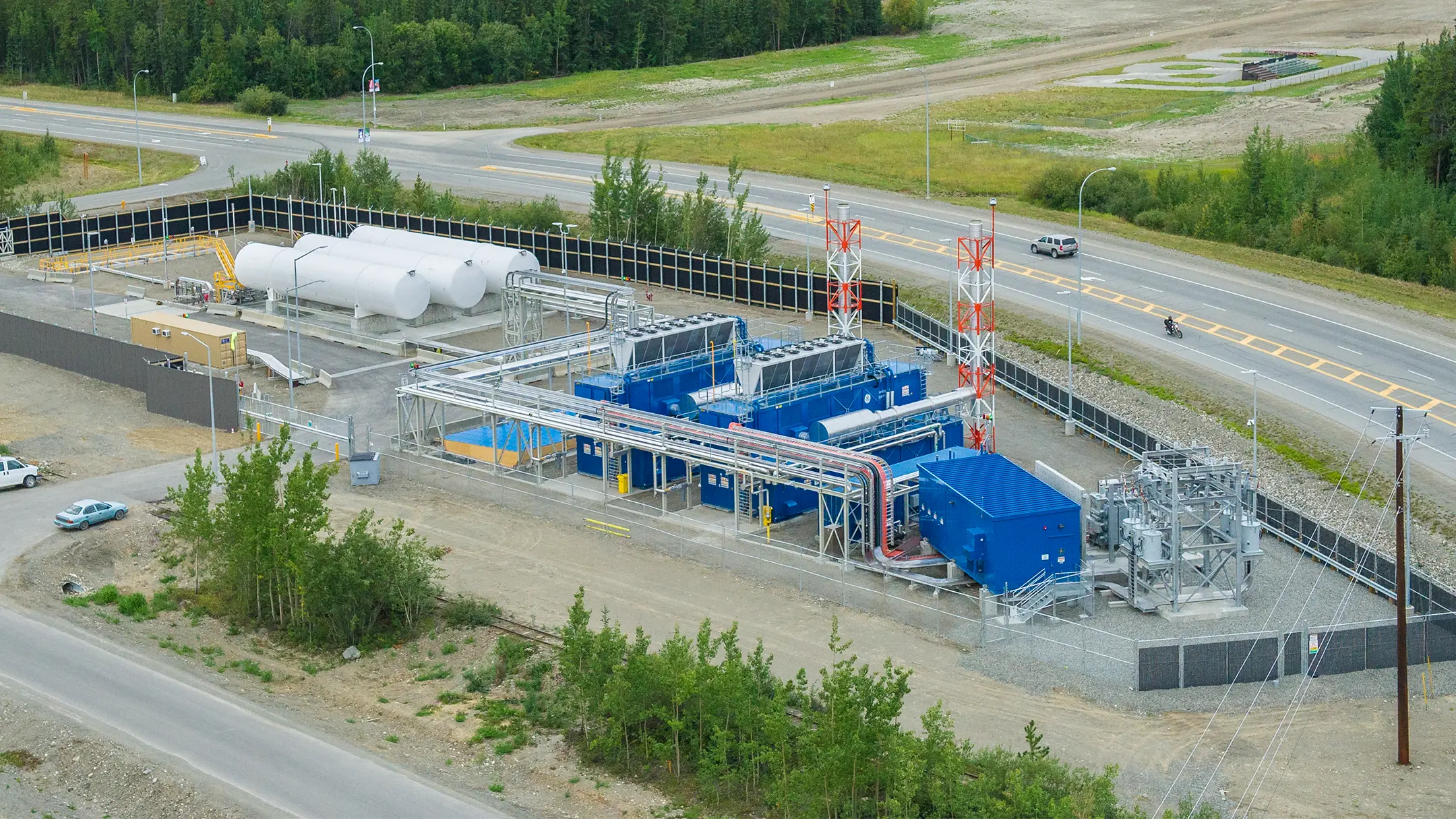
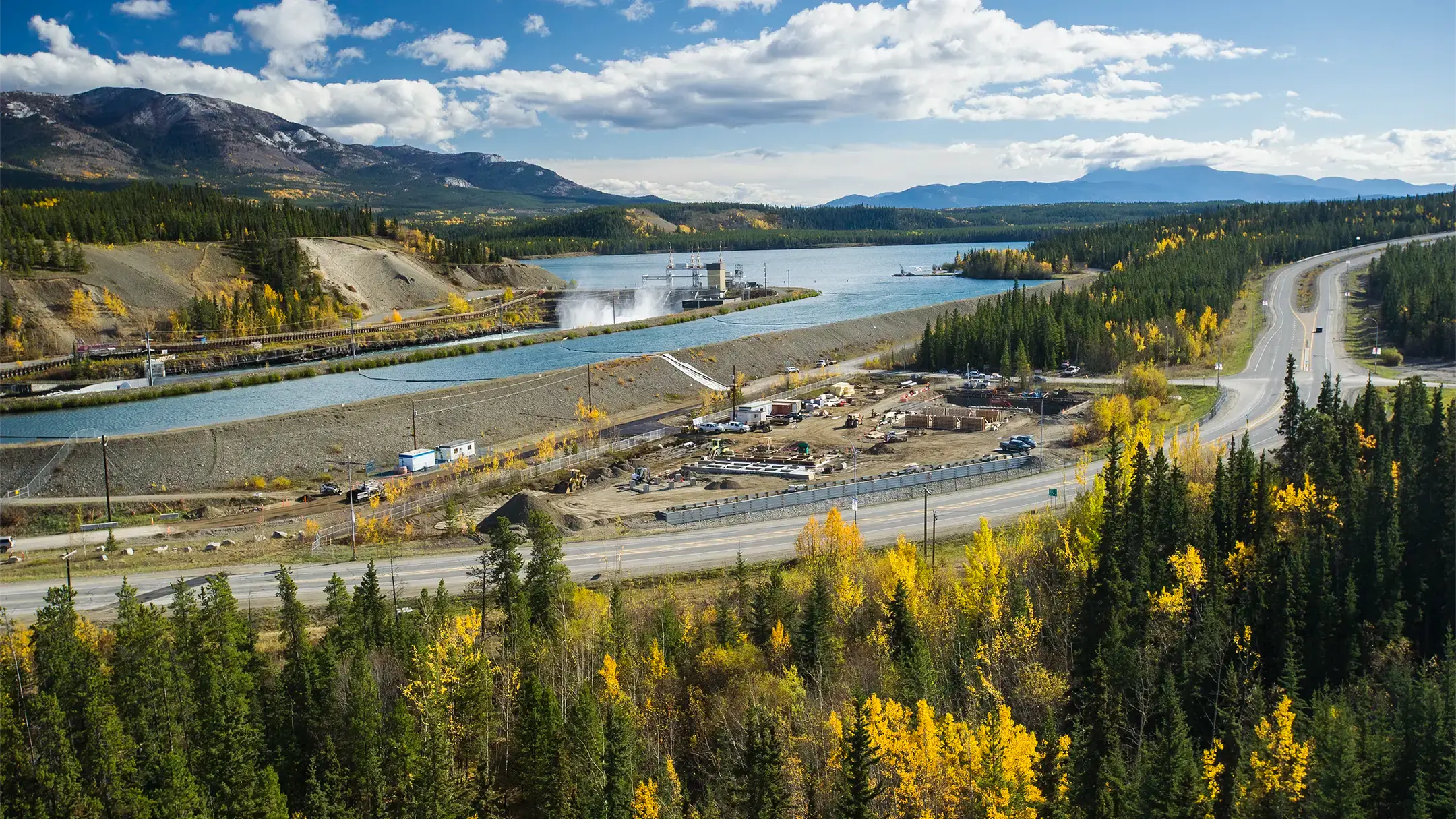

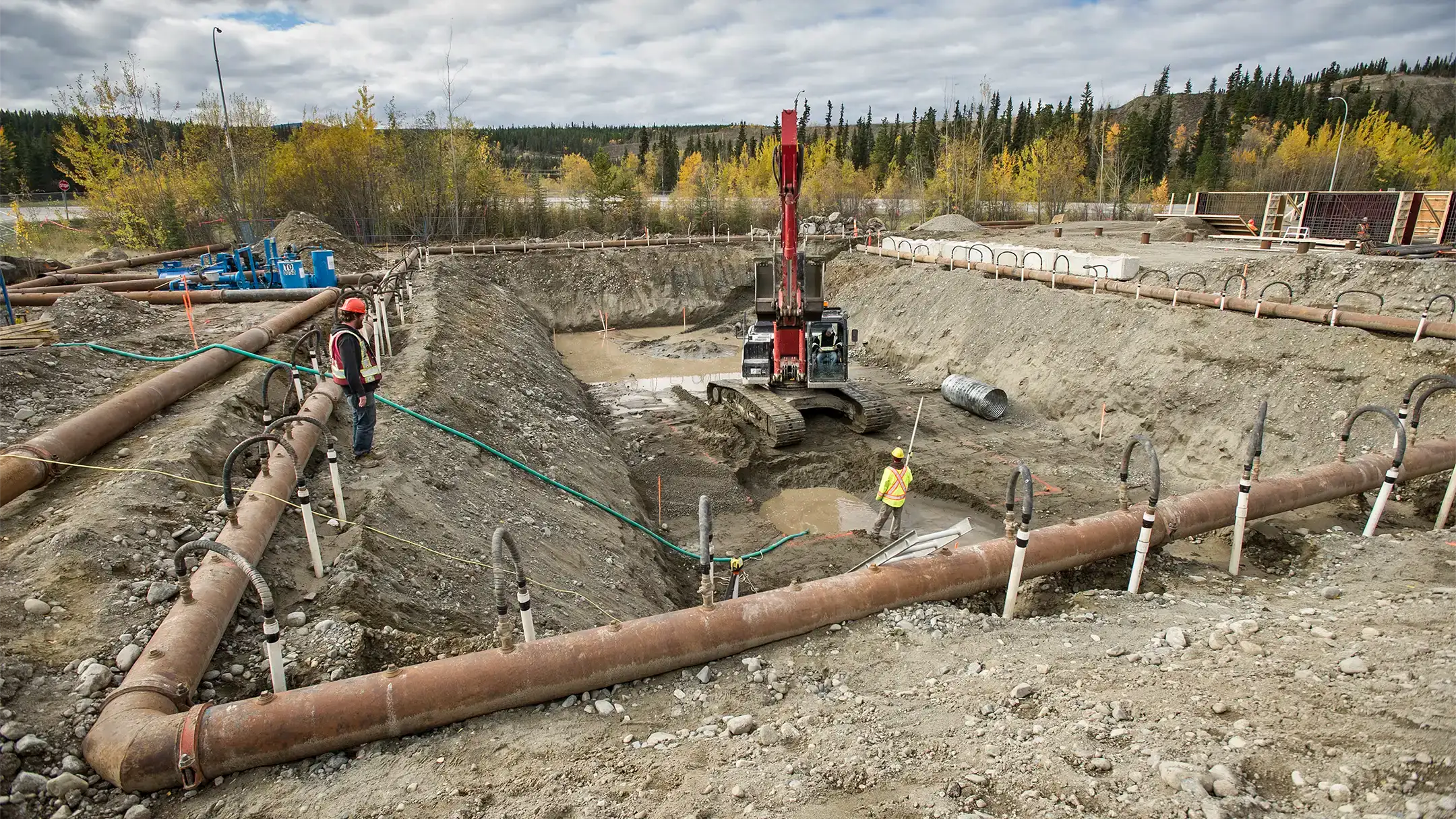
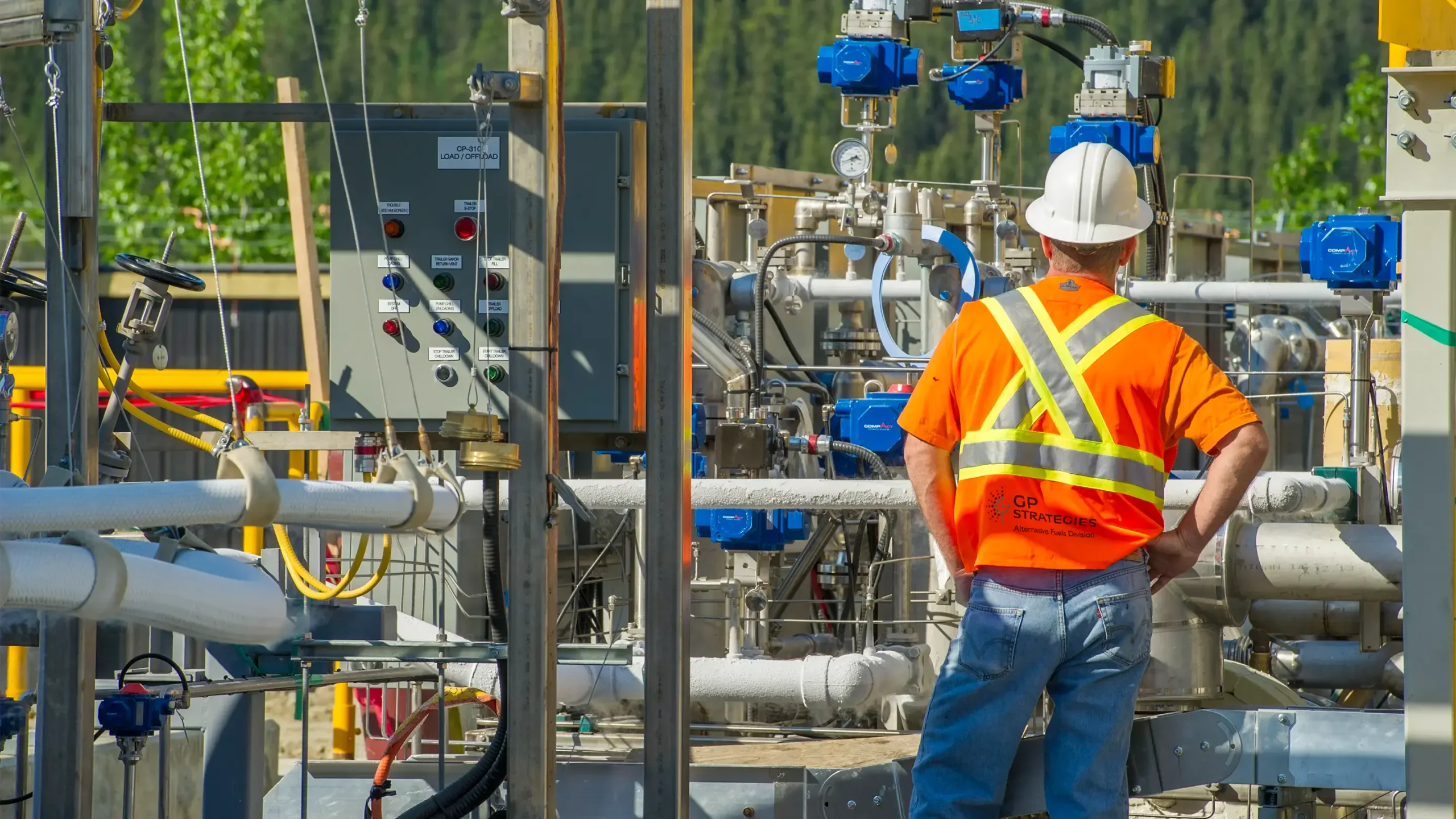
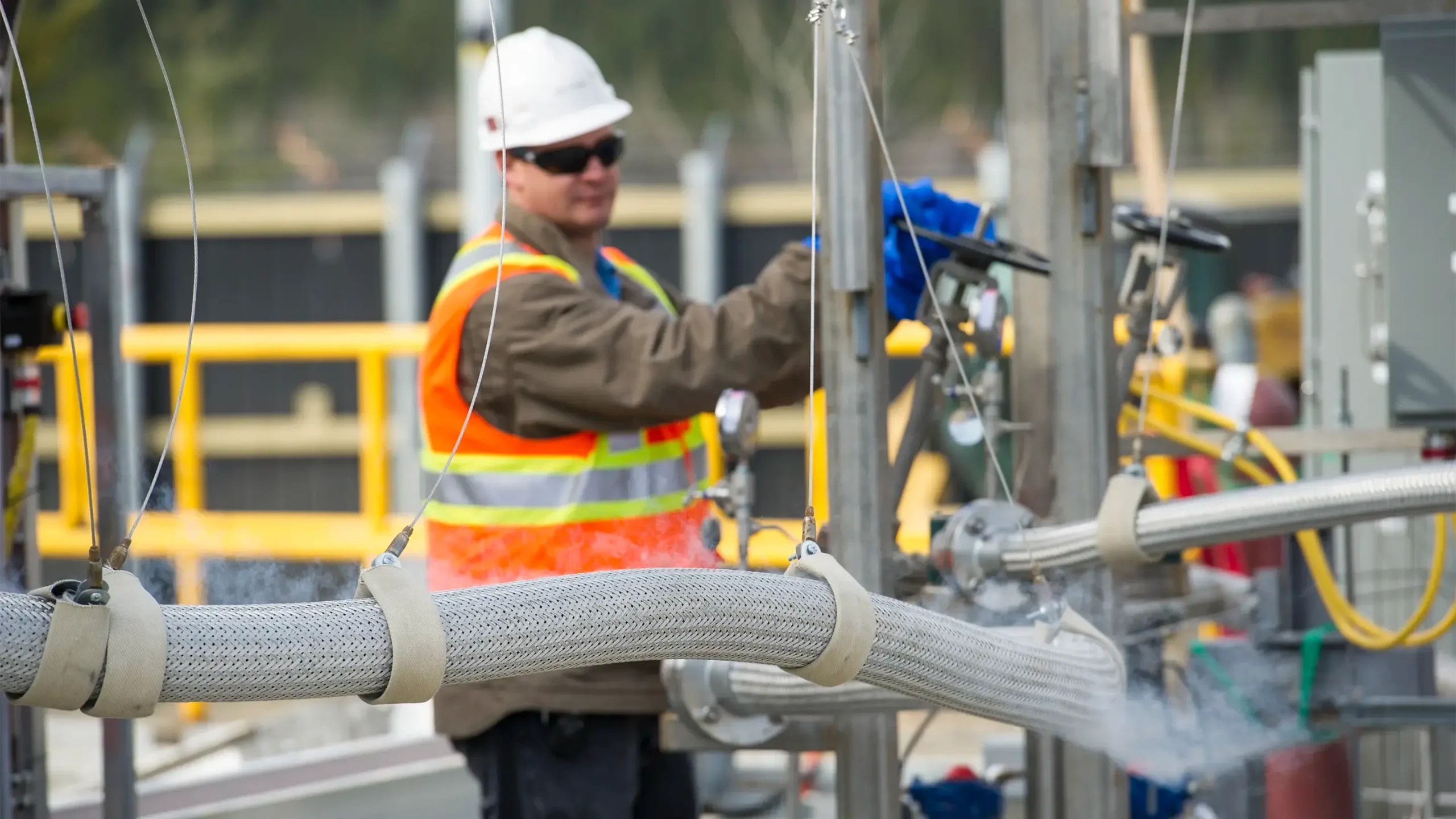

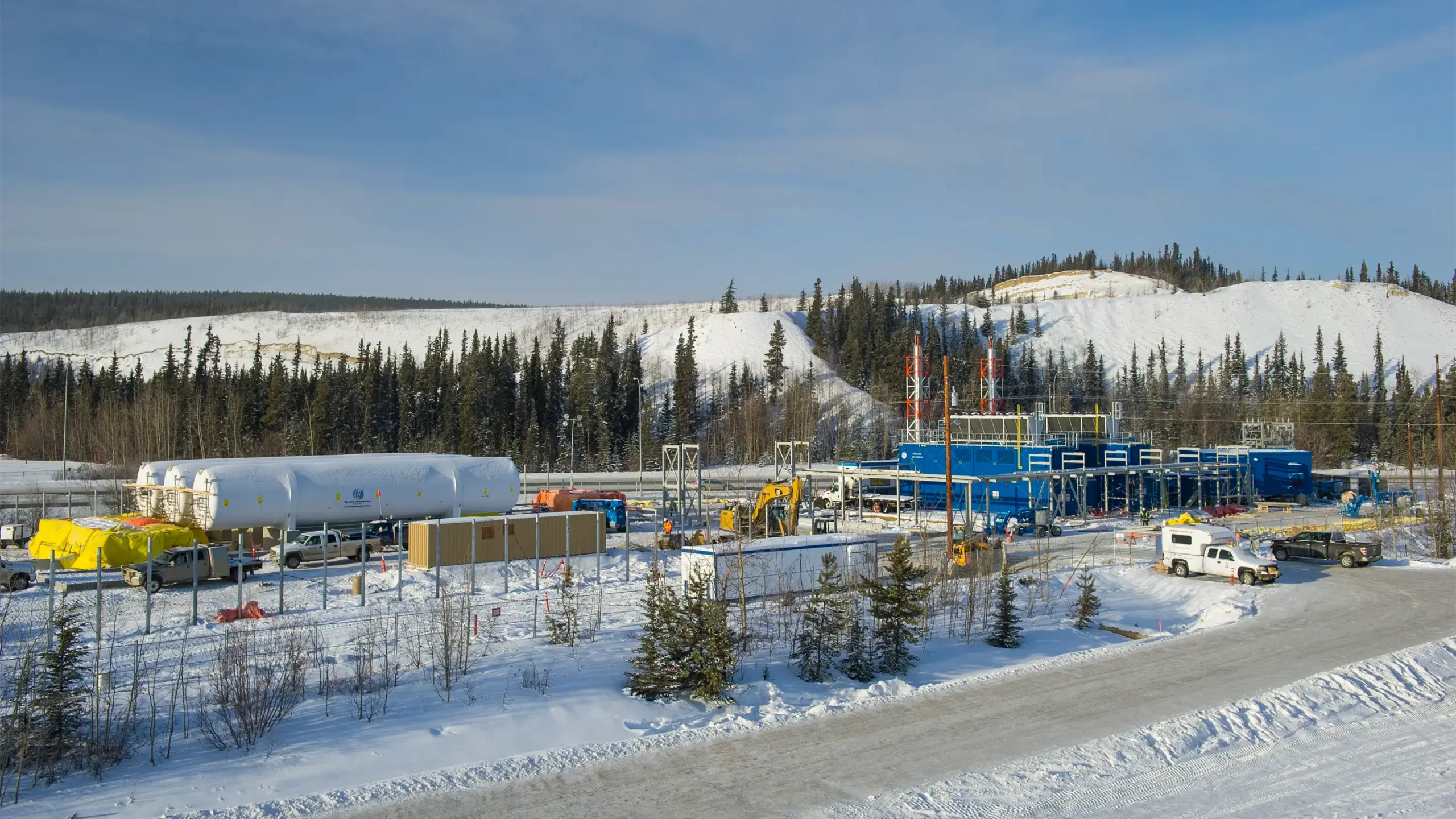
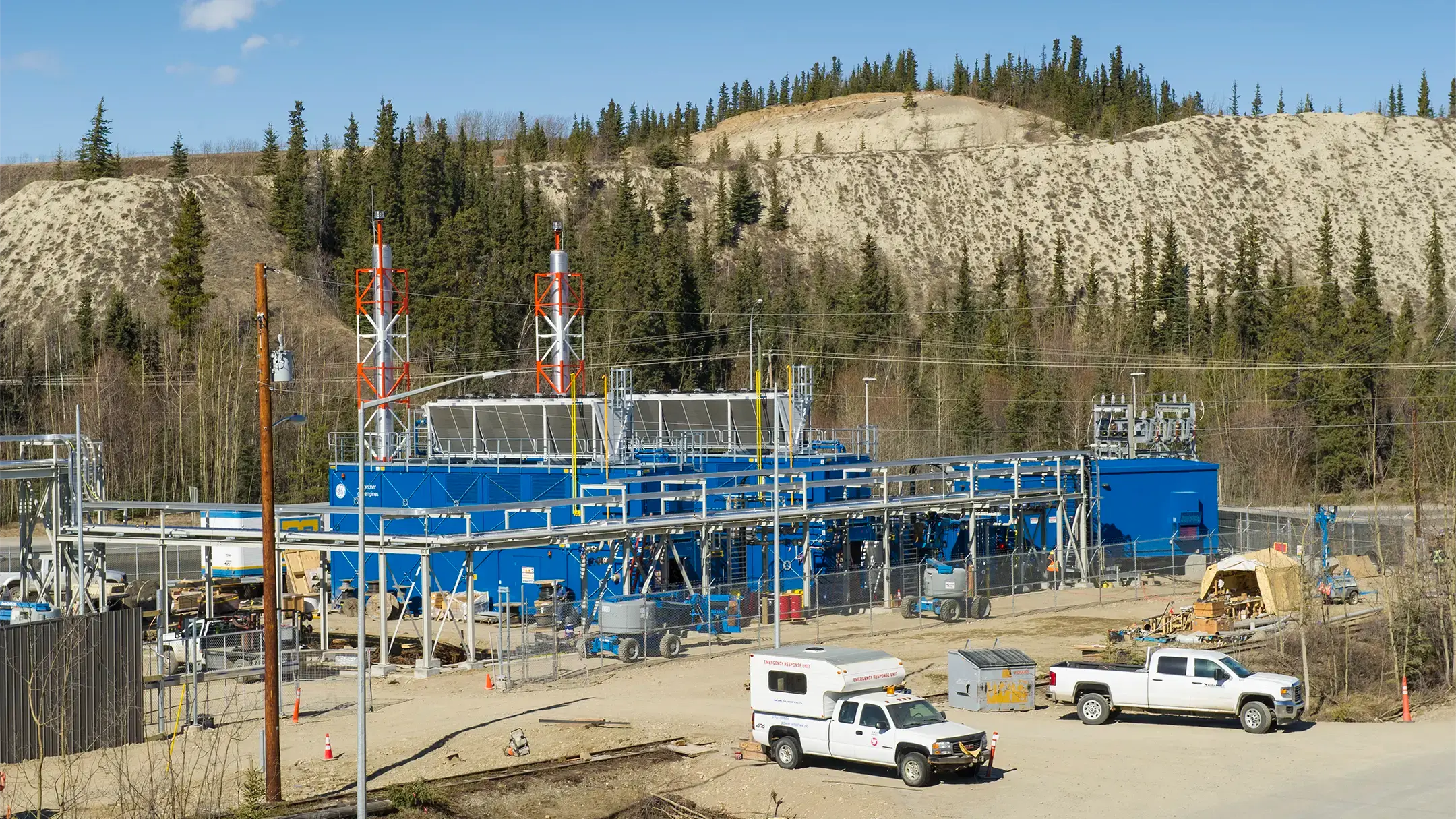
While the Yukon draws the bulk of its energy from renewable hydroelectric and wind power, the territory’s electrical grid required a backup source of power to meet consumer needs. Yukon Energy retained KGS to modernize the existing diesel system to meet peak demand and maintain territory-wide service for residents.
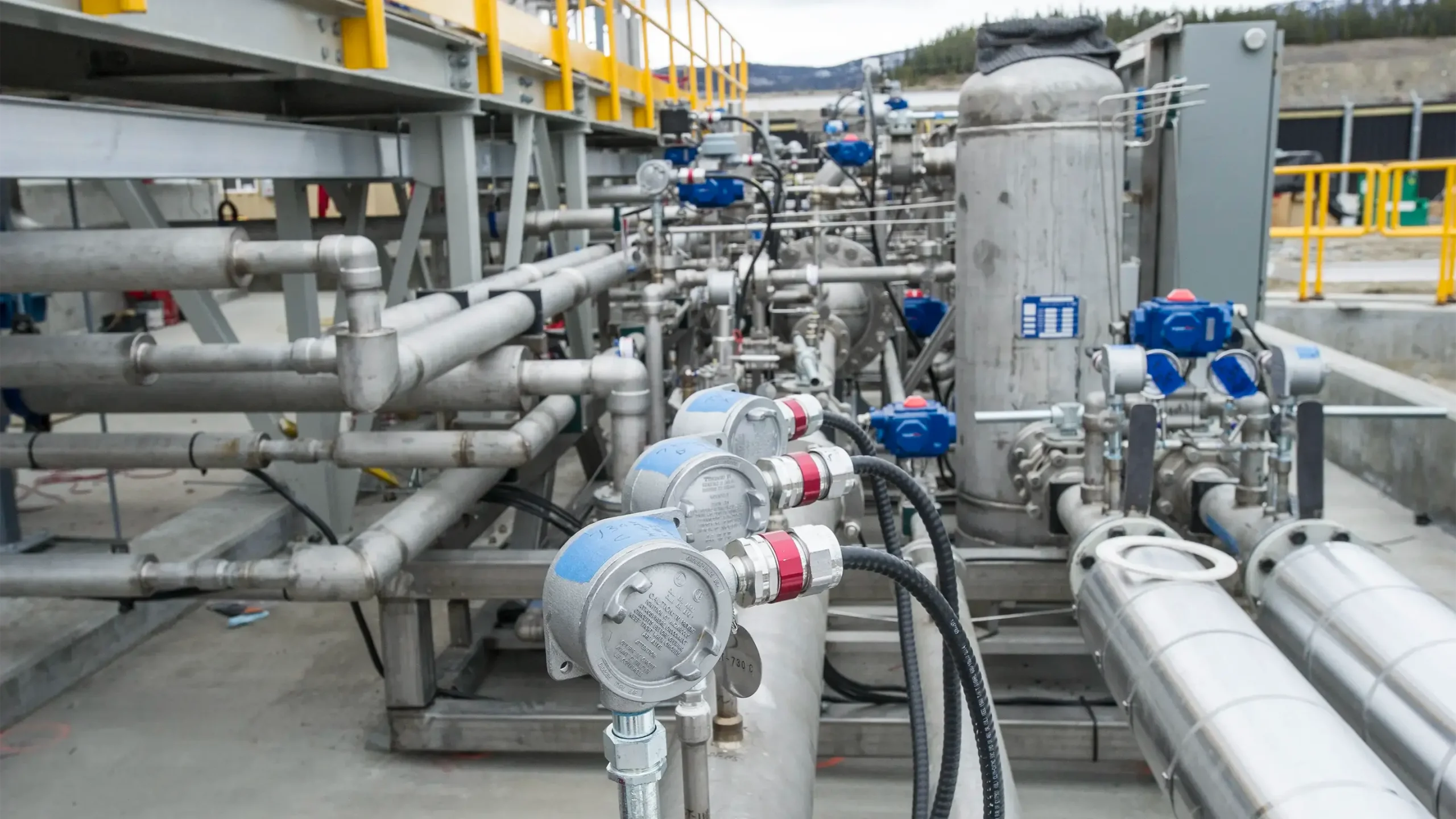
A new liquefied natural gas (LNG) fueled backup power generating station and associated infrastructure was constructed adjacent to Yukon Energy’s existing primary power generating station in Whitehorse, Yukon. Commissioned in 2015, the project site includes two modular LNG fueled reciprocating generators intended to replace Yukon Energy’s aging diesel generating equipment and to provide flexible and reliable backup power to supplement Yukon’s other power sources.
Project Highlights
- An LNG backup station was built with two modular reciprocating generators
- First use of LNG in Yukon
- Lower greenhouse gas emissions than the previous diesel system, long‑term ratepayer savings and improved reliability and peak support
PR 304 to Berens River All Season Road
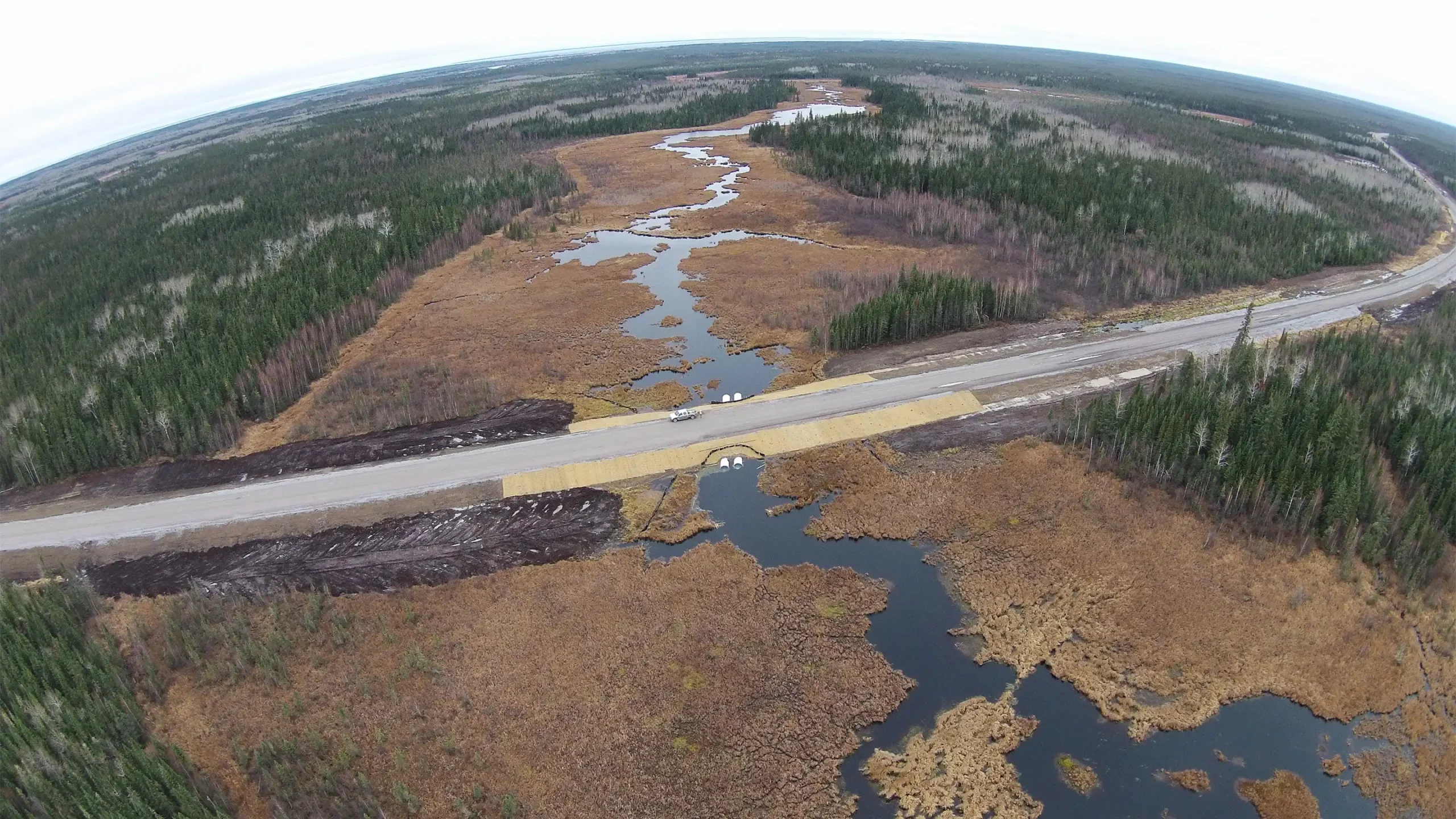
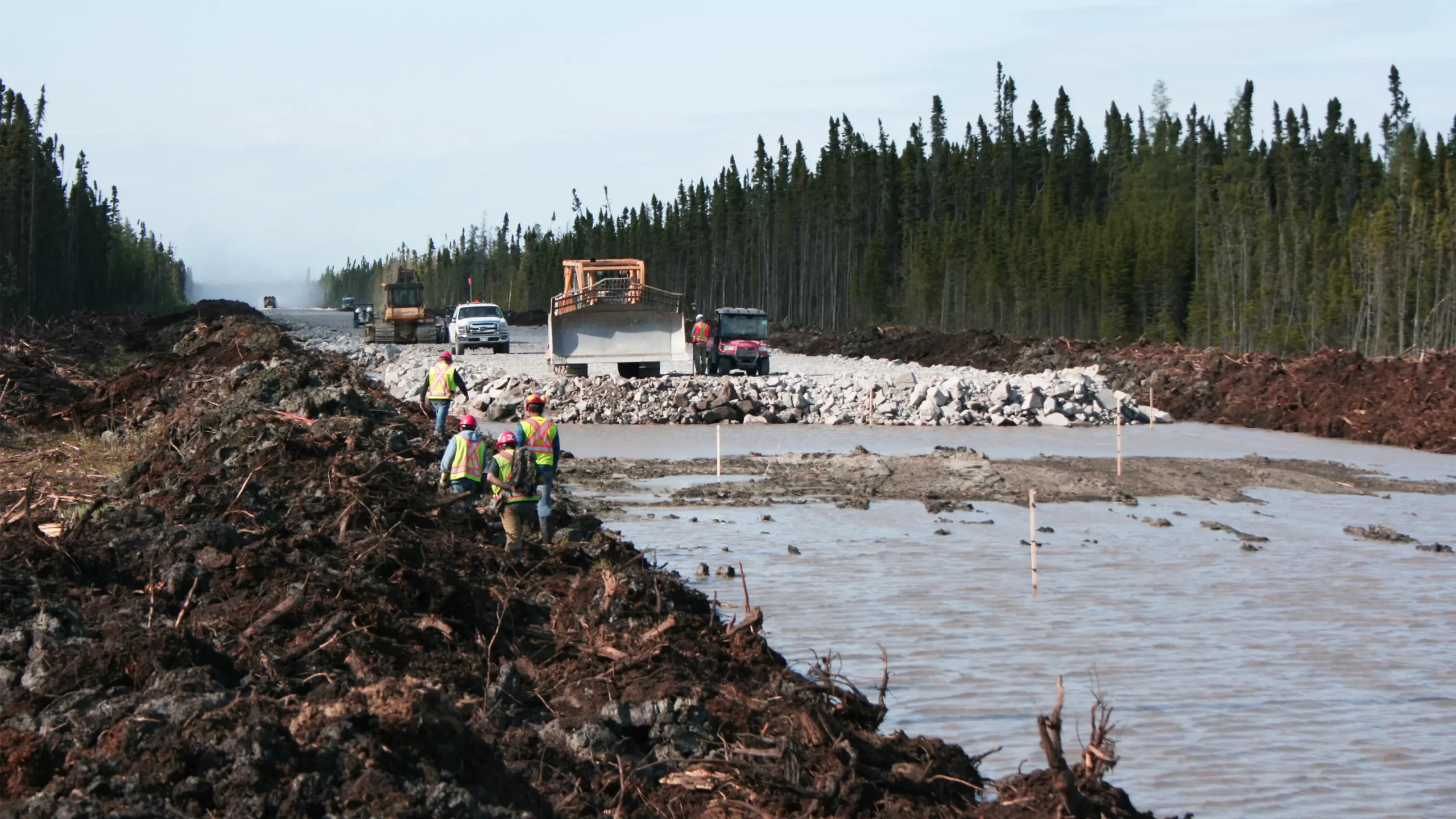
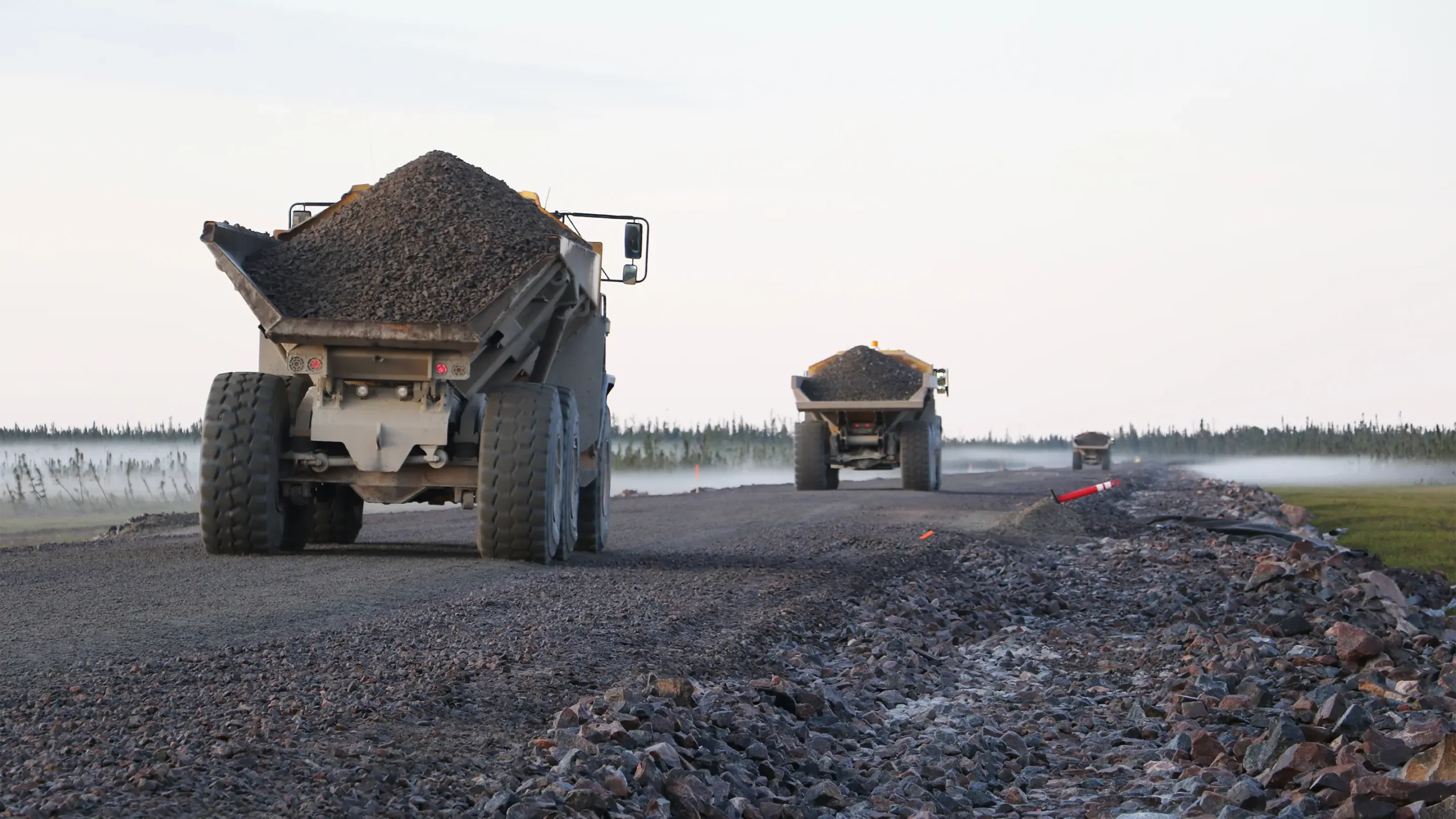
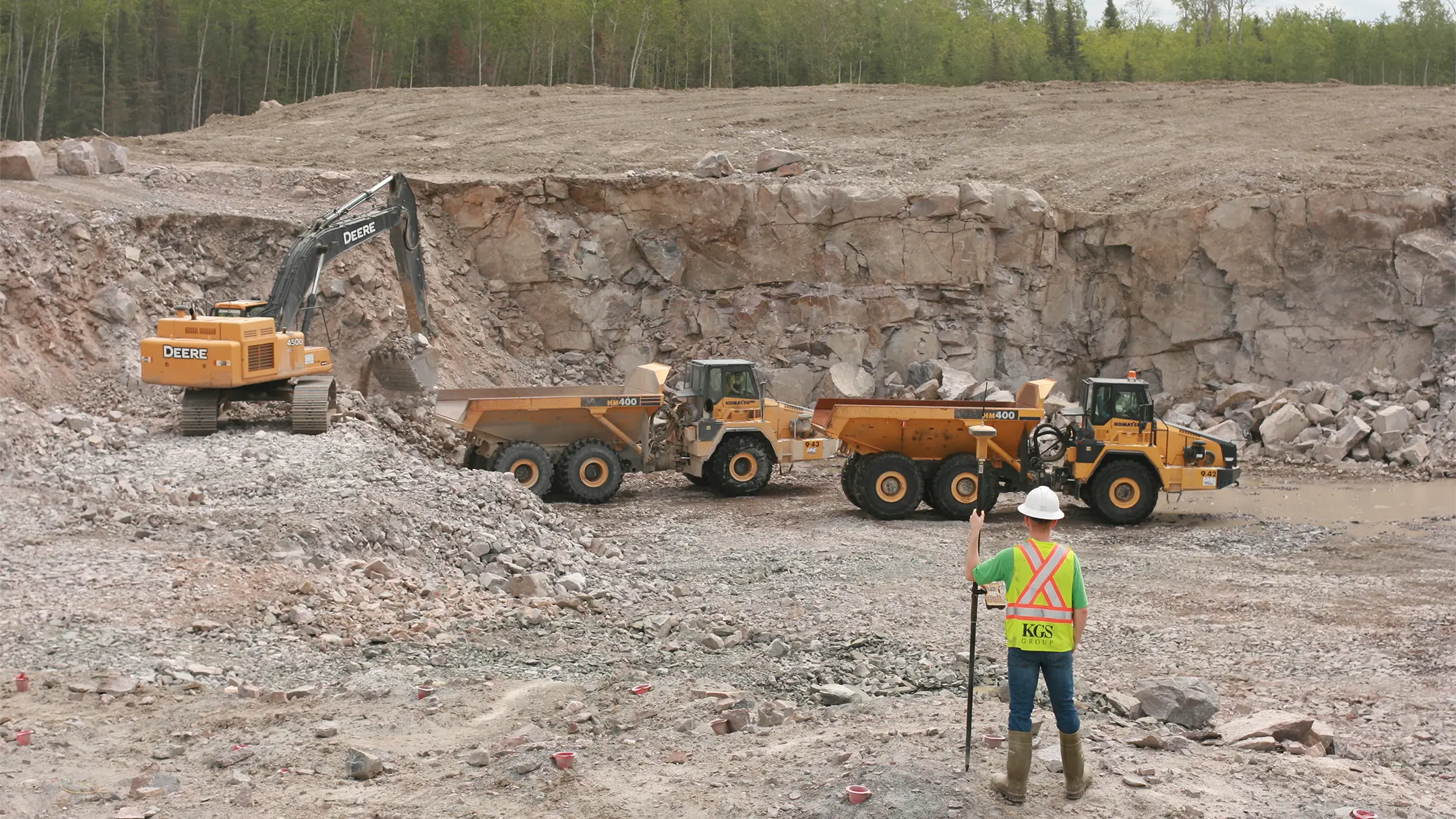
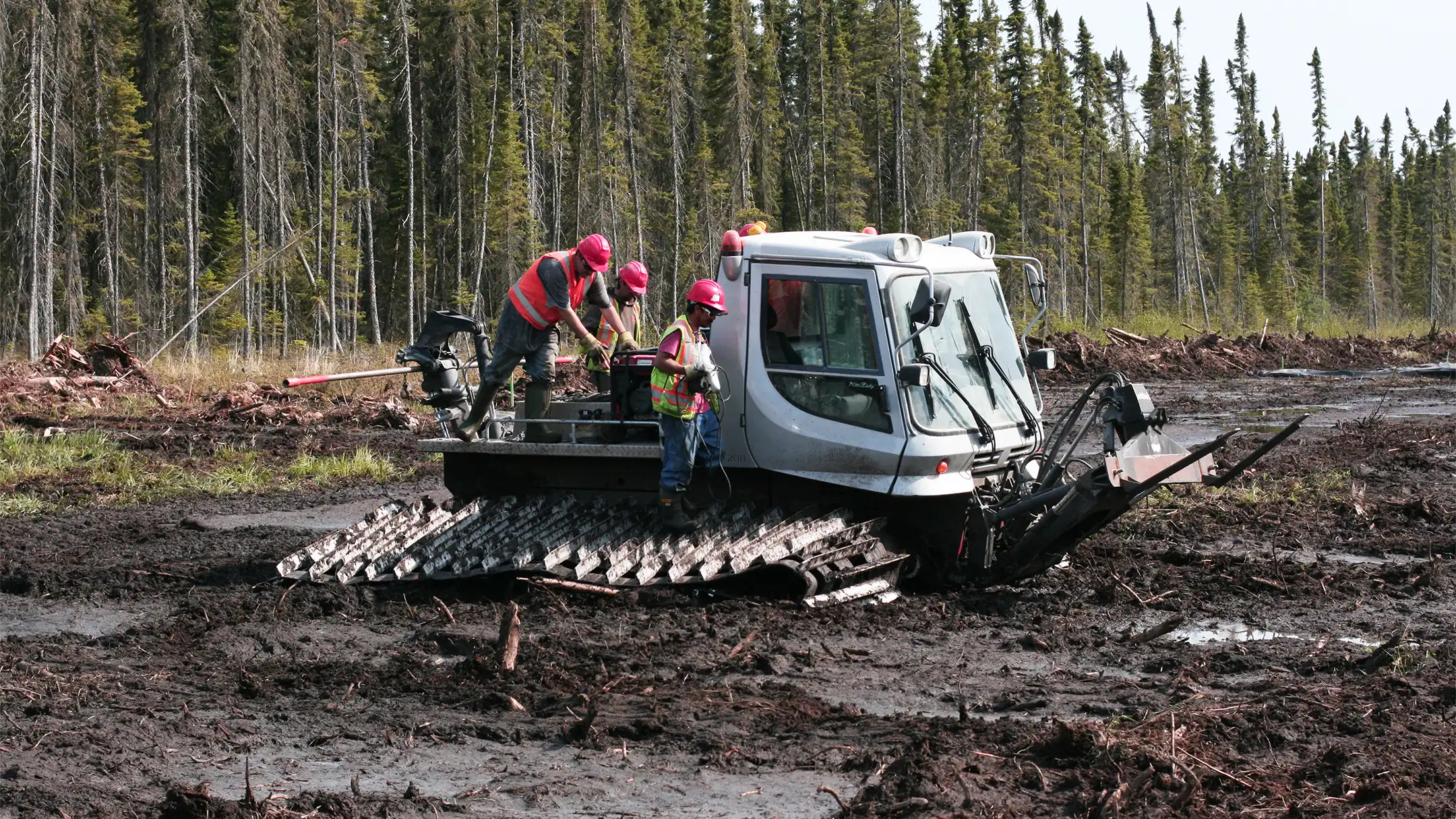
Lake Winnipeg’s east side is a provincial jewel, with vast stands of boreal forest, an abundance of wildlife and a vibrant traditional culture. Despite these assets, the lack of permanent road connectivity resulted in detrimental societal and economic impacts.
Recognizing the benefits of reliable access, KGS Group teamed with other firms to oversee the construction of a new 158-km all-season roadway including nine individual river crossings connecting to both Bloodvein and Berens River First Nations.
Over a six-year duration, KGS Group met numerous challenges including wide-ranging terrain, seasonal-access restrictions, limited accommodations, rigorous safety requirements, complex assignment sequencing, robust environmental protection measures and timely public liaison.
Project Highlights
- Construction of Manitoba’s first open-bottom, multi-plate arch culvert with MSE wall structure to protect fish habitat
- Coordination of external Community Benefit Agreements (CBA) for road aggregate production and tree clearing
- Application of ground-penetrating radar (GPR) studies to determine subsurface conditions
- Application of sonar mapping to determine and qualify bridge pier and abutment locations
- Application of Traditional Ecological Knowledge (TEK) studies to optimize final roadway alignments