

RAS Piping Refurbishment at the North End Water Pollution Control Centre
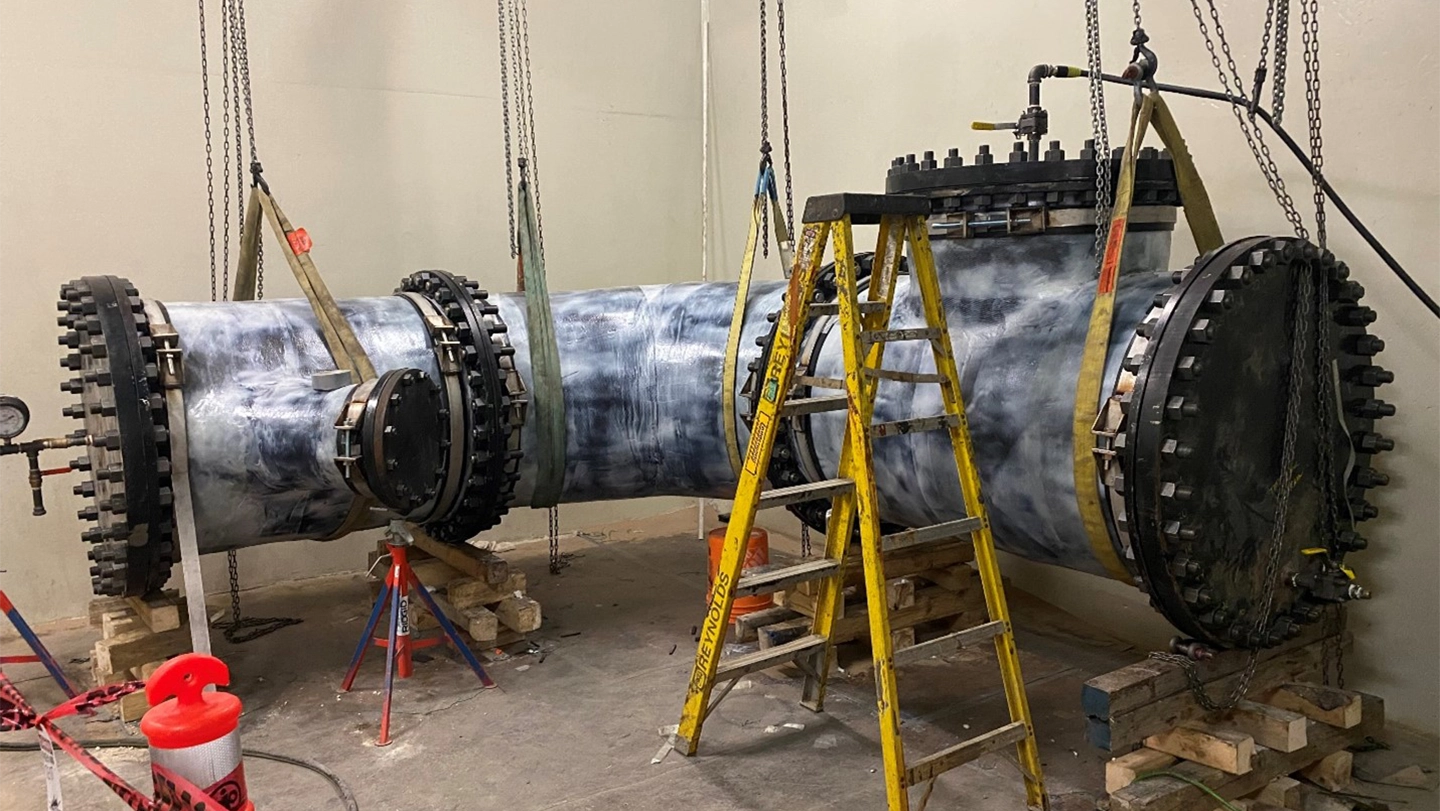
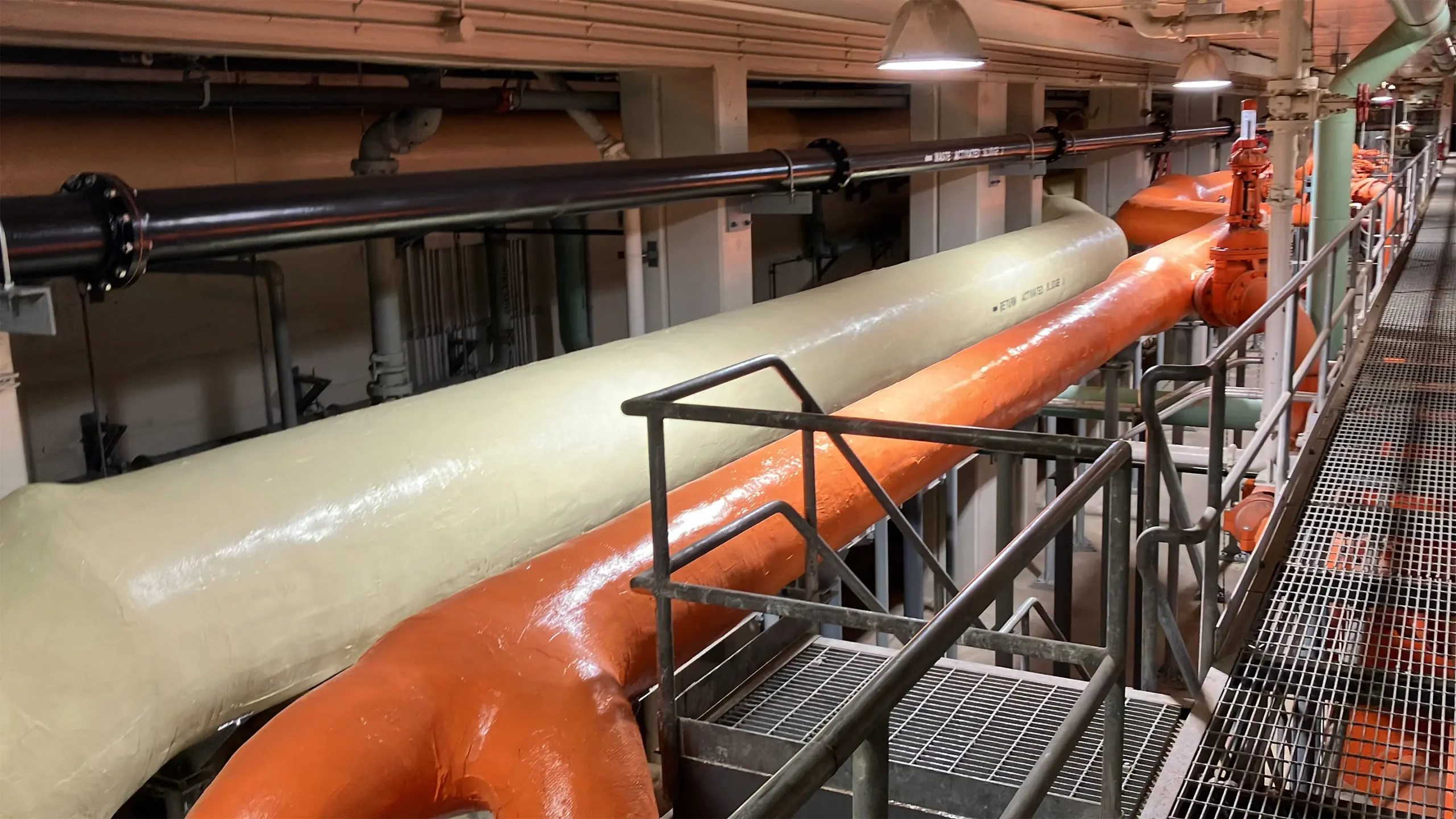

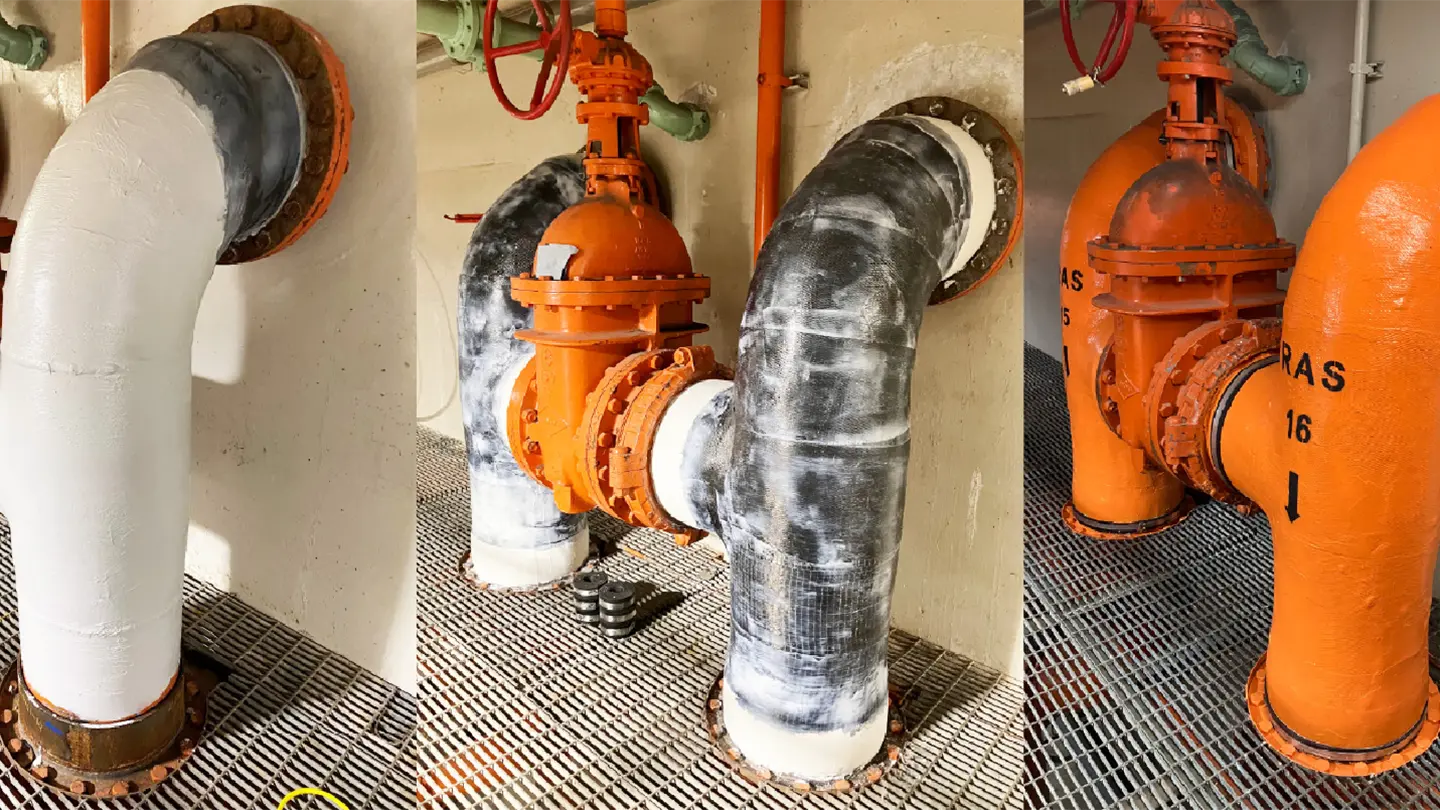
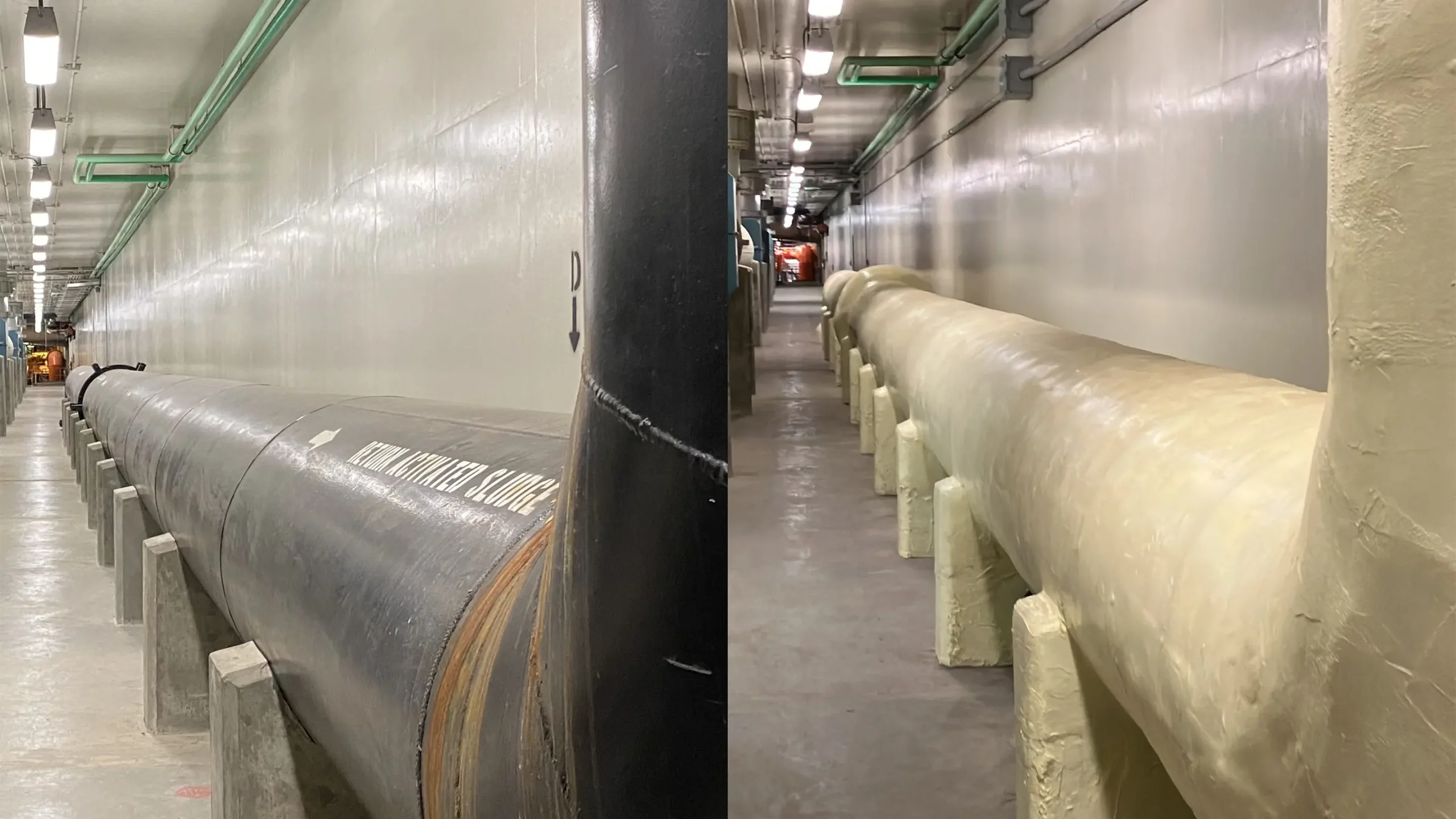
KGS Group led the renewal of almost 2,000 feet of aging Return Activated Sludge (RAS) piping at the City of Winnipeg’s North End Water Pollution Control Centre. This is the city’s oldest and largest wastewater facility, constructed in 1937. The work addressed leaks and structural risk in a critical system that supports treatment for 70% of Winnipeg’s wastewater.
The KGS team did a condition assessment and determined the best solution was a Carbon Fiber Reinforced Polymer external repair system. This solution had not been used on many large-scale, industrial/wastewater applications prior to this project.
After coordinating the design, KGS Group oversaw construction within one year, successfully refurbishing the RAS system for another 25+ years of operation. The plant remained in operation throughout construction to prevent wastewater overflow into the Red River.
Project Highlights
- Renewal of almost 2,000 feet of over 30-year-old, leaking Return Activated Sludge (RAS) piping using Carbon Fiber Reinforced Polymer external repair system
- Plant remained operational throughout construction
- More than 25 years of added service life to the North End Water Pollution Control Centre, which treats 70% of Winnipeg’s wastewater (approximately 187.5 million litres daily)
- Reduced the risk of wastewater overflow into the Red River
Newton Force Main River Crossing
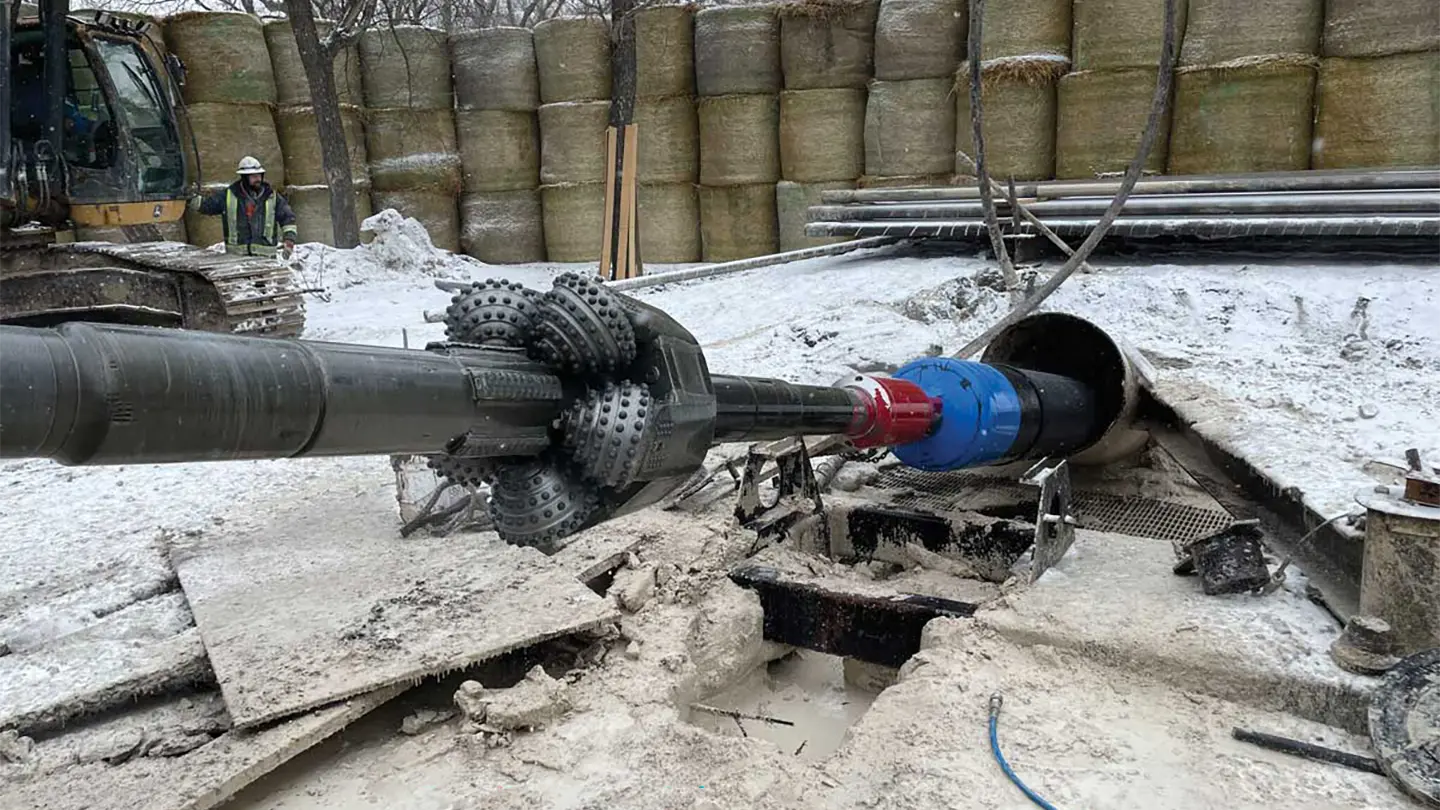
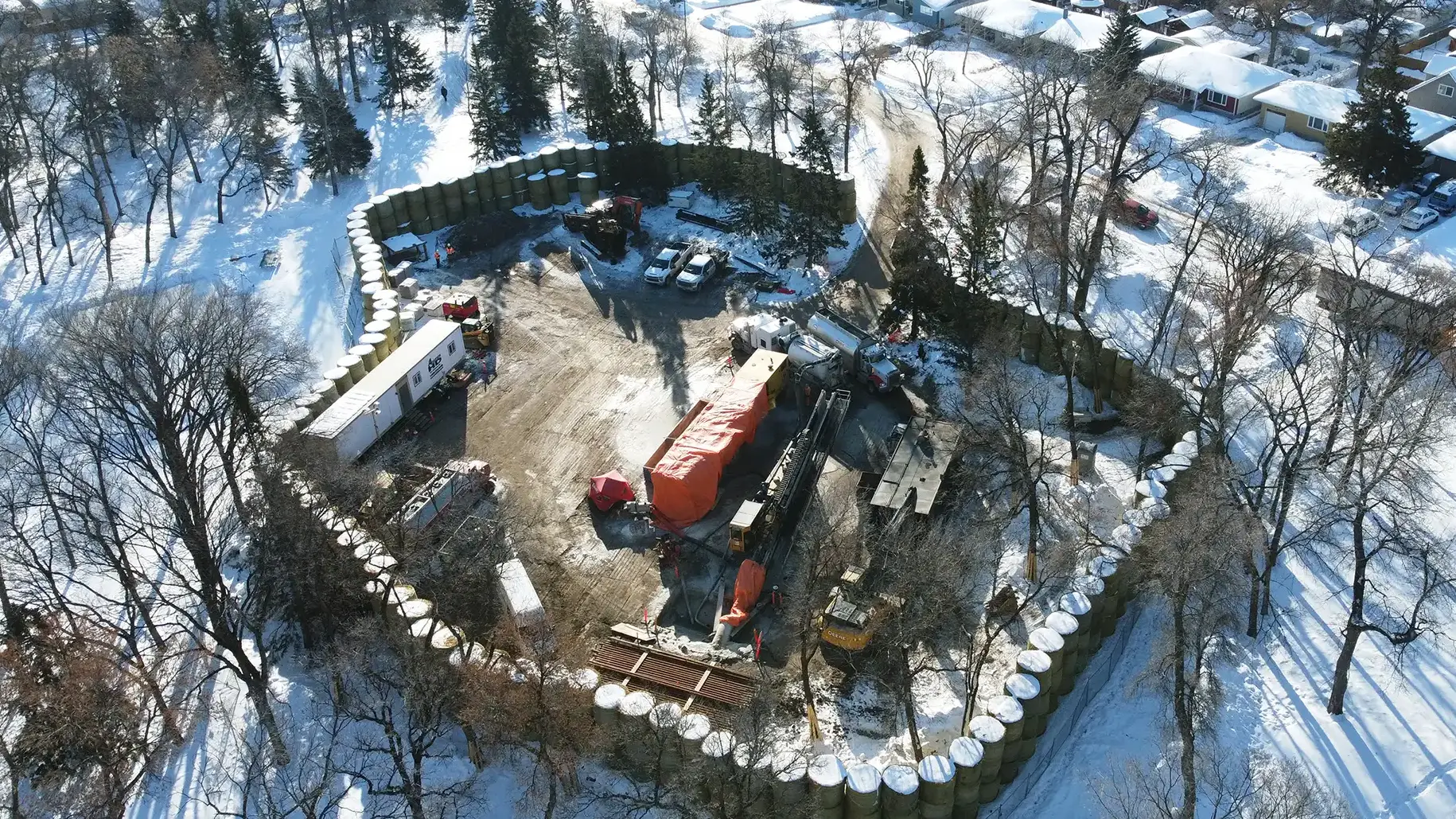
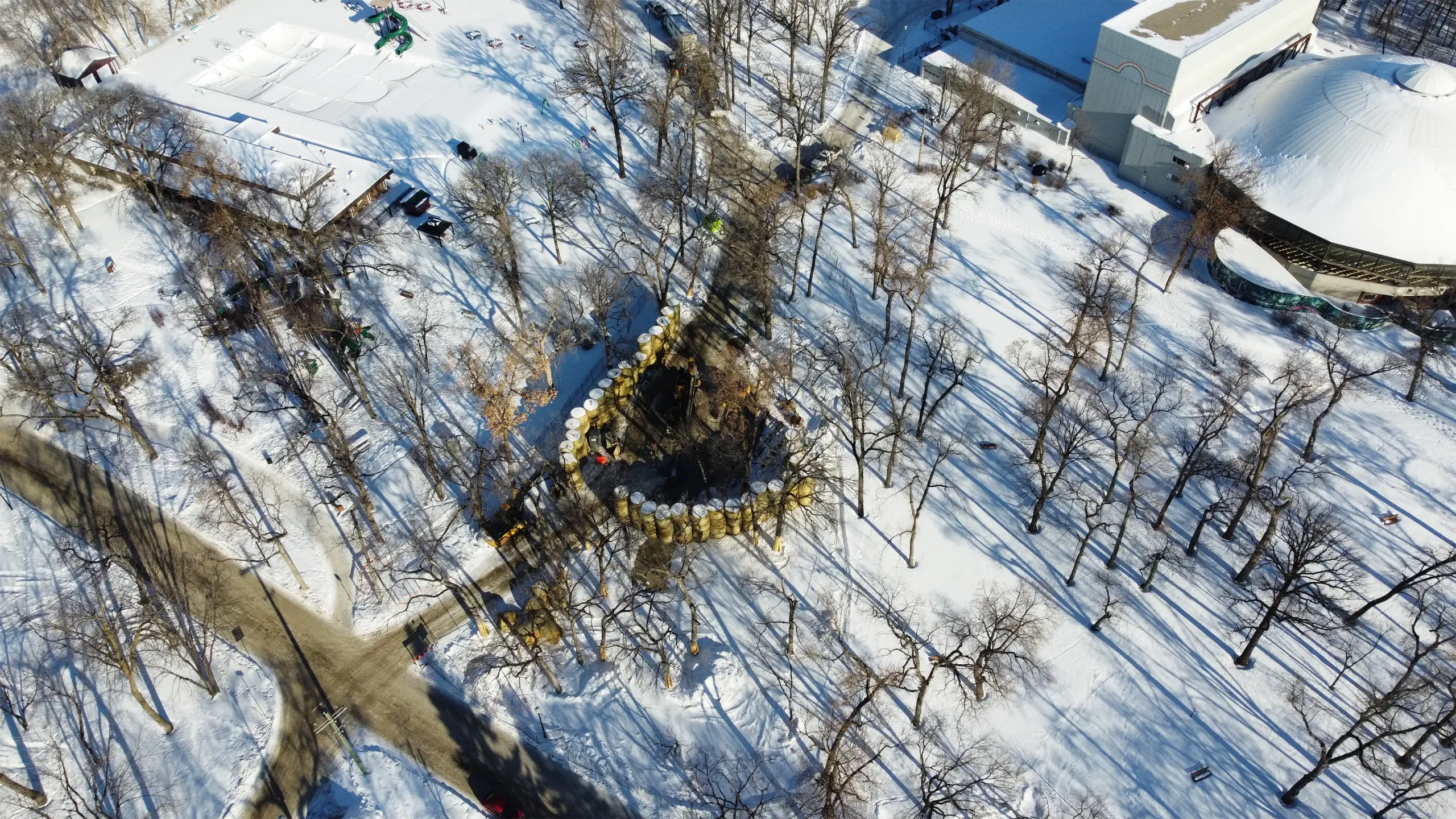
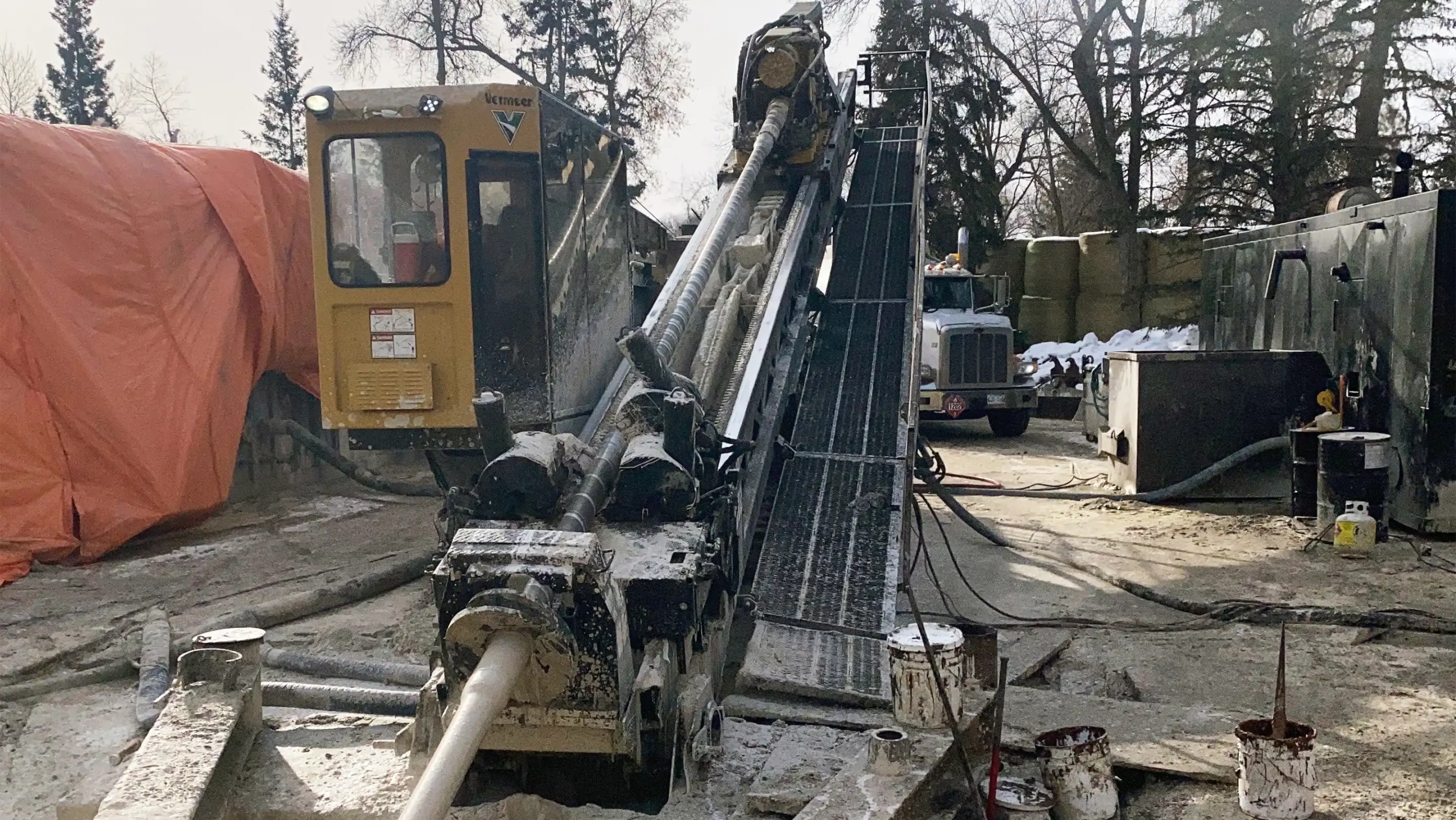
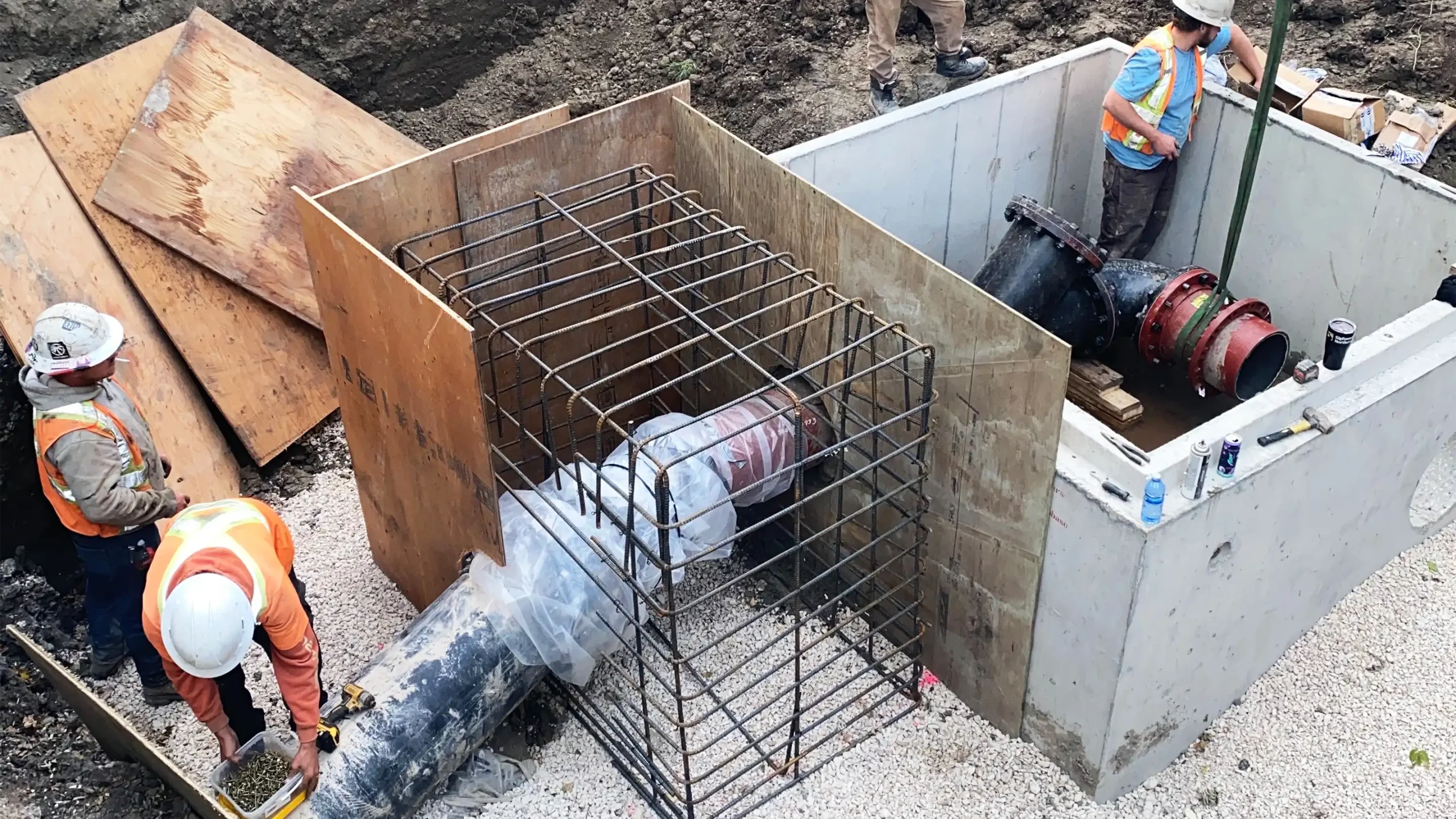
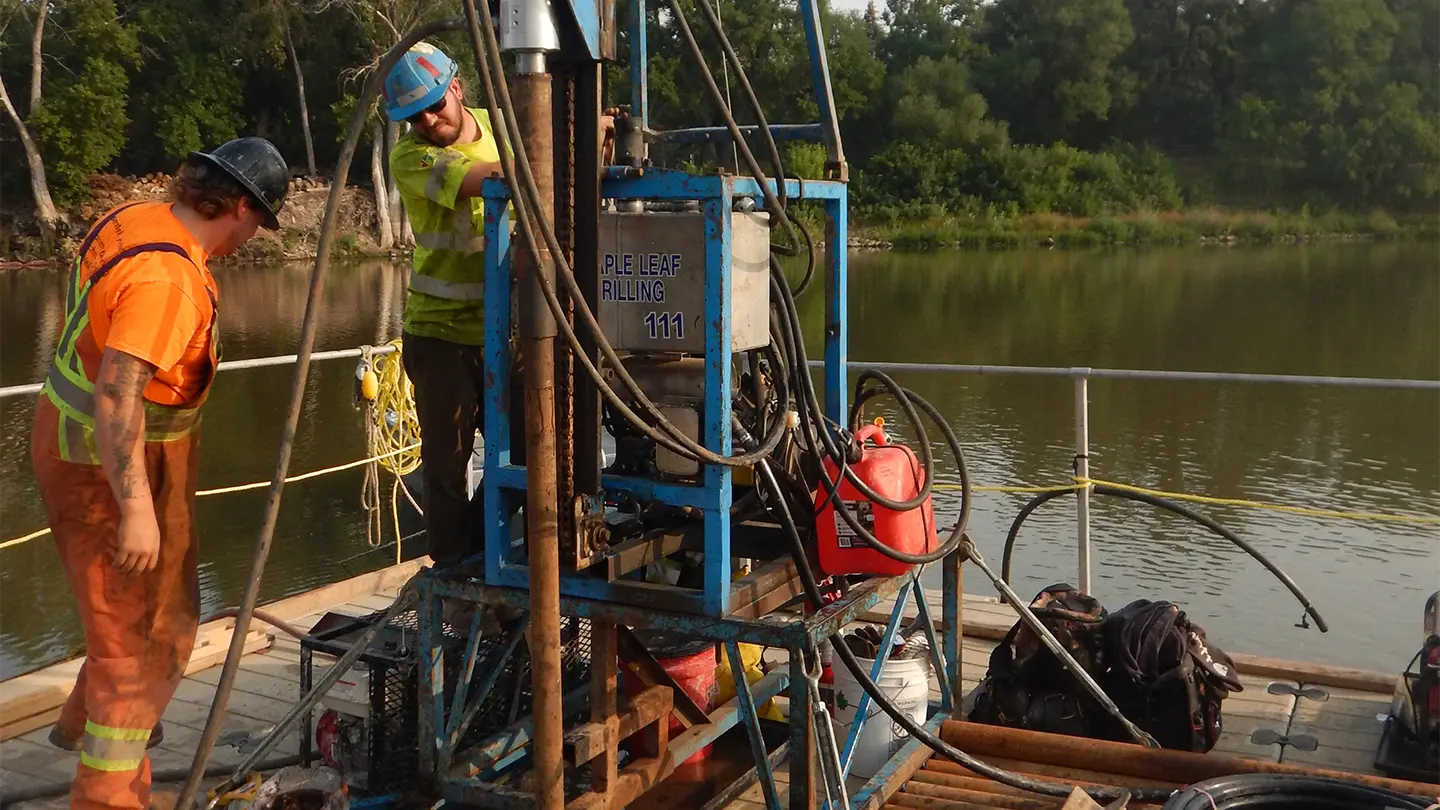
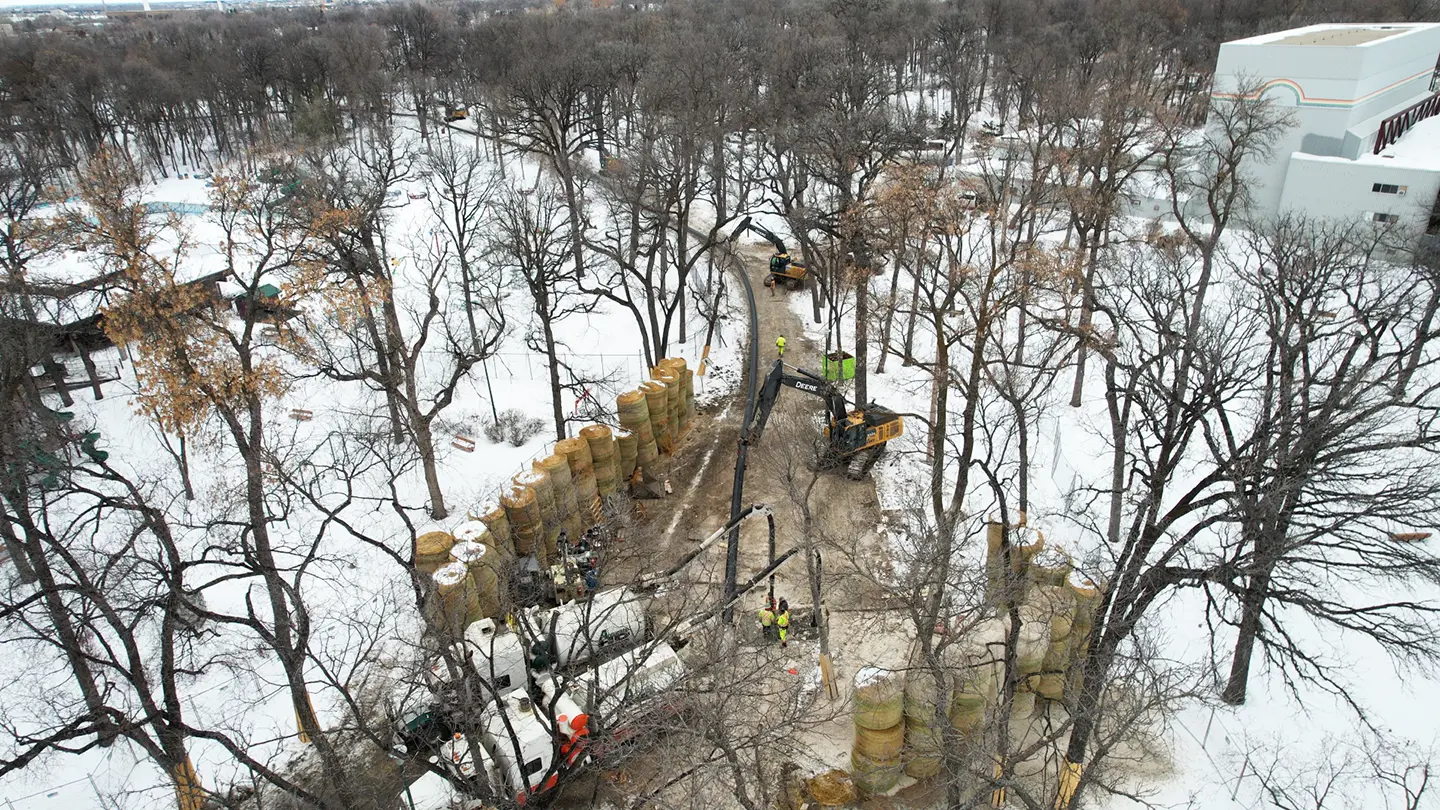
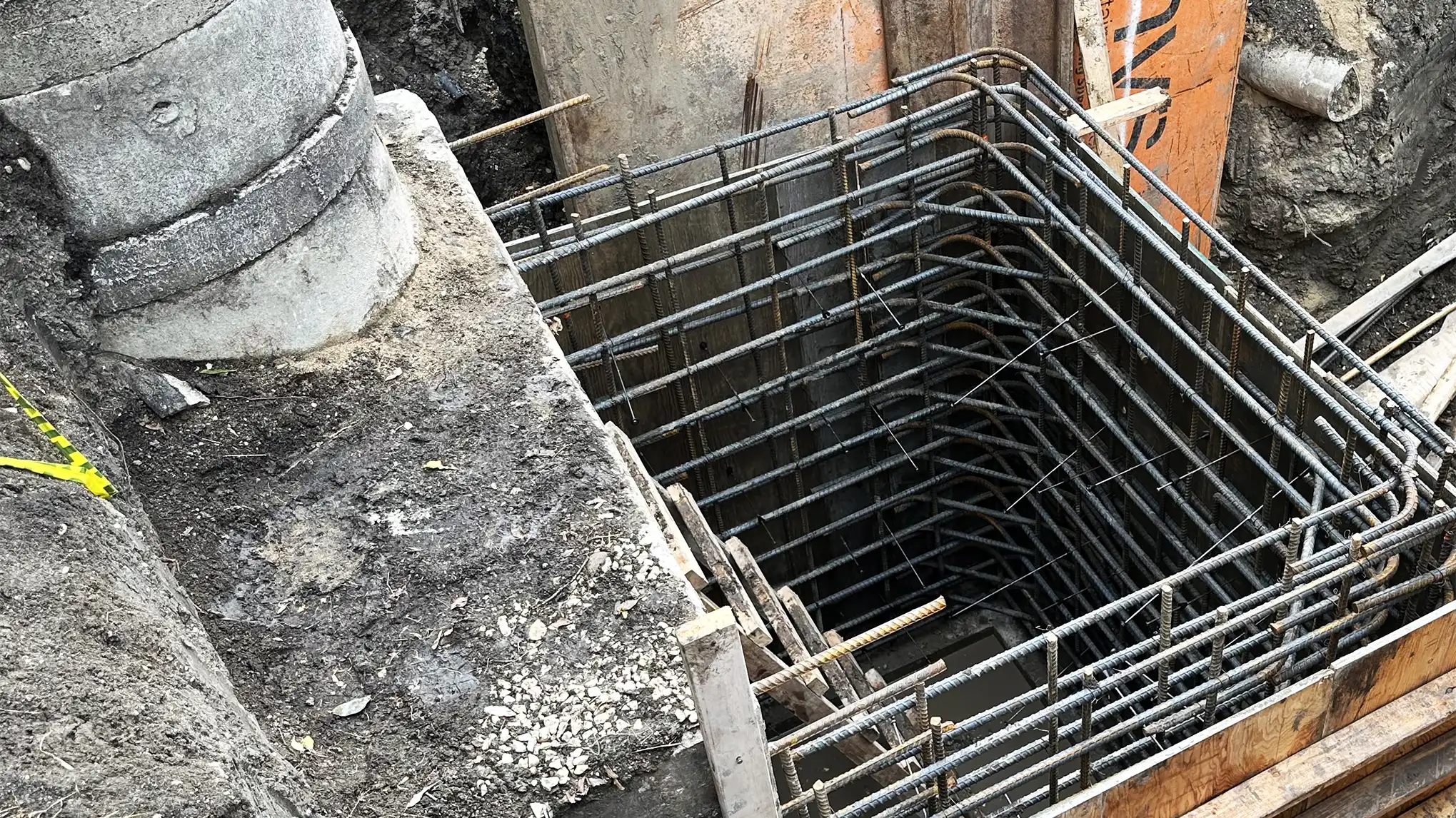
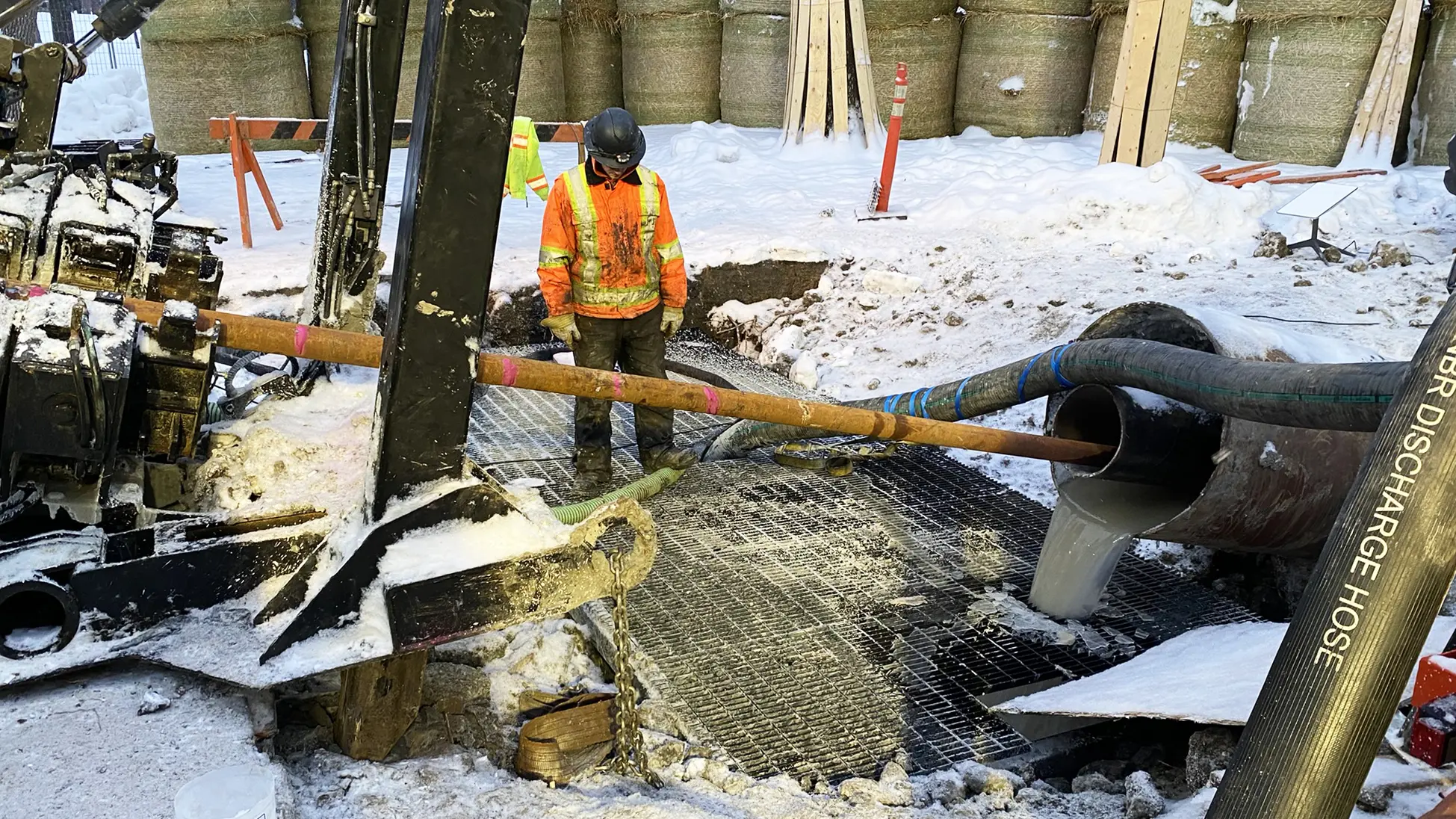
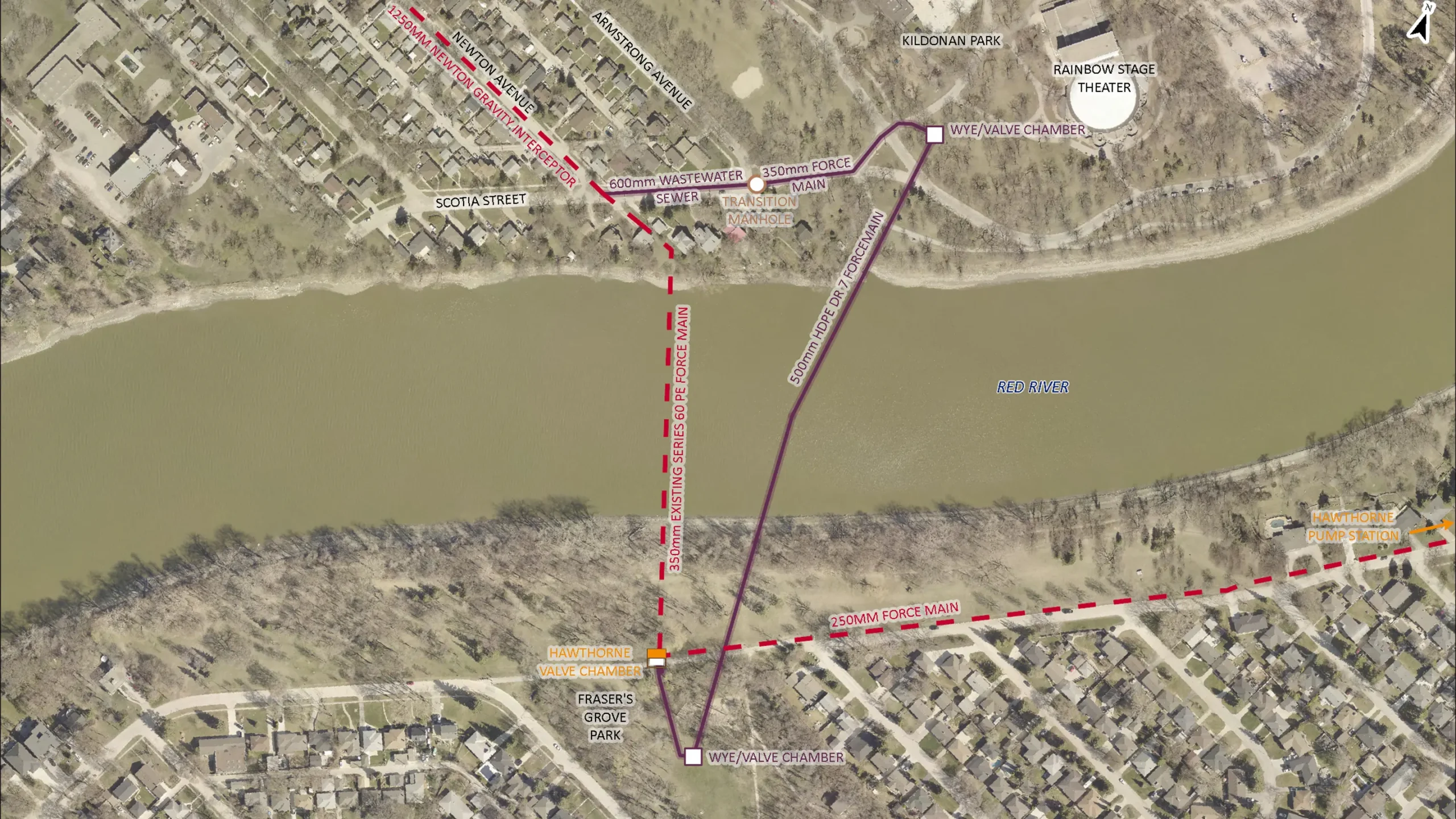
KGS Group and Associated Engineering designed and oversaw the construction of a new, 466 meter river crossing installed trenchlessly 40 meters below grade to replace the failing Newton Force Main River Crossing. This vital piece of infrastructure supports the wastewater flows from the entire Hawthorne sewer district in Winnipeg. Under dry weather conditions, the Newton Force Main River Crossing transports over 2.3 million litres of wastewater daily under the Red River.
The existing crossing was installed along the river bottom in 1978 and was connected to lands that have become densely urbanized, which limited solutions. An alternate alignment was developed to both reroute the force main and install it safely within the bedrock strata below the river.
The result is a durable, long‑term asset that improves system resilience and safeguards the environment and the community.
Project Highlights
- 466 meter river crossing installed trenchlessly, 40 meters below grade
- Horizontal directional drilling with horizontal and vertical curves – a first in Manitoba
- 780 meters of new force main on an alternate alignment in bedrock below the river
- Replaces 1978 river‑bottom crossing which lowers environmental risk and maintenance needs