

Town of Ogema Water Treatment Plant
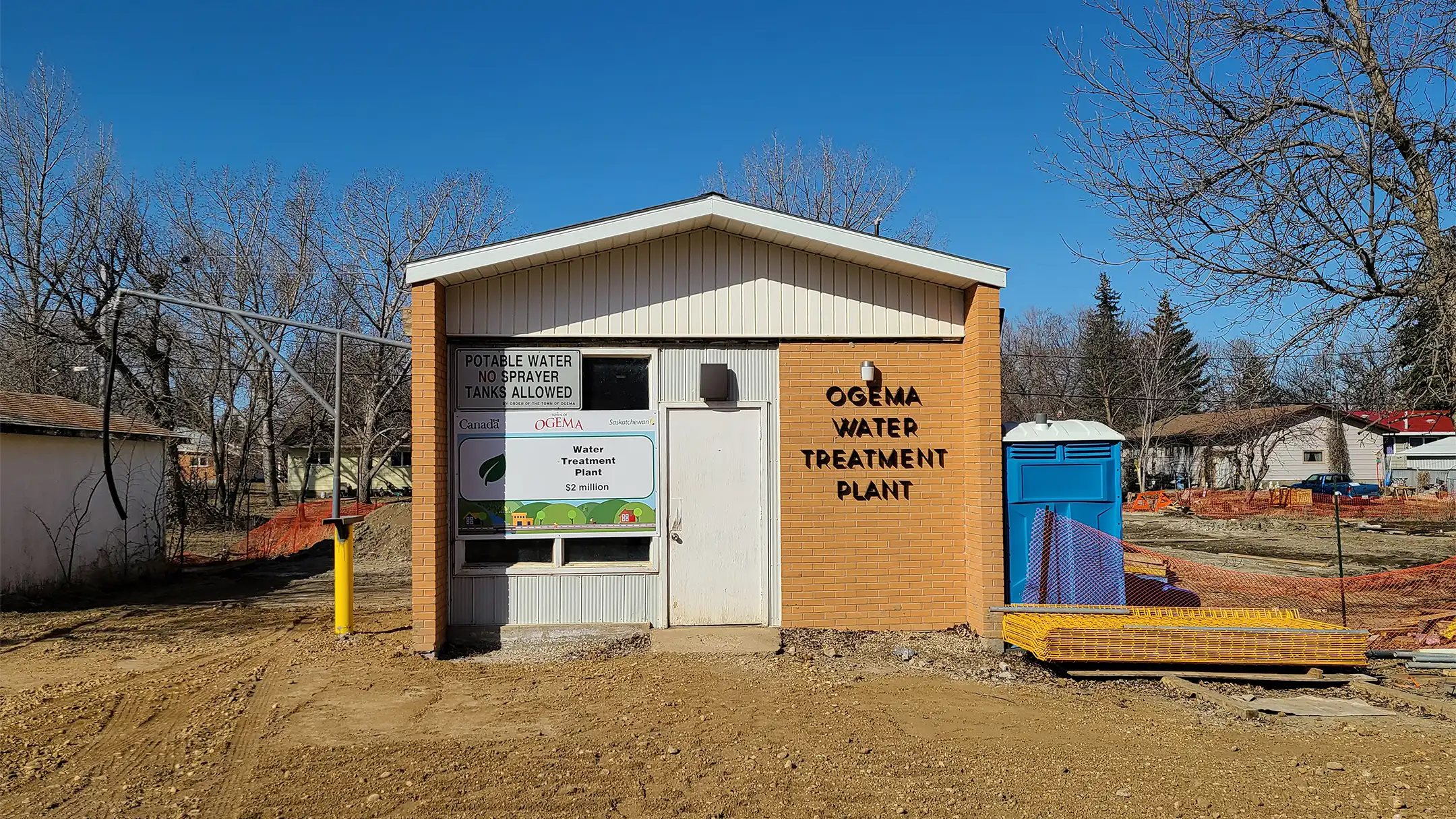

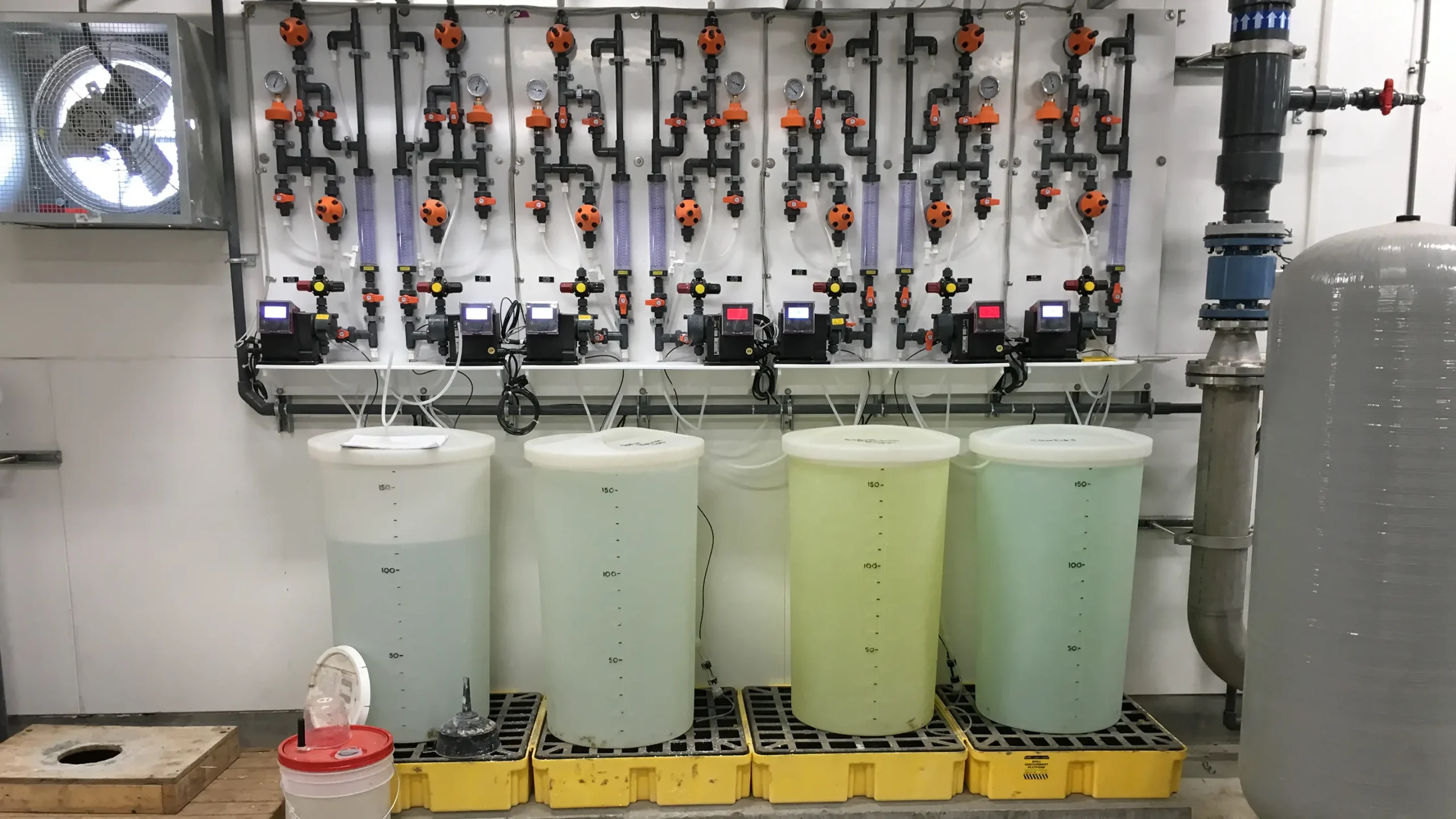
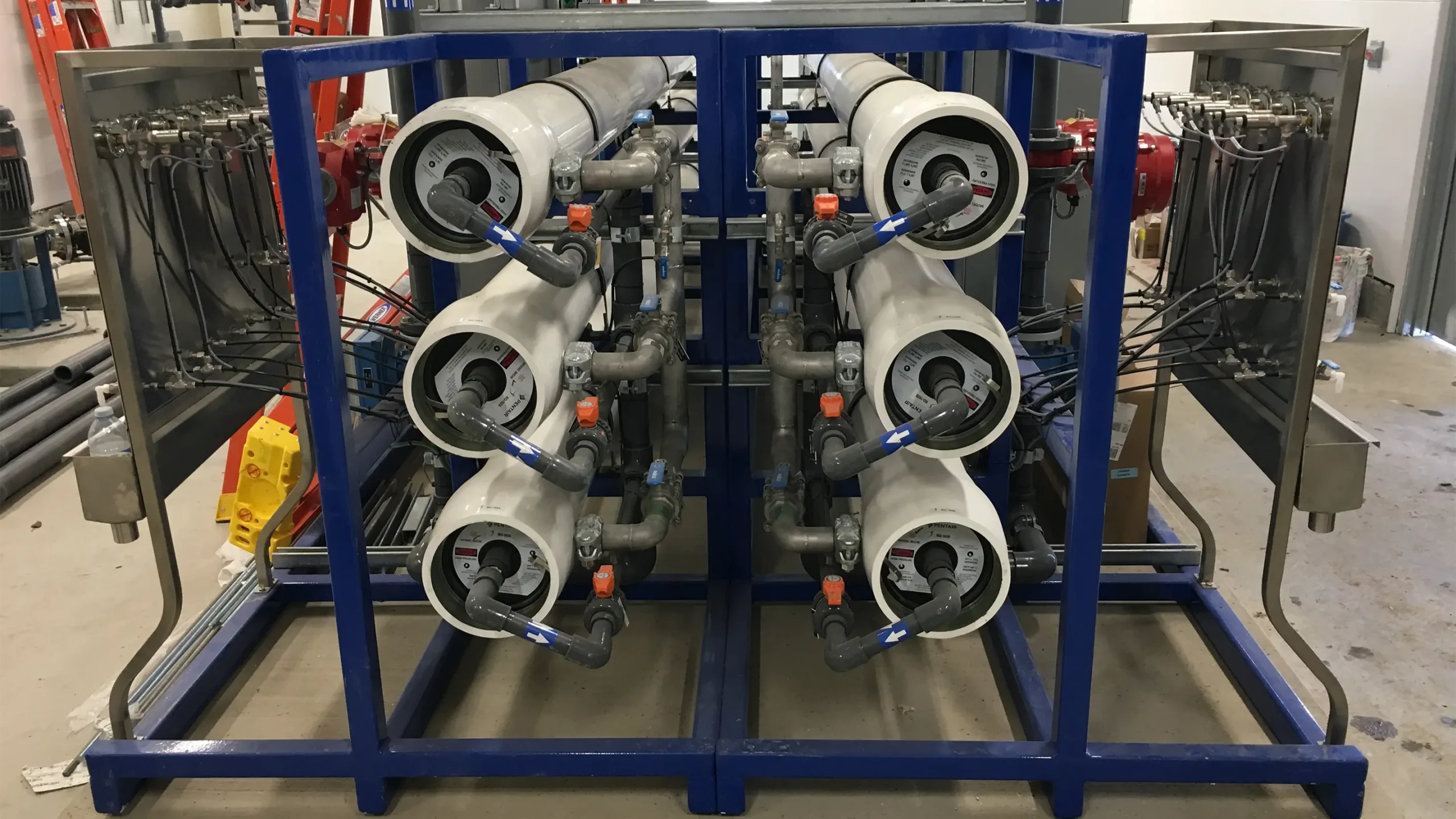
To address persistent water quality issues in the Town of Ogema, KGS Group designed a new treatment solution to improve taste and reduce dissolved minerals. The existing greensand filters had been relatively successful in removing high iron and manganese, but were not capable of removing elevated alkalinity, sulfates, hardness and total dissolved solids from the groundwater supply drawn from two nearby wells.
To increase the palatability of the finished water, KGS Group was retained to provide detailed design services for a brand-new water treatment plant using reverse osmosis membranes. A pilot study was first conducted to determine if direct feeding the reverse osmosis membranes from the wells would be an acceptable long-term solution. With great success from the study, the final design for direct feed membranes was completed in early 2019. The work also included design and construction of a new below-grade concrete reservoir, building and vertical turbine distribution pumps.
The new plant was commissioned in early 2020 and has received significant praise from the town for exceptional water quality.
Project Highlights
- Conducted a pilot study to determine the best long-term solution
- Provide detailed design services for a brand-new water treatment plant using reverse osmosis membranes
- Design and construction of a new below-grade concrete reservoir
Emerson Port-of-Entry
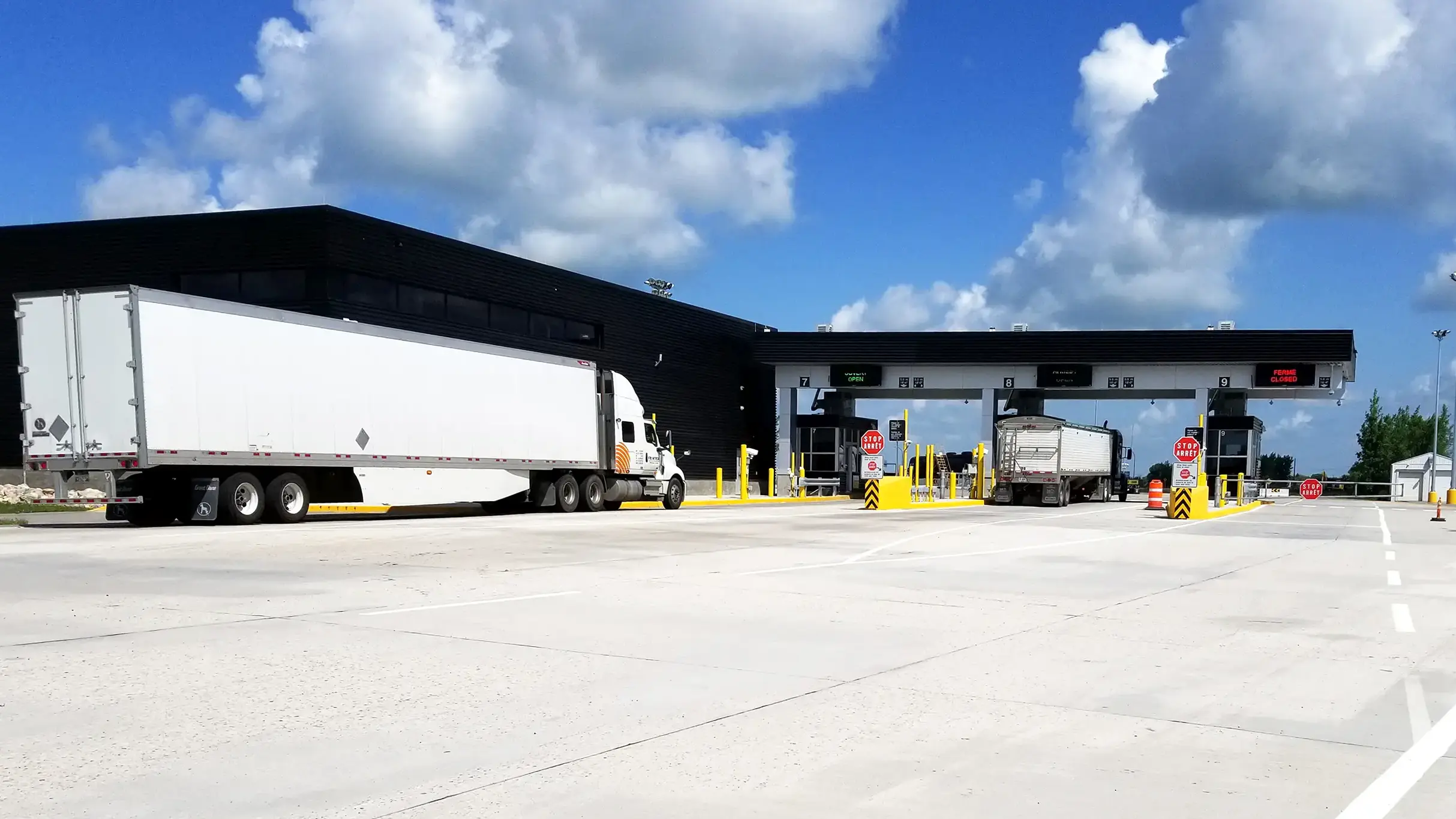
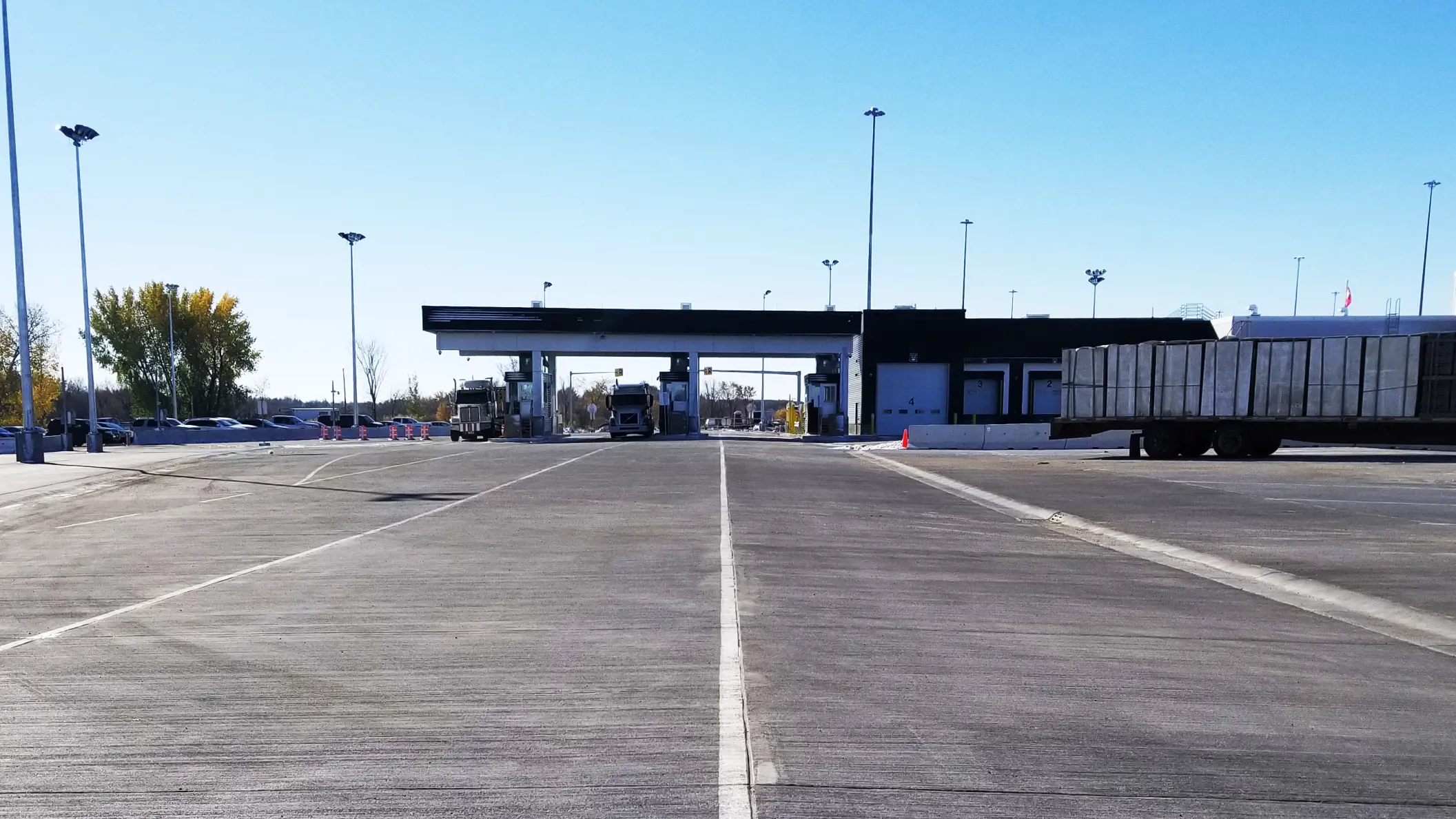
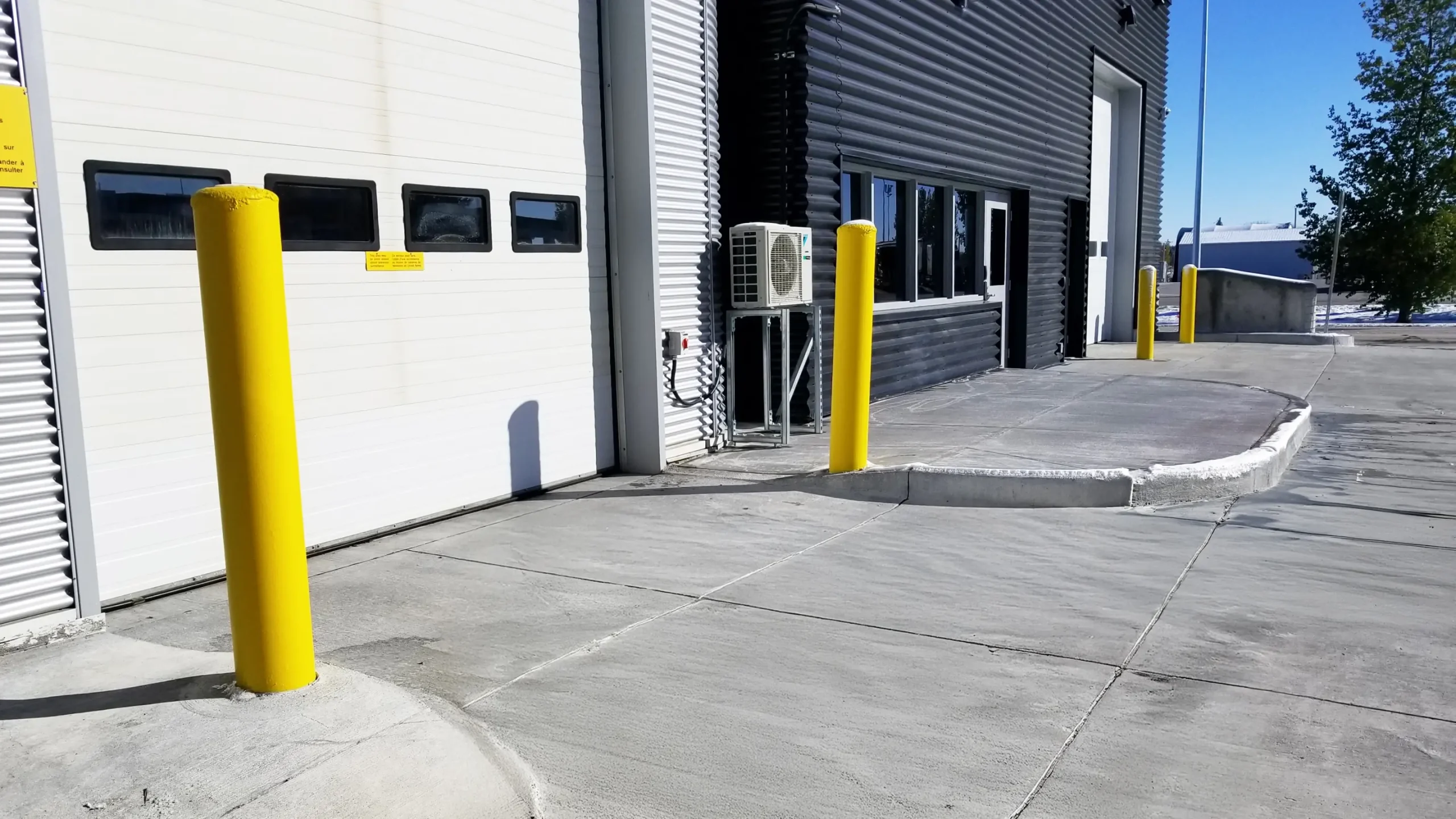
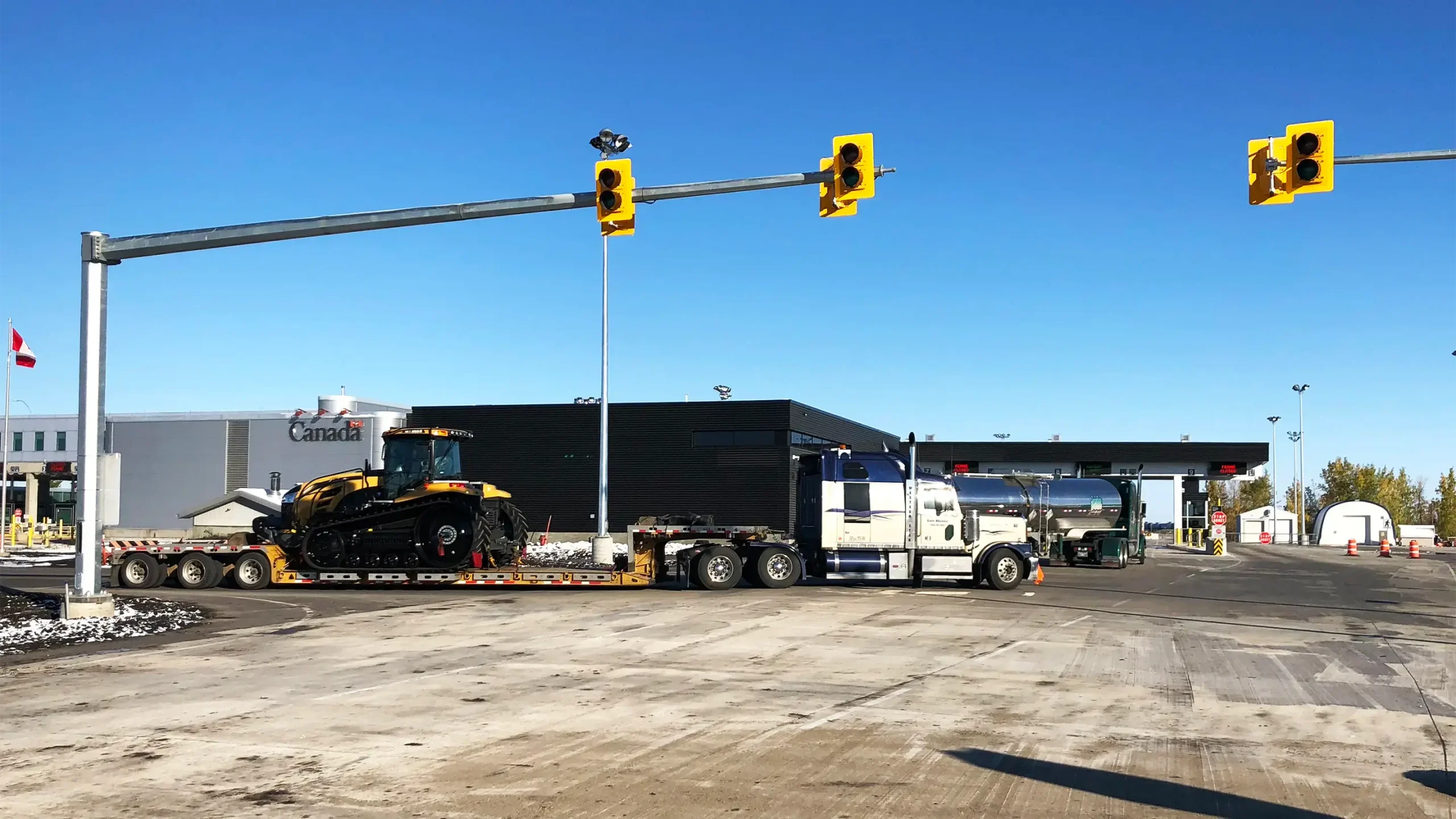
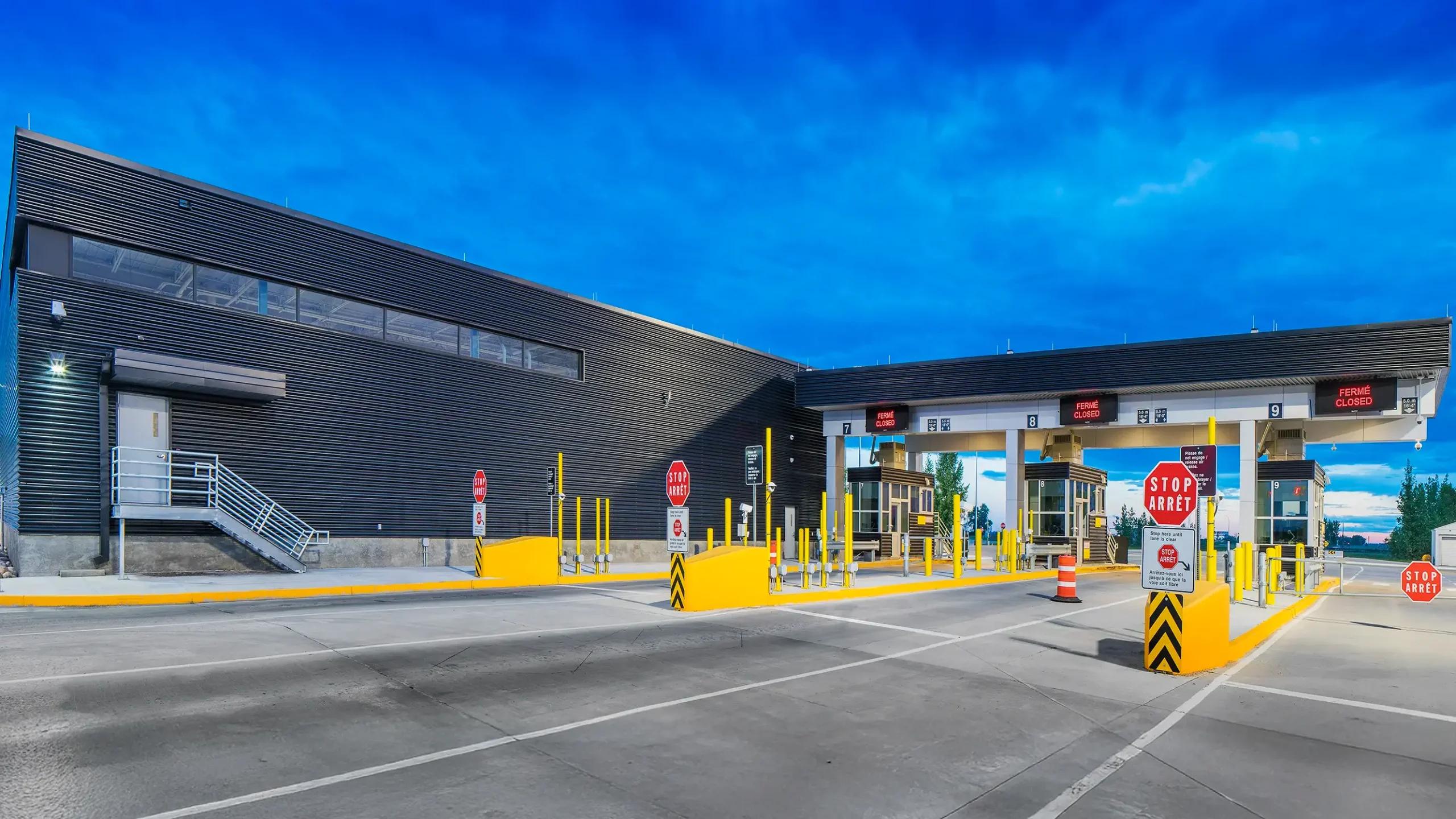
To improve security and efficiency at the Port of Emerson, the Canada Border Services Agency wanted to shift commercial inspections to a dedicated area separate from passenger traffic. In collaboration with Verne Reimer Architects, KGS Group delivered municipal and transportation design and construction support for $4.5 million in site works.
The project included design and construction support for three primary inspection lanes, a four-lane thoroughfare, staff parking lot, commercial parking lot, commercial loading bay, site grading, building services, land drainage system and highway signage.
Coordinated with Manitoba Infrastructure and the North Dakota Department of Transportation, the project improves traffic processing by diverting commercial vehicles from North Dakota Interstate 29 through CBSA‘s commercial facility, rejoining Manitoba Highway 75 north of the port. This project establishes the Port of Emerson as Manitoba’s first Free and Secure Trade (FAST) port, expediting border processing for participants registered to the program.
Project Highlights
- Designed three primary inspection lanes, four‑lane thoroughfare, parking lots and a loading bay
- Improved drainage with a new land drainage system
- Supported the establishment of Manitoba’s first Free and Secure Trade (FAST) port to expedite processing for registered participants
Moose Jaw Refinery Debottleneck Project
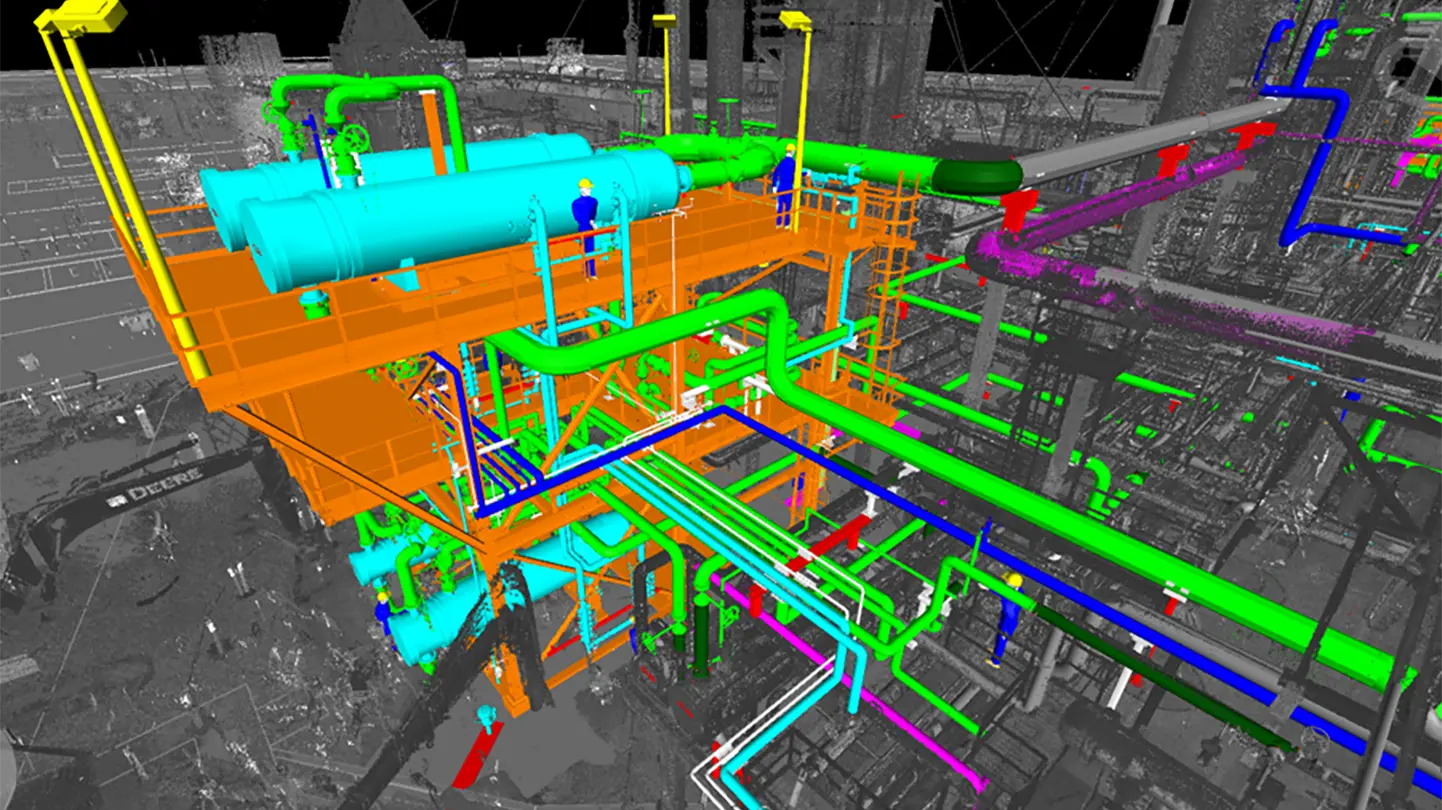
Gibson Energy’s heavy crude oil processing facility in Moose Jaw, Saskatchewan, refines products such as asphalt. KGS Group was tasked with front end engineering design (FEED), detailed design, procurement, contract administration and construction support to expand and increase the facility’s capacity. The work was executed while the plant remained in operation, requiring careful sequencing, safety planning and coordination.
KGS used simulation modelling and 3D models to visualize designs and anticipate potential conflicts, ensuring a smoother implementation. With construction taking place while the facility was in operation, the team overcame logistical challenges, complex safety considerations and an aging facility to complete the project in June 2019, on time and within budget.
Ultimately, the expansion increased throughput capacity by approximately 30% – from 17,000 barrels per day to 22,000 barrels per day – with no increase in GHG emissions. This reduces the facility’s emissions per barrel of oil processed by approximately 20-25%.
Project Highlights
- Performed the front end engineering design, detailed design, procurement, contract administration and construction support to increase the facility’s capacity
- Work was completed while the plant remained operational
- Simulation modelling was used to visual designs and anticipate conflicts to resolve them before implementation