

Kenora Downtown and Waterfront Revitalization
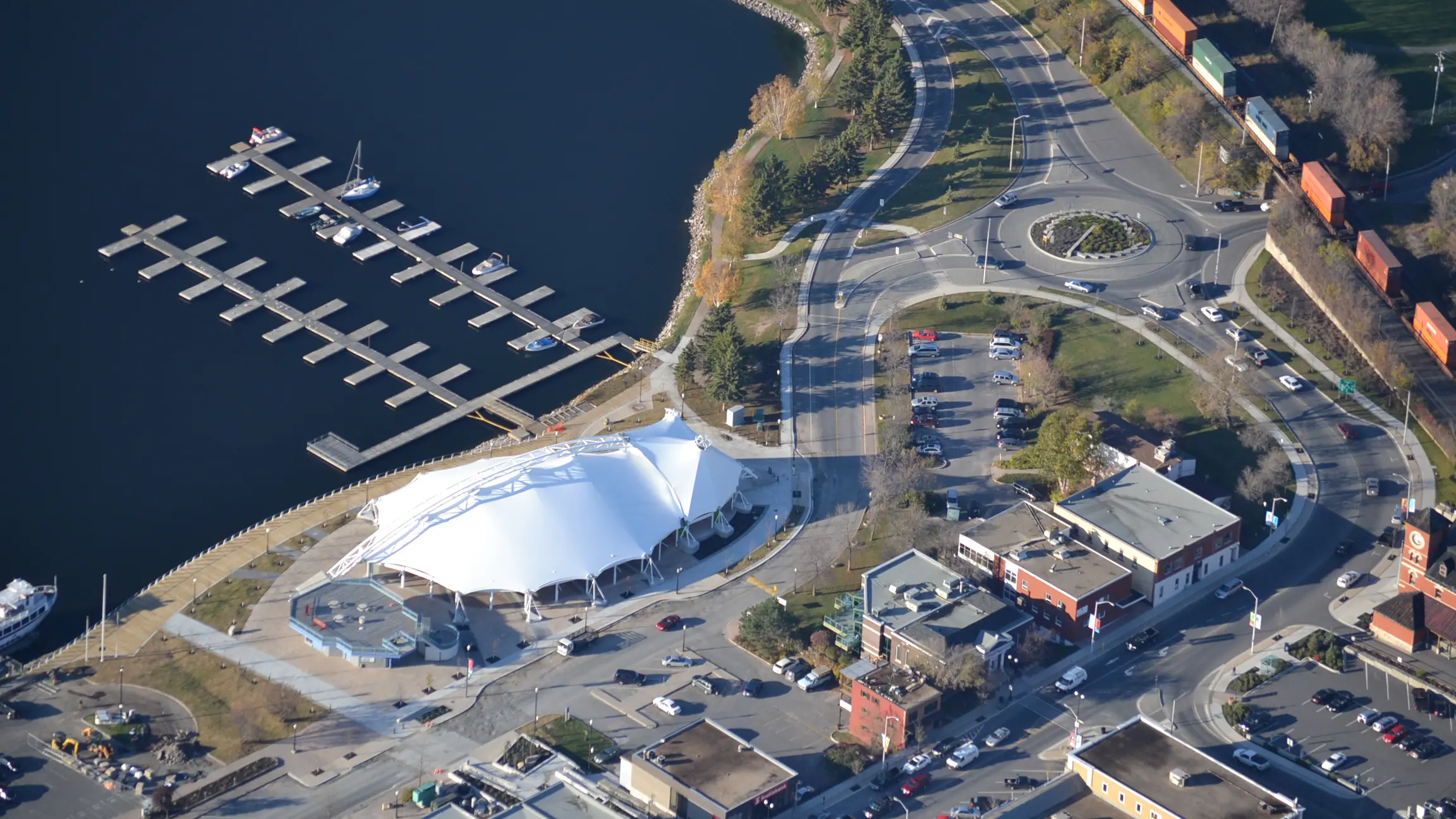
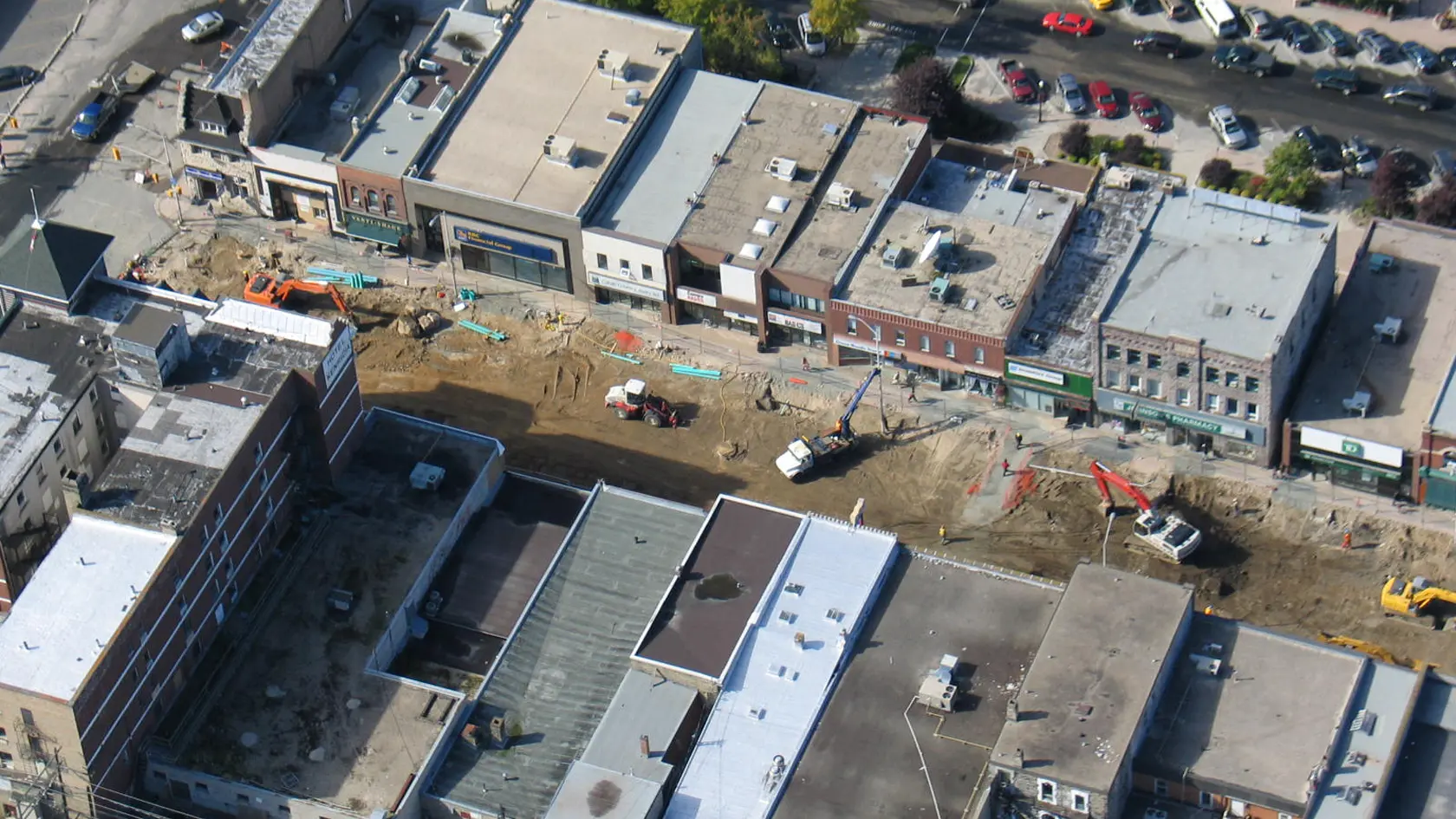
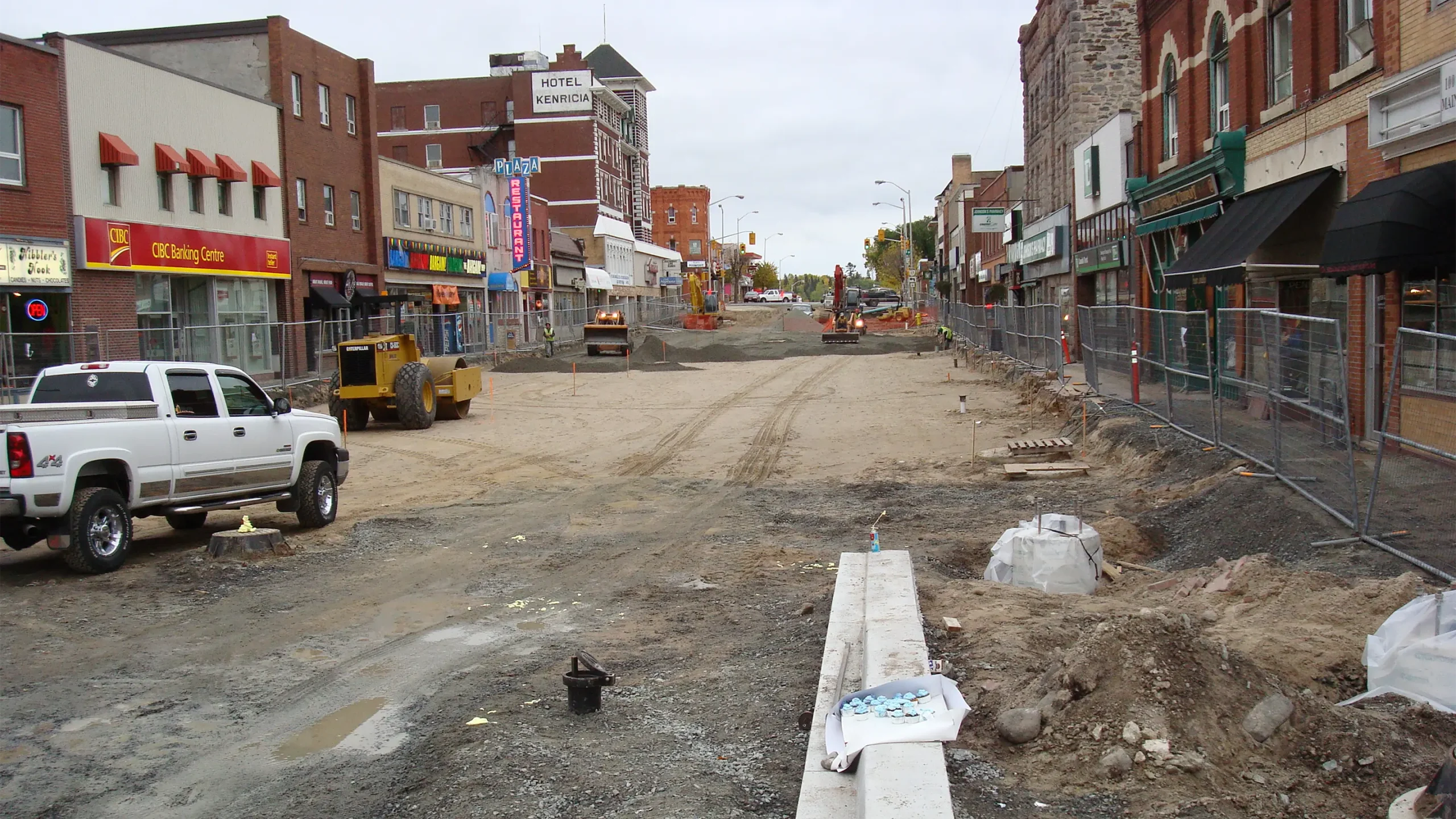
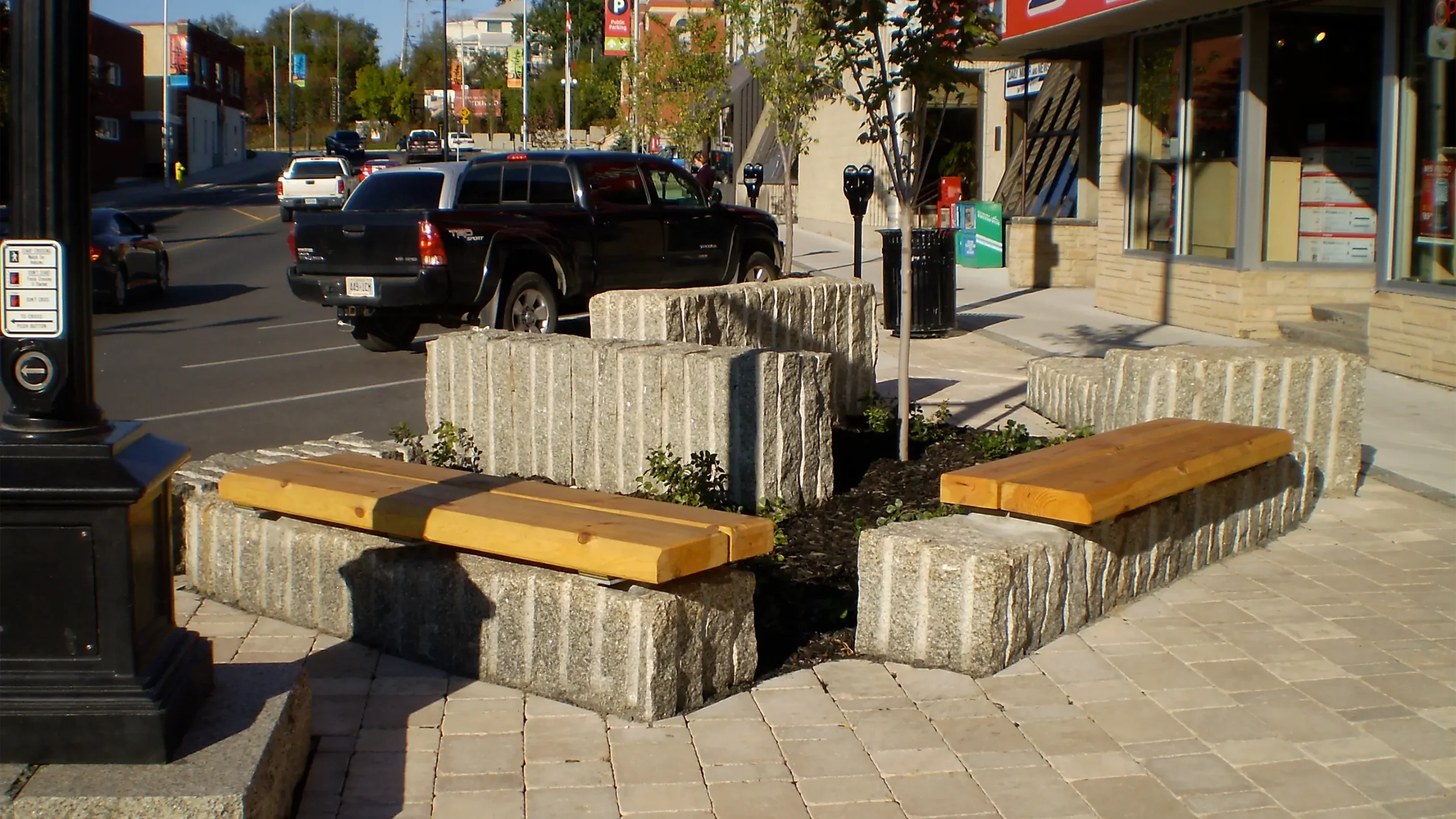
We provided design and contract administration services for a $9.1 million redevelopment of Kenora’s waterfront and downtown precincts – modernizing streets, public spaces and underground services while elevating the pedestrian experience and improving multimodal connectivity. A highlight of this project is utilizing our knowledge of the Complete Streets design methodology to create right‑of‑way that is safer for pedestrians, cyclists and drivers of all ages and abilities.
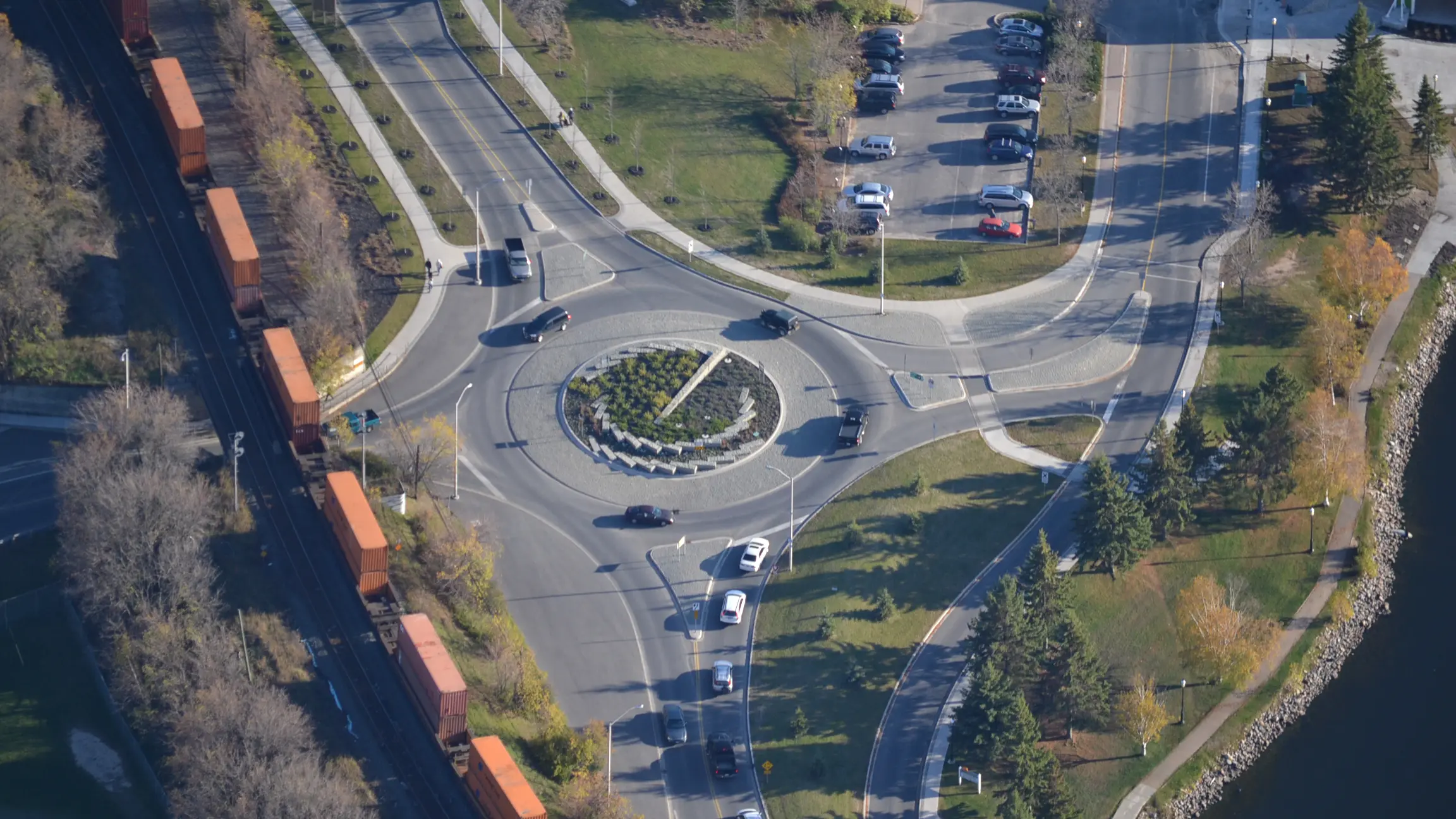
Working closely with the City of Kenora and stakeholders, the design addressed building interfaces, utility constraints and long‑term maintenance needs. Other major parts of the project included implementing traffic calming elements, pedestrian upgrades, underground renewal and drainage upgrades. Collaboration at focused user meetings resulted in one of the more significant changes from a signalized three-way intersection to the first modern roundabout built along the TransCanada Highway, improving safety and flow.
What was once an aging waterfront area, is now a vibrant pillar of the community that attracts visitors from near and far.
Project Highlights
- Street renewals and realignments across key downtown/waterfront corridors
- Construction of modern roundabout (the first along the TransCanada Highway)
- Sewer and water renewals with building service replacements
- Land drainage upgrades and coordinated utility relocations
- Multi‑use pathways and expanded active‑transportation network
- Boardwalk extension along waterfront for continuous access
- Tensile fabric event centre to support community programming
- Accessible design features – tactile‑delineated sidewalks and grading to meet guidelines
- Haptic roadway surfacing at intersections for traffic calming and awareness
Seine Riverbank Stabilization at the Branch 1 Aqueduct
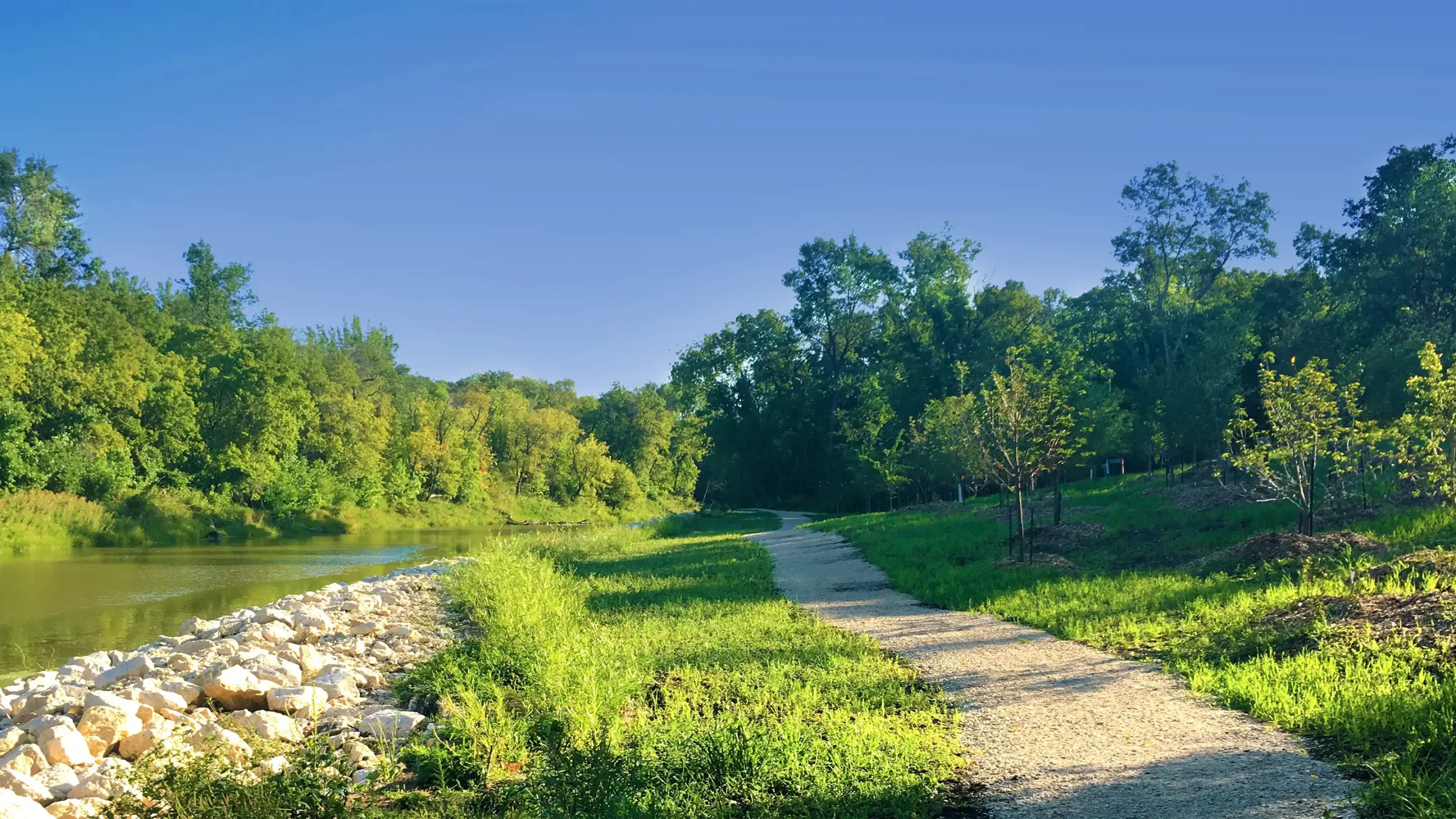
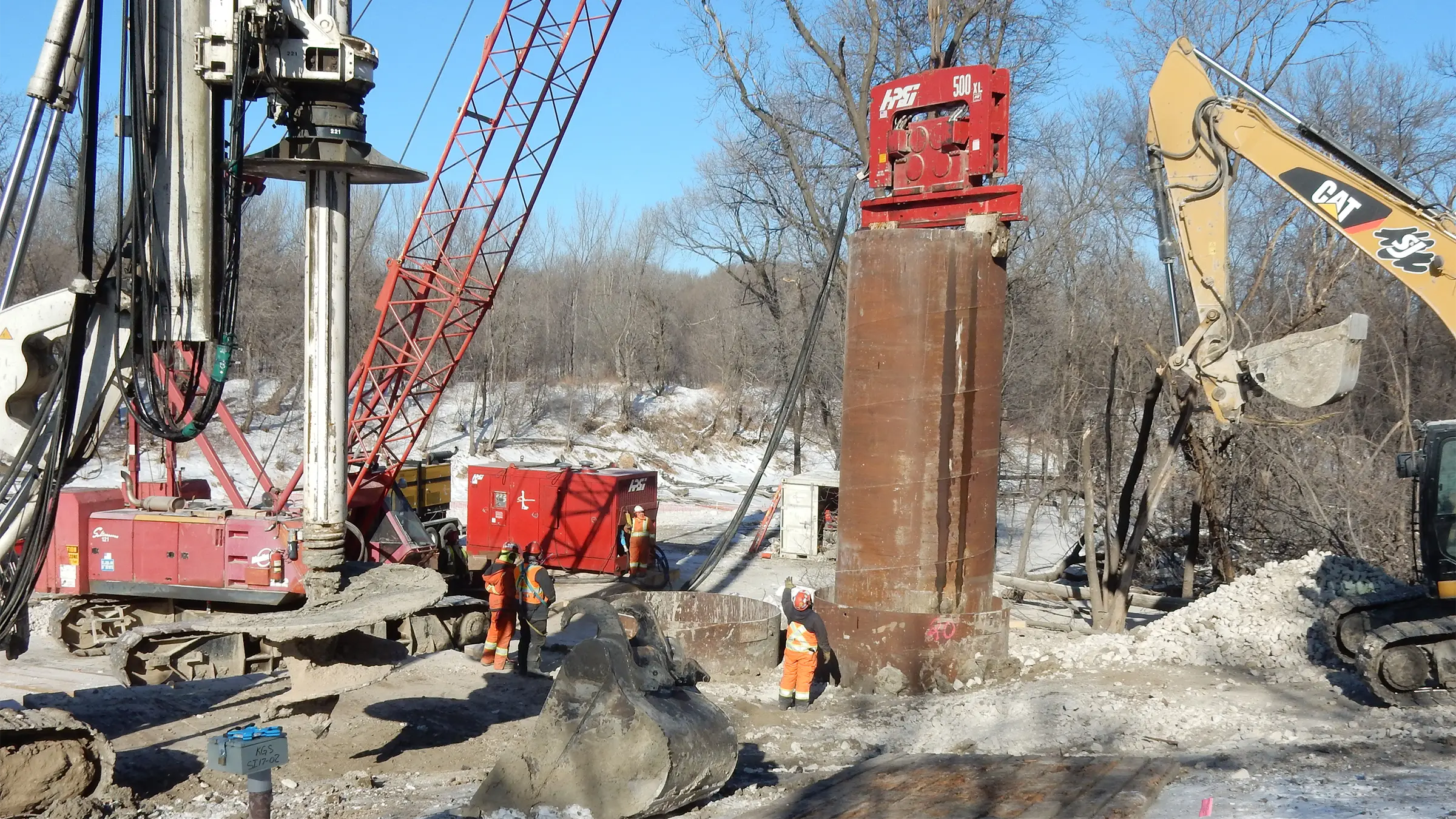
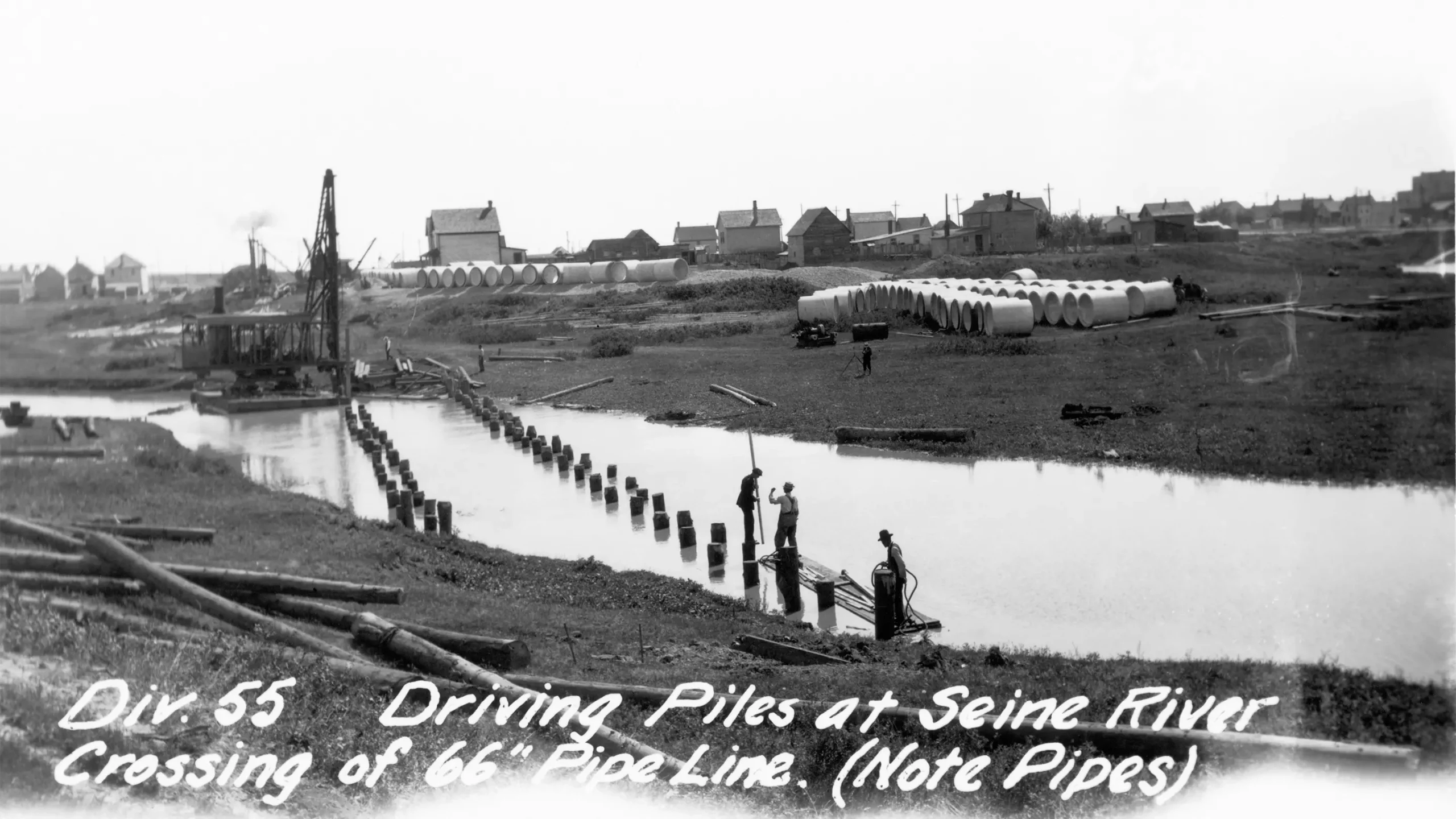
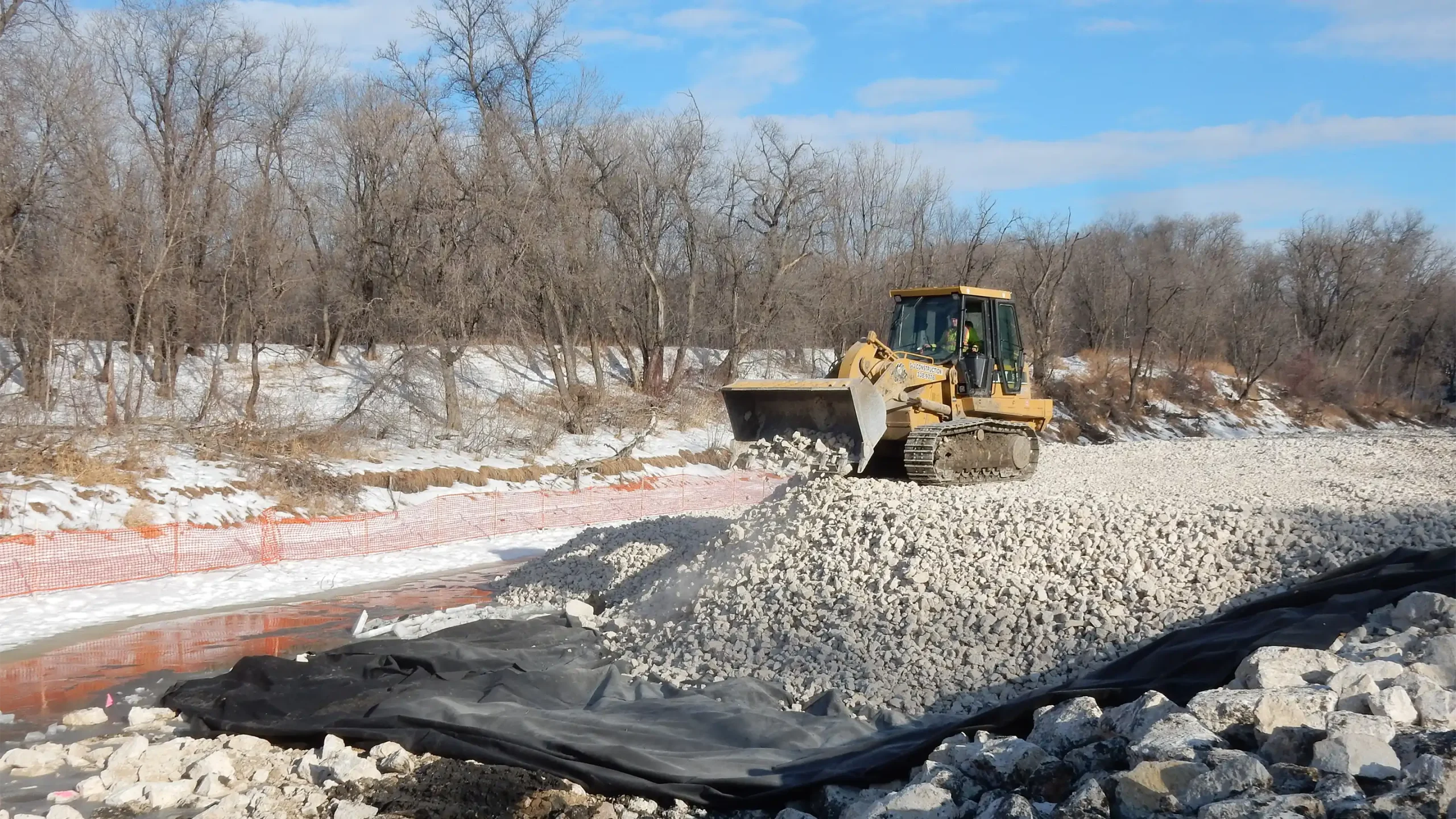
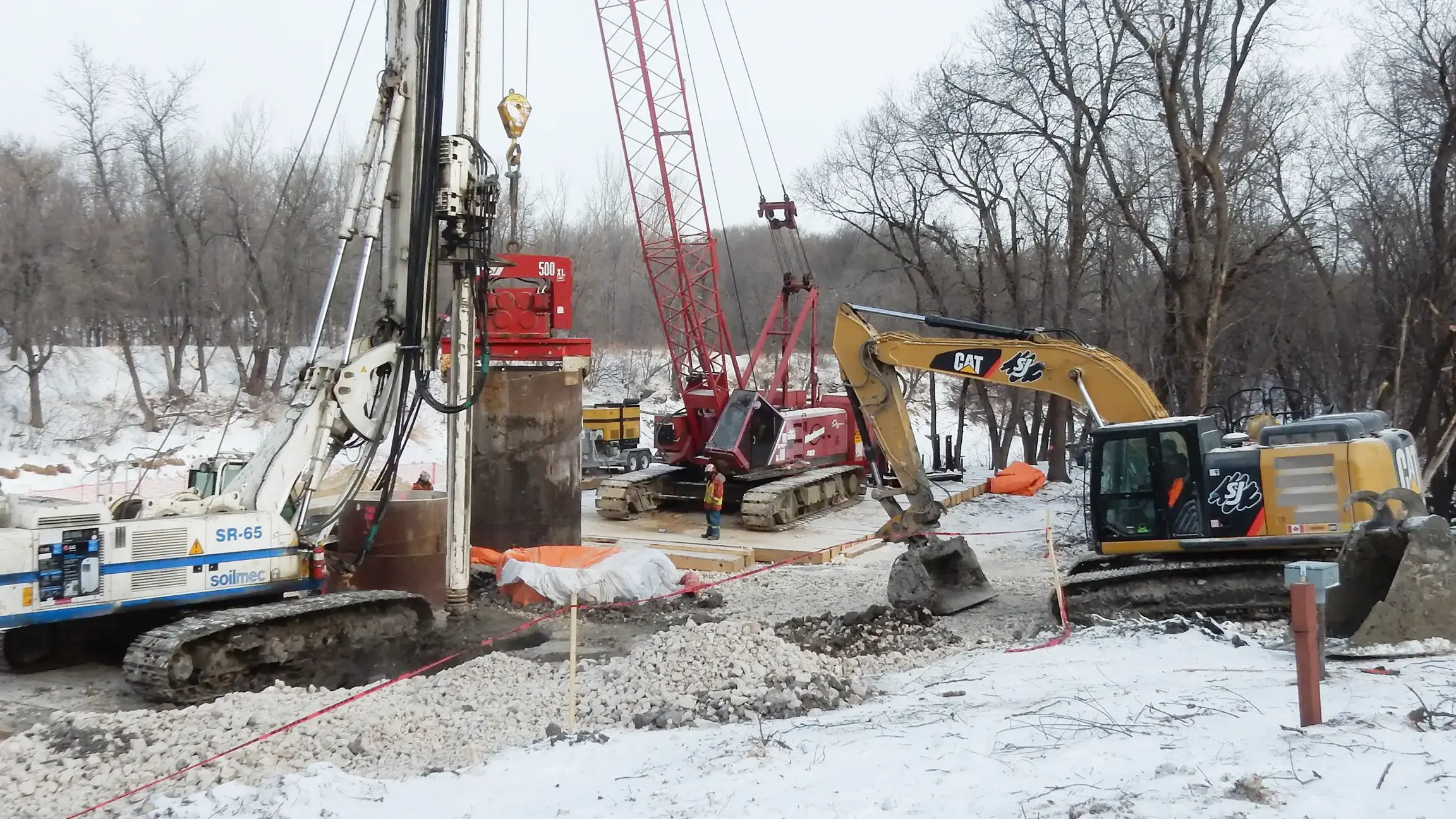
Riverbank movements near the Seine River crossing threatened the City of Winnipeg’s 100‑year‑old Branch 1 Aqueduct, which carries 40% of the city’s drinking water. KGS Group helped stabilize the riverbank while keeping the aqueduct in service throughout construction, protecting a critical supply and reducing risk to the community.
Our team applied an extensive design evaluation process, a full-scale field-testing program, a ground-breaking instrumentation monitoring program and a highly prescriptive construction methodology to manage risk at each stage of construction.
This approach required more intensive engineering but reduced the construction timeline by one full year and resulted in significant project cost savings. After the stabilization work was completed, a complete revegetation project ensued, ensuring the area was ready for community use for years to come.
Project Highlights
- Planning, design, geotechnical evaluation, construction oversight, monitoring and stakeholder coordination
- Advanced instrumentation program and prescriptive construction sequencing
- Project timeline was completed one year ahead of schedule, leading to significant cost savings
- The site was restored and revegetated, improving the public realm and long‑term resilience
Birds Hill Lake Improvements
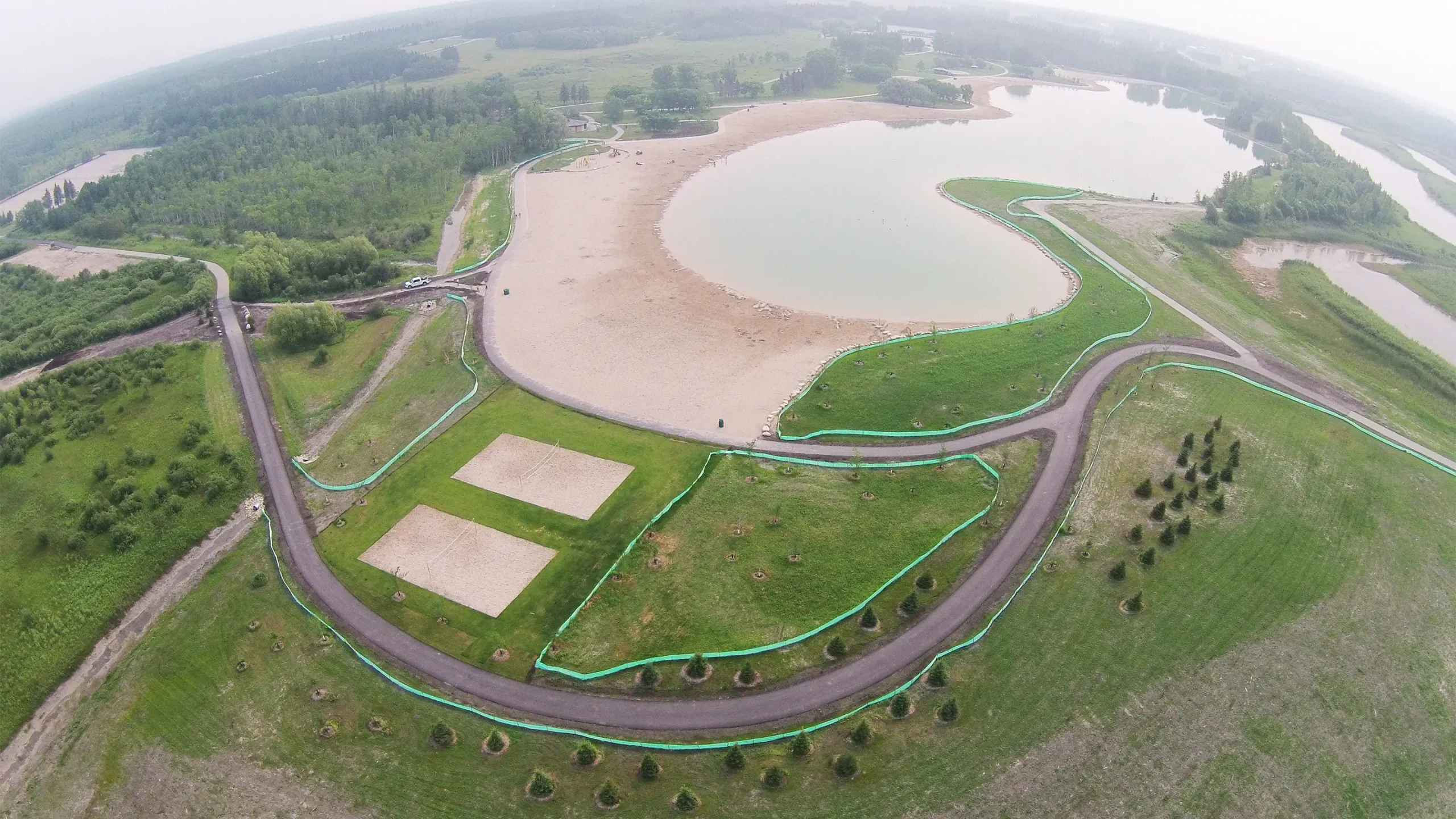
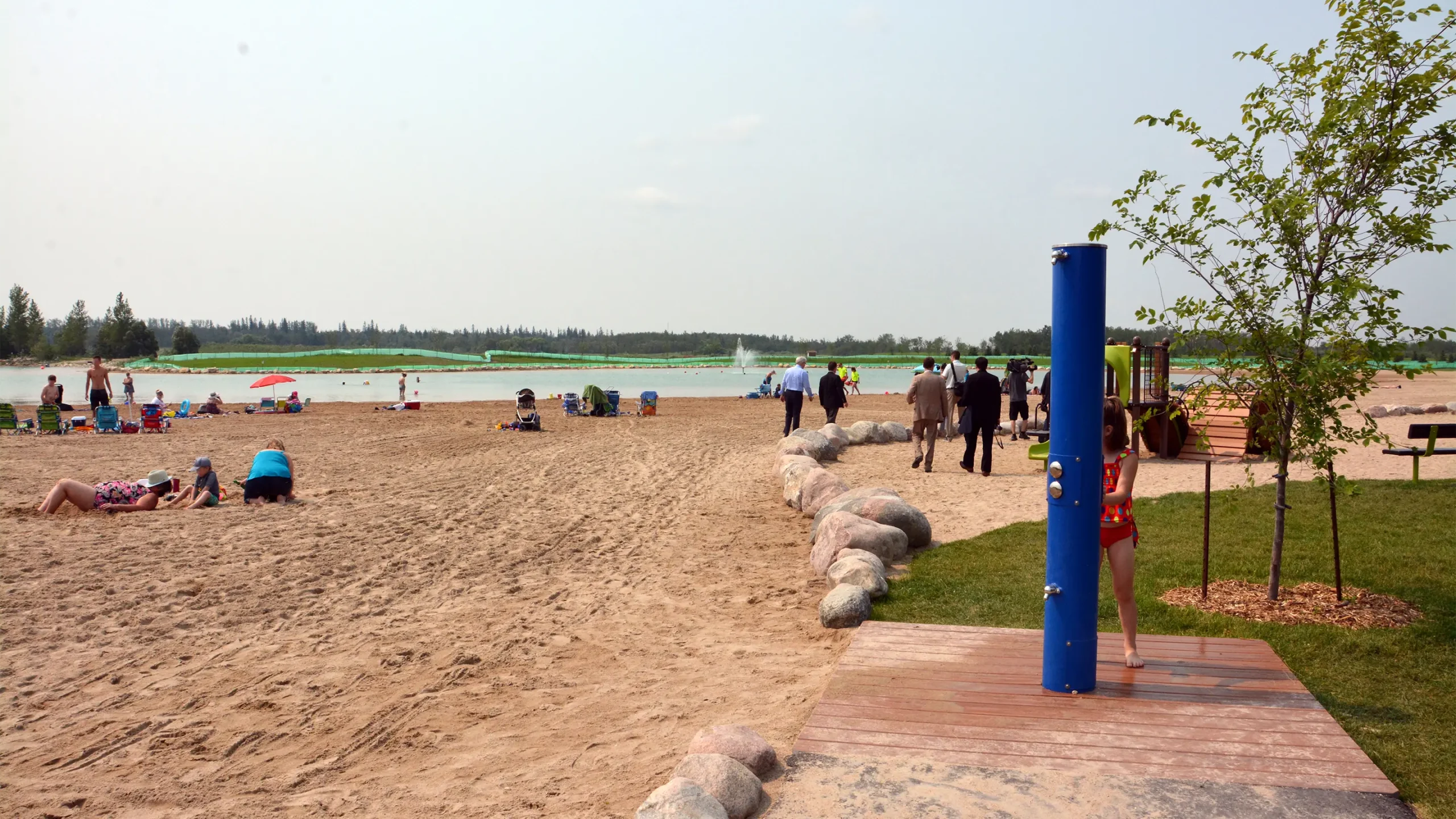
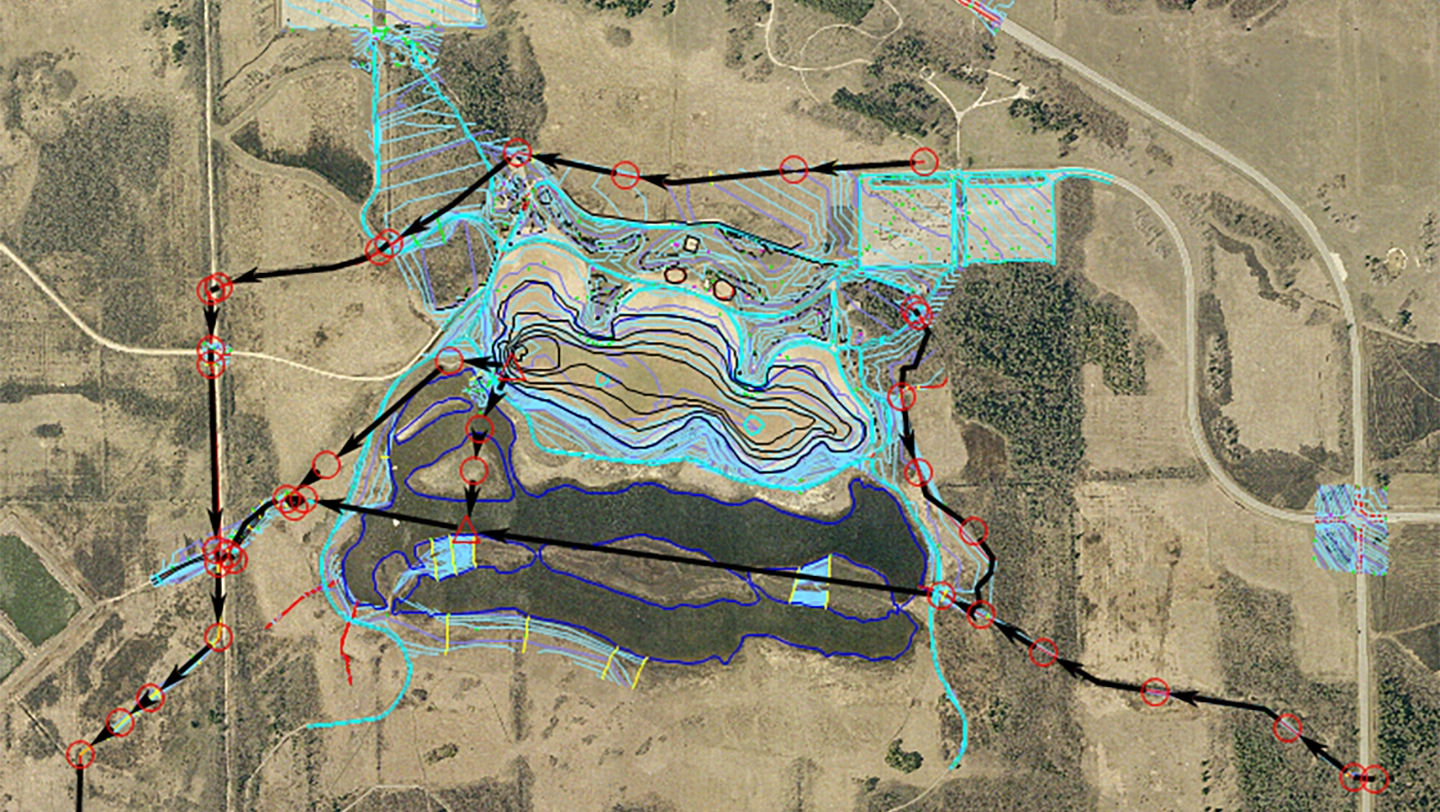
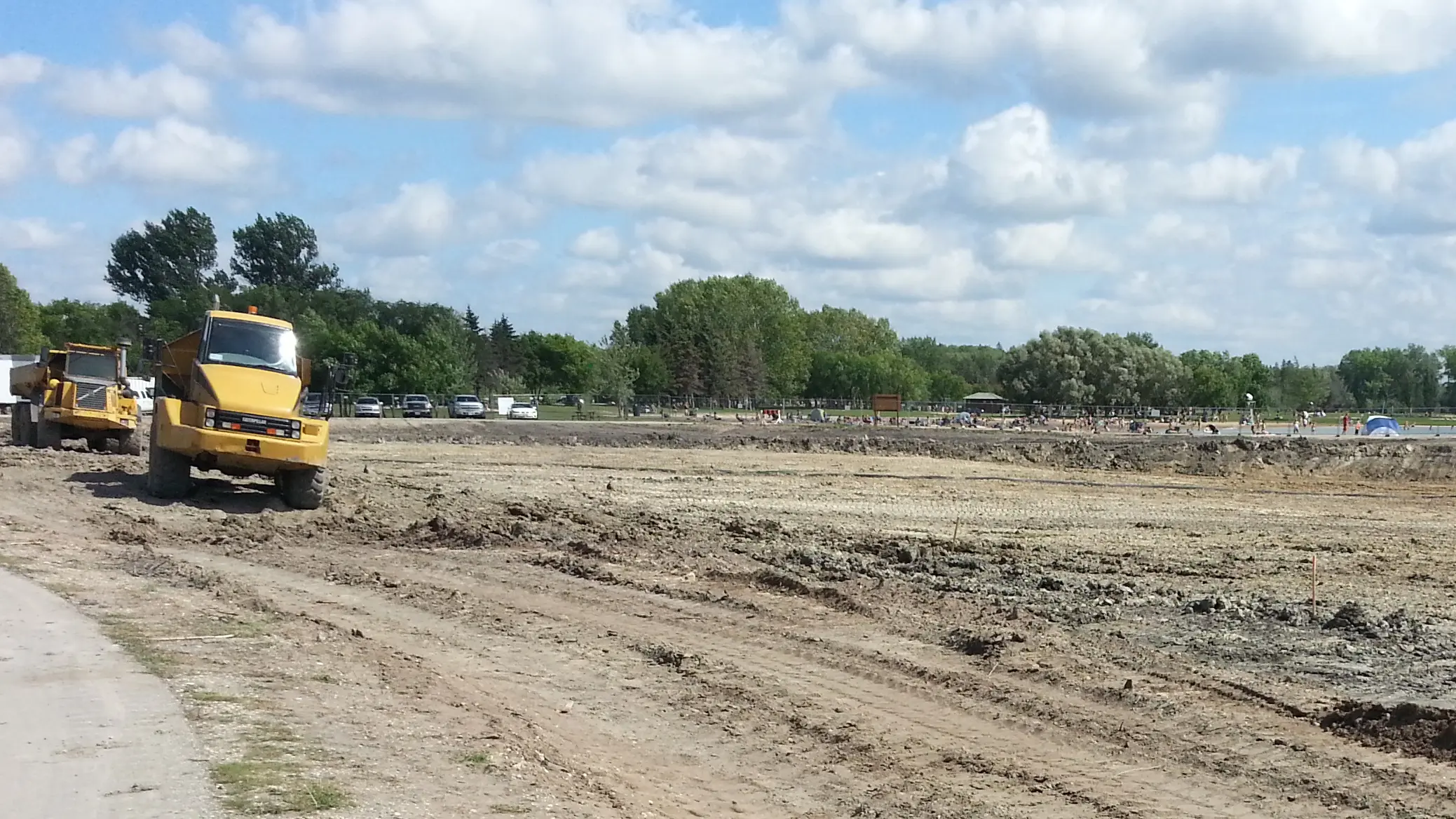
KGS Group, with Scatliff + Miller + Murray, delivered a $4.2 million program to expand Birds Hill Provincial Park’s lake and beachfront and modernize supporting infrastructure improving the public’s experience at one of Manitoba’s most popular recreational destinations. KGS Group rehabilitated the lake bed to improve water quality and added roughly one‑third more lake and beach-front area.
To support the lake expansion, several elements of the park’s infrastructure were also improved with the goal of increasing the reliability, safety and efficiency of existing systems. Improvements included expanding and repairing the active transportation network, upgrading dated sewage systems, improving the east and west parking lots as well as repurposing existing assets to serve new, innovative functions within the park.
Our multidisciplinary team provided integrated design and construction support, coordinating work within an active, high‑use park to protect visitors, maintain access and deliver efficient sequencing. The result is a larger, cleaner lake, safer and more reliable park systems, and amenities that better serve hundreds of thousands of visitors each year.
Project Highlights
- Multidisciplinary design and landscape architecture and construction support
- Roughly 33% more lake and beach-front area, east and west parking lots improved, active transportation routes expanded and repaired, sewage systems upgraded
- Lake‑bed rehabilitation to improve water quality
- Increased capacity and accessibility, higher reliability, safety, and efficiency, enhanced visitor experience for hundreds of thousands annually
University of Manitoba Fort Garry Campus Riverbank Management Study
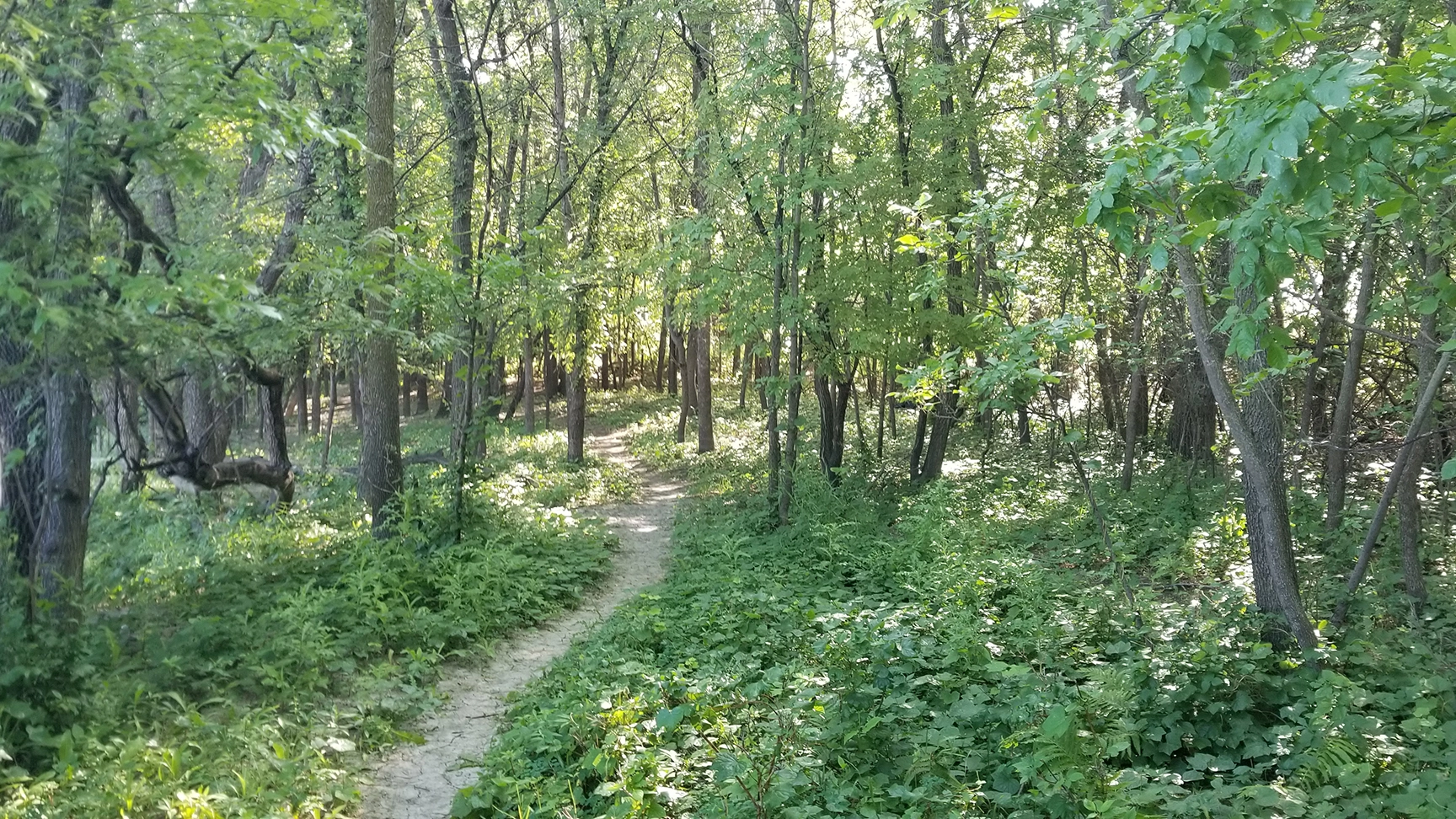
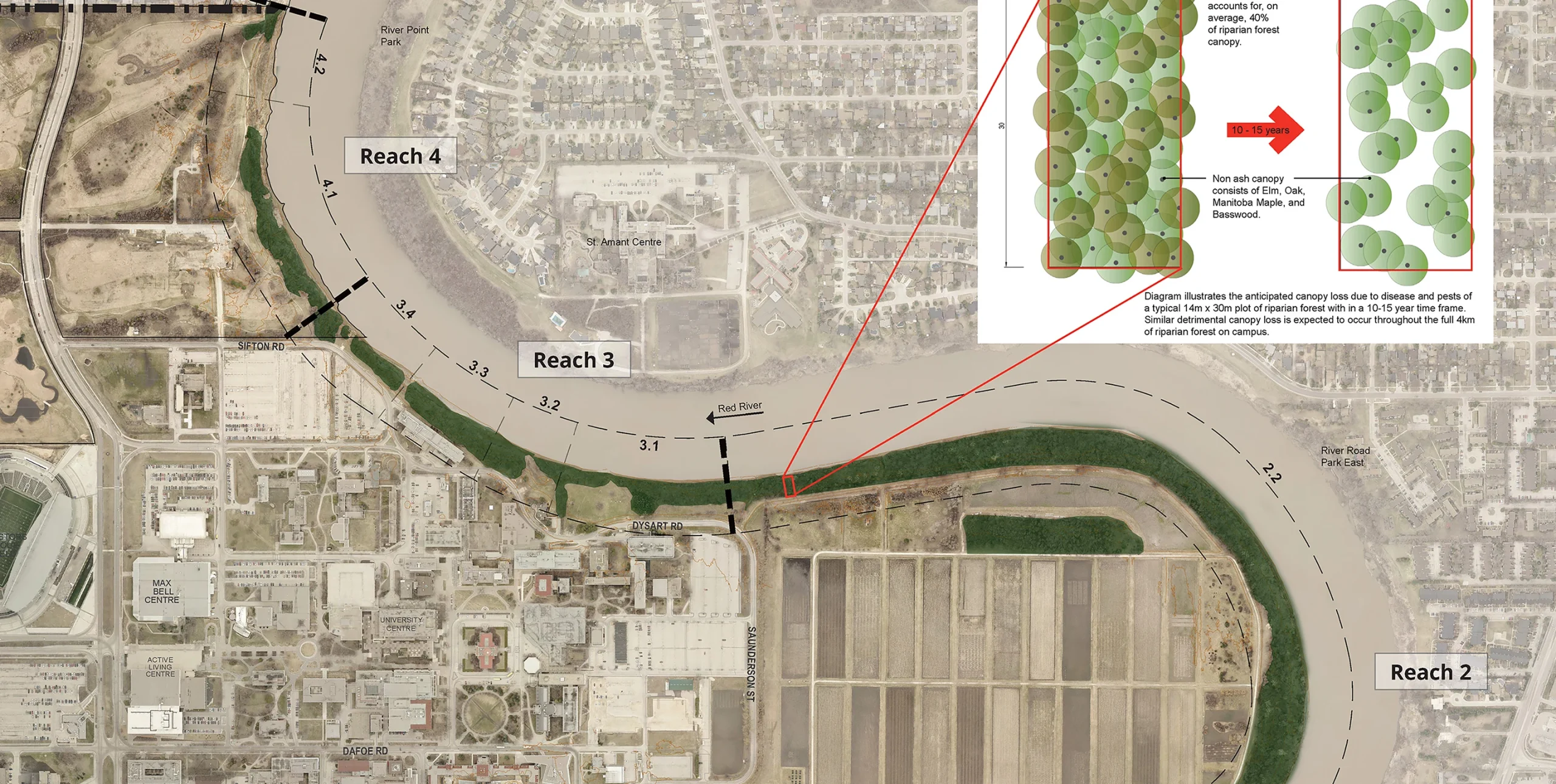
With nearly 4 km of shoreline, the University of Manitoba (UM) Fort Garry Campus is inherently linked to the Red River. The UM has adopted policies to become a leader in ecological, social and economic sustainability to promote a healthier, more active campus while reducing environmental impact.
Aligning with the UM’s sustainability principles, KGS Group provided the university with a 15-year, phased riverbank management strategy that favours restoration of the riparian corridor with naturalized solutions. Integrating geotechnical and ecological concepts, the riverbank management plan is a comprehensive tool to help the university manage risk, promote riverbank health and preserve critical infrastructure. The plan mirrors the dynamic nature of the river, allowing for updates over time to reflect changes to the riverbank and the campus itself.
Project Highlights
- Mapped and segmented 4 km of shoreline to create reach‑based inventories and prioritize restoration actions
- Completed integrated assessments of bank stability, erosion risk, riparian condition and habitat value
- Defined naturalized restoration treatments (e.g., riparian revegetation, bioengineering/soft stabilization, setback planting)