

Pauingassi First Nation Landfill Expansion
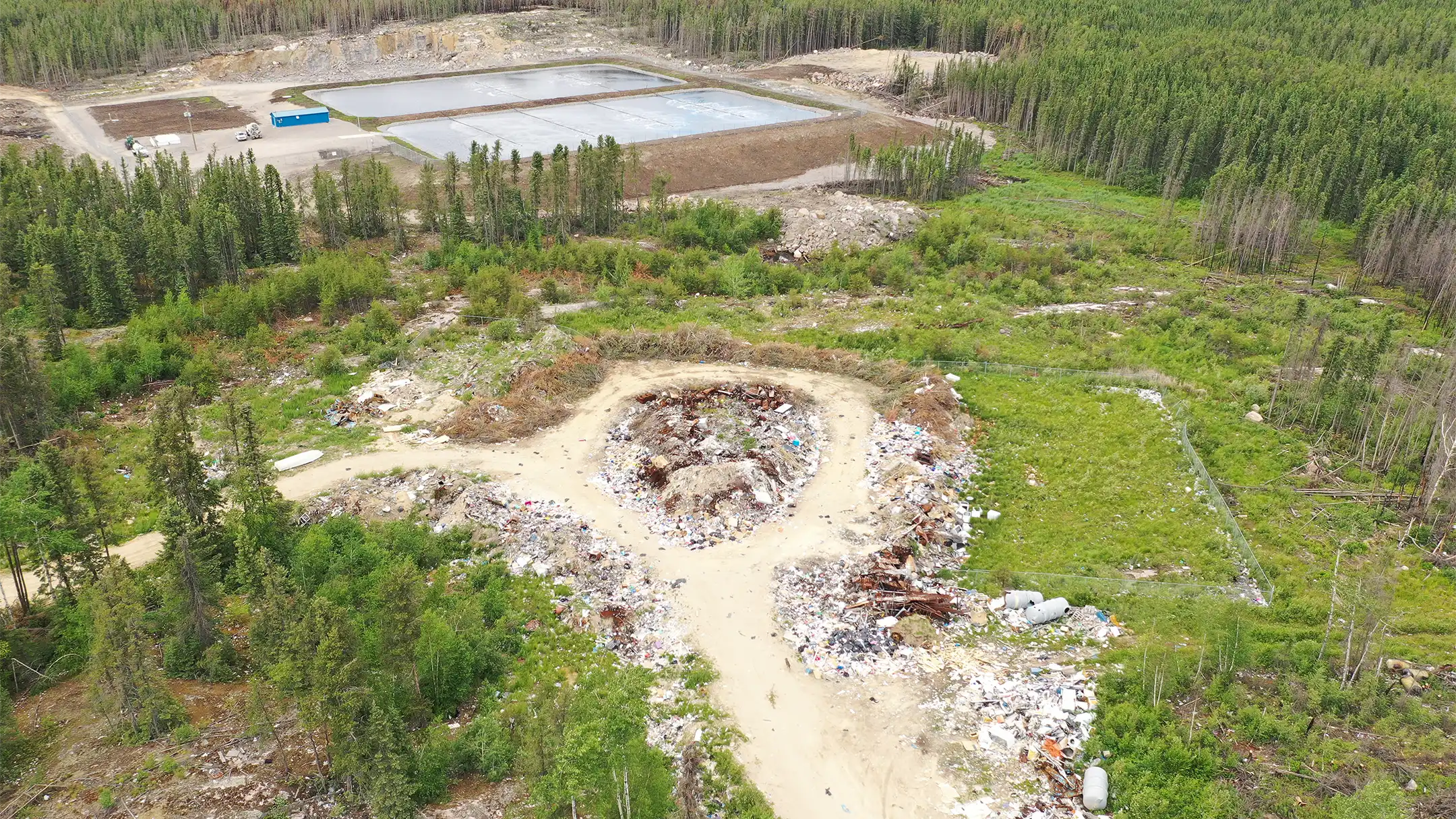
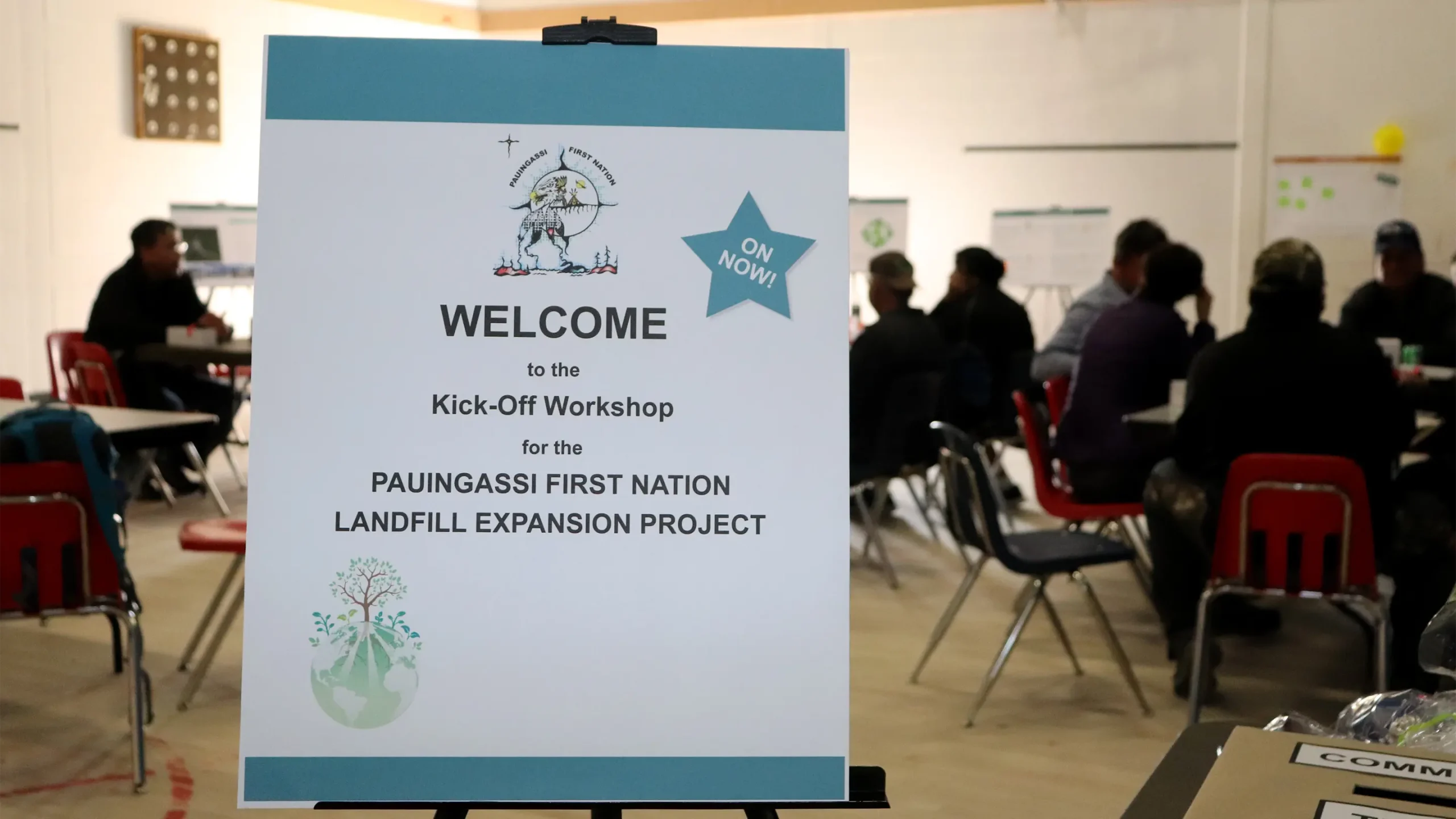
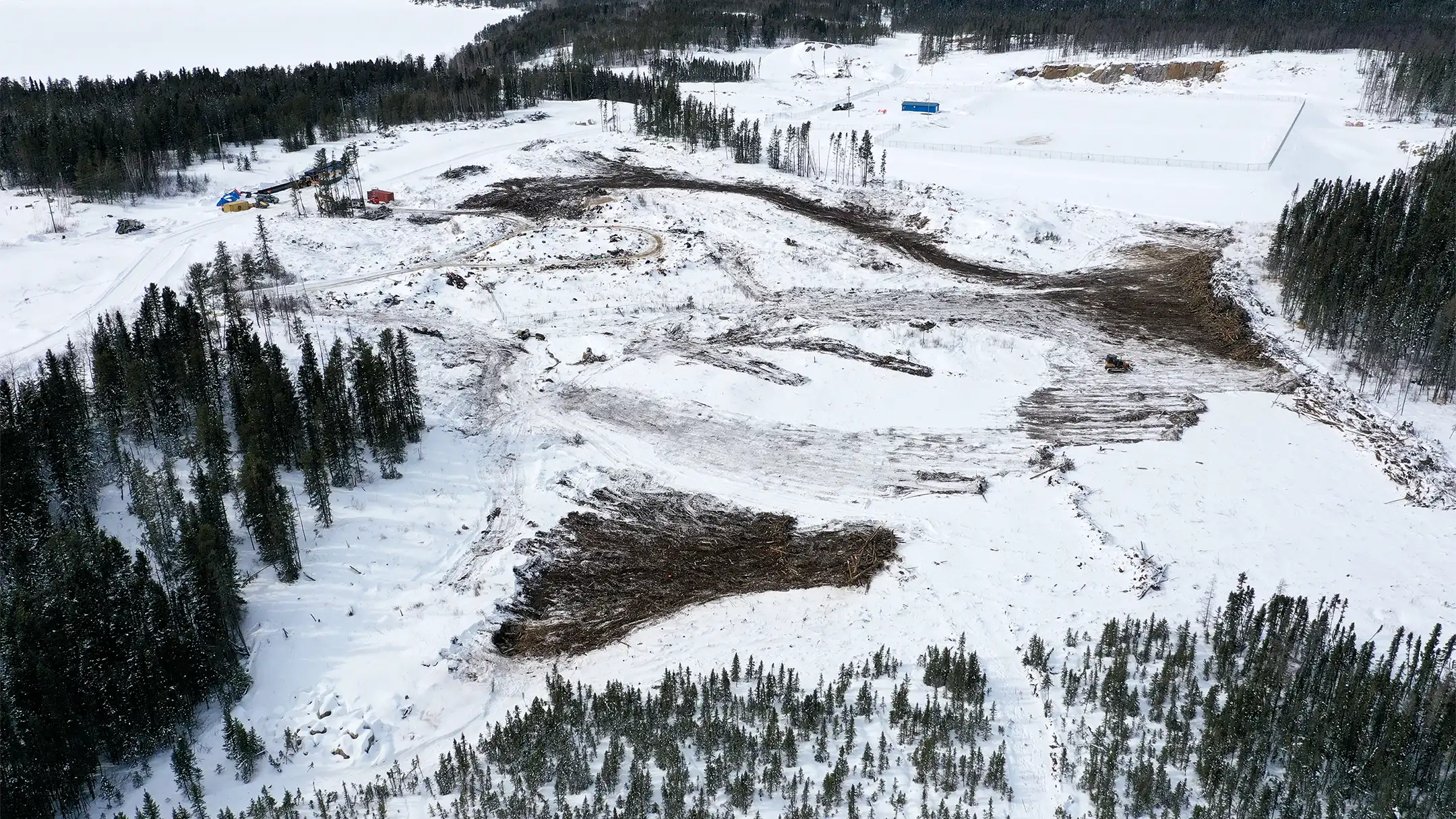
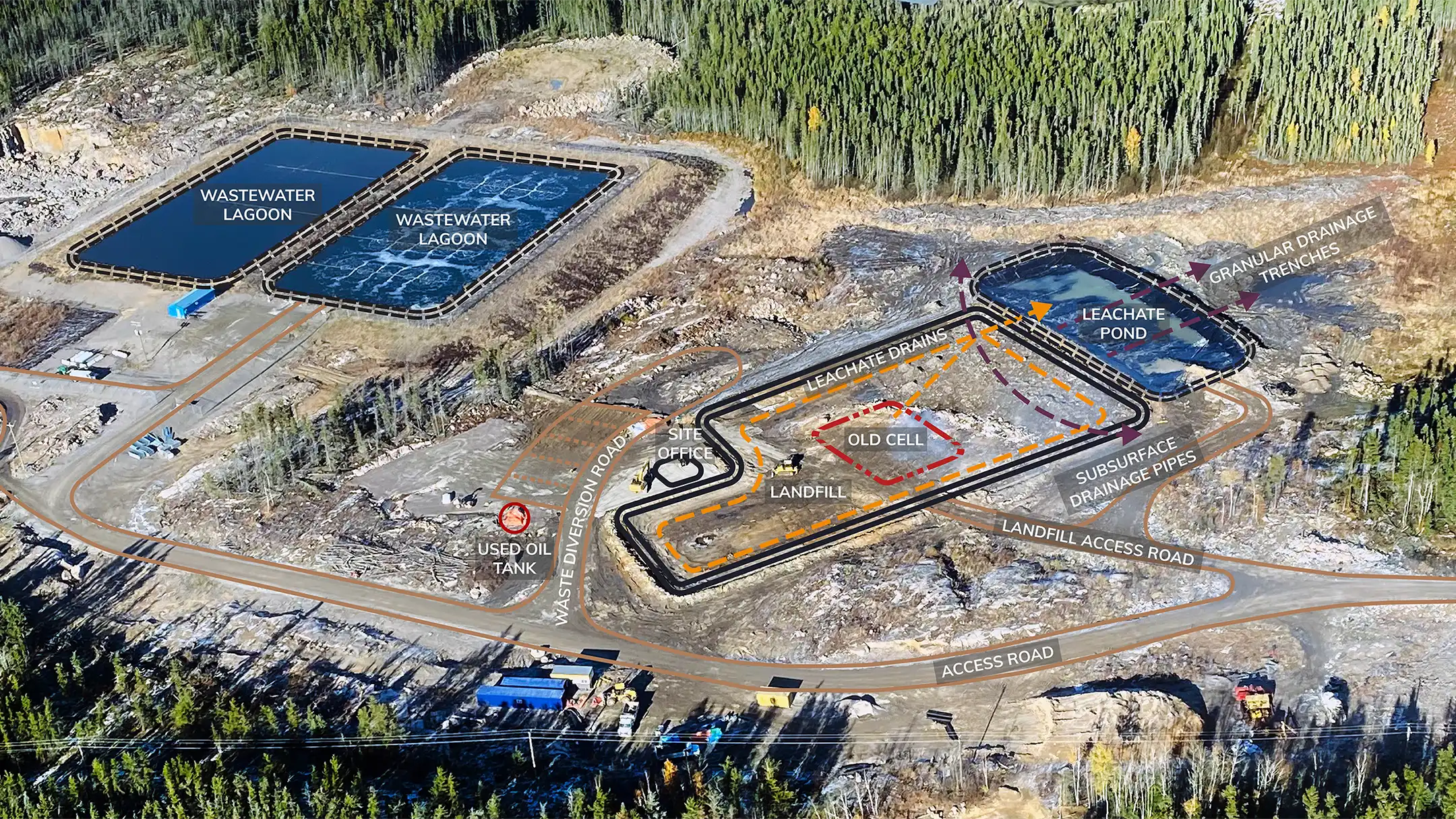
Pauingassi First Nation is located in eastern Manitoba, approximately 275 km northeast of Winnipeg, on a peninsula of land that extends southward into Fishing Lake. At the time, the community had a total registered population of 668 and did not have an airport or an all-season road for access and uses winter roads, float planes or helicopters depending on the time of year.
Because access is primarily by winter road, numerous challenges must be overcome for solid waste management and in general for any construction projects in the community. Some of these challenges include heavy equipment access, difficulty removing divertible wastes from the community to proper disposal depots, dependency (and variability) of ice thickness, and overall higher construction costs compared to other, more easily accessible communities.
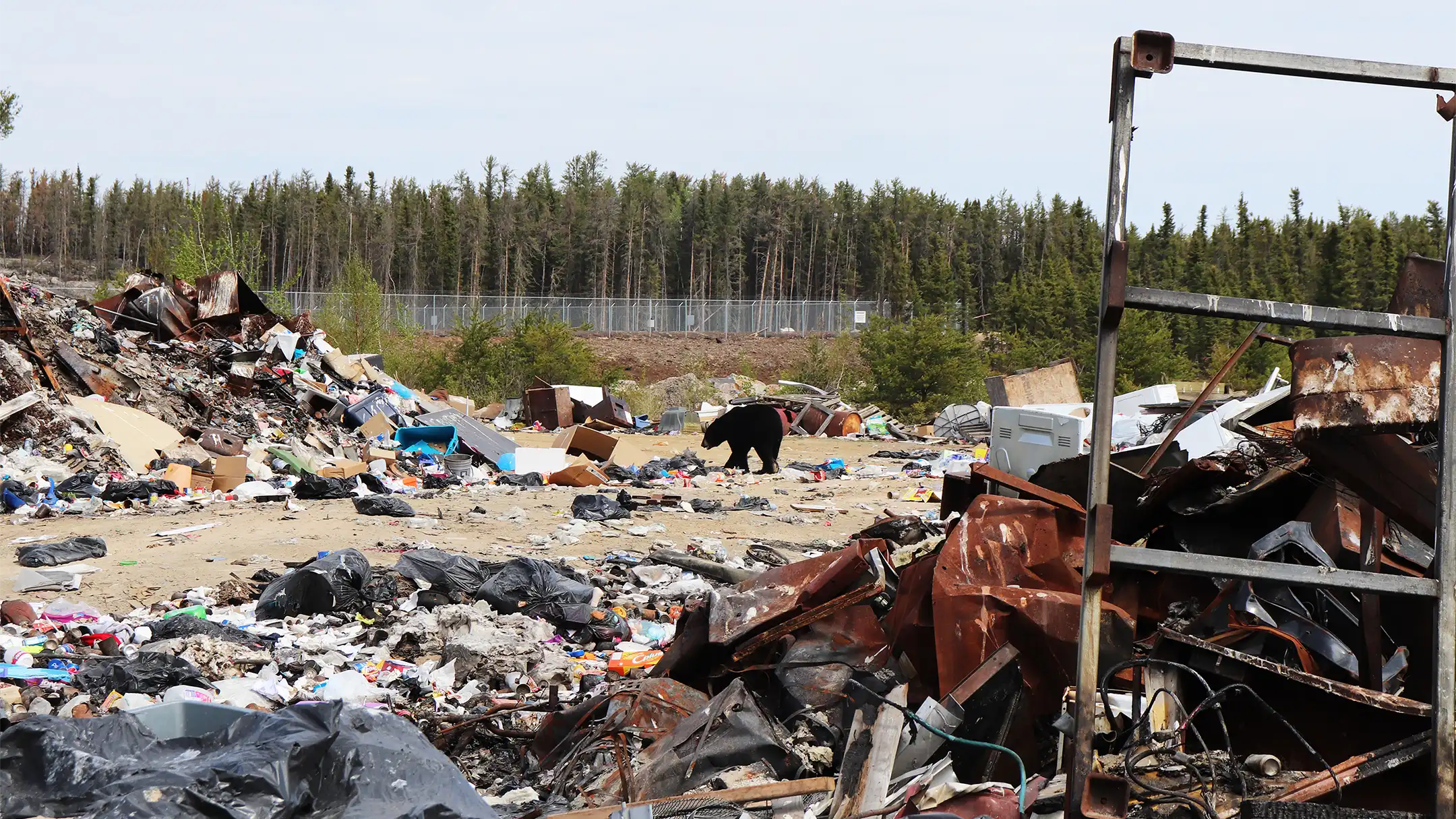
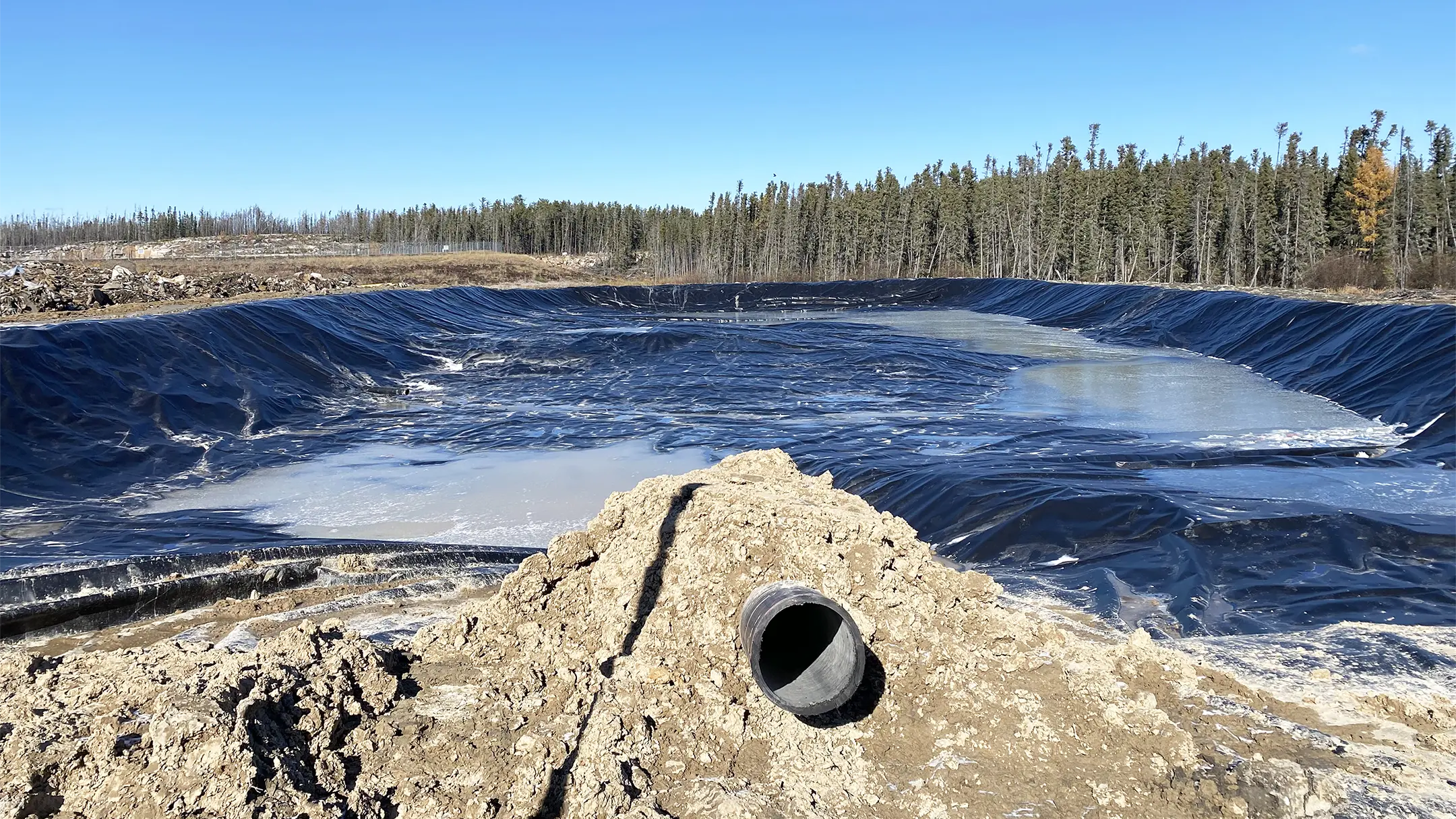
KGS Group created a new integrated resource management centre for this remote community. Success was achieved even though the COVID-19 pandemic and 2021 forest fires impacted the schedule. An innovative design overcame challenging site conditions, integrated community requests, preserved local heritage resources and Traditional Land Use Areas, and mitigated existing environmental impacts.
The result is a practical, environmentally sound, sustainable and aesthetically pleasing waste management facility that also addresses waste diversion. This project is a model for successful collaboration between Indigenous communities, contractors, consulting companies and government agencies.
Project Highlights
- Community‑informed planning, design and construction oversight
- Remote delivery adapted to winter road logistics
- Engineered facility to centralize waste handling and address diversion
- Design aligned with site constraints while preserving heritage and Traditional Land Use Areas
- A cleaner, safer community environment
Cote First Nation Solid Waste Transfer Station
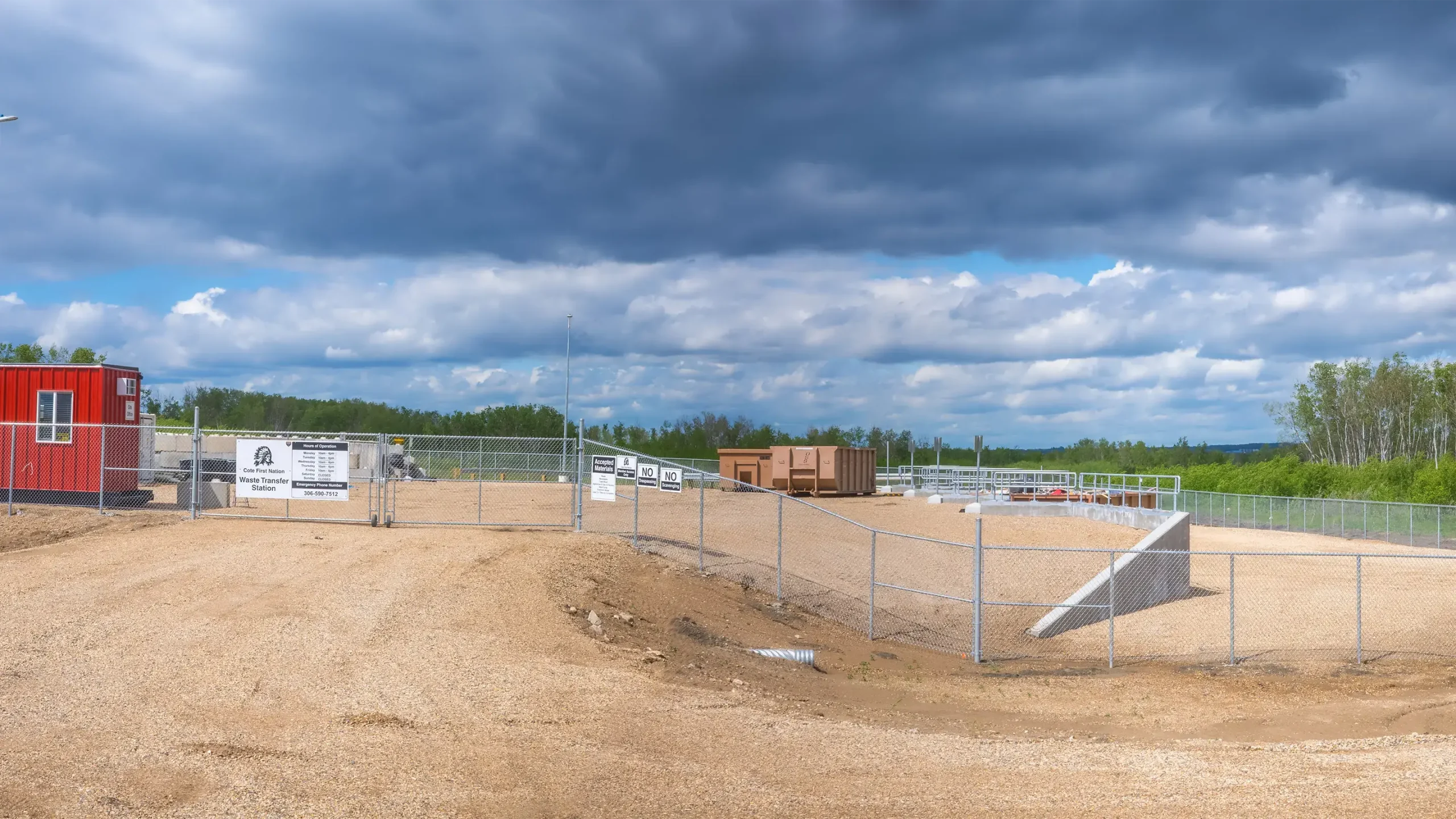
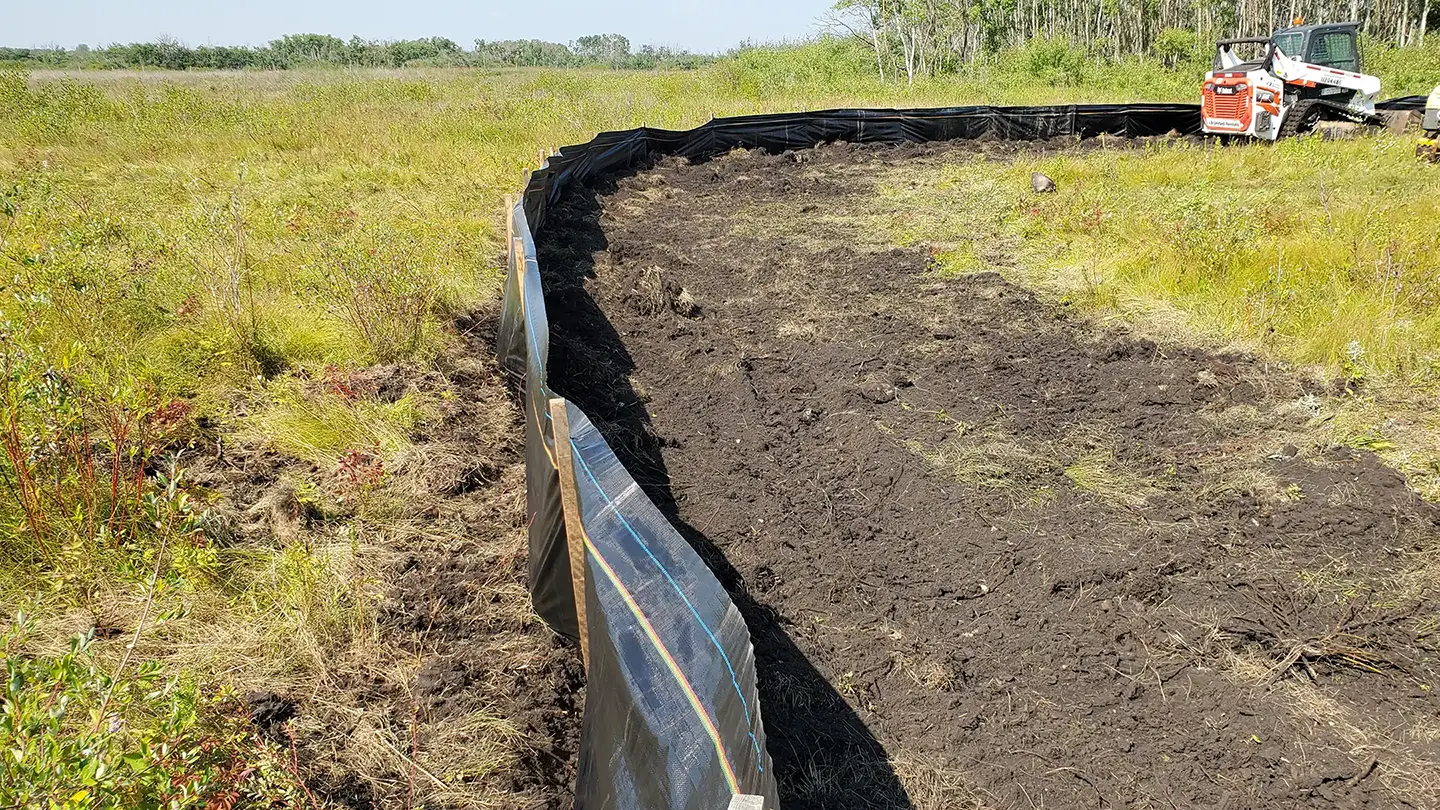
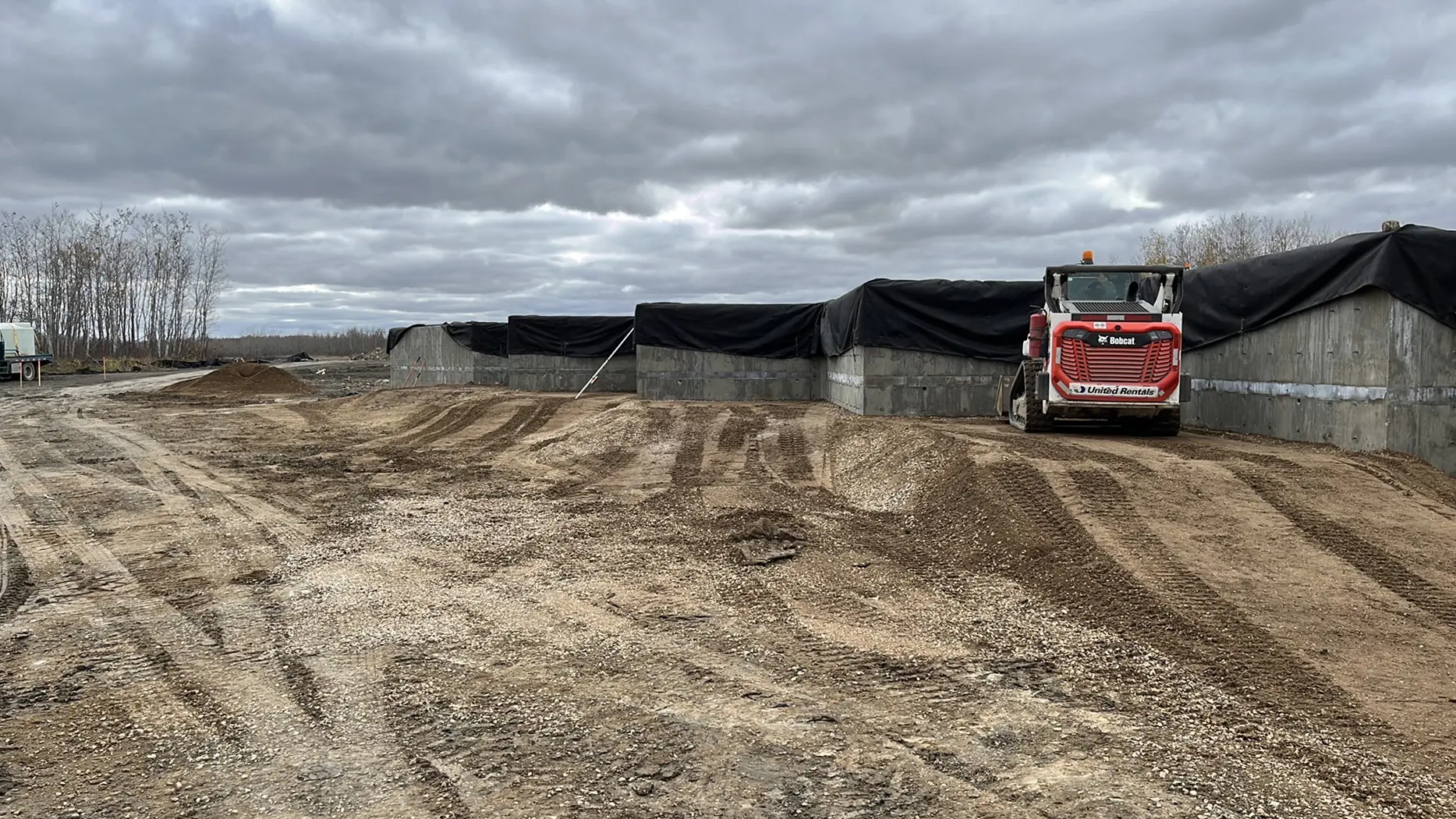
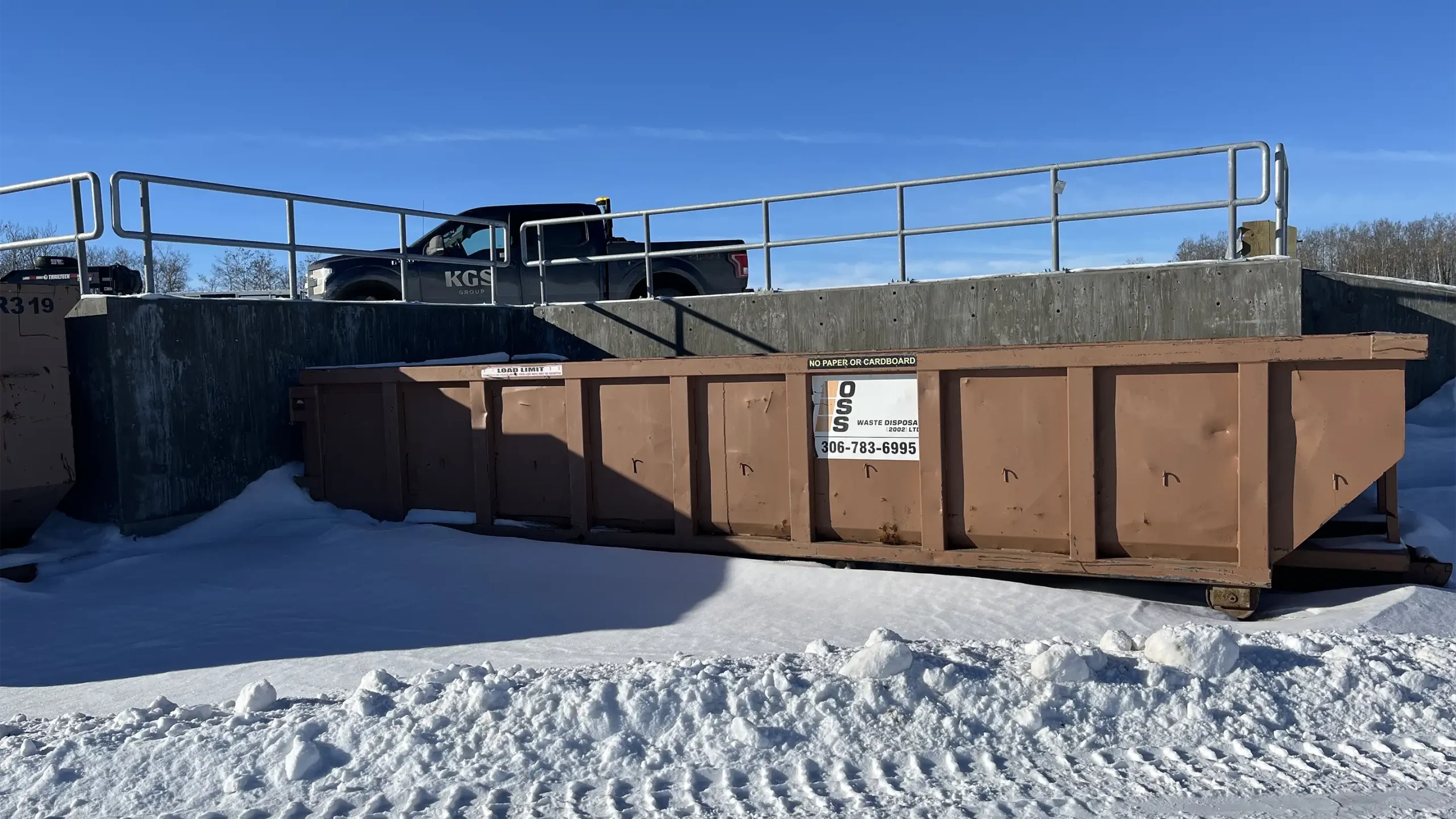
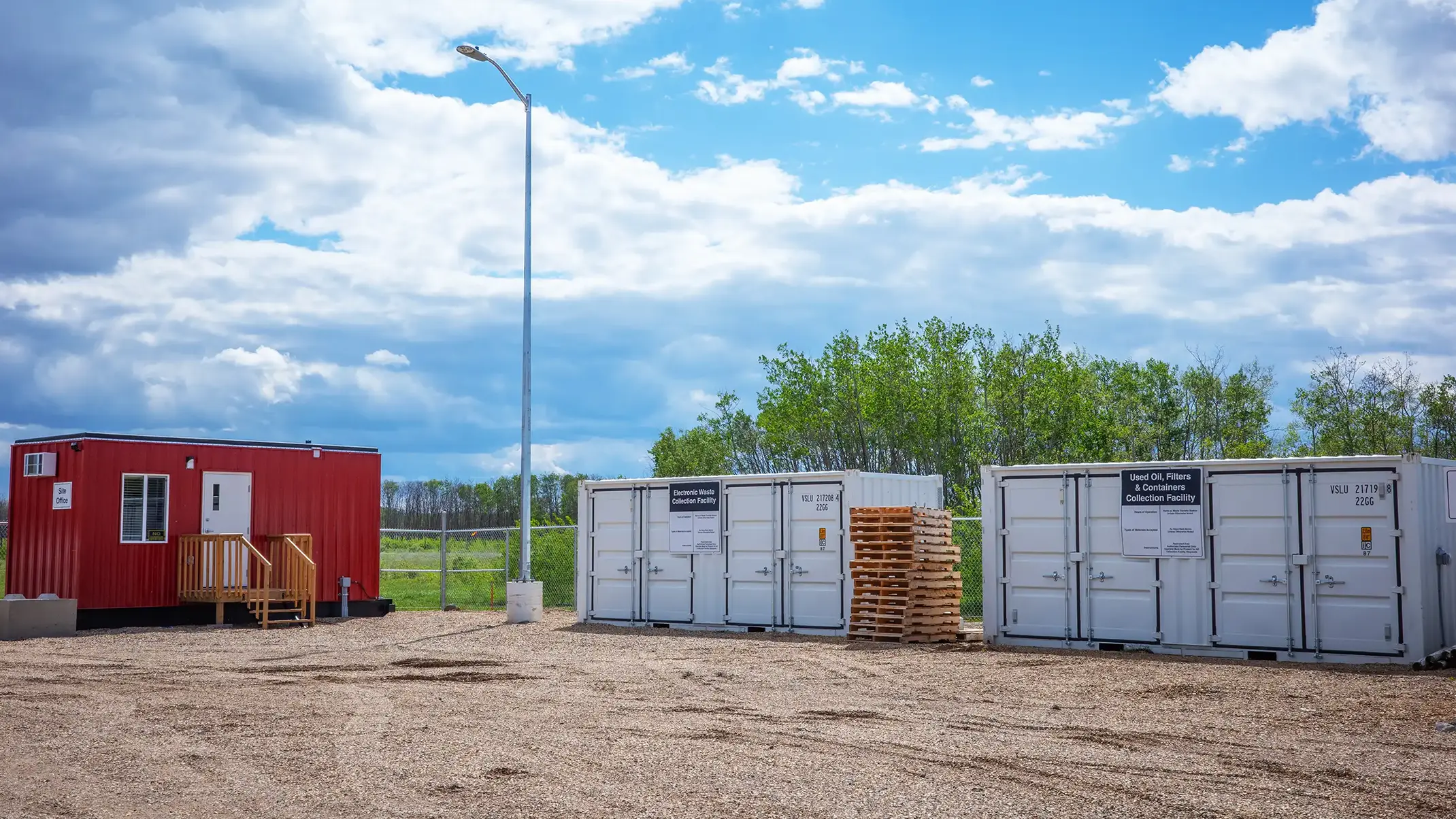
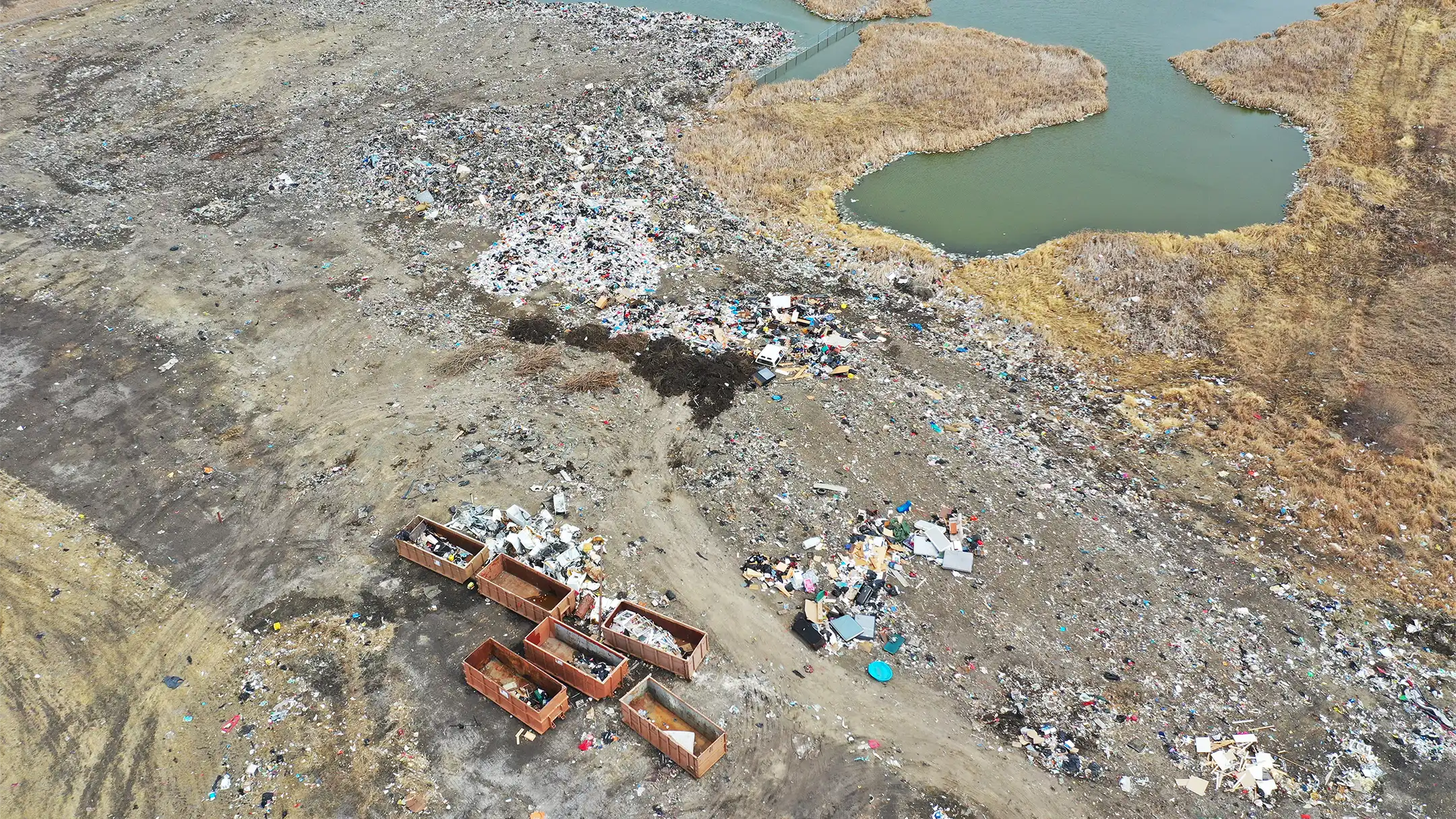
Cote First Nation had been experiencing significant solid waste management challenges including inconsistent collection services and unmanned and non-engineered dump sites throughout the Reserve. Additionally, the main landfill site was note engineered which posed a significant risks to the surrounding soil and groundwater.
To ensure waste was being managed in a sustainable manner, Cote First Nation engaged KGS Group to review their waste management practices and design and oversee the construction of a new solid waste transfer station. We also supported community engagement events to share the importance of transfer stations and responsible waste management practices.
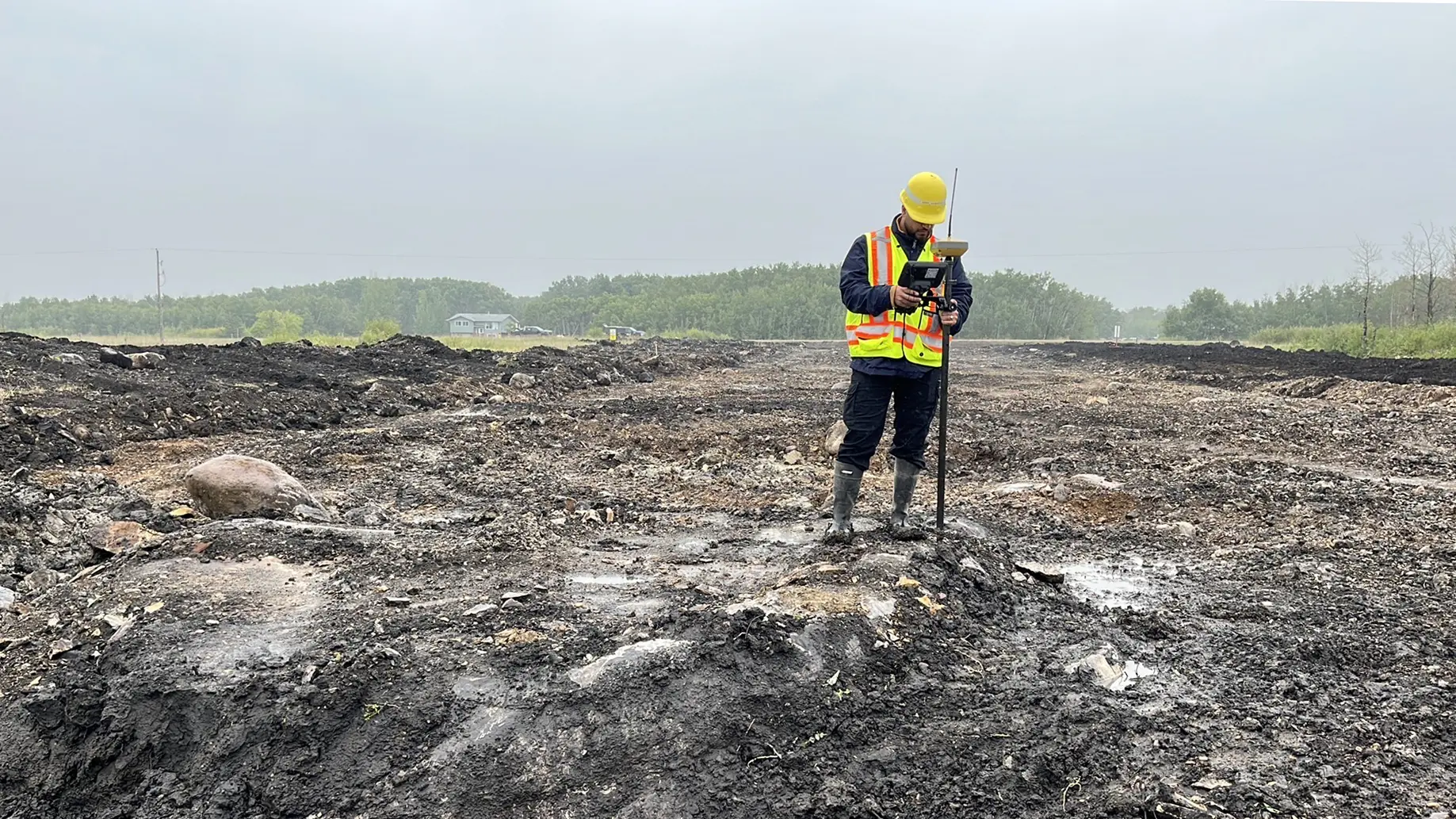
During construction, nearly 2,000 hours were completed by Cote First Nation members, and the total value of purchased material, worker wages and equipment rentals from the Nation was approximately $126,500. This project also presented on-the-job training and mentorship opportunities for members of Cote First Nation and was seen as a community-driven process that was mutually beneficial to everyone.
The positive effects of the project will be evident through the waste diverted from unmanned dump sites, the protected soil and groundwater, and the sense of empowerment felt across Cote First Nation to continue with responsible waste management practices.
Project Highlights
- Design and oversaw construction of a new solid waste transfer station
- 2,000 hours contributed by Cote First Nation members to complete the project and $126,500 spent on local materials, wages and rentals
- Improved protection of soil and groundwater with waste diverted from unmanned landfills
- On‑the‑job training and mentorship for Cote First Nation members