

Cockburn and Calrossie Sewer Relief Works
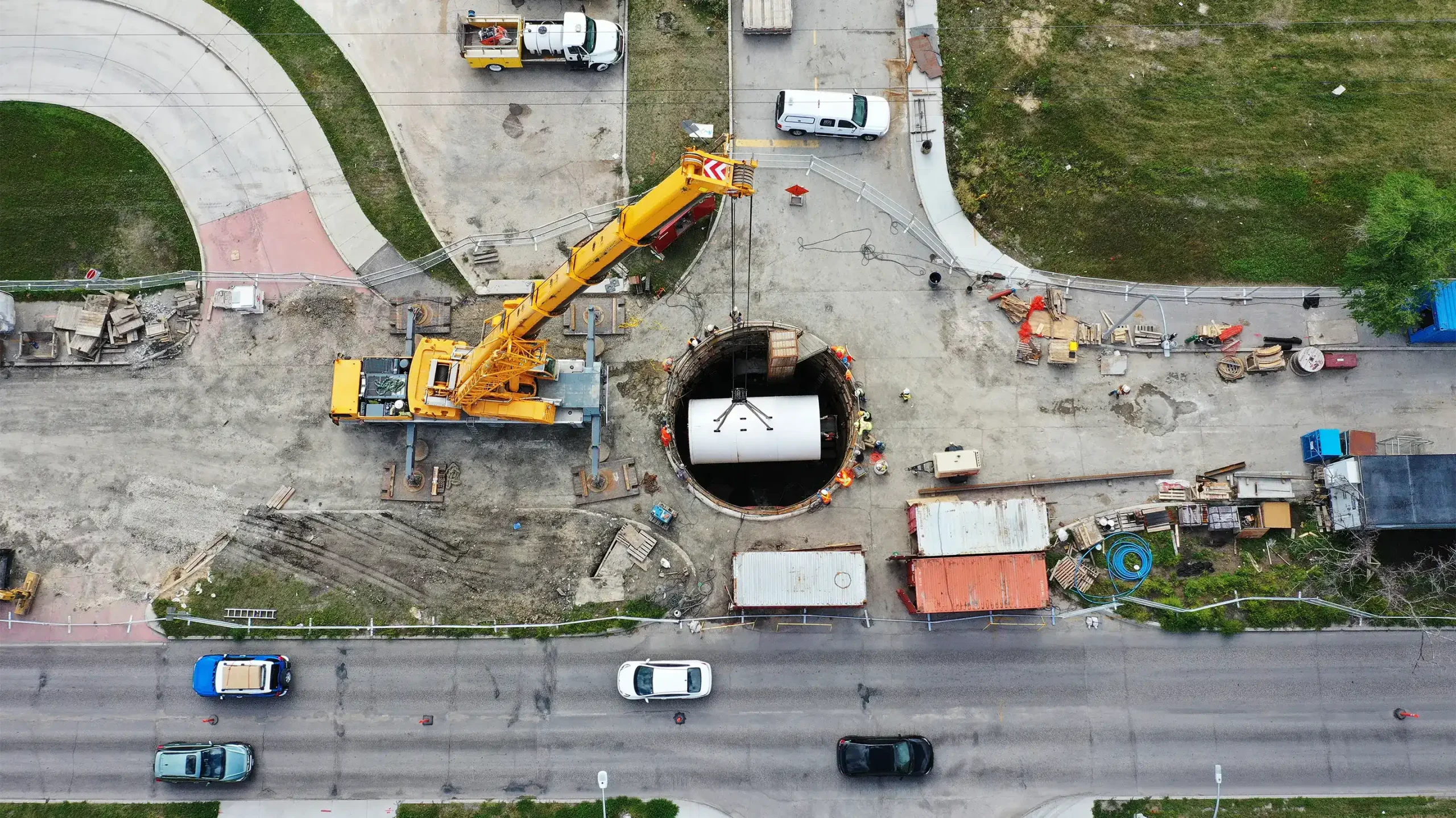
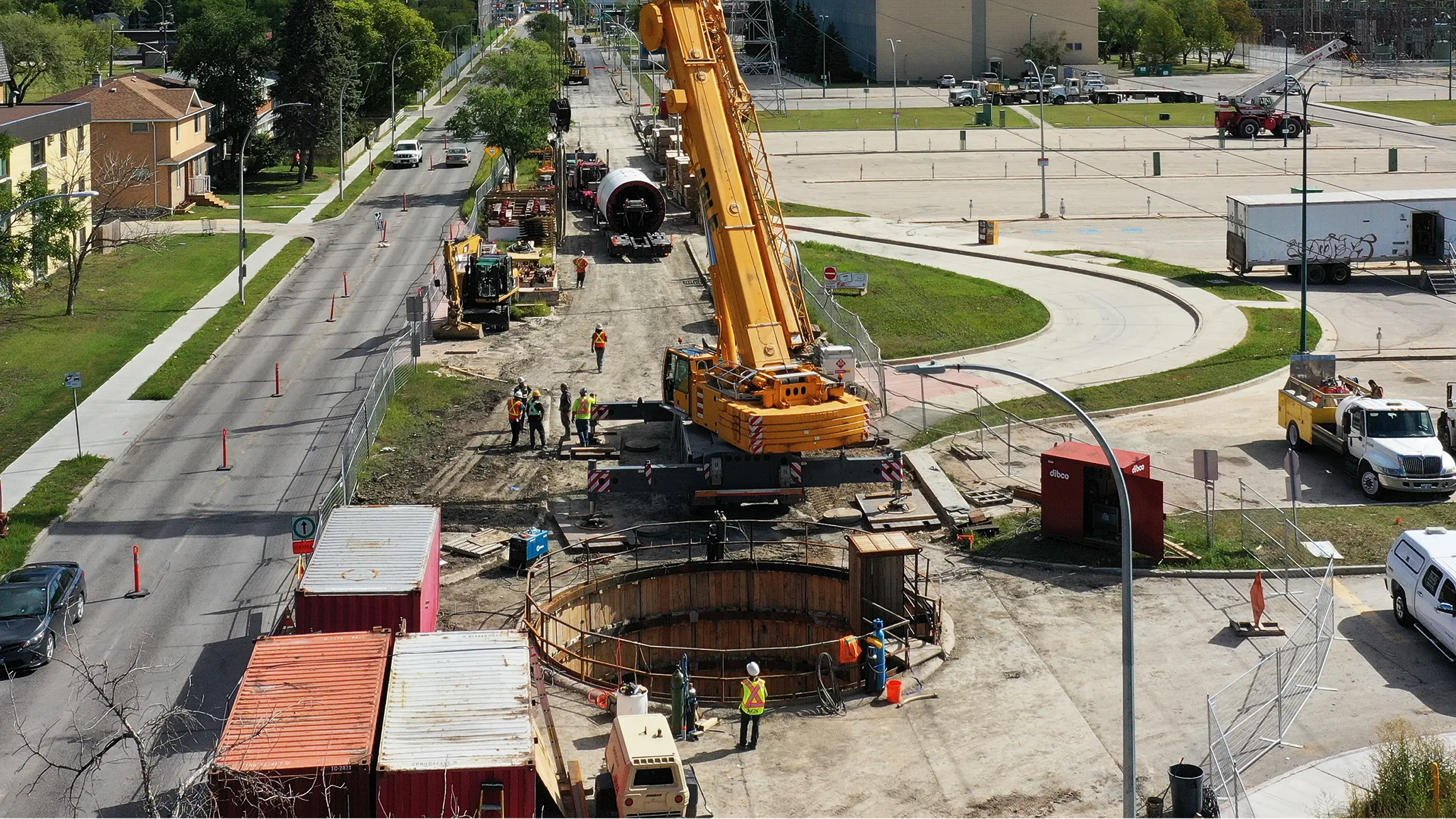
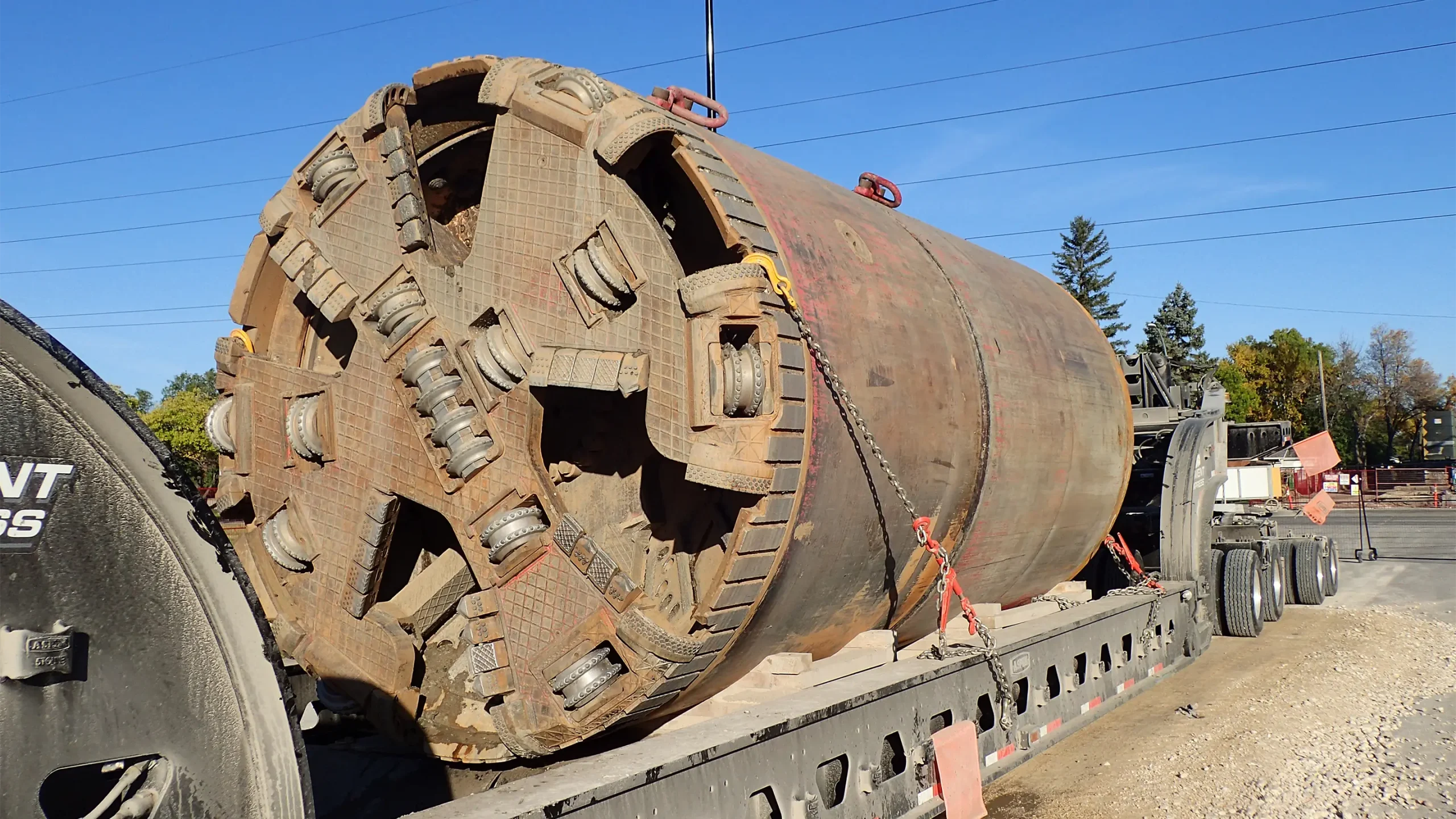

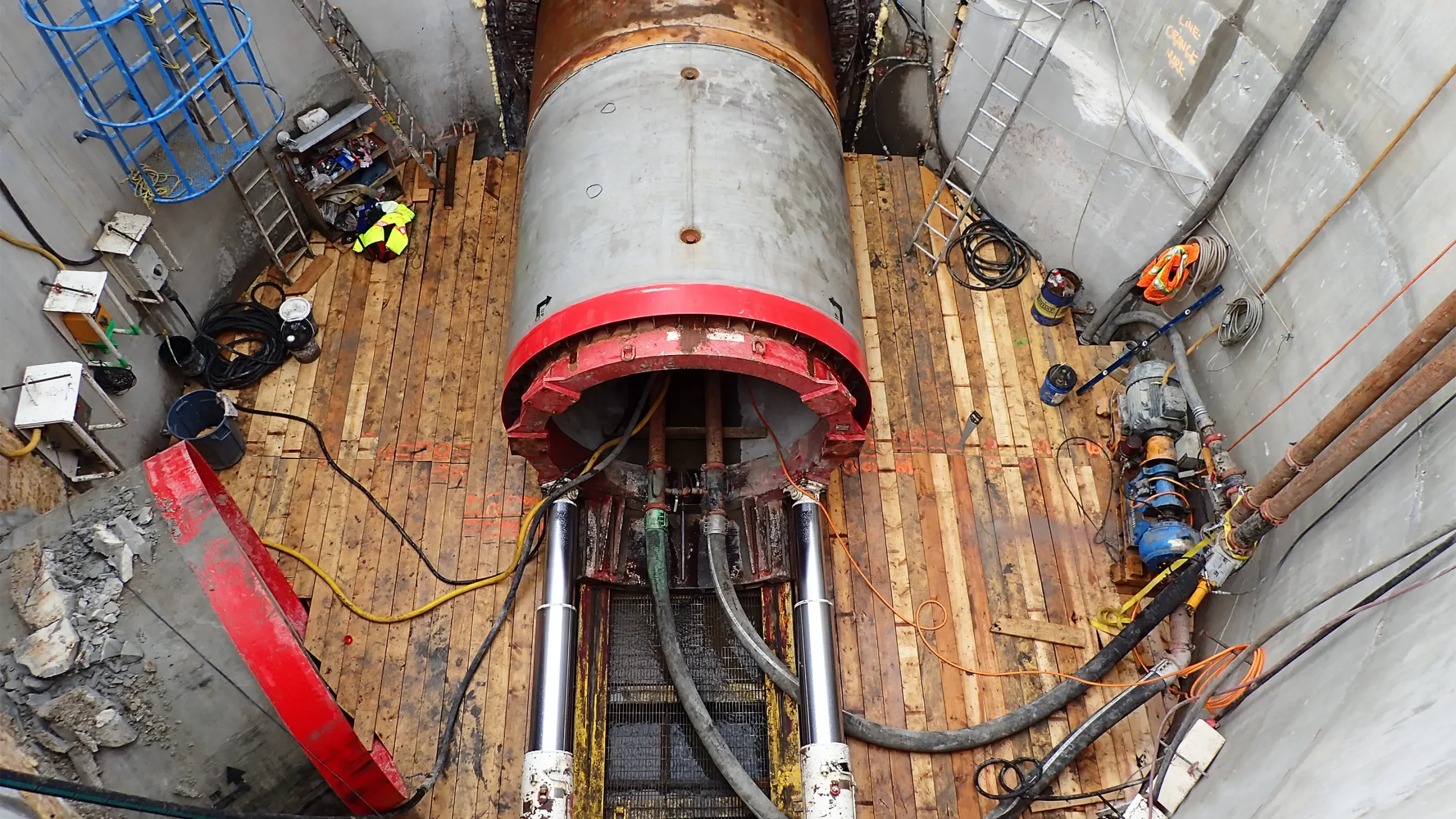
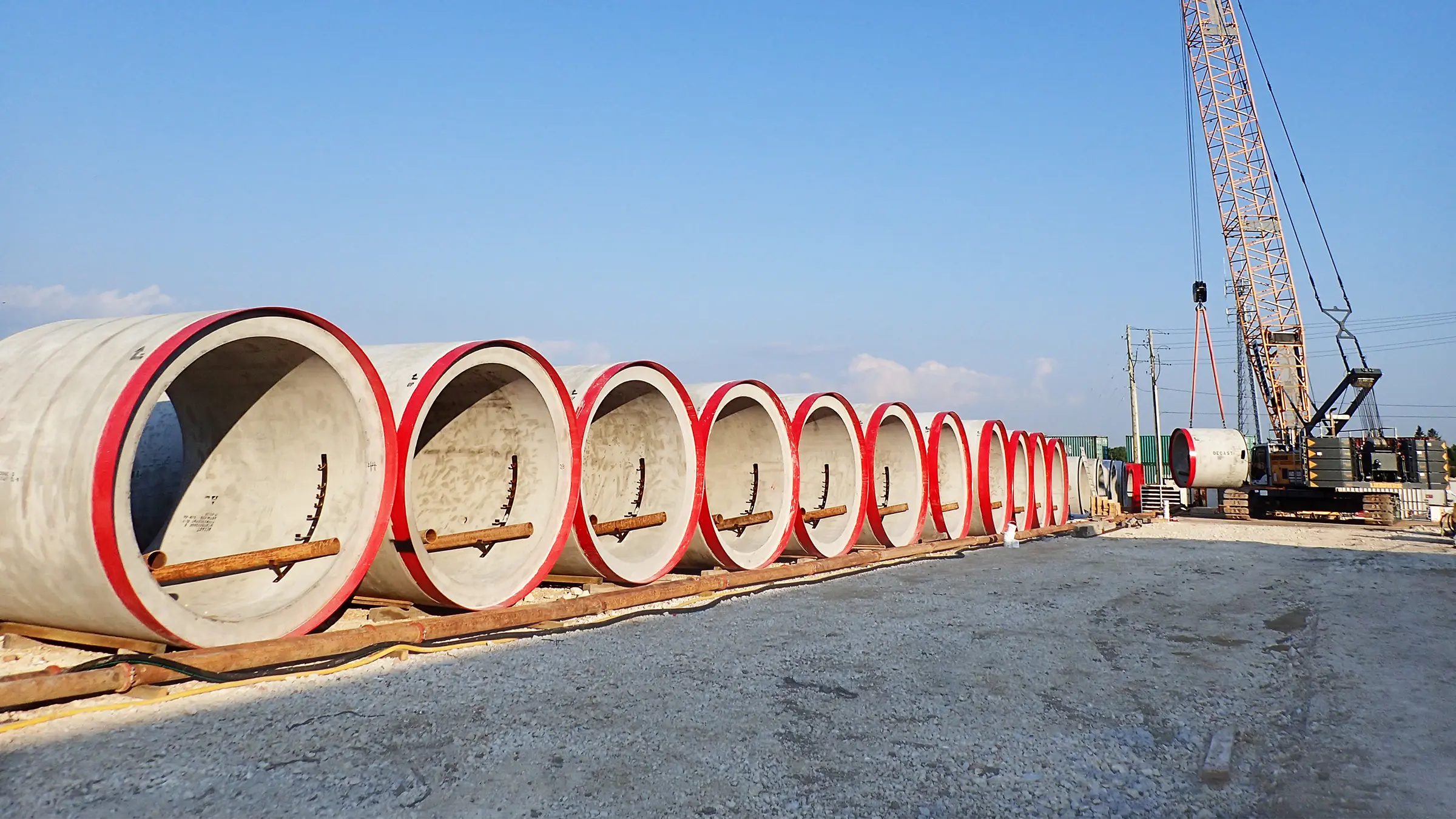
KGS Group partnered with the City of Winnipeg to study, design and implement district‑wide drainage improvements in neighbourhoods prone to annual flooding. This project was a complex, large-scale undertaking in a densely urbanized center that includes major businesses, residential homes, regional streets, and the primary rail line that bisects the City. KGS led a large team to take the project from initial concepts to practical implementation.
We developed a regional hydraulic/hydrologic model of three adjacent drainage areas and created an evaluation criterion to objectively select the drainage improvement option that considered stakeholder needs, constructability issues, future City projects and cost.
Due to the potential public impact of this project, public engagement was paramount. A public engagement strategy was developed and open houses were organized to gather public input. Once the preferred option was selected, KGS oversaw the construction of the drainage improvements. Tunneling and trenchless technologies were used to limit disruption within this dense urban community.
Project Highlights
- Development of a regional hydraulic/hydrologic model for three drainage areas
- Alternatives evaluation using stakeholder needs, constructability, future projects and costs
- First large diameter micro-tunnelling project in Manitoba (2,700 mm dia. tunnel)
- Tunneling and trenchless installations under regional streets and the primary rail line to minimize disruption
- Preparation of Geotechnical Baseline Report, a first-time application in Manitoba
- Risk sharing construction contract strategies to reduce capital costs
- Redevelopment of a historic rail yard into a storm retention basin and new public park space
Kenora Downtown and Waterfront Revitalization
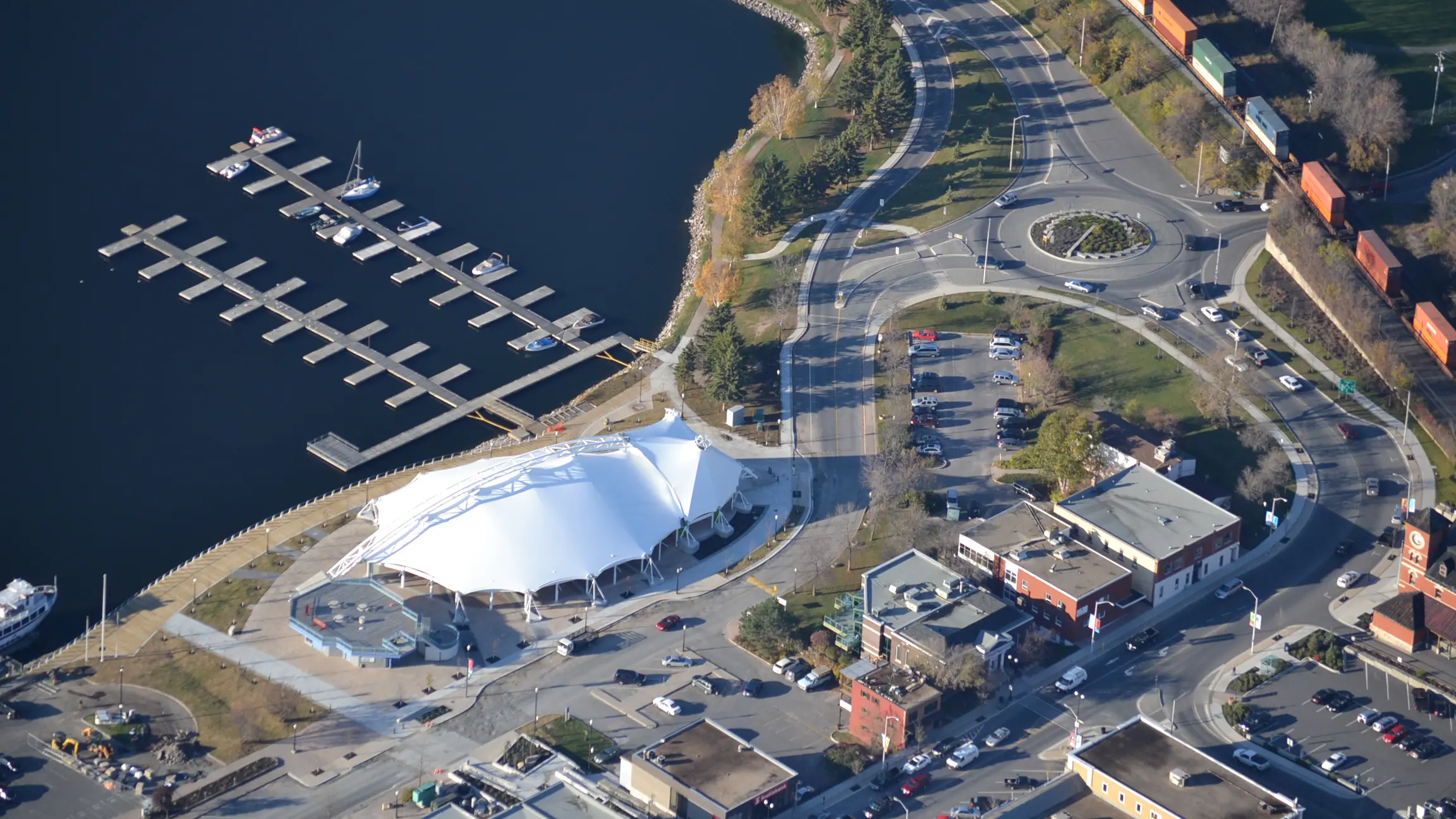
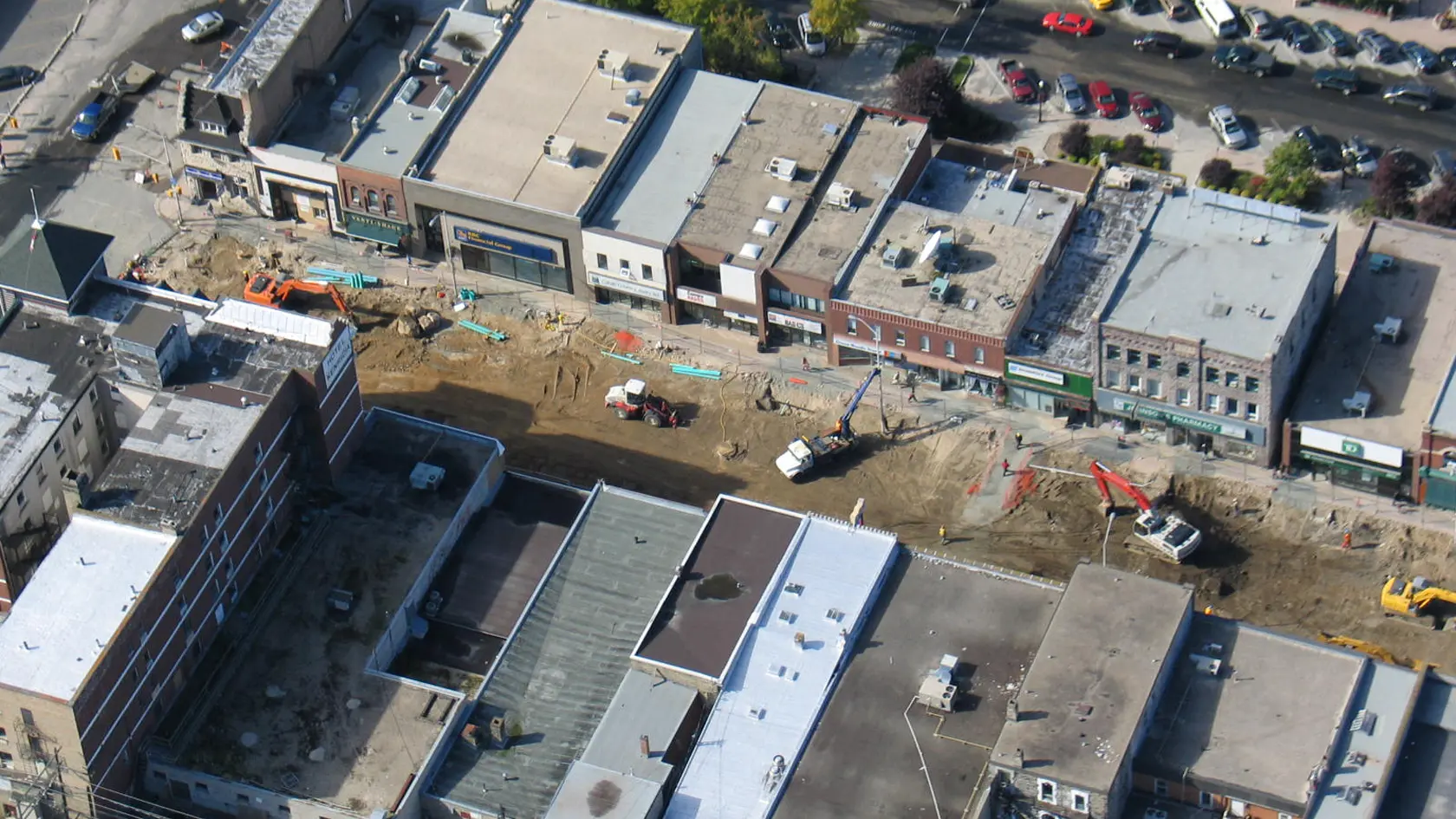
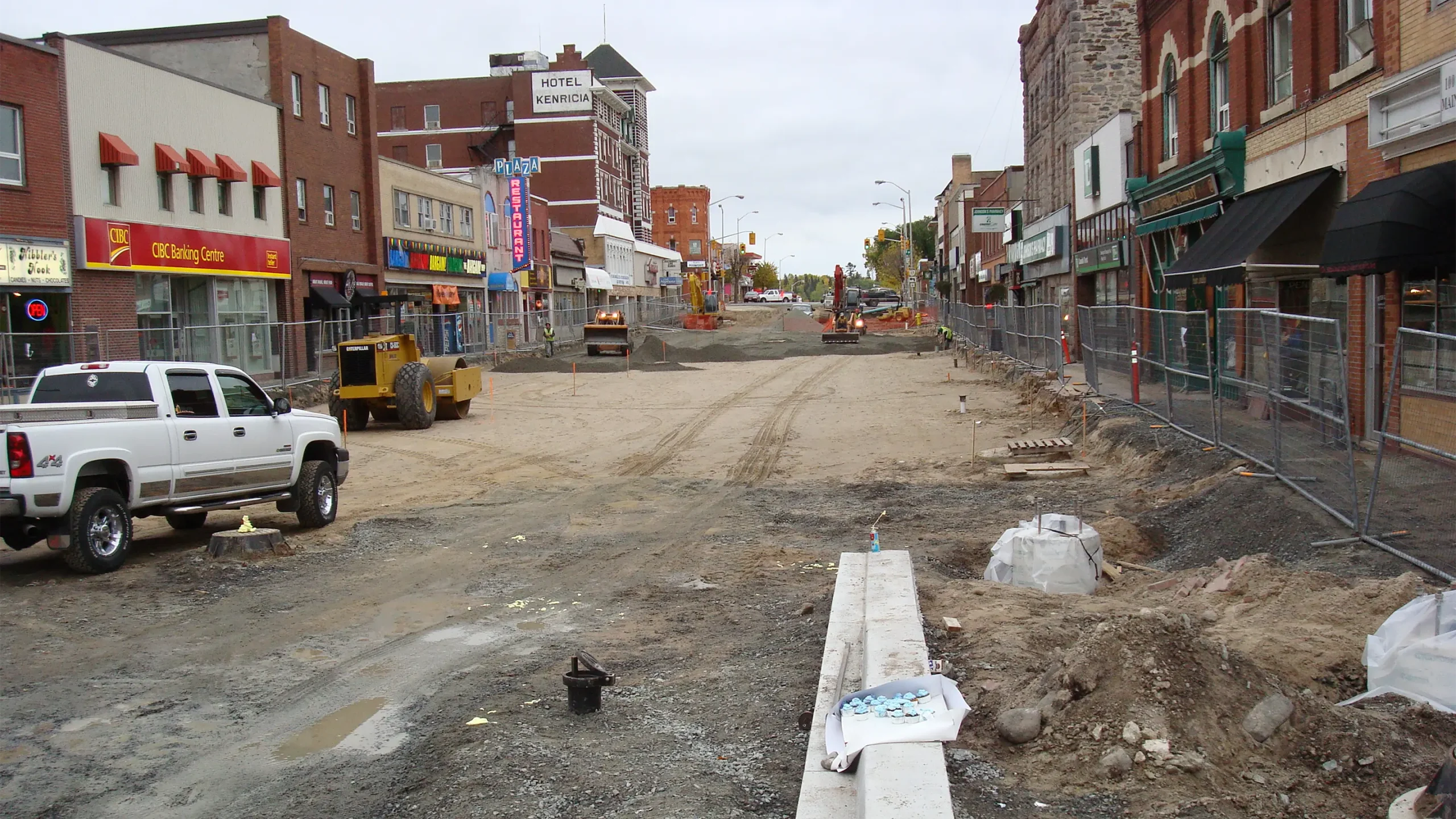
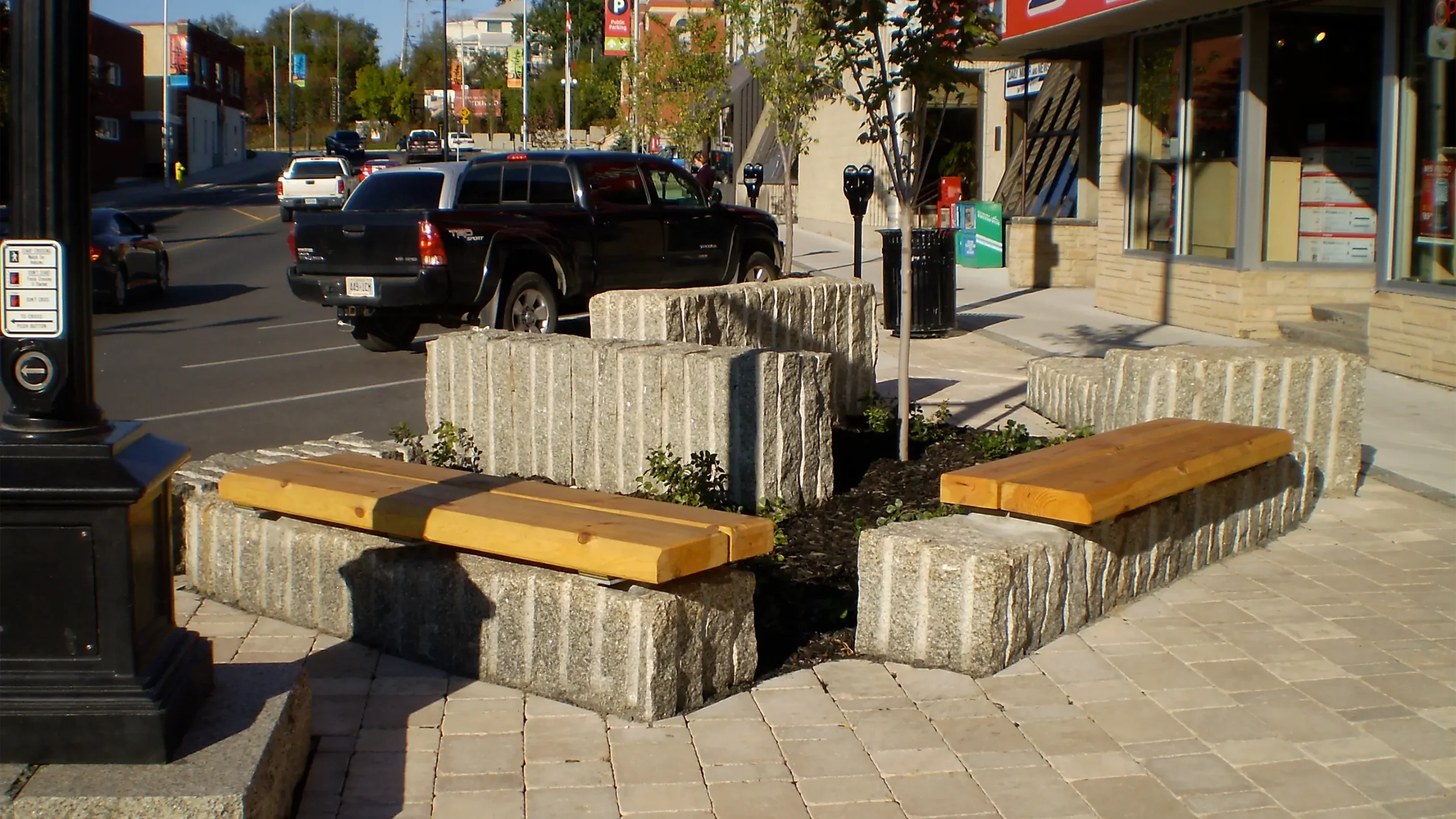
We provided design and contract administration services for a $9.1 million redevelopment of Kenora’s waterfront and downtown precincts – modernizing streets, public spaces and underground services while elevating the pedestrian experience and improving multimodal connectivity. A highlight of this project is utilizing our knowledge of the Complete Streets design methodology to create right‑of‑way that is safer for pedestrians, cyclists and drivers of all ages and abilities.
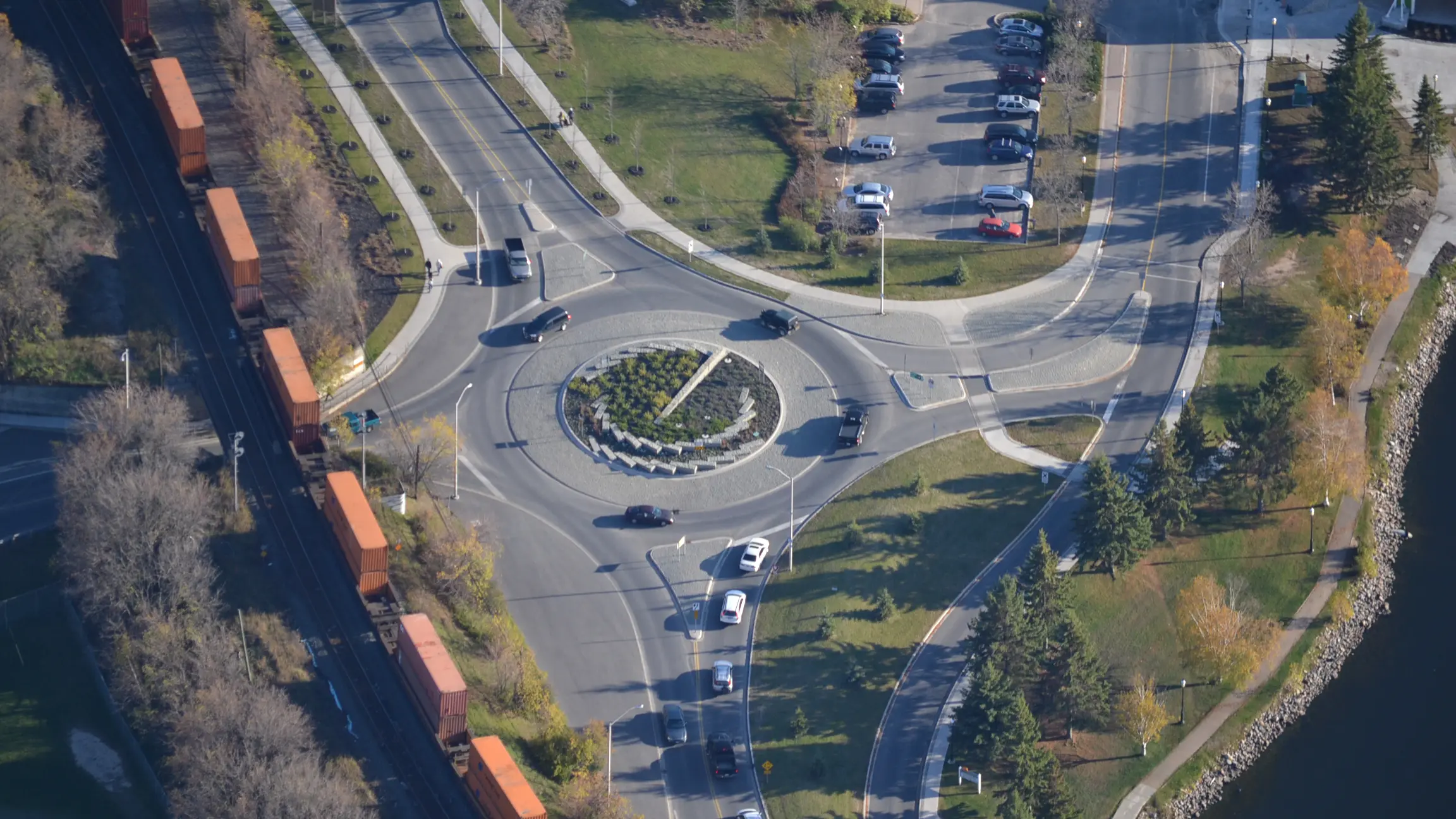
Working closely with the City of Kenora and stakeholders, the design addressed building interfaces, utility constraints and long‑term maintenance needs. Other major parts of the project included implementing traffic calming elements, pedestrian upgrades, underground renewal and drainage upgrades. Collaboration at focused user meetings resulted in one of the more significant changes from a signalized three-way intersection to the first modern roundabout built along the TransCanada Highway, improving safety and flow.
What was once an aging waterfront area, is now a vibrant pillar of the community that attracts visitors from near and far.
Project Highlights
- Street renewals and realignments across key downtown/waterfront corridors
- Construction of modern roundabout (the first along the TransCanada Highway)
- Sewer and water renewals with building service replacements
- Land drainage upgrades and coordinated utility relocations
- Multi‑use pathways and expanded active‑transportation network
- Boardwalk extension along waterfront for continuous access
- Tensile fabric event centre to support community programming
- Accessible design features – tactile‑delineated sidewalks and grading to meet guidelines
- Haptic roadway surfacing at intersections for traffic calming and awareness
Water Security Agency Owner’s Engineer
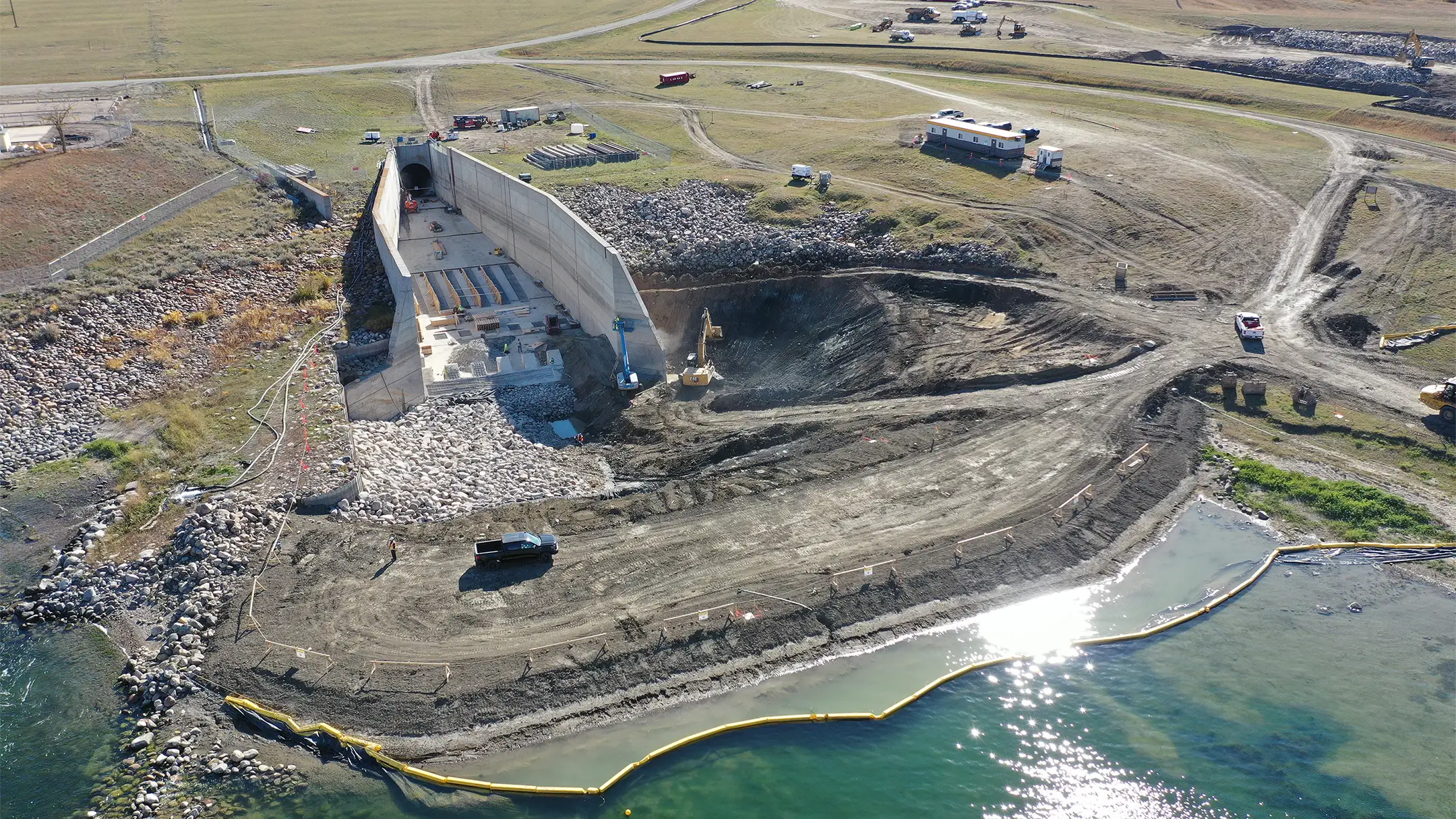
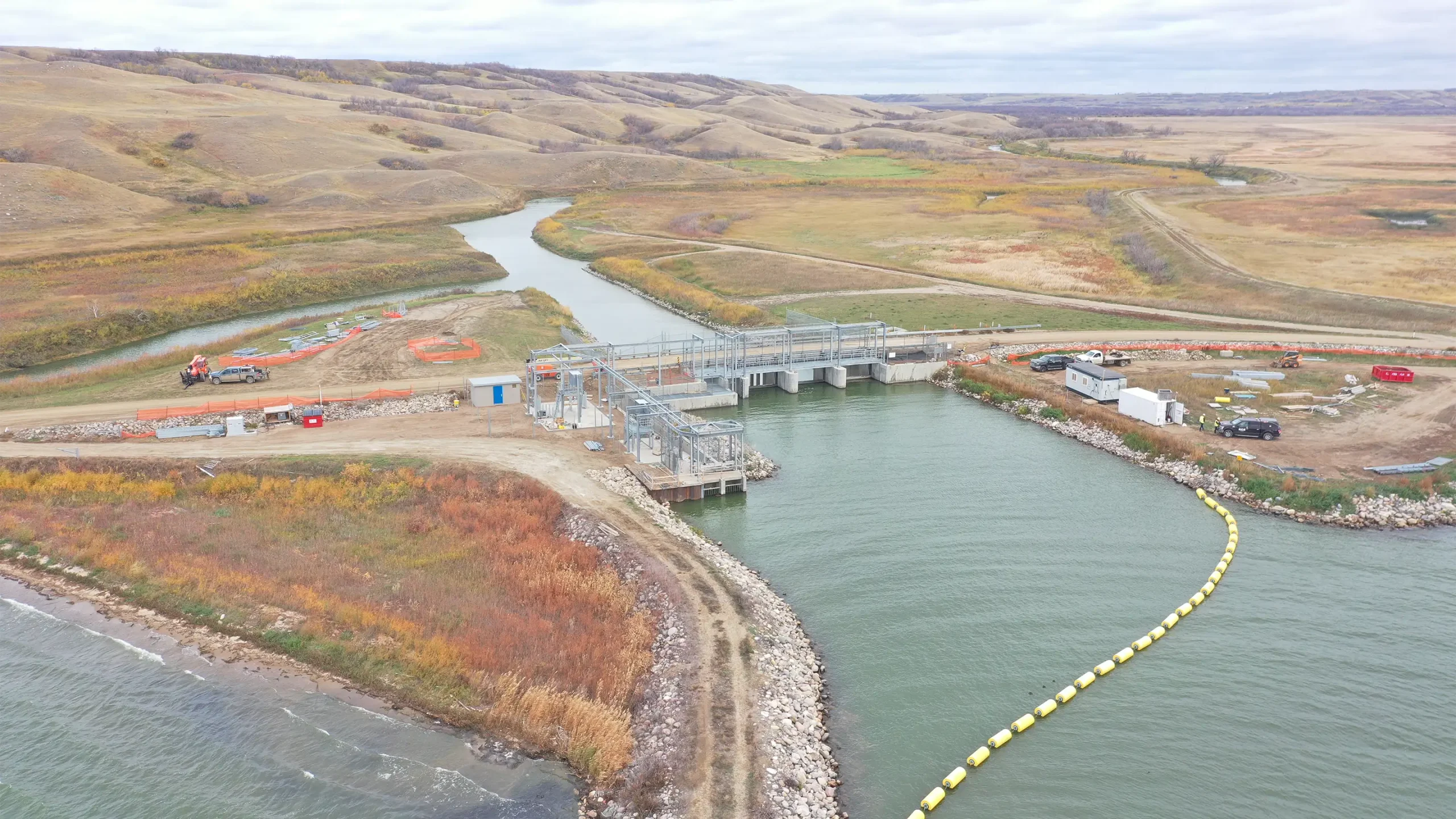
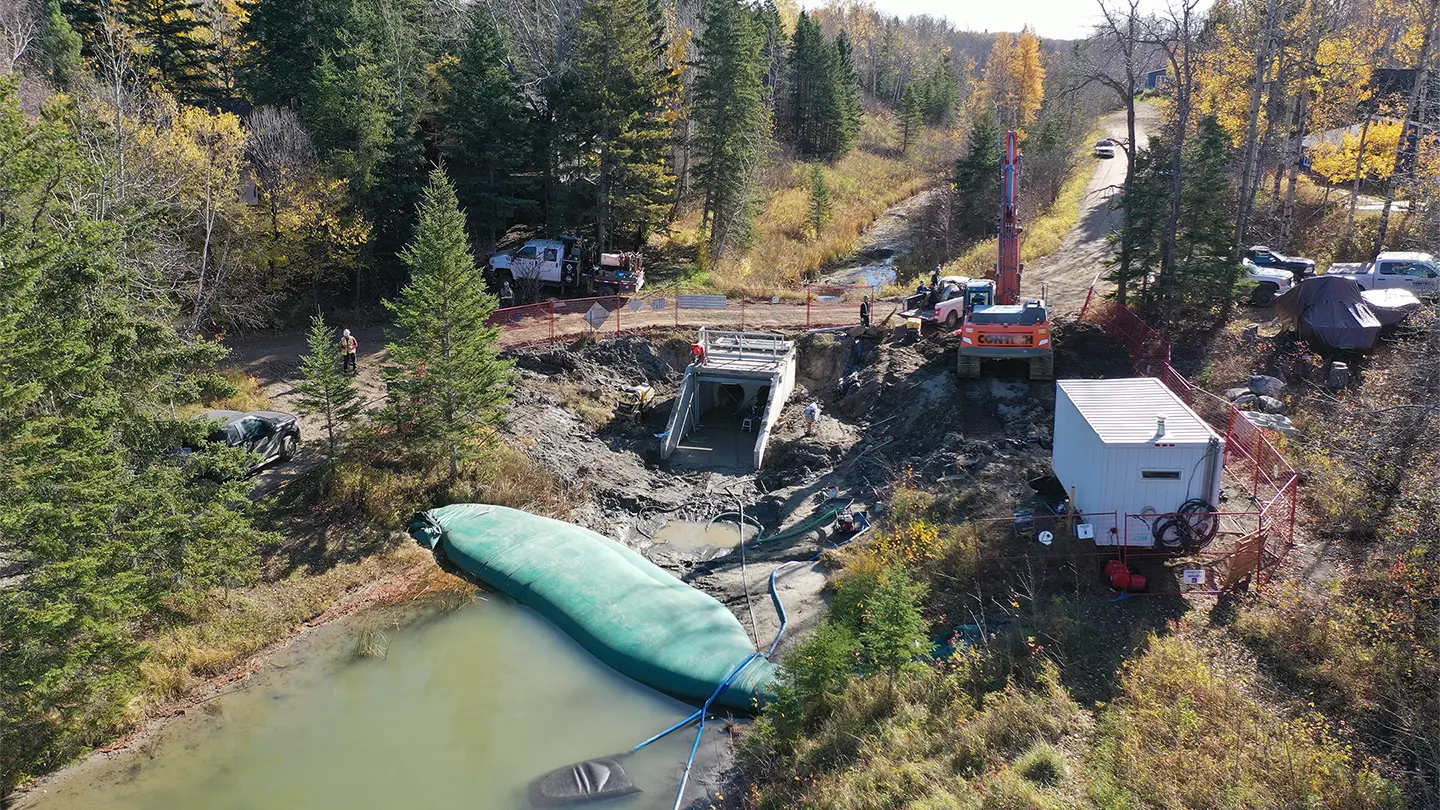
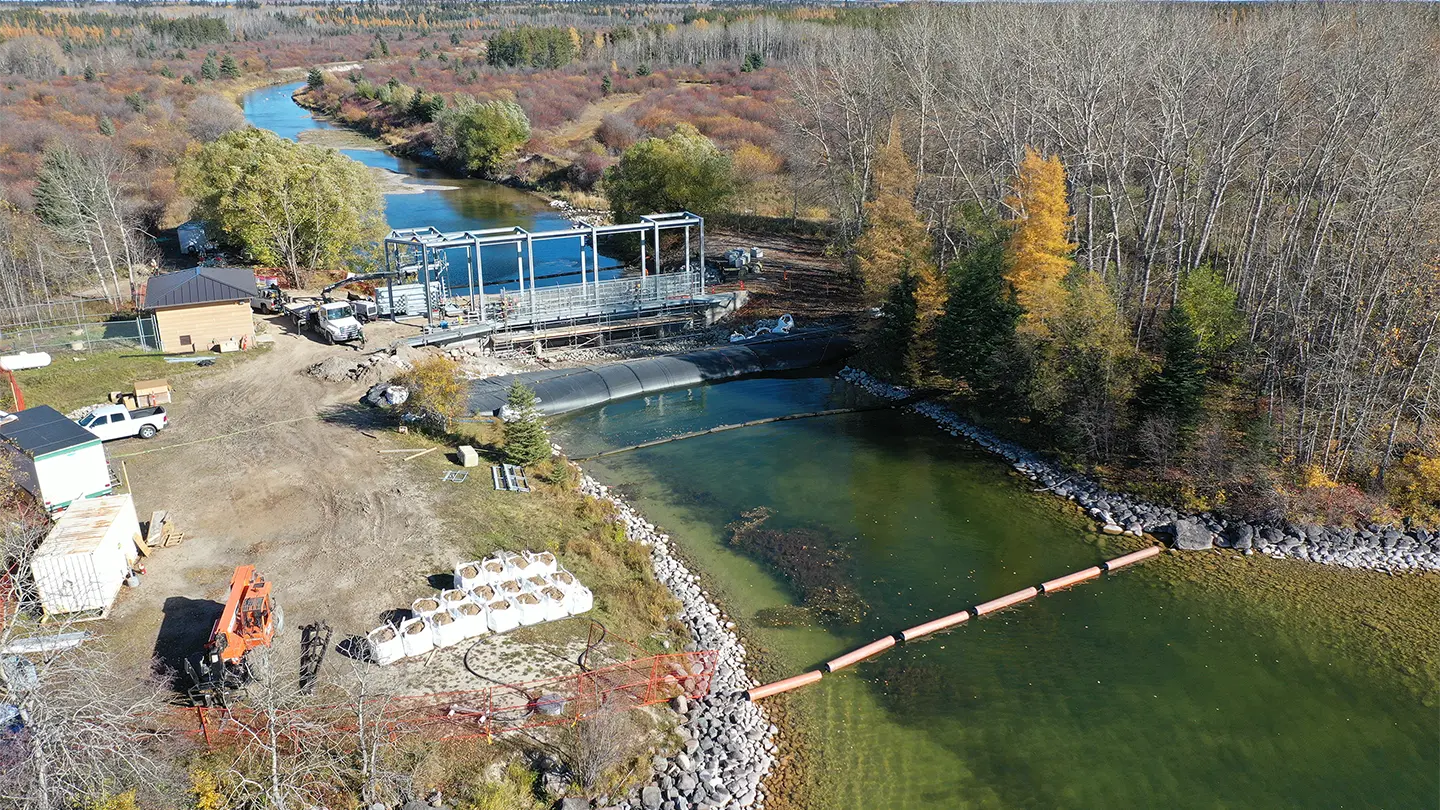
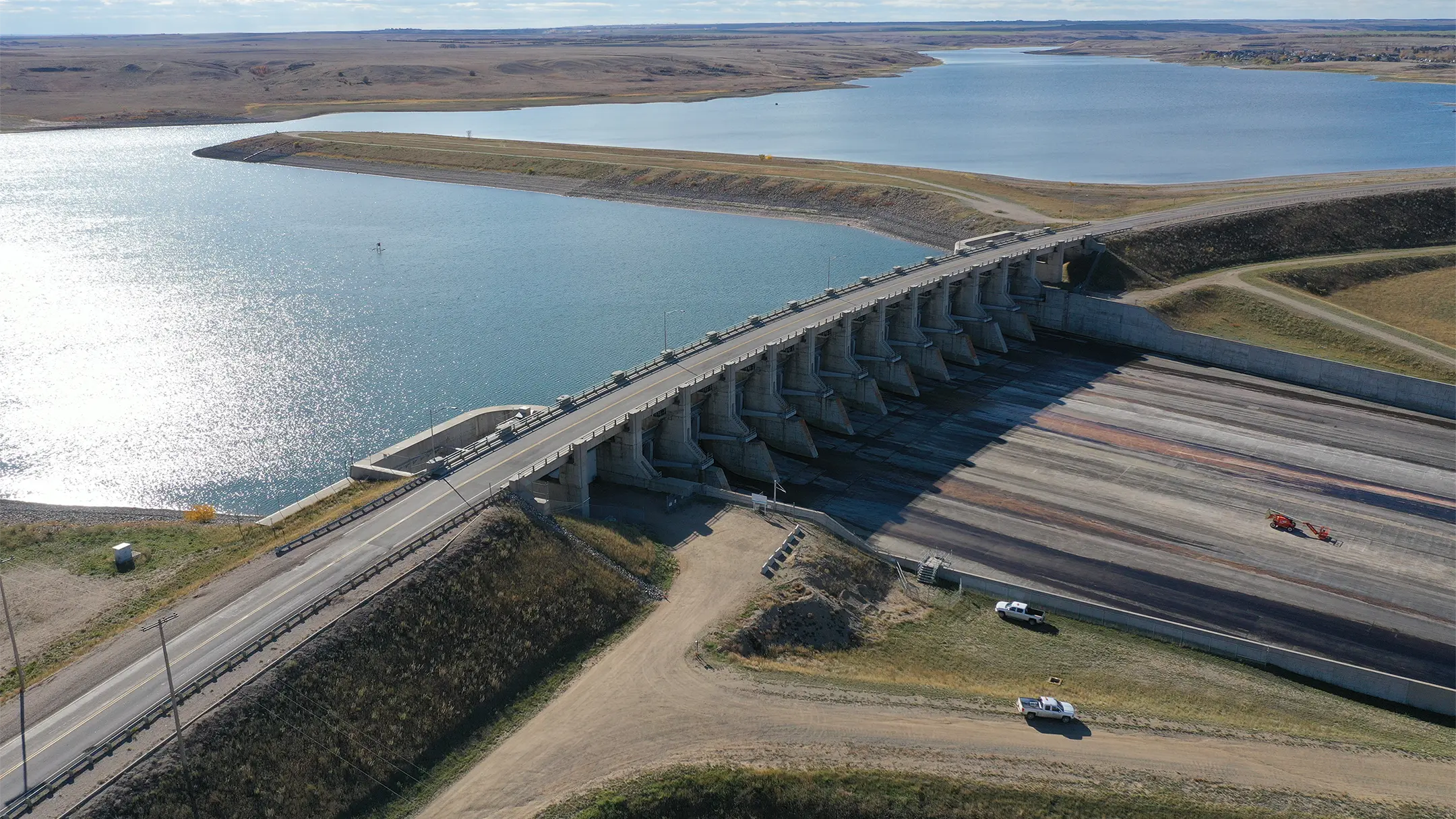
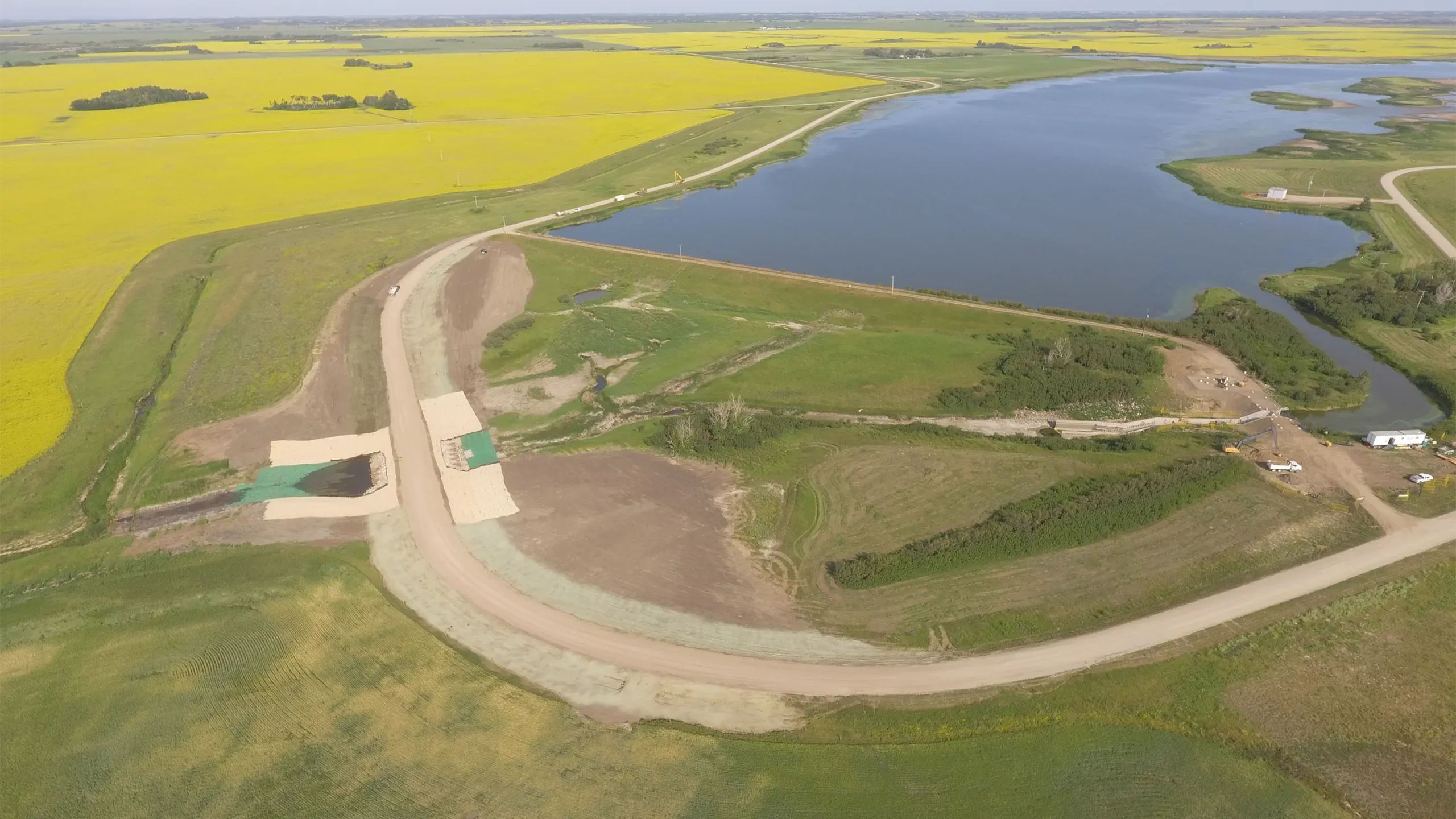
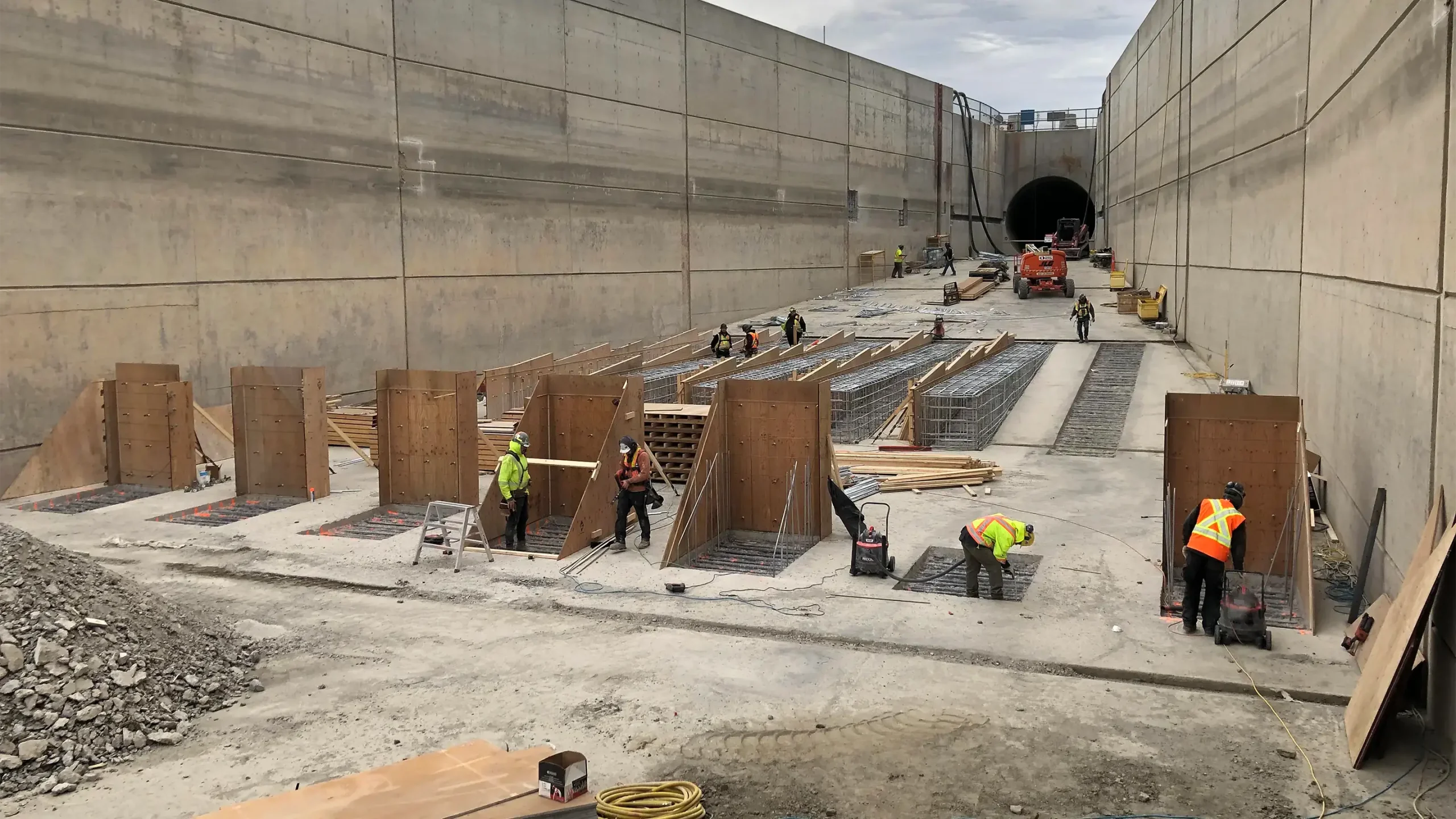
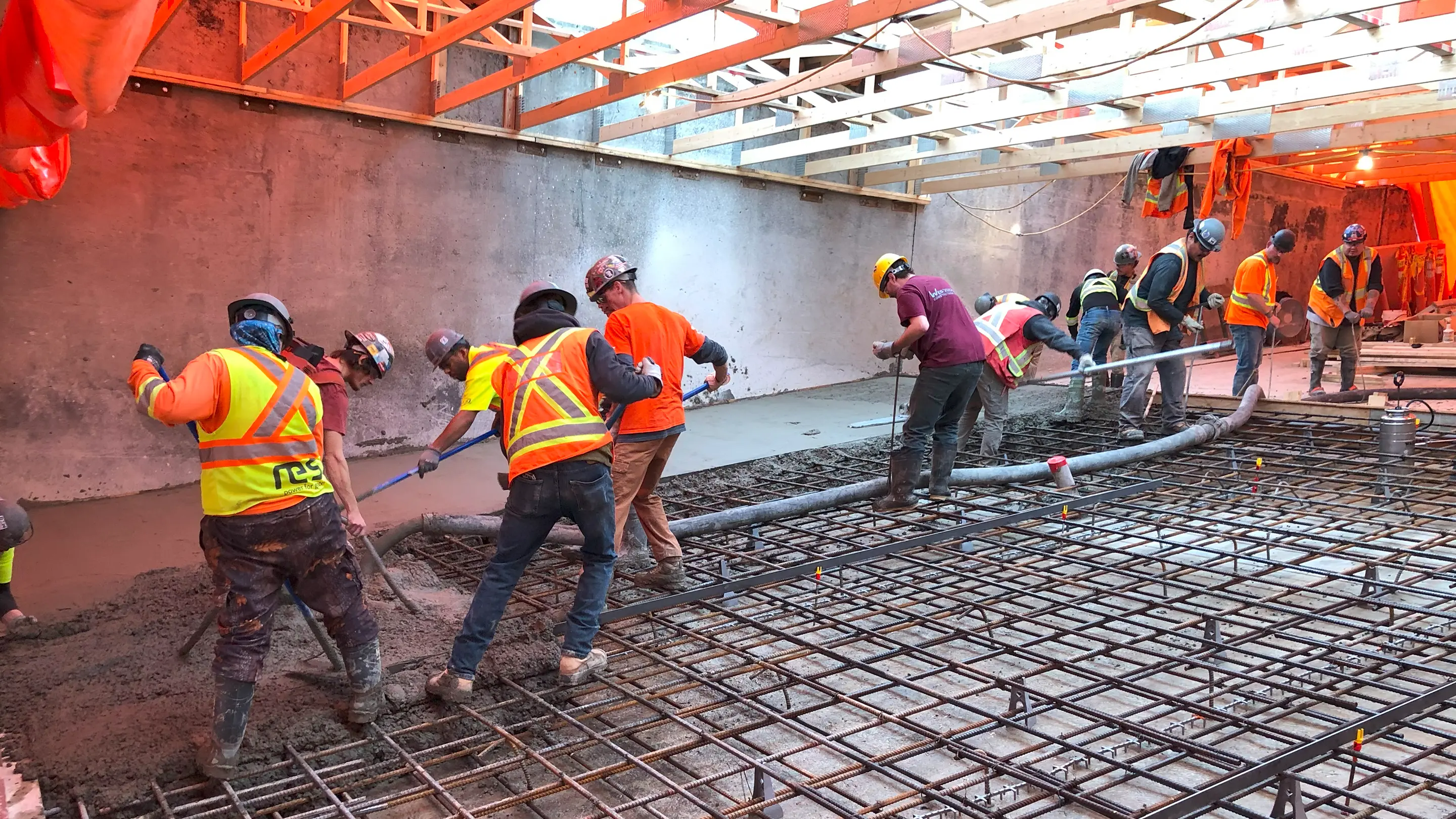
KGS Group served as owner’s engineer to help the Water Security Agency (WSA) reduce their project backlog and bring consistency to their capital delivery services. Acting as project managers, our team scoped, managed and executed over 20 project procurements on behalf of the WSA.
Our project managers also assisted the WSA with oversight of their larger portfolio of owner’s engineer projects. Our role covered portfolio oversight, procurement leadership and risk and schedule control across multiple projects.
At the start of the contract, KGS mostly worked on process definition, engineering standards development and project engineering. In the later years, KGS was able to progress the work through engineering to construction. Because of this, the WSA spent its full capital allocation, with KGS-managed projects accounting for the majority of the spend, with this trend continuing to this day.
The KGS team accelerated project delivery and budget utilization while establishing a repeatable framework for future projects, enabling continued success for WSA.
Project Highlights
- Managed and executed over 20 project procurements
- Managed over 45 engineering, long‑lead procurement and construction contracts
- $53 million in capital construction delivered (November 2020 – March 2024)
- Helped create a framework enabling consistent, sustainable asset maintenance
- Clearer engagement model for ACEC‑SK members
University of Manitoba Fort Garry Riverbank Asset Management
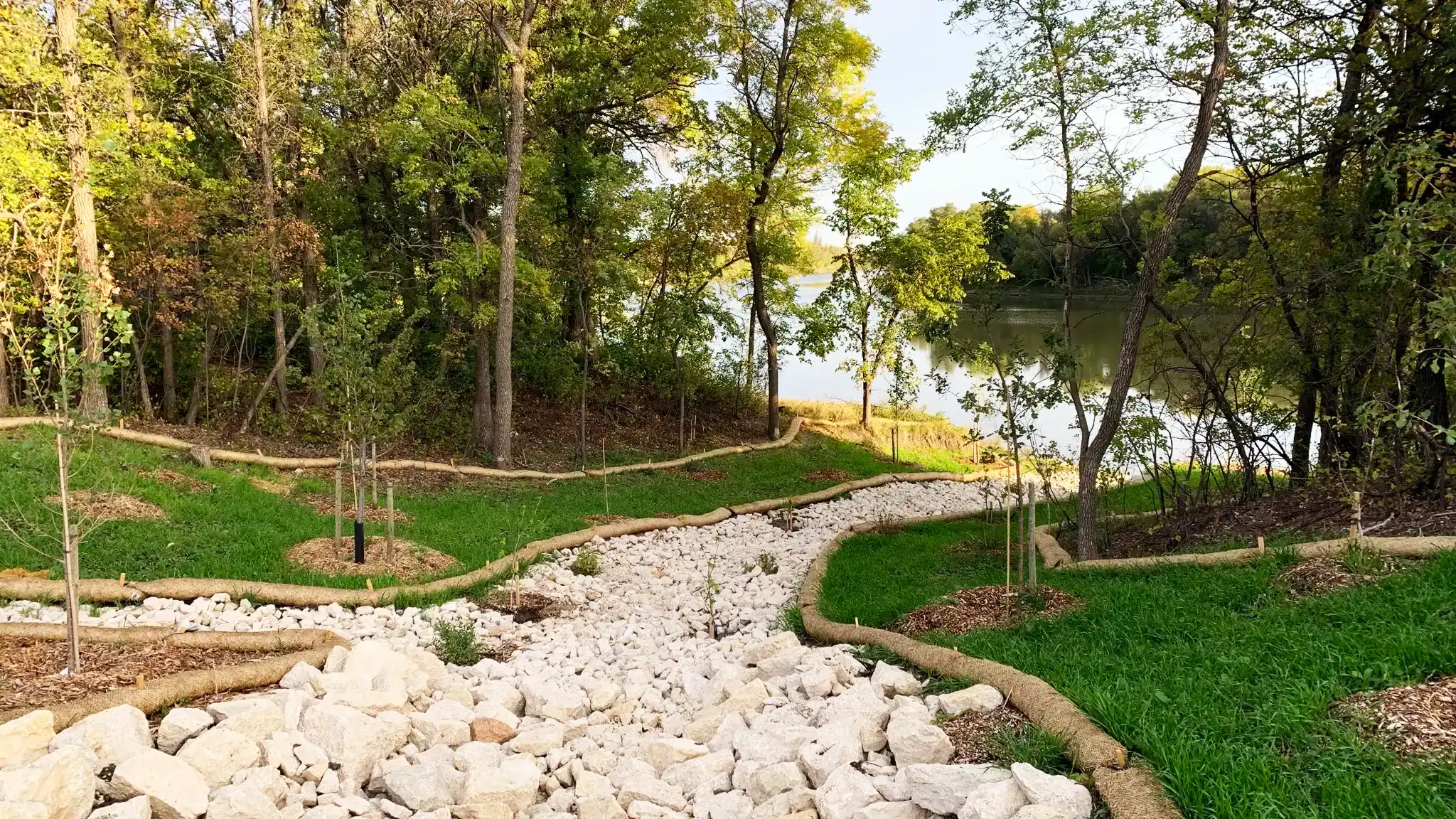
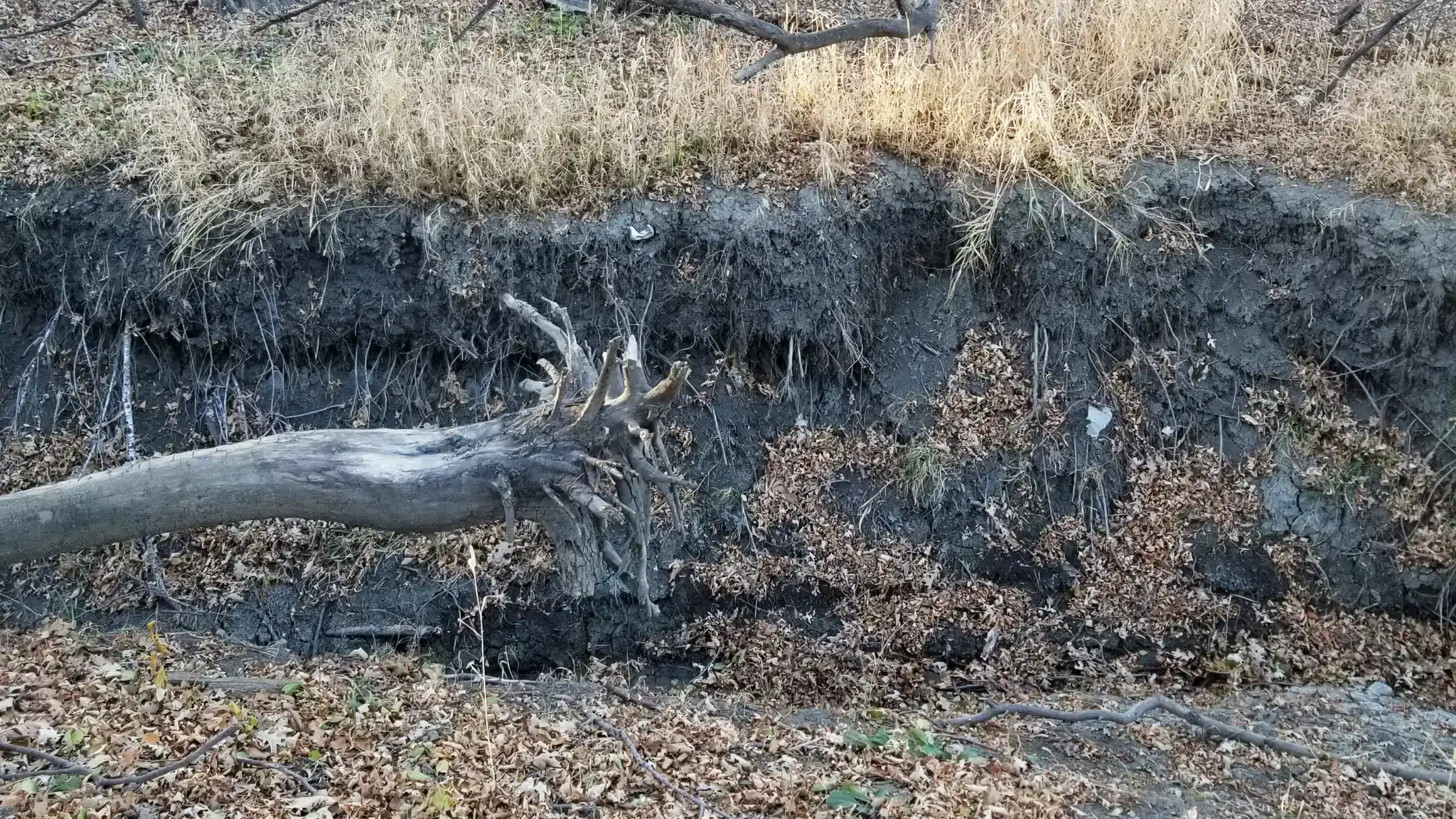
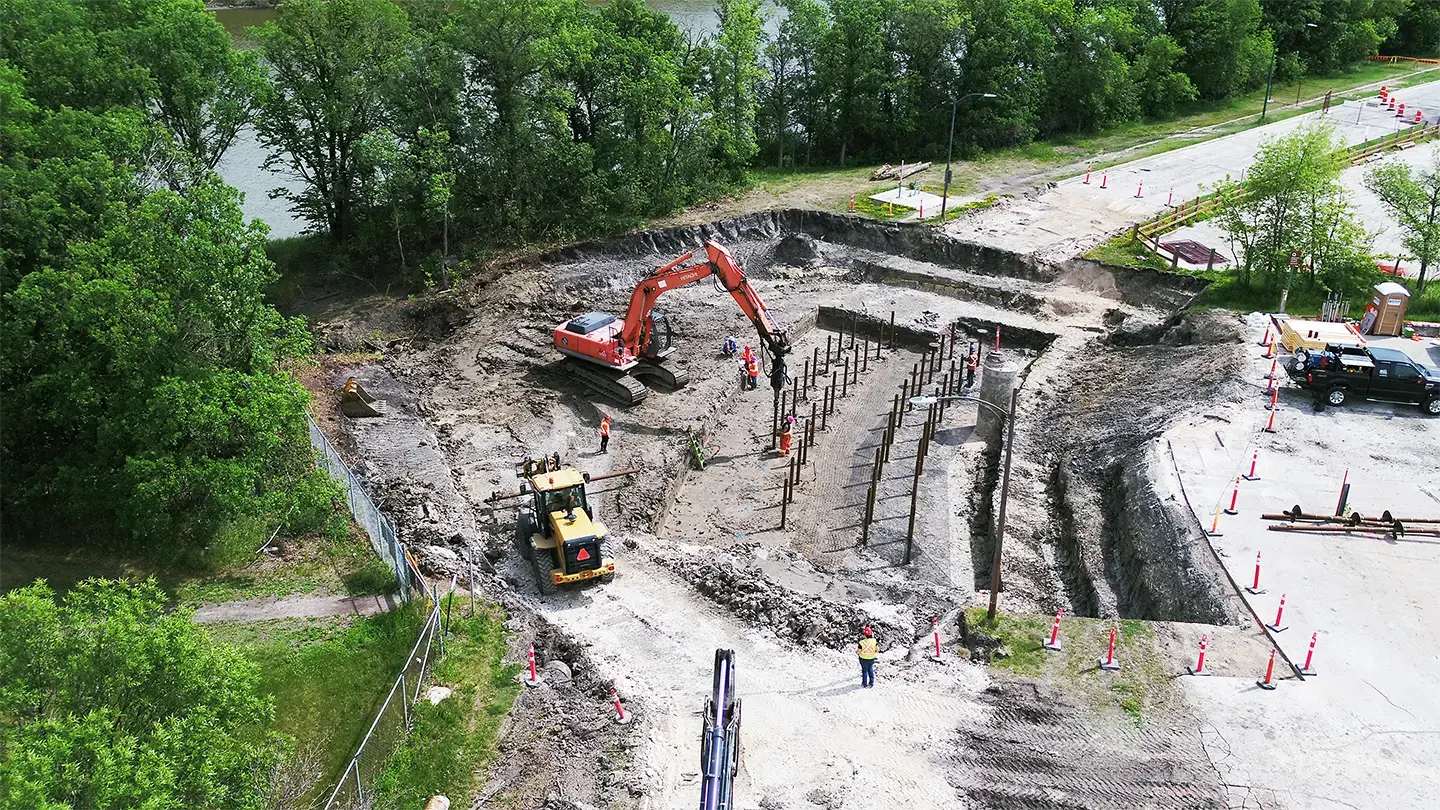
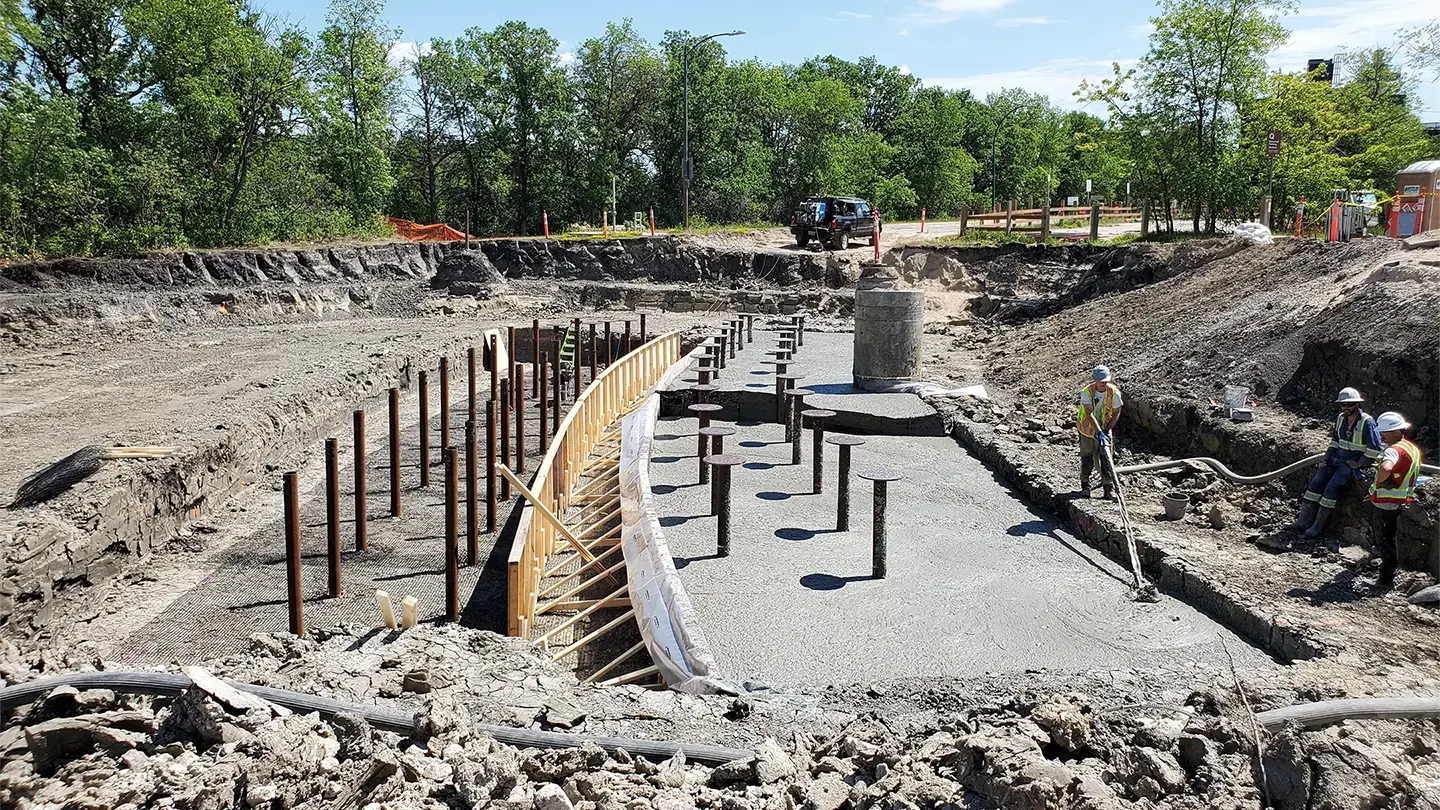
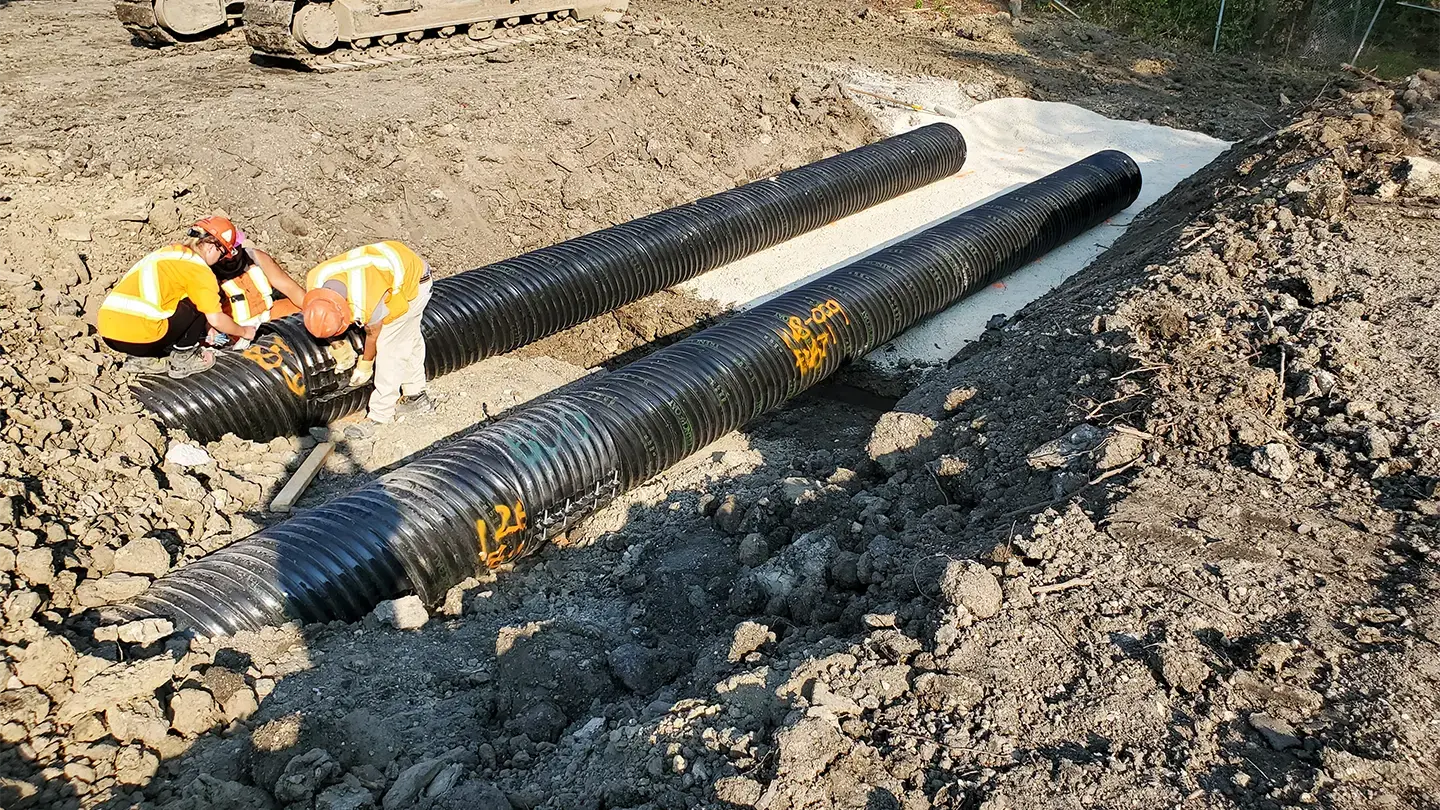
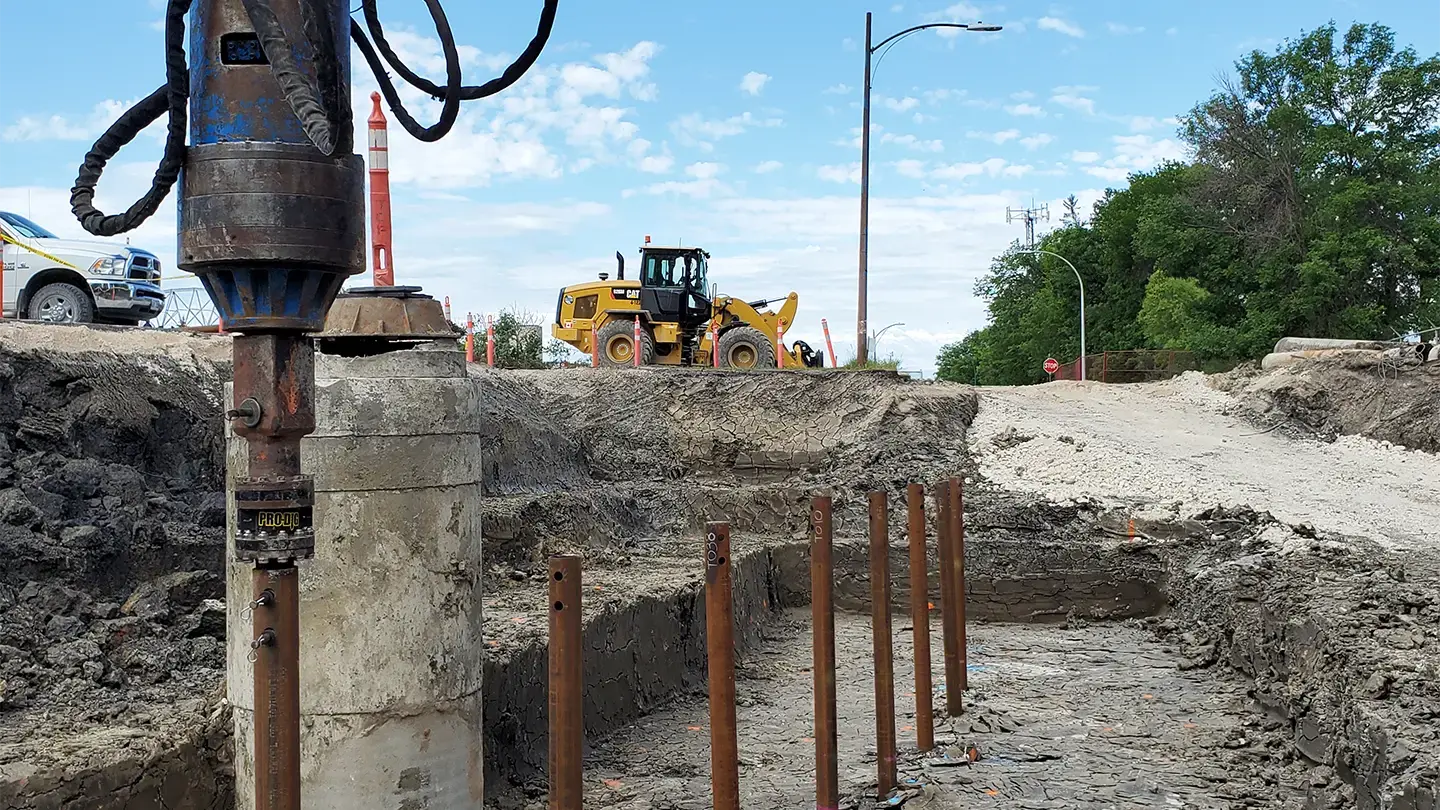

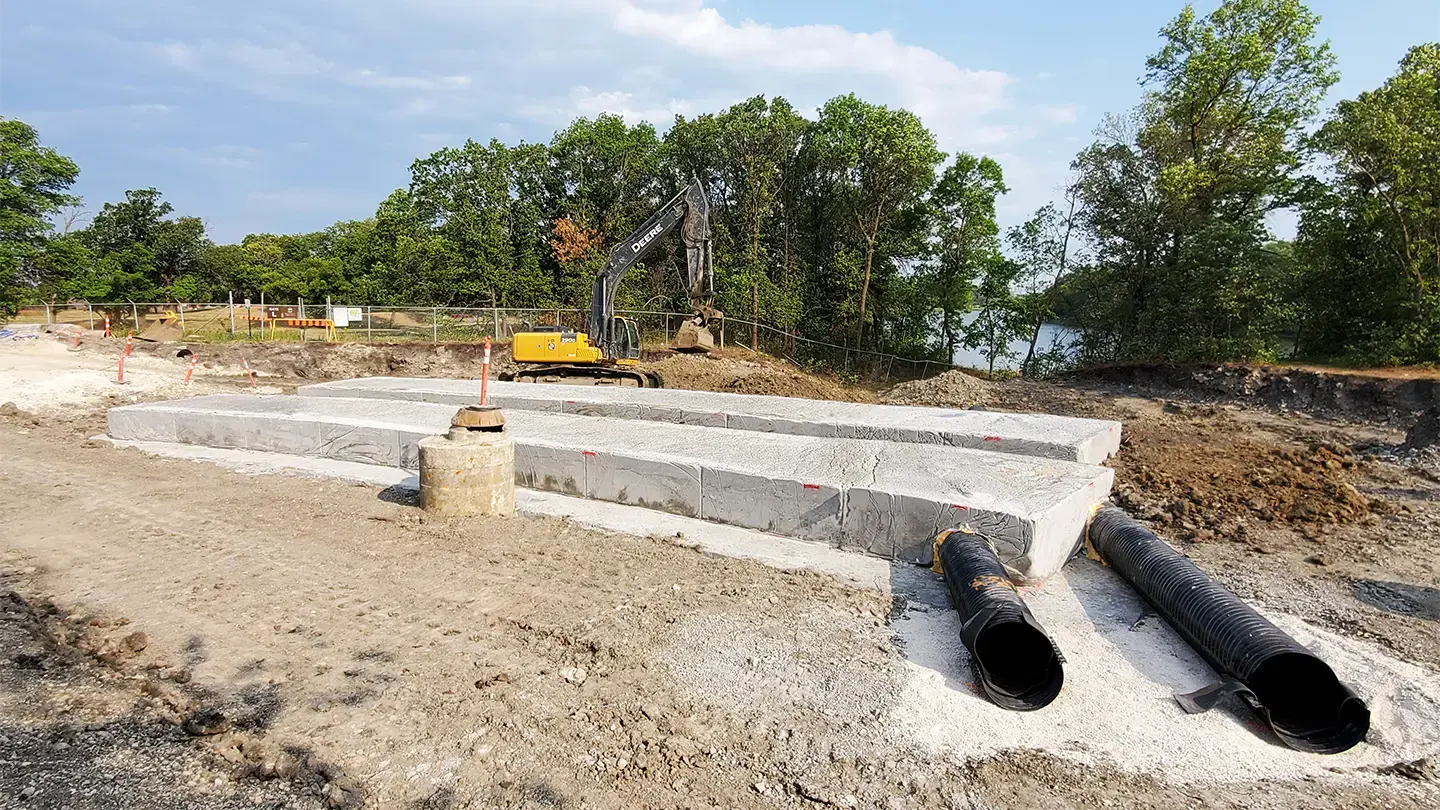
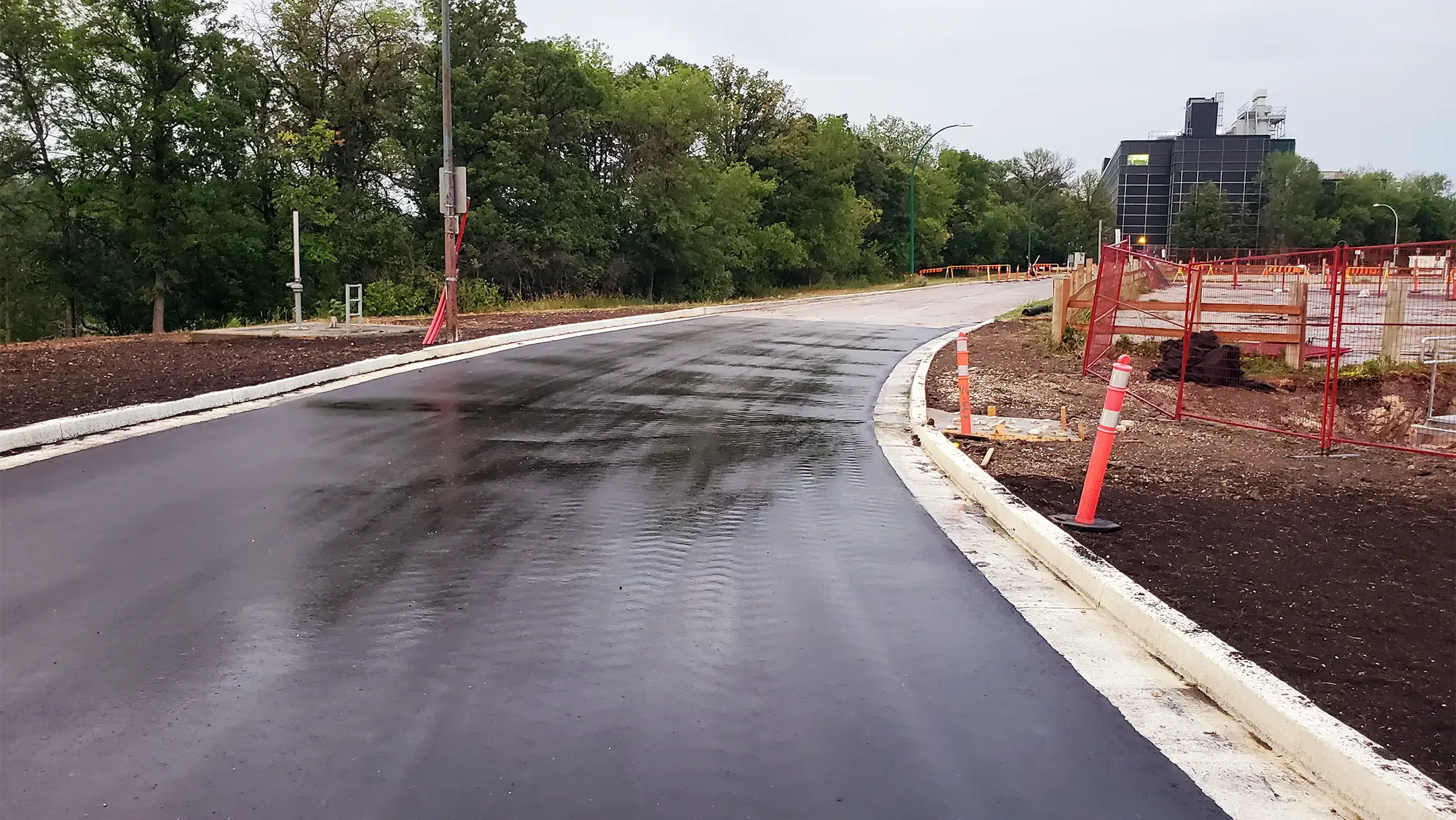
On the northwest side of the University of Manitoba Fort Garry Campus, which is located on Treaty 1 Territory, 600 meters of Sifton Road along the Red River acts as the Primary Line of Defense (PLD) dike, protecting the City of Winnipeg from flooding. Along the riverbank, ongoing and uncontrolled surface water discharge from Culvert 108 created over-steepened slopes and was threatening the integrity of this portion of Sifton Road.
KGS Group designed an innovative solution to reconstruct Culvert 108, Sifton Road and the PLD dike system. A first for this technology in Winnipeg, the solution used buoyant lightweight fill material anchored with helical piles. Additionally, the land drainage system was redesigned, Culvert 108 was upgraded to prevent future damage and supplemental vegetation was planted. The result was an area that is fully integrated with the surrounding ecosystem and is ready for future use opportunities while protecting the community.
Project Highlights
- Designed a solution to reconstruct Culvert 108, Sifton Road and PLD dike system to restore flood protection and roadway function
- The solution, a first for this technology in Winnipeg, included buoyant lightweight fill anchored with helical piles
- Redesigned the land drainage system to control and safely route surface water, reducing erosive outflows to the riverbank
Gillam Subdivision Passive Groundwater Drainage Project
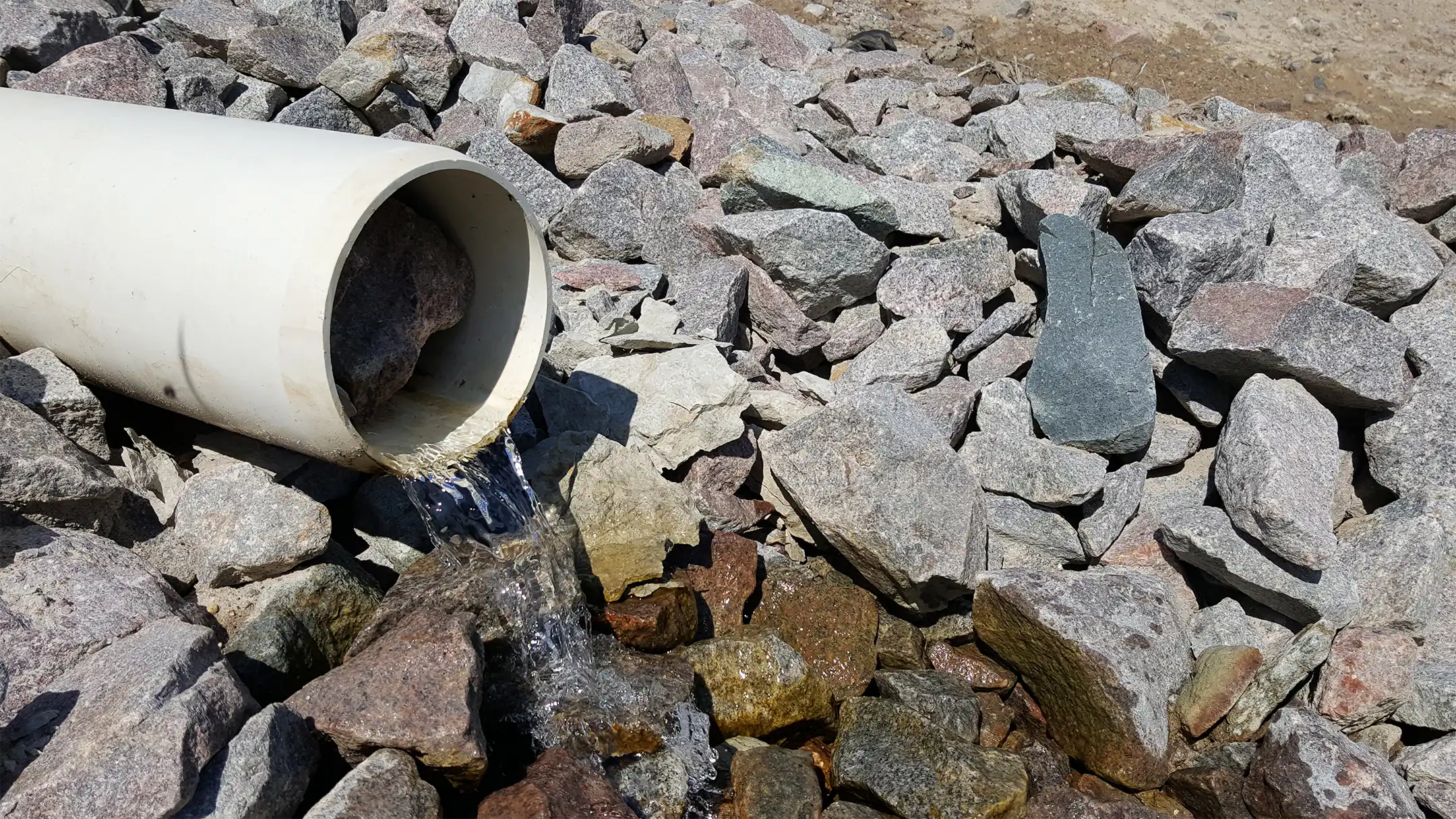
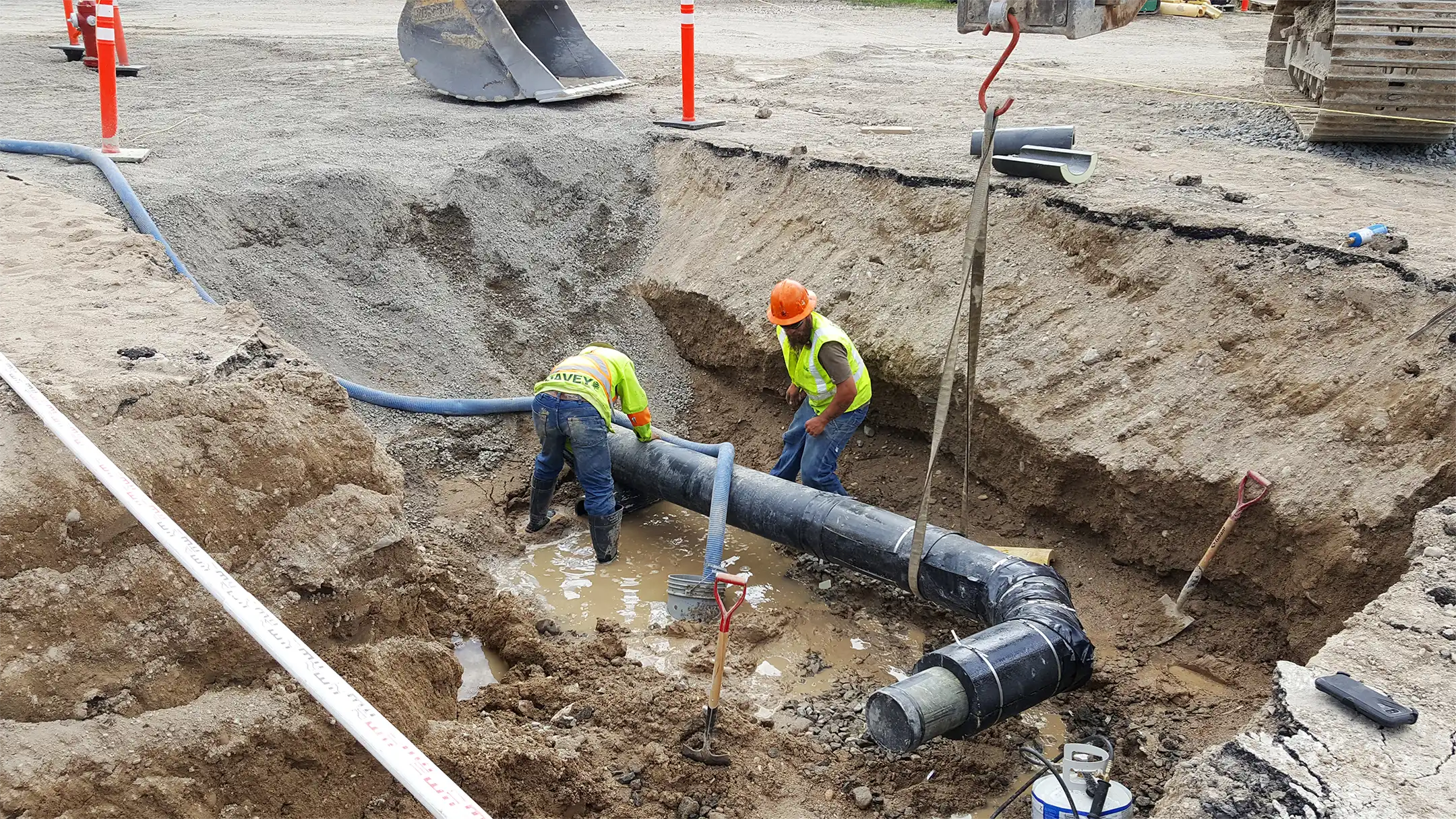
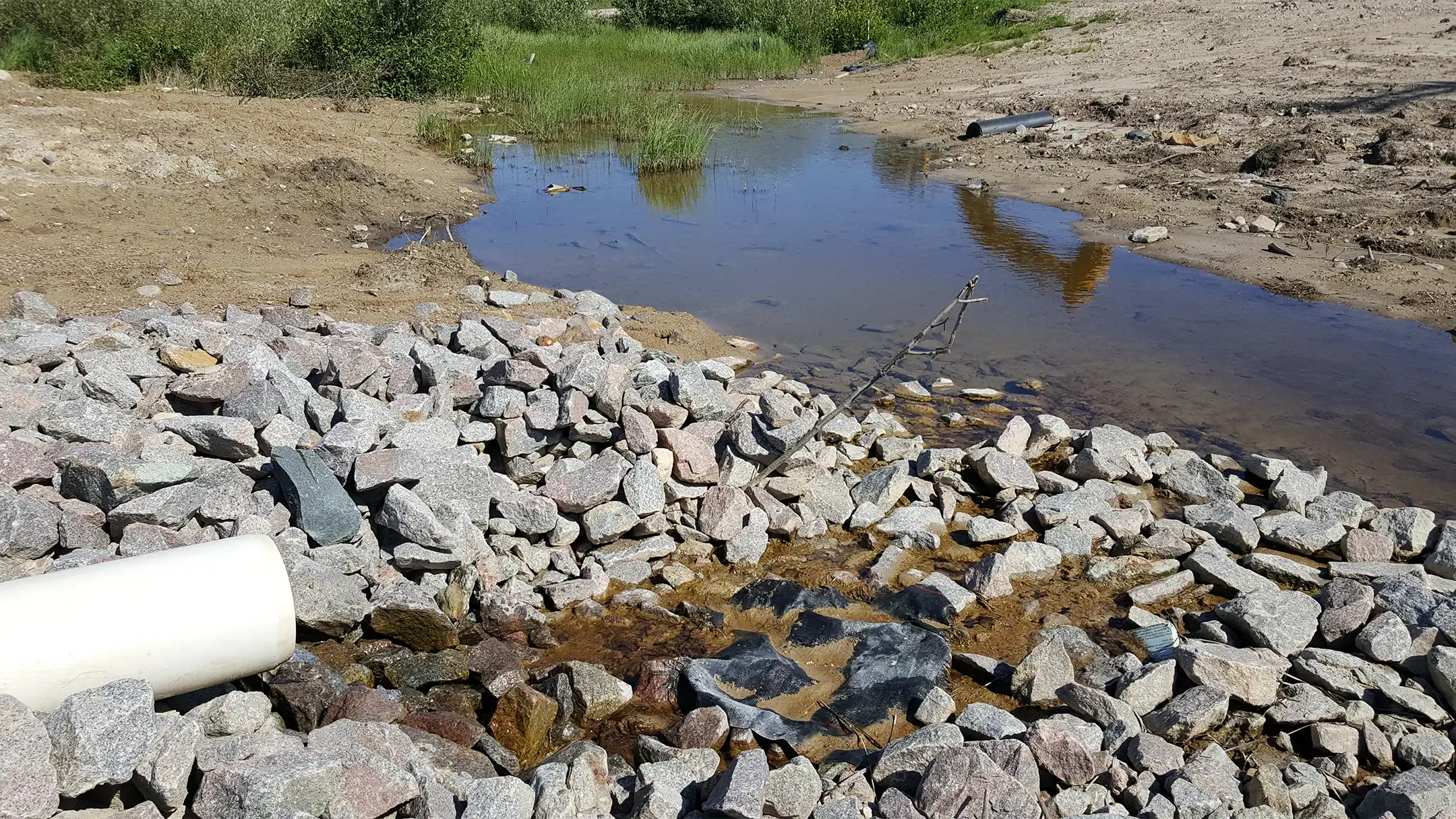
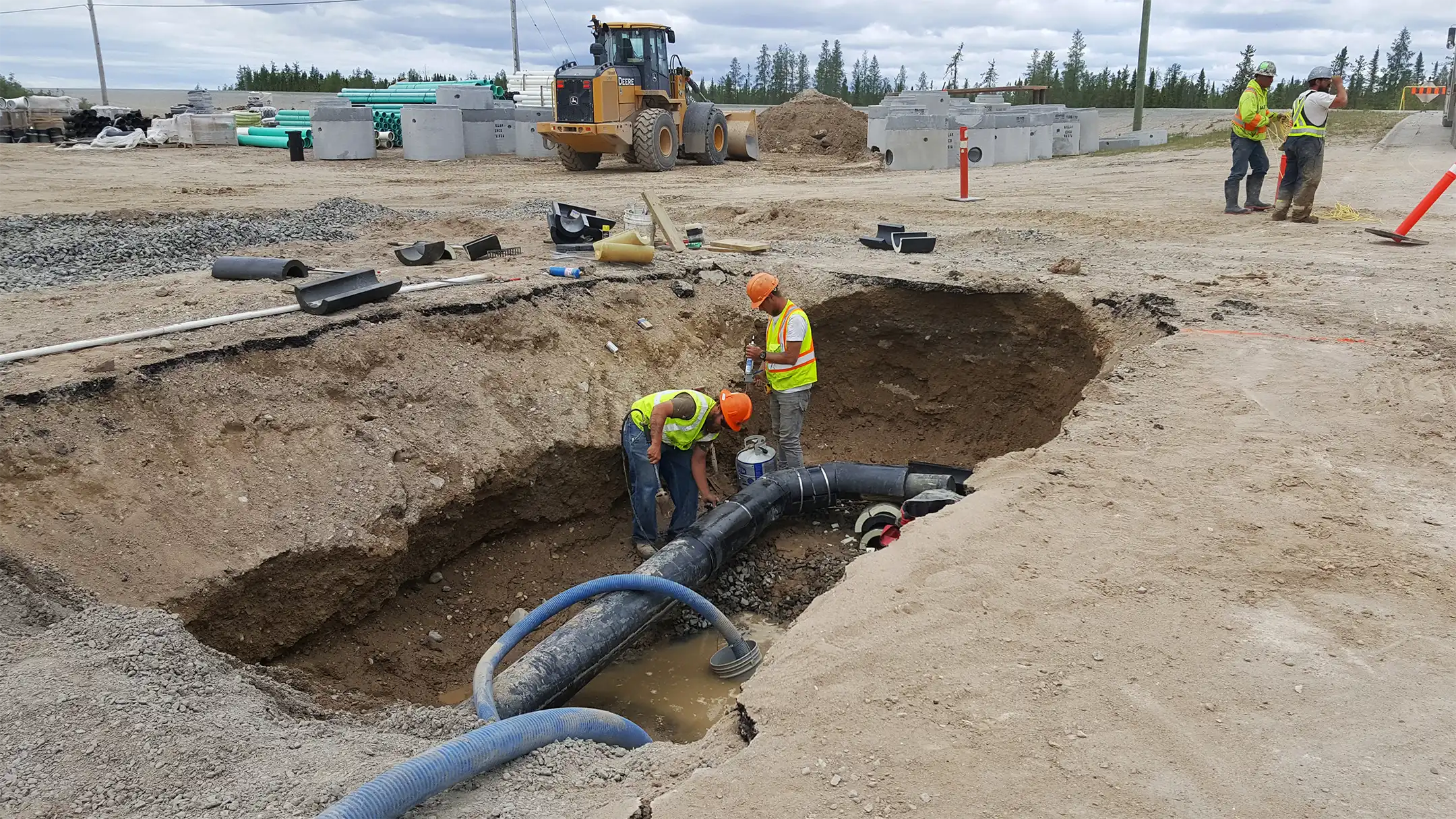
The “Crayola” subdivision in Gillam sits on soil that retains a high groundwater table. Over time, seasonal freezing and elevated groundwater led to disturbance of several structure foundations. To address this persistent issue, KGS Group leveraged the timing of a planned sewer and water infrastructure renewal to design and implement a simple, robust groundwater drainage system.
By using common trench excavation, engineered drainage piping and readily available backfill, the installation of the groundwater drainage system was simplified and optimized. Because there are no moving parts, continuous drainage of groundwater occurs passively by gravity.
Designed within the new sewer and water corridors, the system simplifies future maintenance and construction, while providing easy access points for the interconnection of foundation drainage systems throughout the subdivision.
Project Highlights
- Excavated common trenches within new sewer and water corridors to integrate groundwater drainage
- Installed engineered drainage piping to collect and convey groundwater
- Placed readily available backfill to promote free drainage and protect piping
- Eliminated mechanical components – no pumps or moving parts
- Established future tie‑in locations to enable interconnection of foundation drains across the subdivision
Brandon Third Street Dam Replacement
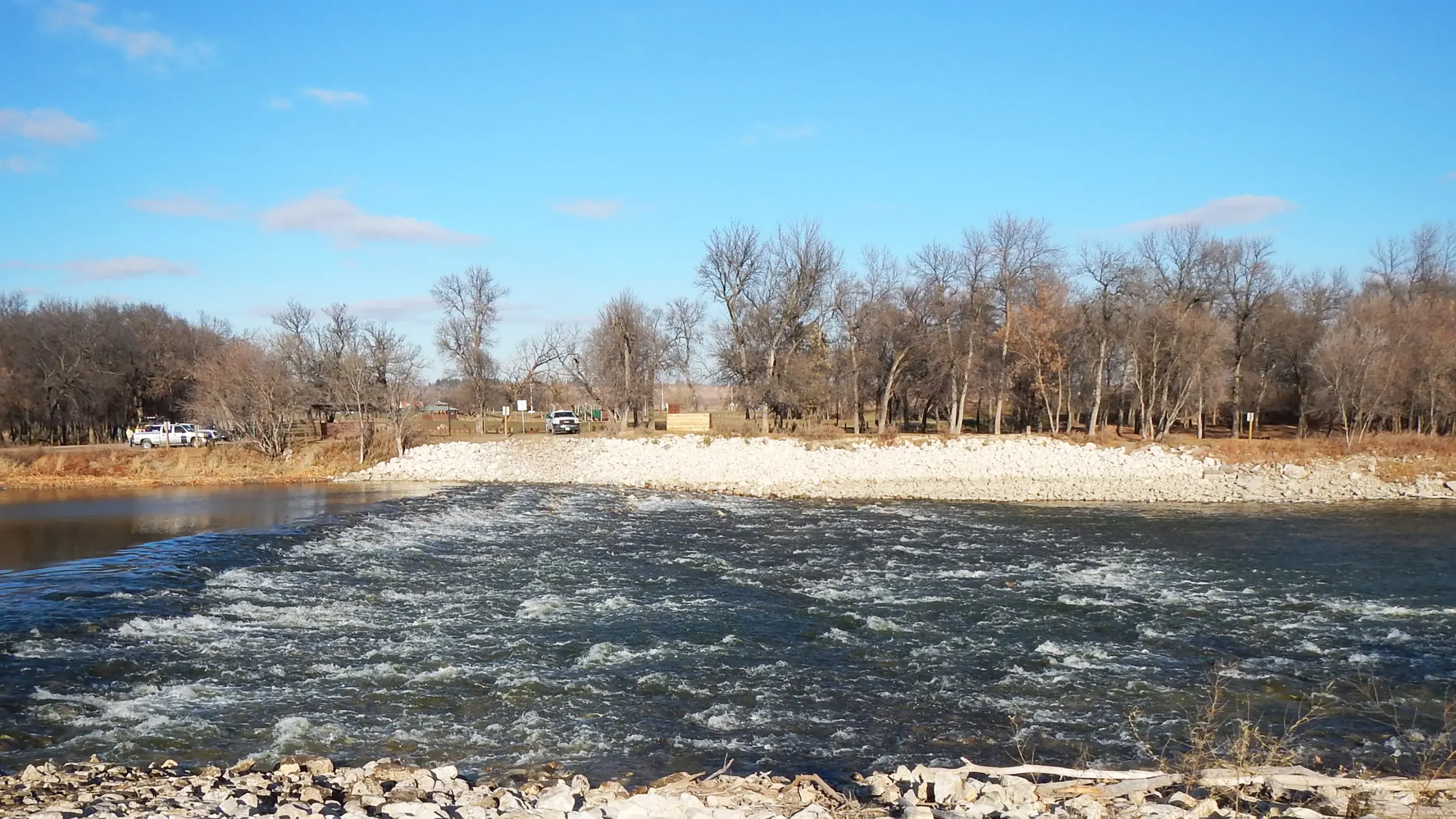
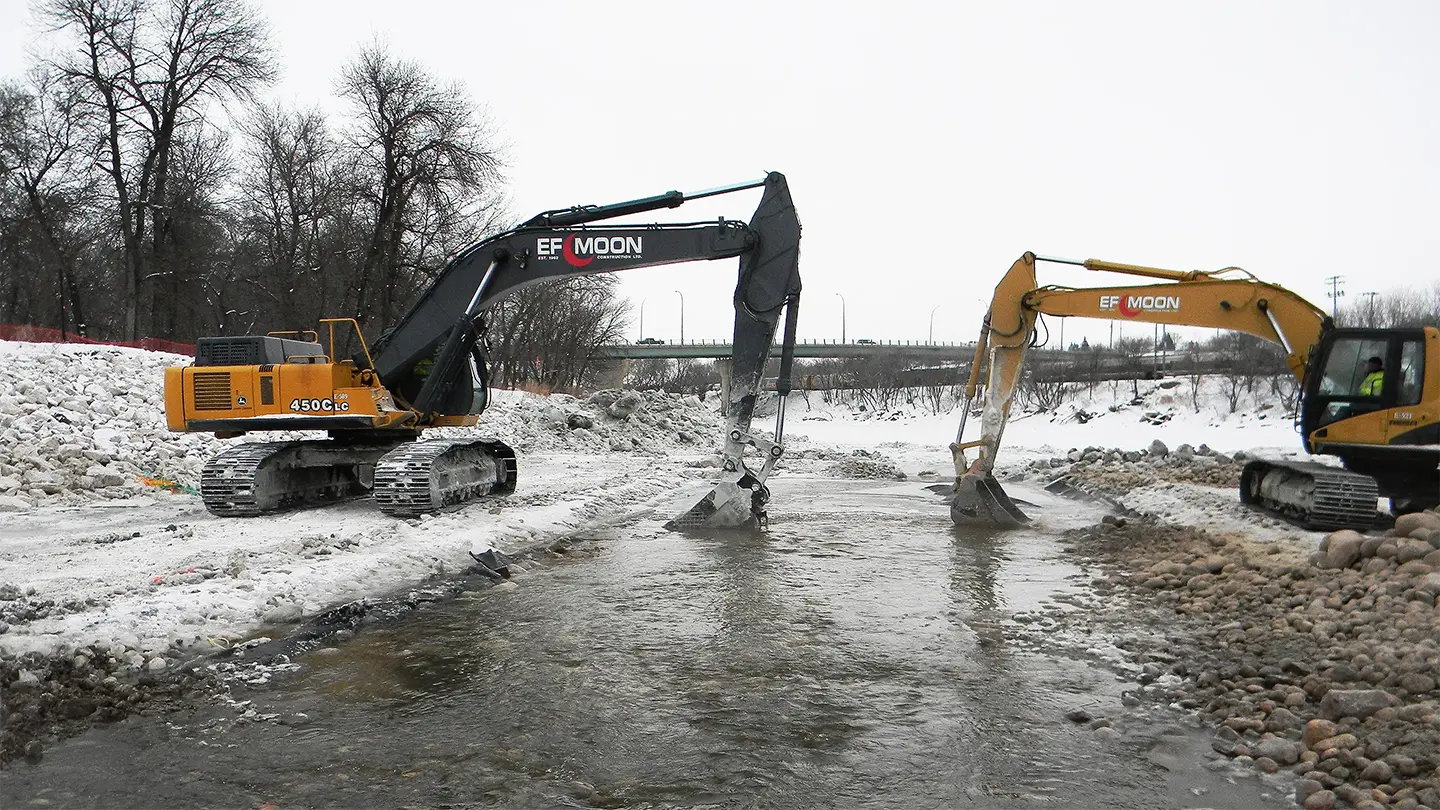
For more than 70 years, the Third Street Dam on the Assiniboine River supported the City of Brandon’s drinking water supply and provided social, environmental and commercial benefits. When the dam was irreparably damaged, KGS Group moved quickly to design temporary emergency measures that limited further habitat impacts and preserved Brandon’s water supply.
We then developed a functional, cost-effective, permanent solution that also removes a 70-year-old barrier to fish passage. The new overflow rockfill weir, with a low flow rock ramp fishway, preserves Brandon’s water supply, restores fish passage, adds spawning habitat, and improves the safety and aesthetics of the river adjacent to Dinsdale Park.
Working with the City of Brandon and regulators, the team demonstrated how preserving vital infrastructure can go hand‑in‑hand with prioritizing and enhancing the environment.
Project Highlights
- Designed and implemented temporary emergency measures to stabilize the river and maintain municipal water supply during dam failure
- Constructed an overflow rockfill weir to replace the damaged dam and secure long‑term water levels for intake reliability
- Constructed a low‑flow rock ramp fishway to restore year‑round fish passage and remove a 70‑year barrier
- Integrated spawning habitat through rock ramp geometry and material gradation, enhancing local fisheries