

Wellington Crescent Riverbank, Roadway and Multi-Use Path
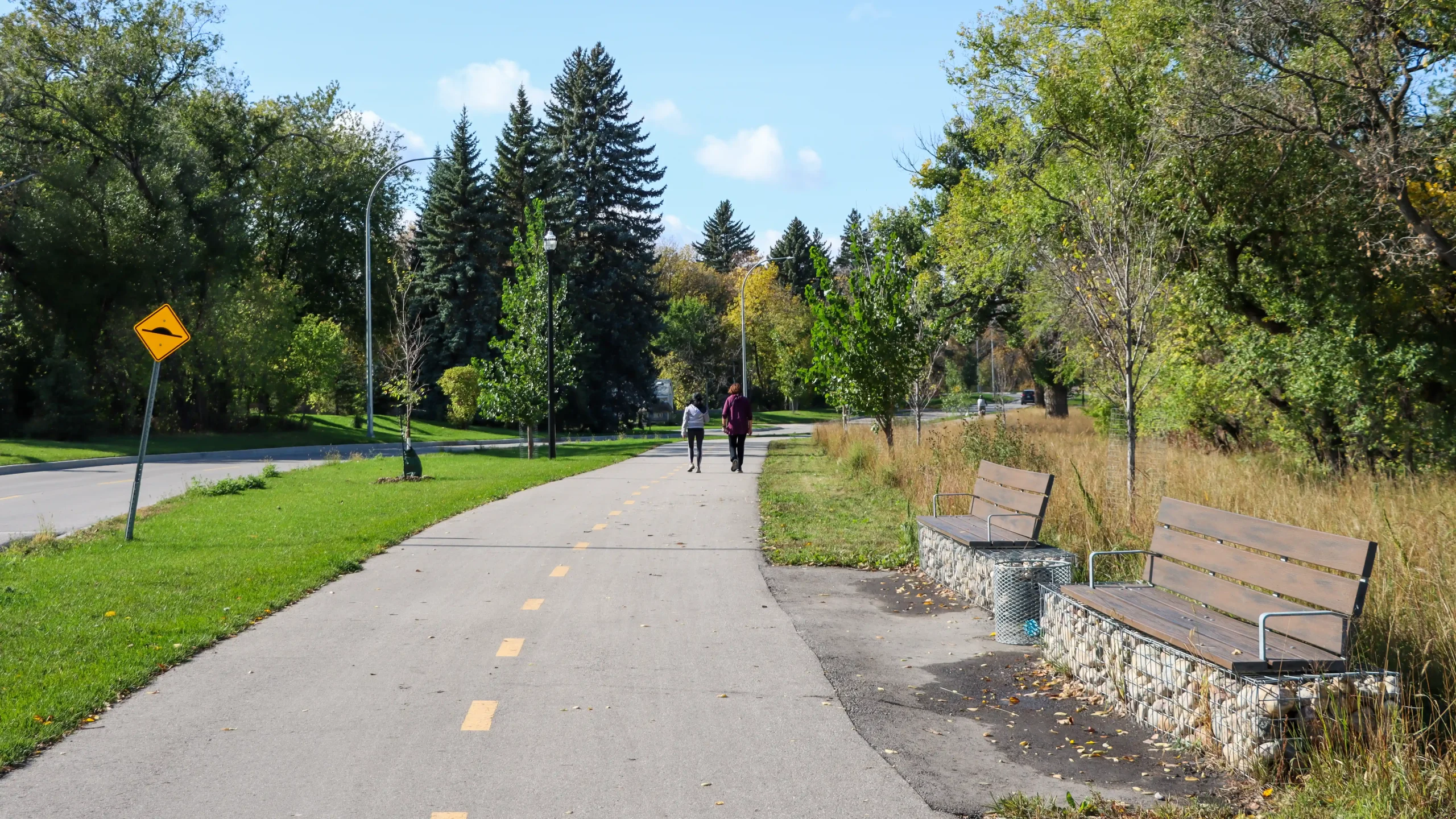
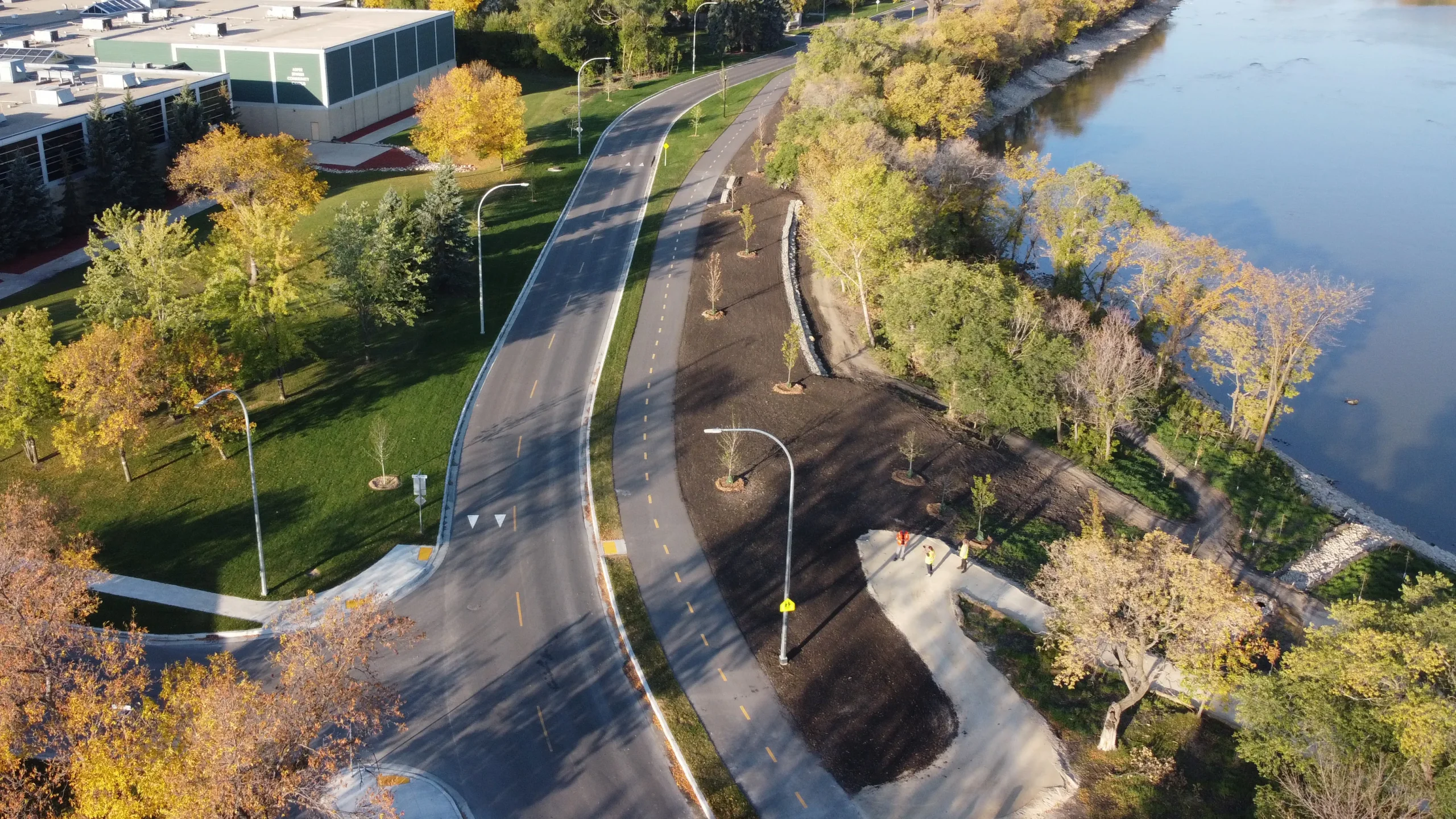


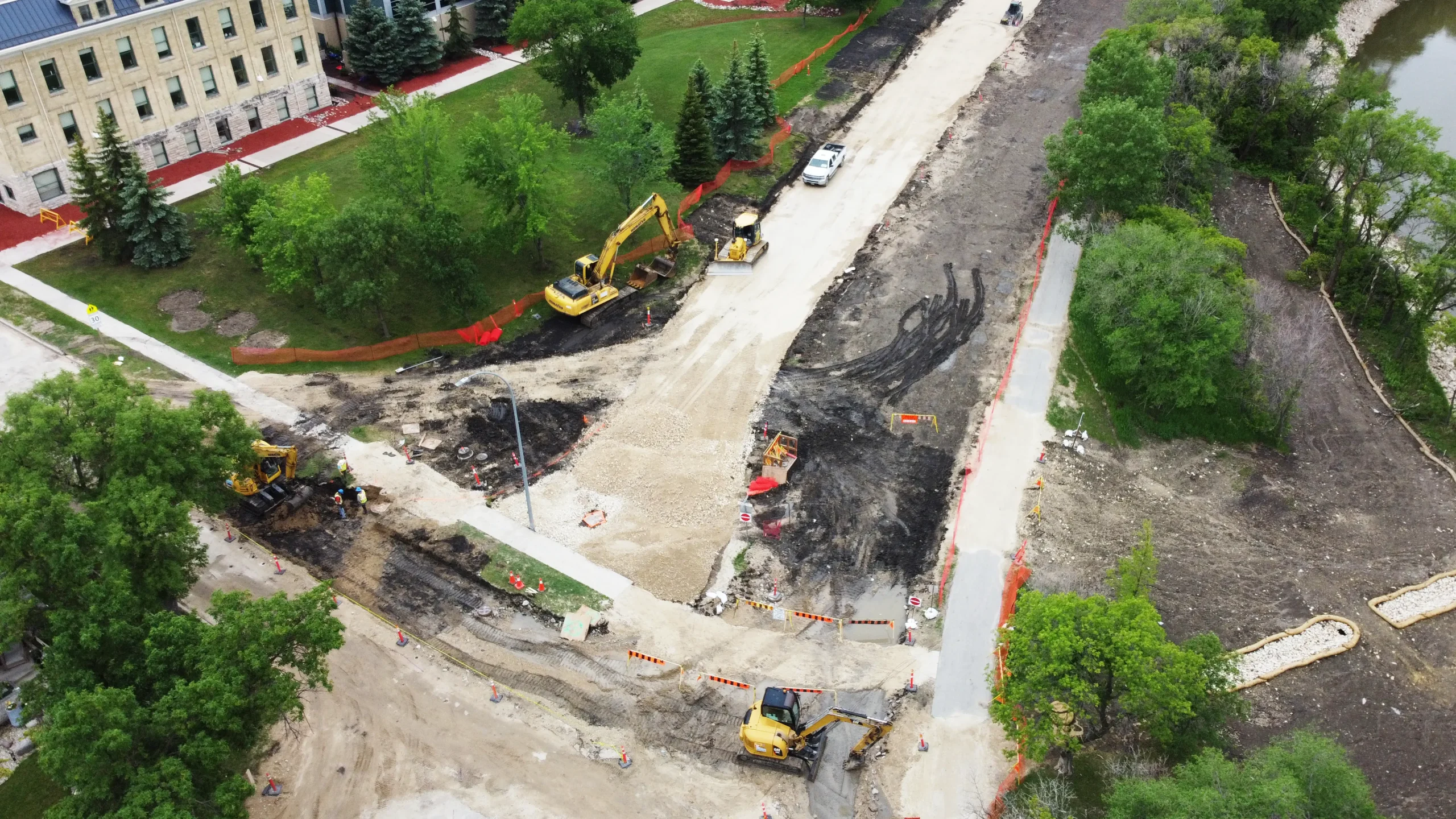

Following bank failures along the Assiniboine River adjacent to Wellington Crescent, the City of Winnipeg engaged KGS Group to explore and recommend renewal strategies to retain or replace critical riverfront infrastructure. The goal was to remediate at-risk sections, protect community assets and enhance a well-used corridor that connects downtown to Assiniboine Park.
Wellington Crescent is a vital corridor used by pedestrians, cyclists and vehicles and required careful consideration for long-term management. It also is an important naturalized area with a robust riparian ecosystem. Other considerations included protecting several underground utility assets, diverse critical infrastructure and the urban location.
Working from concept through design, tender and contract administration, we delivered a comprehensive design that weighed competing priorities and met ecological, social and economic objectives. This included erosion protection and riverbank stabilization, tree protection measures, active transportation development, realignment of Wellington Crescent and land drainage upgrades.
Project Highlights
- Riprap erosion protection and rockfill shear key slope stabilization along the riverbank
- Heritage tree protection measures and gabion retaining wall improvements
- Construction of river access trail, wilderness trail and paved multi‑use path
- Raised and reconfigured roadway intersections to improve safety and drainage
- Geometric realignment and widening of Wellington Crescent
- Tension crack sealing to stabilize roadway and adjacent slopes
- Land drainage and sewer upgrades to enhance corridor resilience
Kenora Downtown and Waterfront Revitalization
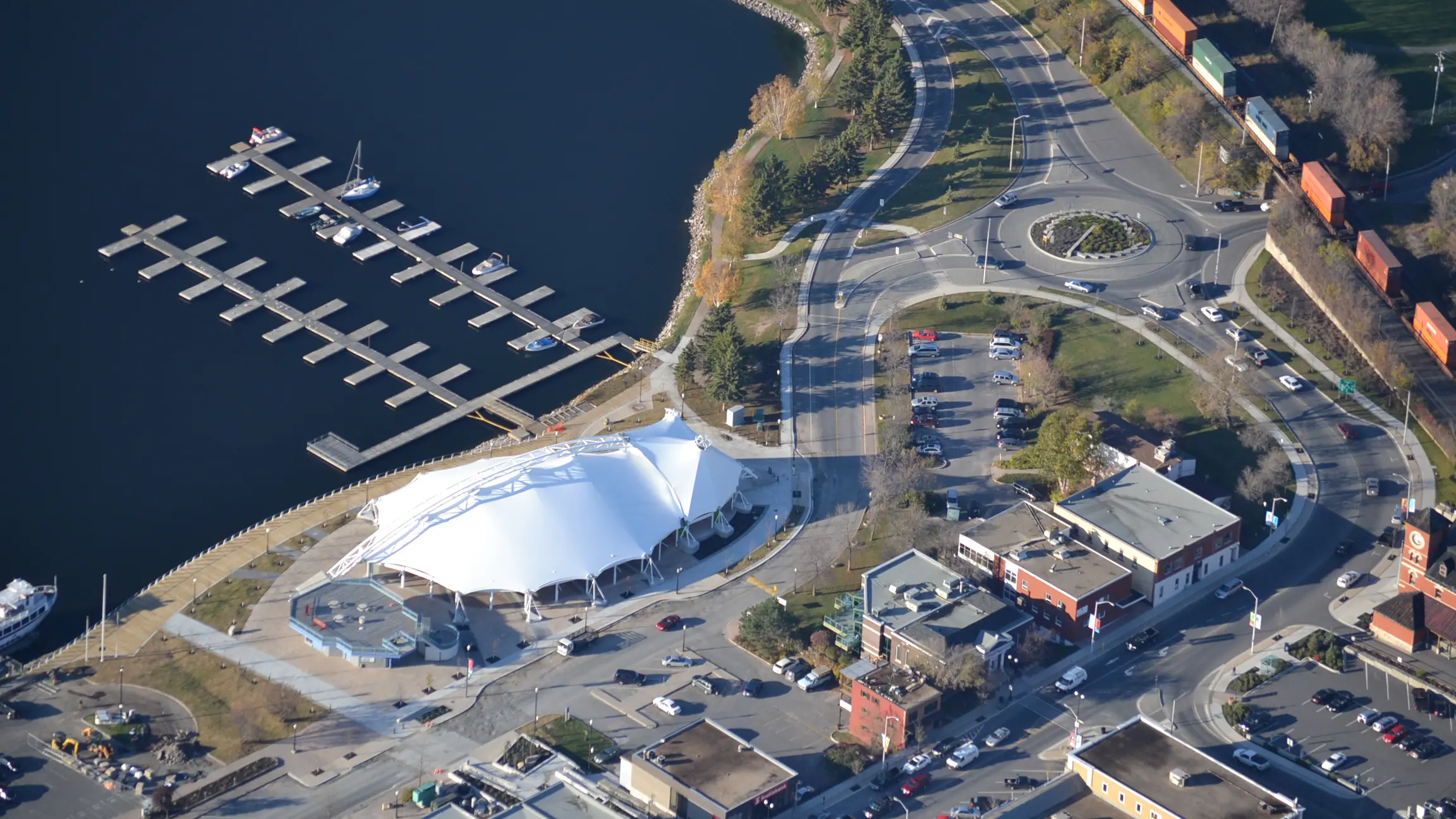
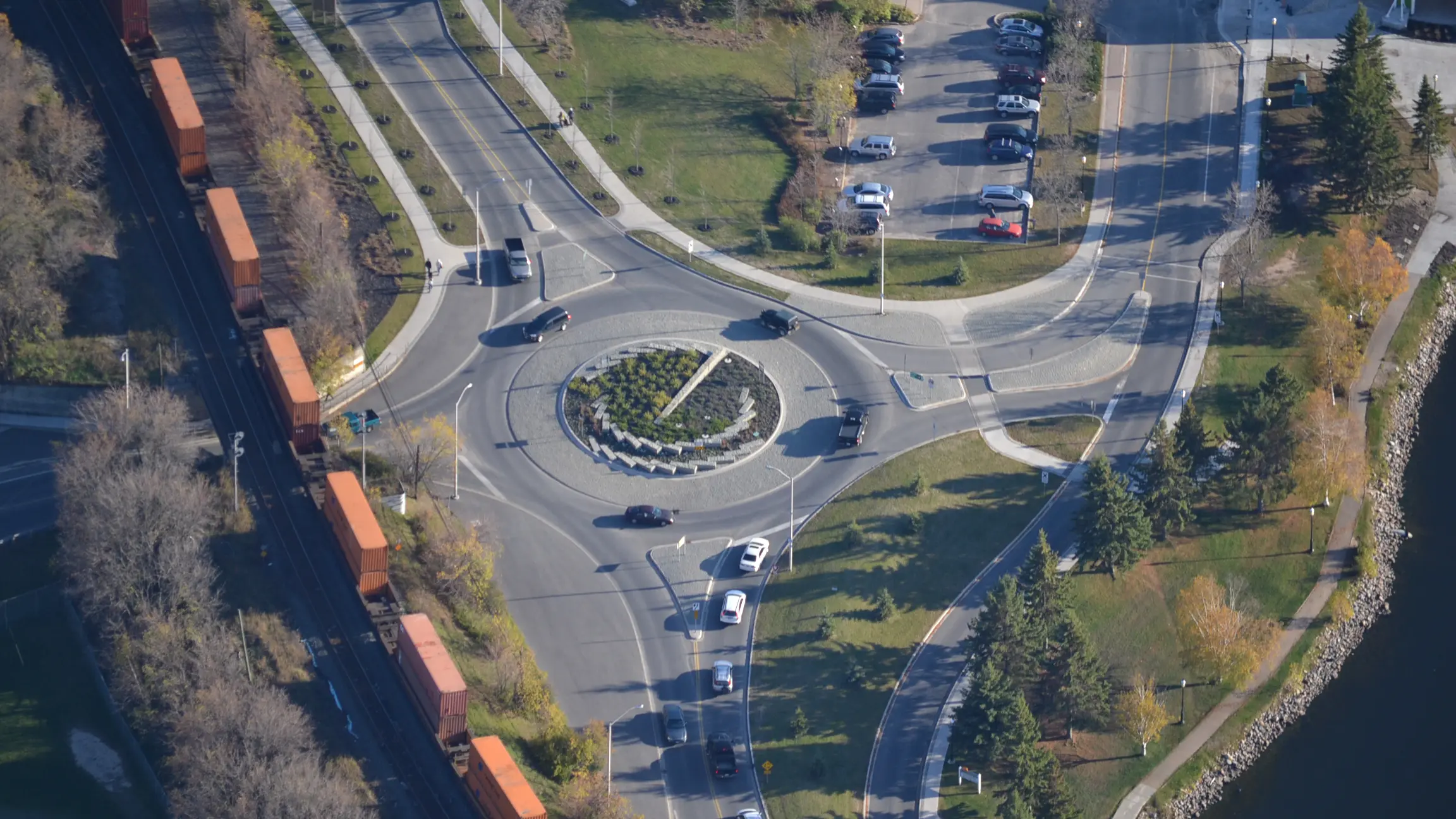
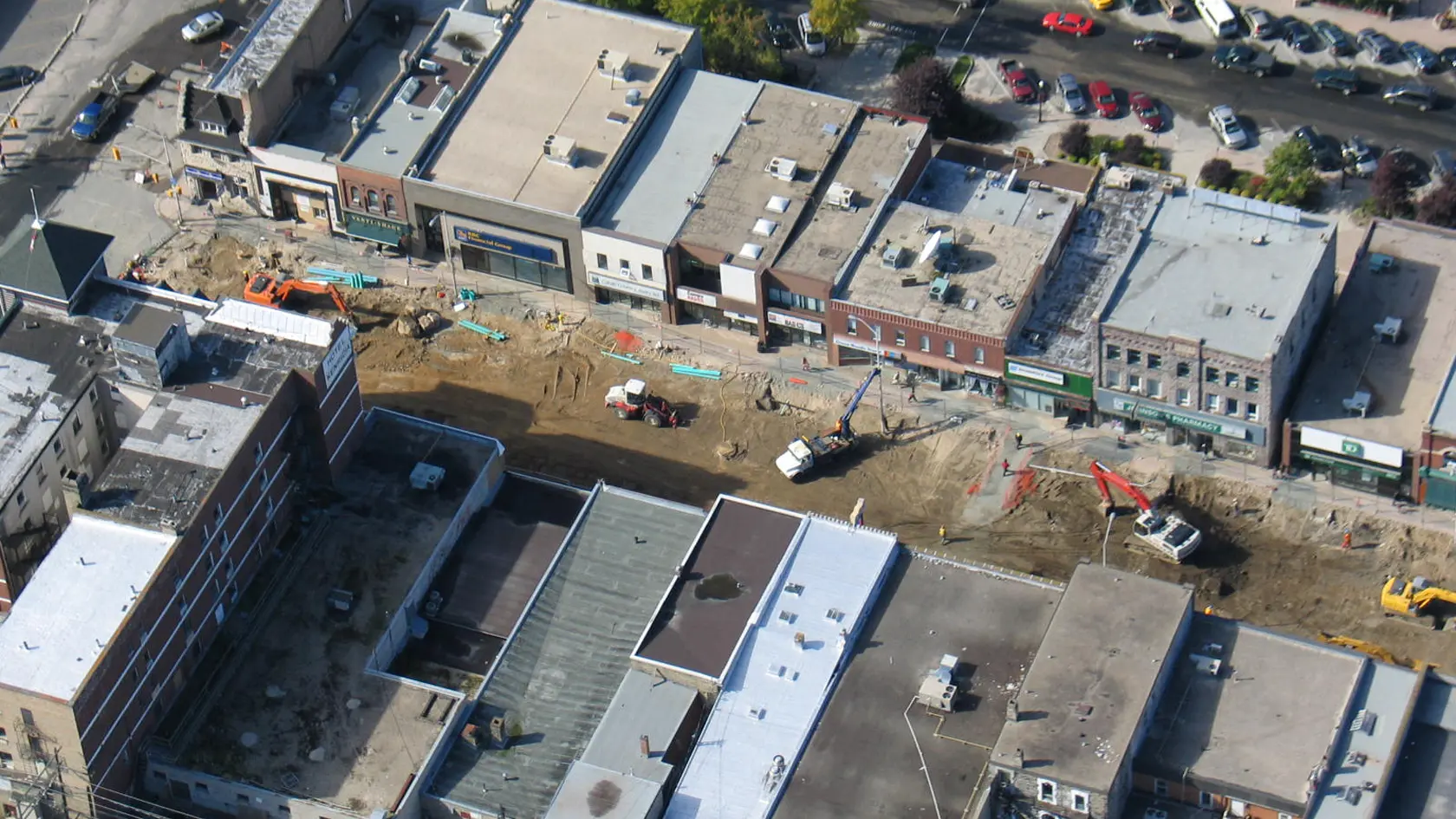
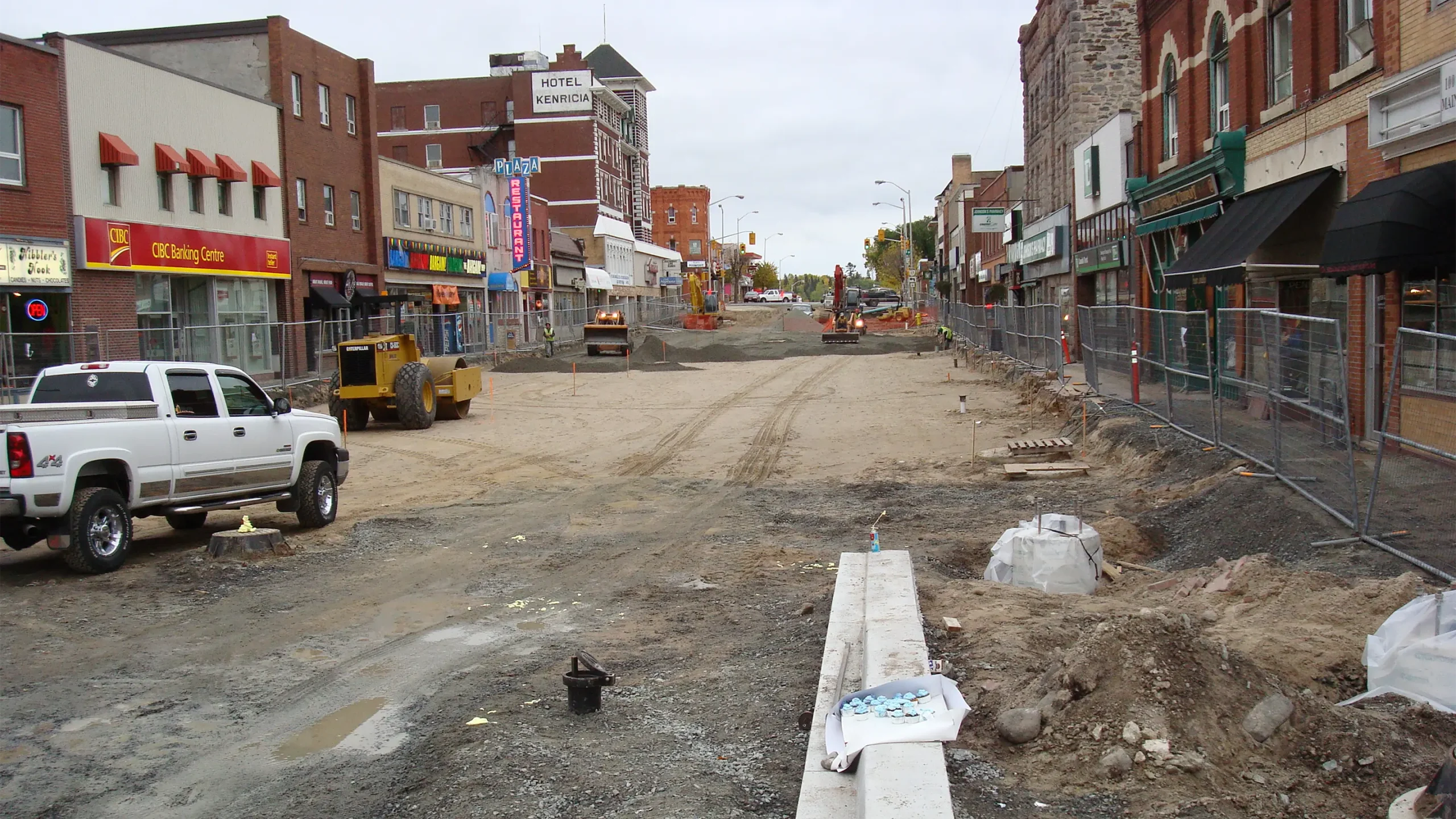
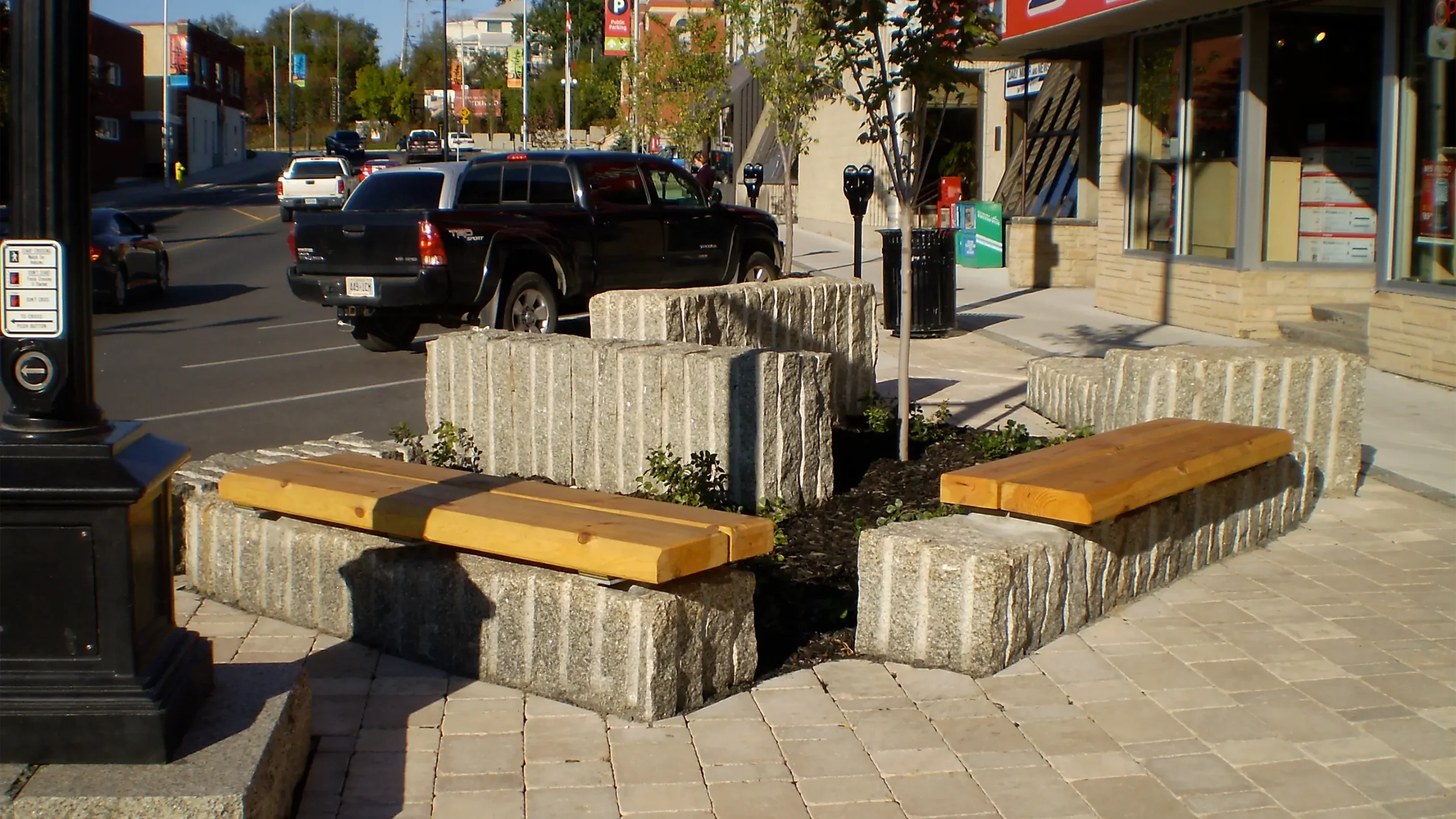
We provided design and contract administration services for a $9.1 million redevelopment of Kenora’s waterfront and downtown precincts – modernizing streets, public spaces and underground services while elevating the pedestrian experience and improving multimodal connectivity. A highlight of this project is utilizing our knowledge of the Complete Streets design methodology to create right‑of‑way that is safer for pedestrians, cyclists and drivers of all ages and abilities.
Working closely with the City of Kenora and stakeholders, the design addressed building interfaces, utility constraints and long‑term maintenance needs. Other major parts of the project included implementing traffic calming elements, pedestrian upgrades, underground renewal and drainage upgrades. Collaboration at focused user meetings resulted in one of the more significant changes from a signalized three-way intersection to the first modern roundabout built along the TransCanada Highway, improving safety and flow.
What was once an aging waterfront area, is now a vibrant pillar of the community that attracts visitors from near and far.
Project Highlights
- Street renewals and realignments across key downtown/waterfront corridors
- Construction of modern roundabout (the first along the TransCanada Highway)
- Sewer and water renewals with building service replacements
- Land drainage upgrades and coordinated utility relocations
- Multi‑use pathways and expanded active‑transportation network
- Boardwalk extension along waterfront for continuous access
- Tensile fabric event centre to support community programming
- Accessible design features – tactile‑delineated sidewalks and grading to meet guidelines
- Haptic roadway surfacing at intersections for traffic calming and awareness
Yellowquill Trail Relocation
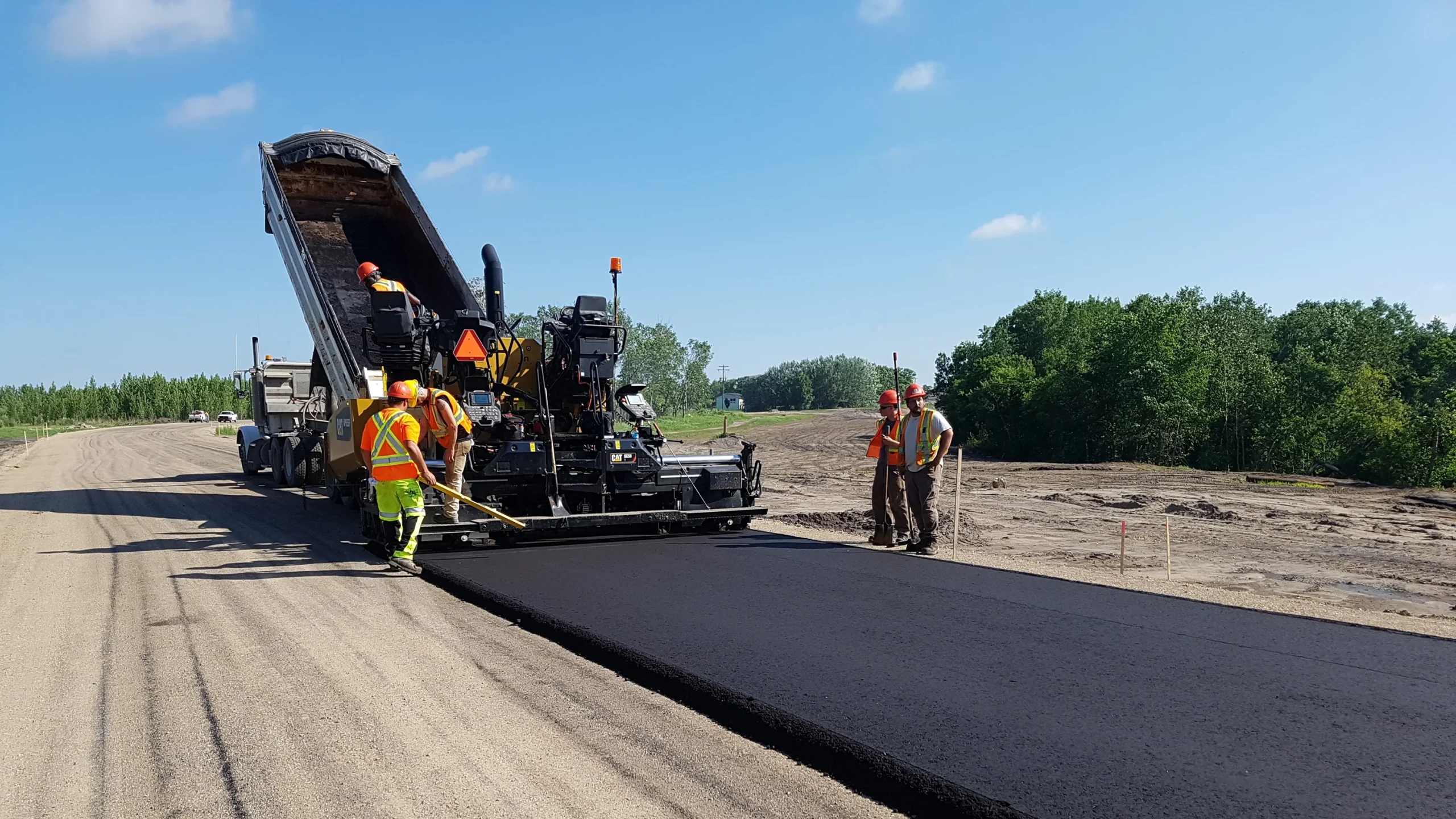
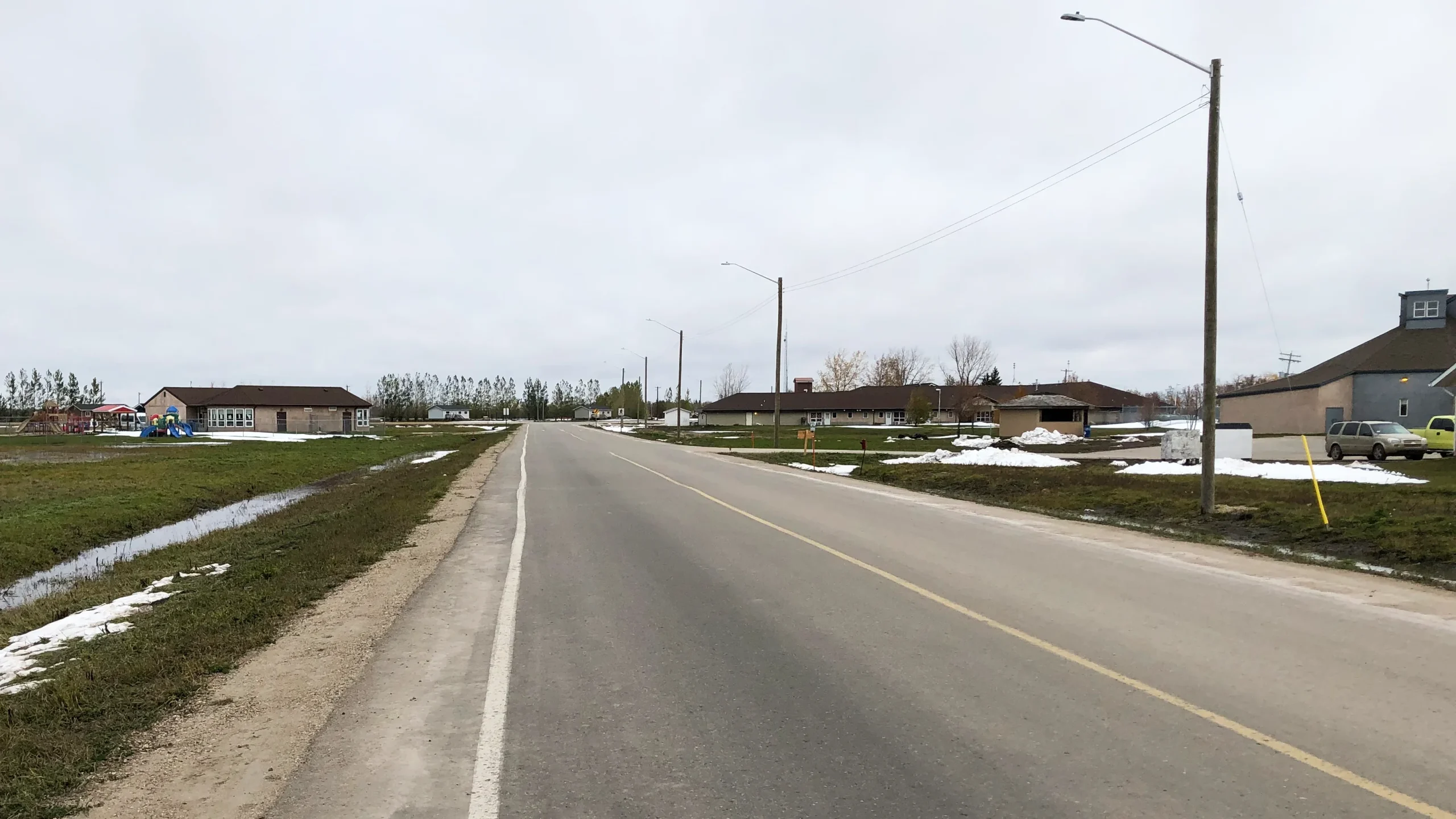
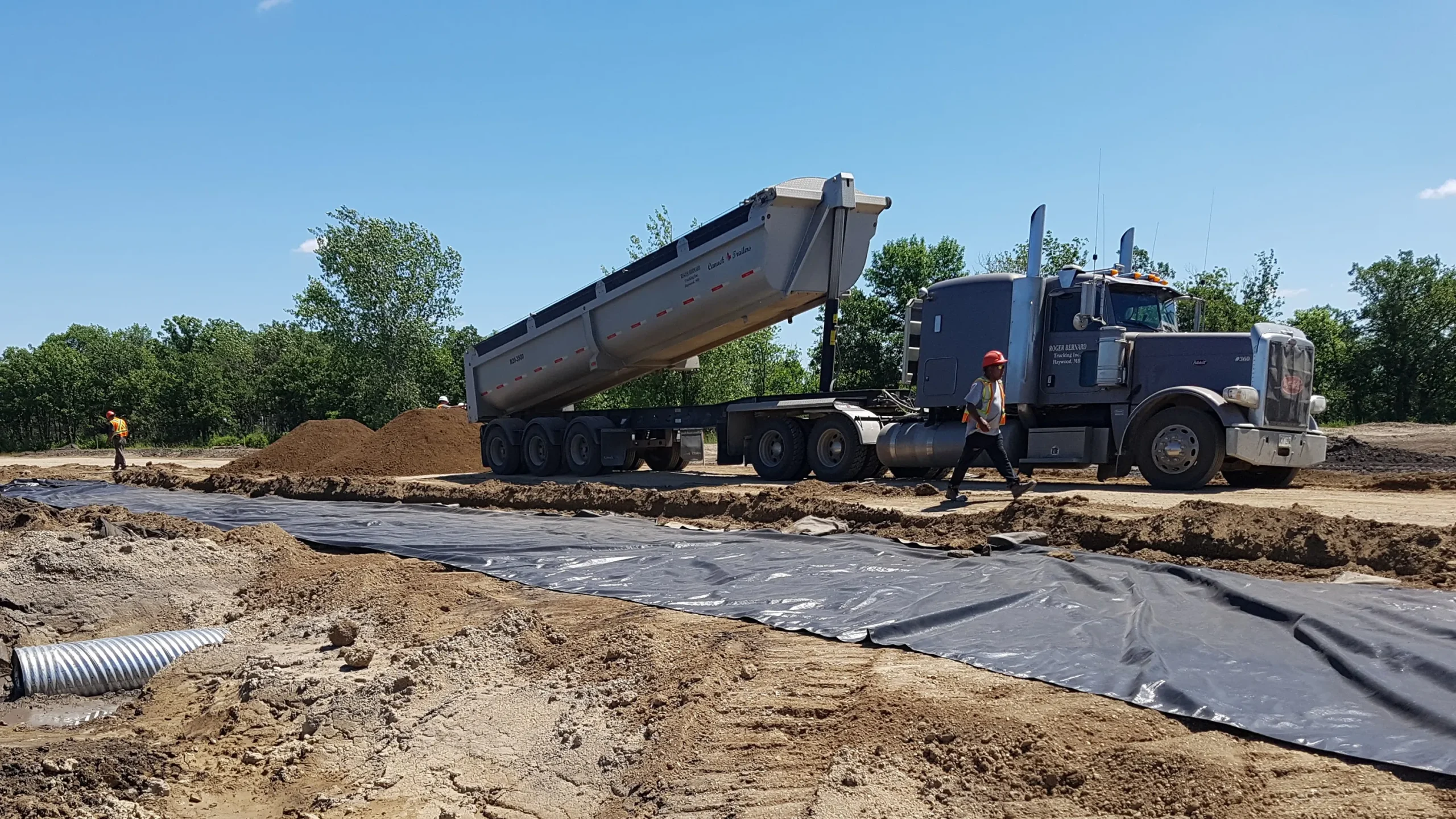
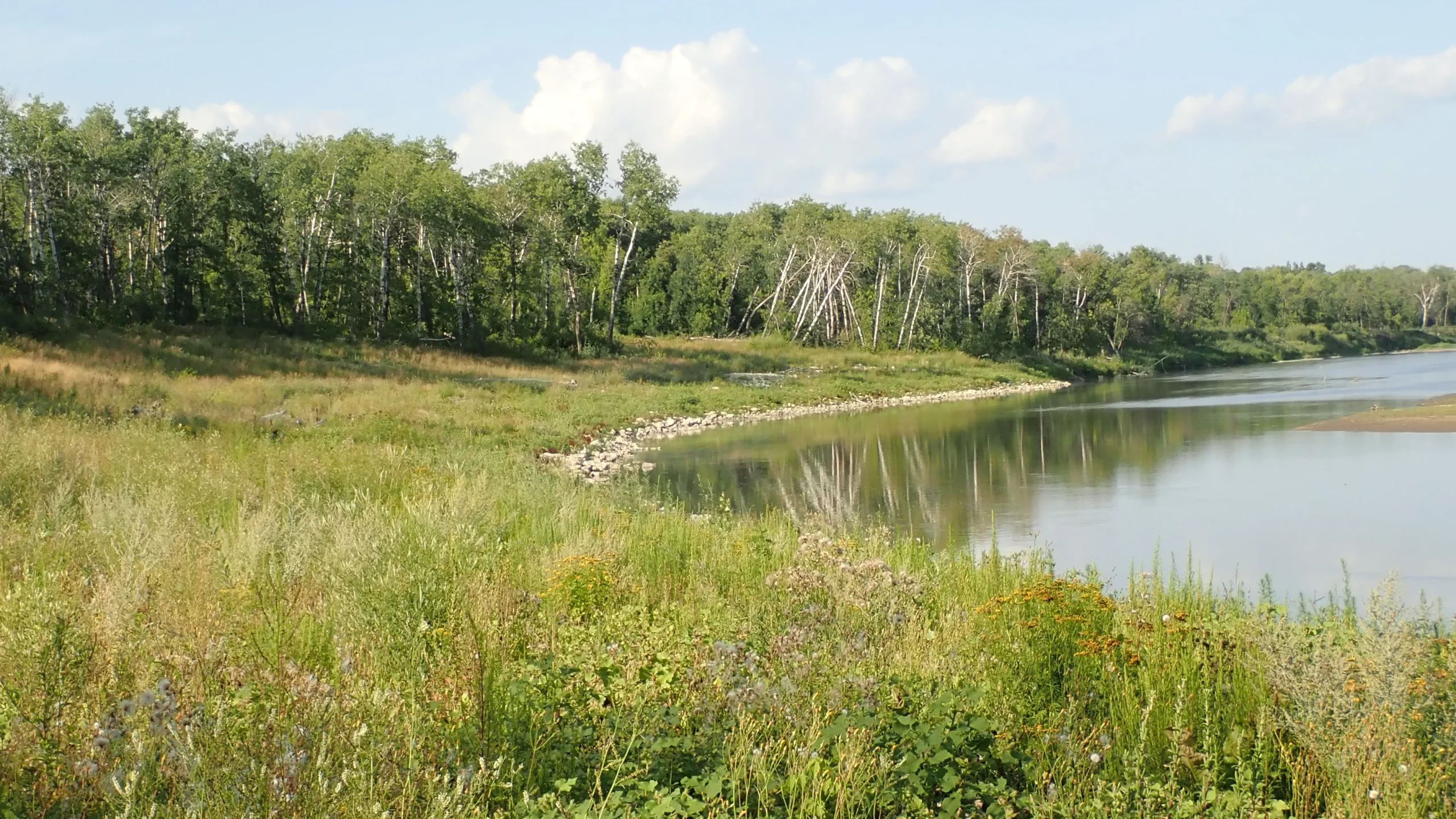
Heavy winds, rain and hail accompanied a tornado that touched down in Long Plain First Nation in 2016, causing riverbank movement that damaged Yellowquill Trail, the main roadway through the community.
KGS Group provided engineering services for the permanent re-establishment of the roadway, completing an extensive drilling and monitoring program, slope stability analysis and assessment of potential options for remedial riverbank works versus roadway and utility relocations. We also acted as the project contract administrators responsible for all environmental approvals, geotechnical investigations, riverbank stabilization as well as the municipal design of the new road alignments.
The result was a reliable roadway that will protect the community from future erosion and potential future encroachment on community infrastructure.
Project Highlights
- 500 metres of riprap erosion protection, riverbank regrading and drainage swale construction to protect the community from the long-term effects of erosion of the lower shoreline and potential future encroachment of community infrastructure
- Realignment of 1,600 metres of asphalt roadway for the new alignment of the Yellowquill Trail
- Installation of new water main, sewer, service connections and raw water along the relocated road
- Extensive revegetation design at the site, including revegetation with native grasses, trees, shrubs, and willows
PR 304 to Berens River All Season Road
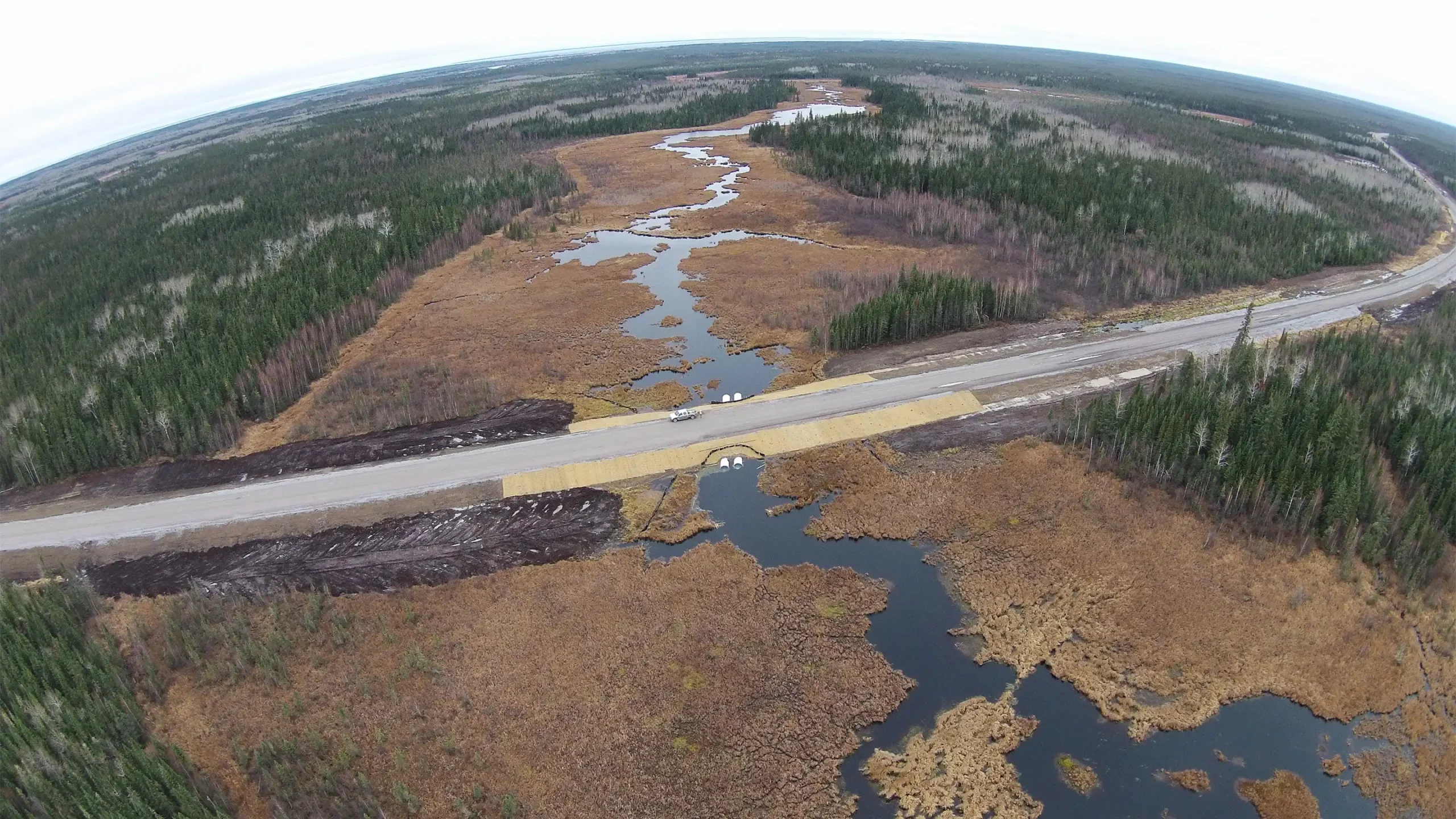
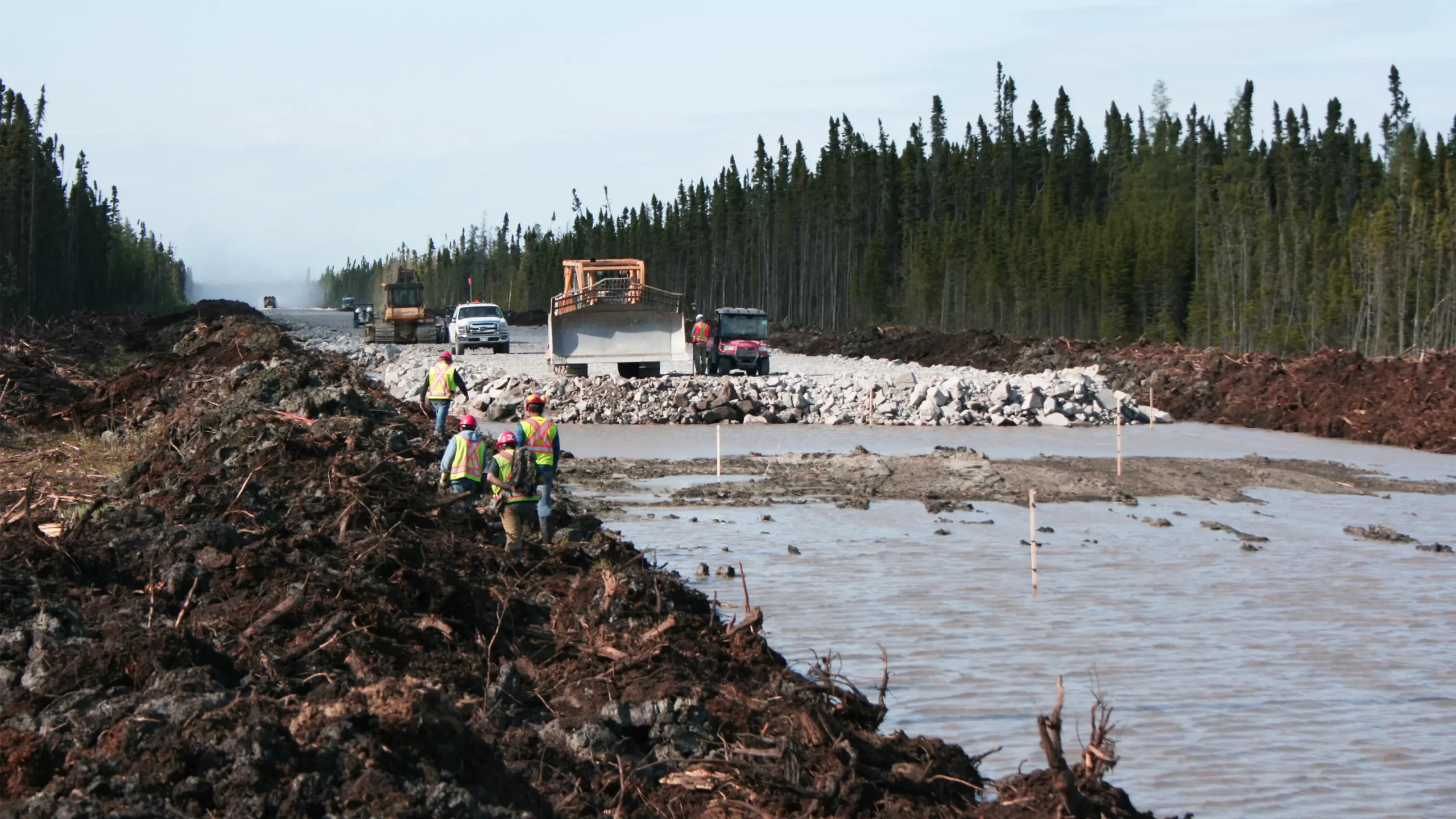
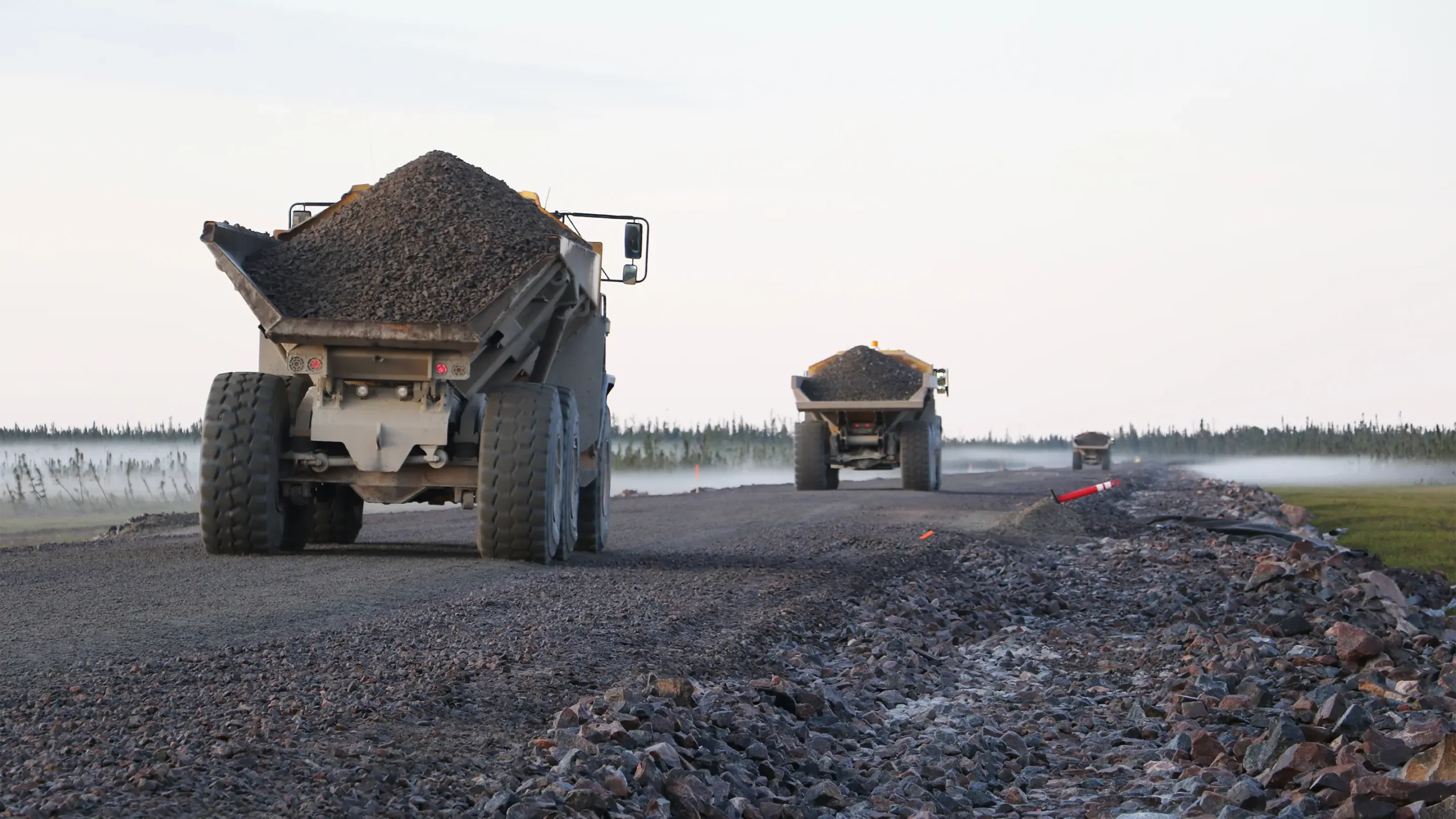
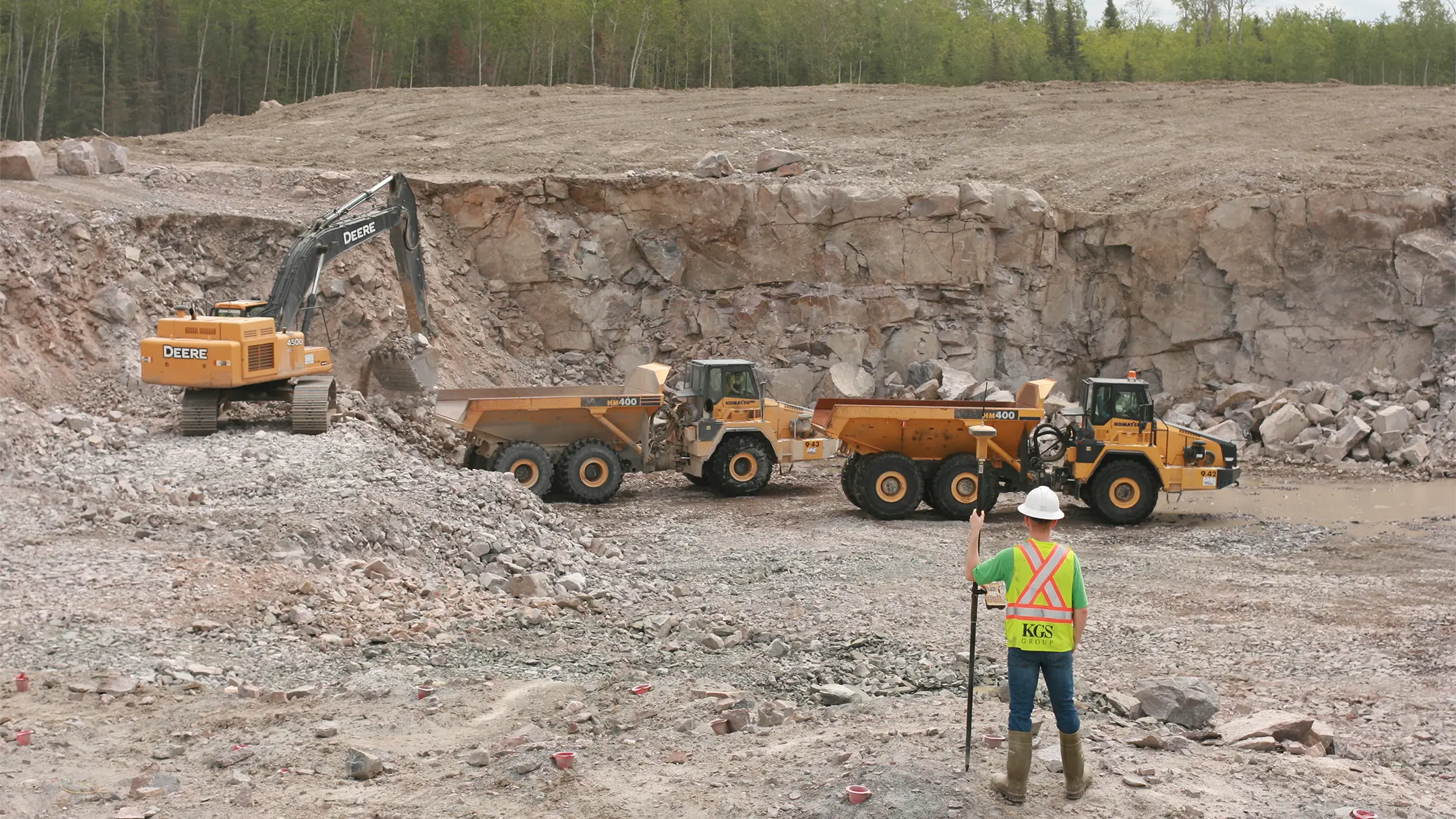
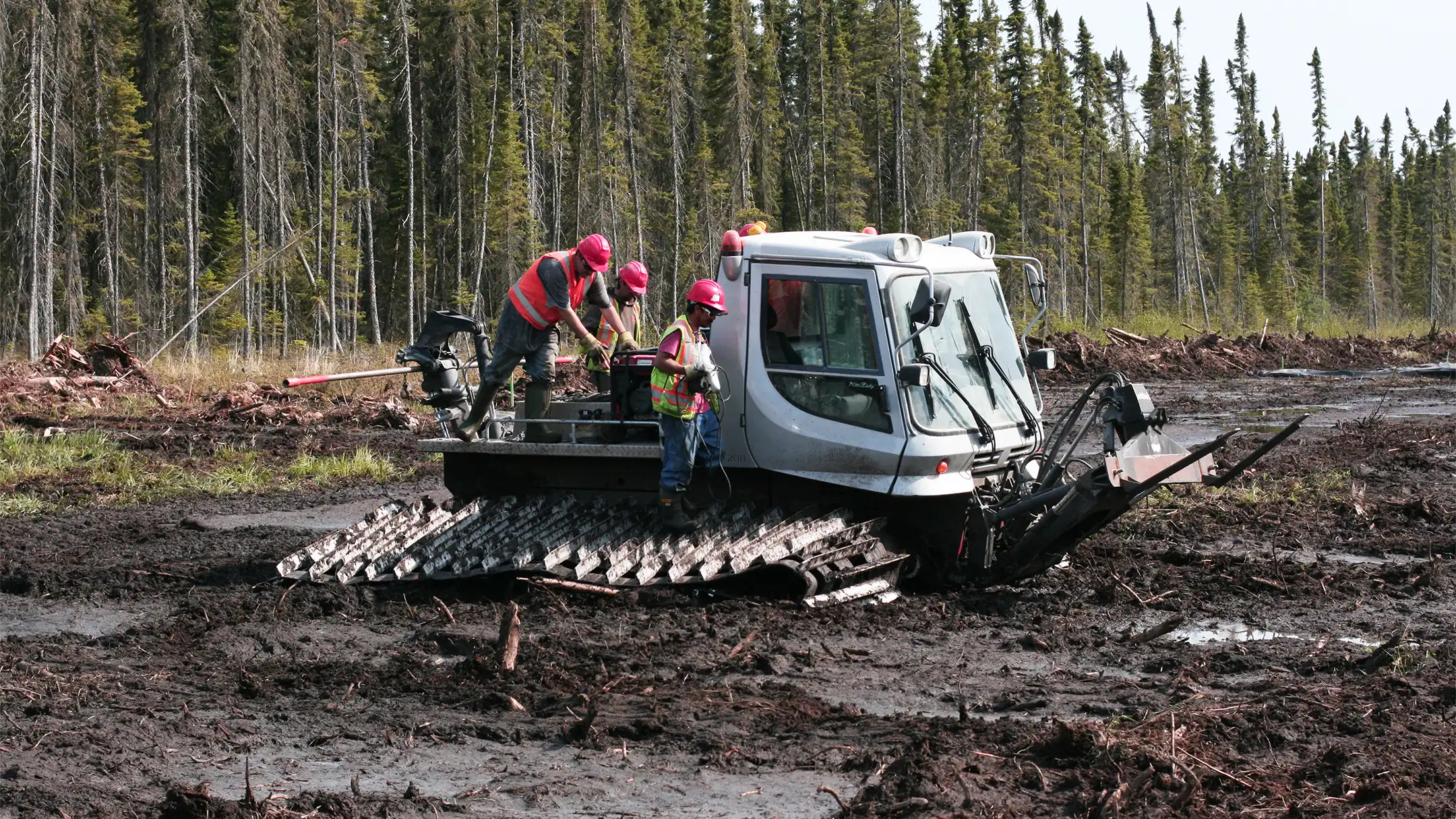
Lake Winnipeg’s east side is a provincial jewel, with vast stands of boreal forest, an abundance of wildlife and a vibrant traditional culture. Despite these assets, the lack of permanent road connectivity resulted in detrimental societal and economic impacts.
Recognizing the benefits of reliable access, KGS Group teamed with other firms to oversee the construction of a new 158-km all-season roadway including nine individual river crossings connecting to both Bloodvein and Berens River First Nations.
Over a six-year duration, KGS Group met numerous challenges including wide-ranging terrain, seasonal-access restrictions, limited accommodations, rigorous safety requirements, complex assignment sequencing, robust environmental protection measures and timely public liaison.
Project Highlights
- Construction of Manitoba’s first open-bottom, multi-plate arch culvert with MSE wall structure to protect fish habitat
- Coordination of external Community Benefit Agreements (CBA) for road aggregate production and tree clearing
- Application of ground-penetrating radar (GPR) studies to determine subsurface conditions
- Application of sonar mapping to determine and qualify bridge pier and abutment locations
- Application of Traditional Ecological Knowledge (TEK) studies to optimize final roadway alignments
Fort Severn First Nation Winter Road Relocation Study
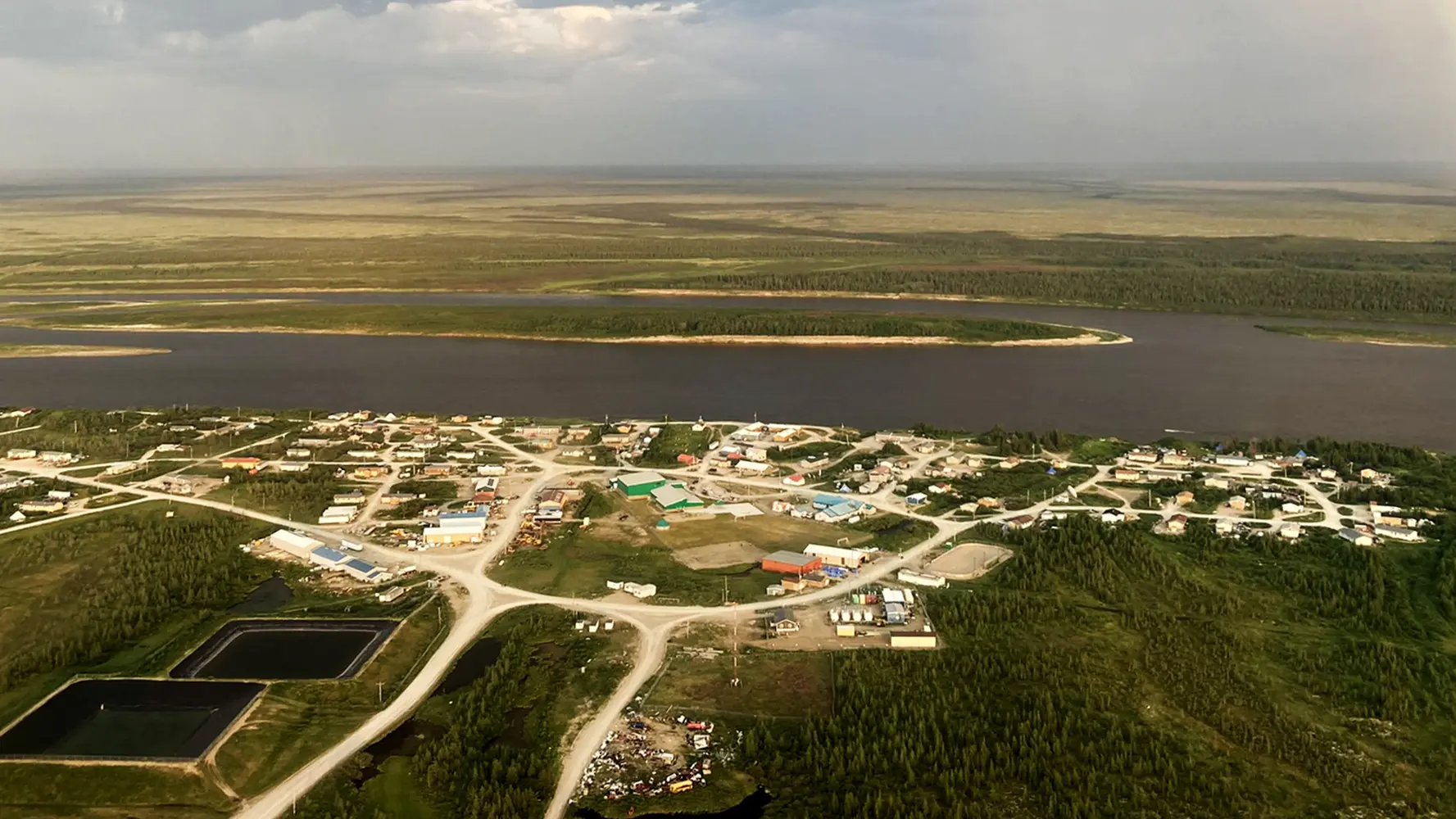
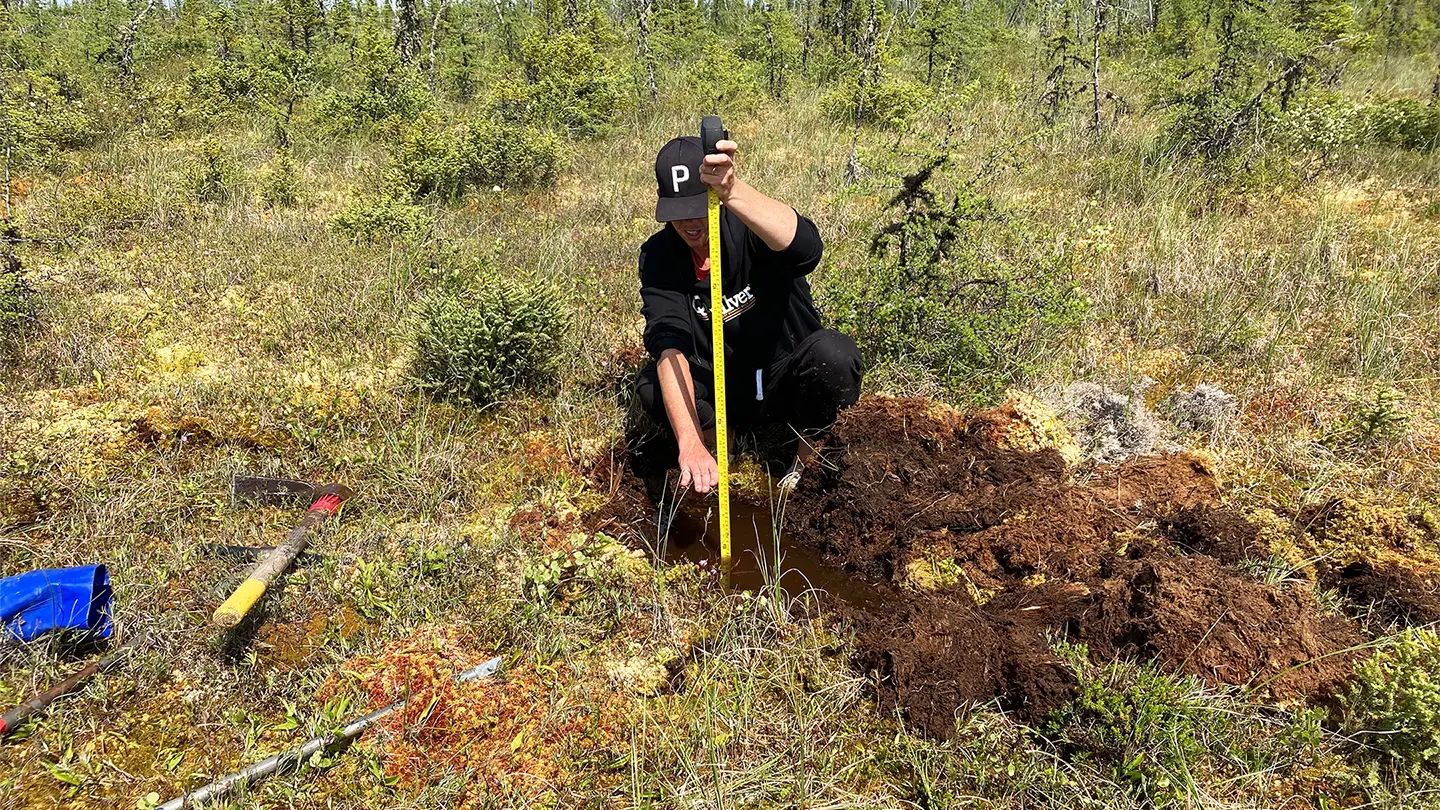
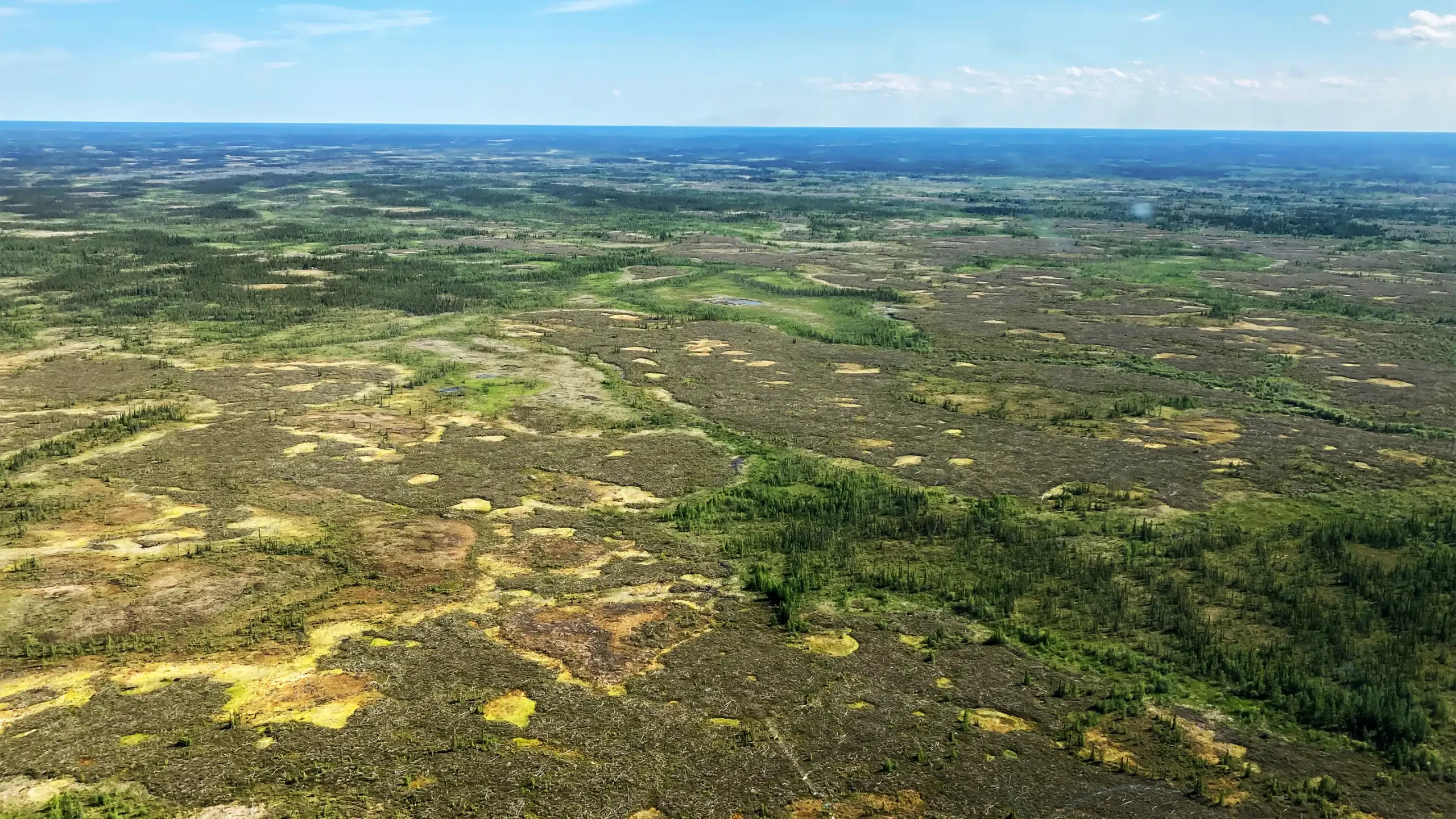
Winter roads have been lifelines for remote northern communities for decades. Inaccessible by permanent or all-season road networks, these communities rely on winter roads as a cost-effective means of ground transportation for goods and services such as the delivery of fuel, food, construction materials and equipment.
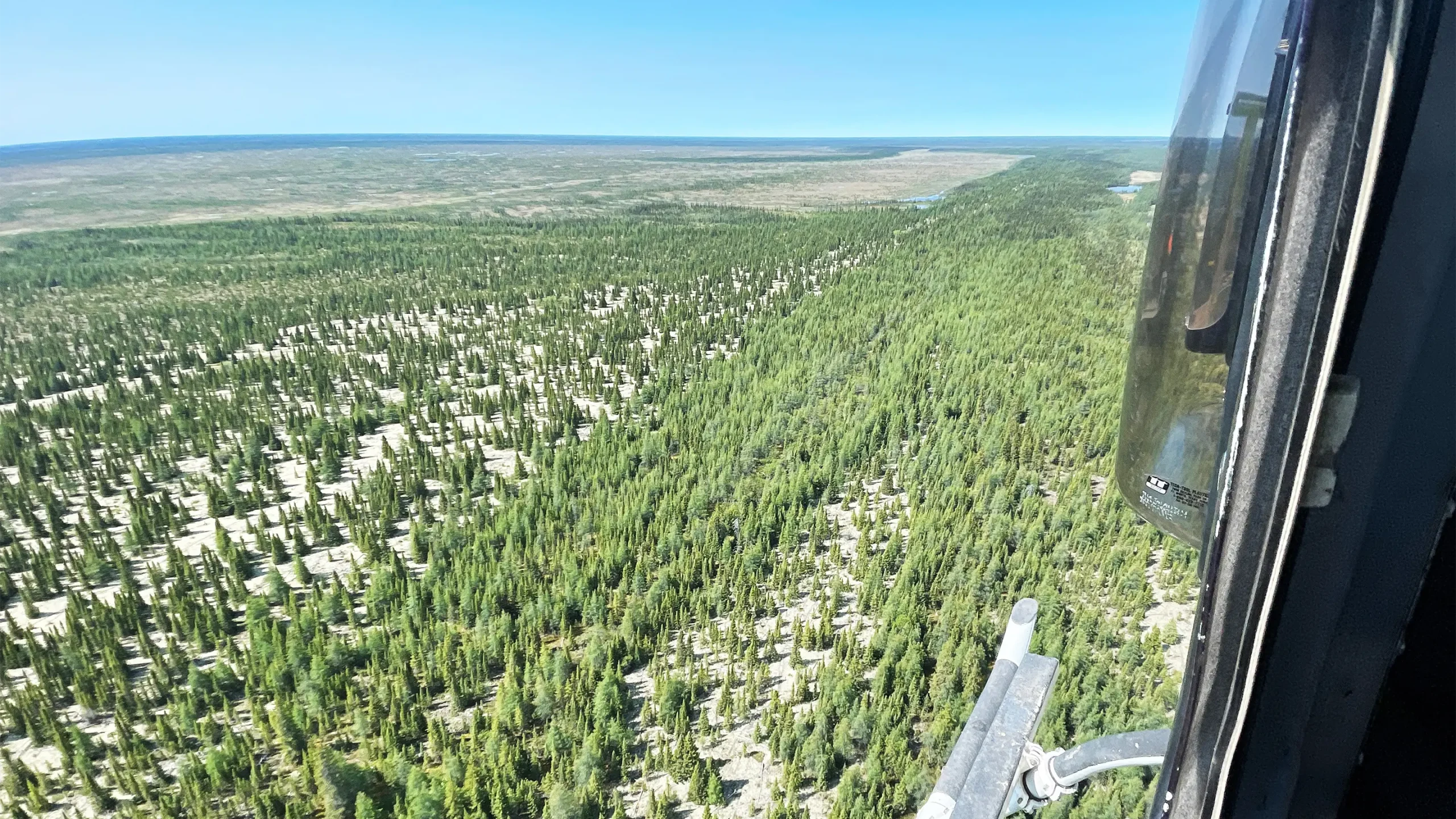
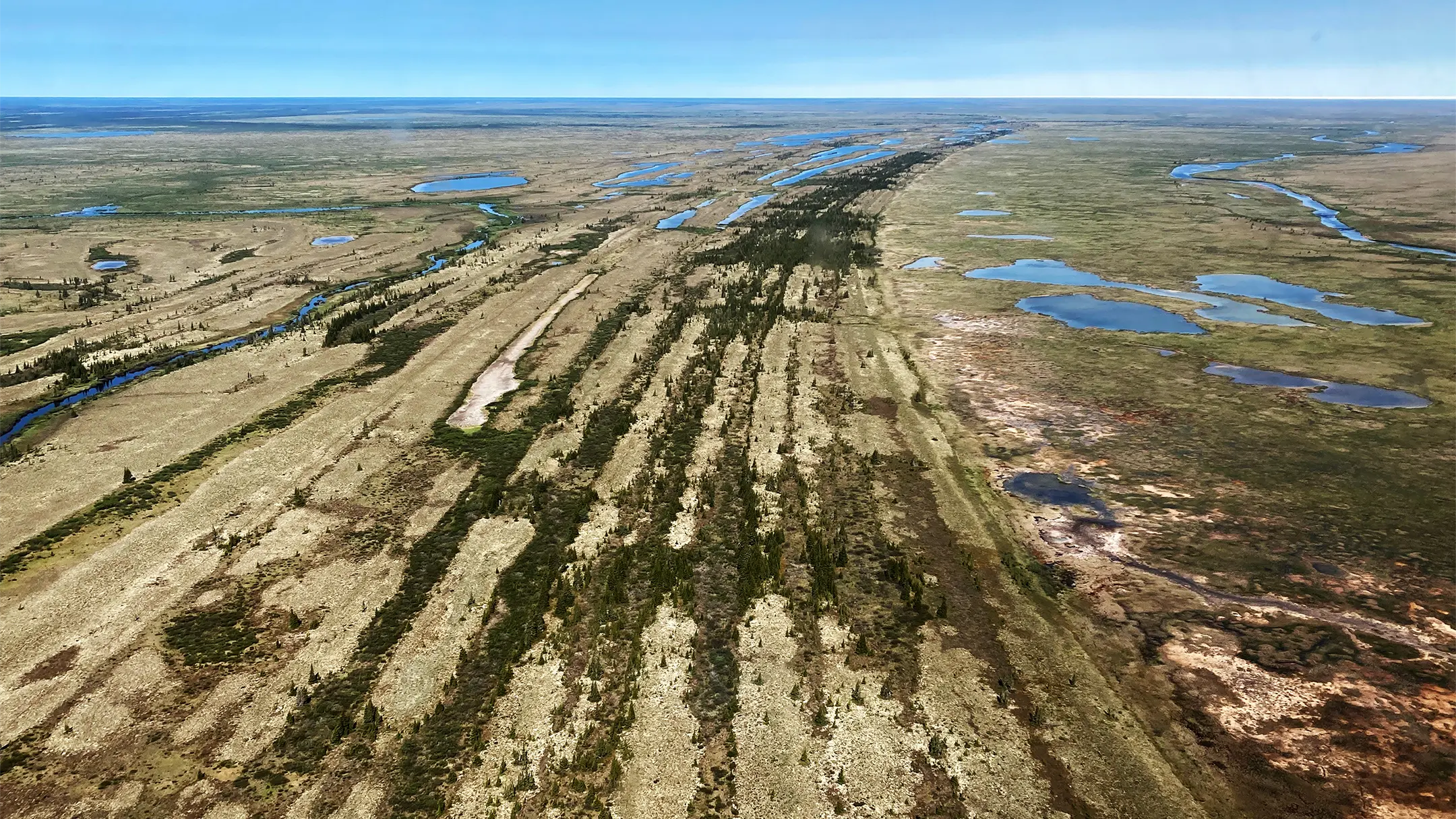
Fort Severn First Nation is the most northern community in Ontario, located at the mouth of the Severn River on the coast of Hudson Bay. Situated on the coastline with no permanent all-season road access, the remote community relies on their winter road network to transport supplies. Climate change has severely reduced the serviceability and sustainability of the Fort Severn winter road that was constructed through organic terrain and lakes.
KGS Group collaborated with the community, Keewaytinook Okimakanak, and environmental scientists to examine the feasibility of the relocation and redesign of the existing winter road. Alternative options were developed by using climate sensitive routing and construction strategies optimized through geotechnical investigations and a helicopter reconnaissance program. The team prioritized options that were adaptive to climate warming and minimized overall environmental impact while keeping cost in mind. Preliminary environmental studies were also completed to initiate some of the environmental work that would be required as part of an environmental assessment process.
The final result of the study includes a plan for a climate-resilient winter road that will enable vital access to the community despite the challenges of climate change. This new approach to re-routing winter roads considers environmentally and culturally sensitive areas while setting the community up for future all-season access.
Project Highlights
- A plan for the relocation and redesign of the existing winter road across organic terrain and lake crossings with climate-sensitive route planning to look at alternative options
- Preliminary environmental studies were completed to initiate the work required as part of the assessment process
University of Manitoba Roadway Capital Improvement Program – Fort Garry Campus
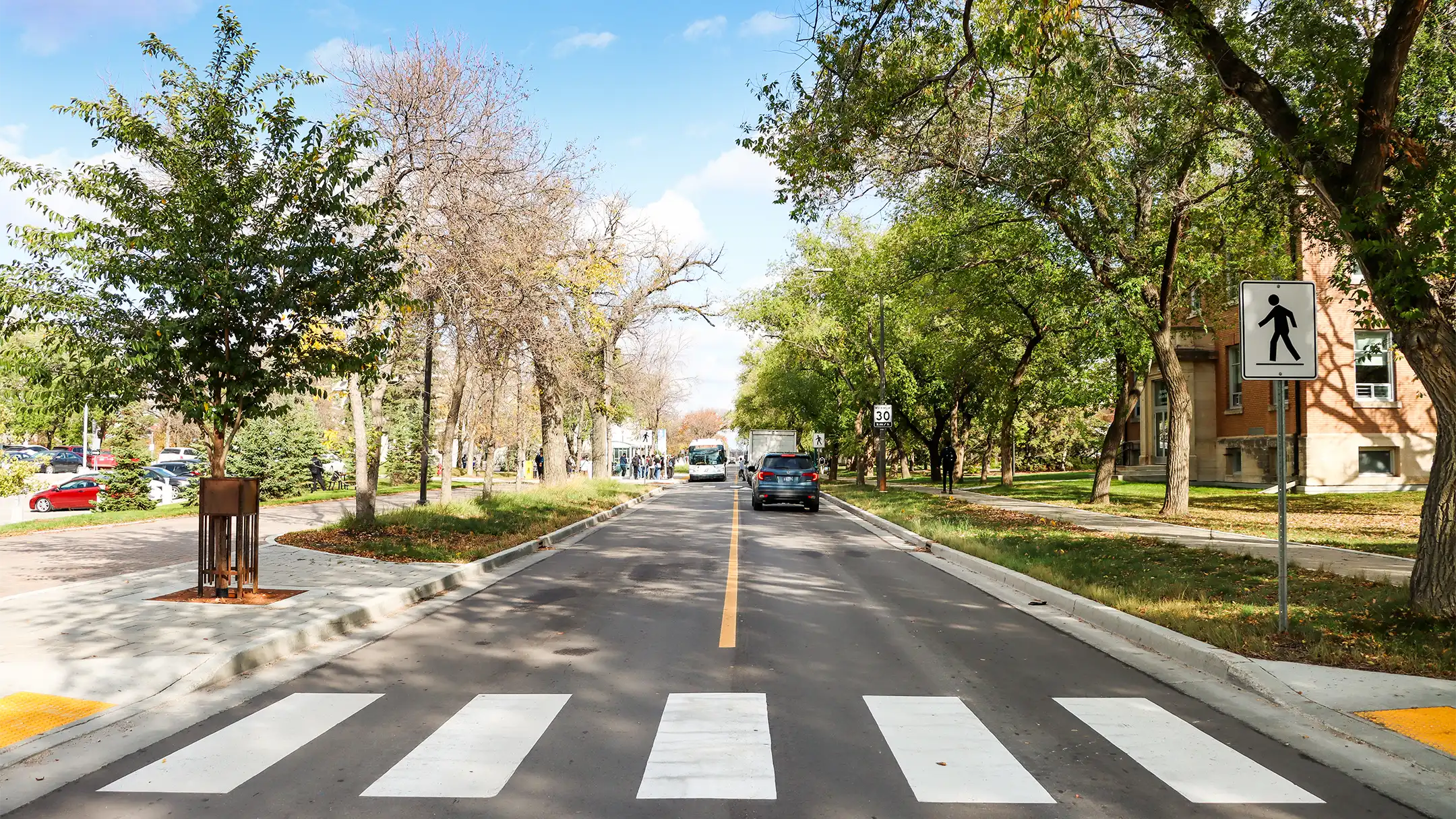
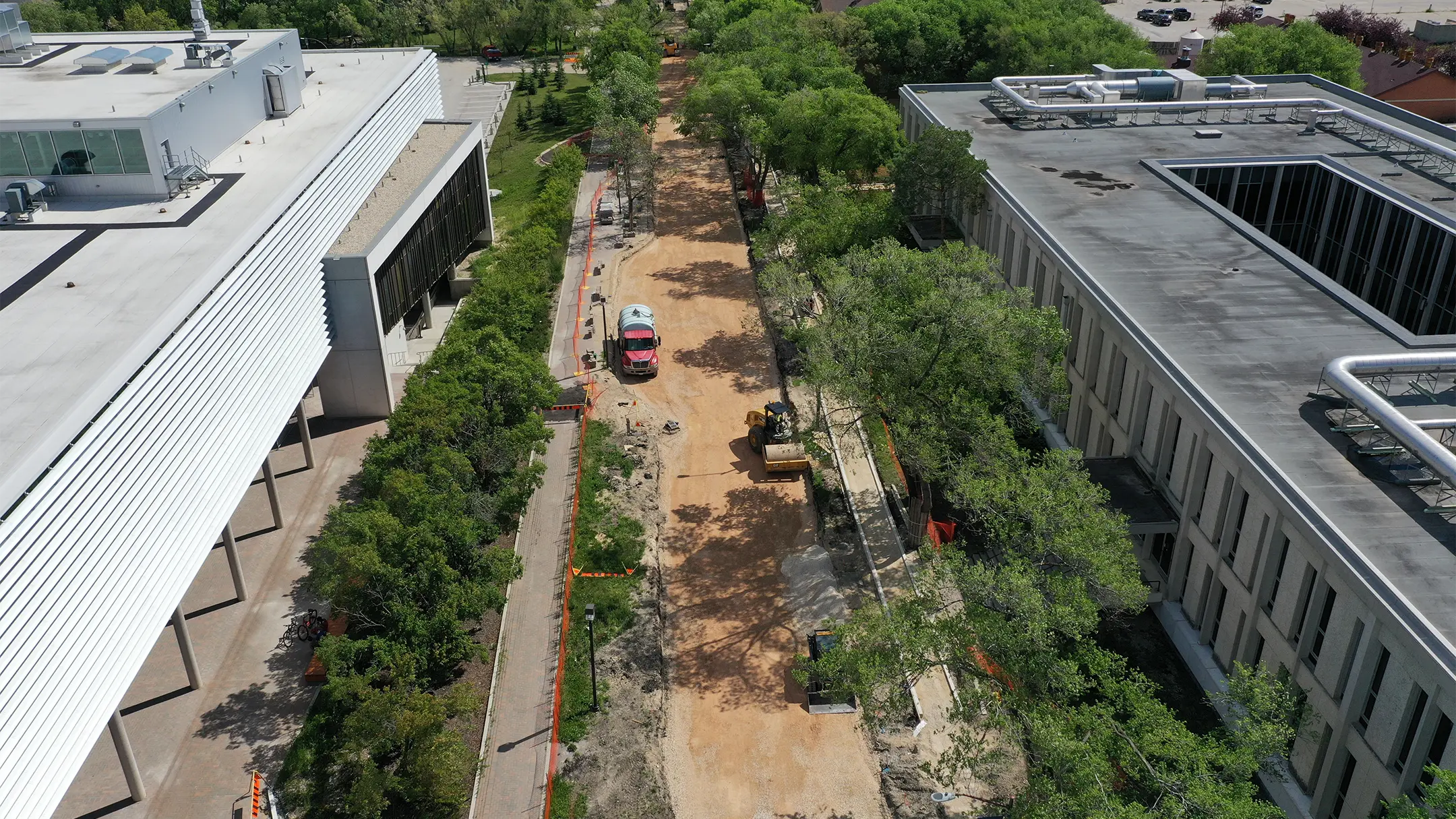

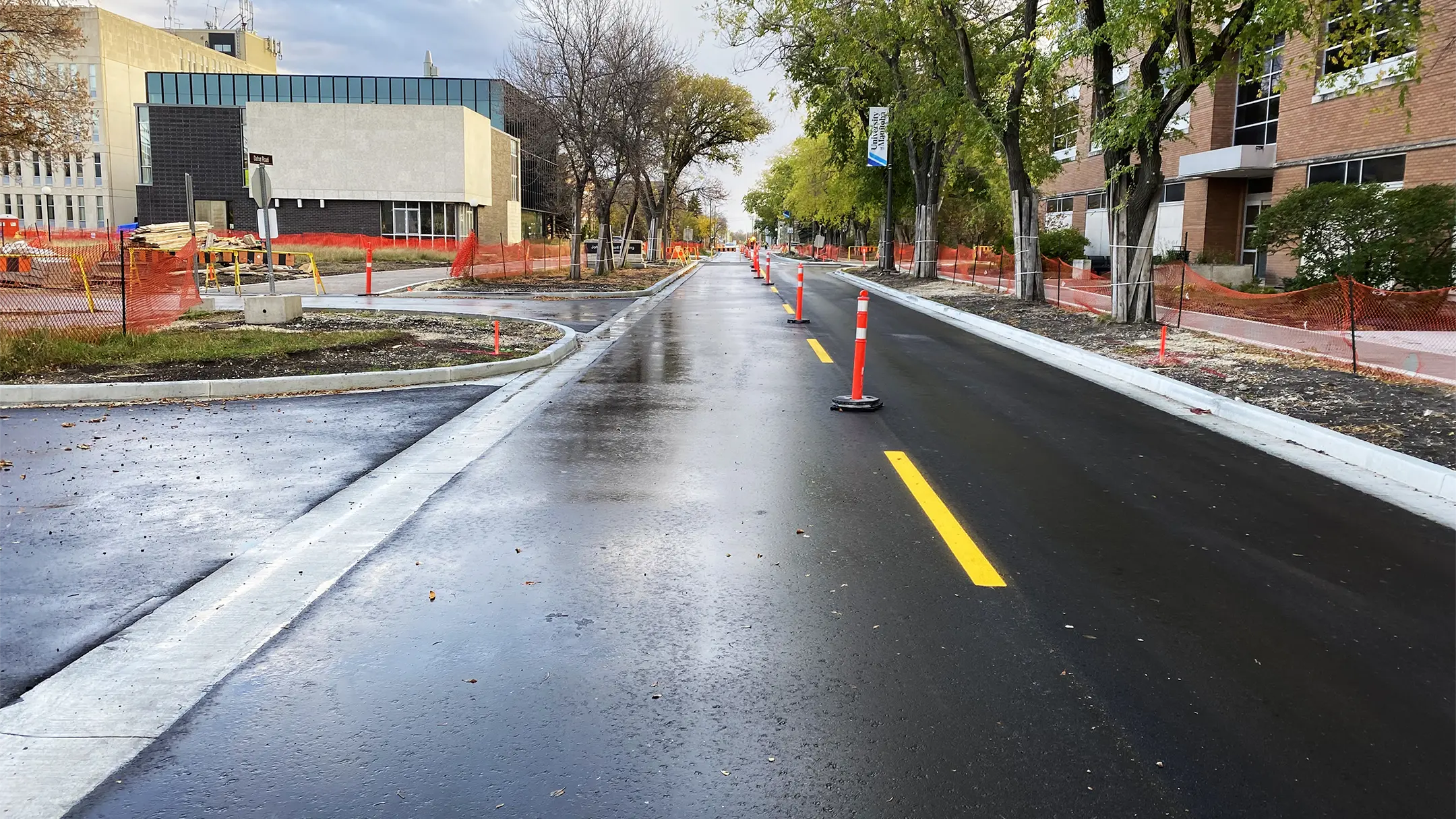
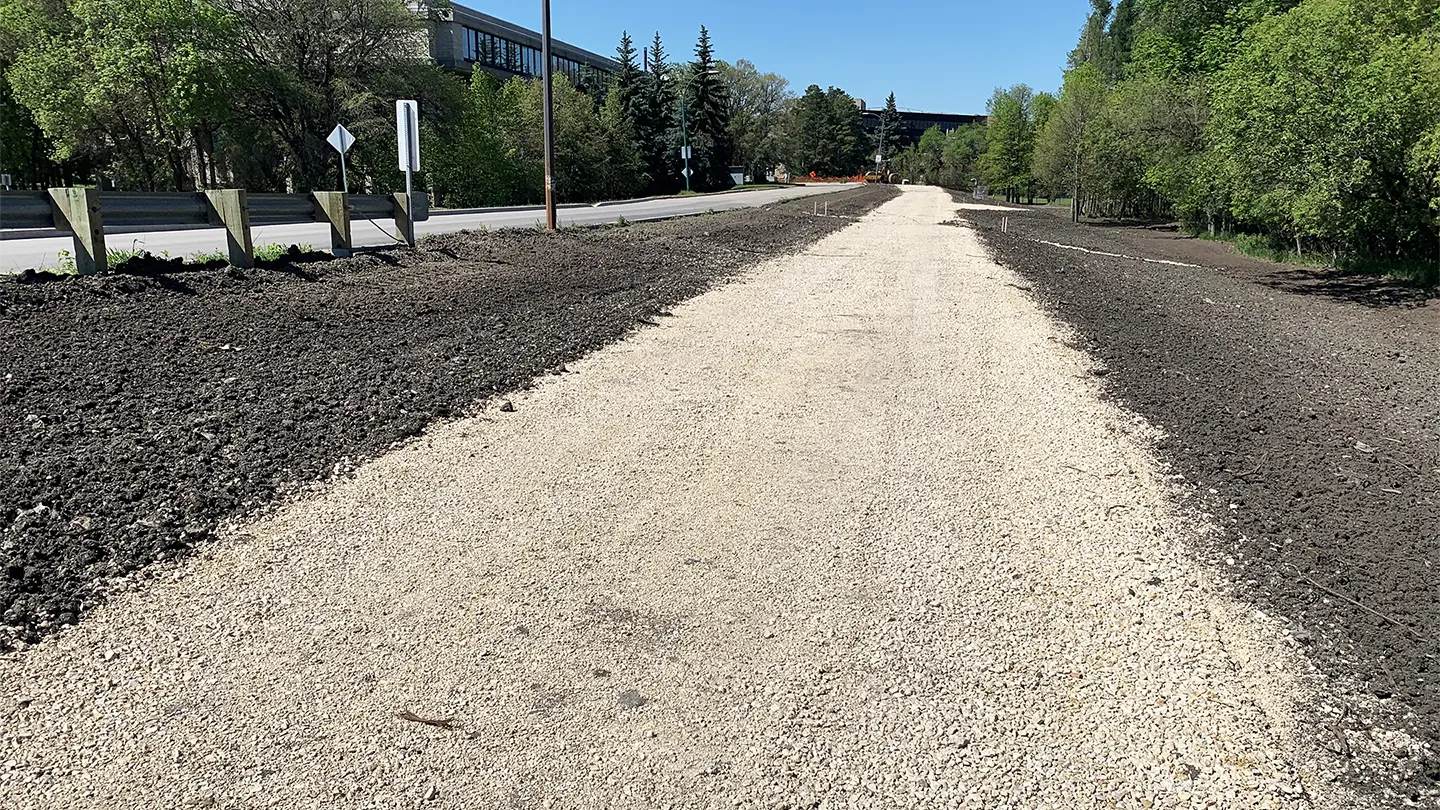
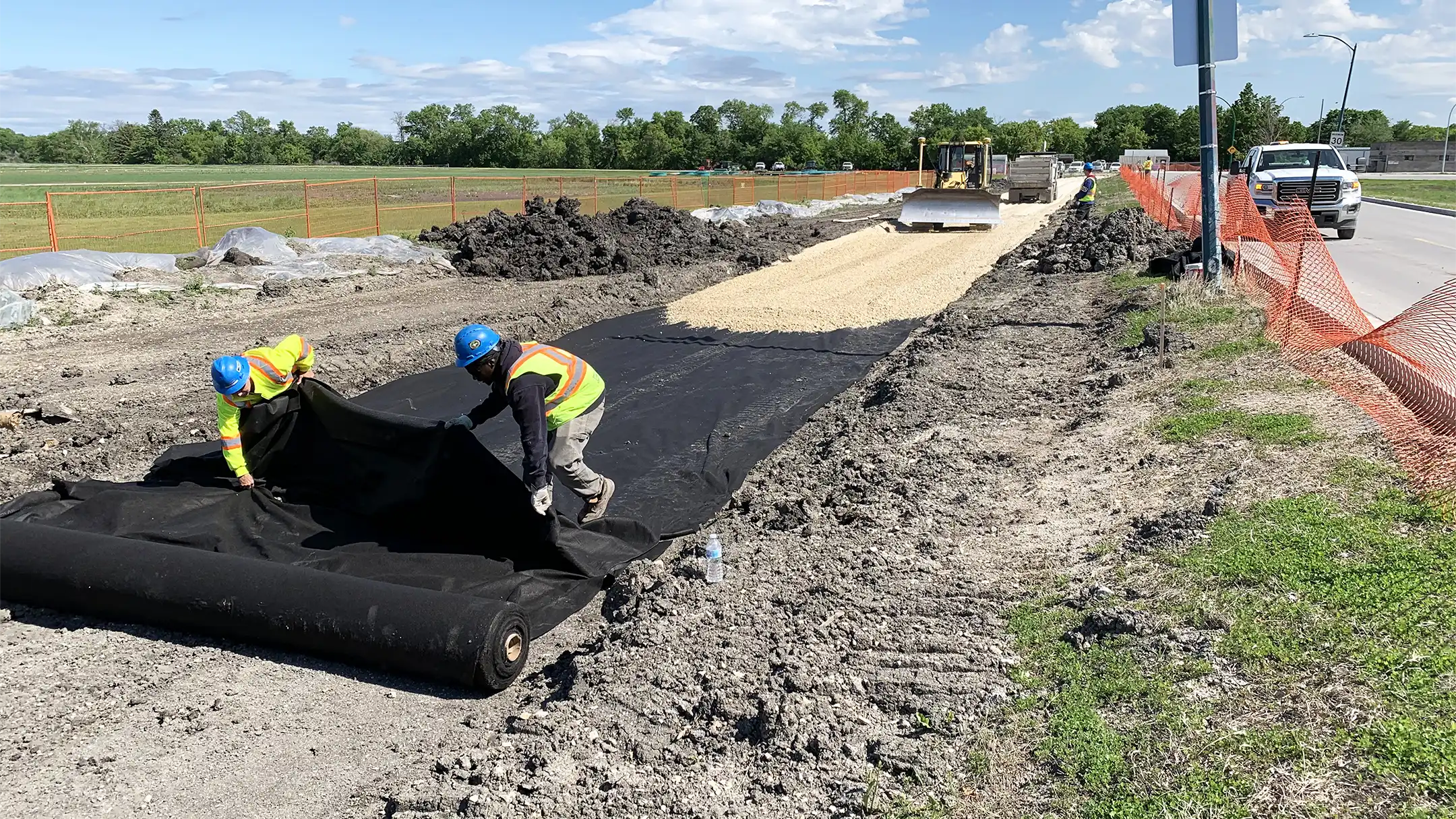
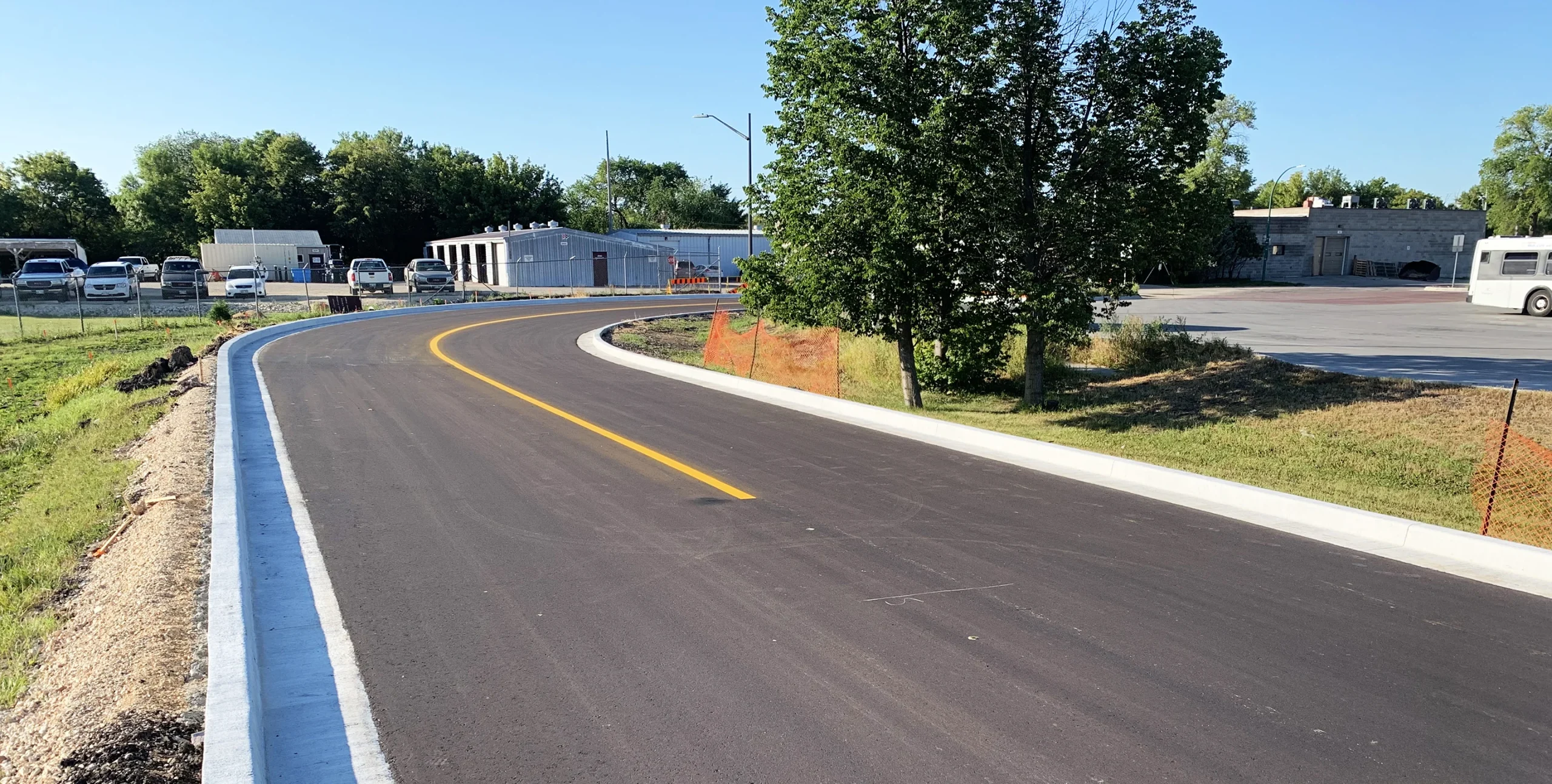
A multi-year endeavour, the University of Manitoba’s Roadway Capital Improvement Program involved the renewal of an aging roadway network throughout the entire Fort Garry Campus. KGS Group was retained to reconstruct 6-lane‑kilometres of urban and rural roads to deliver a more durable, accessible and attractive public realm. The program integrated extensive streetscaping to enhance mobility and the campus experience for everyone.
KGS Group provided project management, design and contract administration with careful phasing to minimize disruption, combining geotechnical and topographic investigations with condition assessments to define repairs, optimize asphalt and concrete pavement structures, and align pathway routes to serve key campus destinations. KGS Group also delivered comprehensive underground utility renewal to improve reliability, serviceability and long‑term performance.
Project Highlights
- Reconstructed 6-lane‑km of urban and rural campus roadways
- Constructed 1.75 km multi‑use pathway
- Installed Broadway paver sidewalks to upgrade pedestrian corridors
- Planted street trees and installed custom benches
- Optimized asphalt and concrete pavement structures
- Relocated traffic signals and delivered campus signage plans to improve wayfinding and safety
- Renewed water mains and sanitary sewers
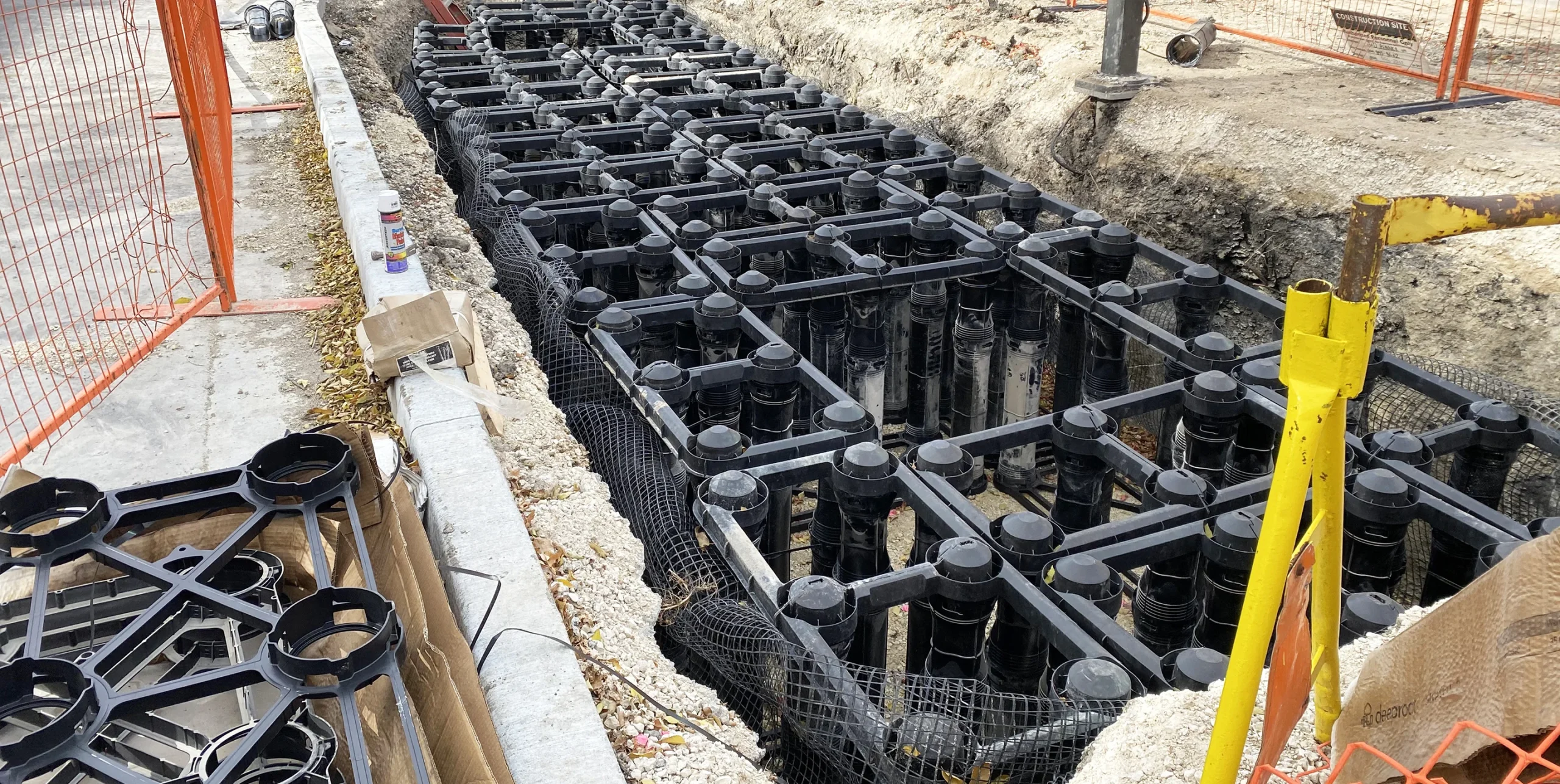
- Installed land drainage system to support urban trees and stormwater management
- Developed comprehensive renewal designs for water mains, sanitary sewer, land drainage with modular suspended pavement system, steam and condensate lines, chilled water and pre-cast utility trenching
Emerson Port-of-Entry
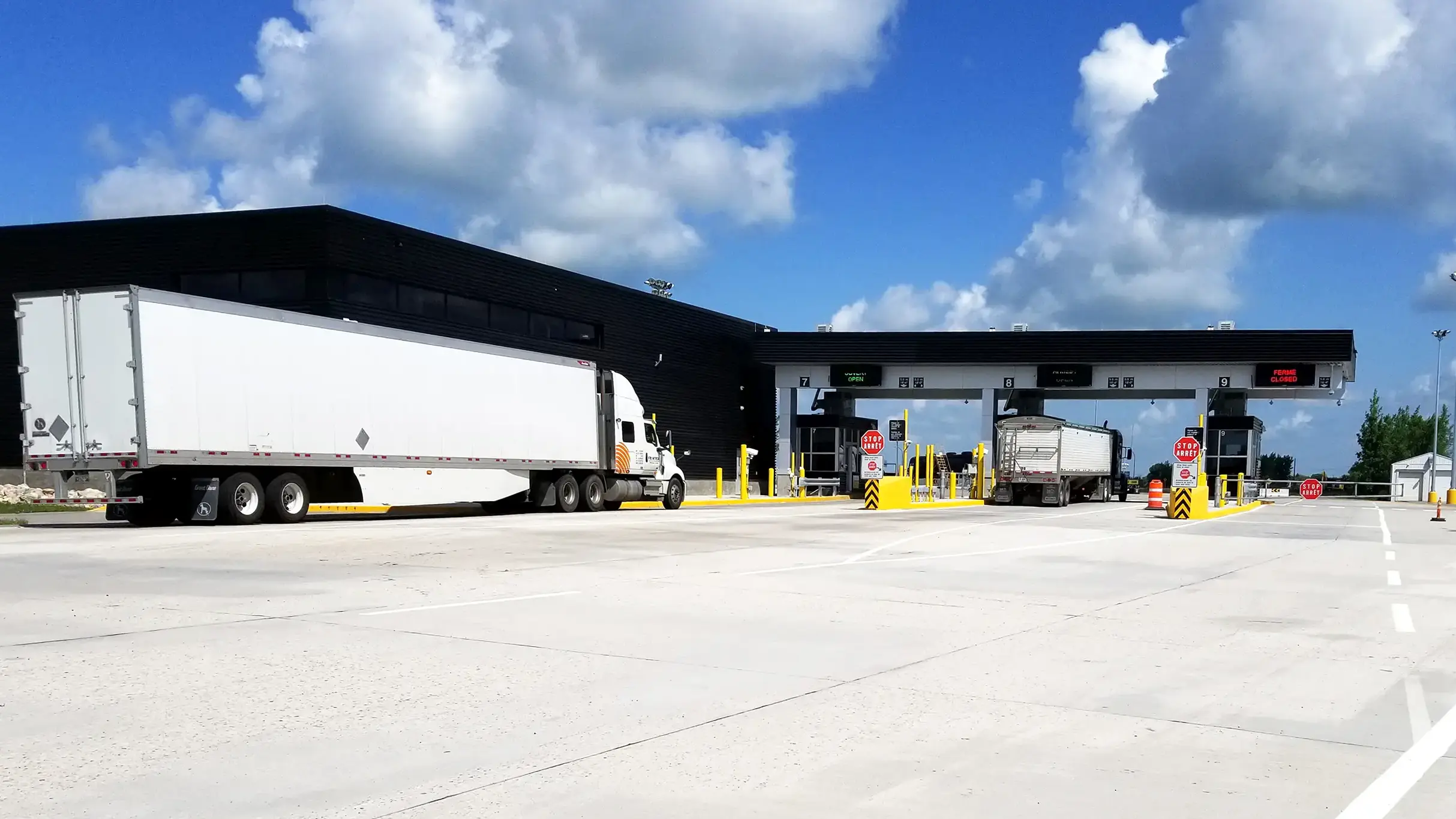
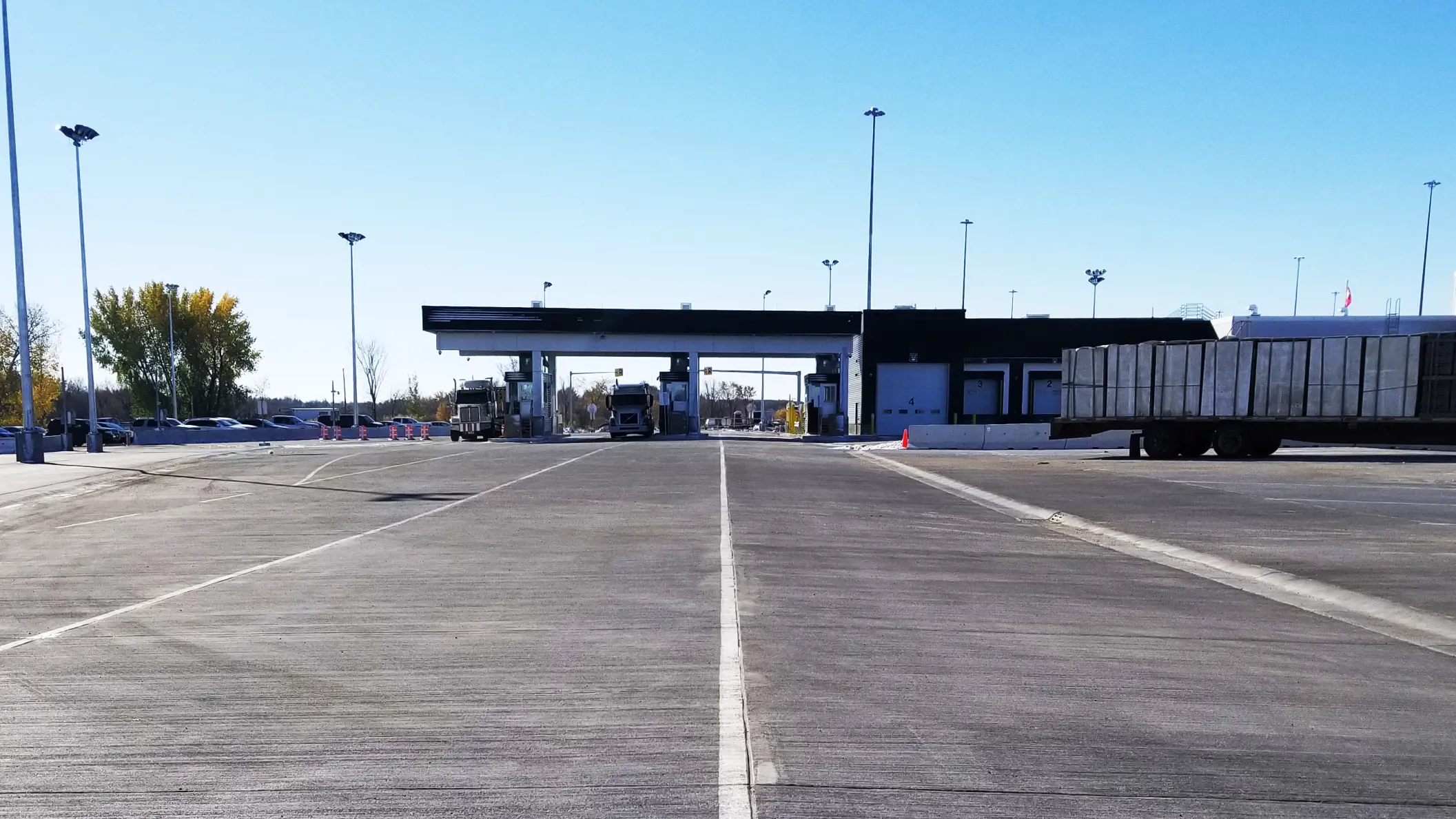
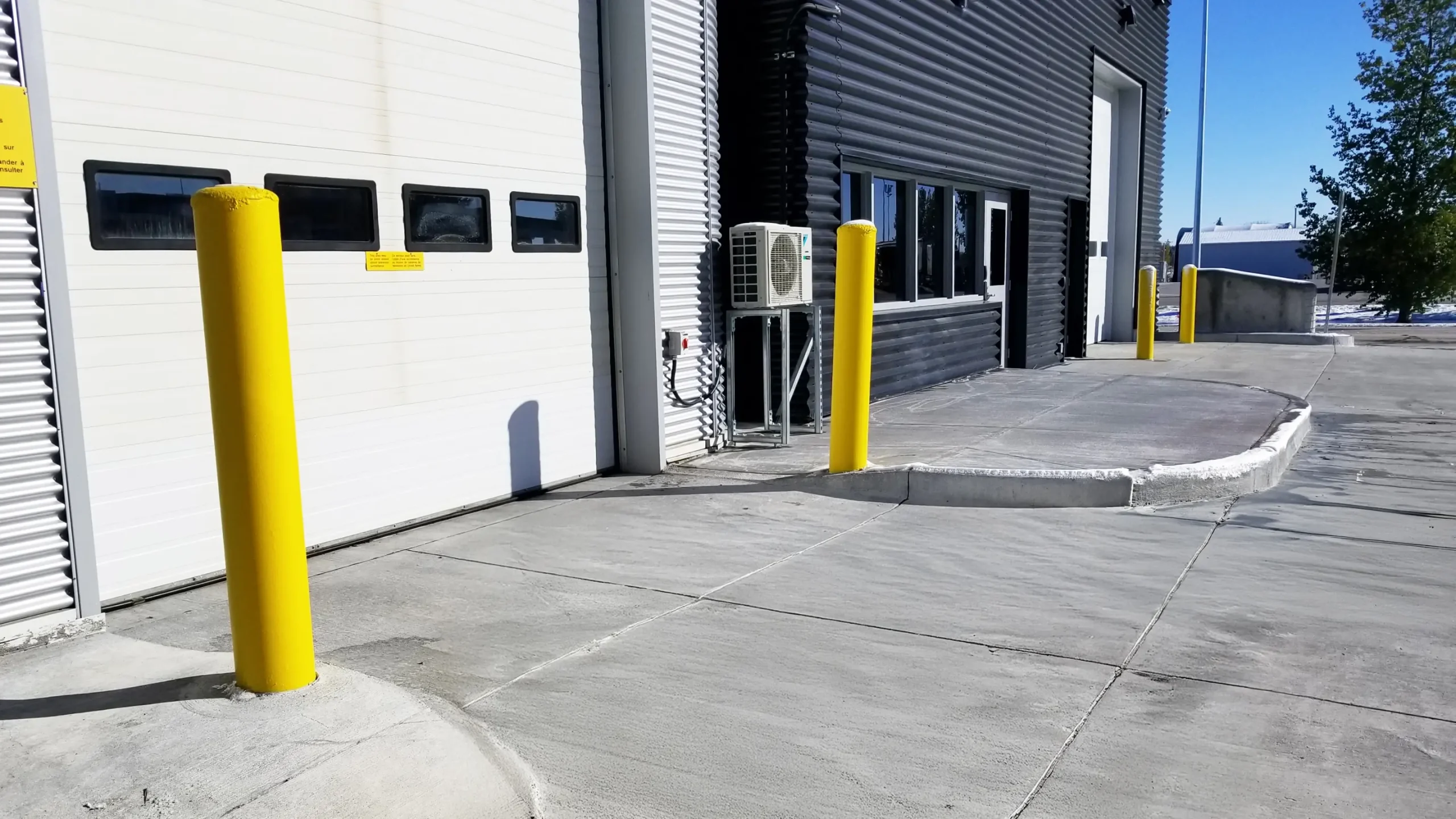
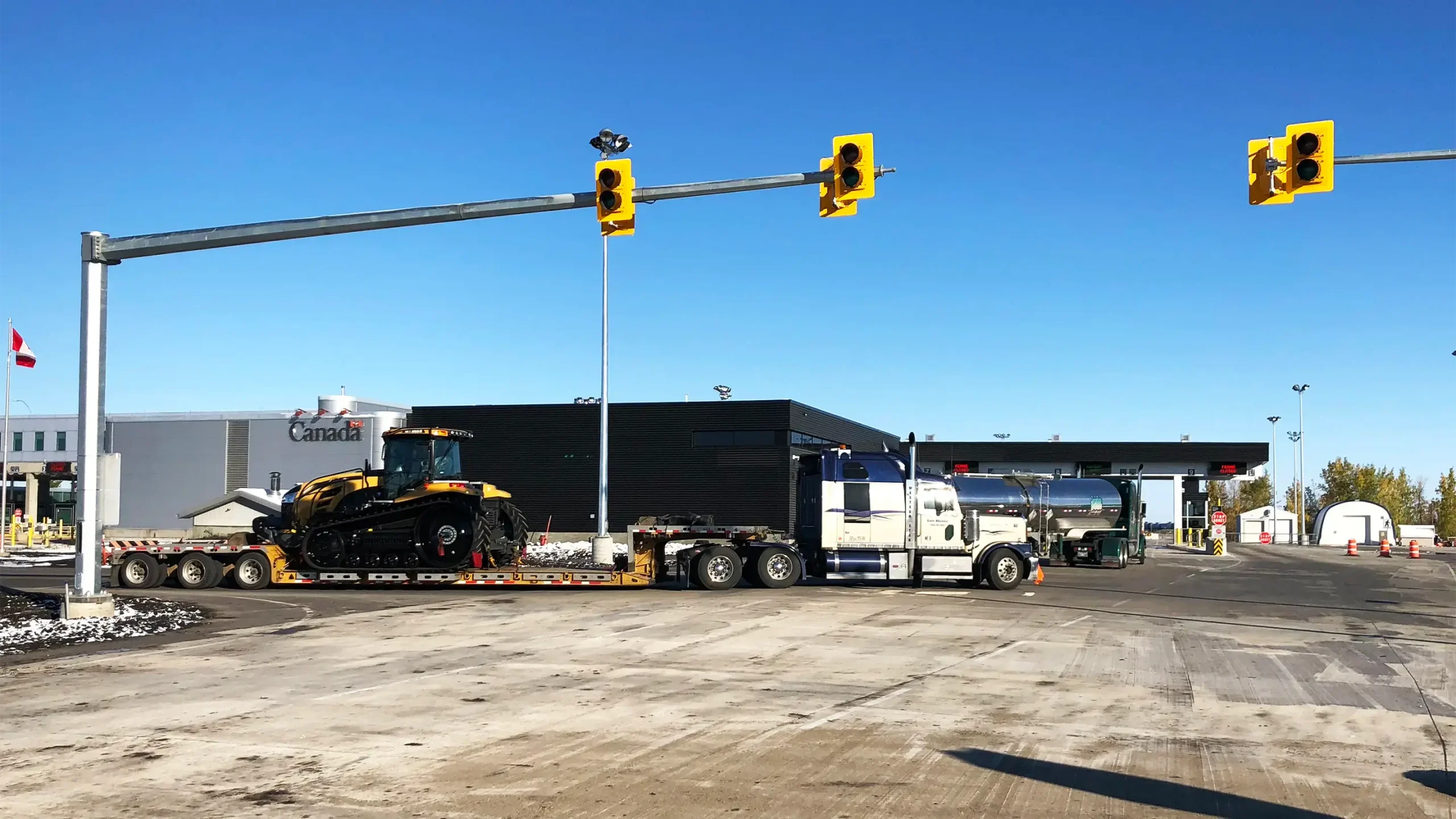
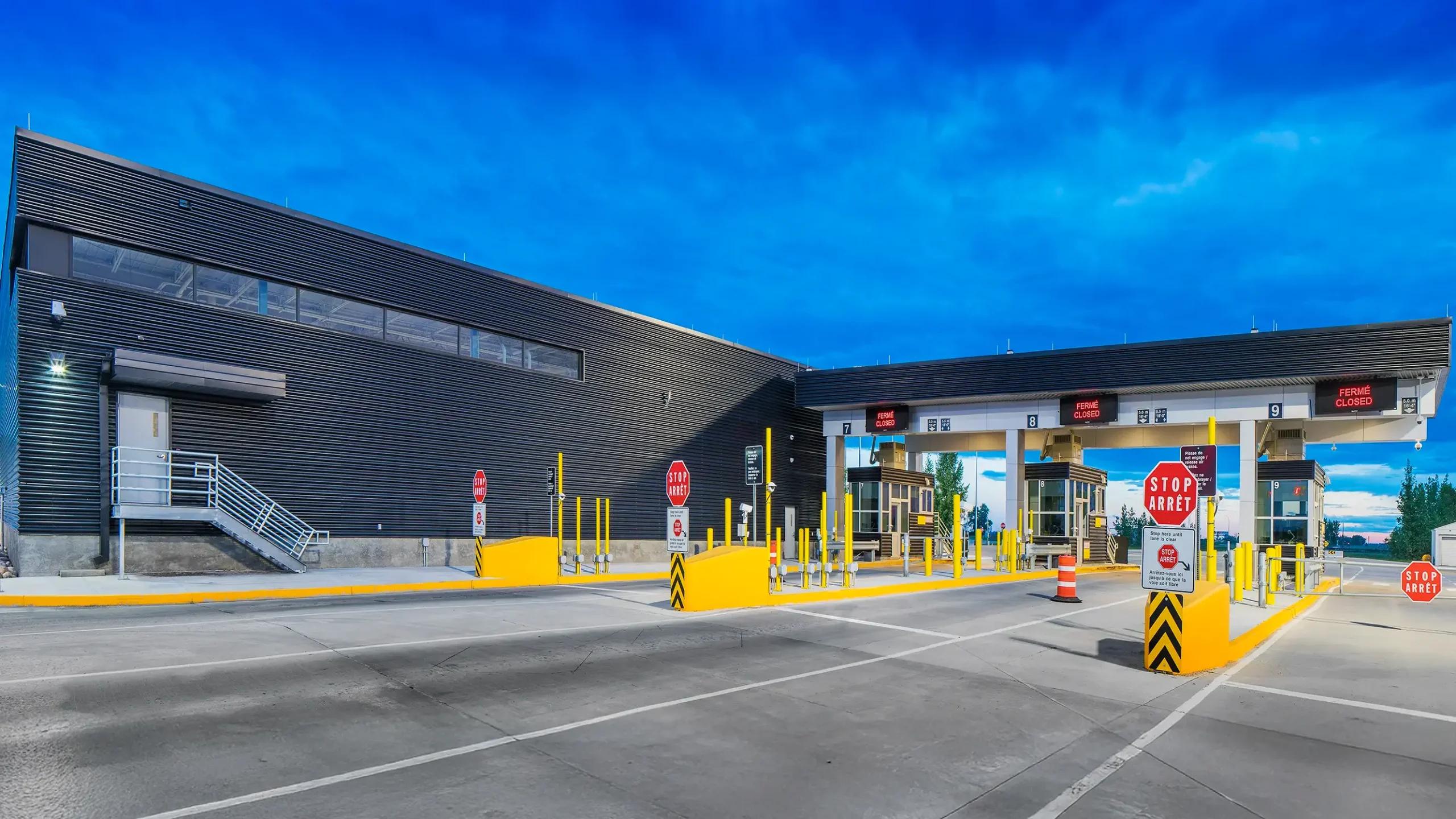
To improve security and efficiency at the Port of Emerson, the Canada Border Services Agency wanted to shift commercial inspections to a dedicated area separate from passenger traffic. In collaboration with Verne Reimer Architects, KGS Group delivered municipal and transportation design and construction support for $4.5 million in site works.
The project included design and construction support for three primary inspection lanes, a four-lane thoroughfare, staff parking lot, commercial parking lot, commercial loading bay, site grading, building services, land drainage system and highway signage.
Coordinated with Manitoba Infrastructure and the North Dakota Department of Transportation, the project improves traffic processing by diverting commercial vehicles from North Dakota Interstate 29 through CBSA‘s commercial facility, rejoining Manitoba Highway 75 north of the port. This project establishes the Port of Emerson as Manitoba’s first Free and Secure Trade (FAST) port, expediting border processing for participants registered to the program.
Project Highlights
- Designed three primary inspection lanes, four‑lane thoroughfare, parking lots and a loading bay
- Improved drainage with a new land drainage system
- Supported the establishment of Manitoba’s first Free and Secure Trade (FAST) port to expedite processing for registered participants