

Kenora Downtown and Waterfront Revitalization
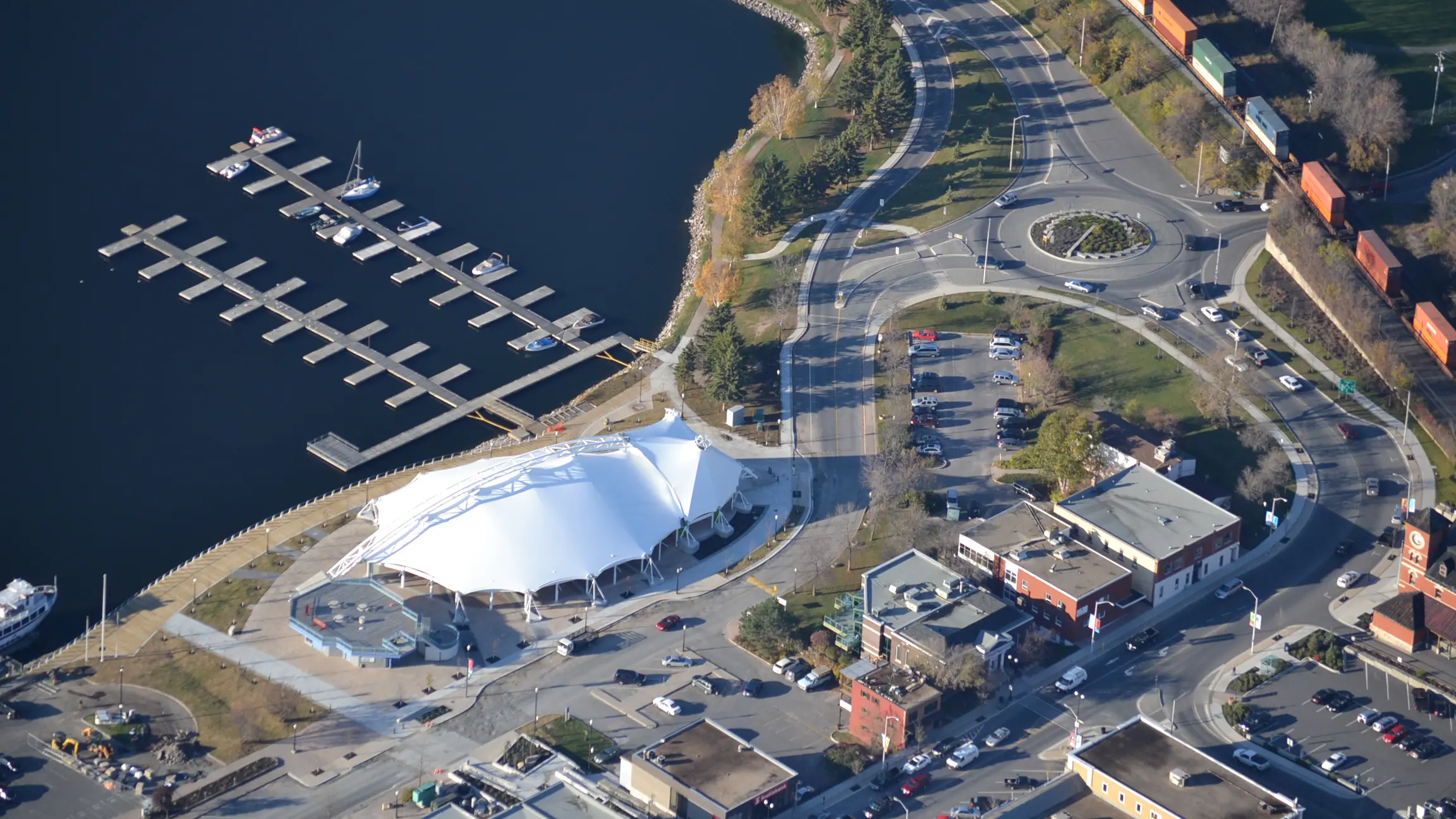
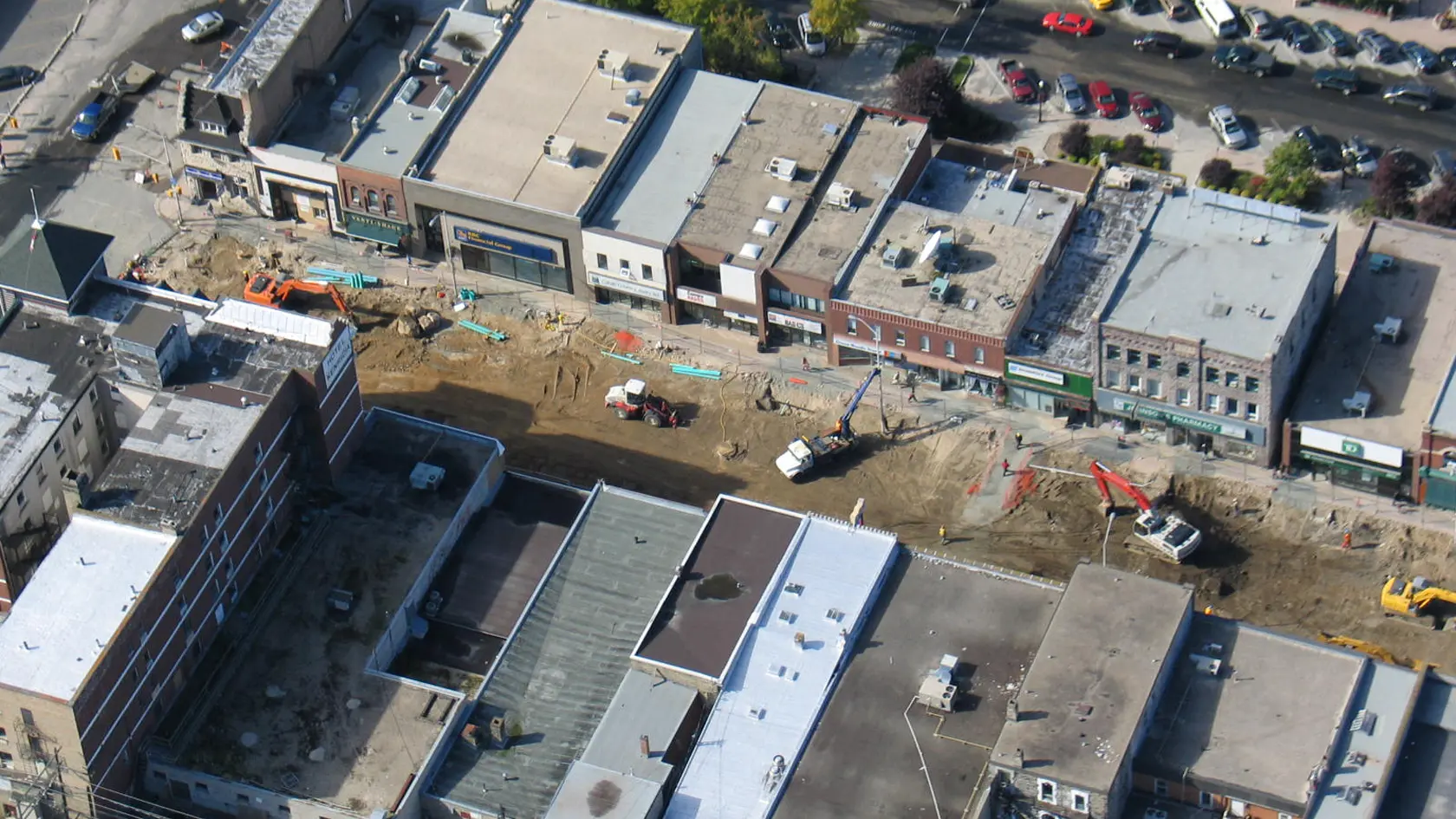
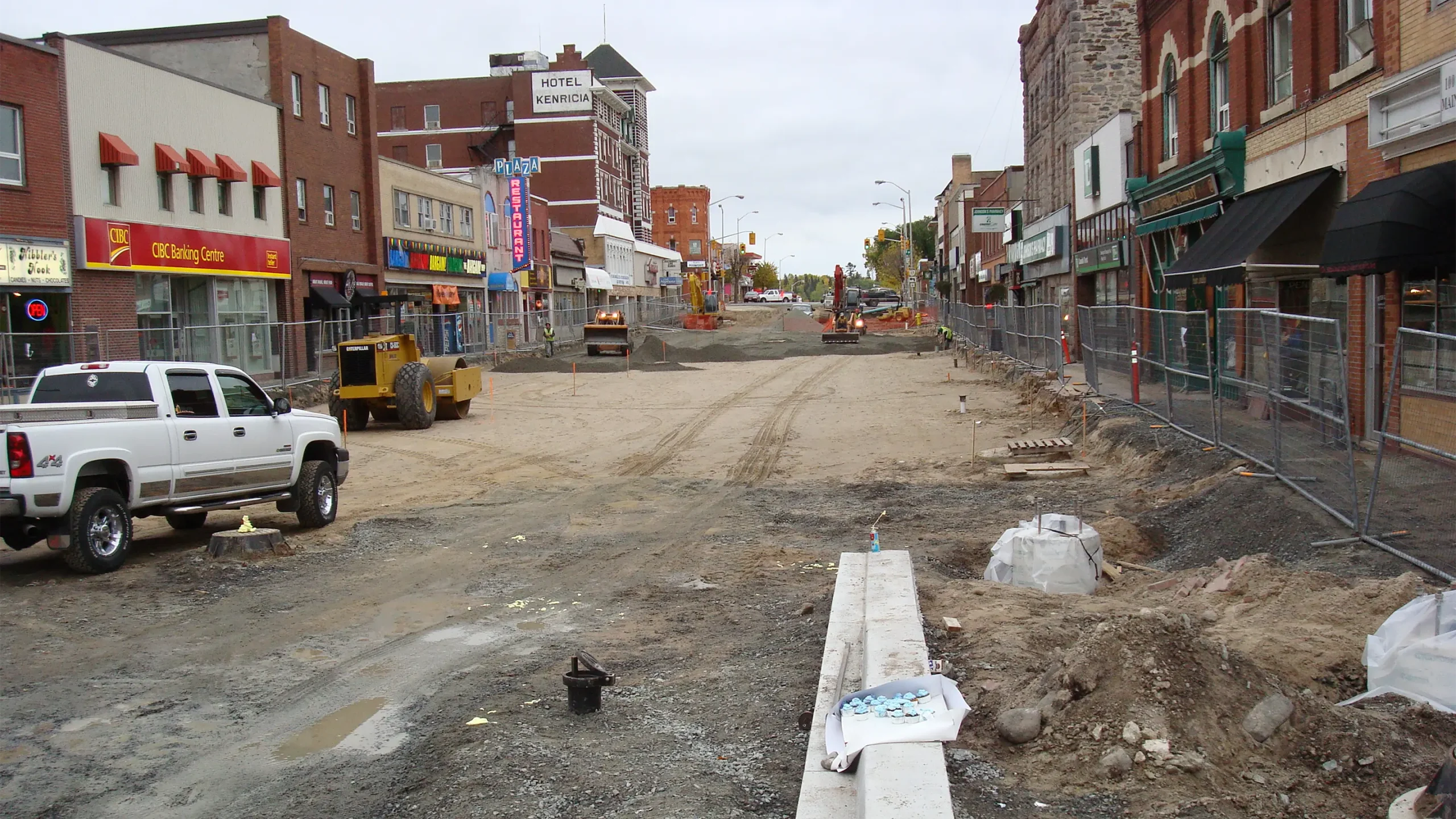
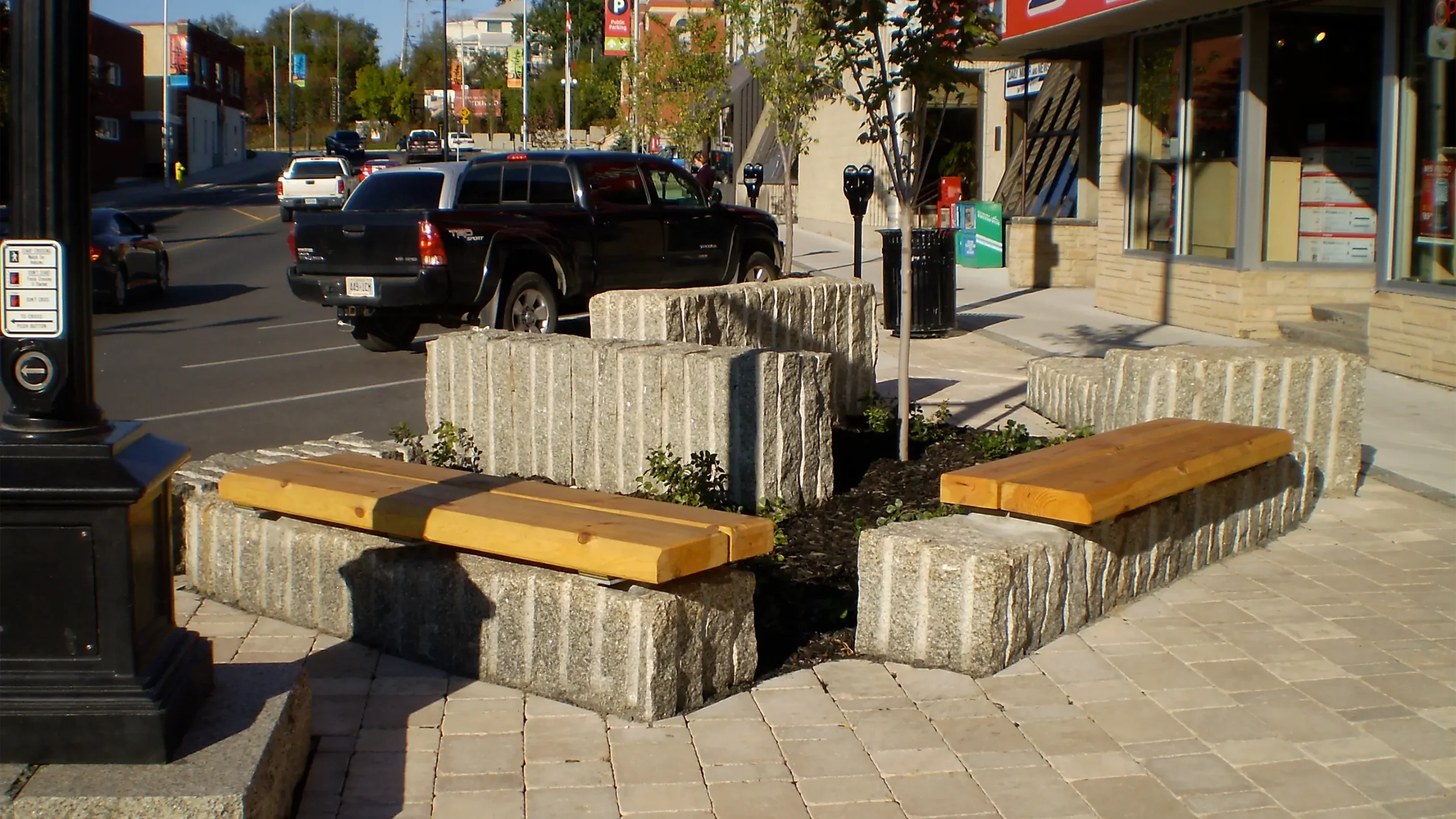
We provided design and contract administration services for a $9.1 million redevelopment of Kenora’s waterfront and downtown precincts – modernizing streets, public spaces and underground services while elevating the pedestrian experience and improving multimodal connectivity. A highlight of this project is utilizing our knowledge of the Complete Streets design methodology to create right‑of‑way that is safer for pedestrians, cyclists and drivers of all ages and abilities.
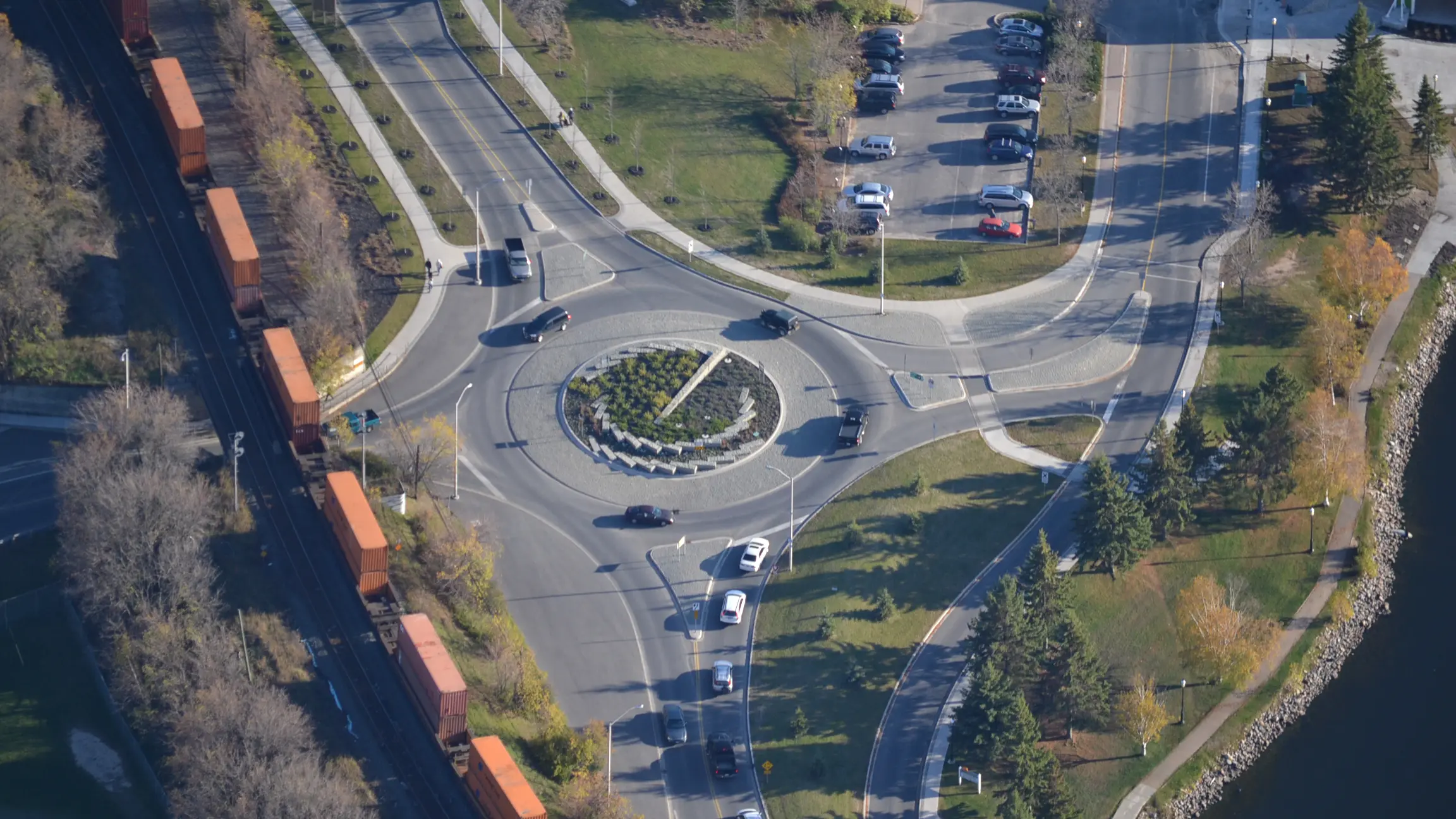
Working closely with the City of Kenora and stakeholders, the design addressed building interfaces, utility constraints and long‑term maintenance needs. Other major parts of the project included implementing traffic calming elements, pedestrian upgrades, underground renewal and drainage upgrades. Collaboration at focused user meetings resulted in one of the more significant changes from a signalized three-way intersection to the first modern roundabout built along the TransCanada Highway, improving safety and flow.
What was once an aging waterfront area, is now a vibrant pillar of the community that attracts visitors from near and far.
Project Highlights
- Street renewals and realignments across key downtown/waterfront corridors
- Construction of modern roundabout (the first along the TransCanada Highway)
- Sewer and water renewals with building service replacements
- Land drainage upgrades and coordinated utility relocations
- Multi‑use pathways and expanded active‑transportation network
- Boardwalk extension along waterfront for continuous access
- Tensile fabric event centre to support community programming
- Accessible design features – tactile‑delineated sidewalks and grading to meet guidelines
- Haptic roadway surfacing at intersections for traffic calming and awareness
Yellowquill Trail Relocation
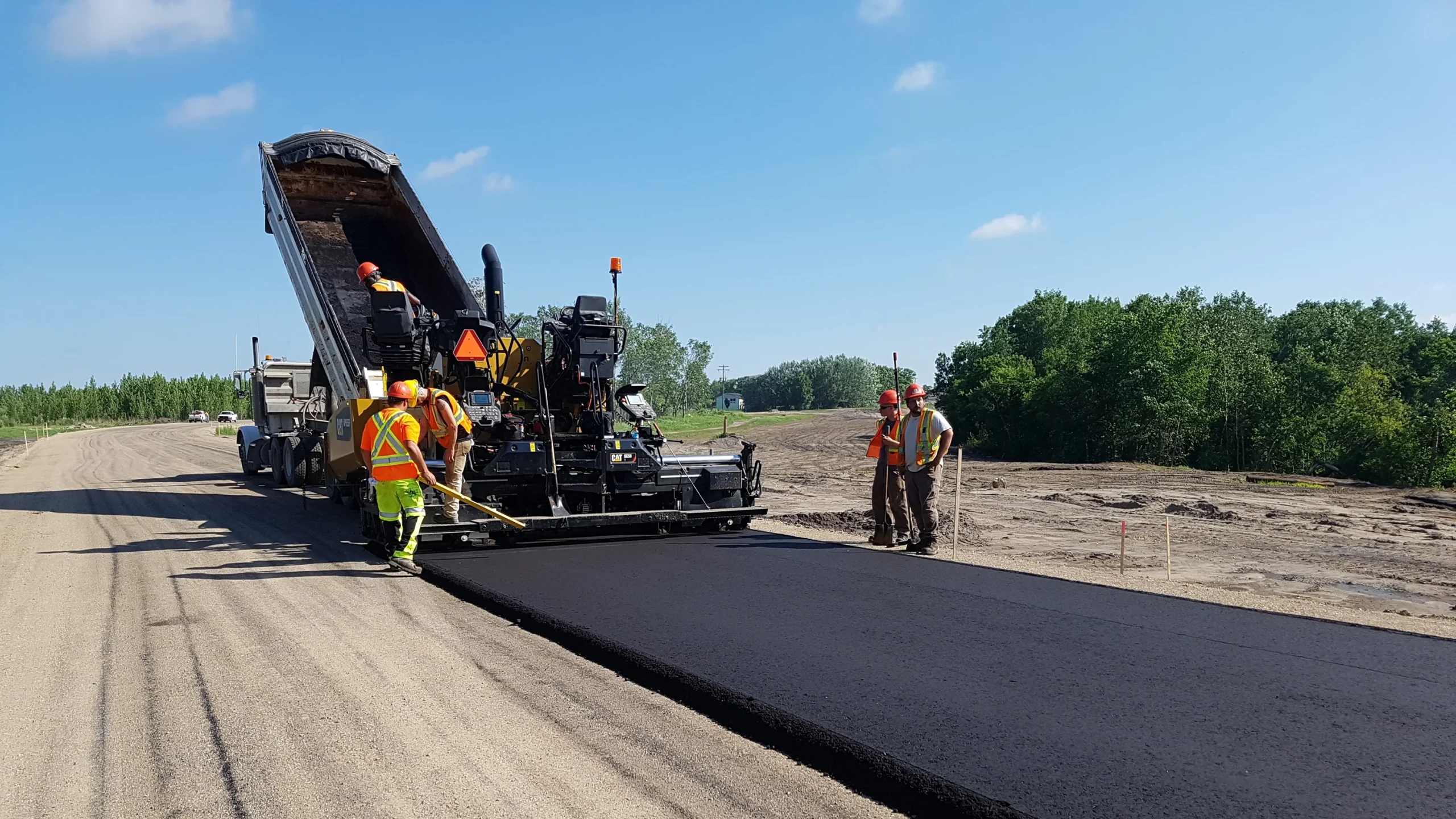
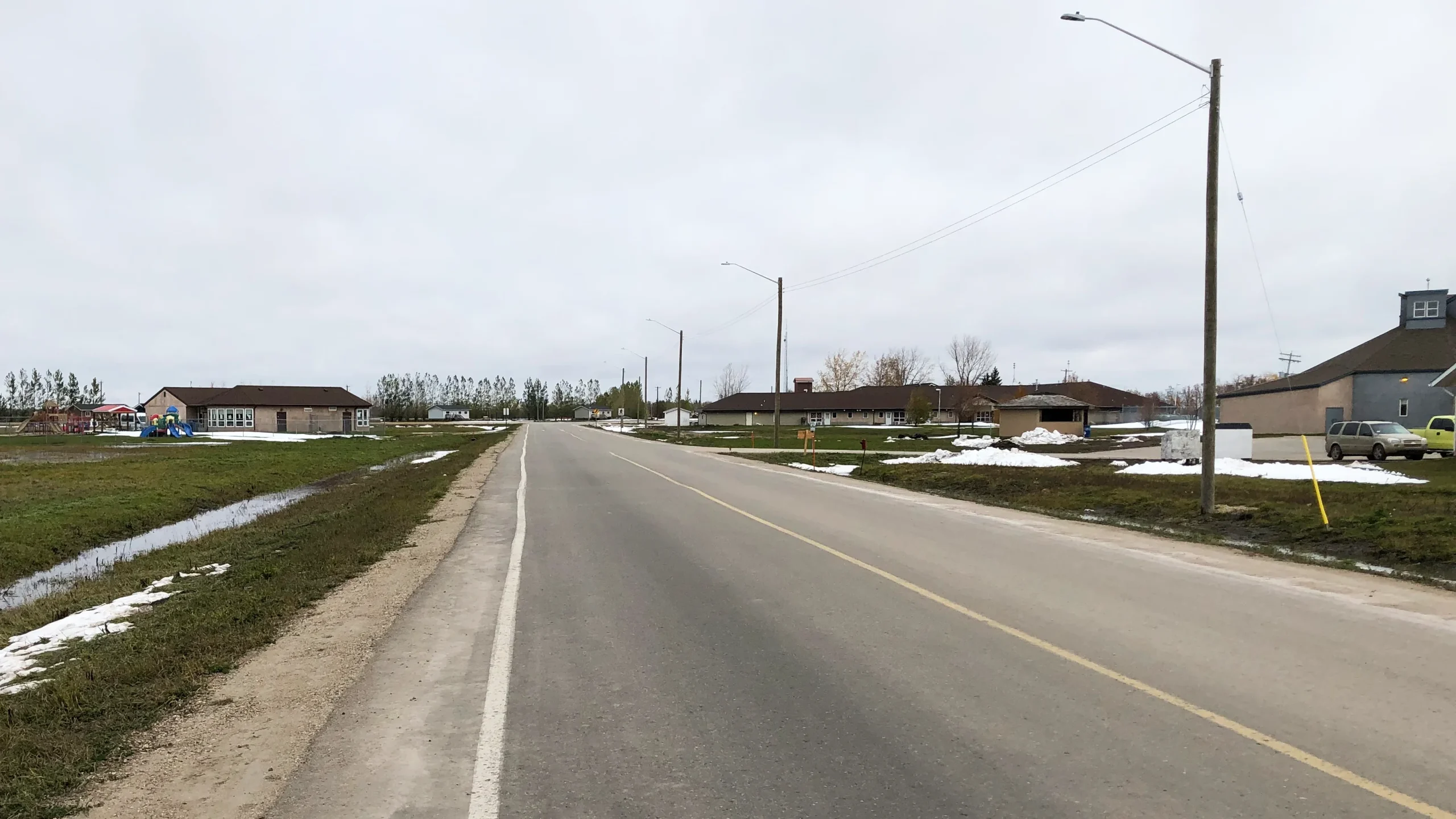
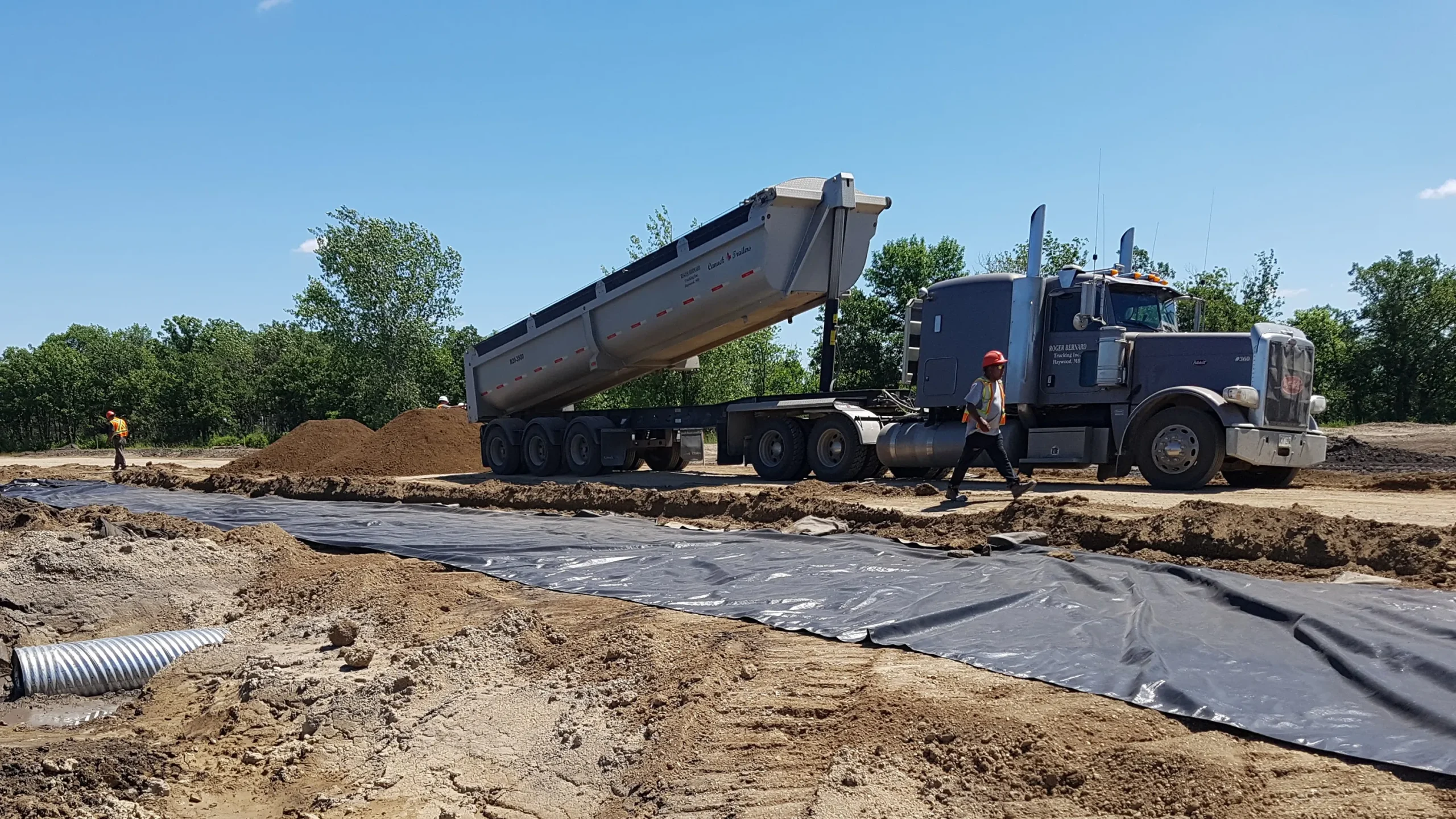
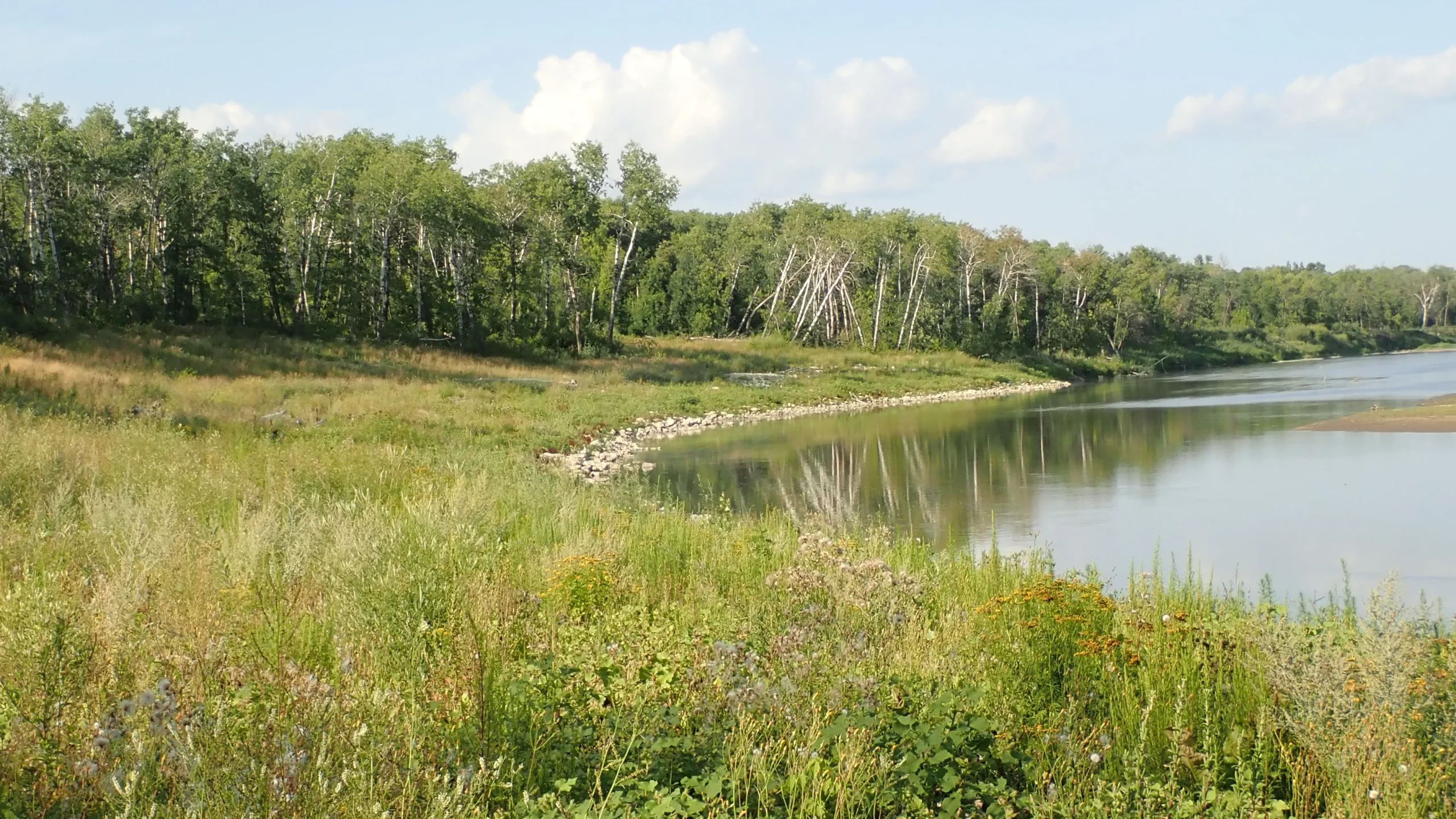
Heavy winds, rain and hail accompanied a tornado that touched down in Long Plain First Nation in 2016, causing riverbank movement that damaged Yellowquill Trail, the main roadway through the community.
KGS Group provided engineering services for the permanent re-establishment of the roadway, completing an extensive drilling and monitoring program, slope stability analysis and assessment of potential options for remedial riverbank works versus roadway and utility relocations. We also acted as the project contract administrators responsible for all environmental approvals, geotechnical investigations, riverbank stabilization as well as the municipal design of the new road alignments.
The result was a reliable roadway that will protect the community from future erosion and potential future encroachment on community infrastructure.
Project Highlights
- 500 metres of riprap erosion protection, riverbank regrading and drainage swale construction to protect the community from the long-term effects of erosion of the lower shoreline and potential future encroachment of community infrastructure
- Realignment of 1,600 metres of asphalt roadway for the new alignment of the Yellowquill Trail
- Installation of new water main, sewer, service connections and raw water along the relocated road
- Extensive revegetation design at the site, including revegetation with native grasses, trees, shrubs, and willows
Seine Riverbank Stabilization at the Branch 1 Aqueduct
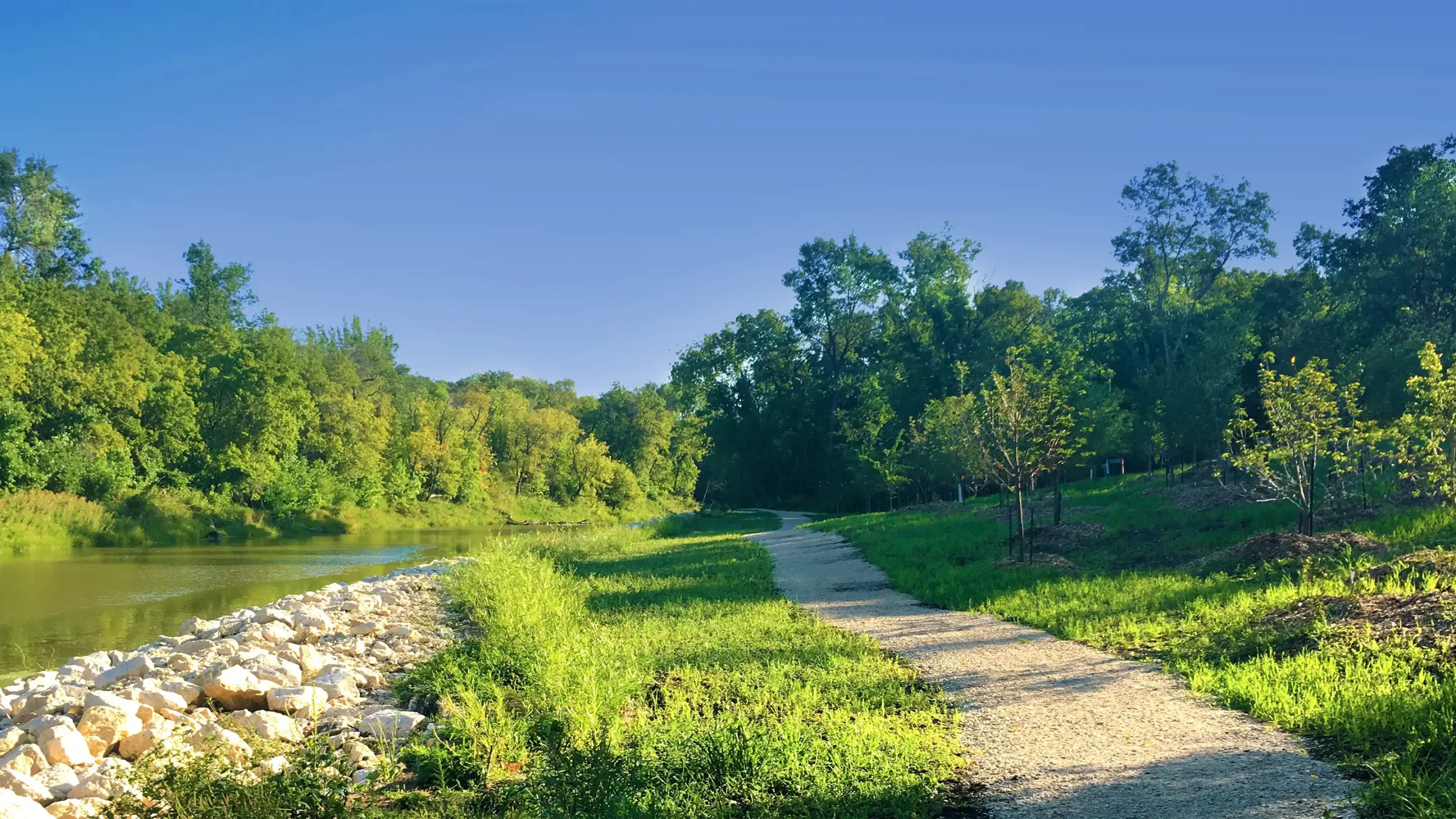
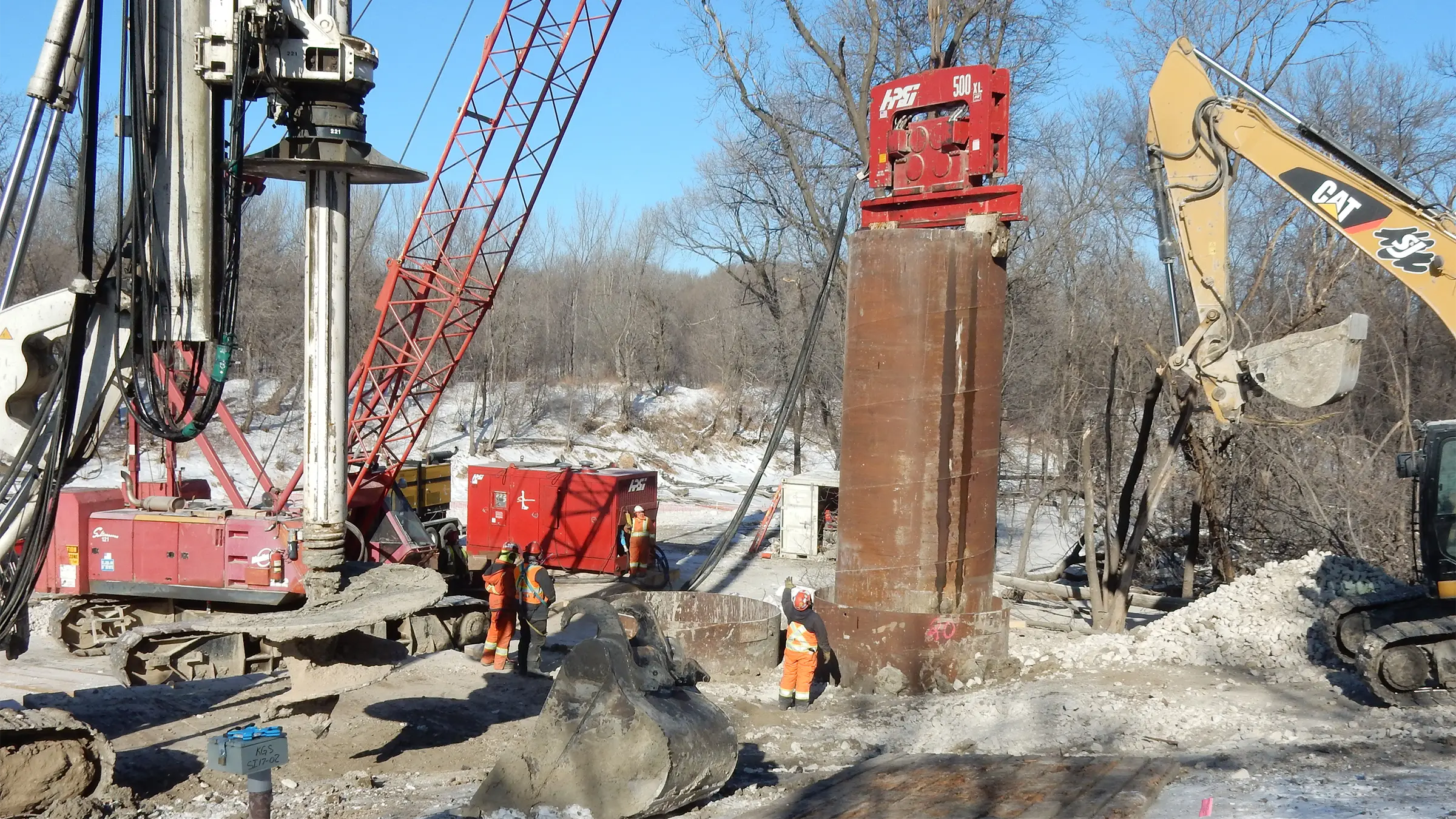
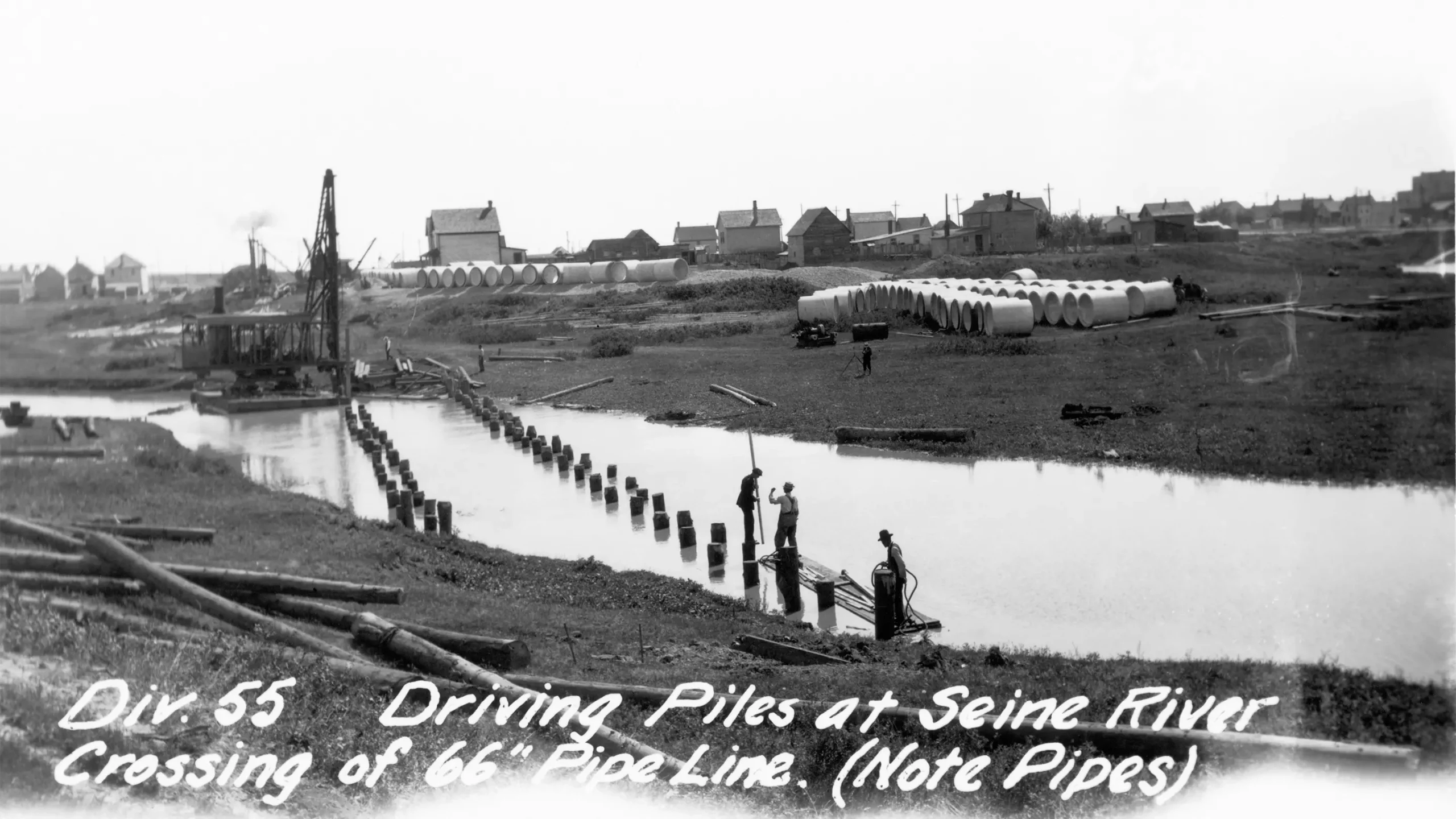
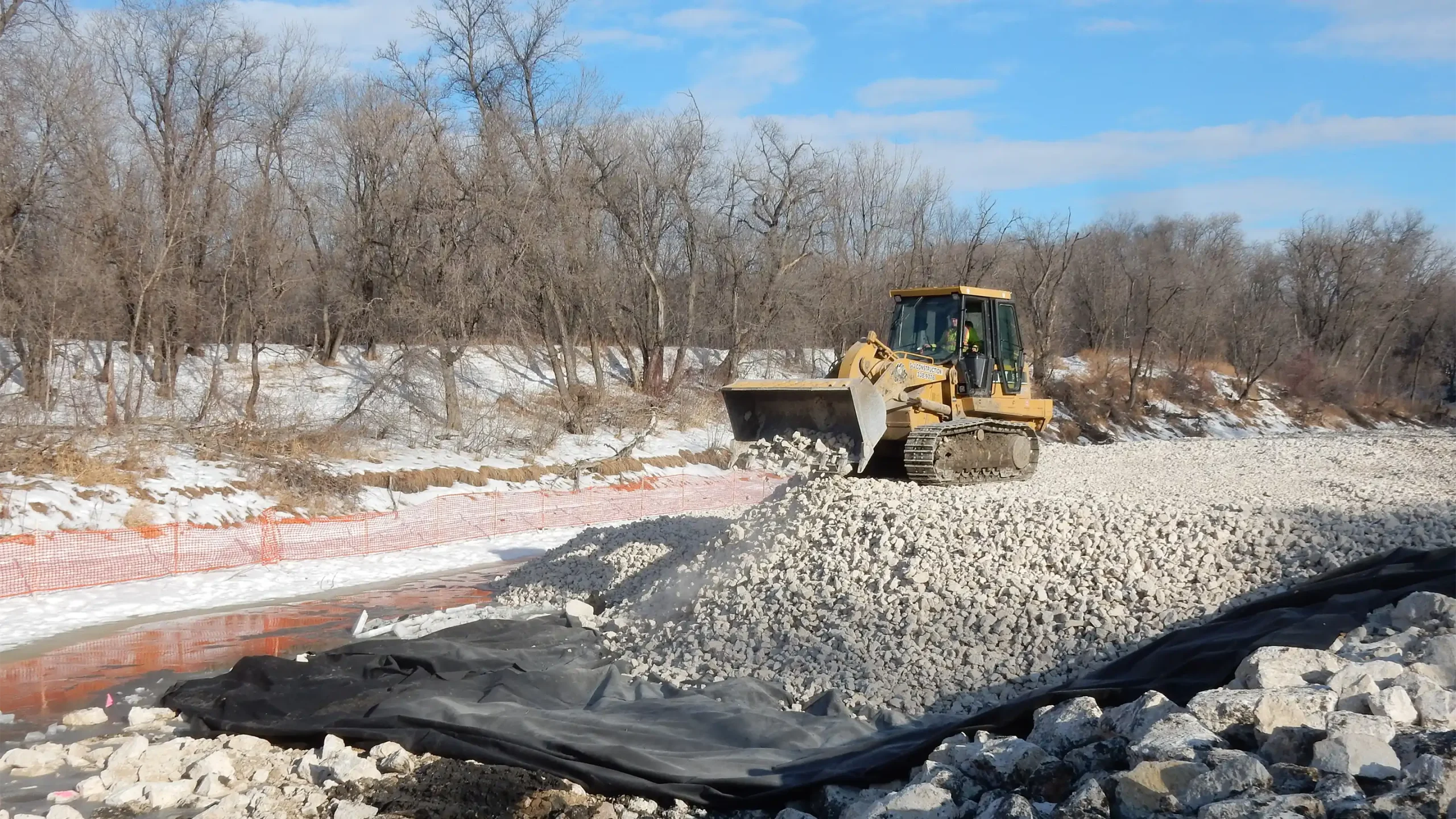
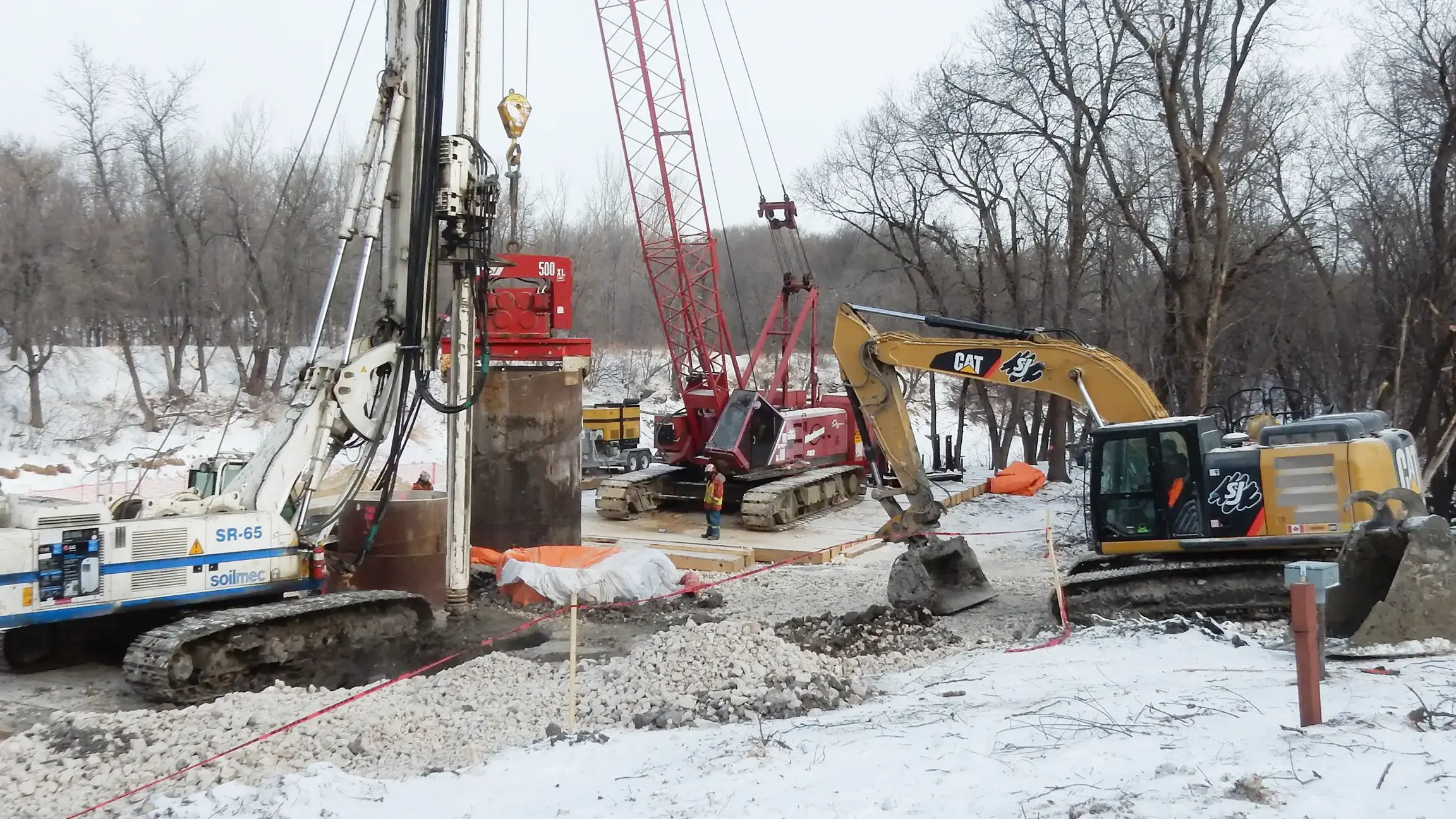
Riverbank movements near the Seine River crossing threatened the City of Winnipeg’s 100‑year‑old Branch 1 Aqueduct, which carries 40% of the city’s drinking water. KGS Group helped stabilize the riverbank while keeping the aqueduct in service throughout construction, protecting a critical supply and reducing risk to the community.
Our team applied an extensive design evaluation process, a full-scale field-testing program, a ground-breaking instrumentation monitoring program and a highly prescriptive construction methodology to manage risk at each stage of construction.
This approach required more intensive engineering but reduced the construction timeline by one full year and resulted in significant project cost savings. After the stabilization work was completed, a complete revegetation project ensued, ensuring the area was ready for community use for years to come.
Project Highlights
- Planning, design, geotechnical evaluation, construction oversight, monitoring and stakeholder coordination
- Advanced instrumentation program and prescriptive construction sequencing
- Project timeline was completed one year ahead of schedule, leading to significant cost savings
- The site was restored and revegetated, improving the public realm and long‑term resilience
Birds Hill Lake Improvements
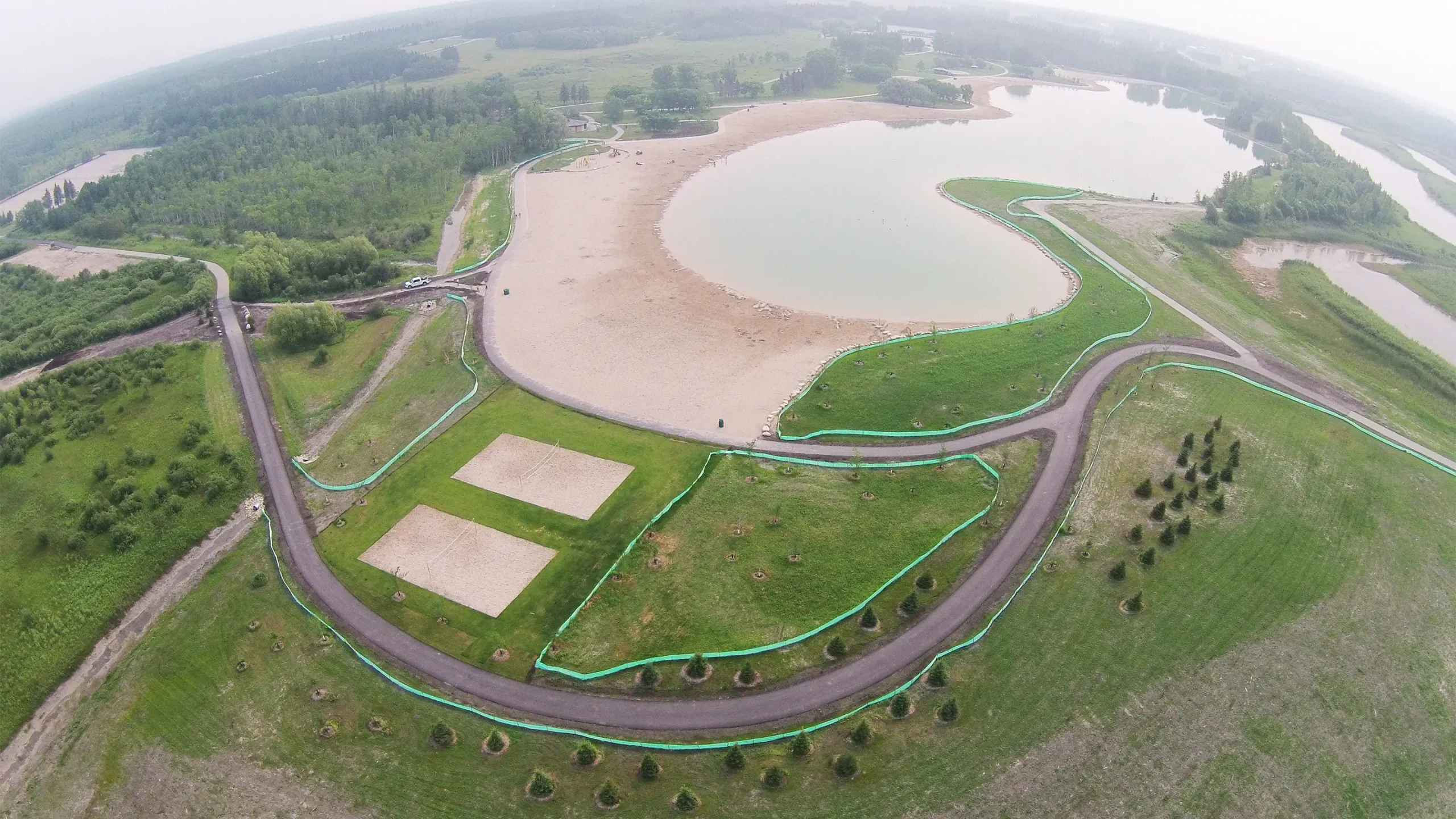
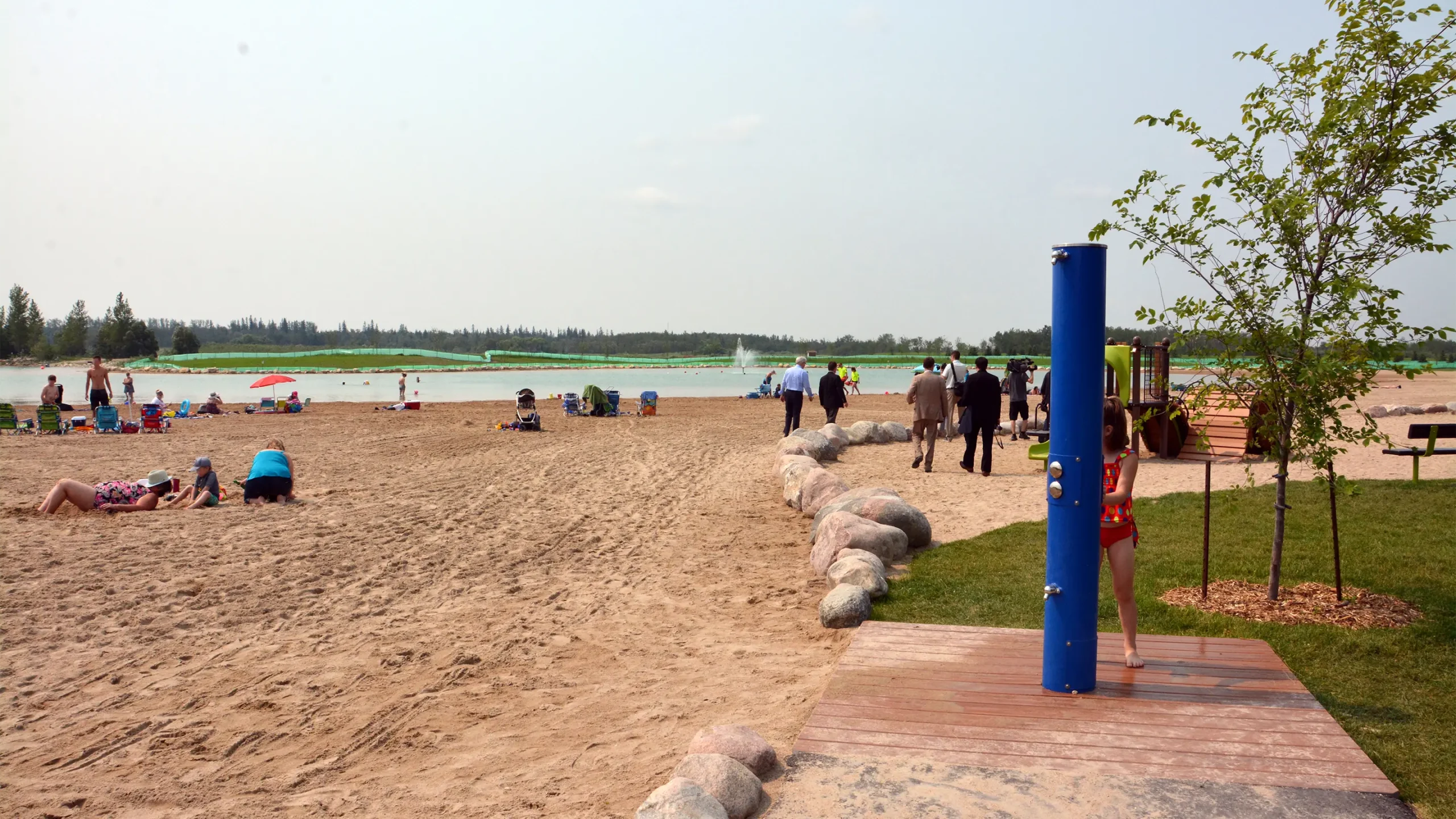
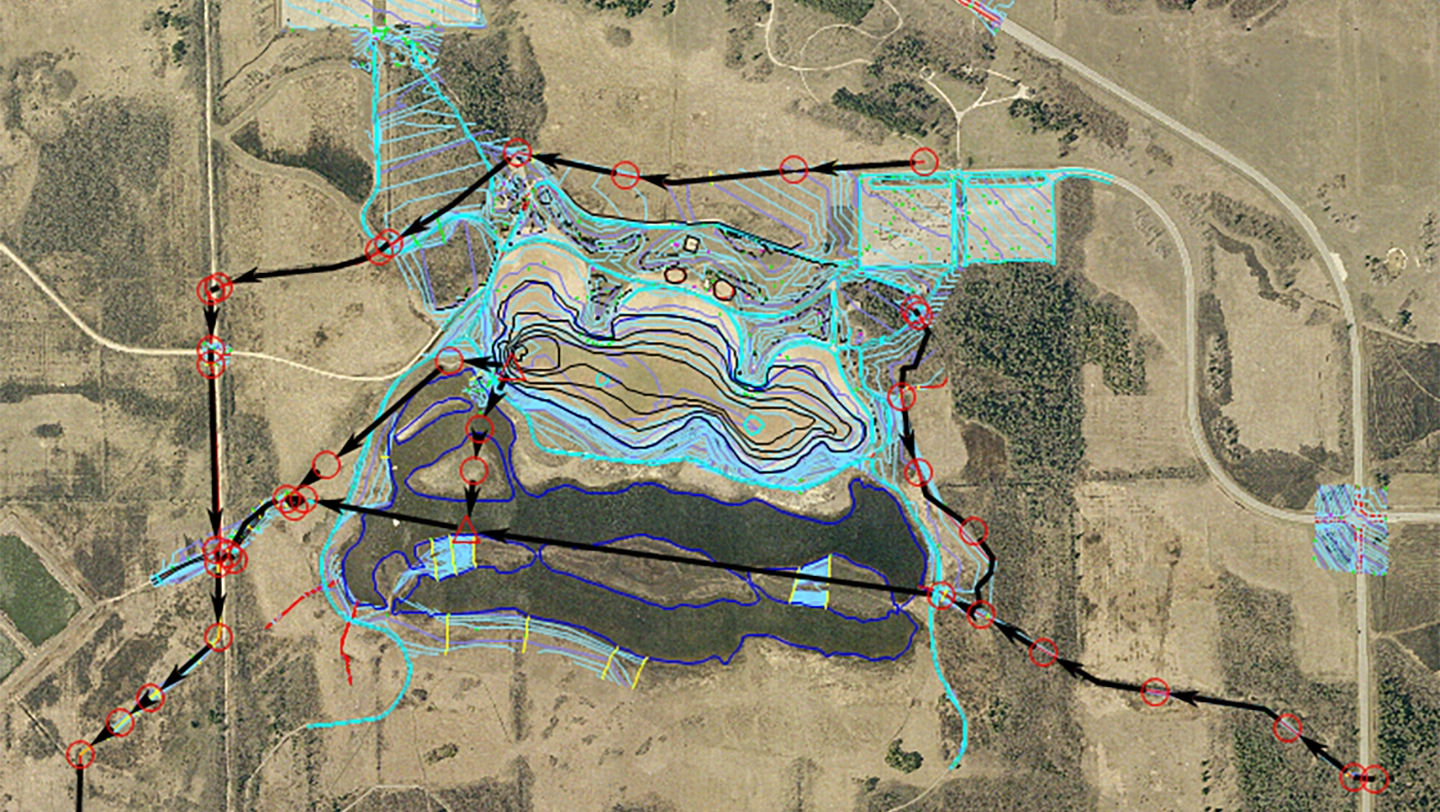
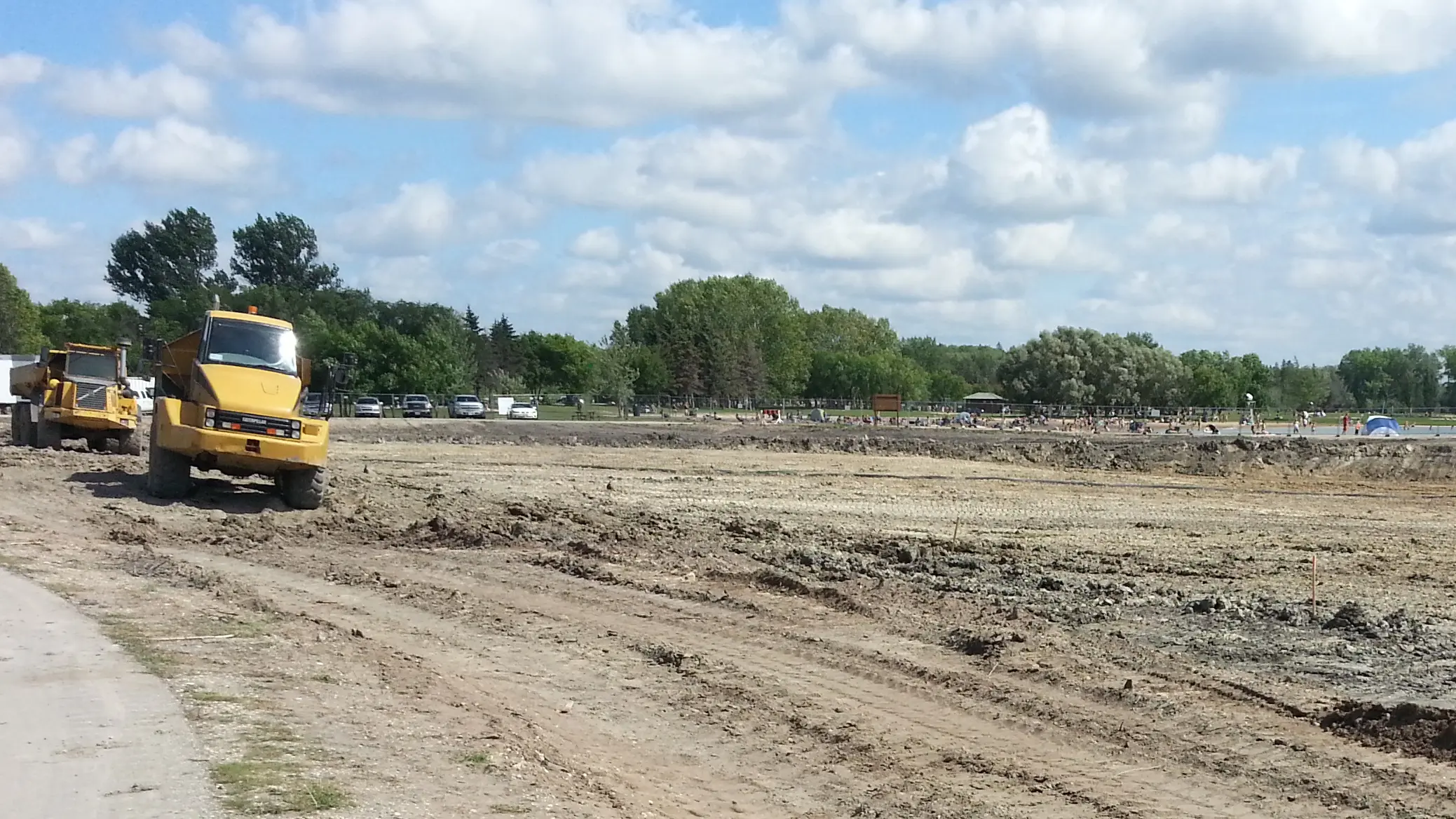
KGS Group, with Scatliff + Miller + Murray, delivered a $4.2 million program to expand Birds Hill Provincial Park’s lake and beachfront and modernize supporting infrastructure improving the public’s experience at one of Manitoba’s most popular recreational destinations. KGS Group rehabilitated the lake bed to improve water quality and added roughly one‑third more lake and beach-front area.
To support the lake expansion, several elements of the park’s infrastructure were also improved with the goal of increasing the reliability, safety and efficiency of existing systems. Improvements included expanding and repairing the active transportation network, upgrading dated sewage systems, improving the east and west parking lots as well as repurposing existing assets to serve new, innovative functions within the park.
Our multidisciplinary team provided integrated design and construction support, coordinating work within an active, high‑use park to protect visitors, maintain access and deliver efficient sequencing. The result is a larger, cleaner lake, safer and more reliable park systems, and amenities that better serve hundreds of thousands of visitors each year.
Project Highlights
- Multidisciplinary design and landscape architecture and construction support
- Roughly 33% more lake and beach-front area, east and west parking lots improved, active transportation routes expanded and repaired, sewage systems upgraded
- Lake‑bed rehabilitation to improve water quality
- Increased capacity and accessibility, higher reliability, safety, and efficiency, enhanced visitor experience for hundreds of thousands annually
University of Manitoba Fort Garry Riverbank Asset Management
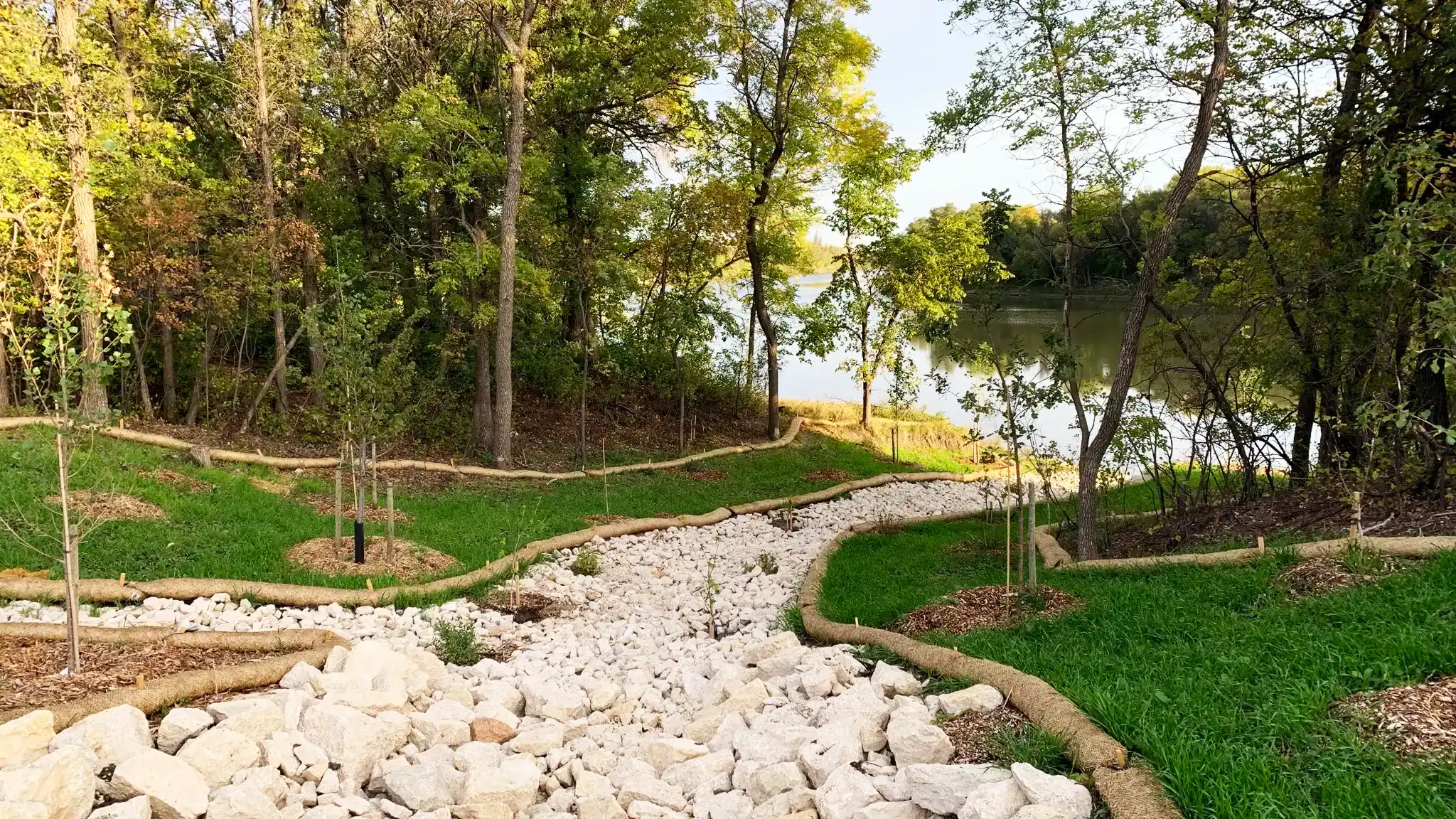
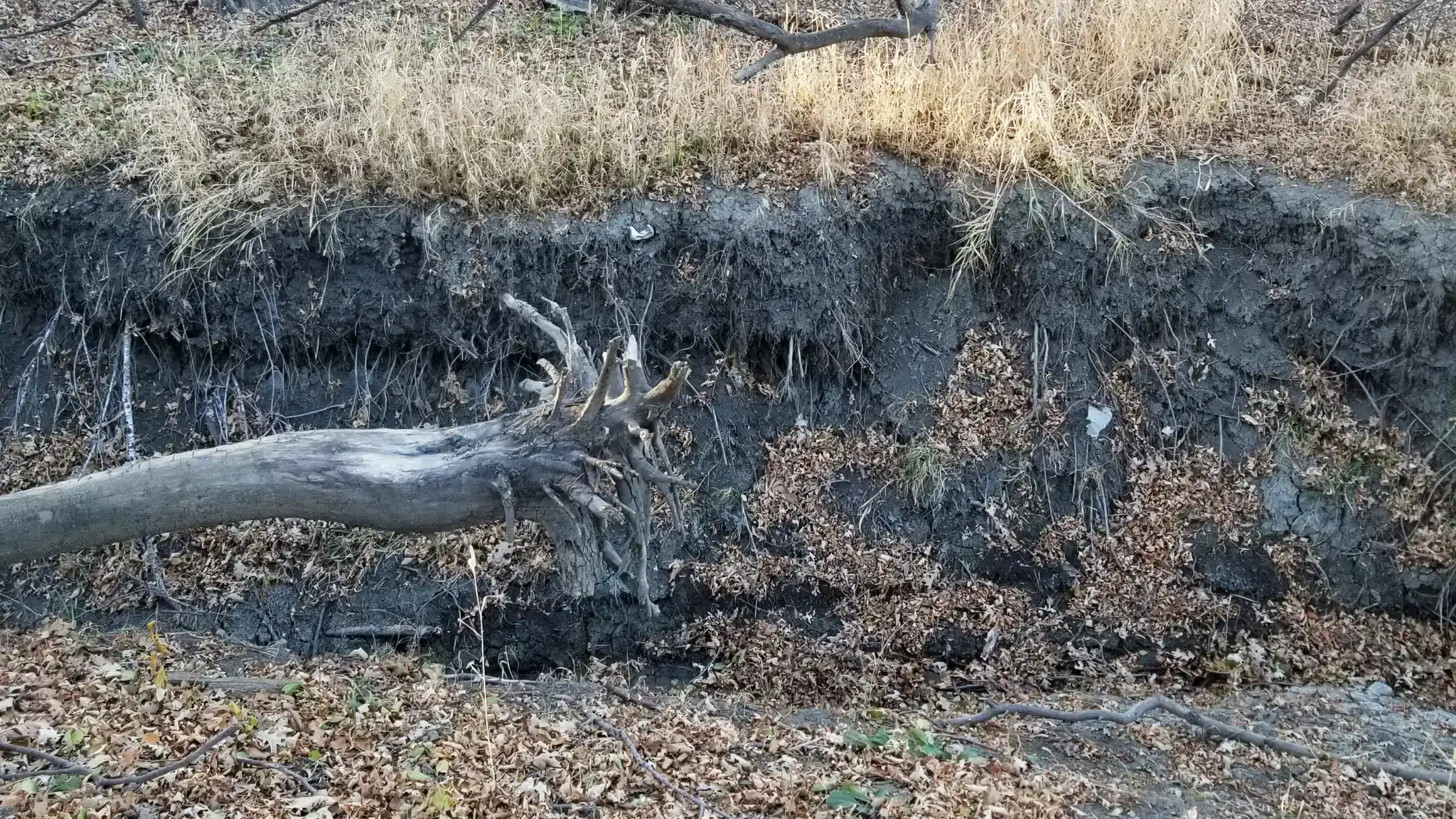
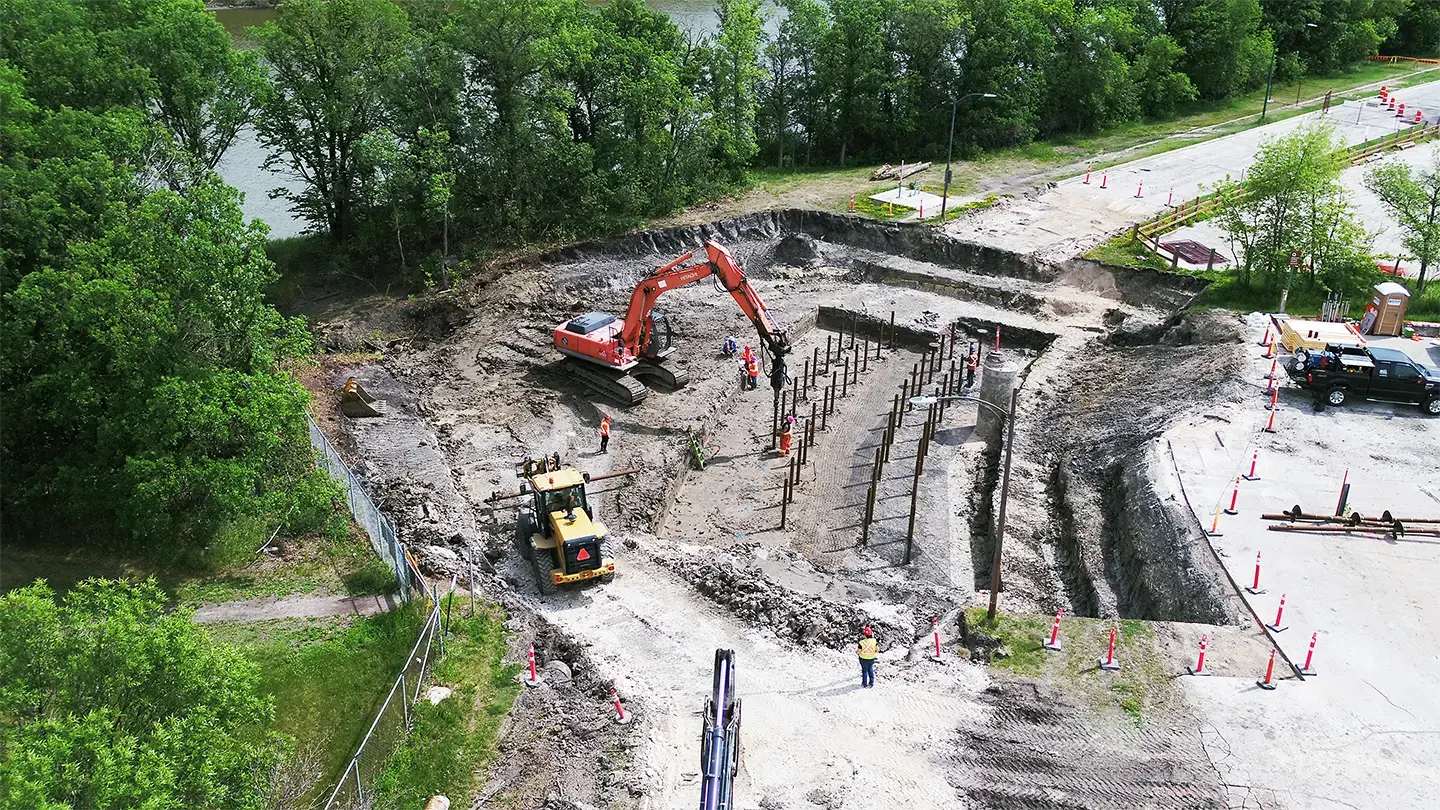
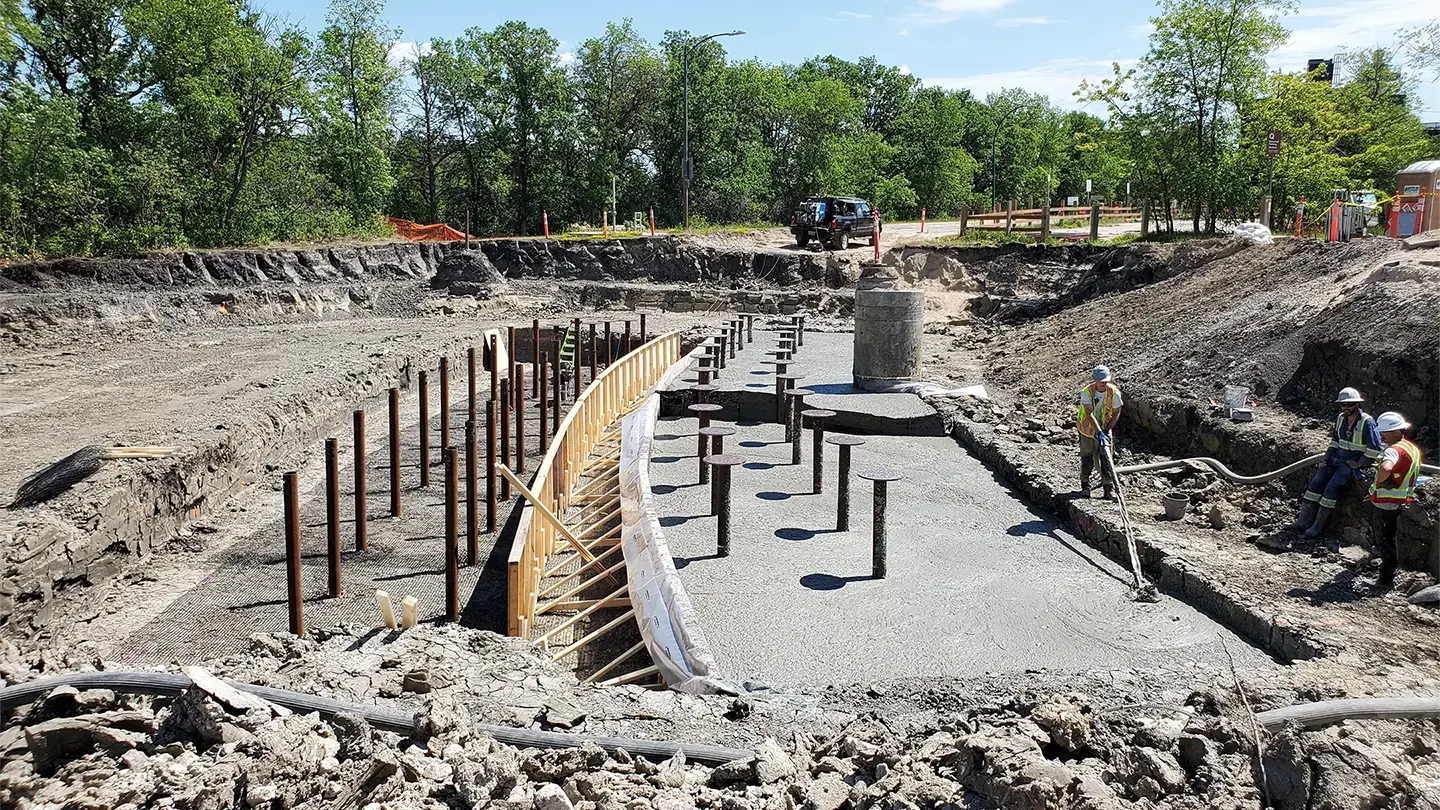
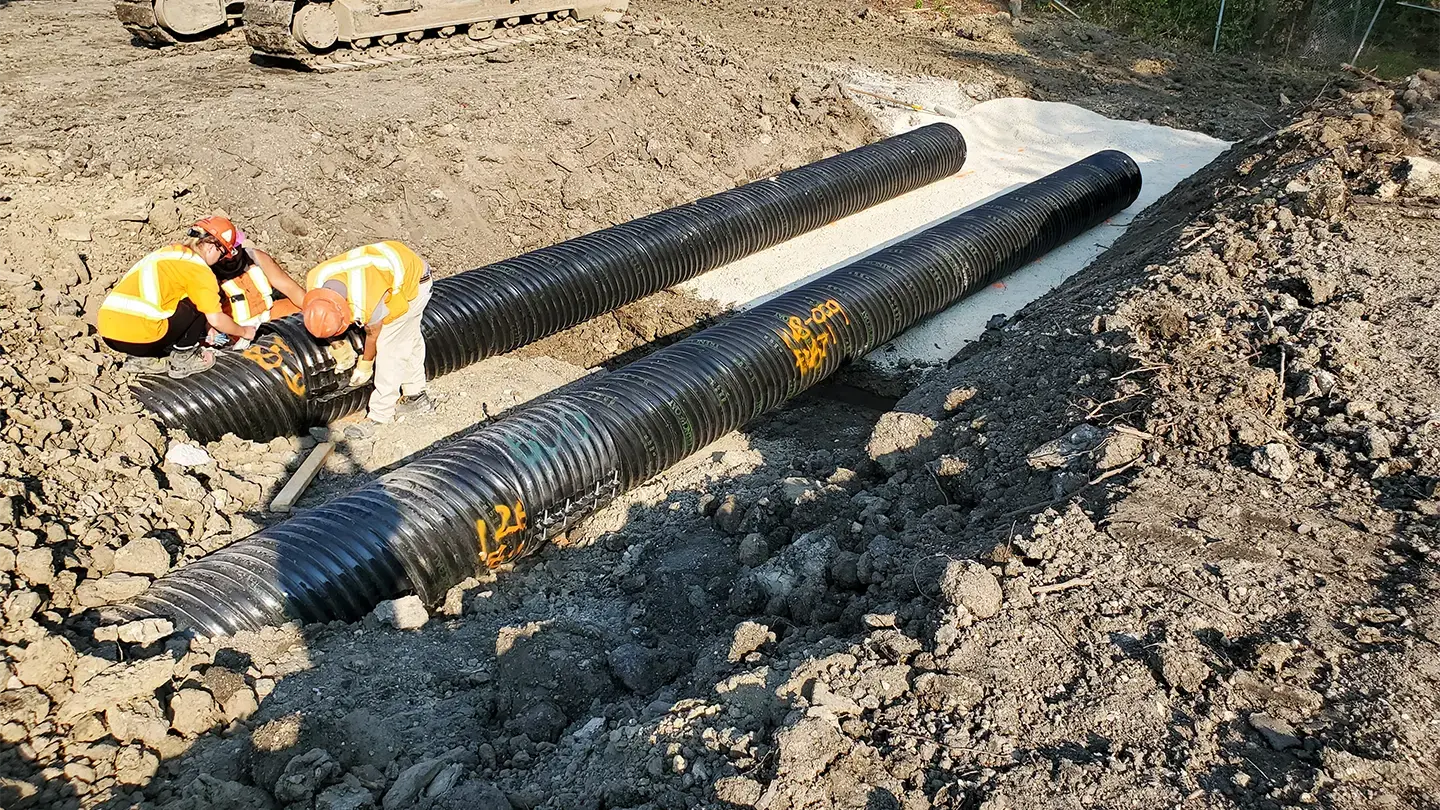
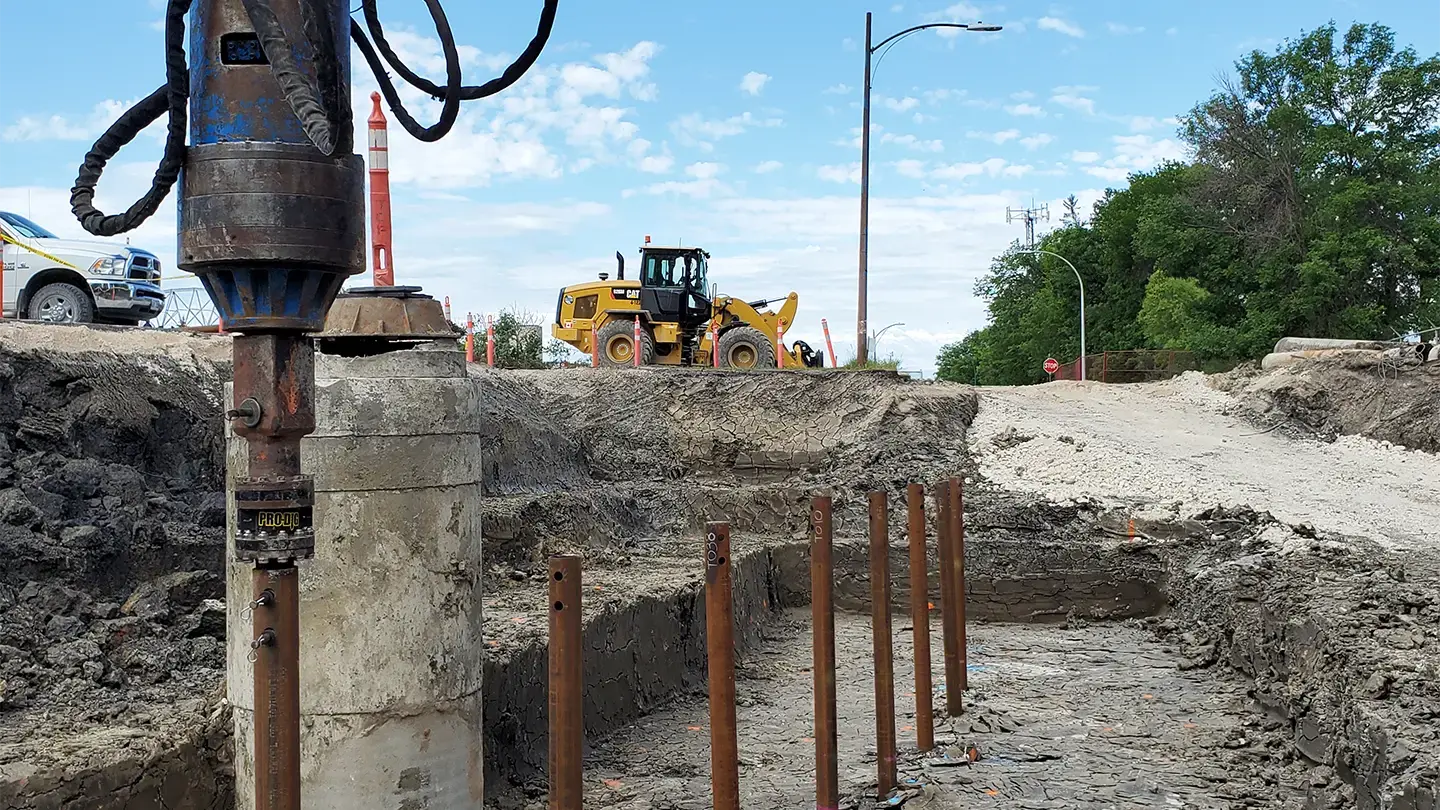

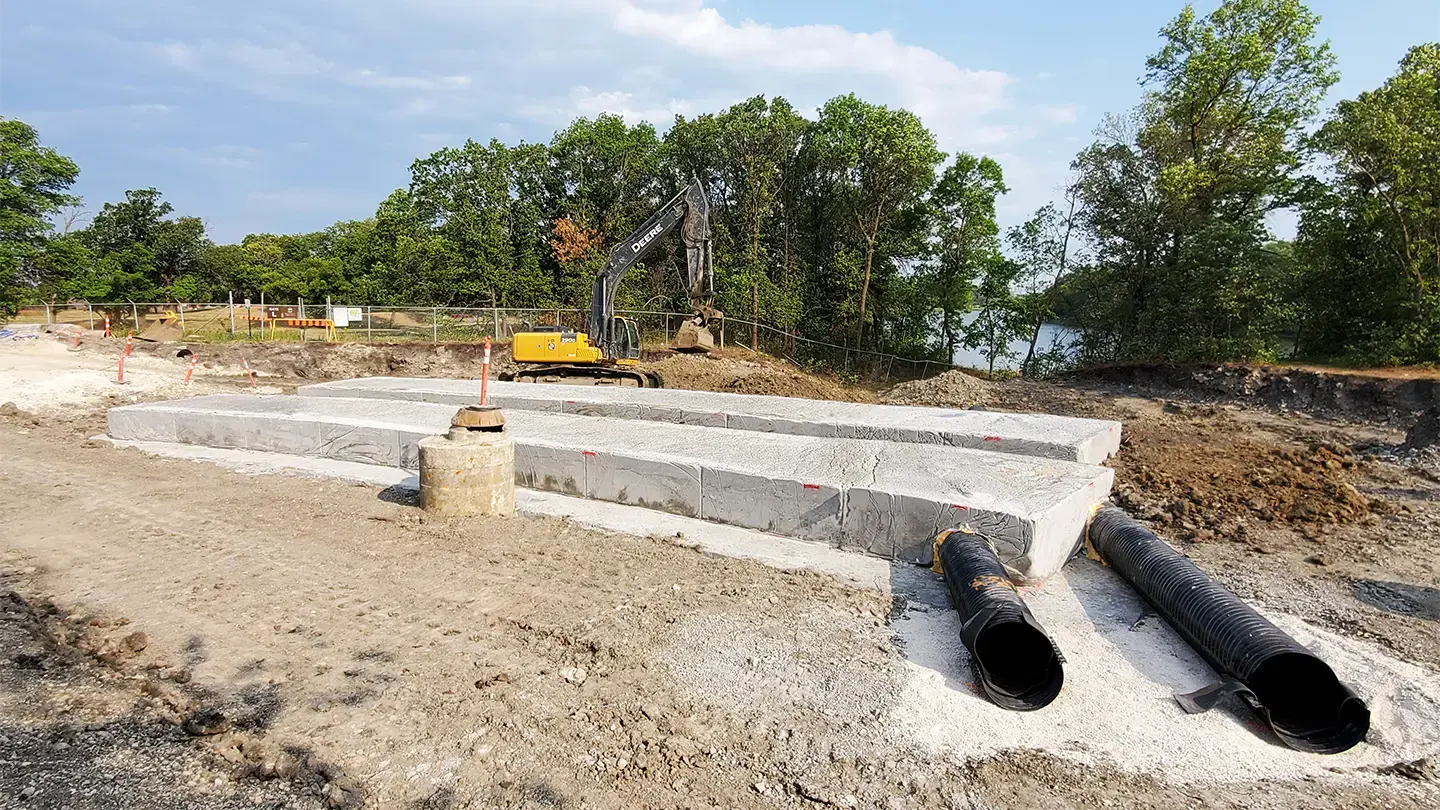
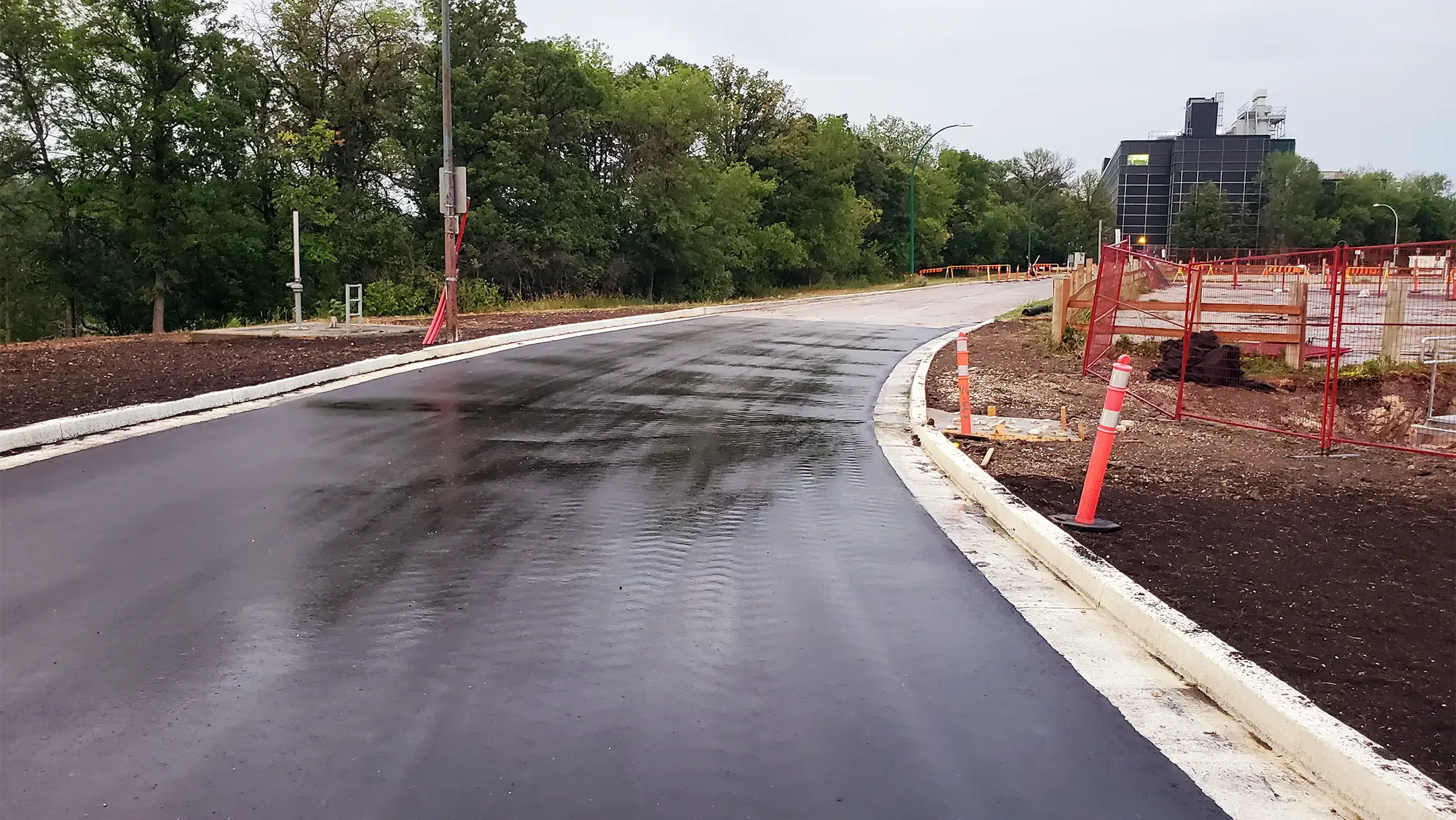
On the northwest side of the University of Manitoba Fort Garry Campus, which is located on Treaty 1 Territory, 600 meters of Sifton Road along the Red River acts as the Primary Line of Defense (PLD) dike, protecting the City of Winnipeg from flooding. Along the riverbank, ongoing and uncontrolled surface water discharge from Culvert 108 created over-steepened slopes and was threatening the integrity of this portion of Sifton Road.
KGS Group designed an innovative solution to reconstruct Culvert 108, Sifton Road and the PLD dike system. A first for this technology in Winnipeg, the solution used buoyant lightweight fill material anchored with helical piles. Additionally, the land drainage system was redesigned, Culvert 108 was upgraded to prevent future damage and supplemental vegetation was planted. The result was an area that is fully integrated with the surrounding ecosystem and is ready for future use opportunities while protecting the community.
Project Highlights
- Designed a solution to reconstruct Culvert 108, Sifton Road and PLD dike system to restore flood protection and roadway function
- The solution, a first for this technology in Winnipeg, included buoyant lightweight fill anchored with helical piles
- Redesigned the land drainage system to control and safely route surface water, reducing erosive outflows to the riverbank