

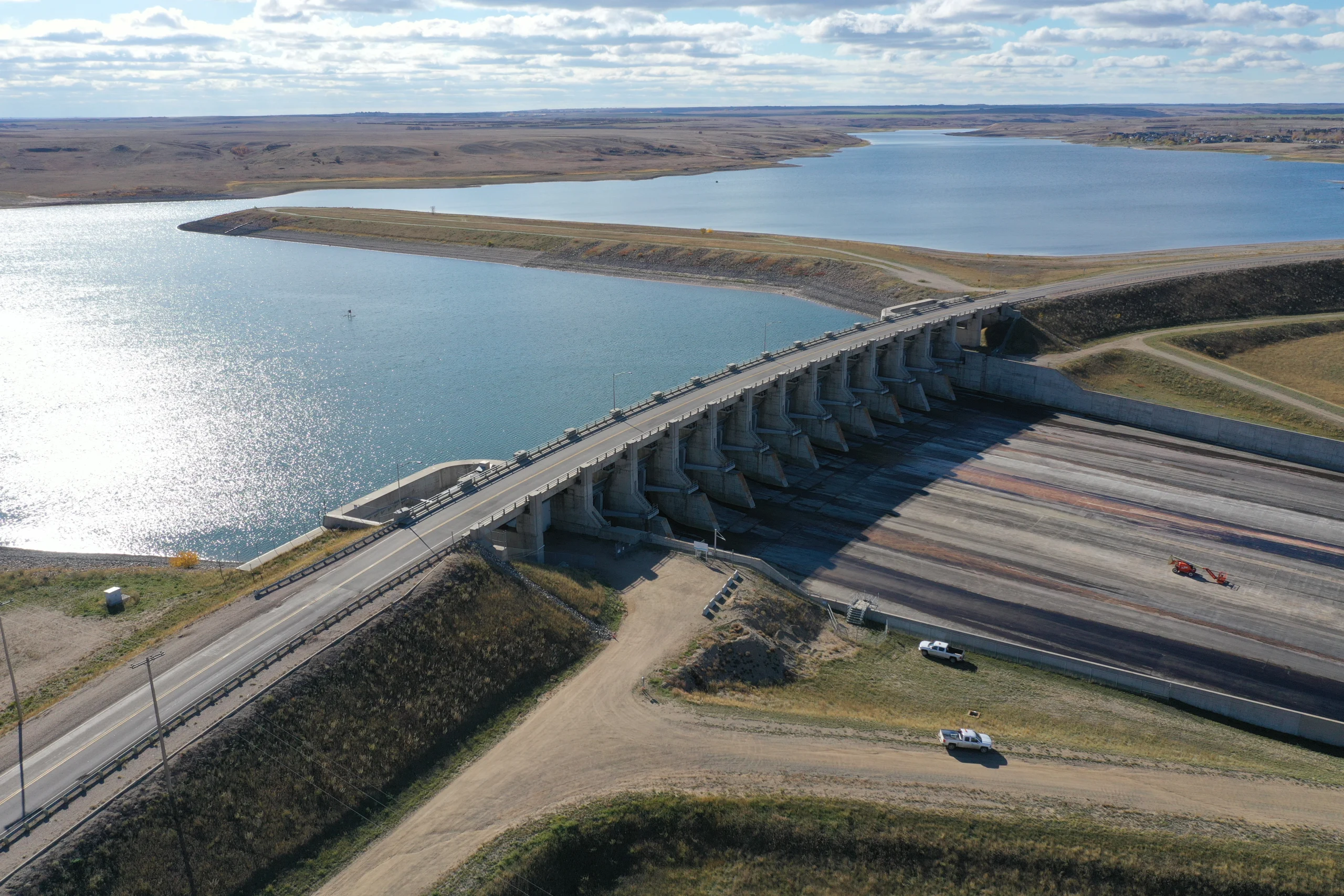
Join us at the 2026 CDA Annual Conference and Tradeshow
We are proud Platinum Sponsors of the Canadian Dam Association’s 2026 Annual Conference & Trade Show in Halifax.
You’ll find our team throughout the event, but several KGS Group employees are presenting at this year’s event, so be sure to stop by and watch.
How safety professionals involved in tailings and water retaining dams have collaborated in Canada to accomplish more than the sum of their parts.
Date: October 26, 9:30 a.m.
Presented by: Tony Bennett and industry colleagues
Since establishing its Mining Dams Committee in 2007, the CDA has played a leading role in developing guidance for tailings storage facilities and water-retaining dams, contributing to initiatives such as ICOLD and the Global Industry Standard on Tailings Management. Following the release of the Mining Dams Bulletin in 2014, several additional dam safety initiatives were undertaken. In 2024, the CDA launched a major update of its dam safety guidance, bringing tailings and water dam expertise together into a single national framework. The collaborative effort combines best practices from both disciplines to create stronger, more comprehensive guidance for all Canadian dams.
Workout Drills For Users of RCEM
Date: October 26, 10:40 a.m.
Presented by: Fuad Curi
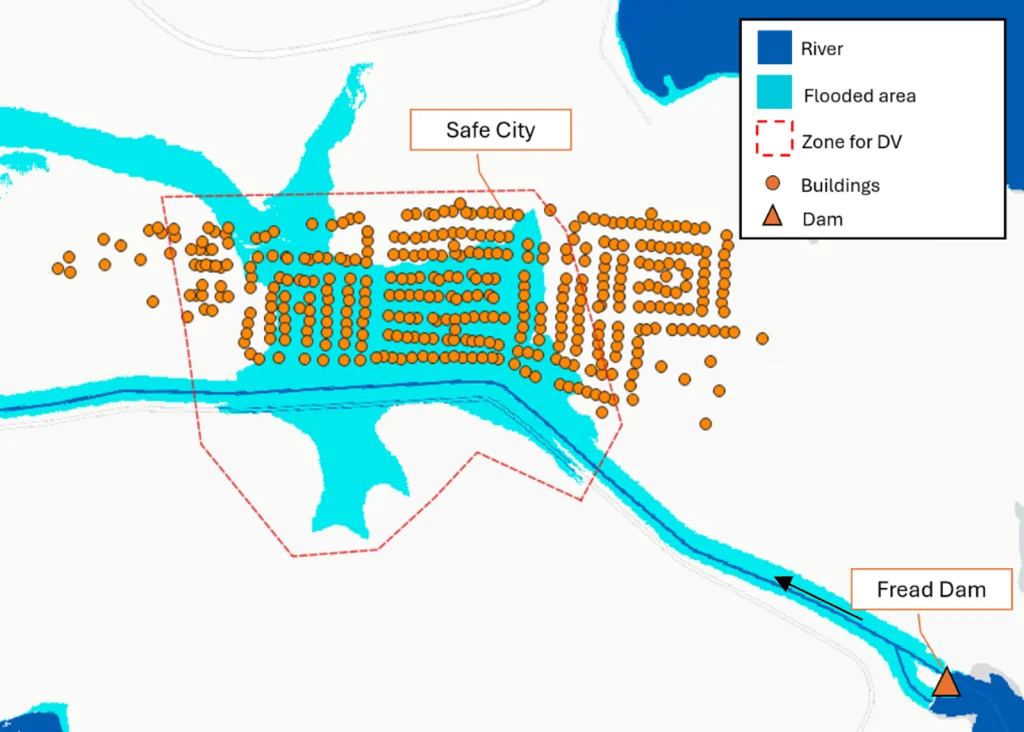
Describes experiments regarding the use of two-dimensional dam break model results in the calculation of Loss of Life using RCEM. Highlights areas in which accuracy and reasonableness might conflict. Provides insights from the authors’ experience, research and from discussions with other practitioners.
Assessment And Implementation Of Risk Reduction Measures For Uplift At Aging Spillway
Date: October 27, 1:30 p.m.
Presented by: Gord McPhail
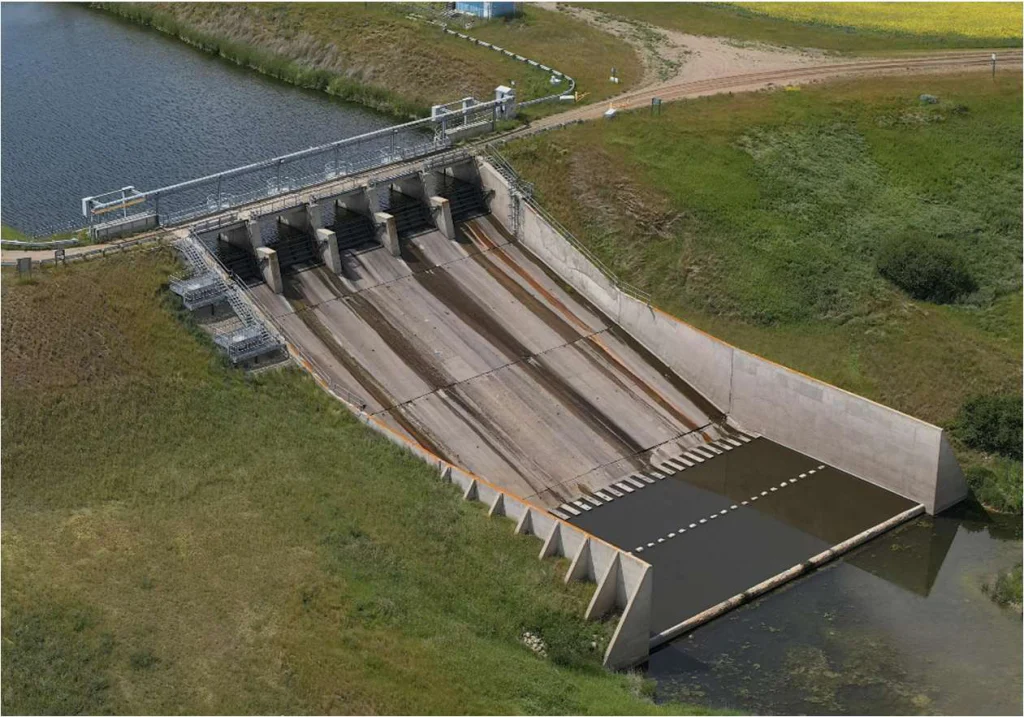
Aging spillways can be vulnerable to uplifting pressures that develop beneath concrete slabs and structures, posing risks to stability and long-term performance. Understanding the extent of these risks requires consideration of typical spillway designs, common deterioration mechanisms, and failure modes. Through inspections, lessons learned from past projects, and structured risk assessment frameworks, engineers can better identify and evaluate uplift-related hazards. Effective monitoring and targeted mitigation measures, such as drainage improvements and structural rehabilitation, help reduce risk and extend the service life of critical water infrastructure. Overall, proactive assessment and management of uplift pressures are essential to maintaining spillway safety and reliability.
The Design And Construction Of A Reinforced Concrete Core Wall Rockfill Dam To Replace An Aging Rockfill Dam
Date: October 27, 3:25 p.m.
Presented by: Justin Powers
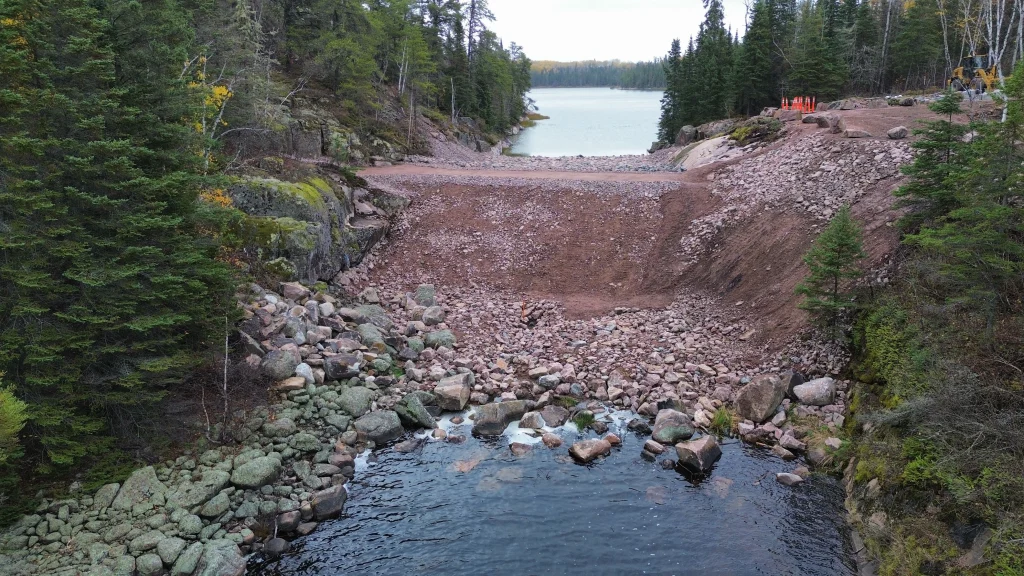
The North Channel Block Dam forms the headpond for the Whitedog Falls Generating Station, located 6 km downstream. Built in 1958 to close a diversion channel used during station construction, the dam consisted of a rockfill and granular embankment with a silty-sand core. A dam safety review later identified two critical deficiencies: inadequate freeboard and a risk of internal erosion. Severe floods in 2014 and 2022 highlighted these risks and required emergency interventions. OPG subsequently advanced a replacement project, evaluating seven dam concepts with various impervious core systems. The new dam was successfully commissioned in fall 2025.
Building Adaptive Dam Safety Programs: Results From A Cross Canada Survey Of Dam Owners
Date: October 27, 3:25 p.m.
Presented by: Lucas Wazney
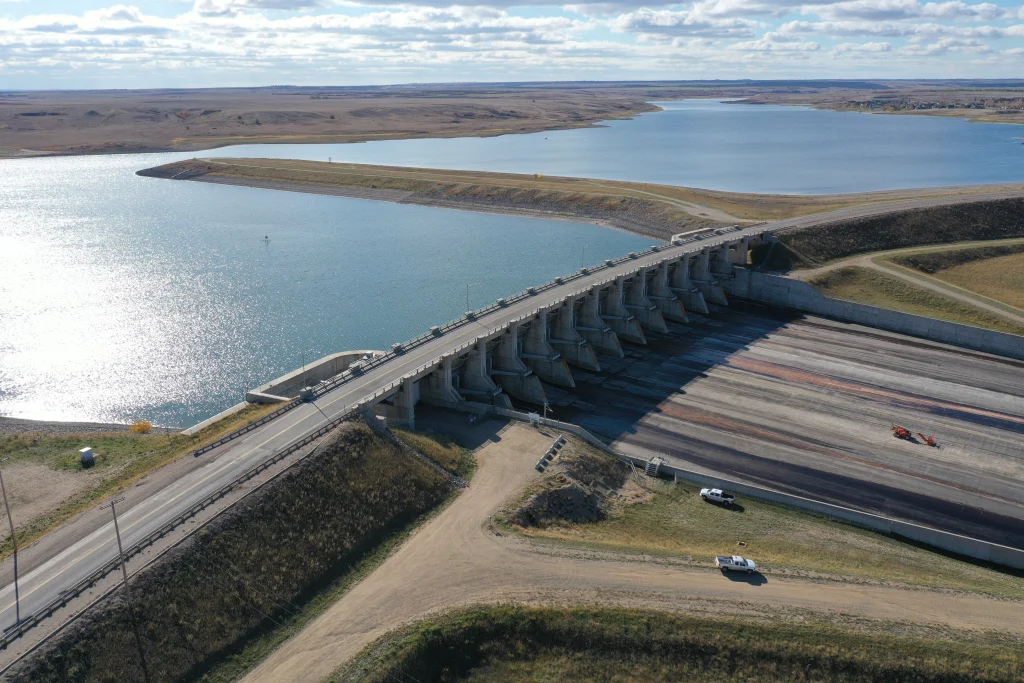
The Saskatchewan Water Security Agency (WSA) manages 79 dams with consequence classifications ranging from Low to Extreme. As climate change, increased demand, and heightened public scrutiny continue to shape dam operations, WSA undertook a comprehensive update of its dam safety management policy. To support this effort, WSA reviewed dam safety programs from 19 Canadian dam owners, examining areas such as operations, maintenance, dam safety reviews, emergency preparedness, and public safety. The study revealed varied approaches driven by organizational needs and risk tolerance. This paper compares those findings with CDA guidelines, identifying opportunities to strengthen resilience, enhance public safety, and modernize dam safety management practices across Canada.
We look forward to seeing you in Halifax!
Related Articles

Stefan Kohnen is hosting a webinar on behalf of Ontario Waterpower
Association

Join us at the CDA Annual Conference & Trade
Show
