

Pauingassi First Nation Landfill Expansion
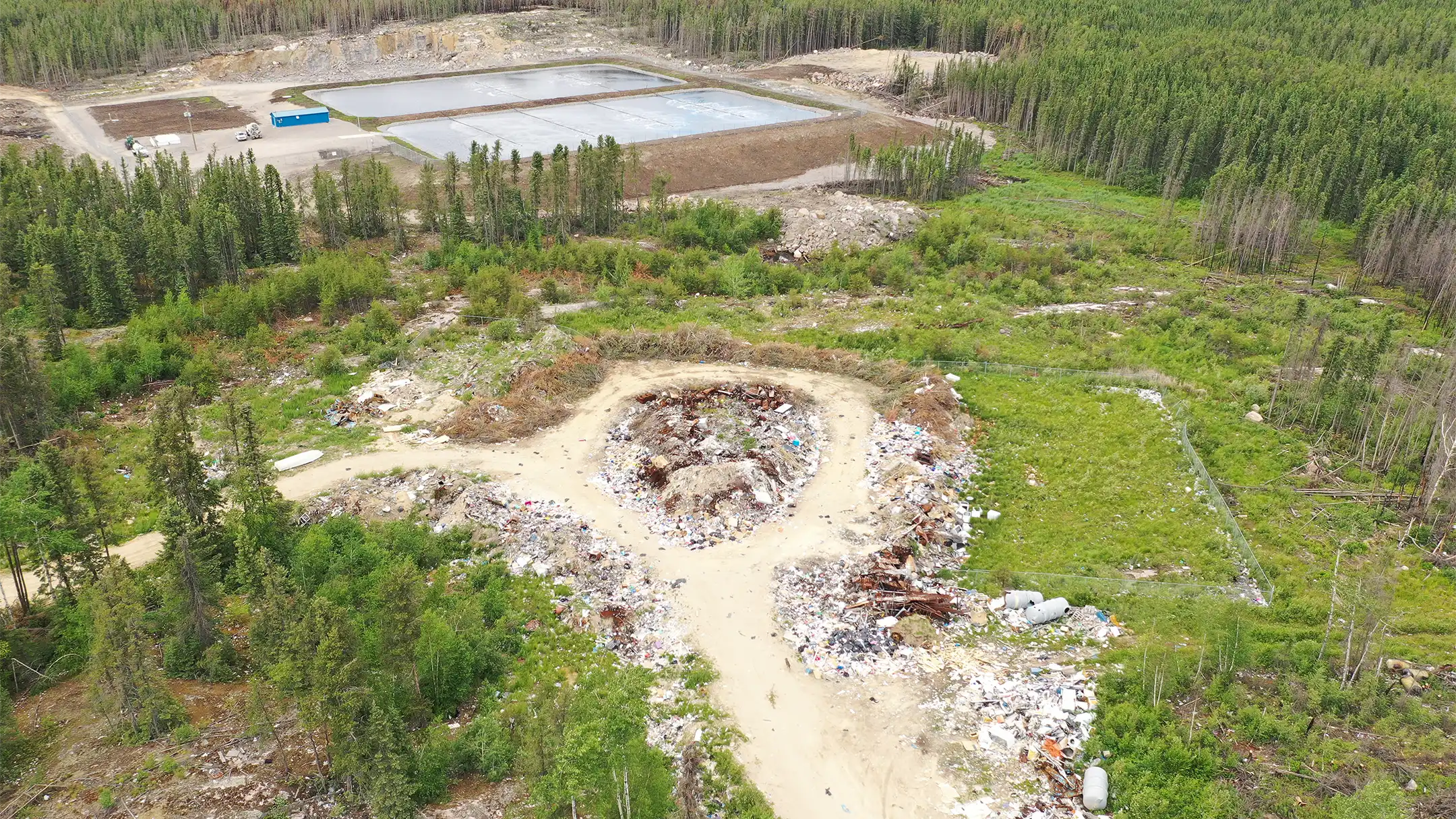
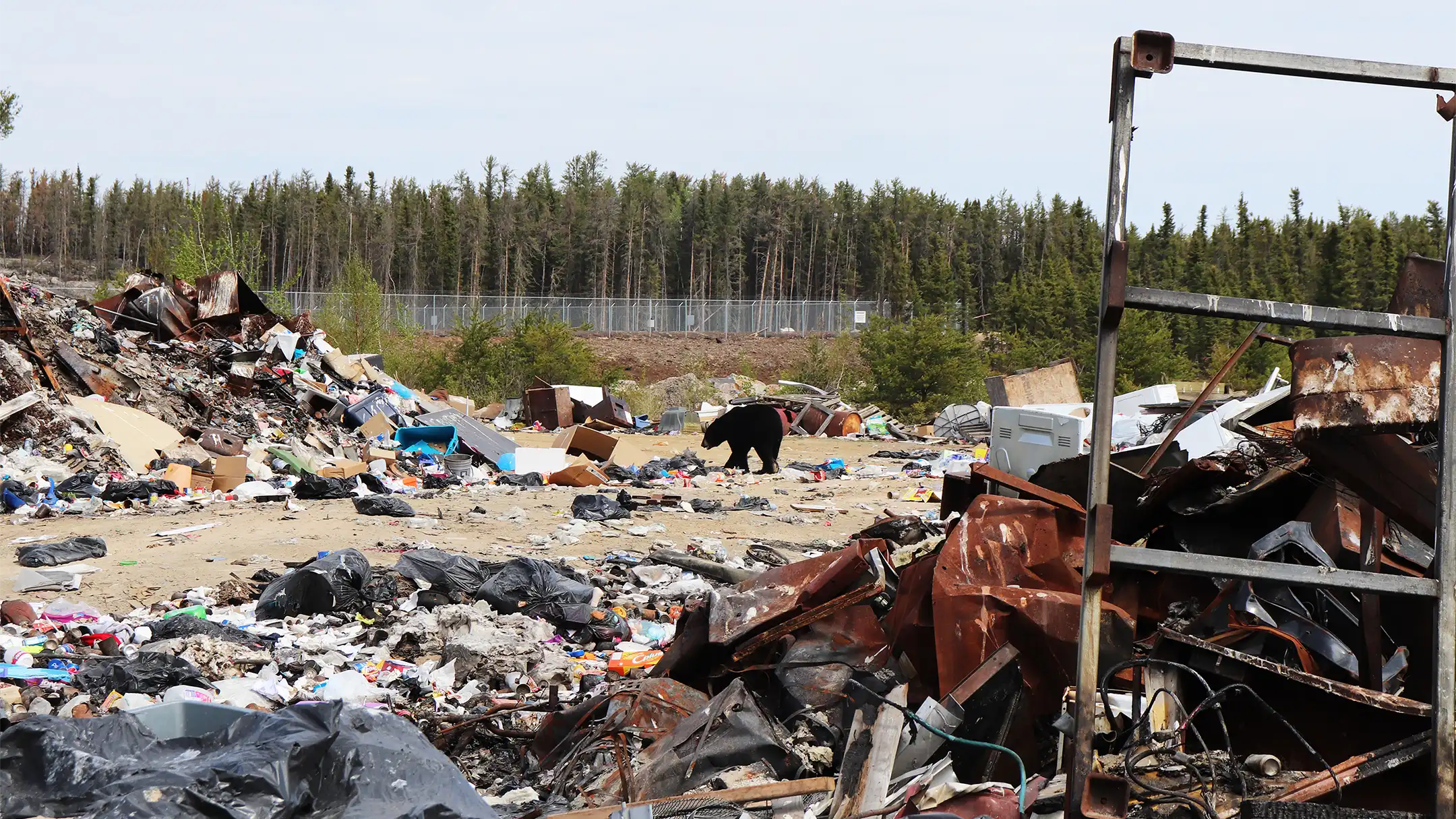
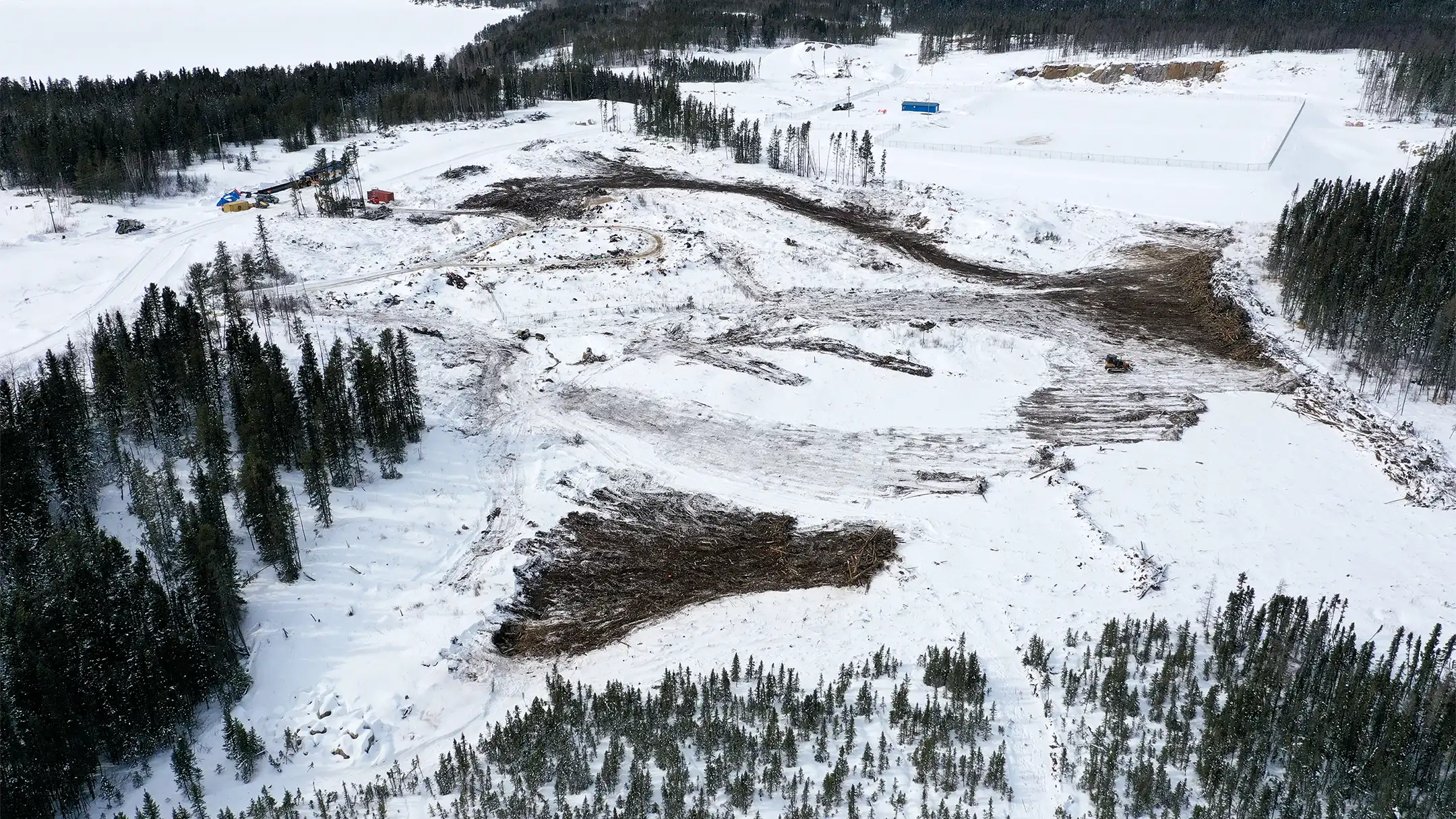
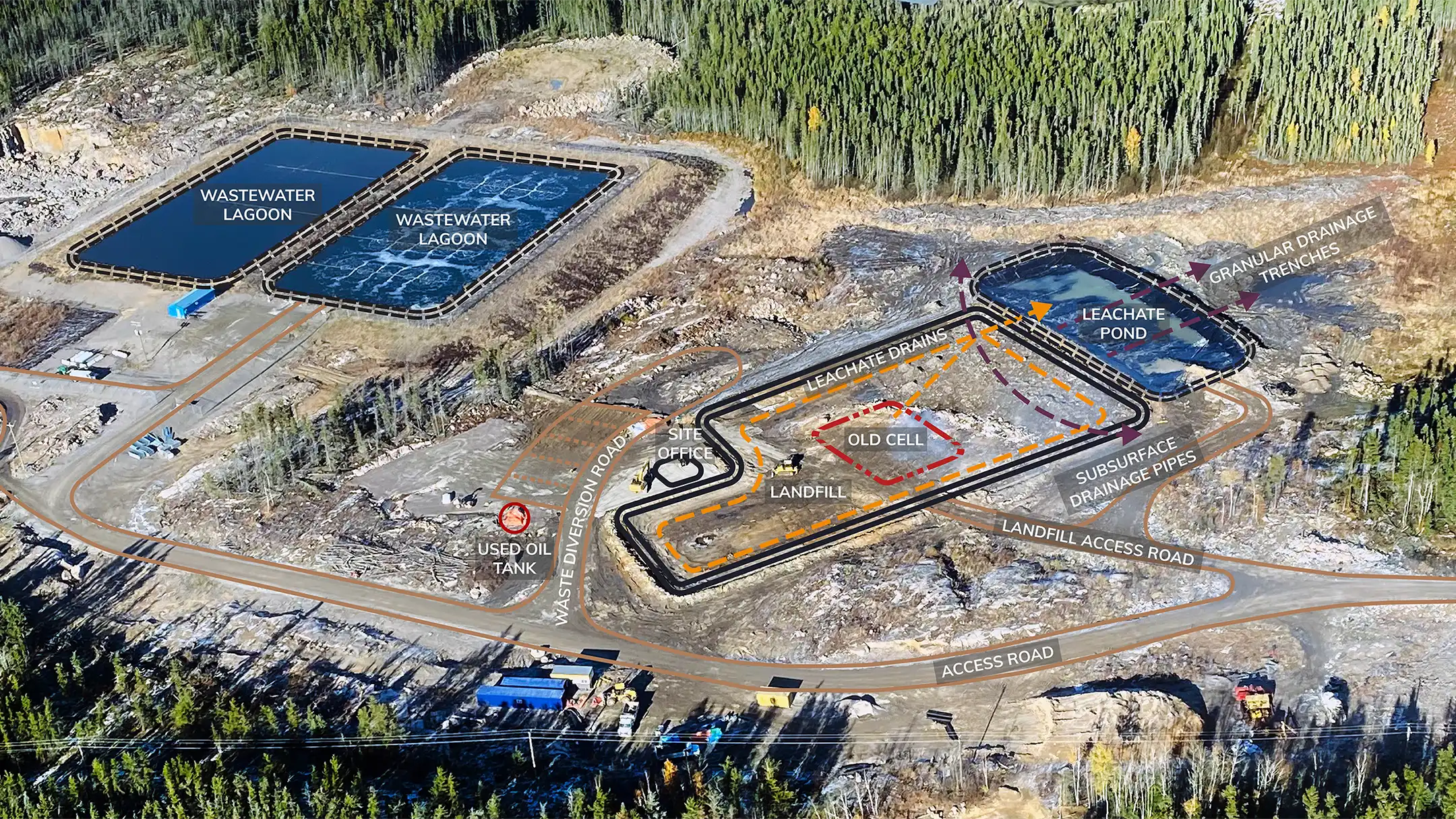
Pauingassi First Nation is located in eastern Manitoba, approximately 275 km northeast of Winnipeg, on a peninsula of land that extends southward into Fishing Lake. At the time, the community had a total registered population of 668 and did not have an airport or an all-season road for access and uses winter roads, float planes or helicopters depending on the time of year.
Because access is primarily by winter road, numerous challenges must be overcome for solid waste management and in general for any construction projects in the community. Some of these challenges include heavy equipment access, difficulty removing divertible wastes from the community to proper disposal depots, dependency (and variability) of ice thickness, and overall higher construction costs compared to other, more easily accessible communities.
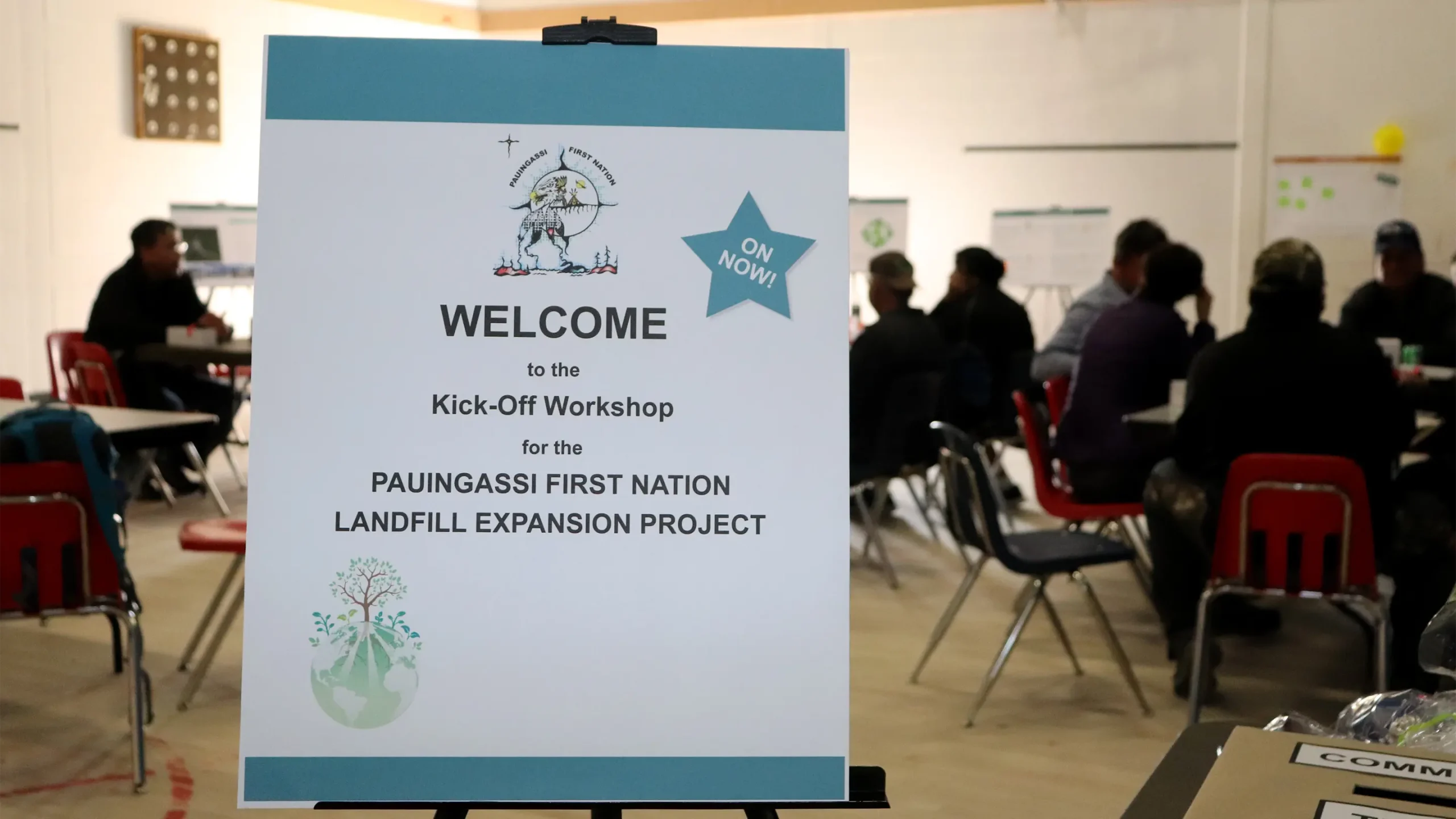
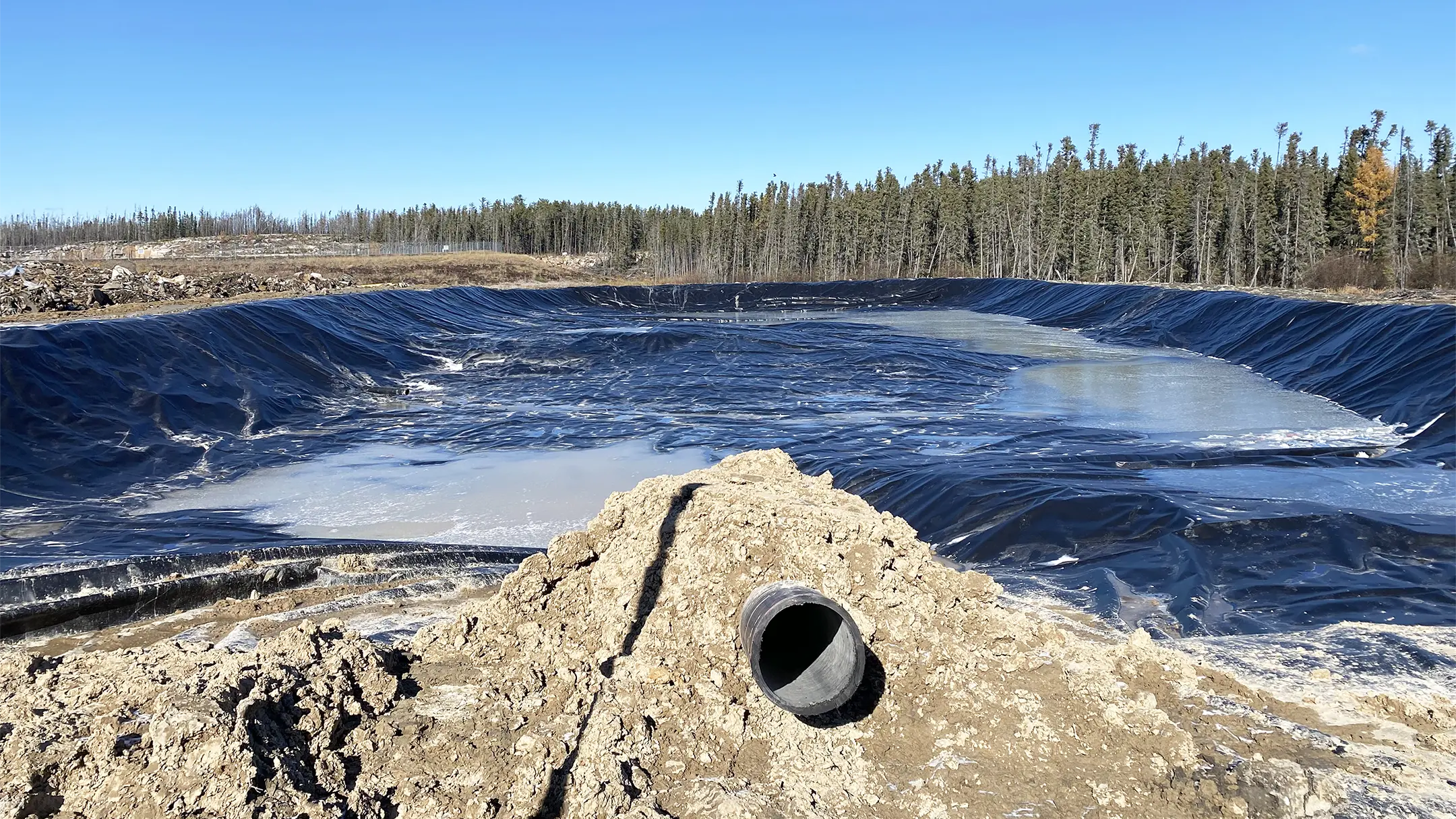
KGS Group created a new integrated resource management centre for this remote community. Success was achieved even though the COVID-19 pandemic and 2021 forest fires impacted the schedule. An innovative design overcame challenging site conditions, integrated community requests, preserved local heritage resources and Traditional Land Use Areas, and mitigated existing environmental impacts.
The result is a practical, environmentally sound, sustainable and aesthetically pleasing waste management facility that also addresses waste diversion. This project is a model for successful collaboration between Indigenous communities, contractors, consulting companies and government agencies.
Project Highlights
- Community‑informed planning, design and construction oversight
- Remote delivery adapted to winter road logistics
- Engineered facility to centralize waste handling and address diversion
- Design aligned with site constraints while preserving heritage and Traditional Land Use Areas
- A cleaner, safer community environment
City of Winnipeg Local Street Renewal Programs
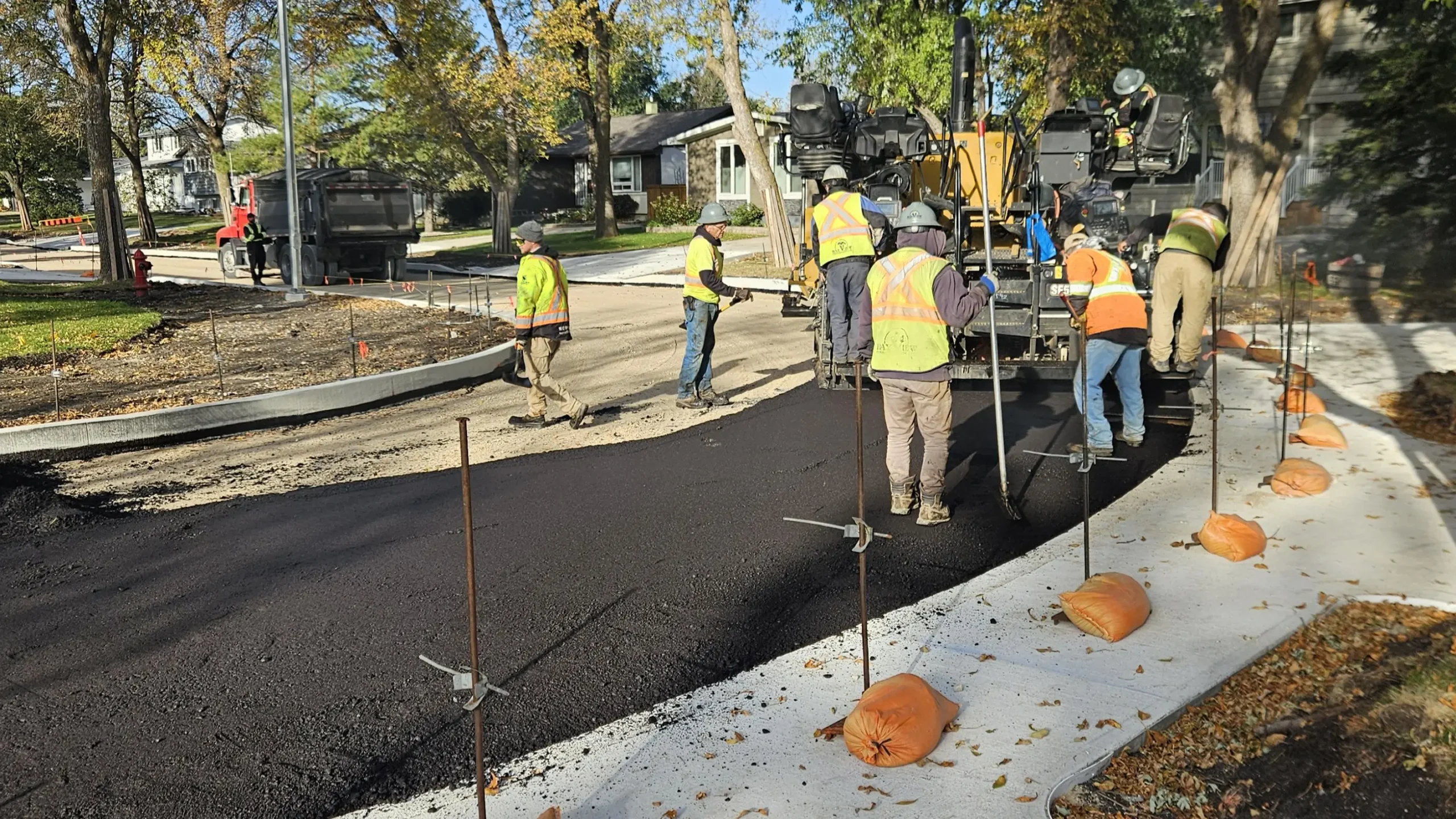
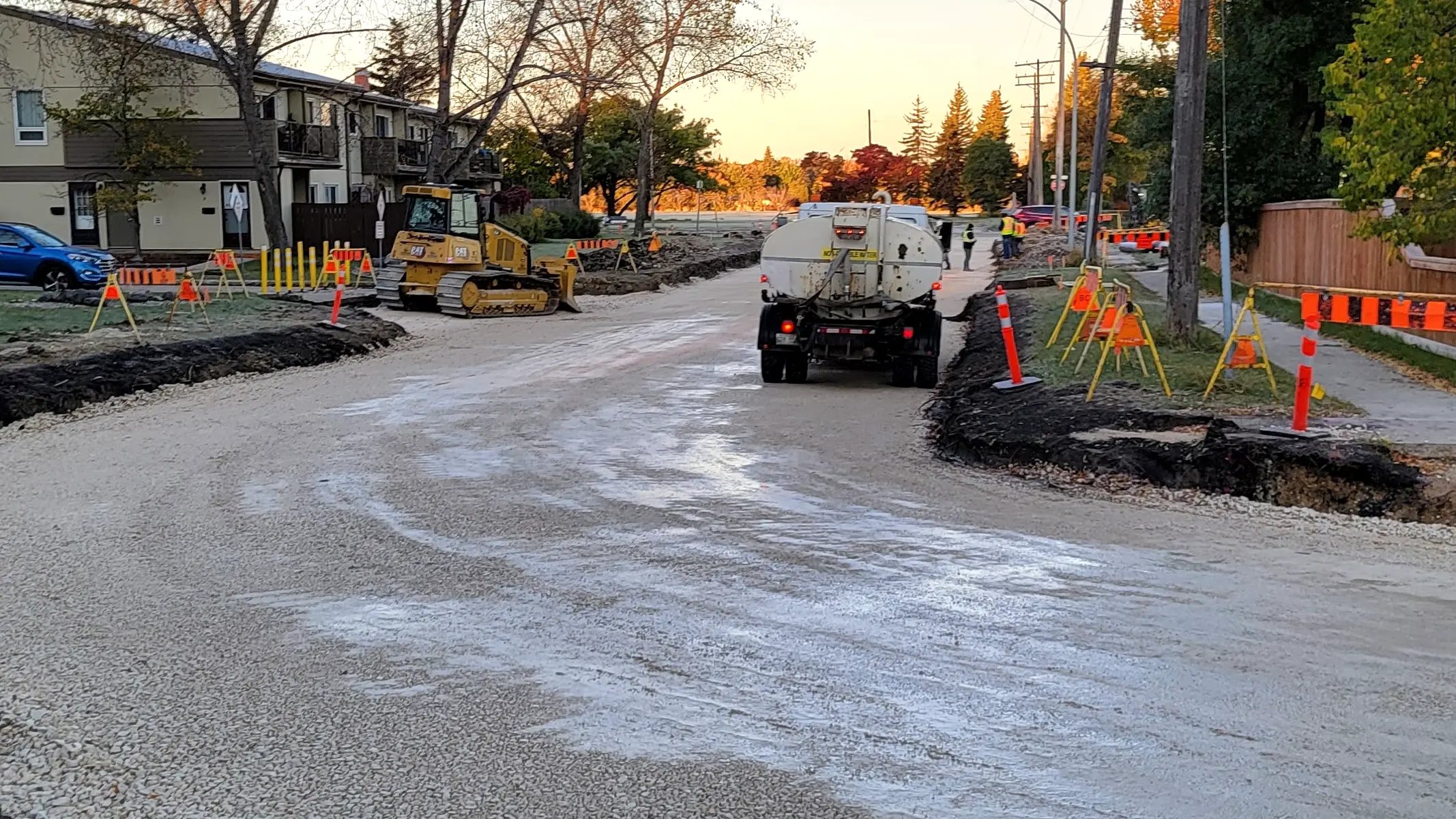
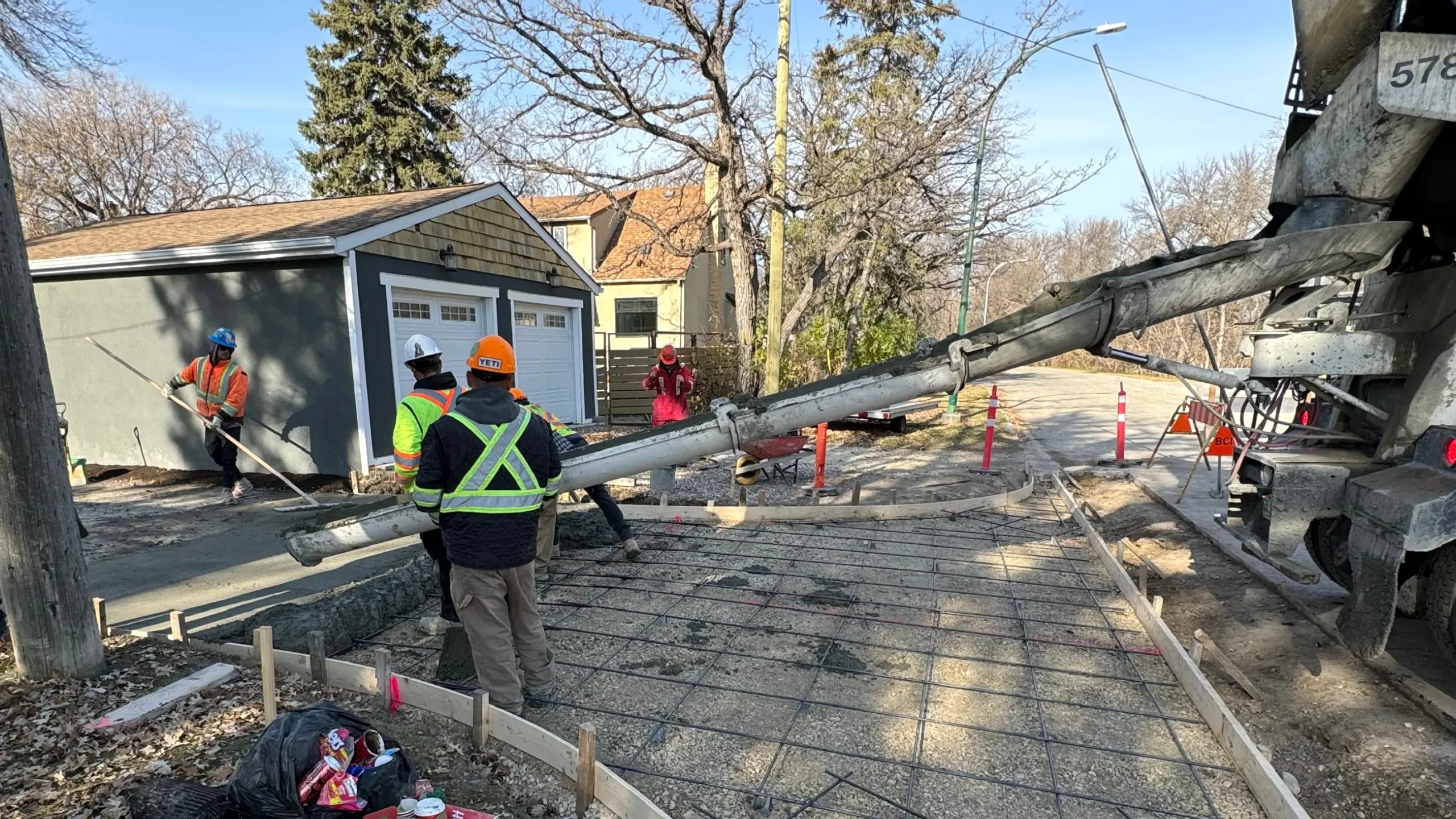
Each year, the City of Winnipeg advances a program to renew residential streets, alleys and regional roads. KGS Group supports this work to keep people moving safely, improve neighborhood connectivity, and extend the life of critical transportation assets.
Aging pavements and sidewalks, varied site conditions and busy urban corridors require coordinated planning and careful staging. Work must maintain access for residents, pedestrians, transit users, and businesses while aligning the city’s standards and priorities.
KGS Group delivers a consistent, programmatic approach, assessing conditions, developing practical designs and supporting construction with clear traffic management. The KGS team also coordinates with utilities and stakeholders, prepares tenders and estimates and oversees field quality to achieve reliable, repeatable outcomes year over year.
The program improves safety and comfort and reduces lifecycle costs through targeted treatments. Phased construction and detours help minimize disruption while renewing infrastructure for long‑term performance.
Project Highlights
- Annual renewal of Winnipeg’s residential streets, alleys and regional roads through treatments ranging from asphalt/concrete rehabilitations and reconstructions to mill‑and‑fill; sidewalk renewals and new installations; geometric improvements; transit stop upgrades; street‑lighting enhancements and more
- Extended asset service life, maintained access throughout construction and treatments matched to conditions for cost saving delivery
- Collaboration with the City of Winnipeg, utilities and local stakeholders
Lake Manitoba and Lake St. Martin Outlet Channels
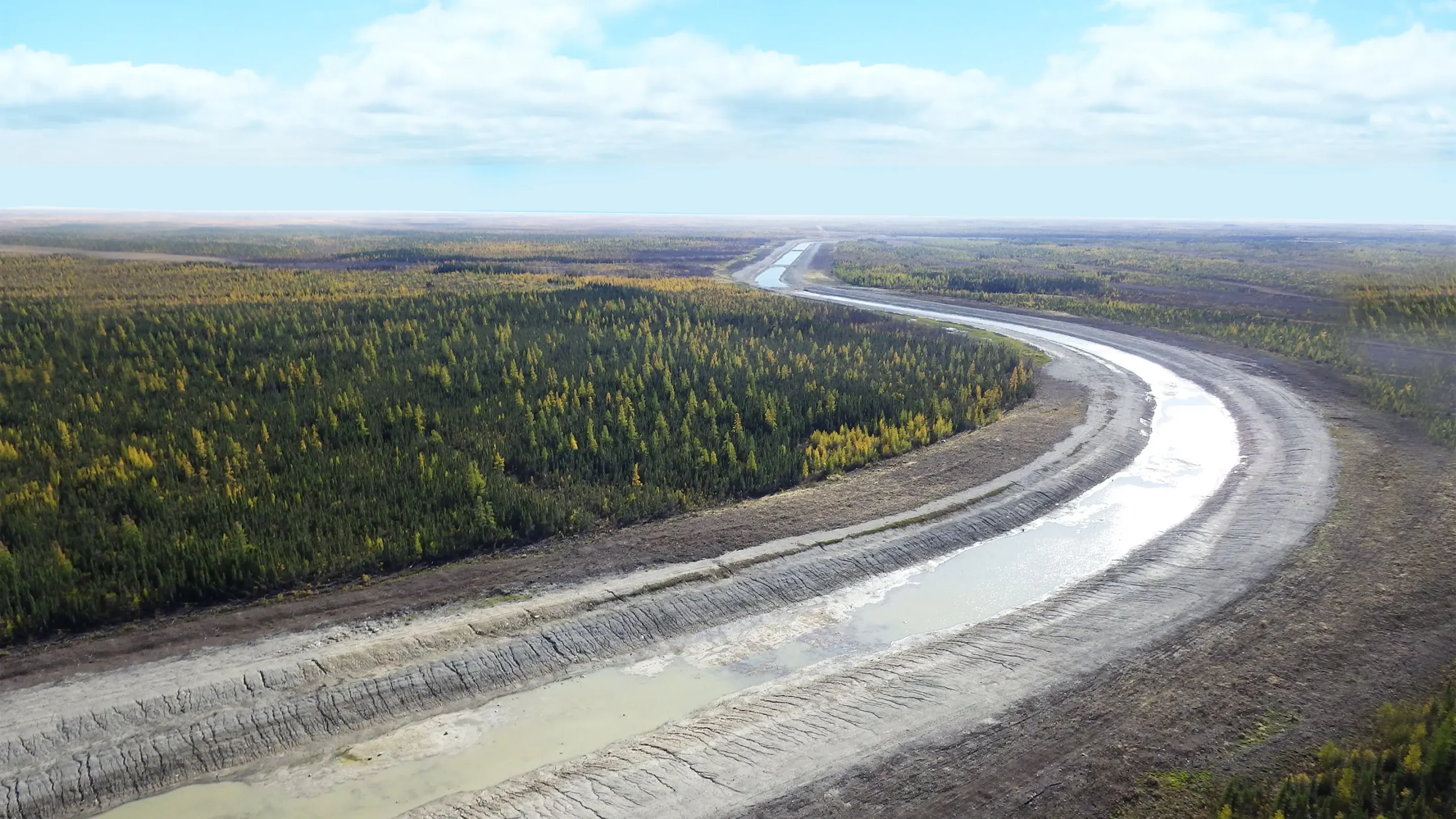
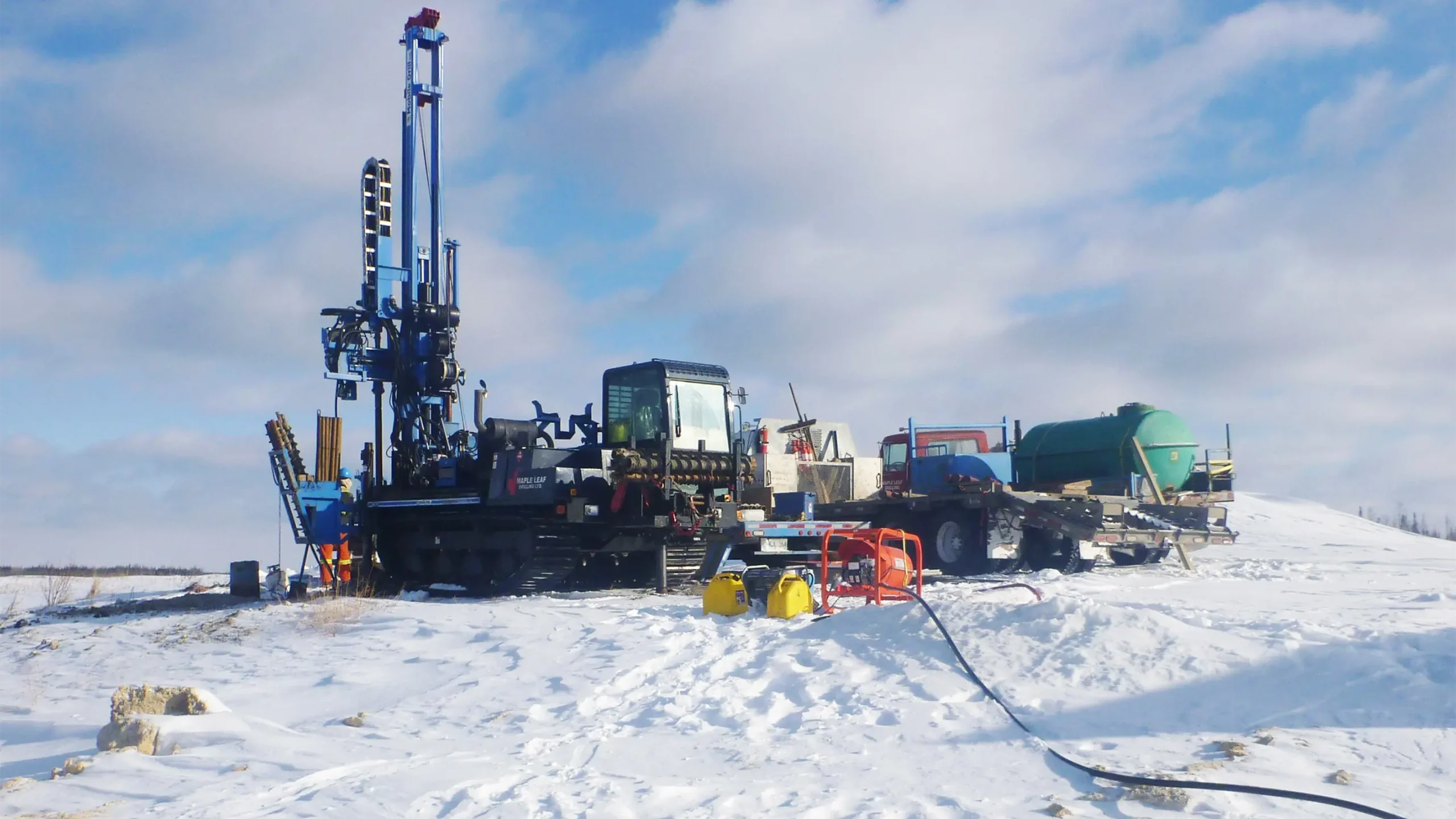
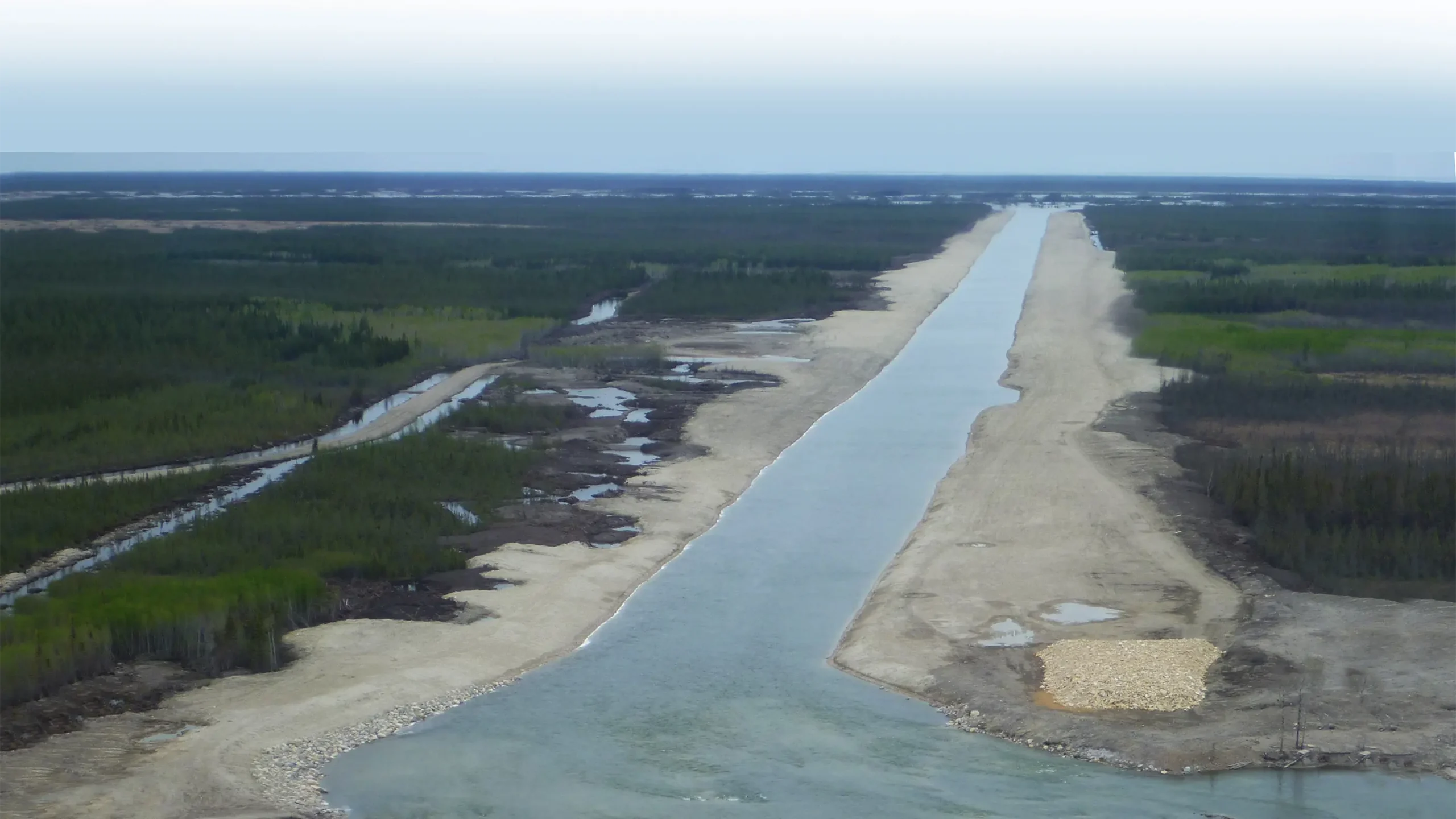
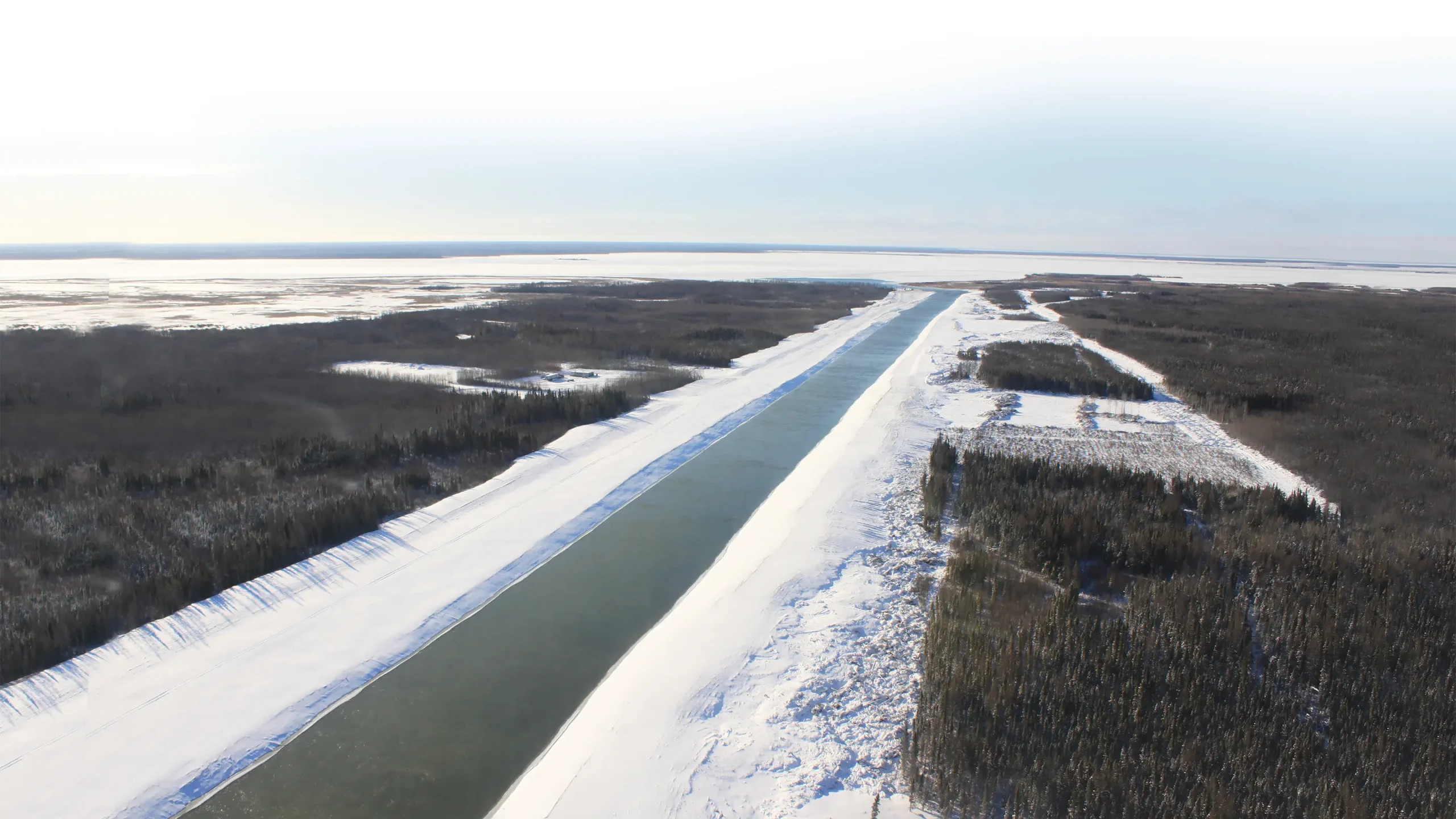
Following severe flooding events in 2011 and 2014, the Province of Manitoba retained KGS Group for the design of the Lake Manitoba and Lake St. Martin Outlet Channels Project. The outlet channels will serve as new, permanent flood control infrastructure for both lakes.
Completed under tight schedule restrictions, the conceptual design work involved:
- Remote field investigations
- Extensive review and analysis of the various channel configurations
- Preparation of concept designs, cost estimates and constructability reviews
- Identification, assessment and screening of potential environmental and socio-economic impacts
The diverse range of design components and unique site conditions resulted in a challenging engineering undertaking that was successfully managed by the multidisciplinary team of experienced engineers, GIS technicians and support staff assembled by KGS Group.
KGS Group subsequently completed the preliminary, final design and tender preparation for the outlet channel from Lake St. Martin to Lake Winnipeg. The project includes roughly 23 km of channel excavation, multiple drop structures, and construction of a water control structure near the channel inlet complete with gates, hoists, bridge deck and ancillary buildings. The total estimated budget for this portion of the project is over $300 million. The construction phase of the project is pending regulatory approval.
Once constructed, the outlet channels are projected to maintain both lakes below flood stage over 99 per cent of the time. They will provide the ability to better regulate the lakes and reduce the impact of future floods, benefiting residents and businesses in the area.
Project Highlights
- Design for 23 km of channel excavation with defined sections and earthworks quantities
- Design of multiple drop structures sized for hydraulic control and energy dissipation
- Water control structure near the channel inlet for operational regulation
Churchill Rocket Range Environmental Services

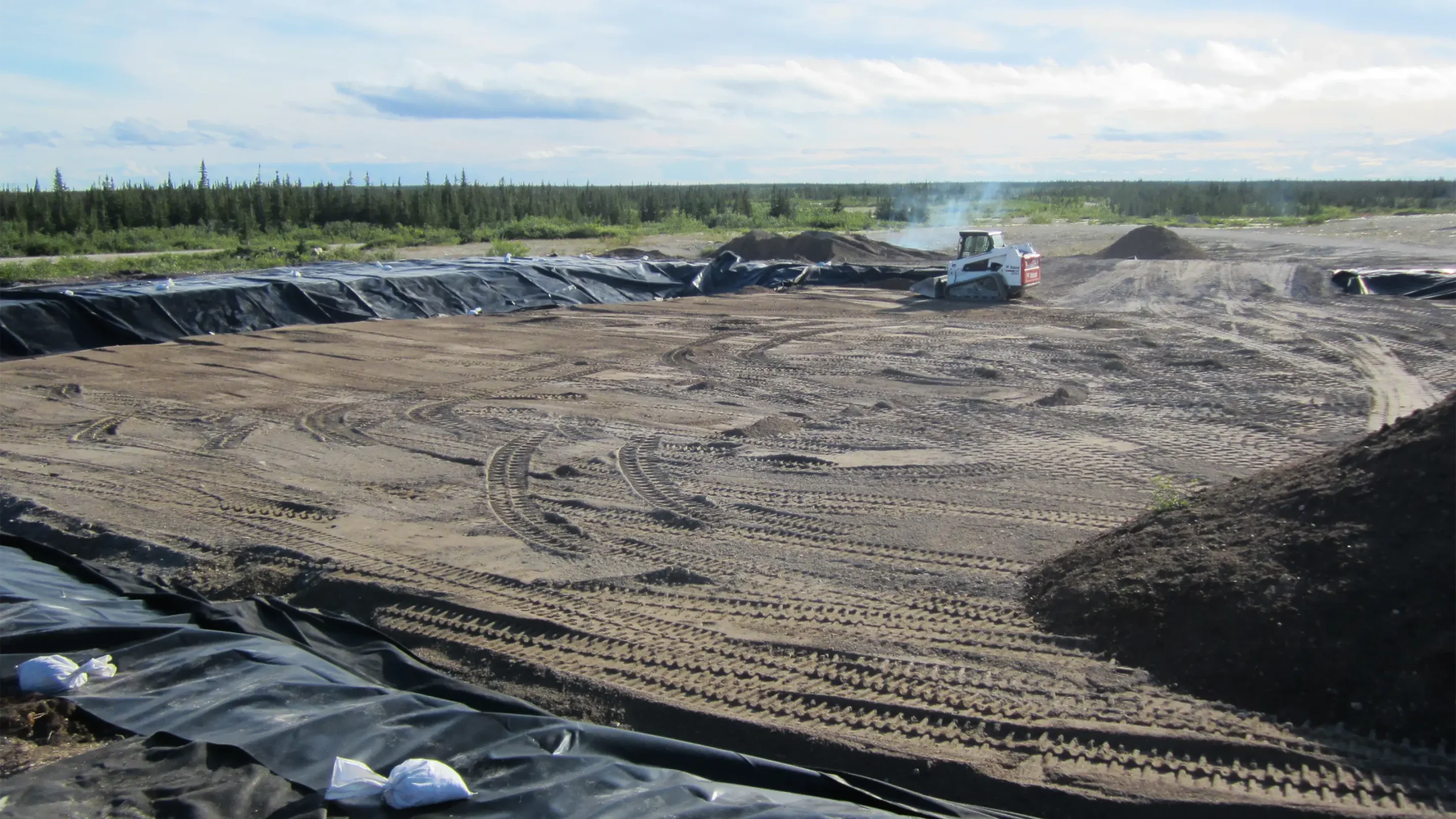
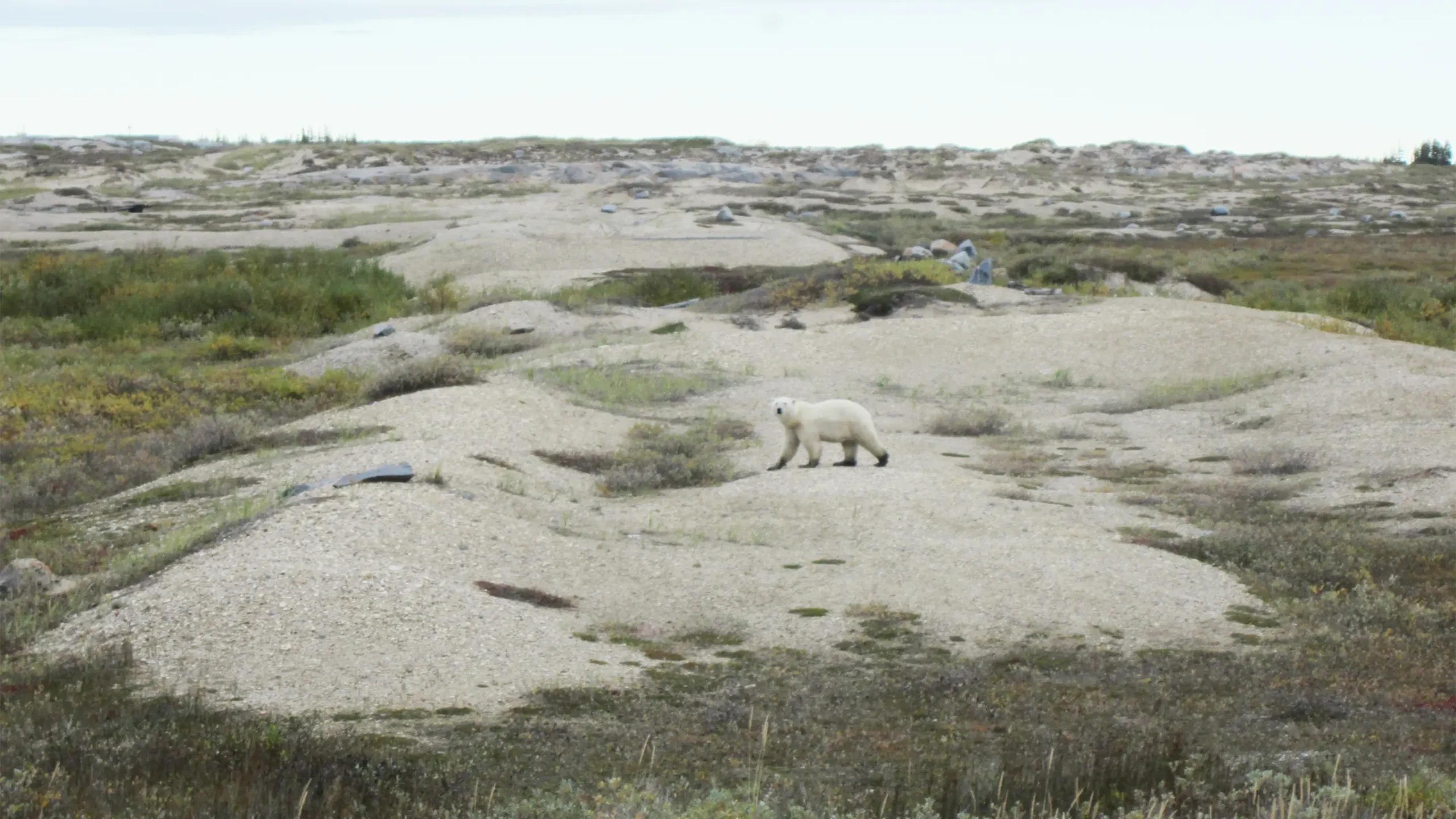
The Churchill Rocket Range, a former launch site east of Churchill, required environmental due diligence and cleanup ahead of ownership transfer to the Town of Churchill. KGS Group provided consulting services to assess site conditions, plan remediation and support safe deconstruction.
Before ownership transfer, we completed an environmental site assessment, a non-hazardous and hazardous materials inventory, including hazardous building materials sampling and a rocket debris waste survey, a remediation and hazardous materials management plan and mould and asbestos abatement specifications.
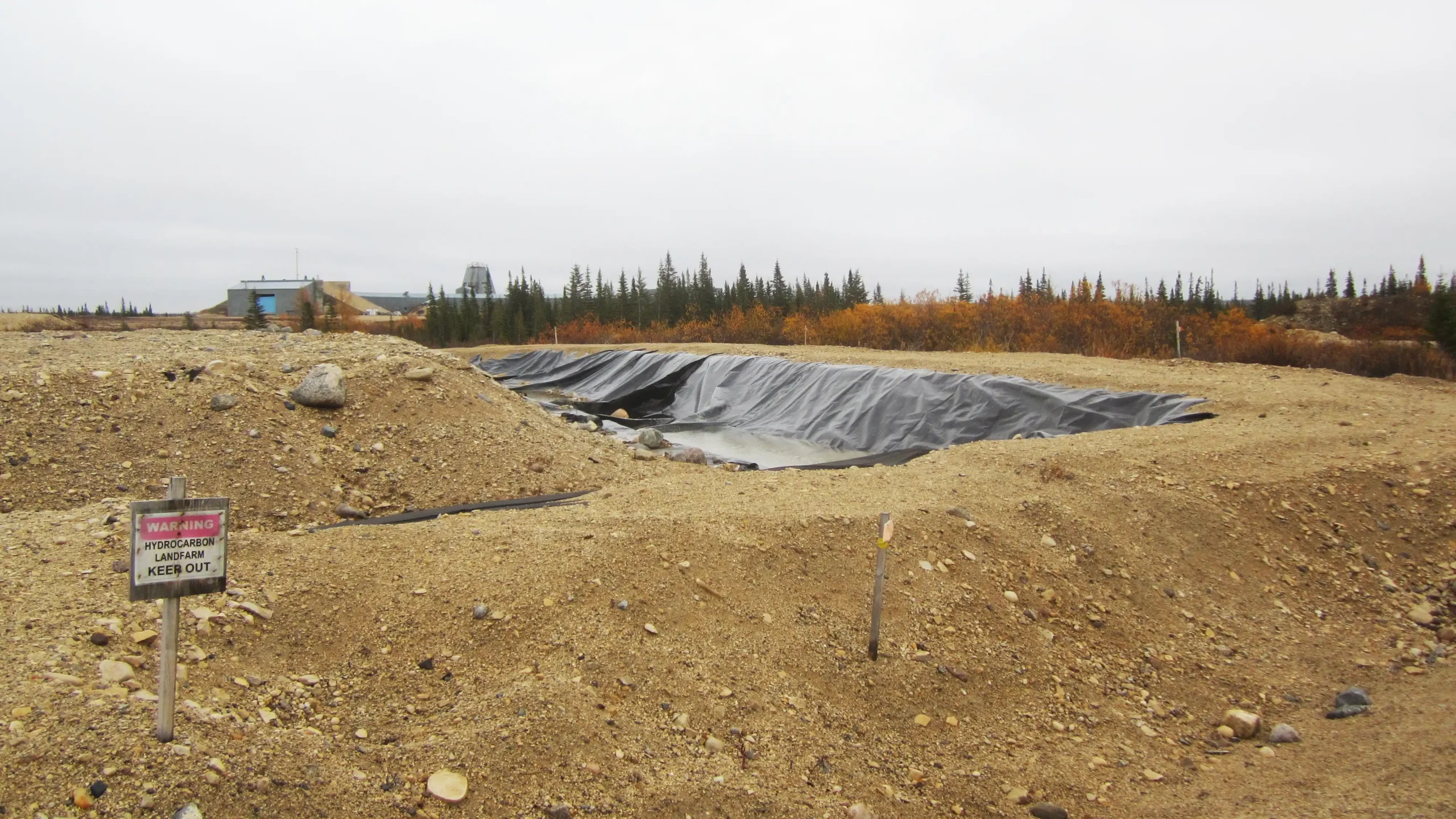
Following completion of the initial work, the rocket range was transferred to the Town of Churchill and KGS Group was retained to manage and coordinate activities related to soil remediation and demolition of several buildings and structures at the site. Remedial activities included excavation and disposal of contaminated soils in an onsite constructed land farm as approved by the province.
Successful completion of this project required careful planning due to short field seasons and limited equipment, as well as the ability to adapt to variable conditions encountered in this unique Canadian subarctic environment.
Project Highlights
- Hazardous/non‑hazardous materials inventory and rocket debris survey
- Remediation and hazardous materials management plan and mould and asbestos abatement specifications
- Soil remediation via excavation and onsite land farm, demolition of selected buildings/structures
Pointe du Bois Spillway Replacement
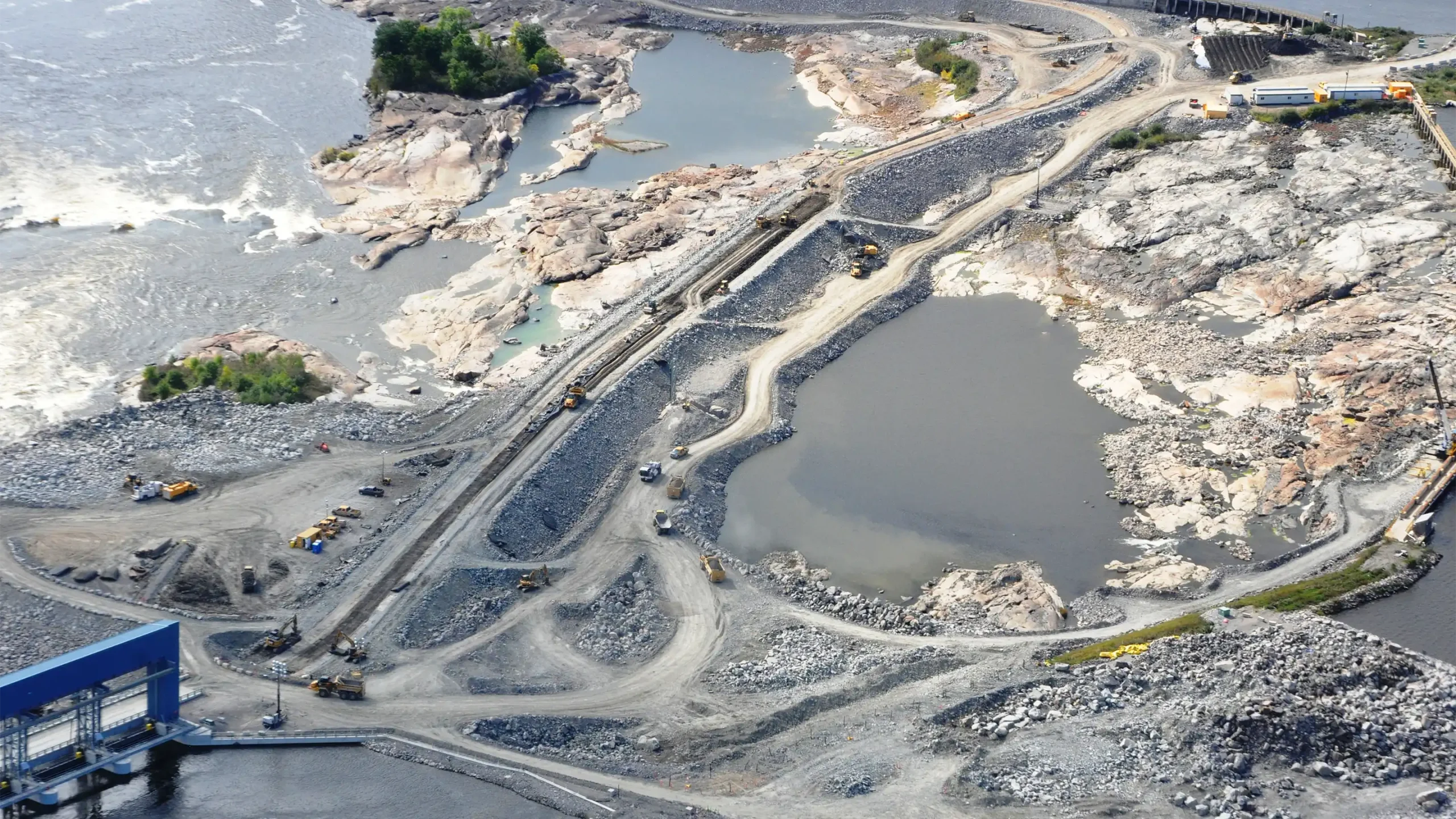
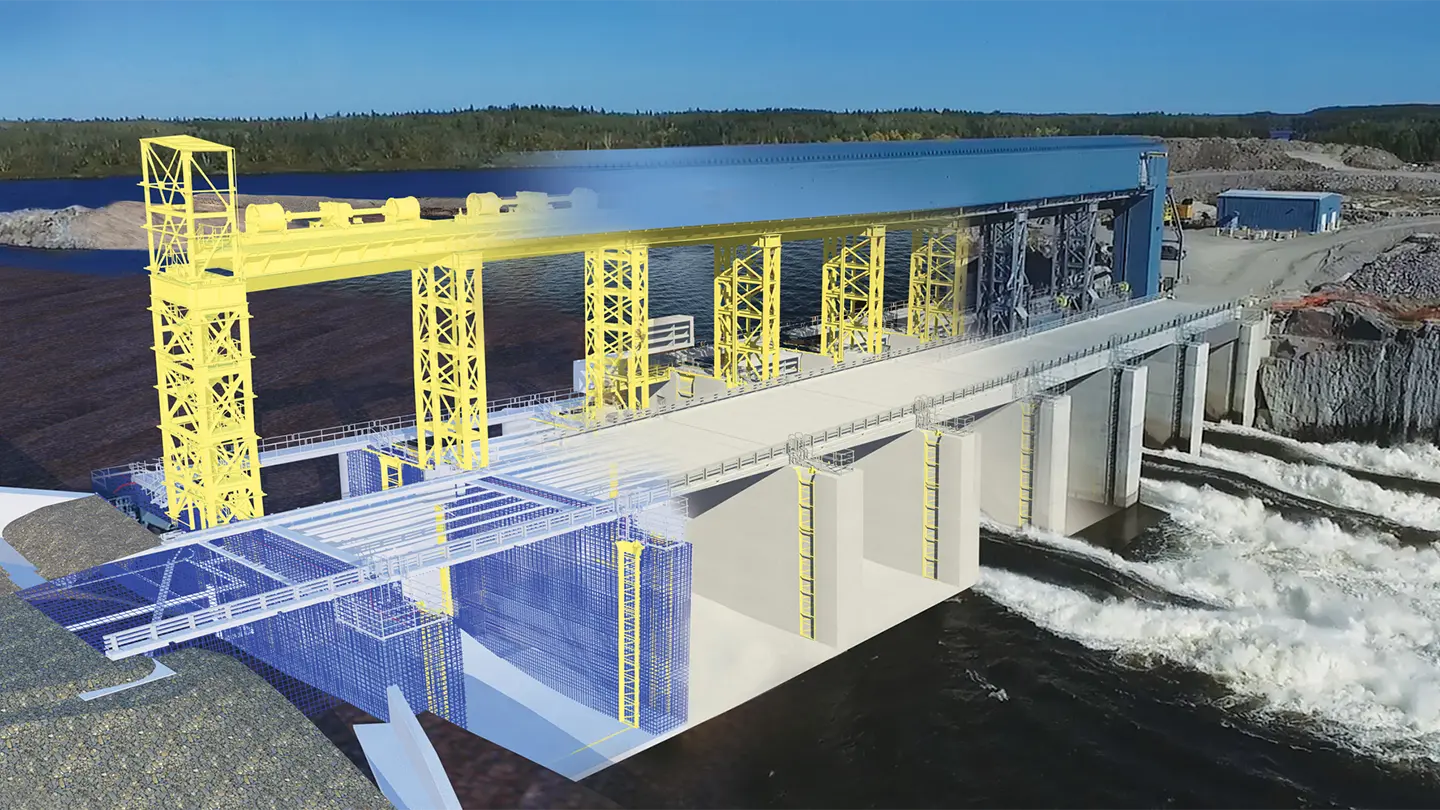
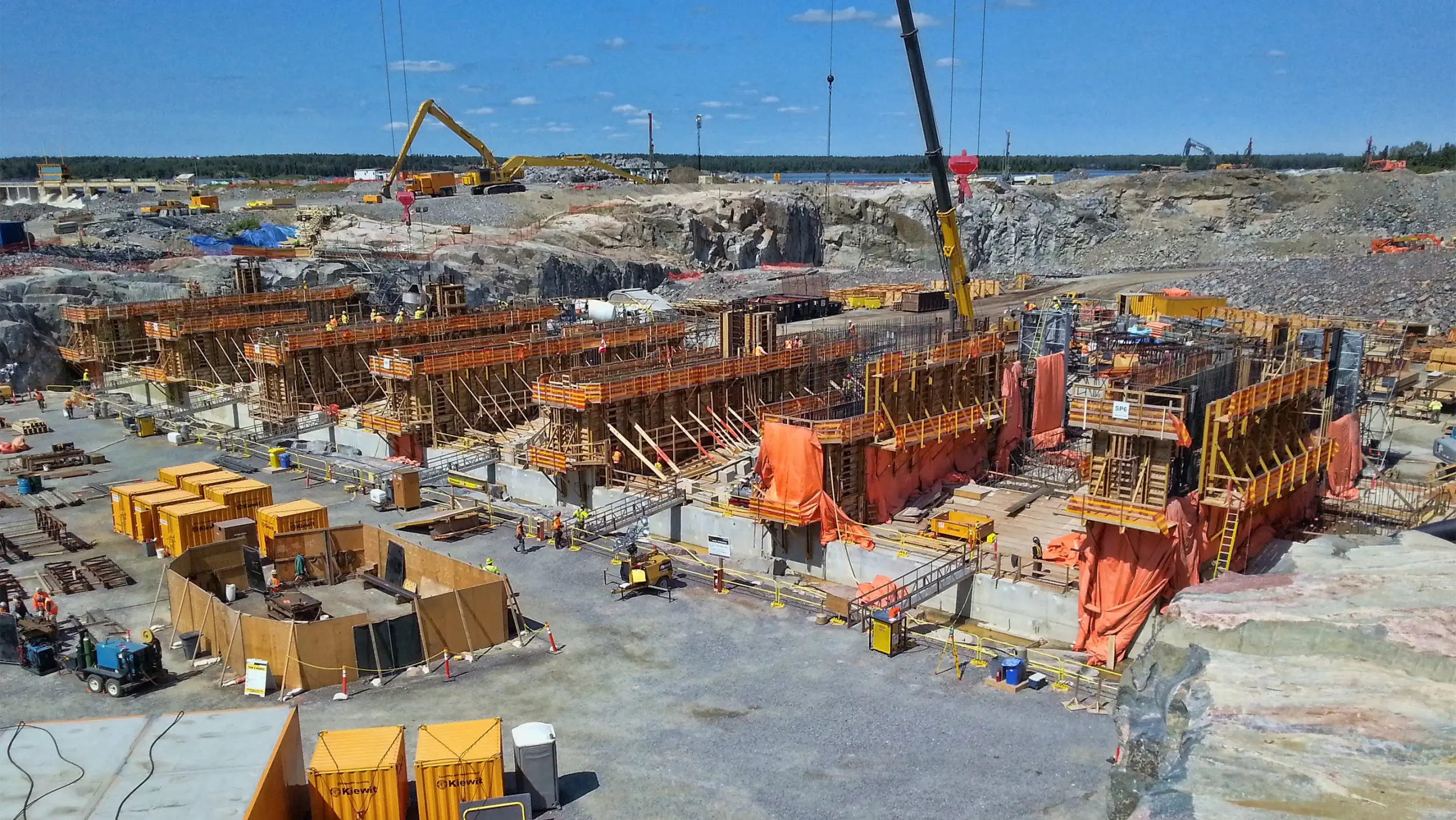
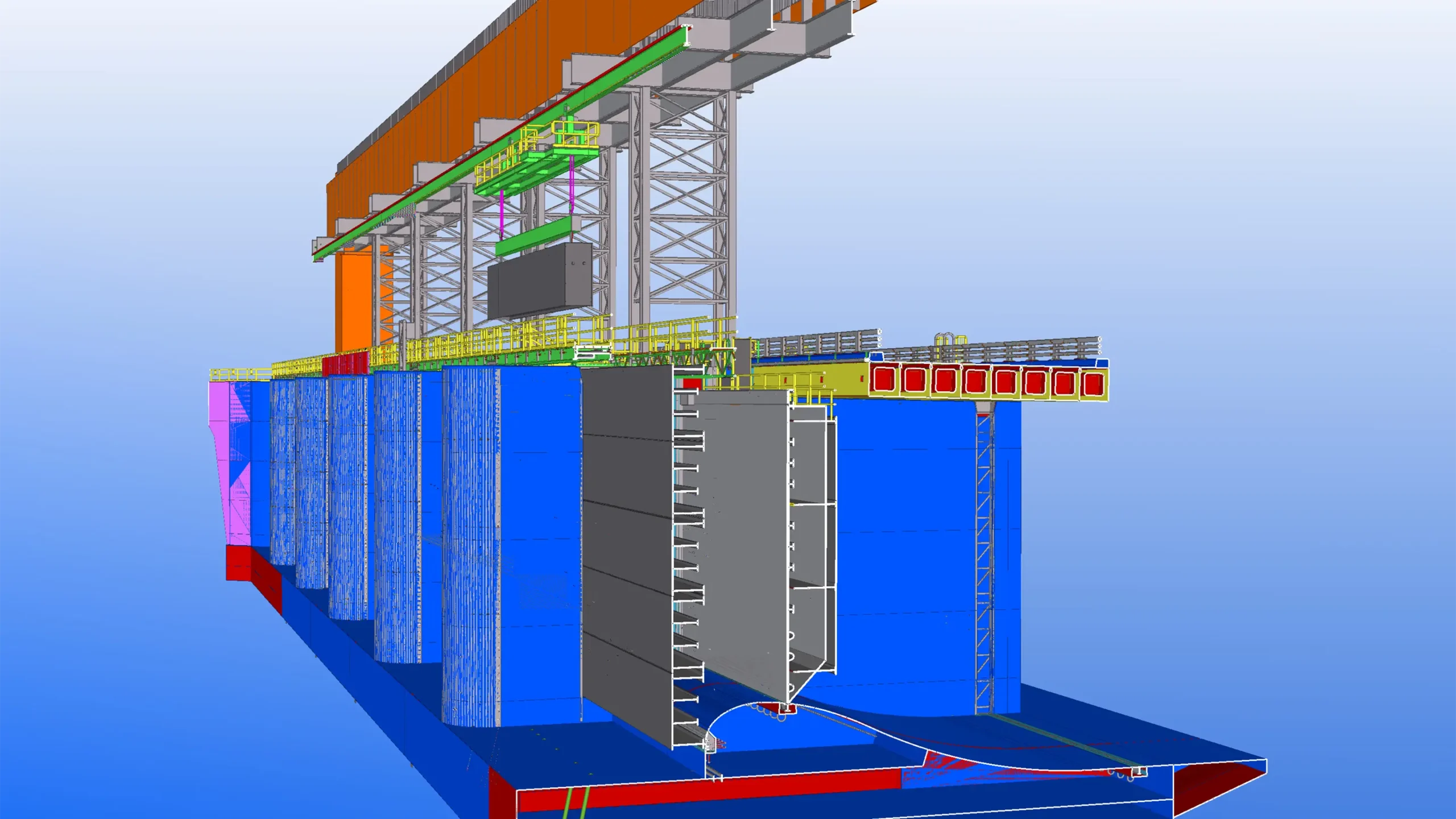
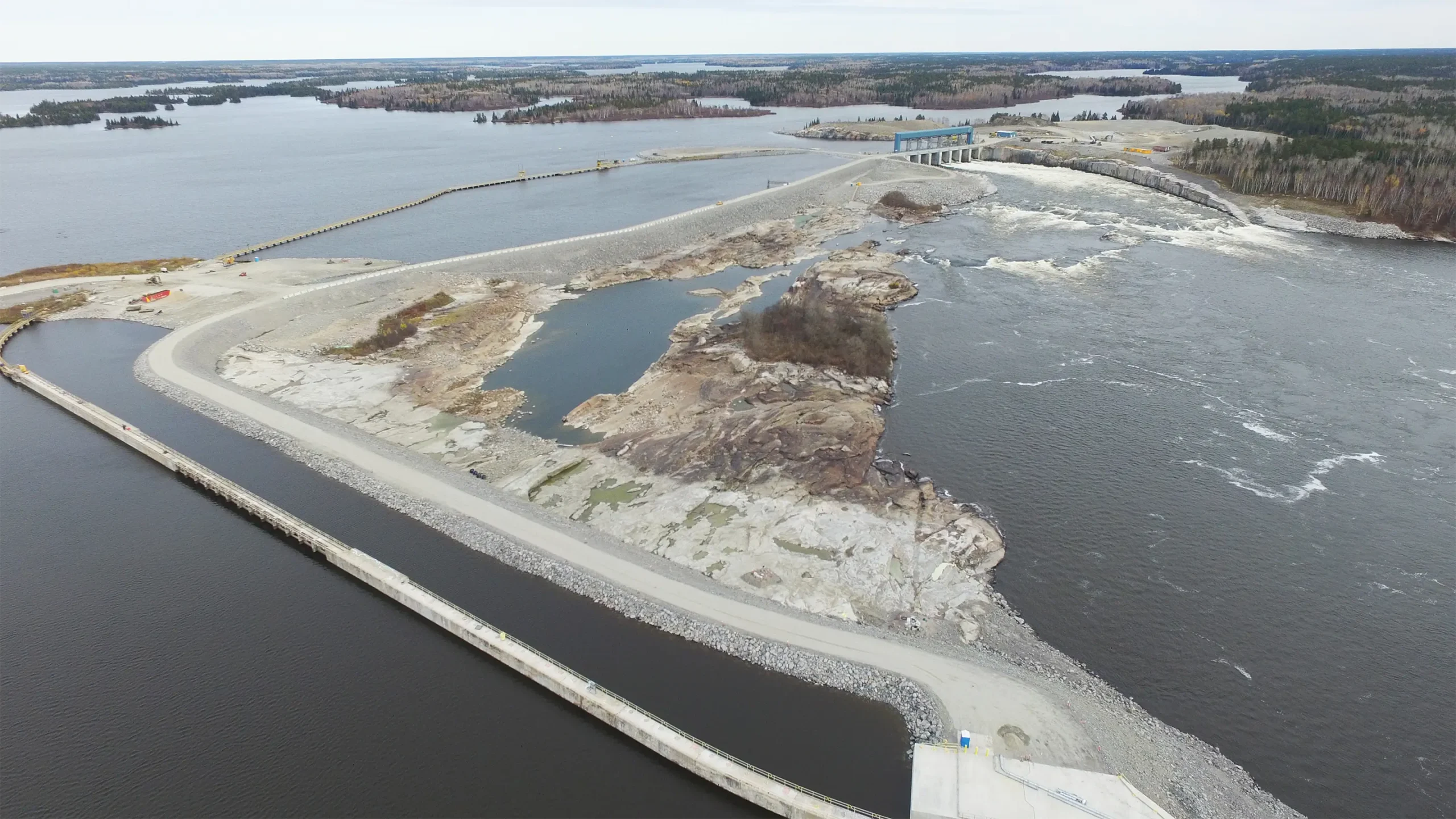
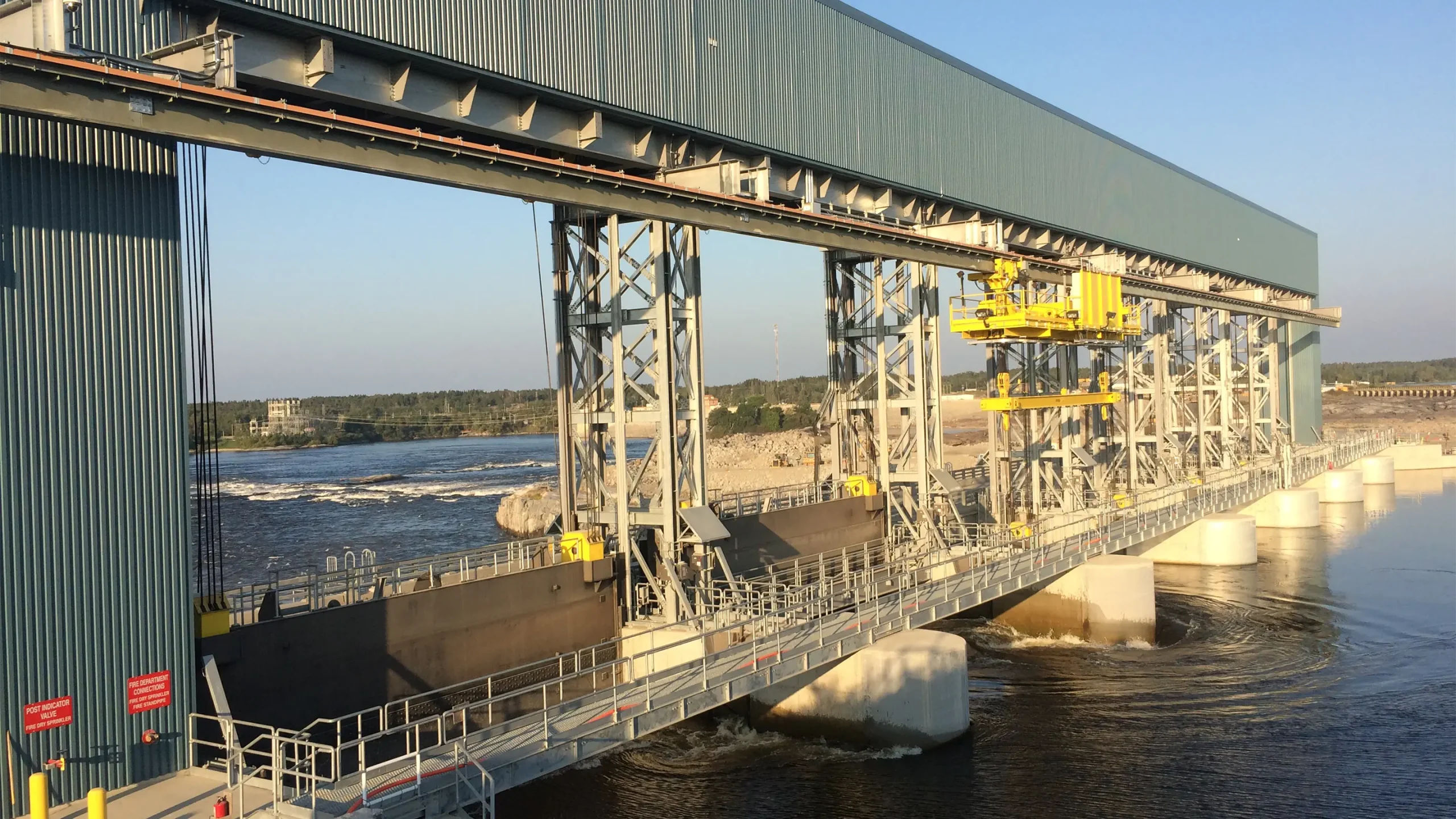
The Pointe du Bois Generating Station is the oldest operating hydroelectric plant in Manitoba. Despite extensive upgrades and ongoing maintenance over the years, the original spillway required replacement. The Pointe du Bois Spillway Replacement project included the design and construction of a new remotely operated 7-bay spillway and a new 1km long zoned earthfill dam, complete with an ancillary support building for electrical switch gear and control systems, a backup diesel generator, and other related infrastructure.
As the prime consultant, KGS Group worked collaboratively with Manitoba Hydro as the designer in an early contractor involvement project delivery process. KGS also provided full-time technical support and quality assurance assistance through construction, commissioning and close-out activities.
The final design was carried out entirely within a 3D digital environment, and was paramount for the successful execution of all stages of the project. This innovative approach gave the team the ability to visualize the end product at the design stage and enabled harmonious advancement of the project across multiple disciplines.
The several hundred-million-dollar project was successfully completed without any interruptions to the ongoing operation of the plant, while protecting and preserving established lake sturgeon habitat and restoring the natural landscape in this environmentally sensitive provincial park setting.
Project Highlights
- New remotely operated seven bay spillway, support building and backup diesel generator
- New 1km long zoned earthfill embankment dam
- 3D digital design environment
- The several hundred‑million‑dollar capital program was completed without operational interruptions
- Enhanced safety and control, extended asset life and a more reliable discharge capacity
- Lake sturgeon habitat protected and the landscape in the provincial park was restored
Tell Roundabout
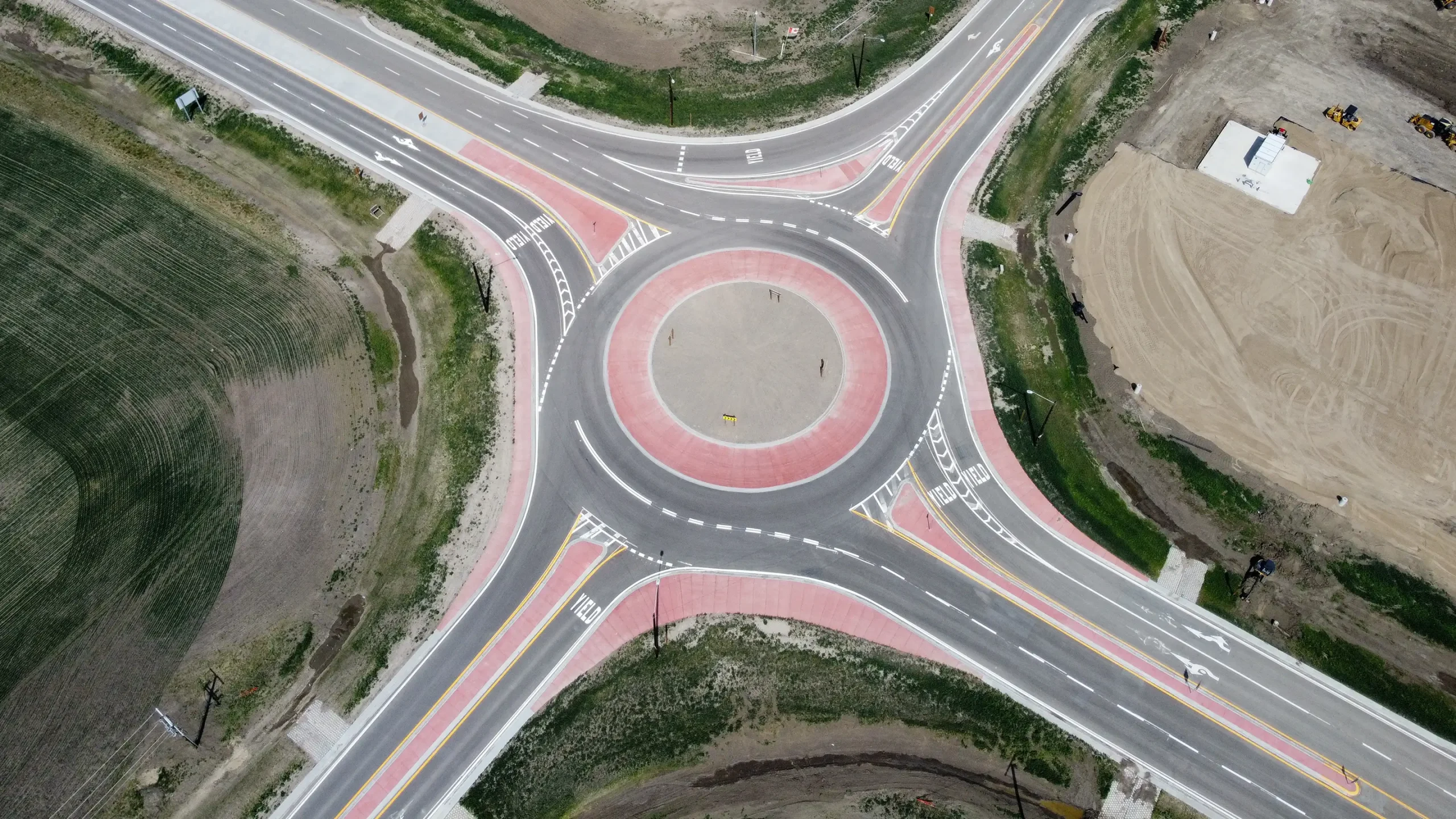
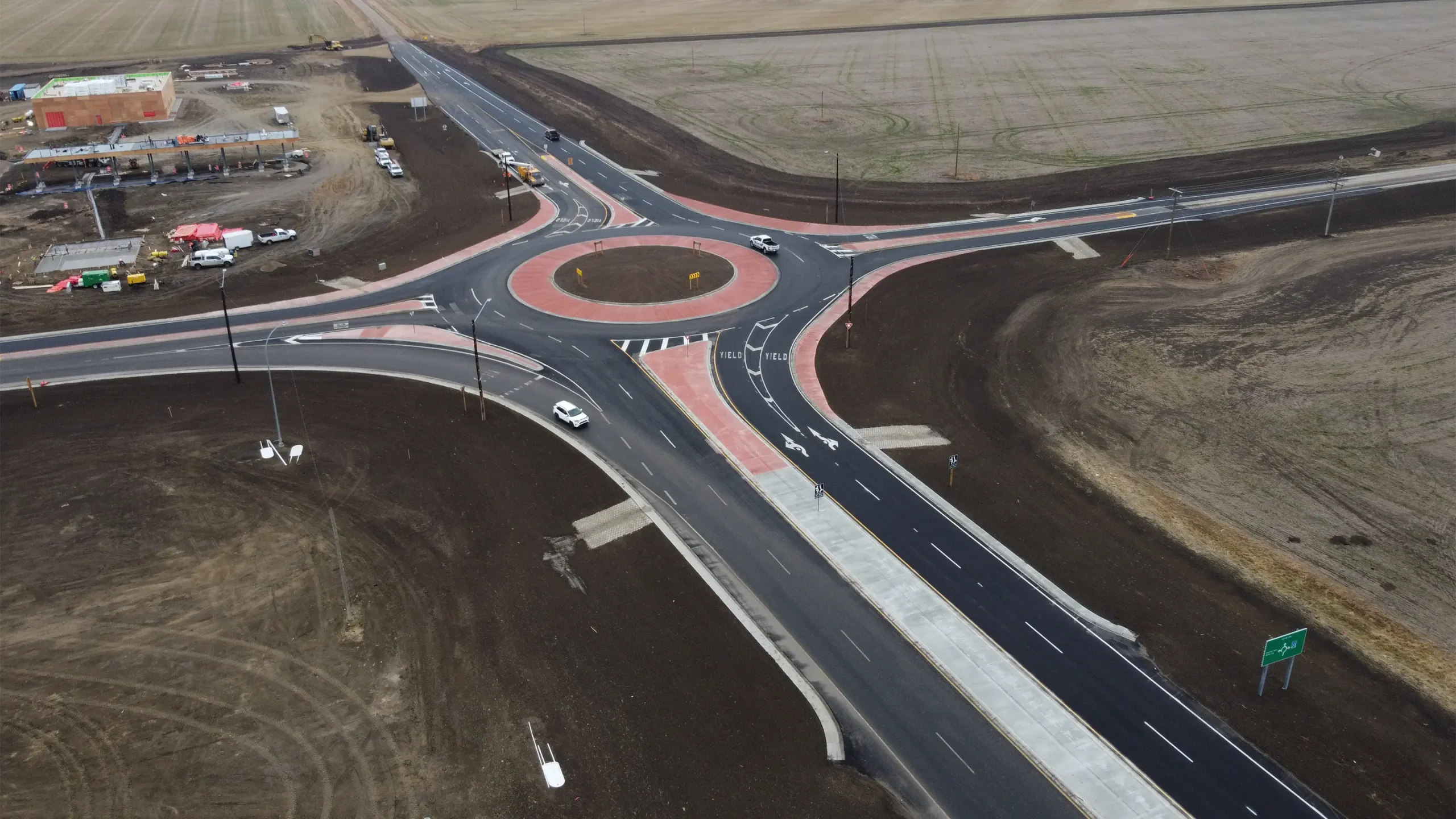
Saskatchewan’s first two-lane roundabout is located just south of the Trans-Canada Highway at the intersection of South Service Road and Range Road 2184 in the RM of Edenwold. Tell Properties Ltd. engaged KGS Group to deliver preliminary and detailed designs for the roundabout, along with construction administration services. The result is a modern intersection designed to support long-term regional growth while improving safety and efficiency for both passenger vehicles and heavy truck traffic.
To bring the 60-metre diameter roundabout to life, the project included 300 metres of new four-lane roadway construction, 450 metres of four-lane widening, and 600 metres of two-lane widening. Complex traffic accommodation plans were required due to a diverging diamond interchange to the north on Highway 1, and to ensure the west approach remained open for traffic during construction.
The project was delivered to support operational performance and future capacity needs in a rapidly developing area.
Project Highlights
- Preliminary and detailed designs for the roundabout, along with construction support services
- Complex traffic accommodation plans to ensure continual traffic use during construction
- The design included infrastructure improvements, such as drainage design, approach construction, fibre optic and power line relocations, updated traffic signage, and permanent lighting installation
Moose Jaw Transportation Master Plan
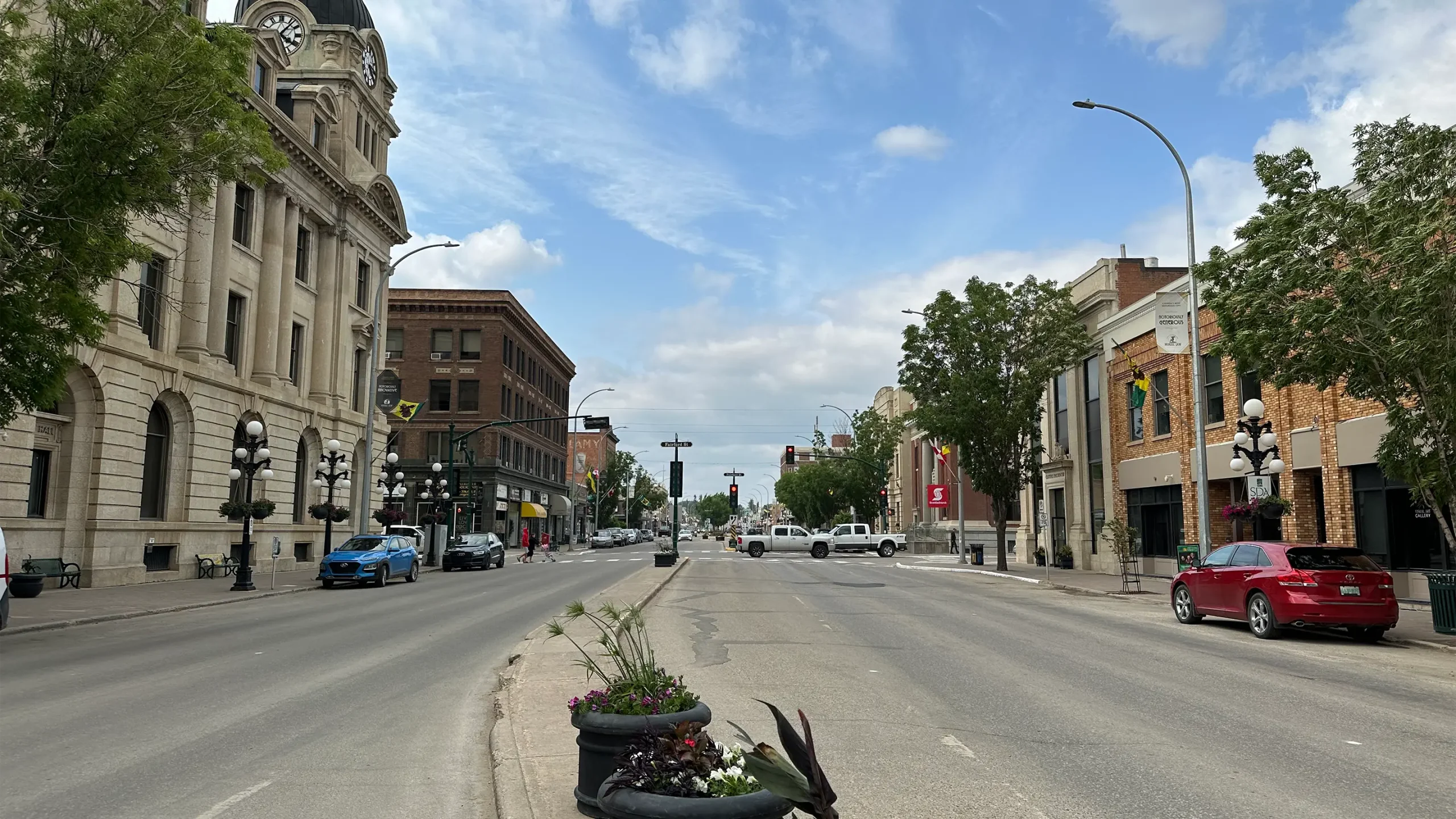
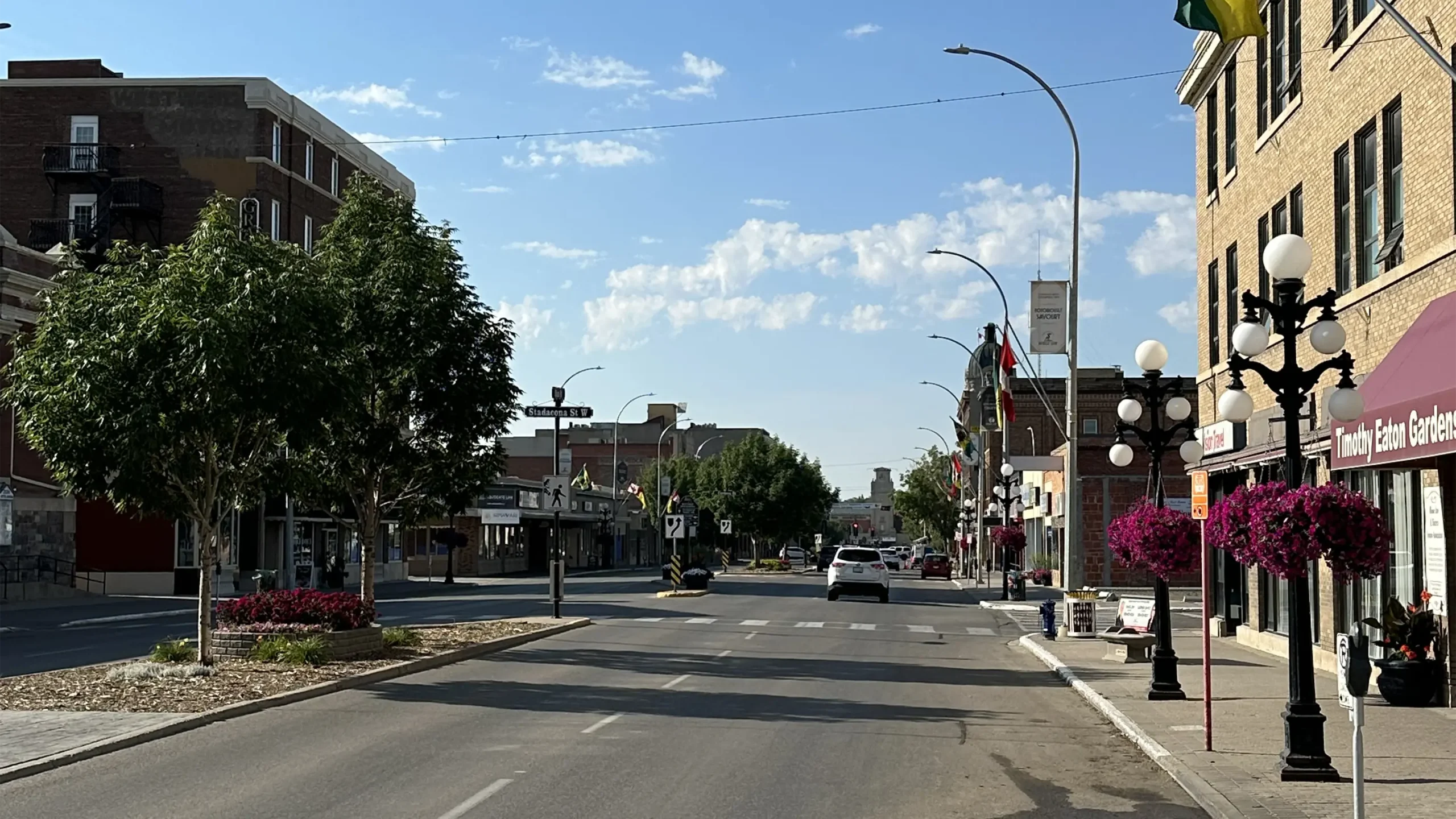
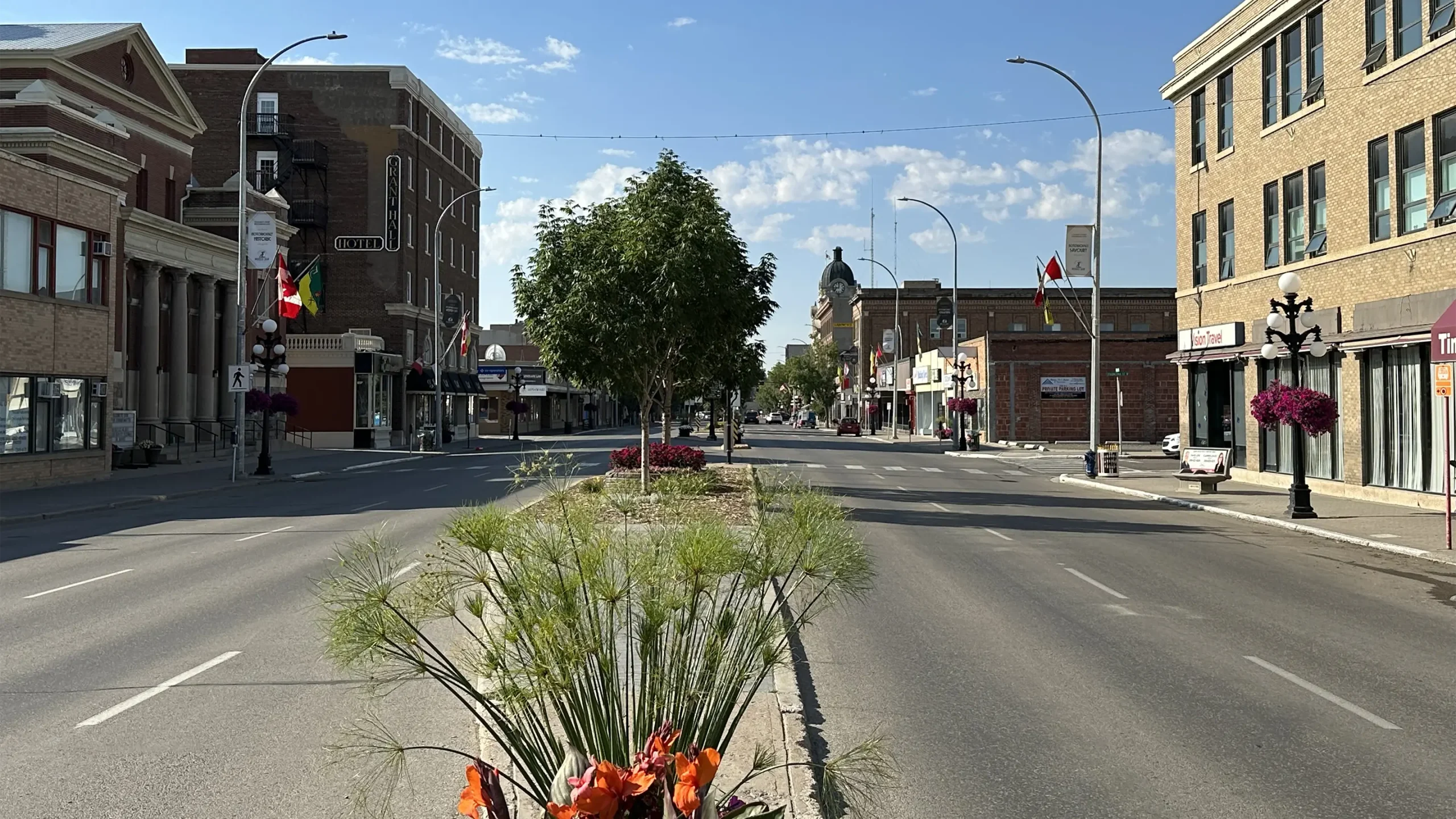
The City of Moosejaw needed a cohesive transportation master plan that addressed vehicle operations, transit, walking, cycling, rail interfaces and asset renewal, while recognizing the domino effect that can happen when one of these components changes.
KGS Group completed a city-wide, evidence‑based review through coordinated micro‑studies. The work assessed operations, multimodal gaps, school‑area safety, asset condition and signals, then integrated findings into a single, actionable plan with clear priorities and phasing over the next 10 years.
The plan provides a prioritized program for corridor upgrades, active transportation connections, transit improvements, school‑area safety measures and pavement/sidewalk renewal, giving Moose Jaw a practical path to meet mobility needs over the next decade. The plan aims to deliver a safe, efficient, and sustainable system that serves residents, businesses and visitors, aligning day‑to‑day mobility with long‑term growth.
The final plan will serve as a blueprint for decision-makers, guiding investments in transportation infrastructure and ensuring that Moose Jaw remains a vibrant and connected community for years to come.
Project Highlights
- Traffic operations review of over 50 intersections, traffic flow improvements identified along four arterial corridors, assessment of over 25 railway crossings for control and signage requirements
- Safety review of all 20 schools in Moose Jaw
- Block-by-block pavement condition review of over 220 km of roadway
- Ensured community feedback from over 40 organizations through two online surveys, a public open house and updates to City Council and staff members, with an emphasis on safe, accessible and sustainable mobility choices
- Developed over 70 recommendations in a phased implementation strategy, including immediate-, short-, medium-, and long-term actions to address current and future transportation challenges
Seine Riverbank Stabilization at the Branch 1 Aqueduct
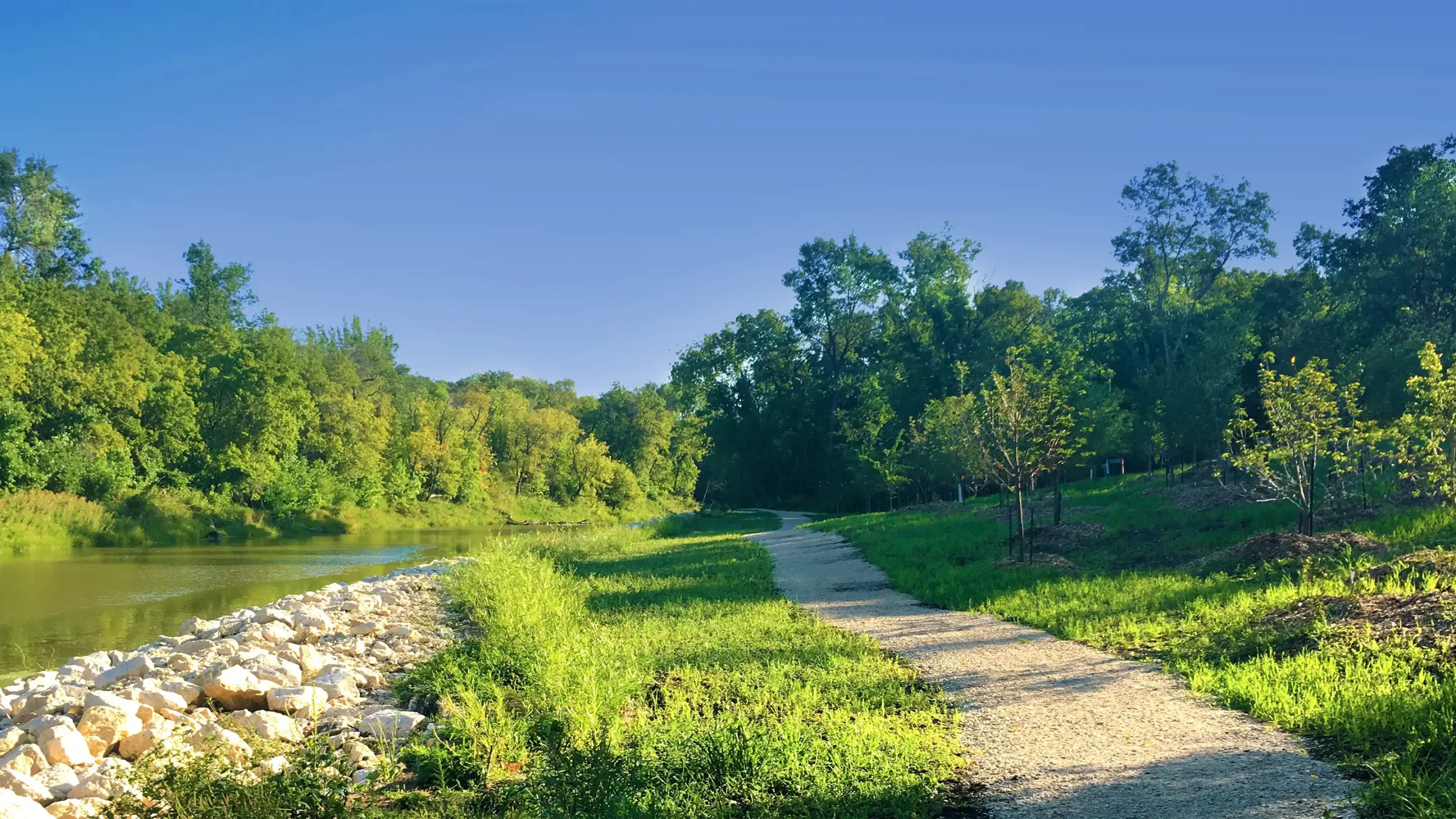
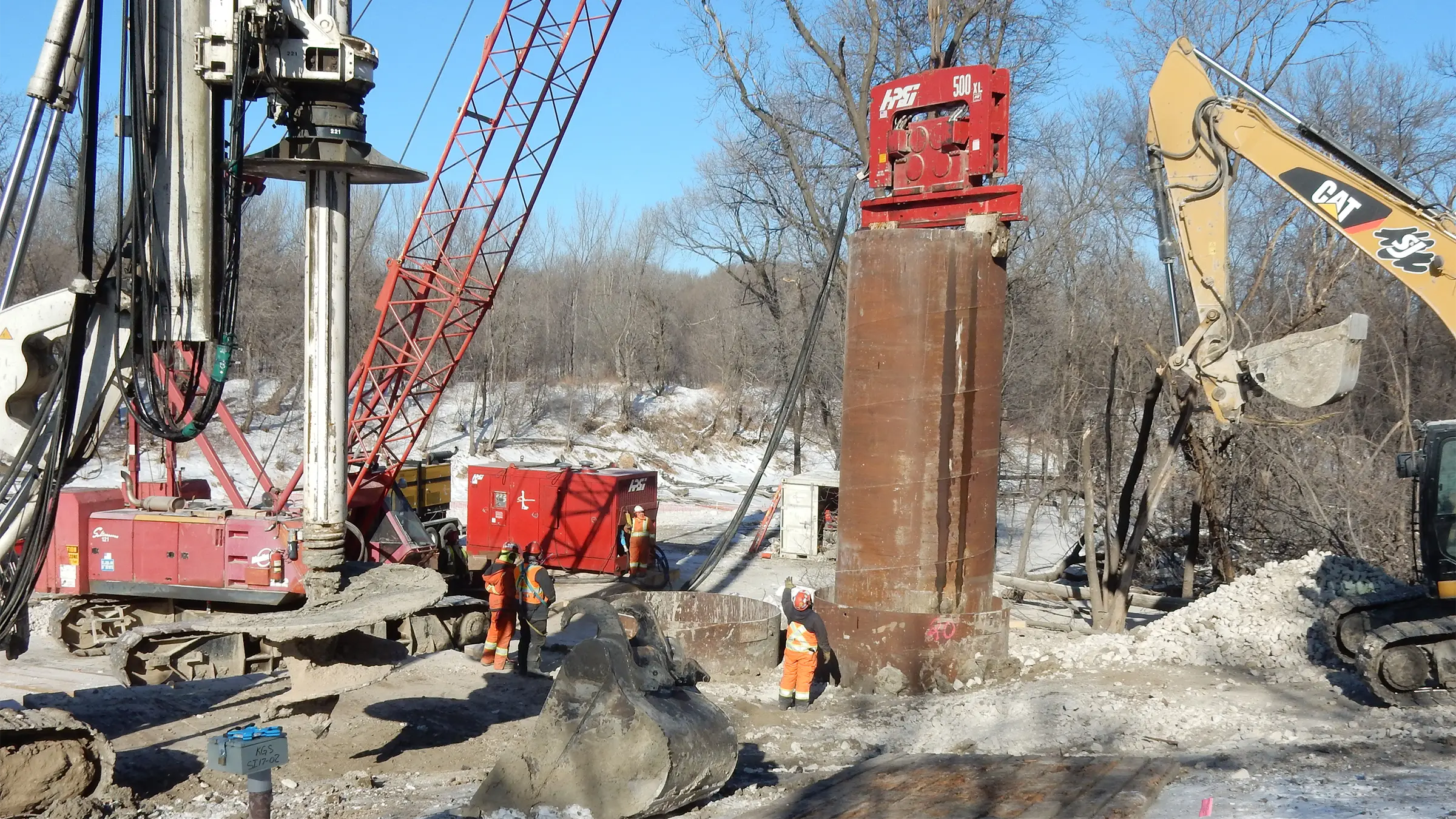
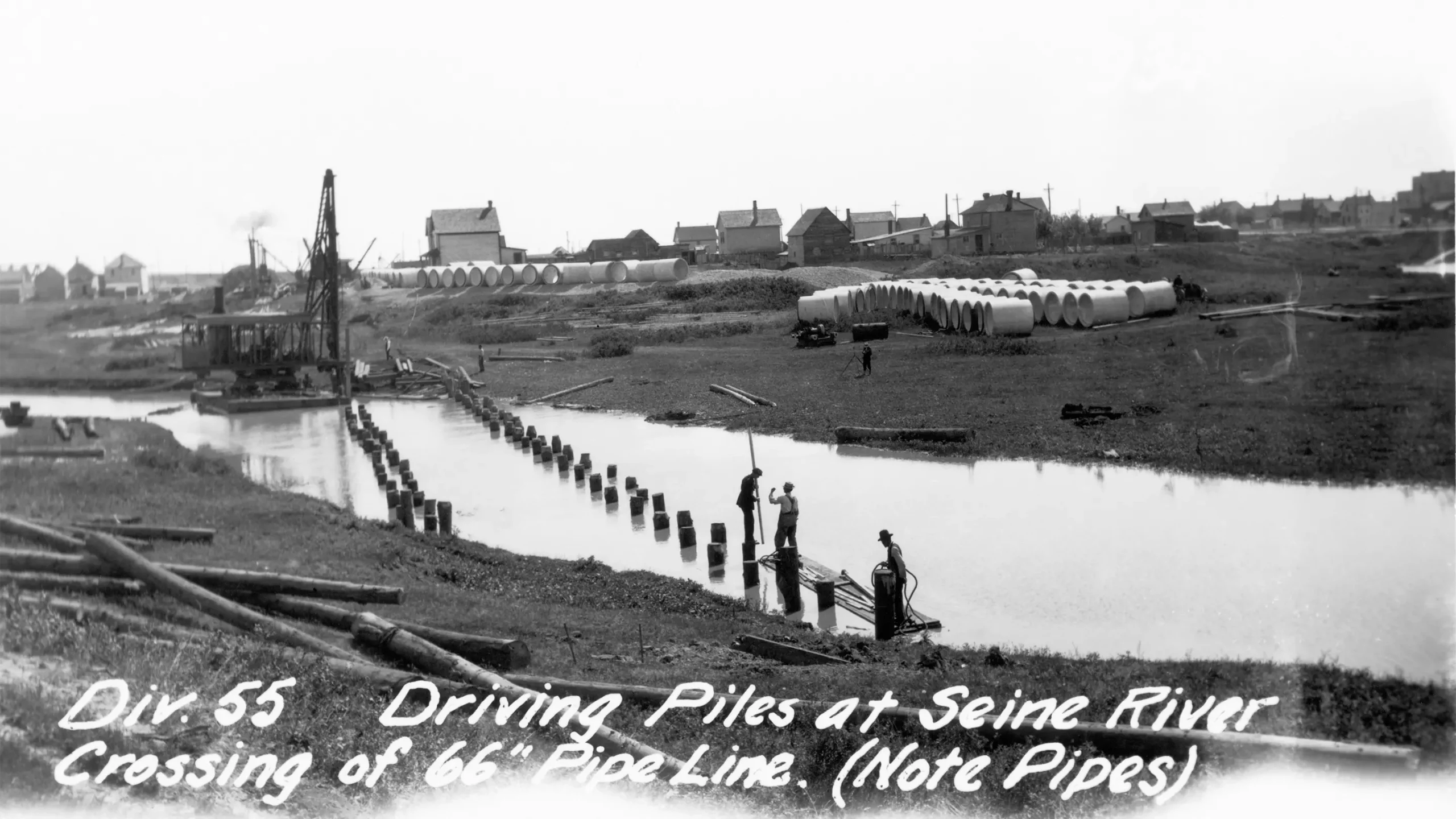
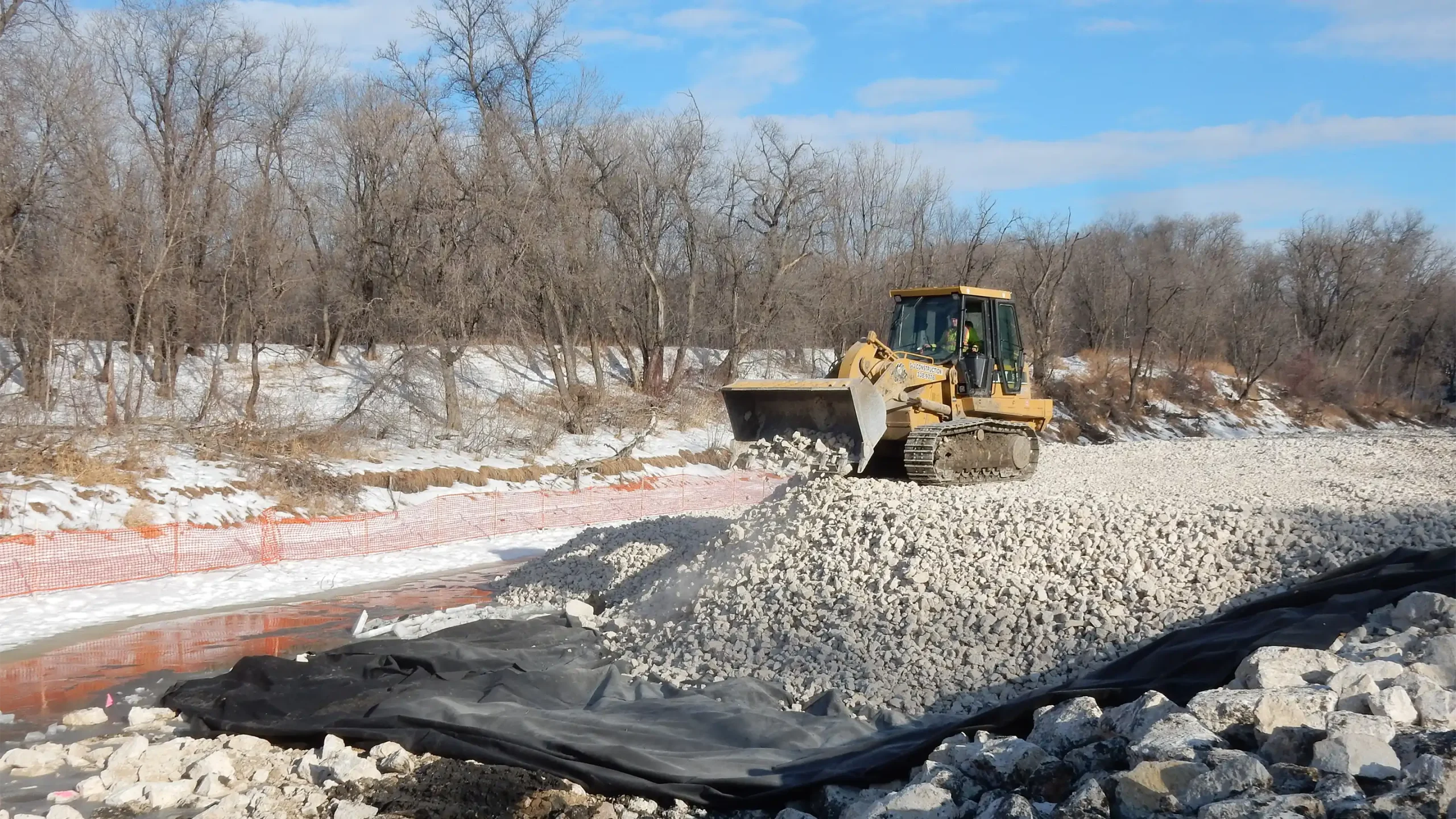
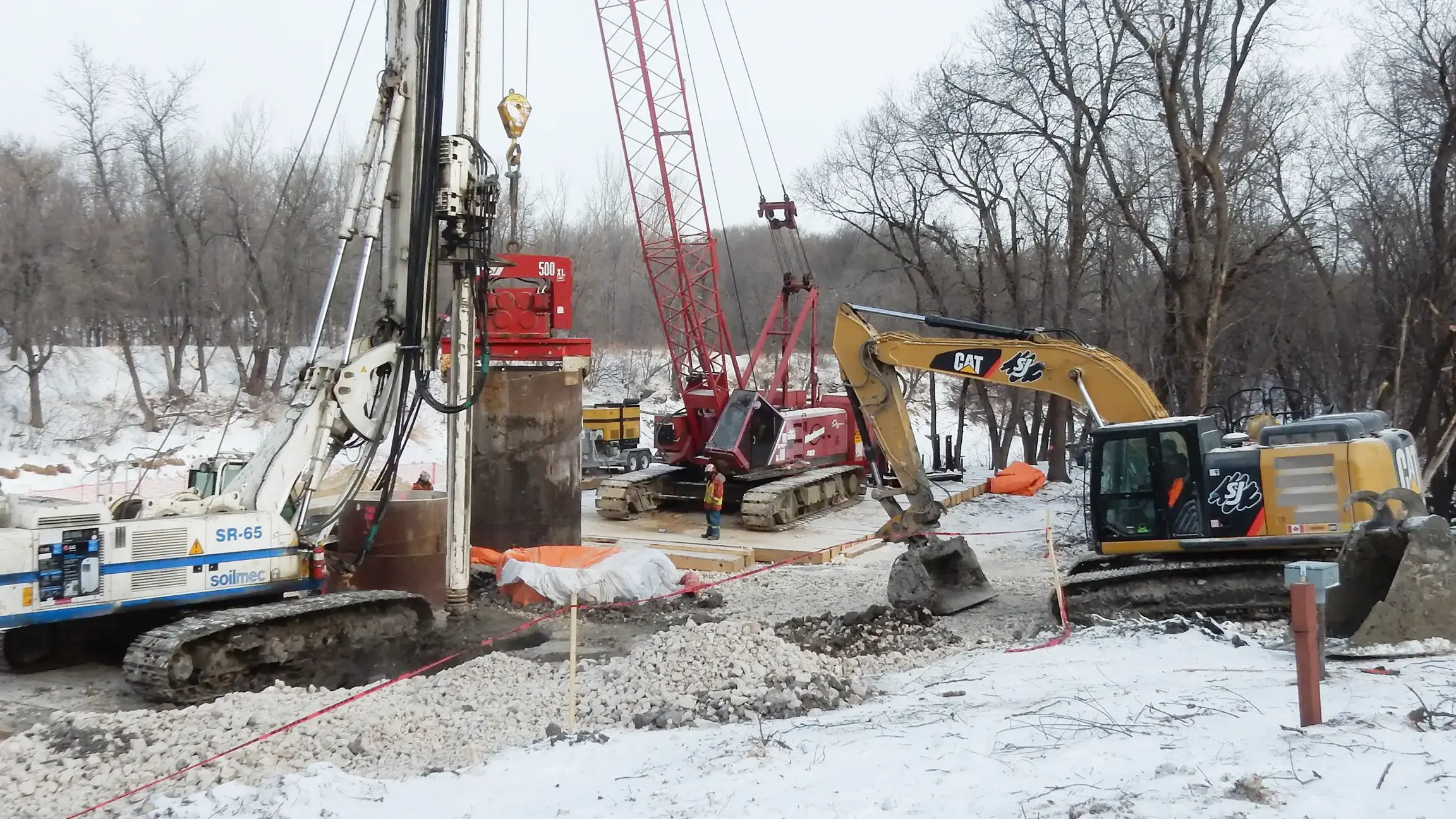
Riverbank movements near the Seine River crossing threatened the City of Winnipeg’s 100‑year‑old Branch 1 Aqueduct, which carries 40% of the city’s drinking water. KGS Group helped stabilize the riverbank while keeping the aqueduct in service throughout construction, protecting a critical supply and reducing risk to the community.
Our team applied an extensive design evaluation process, a full-scale field-testing program, a ground-breaking instrumentation monitoring program and a highly prescriptive construction methodology to manage risk at each stage of construction.
This approach required more intensive engineering but reduced the construction timeline by one full year and resulted in significant project cost savings. After the stabilization work was completed, a complete revegetation project ensued, ensuring the area was ready for community use for years to come.
Project Highlights
- Planning, design, geotechnical evaluation, construction oversight, monitoring and stakeholder coordination
- Advanced instrumentation program and prescriptive construction sequencing
- Project timeline was completed one year ahead of schedule, leading to significant cost savings
- The site was restored and revegetated, improving the public realm and long‑term resilience
Newton Force Main River Crossing
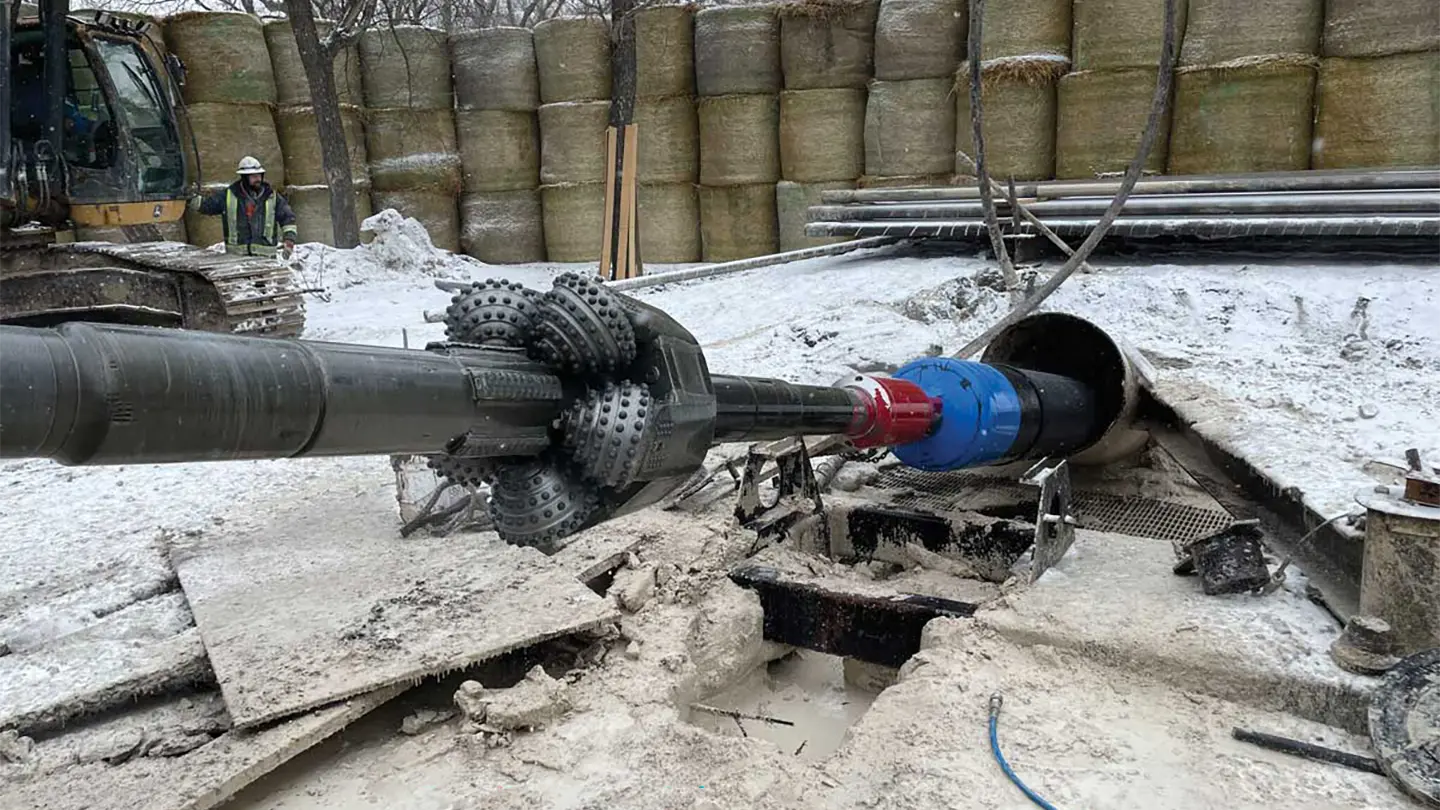
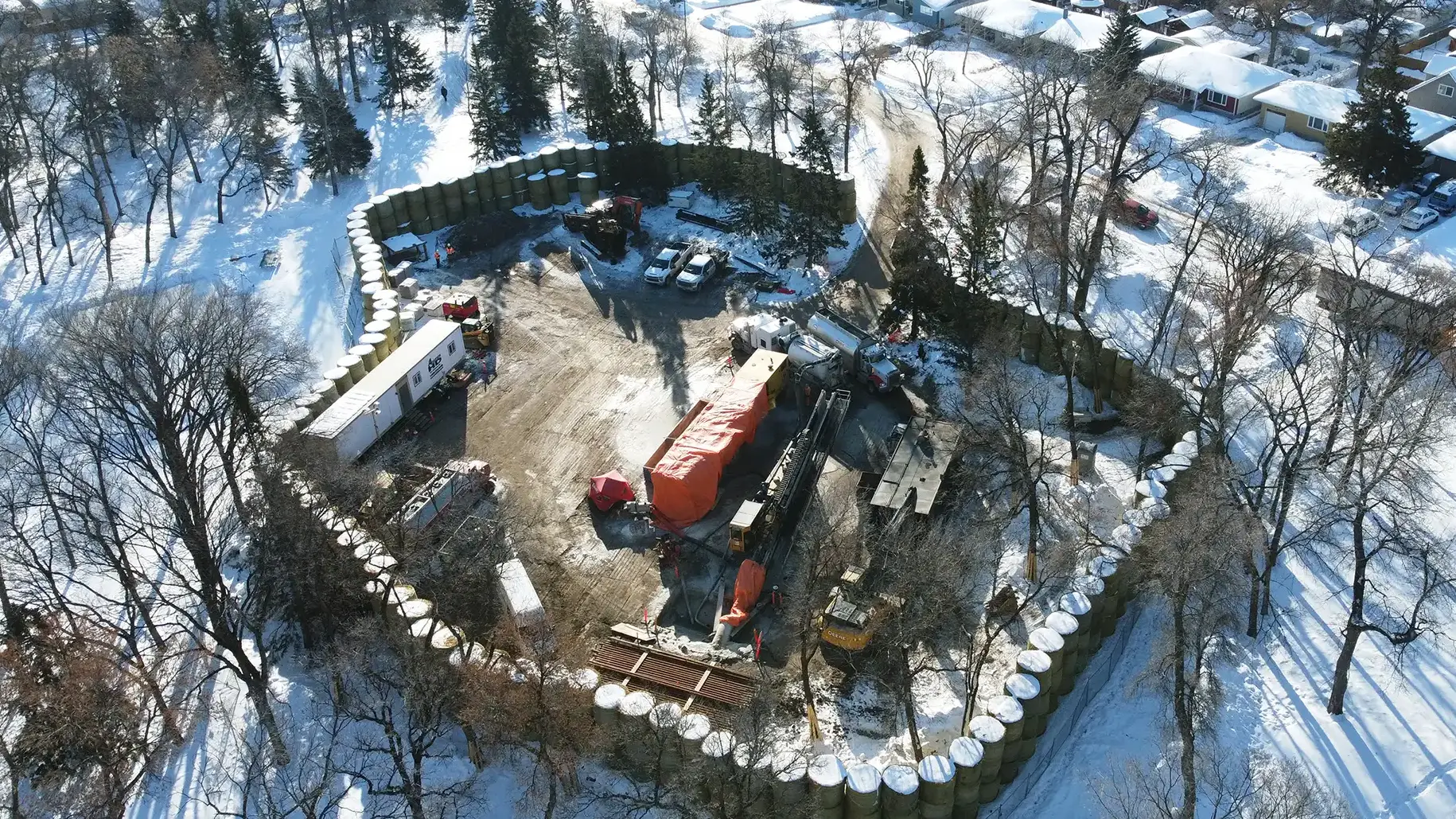
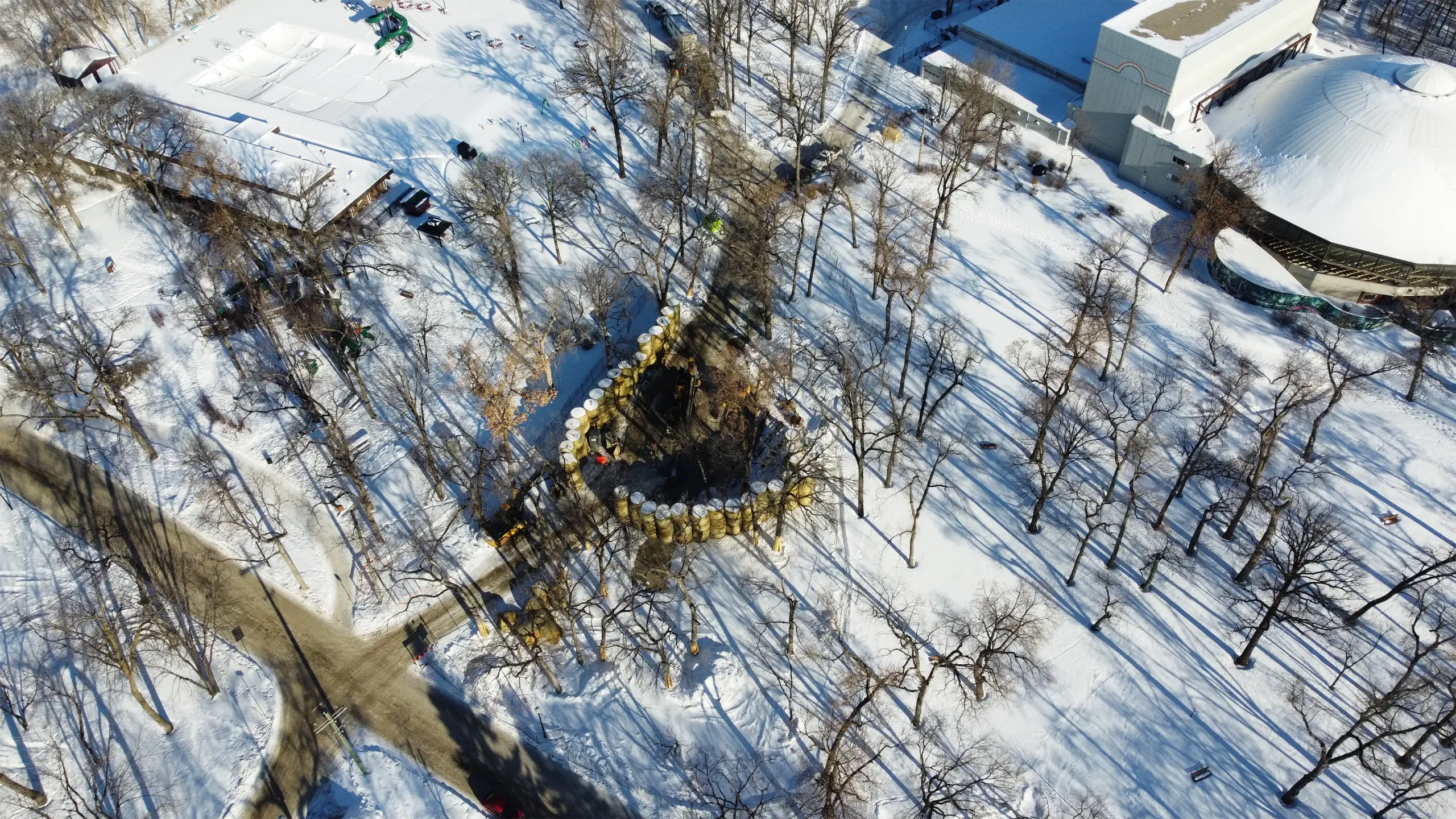
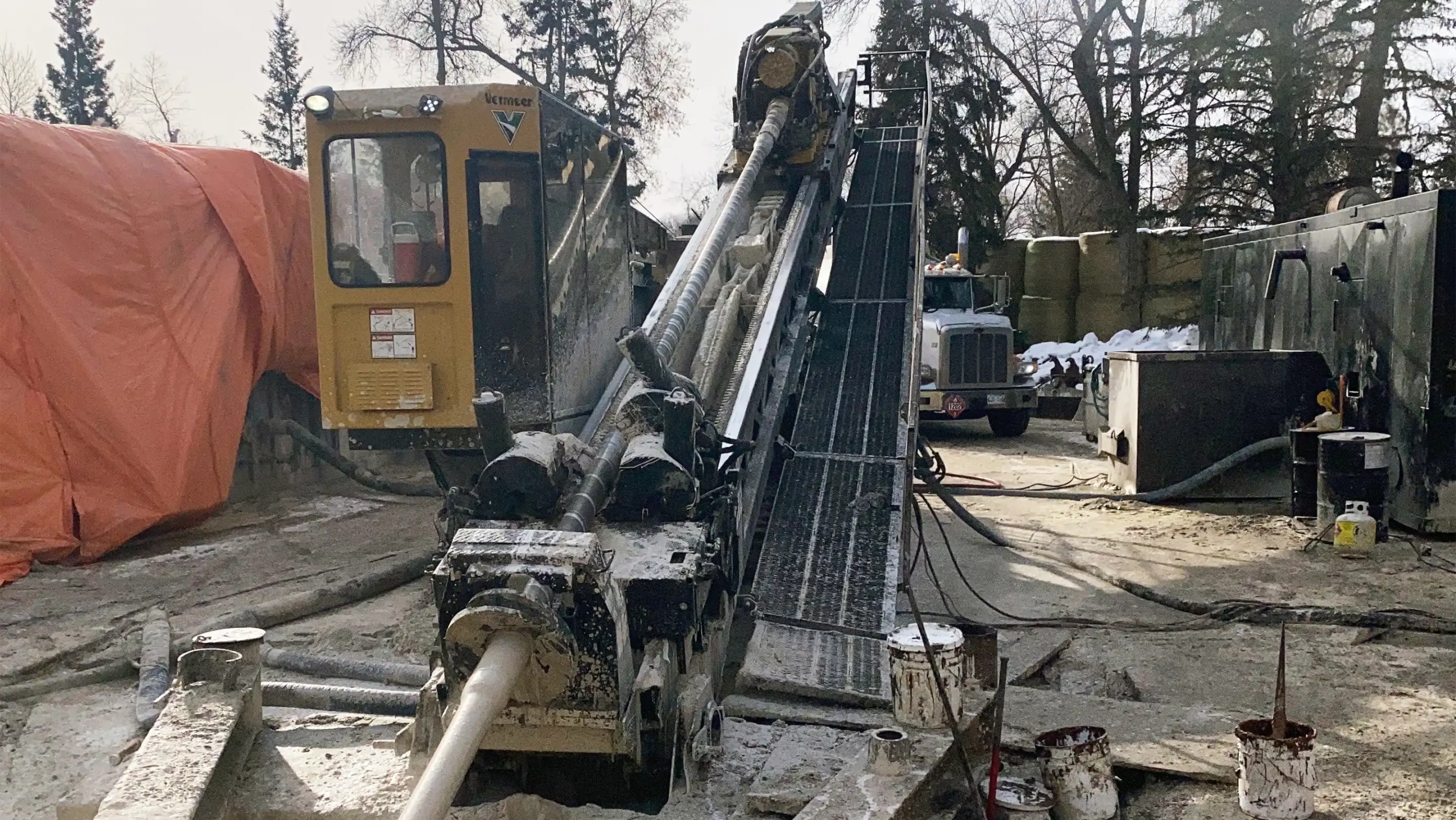
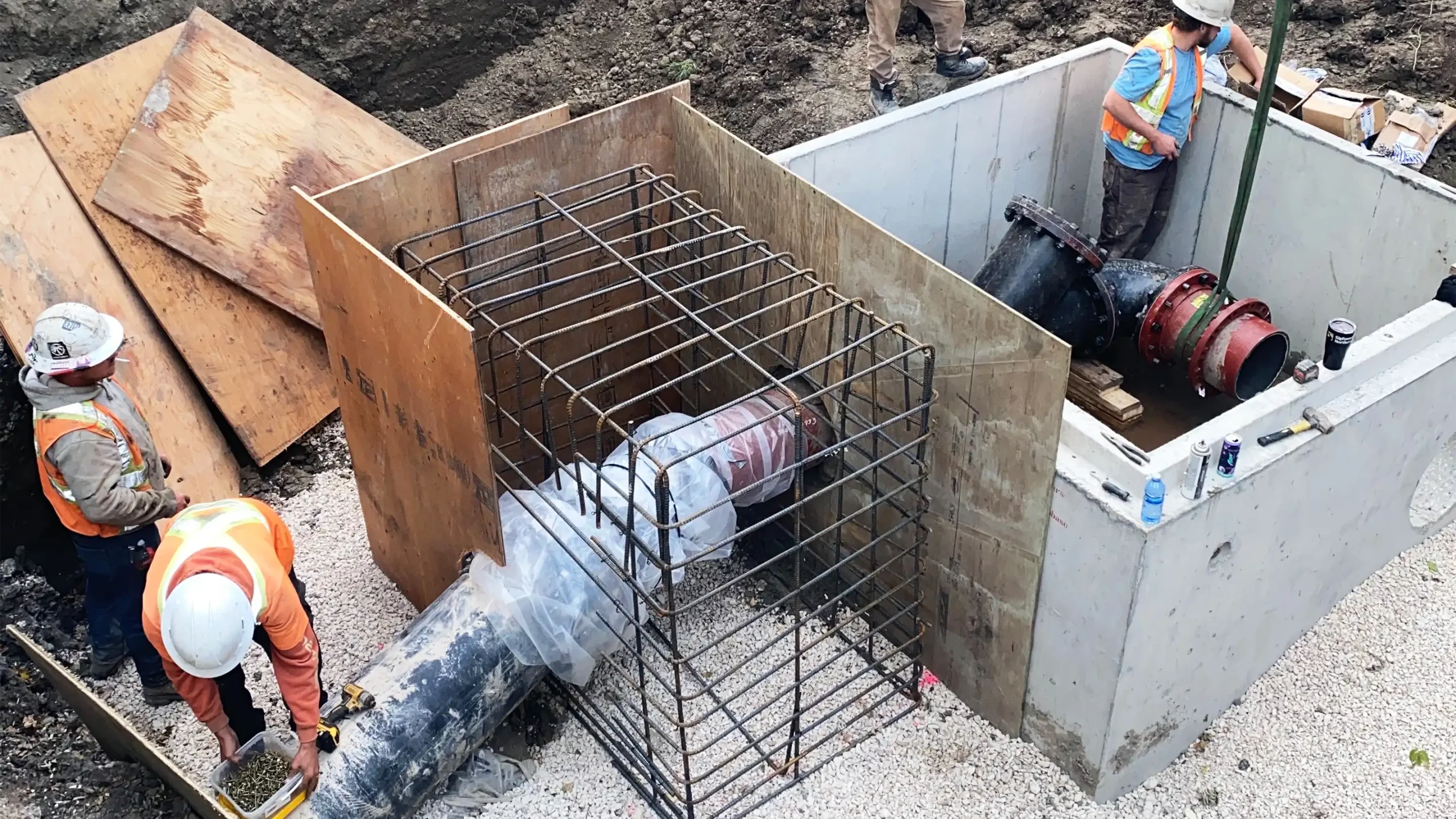
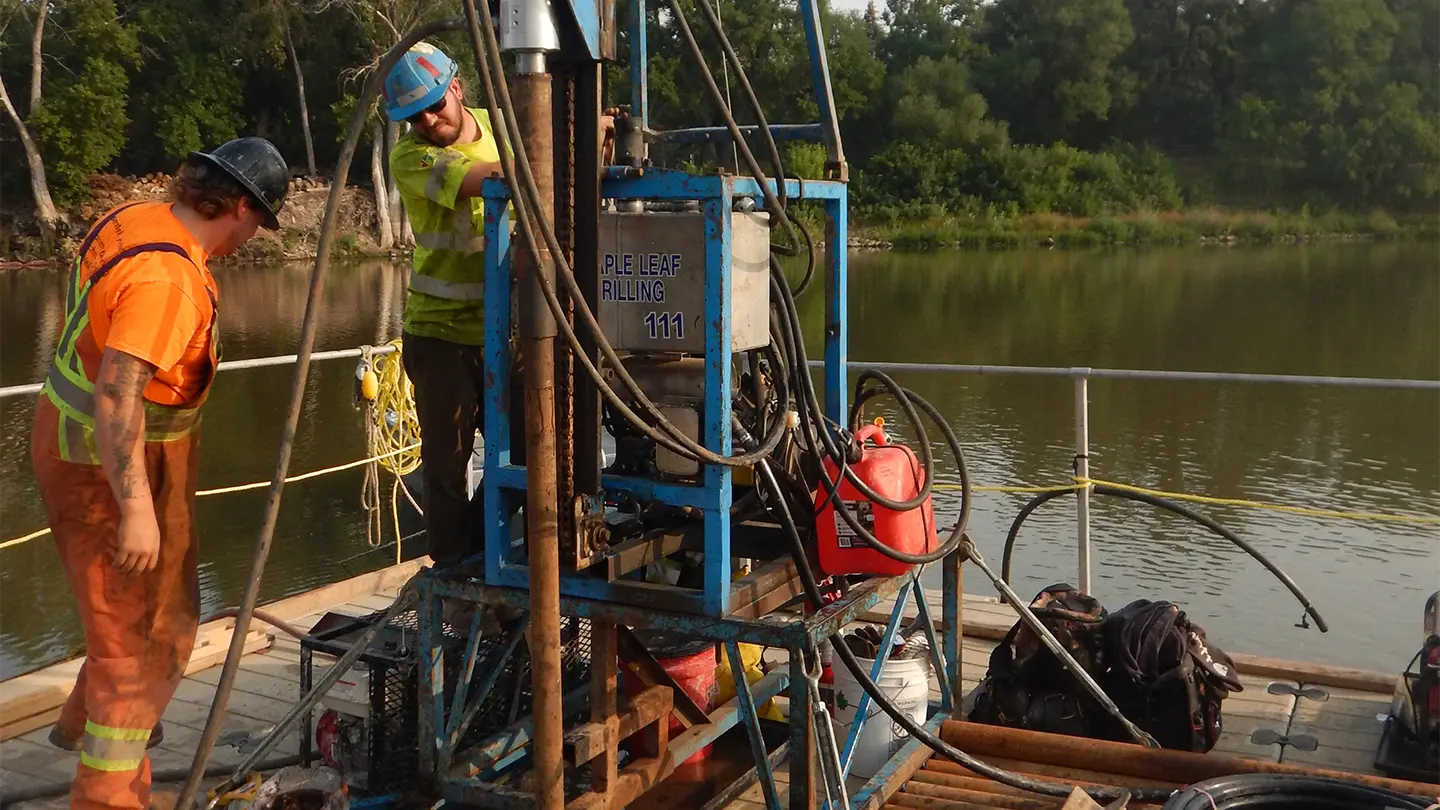
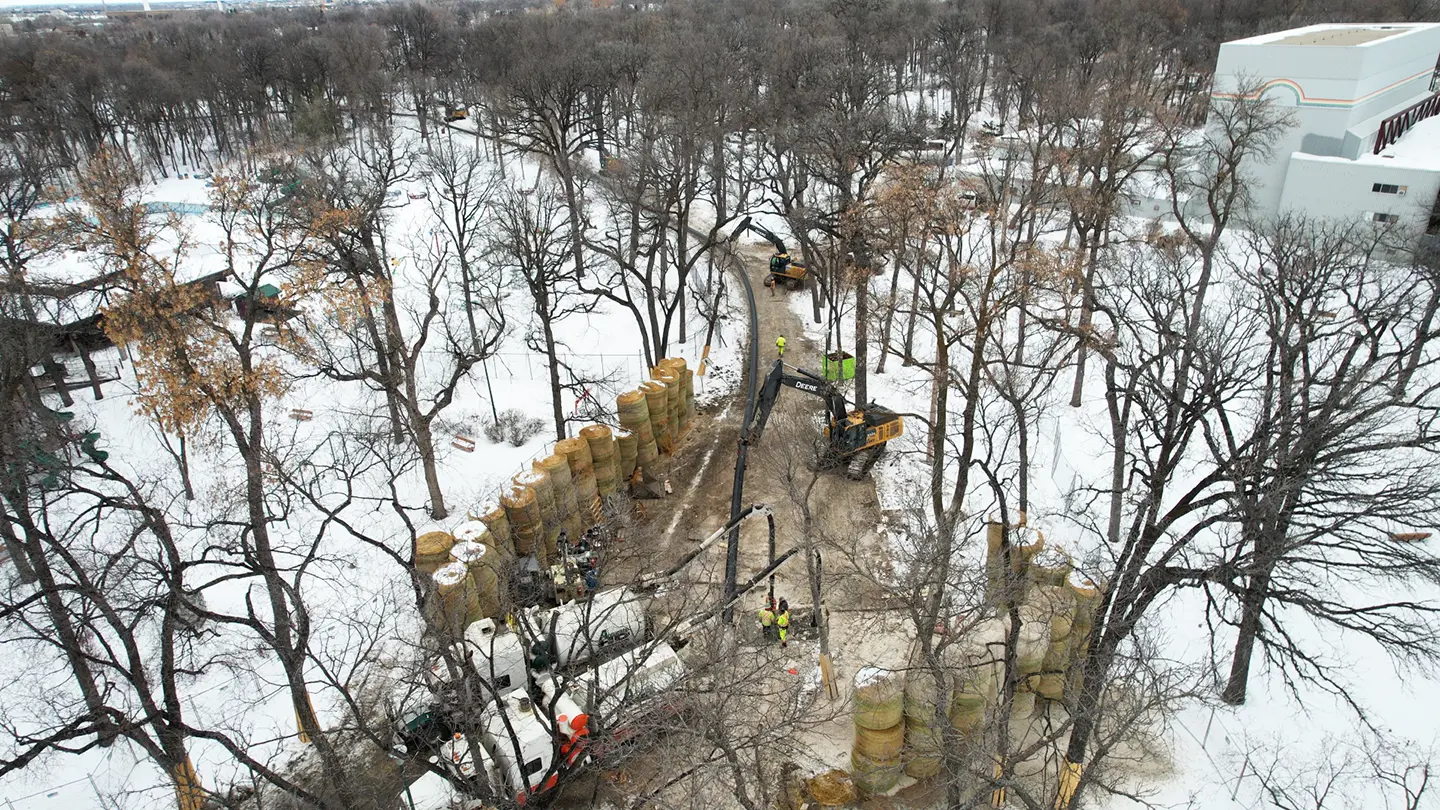
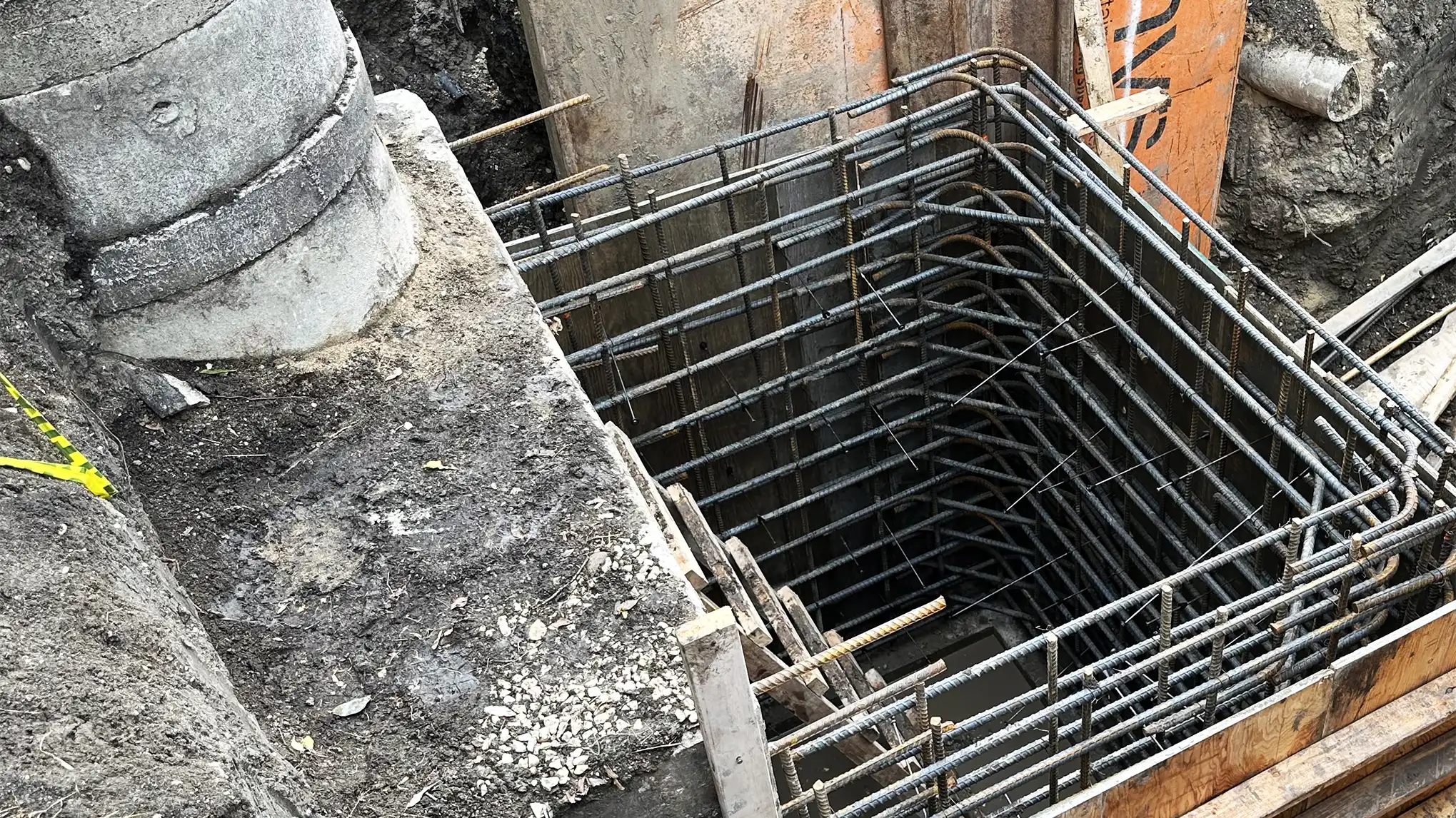
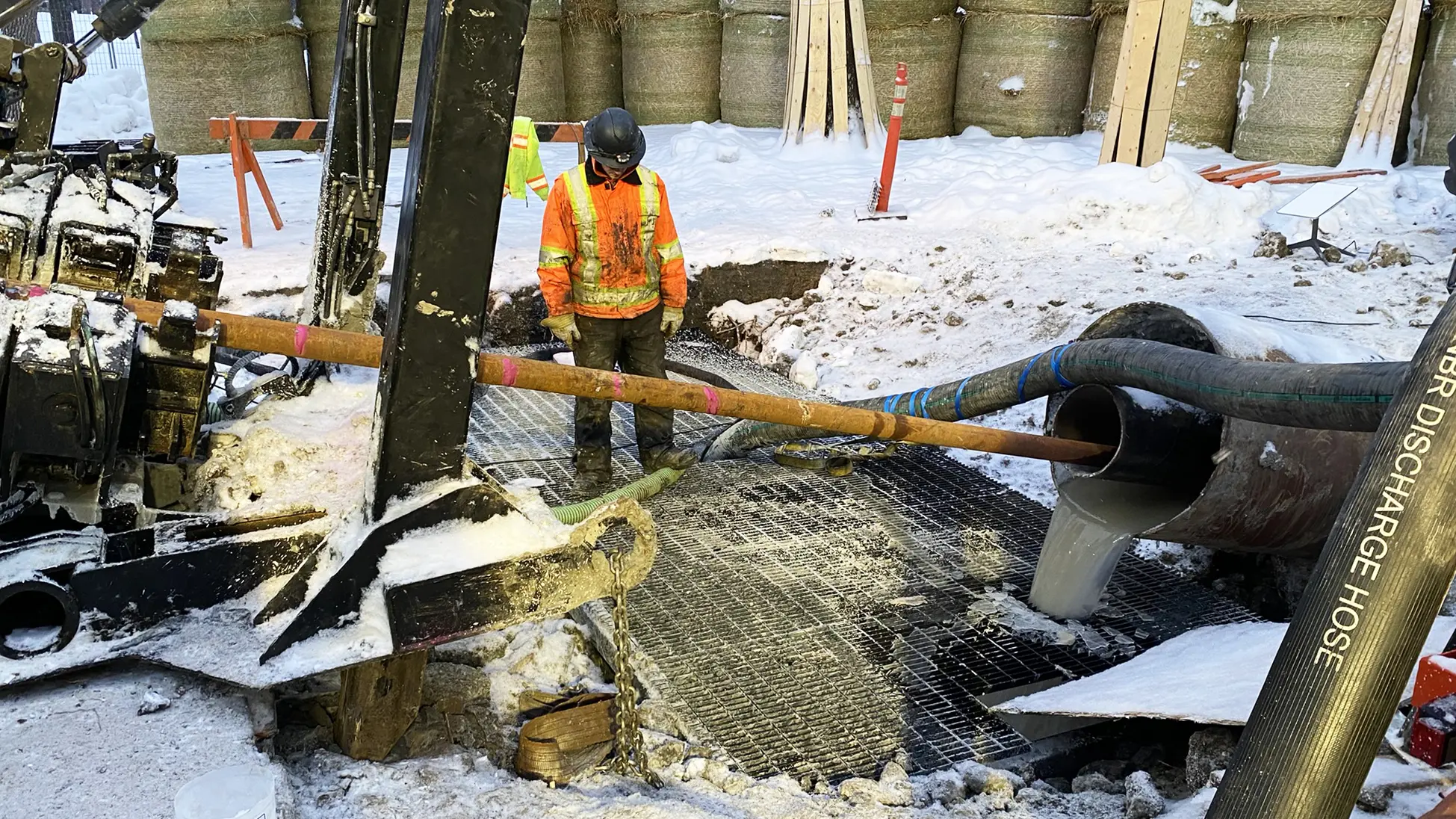
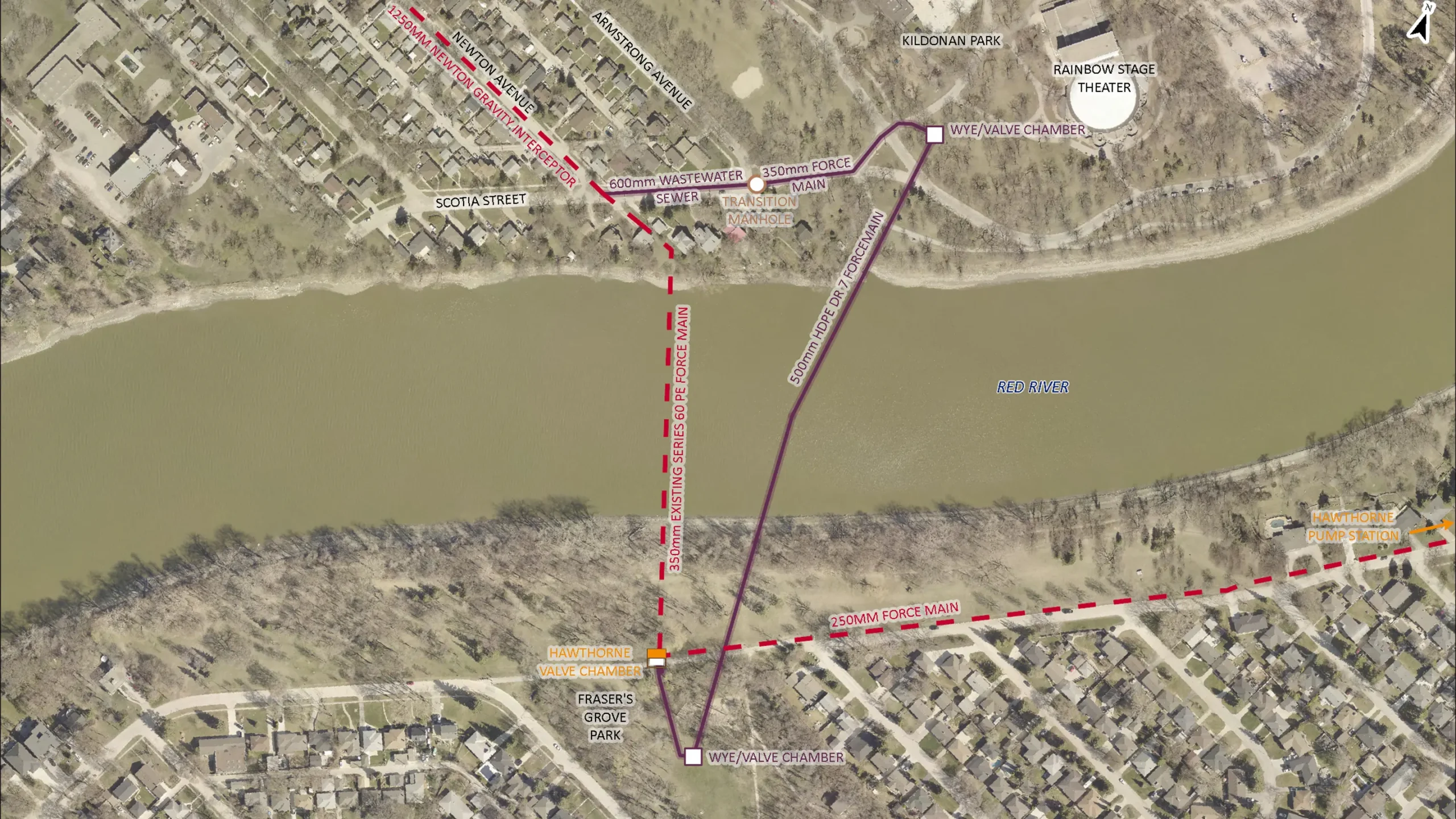
KGS Group and Associated Engineering designed and oversaw the construction of a new, 466 meter river crossing installed trenchlessly 40 meters below grade to replace the failing Newton Force Main River Crossing. This vital piece of infrastructure supports the wastewater flows from the entire Hawthorne sewer district in Winnipeg. Under dry weather conditions, the Newton Force Main River Crossing transports over 2.3 million litres of wastewater daily under the Red River.
The existing crossing was installed along the river bottom in 1978 and was connected to lands that have become densely urbanized, which limited solutions. An alternate alignment was developed to both reroute the force main and install it safely within the bedrock strata below the river.
The result is a durable, long‑term asset that improves system resilience and safeguards the environment and the community.
Project Highlights
- 466 meter river crossing installed trenchlessly, 40 meters below grade
- Horizontal directional drilling with horizontal and vertical curves – a first in Manitoba
- 780 meters of new force main on an alternate alignment in bedrock below the river
- Replaces 1978 river‑bottom crossing which lowers environmental risk and maintenance needs
Cote First Nation Solid Waste Transfer Station
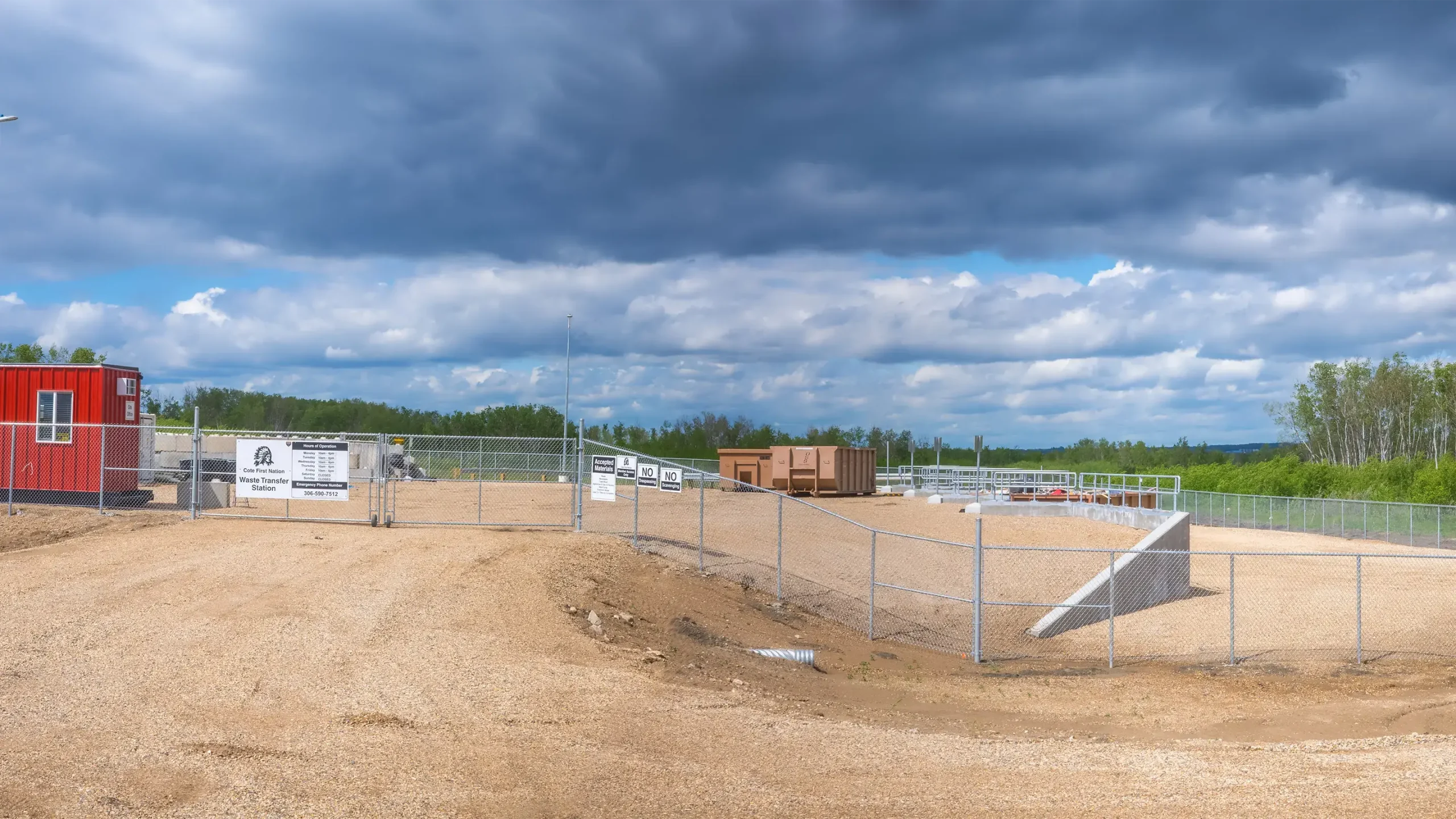
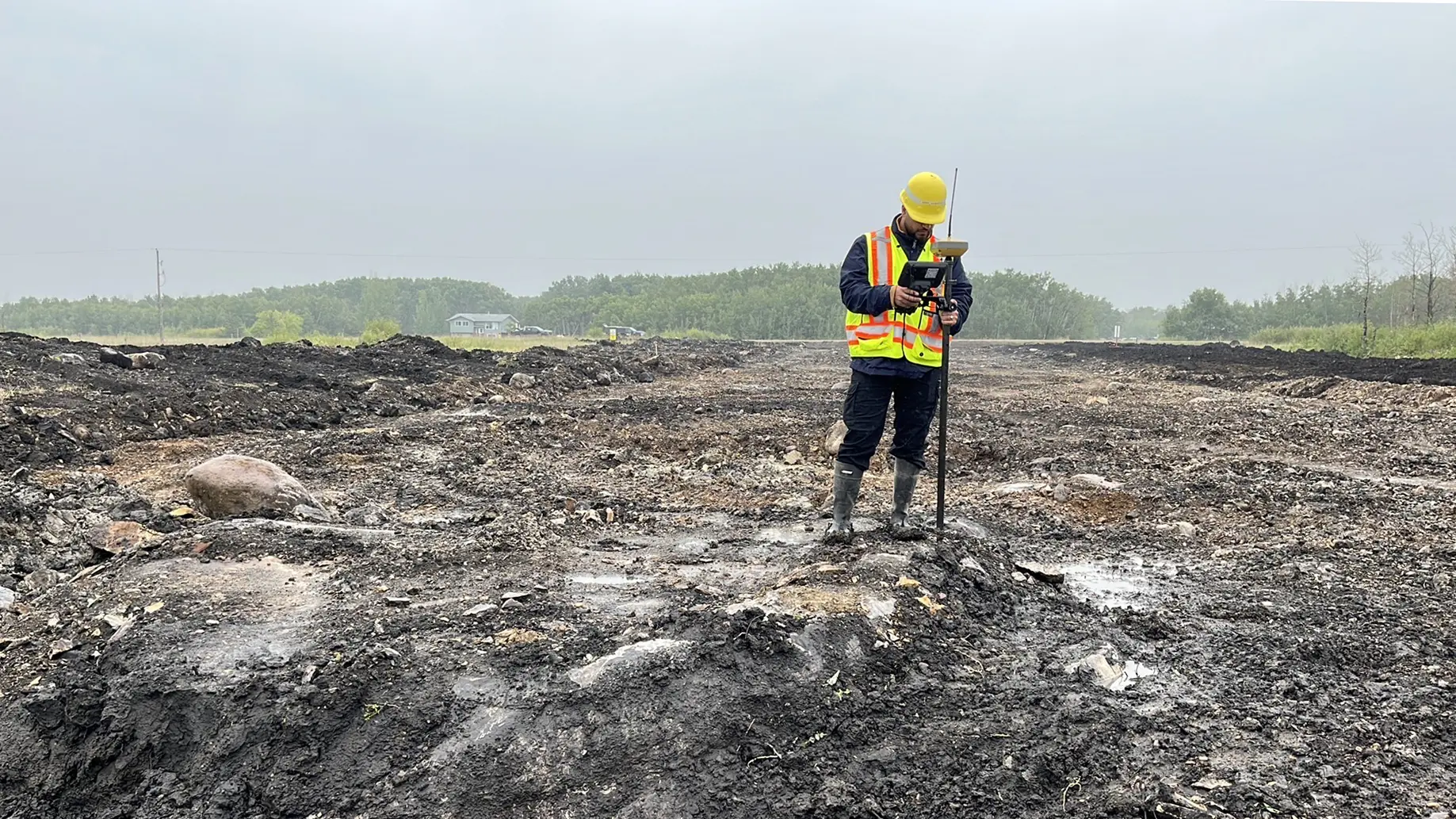
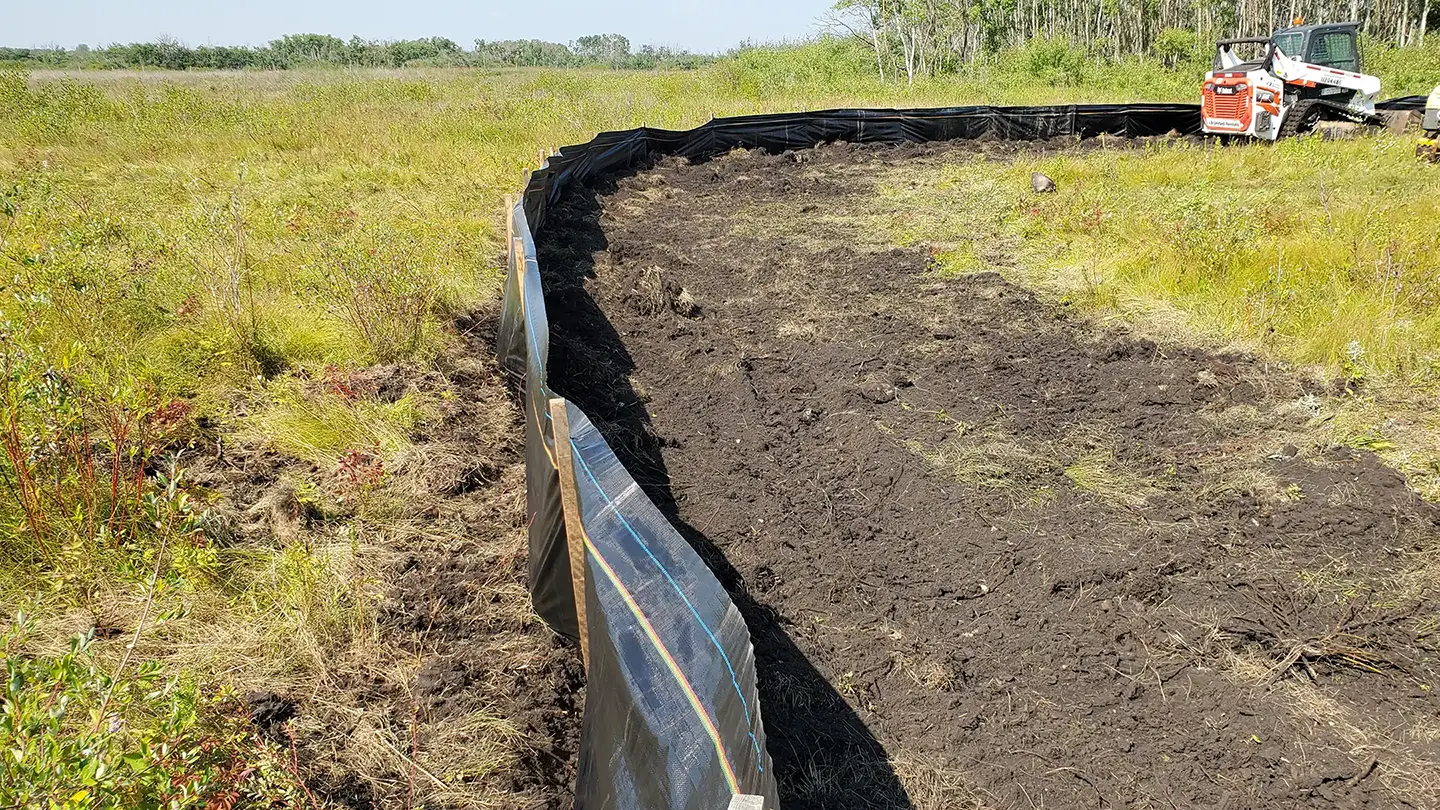
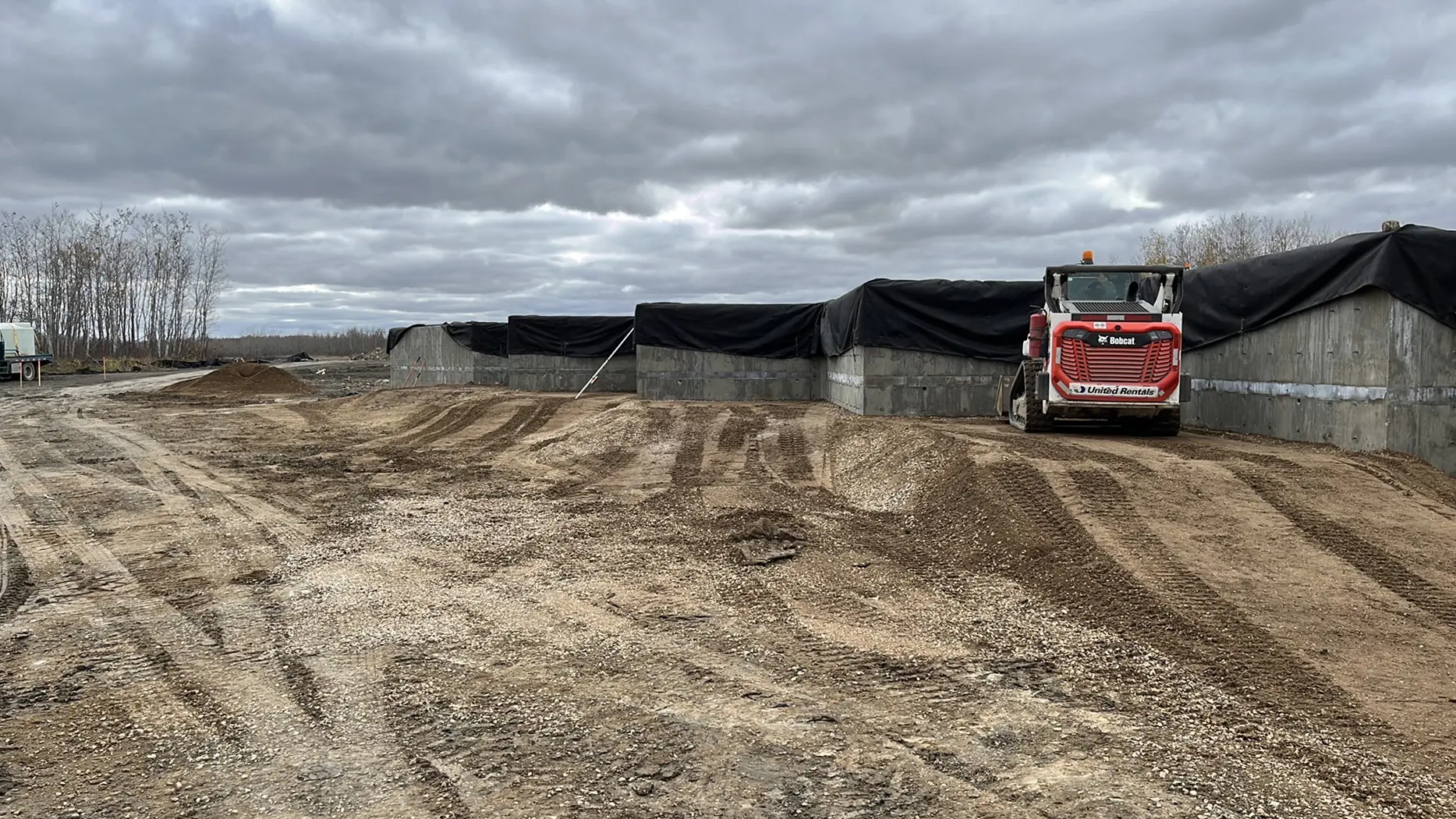
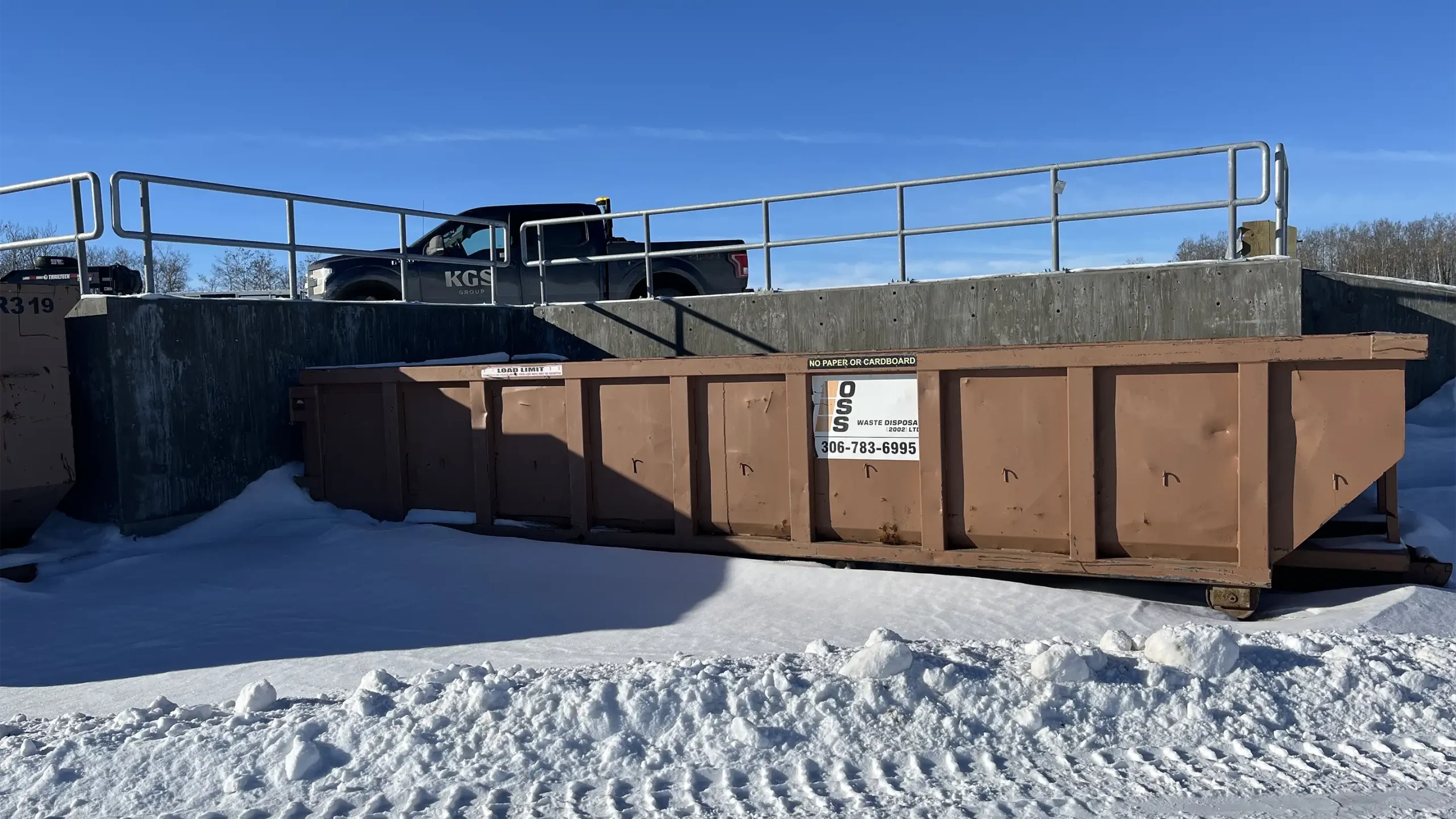
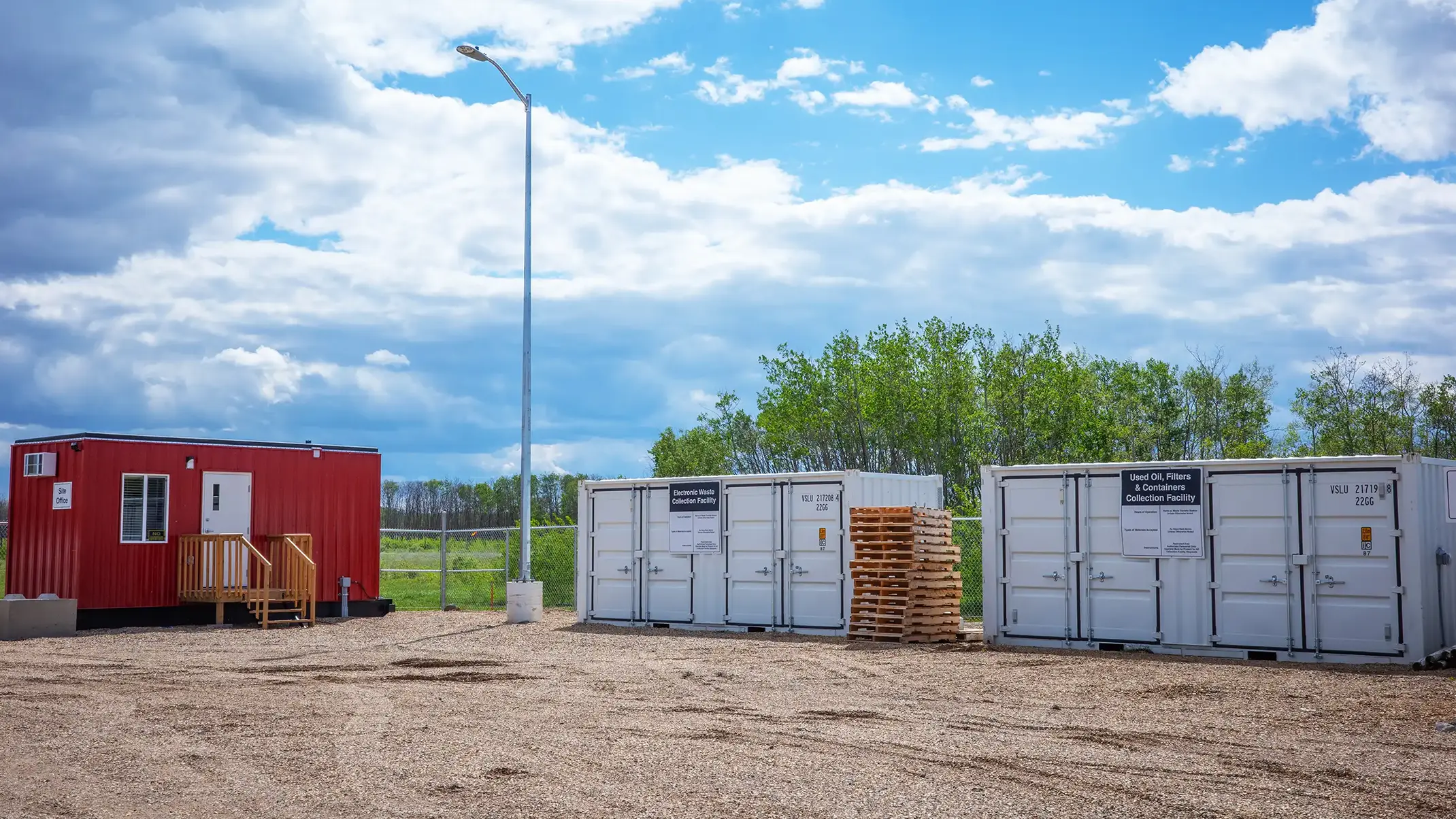
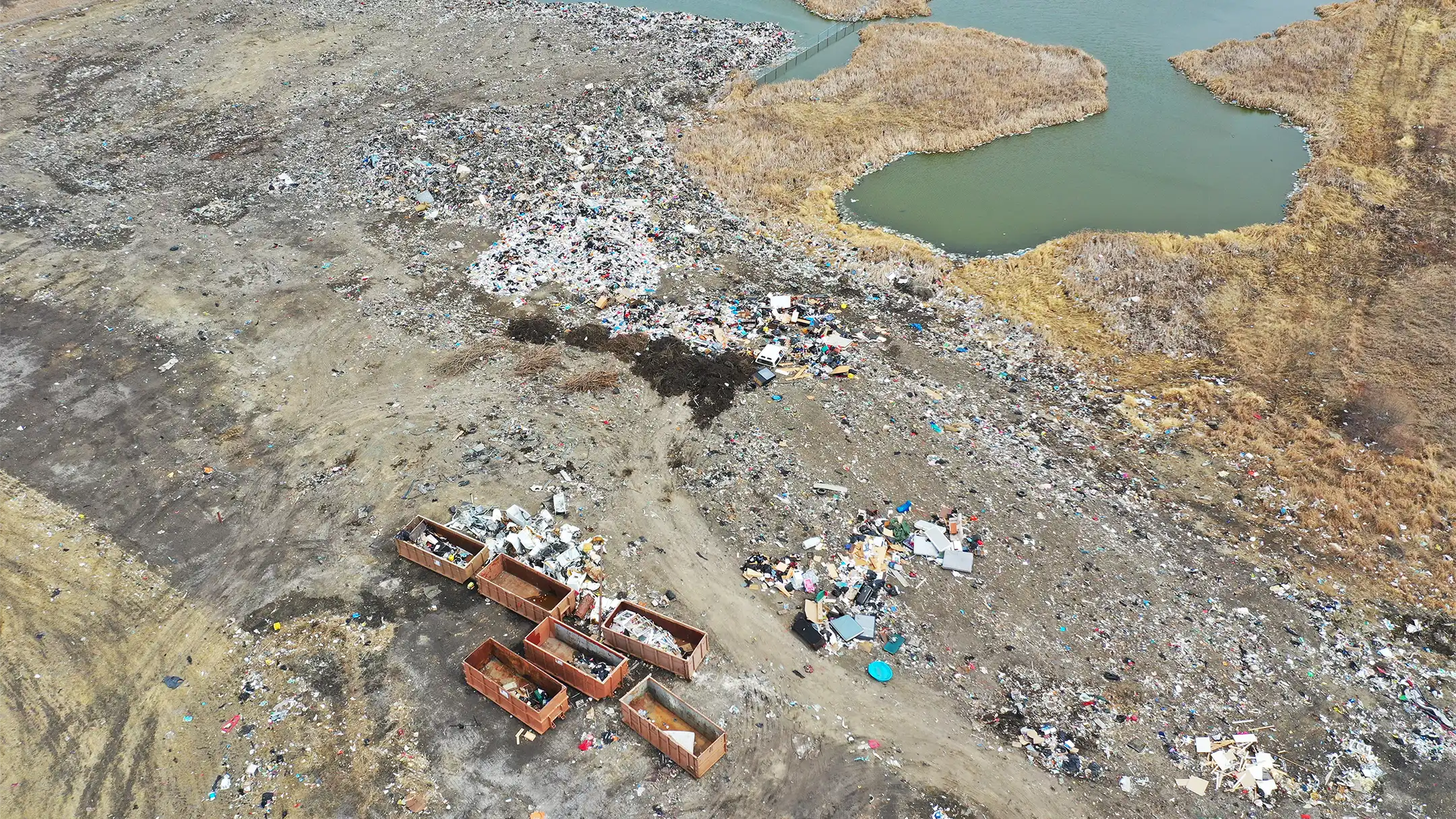
Cote First Nation had been experiencing significant solid waste management challenges including inconsistent collection services and unmanned and non-engineered dump sites throughout the Reserve. Additionally, the main landfill site was note engineered which posed a significant risks to the surrounding soil and groundwater.
To ensure waste was being managed in a sustainable manner, Cote First Nation engaged KGS Group to review their waste management practices and design and oversee the construction of a new solid waste transfer station. We also supported community engagement events to share the importance of transfer stations and responsible waste management practices.
During construction, nearly 2,000 hours were completed by Cote First Nation members, and the total value of purchased material, worker wages and equipment rentals from the Nation was approximately $126,500. This project also presented on-the-job training and mentorship opportunities for members of Cote First Nation and was seen as a community-driven process that was mutually beneficial to everyone.
The positive effects of the project will be evident through the waste diverted from unmanned dump sites, the protected soil and groundwater, and the sense of empowerment felt across Cote First Nation to continue with responsible waste management practices.
Project Highlights
- Design and oversaw construction of a new solid waste transfer station
- 2,000 hours contributed by Cote First Nation members to complete the project and $126,500 spent on local materials, wages and rentals
- Improved protection of soil and groundwater with waste diverted from unmanned landfills
- On‑the‑job training and mentorship for Cote First Nation members
Boundary Dam Spillway Upgrade
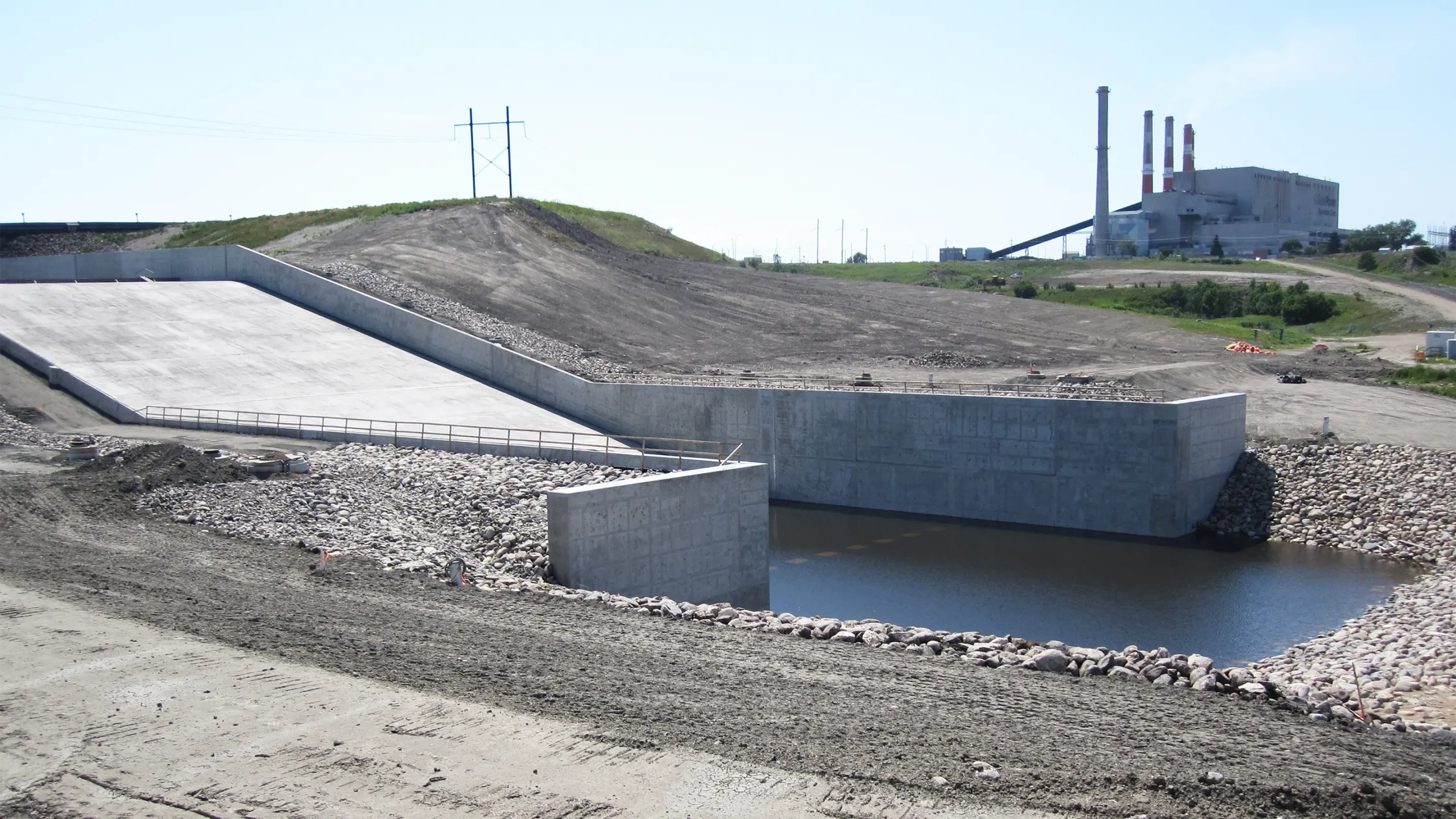
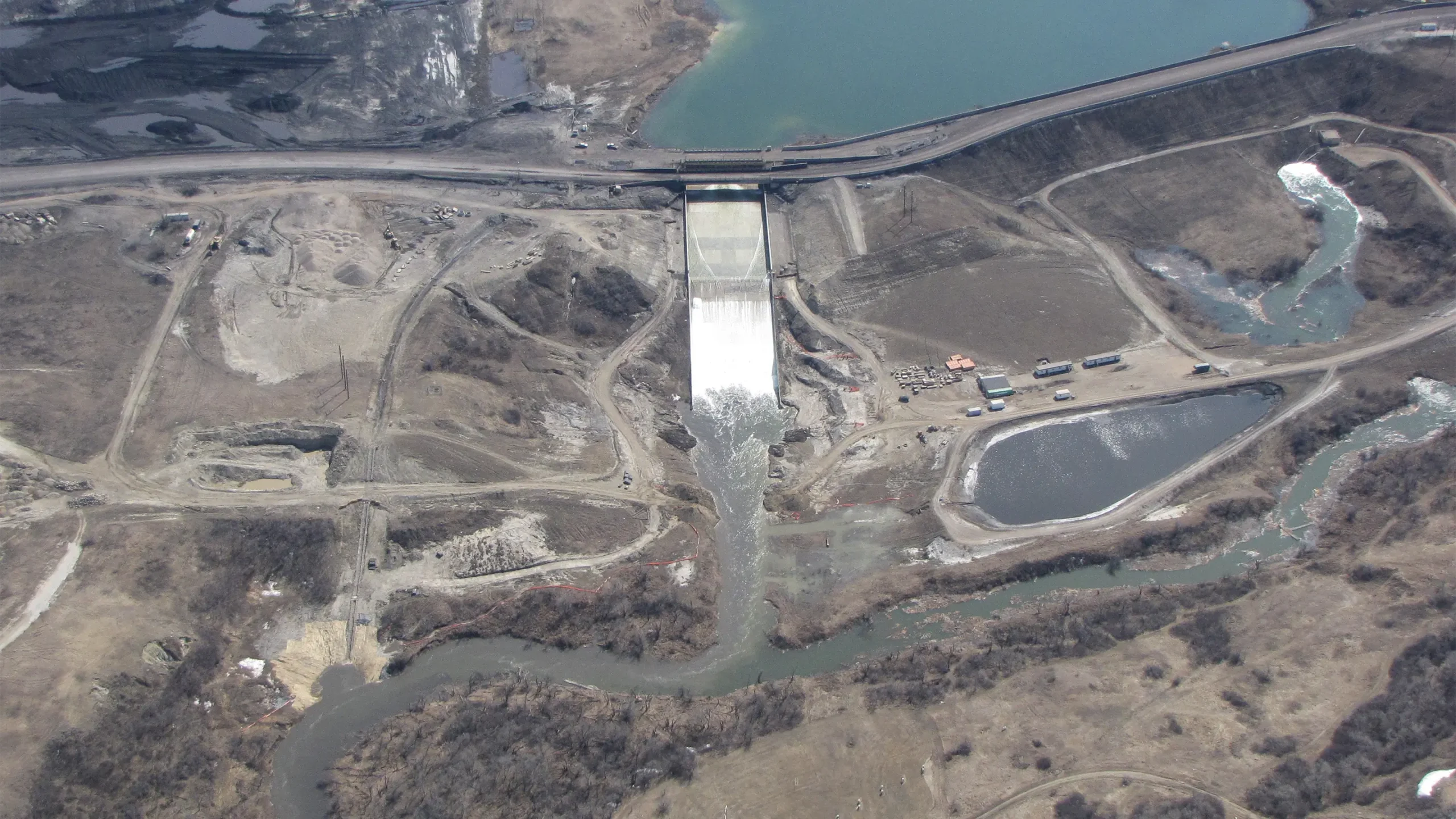
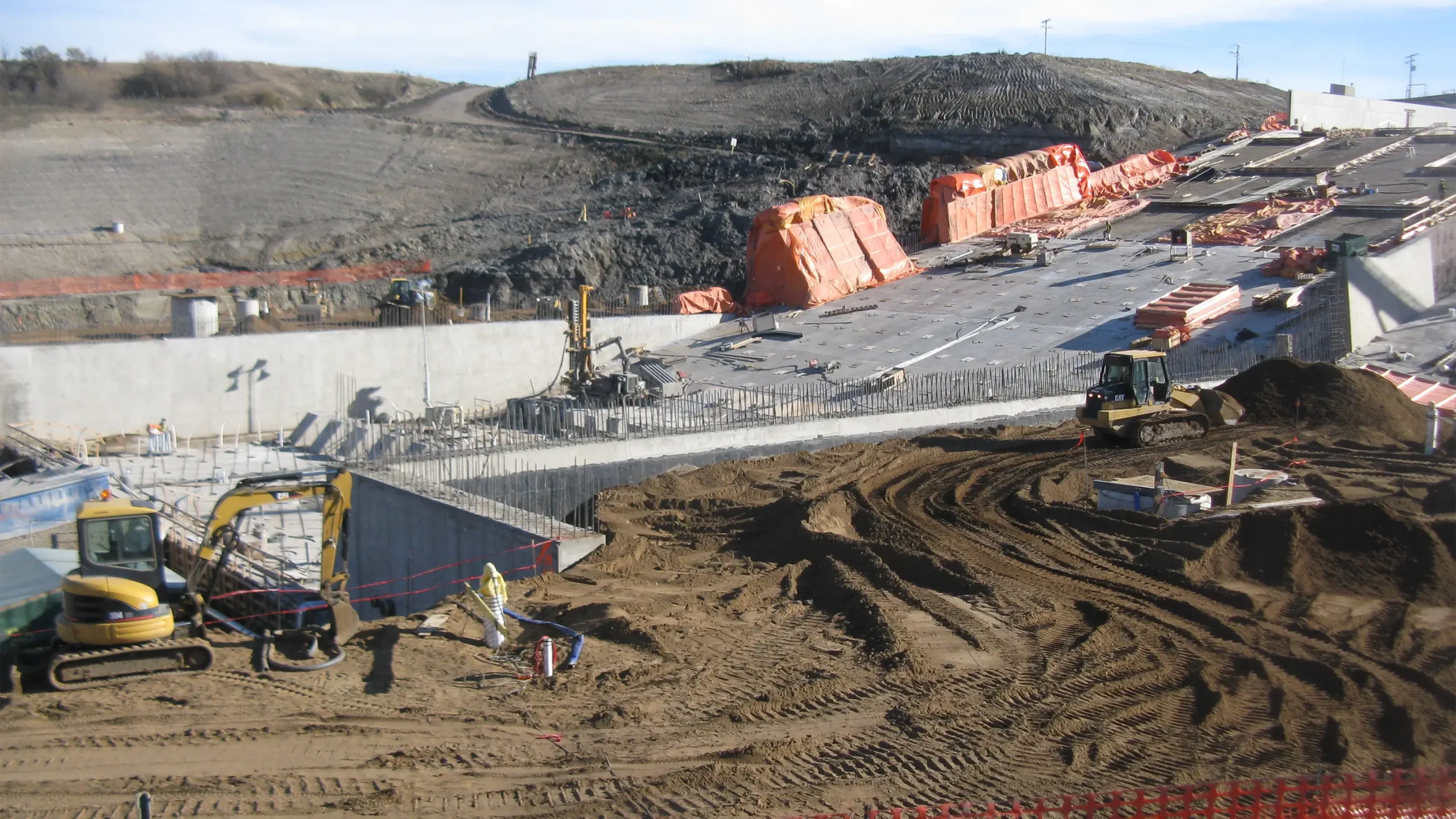
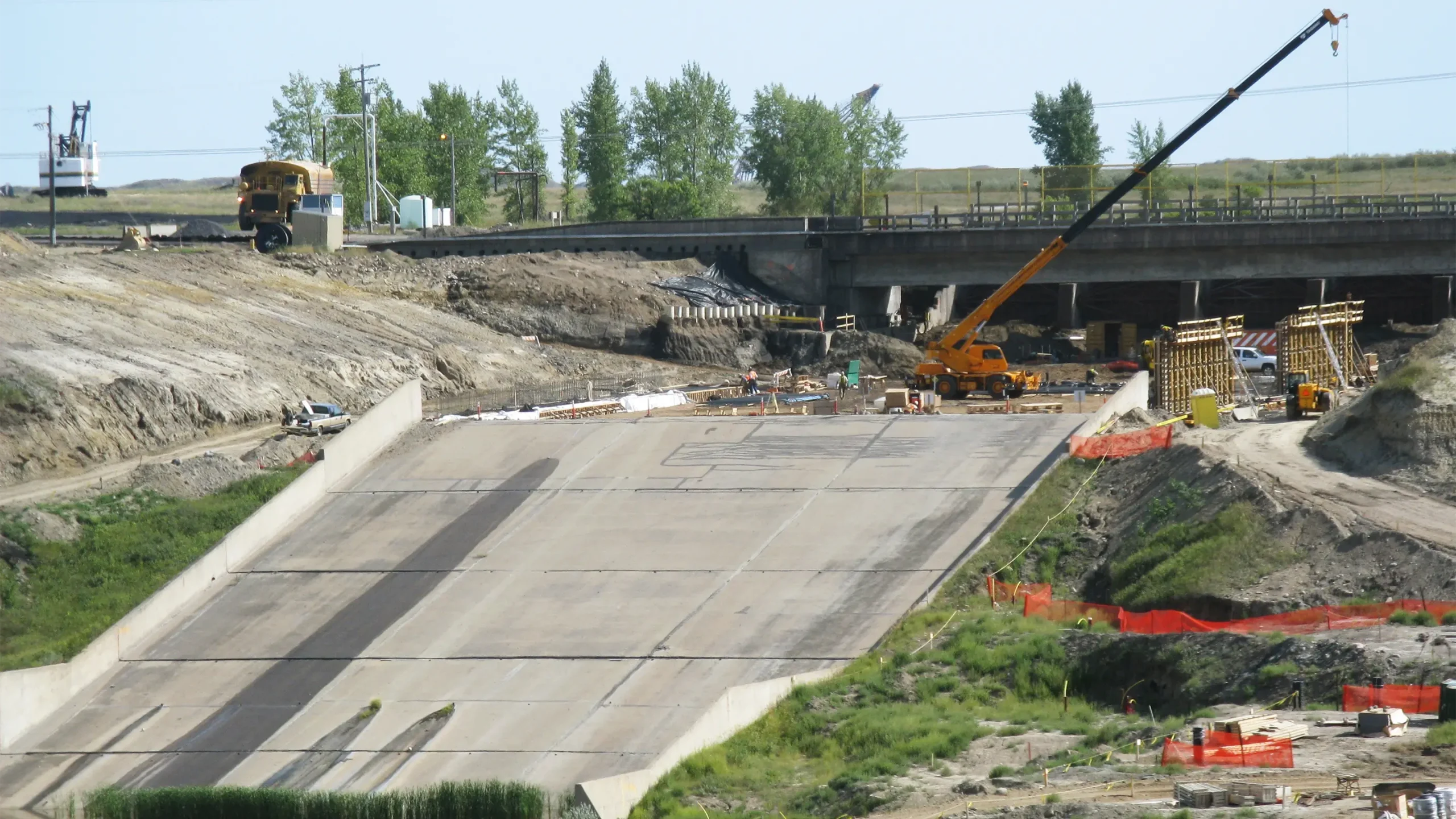
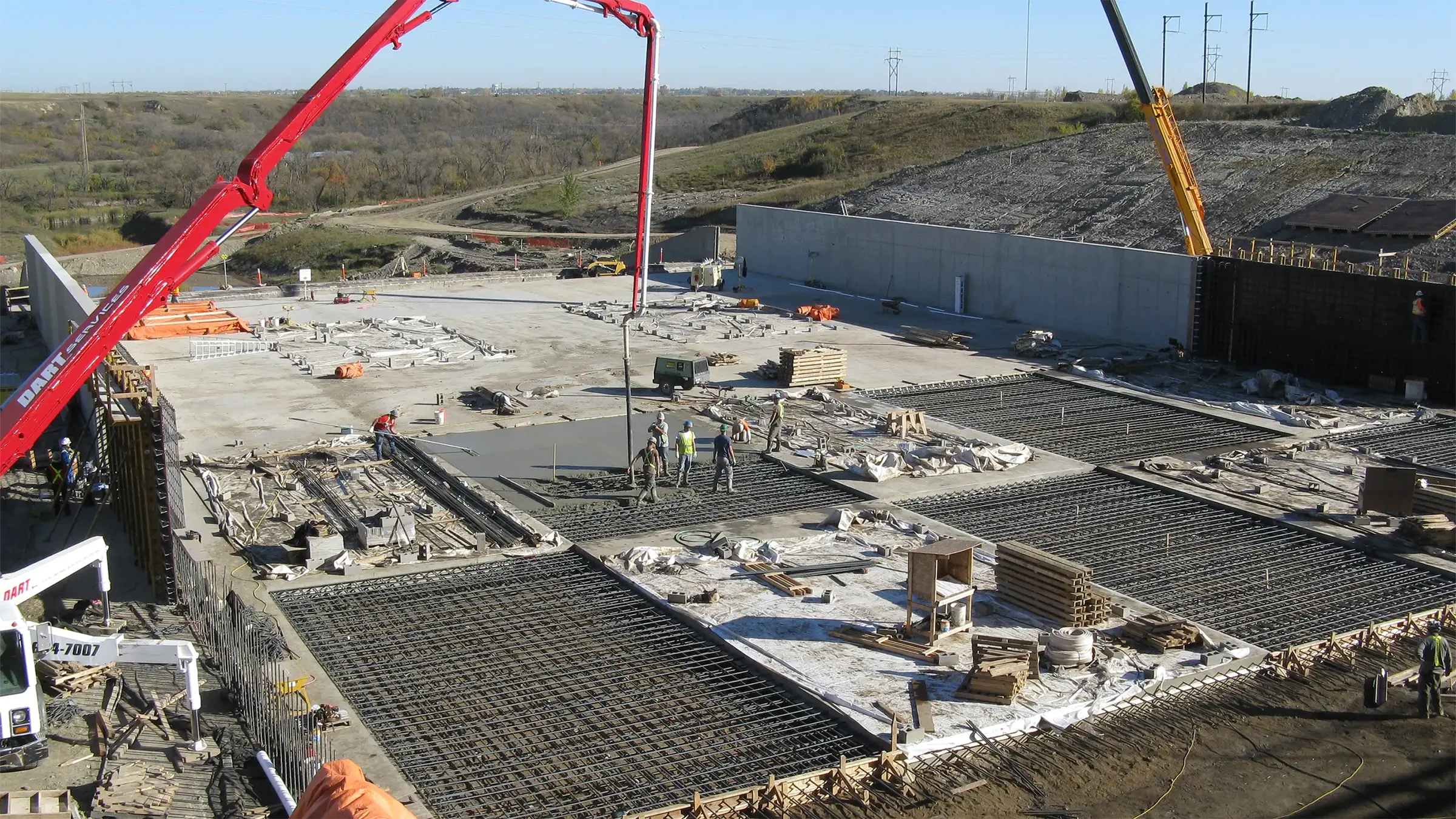
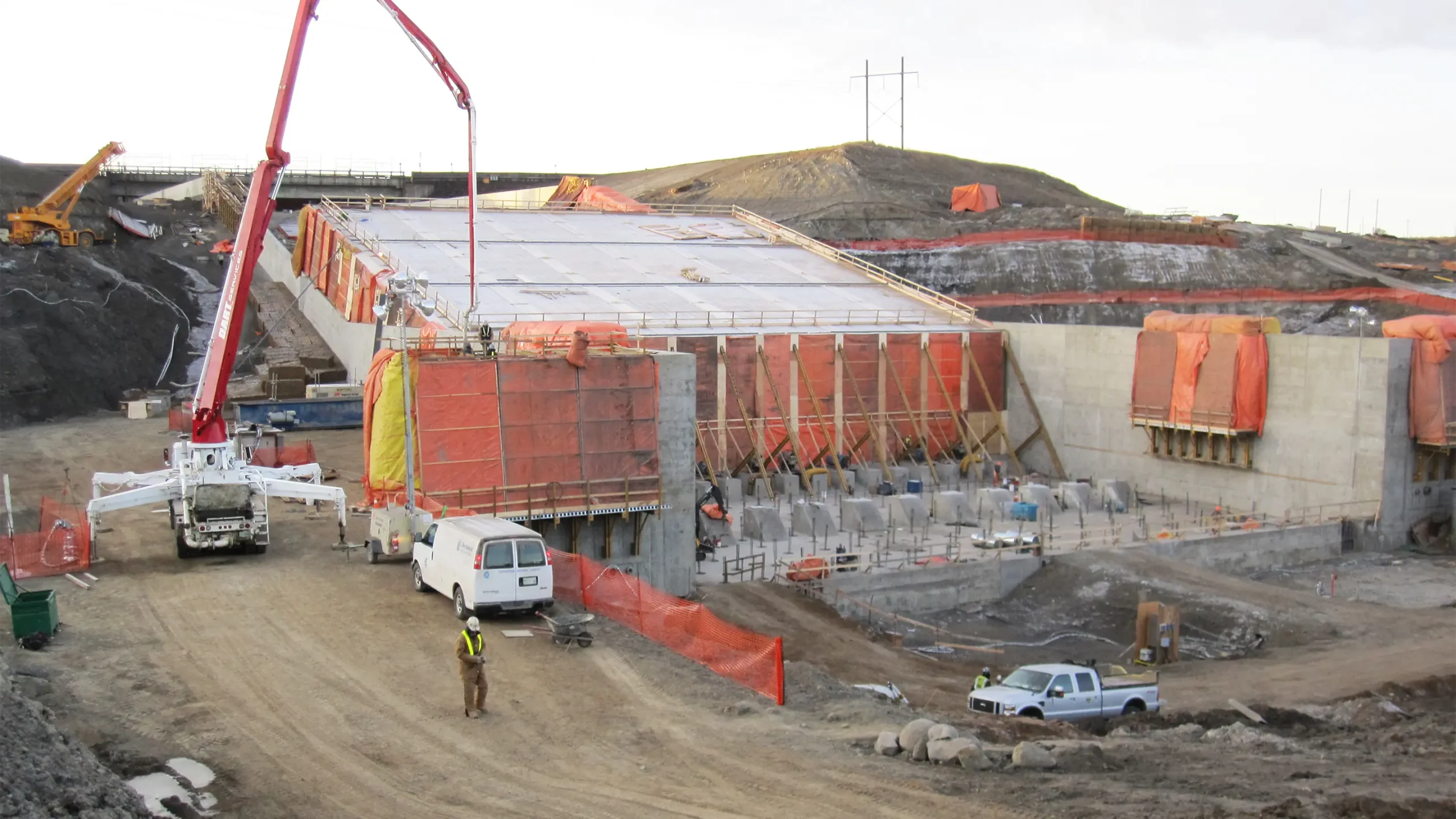
Boundary Dam Reservoir serves as a source of cooling water for the Boundary Dam Power Station, SaskPower’s largest generating station. KGS Group was retained to perform a dam safety assessment of the Boundary Dam structures.
The dam safety review identified a number of concerns, the most critical of which were insufficient spillway capacity and deficiencies with the condition of the existing spillway. Our team was then retained to design spillway upgrades to extend the life of the 50+ year old structure and to double the discharge capacity of the spillway. We performed preliminary and final design for complete replacement of the spillway chute and basin, while maintaining the reservoir at full supply level. The work also included the installation of over 400, +30-metre-long anchors.
The team overcame complex foundation issues with bentonite seams, coal layers and high groundwater. Another critical site challenge was to design and complete each year’s construction such that the spillway could potentially pass spring flood flows. Despite many challenges, the project was completed on schedule and near budget.
Project Highlights
- Dam safety assessment, spillway upgrade design, construction support
- Complete replacement of spillway chute and basin while maintaining full supply level
- Discharge capacity doubled to improve flood performance and safety
- Installation of 400+ anchors, each over 30 metres in length
- Foundation treatment addressing bentonite seams, coal layers and high groundwater
Royal Canadian Mint Geothermal Process Cooling System
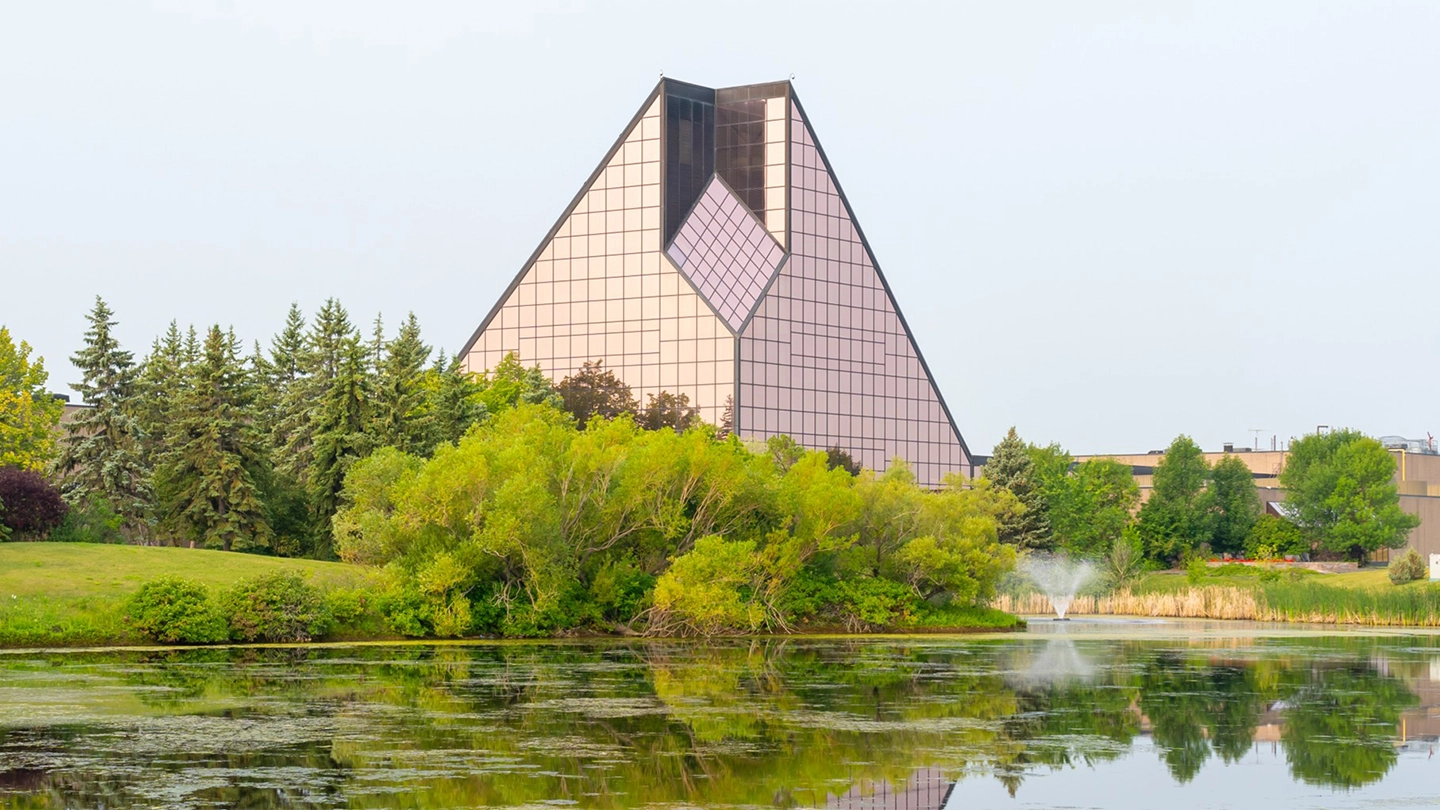


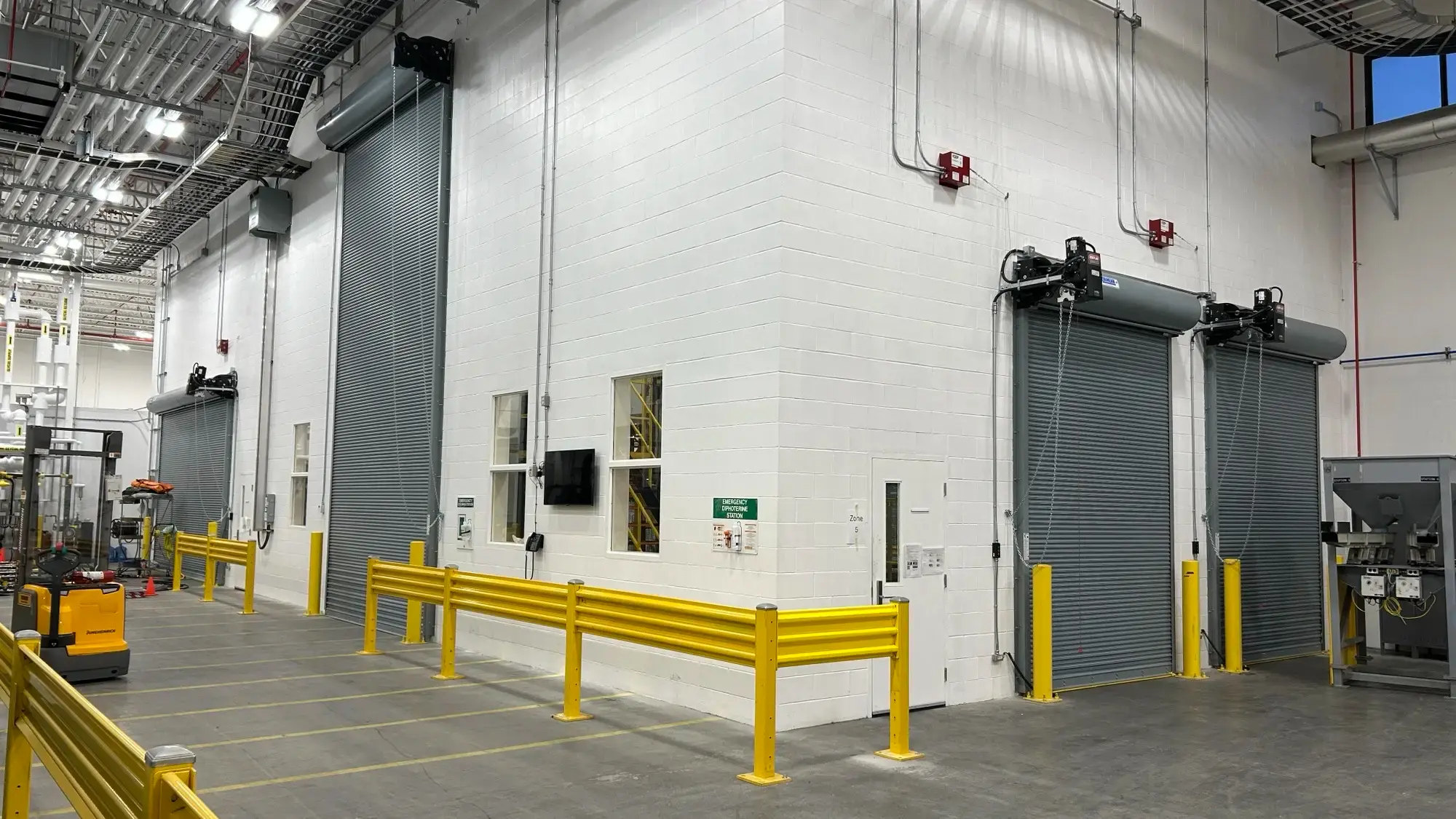
KGS Group partnered with the Royal Canadian Mint to design and oversee construction of a cutting-edge, open‑loop geothermal cooling system for a new coin‑making process – a first for the Mint. The system uses groundwater’s stable temperature to cool equipment, replacing energy‑intensive chillers and cooling towers, nearly eliminating greenhouse gas emissions associated with conventional cooling.
Cooling now relies on a single pump and as the water absorbs heat from the equipment, heat pumps capture that free energy to warm the building through space heaters and ventilation systems. The conditioned water is re‑injected to the underground source, providing thermal balance and long service life.
KGS delivered an integrated design, controls coordination and construction oversight to bring the system online safely, with minimal disruption to operations. While this project significantly reduced the Mint’s energy use, the success here is the reduced environmental impact it will have for years to come.
Project Highlights
- Open‑loop geothermal process cooling with groundwater source and reinjection
- Single‑pump cooling loop with heat pumps that recover waste heat for building heating
- Integrated space heaters, ventilation equipment and facility controls
- Reduced energy use and lower operating costs
- Cooling-related GHG emissions nearly eliminated
- Thermal balancing for longevity, reduced environmental impact and reliable year‑round operation