Mayo B Hydro Enhancement Project

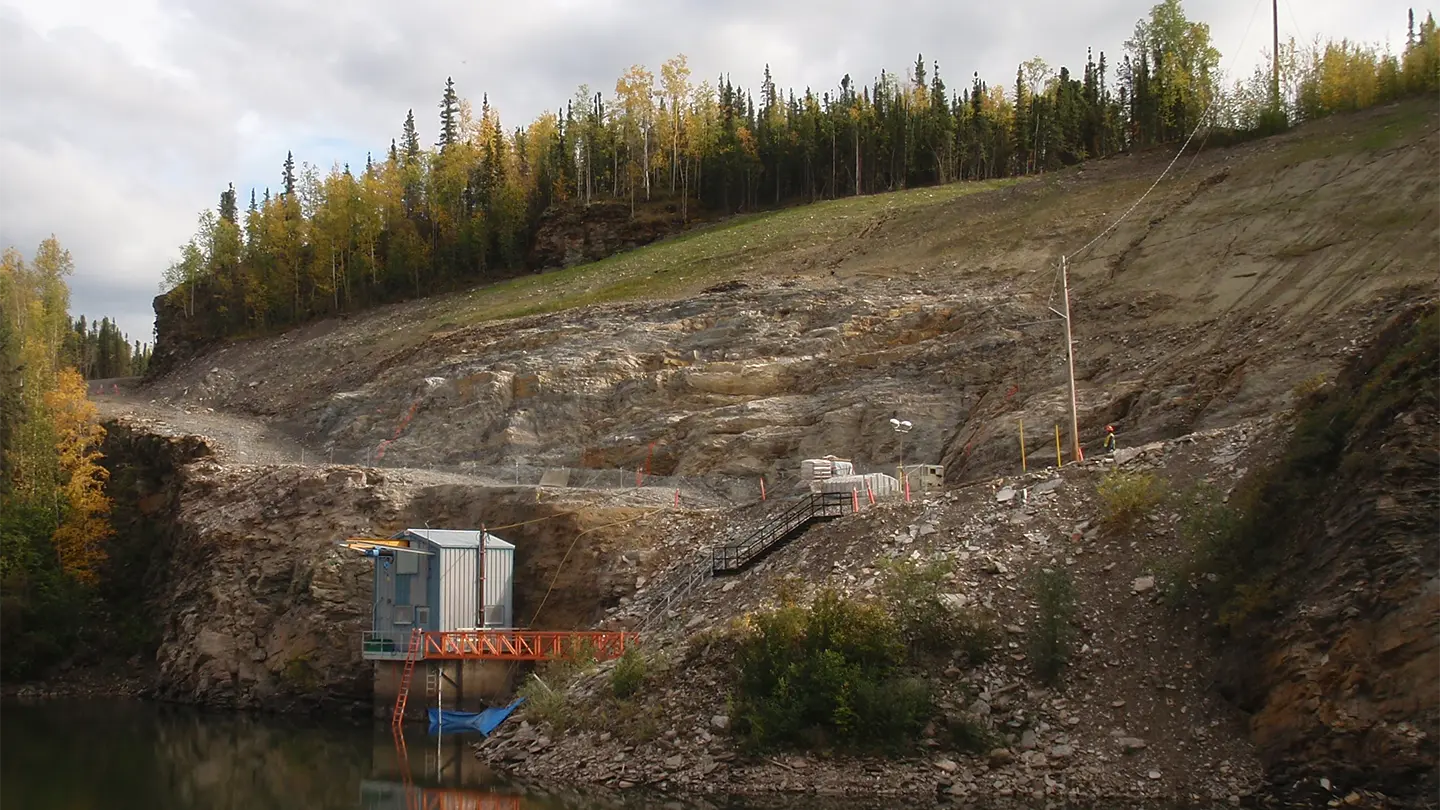
KGS Group was retained by the Yukon Energy Corporation to review feasible hydro projects in the territory, which culminated in the selection of the Mayo B project. To develop the $120 million Mayo B, KGS entered into an early contractor involvement alliance partnership, sharing the financial risks and project rewards. This partnership was the first of its kind in the Canadian hydroelectric industry.
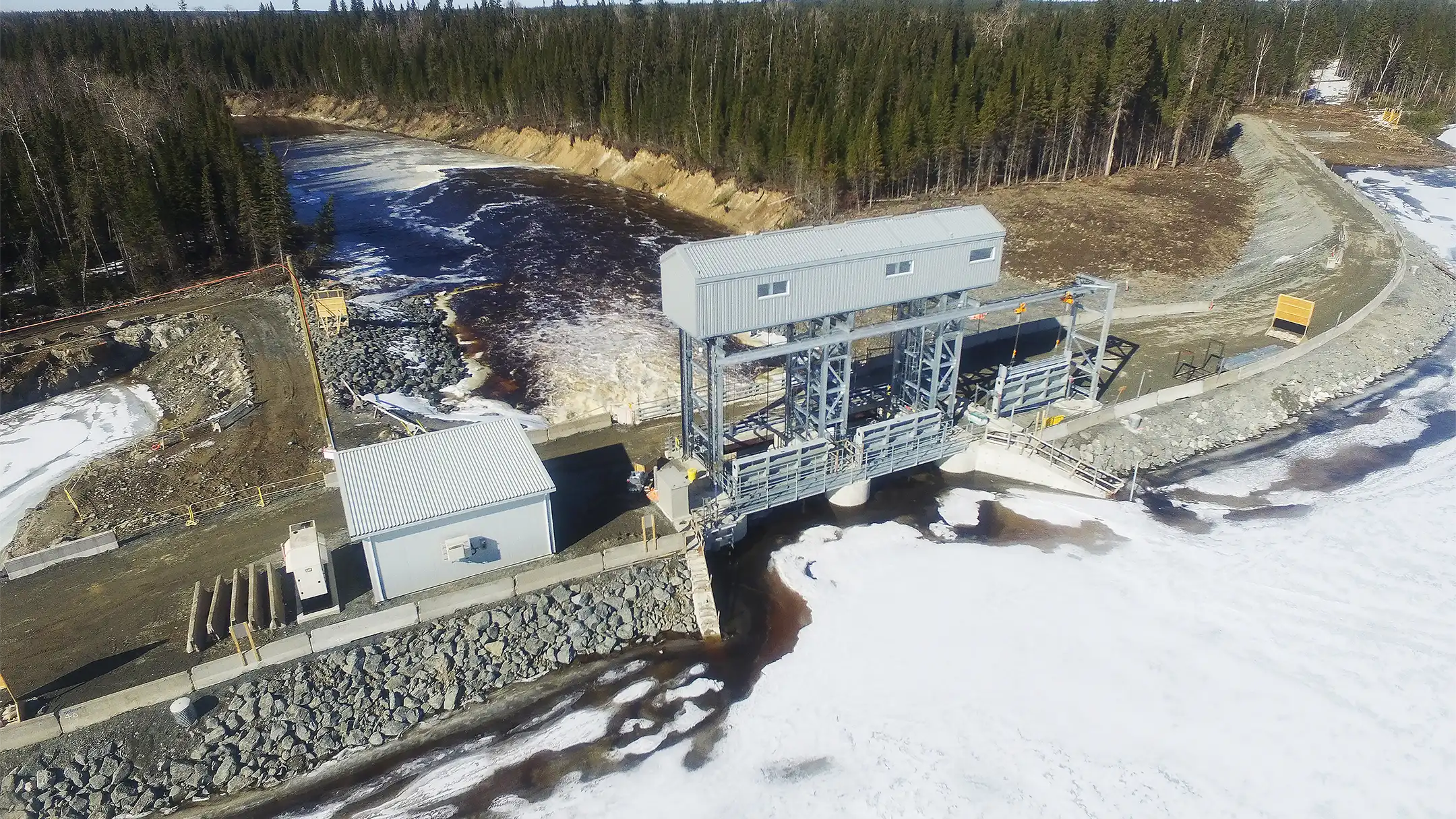
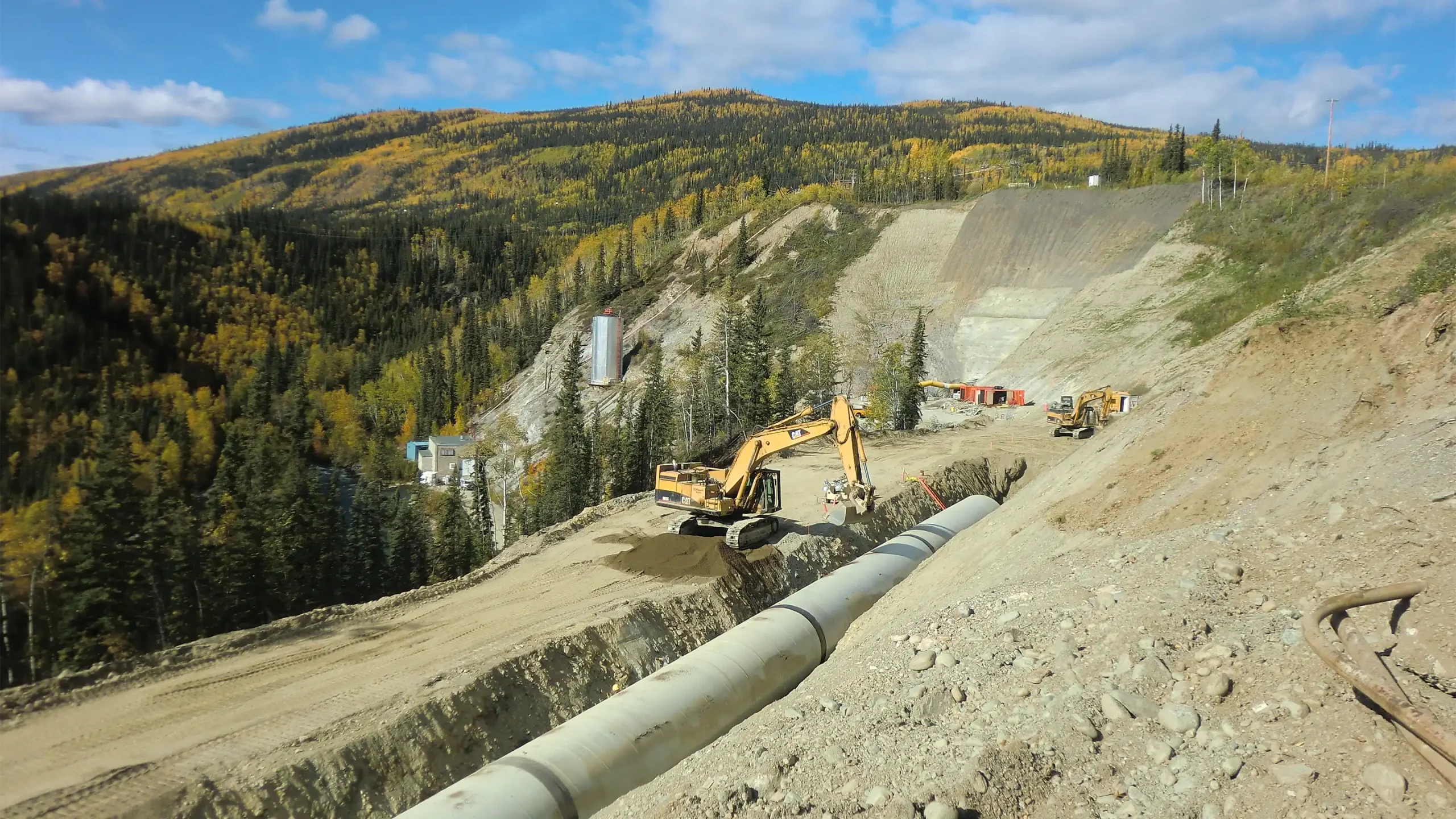
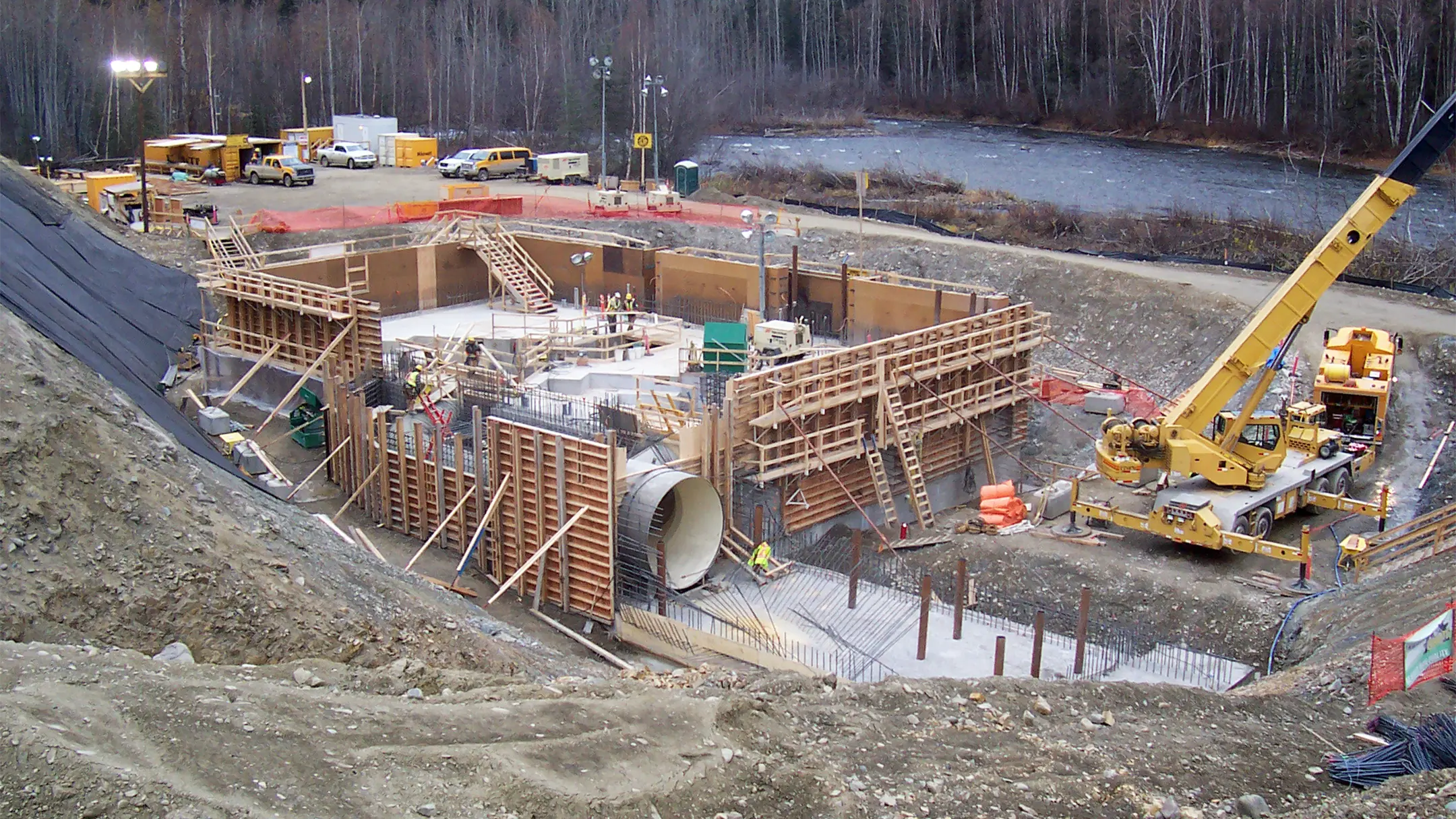
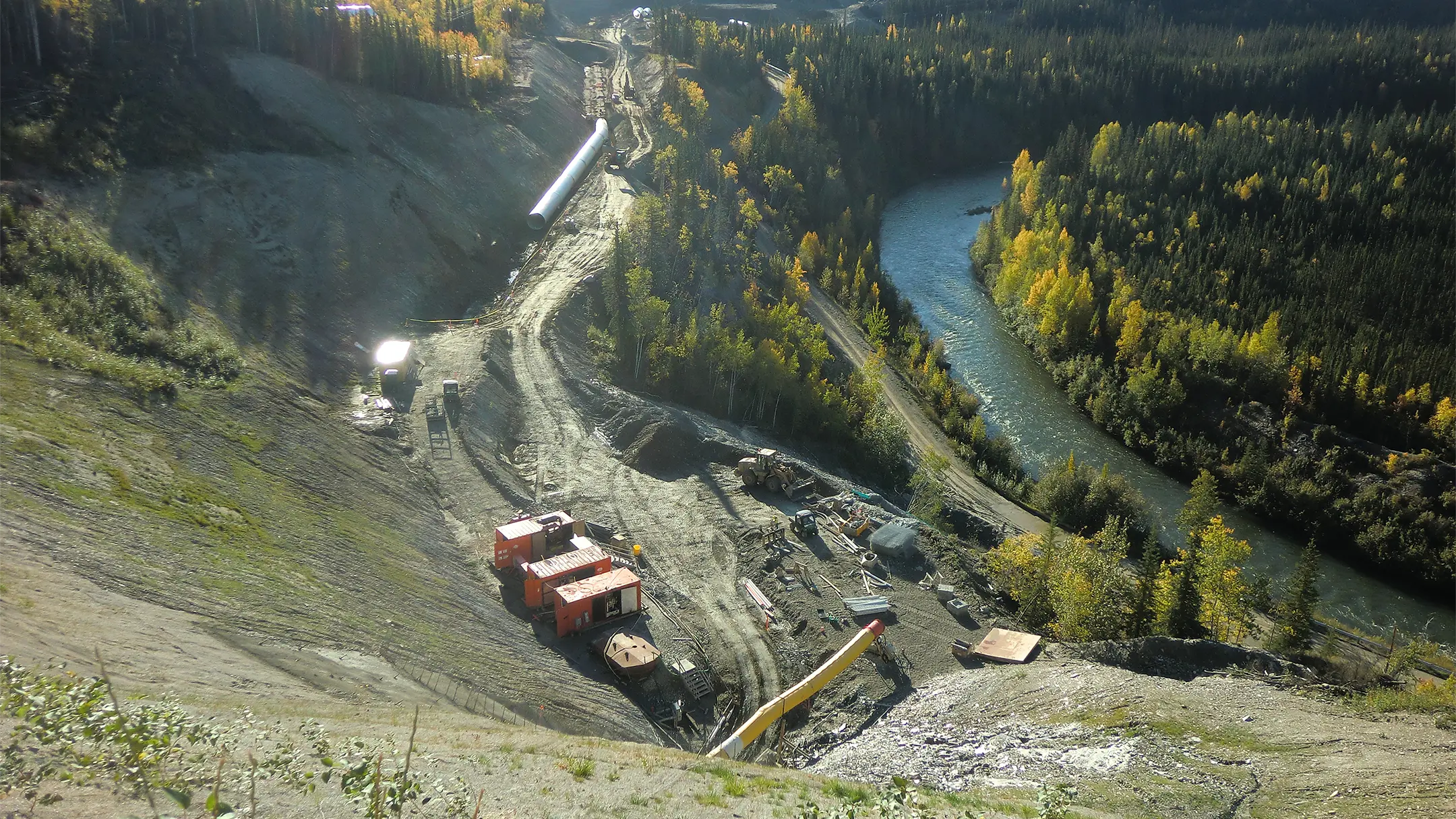
We conducted a feasibility study as well as completed the preliminary and final design of a new powerhouse downstream of the existing Mayo hydroelectric development. Reusing the already in-place dam and intake structure, the work also included connecting and conveying water to the new powerhouse through a new 3.8 km tunnel and penstock system.
Overcoming challenging conditions to make way for the new tunnel and “tie it” into 60-year old infrastructure, we used careful mapping and characterization. This helped support concurrent tunnel design and excavation, and slope stabilization. Precision LiDAR 3-D survey techniques and modelling were also integral to the work.
Within a remote, sub-arctic climate, KGS was also responsible for on-site construction management including all contract administration and quality assurance for the civil, mechanical and electrical works, as well as the supply and installation of the turbines and generator equipment.
As a result, total hydro power generation capacity went from 5.4 MW to 12 MW, increasing Yukon’s renewable and sustainable electricity generation capability. The on-budget, on-schedule project also displaces diesel generation, offsetting up to $10 million in annual fuel costs and eliminating approximately 25,000 tonnes of greenhouse gas emissions per year.
Project Highlights
- A new downstream powerhouse and 3.8 km tunnel and penstock system
- Integrated new infrastructure with the existing 60-year-old dam and intake infrastructure
- Generation capacity increased from 5.4 MW to 12 MW
- Up to $10 million/year fuel cost offset
- 25,000 tonnes of CO₂ avoided per year
- $120M project completed on time and on schedule